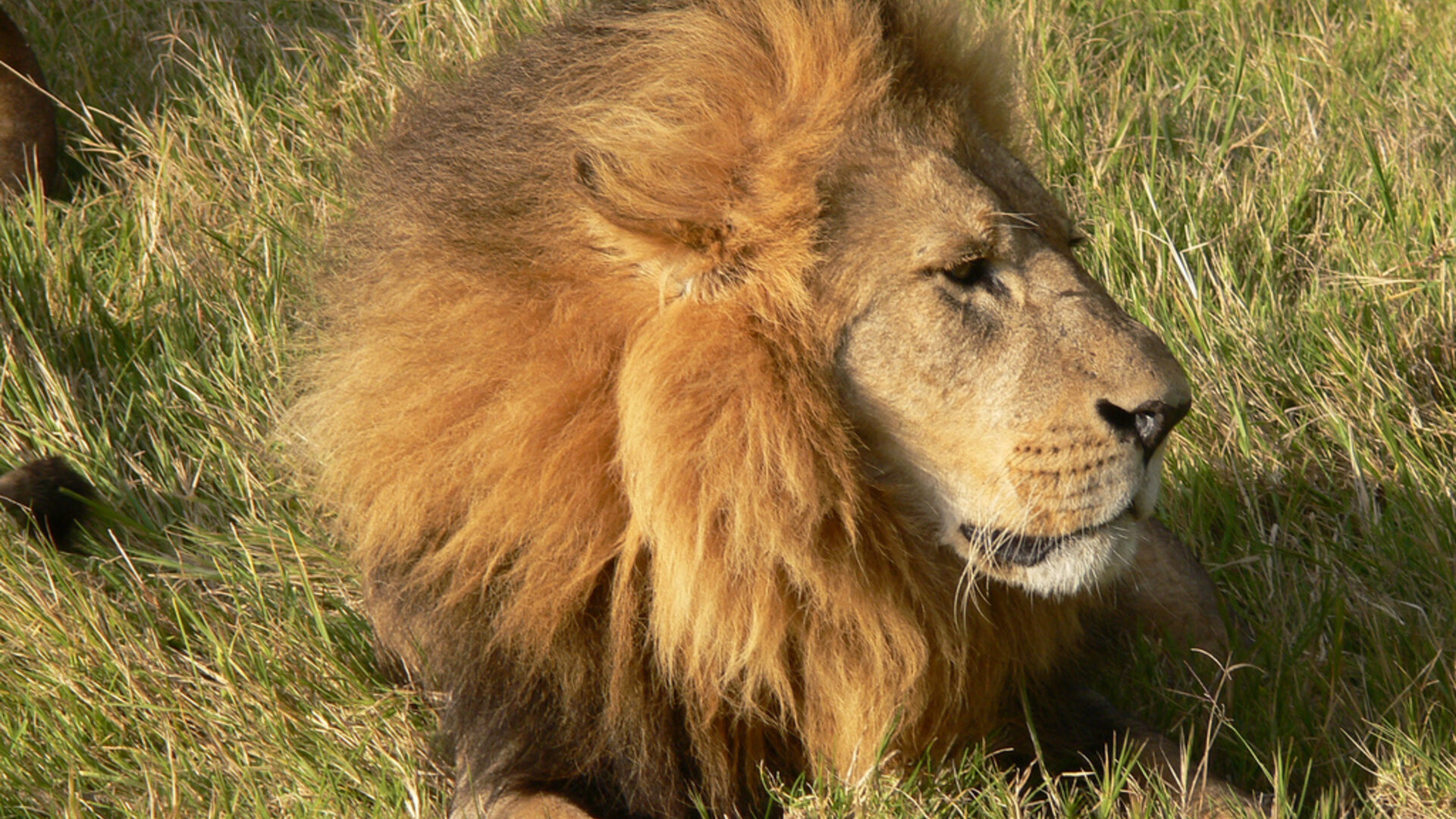
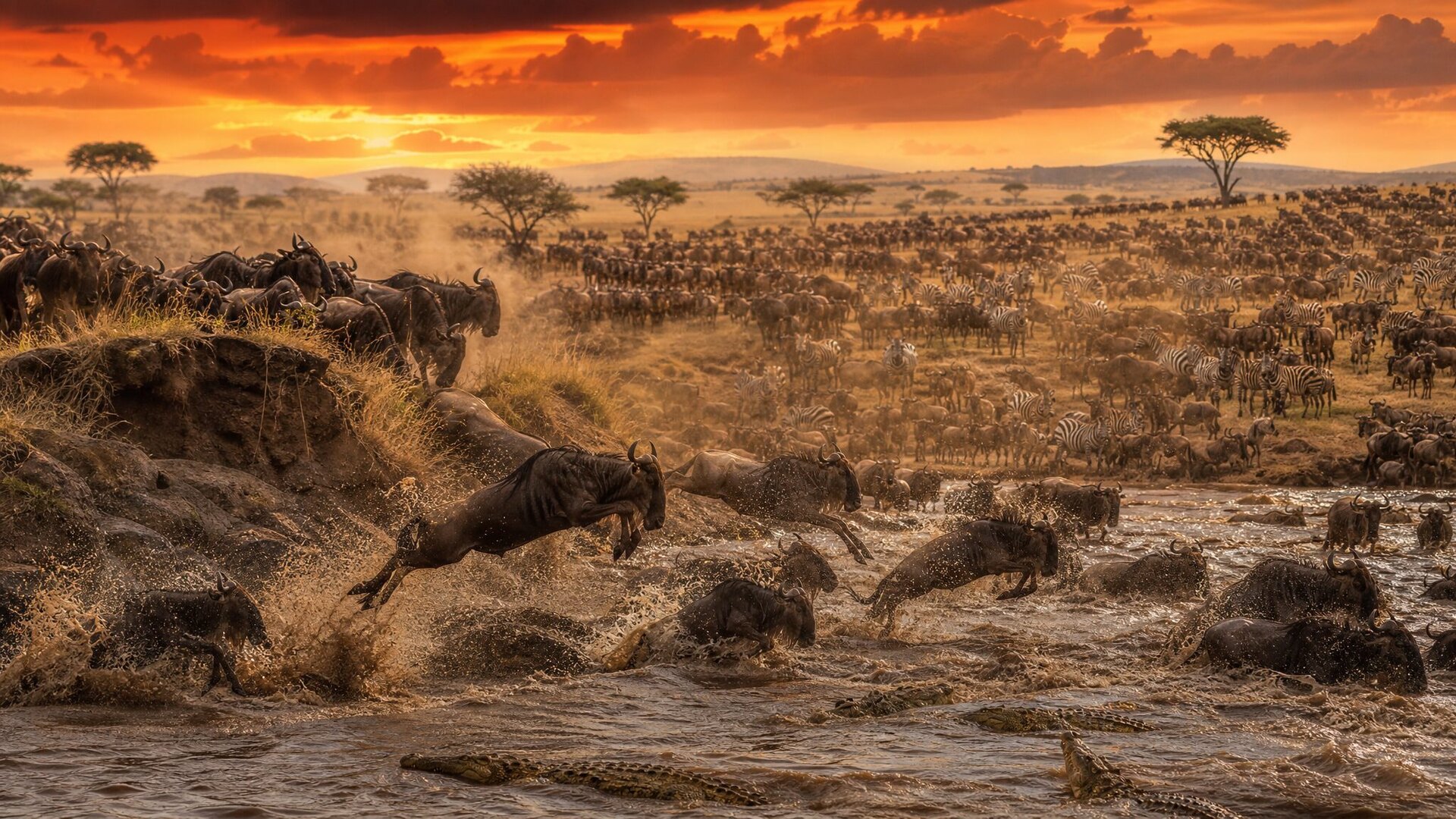
The Masai Mara is, for many, the very definition of an African safari — an ocean of golden grass rolling to a horizon studded with flat-topped acacias, the greatest concentration of big cats anywhere on earth, and the annual thunder of the Great Migration pouring across the crocodile-filled Mara River. This is Kenya's most celebrated reserve, and it earns every superlative.
🦁 Planning Your Kenya Safari?
For the complete kenya safari resource - expert guides, honest costs, luxury lodges, curated itineraries, and everything you need to plan your trip - visit our comprehensive hub:
View Complete Kenya Safari Hub →This complete Masai Mara safari guide covers exactly when to go for the migration and the river crossings, where to find the famous lions, leopards and cheetahs, the all-important difference between the reserve and the private conservancies, the finest lodges and camps, honest 2026 costs, sample itineraries and how to plan a private safari that puts you in the right place at the right time.
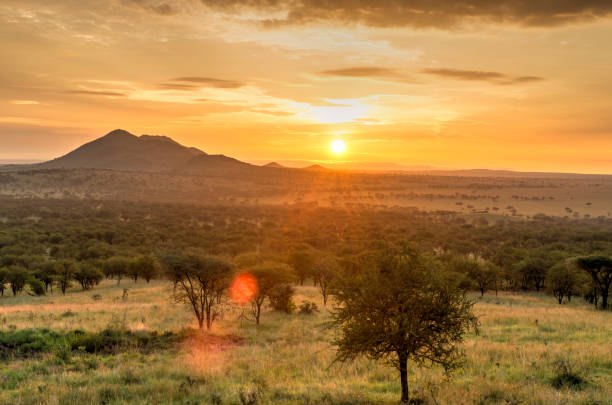
The Masai Mara — endless plains, prolific big cats and the drama of the Great Migration in Kenya.
Why a Masai Mara Safari Is So Special
Quick Answer
The Masai Mara offers the densest population of big cats in Africa, the spectacle of the Great Migration and its Mara River crossings from July to October, and the chance to combine the famous reserve with exclusive private conservancies.
Best time: July–October for the migration and crossings; January–March for green, quiet game viewing. Big cats, elephant and buffalo year-round. Cost: roughly $450–$2,500 per person per day depending on lodge tier. Ideal length: 3–4 nights. Fly in from Nairobi in 45 minutes. The finest big-cat safari on earth.
The Mara is a northern extension of the Serengeti ecosystem, and the wildlife knows no border. What sets it apart is the combination of staggering density, open terrain that makes predators easy to find, and the annual arrival of nearly two million wildebeest, zebra and gazelle. Add the warm hospitality of the Maasai people, whose land this is, and you have a safari that lingers in the memory for a lifetime.
The greatest big cats on earth
Few places rival the Mara for predators. Its lion prides are large and relaxed around vehicles, leopards drape themselves over the branches of riverine trees, and the short-grass plains are perfect hunting grounds for cheetahs. Generations of these cats have been followed by film crews and researchers, and an experienced guide knows the territories of individual prides and coalitions intimately.
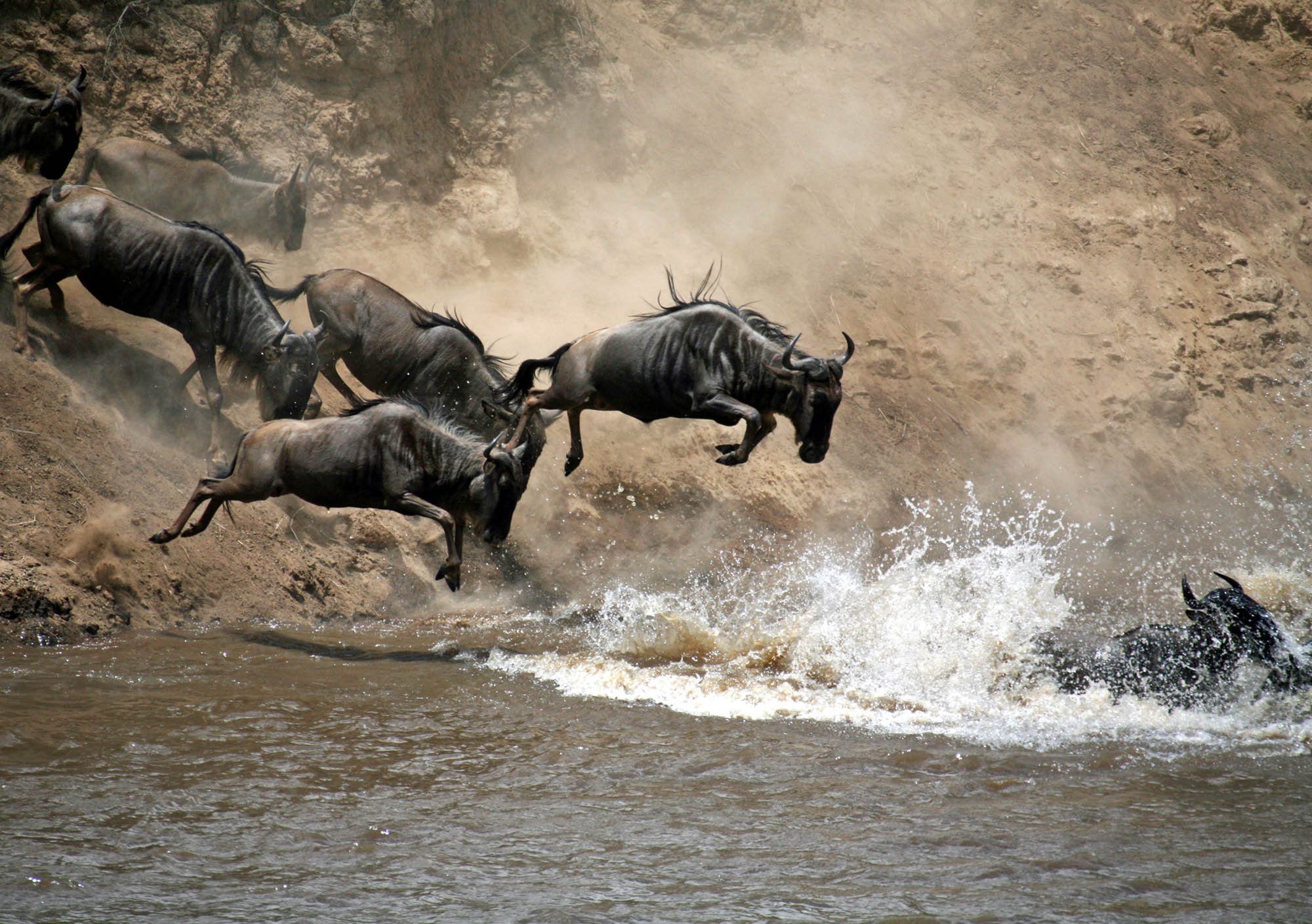
The Great Migration crosses the Mara River — the most dramatic wildlife spectacle on the continent, July to October.
The Great Migration and the river crossings
From roughly July to October, the migration surges north out of the Serengeti and into the Mara, drawn by fresh grazing. The herds mass on the southern banks of the Mara River, hesitate, then plunge across in a chaos of dust, hooves and waiting crocodiles. It is raw, unforgettable and entirely on nature's timetable — which is precisely why staying several nights with a guide who tracks the herds daily matters so much.
Maasai culture and the conservancies
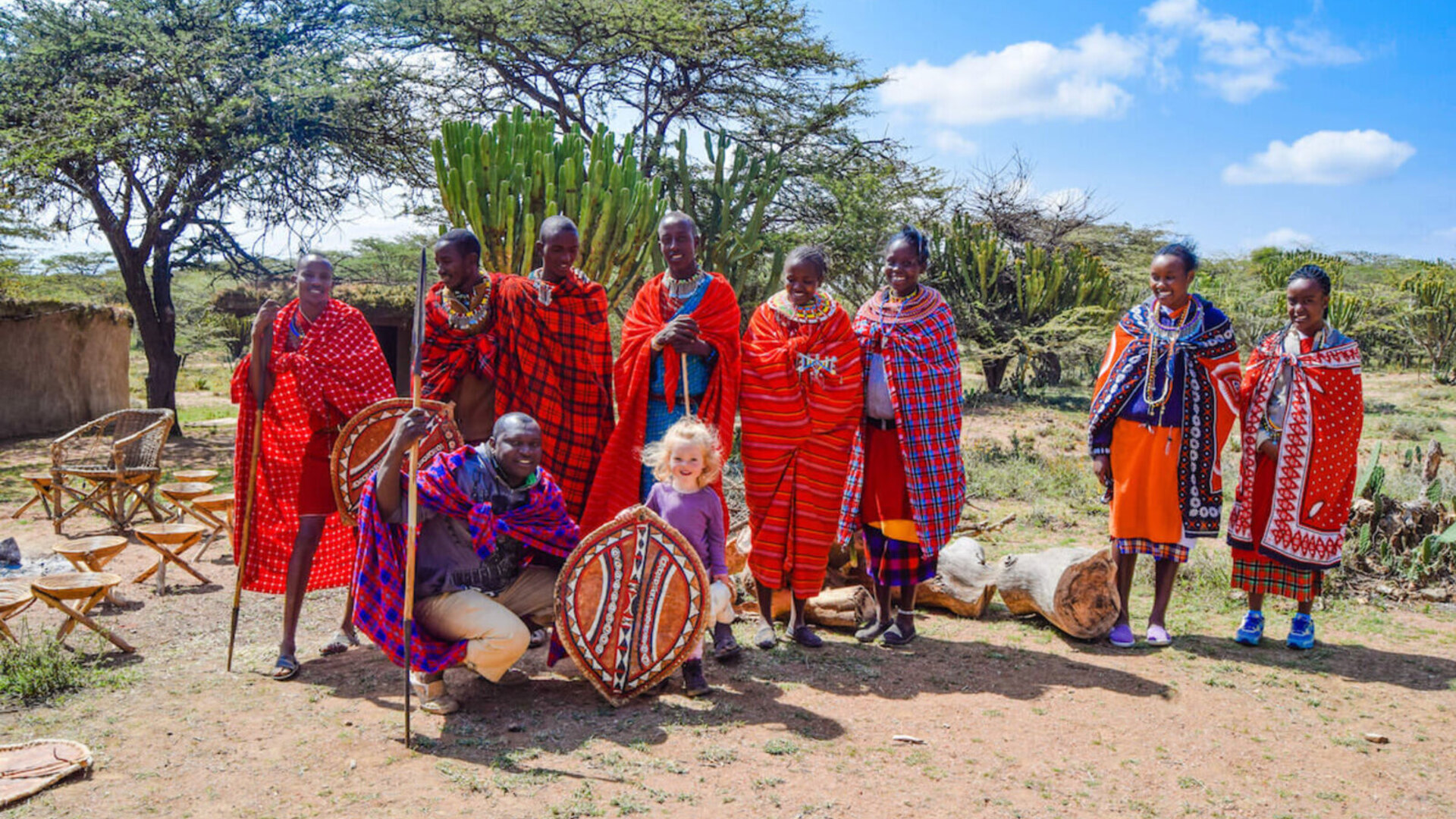
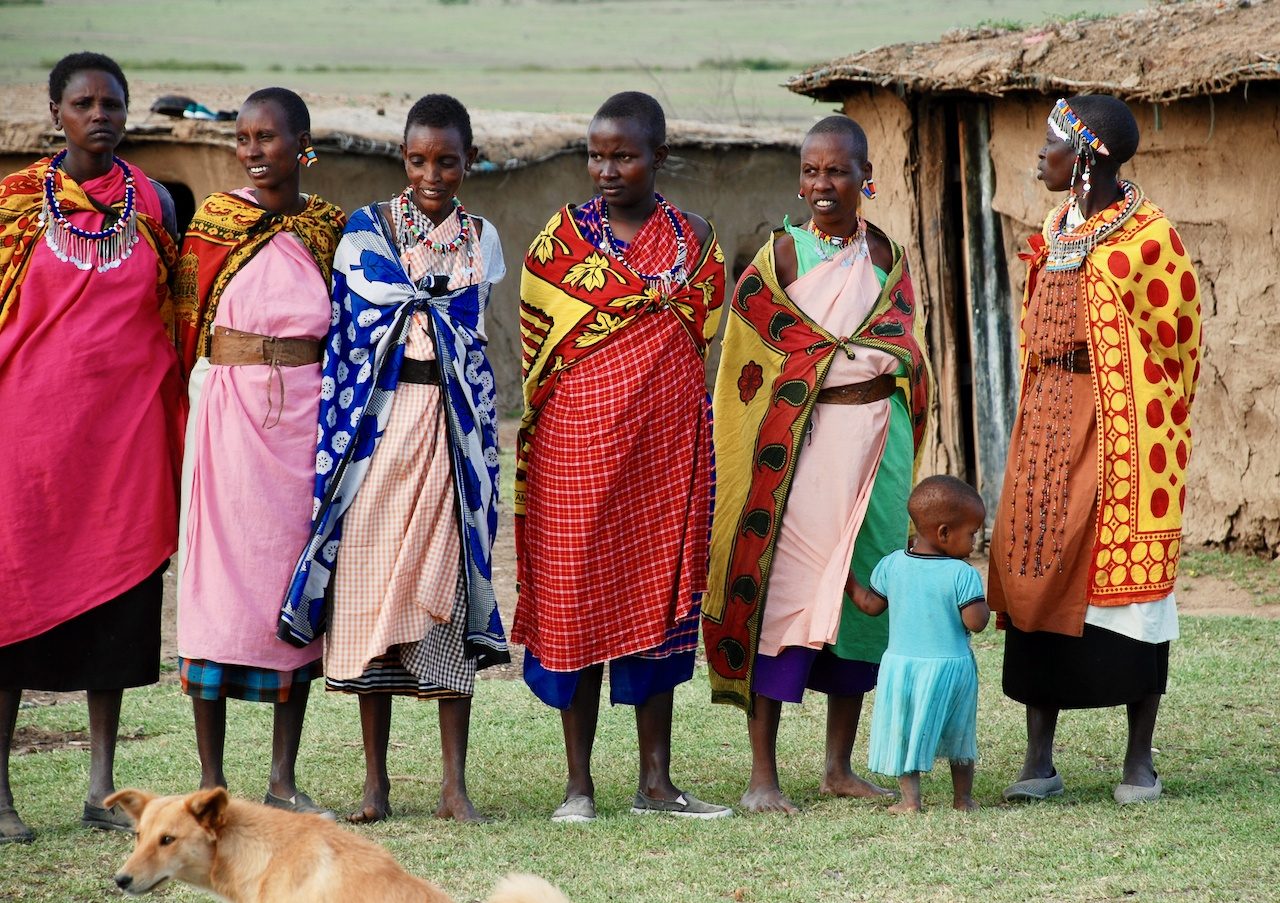
This is the homeland of the Maasai, and a visit to a village or an afternoon walking with a Maasai guide adds a human depth to the wildlife. The surrounding conservancies, where Maasai landowners partner with a small number of camps, are one of the great conservation success stories in Africa — and they deliver a quieter, more exclusive safari.
Best Time to Visit the Masai Mara
The Mara is a year-round destination with resident wildlife always present, but the season shapes the experience. Here is how the year unfolds.
| Season | Months | What to Expect |
|---|---|---|
| Migration & crossings | Jul–Oct | Peak season. Herds in the Mara, dramatic river crossings, superb big-cat action, dry and golden. |
| Green season | Jan–Mar | Lush, quiet and beautiful. Resident cats, newborn antelope, fewer vehicles, excellent value. |
| Long rains | Apr–May | Wettest months, dramatic skies, lowest prices. Showers usually brief; wildlife remains. |
| Shoulder | Jun & Nov | Quiet, good value, early or late migration possible, pleasant conditions. |
For the migration and crossings, the safest window is late July through September. For green landscapes, newborn wildlife and a more private feel, January to March is wonderful. Our specialists will match your dates to what matters most to you.
The Reserve vs the Private Conservancies
Understanding this distinction is the single most useful thing to know before you book.
The Masai Mara National Reserve
The reserve is the famous core — the highest game density, the main river crossings and that classic Out of Africa scenery. It is open to all vehicles, so popular sightings can draw a crowd in peak season, but nowhere else offers quite the same concentration of wildlife or the great crossings.
The private conservancies
Bordering the reserve are conservancies such as Mara North, Olare Motorogi, Naboisho and Mara Naibosho, where a limited number of camps share exclusive traversing rights. Vehicle numbers at sightings are capped, and off-road driving, night drives and guided bush walks — all forbidden in the reserve — are permitted here. The wildlife is just as rich, and the experience is far more private.
Our favourite approach is to combine the two: a night or two in or beside the reserve for the crossings, then a conservancy camp for exclusivity, walking and night drives.
The open plains of the Mara make it one of the easiest places in Africa to find big cats on a game drive.
Where to Stay: Lodges and Camps
The Mara offers everything from comfortable lodges to some of the most exclusive tented camps in Africa. Broadly, accommodation falls into three tiers.
Classic and comfortable
Well-run lodges and tented camps in and around the reserve offer en-suite comfort, good guiding and excellent value — ideal for first-time safari-goers and families who want reliable game viewing without a premium price.
Premium tented camps
Step up to intimate tented camps, often in the conservancies, with a dozen or fewer tents, superb private guides, walking safaris and that romance of canvas under the African stars. This is the sweet spot for most of our travellers.
The finest luxury camps
At the top sit a handful of exceptional camps with private plunge pools, butler service, gourmet dining and the very best guiding — sublime for honeymoons and milestone celebrations. We work with the leading camps across every tier and match each to your style and budget.
Top Experiences in the Masai Mara
- Dawn and dusk game drives — the golden hours when the big cats hunt and the light is magic.
- The Mara River crossings — nature's greatest drama, July to October.
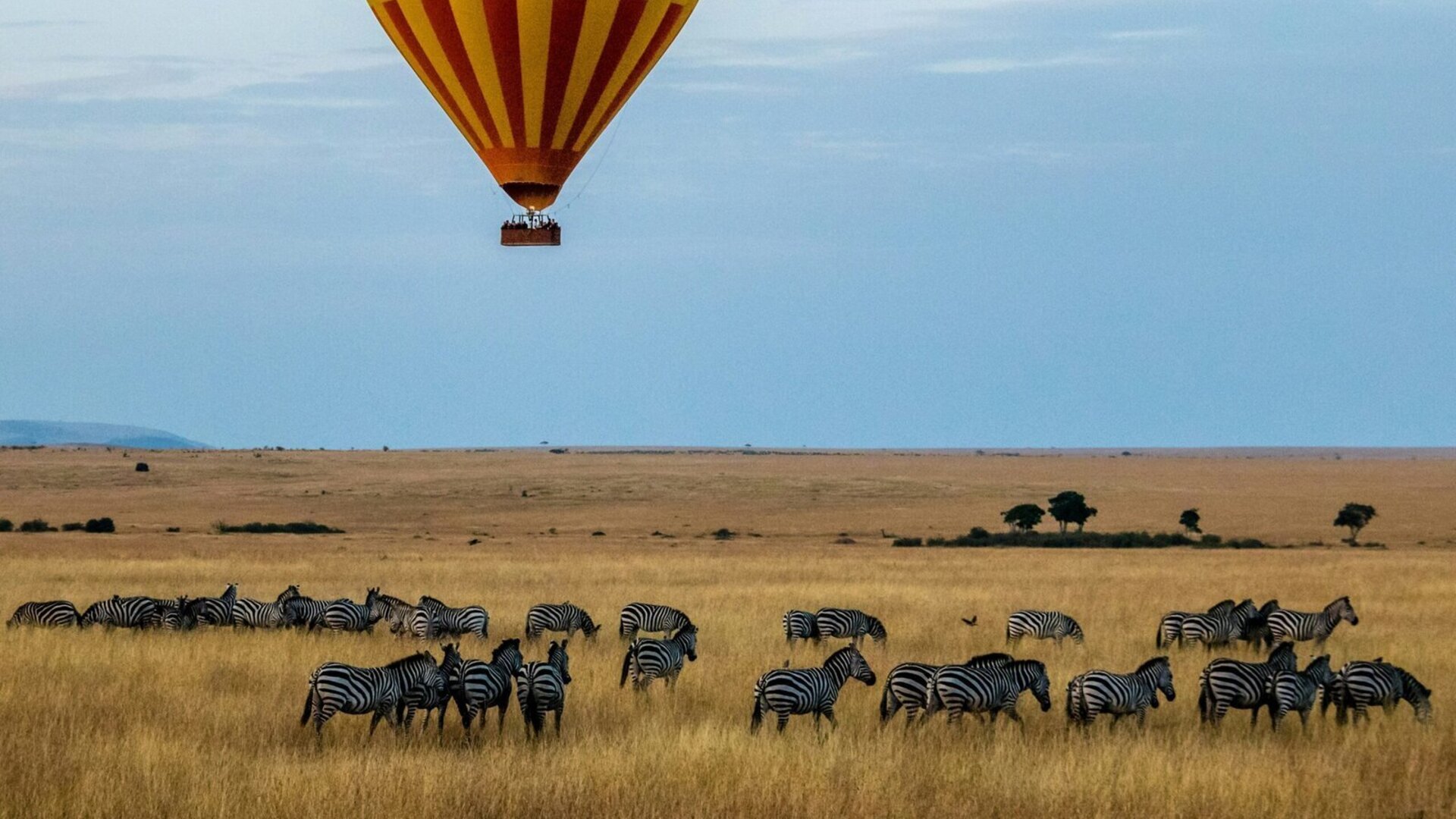
- A hot-air balloon safari — drift over the plains at sunrise, followed by a Champagne bush breakfast. An unforgettable splurge.
- Walking safaris and night drives — exclusive to the conservancies, revealing the small wonders the vehicles miss.
- Maasai cultural visits — meet the people whose stewardship protects this land.
- Big-cat tracking — following known lion prides and cheetah families with an expert guide.
Sample Masai Mara Safari Itinerary (4 Nights)
A simple, beautifully paced trip that combines the reserve and a conservancy.
- Day 1: Fly from Nairobi's Wilson Airport to the Mara (45 minutes). Afternoon game drive en route to camp.
- Day 2: Full day in the reserve with a picnic lunch, tracking big cats and, in season, the herds along the Mara River.
- Day 3: Transfer to a private conservancy. Afternoon walking safari and a night drive after dark.
- Day 4: Optional sunrise hot-air balloon and bush breakfast, then a relaxed day of game drives and culture.
- Day 5: Final morning drive and fly back to Nairobi for onward travel.
This easily extends into Amboseli for elephants beneath Kilimanjaro, Laikipia for rhino and conservation, or south across the border into the Serengeti.
How Much Does a Masai Mara Safari Cost?
Costs depend on the season, the lodge tier and whether you fly in. As a guide for a fully private, professionally guided safari in 2026:
- Comfortable to premium lodges: roughly $450–$950 per person per day, all-inclusive of game drives, meals and fees.
- Luxury conservancy camps: roughly $1,000–$2,500 per person per day.
- A classic 3–4 night trip: roughly $2,000–$7,000 per person depending on tier.
Prices peak during the migration months of July to October and ease in the green season. A private safari is superb value when you consider it includes your guide, vehicle, park or conservancy fees, accommodation and all meals.
Masai Mara or Serengeti?
They are two halves of the same ecosystem, and both are extraordinary. The Mara is more compact and easier to reach, with the densest big cats and the famous river crossings concentrated in a smaller area — ideal for a focused, action-packed safari. The Serengeti is vast and offers the migration across a longer calendar, including the dramatic calving season. Many of our travellers, given the chance, combine both. Our full Great Migration guide explains the year-round movement in detail.
Combining the Masai Mara With the Rest of Africa
The Mara pairs beautifully with the rest of Kenya and beyond. Add Amboseli for elephants and Kilimanjaro views, Laikipia or Lake Nakuru for rhino, a Mombasa or Diani beach finale on the Indian Ocean, or cross into Tanzania for the Serengeti and Ngorongoro Crater. Our Kenya safari guide covers the whole country, and our specialists weave any of these into one smooth, fully private journey.
How to Plan Your Masai Mara Safari
The Masai Mara rewards travellers who plan with intent — the right camp, in the right area, at the right time of year, with a guide who knows the land. That is exactly what we do. Explore the Masai Mara destination guide, read about private safari tours in Kenya, use the trip planner, or contact our specialists for a tailor-made, fully private Masai Mara safari built around you.