We're Open8am–6pm SAST
WishlistPartner Portal
← Back to BlogSafari

Masai Mara Private Conservancies Guide: Naboisho, Olare Motorogi, Mara North & More

Audio EditionListen to this story
0:000:00
Narrated by George — audio edition

Key Takeaways

  • The Masai Mara's private conservancies ring the national reserve — community-owned wilderness where vehicle numbers are strictly limited.
  • Unlike the reserve, conservancies allow off-road driving, night drives and guided walking safaris, with far fewer vehicles at sightings.
  • Olare Motorogi excels for big cats; Naboisho for lion densities and walking; Mara North and Ol Kinyei for classic scenery and exclusivity; the Mara Triangle for uncrowded migration viewing.
  • Expect from around US$600 to US$1,500+ per person per night, including a conservancy fee that funds the Maasai landowners directly.
  • The northern conservancies enjoy resident game year-round plus migration overflow from July to October; river crossings happen inside the reserve.
  • Staying in a conservancy is one of the most direct ways your safari funds conservation and local Maasai communities.

What Is a Private Conservancy?

To understand why the Masai Mara conservancies are so special, you first have to understand what they are — because they are one of the most quietly revolutionary ideas in modern African conservation. A private conservancy is a large tract of land, often tens of thousands of acres, leased by a small group of safari camps from the hundreds of individual Maasai families who own it. In exchange for a steady monthly income per acre, those families agree to move their homes and cattle to the edges and set the land aside for wildlife.

The result is a protected wilderness that sits outside the national reserve system and is managed privately. Because only the guests of the conservancy's handful of camps may enter, and because vehicle numbers are strictly capped, the conservancies deliver something the famous reserve struggles to: space, silence and exclusivity. You can spend a whole morning with a leopard and her cubs and never see another vehicle. And every night you sleep there, a meaningful share of what you pay flows directly back to the Maasai landowners — making living wildlife more valuable than fences or farmland.

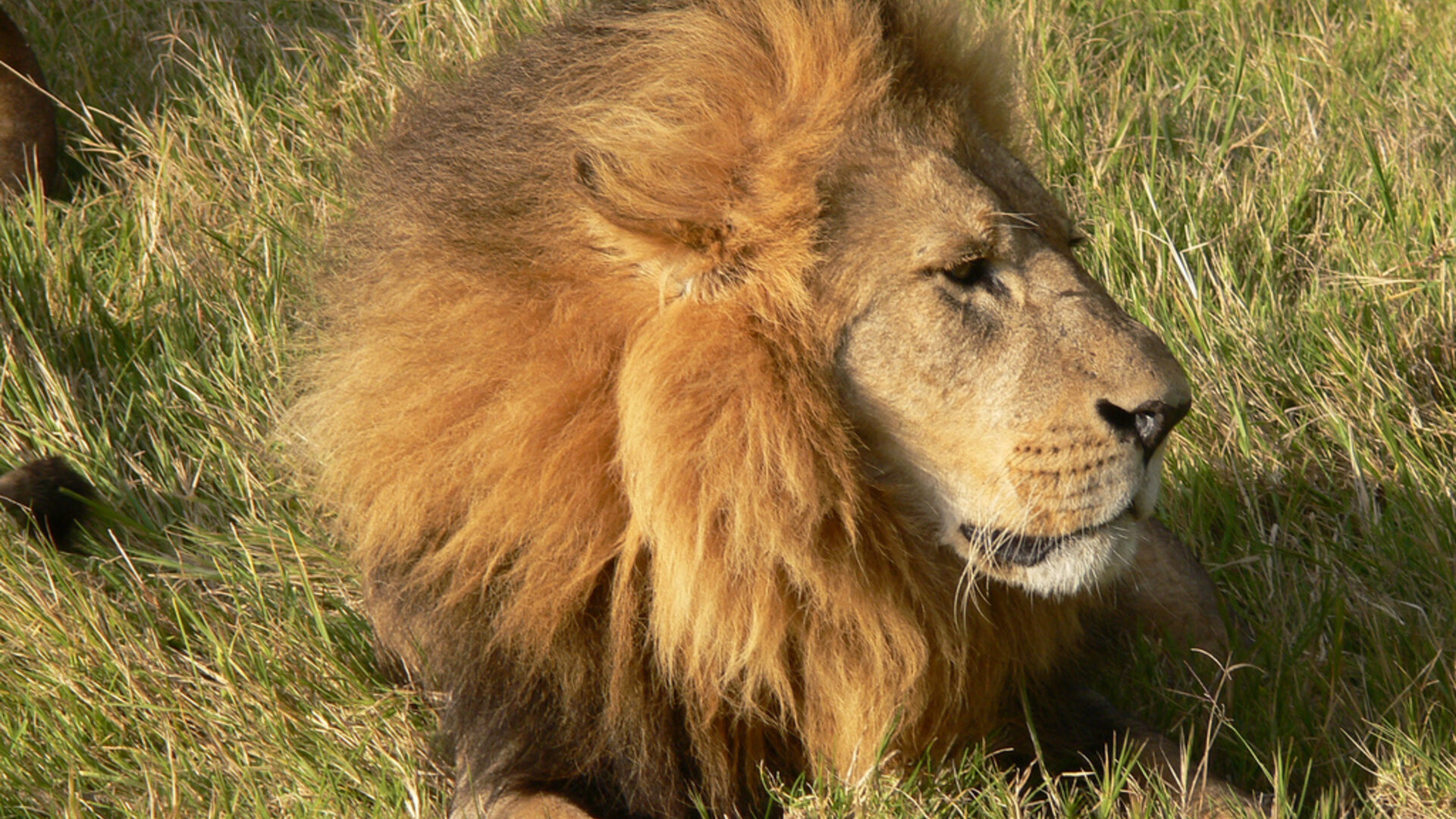
The rolling grasslands of the Masai Mara — cinematic footage from the greatest wildlife theatre on earth.

Conservancy vs the National Reserve

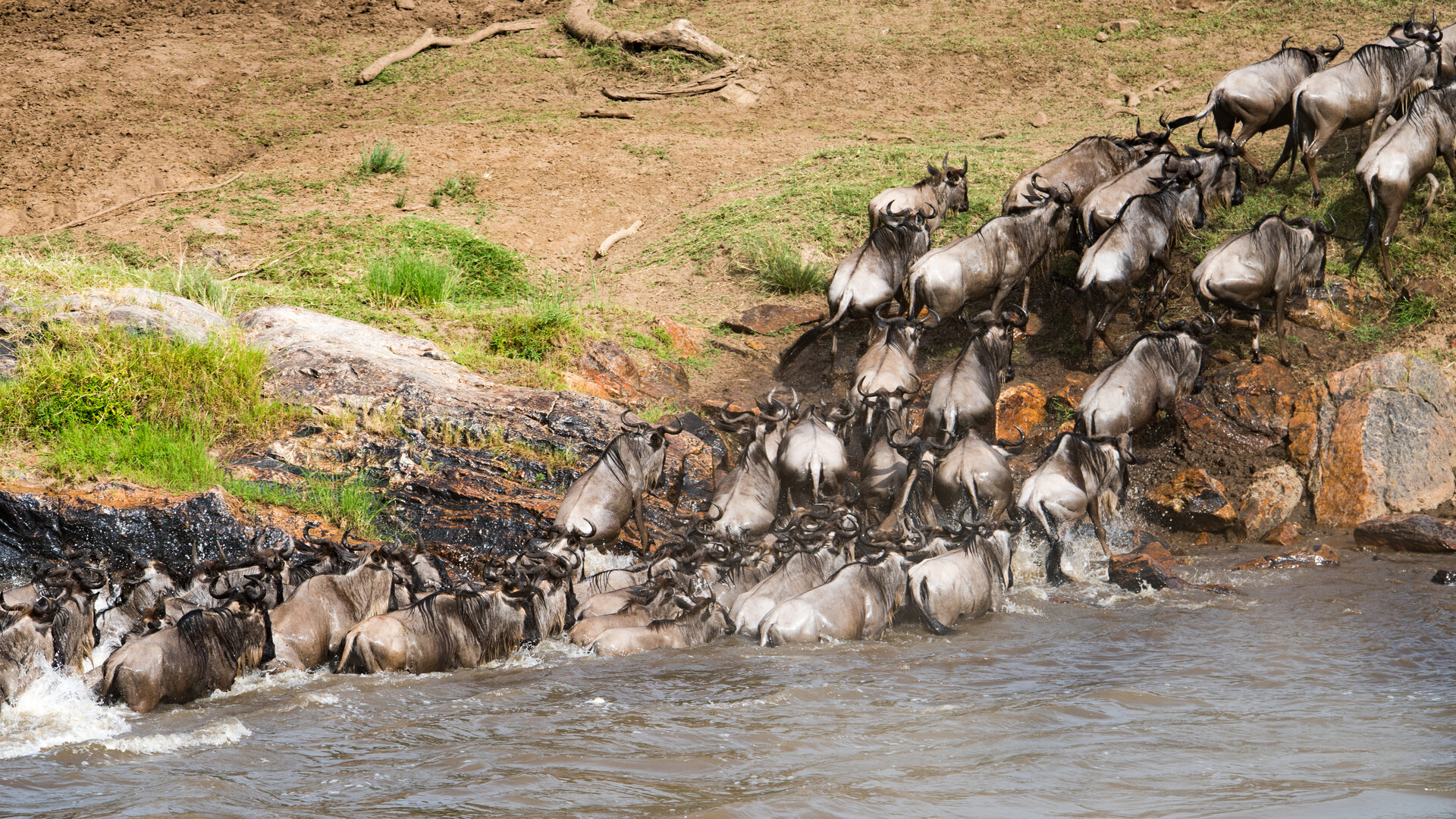
The Masai Mara National Reserve is rightly legendary. It is the Kenyan stage of the Great Migration, home to the river crossings and to some of the densest predator populations on the planet. But it is also open to everyone, which means that at a good sighting in high season you may find yourself one of twenty or thirty vehicles jostling for position. And the reserve's rules are strict: no off-road driving, no night drives, no walking.

The conservancies flip every one of those limitations. Off-road driving means your guide can leave the track to position you perfectly for a sighting — respectfully, and without the scrum. Night drives open up a whole second Mara: leopard on the hunt, serval slinking through the grass, bushbabies, aardvark and the nocturnal cast you would never meet by day. Walking safaris with an armed ranger and a Maasai guide let you read tracks, learn the plants and feel the wilderness on foot. And with vehicle numbers capped, you experience all of it in near-solitude.
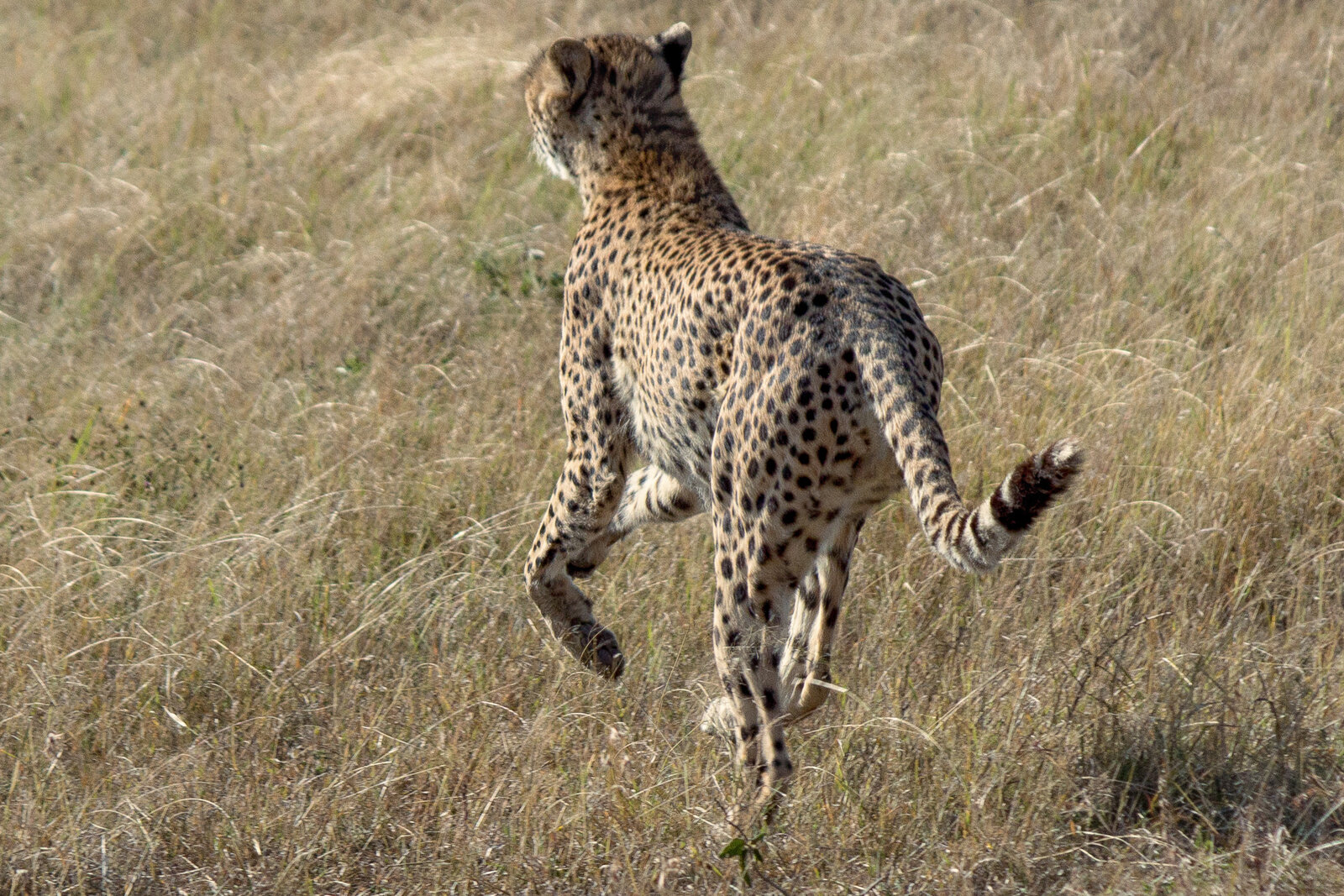
A cheetah surveying the plains from a raised mound
A cheetah on a termite mound — off-road driving lets you share the moment, uncrowded.

For many of our guests this is the deciding factor. If you have dreamed of the migration and the river crossings, you will want time inside the reserve or the Mara Triangle. But if what you crave is the safari of the imagination — a private vehicle, empty horizons, a leopard all to yourselves and a night drive under a full moon — the conservancies are unbeatable. The happiest itineraries usually combine both: a conservancy base for exclusivity and flexibility, with day trips into the reserve for the great set-pieces.

Feature Conservancy vs National Reserve
Vehicle numbersStrictly capped in conservancies; unlimited in the reserve
Off-road drivingAllowed in conservancies; forbidden in the reserve
Night drivesAllowed in conservancies; not permitted in the reserve
Walking safarisWidely offered in conservancies; not in the reserve
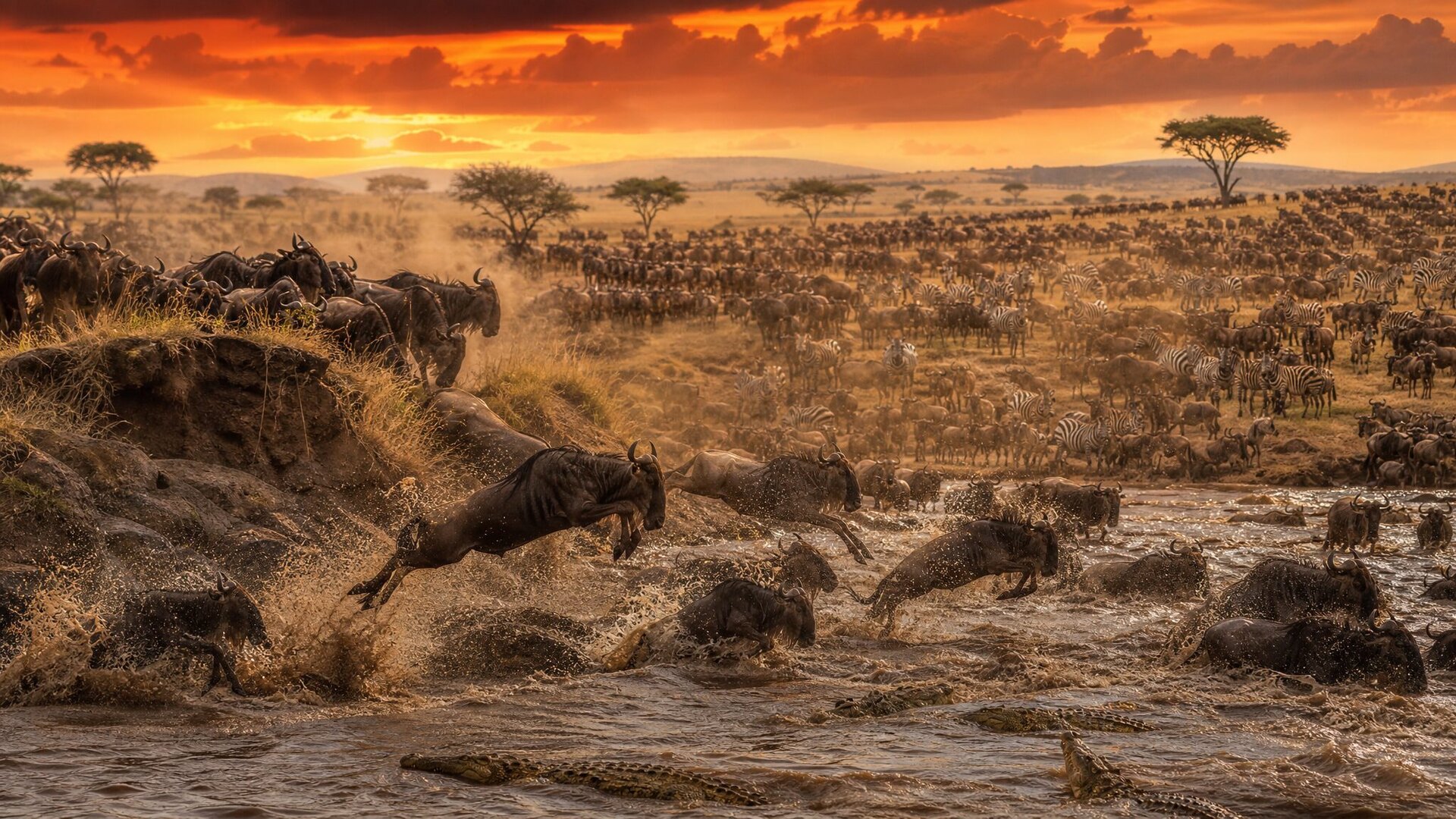
River crossingsInside the reserve and Mara Triangle; conservancies see overflow game
Community benefitDirect lease income to Maasai landowners in conservancies

Olare Motorogi Conservancy

If you asked a room of Mara guides to name the finest big-cat conservancy, many would say Olare Motorogi. Bordering the reserve to the north, this roughly 35,000-acre conservancy is famous for exceptional densities of lion, cheetah and leopard, and for maintaining one of the lowest vehicle-to-land ratios anywhere in the Mara ecosystem — often just one tent per 700 acres. The result is superb predator viewing with almost no crowds.

The camps here are among the best in Kenya, ranging from beautifully appointed classic tented camps to genuinely ultra-luxury retreats with private plunge pools. For couples and photographers who put big cats and exclusivity at the top of their list, Olare Motorogi is very hard to beat.
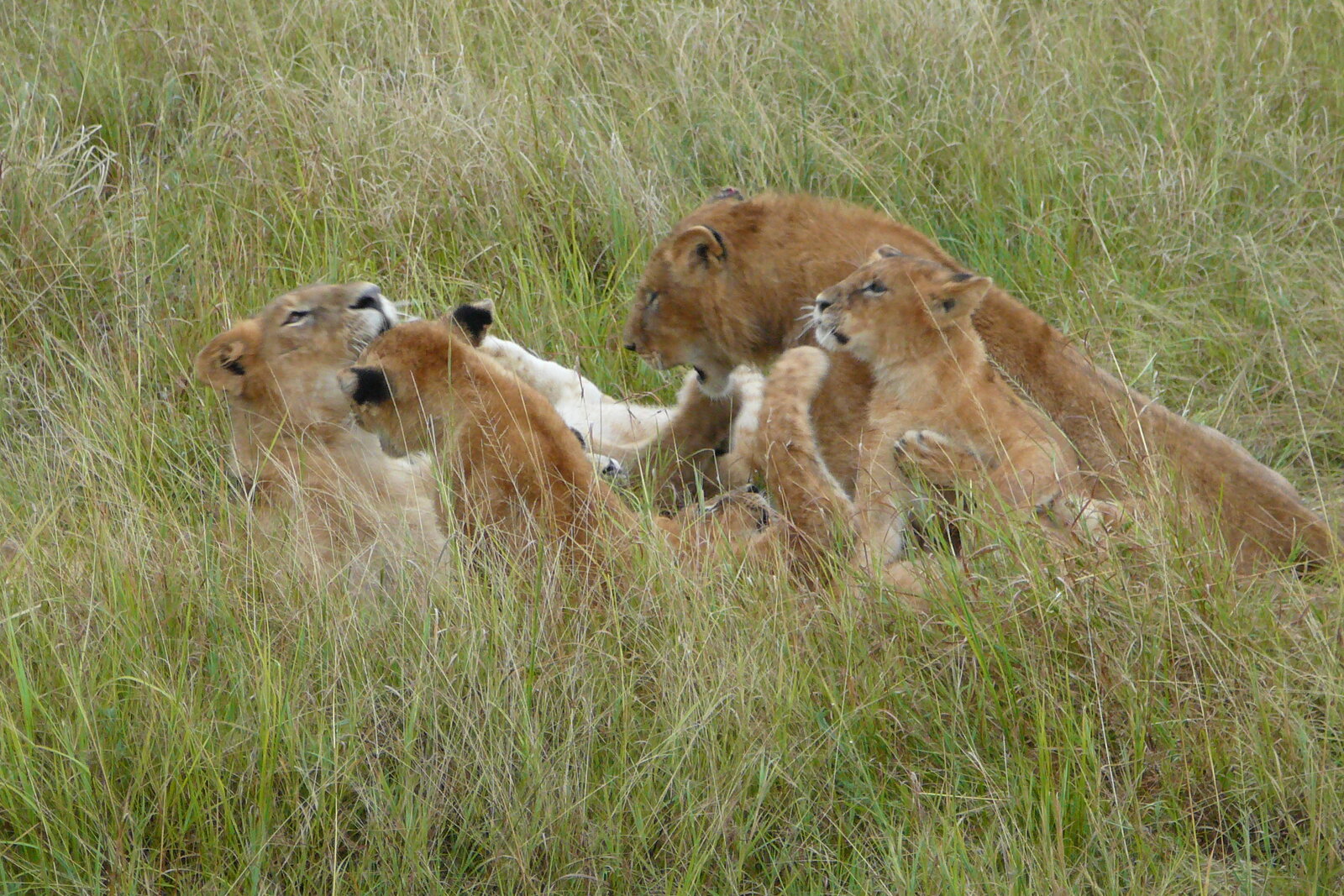
A pride of lions resting on open ground at dawn
A conservancy pride at first light — big cat viewing here is world-class.

Naboisho Conservancy

Naboisho — the name means 'coming together' in Maa — is a roughly 50,000-acre conservancy renowned for two things: extraordinary lion densities, among the highest in Africa, and a deep culture of walking safaris and immersive, low-impact tourism. It feels genuinely wild, with sweeping plains, rolling hills and acacia woodland, and a wonderful sense of remoteness.

Naboisho is a favourite of ours for travellers who want more than game drives — who want to walk with a Maasai guide at dawn, sit quietly at a waterhole, and understand the ecosystem rather than simply photograph it. Its camps range from adventurous, value-conscious tented camps to polished luxury, making it one of the most versatile conservancies for a range of budgets.

Mara North & Ol Kinyei

Mara North Conservancy is one of the largest and best-known, a roughly 74,000-acre expanse of classic Mara scenery — the rolling grasslands, the escarpment, the winding rivers — shared by around a dozen camps under a strong shared management ethos. It offers superb year-round game viewing, dramatic landscapes and a wide spread of camps from the comfortable to the sublime, making it a reliable and beautiful choice for first-time and returning visitors alike.

Ol Kinyei Conservancy is the connoisseur's choice: small, pristine and one of the first conservancies established in the Mara. With only a couple of low-density camps across some 18,700 acres, it delivers a rare sense of having the wilderness entirely to yourself. Game viewing is excellent and utterly uncrowded, and the conservancy's long-standing community partnership is a model of how tourism should work. For couples and families who prize exclusivity and a light footprint above all, Ol Kinyei is a gem.
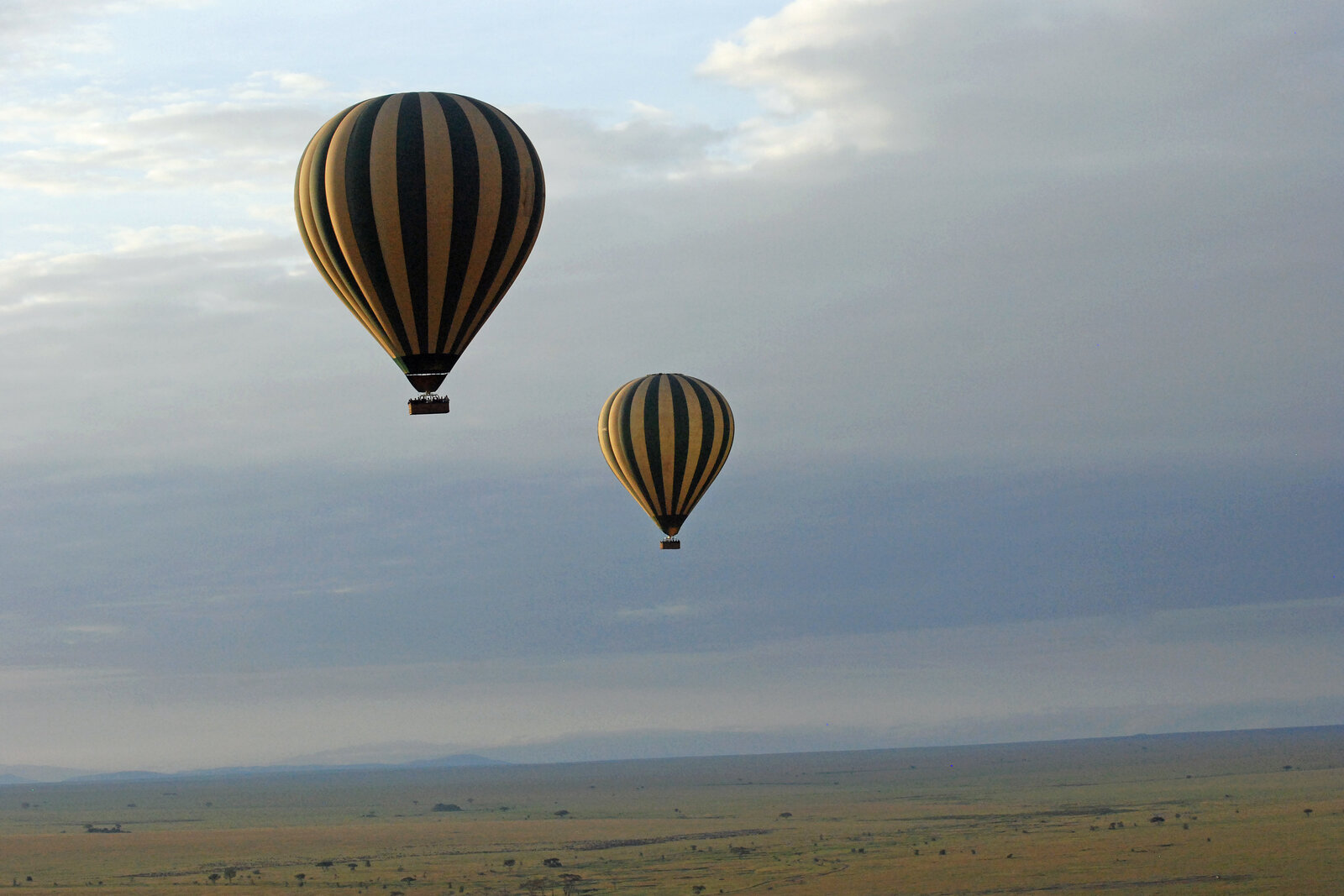
A hot air balloon drifting over the Mara plains at sunrise
Sunrise by balloon over the conservancy plains — the Mara at its most magical.

The Mara Triangle & Choosing Yours

The Mara Triangle is a special case. Technically the western third of the national reserve, it is managed separately by the not-for-profit Mara Conservancy and is far less crowded than the main reserve, with excellent roads, strong anti-poaching and superb migration viewing — including some of the best river crossings on the Mara River. Because it is a reserve sector it follows reserve rules (no off-road or night drives), but its low visitor numbers make it feel almost conservancy-like. It pairs beautifully with a conservancy stay.

So how do you choose? If big cats and photography lead your wish list, look to Olare Motorogi. If you want walking, wilderness and lion, choose Naboisho. For classic scenery and a wide choice of camps, Mara North. For ultimate exclusivity, Ol Kinyei. And for the migration and river crossings without the crush, add time in the Mara Triangle. Most of our finest Mara itineraries blend a conservancy with reserve access, so you enjoy exclusivity and drama in a single, seamless trip.

Ready to explore the Mara's private conservancies?

Our specialists know every conservancy and every camp personally. Tell us what matters most — big cats, walking, exclusivity, the migration or your budget — and we will match you to the perfect conservancy and craft a private safari around it.

Start Planning Your Safari WhatsApp Us

Ready to explore? Browse our safari tours and packages →
MASAI MARA PRIVATE CONSERVANCIES

The Mara's premium wilderness — off-road, exclusive, unforgettable

Naboisho, Olare Motorogi, Mara North, Ol Kinyei and the Mara Triangle. Off-road driving, night drives, walking safaris and a fraction of the crowds — the complete guide to the Mara's private conservancies and which one is right for you.

Frequently Asked Questions

The Masai Mara National Reserve is government-managed, open to all and can become busy at sightings, with strict rules that forbid off-road driving and night drives. The private conservancies are community-owned tracts of land leased from Maasai landowners and managed by a small number of camps. Because vehicle numbers are strictly limited and only guests of the conservancy's camps may enter, you enjoy far fewer vehicles, off-road driving to get closer to wildlife, night drives to see nocturnal species, and guided walking safaris — none of which are permitted inside the reserve. In short, the conservancies offer a more exclusive, flexible and immersive safari.

There is no single best — it depends on what you want. Olare Motorogi is celebrated for exceptional big cat viewing and some of the finest camps in the Mara. Naboisho has extraordinary lion densities and a superb walking-safari culture. Mara North offers classic scenery and a great spread of camps. Ol Kinyei is small, pristine and wonderfully exclusive. The Mara Triangle, though technically part of the reserve, is far less crowded than the main reserve and superb for the migration. We match couples and families to the conservancy that fits their priorities, budget and travel dates.

Generally yes, and for good reason. Conservancy camps include a conservancy fee (typically US$100 to US$250 per person per night) that goes directly to the Maasai landowners, and rates tend to be all-inclusive and higher than budget options bordering the reserve. Expect from around US$600 to US$1,500 per person per night at most conservancy camps, and more at the ultra-luxury properties. What you pay for is exclusivity, off-road and night driving, superb guiding and the knowledge that your visit directly funds conservation and local communities.

Yes — this is one of the biggest advantages of the conservancies over the national reserve. Because the land is privately managed with limited vehicles, camps are permitted to drive off-road to approach wildlife respectfully, and to run night drives after dark, when you can look for leopard, serval, aardvark, bushbaby, white-tailed mongoose and other nocturnal species you would never see inside the reserve. Guided walking safaris with an armed ranger and a Maasai guide are also widely available. Together these turn a game drive into a far richer, more flexible experience.

The northern conservancies such as Mara North, Olare Motorogi and Naboisho lie adjacent to the reserve and enjoy resident game year-round, plus migration overflow and dramatic wildlife concentrations during the migration months of roughly July to October. The actual Mara River crossings happen inside the reserve and in the Mara Triangle, so many travellers combine a conservancy stay with day trips into the reserve for the crossings. This gives you the best of both worlds: exclusive, flexible conservancy game drives, plus the drama of the crossings when they occur.

The conservancy model is one of Africa's great conservation success stories. Camps lease land from hundreds of individual Maasai landowners, paying a steady income that makes protecting wildlife more valuable than farming or fencing the land. In return the landowners set aside their property as a wildlife corridor, vehicle numbers are capped to protect the experience and the environment, and communities gain employment, schools and healthcare. When you stay in a conservancy, a meaningful portion of what you pay flows directly to the Maasai and to protecting the ecosystem — tourism as a genuine force for good.

Make It Happen

Safari Packages

Ready to experience it yourself?

Let our local experts craft a private journey around the places you just read about.

Explore ToursPlan My Trip
Curated For You

You May Also Like

The endless golden plains of the Serengeti stretching to the horizon under blue skySafari

Top 10 Things to Do in the Serengeti 2026 — Beyond Game Drives

The Serengeti is the greatest wildlife show on earth — but it is so much more than game drives alone. From floating above the plains in a hot air balloon at sunrise to walking alongside your guide through the bush, from visiting the cradle of humankind at Olduvai Gorge to sharing tea with a Maasai elder, these are the top 10 things to do in the Serengeti that turn a safari into the journey of a lifetime.

5 Aug 2026 · 17 min
The endless golden plains of the Serengeti stretching to the horizon under blue skySafari

Top 10 Things to Do in the Serengeti 2026 — Beyond Game Drives

The Serengeti is the greatest wildlife show on earth — but it is so much more than game drives alone. From floating above the plains in a hot air balloon at sunrise to walking alongside your guide through the bush, from visiting the cradle of humankind at Olduvai Gorge to sharing tea with a Maasai elder, these are the top 10 things to do in the Serengeti that turn a safari into the journey of a lifetime.

5 Aug 2026 · 17 min
An aerial view of the Okavango Delta's silver channels and emerald islands in Botswana contrasted with the classic bushveld of Kruger National ParkSafari

Okavango Delta vs Kruger 2026: The Water Wilderness vs the Classic Bushveld

The Okavango Delta and Kruger National Park are the two great safari icons of Southern Africa — and they could hardly be more different. The Okavango is the world’s largest inland delta: a shimmering water wilderness of palm islands and papyrus channels, explored by mokoro, famous for wild dogs and pristine exclusivity — and priced as one of Africa’s ultimate luxuries. Kruger is the archetypal bushveld: a vast, accessible, astonishingly affordable park where you can self-drive to a full Big Five, and where the private Sabi Sand reserves deliver the finest leopard viewing on earth. So which one wins? We break it into ten decisive rounds — landscape, water, Big Five, predators, wild dogs, safari style, exclusivity, cost and logistics — with a full comparison table, honest price tiers and the verdict on which to choose, or how to combine both.

5 Aug 2026 · 17 min read
Simple, Personal, Expert-Led

How It Works

From first message to the trip of a lifetime — planning your safari with us is effortless.

  1. 1

    Share Your Dream

    Tell us who is travelling, your dates and what you long to see. One quick message is all it takes to begin.

  2. 2

    We Design It

    Your specialist crafts a private, tailor-made itinerary — the right camps, the right season, every detail considered.

  3. 3

    Refine Together

    We fine-tune the journey with you until every day feels perfect, then handle flights, transfers and permits.

  4. 4

    Travel With Confidence

    Set off knowing every detail is handled and a dedicated specialist is on call from your first game drive to home.

Your Journey Starts Here

Let Our Experts Craft Your Perfect Safari

Every itinerary is handcrafted by our team of local specialists who have spent 18+ years exploring Southern and East Africa. From Big Five game drives to gorilla trekking — we create journeys that stay with you forever.

Start PlanningChat with Us
Chat