Most safari camps claim to offer an "authentic" experience — and then hand you a laminated menu, a Nespresso machine, and WiFi. Cottar's 1920s Safari Camp takes a different approach: they've reconstructed the golden age of safari with obsessive historical accuracy, then added the one thing those original safaris lacked — proper plumbing.
The result is a camp where you sleep in a vintage canvas tent with antique campaign furniture, wake to the smell of wood fires and fresh coffee, eat breakfast at a communal table with first-edition explorer books within arm's reach, and then step into a modern en-suite bathroom with a flush toilet and hot shower. It's time travel, but without the dysentery.
Located in the 7,600-acre private Olderkesi Conservancy on the southeastern border of Kenya's Masai Mara National Reserve, Cottar's offers what the main Mara increasingly cannot: exclusivity, space, and night drives. The Cottar family has been guiding safaris here since 1919 — longer than Kenya has been an independent nation — and that century of experience shows in every detail, from the Gold-level guides to the raptor rehabilitation program.
In this review, we'll explore every aspect of the Cottar's experience — from the vintage-authentic tent designs and signature canvas bush baths to the family-run hospitality, Maasai cultural experiences, and that remarkable Bush Villa (a 10,000+ sq ft private house for families or groups).
This is Cottar's 1920s Safari Camp — where the golden age of safari never ended.
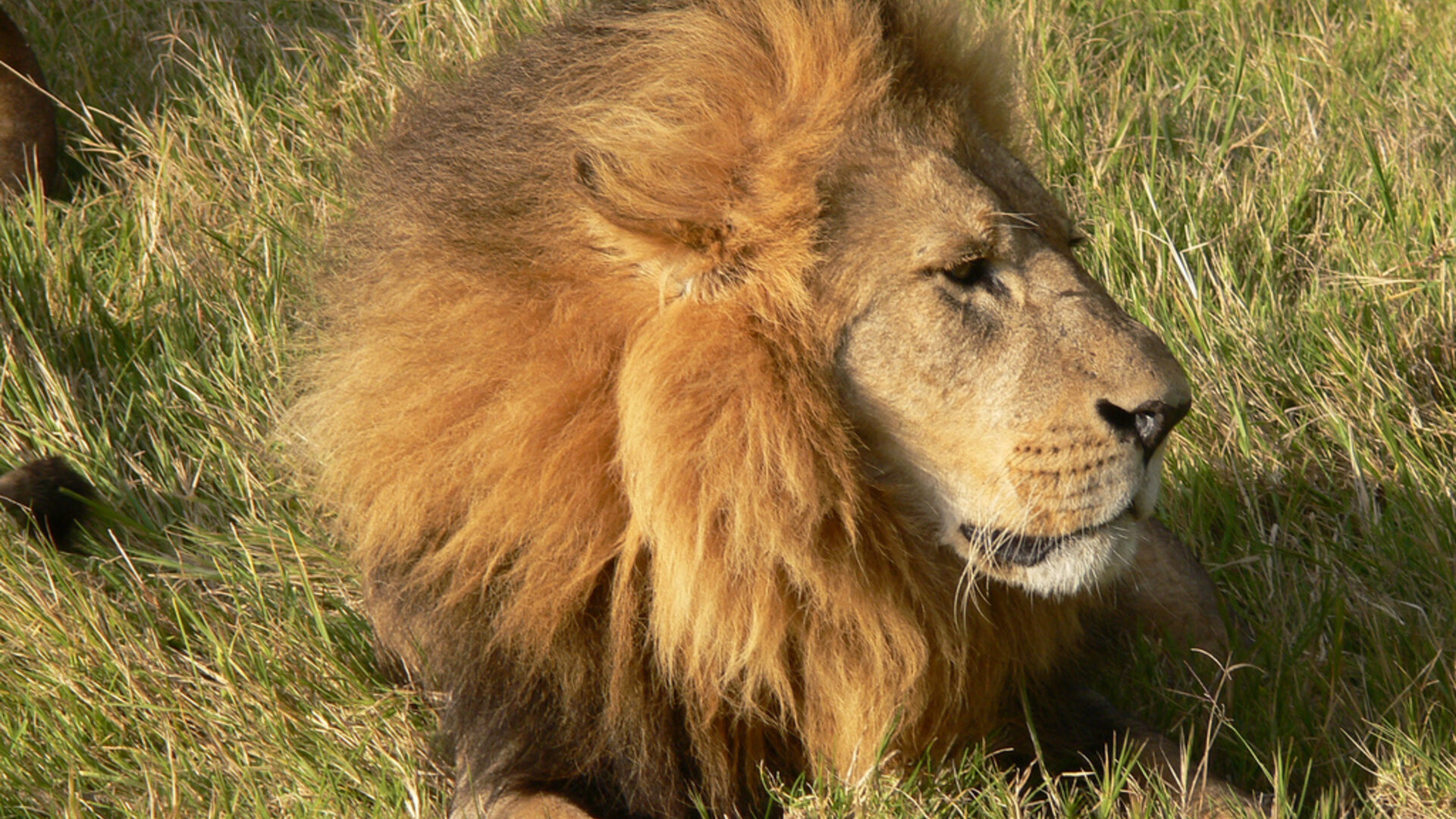
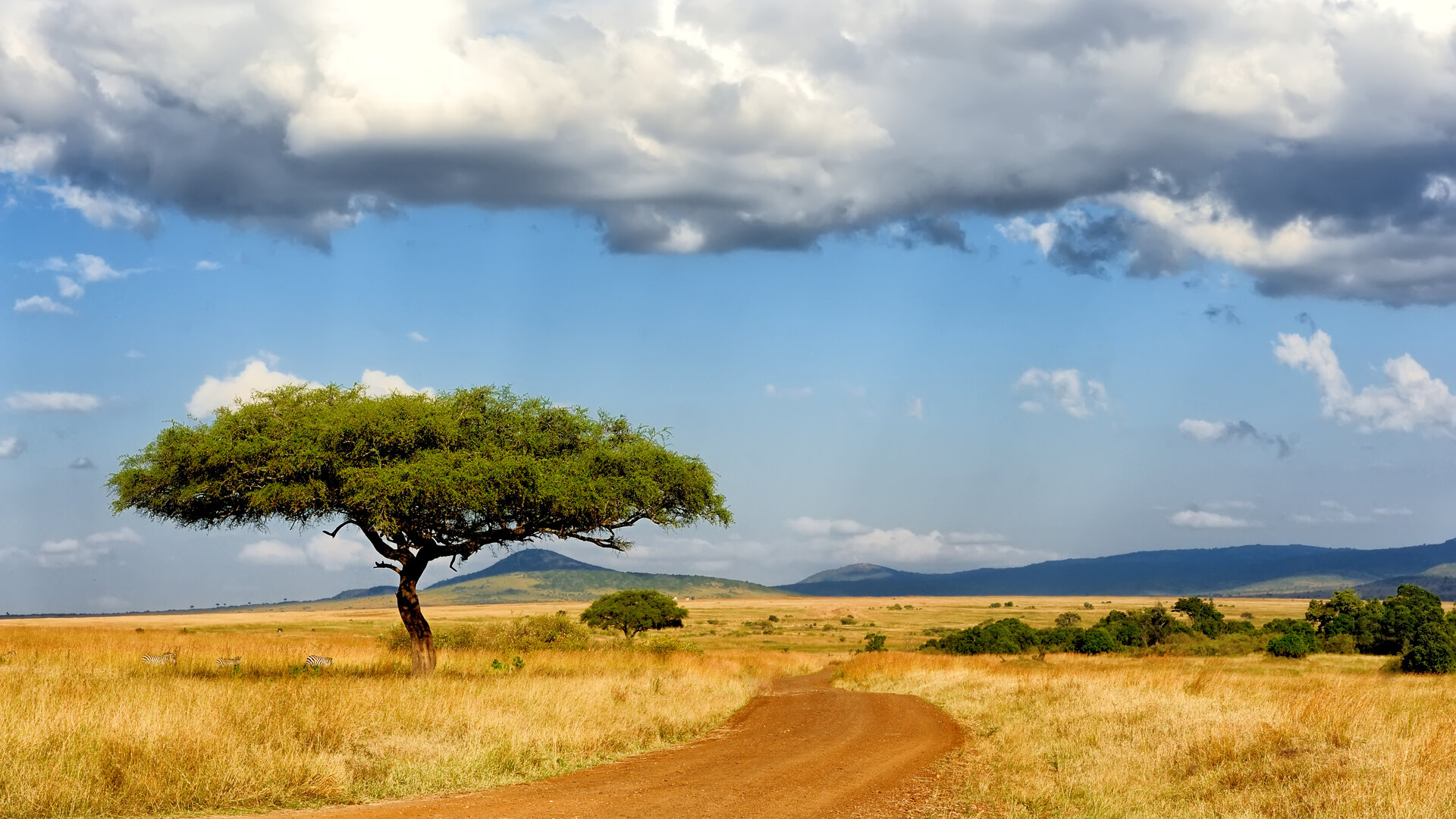
The Olderkesi Conservancy and greater Masai Mara — big-cat country, in vintage 1920s style.
Accommodations — Vintage Canvas Meets Modern Luxury
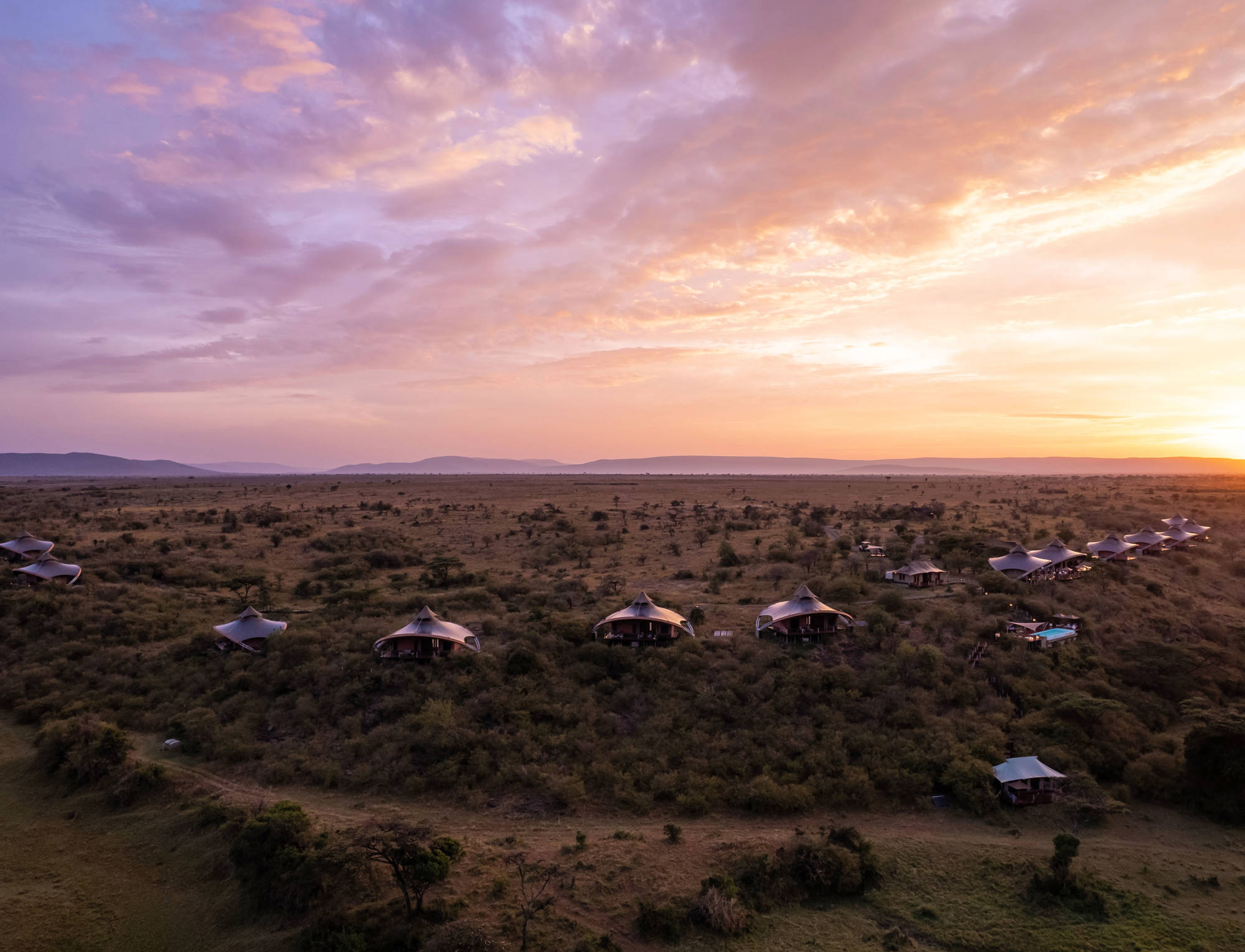
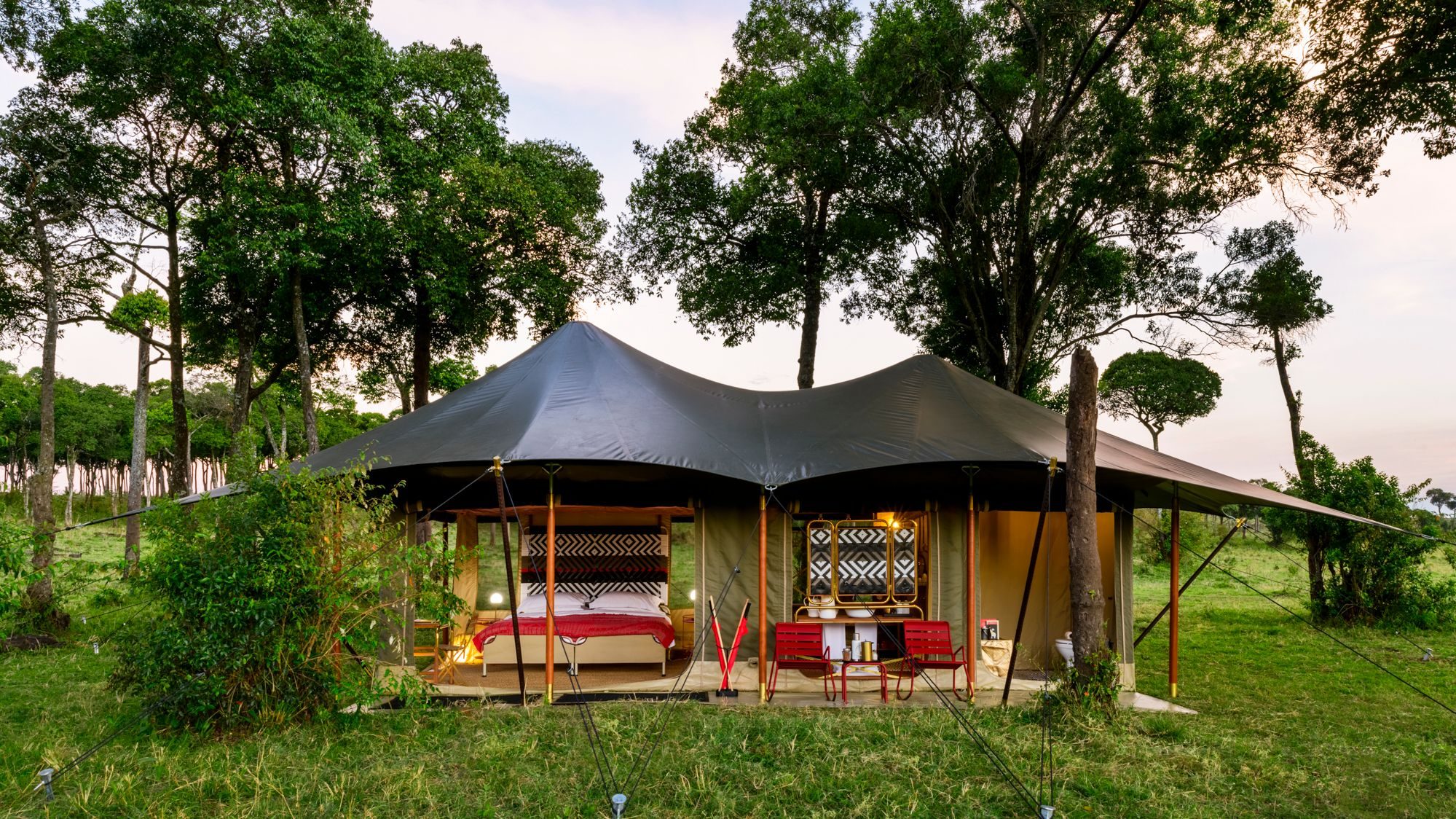
Cottar's offers 11 luxury canvas tents in the main camp, plus the separate Bush Villa for exclusive-use bookings. Each tent category balances 1920s authenticity with 2026 comfort levels.
Luxury Double Tents (5 tents)
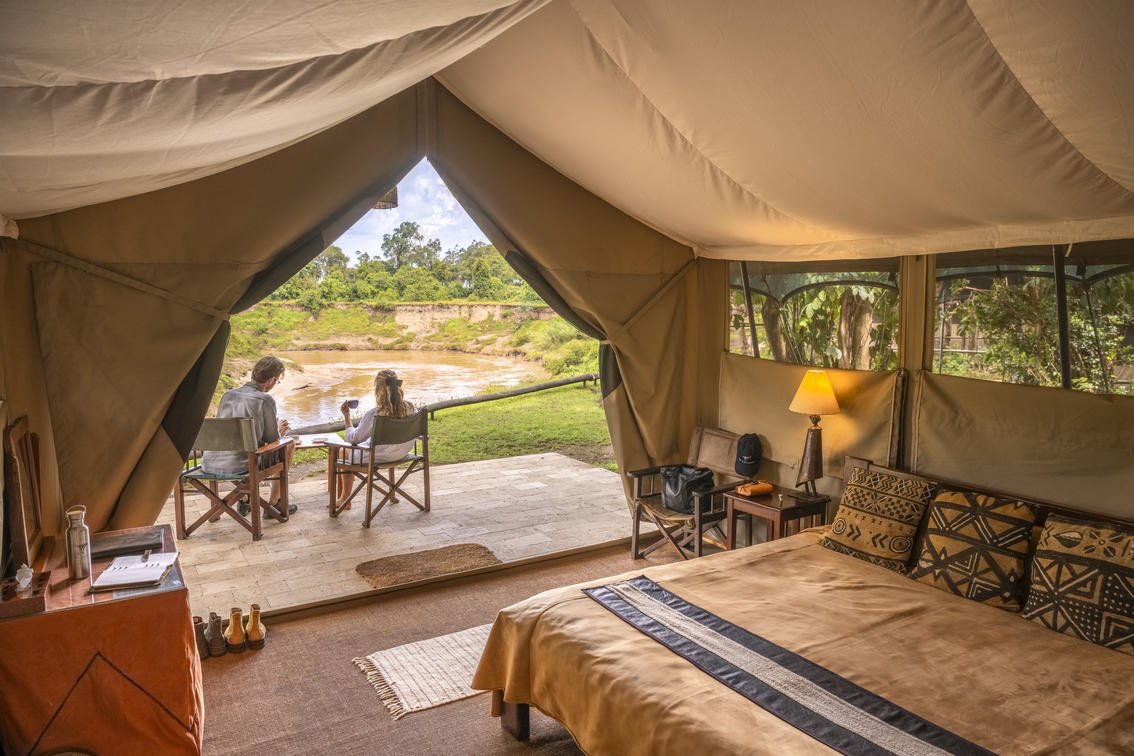
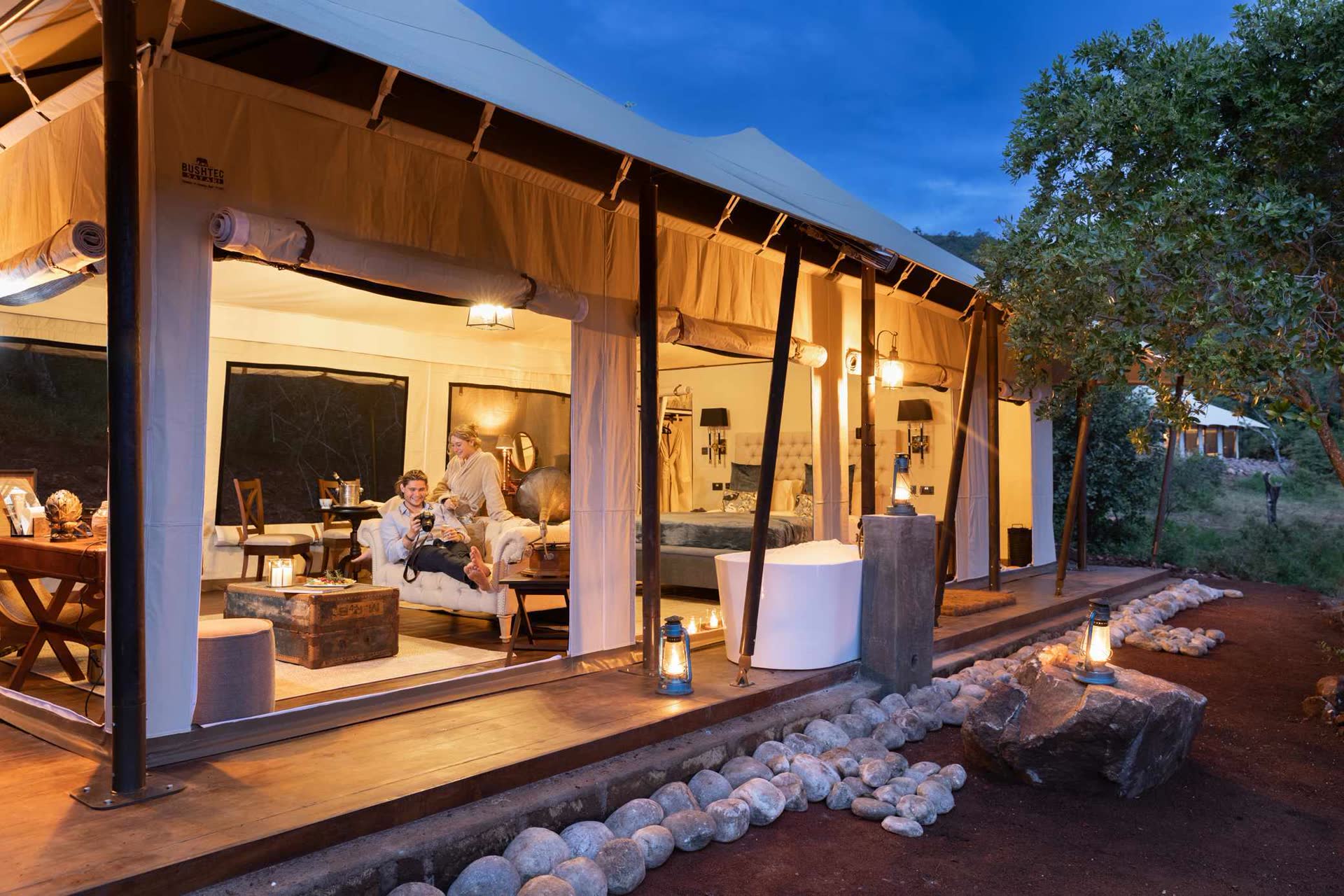
The camp's five luxury double tents — Duma, Swala, Ndovu, Athi, and Kudu — set the vintage standard:
Exterior:
- Cream-colored canvas construction (traditional safari tent design)
- Private veranda with chairs and occasional daybed
- Positioned for privacy (you can't see neighboring tents)
Interior Design:
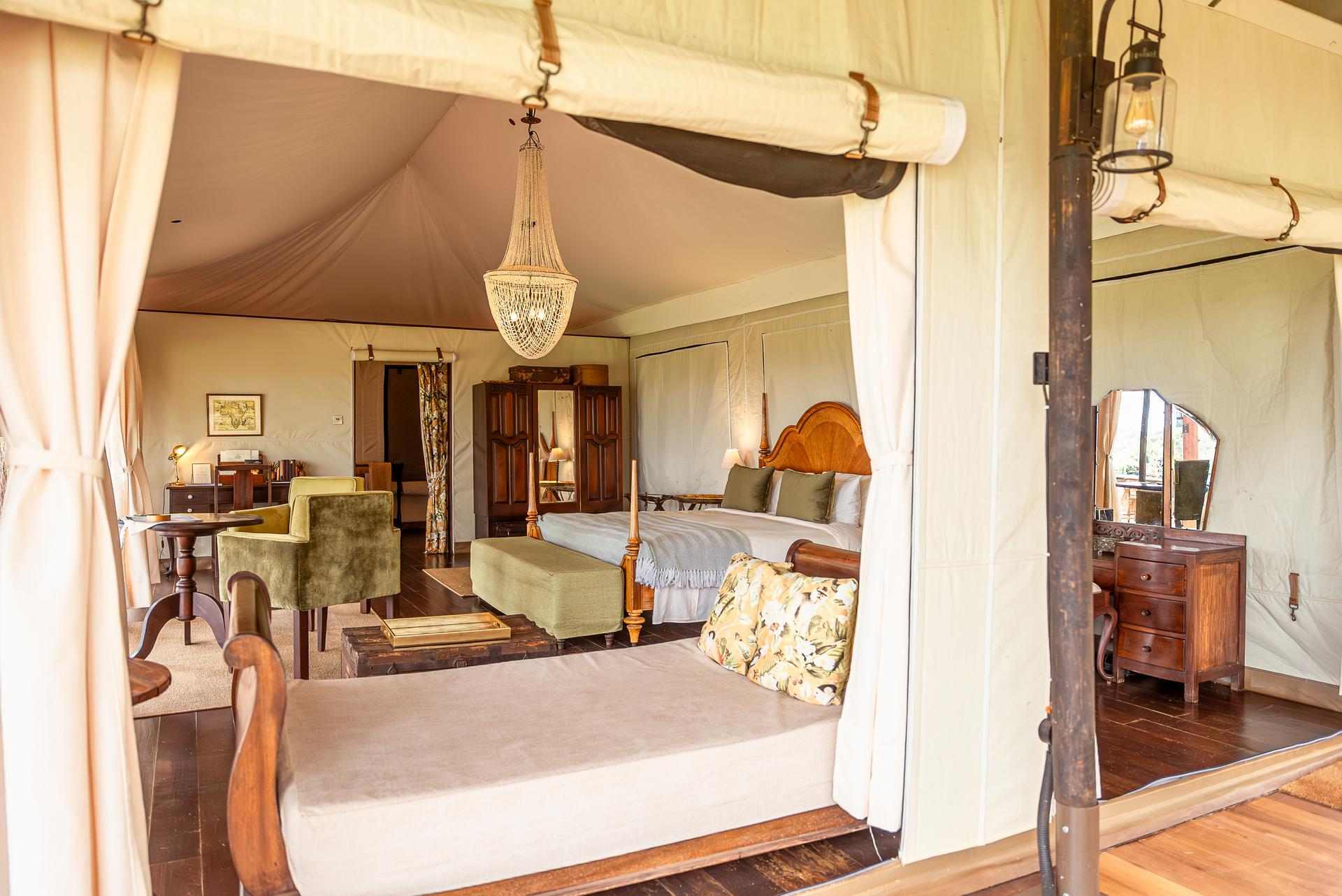
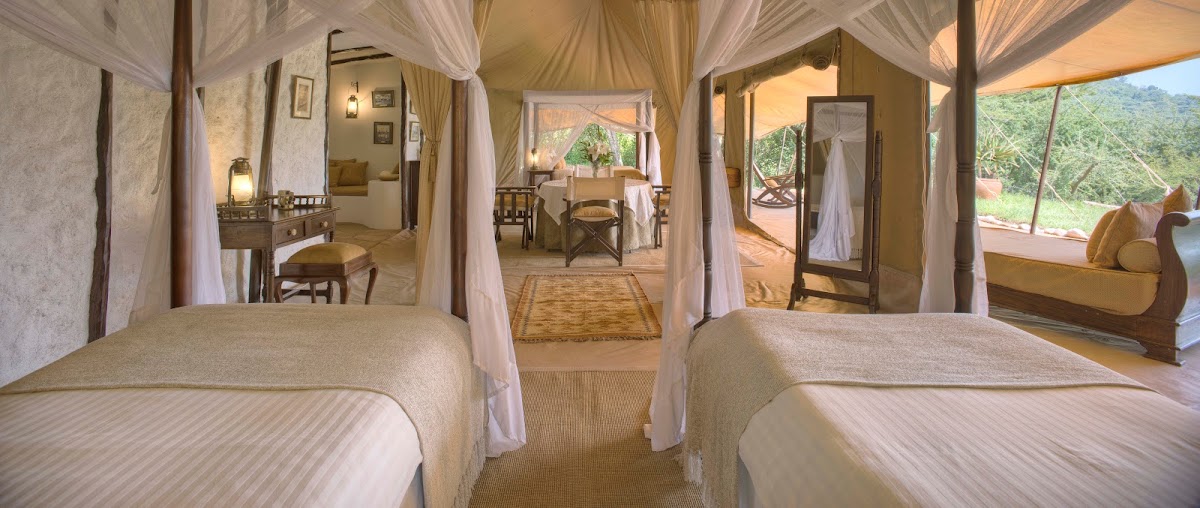
- Bedroom: King, twin, or triple bed configurations (four-poster beds with mosquito netting)
- Furniture: Authentic antique campaign furniture — steamer trunks (used as side tables), folding chairs, vintage writing desks
- Decor: Eastern rugs, vintage safari photography, gramophones (some still play 1920s records), kerosene lanterns (electric but styled authentically), first-edition books
- Flooring: Polished wooden floors (not dirt — this is luxury camping)
Bathroom:
- En-suite with flush toilet and hot shower
- Victorian-style fixtures (claw-foot tubs in some tents)
- Brass fittings, vintage mirrors
- Modern plumbing hidden behind period details
Technology:
- Solar-powered 24-hour electricity
- USB charging points (discreetly hidden)
- No WiFi in tents (available in communal areas)
- No TV (this is intentional — it's about disconnecting)
Unique Features:
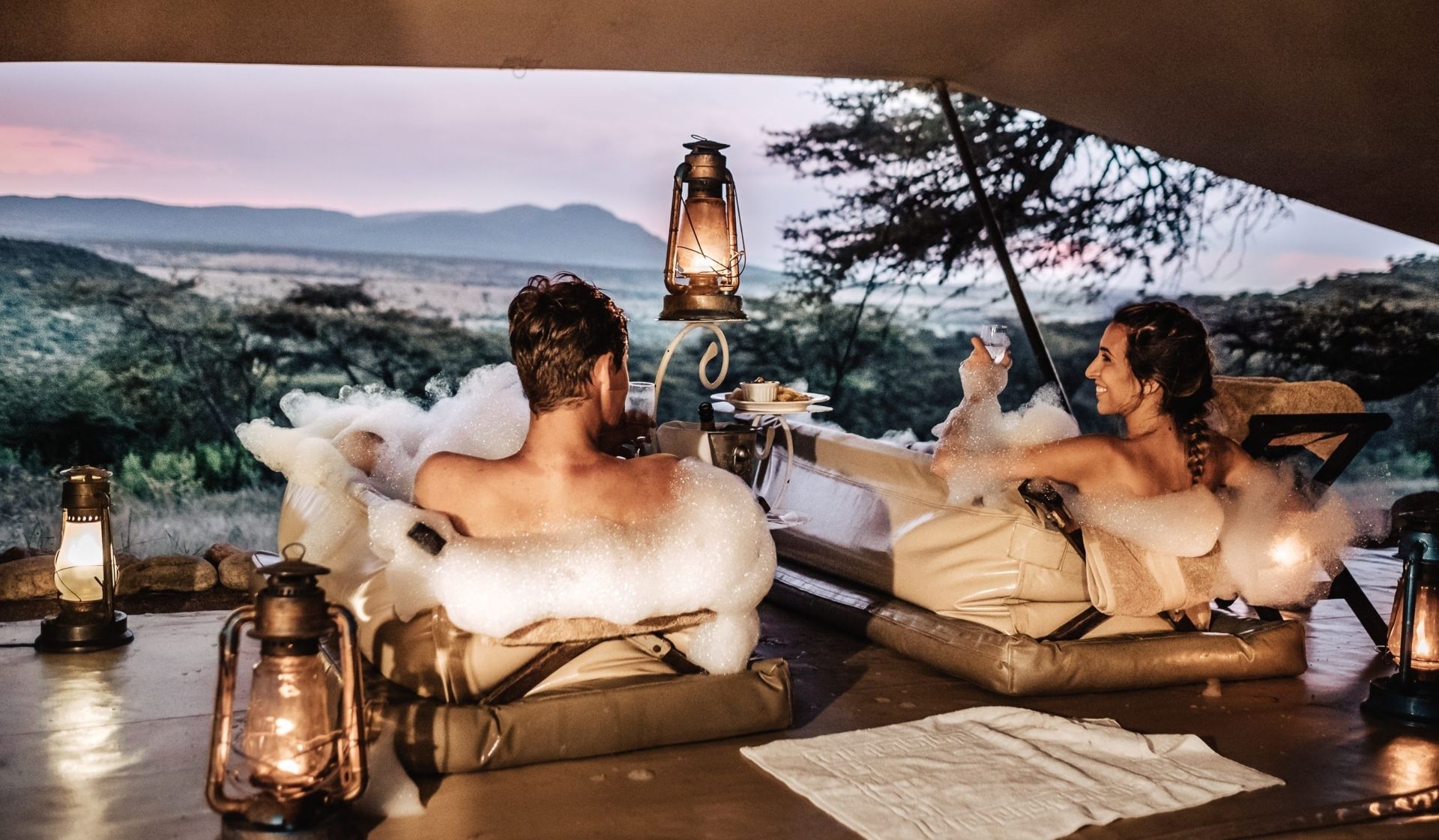
- Signature Canvas Bush Baths: On request, staff will draw a hot bath on your private veranda using a vintage canvas bathtub — complete with rose petals, champagne, and sunset views
- Daybeds: Some tents include daybeds for third guests (perfect for families with one child)
Family Tents (4 tents)
Designed for families with two children, the Family Tents offer:
- Two en-suite bedrooms (parents' room + children's room)
- Central living area with wood-burning fireplace, sofa, and game-viewing deck
- Separate entrances for each bedroom (gives kids autonomy while maintaining family proximity)
- Flexible bedding: King for parents, twins or bunks for children
- Same vintage aesthetic as luxury double tents (campaign furniture, eastern rugs, kerosene lanterns)
The fireplace in the living area is a game-changer for cooler July-August nights — there's something profoundly comforting about a wood fire while lions roar in the distance.
Honeymoon Tents (2 tents)
Cottar's two honeymoon tents — Kiboko and Molo — are the camp's crown jewels:
Kiboko Tent:
- Oversized veranda with private wood-fired hot tub (filled nightly by staff)
- Indoor and outdoor showers
- Separate dressing area (rare for a tent)
- Four-poster king bed with finest linens
- Extra privacy (positioned furthest from the main camp)
Molo Tent:
- Expansive veranda with outdoor bathtub (Victorian-style claw-foot)
- Panoramic savannah views
- Indoor en-suite bathroom + outdoor shower
- Romantic setup options (rose petals, champagne, private dinners)
Both honeymoon tents include complimentary champagne on arrival and priority spa bookings.
Cottar's Bush Villa (Exclusive-Use Only)
For families or groups seeking ultimate privacy, Cottar's operates the Bush Villa — a separate, exclusive-use property:
Size & Capacity:
- 10,000+ square feet
- 5 en-suite bedrooms (sleeps 10-12 guests)
- Private staff (host, butler, guide, chef)
Facilities:
- 25-meter infinity swimming pool
- Wood-fired hot tub
- Large living and dining areas
- Fully equipped kitchen (though chef handles all meals)
- Game-viewing deck
- Library and lounge
Experience:
- Completely private — your own guide, vehicle, and safari schedule
- Ideal for multi-generational families or groups of friends
- Pricing: Typically $15,000-$25,000 USD per night (exclusive-use, all-inclusive)
Tent Features and Authenticity
What makes Cottar's tents special is the genuine vintage aesthetic:
- Real Antiques: The steamer trunks, campaign chairs, and writing desks aren't replicas — they're actual 1920s safari equipment
- Historical Details: First-edition explorer books (Hemingway, Karen Blixen), original safari maps, vintage binoculars, sextants, and telescopes scattered throughout
- Lantern Lighting: Evenings include kerosene lantern glow (supplemented by electric lights for reading)
- Canvas Walls: You hear the wind, the rain, and occasionally a lion's roar — the canvas creates that authentic safari tent experience (but with mosquito-proof netting)
Modern Comforts Hidden:
- Flush toilets (not pit latrines)
- Hot showers (not bucket showers)
- 24-hour electricity (solar-powered)
- Comfortable mattresses (not camp cots)
- Insect-proof netting (malaria zones require serious protection)
Bottom line: Cottar's tents are a masterclass in balancing authenticity with comfort. You get the 1920s aesthetic and ambiance without sacrificing modern sanitation, safety, or sleep quality.
The Mess Tent & Bar — Safari's Social Hub
The heart of Cottar's is the Mess Tent — an expansive canvas structure that serves as dining room, bar, library, and evening gathering space.
Design and Atmosphere
Walking into the Mess Tent feels like stepping into an explorer's club circa 1925:
- Authentic Equipment: Sextants, brass telescopes, vintage binoculars, and compasses displayed throughout
- First-Edition Books: Shelves lined with original safari literature — Hemingway, Karen Blixen, Burton, Speke
- Historic Photography: Black-and-white images of the Cottar family's early safaris (some dating to the 1910s-1920s)
- Antique Maps: Hand-drawn maps of East Africa, showing routes before modern roads existed
- Vintage Lighting: Hurricane lamps and kerosene lanterns (electric but styled for authenticity)
- Communal Tables: Long wooden tables encourage guests to dine together (solo travelers often appreciate this social aspect)
Bar
The bar area is a safari institution:
- Drinks: Full selection of spirits, South African wines, local Tusker beer, cocktails
- Signature Sundowners: Gin and tonics served at sunset (the original safari cocktail)
- Cognac Collection: Impressive selection for post-dinner fireside sipping
- Non-Alcoholic Options: Fresh juices, Kenyan coffee, Tanganda tea
The bar spills out onto the firepit area, where guests gather after dinner to share the day's sightings, tell stories, and watch the Milky Way emerge.
The Firepit
One of Cottar's most memorable experiences is the nightly firepit gathering:
- Timing: After dinner (8:30-10:30 PM)
- Setup: Large fire surrounded by vintage safari chairs
- Atmosphere: Guides often join to share wildlife stories and answer questions
- Drinks: Nightcap service continues until the last guest retires
- Wildlife Sounds: Lions roaring, hyenas whooping, nightjars calling — the soundtrack is extraordinary
Many guests cite firepit evenings as their favorite Cottar's memory — it's where the community forms and where you realize you're genuinely disconnected from the modern world.
Dining Philosophy
Cottar's dining approach is refined but not stuffy:
- Communal Tables: Breakfast and lunch are often shared (solo travelers and couples mix)
- Private Setups: Dinners can be arranged privately if preferred
- Bush Dinners: Occasional off-site dinners under the stars with lantern lighting
- Menu: Fresh, locally sourced ingredients (some vegetables from the camp's organic garden)
The communal dining is polarizing — some guests love it (instant safari family), while others prefer privacy. If you're in the latter camp, just request private dinners; the staff accommodates easily.
Bottom line: The Mess Tent and bar aren't just functional spaces — they're where the 1920s time-travel illusion becomes complete. Between the antiques, the communal tables, and the firepit stories, this is safari's social hub at its best.
Swimming Pool, Spa & Wellness Facilities
For a camp that emphasizes vintage safari aesthetics, Cottar's delivers surprisingly modern wellness facilities.
25-Meter Swimming Pool
The camp's pool is one of the Mara's finest:
- Size: 25 meters (Olympic half-length) — rare for a safari camp
- Positioning: Overlooks the Olderkesi Conservancy savannah
- Design: Clean-lined, modern pool with timber decking
- Facilities: Loungers, parasols, poolside service
- Wildlife Viewing: Giraffes, zebra, and antelope often graze within view while you swim
- Best Time: Midday during the heat (11:00 AM - 3:00 PM)
Guest behavior pattern: Most guests use the pool during the midday downtime between morning and afternoon game drives. It's a perfect cool-off after a dusty dawn drive.
Spa Tent
Cottar's dedicated spa tent offers:
Treatments:
- Swedish massage (post-game-drive essential)
- Deep tissue massage (for those safari vehicle bumps)
- Aromatherapy massage
- Facials using African botanicals (baobab, marula oil, rooibos)
- Body scrubs and wraps
Setup:
- Private treatment tent
- Soothing music, incense, dim lantern lighting
- Professional therapists (often Kenyan-trained with international certifications)
Pricing:
- Treatments cost extra (not included in nightly rate)
- Typically $80-$150 USD per treatment
- Book early — the spa is popular and has limited slots
Signature Treatment: The "Sundowner Massage" — scheduled for late afternoon, so you finish in time for sunset game drives, feeling relaxed and restored.
Gym Tent
For fitness-conscious guests:
- Equipment: Basic but functional — dumbbells, resistance bands, yoga mats
- Setup: Canvas tent with open sides for fresh air
- Use Case: Morning stretches, yoga, light workouts
- Realistic Assessment: This is a safari camp, not a resort — the gym is modest
Most guests find the game drives, bush walks, and swimming provide enough physical activity, but the gym is there for those who need it.
Wellness Philosophy
Cottar's approach to wellness is holistic and safari-centric:
- Outdoor Time: Maximum hours in nature (proven stress reducer and mood booster)
- Digital Detox: Limited WiFi forces disconnection from work/social media
- Fresh Air: Open-sided tents mean you're breathing fresh Mara air 24/7
- Healthy Dining: Fresh vegetables from the organic garden, grilled meats, minimal processed foods
The spa is there if you want it, but Cottar's believes the real wellness comes from being immersed in the wilderness — waking to birdsong, sleeping to lion roars, and spending your days tracking wildlife instead of staring at screens.
Bottom line: The pool is excellent (one of the Mara's best), the spa is professional and relaxing, and the gym is adequate for basic fitness. But the real wellness here is the disconnection — no emails, no meetings, just the rhythm of safari life.
Dining — From Organic Gardens to Bush Dinners
Cottar's culinary program balances 1920s communal dining traditions with modern farm-to-table sophistication.
Dining Venues
Meals unfold in multiple settings:
- Mess Tent Communal Tables: Breakfast and lunch often shared with other guests
- Private Tent Setups: Dinners can be arranged on your private veranda
- Bush Dinners: Lantern-lit setups in the conservancy with firelight and stars
- Poolside Lunches: Casual midday meals by the pool
- Sundowner Stops: Light snacks and drinks during evening game drives
Organic Garden
One of Cottar's unique features is its on-site organic garden:
- What's Grown: Tomatoes, lettuce, herbs, peppers, squash, eggplant
- Why It Matters: Fresh vegetables in a remote camp mean superior quality and flavor
- Chef's Table: Some meals feature a "garden-to-table" tasting menu highlighting daily harvests
- Sustainability: Reduces the camp's carbon footprint (less food transported from Nairobi)
Sample Menu Highlights
While menus change daily based on availability, expect this level of quality:
Breakfast:
- Freshly baked bread and pastries (wood-fired oven)
- Tropical fruit platters (papaya, mango, pineapple, passion fruit)
- Made-to-order omelets with garden herbs and local cheeses
- Kenyan coffee (some of the world's best)
- Full English breakfast (bacon, sausages, baked beans, grilled tomatoes)
Lunch:
- Grilled chicken salad with garden vegetables
- Fresh fish (flown in from the Kenyan coast)
- Vegetable quiche with herb crust
- Charcuterie boards with imported cheeses
- Light soups and sandwiches
Dinner (3-4 courses):
- Starters: Carpaccio, ceviche, fresh salads
- Mains: Grilled steaks, roasted lamb, pan-fried fish, vegetarian curries
- Sides: Roasted vegetables from the garden, potatoes, rice, fresh breads
- Desserts: Chocolate fondant, fruit tarts, local cheese boards, crème brûlée
Wine Pairing:
- South African vintages (Stellenbosch, Franschhoek)
- Kenyan beers (Tusker lager)
- International wines on request
Bush Dinners
One of Cottar's signature experiences is the lantern-lit bush dinner:
- Frequency: 1-2 times per week (weather permitting)
- Setup: Long communal table set in the open conservancy, surrounded by dozens of hurricane lamps
- Menu: Multi-course meal cooked over open fires
- Atmosphere: Stars, firelight, animal sounds, and the feeling of dining in the middle of the African wilderness
- Safety: Armed rangers patrol the perimeter (it's the wild Mara — there are lions out there)
Guests consistently rank bush dinners as a trip highlight. There's something primal and magical about eating a gourmet meal under the stars while hyenas whoop in the distance.
Dietary Accommodations
Cottar's handles all dietary needs seamlessly:
- Vegetarian and vegan menus (the garden makes this easy)
- Gluten-free options
- Halal and kosher (with advance notice)
- Allergies and intolerances (notify upon booking)
Dining Culture
The communal table tradition can be polarizing:
Pros:
- Solo travelers meet instant companions
- Couples enjoy variety (not eating alone every night)
- Guides often join, turning dinners into informal wildlife seminars
Cons:
- Some guests prefer romantic privacy (especially honeymooners)
- Forced social interaction isn't for everyone
Solution: If you prefer private dining, just ask. The staff will set up your tent veranda or arrange a secluded bush dinner. The communal table is default, not mandatory.
Bottom line: Cottar's dining is fresh, high-quality, and often incorporates vegetables from the camp's own garden. The communal tables channel 1920s safari tradition, but privacy is always available. Bush dinners are magical and shouldn't be missed.
Safari Activities & The Olderkesi Conservancy Advantage
Cottar's location in the 7,600-acre private Olderkesi Conservancy fundamentally changes your safari experience compared to staying in the main Masai Mara National Reserve.
Core Safari Activities
Game Drives:
- Twice Daily: Morning drive (6:00-10:00 AM), afternoon drive (3:30-7:00 PM)
- Night Drives: Exclusive to private conservancies (spotlighting for nocturnal species — leopards, genets, civets, honey badgers, aardvarks)
- Off-Road Driving: Permitted in Olderkesi, enabling closer wildlife encounters
- Private Vehicles: Your safari group never shares a vehicle
- Gold-Level Guides: Cottar's employs some of Kenya's most certified guides (KPPA Gold level — the industry's highest standard)
Bush Walks:
- Guided Walks: 2-3 hour walks with armed Maasai rangers
- Focus: Animal tracks, plants, insects, bird calls — the smaller details you miss from a vehicle
- Difficulty: Easy to moderate (flat savannah terrain)
- Age Requirement: 16+ for safety (younger children stay at camp during walks)
Night Safaris:
- What Makes Them Special: Nocturnal wildlife only visible after dark
- Sightings: Leopards, civets, genets, nightjars, owls, honey badgers
- Experience: Spotlighting creates surreal wildlife encounters (reflective eyes glowing in the darkness)
- Not Allowed: In the main Masai Mara National Reserve (private conservancy exclusive)
Specialized Experiences
Maasai Warrior School Visits:
- Cultural Immersion: Visit a traditional Maasai "warrior school" (manyatta)
- Activities: Spear-throwing lessons, traditional dance, fire-starting demonstrations
- Educational: Learn about Maasai pastoralism, age-set systems, and wildlife coexistence
- Ethical Tourism: Cottar's ensures visits are mutually beneficial (school fees supported by guest visits)
- Duration: 2-3 hours
Raptor Rehabilitation Experiences:
- Conservation Focus: Cottar's supports a raptor rehabilitation program
- Activities: Meet injured raptors (eagles, vultures, hawks) being nursed back to health
- Educational: Learn about East Africa's declining raptor populations and threats (poisoning, habitat loss)
- Release Events: Occasionally, guests witness rehabilitated birds being released back to the wild
Professional Photography Tutorials:
- Who It's For: Amateur and intermediate photographers wanting to improve safari shots
- Instructor: Cottar's collaborates with professional wildlife photographers
- Topics: Composition, lighting, action shots, animal behavior prediction
- Duration: Half-day or full-day sessions
- Cost: Typically extra ($200-$400 USD per session)
Star-Gazing:
- Dark Skies: The Mara has minimal light pollution (exceptional astronomy conditions)
- Guided Sessions: Some guides are amateur astronomers and lead constellation tours
- Equipment: Portable telescopes occasionally available
- Best Time: June-August (clear skies during dry season)
Predator Project Interactions:
- Conservation Work: Cottar's participates in predator research and monitoring
- Activities: Learn about camera trap placements, lion pride tracking, cheetah ID catalogues
- Educational: Understand human-wildlife conflict mitigation strategies
- Duration: Half-day excursions
The Olderkesi Conservancy Advantage
Why does staying in a private conservancy matter?
- No Crowds: Olderkesi limits tourism to just Cottar's camp. The main Mara can have 20+ safari vehicles around a single cheetah sighting.
- Off-Road Driving: Get closer to wildlife without being restricted to tracks.
- Night Drives: See nocturnal species impossible to encounter on day drives.
- Flexible Timing: No strict park gate hours — you set your safari schedule.
- Conservation Revenue: Conservancy fees directly support Maasai landowners, creating financial incentives for wildlife protection over livestock grazing.
- Walking Safaris: Generally not permitted in the main reserve (allowed in Olderkesi).
Migration Access:
- July-October: The Great Migration herds cross from the Serengeti into the Mara
- Olderkesi Positioning: The conservancy borders the main Mara, so migration herds often pass through
- River Crossings: While the Mara River crossings happen in the main reserve, Cottar's arranges day trips to witness these spectacles (45-minute drive)
Guide Quality
Cottar's guides are among Kenya's best:
- Gold-Level KPPA Certification: The highest guide certification in Kenya (requires years of experience, ecology knowledge, and client reviews)
- Multi-Lingual: Most guides speak English, Swahili, and Maasai
- Natural History Expertise: Deep knowledge of animal behavior, bird identification, plant uses
- Safety Training: Armed and trained in wildlife emergency protocols
Guest feedback: Trip reviews consistently highlight Cottar's guides as exceptional — patient, knowledgeable, and genuinely passionate about wildlife education.
Bottom line: The Olderkesi Conservancy provides exclusivity, flexibility, and night drives that transform your safari from a wildlife checklist into an immersive wilderness experience. The Gold-level guides ensure every game drive is an education, not just a photo safari.
The Cottar Family Legacy — 100+ Years of Safari Guiding
Cottar's isn't just a safari camp — it's a family legacy spanning four generations and 100+ years of guiding in East Africa.
The Cottar Safari Heritage
1919: Charles Cottar, an American adventurer, begins guiding safaris in East Africa for wealthy clients and royalty. He becomes one of the era's most famous "white hunters" (the old term for professional safari guides).
1920s-1940s: The Cottar family establishes a reputation for luxurious, well-organized safaris. Clients include European aristocrats, Hollywood stars, and even British royalty. The family's vintage equipment — tents, campaign furniture, steamer trunks — survives from this era.
1950s-1970s: As Kenya transitions to independence and hunting bans take effect, the Cottar family shifts from hunting safaris to photographic safaris. They're early adopters of conservation-focused tourism.
1990s: Calvin Cottar (fourth generation) inherits the family business and faces a choice: modernize into a generic safari company or embrace the family's vintage heritage.
2002: Calvin chooses heritage. He launches Cottar's 1920s Safari Camp, reconstructing the golden age of safari using his family's actual vintage equipment. The camp becomes an instant hit with guests seeking authentic, historic safari experiences.
2010s-Present: Cottar's expands (adding the Bush Villa), earns Gold-level guide certifications, and establishes conservation partnerships. The camp is now recognized as one of Kenya's most unique luxury properties.
Why the Legacy Matters
The Cottar family's century of experience manifests in:
- Guide Training: Cottar's guides are trained using a century of accumulated knowledge about Mara wildlife, migration patterns, and animal behavior.
- Conservation Ethos: Four generations of witnessing wildlife decline has made the family fiercely committed to conservation partnerships.
- Client Service: The family knows safari hospitality better than almost anyone in Africa — they've been doing it since 1919.
- Authenticity: The vintage equipment isn't themed decor; it's the Cottar family's actual 1920s-era safari gear (steamer trunks, campaign chairs, lanterns).
Meeting the Family
Calvin Cottar and his family are often present at the camp:
- Casual Interactions: You might meet Calvin at breakfast or around the firepit
- Safari Stories: The family loves sharing stories from a century of guiding
- Personal Touch: This isn't a corporate operation — it's a family business, and that shows in the personalized service
Guest feedback: Many reviews mention that meeting Calvin Cottar was a trip highlight — he's a walking encyclopedia of safari history and has guided everyone from Hollywood celebrities to conservation scientists.
Bottom line: The Cottar legacy isn't marketing fluff — it's real, tangible history. This family has been guiding safaris longer than Kenya has been independent. That experience translates into exceptional guides, authentic vintage aesthetics, and a depth of safari knowledge few camps can match.
All-Inclusive Rates & What's Covered
Cottar's operates on a full all-inclusive model, covering almost everything except spa treatments and select premium experiences.
What's Included
Accommodations:
- Your luxury tent, family tent, or honeymoon tent for the duration
Meals & Beverages:
- All meals (breakfast, lunch, dinner)
- All house wines, beers, spirits, and soft drinks
- Fresh juices and specialty coffees
- Snacks and light meals throughout the day
Safari Activities:
- Twice-daily game drives in private safari vehicles
- Night drives (exclusive to the conservancy)
- Guided bush walks
- Maasai village visits
- Predator project tours
- Conservation talks
- Star-gazing sessions
Services:
- Laundry service (daily)
- Airstrip transfers (from Kichwa Tembo or Mara Serena airstrips)
- WiFi in communal areas
What's NOT Included (Additional Costs)
Spa Treatments:
- Massages, facials, body treatments ($80-$150 USD per treatment)
Professional Photography Tutorials:
- ~$200-$400 USD per session (optional)
Hot Air Balloon Safaris:
- ~$450-$550 USD per person (booked through external operators)
Airstrip Transfers (Long Distance):
- Charter flights to/from Nairobi (~$250-$400 USD per person)
Premium Alcohol:
- Top-shelf spirits, rare vintages (most wines and spirits are included)
Conservation Fee:
- ~$70-$100 USD per person per night (goes to the Olderkesi Conservancy and Maasai landowners)
Typical Nightly Rates (2026)
Cottar's pricing varies by season:
- Green Season (November, April-May): $600-$800 USD per person per night (sharing)
- Shoulder Season (June, March): $800-$1,000 USD per person per night
- Peak Season (July-October, December-February): $1,000-$1,400 USD per person per night
Honeymoon Tent Premium: Add 20-30% for honeymoon tents (Kiboko or Molo)
Minimum Stay: Typically 3 nights
Bush Villa Rates:
- $15,000-$25,000 USD per night (exclusive-use, sleeps 10-12)
How It Compares
vs. Mahali Mzuri (Richard Branson's Mara camp):
- Mahali Mzuri: $1,200-$1,800 USD per night, ultra-modern tents, ridge views
- Cottar's: $600-$1,400 USD per night, vintage 1920s aesthetic, family-run
- Edge: Cottar's offers better value; Mahali Mzuri offers more contemporary luxury
vs. Governors' Camp (Mara classic):
- Governors': $500-$900 USD per night, traditional canvas camp, main Mara location
- Cottar's: $600-$1,400 USD per night, vintage aesthetics, private conservancy
- Edge: Governors' for budget; Cottar's for exclusivity and night drives
vs. Sanctuary Olonana (luxury Mara lodge):
- Olonana: $800-$1,200 USD per night, modern glass-fronted suites, Mara River
- Cottar's: $600-$1,400 USD per night, vintage tents, Olderkesi Conservancy
- Edge: Olonana for modern luxury; Cottar's for historic atmosphere
Bottom line: Cottar's delivers exceptional value for a private conservancy experience. The all-inclusive model means you're not constantly tallying bills, and the family-run atmosphere creates a personalized experience you won't find at corporate-owned camps.
Conservation Partnerships & Community Impact
Cottar's conservation model centers on the Olderkesi Conservancy partnership with local Maasai landowners.
The Conservancy Model
How It Works:
- Land Leasing: Cottar's leases 7,600 acres from Maasai landowners
- Conservation Fees: Guest fees generate revenue for landowners ($70-$100 USD per guest per night)
- Wildlife Protection: Revenue incentivizes landowners to protect wildlife instead of converting land to agriculture or overgrazing livestock
- Tourism Benefits: Jobs for local Maasai (guides, rangers, camp staff)
Why It's Effective:
- Financial Incentives: Wildlife becomes more valuable alive than dead
- Community Buy-In: Maasai landowners directly benefit from conservation
- Buffer Zones: Private conservancies create wildlife corridors connecting national reserves
Anti-Poaching and Ranger Patrols
Olderkesi employs dedicated ranger teams:
- 24/7 Patrols: Rangers monitor the conservancy for poachers, snares, and illegal activity
- Technology: Camera traps, GPS tracking, radio communication networks
- Maasai Rangers: Most rangers are Maasai, leveraging traditional tracking skills
- Seizures: Wire snares and illegal firearms regularly confiscated
Guest Impact: Your stay directly funds ranger salaries and anti-poaching operations.
Raptor Rehabilitation Program
Cottar's supports a raptor conservation program:
- Threats: Poisoning (intentional and accidental), habitat loss, collisions with power lines
- Rehabilitation: Injured birds receive veterinary care at the camp
- Release: Once healed, birds are released back into the conservancy
- Education: Guests learn about raptor conservation challenges
Success Stories: Several eagles and vultures have been successfully rehabilitated and released since the program began.
Maasai Community Development
Cottar's conservation work extends to community support:
Education:
- Scholarship programs for Maasai children
- School construction and improvement projects
- Environmental education in local schools
Healthcare:
- Mobile clinics serving remote Maasai communities
- Vaccinations and basic healthcare (Cottar's facilitates access)
Livelihoods:
- Training programs for safari guides (creating high-paying jobs)
- Craft cooperatives for Maasai women (selling beadwork to tourists)
Cultural Preservation
The camp actively supports Maasai cultural traditions:
- Manyatta Visits: Guest fees support traditional warrior schools
- Traditional Practices: Respecting Maasai pastoralism and age-set systems
- Language: Many Cottar's staff speak Maa (the Maasai language)
Conservation Challenges
Cottar's is transparent about ongoing challenges:
- Human-Wildlife Conflict: Lions occasionally kill Maasai livestock, creating tensions
- Land Pressure: Growing populations increase demand for agricultural land
- Climate Change: Drought patterns are intensifying, stressing both wildlife and pastoral communities
Guest Role: Your visit provides the economic model that makes wildlife more valuable than farming or overgrazing — this is conservation through sustainable tourism.
Bottom line: Cottar's conservation work is practical, community-focused, and effective. The conservancy model creates financial incentives for Maasai landowners to protect wildlife, ranger patrols reduce poaching, and community development programs ensure local buy-in for conservation goals.
When to Visit & Migration Timing
Cottar's location in the Olderkesi Conservancy (southeastern Masai Mara) means its wildlife seasons align with the Great Migration's annual cycle and the Mara's dry/wet patterns.
Best Time for the Great Migration
July-October (Peak Migration Season):
- What Happens: 1.5+ million wildebeest and 200,000+ zebra cross from the Serengeti into the Masai Mara
- Highlight: Mara River crossings (one of the world's most dramatic wildlife spectacles)
- Where to See It: Main Masai Mara Reserve (45-minute drive from Cottar's) — the camp arranges day trips
- Why Visit: Maximum wildlife density, predator action (lions, cheetahs, leopards, hyenas), and those iconic river crossings
- Weather: Dry season (minimal rain, excellent game-viewing conditions)
- Trade-Off: Peak crowds in the main Mara (20+ vehicles around crossings), but Olderkesi Conservancy remains exclusive
November-December (Post-Migration):
- What Happens: Migration herds begin moving back toward the Serengeti
- Why Visit: Fewer crowds, lower rates, and resident wildlife (buffalo, elephants, giraffes) is still excellent
- Weather: Short rains (November can be wet), but rainfall is typically brief afternoon showers
Year-Round Wildlife (Resident Game)
Even outside migration months, the Mara delivers:
January-March (Green Season):
- Pros: Lower rates, lush landscapes, newborn animals (calving season), excellent birding
- Cons: More rain (typically afternoon showers), some roads muddier
- Wildlife: Resident lions, leopards, cheetahs, elephants, buffalo, giraffes
- Best For: Budget-conscious travelers, birders, photographers who love green landscapes
April-May (Long Rains):
- Pros: Lowest rates of the year, near-empty conservancy, dramatic skies
- Cons: Heaviest rains (though still mostly afternoon showers)
- Wildlife: Excellent, but animals more dispersed (they don't need to congregate at water sources)
- Best For: Travelers who prioritize solitude and value over crowds
June (Pre-Migration):
- Pros: Dry season begins, rates lower than peak July-October, animals concentrating near water
- Cons: Migration hasn't fully arrived yet
- Wildlife: Excellent resident game, predators active
- Best For: Value-conscious travelers who want dry season conditions without peak prices
Weather Summary
| Month | Temperature (°C) | Rainfall | Wildlife | Crowds | Rates |
|---|---|---|---|---|---|
| Jan-Feb | 20-28°C | Low | Excellent | Low | Medium |
| Mar | 20-28°C | Moderate | Good | Very Low | Low |
| Apr-May | 18-26°C | High | Good | Very Low | Lowest |
| Jun | 15-25°C | Low | Excellent | Low-Medium | Medium |
| Jul-Oct | 15-27°C | Very Low | Exceptional | High (main Mara) | Highest |
| Nov-Dec | 20-28°C | Moderate | Excellent | Low | Medium |
Special Events
Great Migration River Crossings (July-September):
- What: Wildebeest and zebra crossing the crocodile-infested Mara River
- Where: Main Masai Mara Reserve (Cottar's arranges day trips)
- When: Peak crossings July-September (exact timing unpredictable)
- Why It's Spectacular: Thousands of animals plunging into the river, crocodiles attacking, lions waiting on the banks
Calving Season (January-March):
- What: Newborn wildebeest, zebra, and antelope
- Why It Matters: Predator action intensifies (lions, cheetahs, hyenas target vulnerable newborns)
- Where: Primarily in the southern Serengeti, but Mara also sees births
Mating Season (February-March):
- What: Lions, leopards, and cheetahs mating
- Why Visit: Increased predator activity and vocalizations (roaring, calling)
Bottom line: Visit July-October for the Great Migration spectacle (accept crowds in the main Mara). Visit January-March for lower rates and green season beauty. Visit June for a sweet spot — dry season conditions, good wildlife, lower rates than peak season. Avoid April-May unless you love rain and solitude.