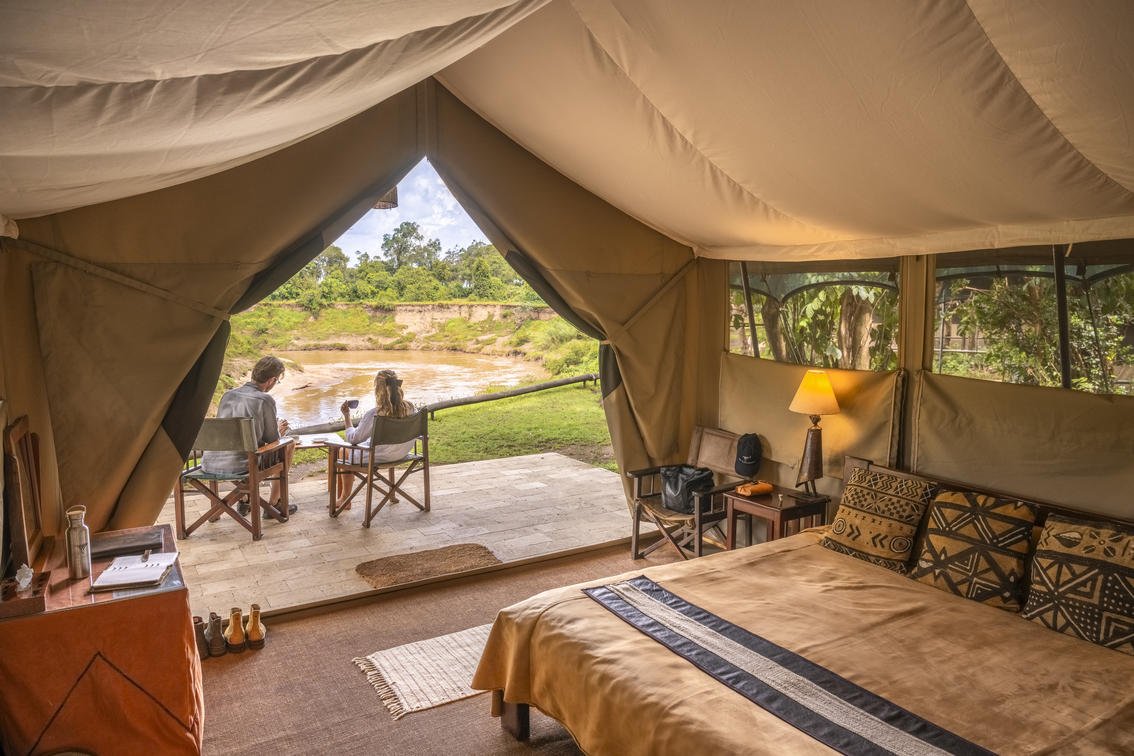
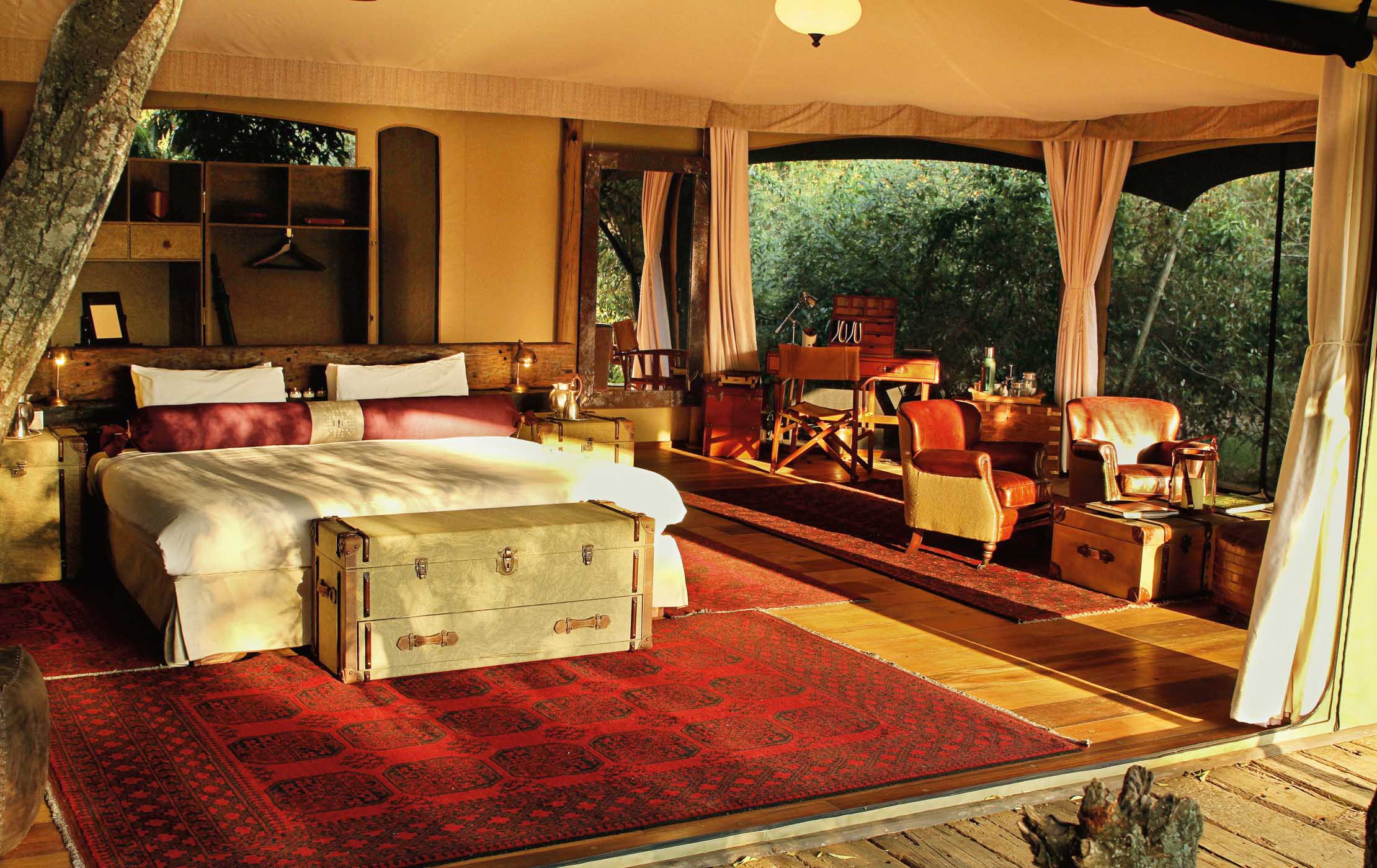
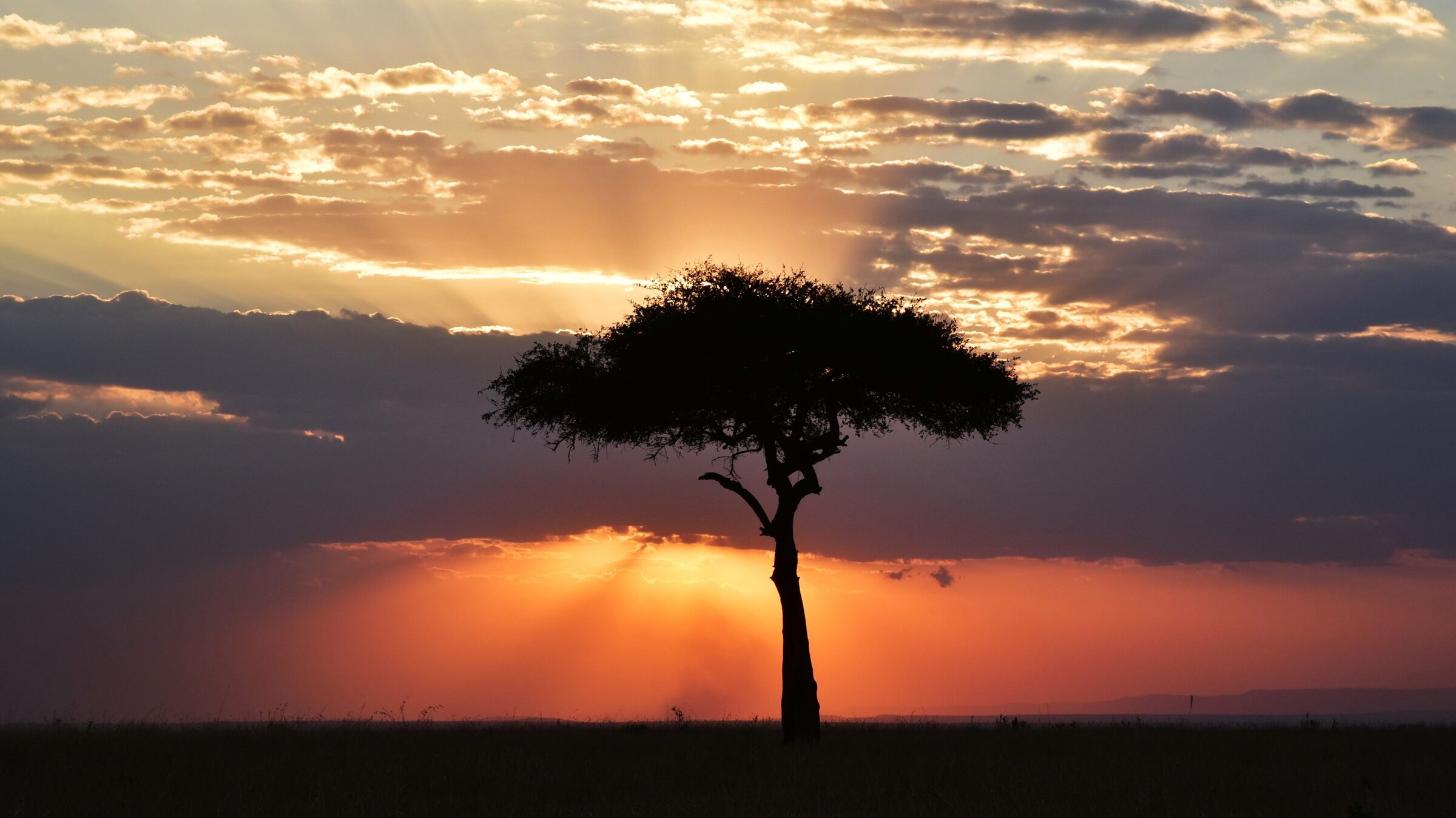
Karen Blixen Camp carries one of the most evocative names in Kenya. It takes it from the Danish writer Karen Blixen — Isak Dinesen — whose memoir Out of Africa fixed the Mara in the imagination of the whole world. The camp sets out to honour that era, and it does: twenty-two canvas tents under a 1920s spell, raised along a quiet loop of the Mara River, with the plains of the Mara North Conservancy rolling away on every side.
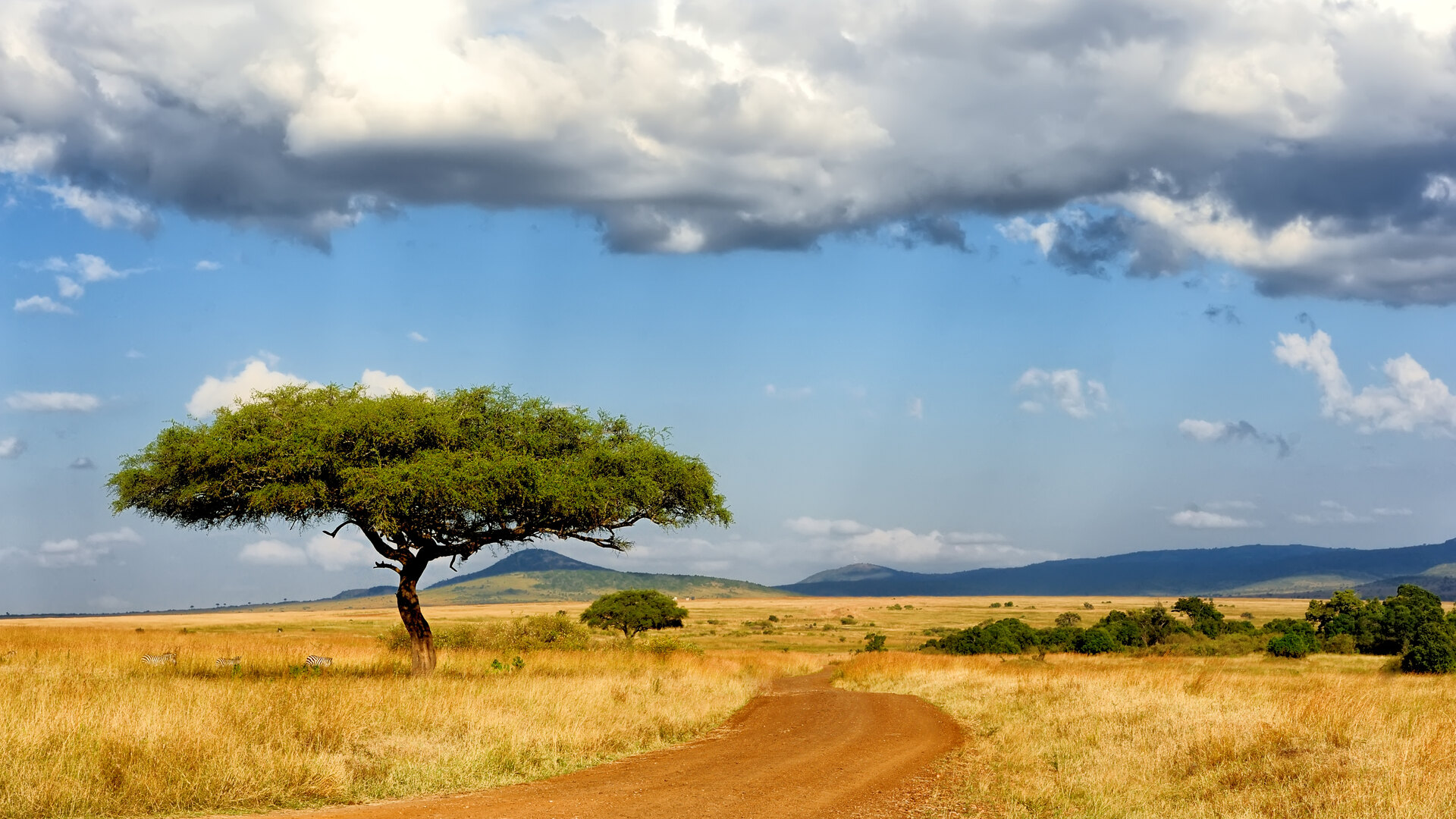
What makes it more than a pretty name is the location. Karen Blixen Camp sits inside the Mara North Conservancy, a private wildlife area that shares an open, unfenced border with the Maasai Mara National Reserve. You get the same ecosystem, the same big cats and the same migration season — but without the vehicle crowds, and with privileges the public reserve does not allow: night game drives, off-road tracking and guided walks.
This 2026 review covers the 22 tents, the 100% solar camp on the river, the game-viewing and night drives, the Mara North Conservancy advantage, seasonal rates and conservancy fees, and how Karen Blixen Camp compares to Governors' Camp and Mara Plains Camp.
- Where: East bank of the Mara River inside the private Mara North Conservancy, next to the Maasai Mara — about 15 km from the Oloololo Gate.
- Rooms: 22 raised canvas tents in 1920s Out of Africa style, with family interconnecting units and some easier-access tents.
- Rates 2026: from about USD 1,134 to USD 1,641 pp/n all-inclusive, plus a mandatory conservancy fee of USD 130 per adult and USD 65 per child per night.
- The edge: night game drives, off-road tracking and walking safaris — none permitted in the national reserve — plus 100% solar power and low vehicle density.
Why Mara North Conservancy — The Advantage Over the Reserve
The single most important thing to understand about Karen Blixen Camp is that it is not in the Maasai Mara National Reserve. It is in the Mara North Conservancy, a private wildlife area of roughly 320 square kilometres leased from more than 800 Maasai landowners. The two areas share an open border, so wildlife moves freely between them — but the rules on the conservancy side are completely different.
The conservancy is closed to day visitors and tour buses. Only guests staying at the small number of member camps can drive here, which keeps vehicle numbers low and sightings calm. At a lion or leopard sighting in the public reserve you can find yourself in a scrum of fifteen vehicles. In Mara North, it is often just your own open Land Cruiser and the animals.
Conservancy privileges you do not get in the reserve: night game drives with a spotlight, off-road tracking to follow predators, and guided walking safaris with an armed Maasai naturalist. These are the experiences that turn a good Mara trip into a great one, and they are only possible on private land.
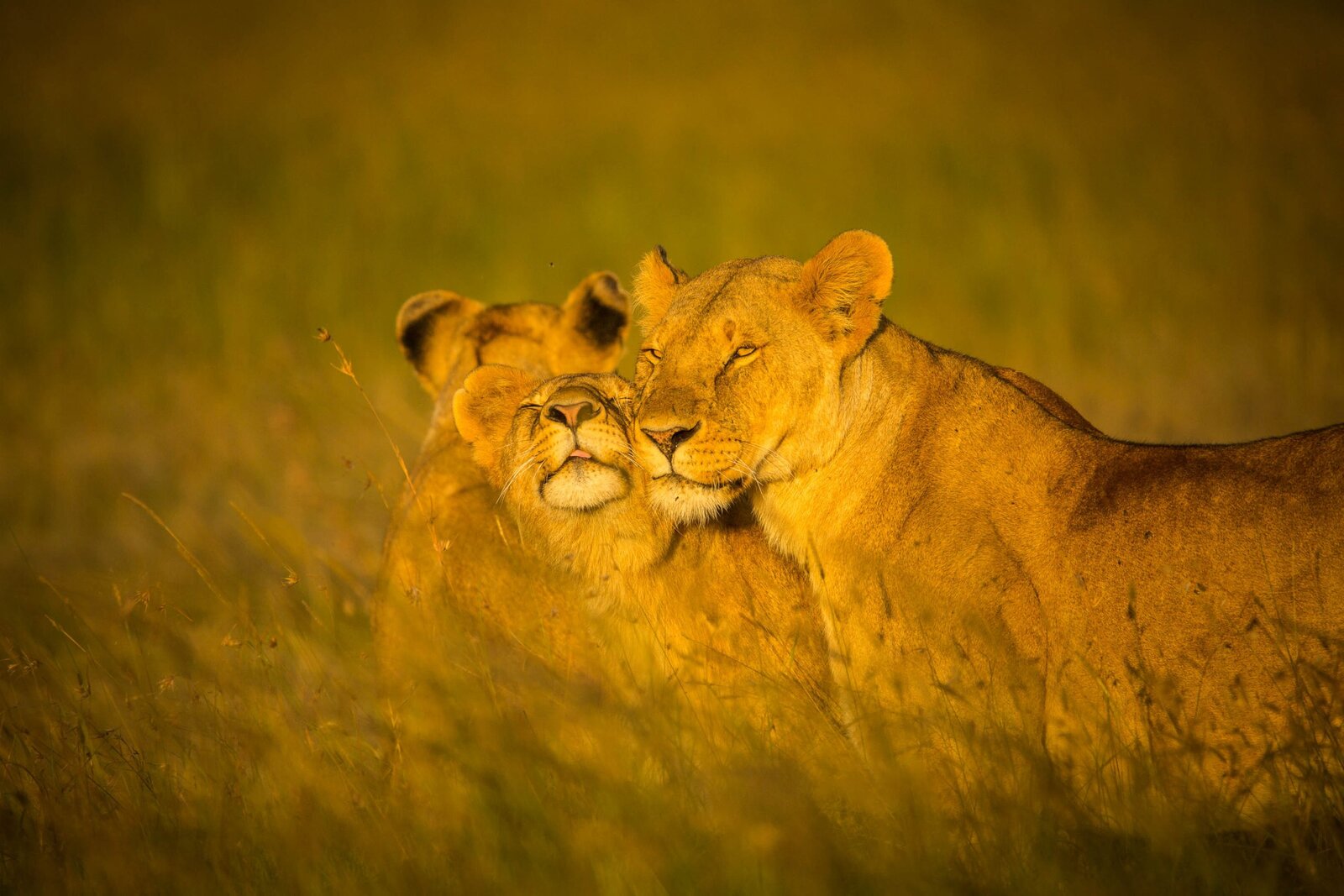
The Mara North Conservancy also carries excellent resident game all year — strong lion prides, elephant, giraffe, buffalo, leopard, cheetah and large plains herds. You do not need the Great Migration to be in residence to have outstanding days in the field. And when the migration does arrive, roughly July to October, the camp runs full-day drives into the main reserve and the Mara Triangle to reach the river crossings.
The 22 Tents — Out of Africa on the River
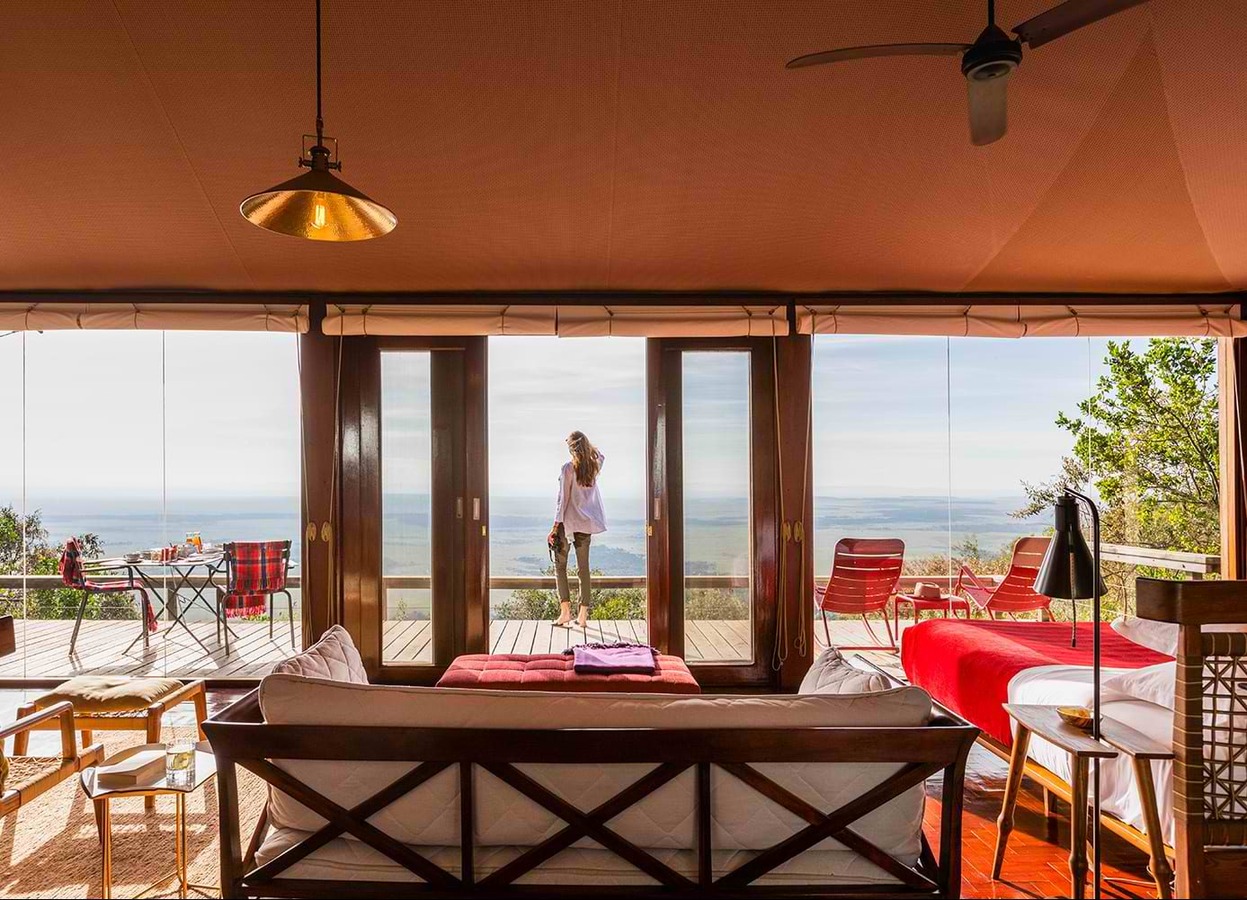
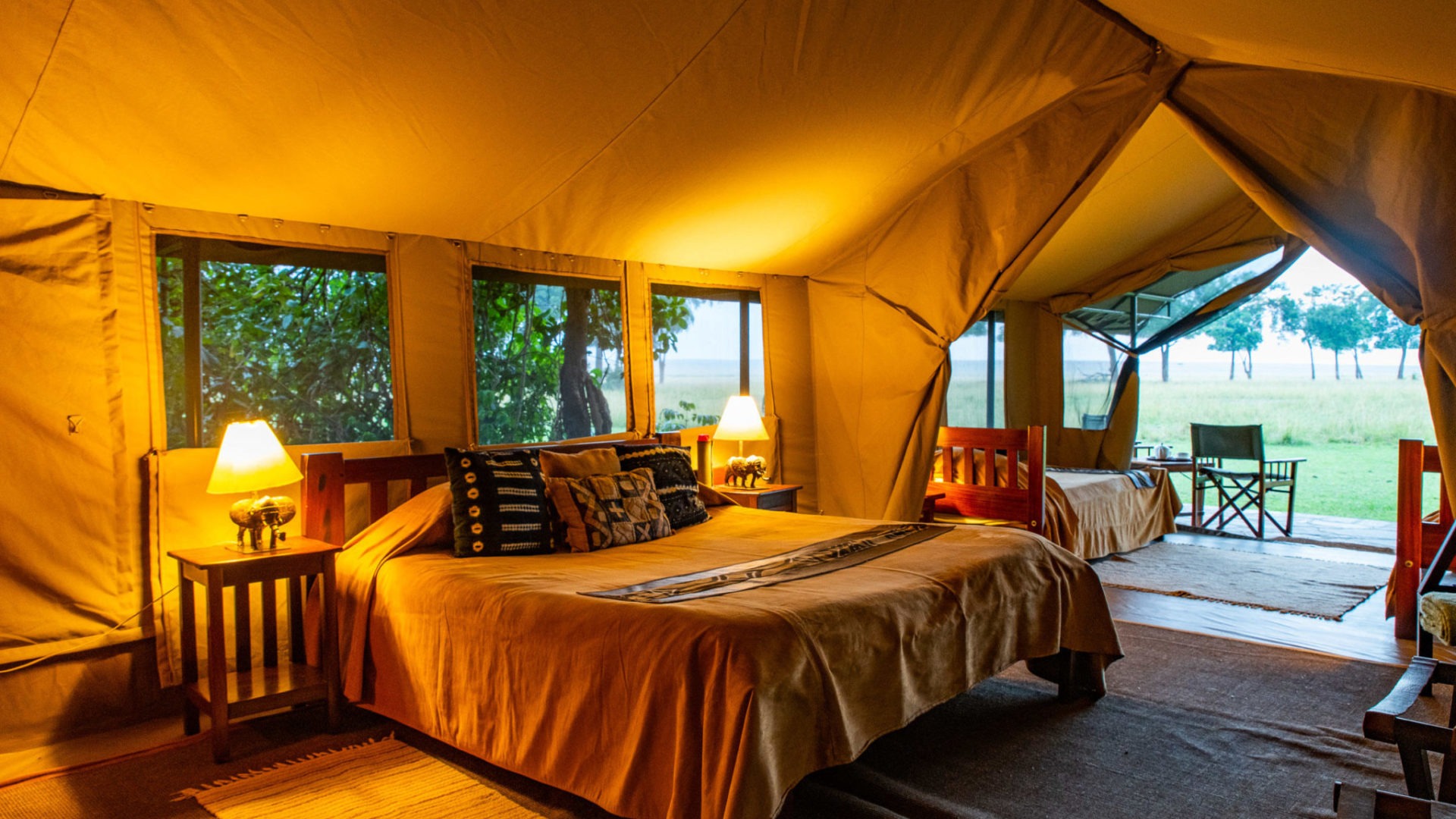
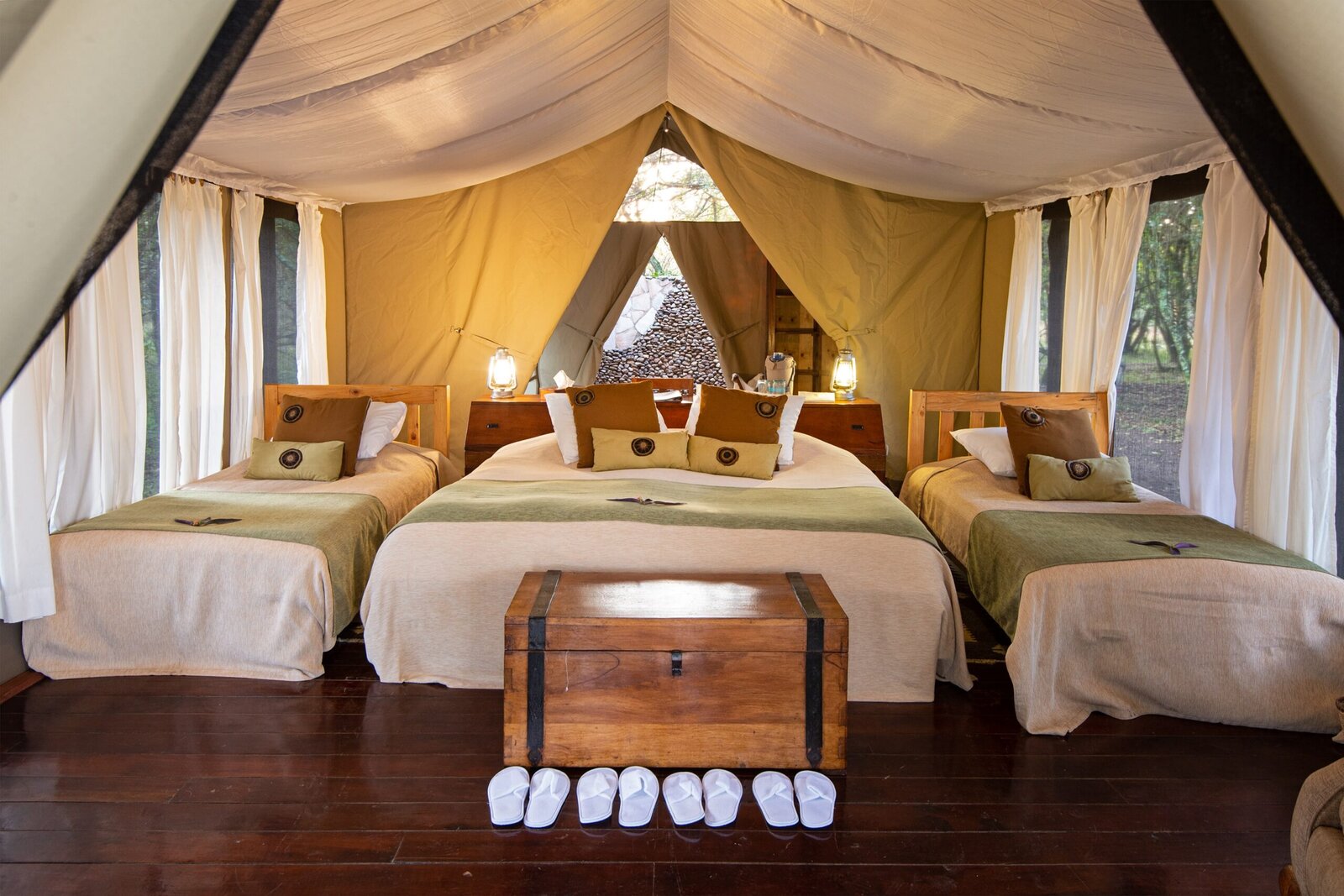
Karen Blixen Camp has 22 canvas tents, each raised on a wooden platform and set among trees along the east bank of the Mara River. The design leans fully into the 1920s period that the camp is named for: campaign-style furniture, writing desks, hurricane lamps, warm wood and canvas, and Persian rugs underfoot. There is no glass and steel here — the charm is in the authenticity.
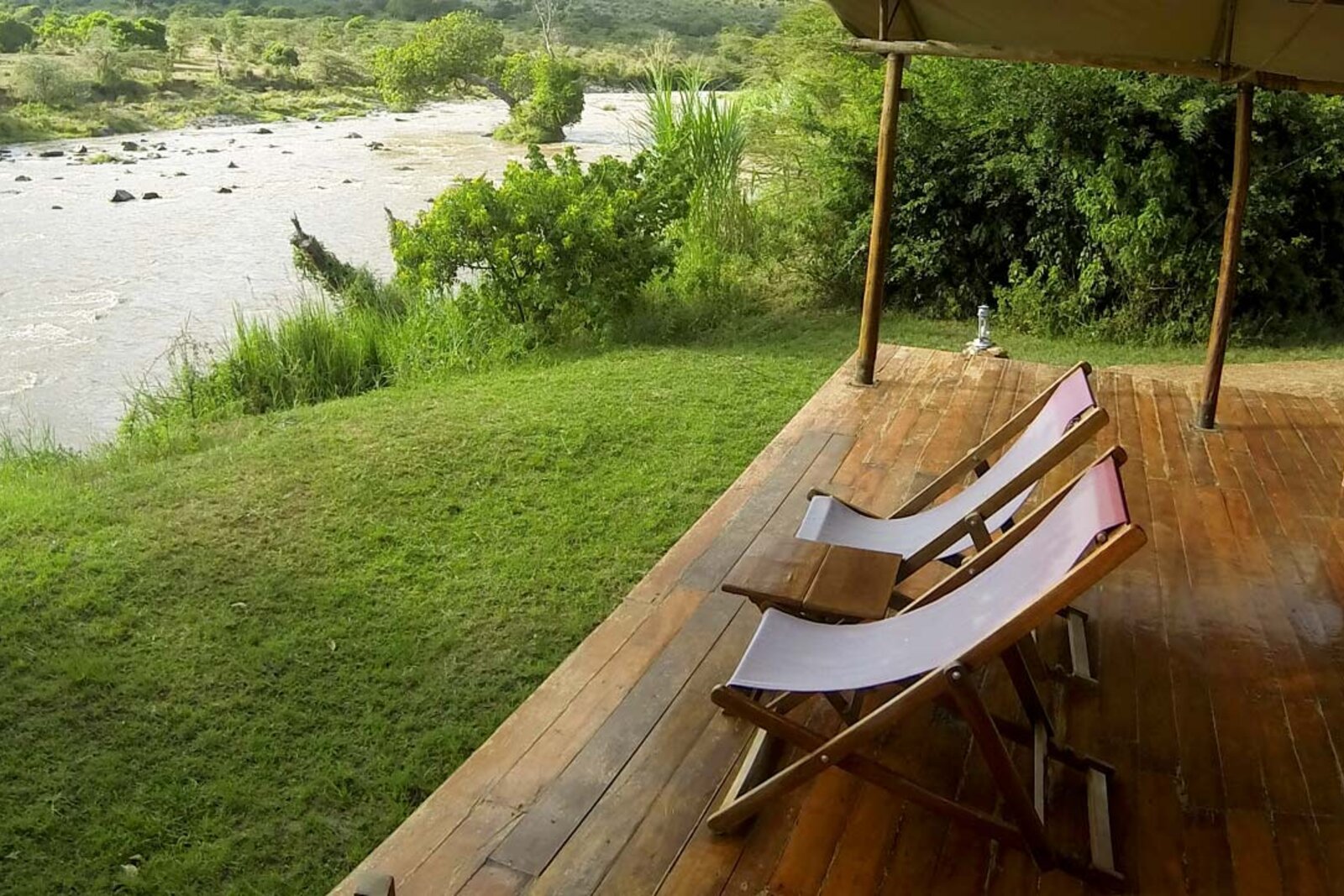
Each tent has a full en-suite bathroom with a flush toilet, twin basins and an outdoor shower open to the sky and the sounds of the bush. A private veranda runs along the front, with daybeds and chairs facing the river or the plains. Mesh panels let you fall asleep to hippos grunting below and lions calling across the water, then zip up against the cool night air.
Families are well looked after. Family units are made from two interconnecting tents, so children and parents each have their own room while staying side by side. A small number of tents are laid out for easier access, which is rare at Mara camps and worth asking about when you book.
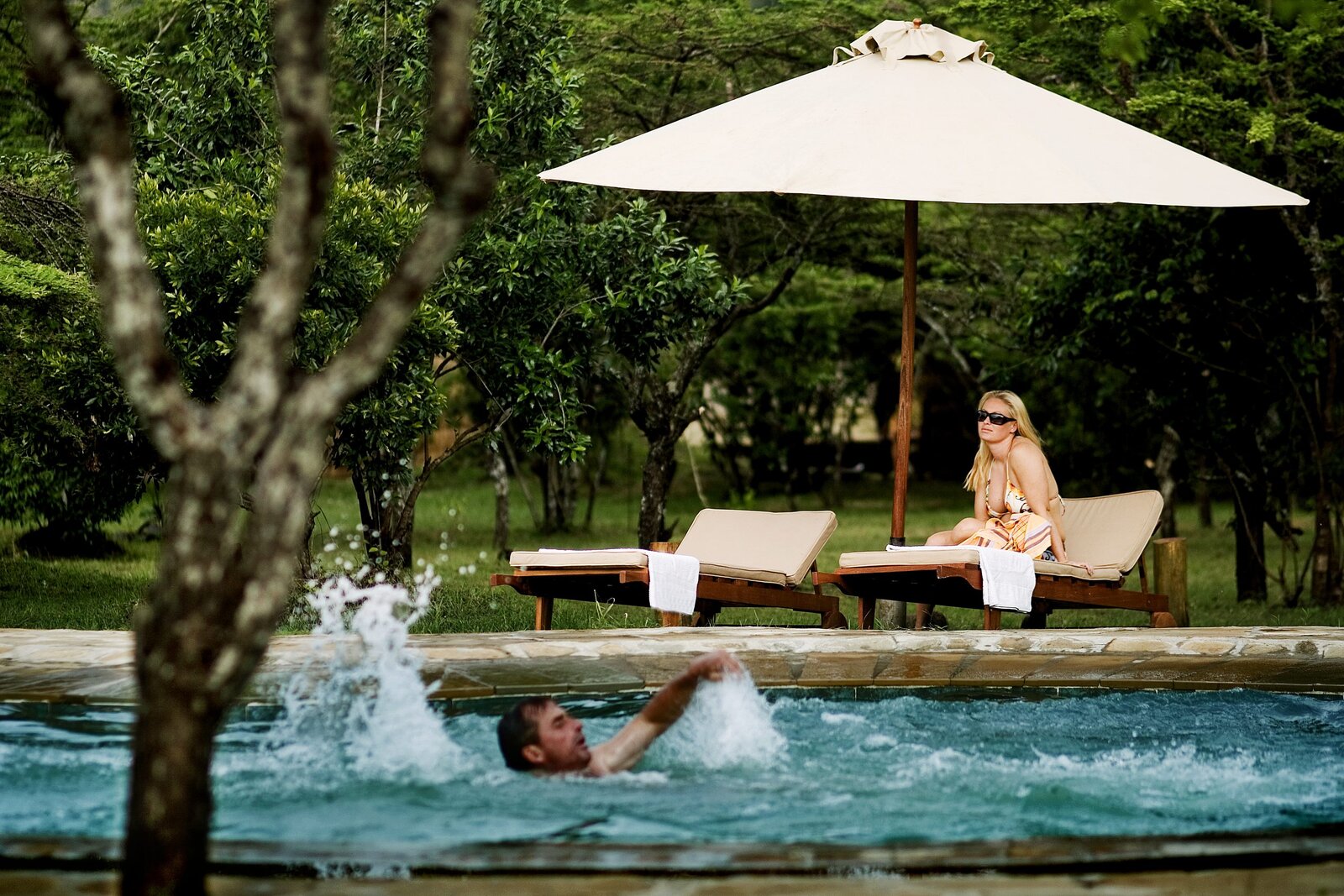
At the centre of camp is an organic-shaped swimming pool, a quiet spot to cool off between drives. There is a small spa for a massage after a long day in the vehicle, a gift shop stocked with crafts made by Maasai women from the surrounding community, and a WiFi tent for guests who need to stay in touch — kept to one place, on purpose, so the rest of camp stays unplugged.
Game Drives, Night Drives & Walking
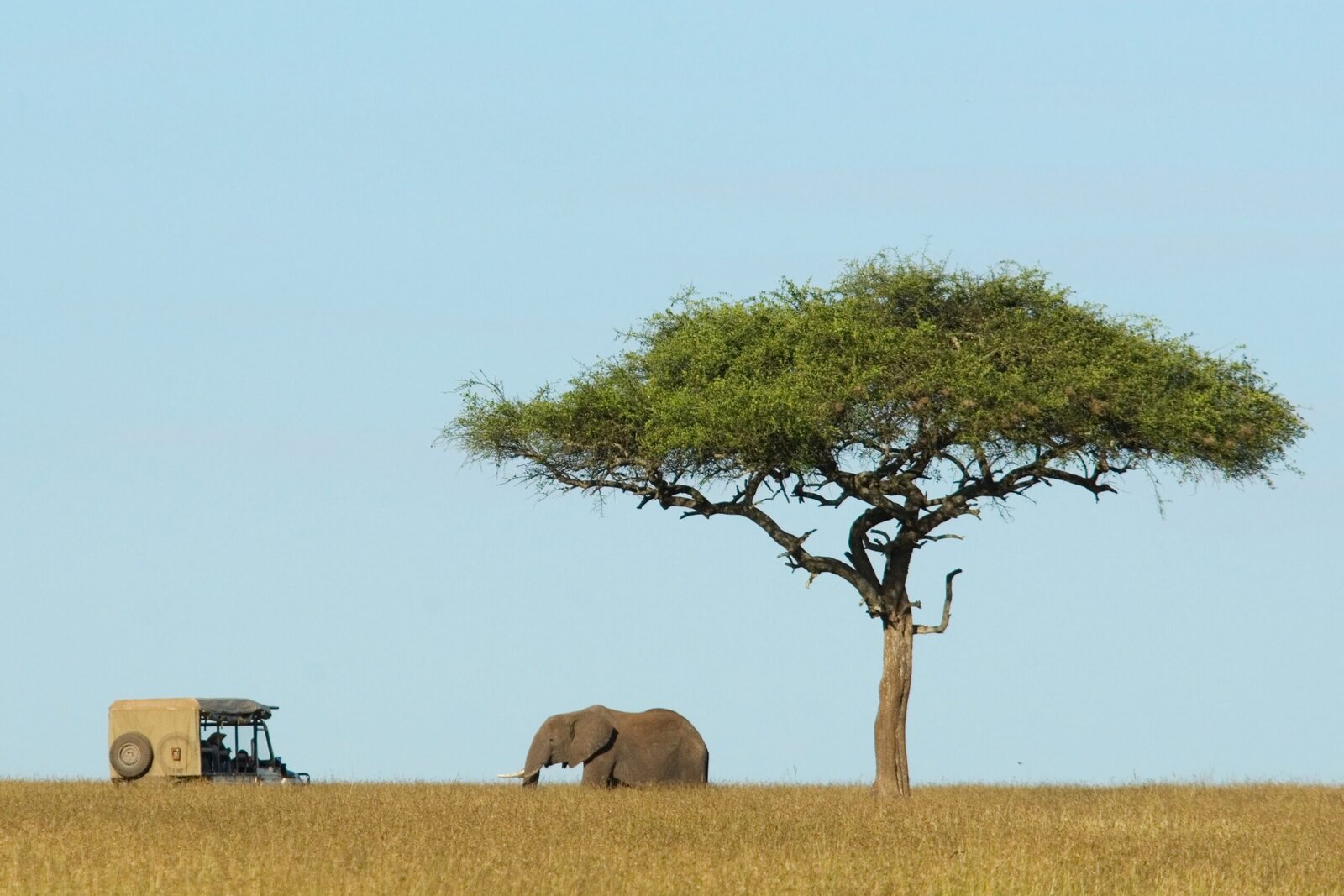
Game viewing is in open 4x4 Land Cruisers with a maximum of six guests per vehicle, so everyone has a window seat and a clear line of sight. With low overall vehicle numbers in the conservancy, you rarely share a sighting, and your guide can stay as long as the action lasts rather than moving on for the next vehicle in a queue.
Mornings and afternoons are the standard drives, but full-day outings with a packed lunch are easy to arrange — and during the migration months they are how you reach the river crossings in the main reserve and the Mara Triangle. Your guide reads the day and plans around it, not around a fixed timetable.
The real bonus of staying on private land is what you can do after dark and on foot. Night game drives with a spotlight open up a different cast — serval, aardvark, genet, bushbaby and predators on the hunt. Guided walking safaris with an armed Maasai naturalist bring the small details into focus: tracks, plants, dung beetles and the birdlife you miss from a vehicle. One night drive is included in the rate; walks can be added.
For a bigger view, the camp can arrange a hot-air balloon flight over the plains at dawn, typically around USD 510 to 550 per person, finishing with a bush breakfast where you land. Maasai village visits and tours of the camp's own hospitality-training school round out the cultural side of a stay.
Dining on the Mara River
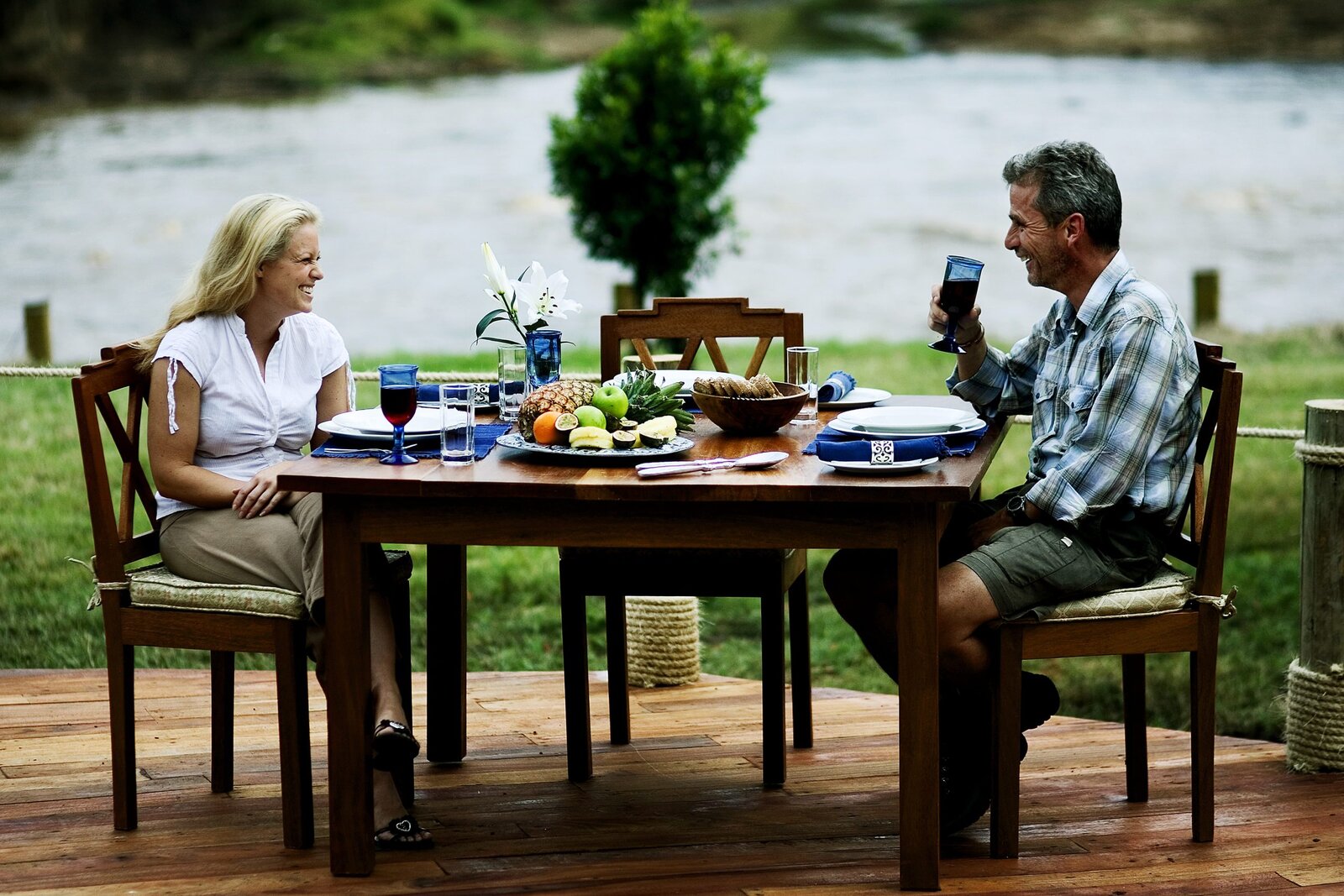
The heart of camp is an open-sided mess with a lounge, bar and dining deck built out over the Mara River. Meals are generous and fresh, with plenty of produce grown locally, and the kitchen is happy to work around dietary needs and children's tastes with notice.
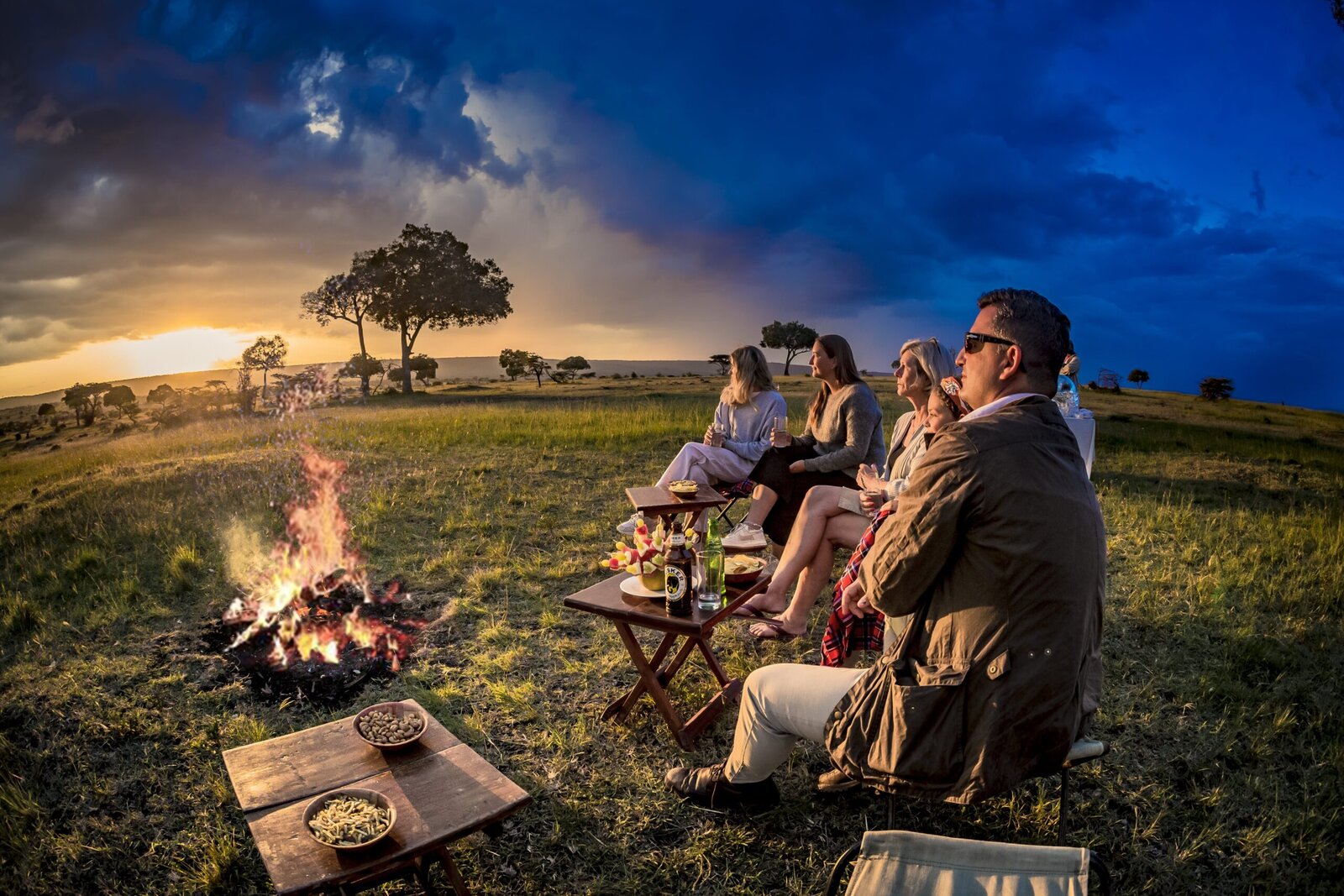
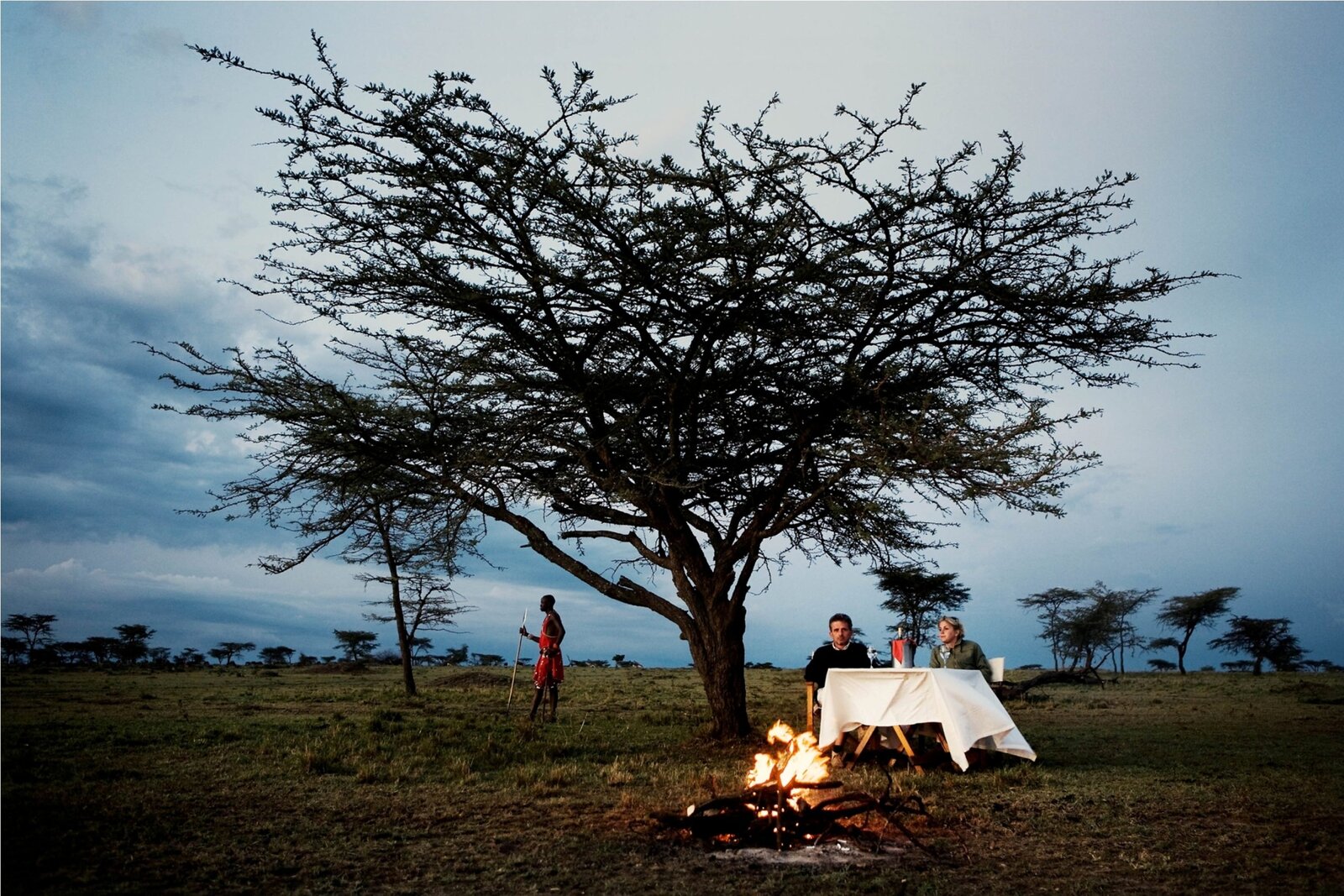
Where you eat changes with the day. Breakfast on your own veranda, lunch on the river deck watching hippos below, a private bush dinner lit by lanterns out on the plains, or sundowners on a rise as the light goes gold and the first stars appear. The team sets these moments up quietly and well — part of the warmth that long-time guests come back for.
Conservation & Community
Karen Blixen Camp runs on 100% solar power, a serious commitment for a camp of this size in a remote corner of the Mara. It keeps the camp quiet, with no generator hum over the river, and cuts its footprint to a minimum.
The conservancy model itself is the bigger conservation story. The mandatory conservancy fee every guest pays — USD 130 per adult and USD 65 per child per night — goes directly toward leasing land from more than 800 Maasai families, funding anti-poaching work and supporting schools and clinics. Tourism income gives the community a reason to keep the land open for wildlife rather than fencing and farming it. The gift shop and the camp's hospitality-training school extend that support, putting skills and income back into local hands.
Karen Blixen Camp 2026 Rates & Seasons
Rates below are per person per night sharing, fully inclusive of full board, house drinks, shared game drives, one night game drive and return airstrip transfers. The Mara North Conservancy fee is charged separately and is mandatory.
| Season | Dates | Rate (pp/n sharing) |
|---|---|---|
| Low Season | Apr – May 2026 | from USD 1,134 |
| Shoulder Season | Jun 2026 Nov – mid-Dec 2026 |
USD 1,274 |
| High Season | Jan – Mar 2026 | USD 1,415 |
| Peak Season (Migration) | Jul – Oct 2026 late Dec 2026 – early Jan 2027 |
USD 1,641 |
Mara North Conservancy fee: USD 130 per adult per night and USD 65 per child per night, paid on top of the rates above.
Children: Infants under 2 stay free. Children aged 2–12 receive reduced camp rates, and the reduced conservancy fee of USD 65 per night applies.
Optional extras: Hot-air balloon safari (around USD 510–550 per person), guided walking safaris, spa treatments and Maasai village visits. Confirm current pricing and availability at the time of booking.
Karen Blixen Camp vs Governors' Camp vs Mara Plains
Each of these three camps sits in a different part of the Mara ecosystem and suits a different kind of traveller. Here is how they line up.
| Feature | Karen Blixen Camp | Governors' Camp | Mara Plains Camp |
|---|---|---|---|
| Location | Mara North Conservancy (private) | Masai Mara National Reserve (riverside) | Olare Motorogi Conservancy (private) |
| Accommodation | 22 tented suites | 37 classic tents | 7 tented suites |
| Style | 1920s Out of Africa, warm & authentic | Classic reserve safari, long heritage | Colonial Swahili, intimate, photography HQ |
| Night Drives & Walking | Yes (private conservancy) | No (inside the national reserve) | Yes (private conservancy) |
| Vehicle Density | Low (conservancy, members only) | Higher (public reserve traffic) | Very low (1 per 2,100 acres) |
| Best For | Value luxury, families, Out of Africa character | Classic reserve location, river crossings on the doorstep | Serious photographers, maximum exclusivity |
| 2026 Peak Rate | around USD 1,641 pp/n | around USD 1,000–1,400 pp/n | around USD 3,405 pp/n |
Our take: Karen Blixen Camp is the strongest value among the Mara's name camps. You get genuine conservancy privileges, 22-tent character with real Out of Africa warmth, and family-friendly tents, at a rate well below the ultra-exclusive camps. Governors' Camp wins on classic reserve location and the drama of crossings on its doorstep, while Mara Plains is the pick for photographers who want the quietest, most exclusive camp money can buy. For most travellers wanting private-conservancy game viewing without the top-tier price, Karen Blixen Camp is the sweet spot.
How to Book Karen Blixen Camp
Book Karen Blixen Camp through a specialist Kenya safari operator such as Beyond Africa Safaris. Most guests fly from Nairobi Wilson Airport to the Mara North airstrip — a light-aircraft flight of about 45 minutes — followed by a 45-minute game-drive transfer to camp. The road route from Nairobi takes around 5 hours and is not recommended when the flight is so straightforward.
Karen Blixen Camp pairs beautifully with other parts of Kenya. Combine it with Giraffe Manor and the Nairobi highlights at the start of your trip, add Amboseli for elephants against Kilimanjaro, or link it with the Serengeti for a Kenya–Tanzania migration circuit. Three to four nights in Mara North is the ideal length to make the most of the conservancy.
For more on planning a Mara trip, see our guides to the Masai Mara safari guide, the best Masai Mara safari camps, the Masai Mara private conservancies, and the best luxury safari lodges in Kenya. See our luxury African safari packages or speak to a Kenya specialist to plan your stay at Karen Blixen Camp.
Karen Blixen Camp is the rare place that lives up to its name. Twenty-two tents on a loop of the Mara River, the plains of a private conservancy at your door, and the quiet, unhurried safari that the public reserve can no longer offer. Out of Africa, made real.