Key Takeaways
- Private Conservancy: Satao Elerai sits on its own 5,000-acre private conservation area southeast of Amboseli — so night drives and walking safaris (both banned inside the national park) are yours to enjoy.
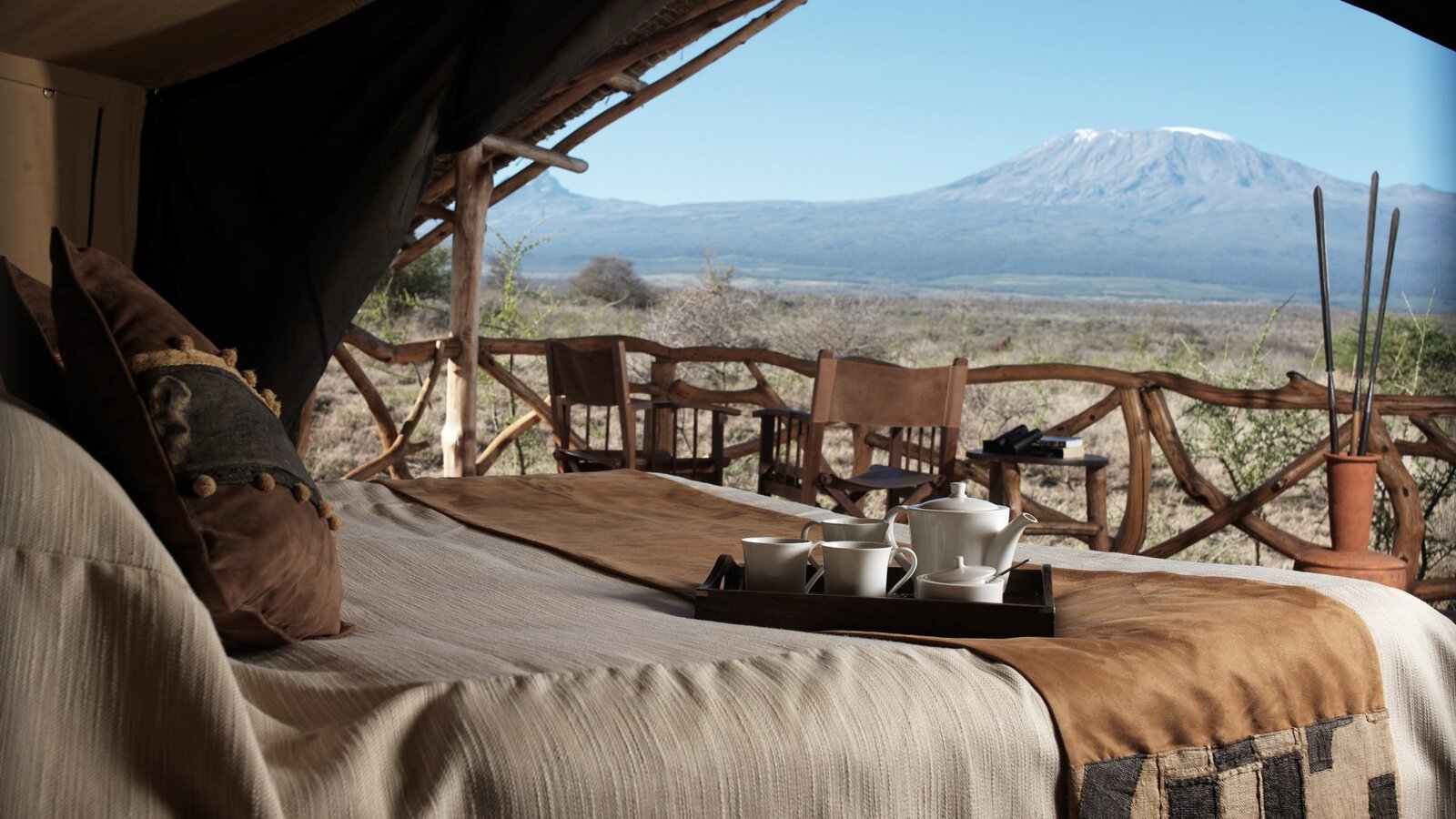
- Kilimanjaro From an Elevated Vantage: Built on rising ground around natural granite boulders, the camp looks out over the plains to Africa's highest mountain — and every tent faces the peak.
- The Kitenden Corridor: The conservancy protects a critical wildlife corridor linking the Kilimanjaro forests of Tanzania to Amboseli, keeping the elephant migration route open.
- Real Conservation: Established in 2007 as a partnership between the local Elerai Maasai community, the African Wildlife Foundation (AWF), and private investors — with anti-poaching support from the Big Life Foundation.
- Transparent 2026 Rates: Full Board from $210 to $620 per night depending on season, plus a $55 per-person Elerai Community & Wildlife Conservation Fee. Camp closed 28 Apr – 24 May 2026.
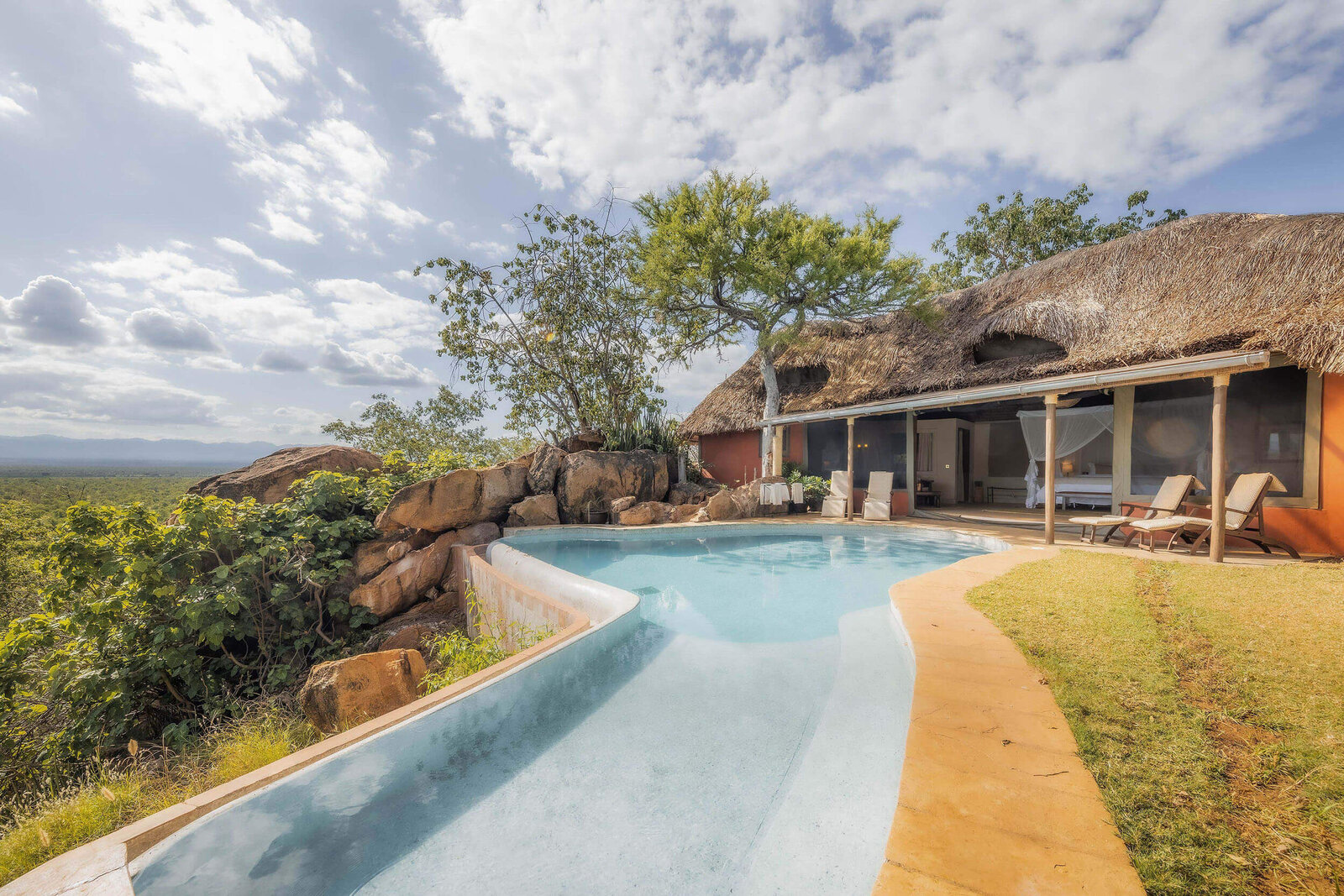
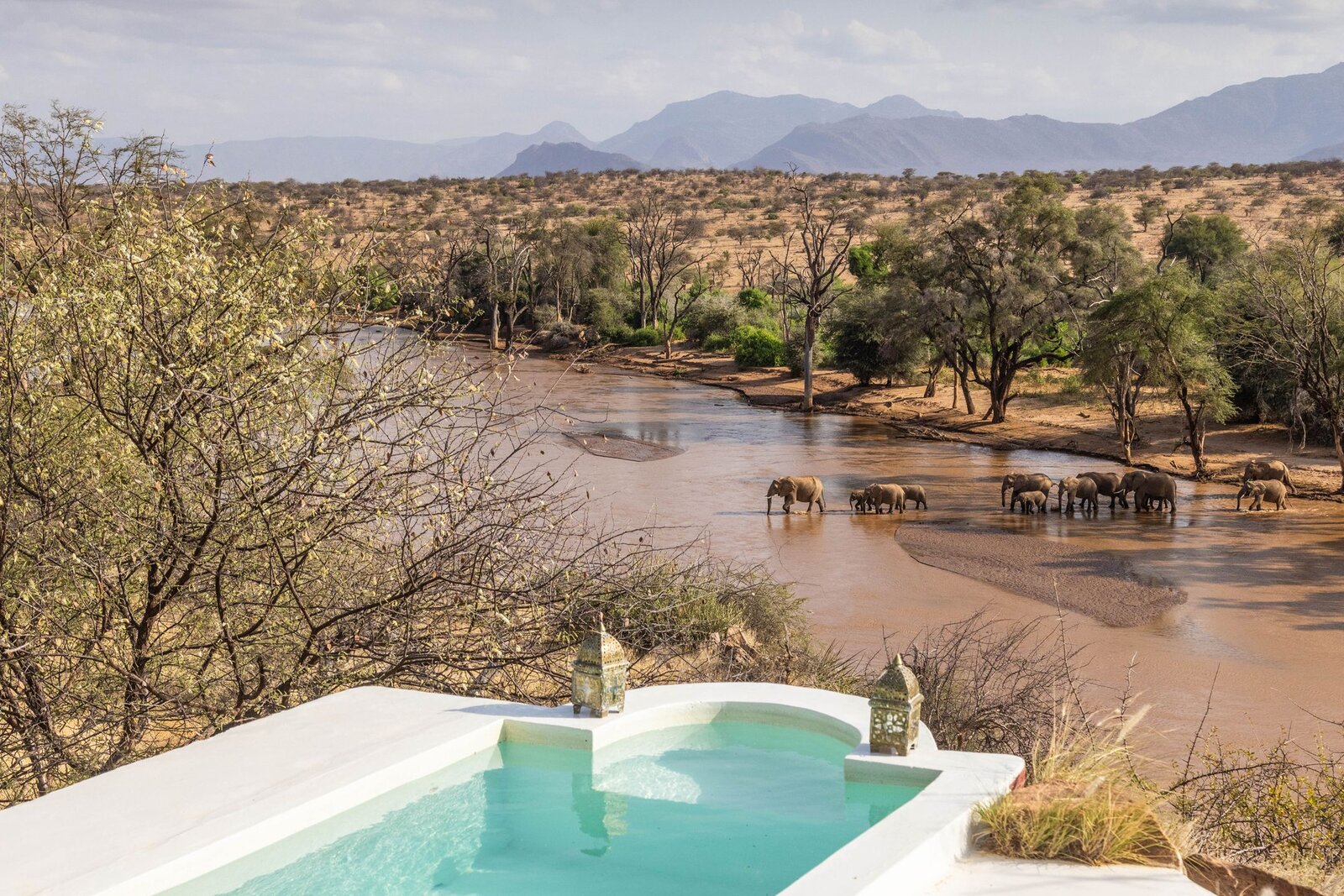
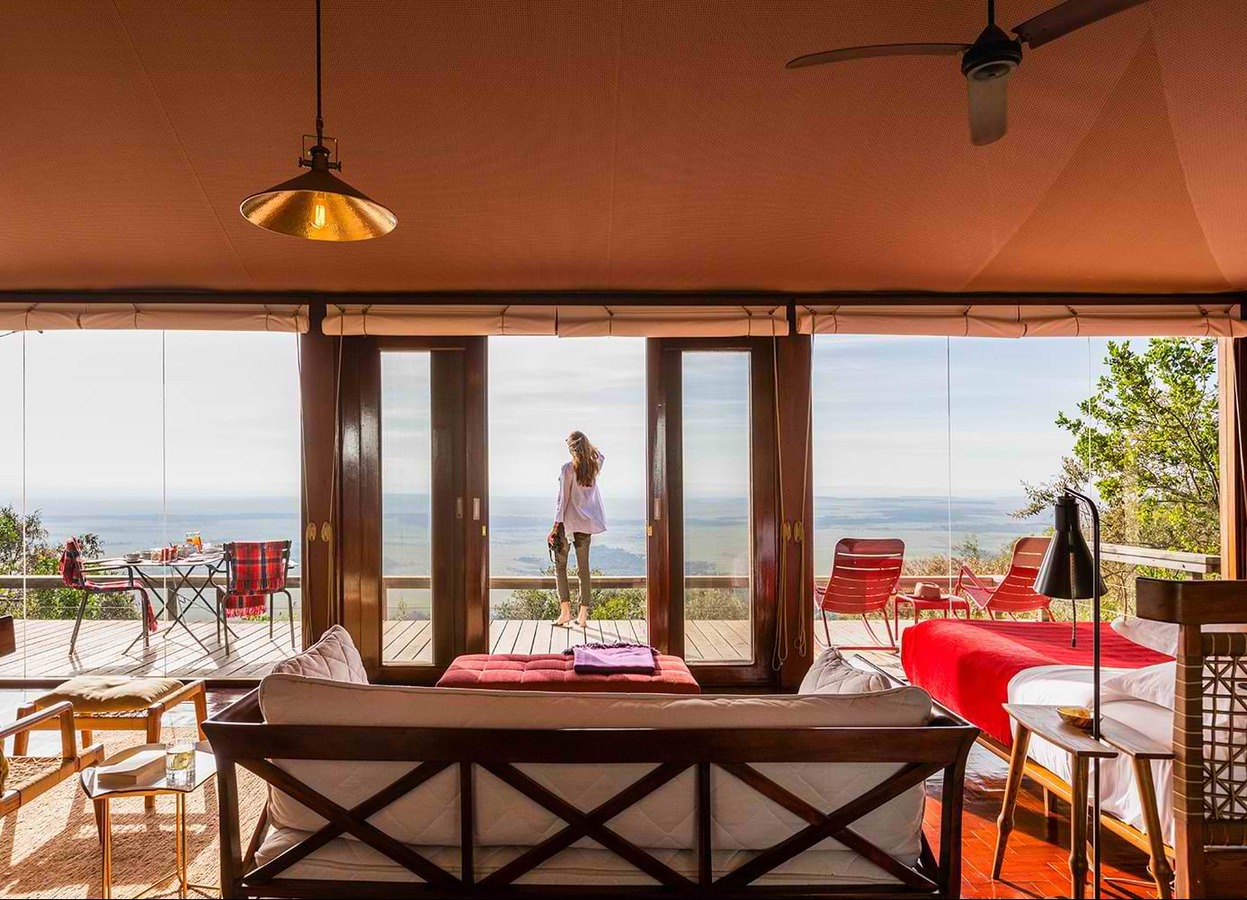
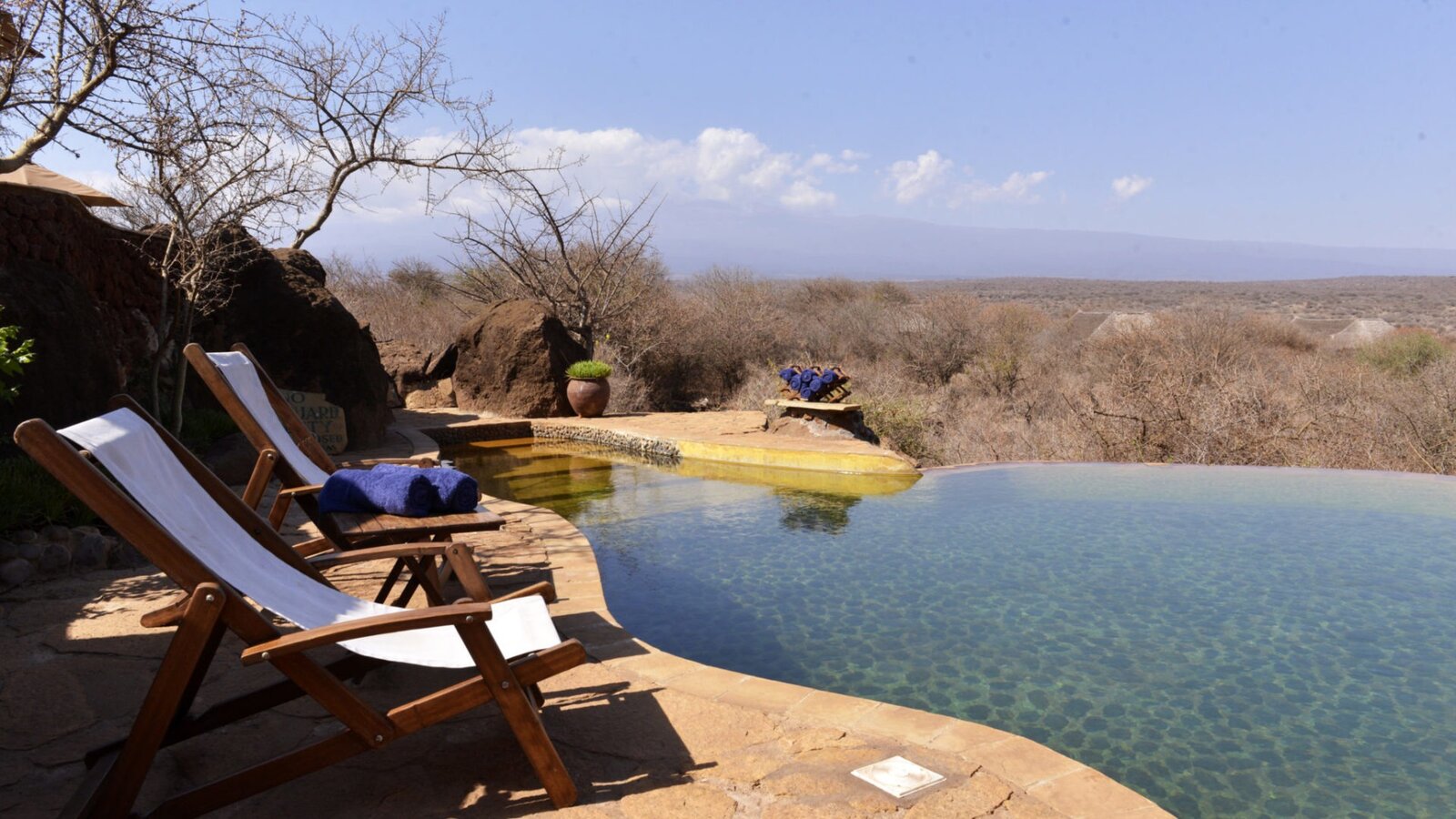
- The Accommodation: 12 deluxe safari tents on raised stone plinths, 5 solid stone-and-acacia lodge suites (with bathtubs), and 2 family tents — plus an infinity pool overlooking the savanna.
- Who It's For: Perfect for travelers who want a private-conservancy experience (walking + night drives), Kilimanjaro photographers, eco-conscious guests, families, and anyone wanting the Amboseli story Expert Africa never fully tells.
Satao Elerai — A Private Kingdom Between Kilimanjaro and Amboseli
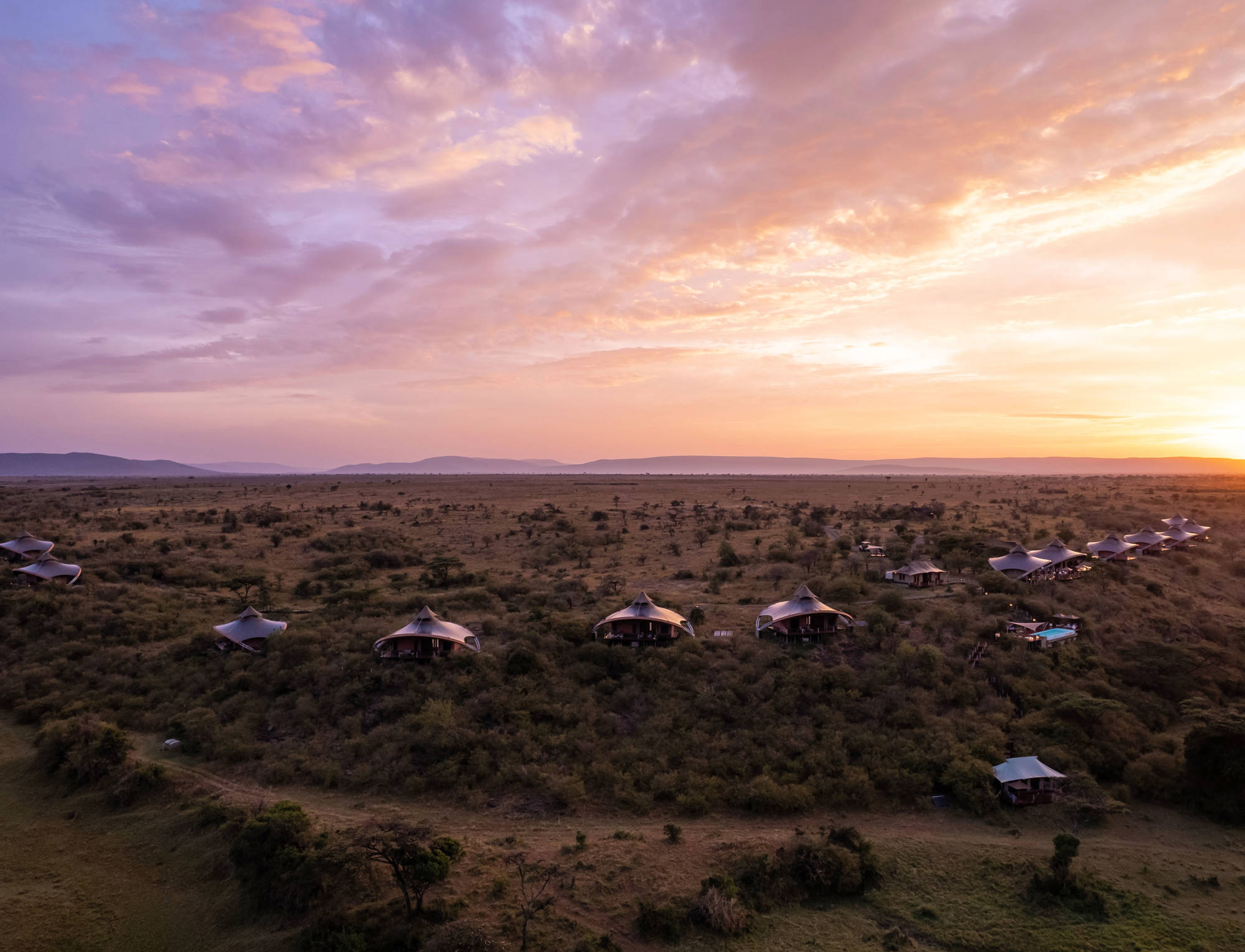
Most Amboseli lodges share the same patch of park with everyone else. Satao Elerai Camp does something different: it sits on its own 5,000-acre private conservation area, ten kilometres southeast of Amboseli National Park, on rising ground that gives you an elevated grandstand seat to Africa's highest mountain.
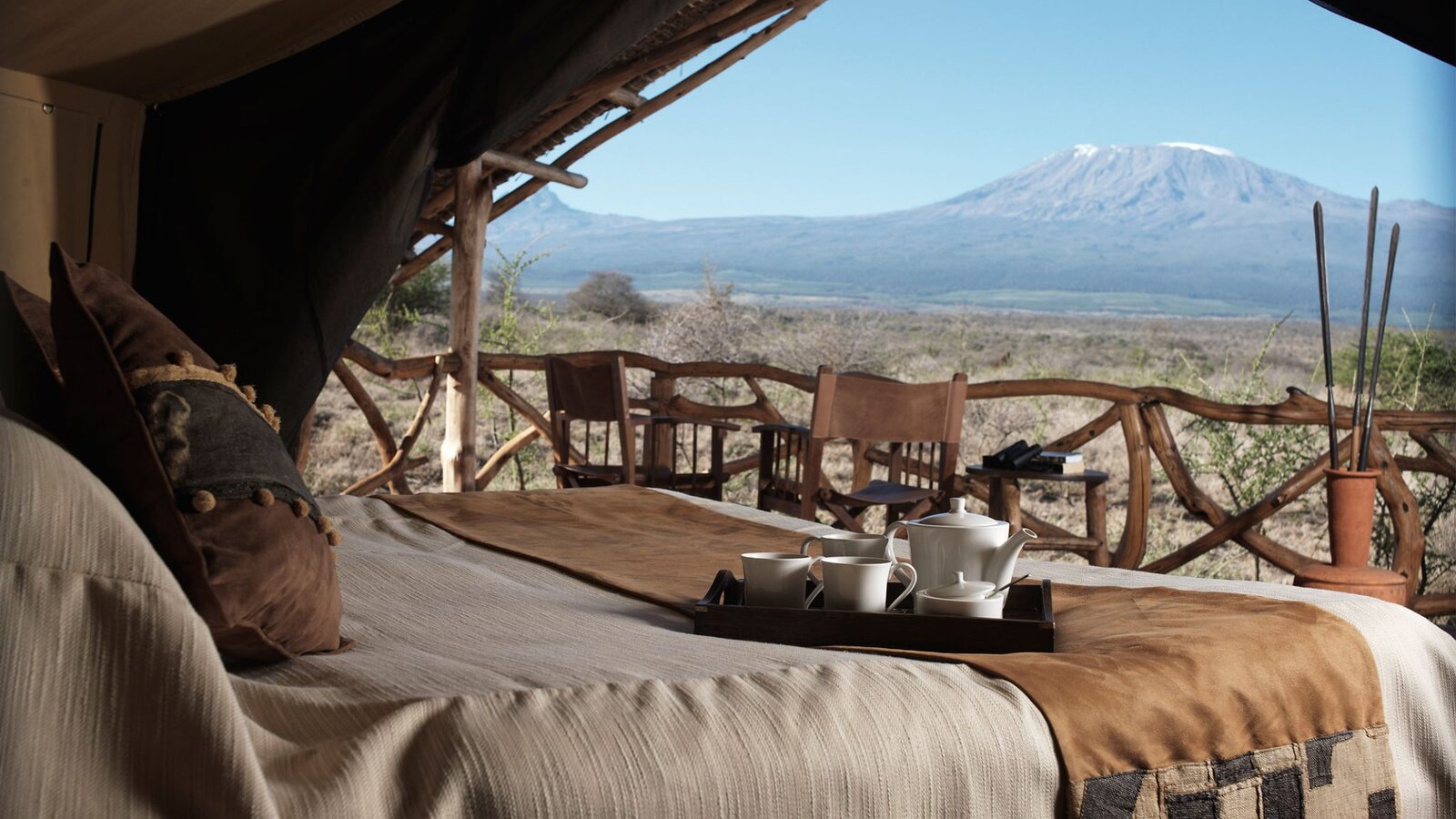
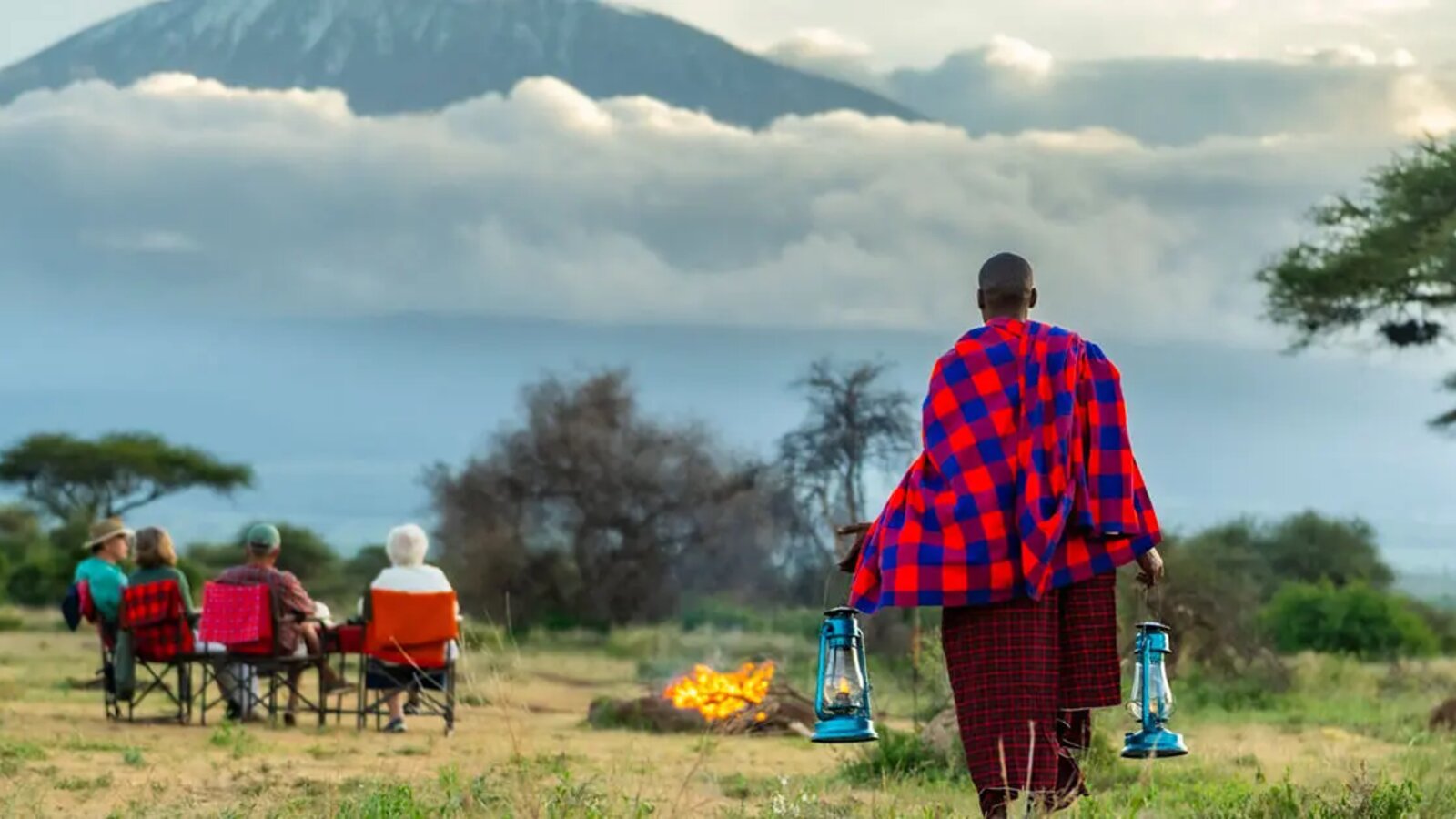
From here, Kilimanjaro doesn't just appear — it presides. The camp is built around massive natural granite boulders, its tents and suites stepped up the hillside so that every veranda faces the snow-capped peak across the acacia plains. And because you're on private land rather than inside the park, the rules change in your favour: guided walking safaris and night game drives — both forbidden inside Amboseli National Park — are part of daily life at Satao Elerai.
If you've read Expert Africa's write-up — the one that describes the camp politely but stops short of rates, decision tools, or the conservation story that actually matters — this is the guide they won't write. Here you'll find transparent 2026 rates (Full Board from $210 per night), a month-by-month best-time breakdown, a who-should-stay decision matrix, and the real story behind the wildlife: the Kitenden Corridor, the African Wildlife Foundation partnership, and the Maasai community who own the land your tent stands on.
This is Satao Elerai. Where a private conservancy, a living wildlife corridor, and Africa's rooftop come together — and where your stay directly funds the community protecting all three.
The Accommodation — Deluxe Tents, Stone Suites & Family Tents
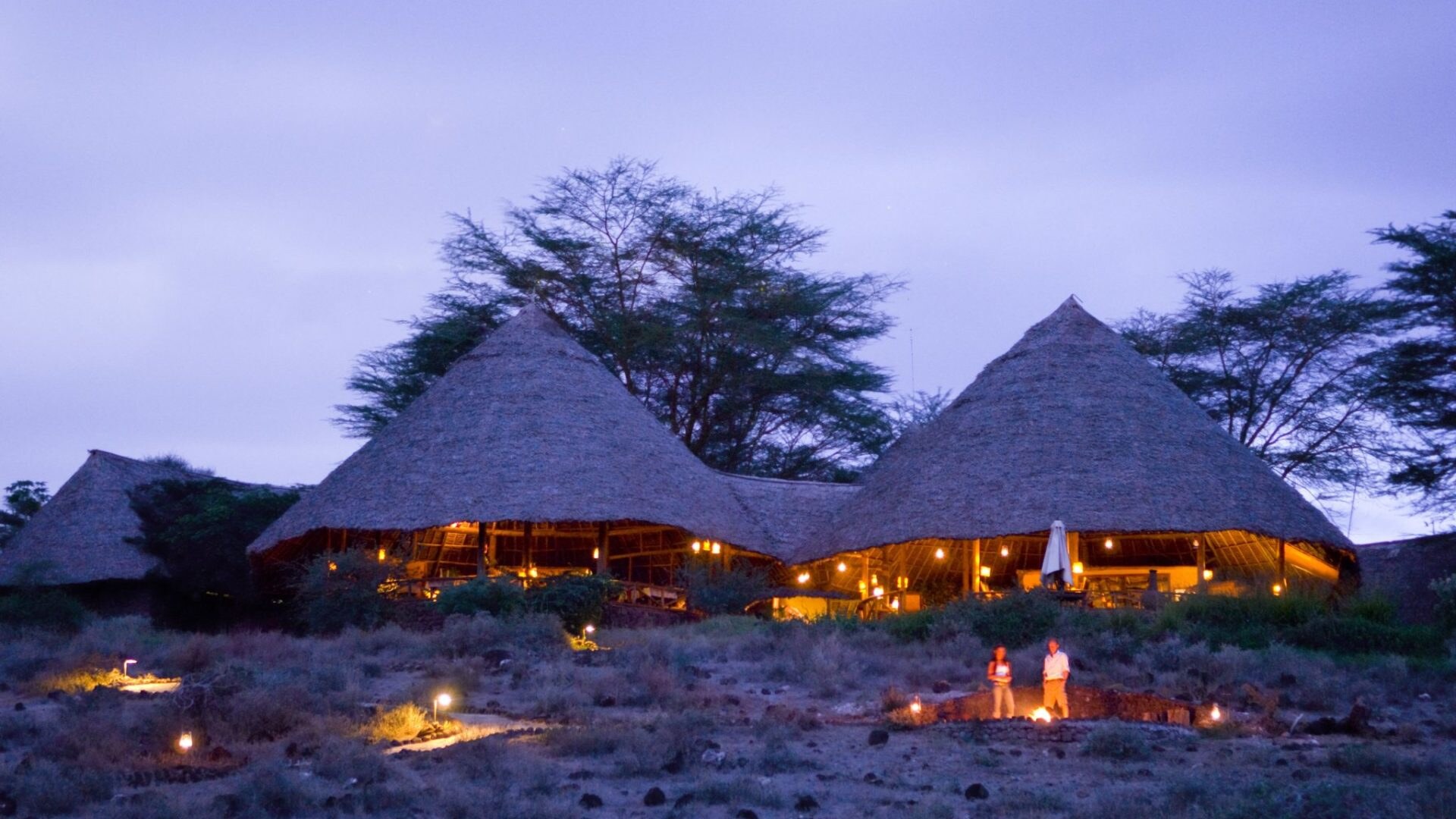
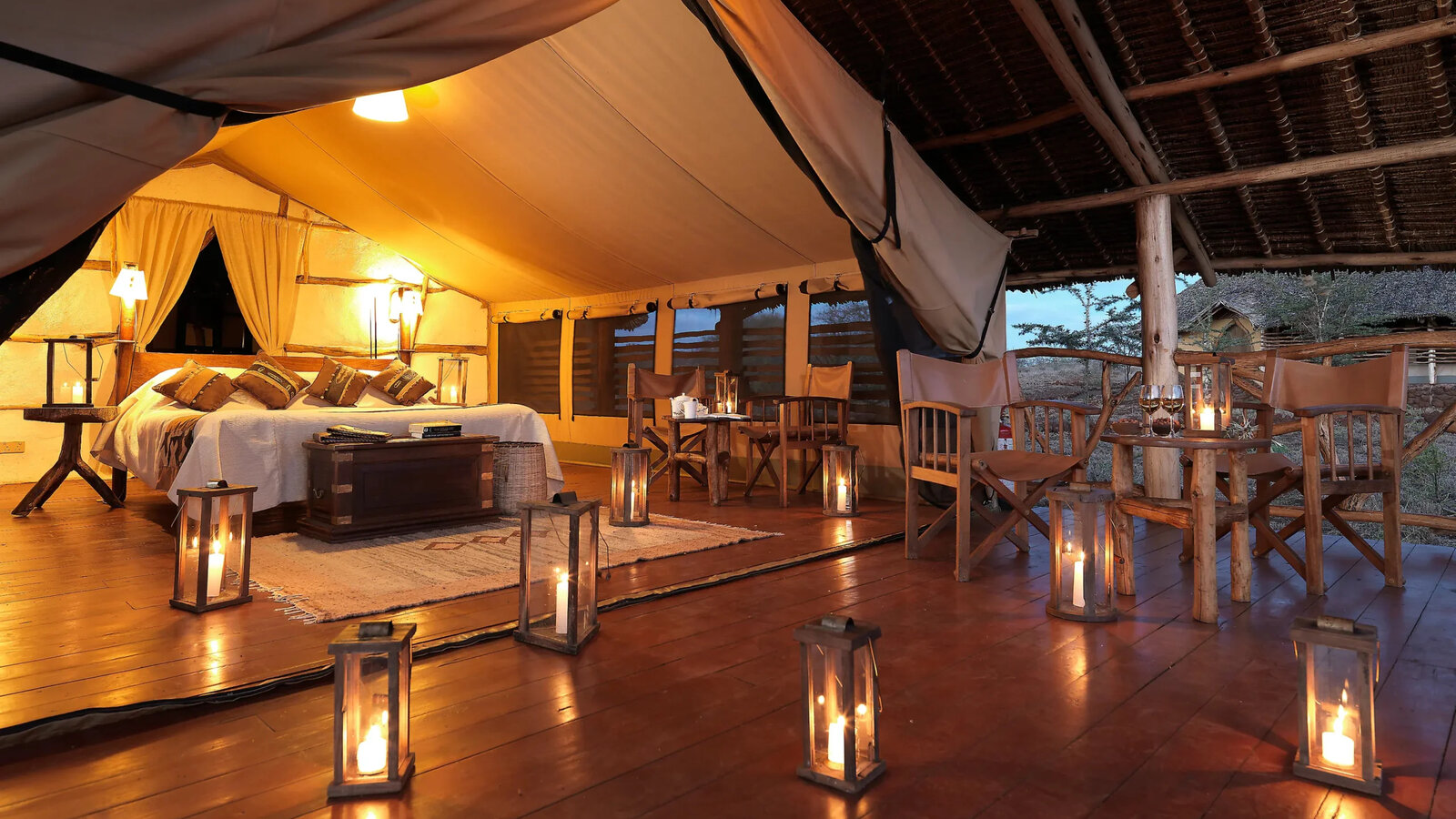
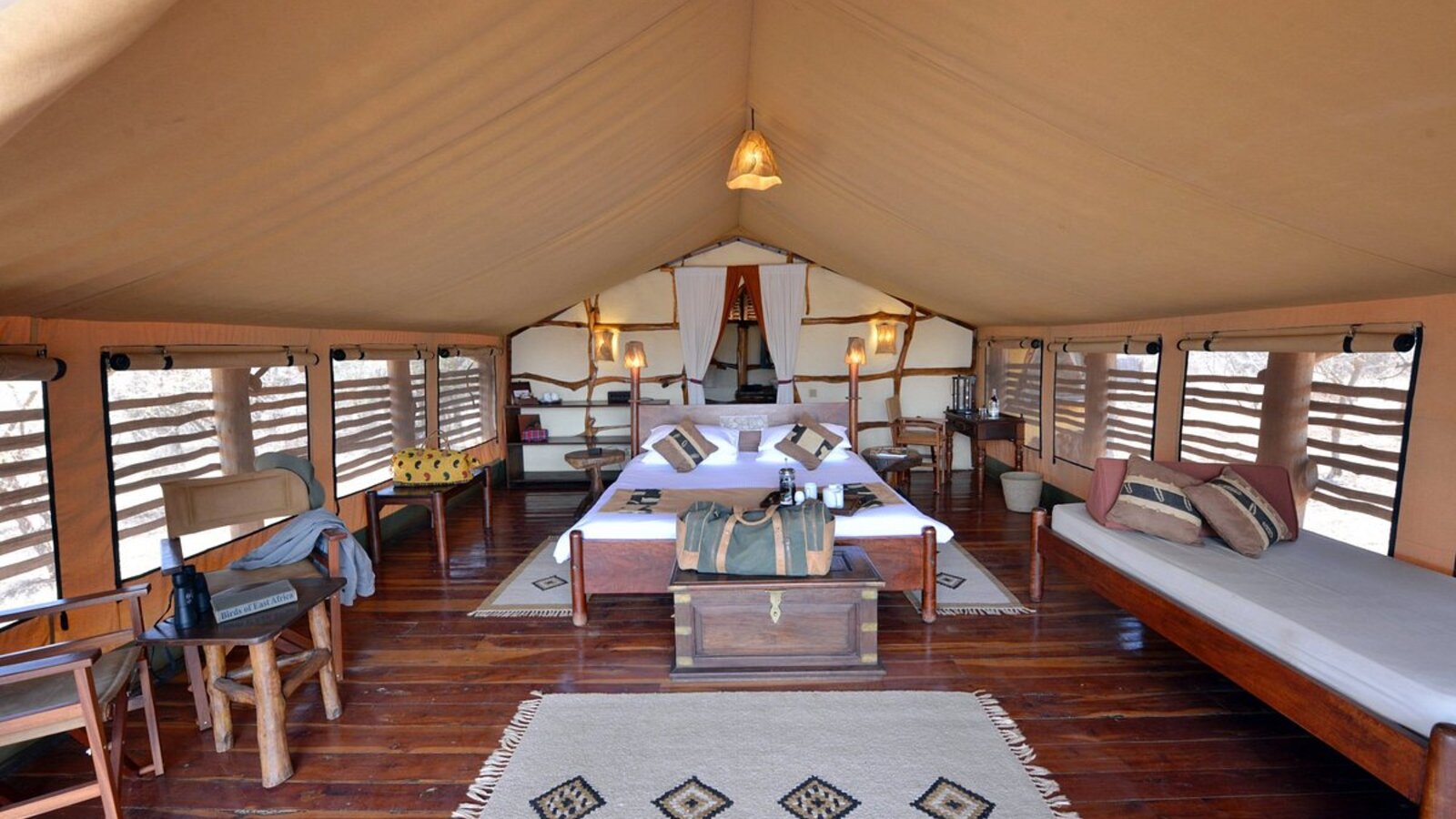
Satao Elerai offers two distinct styles of accommodation, both designed to blend into the landscape using local stone, acacia wood, and canvas. In total there are 12 deluxe safari tents, 5 lodge-style suites, and 2 family tents — small enough to feel exclusive, spread across the hillside for privacy.
Deluxe Safari Tents (12 Tents)
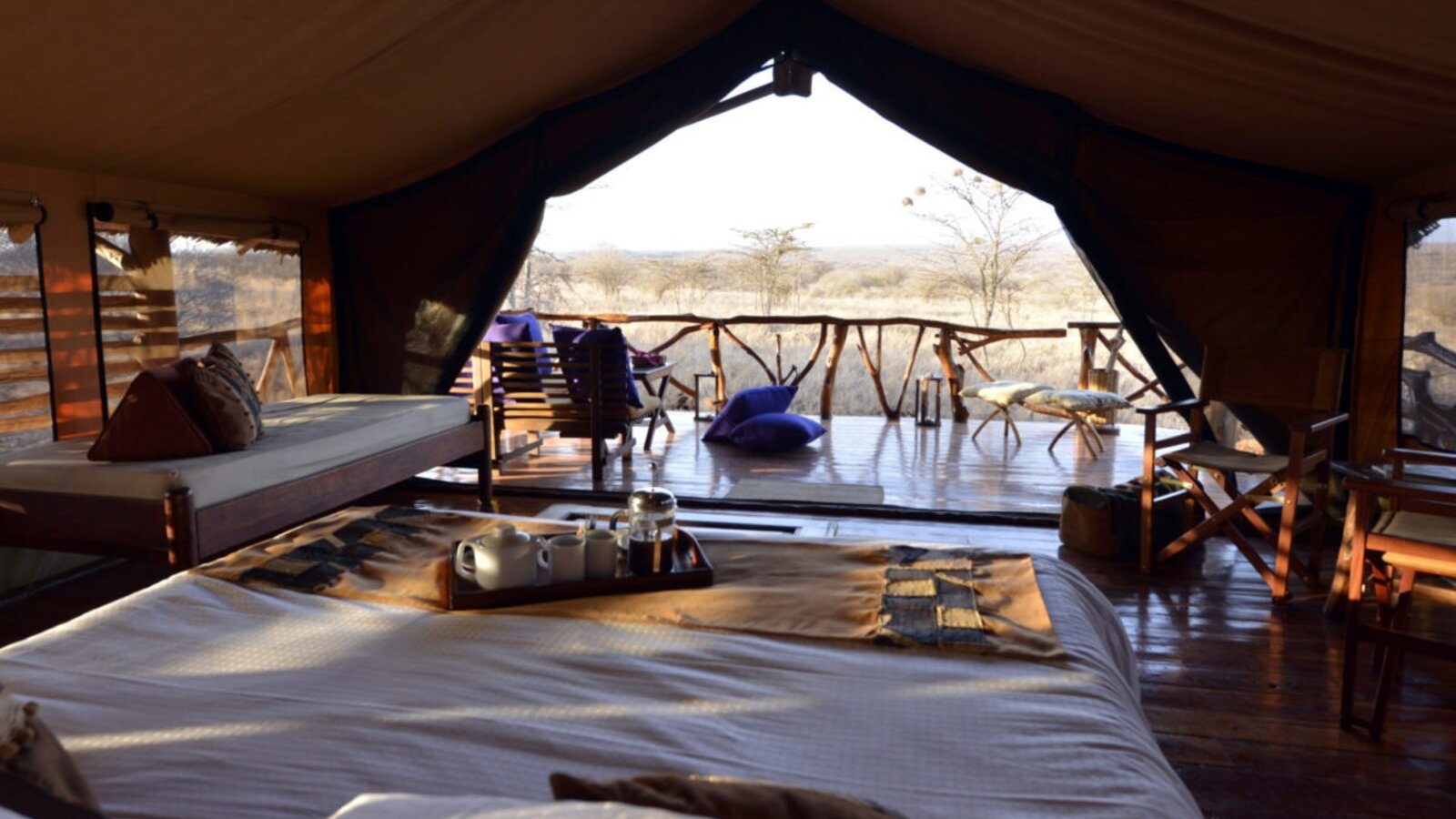
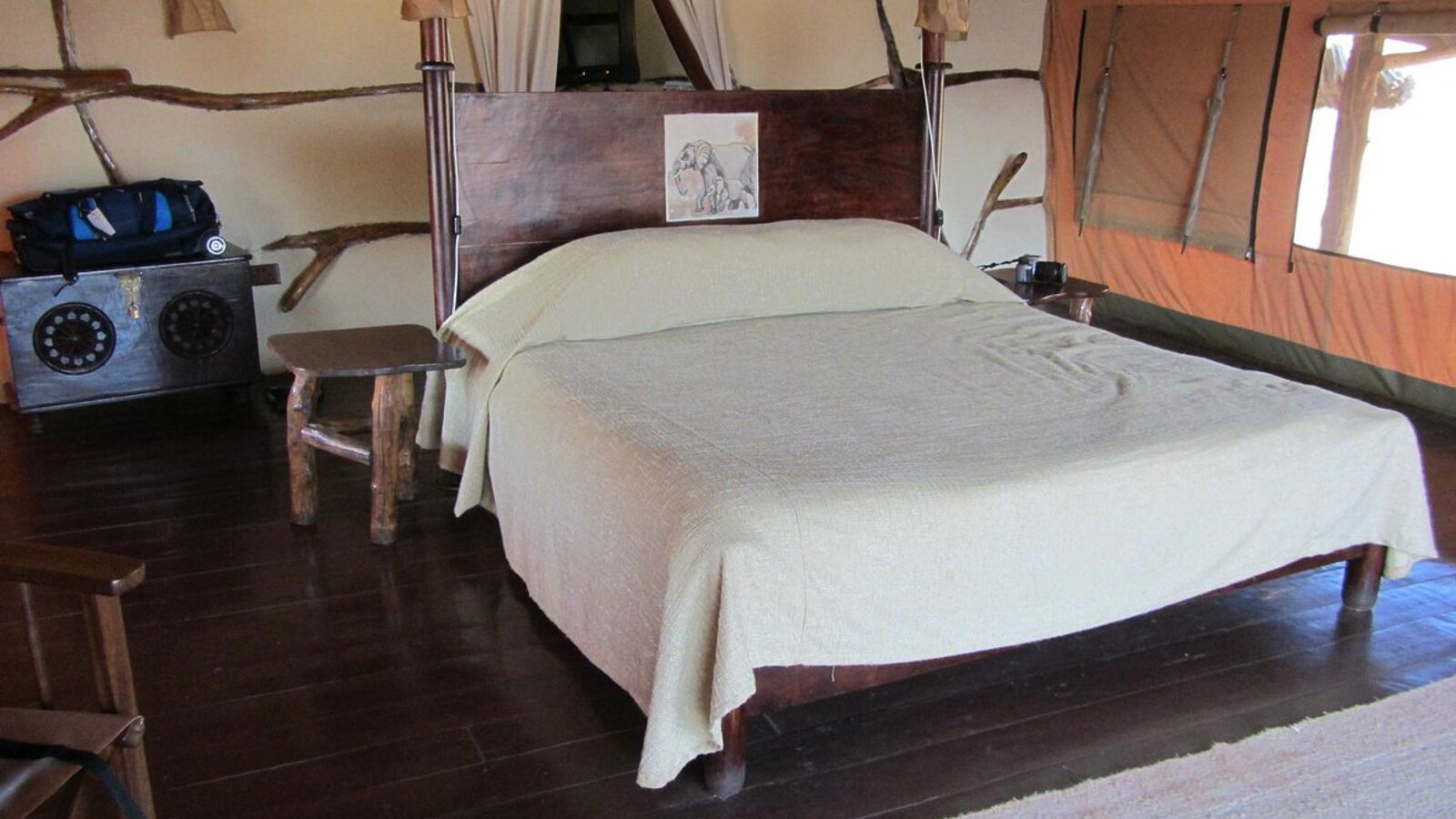
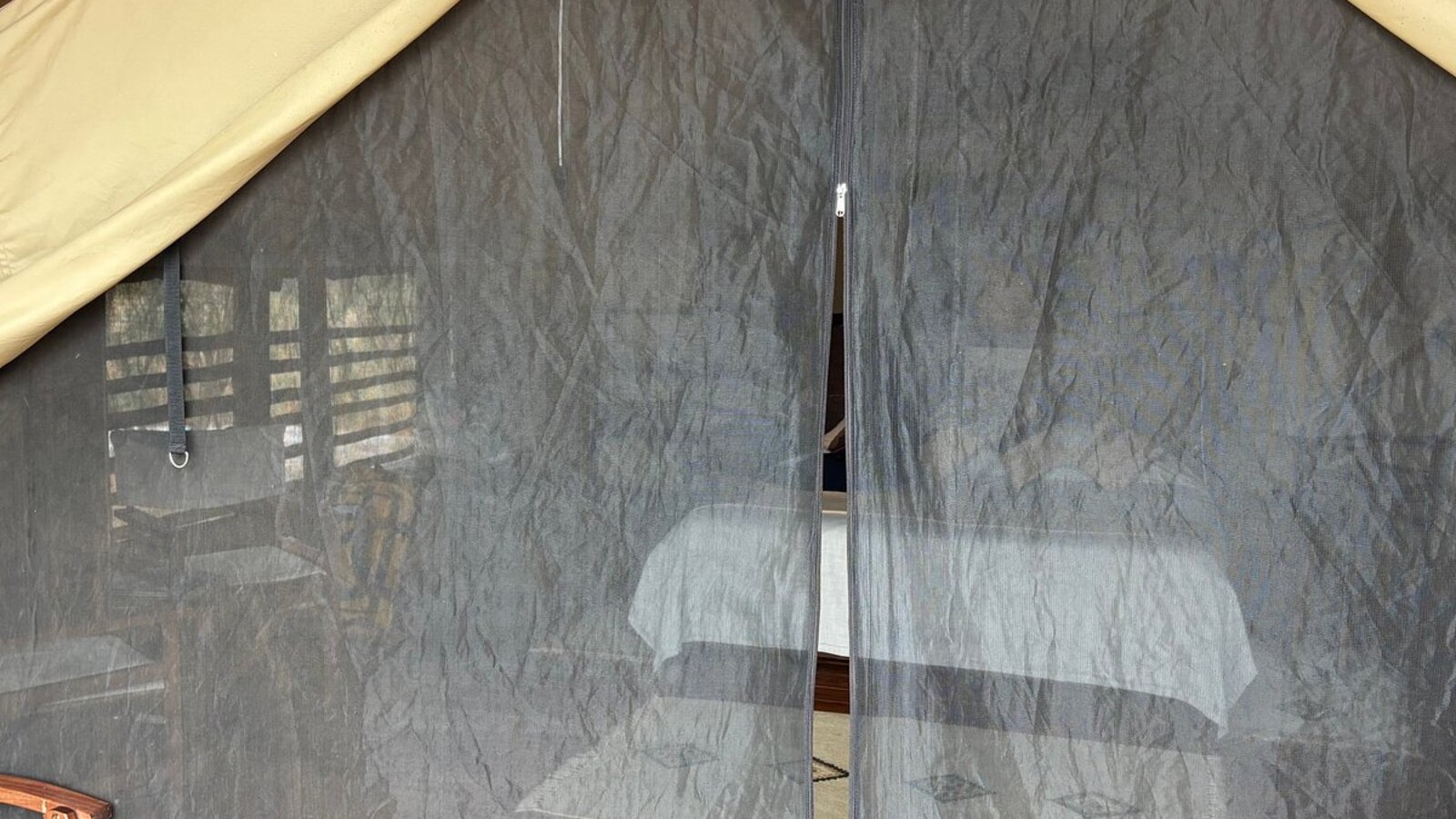
The deluxe tents are mounted on raised concrete-and-stone plinths, with polished wooden floors, rustic furniture, and a private veranda with cushioned recliners oriented straight at Mount Kilimanjaro. Each has an en-suite bathroom with a flush toilet and hot shower — the water heated by the camp's solar units. The canvas keeps you close to the sounds of the bush: at dawn you'll hear francolins and, often, the low rumble of elephants moving through the conservancy below.
Lodge-Style Suites (5 Suites)
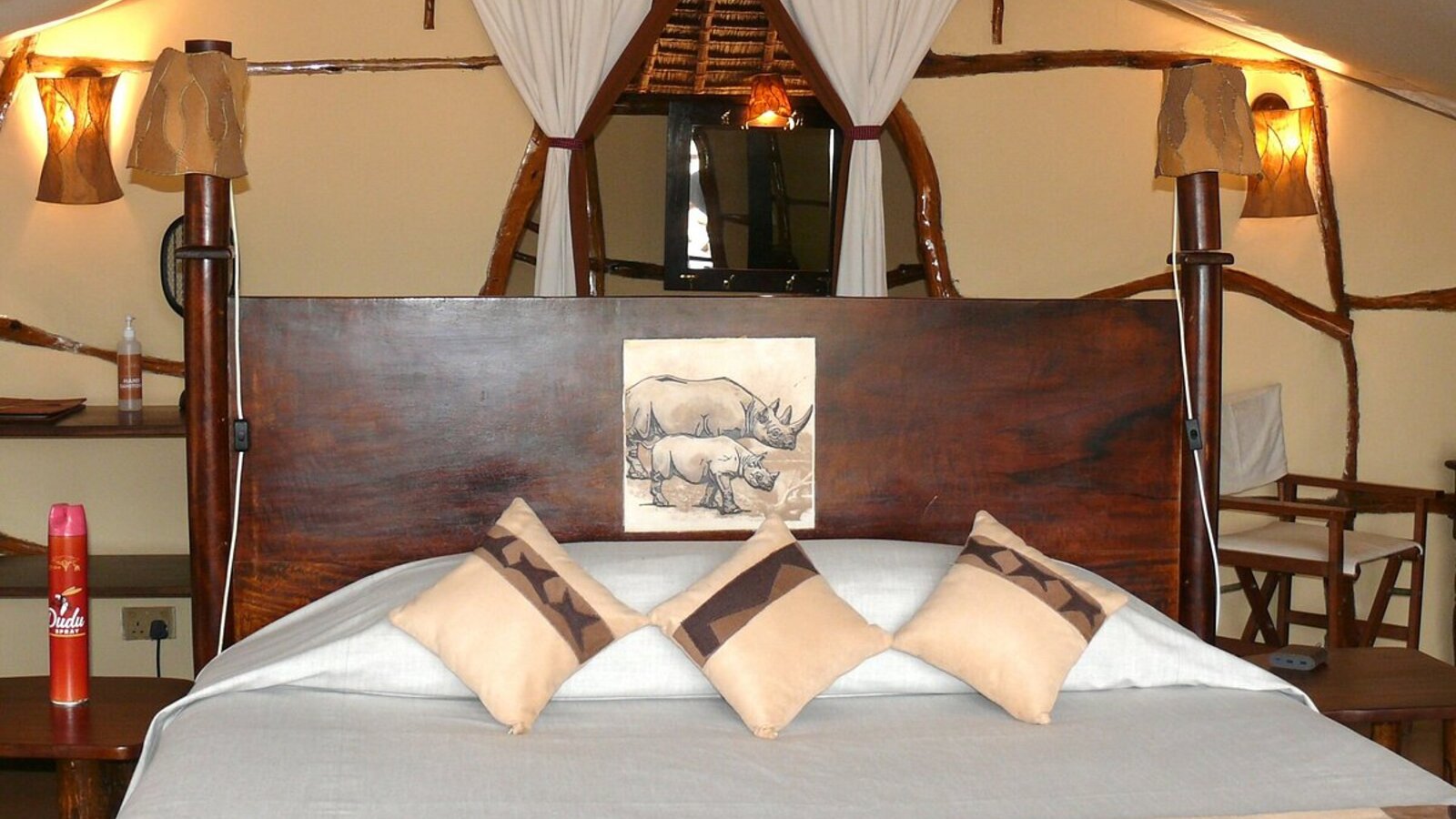
For guests who prefer something more solid, the five suites are built from natural rock and acacia wood, with plastered walls and timber frameworks. They feel more like a boutique lodge room than a tent — and they add a touch of indulgence the tents don't have: a bathtub in the en-suite bathroom, plus large sliding doors that open onto a private balcony overlooking the savanna. If you want the private-conservancy experience with a little extra comfort, the suites are the pick.
Family Tents (2 Units)
The two family tents are similar in style to the deluxe tents but sized to sleep up to four guests, making them ideal for families travelling with children. They give parents and kids their own space while keeping everyone under one canvas roof — and the walking safaris and cultural visits make Satao Elerai a genuinely educational base for younger travellers.
Wildlife & Game Viewing — Elephants, Big Cats & 400+ Birds
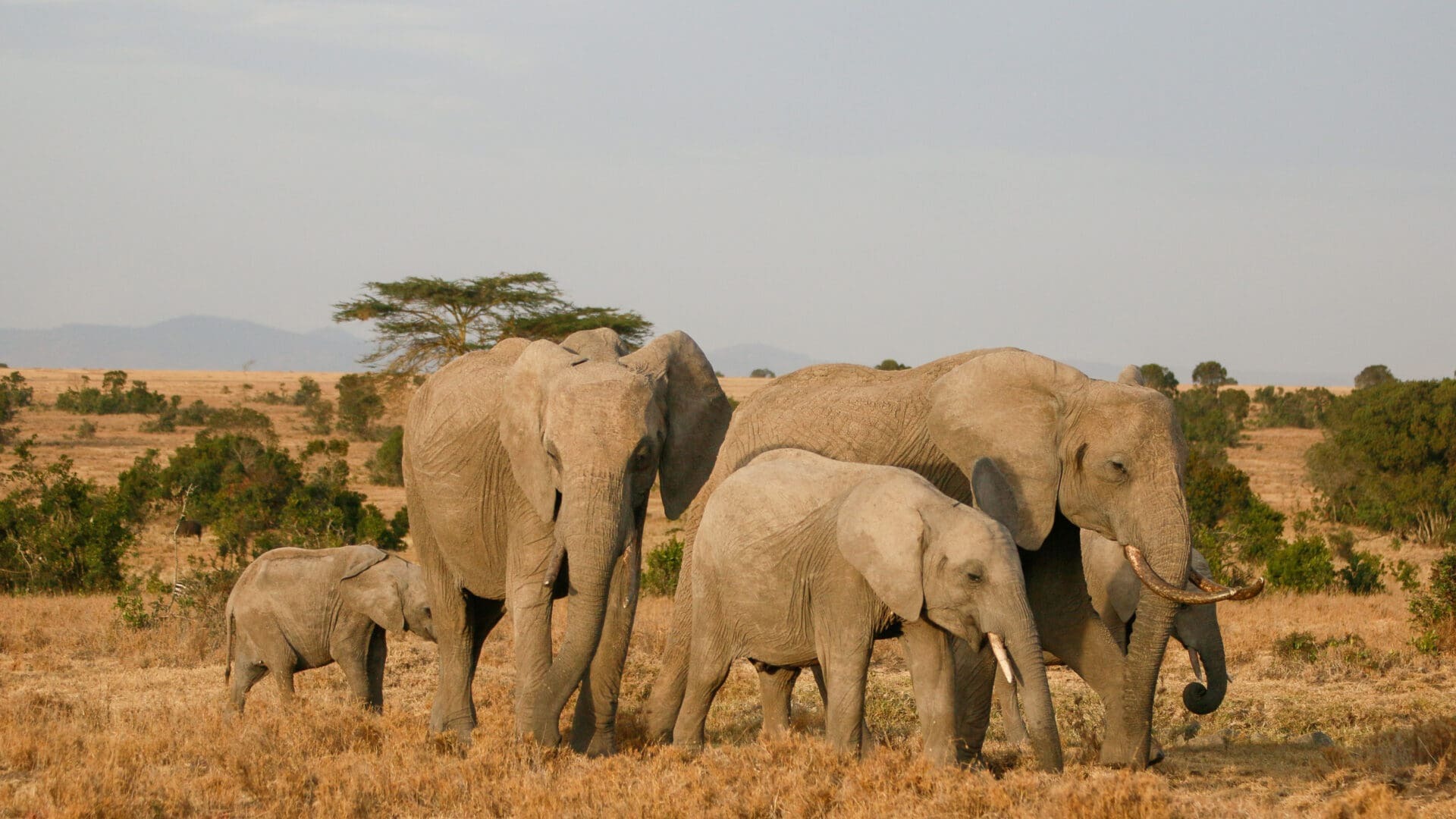
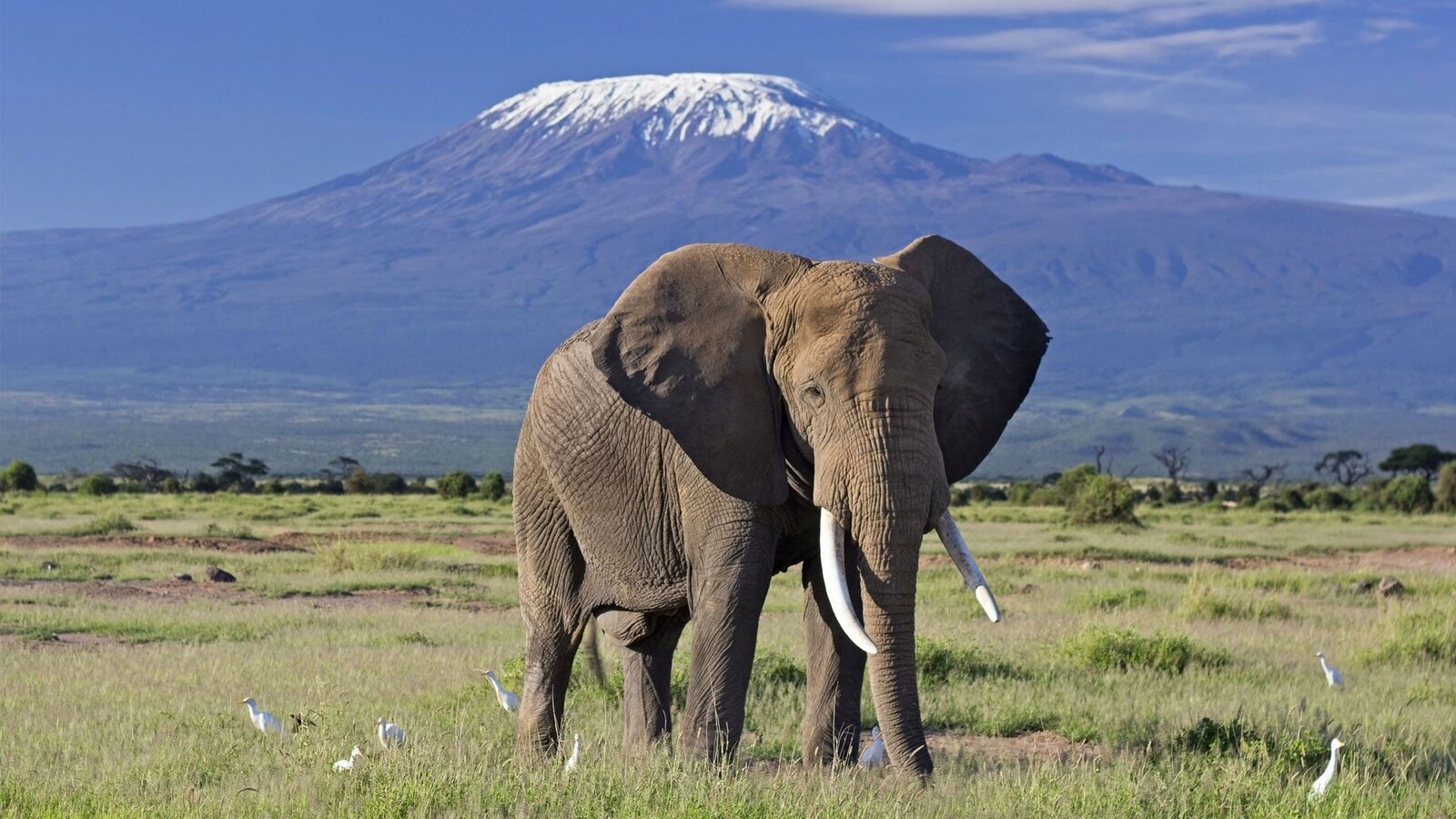
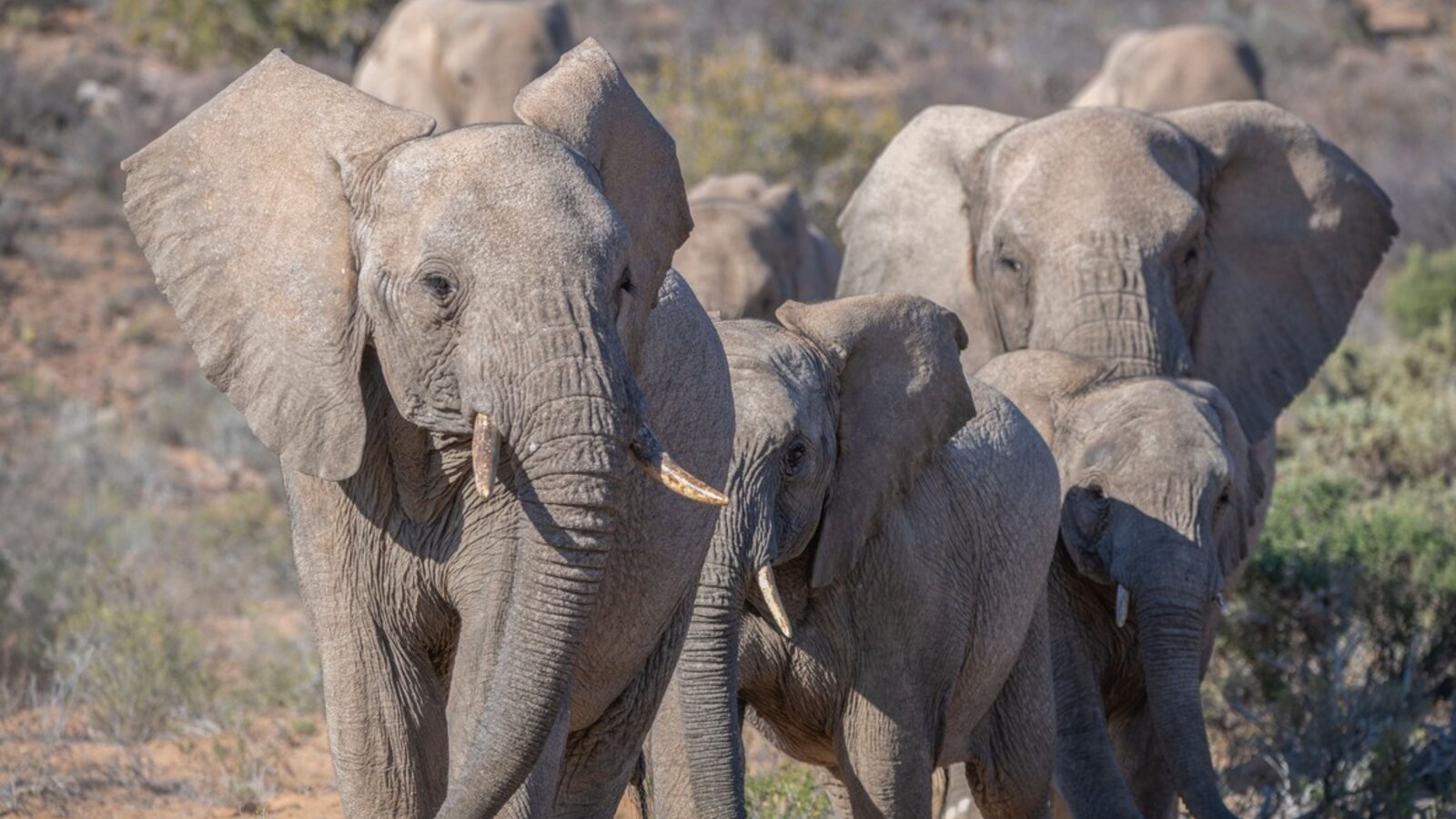
The Amboseli ecosystem is elephant country like nowhere else on Earth. Herds move freely between the national park and the surrounding conservancies, and the Elerai Conservation Area sits directly on one of their key routes — the Kitenden Corridor. On game drives you'll see families of elephants crossing the plains beneath Kilimanjaro, exactly the scene that has made Amboseli famous.
A Living Wildlife Corridor
What makes Satao Elerai special is its position on the Kitenden Corridor — a critical wildlife passage that connects the forests of Mount Kilimanjaro in Tanzania to Amboseli National Park in Kenya. Elephants, lions, cheetahs, giraffes, zebras and eland all use this corridor to move between water, browse and calving grounds. Protecting it is one of the most important conservation tasks in the whole ecosystem, and the conservancy exists precisely to keep this route open.
Big Cats, Plains Game & Birds
Beyond elephants, the conservancy and neighbouring park hold lion, cheetah, hyena, giraffe, zebra, wildebeest, buffalo and eland. Amboseli's swamps — fed by Kilimanjaro's snowmelt — create a permanent water source that concentrates wildlife year-round, even when the surrounding plains turn to dust in the dry season. For birders, the ecosystem is a treasure: over 400 bird species have been recorded, from flamingos on the swamp edges to raptors riding the thermals off the mountain.
Because the conservancy runs its own game drives away from the park's vehicle circuits, sightings here often feel private — a single vehicle, a herd of elephants, and Kilimanjaro behind them, with nobody else in frame.
The Private-Conservancy Advantage — Walking Safaris, Night Drives & Culture
This is where Satao Elerai pulls ahead of every lodge inside Amboseli National Park. Because the camp sits on private community land, it can offer experiences the park itself forbids — and these are the moments guests remember most.
Guided Walking Safaris with Maasai Warriors
Escorted by Maasai warriors and armed rangers, walking safaris let you experience the bush on foot — reading tracks, identifying medicinal plants, and understanding the land through the eyes of the people who have lived here for centuries. These walks aren't adrenaline-fuelled Big Five stalks; they're about slowing down and noticing the details that pass unseen from a vehicle.
Night Game Drives
After dark, the conservancy reveals a different cast. Night game drives — impossible inside the national park — turn up nocturnal specialists: serval, genet, civet, aardwolf, and lions and hyenas on the hunt. A spotlight sweeping the acacia scrub, and the sudden shine of eyes in the dark, is one of the most thrilling things you can do on safari.
Sundowners & Authentic Maasai Culture
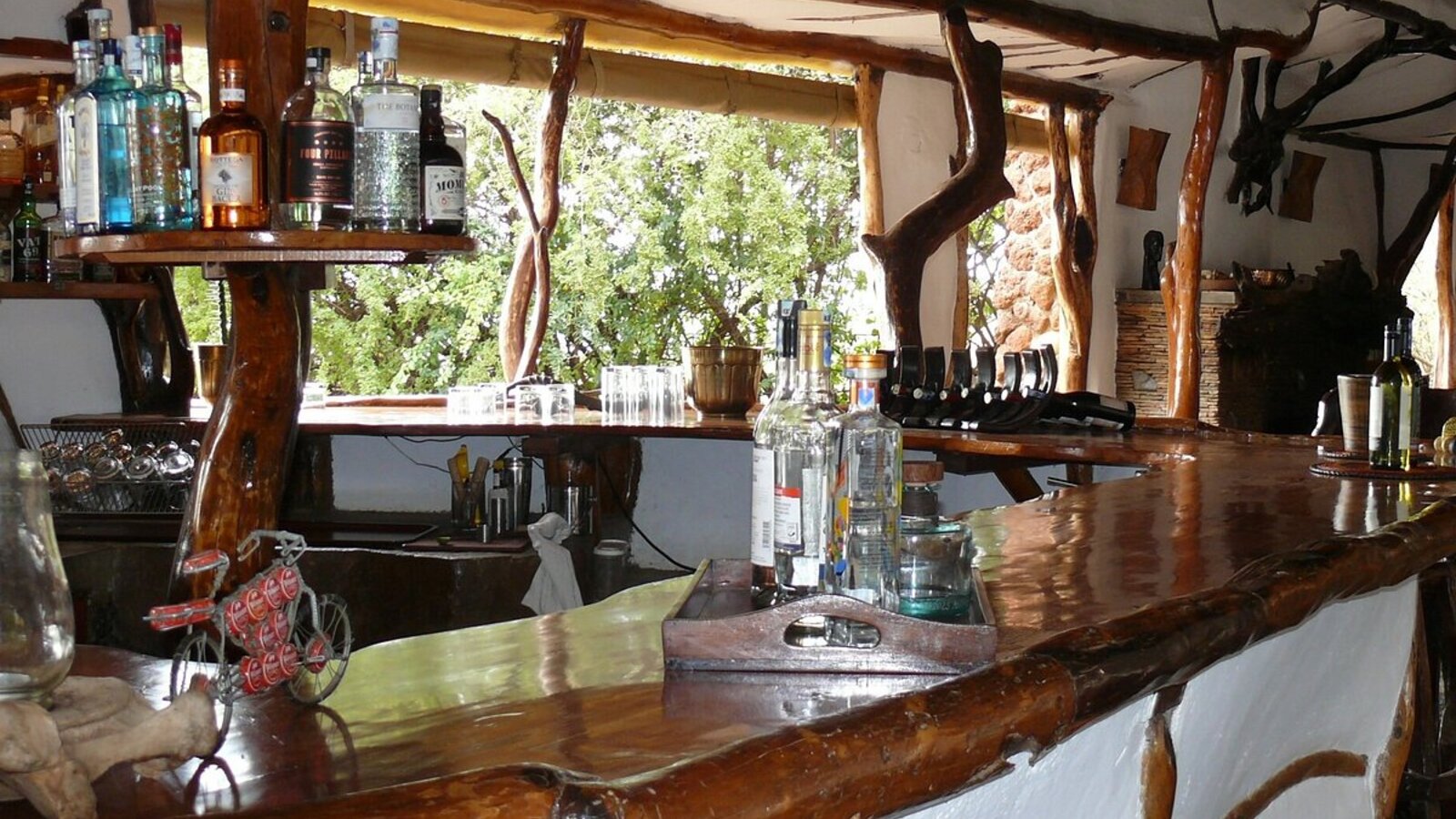
Sundowners here are taken on high ground with Kilimanjaro turning pink as the sun drops — gin-and-tonic in hand, the plains glowing gold below. And the cultural visits to local Maasai communities focus on authentic interaction rather than staged performance: real conversations with the families who own and protect this land, in the villages where they live.
Conservation — The AWF Partnership & Maasai Community Model
Satao Elerai isn't just a camp with a conservation tagline — it was founded on a conservation model. Established in 2007, the Elerai conservancy is a partnership between the local Elerai Maasai community, the African Wildlife Foundation (AWF), and private investors, designed to balance wildlife protection with real economic benefit for the people who live here.
Land Owned by the Community
The land is leased from the local Maasai community, who receive direct financial benefits through bed-night and conservancy fees — which is why every guest pays the $55 Elerai Community & Wildlife Conservation Fee. That revenue funds school bursary programmes, medical assistance, and local employment, and gives Maasai landowners a financial reason to keep the corridor open for wildlife rather than fencing or subdividing it for agriculture.
Rangers, the Big Life Foundation & Anti-Poaching
The conservancy employs rangers to monitor wildlife along the corridor and partners with organisations like the Big Life Foundation to tackle human-wildlife conflict and poaching. This on-the-ground protection is what keeps the elephant migration route between Kilimanjaro and Amboseli safe — and it's funded, in part, by your stay.
Eco-Friendly by Design
The camp itself is built to tread lightly: solar power heats the water and helps light the tents, buildings are constructed from locally sourced stone and timber to blend into the environment, and fresh produce is sourced locally to support nearby suppliers. It's the kind of low-footprint luxury that leaves the conservancy — and the community — better off for your having visited.
Rates & What's Included (2026 Season)
Satao Elerai publishes Full Board rates (accommodation, all meals, and water in rooms and at meals) that vary by season. The figures below are 2026 non-resident rates per night. Note the camp is closed 28 April – 24 May 2026.
| Season (2026) | Single (per night) |
Double (per room, per night) |
|---|---|---|
| 1 Jan – 31 Mar (High–Mid) | $410 | $550 |
| 1 Apr – 27 Apr (Green) | $210 | $420 |
| 28 Apr – 24 May | Camp Closed | |
| 25 May – 30 Jun (Green) | $210 | $420 |
| 1 Jul – 31 Oct (High) | $445 | $620 |
| 1 Nov – 3 Jan 2027 (Mid) | $335 | $450 |
What's Included (Full Board): Accommodation, all meals (à la carte), teas & coffees, and water in the rooms and at meals.
Conservancy Fee: An Elerai Community & Wildlife Conservation Fee of $55 per person applies — this is the money that flows directly to the Maasai community and conservancy protection.
Exclusions: Amboseli National Park entry fees (currently ~$60–$100 pp/day for non-residents, seasonal), premium drinks, airstrip transfers (approx. $70 from Amboseli airstrip, $50 from Tawi, $40 from Elerai), flying-doctor evacuation insurance, and gratuities.
Children: Children aged 2–12 sharing with two adults typically pay 50% of the adult rate; sharing with another child they pay 75%. Rates are guidelines and subject to change — we confirm live pricing and availability at the time of booking.
Best Time to Visit Satao Elerai
Amboseli is a year-round destination, but Kilimanjaro views and wildlife concentrations shift with the seasons.
| Season | Kilimanjaro Views | Wildlife & Elephants | Crowds & Value |
|---|---|---|---|
| Jan–Mar | Excellent — clear mornings | Strong elephant numbers; short-grass season draws predators | Moderate; mid–high rates |
| Apr–May (Long Rains) | Often cloud-covered | Wildlife disperses; lush green landscapes, superb birding | Lowest rates (camp closed 28 Apr–24 May) |
| Jun | Good — improving clarity | Wildlife returning to swamps and corridor | Low–moderate; great value |
| Jul–Oct (Dry / Peak) | Peak clarity — best Kili photography | Highest concentrations; predators hunt near swamps | Busiest; book 6+ months ahead |
| Nov–Dec (Short Rains) | Variable — short showers can obscure | Good viewing; green flush, some dispersal | Low, rising over festive period |
Recommendation: For peak Kilimanjaro photography plus maximum wildlife, book July–October — but expect the highest rates and demand. For the best balance of clear mornings, strong game viewing and value, target January–March or June. Green-season travellers (late May–June, November) are rewarded with the lowest rates, lush scenery, and exceptional birding.
Who Should Stay at Satao Elerai?
Perfect For:
- Private-Conservancy Seekers: Walking safaris and night drives you can't do inside the national park.
- Kilimanjaro Photographers: Elevated hillside setting with every tent facing the peak.
- Eco-Conscious Travellers: Solar power, community-owned land, and a real AWF conservation model.
- Families: Two family tents plus educational walking safaris and authentic Maasai cultural visits.
- Value-Minded Luxury Travellers: Green-season rates from $210 make a Kilimanjaro-view conservancy stay surprisingly attainable.
Not Ideal For:
- Big Five Tick-Listers: Rhinos are absent and leopards elusive; this is elephant + mountain country.
- Great Migration Seekers: Amboseli has no wildebeest migration — for that, book the Masai Mara or Serengeti.
- Ultra-Modern Luxury Seekers: Satao Elerai is authentic eco-luxury, not marble-and-champagne opulence.
- Guaranteed-Mountain Travellers: April–May often shrouds Kilimanjaro in cloud for days (and the camp closes for part of it).
Sample 3-Day Itinerary at Satao Elerai
Day 1: Arrival & First Elephants
Morning: Fly into Amboseli airstrip (daily scheduled flights from Nairobi Wilson Airport, ~45 minutes), or drive from Nairobi (4–5 hours). Transfer to Satao Elerai; Kilimanjaro greets you from your veranda.
Afternoon: Lunch on the terrace, then an afternoon game drive into Amboseli National Park — your guide positions the vehicle for classic Kilimanjaro-and-elephant photographs at Observation Hill or the Enkongo Narok swamp.
Evening: Sundowners on high ground as the mountain turns pink, then dinner at camp. Optional night game drive on the conservancy to look for lions, hyenas and nocturnal cats.
Day 2: Walking Safari & Maasai Culture
Early Morning: Guided walking safari with Maasai warriors and an armed ranger through the conservancy — tracking, plant lore, and reading the bush on foot.
Mid-Morning: Return for a leisurely breakfast, then time at the infinity pool with the plains stretched out below.
Afternoon: A cultural visit to a local Maasai village — an authentic conversation with the community who own and protect the land — followed by a late-afternoon game drive along the Kitenden Corridor.
Evening: Dinner under the stars; arrange a private bush dinner if you'd like total seclusion.
Day 3: Kilimanjaro Dawn & Departure
Dawn: Wake before sunrise to watch Kilimanjaro turn gold from your veranda, then an early game drive to catch predators returning from the night's hunt.
Late Morning: Brunch at camp, then transfer to Amboseli airstrip for your onward flight.
Final Verdict — Why Satao Elerai Beats the Competition
If you've read Expert Africa's Satao Elerai page, you'll notice they describe the camp and then stop. No pricing. No decision tools. No real explanation of why a private conservancy on the Kitenden Corridor matters more than another lodge inside a crowded park.
Here's what we give you that they won't:
- Transparent 2026 Rates: Full Board from $210 per night (green season) to $620 (July–October), plus the $55 conservancy fee — with the closed dates (28 Apr–24 May) stated up front.
- The Private-Conservancy Advantage: Walking safaris and night game drives that are simply illegal inside Amboseli National Park.
- Best-Time Guidance: July–October for peak Kilimanjaro views and wildlife; January–March or June for value and clear mornings; green season for the lowest rates and best birding.
- Conservation Depth: The AWF partnership, community-owned land, ranger patrols with the Big Life Foundation, and the Kitenden Corridor your fees help protect.
- Honest Limitations: No rhinos, elusive leopards, no wildebeest migration, and April–May cloud that can hide the mountain for days.
Satao Elerai isn't the biggest name in Amboseli, and it isn't the most opulent. What it is, is the most complete conservancy experience at this price — an elevated Kilimanjaro grandstand, walking and night safaris you can't get in the park, and a genuine community-conservation model where your stay keeps a wildlife corridor open. If that's the Amboseli you're looking for, Satao Elerai deserves the top of your list.
How to Book Satao Elerai Camp
We include Satao Elerai in multi-destination Kenya itineraries that combine Amboseli with the Masai Mara, Laikipia, Samburu, or the coast. As a Kenya safari specialist (that's us — Beyond Africa Safaris), we confirm live rates and availability, secure your dates, and build the rest of your journey around them.
High-season availability (July–October, and the festive period) fills months in advance, and remember the camp closes 28 April–24 May 2026. If you're planning peak-season travel, contact us early.
📧 Email: reservations@privatetourscapetown.com
💬 WhatsApp: +27 78 471 4852