Key Takeaways
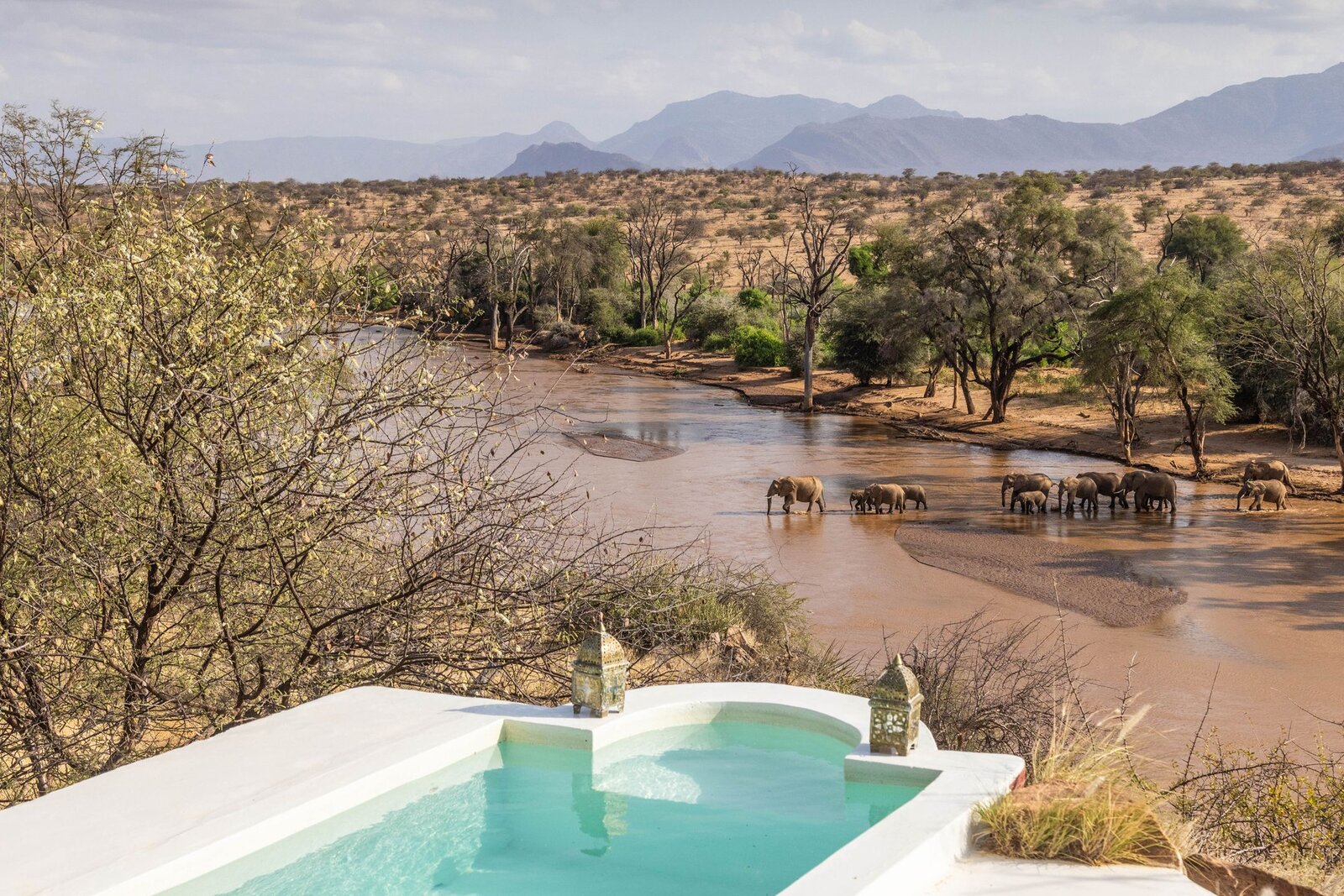
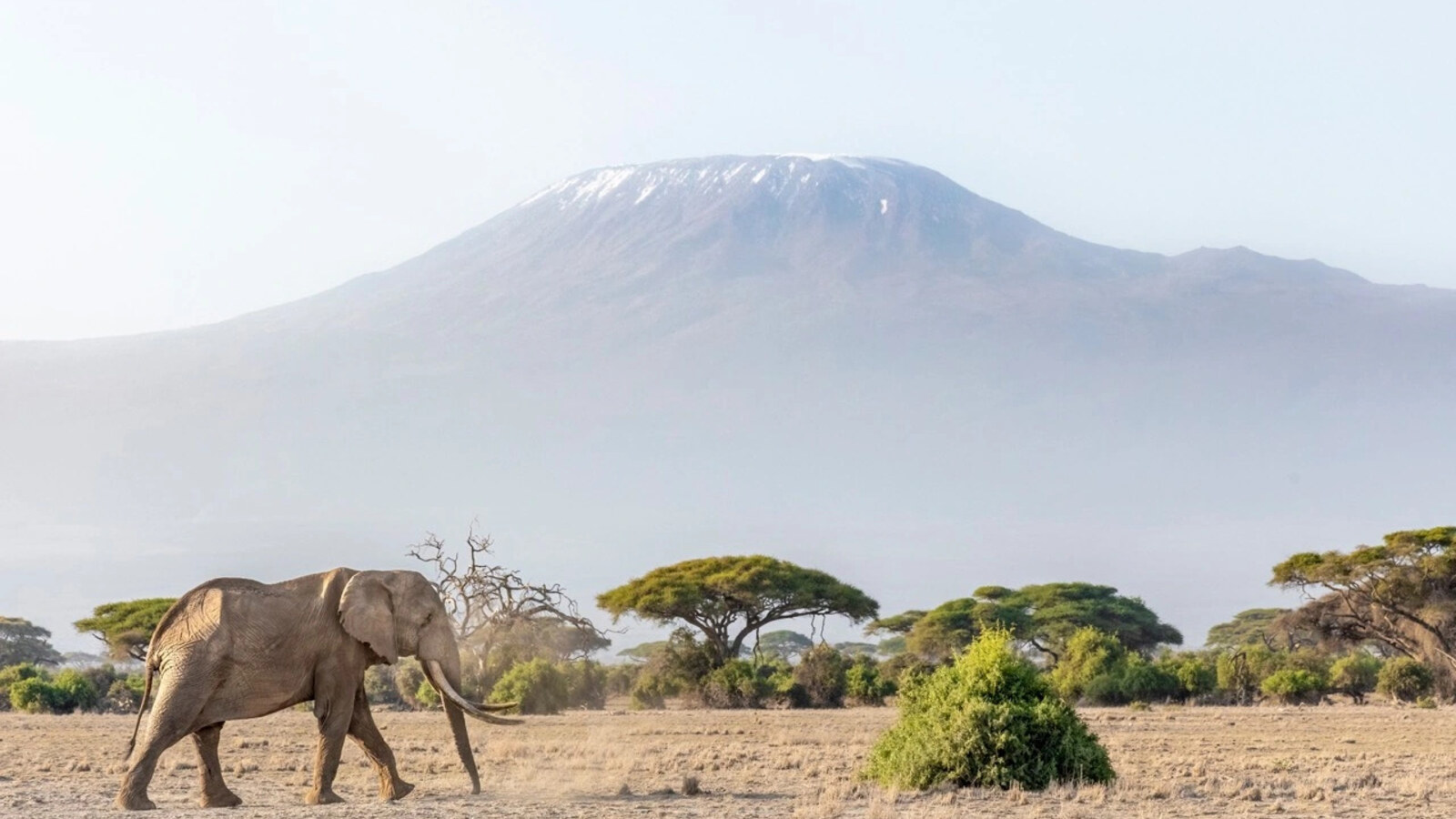
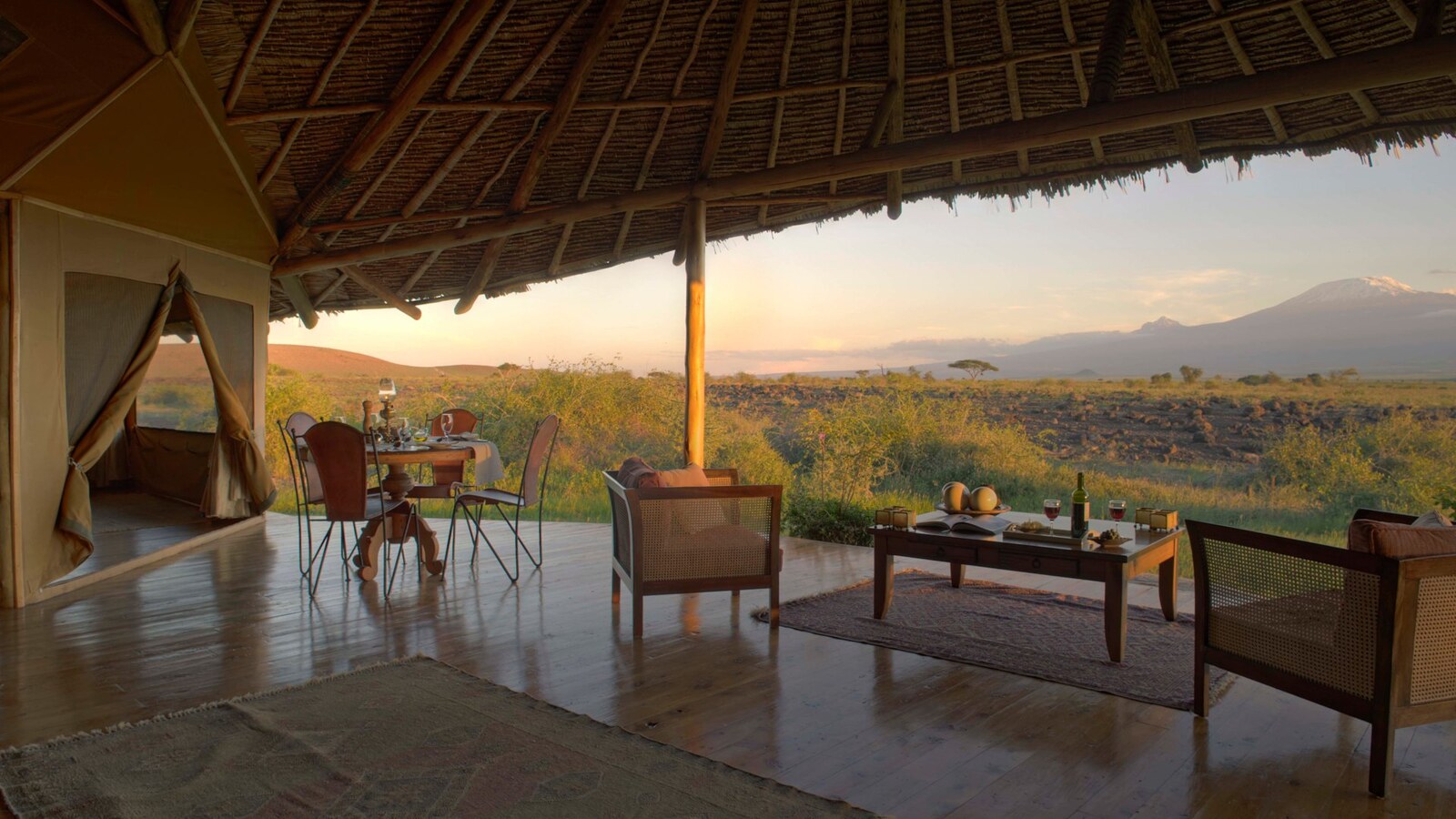
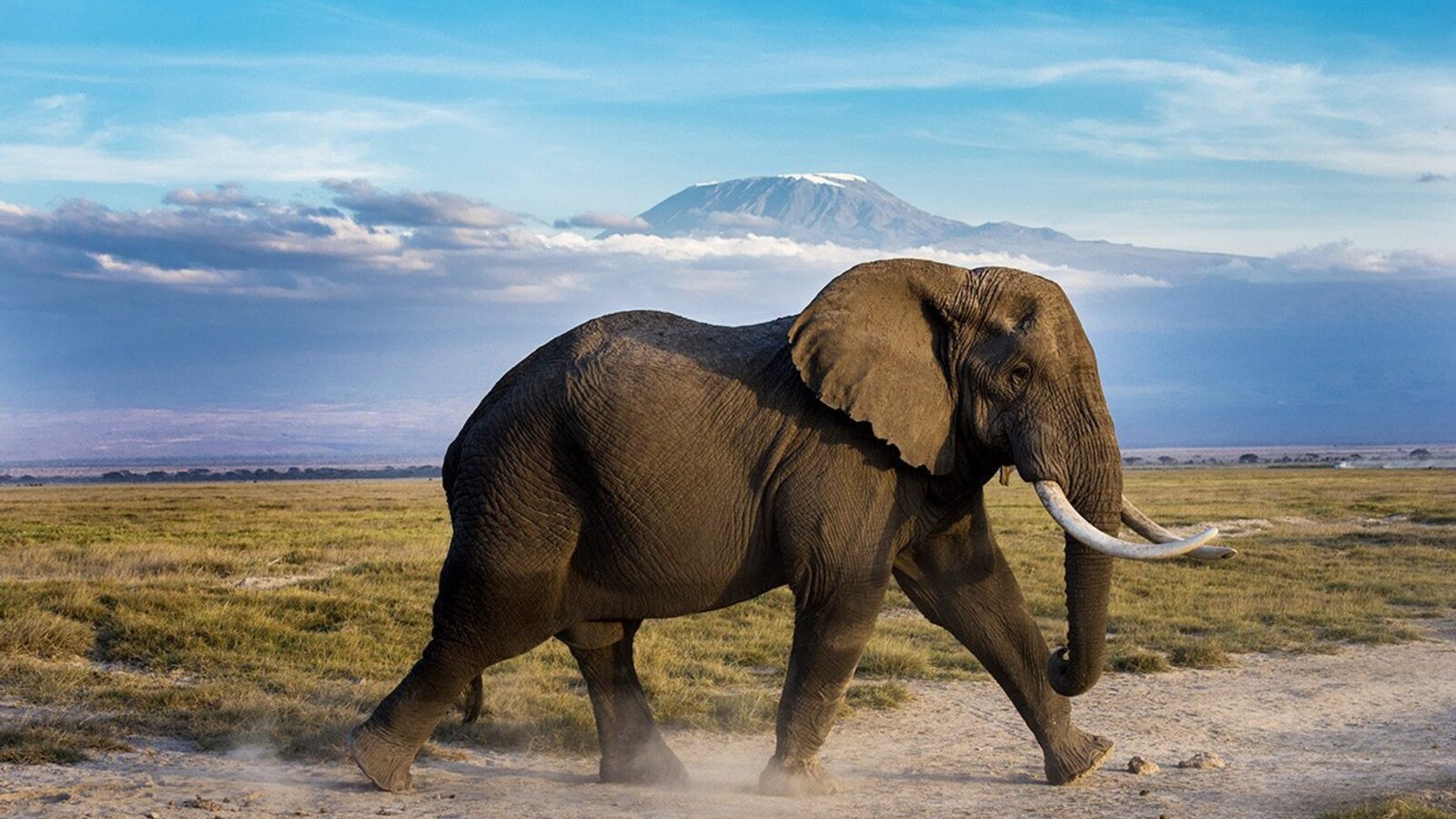
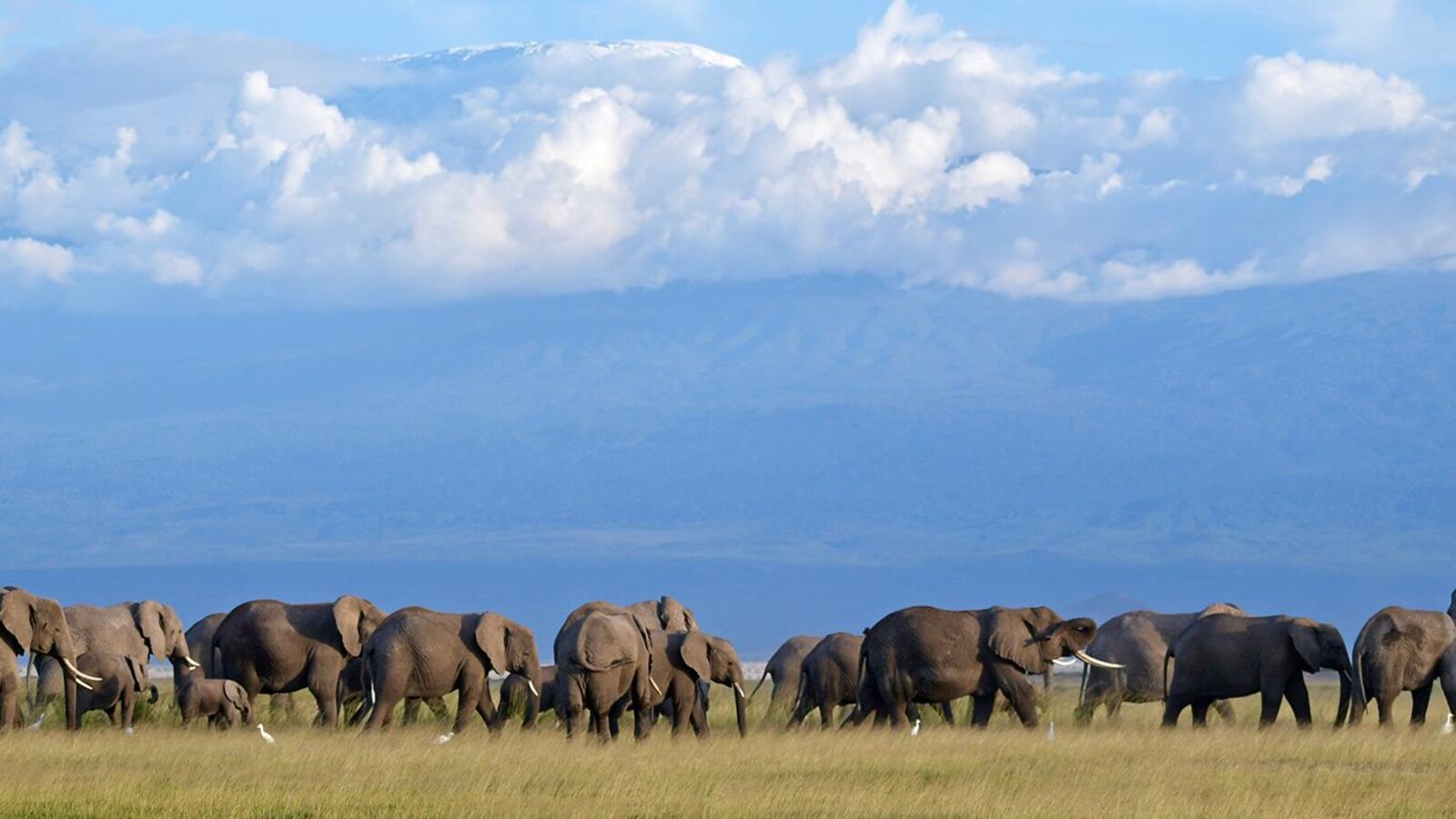
- Kilimanjaro Views: The only Amboseli lodge where you can watch elephant herds walk beneath Africa's highest mountain from your tent veranda.
- Elephant Kingdom: Over 1,000 elephants roam Amboseli's ecosystem; Tortilis partners with the Amboseli Trust for Elephants (Dr. Cynthia Moss, tracking families since 1972).
- 100% Solar & Eco-Luxury: One of Kenya's first large eco-lodges, hand-built from natural materials by the local Maasai community who still guide every walking safari.
- Transparent 2026 Rates: Full Board $317–$715 pp/night (Green/Mid/High season); Game Package (drives included) $517–$915 pp/night; Private House $2,189–$4,687.
- Italian Elegance: 20 spacious tents with king/twin beds, elegant en suites, and Italian-influenced cuisine sourced from the camp's own vegetable garden.
- Private Conservancy: Located in a 30,000-acre conservancy bordering Amboseli National Park — game drives, guided walks, sundowners, and bush meals in both the park and private land.
- Who It's For: Perfect for elephant enthusiasts, Kilimanjaro photography seekers, eco-conscious travelers, families (Family Tent + Private House), and anyone wanting the Amboseli experience Expert Africa talks about but never delivers.
Tortilis Camp — Africa's Highest Mountain Meets Her Greatest Elephant Kingdom
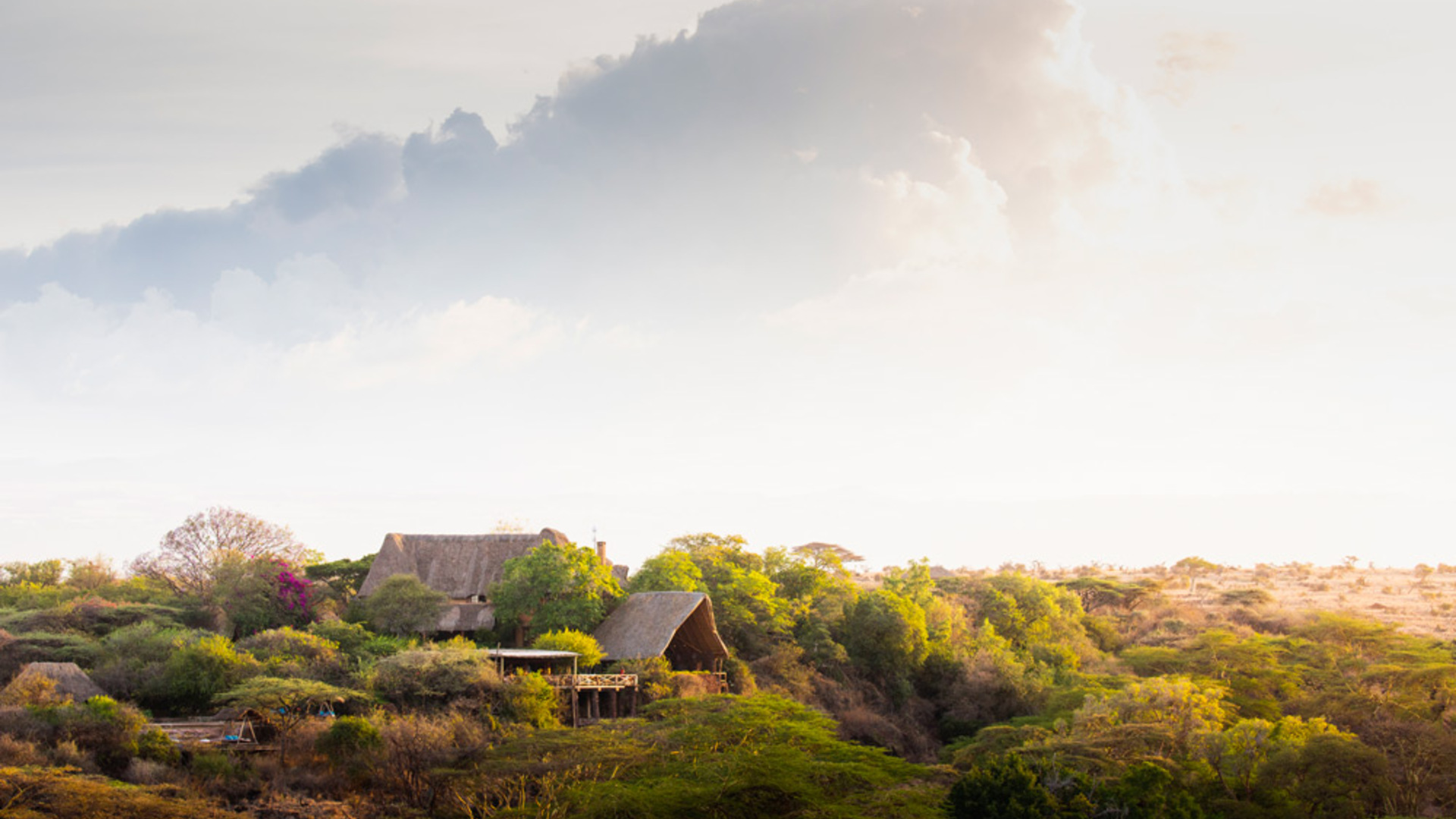
There are lodges with Kilimanjaro views. There are camps with elephants. And then there's Tortilis Camp — the only place in Amboseli where you can watch a hundred tuskers walk beneath Africa's snow-capped rooftop from the comfort of your tent.
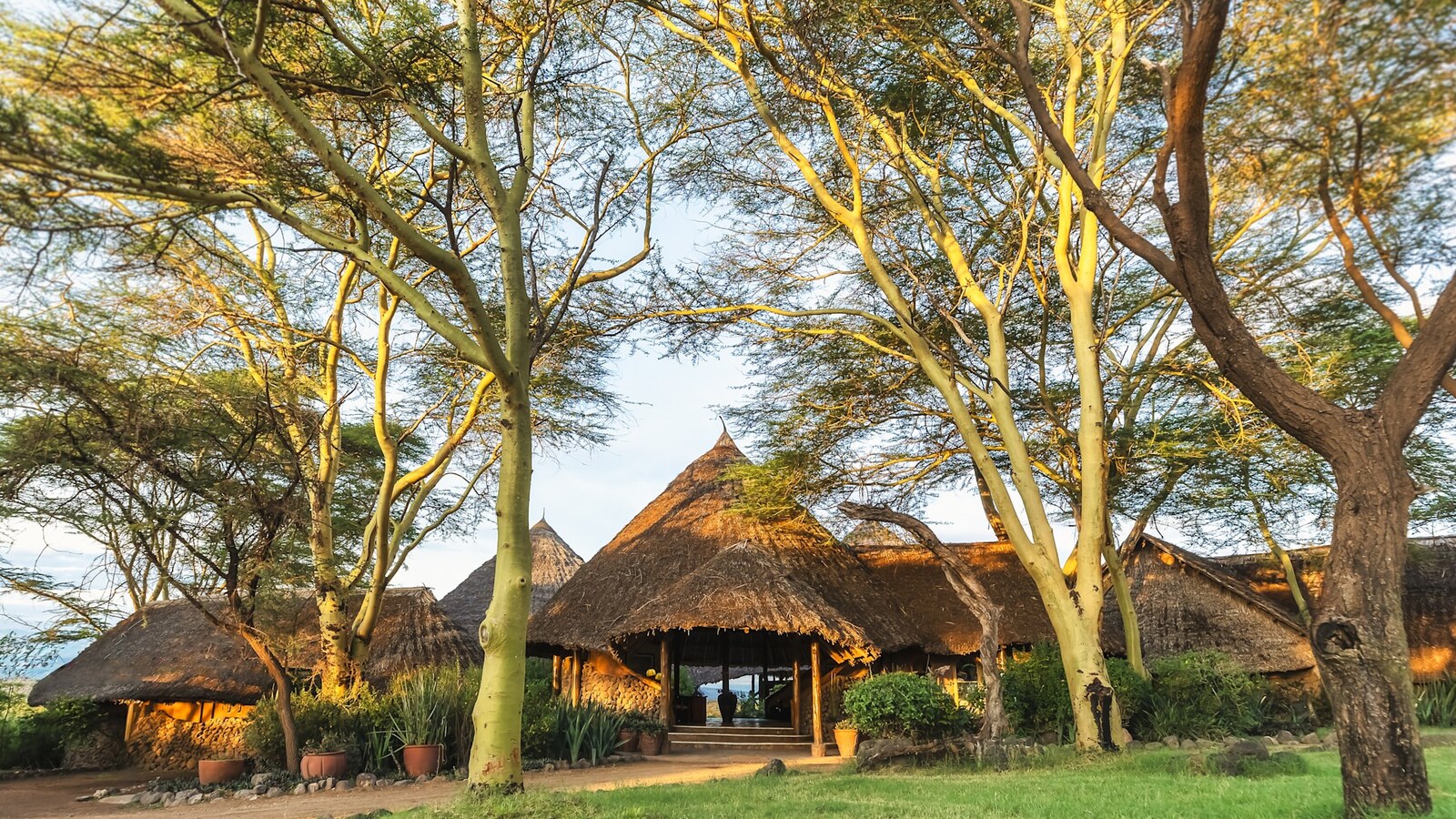
Nestled in a 30,000-acre private conservancy on the edge of Amboseli National Park, Tortilis is named after the flat-topped umbrella thorn tree — the Acacia tortilis — that defines this corner of Kenya's elephant kingdom. It's not the biggest camp in Amboseli. It's not trying to be. What Tortilis offers instead is something rarer: a fifty-year partnership between science, community, and the wild, wrapped in 100%-solar luxury that leaves a footprint lighter than the elephants who walk past at dawn.
If you've been reading Expert Africa's review — the one that tells you Tortilis is "good" but stops short of pricing, decision tools, or real conservation depth — this is the guide they won't write. Because here, we give you transparent 2026 rates (Full Board from $317 pp/night, Game Package from $517), a month-by-month best-time breakdown, a who-should-stay decision matrix, and the conservation story behind the herds: Dr. Cynthia Moss, the Amboseli Trust for Elephants, and 3,000+ individual elephants tracked since 1972.
This is Tortilis Camp. Where elephant footprints lead to Africa's rooftop, and every sunrise reminds you why Kenya is home to the greatest safari on Earth.
The Tents — Twenty Canvas Homes Beneath Kilimanjaro
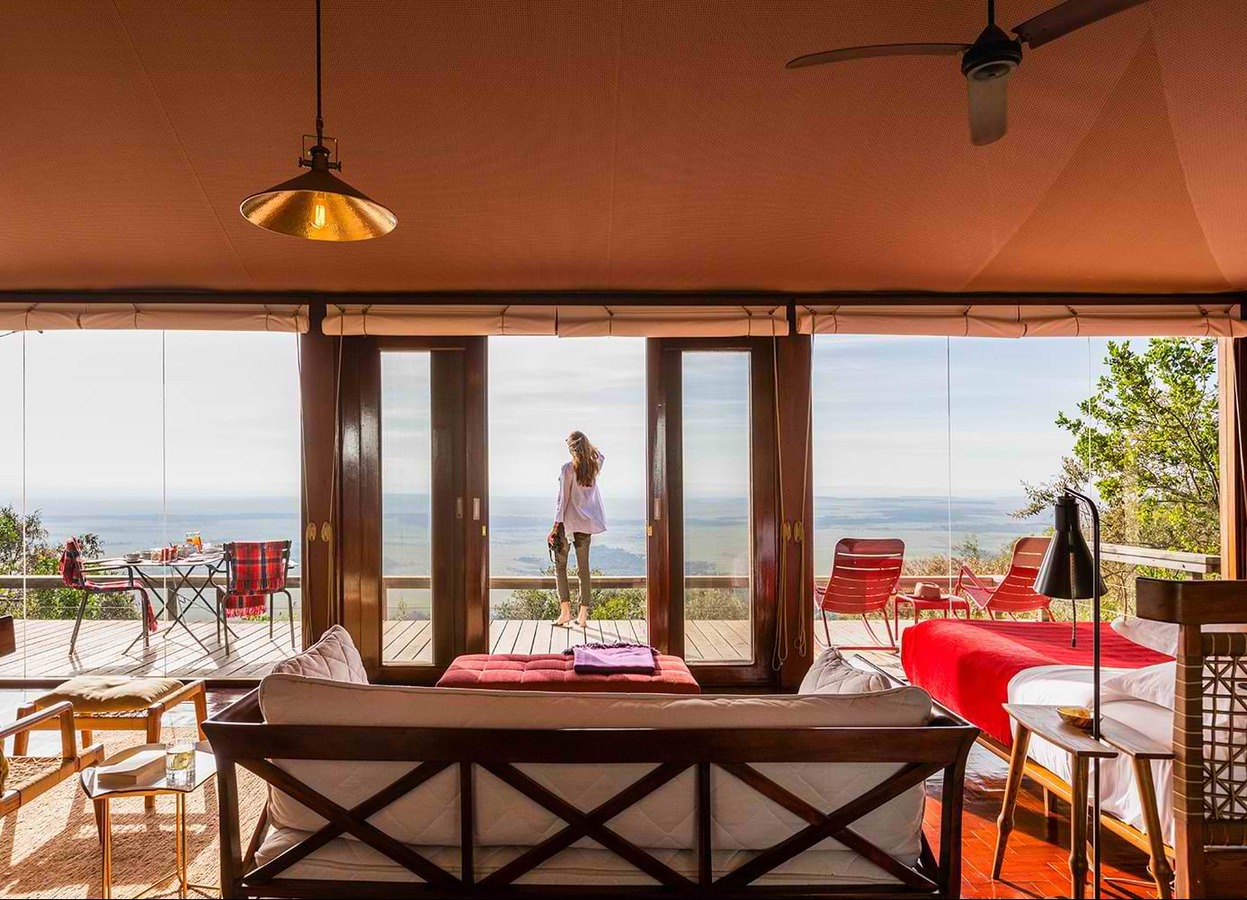
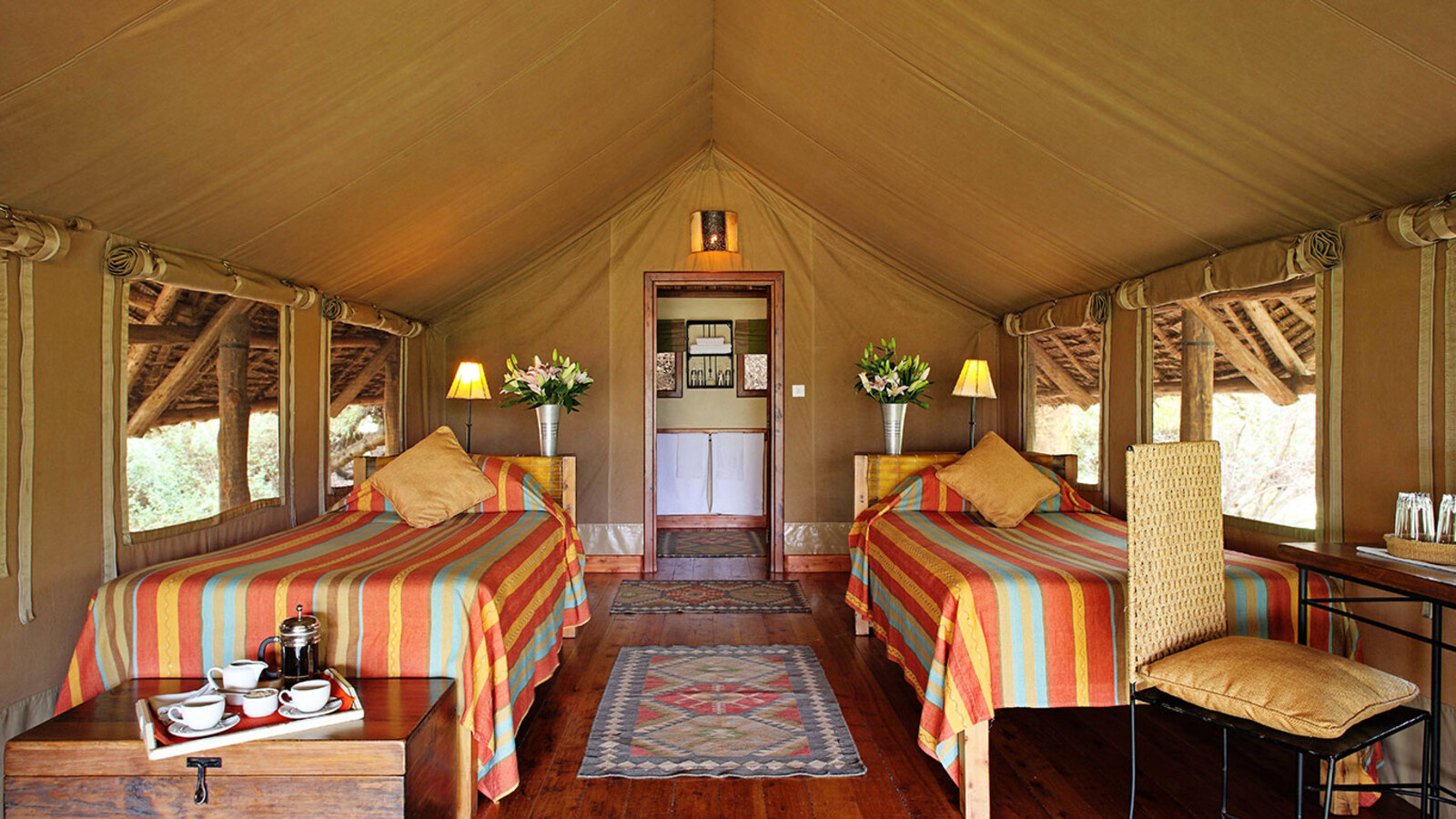
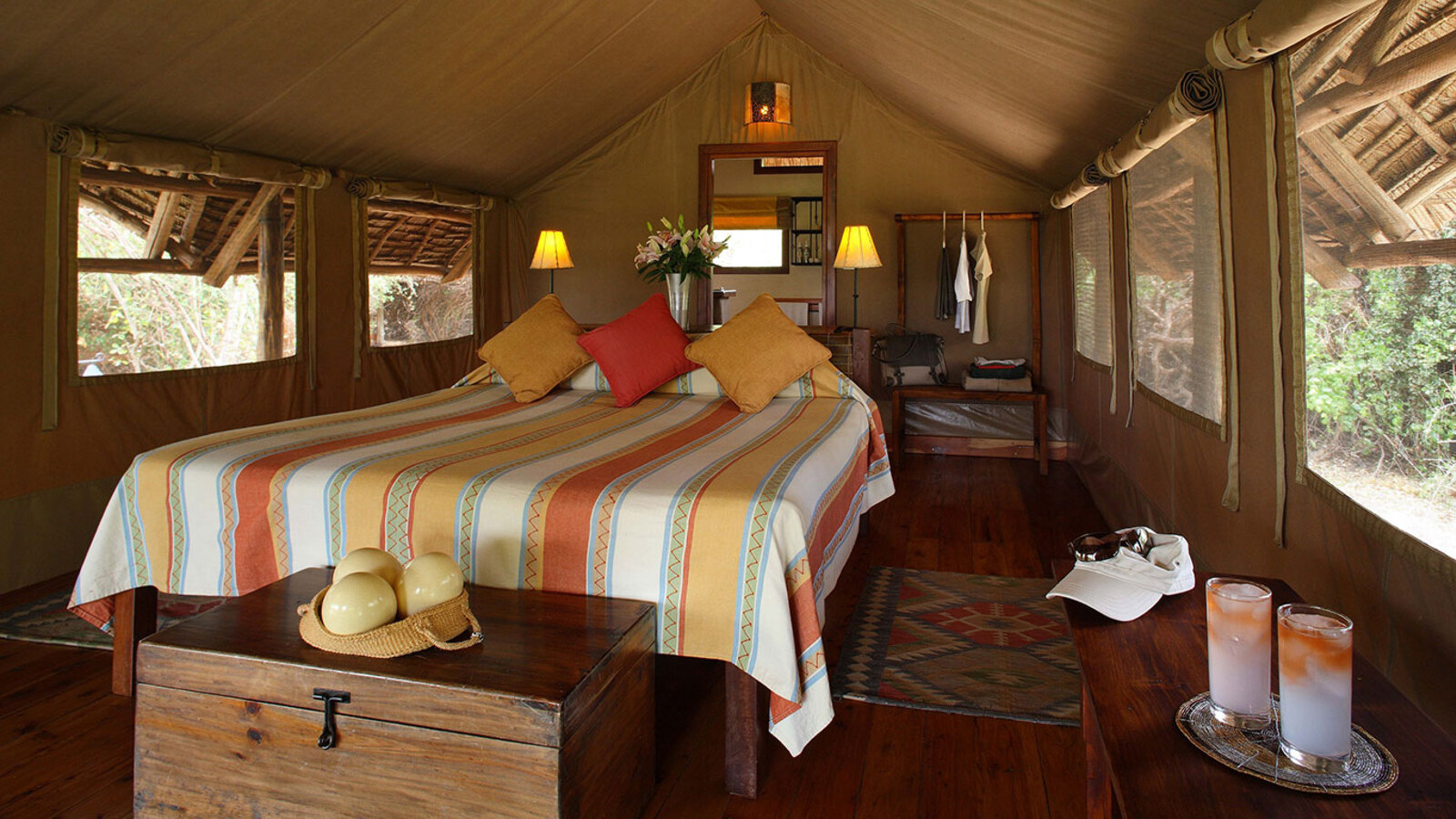
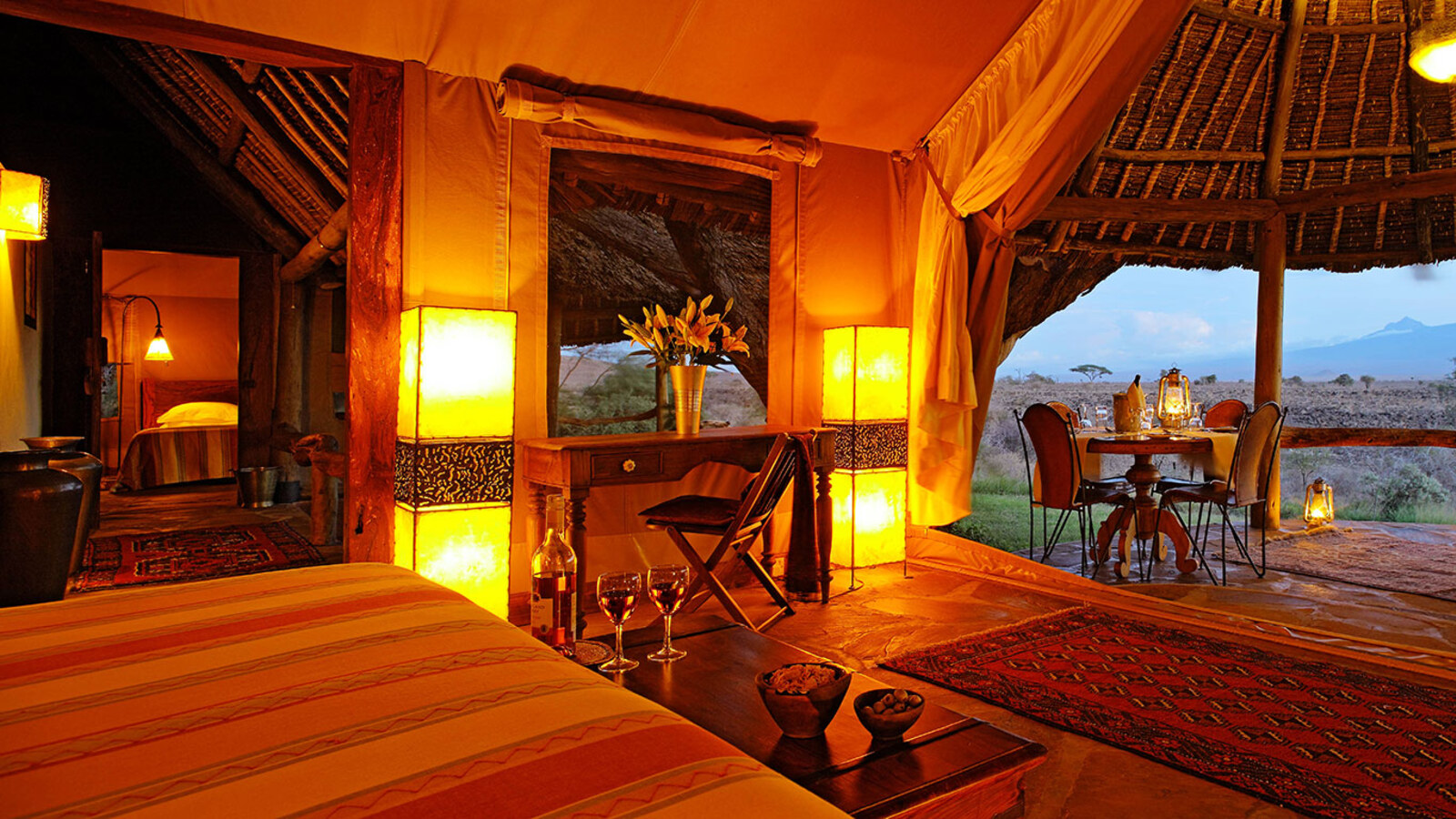
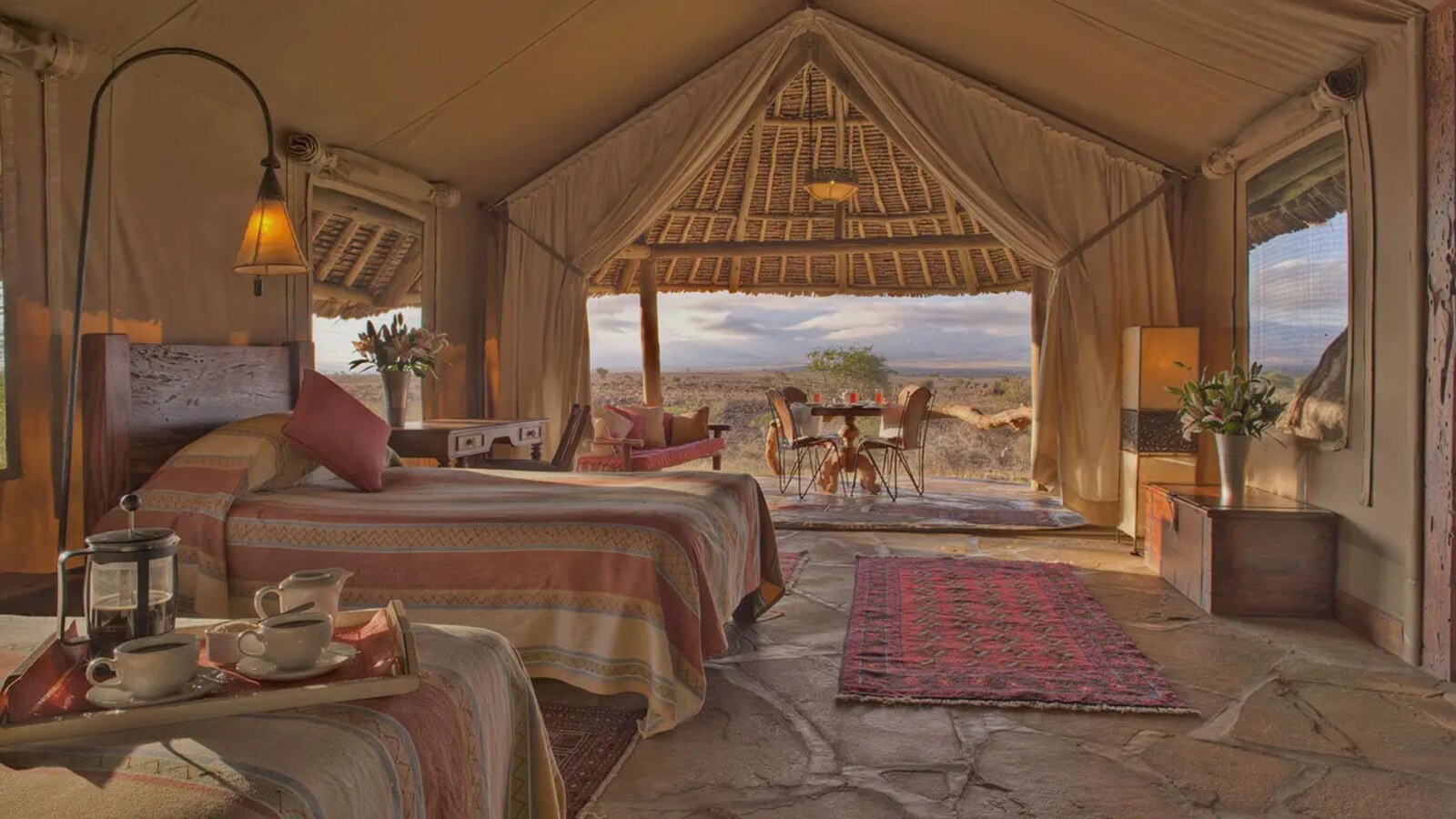
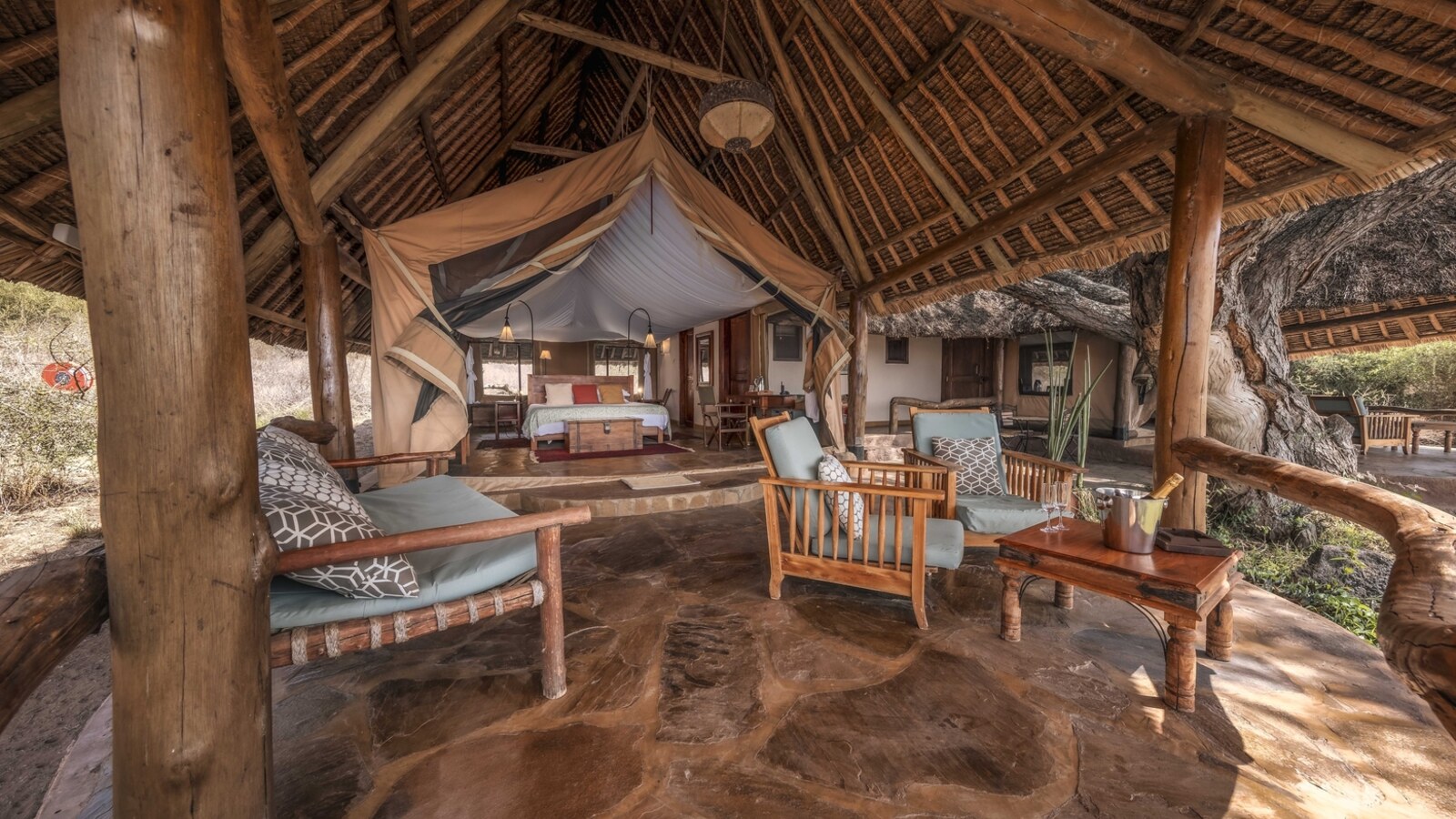
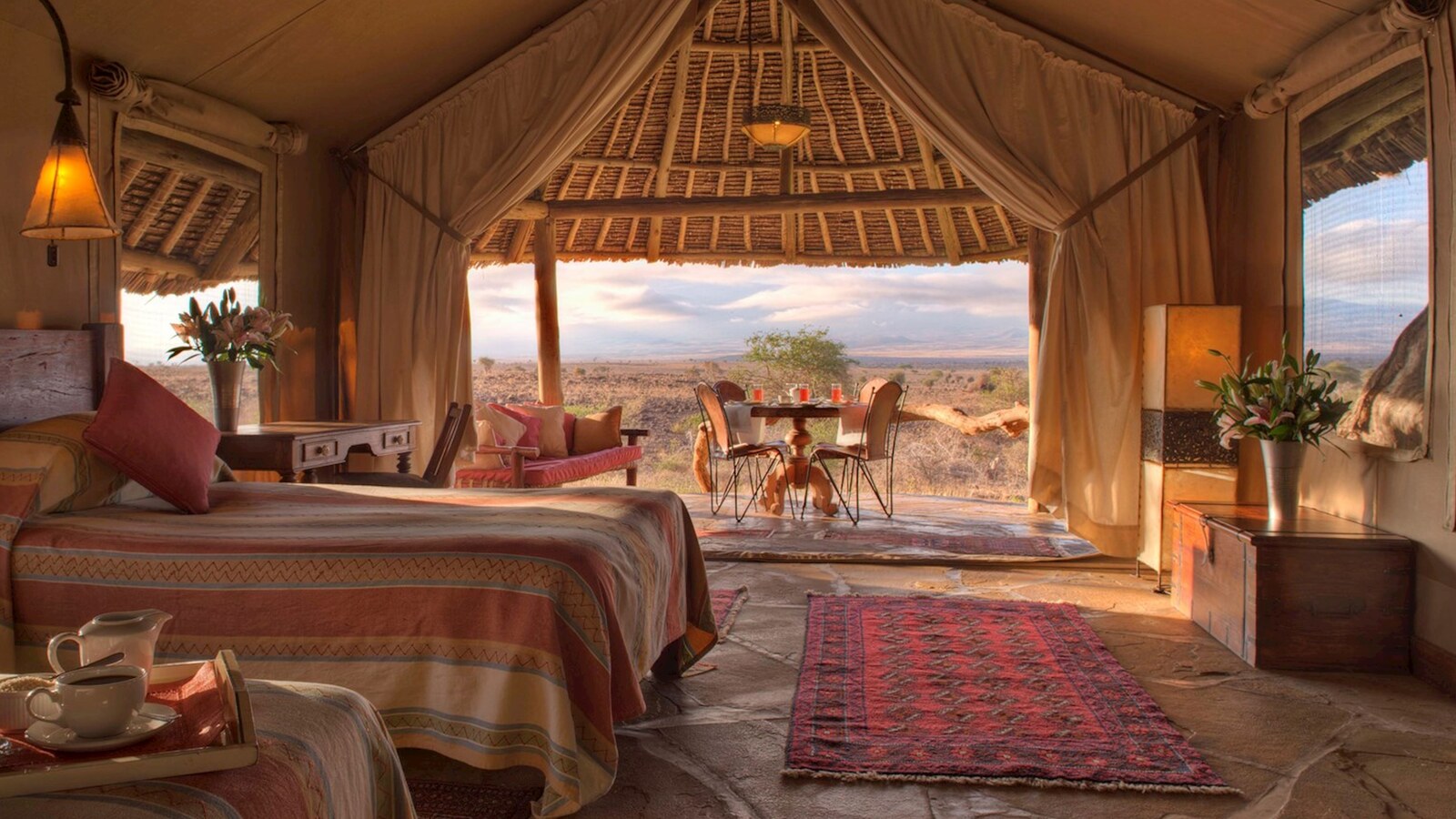
Tortilis Camp has 20 spacious tents, each hand-built from natural materials and designed to blend Italian elegance with authentic canvas luxury. These aren't hotel suites under canvas — they're tentalows, combining the romance of a classic East African safari tent with the comfort of a boutique lodge.
Standard Safari Tents (18 Tents)
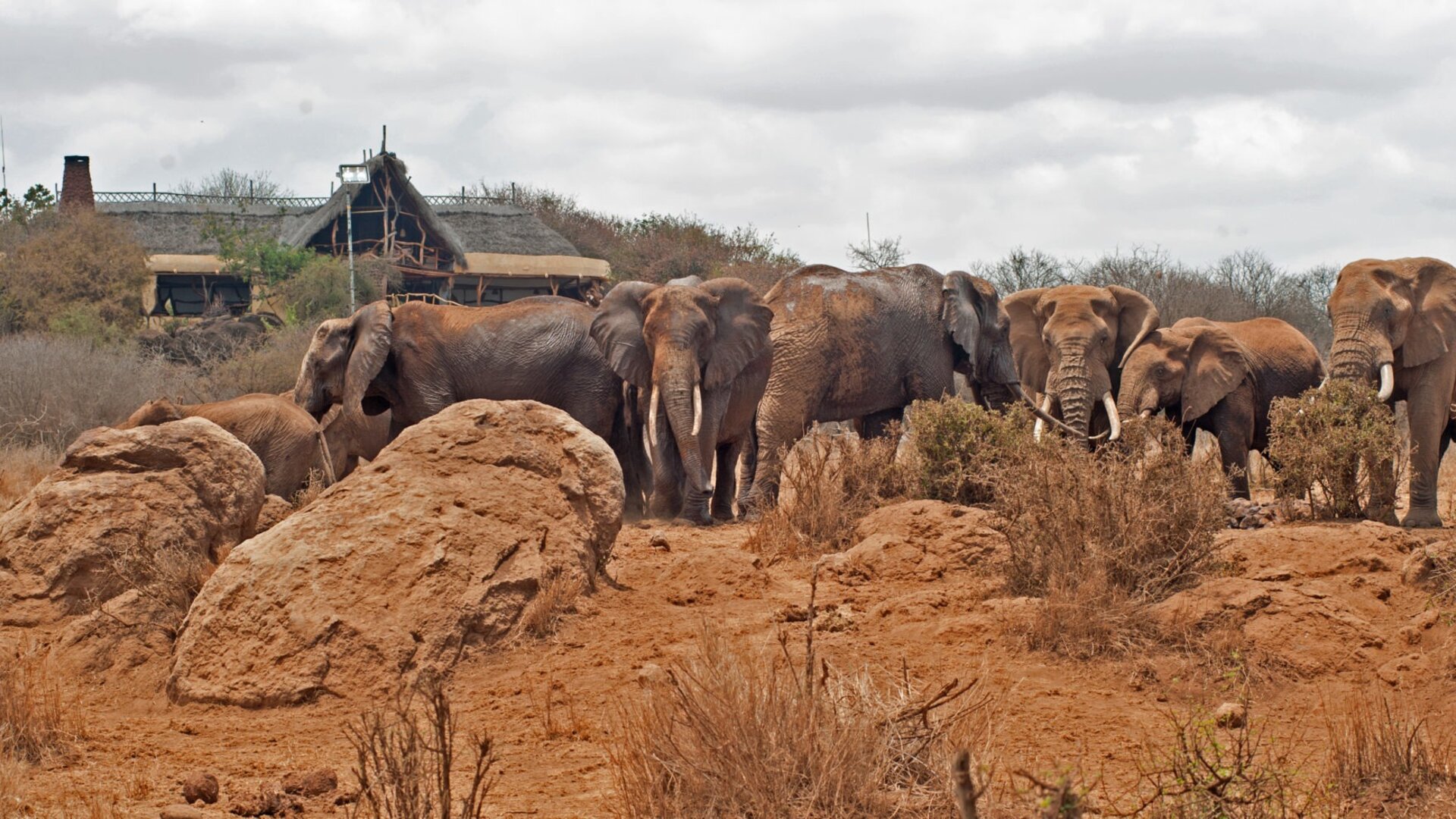
The standard tents feature king or twin beds draped in blackout mosquito netting, elegant en suite bathrooms with flush toilets and hot showers, and private verandas that face Kilimanjaro. Each tent is raised on a wooden deck and positioned to maximize privacy while maintaining the open-canvas connection to the bush. At dawn, you'll hear the soft rumble of elephant families moving through the acacia woodland — and if you're lucky, you'll watch them pass within metres of your veranda.
Family Tent (1 Unit)
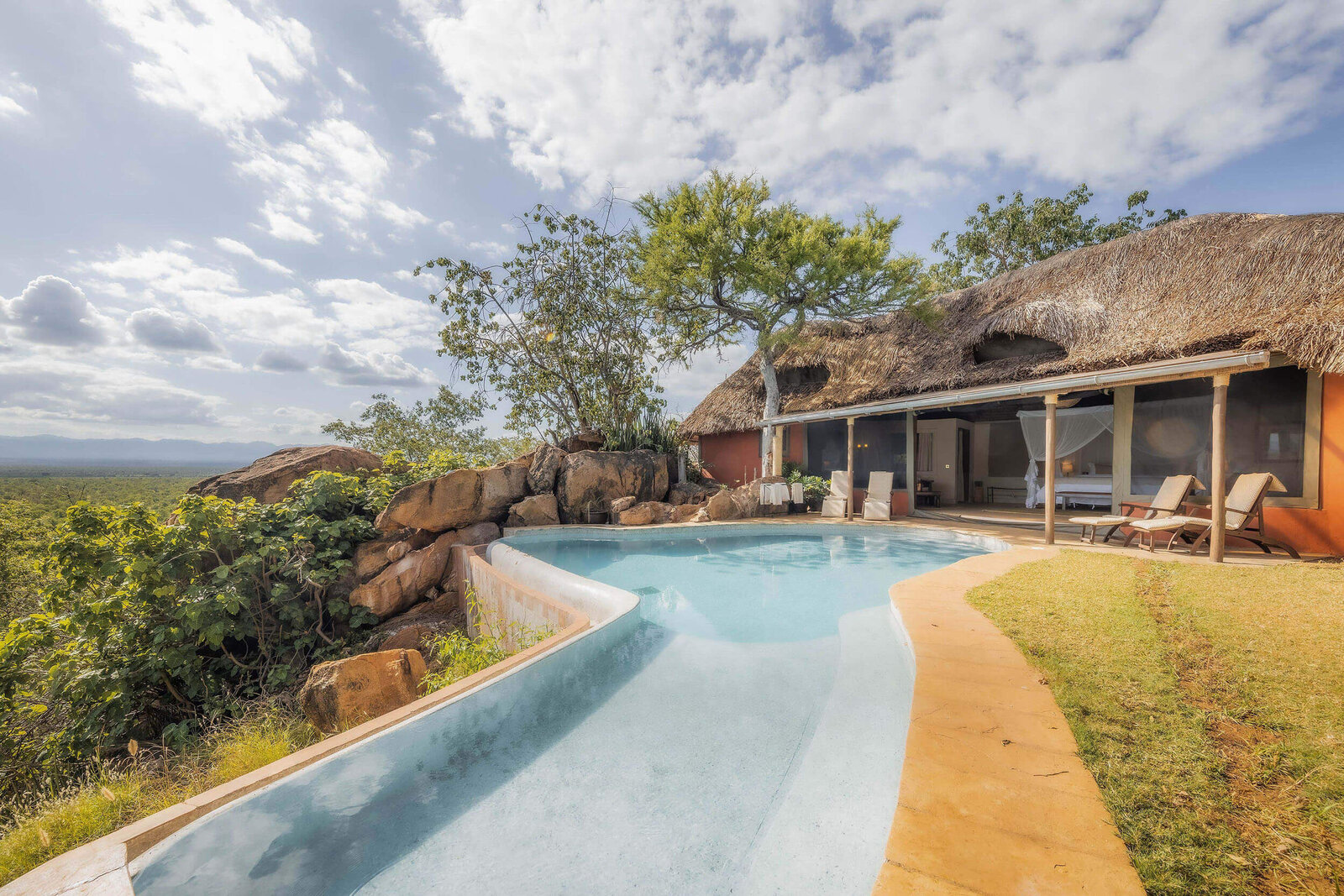
The Family Tent is set slightly apart from the main camp on the hill, offering two bedrooms (one double, one twin), a shared lounge, and access to a private swimming pool. It's ideal for families with children aged 6+ who want the Tortilis experience with a bit more space and flexibility.
Private House (1 Unit)
The Private House is Tortilis's crown jewel — a two-bedroom villa perched on the hilltop with panoramic Kilimanjaro views, a private pool (shared with the Family Tent), a dedicated chef, and the option for exclusive-use game drives. It's the ultimate Amboseli base for couples seeking total privacy or small families who want the full lodge experience on their own terms.
Wildlife & Game Viewing — Elephants, Kilimanjaro & the Big Five
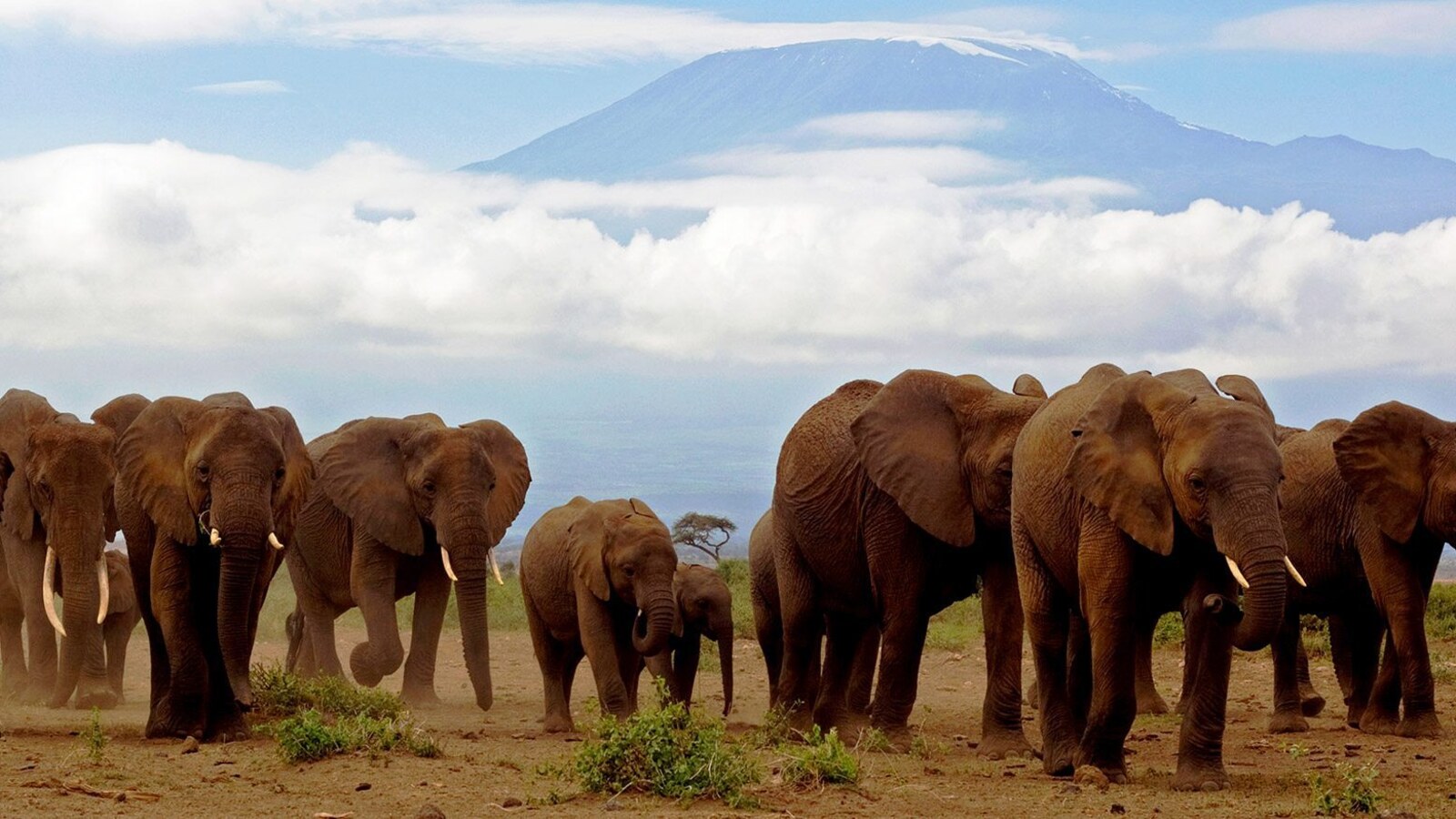
Amboseli National Park is elephant country like nowhere else on Earth. Over 1,000 elephants roam the park's 392-square-kilometre ecosystem, and Tortilis's location in the private conservancy means you'll see them on game drives, on guided walks, and often right from your tent.
The Amboseli Trust for Elephants
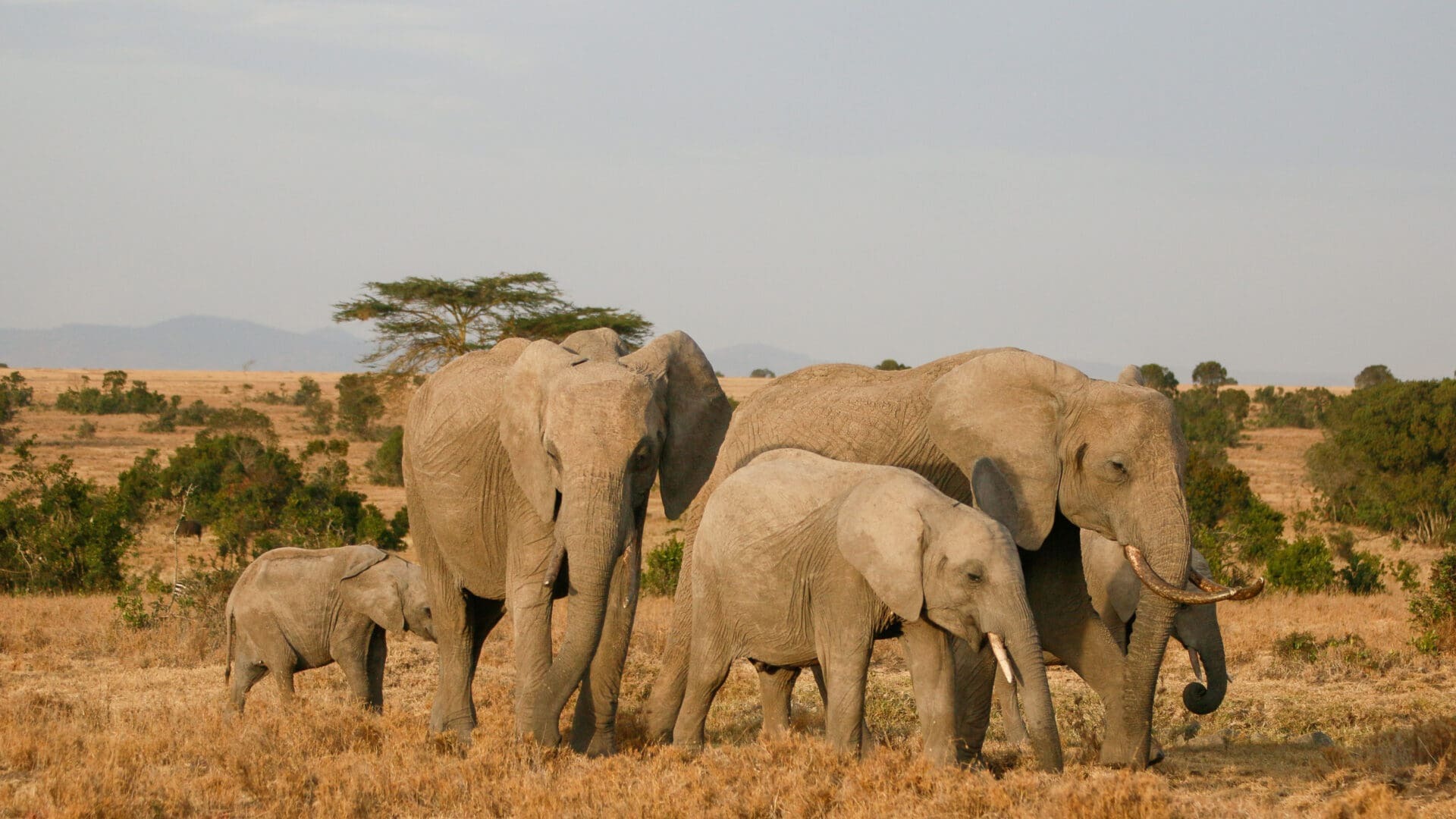
What sets Tortilis apart from every other Amboseli camp is its partnership with the Amboseli Trust for Elephants (ATE). Founded in 1972 by Dr. Cynthia Moss and Dr. Harvey Croze, the ATE is the world's longest-running study of wild elephants. Over five decades, researchers have tracked more than 3,000 individual elephants, building a database that has transformed global understanding of elephant social structure, communication, and cognition.
Your guides at Tortilis know not just the herds, but individual matriarchs by name. They'll tell you about Echo, the legendary matriarch who led her family for 35 years. About the EB family, one of the most-studied elephant clans on the planet. About the old bulls with tusks so heavy they scrape the ground — the "super tuskers" that once roamed Africa by the thousands and now number fewer than 50 worldwide.
Beyond Elephants: The Big Five & Amboseli's Wildlife Tapestry
Amboseli is not just about elephants. The park is home to all of the Big Five (though rhinos are rare), along with cheetah, hyena, wild dog, giraffe, zebra, wildebeest, and over 400 bird species. The Amboseli swamps — fed by Kilimanjaro's snowmelt — create a permanent water source that draws wildlife year-round, even during the dry season when the surrounding plains turn to dust.
Lions are frequently sighted in the Tortilis area, often resting in the shade of acacia trees or stalking prey near the swamp edges. Leopards are more elusive but present — your guide will know the territories and the best times to look. Buffalo herds can number in the hundreds, and cheetahs are often spotted on the open plains, where the short grass gives them a hunting advantage.
Beyond the Game Drive — Walking Safaris, Bush Meals & Sundowners Beneath Kilimanjaro
Tortilis Camp's location in a private conservancy means you're not limited to vehicle-based game drives. The camp offers a suite of activities that Expert Africa reviews and TripAdvisor posts talk about but rarely explain in detail.
Guided Walking Safaris with Maasai Guides
Walking through Amboseli's acacia woodland with a Maasai guide is as close as you'll come to experiencing the bush as it was a hundred years ago. Your guide — often a member of the local community trained from scratch by Tortilis — will teach you to read tracks, identify bird calls, and spot medicinal plants. You'll learn about the Acacia tortilis (the umbrella thorn that gives the camp its name) and why elephants strip its bark during the dry season.
These walks are not adrenaline-fueled Big Five stalks (though you'll see plenty of wildlife). They're about slowing down — about noticing the smaller details that pass unseen from a vehicle. Walking safaris are offered in 2-hour or 4-hour formats and are included in the Game Package rate.
Bush Breakfasts & Sundowners
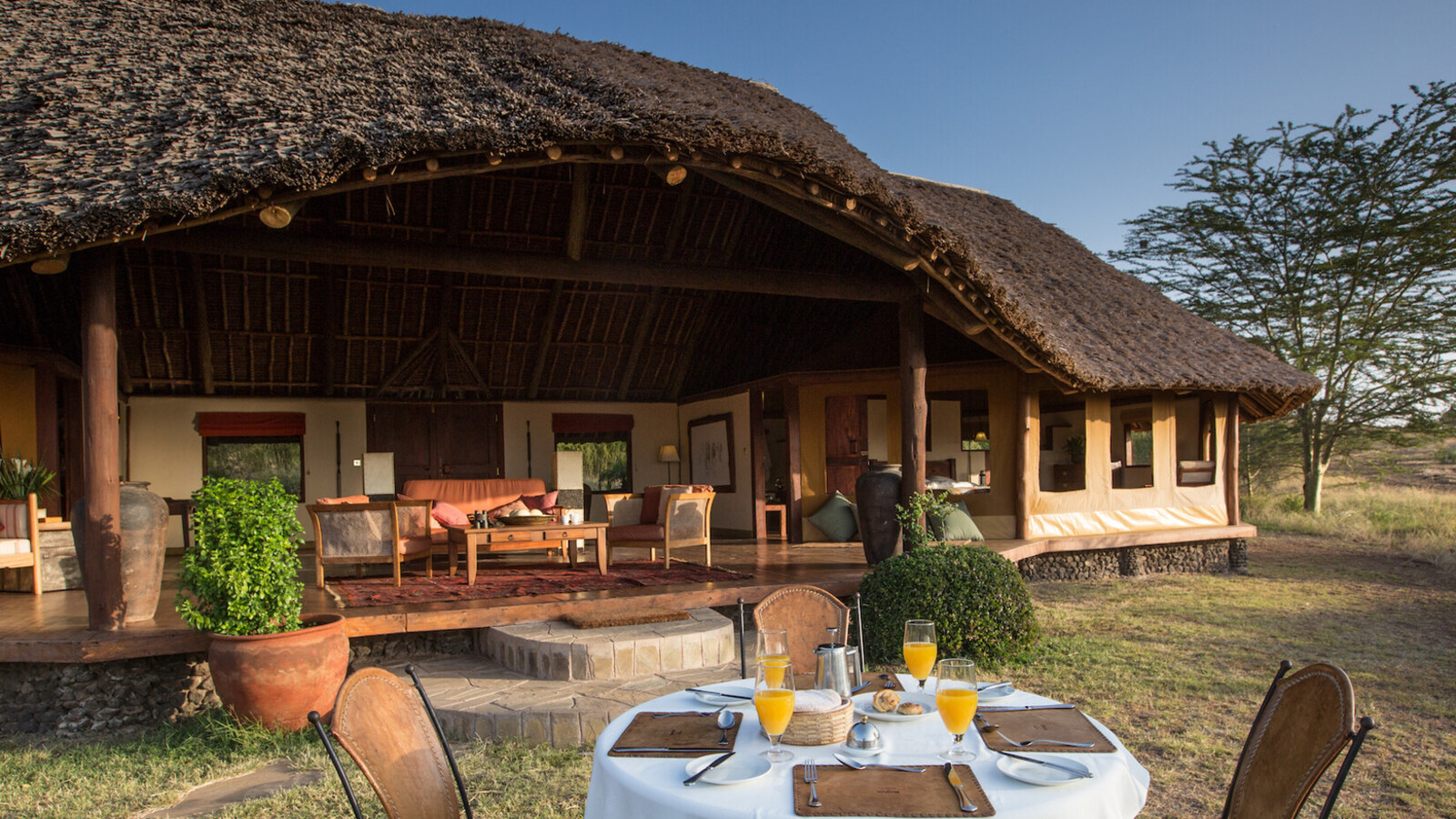
Imagine a full English breakfast served on white linen under an acacia tree, with Kilimanjaro rising behind you and elephants grazing two hundred metres away. Or sundowners on the conservancy's highest point, gin-and-tonic in hand, watching the mountain turn pink as the sun drops behind the Chyulu Hills.
These aren't "add-on experiences" at Tortilis — they're part of the rhythm of the day. The camp's chefs prepare bush meals with the same Italian-influenced care as the dining-tent dinners, and the locations are chosen to maximize privacy, wildlife proximity, and Kilimanjaro views.
Night Game Drives
Because Tortilis operates within a private conservancy, night game drives are permitted — something you can't do inside Amboseli National Park itself. After dark, the conservancy comes alive with nocturnal predators: lions on the hunt, hyenas calling across the plains, and if you're lucky, the elusive aardvark or honey badger.
Conservation — 100% Solar, Maasai Partnership & the Amboseli Model
Tortilis Camp was one of the first eco-lodges of its size in Kenya, and it remains 100% solar-powered. Every kilowatt-hour that lights your tent, heats your shower, and powers the kitchen comes from the sun. It's not a greenwashing tagline — it's engineering built into the fabric of the camp from day one.
The Maasai Community Connection
Tortilis employs around 60% of its staff from the local Maasai community, training them from scratch to become professional guides, barmen, and chefs. With each employed individual in Kenya supporting an average of 8 dependants, the camp's 40 local staff members potentially support between 300 and 400 members of the community.
The Maasai guides at Tortilis aren't "cultural add-ons" — they're your walking-safari leaders, the people who know every tree, every waterhole, and every lion territory in the conservancy. Walking with them is about more than wildlife; it's about understanding the land through the eyes of the people who have lived here for centuries.
Why the Amboseli Model Matters
Amboseli National Park is only 392 square kilometres — tiny by African standards. But the ecosystem is ten times larger, extending into community-owned rangelands where Maasai herders share the land with elephants, lions, and buffalo. The Amboseli Trust for Elephants has shown that elephants frequently move outside the park, using these corridors to access water and browse.
Tortilis's 30,000-acre conservancy is part of that corridor system. By operating here, the camp creates economic value for conservation — giving Maasai landowners a financial incentive to protect the land rather than subdivide it for agriculture. It's the model that has kept Amboseli's elephant population stable even as poaching decimated herds elsewhere in Africa.
Rates & What's Included (2026 Season)
Tortilis Camp offers two rate structures: Full Board (accommodation, meals, drinks, laundry) and Game Package (Full Board plus scheduled shared game drives, activities, and airstrip transfers). All rates exclude park fees and conservancy fees.
| Accommodation Type | Green Season (Apr–May) |
Mid Season (Jan 4–Mar 31, Jun, Nov 1–Dec 19) |
High Season (Jul–Oct, Dec 20–Jan 3) |
|---|---|---|---|
| Full Board (Per Person Sharing) | $317 | $491 | $715 |
| Game Package (Per Person Sharing) | $517 | $691 | $915 |
| Family Suite (Full Board) | $1,765 | $2,451 | $3,306 |
| Family Suite (Game Package) | $2,500 | $3,200 | $4,076 |
| Private House (Full Board) | $2,189 | $3,028 | $3,917 |
| Private House (Game Package) | $2,924 | $3,777 | $4,687 |
What's Included (Full Board): Accommodation, all meals, teas & coffees, house drinks (soft drinks, beer, house wines, selected spirits), laundry services.
What's Included (Game Package): Everything in Full Board, plus scheduled shared game drives (typically 2 per day), guided walking safaris, bush meals, sundowners, airstrip transfers.
Exclusions: Amboseli National Park fees (currently ~$80 pp/day for non-residents), conservancy fees (varies), premium drinks, flying doctors medical evacuation insurance, gratuities.
Best Time to Visit Tortilis Camp
Amboseli is a year-round destination, but Kilimanjaro views and elephant concentrations vary by season.
| Season | Kilimanjaro Views | Wildlife & Elephants | Crowds |
|---|---|---|---|
| Jan–Mar (Mid Season) | Excellent — clear mornings | High elephant numbers; short-grass season attracts predators | Moderate |
| Apr–May (Green Season) | Obscured by clouds most days | Elephants disperse; lush grass, fewer predator sightings | Lowest (best rates) |
| Jun (Mid Season) | Good — improving clarity | Elephants returning to swamps; wildlife concentrates | Low to moderate |
| Jul–Oct (High Season) | Peak clarity — best Kili photography | Highest elephant concentrations; predators hunt near swamps | Highest (book 6+ months ahead) |
| Nov (Mid Season) | Variable — short rains can obscure | Still good elephant viewing; some dispersal after rains | Low |
| Dec 20–Jan 3 (High Season) | Excellent | High concentrations; festive-season premium | Peak (families) |
Recommendation: For the best balance of Kilimanjaro views, elephant action, and value, book January–March or June. For peak photography conditions (crystal-clear mountain views + maximum elephant herds), book July–October — but expect high-season crowds and rates.
Who Should Stay at Tortilis Camp?
Perfect For:
- Elephant Enthusiasts: 1,000+ elephants, Amboseli Trust partnership, individual matriarchs known by name.
- Kilimanjaro Photographers: Unobstructed views of Africa's highest mountain from every tent.
- Eco-Conscious Travelers: 100% solar, Maasai-led guiding, minimal-footprint luxury.
- Families: Family Tent and Private House; children 6+ welcome; walking safaris with Maasai guides are educational and safe.
- Safari Purists: Those who want the Amboseli experience Expert Africa talks about but refuses to price or detail.
Not Ideal For:
- Big Five Tick-Listers: Leopards and rhinos are present but elusive; this is elephant + mountain country, not a Big Five guarantee.
- Great Migration Seekers: Amboseli has no wildebeest migration; for that, book Masai Mara or Serengeti.
- Ultra-Modern Luxury Seekers: Tortilis is elegant, comfortable, and authentic — but it's canvas-and-thatch eco-luxury, not marble-and-champagne opulence.
- Those Expecting Guaranteed Kilimanjaro Views: April–May (Green Season) often sees the mountain shrouded in clouds for days at a time.
Sample 3-Day Itinerary at Tortilis Camp
Day 1: Arrival & Introduction to Elephant Country
Morning: Fly into Amboseli airstrip (daily scheduled flights from Nairobi Wilson Airport, ~45 minutes). Transfer to Tortilis Camp (20 minutes). Check into your tent; Kilimanjaro greets you from your veranda.
Afternoon: Lunch at the main camp. Afternoon game drive into Amboseli National Park — your guide will position the vehicle for classic Kilimanjaro + elephant photographs at Observation Hill or the Enkongo Narok Swamp.
Evening: Sundowners on the conservancy. Dinner at camp (Italian-influenced cuisine from the camp's vegetable garden). Optional: night game drive to track lions and hyenas.
Day 2: Walking Safari & Amboseli Trust Insights
Early Morning: Guided walking safari with Maasai guides through the acacia woodland. Learn to track elephants on foot, identify medicinal plants, and understand the conservancy's role in the Amboseli ecosystem.
Mid-Morning: Bush breakfast under an umbrella thorn tree, with Kilimanjaro as your backdrop.
Afternoon: Return to camp; optional pool time or siesta. Late-afternoon game drive focused on the Amboseli Trust elephant families — your guide will share stories of individual matriarchs and the 50-year research project.
Evening: Dinner under the stars; ask your guide to arrange a private bush dinner if you prefer total seclusion.
Day 3: Kilimanjaro Dawn & Departure
Dawn: Wake before sunrise. Watch Kilimanjaro turn pink from your tent veranda as elephant families walk past. Early-morning game drive to catch predators returning from the hunt.
Late Morning: Brunch at camp. Transfer to Amboseli airstrip for your onward flight.
Final Verdict — Why Tortilis Camp Beats the Competition
If you've read Expert Africa's Tortilis review, you'll notice they tell you it's "good" and stop there. No pricing. No decision tools. No deep-dive into the Amboseli Trust for Elephants or the 50-year research partnership that makes this camp different from every other lodge in Kenya.
Here's what we give you that they won't:
- Transparent 2026 Rates: Full Board from $317 pp/night (Green Season) to $715 (High Season); Game Package from $517 to $915. Private House up to $4,687.
- Who-Should-Stay Decision Matrix: Perfect for elephant enthusiasts, Kilimanjaro photographers, eco-travelers, and families. Not ideal for Big Five tick-listers or Great Migration seekers.
- Best-Time Guidance: July–October for peak Kilimanjaro views + maximum elephant herds. January–March or June for value + excellent conditions. Avoid April–May unless you don't care about seeing the mountain.
- Conservation Depth: The Amboseli Trust for Elephants (Dr. Cynthia Moss, 3,000+ elephants tracked since 1972), 100% solar power, Maasai community partnership with 60% local employment.
- Honest Limitations: Leopards and rhinos are present but rare. No wildebeest migration. April–May clouds often obscure Kilimanjaro for days.
Tortilis Camp isn't the biggest lodge in Amboseli. It isn't the most opulent. What it is, is the most authentic — a place where conservation science, Maasai partnership, and Italian elegance come together beneath Africa's highest mountain. Where elephants walk past your tent at dawn, and you fall asleep to the sound of lions calling across the plains.
If that's the Amboseli you're looking for, Tortilis is your only choice.
How to Book Tortilis Camp
Tortilis Camp is part of the Elewana Collection. You can book directly through Elewana's reservations team or through a Kenya safari specialist like Beyond Africa Safaris (that's us). We include Tortilis in multi-destination Kenya itineraries that combine Amboseli with Masai Mara, Laikipia, Samburu, or the coast.
High-season availability (July–October, December 20–January 3) fills 6+ months in advance. If you're planning a Kenya safari for peak season, contact us early. We'll secure your Tortilis dates and build the rest of your itinerary around them.
📧 Email: reservations@privatetourscapetown.com
💬 WhatsApp: +27 78 471 4852