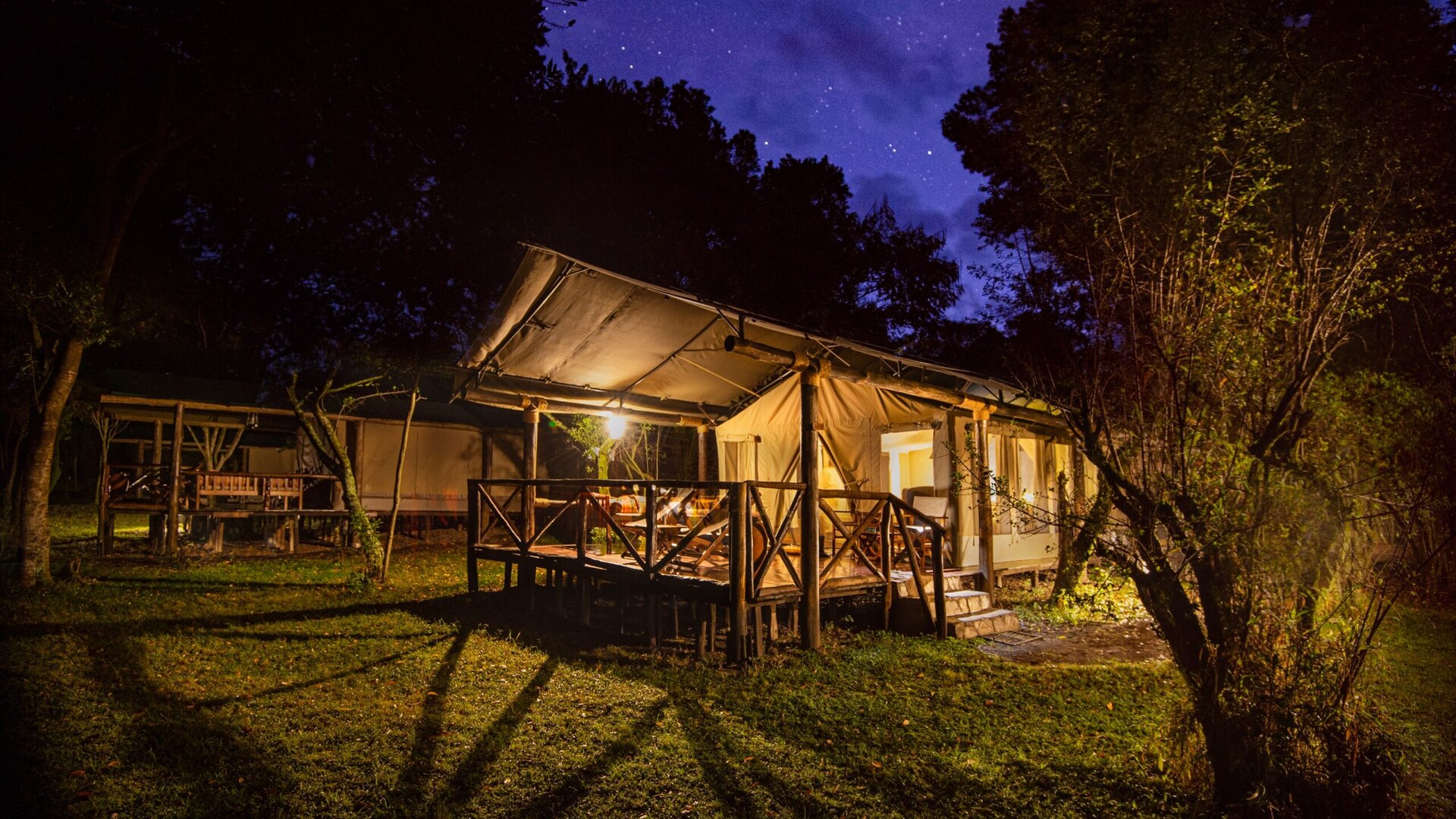
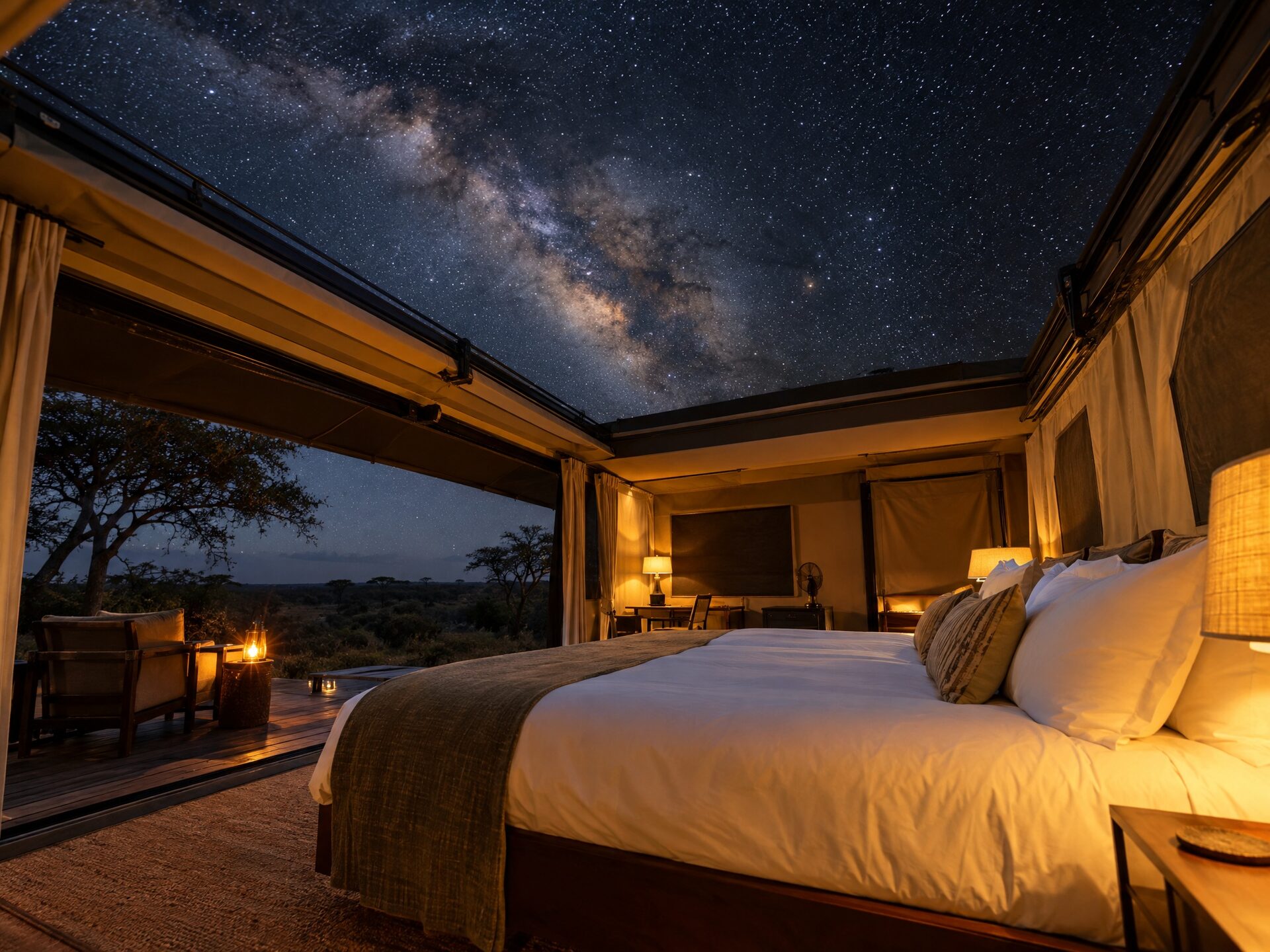
Saruni Mara is two camps rather than one, and knowing the difference is the key to planning a stay. Both sit inside the private Mara Naboisho Conservancy, both are run by the Saruni Basecamp group, and both carry a Gold Eco-Rating from Ecotourism Kenya — but they are built for different travellers. Saruni Eagle View stands high on an escarpment above a waterhole, the bigger and more sociable of the pair. Saruni Leopard Hill is smaller, design-led and quietly romantic, with a roof that opens over the bed for sleeping under the stars.
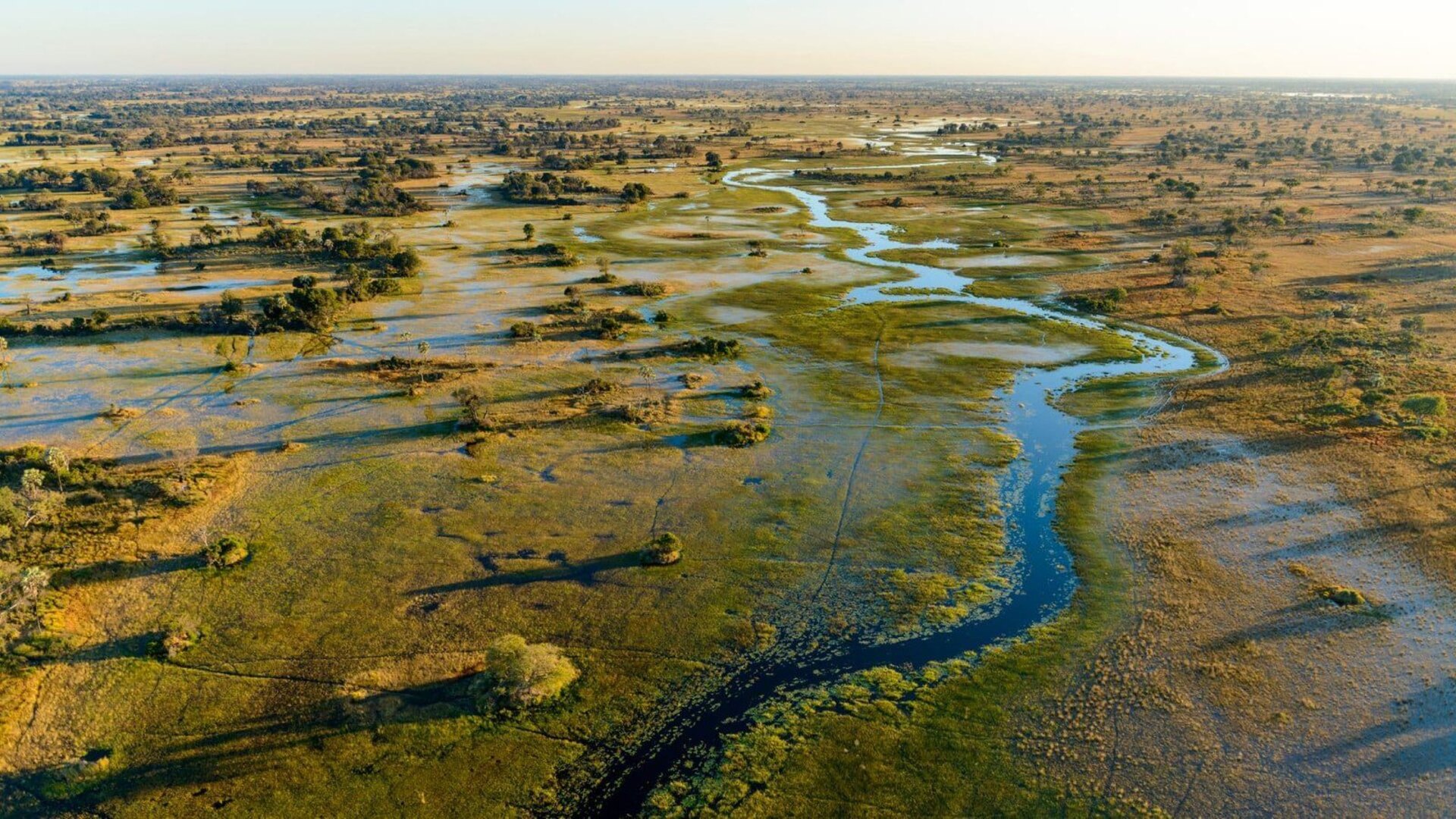
What they share is the conservancy itself. Naboisho is a community-owned wildlife area of more than 50,000 acres on the eastern edge of the greater Maasai Mara ecosystem, next to the national reserve. Because it is private land rather than the reserve, the camps can run night drives, off-road big-cat tracking and walking safaris that the reserve does not allow, and the number of vehicles and beds is capped — so the plains stay quiet and the sightings stay uncrowded.
This 2026 review covers both camps — the nine escarpment tents at Eagle View and the six star-bed tents at Leopard Hill — along with the conservancy game viewing, the activities, seasonal rates and how to combine the two Saruni camps into one trip.
- Where: Both camps inside the private Mara Naboisho Conservancy, bordering the Maasai Mara National Reserve.
- Two camps: Saruni Eagle View (9 escarpment tents, waterhole, plunge pool, spa) and Saruni Leopard Hill (6 star-bed tents, manyatta style, fireplaces).
- Rates 2026: Leopard Hill from around USD 700 pp/n full board; Eagle View in a similar premium bracket; conservancy fees extra.
- The edge: Night drives, off-road tracking and walking safaris — all permitted in the conservancy — with capped vehicle numbers.
The Naboisho Conservancy — Why It Matters
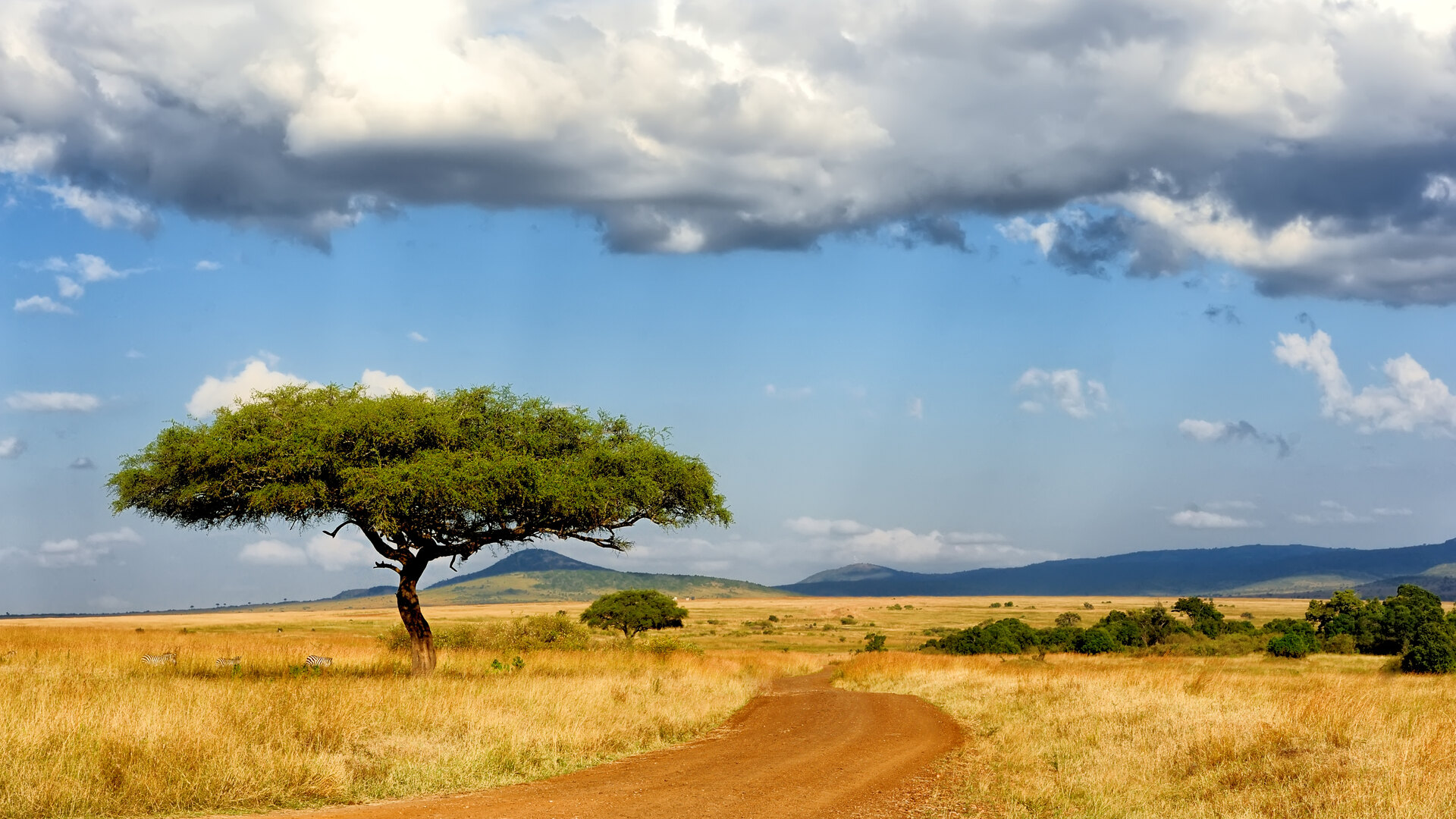
The single biggest reason to stay at Saruni Mara is where the camps sit. The Mara Naboisho Conservancy was formed when hundreds of Maasai landowners pooled their land into one protected block next to the national reserve, leasing it for conservation rather than fencing and farming it. The result is more than 50,000 acres of open wildlife country where the community earns directly from tourism and the game has room to move.
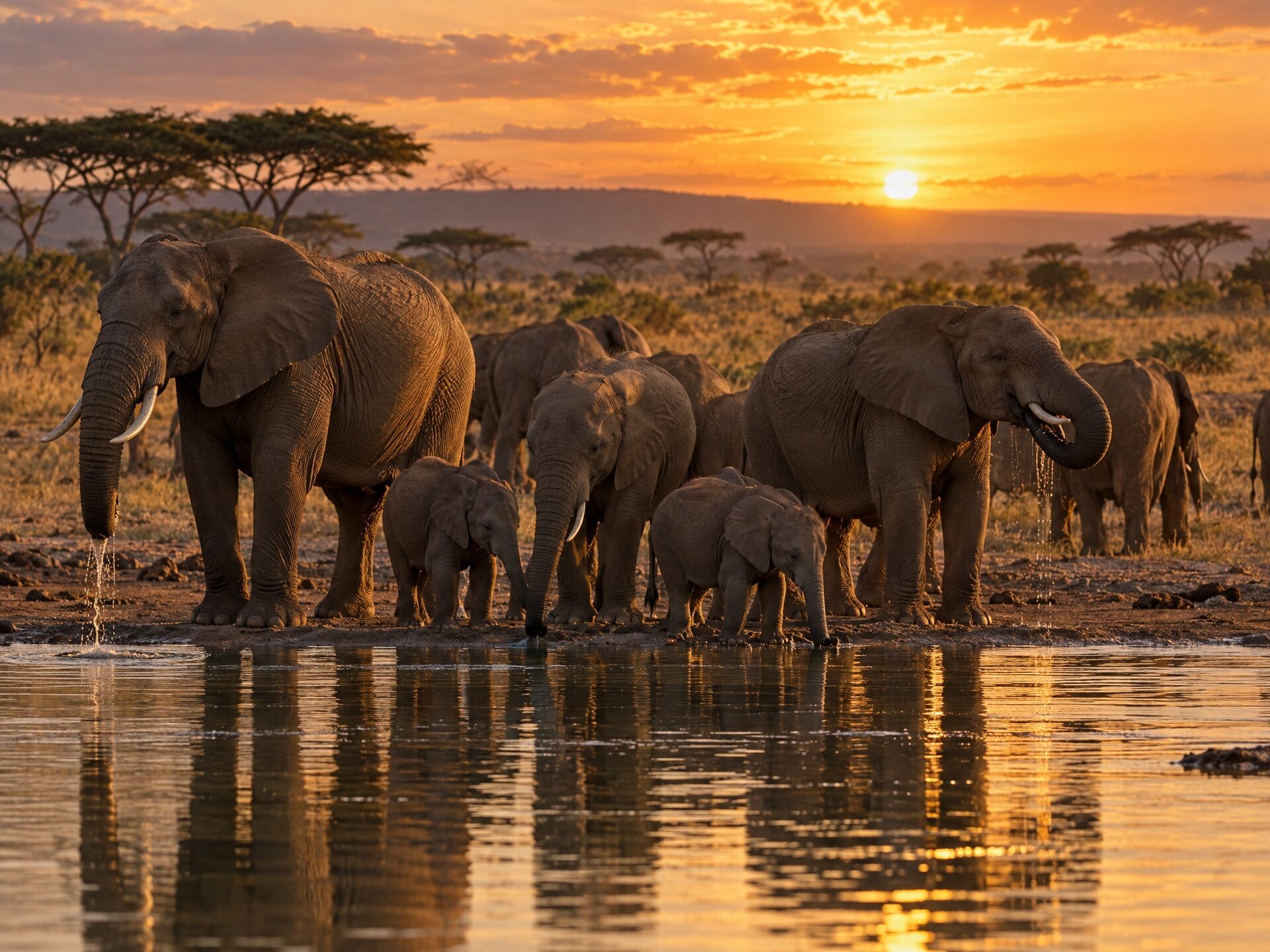
On the ground, three things set the conservancy apart from the reserve. First, activities: night drives and off-road driving are permitted, so guides can follow a leopard off the track or find nocturnal game after dark, and walking safaris with armed Maasai guides are part of a normal stay. Second, space: the conservancy caps the number of beds and vehicles, so a sighting here is a handful of cars at most rather than the crowds that gather at the reserve's river crossings. Third, the cats: Naboisho holds one of the highest lion densities in the Mara region, along with resident leopard and cheetah.
The national reserve and its famous Mara River crossings are still within reach on a full-day drive during the migration months, so a Naboisho base gives you the best of both — quiet private-land game viewing at camp, and the big reserve set-pieces when you want them.
Saruni Eagle View — High on the Escarpment
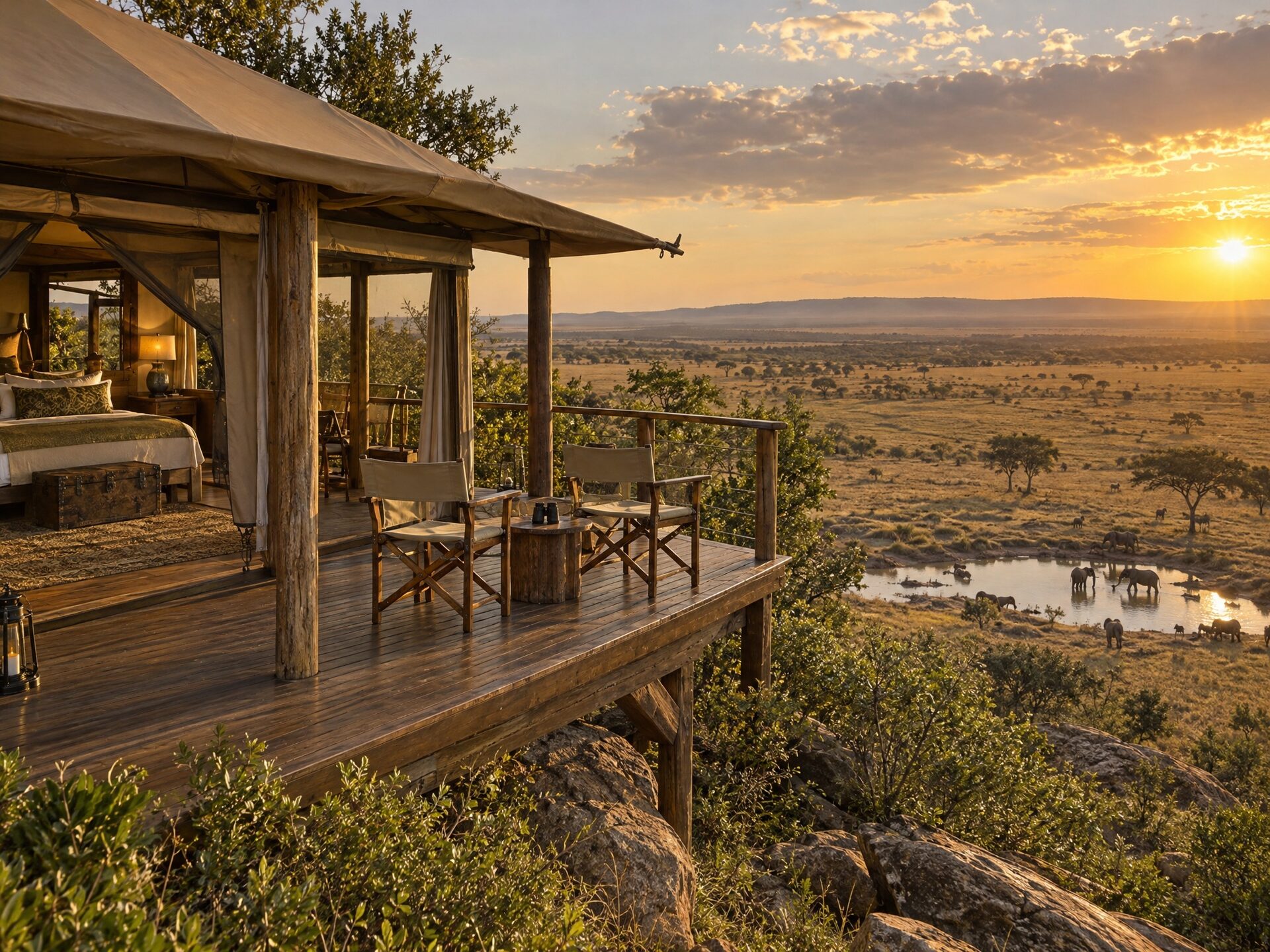
Saruni Eagle View is the larger and more sociable of the two camps, built along the top of an escarpment that looks out over the Naboisho plains and a natural salt lick and waterhole below. Game comes to the water in front of camp through the day, so there is plenty to watch from the deck between drives. A recent refurbishment lifted the tents and the common areas without losing the camp's grounded, low-impact character.
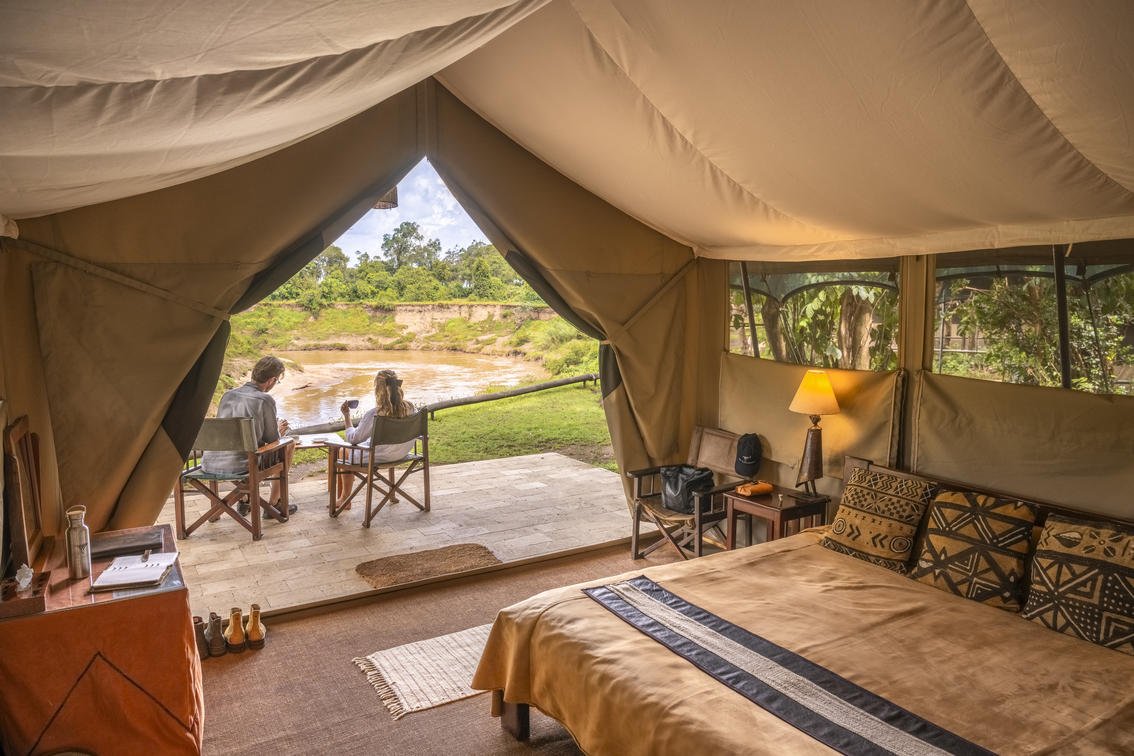
The camp has nine elevated tents, including luxury tents and family units. Each has a raised canvas ceiling, king-size or twin beds, earth-toned interiors, an en-suite bathroom with a bio-flush toilet and indoor shower, and a private elevated deck facing the plains. One tent adds an outdoor tub, and the honeymoon tent has an outdoor shower and a private outdoor spa with two tubs and a massage area. The family configurations are two separate en-suite tents linked by a private terrace, so parents and children have their own space side by side.
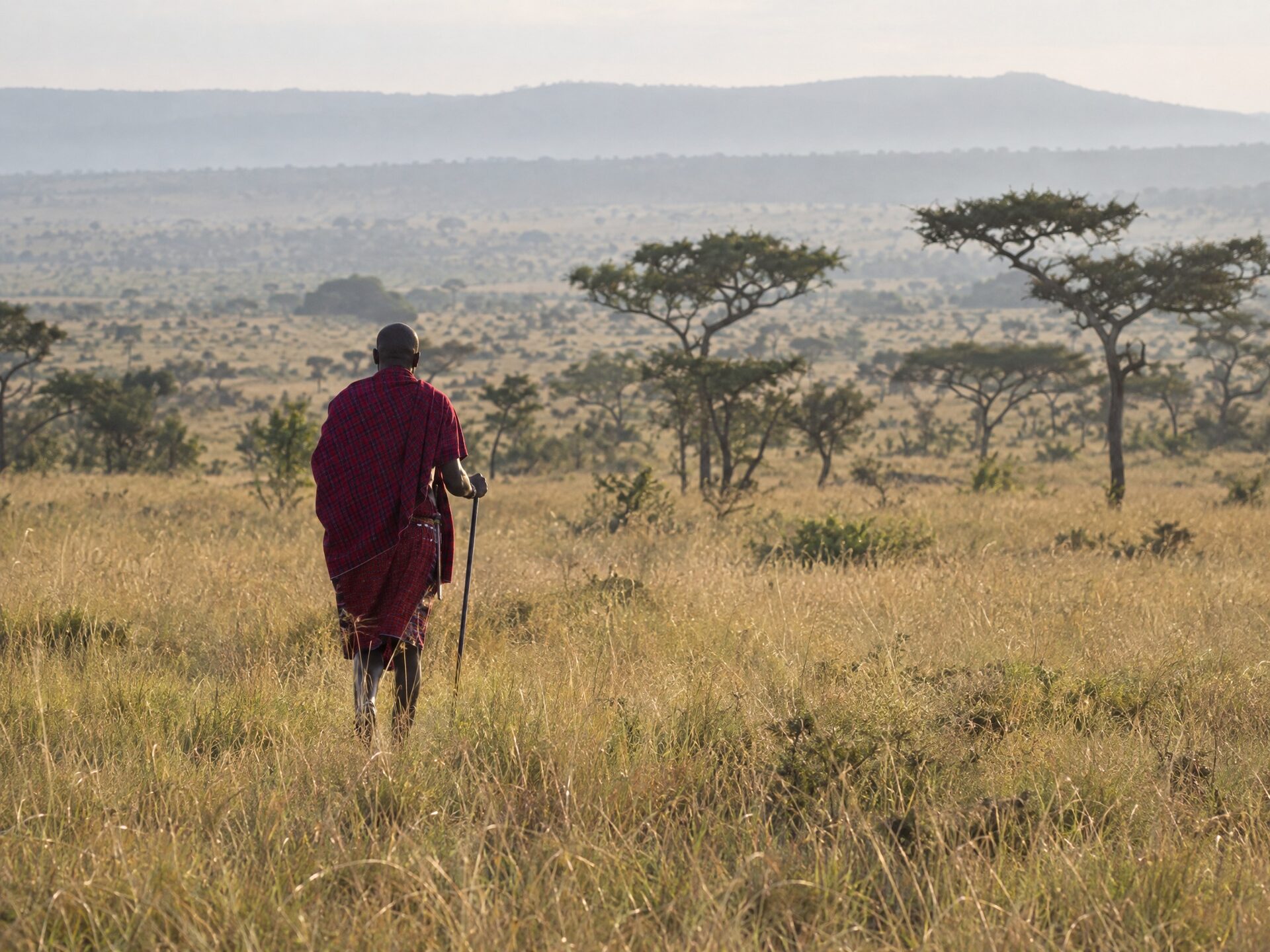
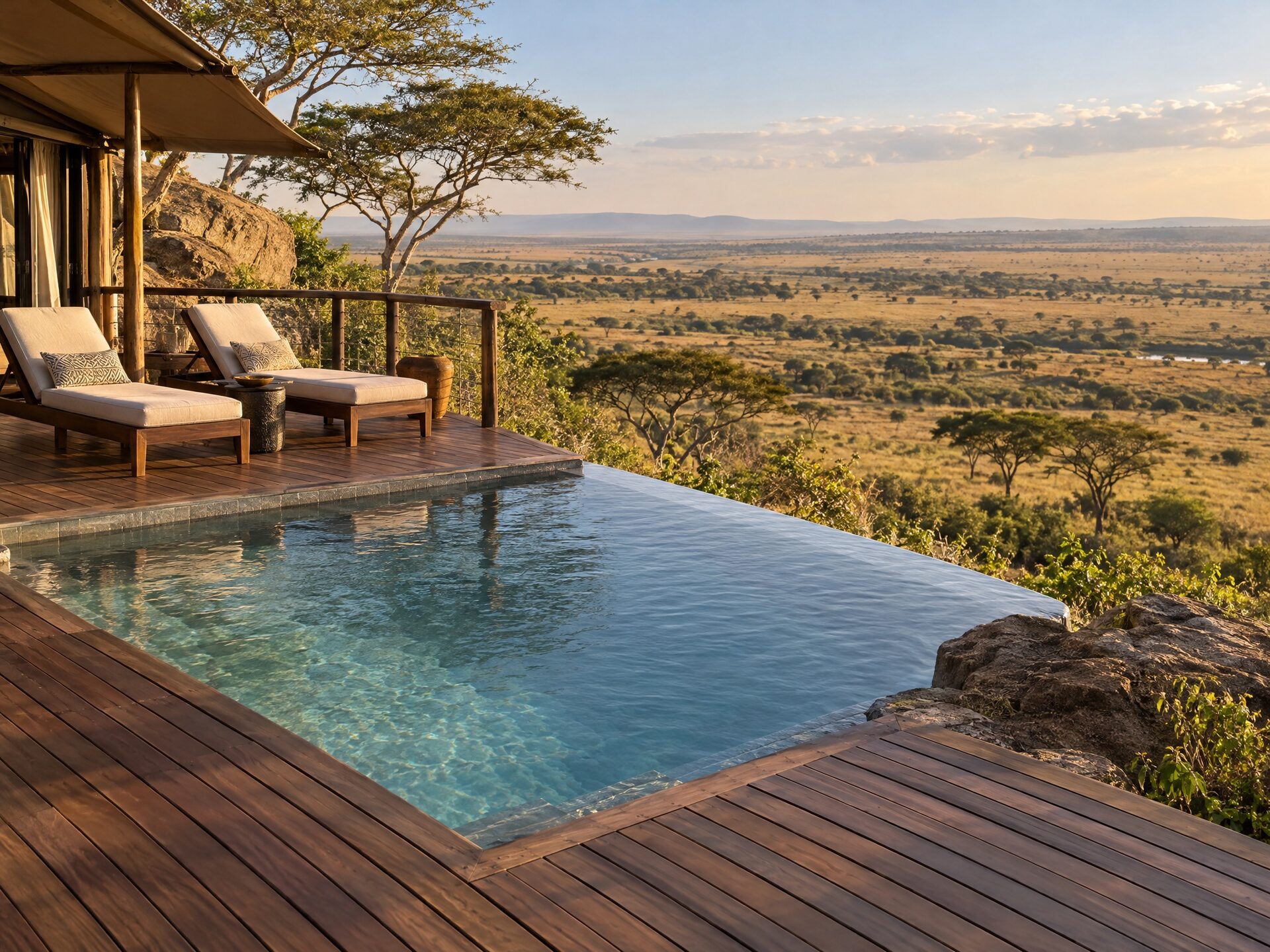
At the heart of camp are the bar, lounge and dining areas, a plunge pool set on the escarpment edge with views over the waterhole, and the Maasai Wellness Spa for massages and treatments after a long drive. The build is designed to be removable, running on solar power, and most of the team comes from the local Maasai landowner community.
Saruni Leopard Hill — The Star-Bed Camp
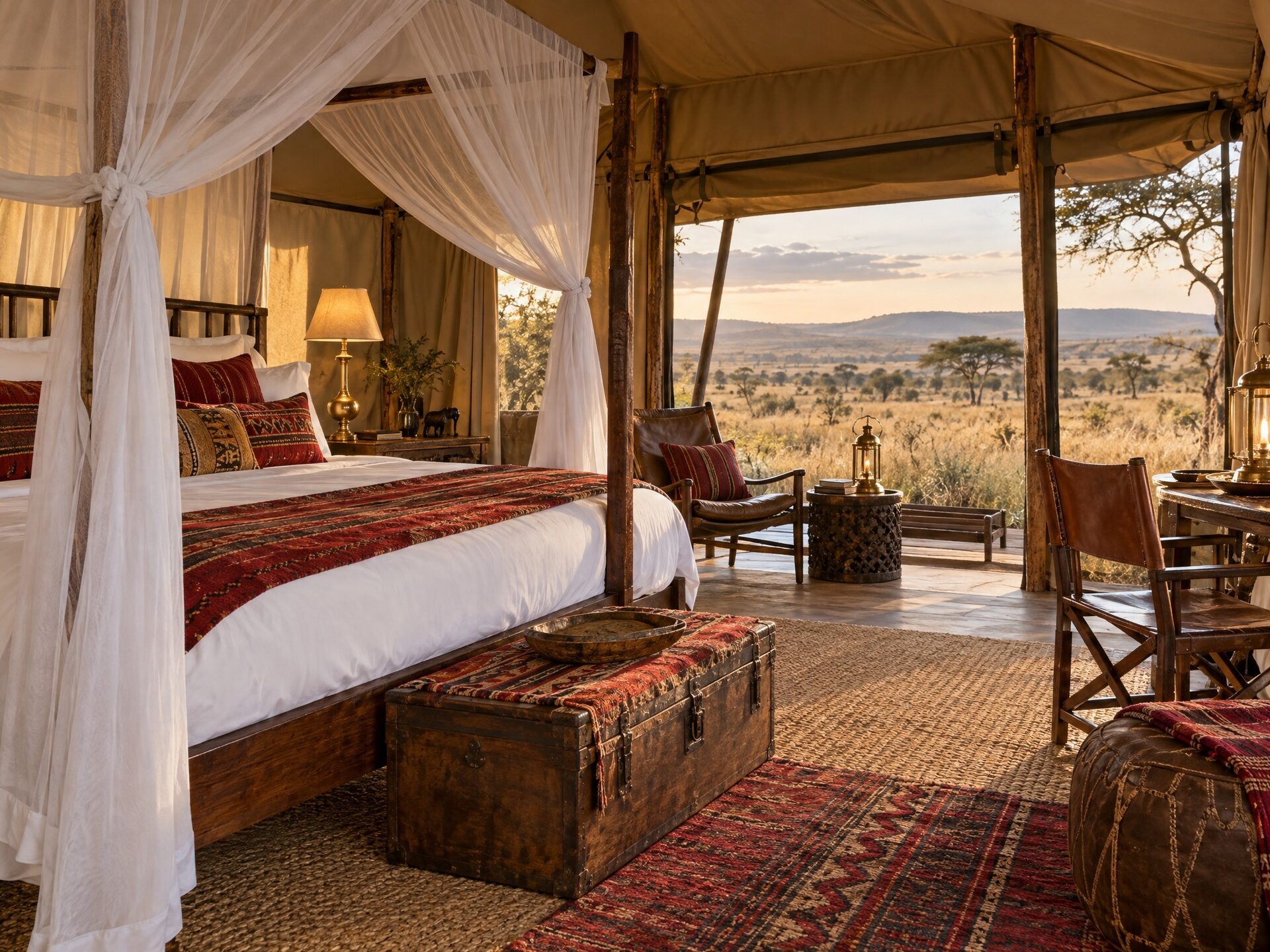
Saruni Leopard Hill is the smaller, more design-led camp, and its signature feature is the roof. Each of the six tents has a motorised canvas ceiling above the bed that slides open at the push of a button, leaving only a mosquito net between you and the sky — so you can lie in bed and watch the stars, then close it again before dawn. It is the detail guests remember most.
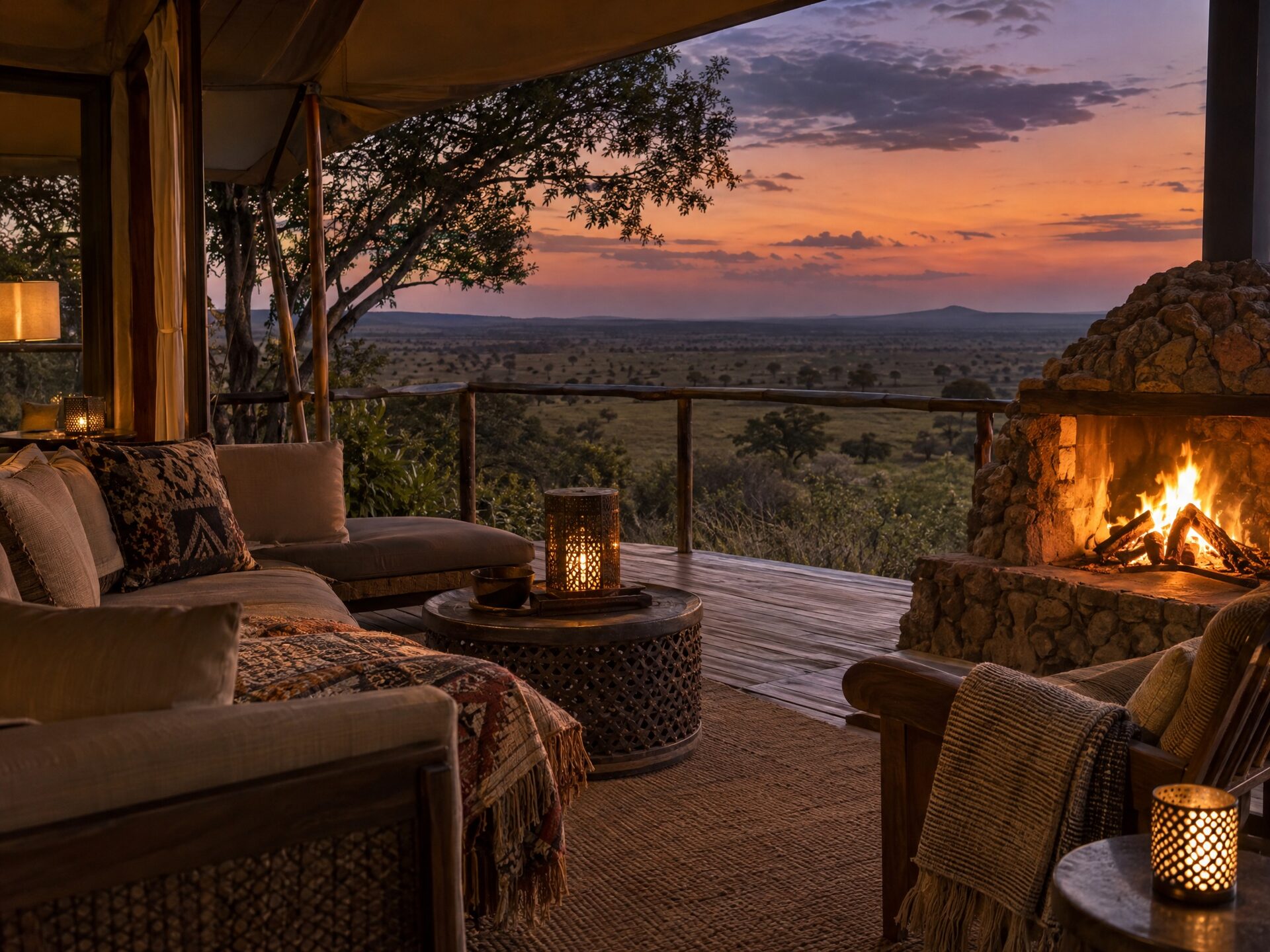
The tents are built in the style of a traditional Maasai manyatta and raised on wooden platforms with close to 360-degree views over the plains and nearby waterholes. There are four deluxe tents, one family tent and one honeymoon tent. Every tent has a private veranda with a fireplace and seating, an en-suite bathroom with indoor and outdoor showers, WiFi, a safe, a fan and even a yoga mat. Tent 5 is built with a ramp for guests with limited mobility — a rare thing to find in a bush camp.
Leopard Hill is quieter and more private than Eagle View, and it suits couples and small groups who want the camp mostly to themselves. The same conservancy activities apply — night drives, walking and off-road tracking — and the camp runs on the same solar, low-impact, community-staffed model.
Game Viewing & Activities
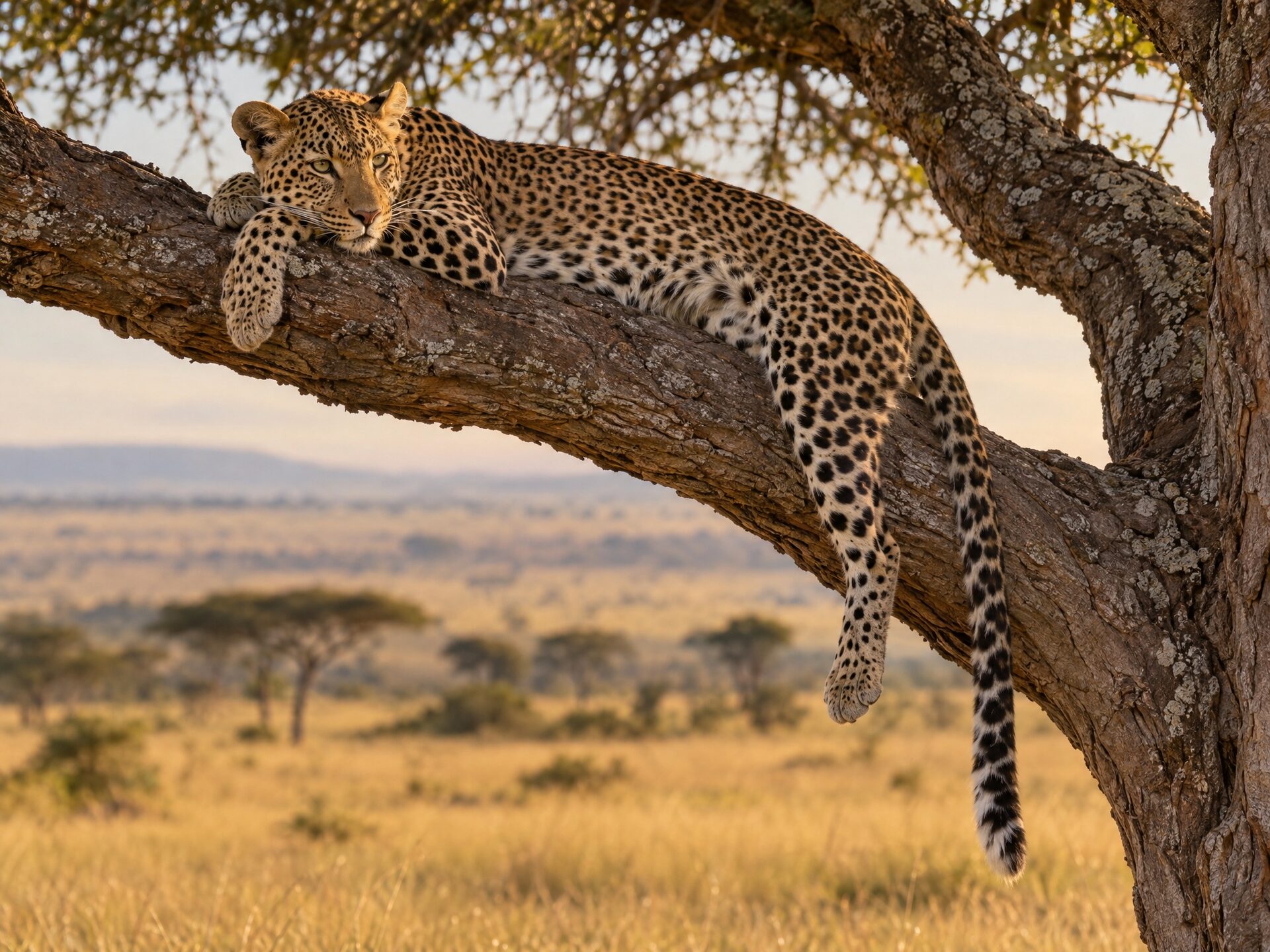
Naboisho earns its reputation on big cats. Lion prides are resident across the conservancy, leopard are seen regularly along the rocky ground and tree lines, and cheetah hunt the open plains. Elephant, giraffe, buffalo, eland and large plains herds fill out the picture, and the waterholes below Eagle View draw game right to camp.
Because this is private land, the activity list is wider than the reserve allows. Morning and afternoon game drives run in open 4x4 vehicles, and guides can drive off-road to stay with a sighting. Night drives go out after dark for leopard, serval, genet and other nocturnal game. Walking safaris with armed Maasai guides turn a half-day into tracking on foot — reading signs, learning plants and getting close to the smaller detail a vehicle drives past. Cultural visits to Maasai homesteads and bush breakfasts or sundowners round out a stay.
During the migration months, roughly July to October, the camps run full-day drives into the neighbouring Maasai Mara National Reserve to reach the Mara River crossings, with a packed lunch in the field. It is a longer day, but it lets you have both the quiet conservancy and the reserve's headline event in a single trip.
Combining the Two Saruni Camps
The two camps are designed to be combined, and a split stay is the way to get the most from Saruni Mara. The classic pattern is a few nights at Eagle View for the escarpment views, the waterhole and the sociable, family-friendly feel, then a few nights at Leopard Hill for the quiet, the star beds and the romance. An 11 km walking route links the two across the conservancy, so the move between them can itself be a guided walking safari rather than a drive.
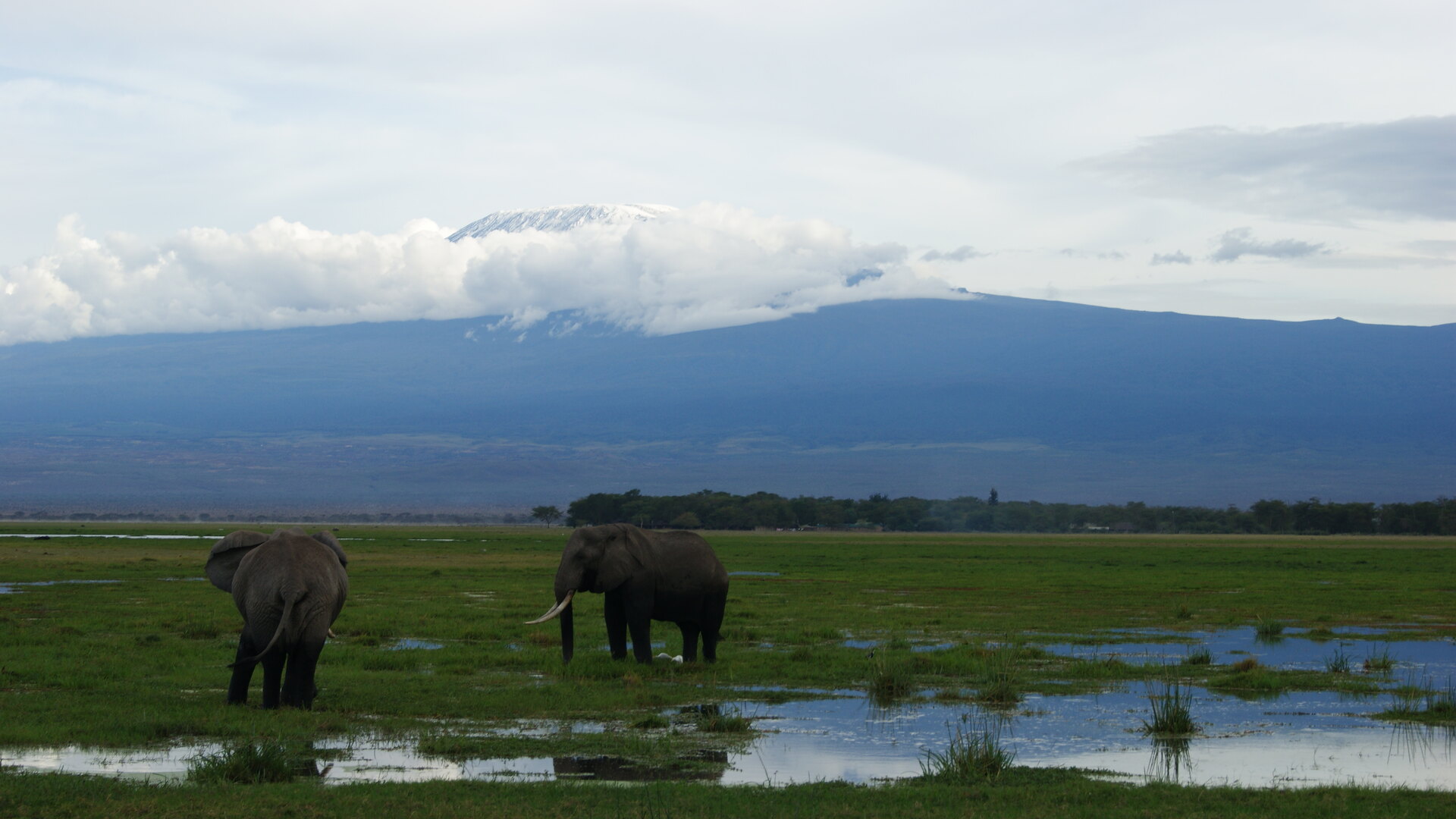
A common wider trip pairs Saruni Mara with a stay on the reserve boundary — for example Basecamp Masai Mara on the Talek River for the migration crossings — giving you both the capped private conservancy and the reserve in one Kenya itinerary. Add Nairobi and Giraffe Manor at the start, or Amboseli for elephants against Kilimanjaro, and the Mara section anchors a full Kenya journey.
Saruni Mara 2026 Rates & Seasons
Saruni rates are full board and include shared conservancy game drives. Mara Naboisho Conservancy fees are charged separately, per person per day. The figures below are indicative 2026 guidance — exact rates vary by camp, tent type and season, so your operator will confirm the current rate at the time of booking.
| Camp | Tents | Indicative 2026 Rate (pp/n, full board) |
|---|---|---|
| Saruni Leopard Hill | 6 (4 deluxe, 1 family, 1 honeymoon) | from around USD 700 |
| Saruni Eagle View | 9 (luxury & family tents) | similar premium-conservancy bracket |
Conservancy fees: Mara Naboisho Conservancy charges a per-person, per-day fee on top of the camp rate, which goes to the Maasai landowners. Your operator will add the current fee to your quote.
Resident rates: Reduced rates are available for citizens and residents of Kenya and East Africa, on request.
Honeymoon & spa tents: The honeymoon tent at each camp, and the Eagle View spa tent with its private outdoor spa, are priced above the standard tents.
Saruni Eagle View vs Saruni Leopard Hill
Both camps share the conservancy, the activities and the eco standard. Here is how to choose between them — or how to split a stay across the two.
| Feature | Saruni Eagle View | Saruni Leopard Hill |
|---|---|---|
| Size | 9 tents — larger, more sociable | 6 tents — smaller, more private |
| Setting | Escarpment above a waterhole | Rocky hill with wide plains views |
| Signature | Plunge pool, waterhole, Maasai Wellness Spa | Motorised star-bed roof, fireplaces on every veranda |
| Best For | Families, first-timers, game from camp | Couples, honeymoons, quiet and design |
| Accessibility | Family tents linked by terrace | Tent 5 built with a ramp |
| Activities | Night drives, walking, off-road — all included | Night drives, walking, off-road — all included |
Our take: pick Eagle View if you are travelling as a family or want game viewing from the deck and a pool to come back to; pick Leopard Hill if you are a couple after quiet, design and the star-bed roof. Better still, do both — a few nights at each, linked by the conservancy walking route, is the trip Saruni Mara was built for.
How to Book Saruni Mara
Book Saruni Eagle View and Saruni Leopard Hill through a specialist Kenya safari operator such as Beyond Africa Safaris. Most guests fly from Nairobi Wilson Airport to an airstrip serving the Naboisho Conservancy — about a 45-minute light-aircraft flight — followed by a short 4x4 transfer to camp. The road route from Nairobi takes roughly 5 to 6 hours.
Three to four nights in the Mara is the right length to settle in, and a split between the two Saruni camps, or between Saruni and a reserve-boundary camp, gives the widest range of game viewing. For more on planning a Mara trip, see our guides to the Masai Mara safari guide, the best Masai Mara safari camps, the Masai Mara private conservancies, and the Basecamp Masai Mara review. See our luxury African safari packages or speak to a Kenya specialist to plan your stay at Saruni Mara.
Two camps, one private conservancy, and a roof that opens over the bed — Saruni Mara gives you the quiet side of the Maasai Mara, with the activities the reserve cannot offer and the big reserve crossings still a day drive away. For a Mara stay that trades crowds for space, it is one of the strongest choices in Kenya.