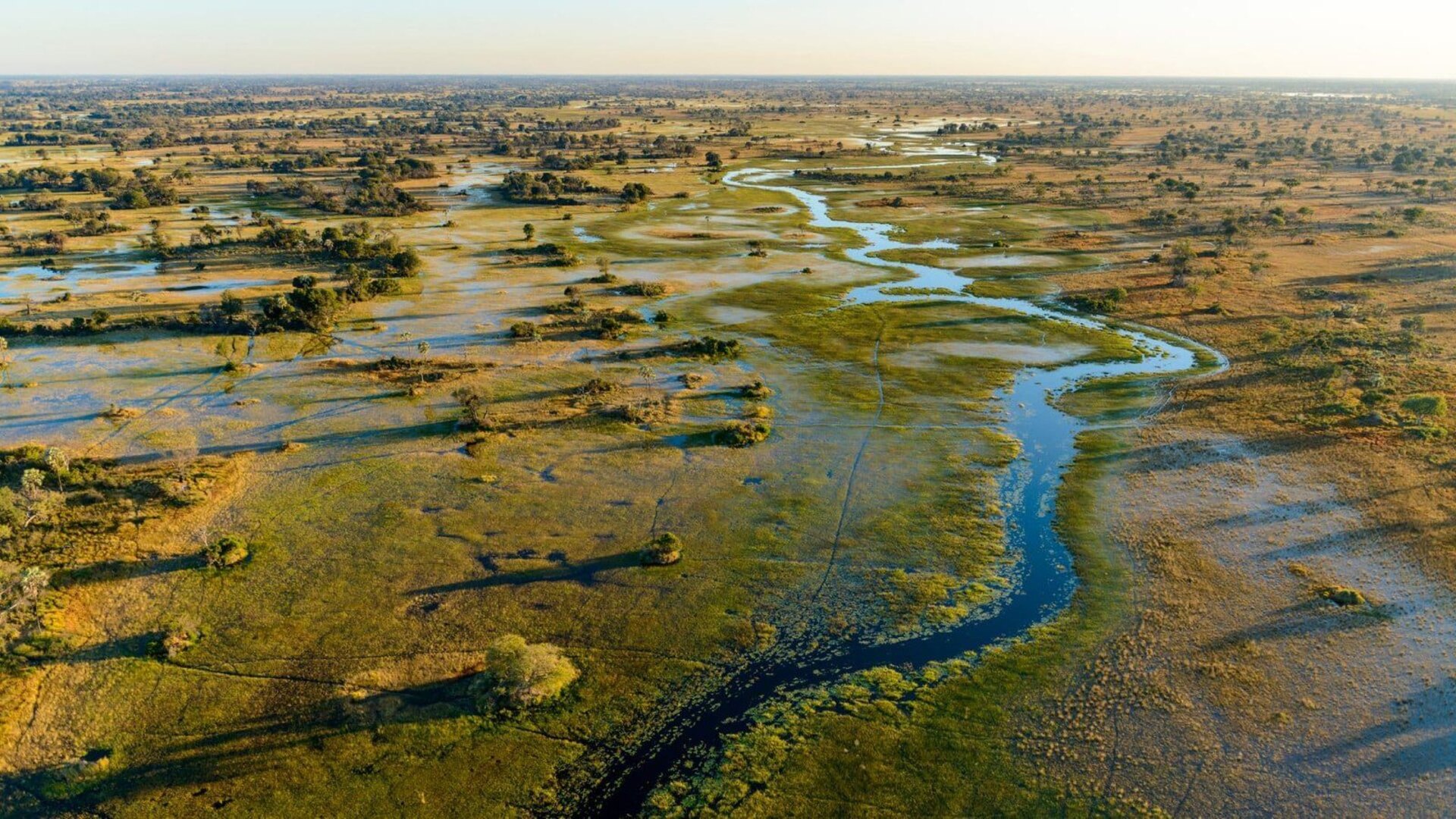
Basecamp Masai Mara is where sustainable safari in Kenya really began. Opened in 1998 on the banks of the Talek River, on the eastern edge of the Maasai Mara National Reserve, it set out to prove that a safari camp could tread lightly and still give guests a first-rate stay. Nearly three decades on, it holds the Gold Eco-Rating from Ecotourism Kenya — the highest the country awards — and it remains one of the most quietly influential camps in the Mara.
This is not an ultra-luxury camp, and it does not pretend to be. It is a 17-tent, honest, well-run eco camp with a private footbridge straight into the reserve, a strong record on community partnership, and rates far below the Mara's name lodges. For travellers who care where their money goes and want to be on the reserve boundary without paying top-tier prices, it is one of the best-value stays in Kenya.
This 2026 review covers the 17 river-view tents, the game viewing from the Talek boundary, the camp's sustainability record, the community model, seasonal rates and park fees, and how Basecamp compares to its Naboisho sister camps and to the Mara's bigger names.
- Where: Banks of the Talek River on the eastern boundary of the Maasai Mara National Reserve, with a private footbridge into the reserve.
- Rooms: 17 river-view canvas tents (15 standard, 2 family) on raised wooden decks, with solar-heated open-air showers.
- Rates 2026: USD 500 pp/n sharing in high season, USD 300 pp/n the rest of the year; Masai Mara National Reserve park fees are extra.
- The edge: Gold Eco-Rating, 100% solar, community land-lease model — and sister camps in the Naboisho Conservancy for night drives and walking.
An Eco Camp With a Real Record
Plenty of camps call themselves green. Basecamp Masai Mara has the certification and the track record to back it up. It carries the Gold Eco-Rating from Ecotourism Kenya, the top tier of the country's ecotourism framework, awarded for the way the whole camp is built and run rather than for a single gesture.
The camp runs on 100% solar power for both electricity and hot water. Bathrooms use bio-flush toilets, grey water is recycled into an on-site organic vegetable garden, and kitchen waste is composted. There is a no single-use plastic policy across camp. The buildings themselves were put up on raised wooden platforms and mud-and-wood structures, avoiding permanent concrete foundations, so the footprint on the riverbank is light and reversible.
There is a conservation story in the land too. Basecamp leases its ground from the local Maasai community under a model that pays families to keep the land open for grazing and wildlife rather than fencing and farming it. That partnership is the backbone of the camp, and it is why the tree-planting, the guiding school support and the women's craft brand all sit at the centre of a stay here rather than at the edge.
The 17 Tents on the Talek River
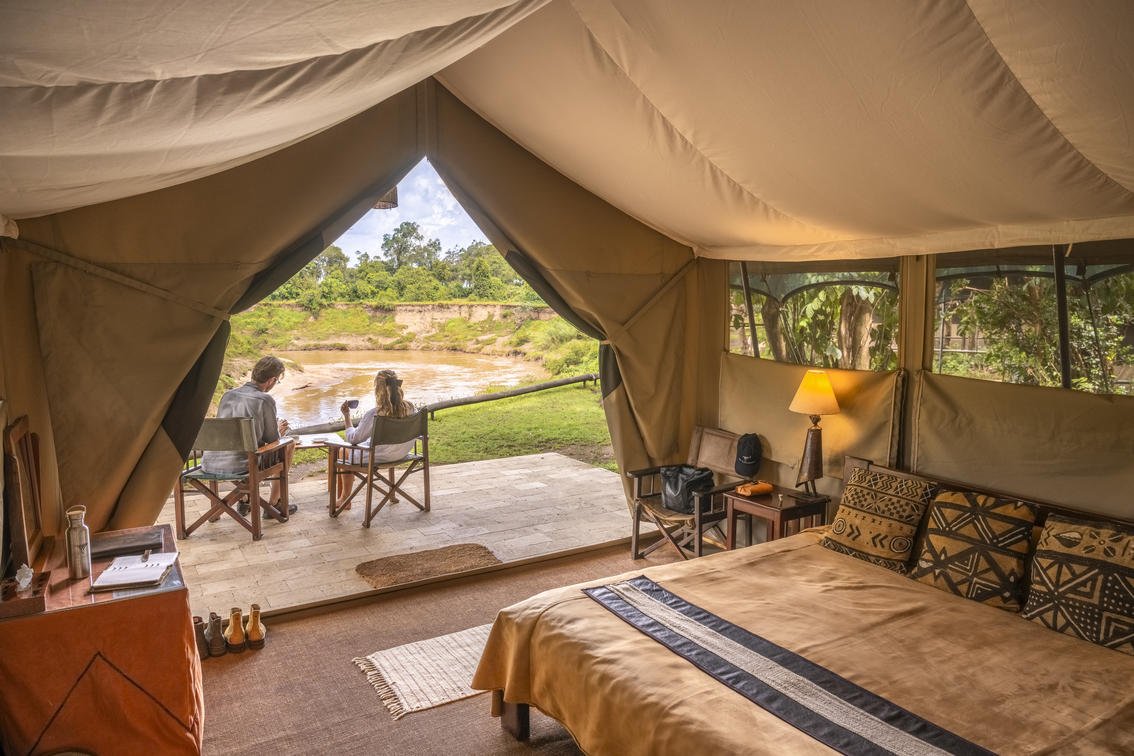
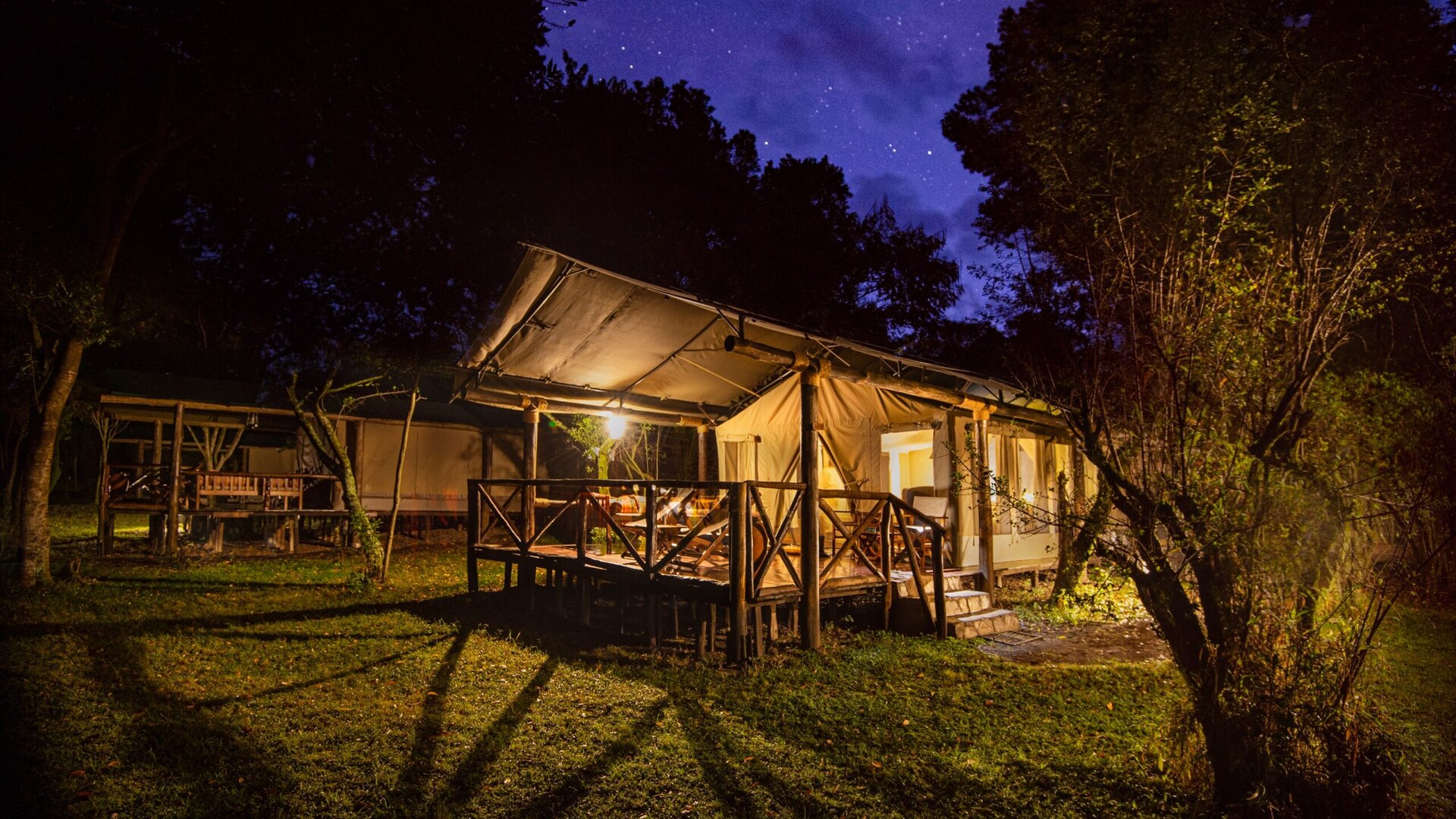
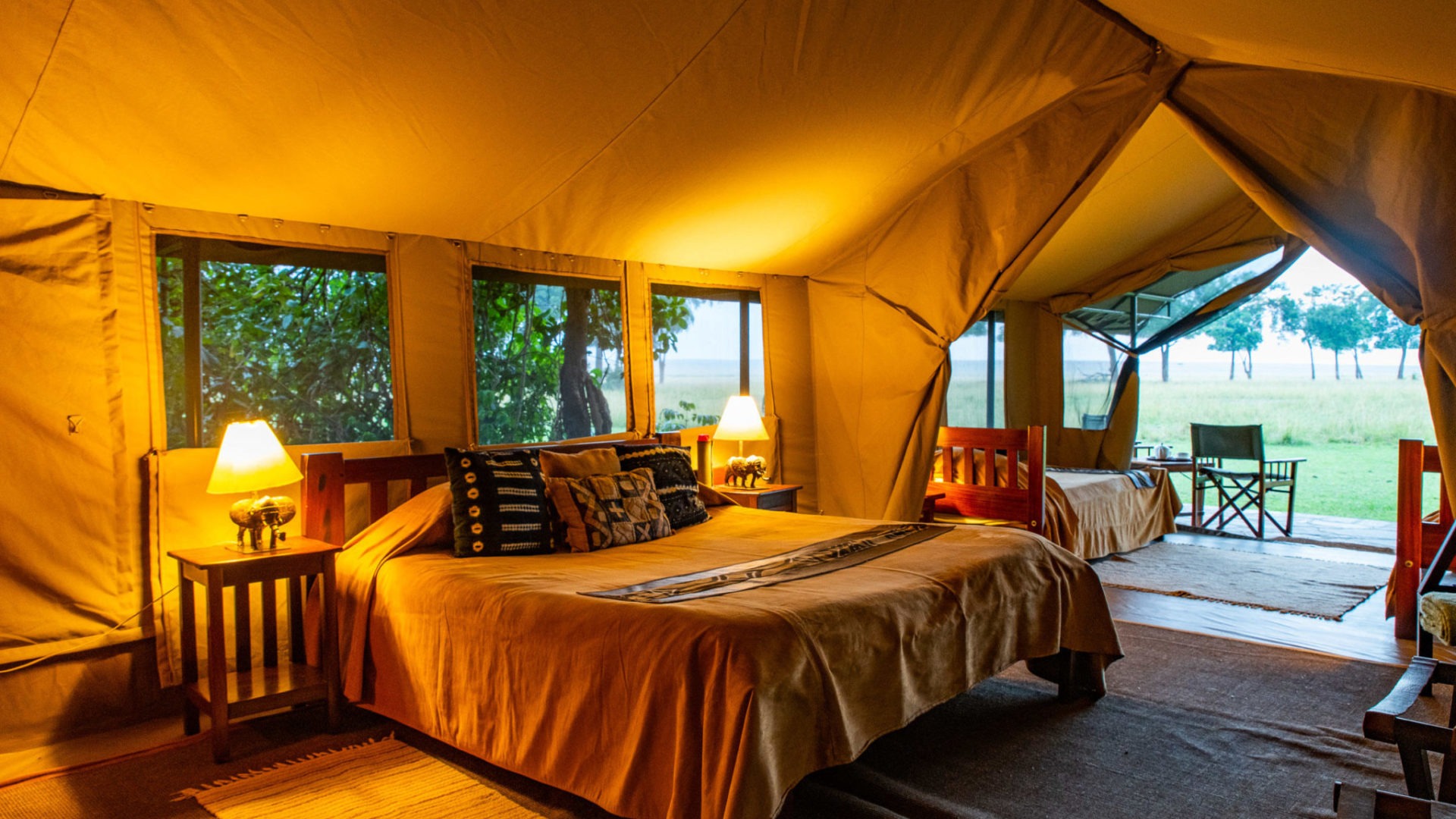
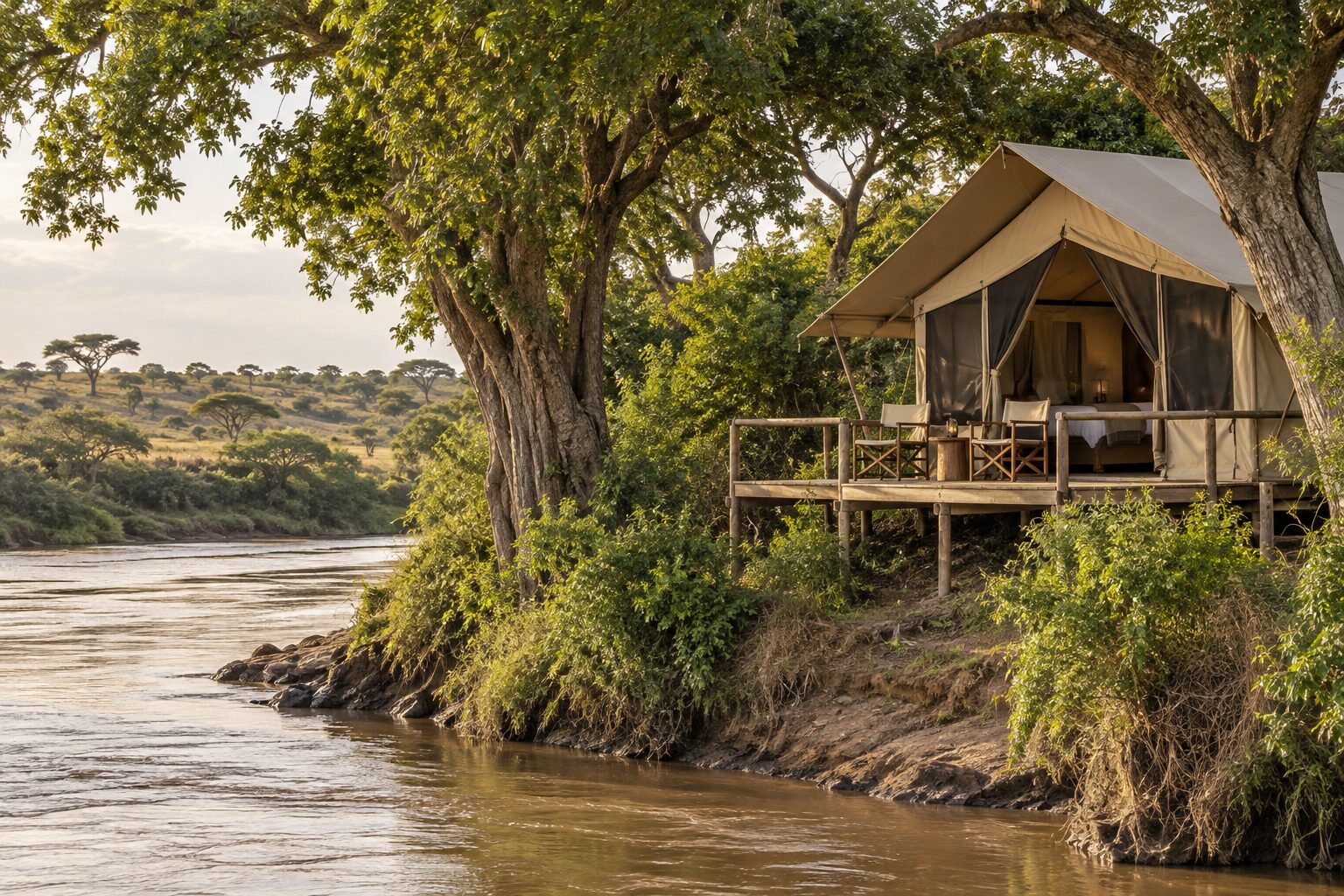
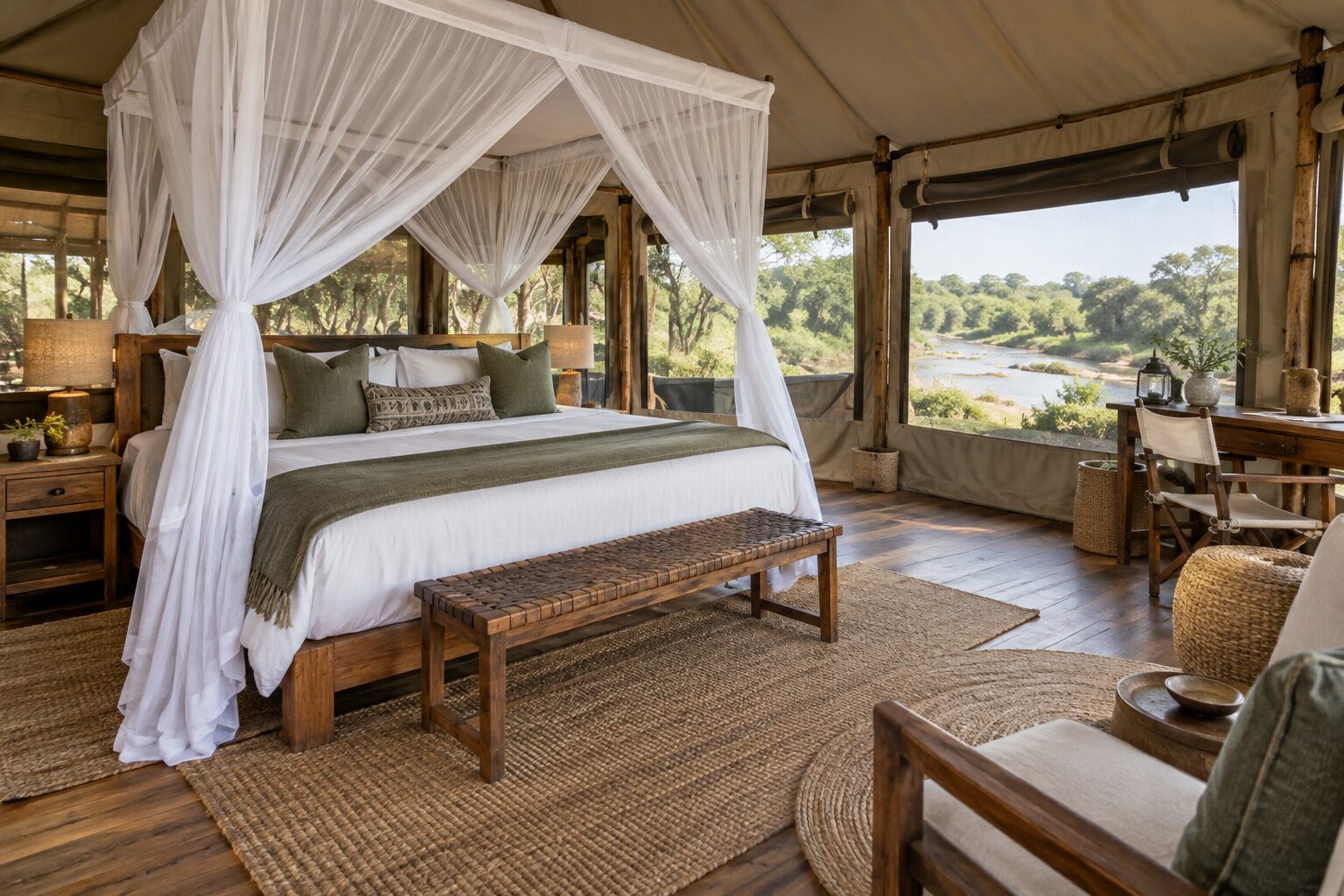
Basecamp Masai Mara has 17 canvas tents — 15 standard tents and 2 family tents — each raised on a wooden deck above the Talek River and set among trees along the bank. The look is pared-back and natural: canvas, warm wood, simple furnishings and plenty of light, with the river and the bush doing the decorating. A recent refurbishment lifted comfort and style without losing the camp's honest character.
Each tent has an en-suite bathroom with a bio-flush toilet and a solar-heated open-air shower, king-size or twin beds, and a private veranda with a hammock or recliner looking over the river. WiFi reaches the tents for guests who need it. The two family tents are built as two separate wings sharing a bathroom area, so parents and children each have a bed while staying together under one roof.
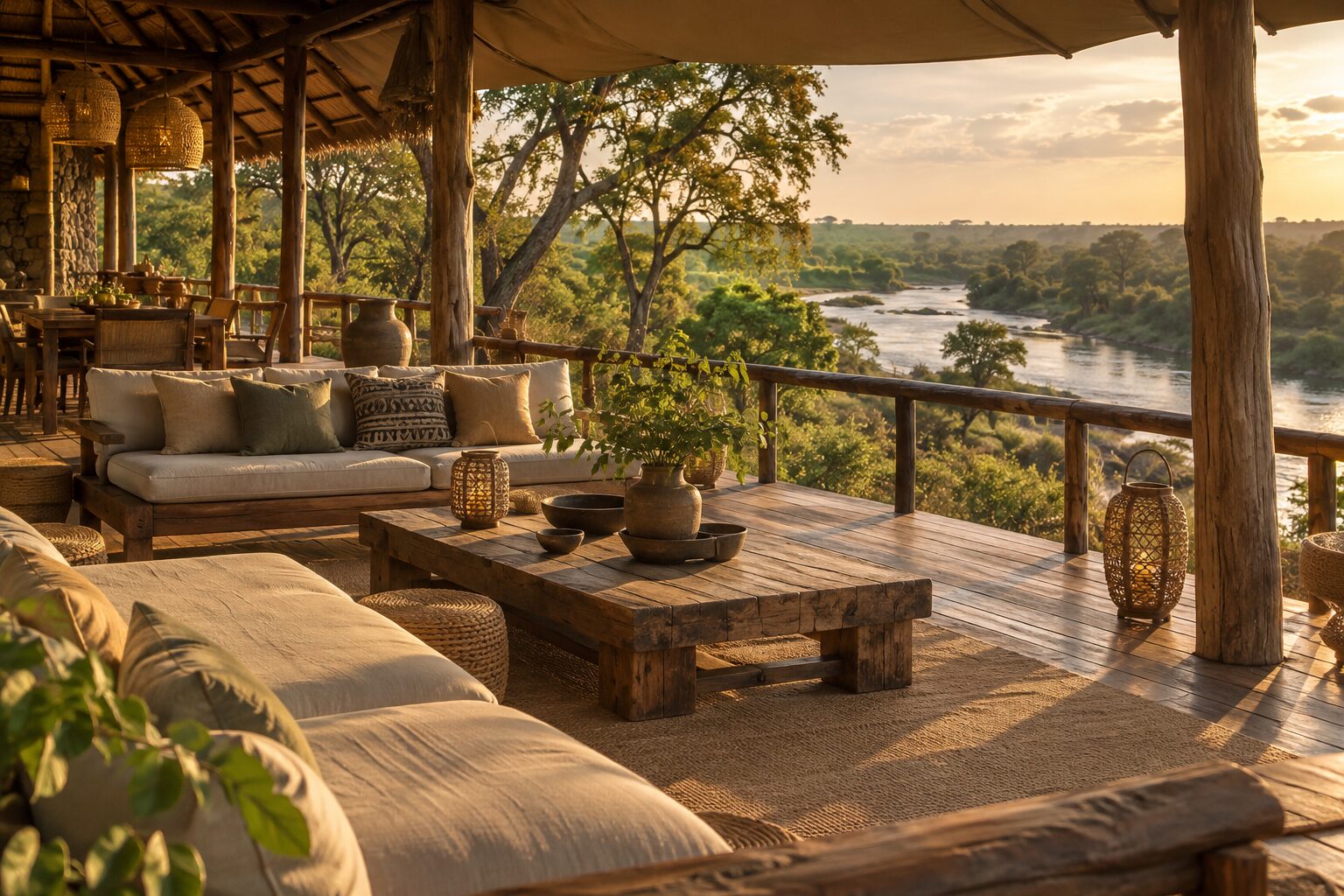
At the centre of camp is a double-storied lounge and dining area built out over the river, where most of the day's downtime happens. There is a gift shop stocked by the Basecamp Maasai Brand — a women's craft initiative launched in 2013 — and the Enjoolata Education and Entertainment Centre, which lays out the camp's conservation and community work and the culture of the surrounding Maasai land.
Game Viewing From the Talek Boundary
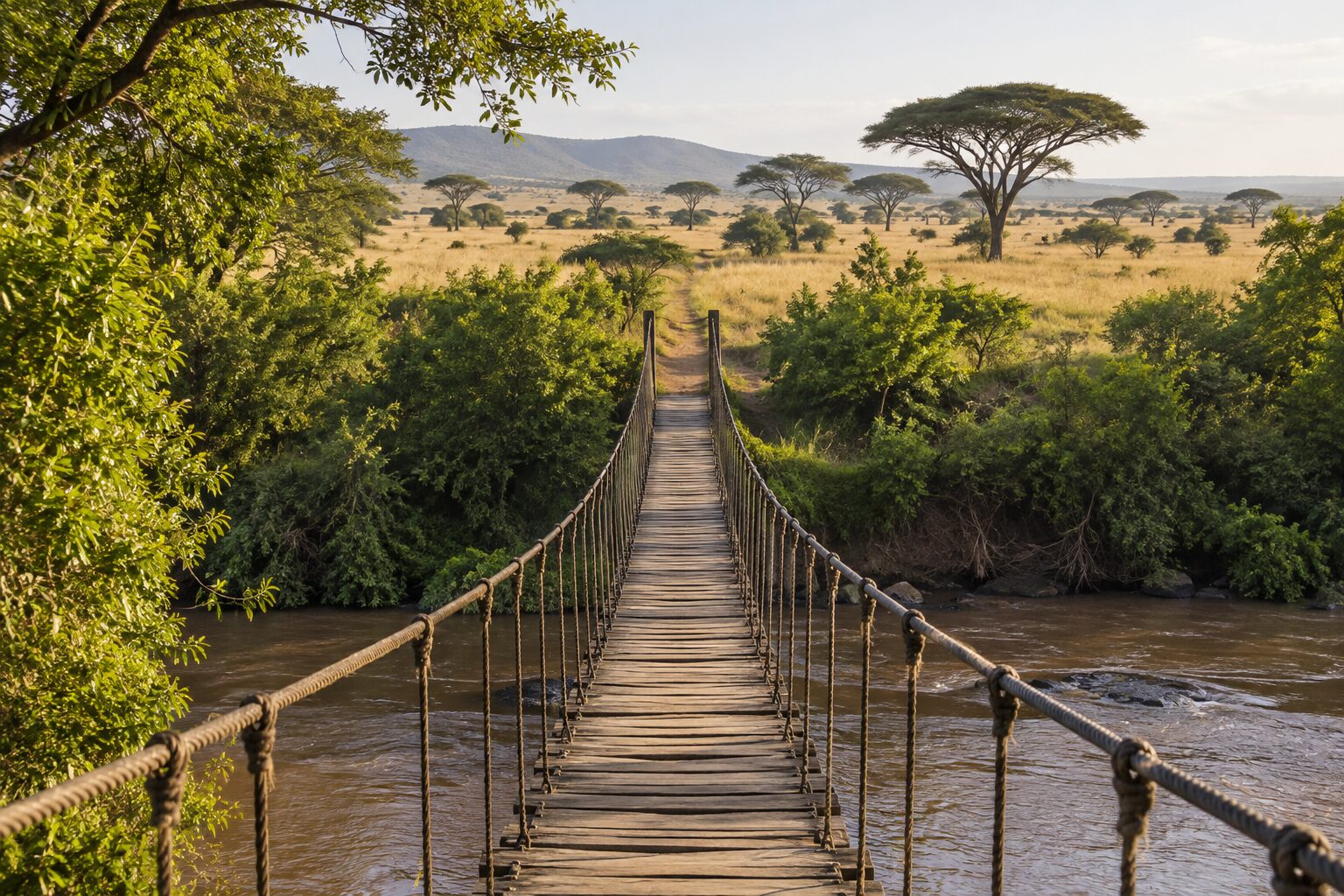
Basecamp's position on the Talek River is its biggest practical advantage. A private footbridge crosses the river straight into the Maasai Mara National Reserve, so when the water is low you can be inside the park within minutes of leaving camp — no long transfer to reach the wildlife. Game drives run in shared 4x4 vehicles, morning and afternoon, with full-day drives and packed lunches easy to arrange in the migration months.
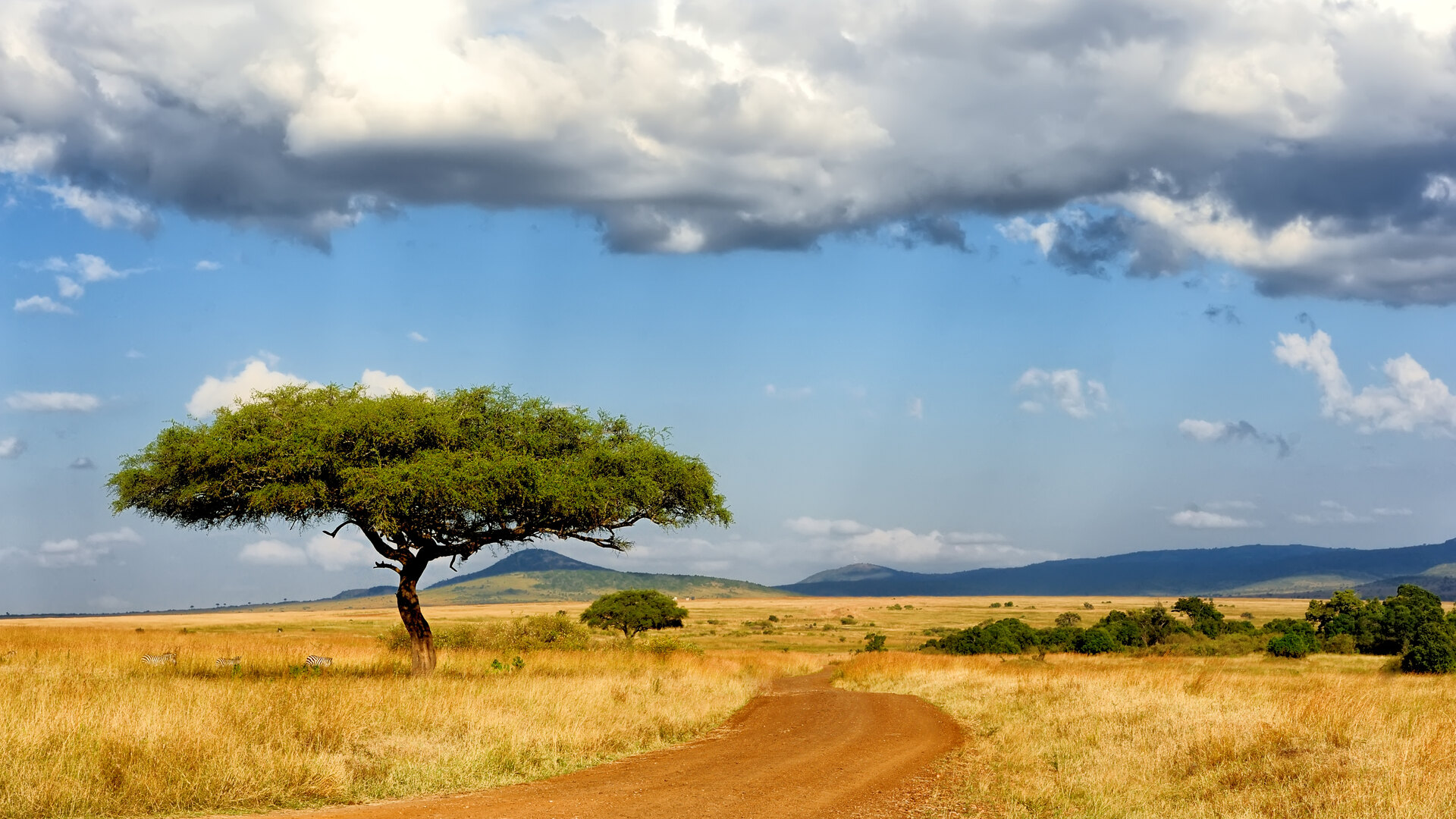
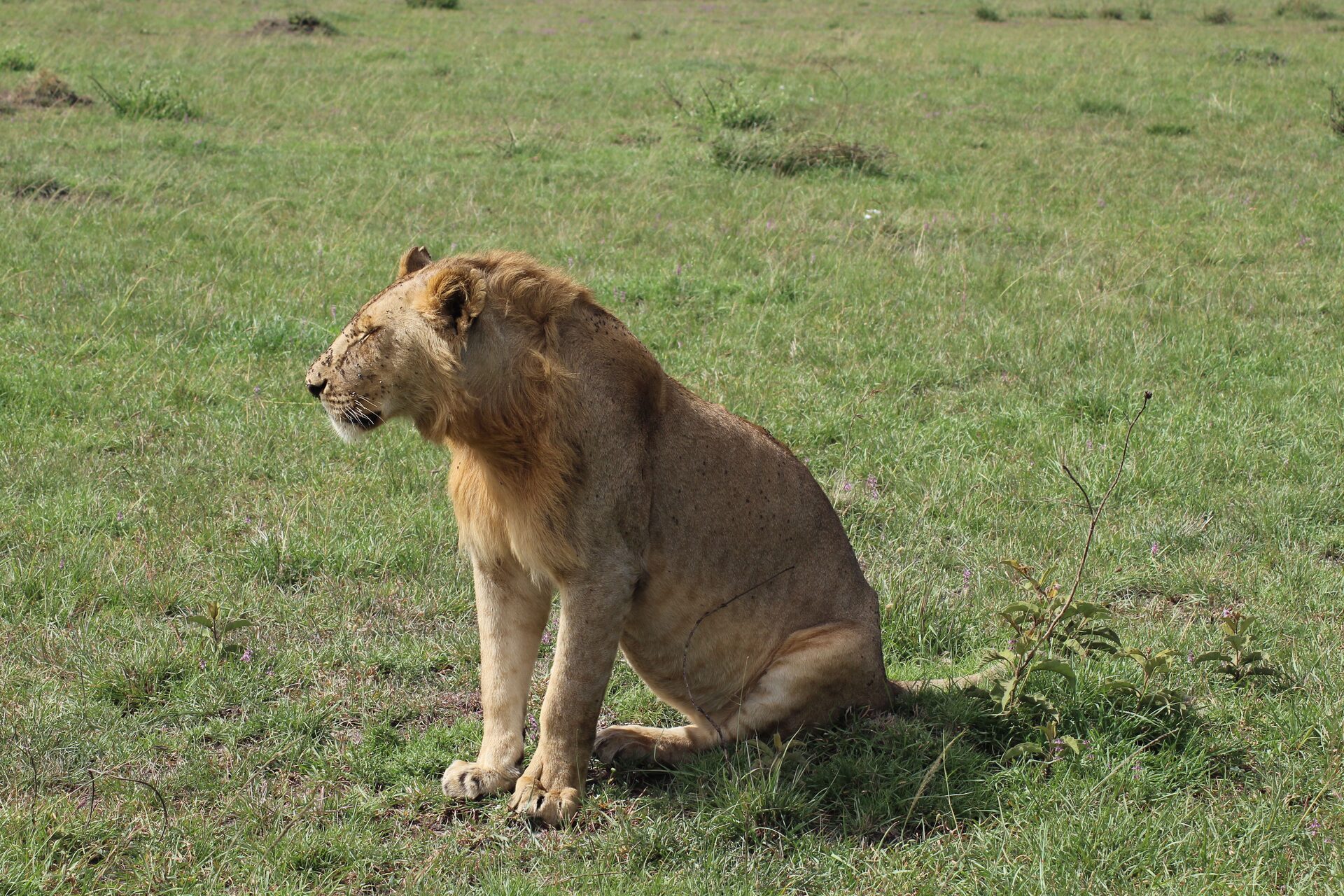
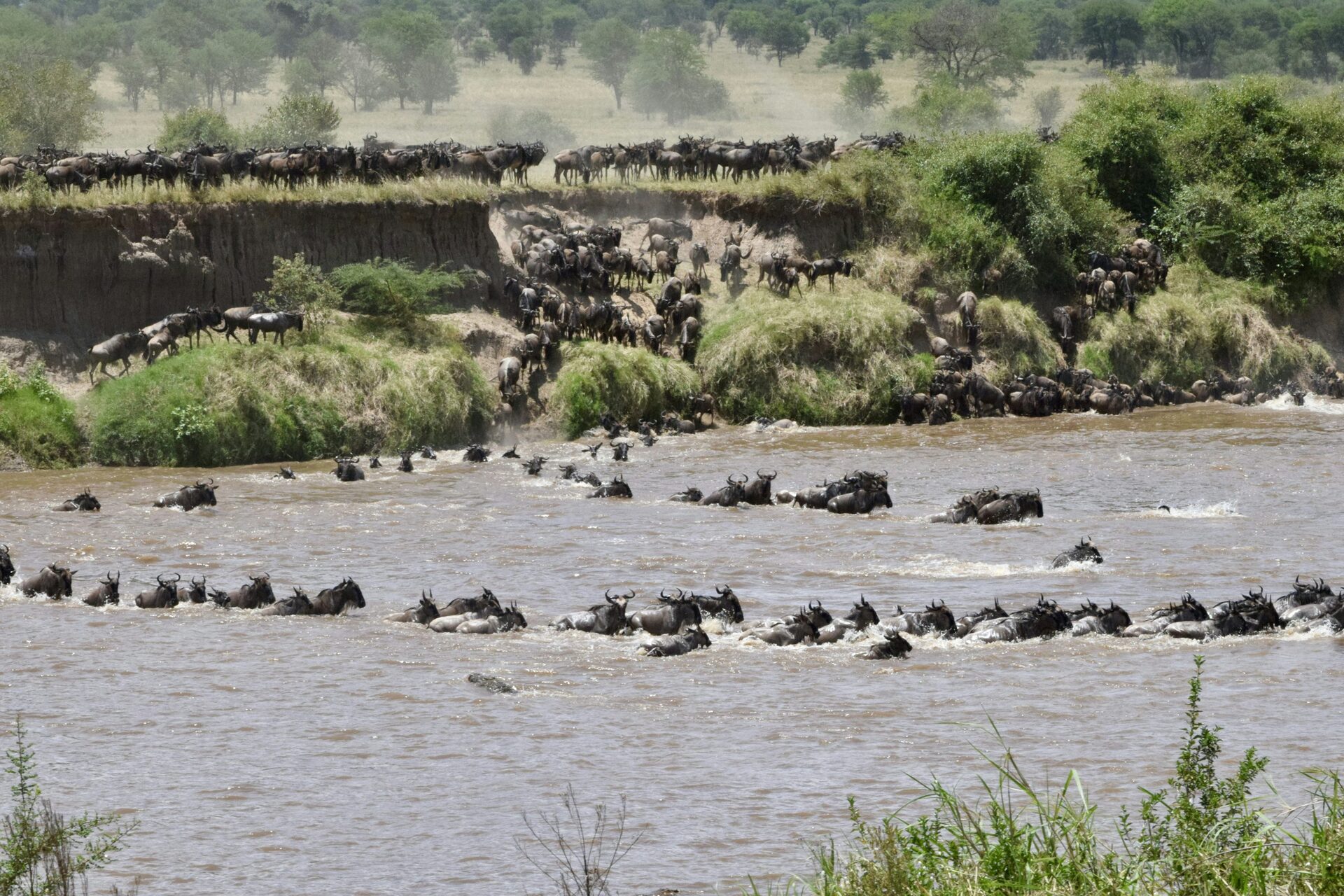
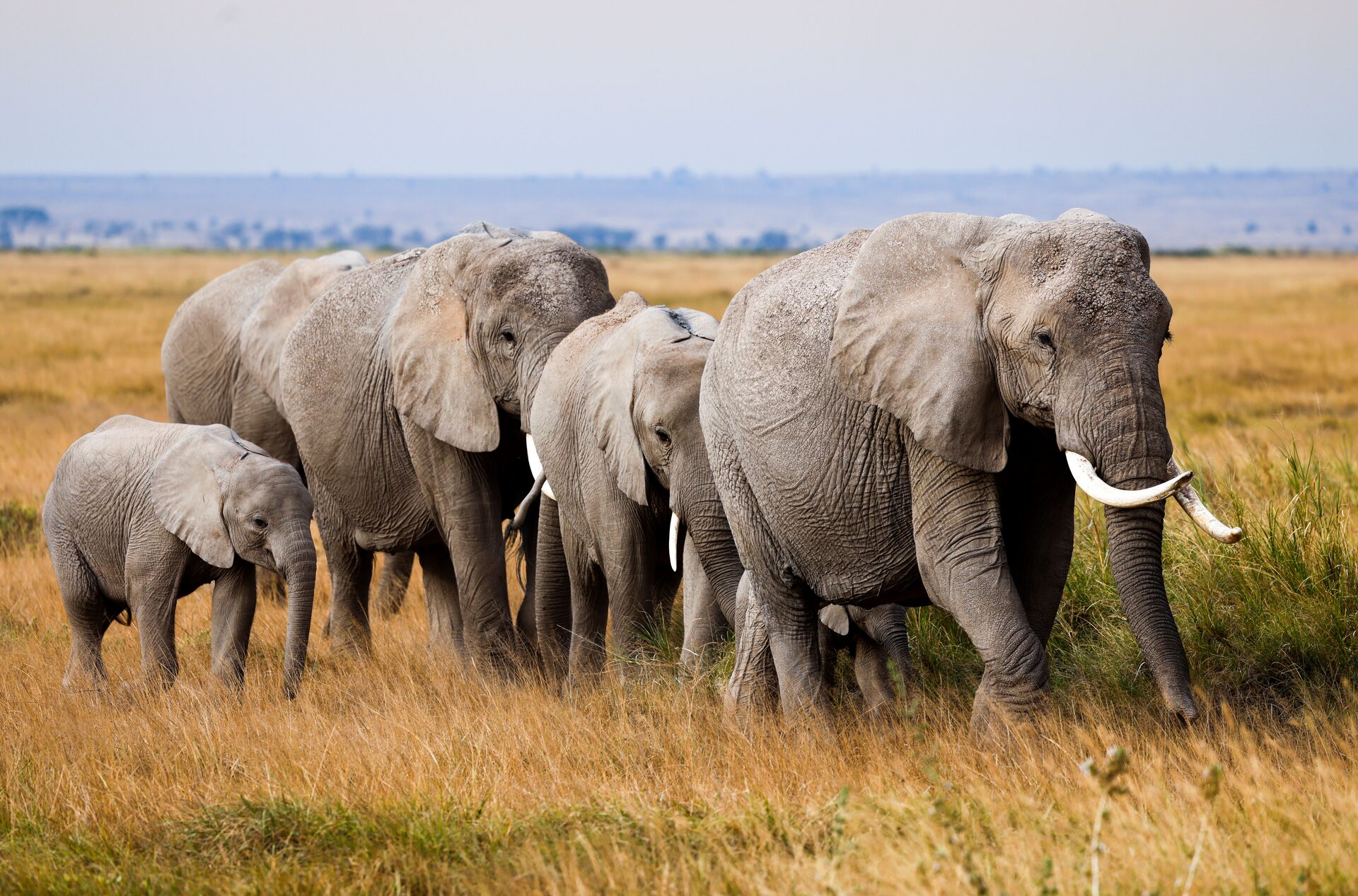
The Talek area of the reserve holds strong year-round game — lion, elephant, giraffe, buffalo, cheetah and large plains herds — and during the Great Migration, roughly July to October, the Mara River crossings are within reach of camp. Being on the eastern boundary puts you close to the reserve's most productive plains without being in the heart of the day-visitor traffic that builds around the main gates.
One honest point for planning: because game drives from Basecamp run inside the national reserve, night drives and off-road driving are not allowed here — those are reserve rules, not a camp choice. What the camp does offer on the community side is guided nature walks, cultural visits to Maasai homesteads, and tree-planting at its own nursery. If night drives, off-road tracking and walking safaris matter to you, pair Basecamp with its sister camps in the Naboisho Conservancy (below), where all three are permitted.
The Naboisho Sister Camps
Basecamp Masai Mara is the flagship of a small family of camps, and the other two are worth knowing about when you plan a trip. Both sit in the private Mara Naboisho Conservancy — a community-owned wildlife area of more than 50,000 acres next to the reserve — where night drives, off-road tracking and walking safaris are all permitted.
Saruni Eagle View stands high on an escarpment with nine tented rooms, an infinity pool and long views over the Naboisho plains. Saruni Leopard Hill is smaller still — six tents near an old fig tree, each with a retractable roof so you can sleep under the stars. An 11 km walking route links the two camps across the conservancy.
The classic combination is a few nights at Basecamp on the reserve boundary for the migration and the river crossings, then a few nights in Naboisho for the quiet, low-traffic conservancy and the activities the reserve does not allow. It gives you both sides of the Mara in one trip, all within the same group's ethos.
Dining and Downtime
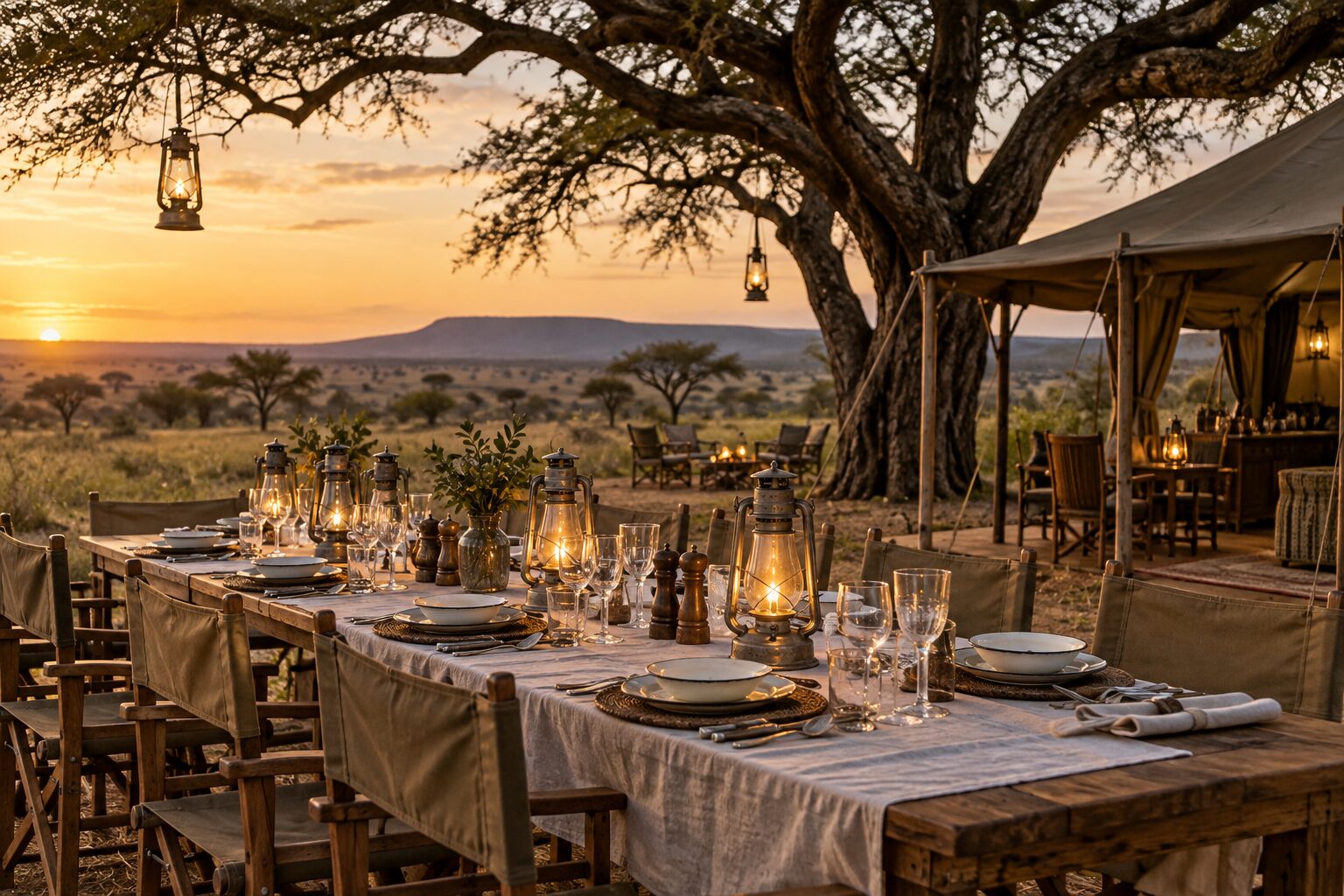
Meals at Basecamp are fresh and unfussy, with a good share of produce from the camp's own organic garden and the local area. The double-storied dining deck over the Talek is the main gathering point — breakfast before a drive, lunch watching the river, dinner by lamplight. The kitchen works around dietary needs and children's tastes with notice.
Between drives there is the Enjoolata Centre for the conservation and culture side of a stay, the Basecamp Maasai Brand gift shop, guided nature walks on the community land, and the tree nursery, where guests can plant a tree as part of the camp's long-running reforestation work. It is an active, grounded kind of downtime rather than a spa-and-pool one — fitting for a camp built on doing things the right way.
Conservation & Community
The land-lease partnership with the Maasai community is the heart of the Basecamp model. By paying families to keep their land open, the camp gives wildlife room to move and gives the community a direct, ongoing reason to protect it. The Basecamp Maasai Brand puts income into the hands of local women through beadwork and craft, and the camp supports guide training and community projects in the Talek and Naboisho areas.
The camp drew global attention in July 2015 when it hosted Barack Obama during a private visit to the Mara — a moment that put the Talek community-conservation model in front of the world. The quieter, day-to-day work of the tree nursery, the solar power and the women's craft brand is the part that keeps earning the Gold Eco-Rating year after year.
Basecamp Masai Mara 2026 Rates & Seasons
Rates below are the 2026 ground package, per person per night sharing, including accommodation, meals and shared game drives. Masai Mara National Reserve park entry fees are charged separately (see the note below the table).
| Season | Dates | Rate (pp/n sharing) |
|---|---|---|
| Low Season | Mar – May, Nov 2026 | USD 300 |
| Mid Season | 3 Jan – 29 Feb, Jun, Oct, 1–19 Dec 2026 | USD 300 |
| High Season (Migration) | Jul – Sep 2026 20 Dec 2026 – 2 Jan 2027 |
USD 500 |
Single occupancy: USD 650 per night in high season; USD 390 in mid season; USD 300 in low season.
Children (5–16 years): USD 250 per night in high season; USD 150 in mid and low season.
Masai Mara National Reserve park fees: charged separately, per adult per 24 hours, currently in the region of USD 100 to USD 200 depending on the season. These are set by Narok County and added on the days you drive inside the reserve. Your operator will confirm the current fee at the time of booking.
Basecamp vs Karen Blixen Camp vs Governors' Camp
These three Mara camps sit at different price points and suit different travellers. Here is how they line up.
| Feature | Basecamp Masai Mara | Karen Blixen Camp | Governors' Camp |
|---|---|---|---|
| Location | Talek River, reserve boundary | Mara North Conservancy (private) | Masai Mara National Reserve (riverside) |
| Accommodation | 17 river-view tents | 22 tented suites | 37 classic tents |
| Style | Eco pioneer, honest & community-led | 1920s Out of Africa, warm & authentic | Classic reserve safari, long heritage |
| Night Drives & Walking | At Naboisho sister camps only | Yes (private conservancy) | No (inside the national reserve) |
| Eco Credentials | Gold Eco-Rating, 100% solar | 100% solar power | Established eco practices |
| Best For | Value, sustainability, reserve-edge access | Value luxury, families, character | Classic reserve location, crossings on the doorstep |
| 2026 Peak Rate | around USD 500 pp/n | around USD 1,641 pp/n | around USD 1,000–1,400 pp/n |
Our take: Basecamp Masai Mara is the clear pick for travellers who want to be on the reserve boundary, care about where their money goes, and would rather spend their budget on more nights or a longer trip than on top-tier tents. You give up night drives and in-tent luxury next to the big-name camps — but you gain a genuine eco record, a footbridge into the reserve and a price that leaves room to add a few nights in the Naboisho Conservancy. For a conscience-first Mara stay at honest money, it is hard to beat.
How to Book Basecamp Masai Mara
Book Basecamp Masai Mara through a specialist Kenya safari operator such as Beyond Africa Safaris. Most guests fly from Nairobi Wilson Airport to the Ol Kiombo airstrip — a short light-aircraft flight — followed by a 45-minute transfer to camp. The road route from Nairobi takes roughly 5 to 7 hours and suits travellers who want to see the Rift Valley on the way in.
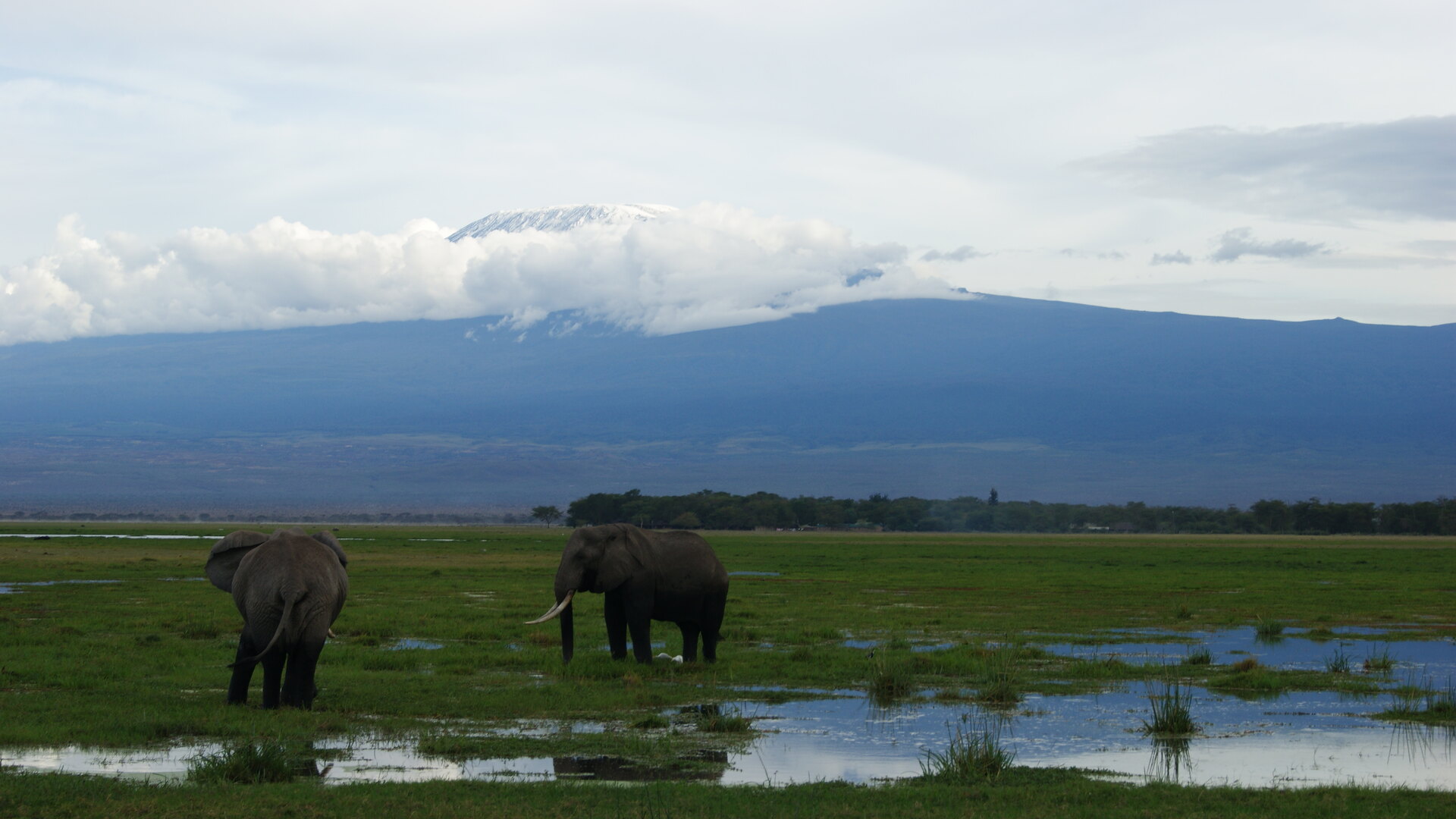
Basecamp works well as part of a wider Kenya trip. Start with Giraffe Manor and the Nairobi highlights, add Amboseli for elephants against Kilimanjaro, or combine Basecamp on the reserve boundary with a few nights at Saruni Eagle View or Leopard Hill in the Naboisho Conservancy for night drives and walking. Three to four nights in the Mara is the right length to settle in and give the migration or the resident game time to deliver.
For more on planning a Mara trip, see our guides to the Masai Mara safari guide, the best Masai Mara safari camps, the Masai Mara private conservancies, and the best luxury safari lodges in Kenya. See our luxury African safari packages or speak to a Kenya specialist to plan your stay at Basecamp Masai Mara.
Basecamp Masai Mara has spent nearly thirty years showing that a safari camp can look after the land, the community and the guest at the same time. On the Talek River, a footbridge from the reserve, with the migration at the door and your money doing real good — it remains one of the most honest stays in Kenya.