Emboo River is the Masai Mara camp that took the diesel engine out of the safari. It was the first camp in Kenya to put a full fleet of solar-powered electric safari vehicles into the field — converted Land Rovers and Land Cruisers that run almost silently, give off no exhaust, and charge from the camp's own solar array. The whole operation runs on sunlight, with no generators at all.
The camp sits on a forested bend of the Talek River inside the Masai Mara National Reserve, with eight tented suites raised on timber decks above the water. It is small, low-key and built around a simple idea: that a Mara safari can run on clean power, recycle most of its water, grow much of its own food, and leave the lightest possible mark on the reserve — without asking guests to give up comfort to do it.
This 2026 review covers the eight riverside suites, the electric fleet and what the silent drives are actually like, the solar and water systems behind the net-zero claim, the family programme, seasonal rates and fees, and how Emboo River compares to other camps in the Mara.
- Where: A forested bend of the Talek River inside the Masai Mara National Reserve, reached via the Ol Kiombo airstrip.
- Rooms: 8 tented suites on raised river decks — king, twin and family configurations, plus an open-air sleep-out option.
- Rates 2026: From about USD 510 pp/n sharing in green season to USD 915 in high season, full board with shared drives and house drinks included.
- The edge: Kenya's first fleet of solar-powered electric safari vehicles, a fully solar and generator-free camp, roughly 85 percent water recycling and on-site food gardens.
A River Camp That Runs on Sunlight
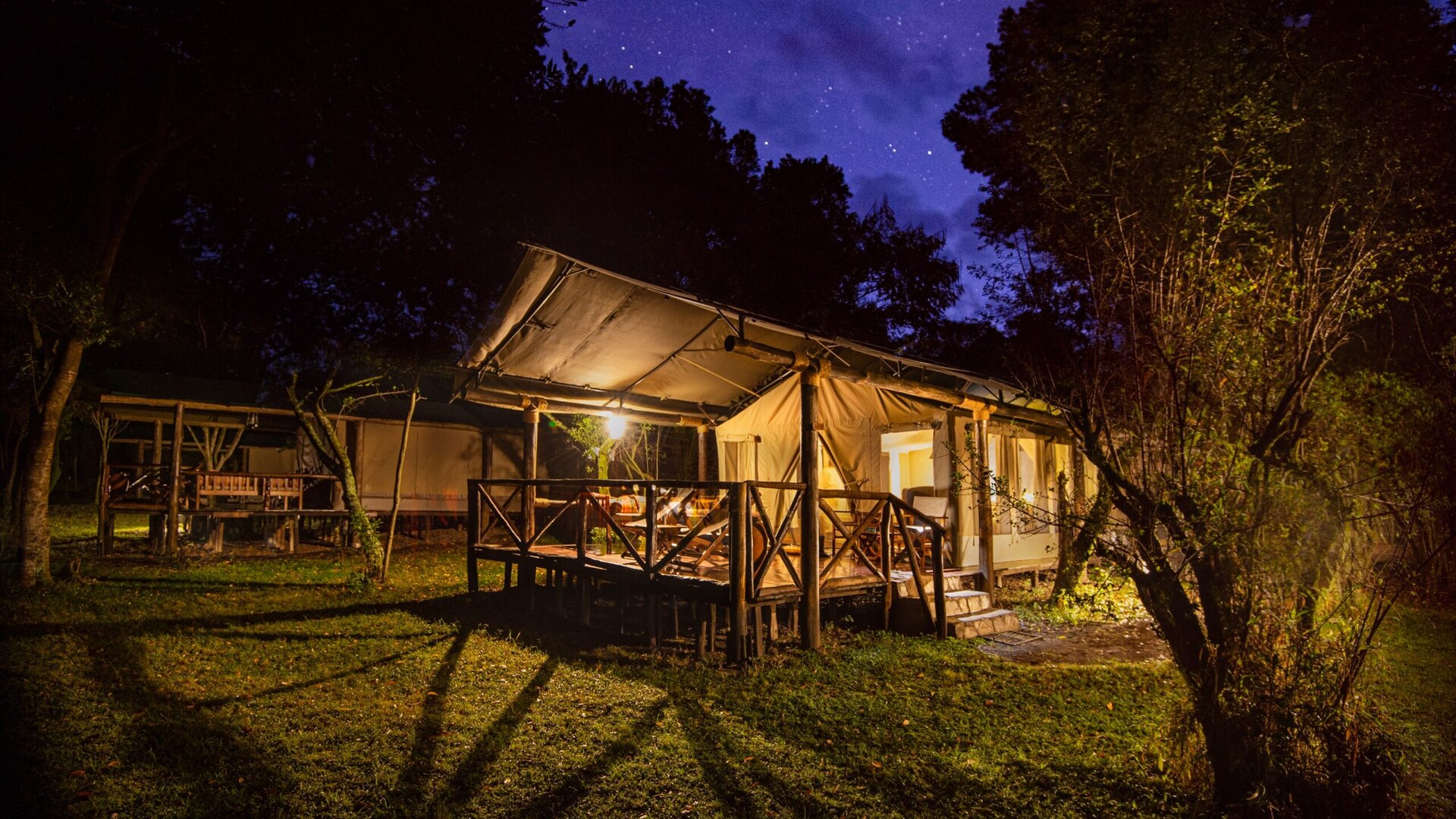
Emboo River is built along a quiet, tree-lined section of the Talek River, where riverine forest gives way to the open grassland of the reserve. The eight suites are set on raised timber decks so that each one looks straight out over the water, and the sound of the river, the hippo at night and the birds at dawn are part of the stay rather than a backdrop.
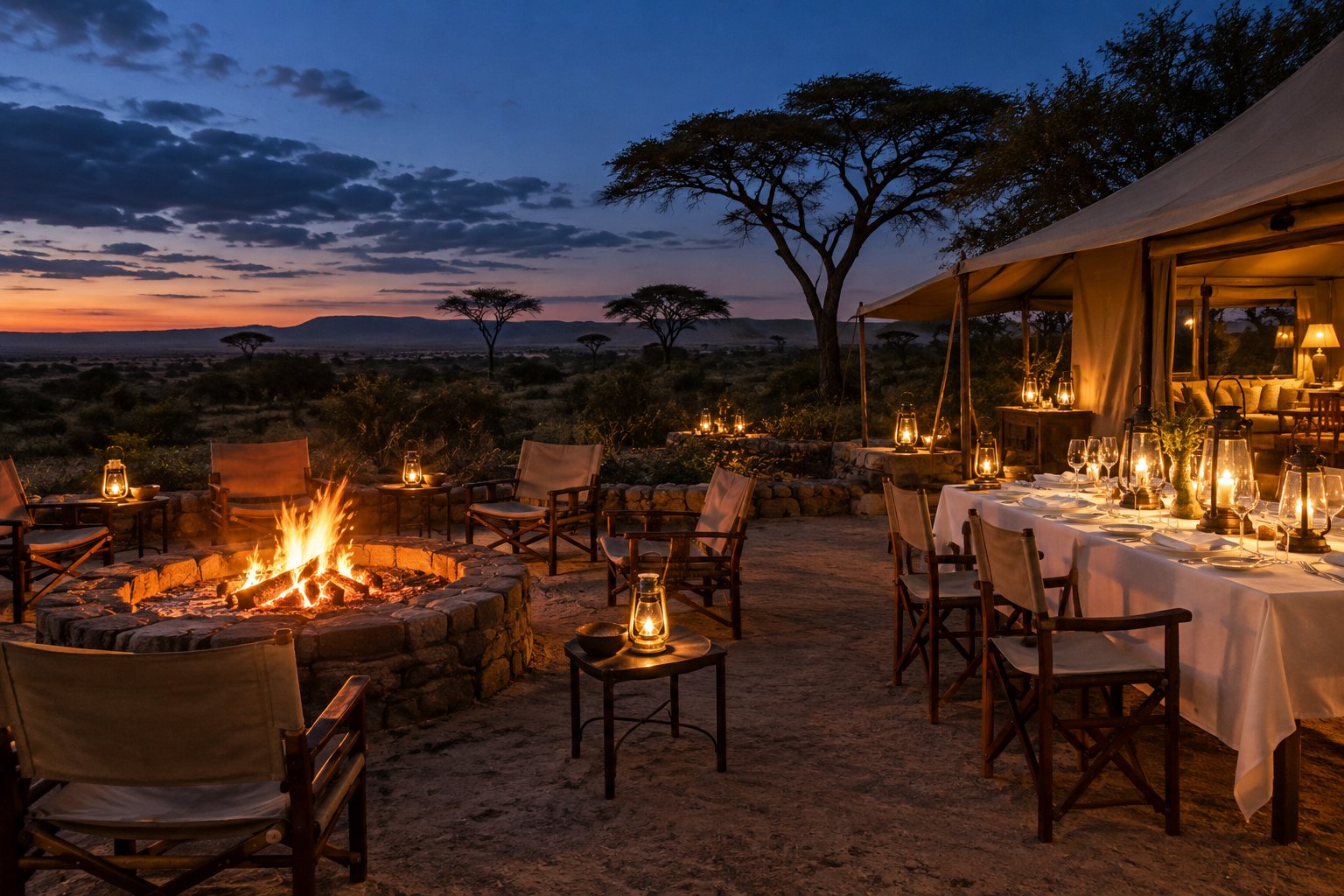
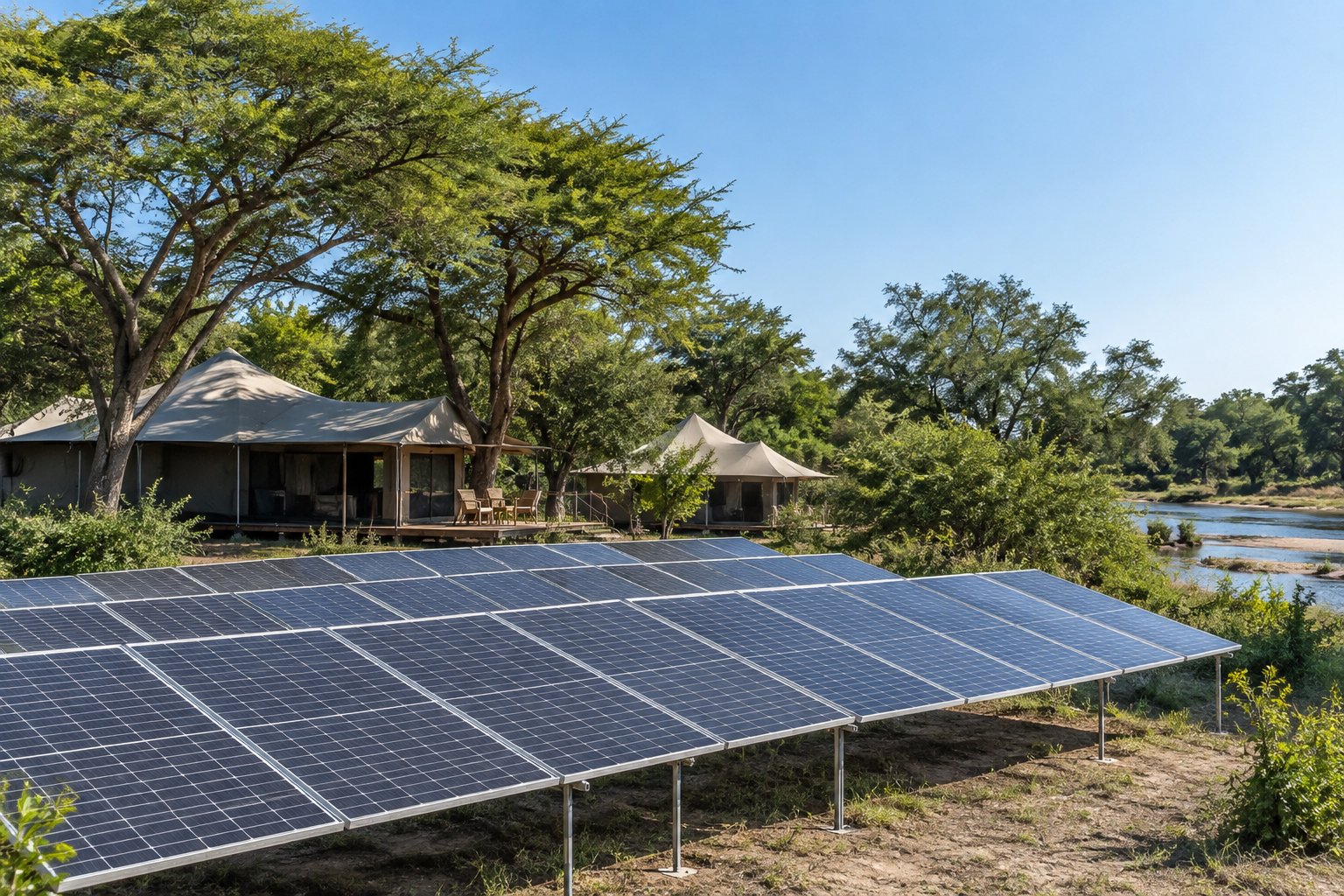
The structures are built from natural and recycled materials and kept deliberately simple. There is no air conditioning and no generator hum — two things most Mara camps take for granted. Instead the camp draws all of its power from a large solar array feeding battery banks that carry it through the night. Lights, fridges, fans, the kitchen and the vehicle-charging points all run off that one clean source.
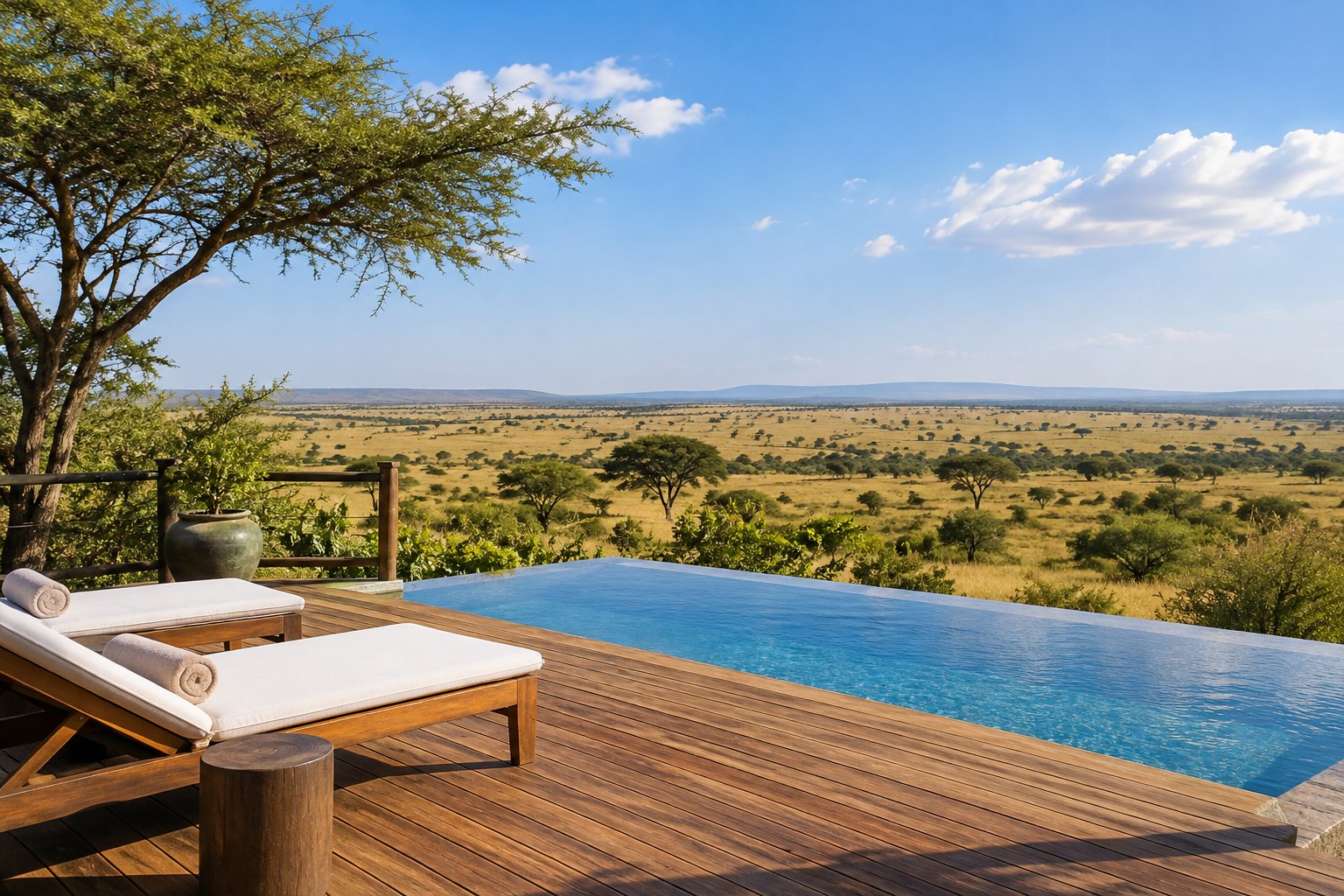
The communal areas are easy and unfussy: a lounge and dining space open to the river, a campfire where the day winds down, and the pool deck looking out over the plains. Meals follow a farm-to-fork approach, with herbs and vegetables coming from the camp's own vertical and hydroponic gardens, and the kitchen keeping food waste to a minimum. It feels less like a resort dropped into the bush and more like a working camp that happens to be very comfortable.
The Eight Suites
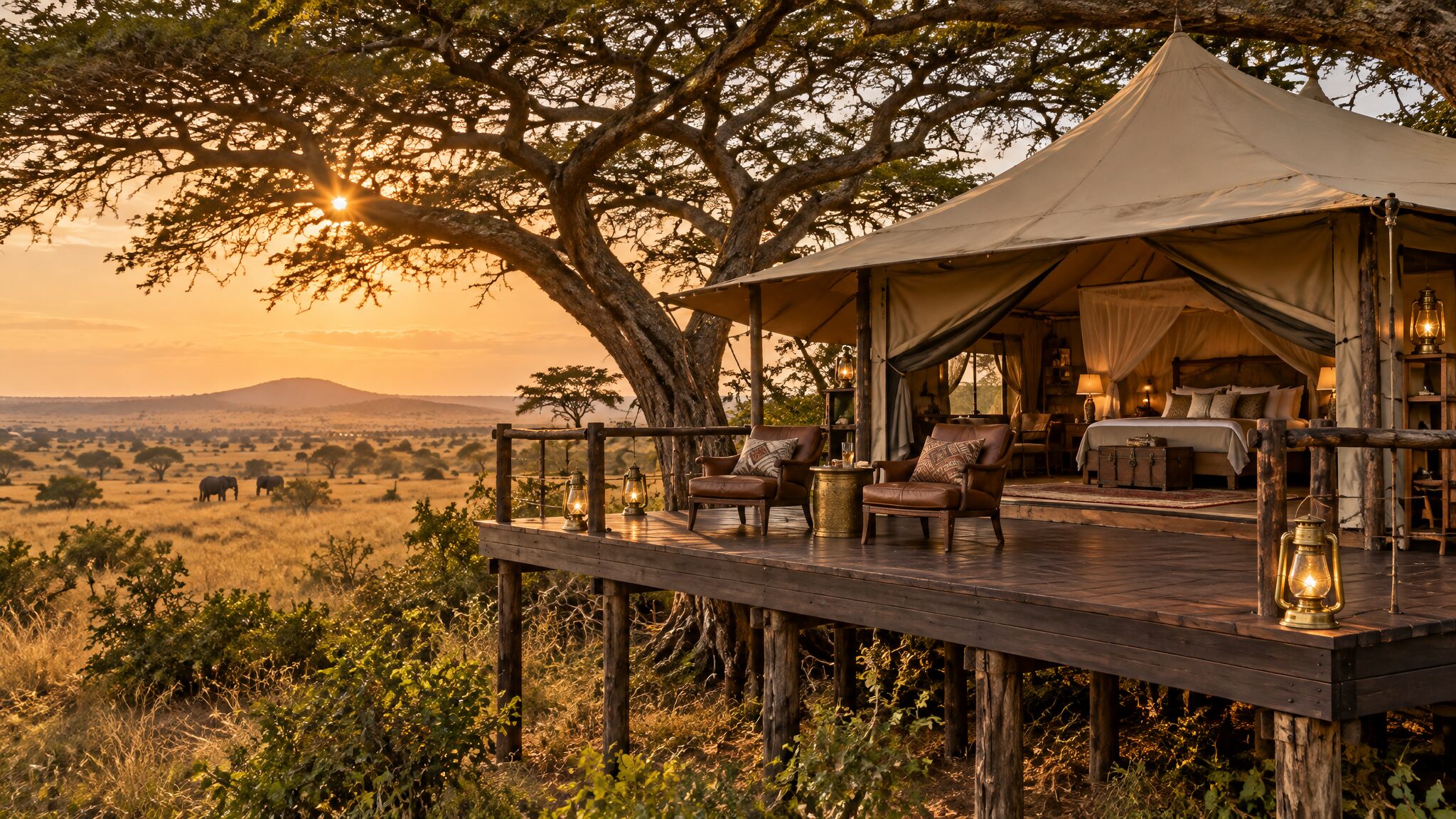
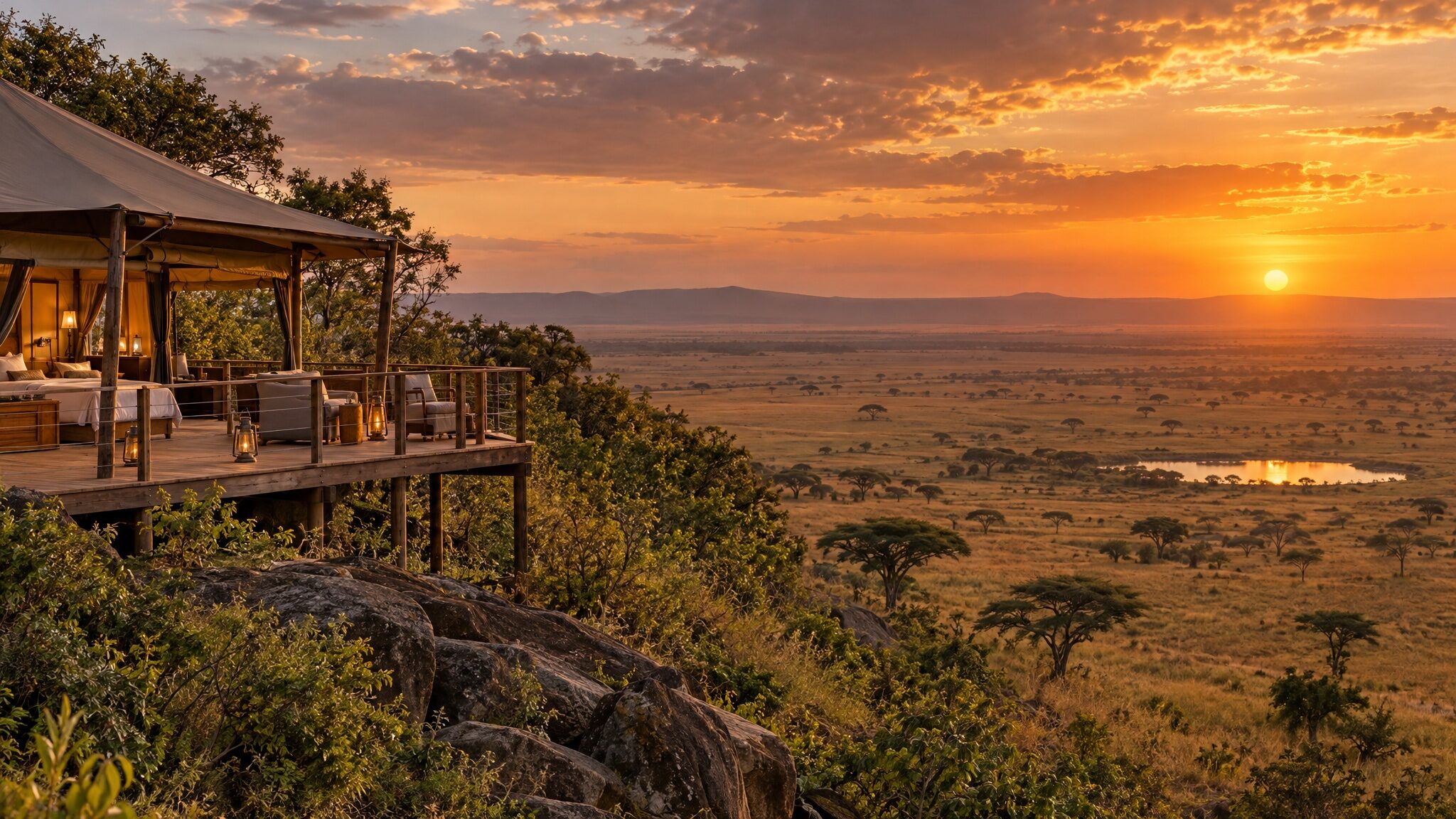
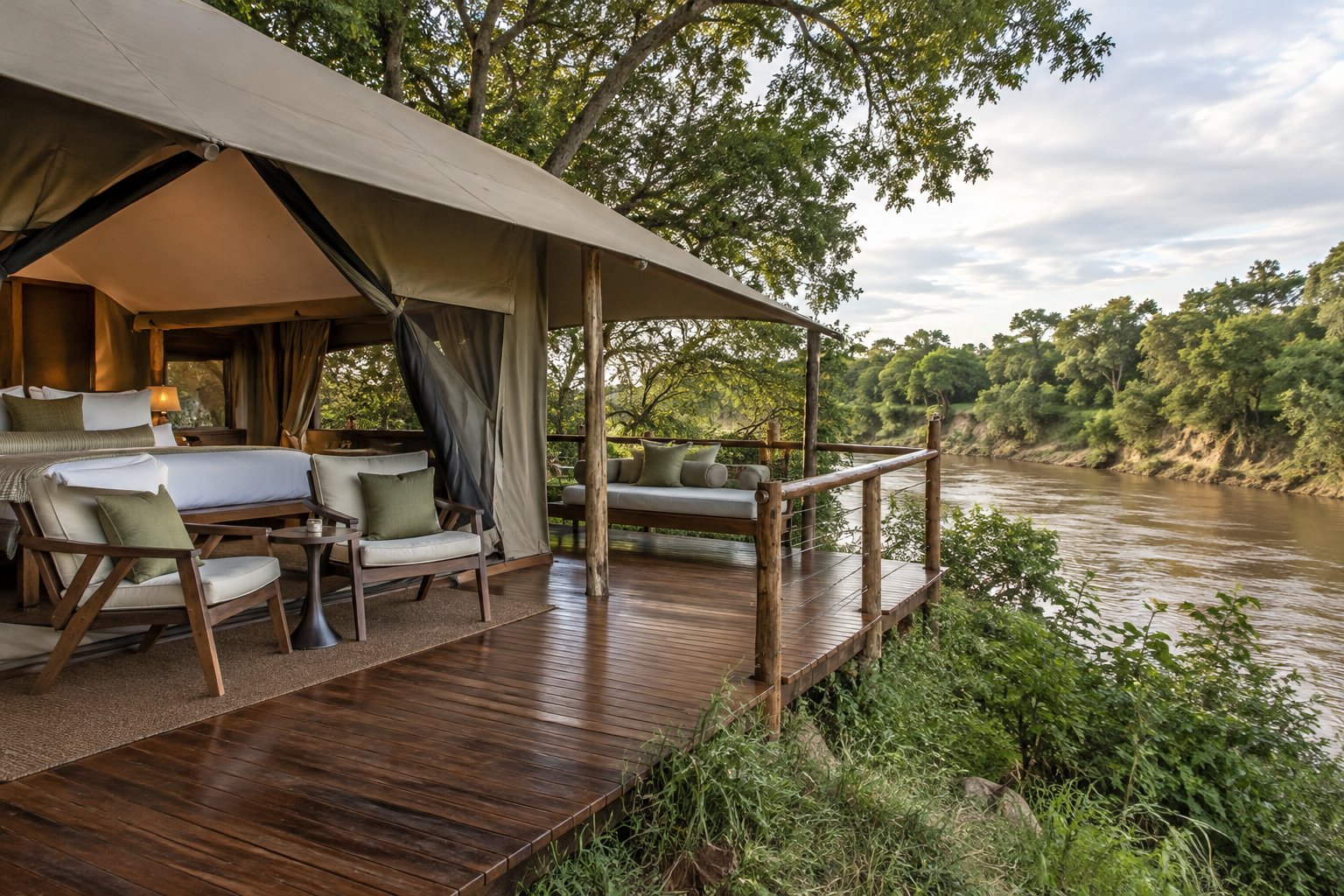
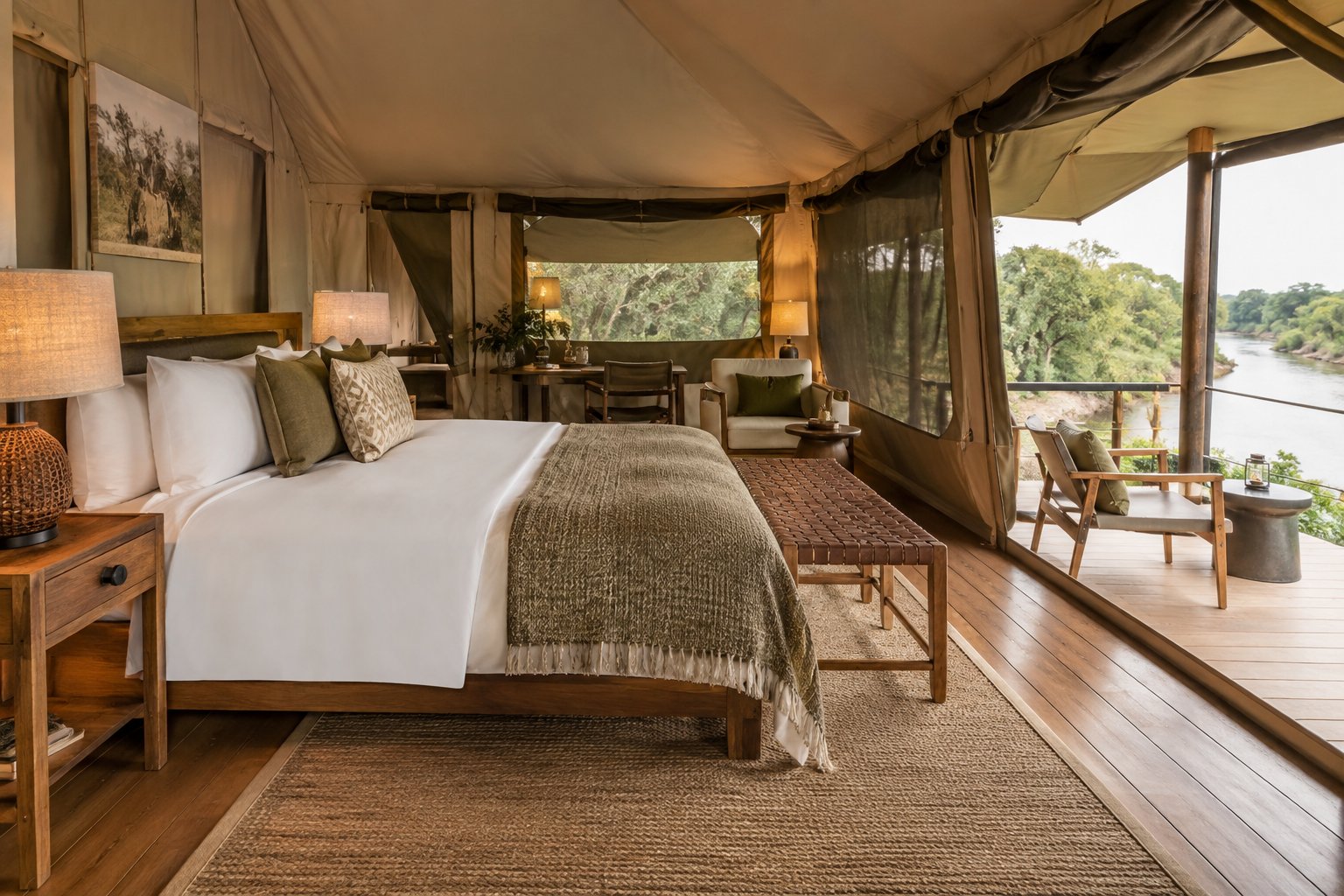
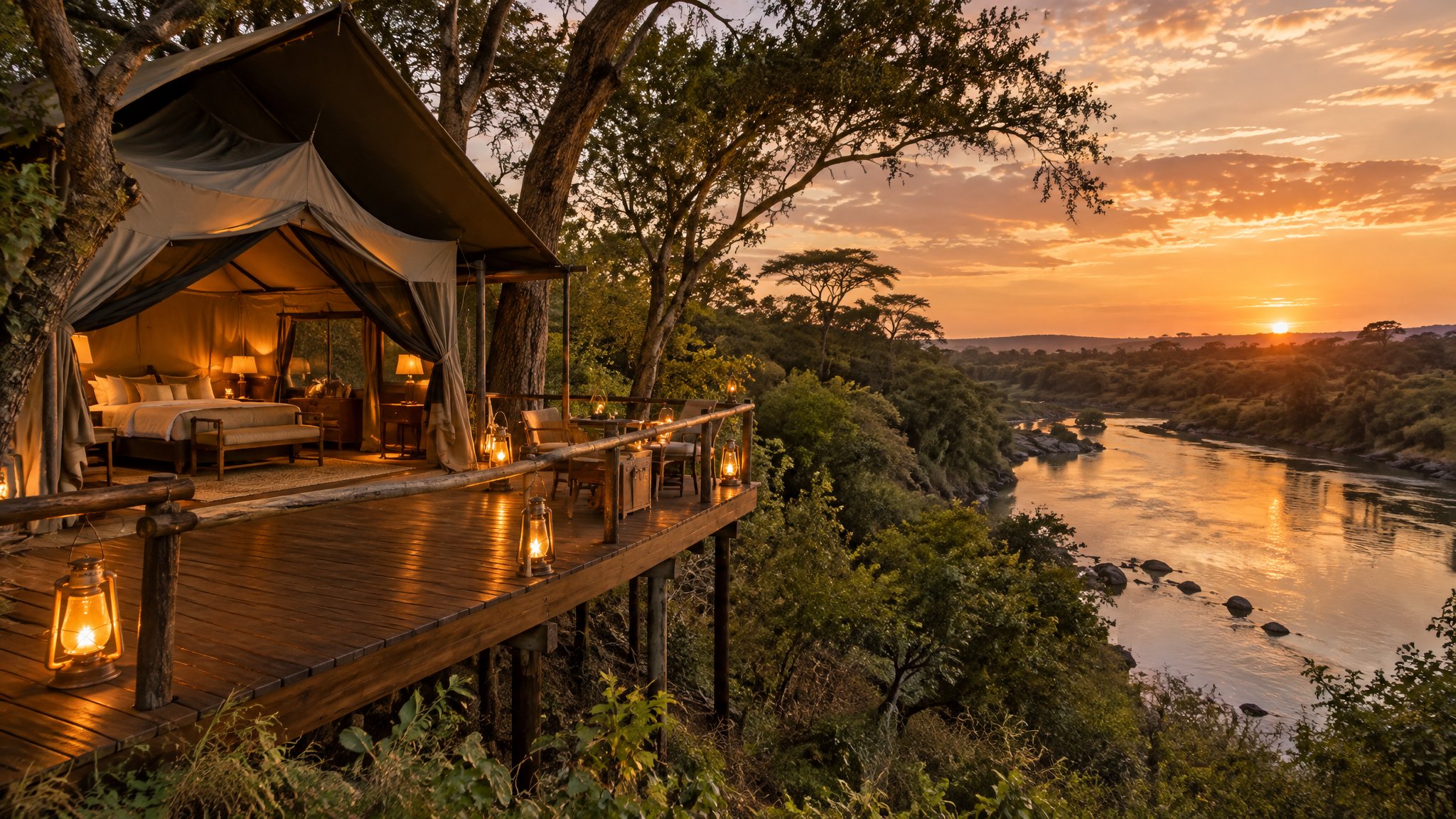
There are eight tented suites in total, each raised on a timber platform above the Talek River with a private veranda facing the water. The canvas walls, timber floors and natural fabrics keep the look understated — the river view does the work, and the design stays out of its way.
Inside, each suite has a king-size bed that can be set up as twins, a seating area, and an en-suite bathroom with a solar-heated shower. The verandas are wide enough to sit out with morning coffee and watch whatever comes down to the river. Because the suites sit right on the bank, it is common to have elephant, hippo and a long list of birds in view without leaving the deck.
Family suites give parents and children their own space under one roof, and the camp welcomes children from the age of five — younger than many Mara camps allow. For guests who want a night closer to the bush, there is an open-air 'weaverbird' sleep-out, a raised platform where you can sleep under the stars with the sounds of the reserve around you. It is a simple touch, and one of the things guests tend to remember most.
The Electric Fleet and the Silent Game Drive
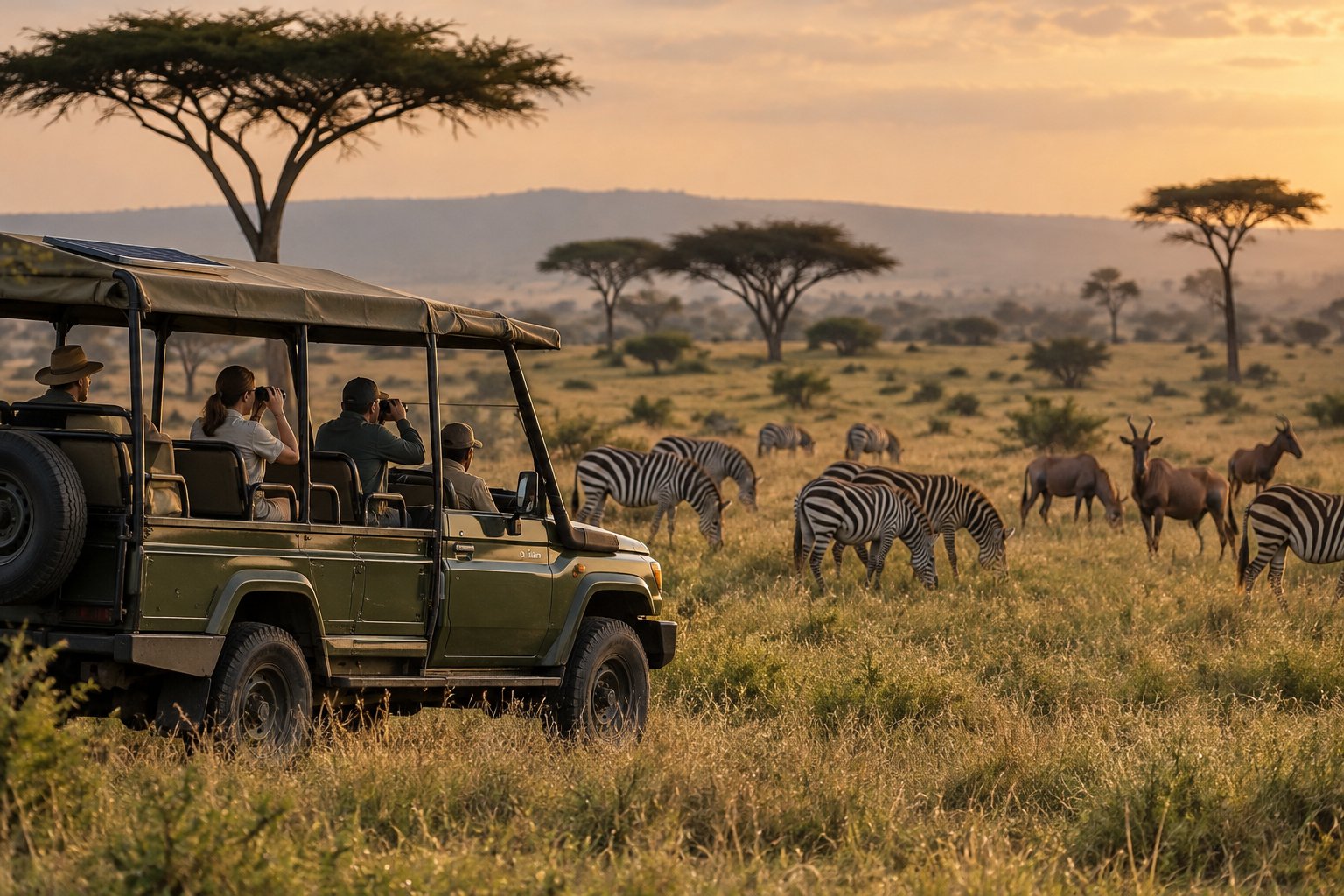
This is the feature that put Emboo River on the map. The camp converted its game-drive vehicles — Land Rovers and Land Cruisers — to run on electric battery packs charged by its solar array, making it the first camp in Kenya to field a full electric fleet. The vehicles keep the open-sided shape and the ground clearance a Mara safari needs, but they lose the engine noise and the diesel fumes entirely.
On a drive, the difference is immediate. There is no rattling idle while you watch a sighting, no cloud of exhaust drifting over the grass, and no need to raise your voice over the engine. Animals that tense up around a loud diesel vehicle tend to settle faster, which often means the vehicle can sit a little closer and stay a little longer. For photographers the quiet is a gift — no vibration, and the only sound on your footage is the bush itself.
The electric motors have plenty of torque for muddy green-season tracks and river crossings, and the batteries are sized for a full day in the field with charging back at camp from the sun. It is a practical system rather than a gimmick, and after a day or two the silence starts to feel like the way a game drive should always have been.
Net-Zero in Practice: Power, Water and Food
Plenty of camps describe themselves as eco-friendly. Emboo River is one of the few that can point to the systems behind the word. Power comes entirely from solar panels feeding battery banks, running the camp and charging the vehicles around the clock, with no diesel generator on site as backup. When the sun is the only power source, the whole camp is designed around using less of it — efficient appliances, good insulation, and lighting that does not waste a watt.
Water is treated and recycled on site, cutting fresh-water use by around 85 percent compared with a conventional camp — a serious saving in a reserve where water is precious and every borehole has an impact. The kitchen leans on vertical and hydroponic gardens for herbs and vegetables, so a share of each meal is grown a few steps from the table, and organic waste is processed on site rather than carted away.
The team is drawn largely from the surrounding Maasai community, with a stated commitment to gender equality in hiring that is still uncommon in safari staffing. Taken together — clean power, recycled water, home-grown food and local employment — the camp makes a credible case for a net-zero footprint, and it is refreshingly open about the detail rather than leaning on a label.
Game Viewing on the Talek River
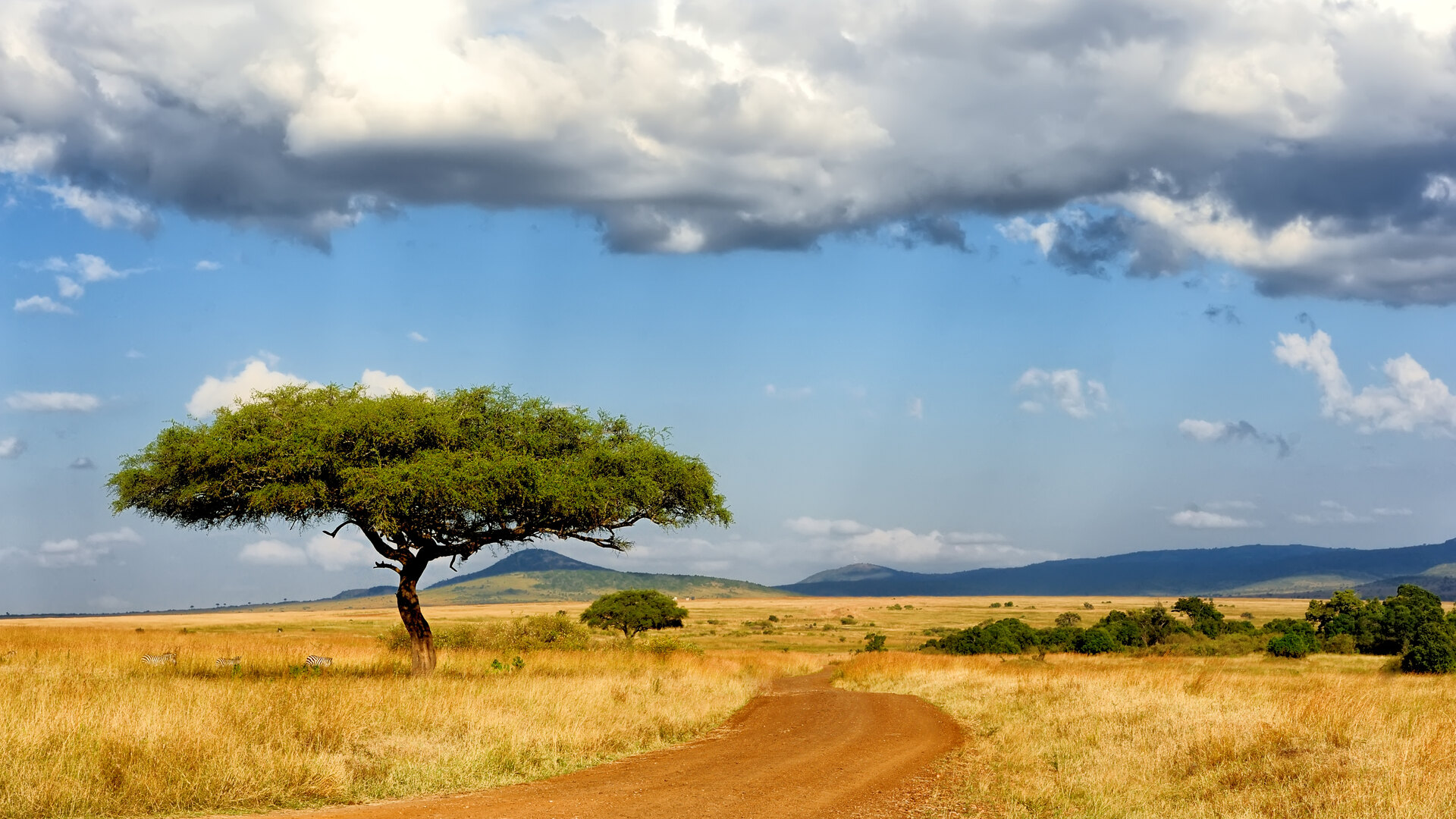
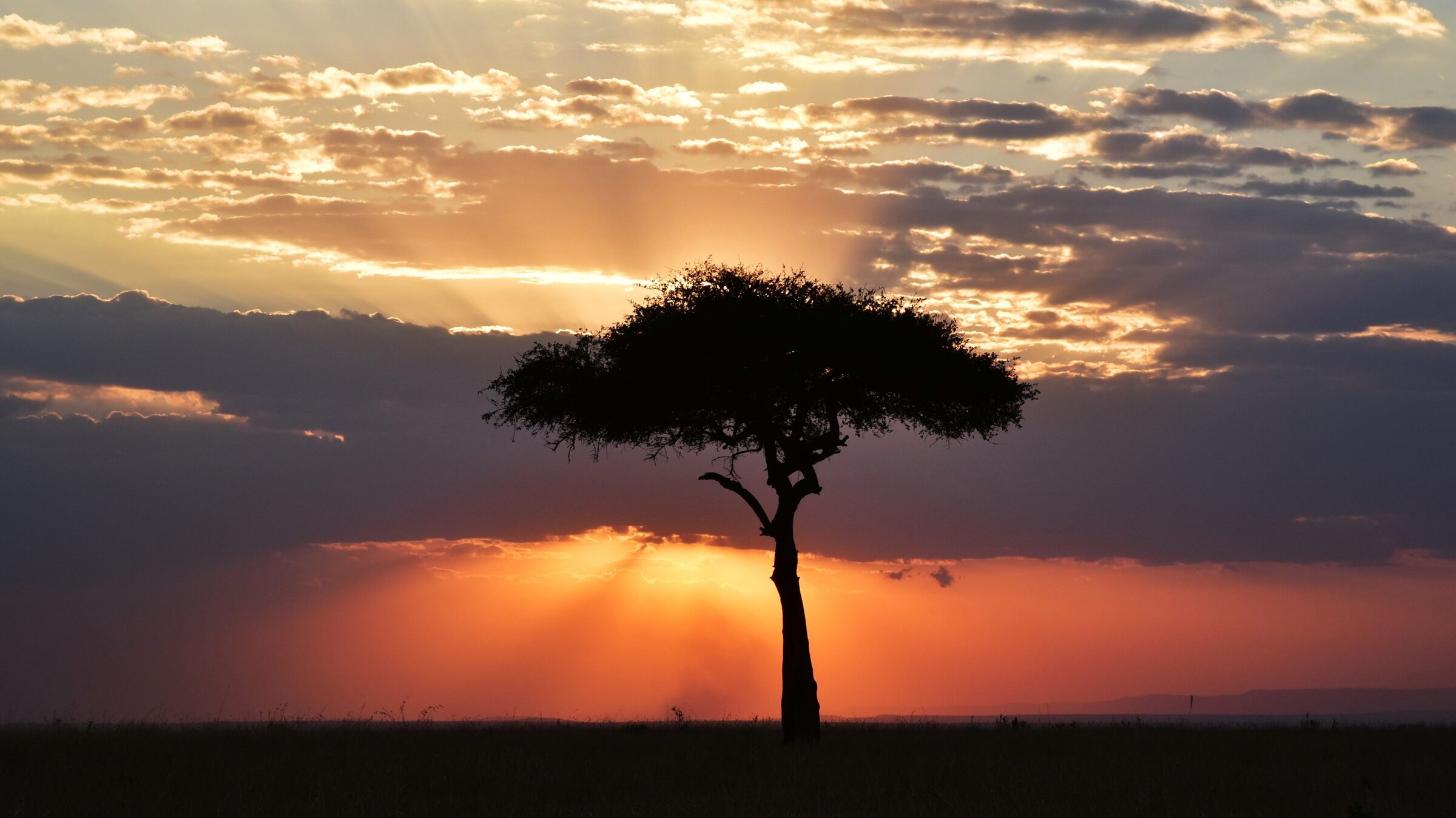
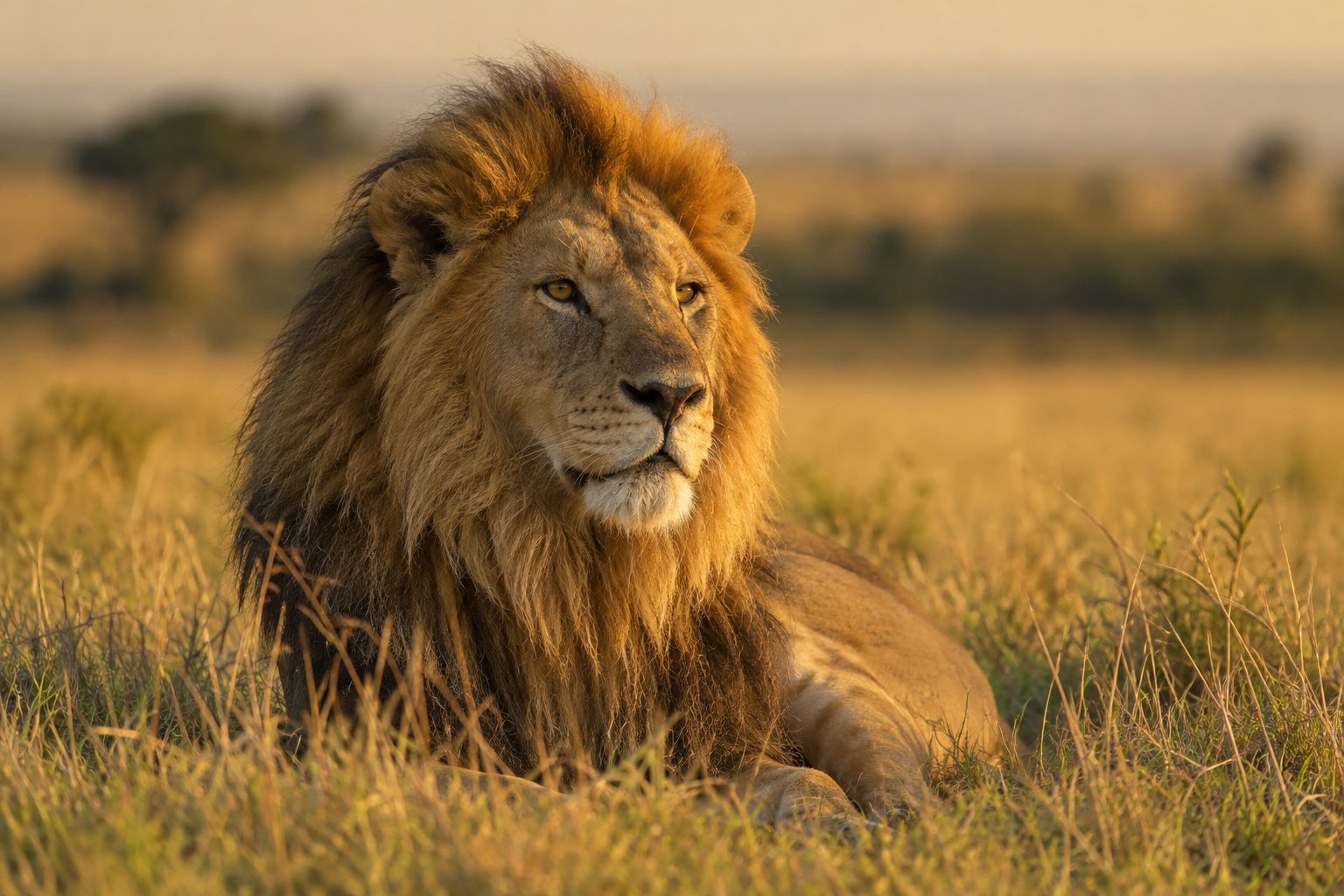
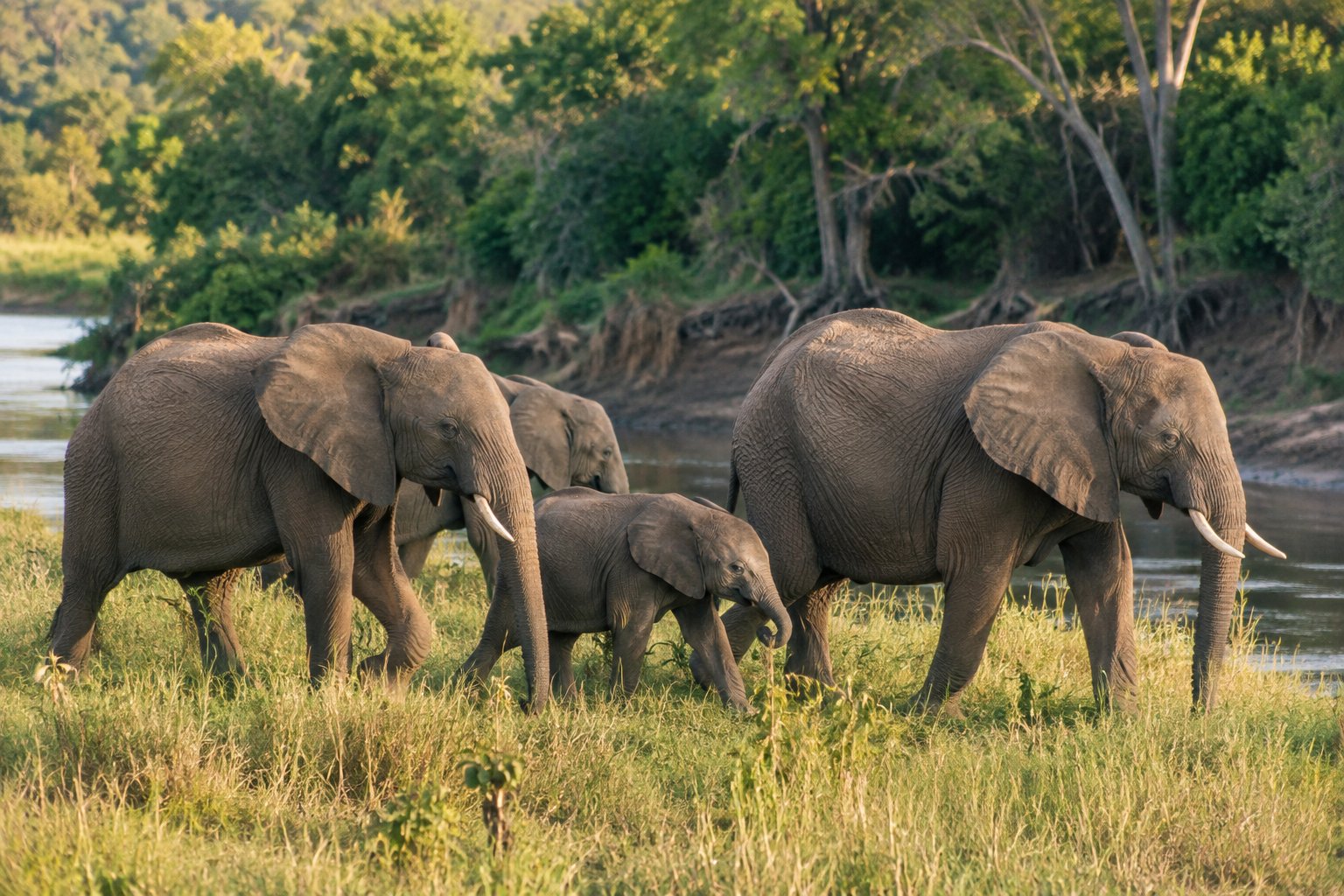
Emboo River sits inside the Masai Mara National Reserve, which holds some of the highest big-cat densities in Africa. Lion, leopard and cheetah all range across this part of the reserve, and the open plains make for the kind of sightings the Mara is known for. The Talek River in front of camp draws elephant, hippo, and a steady stream of plains game down to drink, so there is often something happening within sight of the deck.
From roughly July to October the wildebeest and zebra of the Great Migration move through the reserve, and both the Talek and the nearby Mara River are crossing points. On a morning drive in those months you stand a real chance of reaching a crossing, with the camp's position inside the reserve keeping the big herds within range. Because the reserve itself does not permit night drives or off-road tracking, the camp works within those rules — the trade-off for being inside the reserve rather than a neighbouring conservancy is direct access to the migration routes.
Game drives run morning and afternoon, with full-day drives and bush meals easy to arrange, all of it from the silent electric vehicles. Guided nature walks are included in the rate, and hot-air balloon safaris over the Mara can be booked at extra cost for a dawn flight above the herds. The guiding team knows this stretch of the reserve well, and the quiet vehicles let them work a sighting without crowding it.
Emboo River 2026 Rates & Seasons
Rates below are per person per night sharing, on a full-board basis. They include accommodation, all meals, shared game drives in the electric vehicles, house drinks, guided nature walks and return transfers from the Ol Kiombo airstrip. Park and community fees are charged separately, as are private-vehicle hire and balloon safaris.
| Season | Dates | Rate (pp/n sharing) |
|---|---|---|
| Green Season | 1 Apr – 31 May 2026 | from USD 510 |
| Low & Secret Season | 1 – 30 Jun; 1 Nov – 15 Dec 2026; 2 Jan – 31 Mar 2026 | from USD 670 |
| High Season | 1 Jul – 31 Oct 2026 20 Dec 2026 – 1 Jan 2027 |
from USD 915 |
Children (5+ years): Welcome in the family suites. Child rates and family-suite pricing are available on request from your operator.
Included in the rate: Accommodation, all meals, house drinks (excluding champagne), shared game drives in the electric vehicles, guided nature walks, and return transfers from the Ol Kiombo airstrip.
Not included: Masai Mara park and community fees, private-vehicle hire, hot-air balloon safaris, champagne and premium spirits, gratuities, international and domestic flights.
How Emboo River Compares
Three ways to stay in the greater Mara, side by side — a reserve-based electric camp, a photography-led conservancy camp, and an escarpment conservancy lodge.
| Feature | Emboo River | Mara Nyika Camp | Saruni Mara |
|---|---|---|---|
| Setting | Talek River, inside the Masai Mara National Reserve | Naboisho Conservancy (50,000+ acres) | Mara North Conservancy (74,000 acres) |
| Accommodation | 8 riverside tented suites | 6 raised tented suites | 6 cottages (Eagle View) + 5 suites (Leopard Hill) |
| Game Drives | Silent solar-electric vehicles | Photography-rigged diesel Land Cruisers | Conservancy diesel vehicles |
| Night Drives & Walking | Walks yes; no night drives (national reserve rules) | Yes (private conservancy) | Yes (private conservancy) |
| Signature Feature | Kenya's first electric fleet; net-zero camp | Canon 5D camera program | Infinity pool, Maasai Wellbeing Space |
| 2026 High-Season Rate | from USD 915 pp/n | USD 3,405 pp/n | around USD 1,650–2,200 pp/n |
Our take: Emboo River is the pick for travellers who want to be inside the reserve on the migration routes, who value a genuinely low-impact camp over a long activity list, and who are curious about what a silent electric game drive actually feels like — all at a price well below the top conservancy camps. Mara Nyika suits photographers who want pro camera gear in hand and the quiet of a private conservancy. Saruni Mara wins on escarpment views, spa and cultural depth. The right choice comes down to one question — do you want to be inside the reserve or out in a private conservancy — and how much the sustainability story matters to you.
How to Book Emboo River
Book Emboo River through a specialist Kenya safari operator such as Beyond Africa Safaris. Most guests fly from Nairobi Wilson Airport to the Ol Kiombo airstrip — roughly a 45-minute light-aircraft flight — with the return transfer to camp included in the nightly rate. From the airstrip it is a short game drive to camp in one of the electric vehicles, so the safari starts the moment you land.
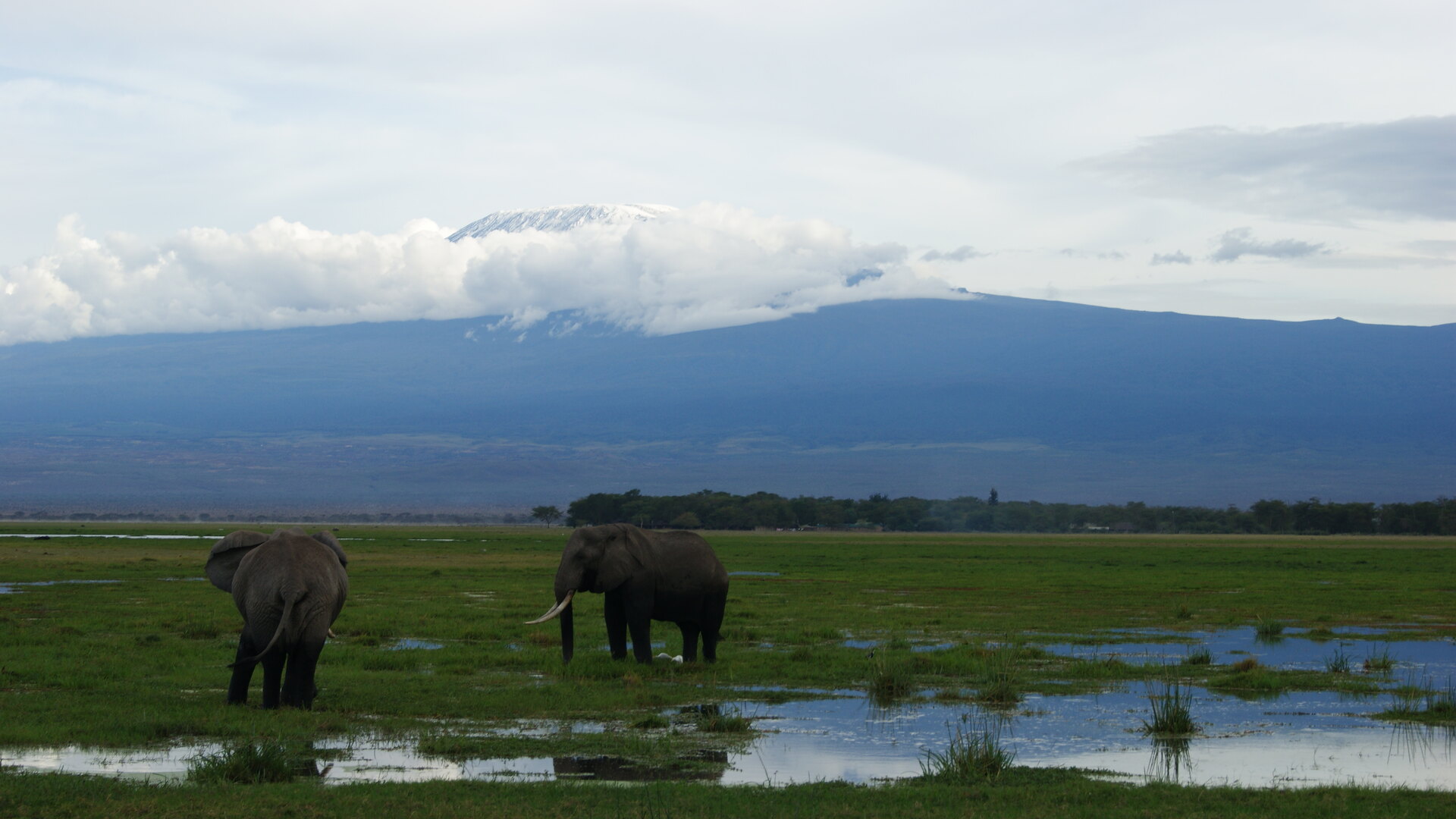
Emboo River works well as the Mara leg of a wider Kenya trip. Pair it with a night at Giraffe Manor in Nairobi on the way in or out, add Amboseli for elephant against the Kilimanjaro skyline, or combine it with Laikipia for rhino tracking before finishing in the Mara. Three nights in camp is the sweet spot — long enough to settle into the rhythm of the electric drives, use the river deck properly, and give the migration a couple of mornings to deliver during the crossing months.
For more on planning a Mara trip, see our guides to the Masai Mara safari guide, the best Masai Mara safari camps, the Masai Mara private conservancies, and the best luxury safari lodges in Kenya. See our luxury African safari packages or speak to a Kenya specialist to plan your stay at Emboo River.
Emboo River is proof that a Mara safari does not have to run on diesel. Eight suites on a quiet river bend, a camp powered by the sun, water recycled rather than wasted, food grown on site, and game drives so quiet you can hear the grass move — it is a different kind of luxury, measured in what the camp leaves behind rather than what it piles on. For travellers who want their safari to tread lightly without giving up comfort or wildlife, it is one of the most interesting places to stay in Kenya.