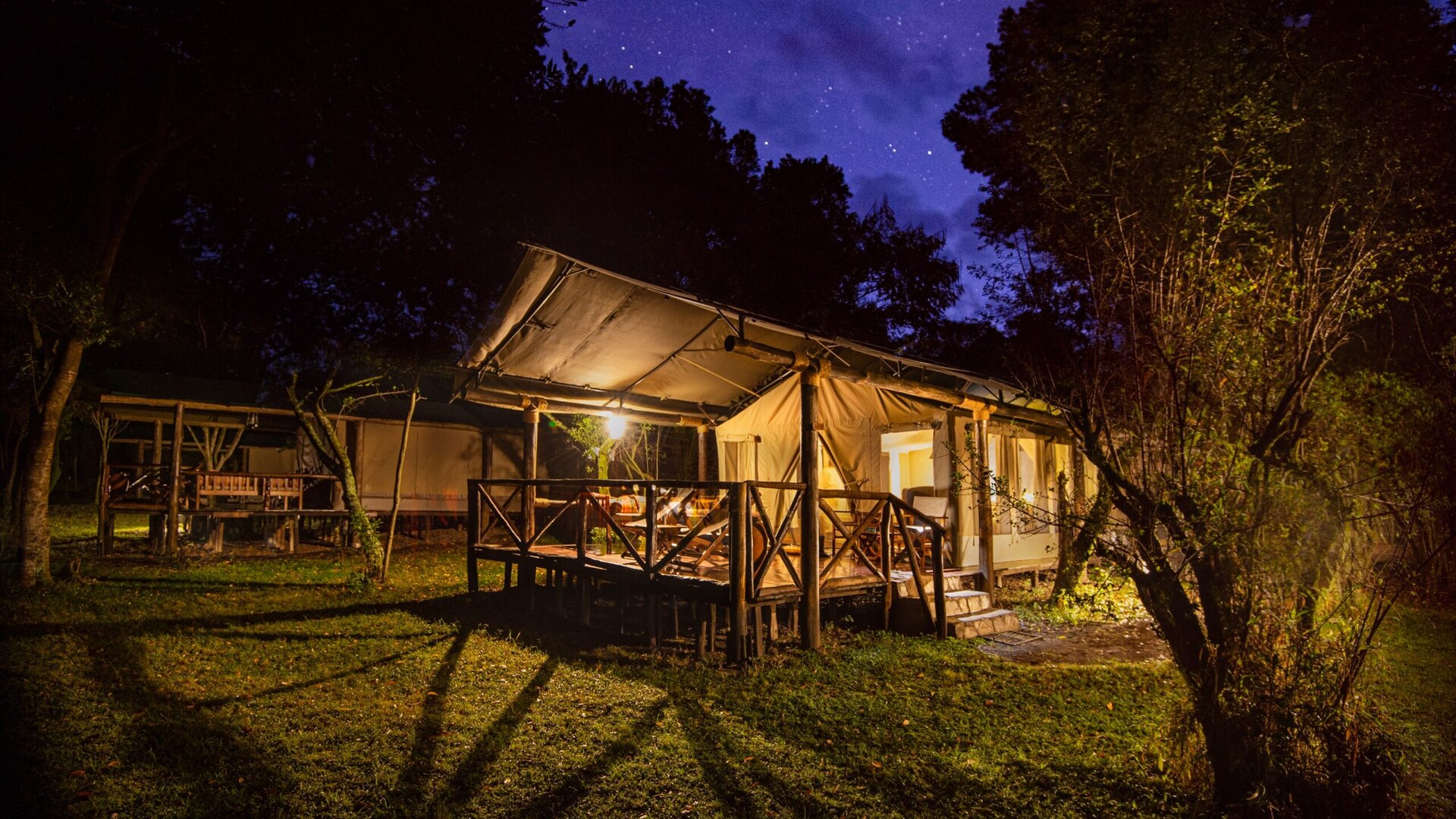
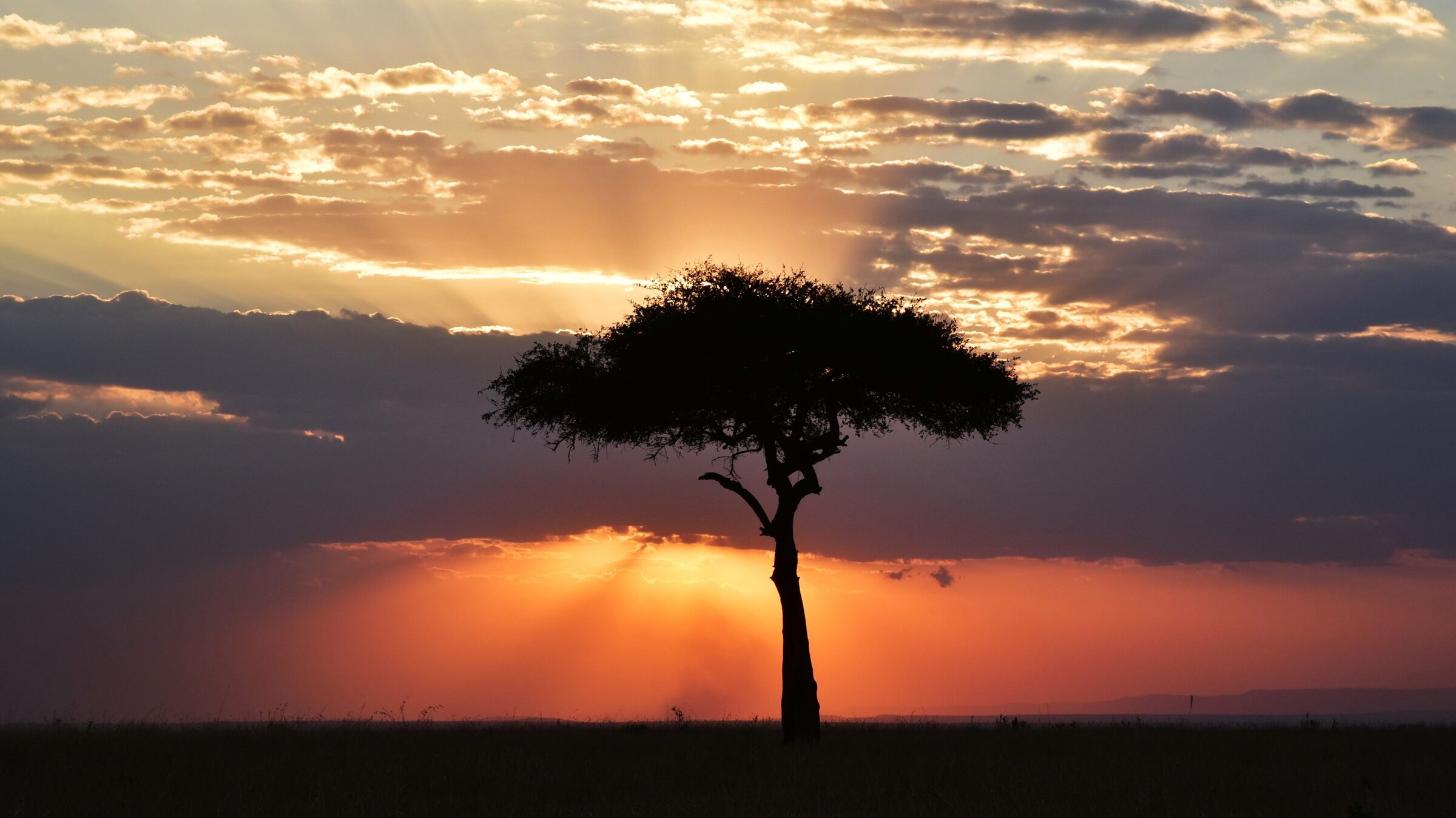
Mara Nyika Camp is Great Plains Conservation's six-tent treehouse camp in the private Naboisho Conservancy, bordering the Masai Mara National Reserve. "Mara Nyika" means "large plains" in Maa — fitting for a camp set in one of the biggest private wildlife conservancies in Kenya, a 50,000-acre stretch of Maasai community land where predator densities rank among the highest in the country.
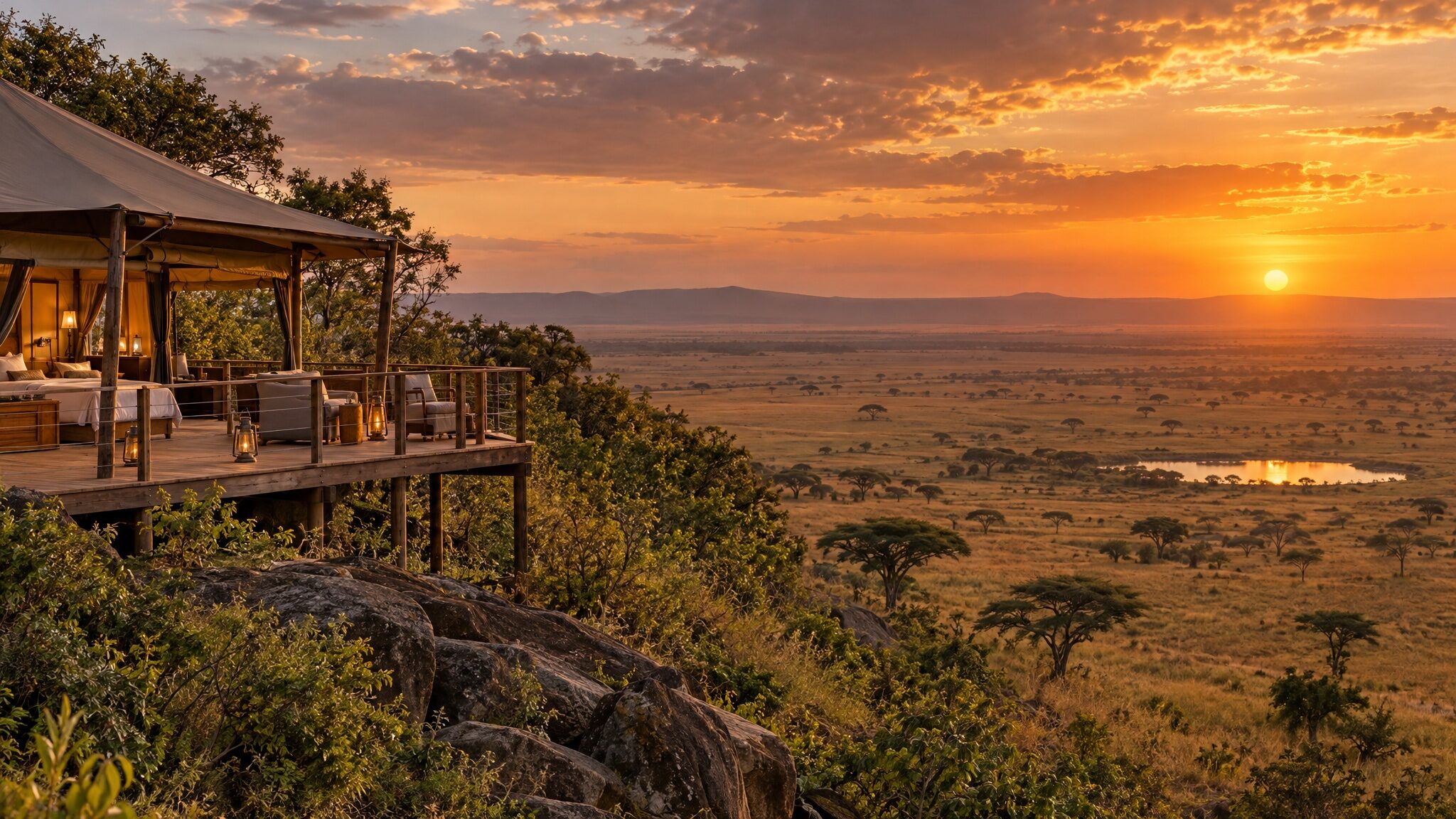
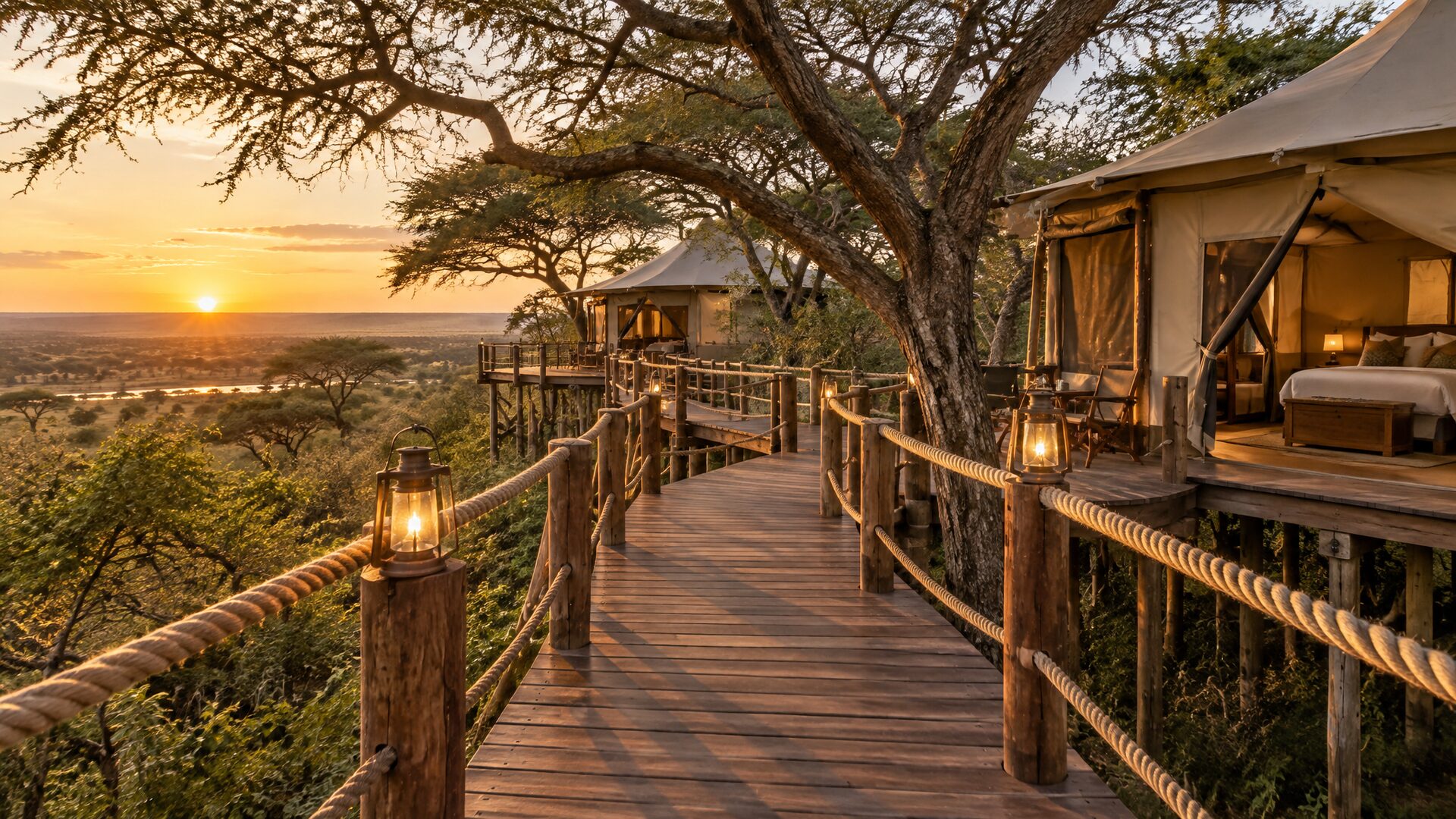
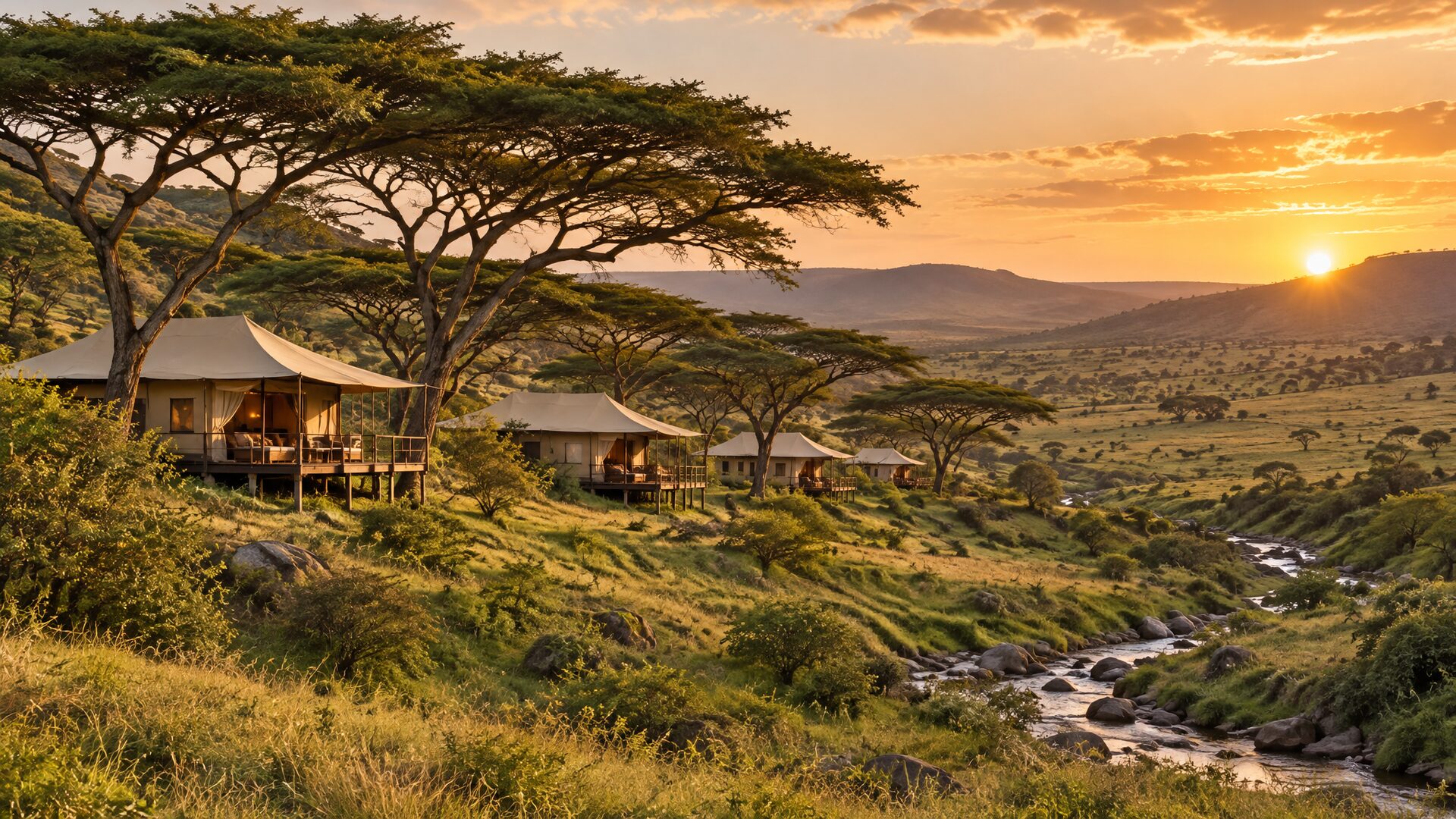
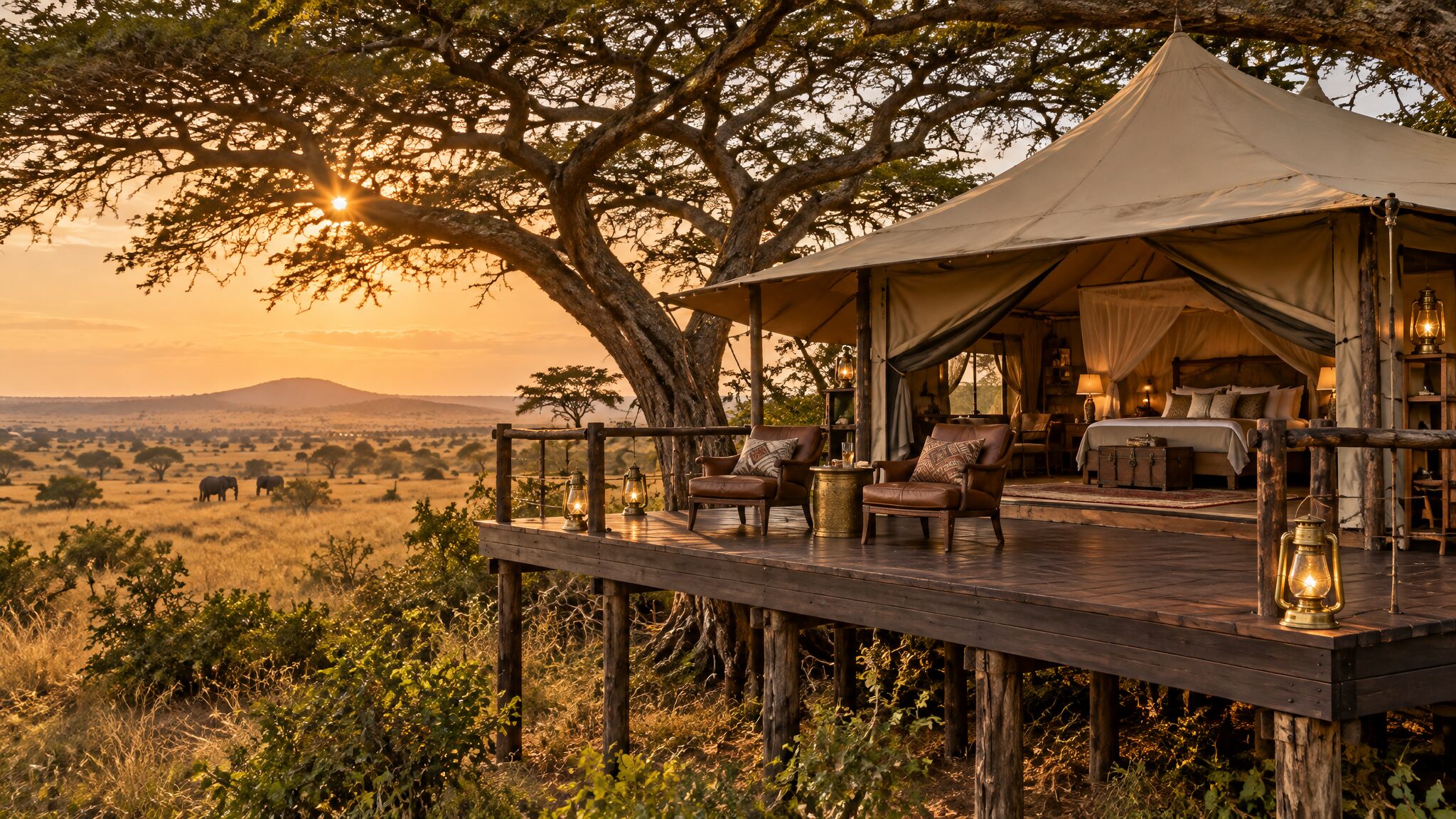
Designed by Great Plains co-founder Dereck Joubert and affiliated with Relais & Chateaux, the camp sits in a secluded valley shaded by Acacia kirkii umbrella-thorn trees along a seasonal stream. The look is elevated canvas-and-timber, raised on wooden walkways above the bush — a treehouse aesthetic that puts you in the canopy rather than on the ground. With only six suites, including an exclusive-use two-bedroom Sambuk villa with a private infinity pool, the camp is small and private by design.
What sets Mara Nyika apart from the conservancy's other camps is the photography program. Every suite comes with a Canon 5D Mark IV body, two professional lenses and Swarovski binoculars — equipment worth thousands of dollars that you pick up on arrival and return when you leave. The game-drive vehicles are rigged with camera trays and beanbag supports, and the guides are trained to position for light and composition. For anyone who wants to leave the Mara with professional-grade images rather than phone snaps, this is among the best-equipped camps in East Africa.
This 2026 review covers the six suites, the Sambuk Suite, the Canon camera program, the Naboisho Conservancy's game viewing, seasonal rates and fees, and how Mara Nyika compares to its sister camp Mara Plains and the conservancy's other options.
- Where: A secluded acacia valley in the private Naboisho Conservancy (50,000+ acres), bordering the Masai Mara National Reserve.
- Rooms: 6 raised tented suites — 4 guest suites (~1,000 sq ft each), 1 family suite, 1 Sambuk Suite (exclusive-use, private infinity pool, own vehicle and guide).
- Rates 2026: USD 1,745 pp/n sharing shoulder; USD 2,320 low season; USD 3,405 peak. All-inclusive except a USD 100 pp/n conservation contribution.
- The edge: Canon 5D Mark IV + two pro lenses in every suite, photography-optimised vehicles, night drives and walking safaris in a private conservancy, Relais & Chateaux affiliation.
A Treehouse Camp Under the Acacias
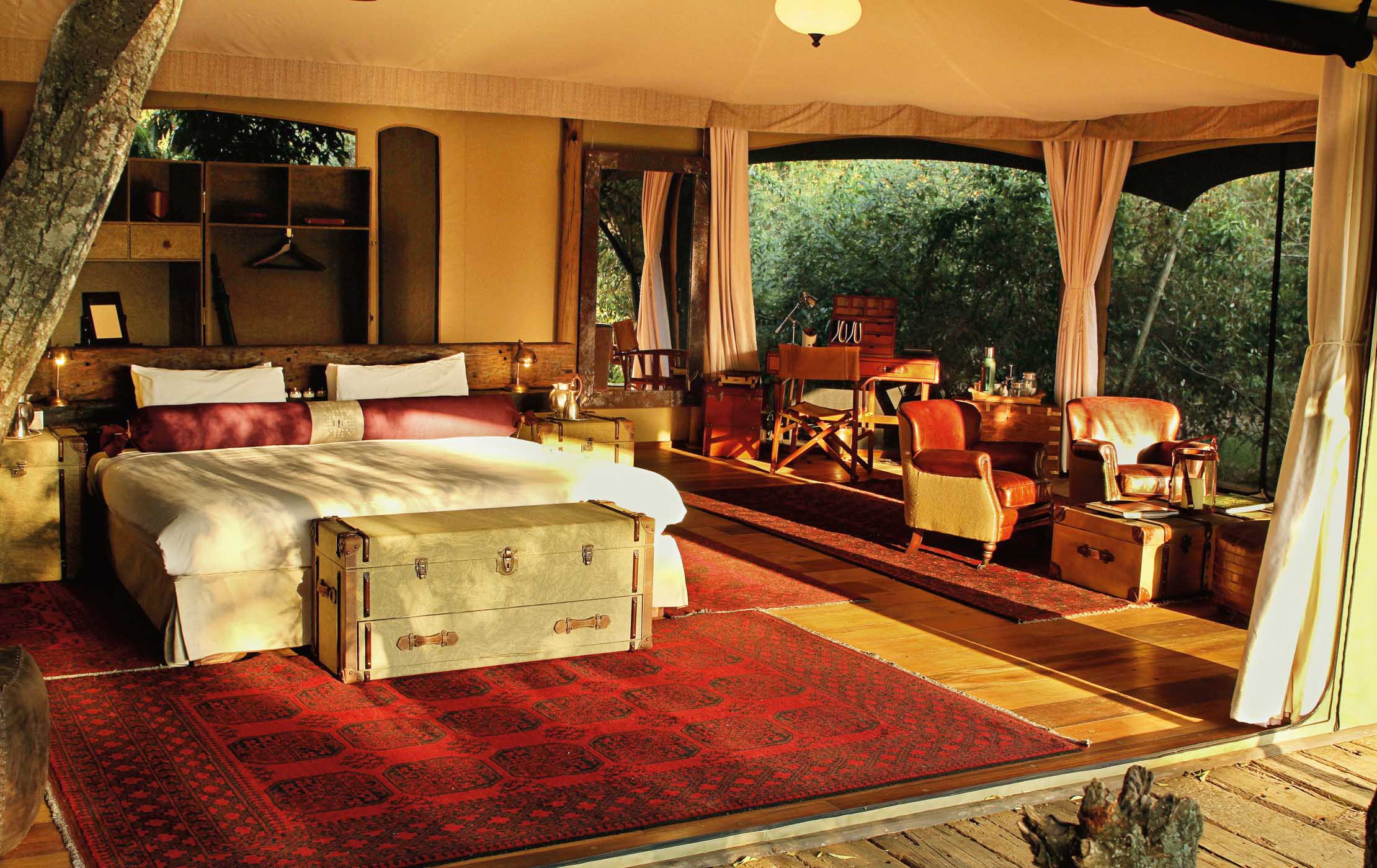
Mara Nyika's design borrows from old-world expedition camps and Southeast Asian tree lodges. The six tented suites are built on raised timber platforms linked by wooden walkways, tucked beneath a canopy of Acacia kirkii umbrella-thorns in a shallow valley along a seasonal stream. The structure was put up with a zero-cement philosophy — the camp can be removed without scarring the ground beneath it.
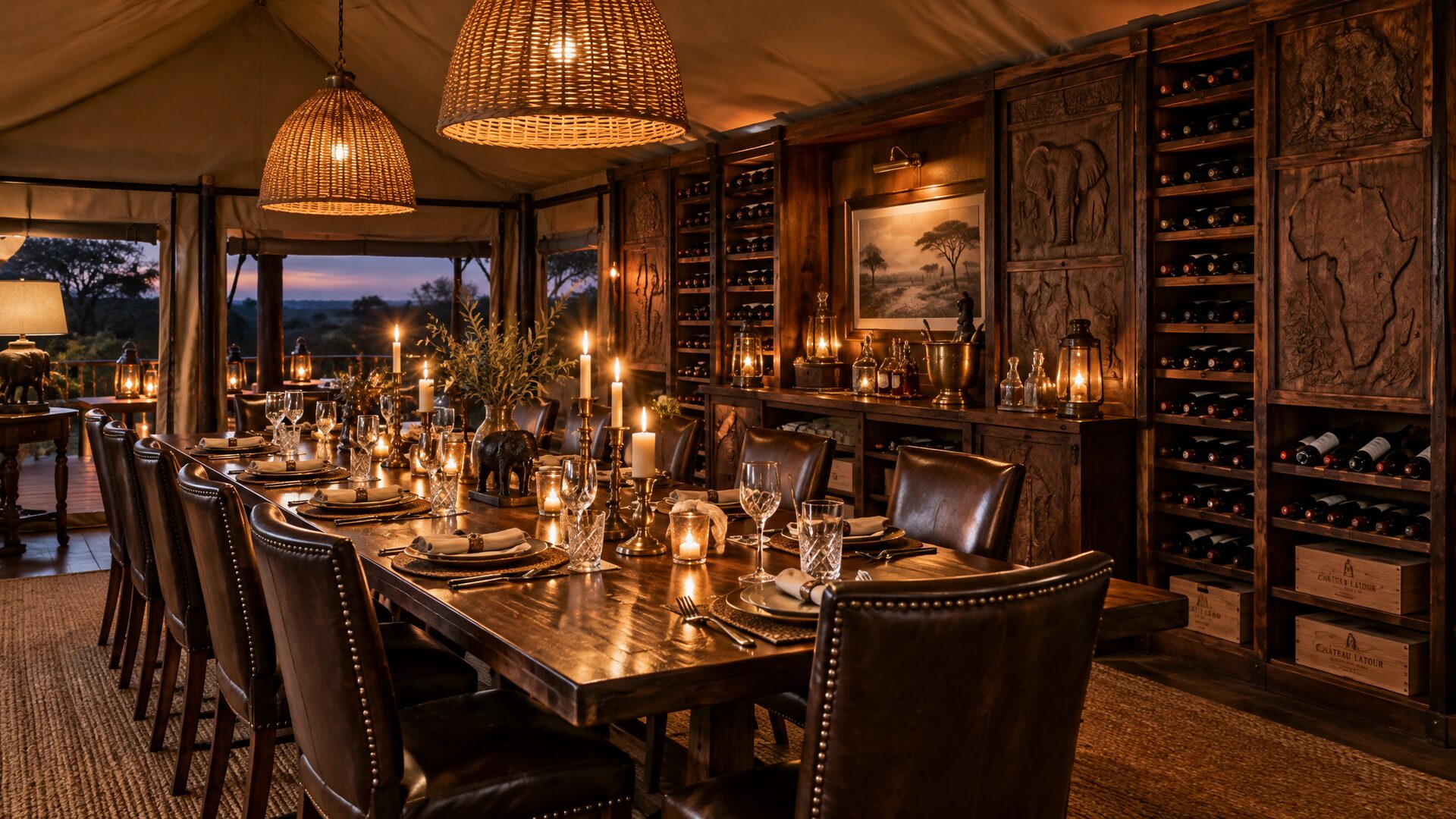
Inside, the look is dark leather, canvas, warm timber and brass fittings, with Southeast Asian artefacts and campaign furniture that reference the Joubert family's years in the bush. Ceiling fans and standing fans keep air moving — there is no air conditioning, and the camp runs entirely on solar power. Borehole water is treated on-site. It is a Gold Eco-Rated property, the highest tier Kenya awards for environmental performance.
The communal areas — a lounge, dining room, library, wine cellar, bar, fire pit and a small boutique shop — are set around the central walkway. Most of the social life happens around the fire pit in the evenings and the dining room at mealtimes, where the kitchen runs a menu of home-cooked meals with a "Supper Menu" option — comfort dishes like pizza and pasta — available to order at any hour.
The Six Suites
There are four guest suites, one family suite and one Sambuk Suite — six rooms in total, keeping the camp intimate and quiet. All are built on raised platforms with canvas walls, wooden floors and private verandas looking out into the acacia canopy and the bush beyond.
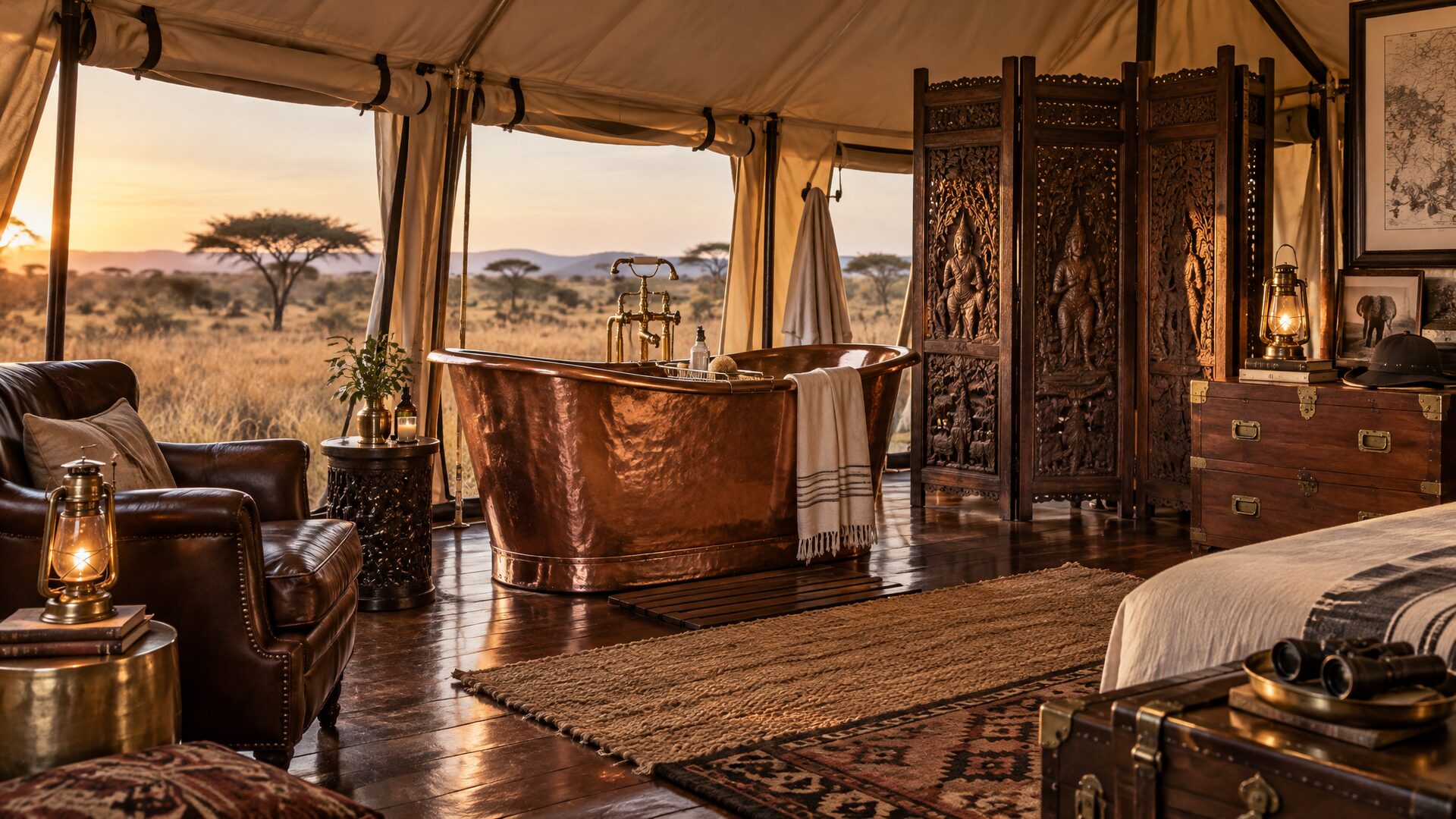
Each of the four guest suites covers roughly 1,000 square feet. Inside: a king-size bed (convertible to twins), an indoor lounge area, a tea and coffee station, ceiling and standing fans, and an en-suite bathroom with a copper bathtub, double vanities, an indoor shower and a flush toilet. The veranda has enough space for two chairs and a side table — a good spot for morning tea before the drive or an afternoon read while the camp goes quiet.
The family suite has two bedrooms and two en-suite bathrooms connected by a shared lounge, giving parents and children their own space under one roof. Children aged eight and above are welcome in camp.
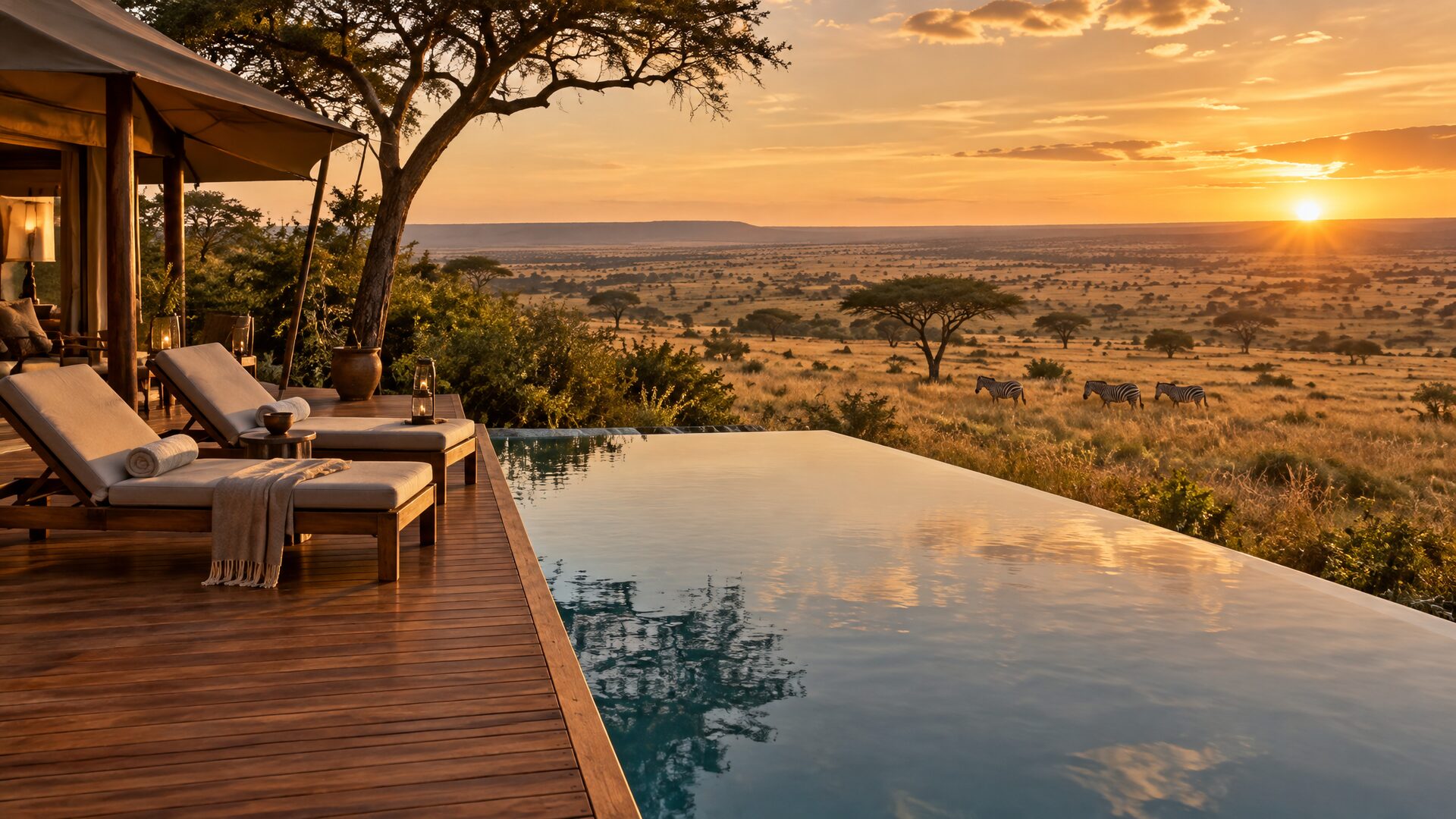
The Sambuk Suite is the camp's flagship. It is an exclusive-use two-bedroom villa with two en-suite bathrooms, a private infinity pool, a panoramic viewing deck, its own lounge and dining area, and a dedicated safari vehicle with a private guide. It operates as a self-contained camp-within-a-camp — you eat, drive and relax on your own schedule, separate from the main camp if you choose. For two couples travelling together or a family that wants full privacy, it is the top option in the Naboisho Conservancy.
Every suite — guest, family and Sambuk — is fitted with a Canon 5D Mark IV camera body, a Canon 100-400 mm telephoto lens, a Canon 24-70 mm wide-angle lens, Swarovski binoculars, a yoga mat, light weights and an exercise bike. In-room spa treatments are available by arrangement. There is no central gym or spa building — the wellness programme is woven into the suites themselves.
The Canon Camera Program
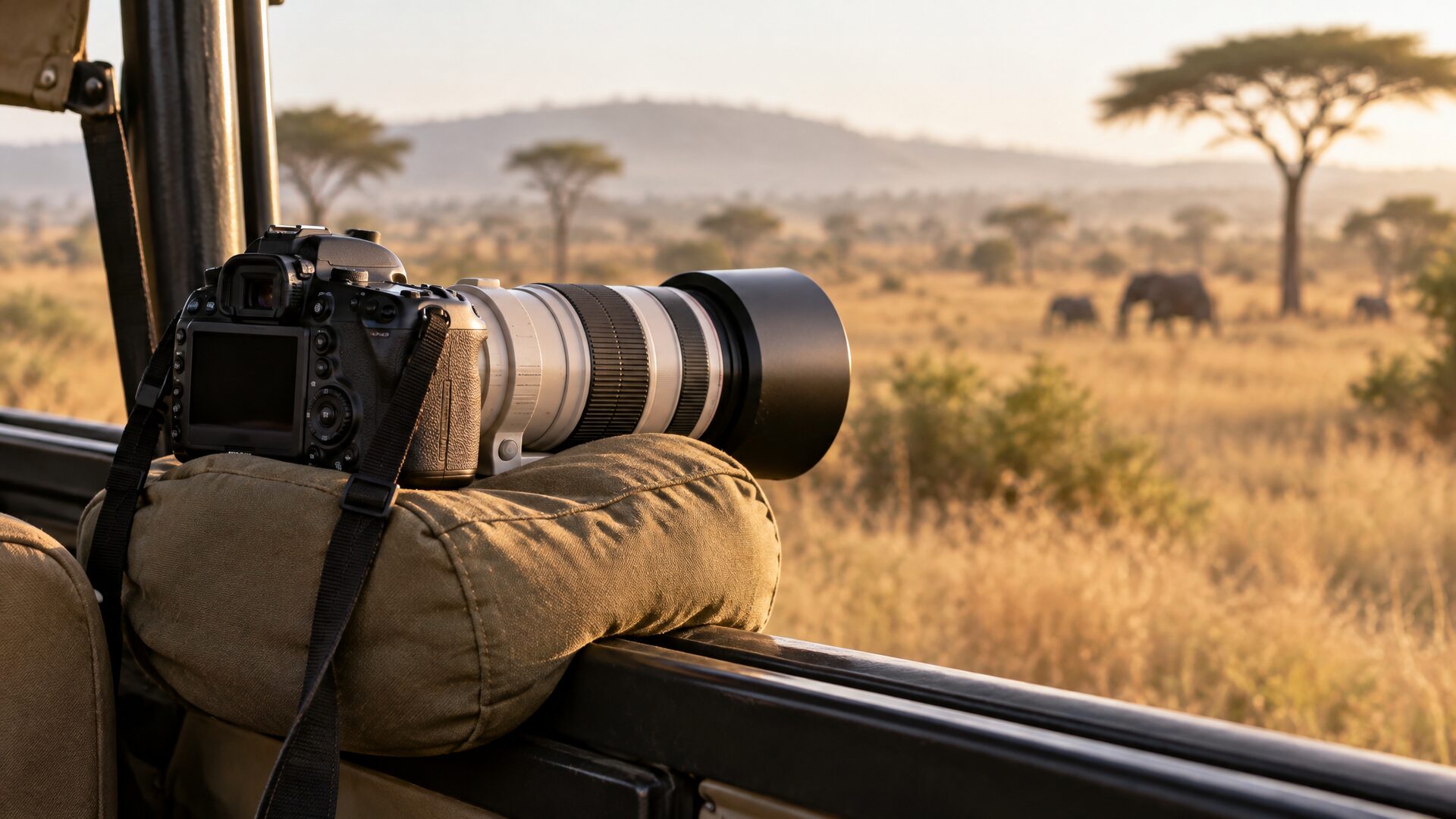
This is the feature that puts Mara Nyika in a different category from most luxury camps. Every suite carries a full Canon professional camera kit: a Canon 5D Mark IV body, a Canon EF 100-400 mm f/4.5-5.6L IS II telephoto lens for wildlife close-ups, and a Canon EF 24-70 mm f/4L wide-angle lens for landscapes and camp scenes. A pair of Swarovski binoculars rounds out the kit.
The gear is yours for the duration of your stay. Pick it up on arrival, take it on every drive, and return it at check-out. The camp will transfer your images to a memory card or USB drive for you to take home. The photography-optimised Land Cruisers are fitted with camera trays and beanbag supports so you can shoot from a stable platform without a tripod, and the guides are trained to work the light — approaching animals from the right angle at the right time of day rather than simply finding them.
For serious photographers, this is a genuine edge. A Canon 5D Mark IV body with a 100-400 mm lens retails for well over USD 5,000 — equipment most safari guests do not own and cannot justify buying for a single trip. Having it available in camp means you can leave the phone in the room and come home with images that hold up on a wall rather than a screen. For casual photographers, the kit is straightforward enough to pick up with a few minutes of guidance from the camp's team.
Game Viewing in the Naboisho Conservancy
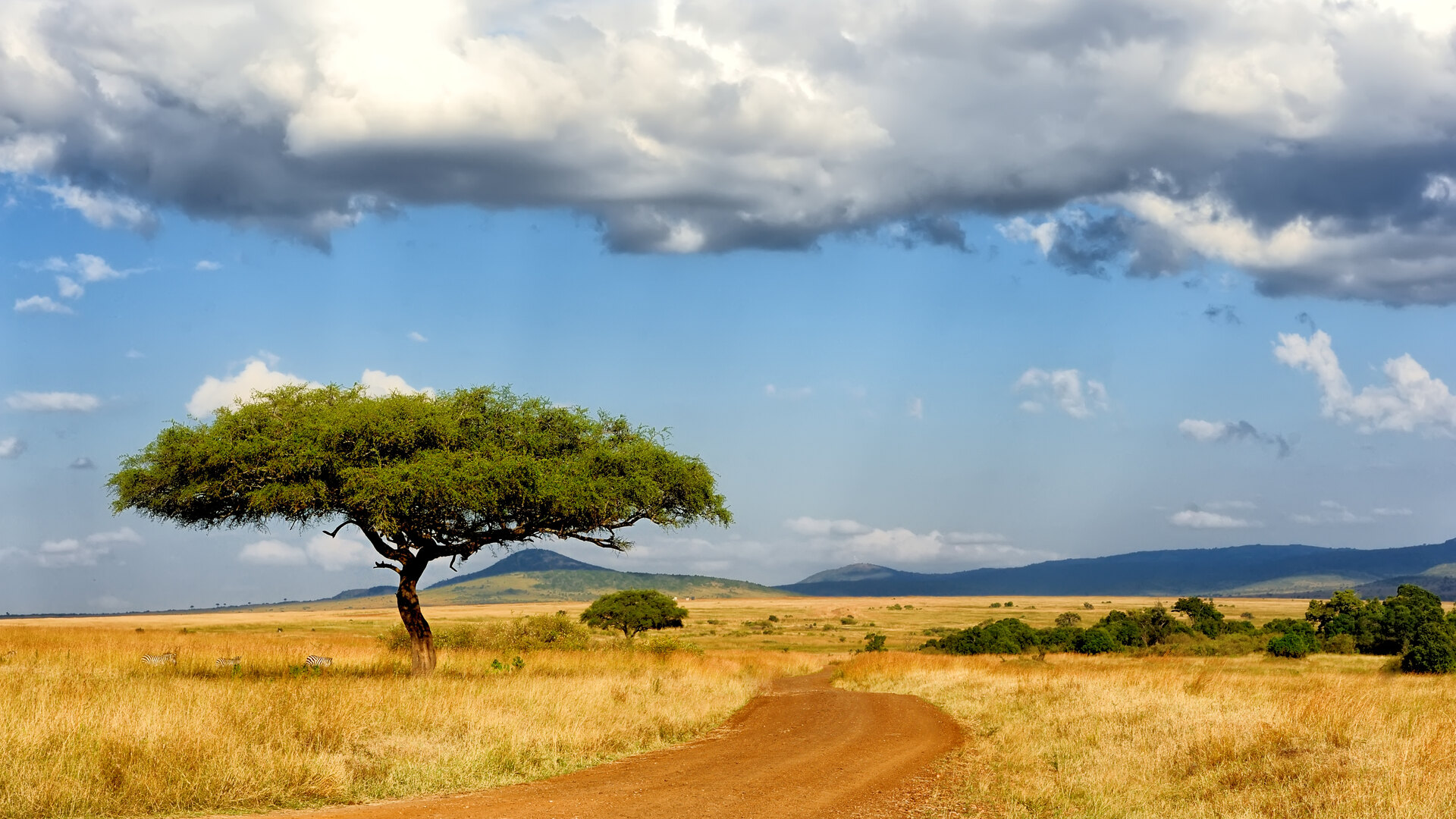
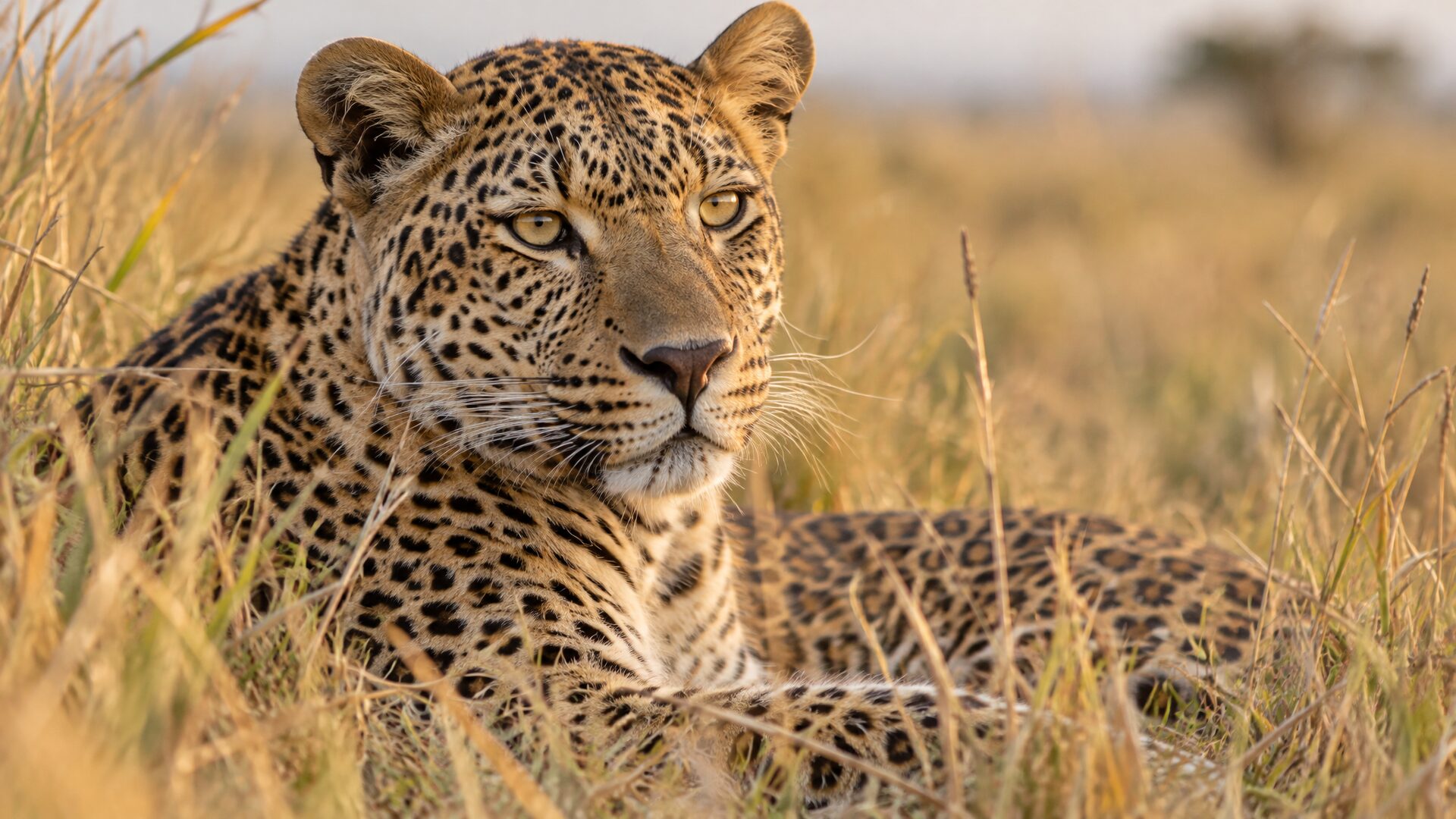
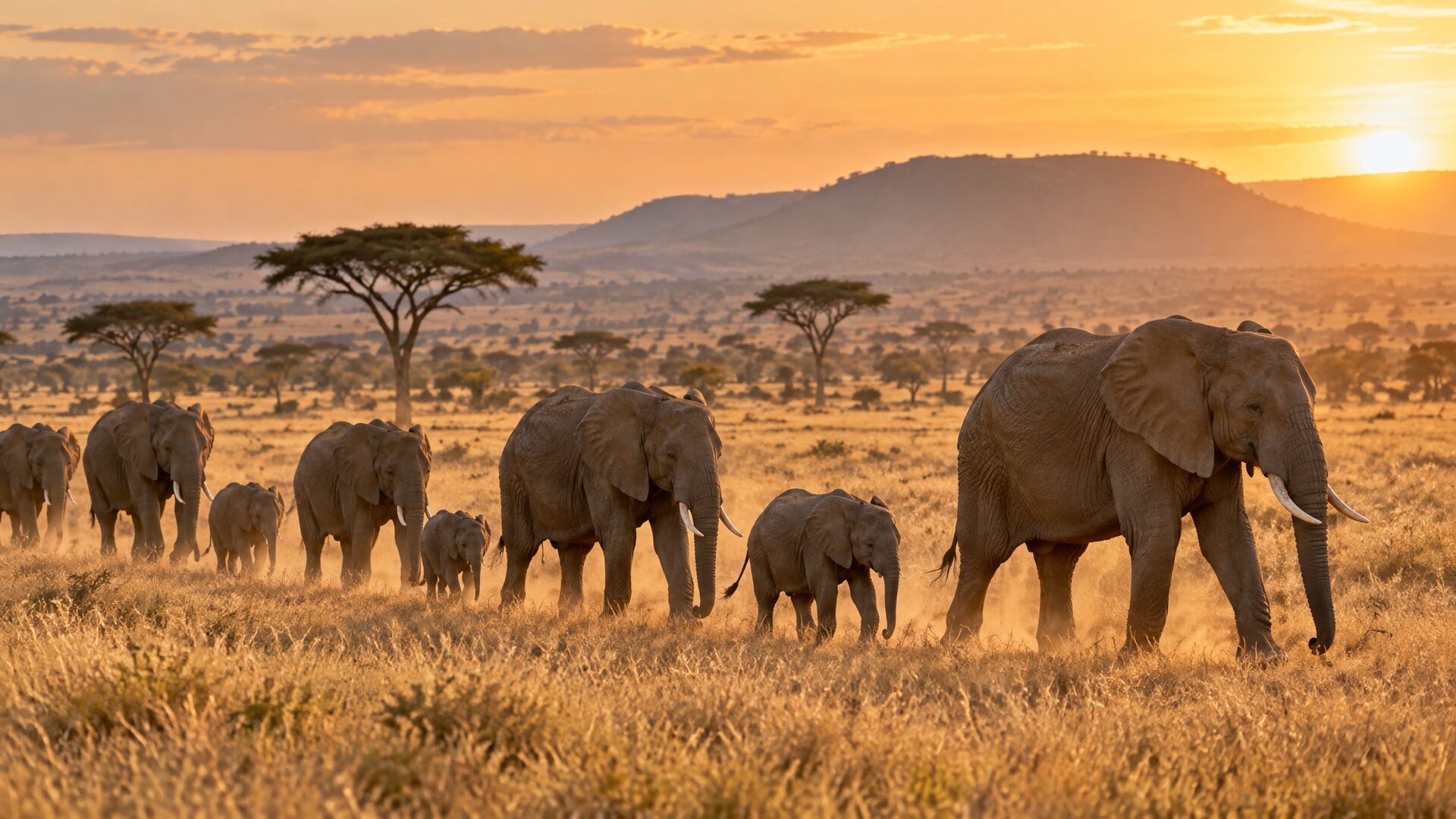
The Naboisho Conservancy covers more than 50,000 acres of Maasai community land bordering the Masai Mara National Reserve. It is one of the largest and least-visited private conservancies in the greater Mara ecosystem, with strict limits on the number of beds and vehicles allowed per square kilometre. The result is low traffic and high predator density — leopard, lion, cheetah and hyena all hold territories across the conservancy, and elephant herds move through on the seasonal corridors between the Mara and the Loita Hills.
Because Naboisho is a private conservancy, Mara Nyika can offer activities that camps inside the national reserve cannot. Night drives with spotlights open up the nocturnal side of the bush — aardvark, bushbaby, porcupine, civet and hunting hyena are regular sightings. Guided walking safaris with armed rangers give you the bush at ground level, reading tracks and approaching game on foot. Off-road driving is permitted, so the guides can follow a predator sighting off the main tracks without restriction.
Day game drives run morning and afternoon, with full-day drives and bush breakfasts easy to arrange. During the Great Migration, roughly July to October, the Naboisho Conservancy receives wildebeest and zebra spillover from the reserve, and the camp is well placed for day trips into the Masai Mara National Reserve to catch the big river crossings — usually within an hour's drive. Hot-air balloon safaris over the Mara can be arranged at extra cost, and Maasai cultural visits are part of the conservancy experience.
Conservation and the Maasai Partnership
The Naboisho Conservancy was founded in 2010 as a partnership between tourism operators and more than 500 Maasai landowner families who agreed to set aside their grazing land for wildlife in exchange for monthly lease payments. The conservancy model gives the community a direct, recurring income from conservation — money that comes whether a single tourist visits or not — and in return, livestock grazing inside the conservancy is managed to protect habitat and reduce human-wildlife conflict.
Great Plains Conservation contributes to the conservancy fees through its nightly rates, and the camp runs on solar power with borehole water treatment and a zero-cement build philosophy. A separate Great Plains Foundation conservation contribution of USD 100 per person per night is charged on top of the room rate and goes directly to conservation and community programmes across the foundation's portfolio. It is transparent, itemised, and not optional — the foundation's work is funded by every guest who stays.
Mara Nyika Camp 2026 Rates & Seasons
Rates below are per person per night sharing, fully inclusive of accommodation, all meals, premium beverages (including champagne), conservancy fees, scheduled game drives, laundry and return airstrip transfers from Ol Seki. The Great Plains Foundation conservation contribution is charged separately.
| Season | Dates | Rate (pp/n sharing) |
|---|---|---|
| Shoulder Season | 1 Apr – 14 Jun; 1 Oct – 19 Dec 2026 | USD 1,745 |
| Low Season | 11 Jan – 31 Mar 2026 | USD 2,320 |
| Peak Season | 15 Jun – 30 Sep 2026 20 Dec 2026 – 10 Jan 2027 |
USD 3,405 |
Great Plains Foundation conservation contribution: USD 100 per person per night, charged separately.
Sambuk Suite supplement: The Sambuk Suite carries a supplement above the per-person rate for the private vehicle, guide, pool and exclusive-use facilities. Contact your operator for the current Sambuk pricing.
Children (8+ years): Accommodated in the family suite or Sambuk Suite. Child rates are available on request from your operator.
Included in the rate: Accommodation, conservancy fees, all meals, laundry, premium beverages (including champagne), scheduled day and night game drives, guided walking safaris, return airstrip transfers from Ol Seki, Canon camera kit and Swarovski binoculars in-suite.
Not included: Great Plains Foundation contribution (USD 100 pp/pn), hot-air balloon safaris, gratuities, international and domestic flights.
Mara Nyika vs Mara Plains Camp vs Saruni Mara
Three top-tier Mara conservancy camps — here is how they compare.
| Feature | Mara Nyika Camp | Mara Plains Camp | Saruni Mara |
|---|---|---|---|
| Conservancy | Naboisho (50,000+ acres) | Olare Motorogi (35,000 acres) | Mara North (74,000 acres) |
| Accommodation | 6 raised tented suites | 7 tented suites | 6 thatched cottages (Eagle View) + 5 tented suites (Leopard Hill) |
| Style | Treehouse, old-world expedition | 1920s Out of Africa, platinum safari | Maasai-modern, escarpment views |
| Night Drives & Walking | Yes (private conservancy) | Yes (private conservancy) | Yes (private conservancy) |
| Signature Feature | Canon 5D camera program | Platinum-level service, Great Plains pedigree | Infinity pool, Maasai Wellbeing Space |
| Best For | Photography-focused safari, exclusive-use villa | Ultra-luxury, small-group intimacy | Escarpment views, cultural immersion, spa |
| 2026 Peak Rate | USD 3,405 pp/n | around USD 3,500–4,000 pp/n | around USD 1,650–2,200 pp/n |
Our take: Mara Nyika is the choice for travellers who want serious photographic equipment in their hands without bringing their own, a treehouse setting that feels different from the standard tent-on-the-ground camp, and the low-traffic expanse of the Naboisho Conservancy. Mara Plains is for those who want the highest service tier in the Great Plains portfolio and are willing to pay for it. Saruni Mara wins on views, spa and cultural depth at a lower price point. All three deliver the private-conservancy advantages — night drives, walking, off-road tracking — that the national reserve cannot offer.
How to Book Mara Nyika Camp
Book Mara Nyika Camp through a specialist Kenya safari operator such as Beyond Africa Safaris. Most guests fly from Nairobi Wilson Airport to the Ol Seki airstrip — a roughly 45-minute light-aircraft flight — with the return transfer to camp included in the nightly rate for stays of two nights or more. The road route from Nairobi is roughly five to six hours and is not recommended for most itineraries.
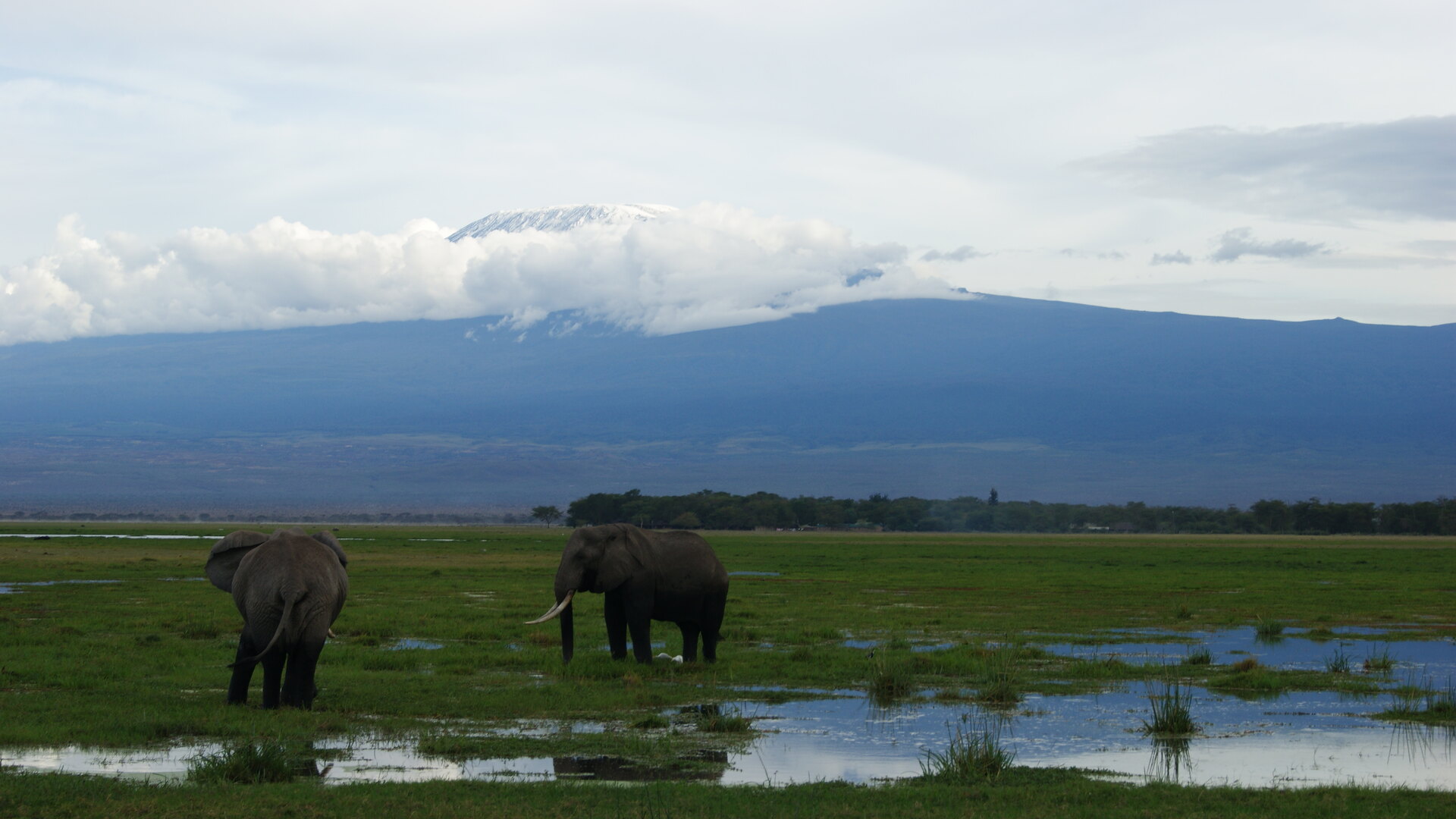
Mara Nyika works well as part of a broader Kenya trip. Pair it with a night or two at Giraffe Manor in Nairobi, add Amboseli for elephants against the Kilimanjaro skyline, or combine it with the Laikipia Plateau for rhino tracking and ranch stays before finishing in the Mara. Three to four nights in camp is the sweet spot — long enough to use the Canon gear properly, cover the conservancy on foot and by vehicle, and catch the rhythms of the bush at different times of day and night.
For more on planning a Mara trip, see our guides to the Masai Mara safari guide, the best Masai Mara safari camps, the Masai Mara private conservancies, and the best luxury safari lodges in Kenya. See our luxury African safari packages or speak to a Kenya specialist to plan your stay at Mara Nyika Camp.
Mara Nyika Camp is a camp that earns its place at the top of the Naboisho Conservancy — six suites, a Canon 5D in every room, a treehouse design that leaves no permanent mark, and a private slice of the Mara where the night drives, walking safaris and low vehicle traffic deliver the kind of bush time that the reserve cannot match. For photography-minded travellers and anyone who values solitude over spectacle, it is among the strongest camps in Kenya.