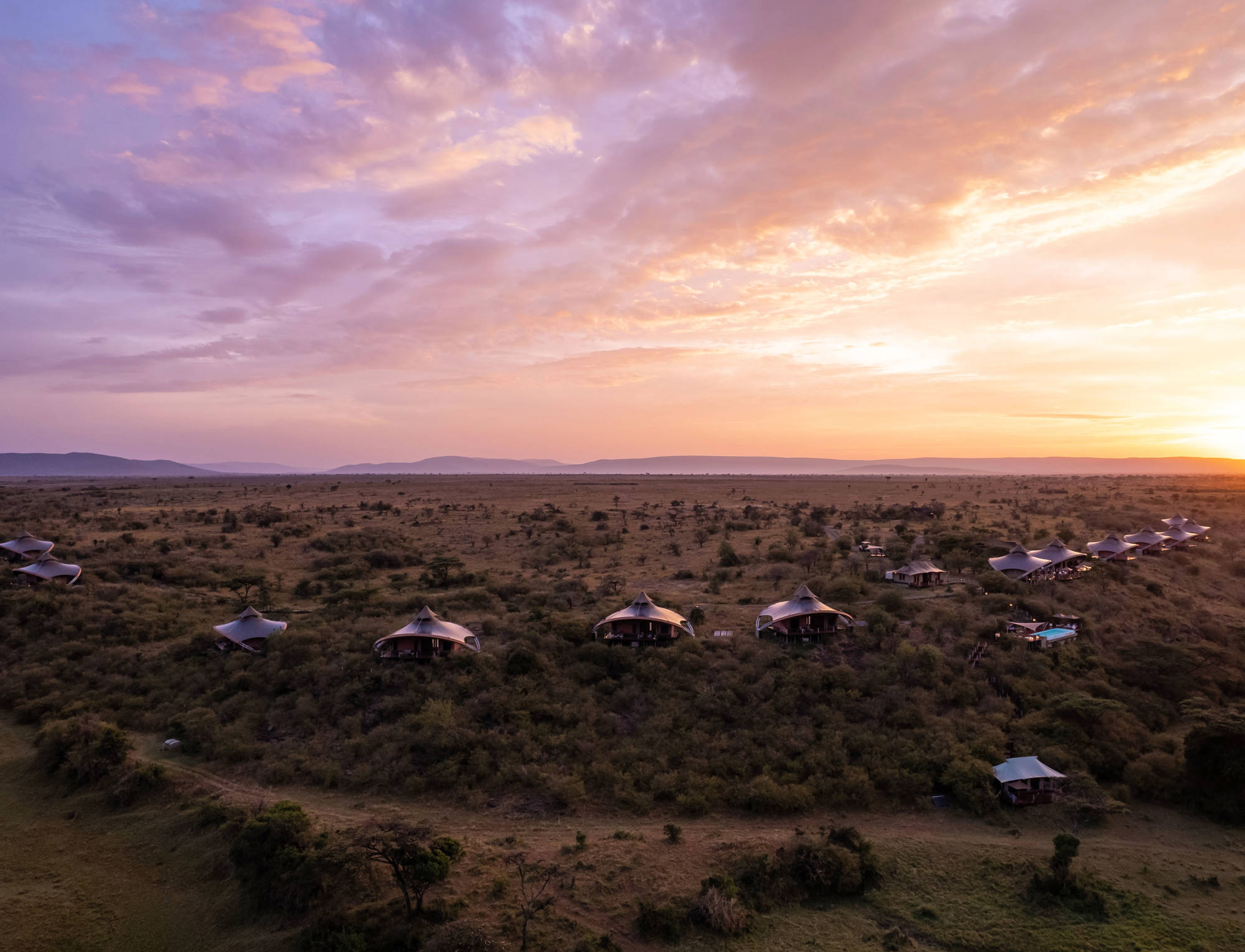
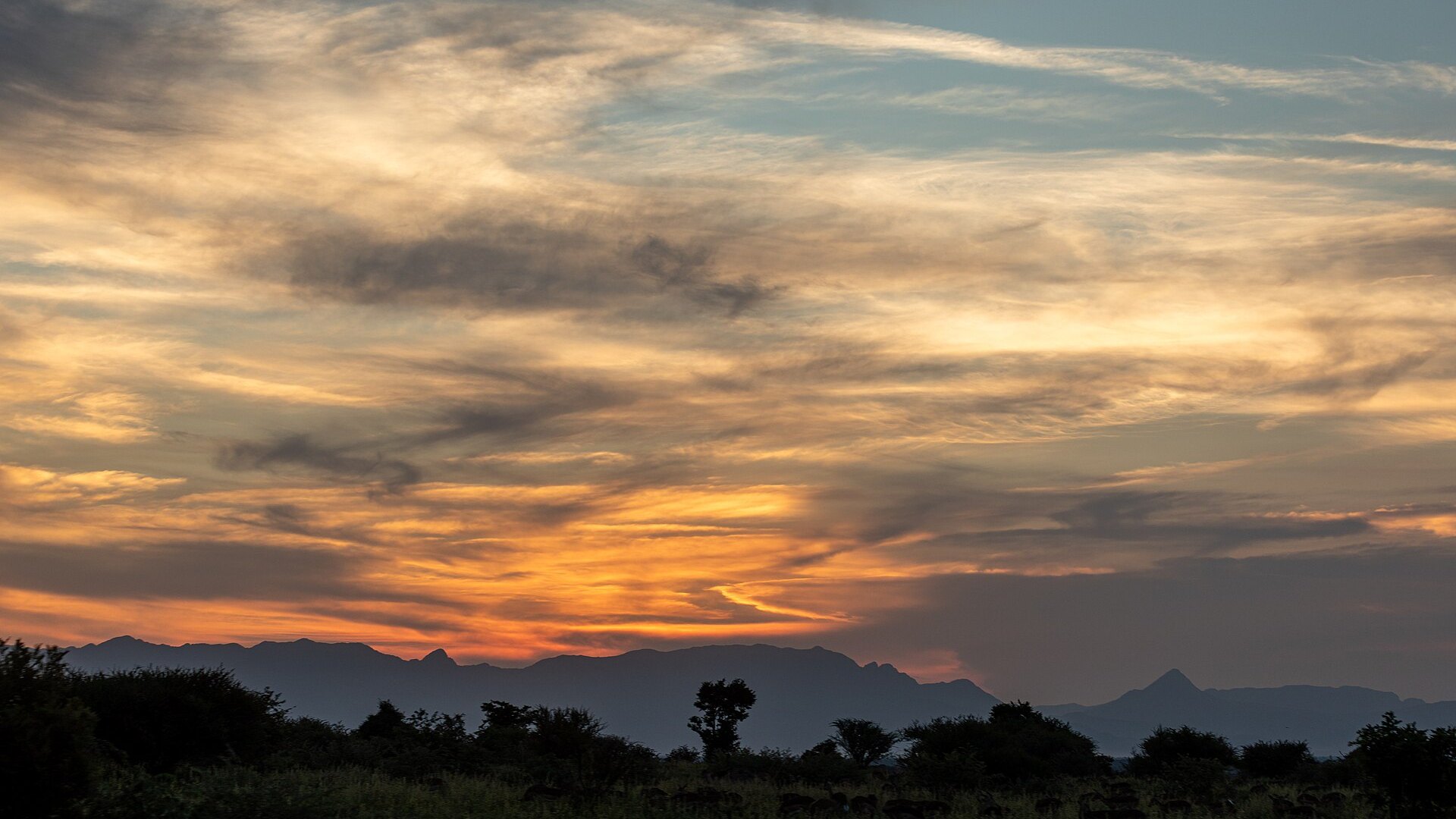
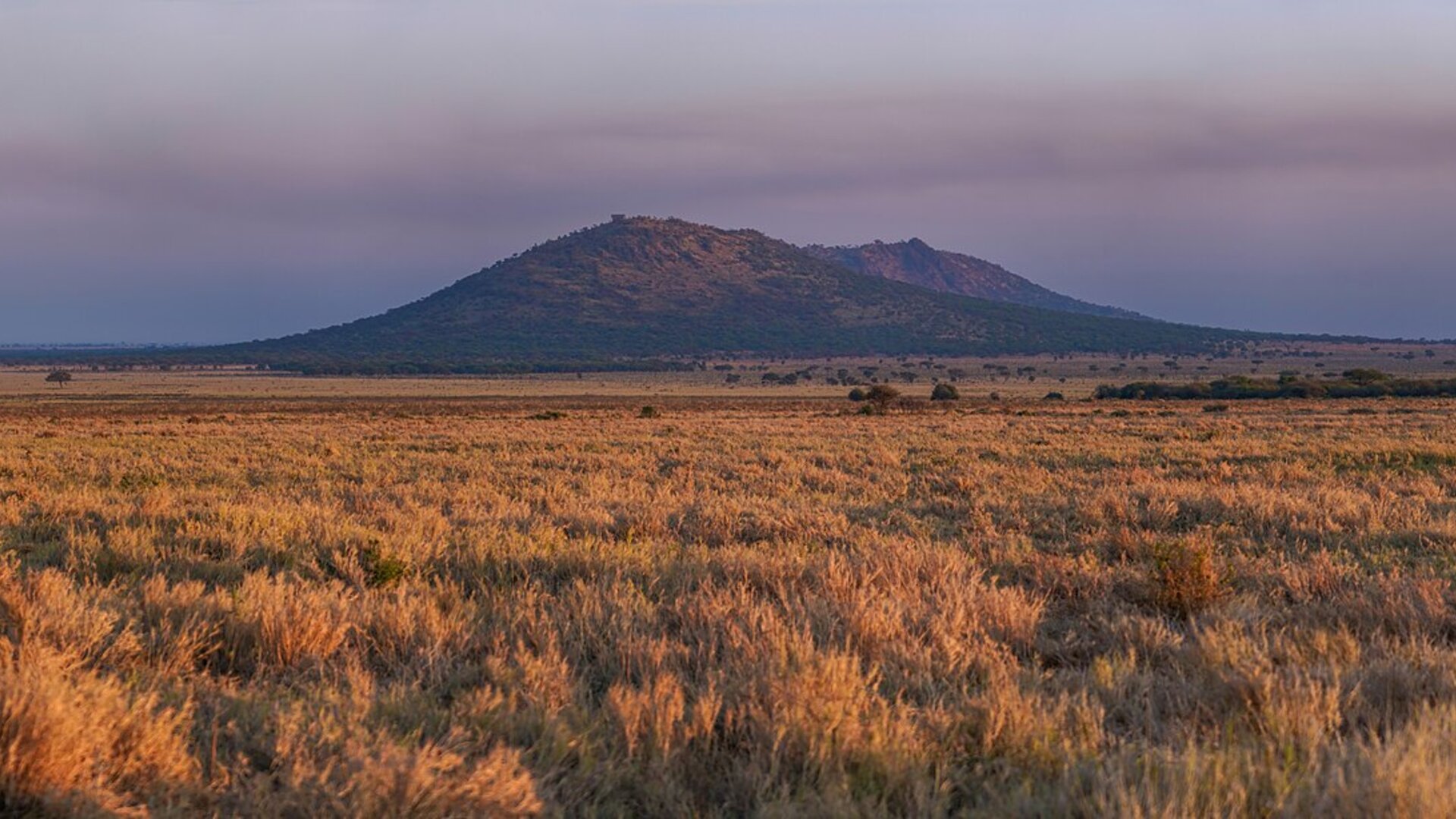
Mara Plains Camp is the quietest name on the Masai Mara's luxury roster — and the most exclusive. Just seven raised tents in 35,000 acres of private wilderness. One vehicle per 2,100 acres. Canon 5D Mark IV camera kits and Swarovski binoculars in every suite. Copper roll-top bathtubs, handcrafted Lamu doors, and a conservancy so pristine that leopards hunt in daylight and lion prides den in open grassland.
This is Great Plains Conservation's photography flagship — the Relais & Châteaux camp where Dereck and Beverly Joubert, the legendary filmmakers behind National Geographic's Great Plains series, perfected the art of intimate, low-impact luxury. No set meal times. No crowds at sightings. No public reserve traffic. Just you, the wildlife, and the finest optics and guiding in Africa.
This 2026 review covers the seven tented suites, the exclusive Jahazi villa, the Canon photography program, the Olare Motorogi Conservancy advantage, seasonal rates, big cat guarantee, and how Mara Plains compares to Mahali Mzuri and Angama Mara.
Why Mara Plains is Different — The Olare Motorogi Advantage
Mara Plains is not in the Masai Mara National Reserve. It sits inside the Olare Motorogi Conservancy, a 35,000-acre private wildlife area leased from over 300 Maasai landowners. The difference is transformative.
The conservancy has the lowest vehicle density in the Masai Mara ecosystem — just one game-viewing vehicle per 2,100 acres (or one per 8.5 square kilometres). Compare that to the public reserve, where a single leopard sighting can draw 15+ vehicles. At Mara Plains, you might be the only vehicle watching a cheetah stalk Thomson's gazelle across open grassland.
Only five camps operate in Olare Motorogi (Mara Plains, Mahali Mzuri, Porini Lion Camp, Kicheche Bush Camp, Olare Mara Kempinski), with a combined total of just 94 guest beds. No public day-trippers. No tour buses. The conservancy is closed to anyone not staying at one of the partner camps.
Conservancy privileges forbidden in the reserve: night game drives with spotlight, off-road tracking to follow predators, guided walking safaris with armed naturalists, and the freedom to stay at a sighting as long as the wildlife action continues — no time limits, no queuing.
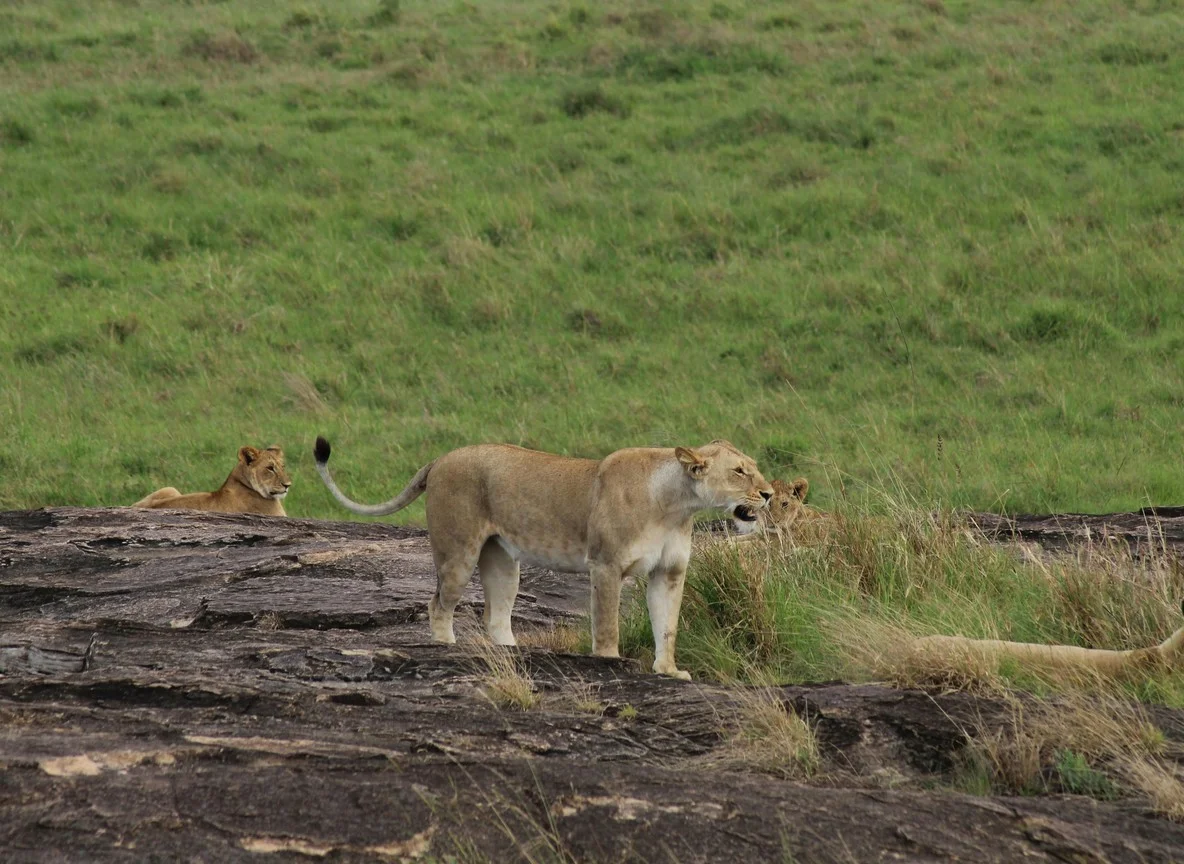
The Olare Motorogi Conservancy also holds the highest density of big cats in Africa. It is the research base for the Mara Lion Project and Mara Cheetah Project, with the Tony Lapham Mara Predator Hub located inside the conservancy. Because vehicle pressure is so low, lions, leopards and cheetahs behave naturally — denning in open areas, hunting in daylight, tolerating close but respectful observation.
The Seven Tented Suites — Colonial Swahili Luxury
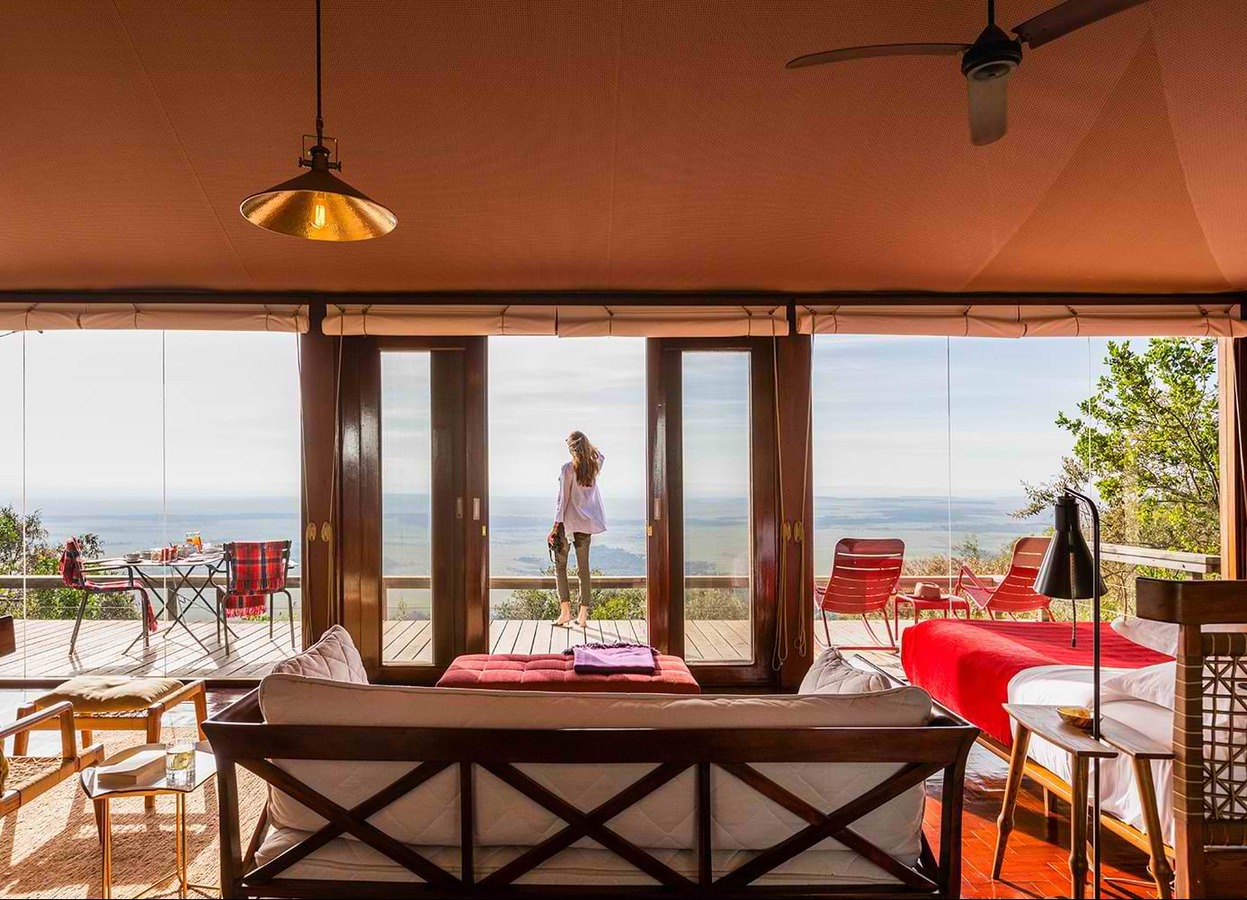
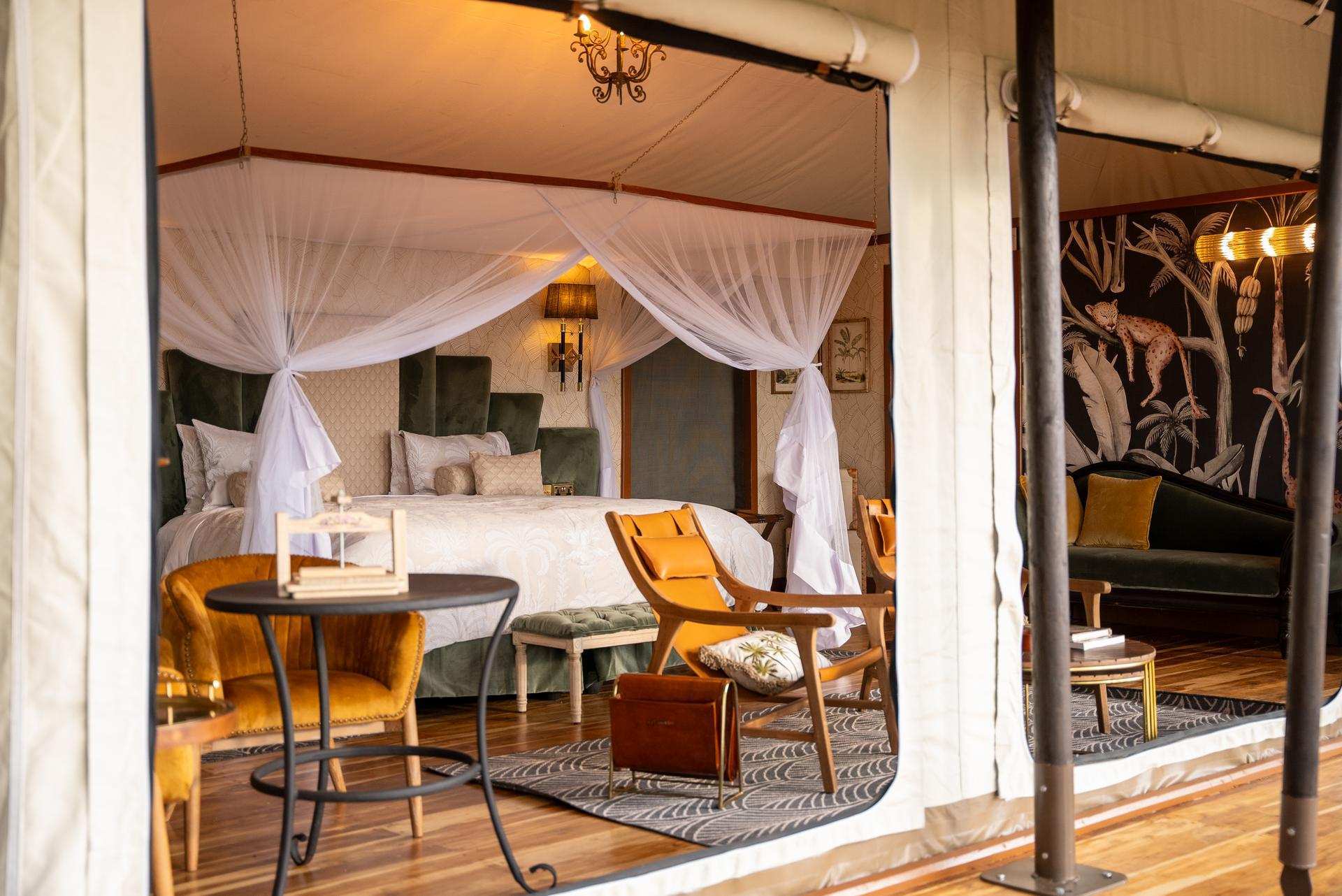
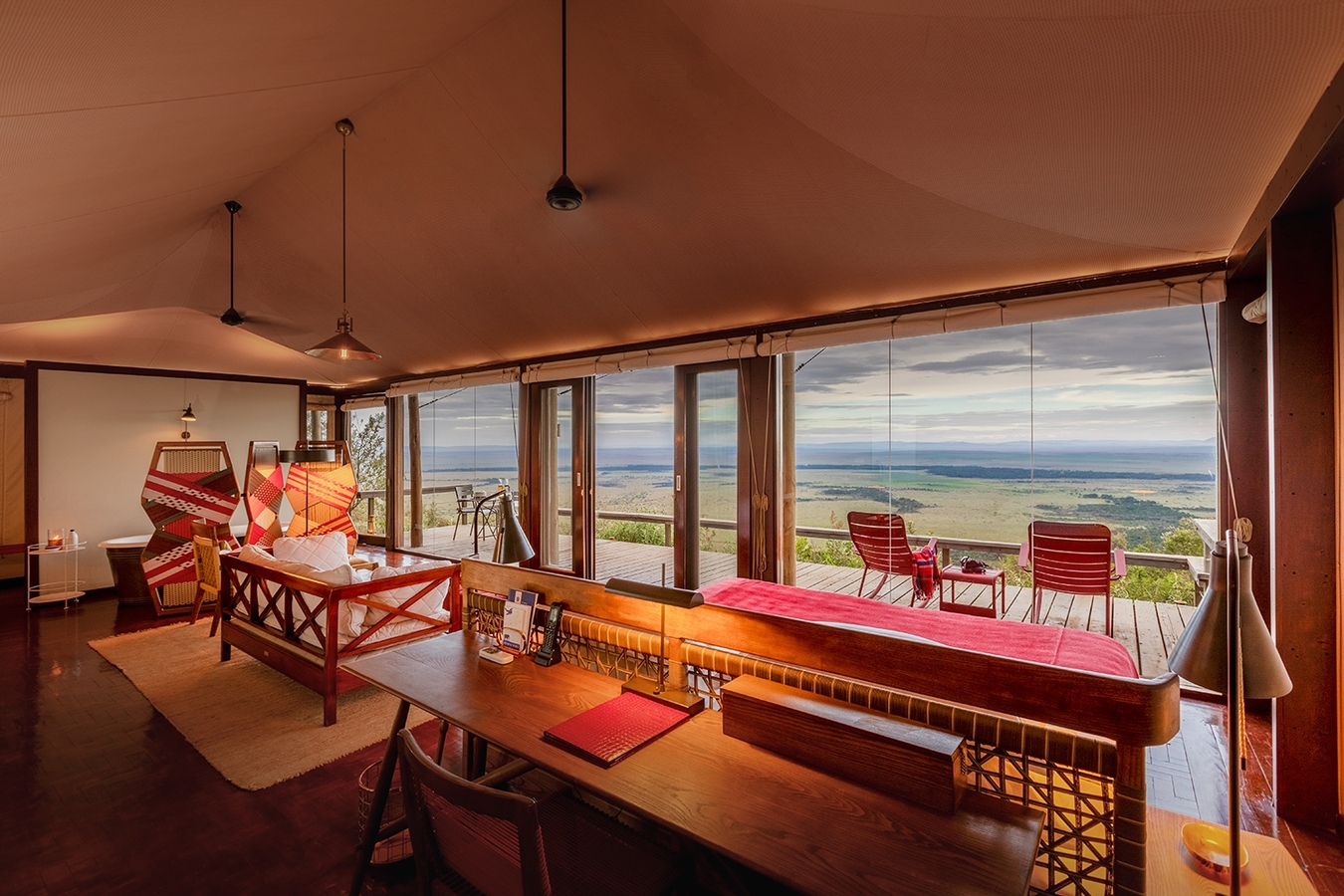
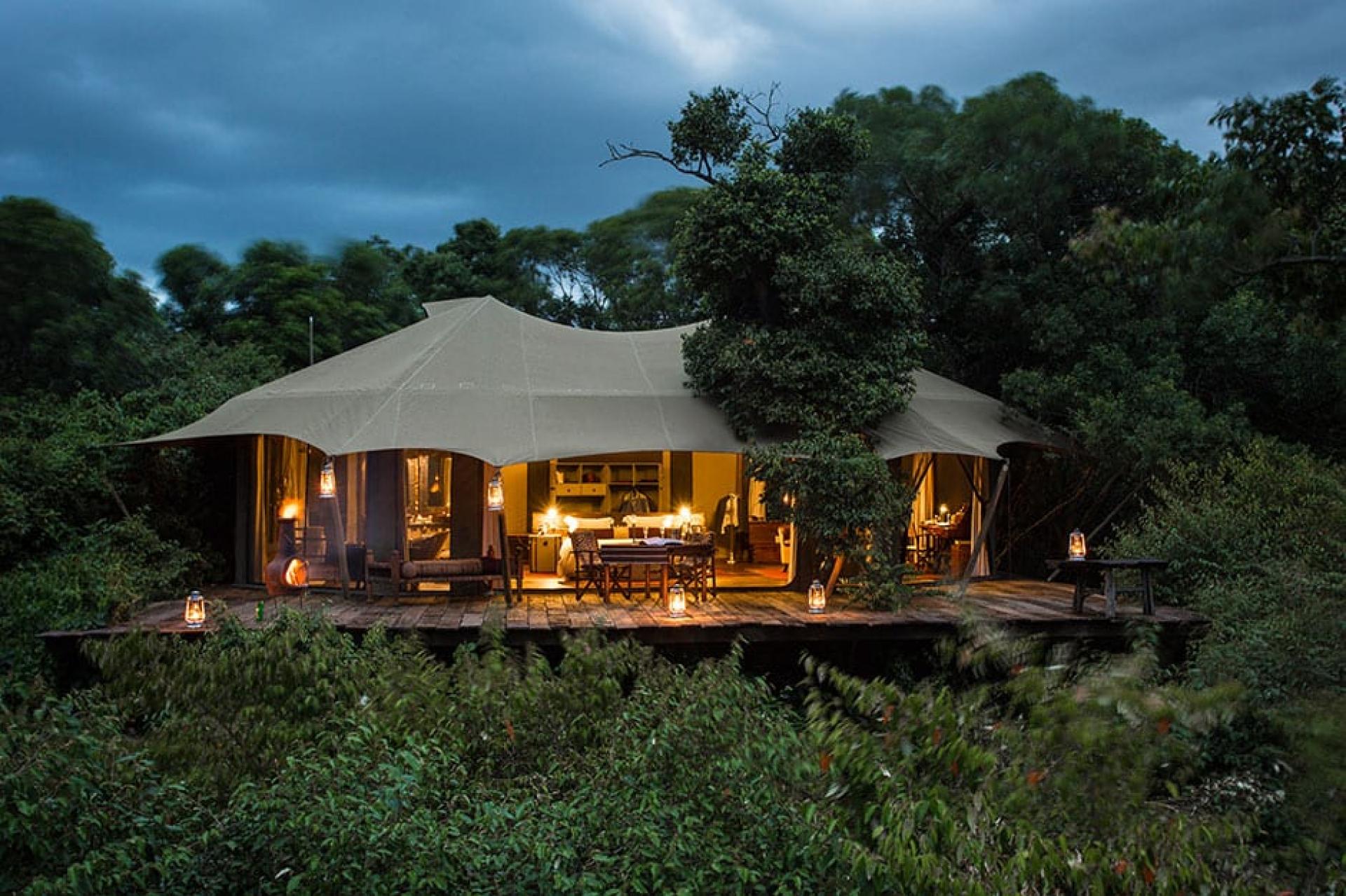
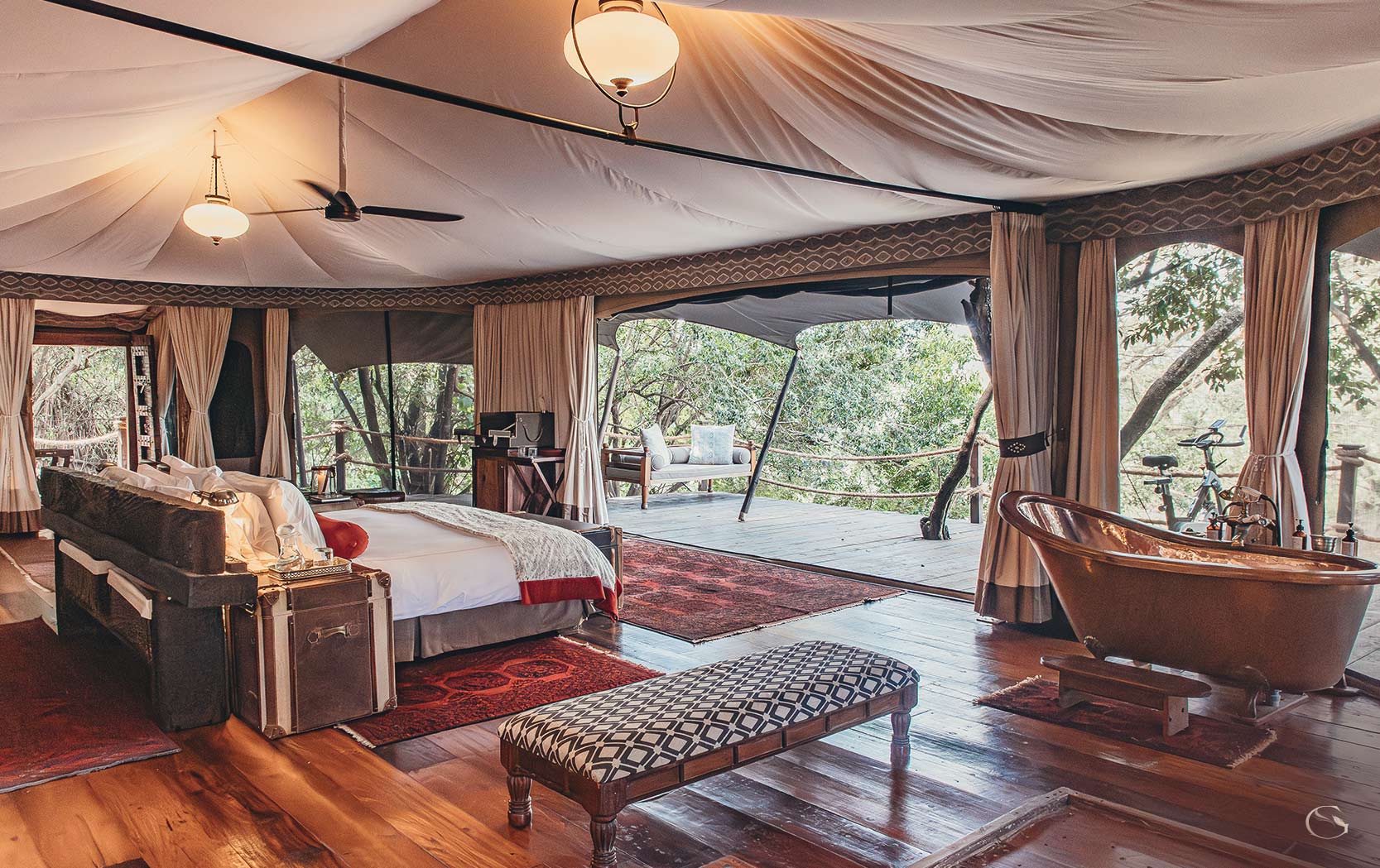
Mara Plains Camp has just seven luxury tented suites, each raised on recycled railway sleeper decking and built into the riverine forest along the Ntiakitiak River. The design is classic East African safari with Swahili influences: handcrafted Lamu wood doors (the iconic carved doors from Kenya's Swahili coast), brass and copper accents, deep canvas canopies, leather furniture and rich textiles.
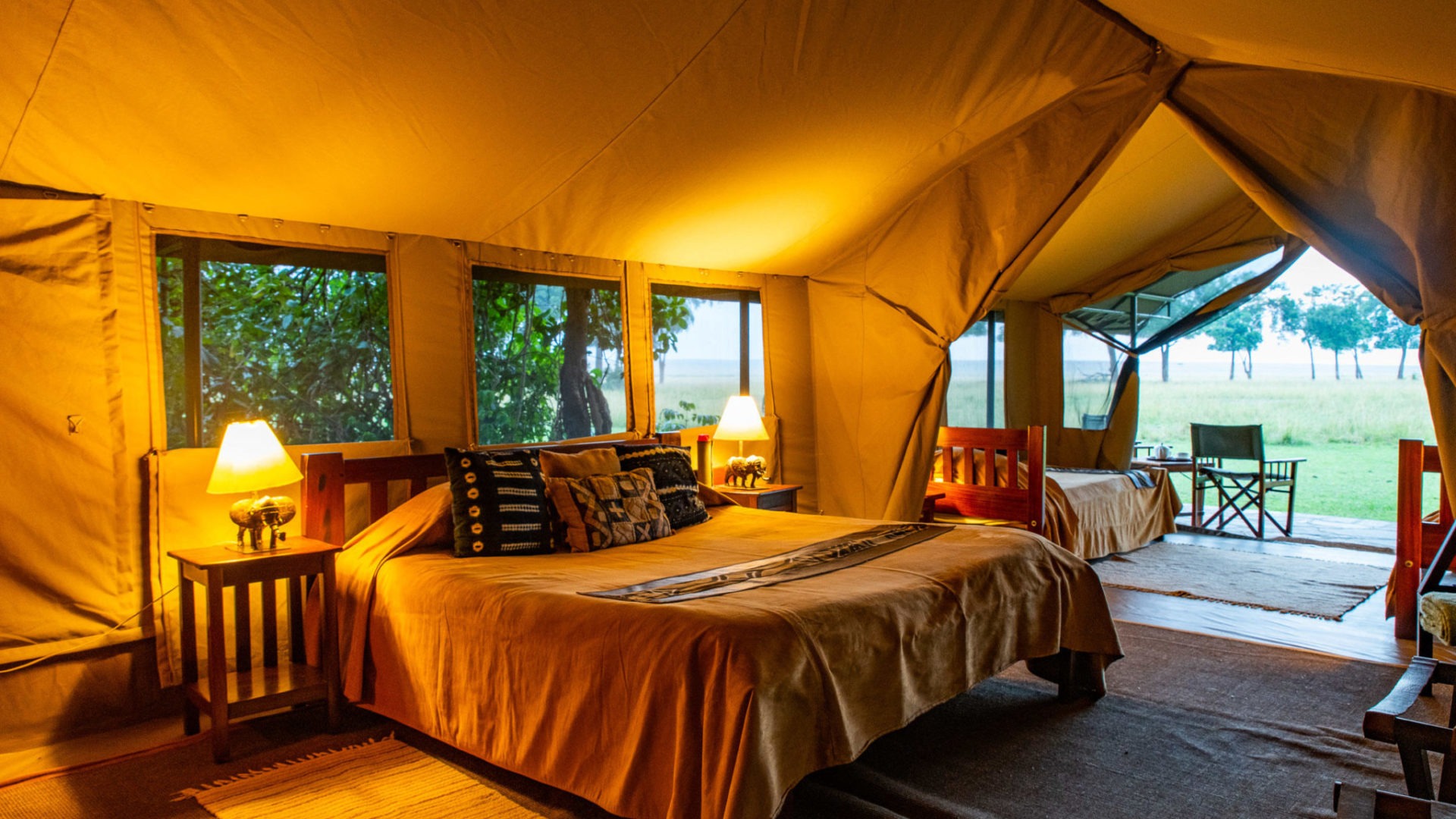
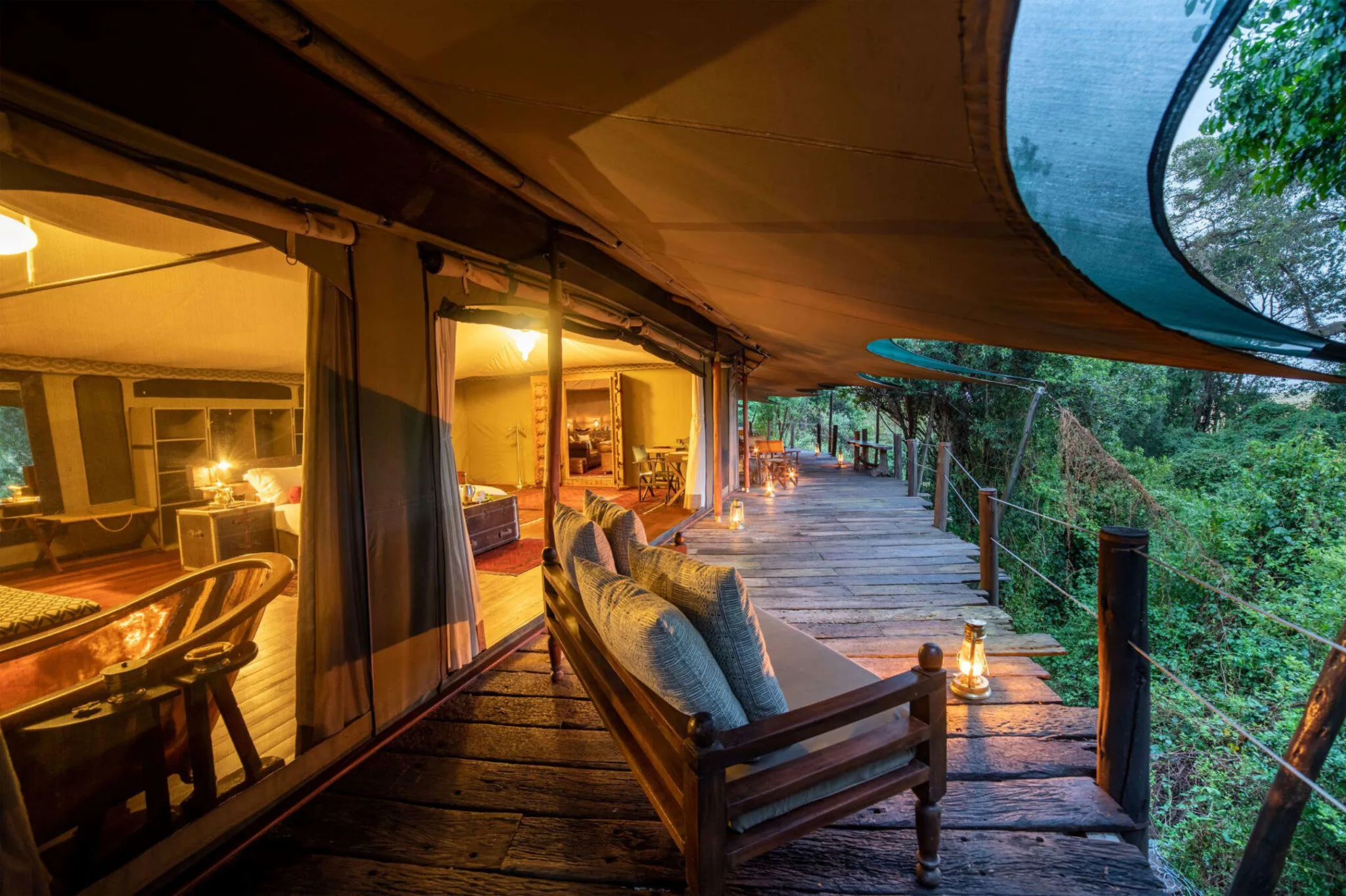
Each suite features a king-size bed (or twin configuration), an en-suite bathroom with a copper roll-top bathtub and walk-in rain shower, a private deck with daybed and seating, and floor-to-ceiling mesh panels that open to bring the sounds of the wild directly into your living space. Hippos grunt in the river below. Lions roar at dawn. Hyenas whoop at dusk.
The tents are designed to be unique — each one built around existing trees to minimize environmental impact and preserve the natural canopy. No two suites are identical. The décor is warm and tactile: antique Persian rugs, leather campaign chairs, oil lamps, vintage trunks. It feels like a 1920s explorer's camp reimagined with 21st-century plumbing and solar power.
The Jahazi Suite is Mara Plains' exclusive villa-style accommodation. This two-bedroom suite can host four to five guests and comes with its own private vehicle, dedicated guide and staff, secluded plunge pool, expansive living and dining areas, and a private verandah overlooking the plains. It is the ultimate family or honeymoon retreat — a camp within a camp.
The Photography Safari Program — Canon 5D Kits & Swarovski Optics
Mara Plains is purpose-built for serious wildlife photographers. Every suite is equipped with a professional Canon 5D Mark IV camera body, Canon EF 100-400mm f/4.5-5.6L IS II lens (for wildlife), Canon EF 24-70mm f/2.8L II lens (for landscapes and portraits), and a pair of Swarovski EL 10×42 binoculars. You do not need to bring your own gear — though you are welcome to if you prefer.
The safari vehicles are custom Land Cruiser 4WDs modified for photography: adjustable camera trays to stabilize telephoto lenses, fold-down mesh screens for unobstructed shooting, raised roofs for standing shots, and photographic bars to mount bean bags and tripod heads. Seats are positioned to ensure every guest has a clear sightline and shooting angle.
Guides are trained photographers themselves. They know how to position the vehicle for backlit silhouettes at sunrise, golden-hour portraits at sunset, and panning shots of cheetahs in pursuit. They understand aperture, shutter speed and ISO, and can offer real-time advice on settings and composition. If you want to spend an hour at a leopard in a tree, waiting for the perfect light — they wait with you.
Because there are no set schedules at Mara Plains, photographers have complete flexibility. Stay out all day with a packed lunch. Head out at 5am for the golden hour. Return to camp for a siesta and head out again for the evening drive. The wildlife dictates the rhythm, not the clock.
Flexible Dining — The Library, Wine Room & Bush
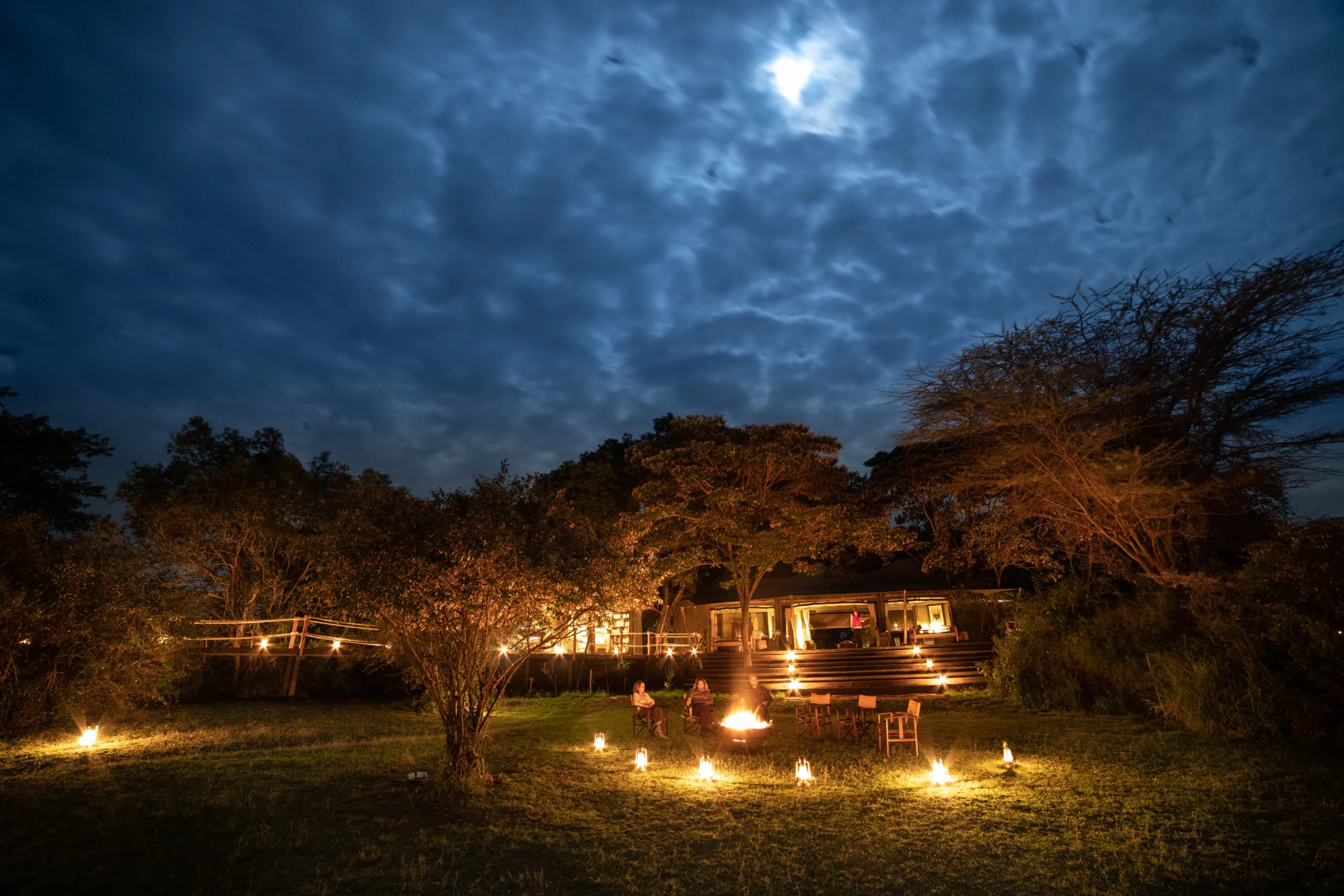
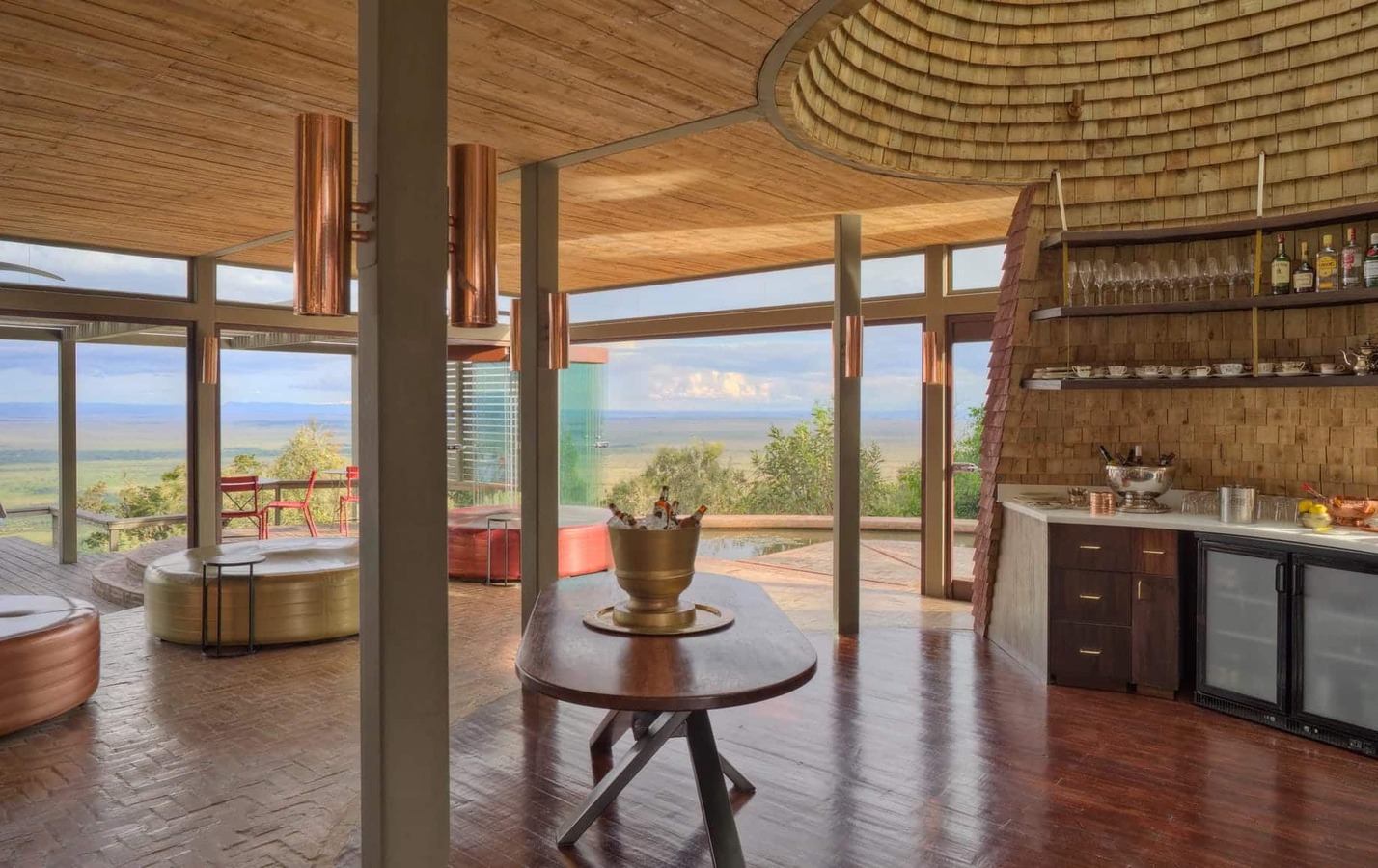
There are no set meal times at Mara Plains. Breakfast, lunch and dinner are served when and where you want them: in the main dining tent, on your private deck, in the library, in the wine room, or out in the bush under an acacia canopy.
Cuisine is contemporary and fresh, drawing on produce from the camp's organic garden and premium imported ingredients. Think pan-seared impala loin, line-caught barramundi, heirloom tomato salads, wood-fired bread and decadent desserts. The wine cellar is extensive, with a curated selection of South African, French and Italian labels. All premium drinks are included (excluding French Champagne).
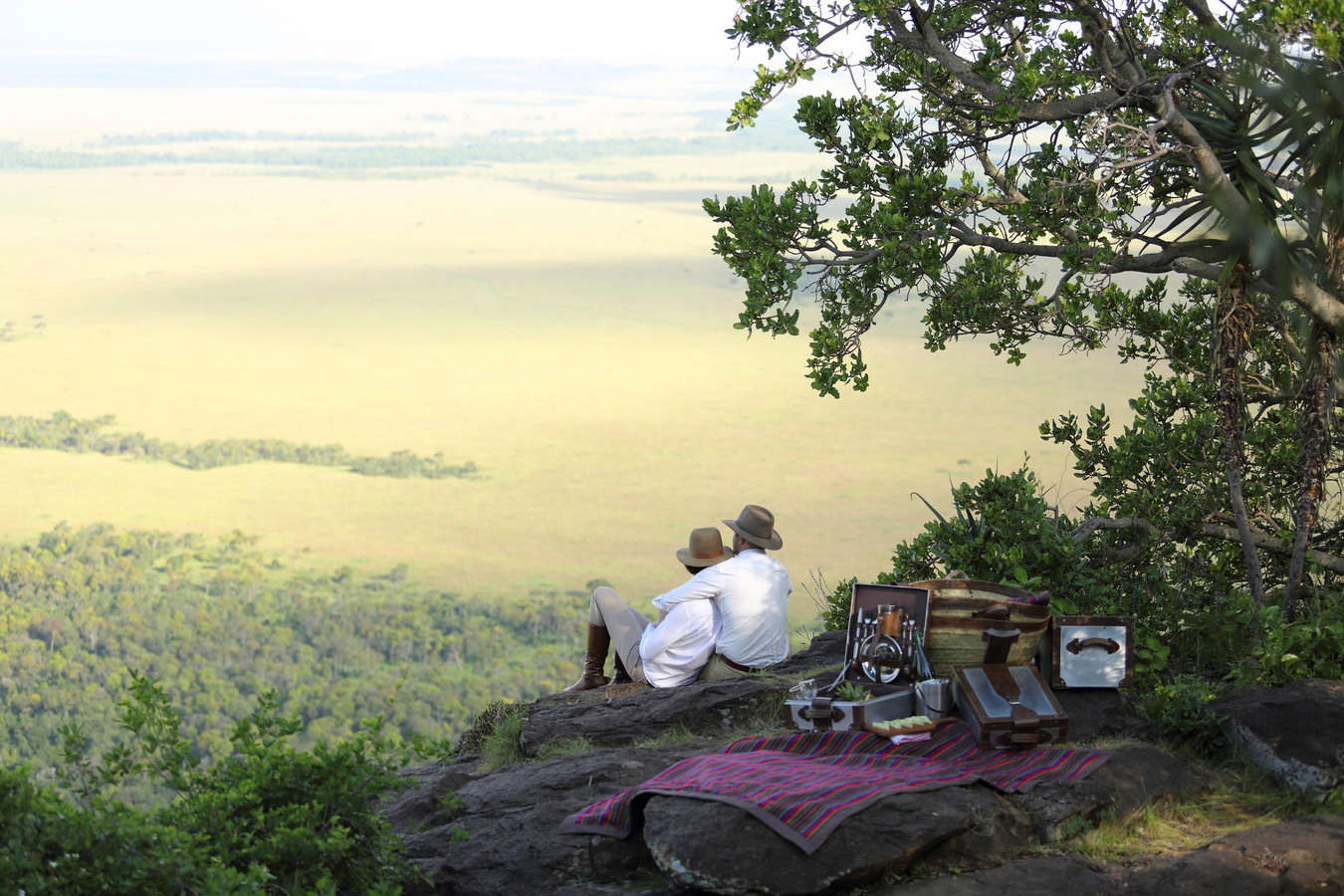
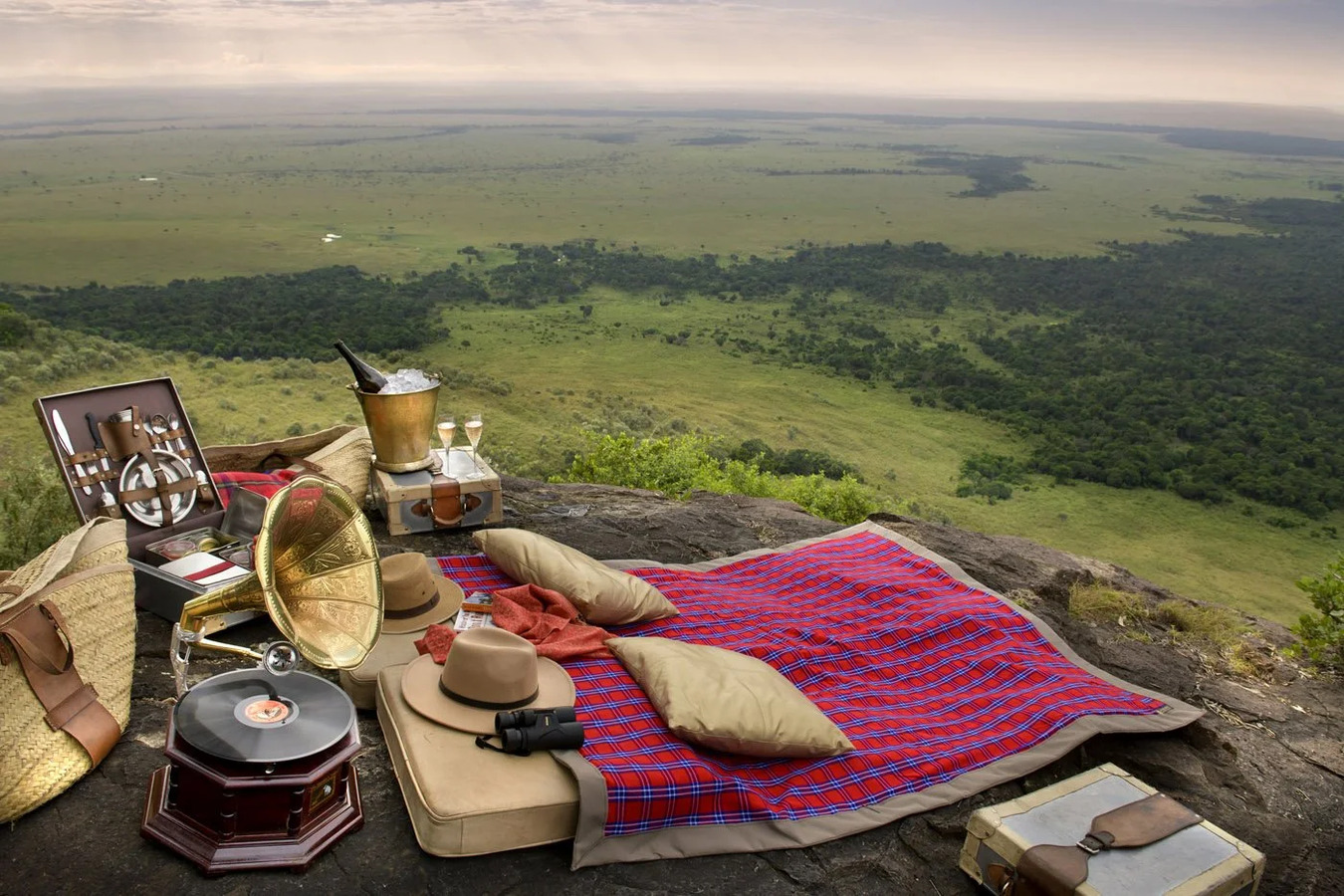
Bush breakfasts and sundowner setups are a ritual. Guides radio ahead when you are approaching a scenic spot — a kopje overlooking the plains, a bend in the Ntiakitiak River — and the camp team appears as if by magic with linen-draped tables, fresh pastries, champagne and coffee brewed over a campfire. It is theatre, but theatre executed with warmth and authenticity.
The Big Cat Guarantee — Lions, Leopards, Cheetahs Year-Round
The Olare Motorogi Conservancy is Africa's big cat capital. Resident lion prides, habituated leopards and cheetah coalitions deliver near-guaranteed sightings every single day, regardless of the season or whether the Great Migration is in residence.
Because vehicle density is so low (just 1 per 2,100 acres), big cats behave naturally. Lions den in open grassland rather than retreating into thickets. Leopards hunt in daylight rather than waiting for dusk. Cheetah mothers teach cubs to stalk in full view. You witness behaviours that are rare or impossible to see in the crowded public reserve.
The conservancy is a research hub. The Mara Lion Project monitors prides and tracks individuals. The Mara Cheetah Project studies cheetah ecology and survival. The Tony Lapham Mara Predator Hub, located inside the conservancy, serves as the field base for both projects. Your sightings contribute to long-term conservation data.
Guides know individual animals by name. They can tell you the lineage of a lion pride, the territory range of a leopard, the hunting success rate of a cheetah coalition. The depth of knowledge transforms a sighting from a photo opportunity into a story.
Conservation & Community — The Great Plains Model
Mara Plains operates on 100% solar power with a sophisticated battery backup system. Water is purified on-site. Organic waste is composted. The camp's zero-contaminant policy ensures no artificial pollutants enter the ecosystem. Even the tents are built on recycled railway sleepers to minimize new material use.
Every guest pays a mandatory $100 per person per night Great Plains Foundation Conservation & Community Contribution. This levy funds anti-poaching patrols, wildlife monitoring, borehole drilling for Maasai communities, school construction and medical clinics. The conservancy model itself pays lease fees directly to over 300 Maasai landowners — over 1,000 families benefit from tourism income.
The "Kundi Moja" (one herd) grazing system allows Maasai cattle to graze in designated zones while wildlife corridors remain protected. It is a partnership model, not a lock-out. The Maasai remain on their ancestral land, wildlife thrives, and tourism provides sustainable income. This is conservation that works because it serves people and animals equally.
Mara Plains 2026 Rates & Seasons
Mara Plains Camp 2026 rates vary by season. All rates are per person per night sharing, fully inclusive of meals, premium drinks (excluding French Champagne), laundry, twice-daily game drives, guided walks, photography equipment and Swarovski binoculars.
| Season | Dates | Rate (pp/n sharing) |
|---|---|---|
| Low Season | 01 Apr – 14 Jun 2026 01 Oct – 19 Dec 2026 |
$1,745 USD |
| Mid Season | 11 Jan – 31 Mar 2026 | $2,320 USD |
| High Season (Migration) | 15 Jun – 30 Sep 2026 20 Dec 2026 – 10 Jan 2027 |
$3,405 USD |
Jahazi Suite (exclusive use): $8,375 USD per night (low season) to $16,345 USD per night (high season).
Mandatory levy: $100 per person per night Great Plains Foundation Conservation & Community Contribution (paid on top of the rates above).
Single supplement: 50% of the per-person sharing rate (approximately $873–$1,702 USD depending on season).
Children: Minimum age 6 years. Children aged 6–15 pay 50% of the adult rate.
Special offer: "Stay 4 Pay 3" promotion applies during select windows (11 Jan – 14 Jun and 01 Nov – 19 Dec 2026). Verify availability and blackout dates at time of booking.
Optional extras: Private vehicle ($980 USD per night), spa treatments (rates on request), Great Migration air safari ($590 USD per person).
Mara Plains vs Mahali Mzuri vs Angama Mara
The three finest camps in the Masai Mara ecosystem occupy different niches. Here is how they compare:
| Feature | Mara Plains | Mahali Mzuri | Angama Mara |
|---|---|---|---|
| Location | Olare Motorogi Conservancy | Olare Motorogi Conservancy | Mara Triangle escarpment (outside conservancy) |
| Accommodation | 7 tented suites | 12 tented suites | 30 glass-fronted suites (2 camps) |
| Style | Colonial Swahili, intimate, Relais & Châteaux | Futuristic, design-forward, honeymoon focus | Contemporary, dramatic views, Out of Africa setting |
| Unique Angle | Photography safari HQ (Canon kits, Swarovski) | Infinity pool, Richard Branson brand, Instagram-perfect | 1,000-ft escarpment views, glass-fronted suites, photography studio |
| Conservancy Privileges | Yes (night drives, off-road, walking) | Yes (night drives, off-road, walking) | No (reserve access only, no night drives) |
| Vehicle Density | 1 per 2,100 acres | 1 per 2,100 acres | Public reserve (higher traffic) |
| Big Cat Focus | Highest density, research hub | High density, conservancy advantage | Excellent, but reserve pressure higher |
| 2026 High Season Rate | $3,405 pp/n | ~$1,700 pp/n | ~$1,900 pp/n |
Our take: Mara Plains is the quietest, most exclusive and most photography-focused. Mahali Mzuri is the design icon and honeymoon favourite. Angama Mara has the most dramatic views and a larger, more social atmosphere. All three are exceptional — your choice depends on whether you prioritize intimacy and photography (Mara Plains), design and romance (Mahali), or views and space (Angama).
How to Book Mara Plains Camp
Book Mara Plains Camp through Great Plains Conservation directly, a specialist Kenya safari operator like Beyond Africa Safaris, or a luxury travel advisor. Most guests fly into Olare Airstrip via chartered flight from Nairobi Wilson Airport (40 minutes) or connecting from Jomo Kenyatta International Airport. Road transfers from Narok town are possible (4 hours) but not recommended — the airstrip is a 10-minute drive from camp.
Combine Mara Plains with Angama Mara or Mahali Mzuri for a Mara multi-camp safari, pair it with Lewa Wilderness or Ol Pejeta Bush Camp in Laikipia for northern Kenya diversity, or link it to the Serengeti's Singita Faru Faru or Mwiba Lodge for a Kenya-Tanzania Great Migration circuit.
For the widest view of Kenya's finest lodges, see our guides to private safari tours in the Masai Mara, the best Masai Mara safari camps, luxury safari in Kenya, and our comparison of Masai Mara vs Serengeti for families. Explore our luxury African safari packages or speak to a Kenya specialist to design your ultimate Masai Mara photography safari.
Mara Plains Camp is the sanctuary where Africa's wildest theatre unfolds in intimate, uncrowded, perfectly lit frames. Seven tents. Canon glass. The big cats of Olare Motorogi. This is safari at its quietest, its most exclusive, its most photogenic.