Key Takeaways
- The Masai Mara is easier with young children — shorter flights, compact reserve, less driving
- The Serengeti rewards older kids and longer trips with sheer scale and variety
- Both carry malaria risk; neither is malaria-free — plan prophylaxis with your doctor
- The Mara's private conservancies allow off-road drives, night drives and flexible meal times — ideal for families
- Game density is higher per hour in the Mara; the Serengeti spreads its wildlife over a vast area
- Budget roughly $500–1,200 per person per night for quality family camps in either country
Masai Mara vs Serengeti: The Short Answer for Families
Ask any safari specialist which reserve suits families best, and most will lean towards the Masai Mara for younger children and the Serengeti for older ones — but the truth is more nuanced, and the right answer depends on your kids' ages, your appetite for driving, and how long you have.
The Masai Mara is Kenya's crown jewel: a compact, wildlife-dense reserve where lions, elephants, cheetahs and the tail-end of the Great Migration are often just minutes from camp. It is reached by a short, scenic light-aircraft hop from Nairobi, which means less time in transit and more time watching wildlife — a genuine blessing when small children are involved.
The Serengeti is Tanzania's vast, cinematic wilderness — roughly fifteen times the size of the Mara — where the migration thunders across seemingly endless plains and the sense of scale is simply overwhelming. It is magnificent, but it is big, and big means more driving, longer transfers and a trip that rewards children old enough to sit patiently and take it all in.
Neither choice is wrong. Both deliver the safari of a lifetime. This guide breaks down the practical differences that actually matter when you are travelling with children, so you can choose with confidence.
Getting There: Flights, Transfers and Little Legs
For families, how you get to the wildlife matters as much as the wildlife itself. A grumpy, travel-worn child at the start of a game drive can undo a lot of careful planning.
Masai Mara: From Nairobi, a light aircraft reaches the Mara's airstrips in around 45 minutes. From there, most camps are a 10–30 minute drive. Total travel time from the capital to your tent can be under two hours — a huge advantage with young children.
Serengeti: From Arusha (the safari gateway), light aircraft reach the various Serengeti airstrips in 1–2 hours depending on the region. Because the park is so large, you may then face a drive of anywhere from 20 minutes to well over an hour to reach camp. Overland routes exist and take in the Ngorongoro Crater and Tarangire, but they involve full days in a vehicle.
The verdict: for toddlers and pre-schoolers, the Mara's shorter, simpler logistics win. For school-age children who travel well, the Serengeti's longer journey becomes part of the adventure — especially if you break it up with stops at the crater and other parks.
Side by Side: The Family Comparison
Both reserves are open, malarial savanna with the full cast of big cats, elephants, giraffe and plains game. The differences above are practical, not about which has better wildlife — because honestly, both are spectacular.
Wildlife and the Migration: What Kids Will Actually See
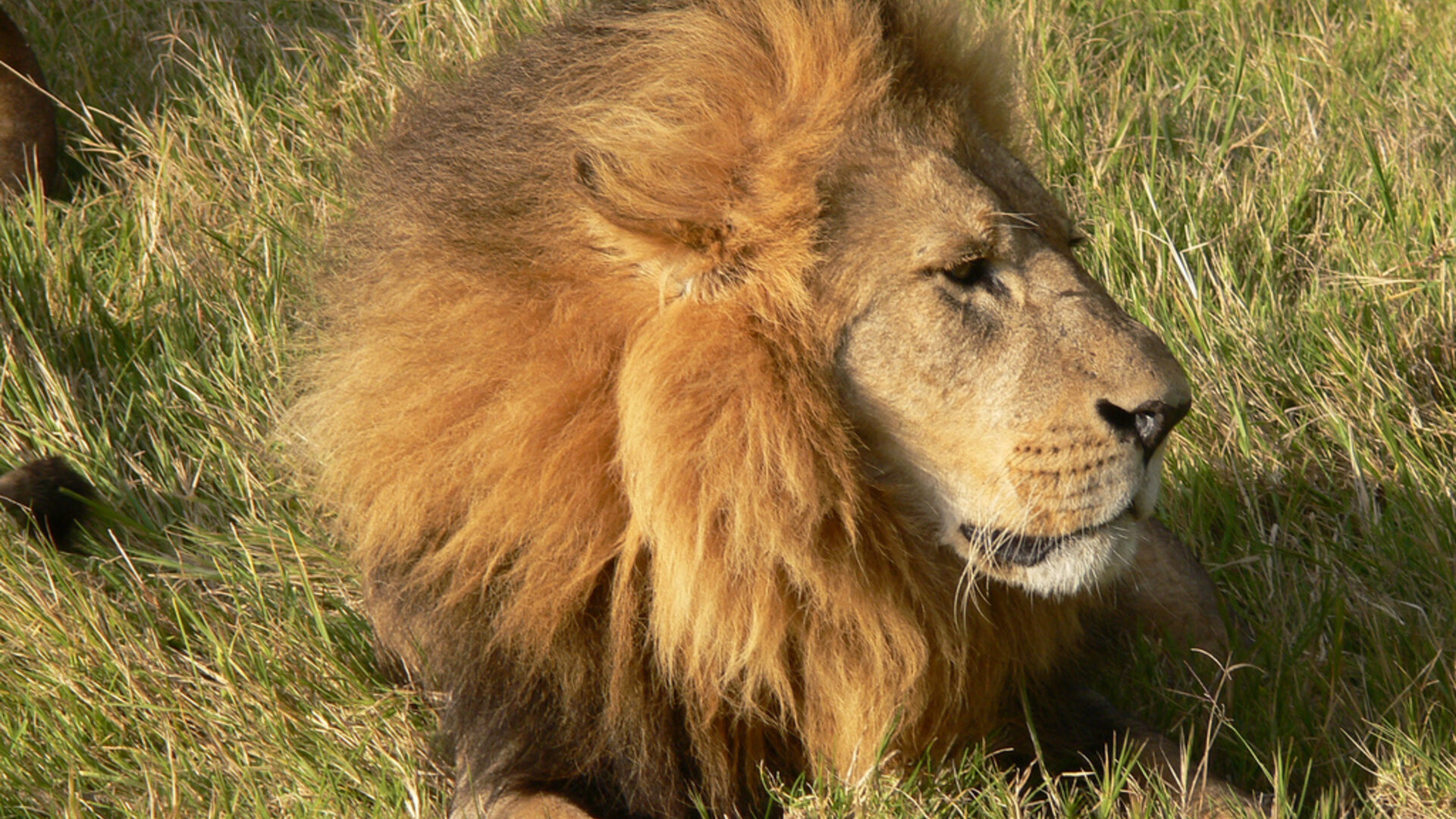
Children respond to action, drama and animals they recognise — and both reserves deliver in spades. Lions are common and often close. Elephants move in family groups that mirror your own, which children find endlessly relatable. Giraffe, zebra, hippo and a supporting cast of antelope are guaranteed daily sightings.
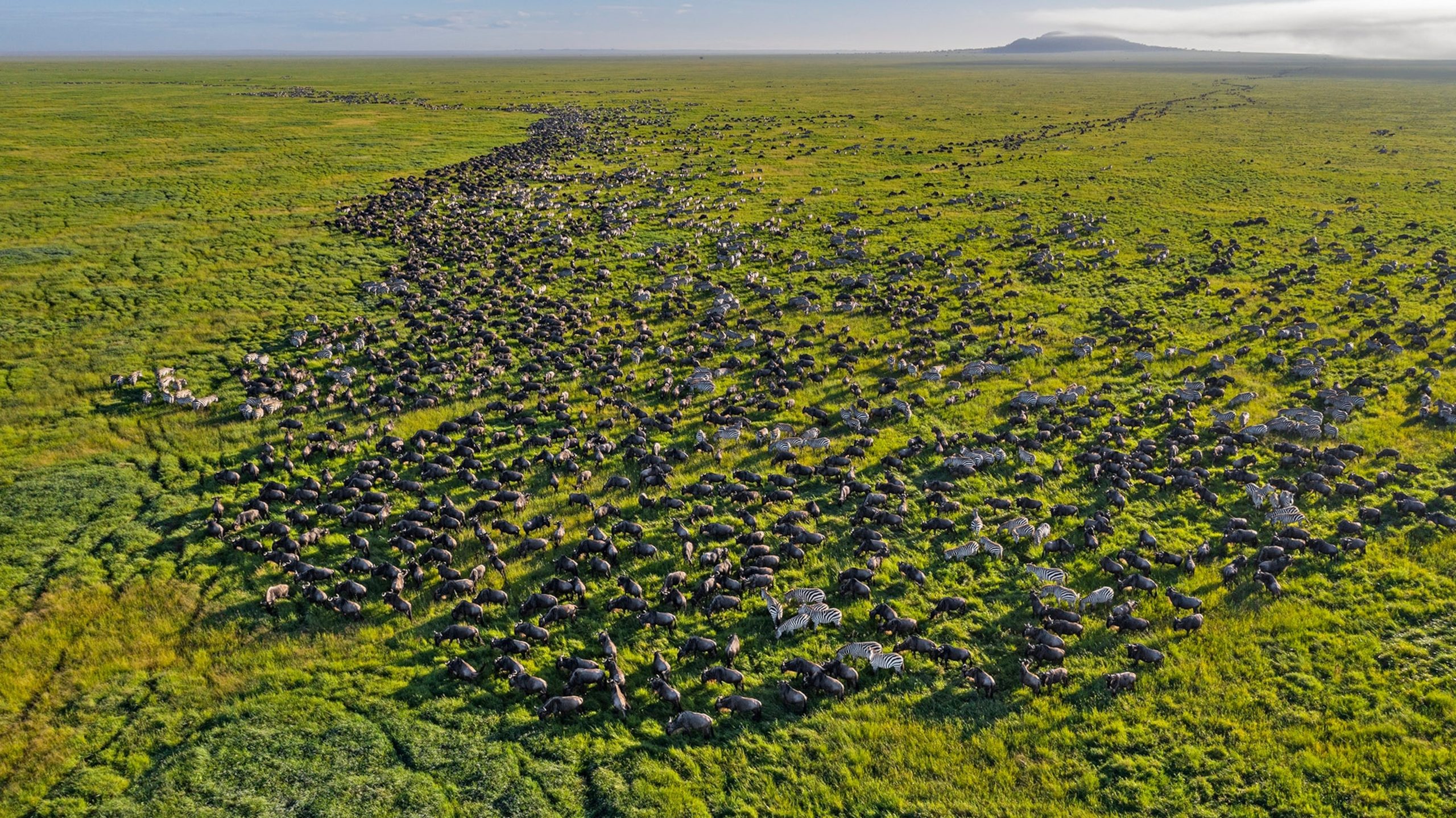
The Great Migration is the headline act. In the Masai Mara, the drama peaks from July to October, when more than a million wildebeest and zebra pour across the Mara River in heart-stopping crossings — crocodiles waiting, dust rising, the noise unforgettable. In the Serengeti, the migration is present year-round but moves with the seasons: calving on the southern plains from January to March (a favourite with families, as newborns and predator action are constant), then north through the middle of the year.
For sheer game density in a short window, the Mara is hard to beat — you rarely drive far before something happens. For the epic, horizon-to-horizon spectacle of the herds on the move, the Serengeti's scale is unmatched. If your children have the patience for it, seeing a river crossing in either country will be the memory they talk about for years.
Where to Stay: Family-Friendly Camps and Lodges
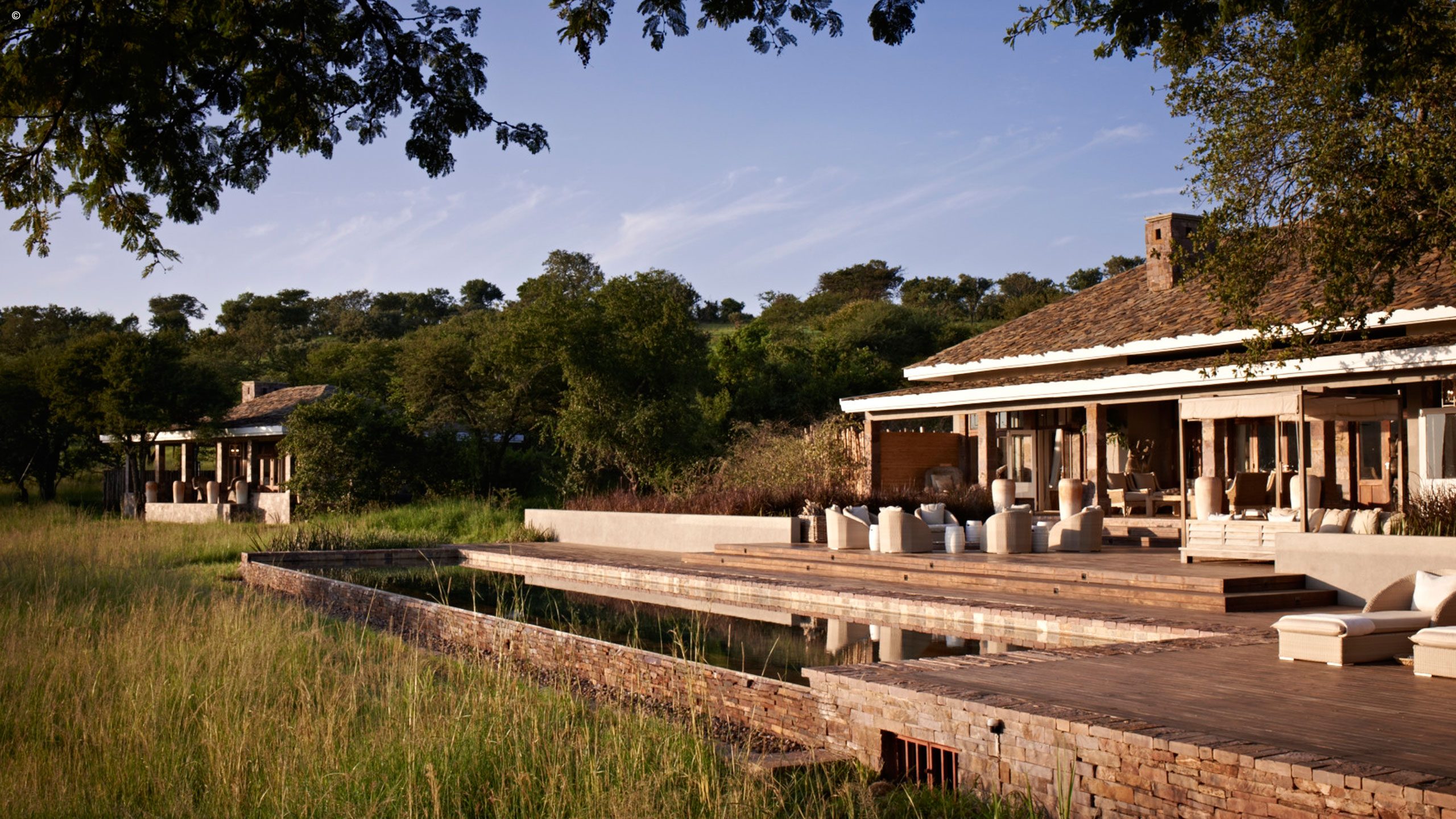
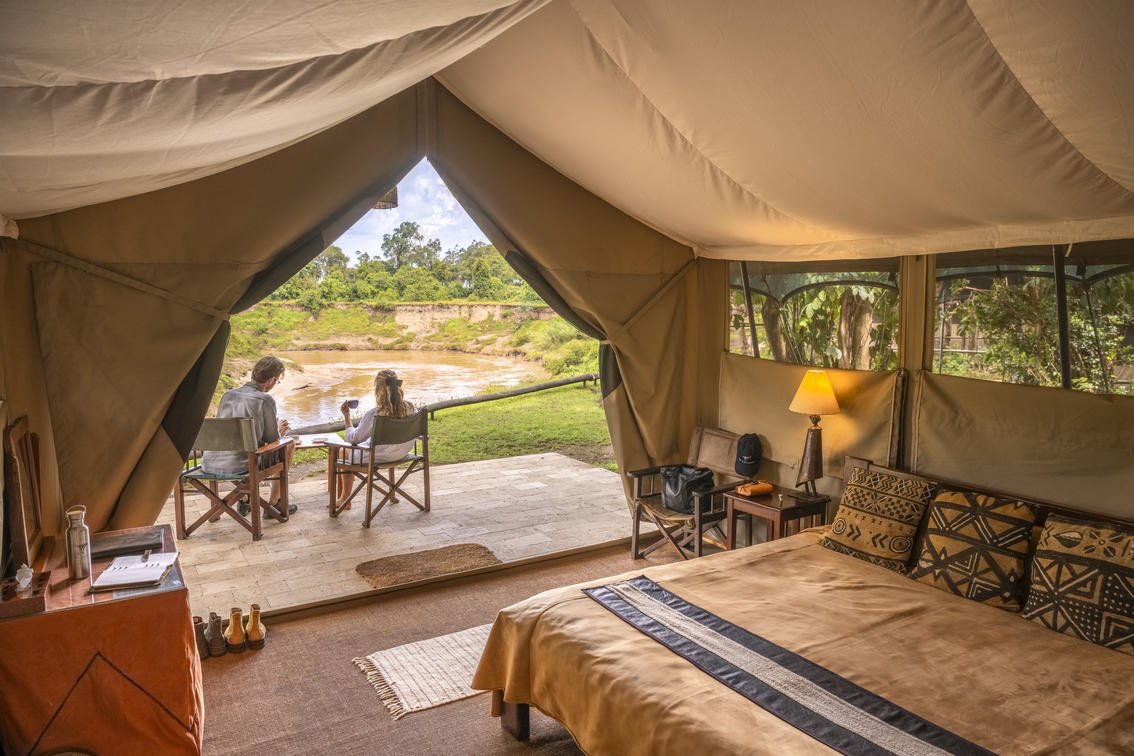
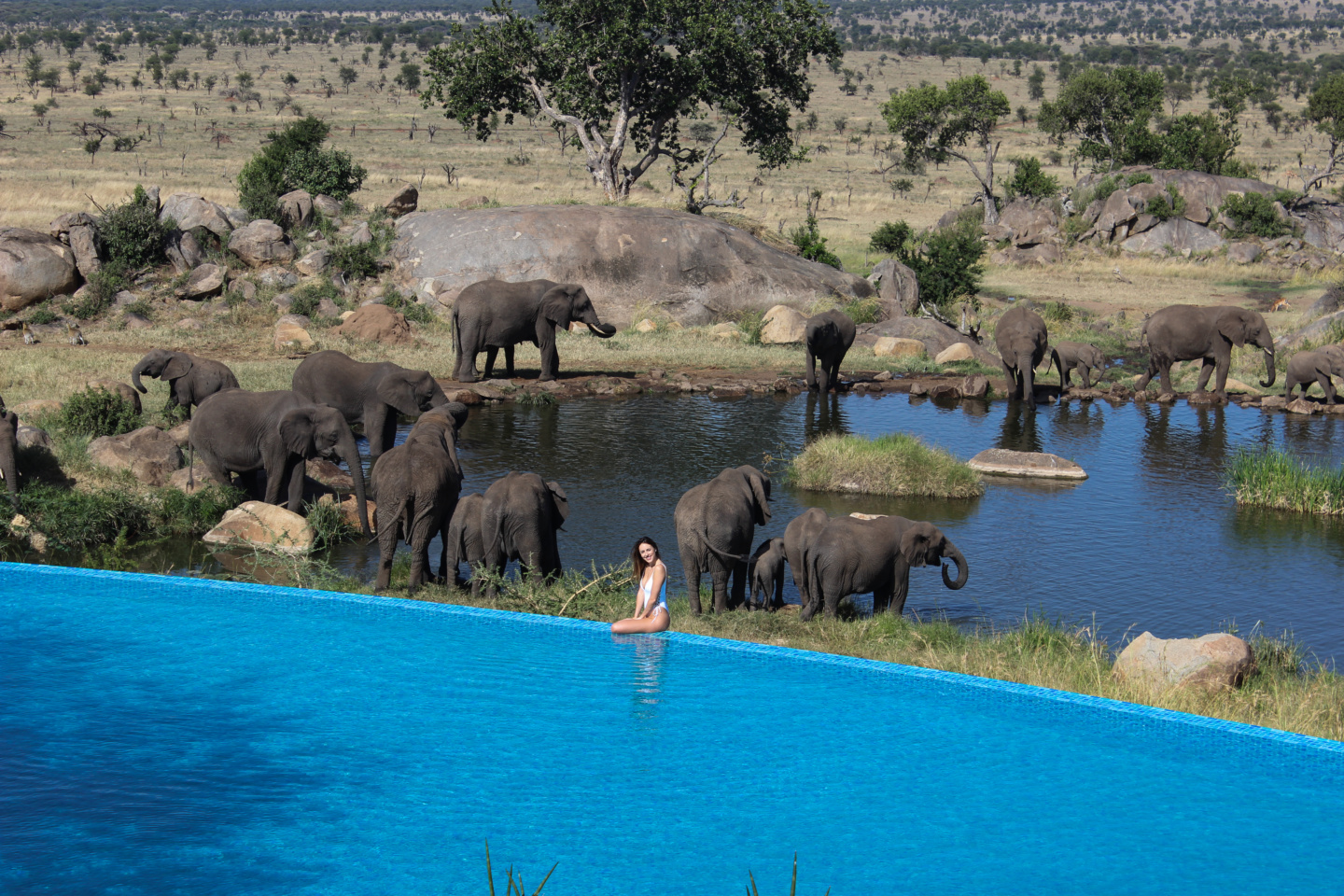
The right camp can make or break a family safari. Look for interconnecting tents or family units, a swimming pool for the heat of the day, flexible meal times, and — crucially — camps that welcome children and offer junior-ranger style activities.
In the Masai Mara, the private conservancies bordering the national reserve (Mara North, Naboisho, Olare Motorogi) are outstanding for families. They allow off-road driving to get close to sightings, night drives to spot nocturnal animals, and guided bush walks for older children. Many camps offer family tents and dedicated kids' programmes, from spoor-tracking to Maasai cultural visits.
In the Serengeti, a number of lodges and permanent tented camps cater specifically to families, with pools, family suites and expert guides who know how to pitch the experience for young minds. Mobile camps that follow the migration are thrilling for older children, though the more remote ones suit families who are comfortable with a bit of adventure.
Our advice: whichever country you choose, prioritise a private conservancy or a private vehicle. Having your own guide and vehicle means you set the pace — a shorter morning drive for little ones, a longer one for teenagers, and the freedom to head back to the pool when energy runs low.
Health and Safety: Malaria, Age Limits and Peace of Mind
Let us be clear and honest: both the Masai Mara and the Serengeti are in malaria-risk areas. Neither is a malaria-free destination. Antimalarial prophylaxis, mosquito repellent, long sleeves at dusk and treated nets (standard in good camps) are essential. Speak to a travel clinic well before you go, especially regarding suitable medication for children.
Age limits vary by camp. Many properties welcome children of all ages, but some impose minimum ages on shared game drives (often 6–8 years) for the comfort of other guests and the concentration required. Booking a private vehicle removes this restriction and is the single best decision you can make when travelling with under-eights.
Safari vehicles are safe when guidelines are followed, and professional guides are experts at keeping a respectful distance from wildlife. Children must stay seated and quiet during sightings — something worth rehearsing before you travel. Camps are unfenced in many areas, so escorts after dark are standard, and children are never left unaccompanied.
Costs: What a Family Safari Really Adds Up To
A quality East African family safari is a significant investment, but it need not be extravagant. Expect to budget roughly $500–1,200 USD per person per night for good family camps, all-inclusive of meals, drives and park fees. Many camps offer child discounts (often 50% for under-12s sharing with parents) and family-tent rates that soften the blow considerably.
Kenya and Tanzania are broadly comparable on price at the quality end. Tanzania's park fees are higher, but Kenya's conservancy fees add up too. The bigger cost variable is trip length: the Serengeti's scale encourages longer, multi-park itineraries (and therefore higher totals), while the Mara can deliver a superb, compact three- or four-night family safari.
To keep costs sensible: travel in shoulder season (the green months of March, April and November) for lower rates and fewer crowds, choose one reserve rather than trying to do both in one trip, and let us build a private itinerary that matches your budget without cutting the experiences that matter.
So Which One? Our Verdict for Families
If your children are young (under eight), your time is limited, or this is your family's first safari, choose the Masai Mara. The short flights, compact reserve, high game density and family-friendly conservancies make it the gentler, more forgiving introduction to Africa — with none of the wildlife compromise.
If your children are older (say nine and up), travel well, and you have ten days or more, the Serengeti — ideally combined with the Ngorongoro Crater and Tarangire — offers a grander, more immersive adventure that rewards patience with unforgettable scale.
And if you cannot decide? Many families combine both: a few nights in the Serengeti followed by the Mara (or vice versa) across the Kenya–Tanzania border, stitching together the best of each. It is the ultimate East African family safari — and something we plan for families every year.
Private Tours Cape Town crafts private, child-friendly safaris across Kenya and Tanzania — from your first lion to your last sundowner, every family journey is a masterpiece.