Key Takeaways — Tanzania Family Safari
- The ultimate safari trifecta — Serengeti's endless plains and Great Migration, Ngorongoro Crater's wildlife amphitheatre, and Zanzibar's spice islands combine in one unforgettable trip
- The Great Migration's calving season — January–February brings half a million wildebeest calves, dramatic predator action, and fewer tourists than the crowded July–October river crossings
- Ngorongoro Crater = guaranteed Big Five — the world's highest wildlife density in one compact caldera means families see lion, elephant, rhino, buffalo, leopard in a single morning
- Zanzibar's perfect counterbalance — after early-morning game drives and bumpy safari roads, turquoise lagoons, spice tours, and historical Stone Town offer relaxation and cultural immersion
- Light-aircraft flights save sanity — Arusha to Serengeti is 6–7 hours by rough road vs. 1 hour scenic flight; for families, the extra cost is worth the saved misery
Why Tanzania Is Perfect for Family Safaris
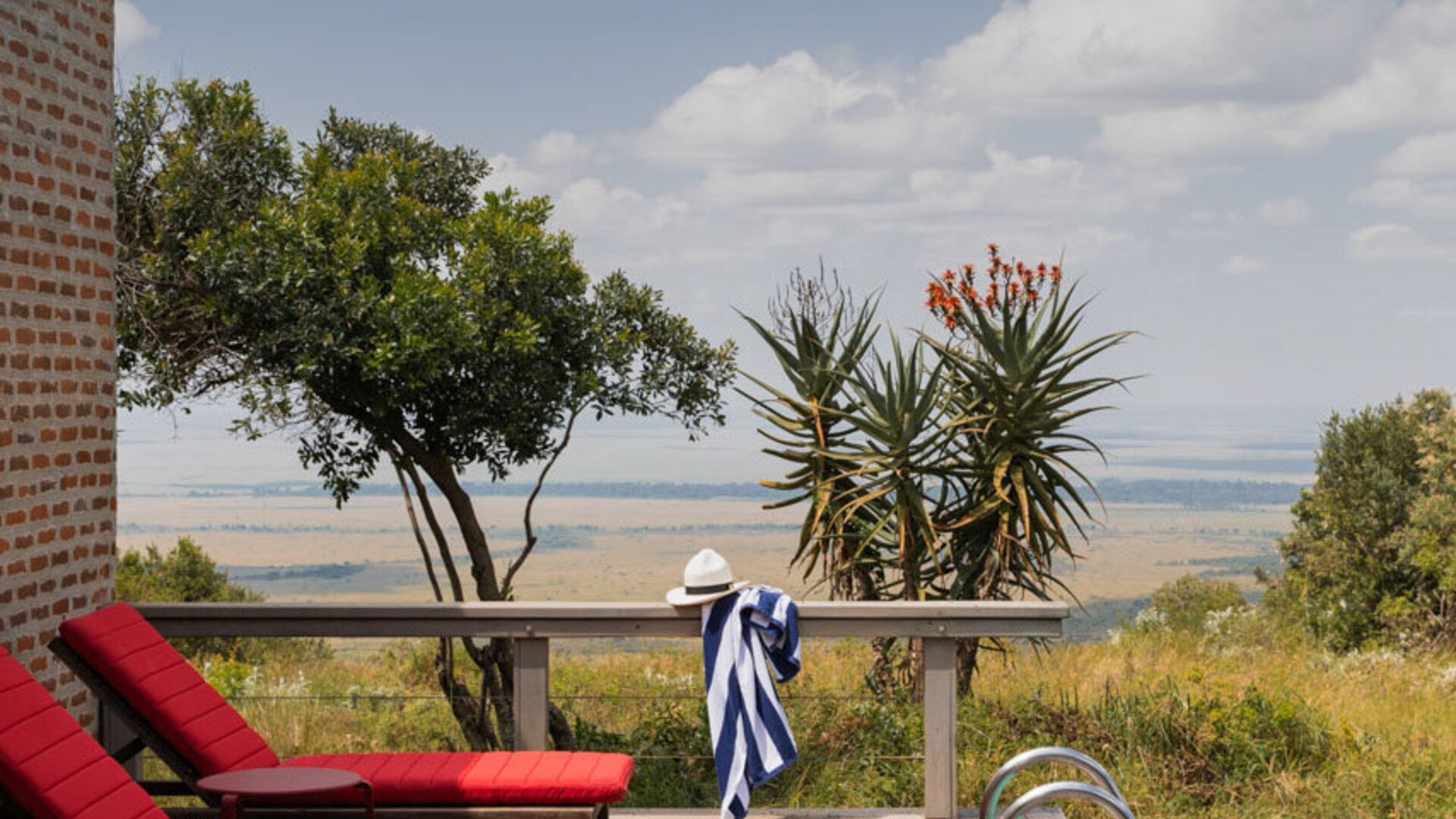
Tanzania delivers what families dream of when they imagine an African safari: the Serengeti's endless golden plains stretching to the horizon, dotted with acacia trees and teeming with wildebeest, zebras, gazelles, and the predators that follow them. The Ngorongoro Crater — a 600-metre-deep volcanic caldera that contains the highest concentration of Big Five wildlife anywhere on Earth. And when the intensity of game drives and early mornings becomes overwhelming, Zanzibar — a spice-scented island archipelago with white-sand beaches, turquoise lagoons, and historical Stone Town — offers the perfect wind-down.
Tanzania is where the Great Migration reaches its crescendo. Between January and March, over half a million wildebeest calves are born on the southern Serengeti plains, and predators (lions, cheetahs, hyenas, leopards) feast on the vulnerable young — it's nature at its rawest, and children watch spellbound. Between July and October, the Migration reaches the northern Serengeti and crosses the crocodile-infested Mara and Grumeti rivers in dramatic, chaotic herds — one of the planet's greatest wildlife spectacles.
Tanzania's family safari infrastructure is excellent: lodges with family tents and kids' programmes, light-aircraft flights that minimise bumpy road transfers (Arusha to the Serengeti is 1 hour by air vs. 6–7 hours by road), experienced guides who bring the ecosystem to life for children, and Maasai cultural experiences that educate without exploiting.
Serengeti National Park — The World's Greatest Wildlife Show
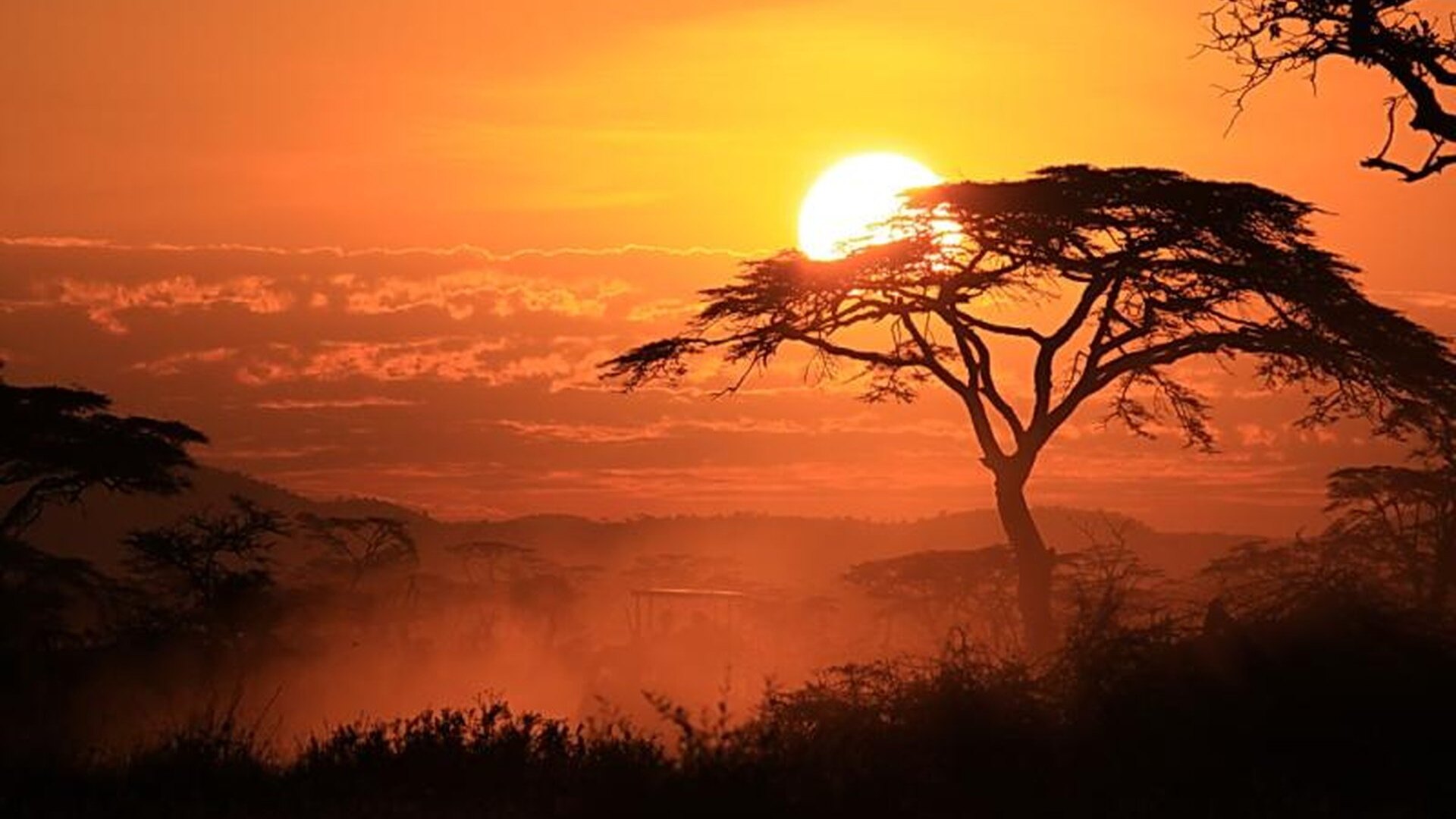
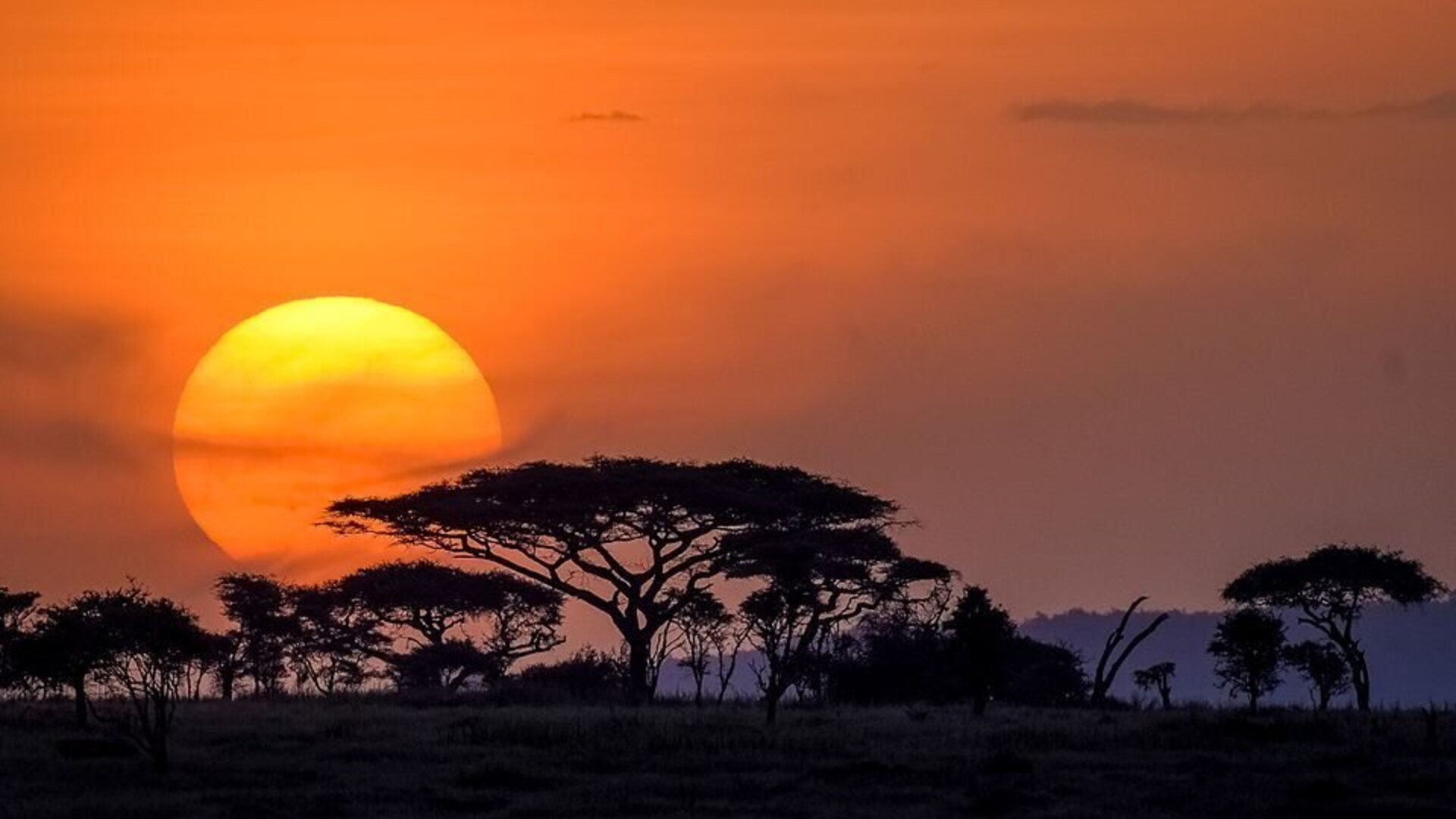
The Serengeti is Tanzania's crown jewel and one of Africa's most iconic landscapes — 14,750 square kilometres of golden grassland, rocky kopjes (granite outcrops), acacia woodlands, and rivers lined with fever trees. The name "Serengeti" comes from the Maasai word "siringet" meaning "endless plains," and when you stand on a kopje overlooking the savanna, you understand why — grass and sky merge at the horizon with nothing but wildlife in between.
For families, the Serengeti offers two distinct experiences depending on when you visit:
The Great Migration's Calving Season (January–March)
Between mid-January and March, over half a million wildebeest calves are born on the southern Serengeti plains (Ndutu area). The timing is remarkable — most calves arrive within a 2–3 week window, overwhelming predators with sheer numbers (lions, cheetahs, hyenas, leopards, jackals can't kill them all). Families watch newborn calves stand on wobbly legs within minutes of birth, attempting their first steps while their mothers anxiously guard them.
This is nature at its most brutal and beautiful. Cheetahs sprint across the plains chasing juvenile wildebeest. Lion prides coordinate hunts. Hyena clans squabble over carcasses. Vultures circle overhead. Children ask a hundred questions: "Why is that lion eating the baby?" "How fast can cheetahs run?" "Do the wildebeest fight back?" Your guide explains the circle of life, predator-prey balance, and survival of the fittest in ways no classroom lesson can match.
Calving season is underrated and less crowded than the famous July–October river crossings. Fewer tourists, lower prices (shoulder season), dramatic predator action, and exceptional photographic opportunities make this the savviest choice for families wanting the Migration without the crowds.
The Great Migration River Crossings (July–October)
Between July and October, the Migration reaches the northern Serengeti and crosses the Mara and Grumeti rivers in chaotic, dramatic herds. Thousands of wildebeest mass on the riverbank, calling, hesitating, building courage. Then one jumps — and the flood begins. They plunge down steep banks into crocodile-infested water, swept by currents, scrambling up the far side while predators wait.
It's the wildlife spectacle families imagine when they dream of African safari, and it's utterly unforgettable. But it's also peak season — highest prices (lodges cost 40–50% more), busiest camps, multiple vehicles jostling at river crossings. If your budget and schedule allow, it's spectacular. If not, calving season offers equally compelling drama with fewer crowds.
Top Family Lodges in the Serengeti
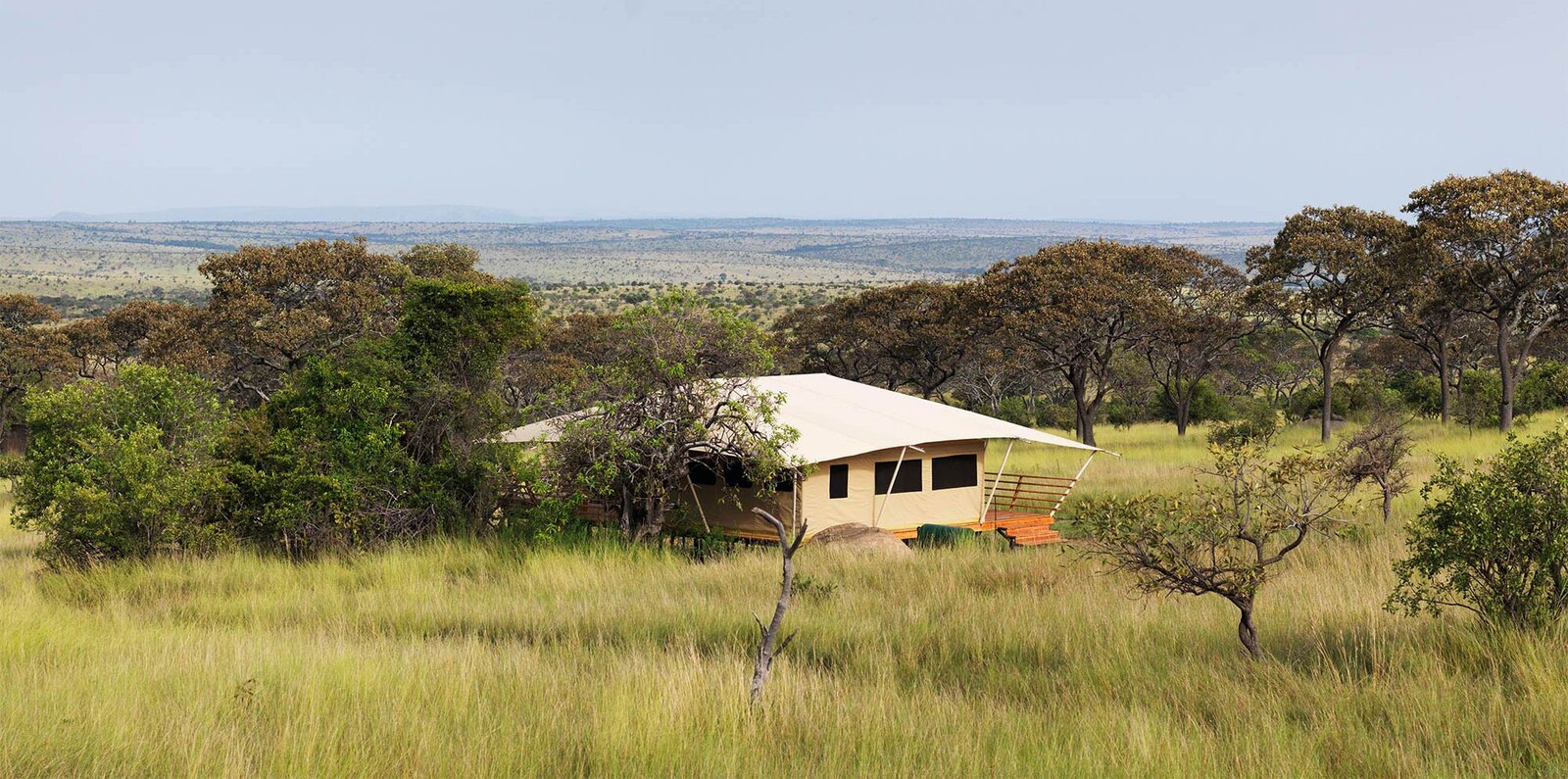
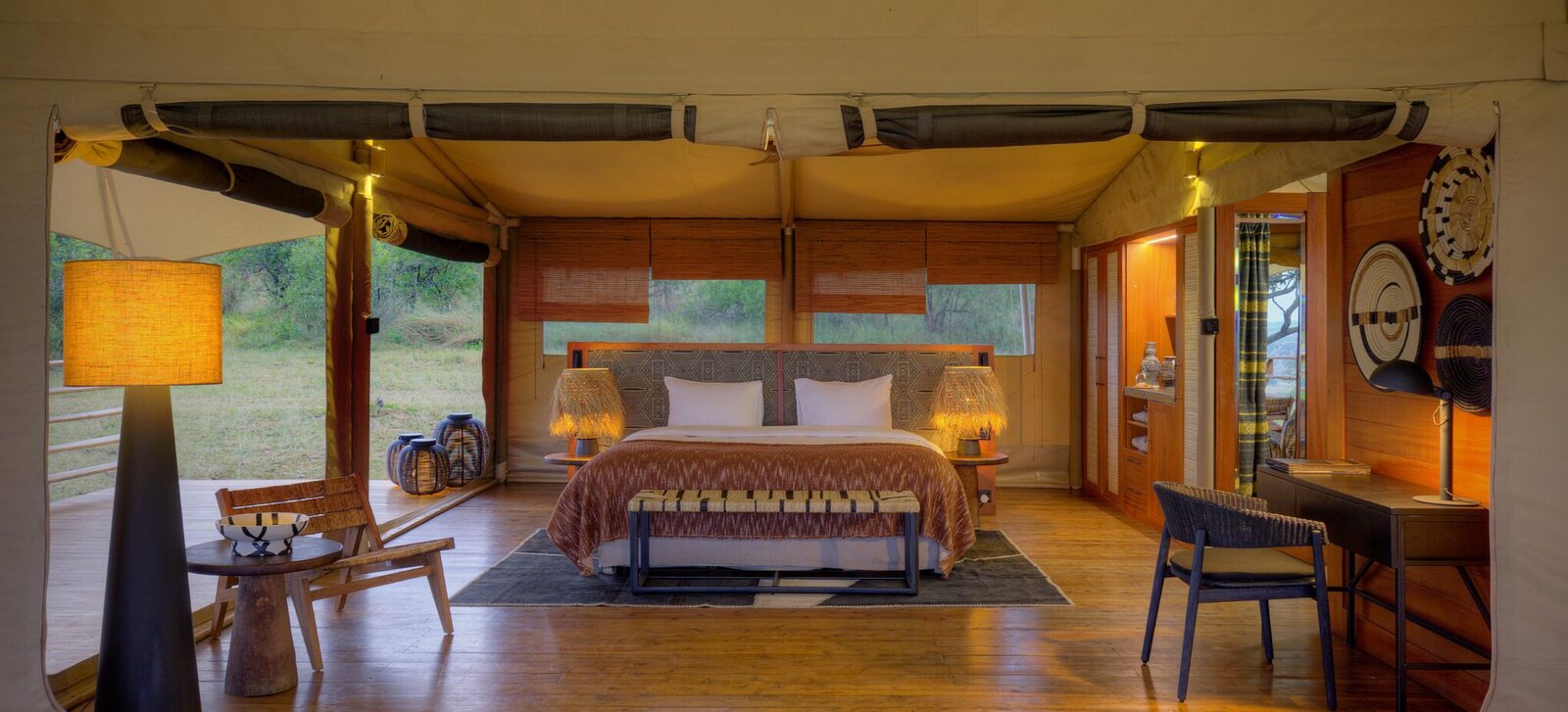
Serengeti Bushtops — Our top family pick. Ultra-luxury tented camp with family tents (interconnecting), private hot tubs overlooking the plains, excellent cuisine, and flexible family-friendly service. The camp follows the Migration (moves seasonally between northern and southern Serengeti), so you're always positioned for the best wildlife. Children ages 6+ welcome. Expensive but spectacular.
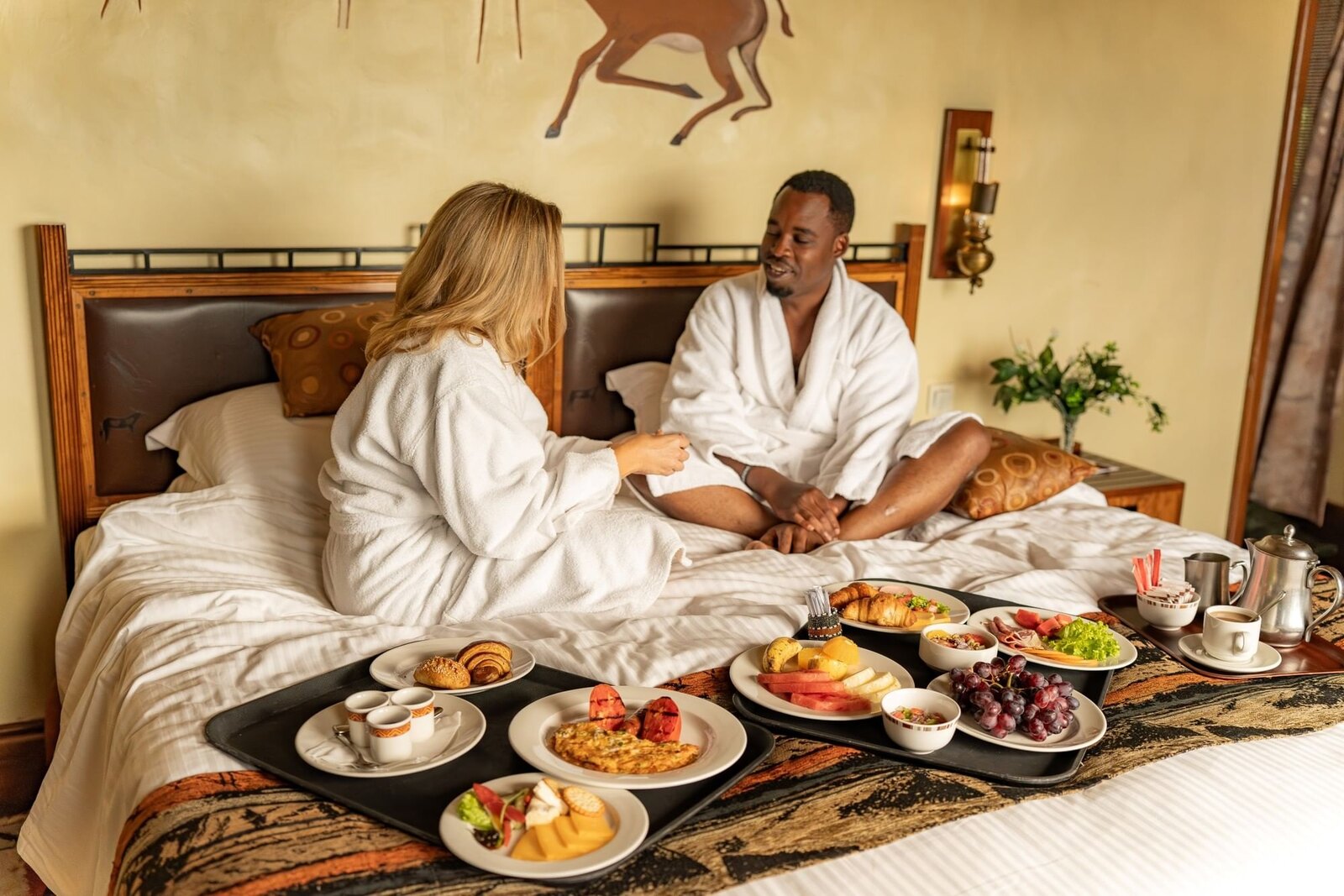
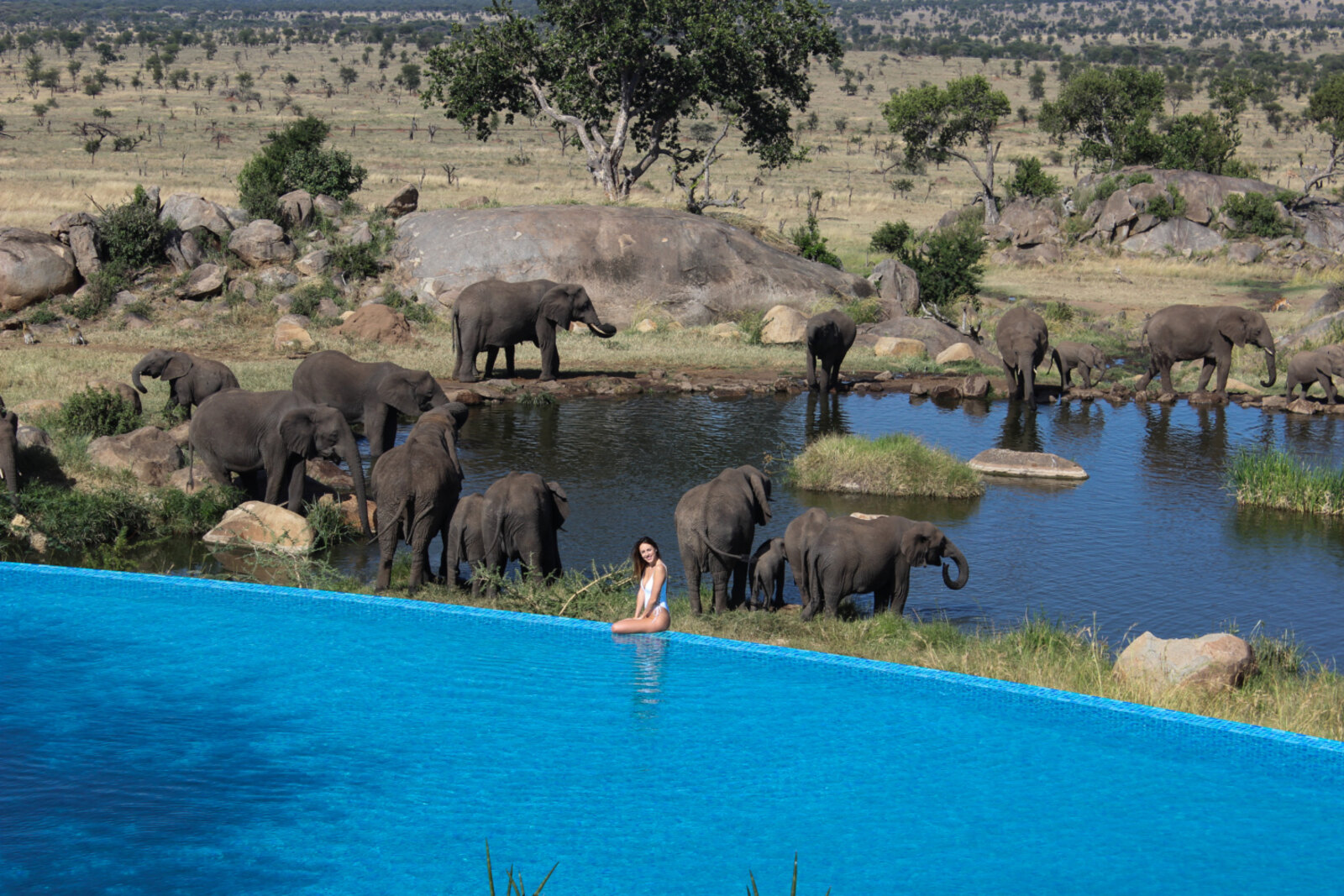
Four Seasons Safari Lodge Serengeti — The only permanent luxury lodge in the central Serengeti. Family suites with separate children's rooms, infinity pool overlooking a waterhole (watch animals drink while you swim), kids' club with educational programmes, and reliably excellent service. Year-round game viewing (resident wildlife even when Migration is elsewhere). Children all ages welcome.
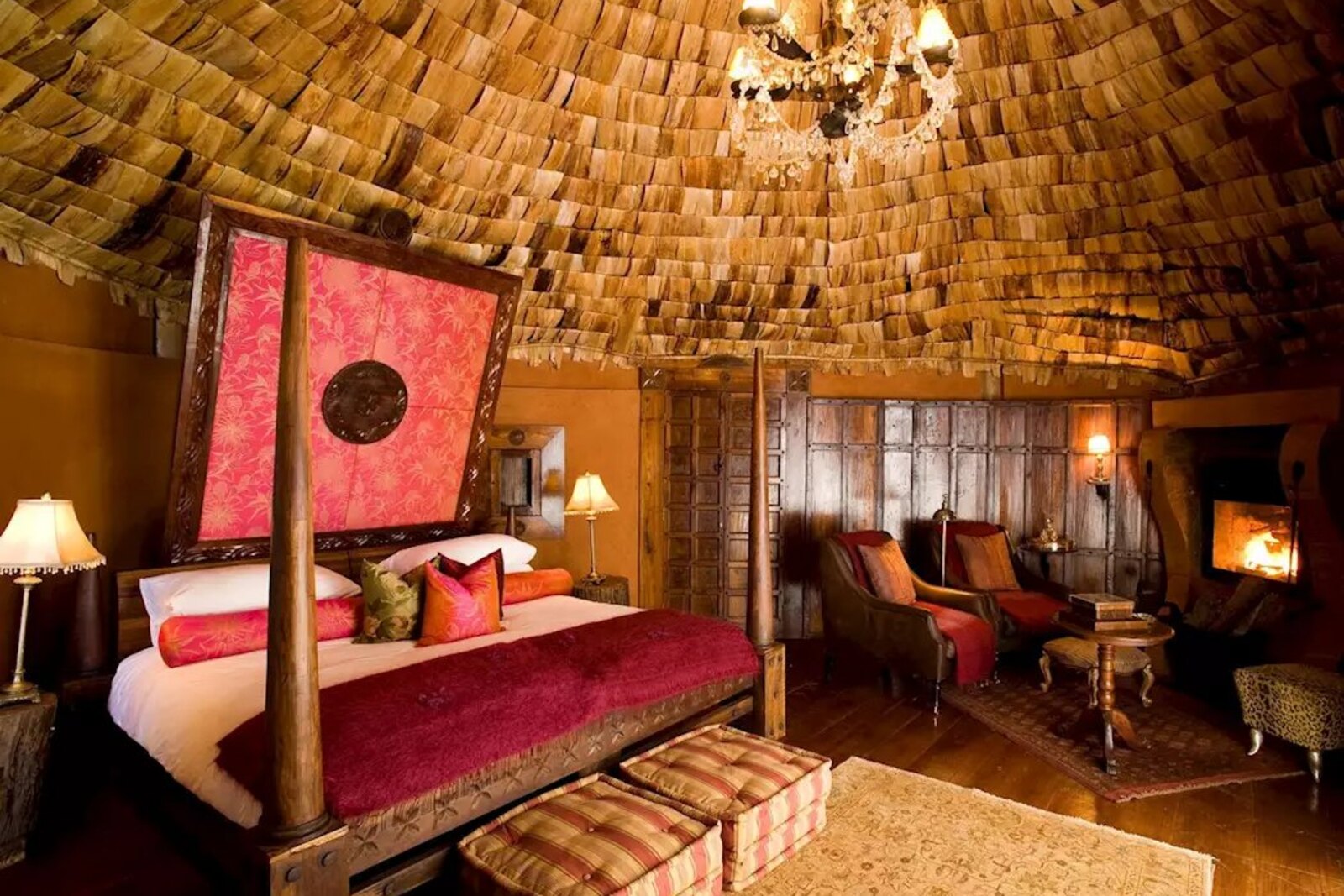
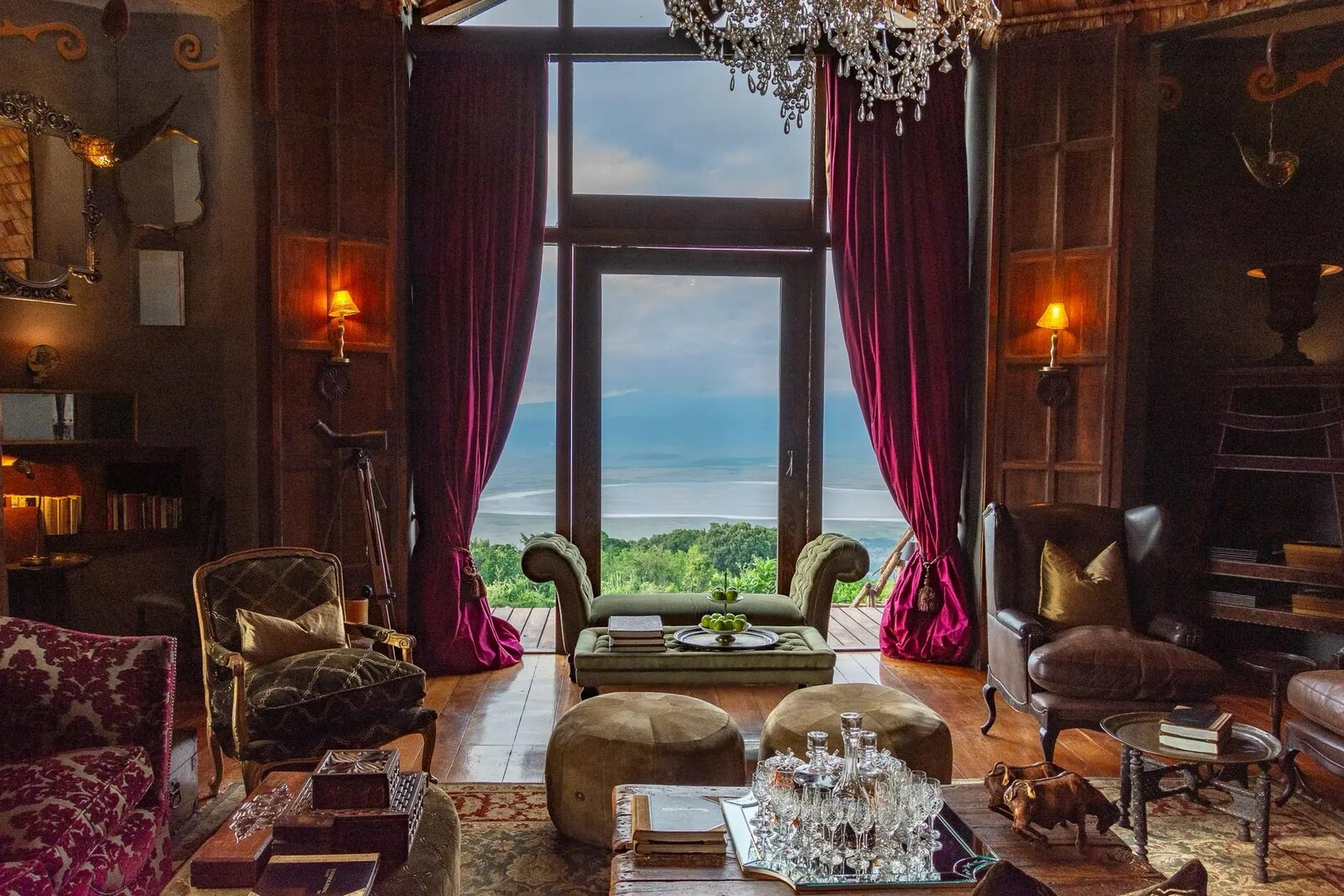
Ngorongoro Serena Safari Lodge — Perched on the Ngorongoro Crater rim (not in the Serengeti, but often combined). Family rooms, stunning crater views, and the most convenient base for Crater game drives (drive down at dawn, avoiding the long road from Karatu). Mid-range pricing, excellent location.
See the Lodges: Tanzania’s Best Family Safari Camps
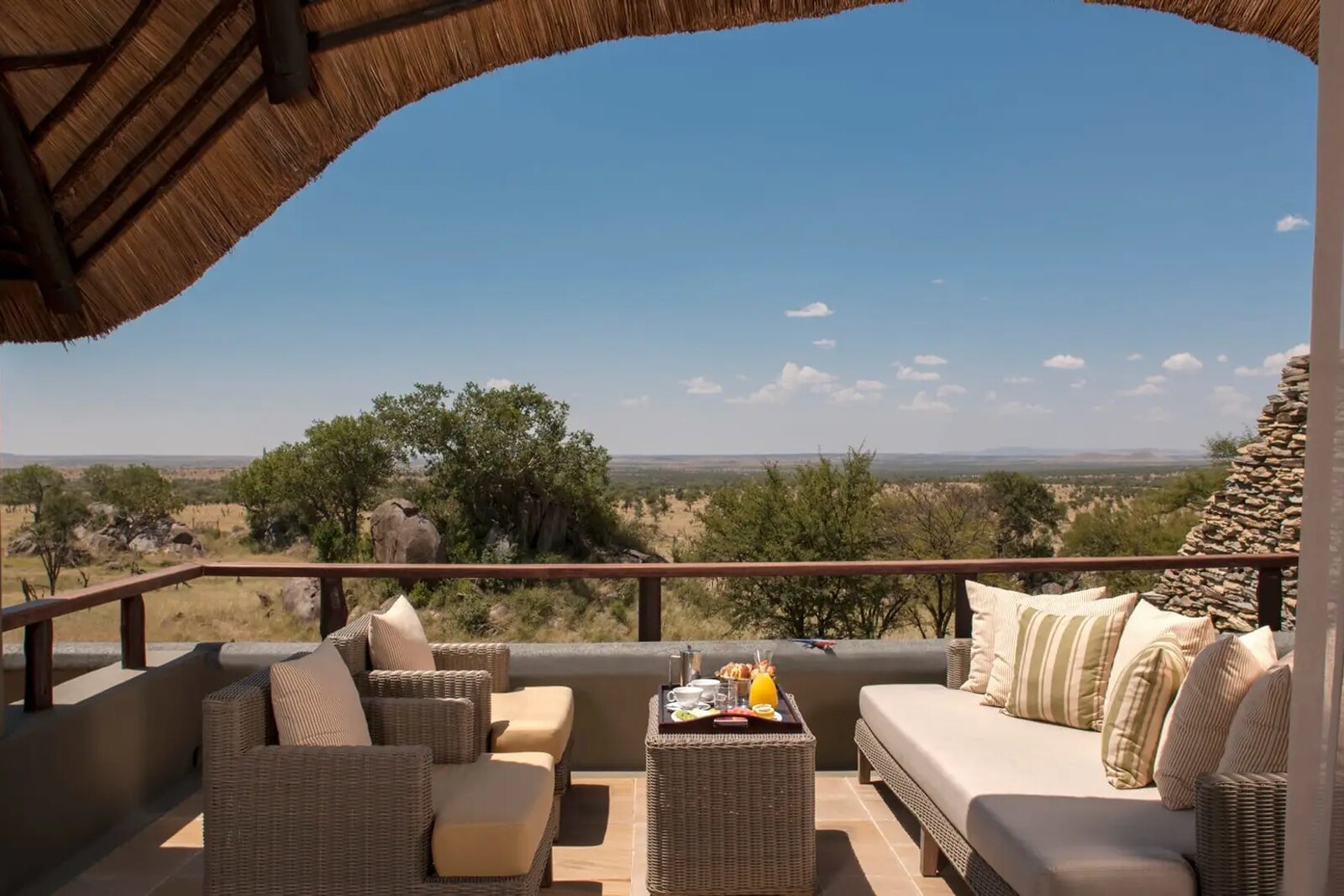
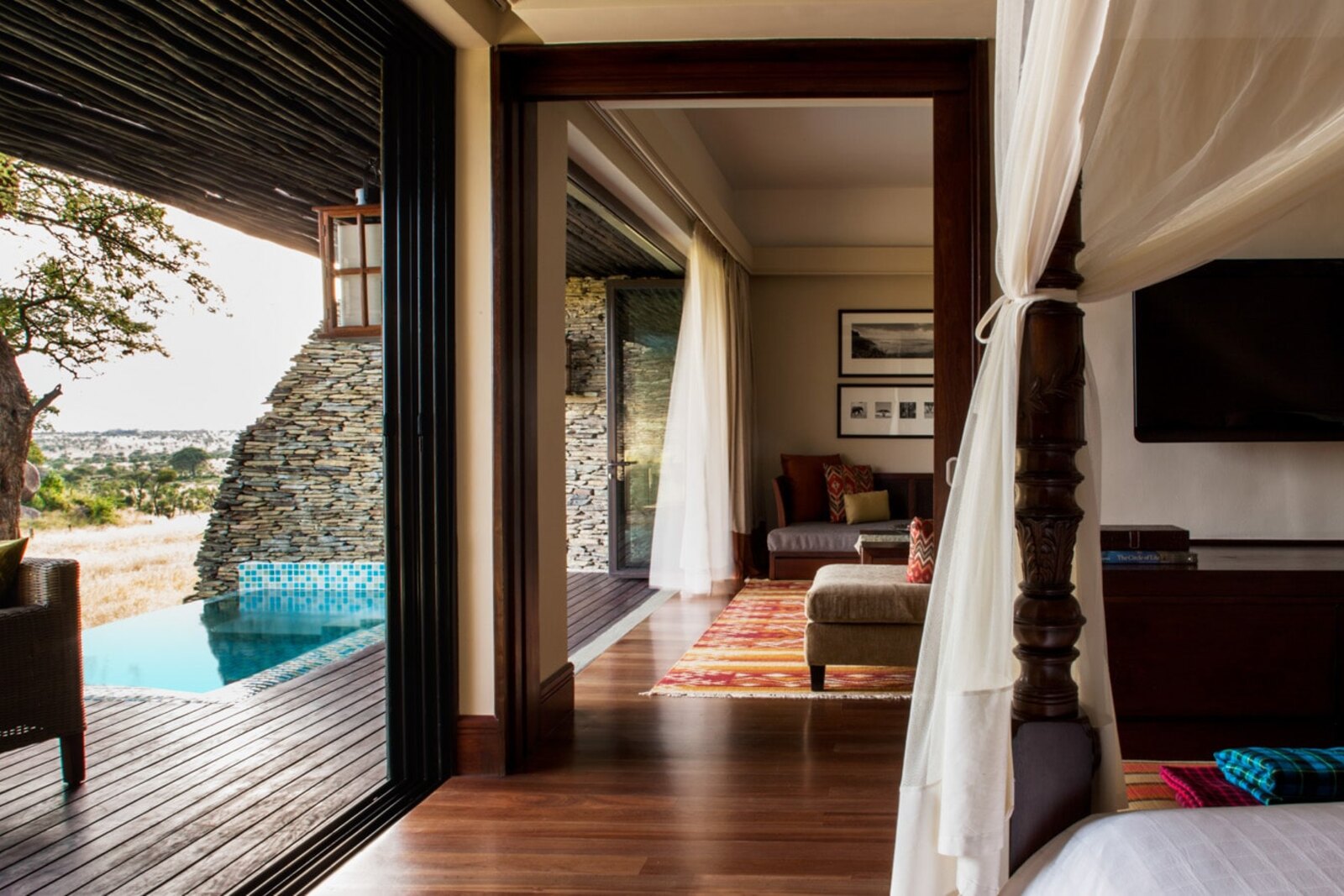
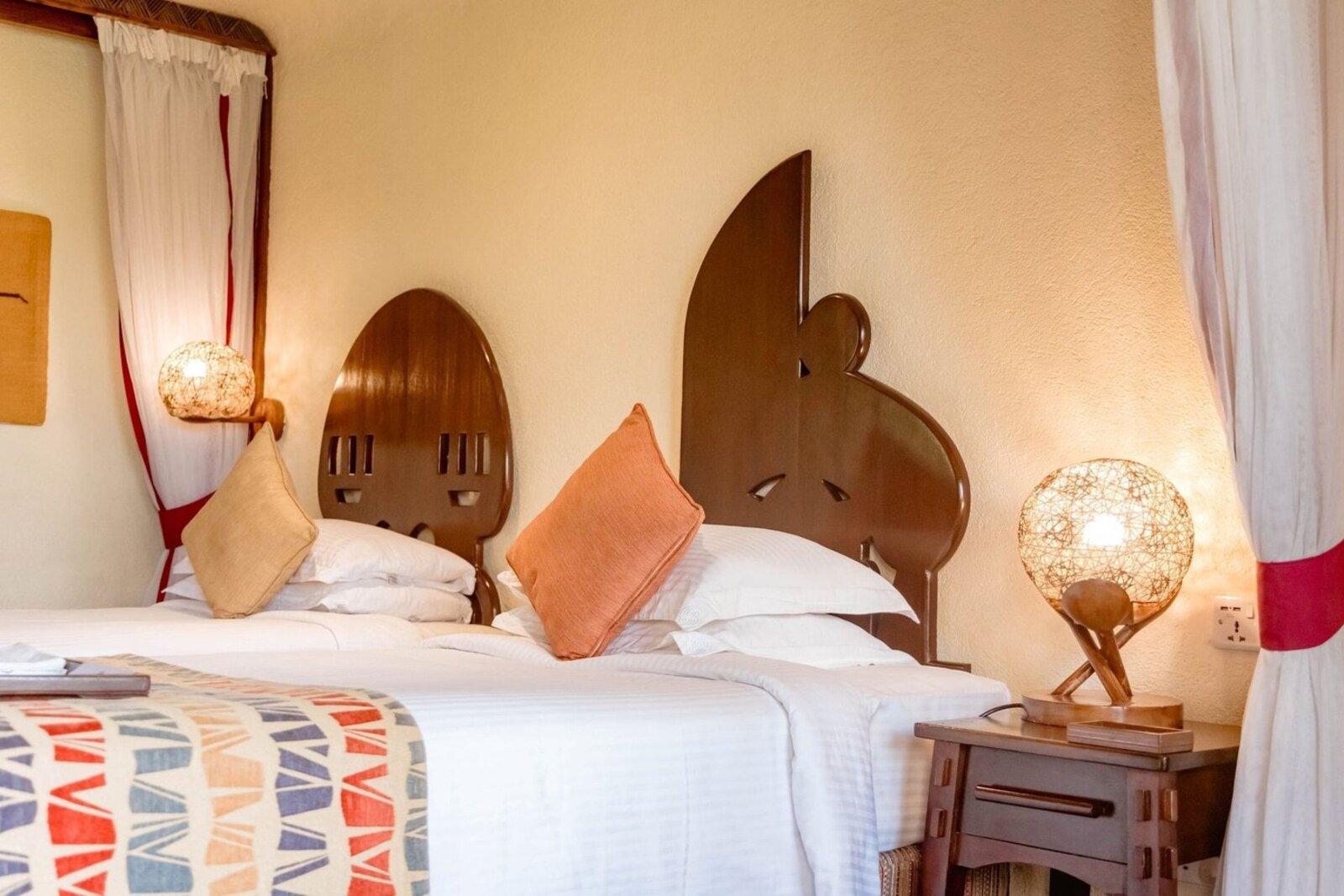
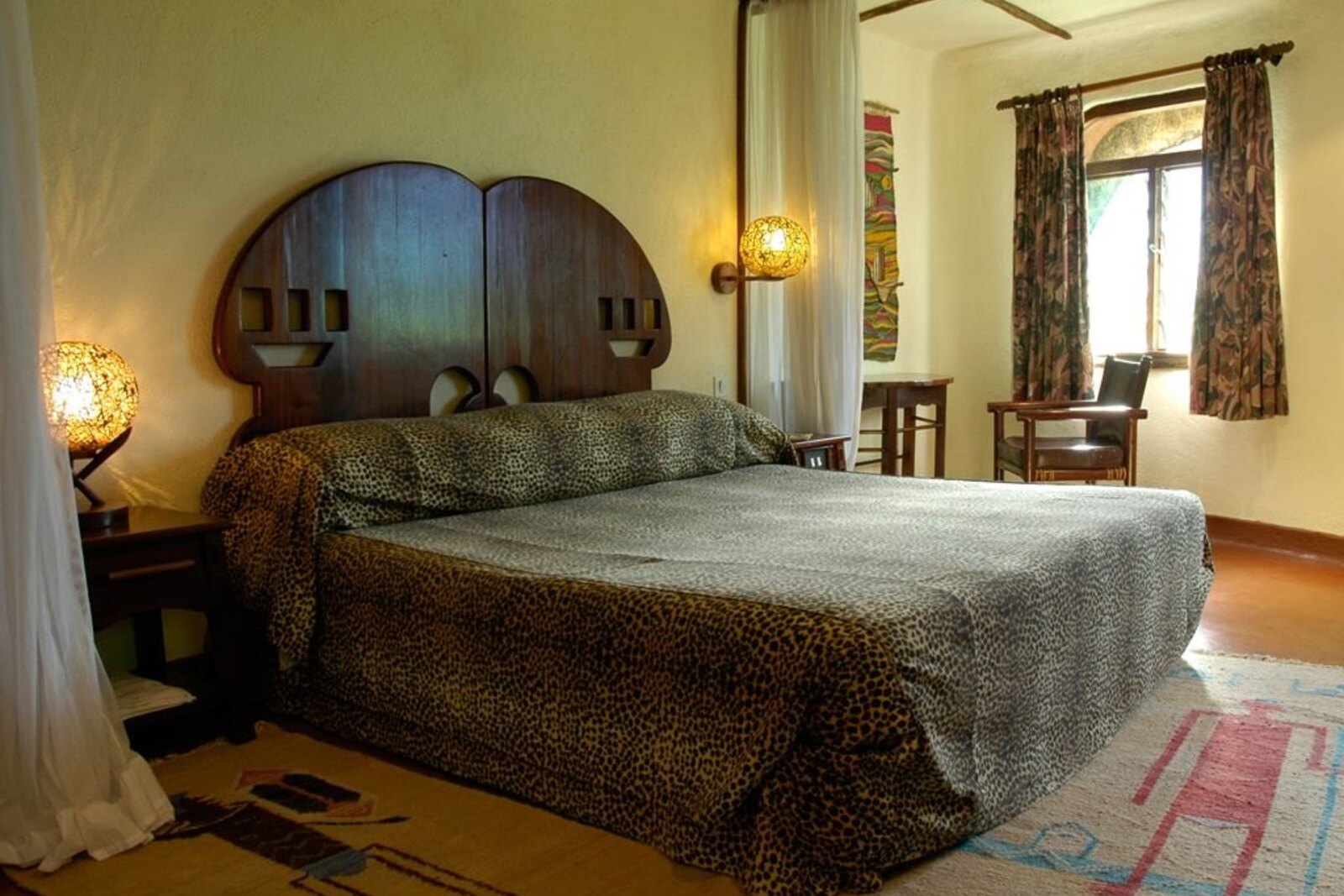
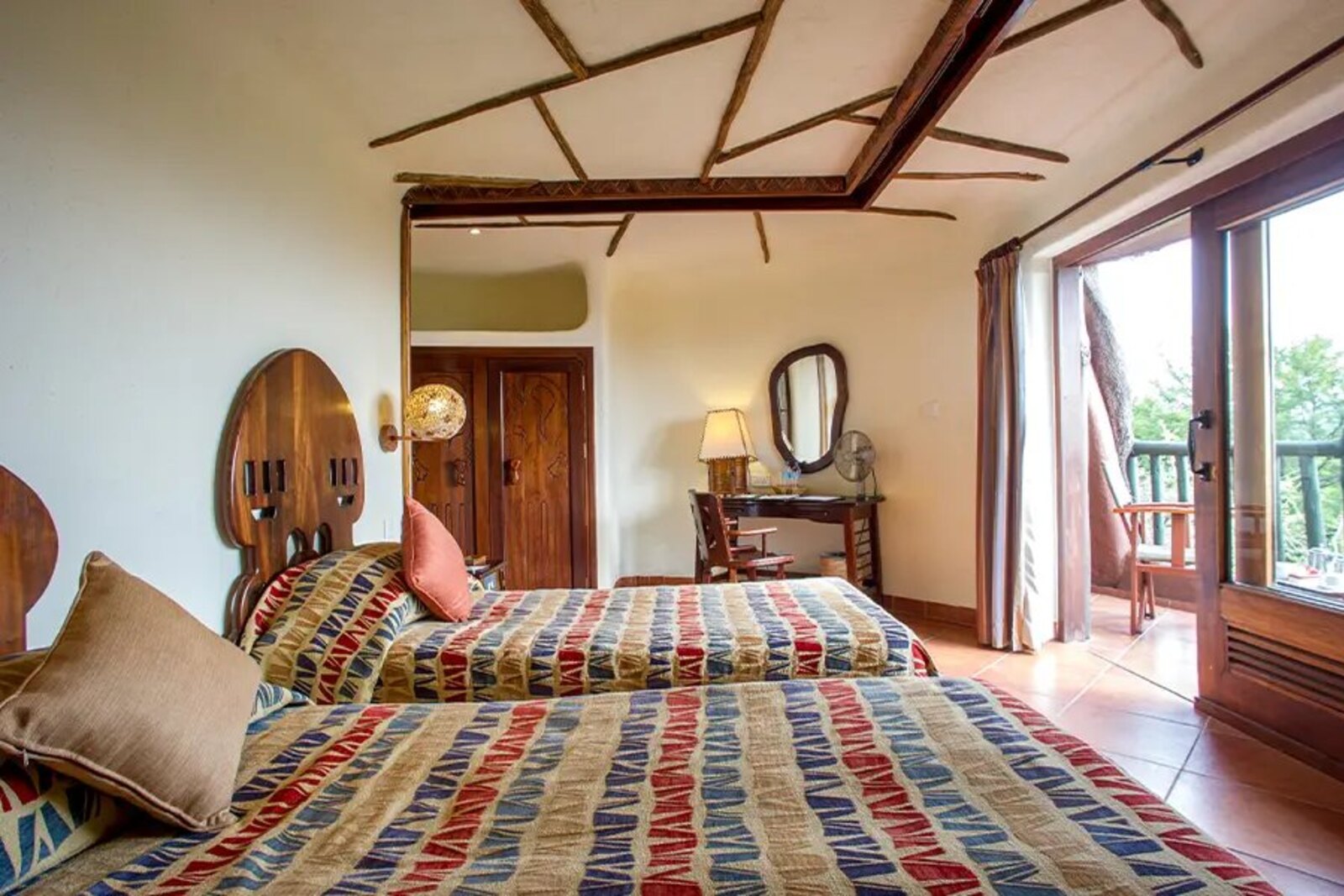
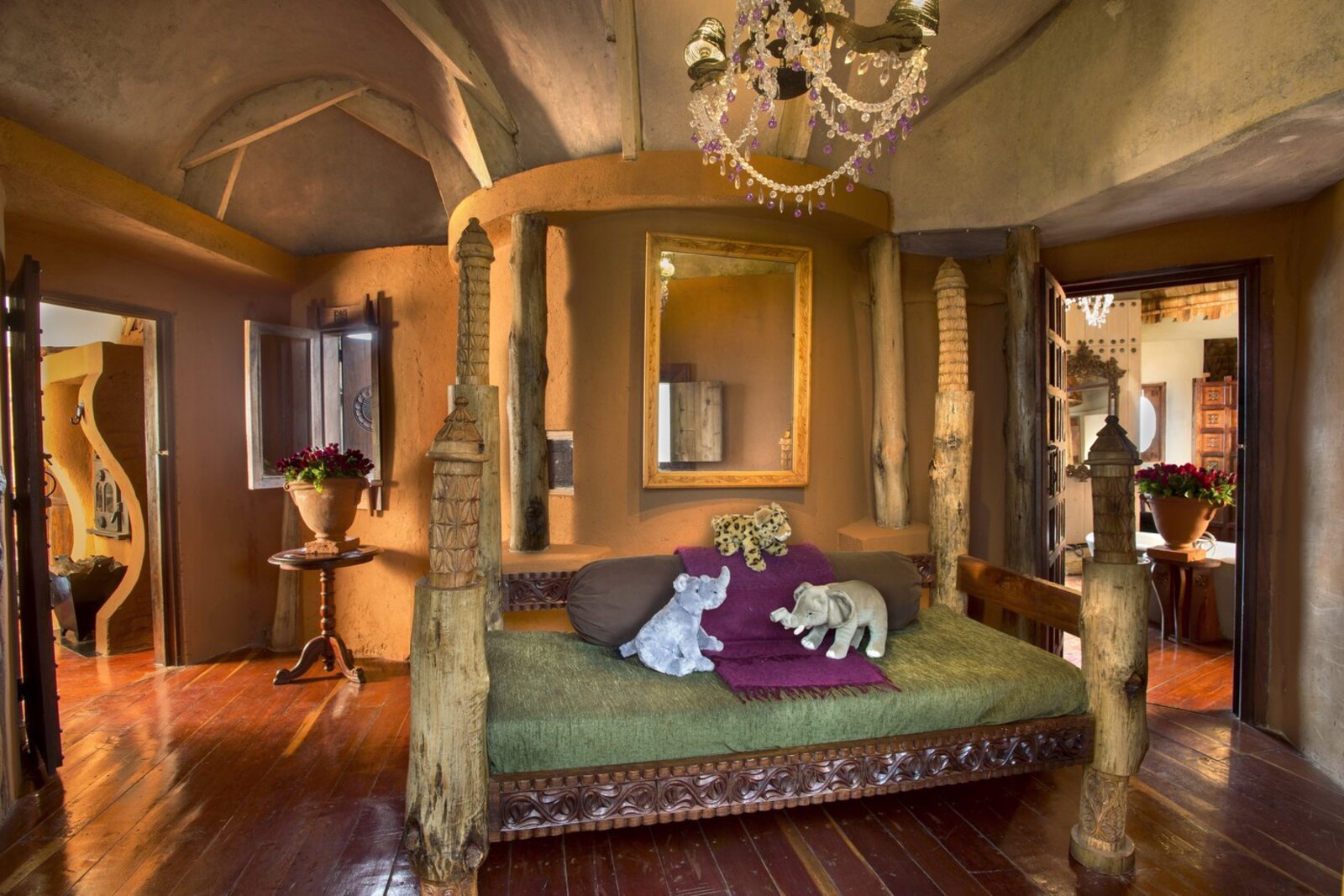
The right base transforms a Tanzania family safari. These three — a Serengeti waterhole icon, a crater-rim family favourite, and an ultra-luxury crater showpiece — each pair front-row wildlife with genuine child-friendly flexibility. Swipe through each gallery to see the suites, pools and settings your family will call home.
Exploring Family Safari Beyond Tanzania?
Tanzania offers the ultimate safari-and-beach trifecta, but Africa's diversity continues. South Africa provides malaria-free Big Five reserves perfect for younger children, Kenya the Masai Mara's drama, Botswana the Okavango Delta's water-based wilderness. Explore our complete family safari guides:
Which Tanzania Destination Suits Your Family?
Every family is different — the right mix depends on your children’s ages, whether you want the Migration’s drama, and how much beach time you need. Use this at-a-glance matrix to shape your safari-and-beach itinerary.
Ngorongoro Crater — The Wildlife Amphitheatre
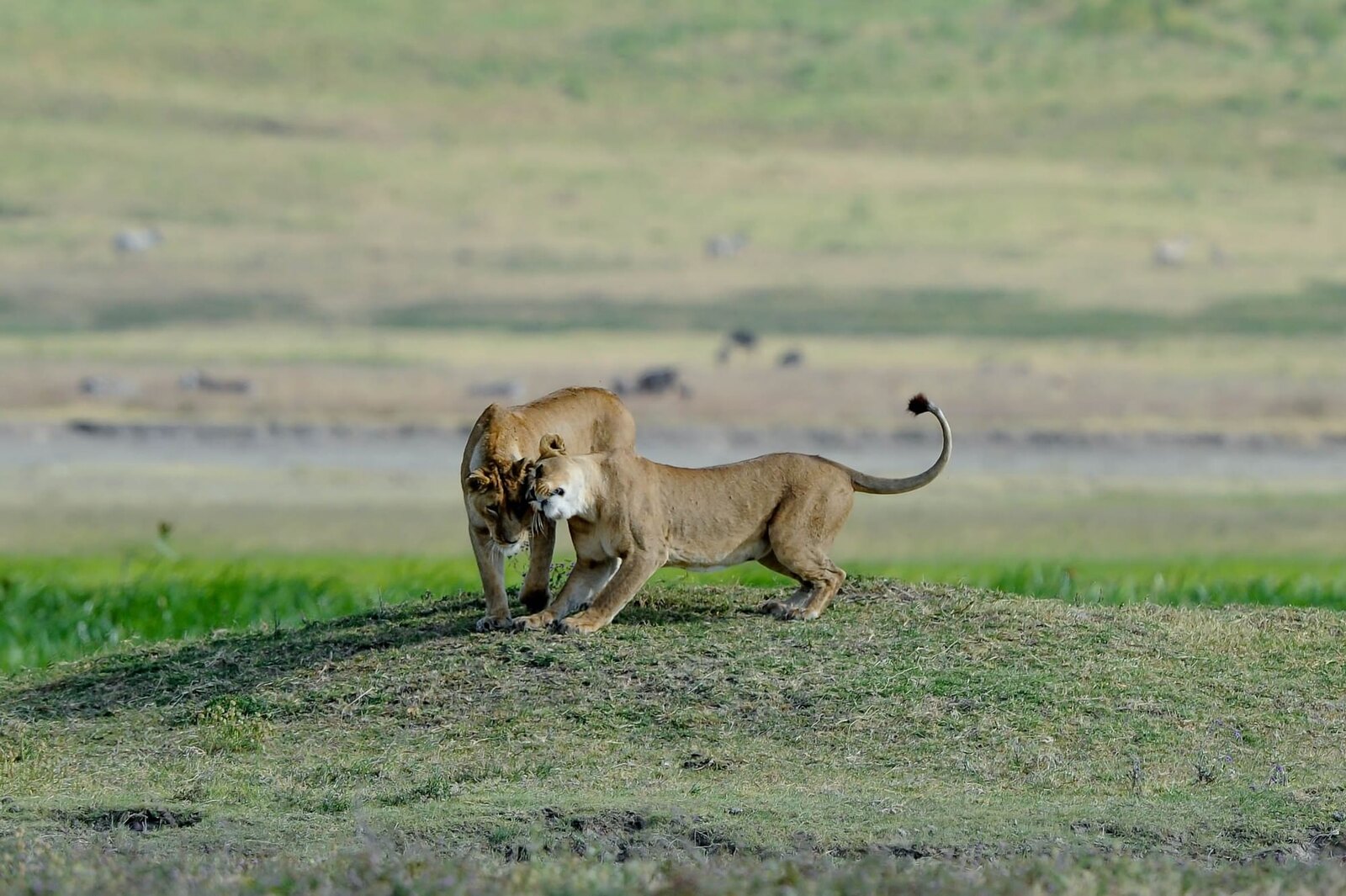
The Ngorongoro Crater is one of Earth's natural wonders — a 600-metre-deep volcanic caldera (collapsed volcano) that contains the highest concentration of Big Five wildlife anywhere on the planet. It's 19 kilometres across, with a permanent population of around 25,000 large animals including lions, elephants, black rhinos (rare!), buffaloes, leopards, hyenas, zebras, wildebeest, and flamingos on the soda lake.
For families, Ngorongoro is guaranteed Big Five viewing in a single morning game drive (typically 5–6 hours, descending to the crater floor at dawn, driving the circuit, ascending by midday). The crater floor is compact enough that you see incredible wildlife density without hours of driving between sightings. Children tick off the Big Five checklist within hours: elephants grazing near the swamps, lions lounging under acacia shade, black rhinos (often near Lerai Forest), buffaloes in huge herds, and if very lucky, a leopard in the fever trees.
The scenery is spectacular — steep forested crater walls rising on all sides, creating a natural amphitheatre. Flamingos turn Lake Magadi pink. Hippos wallow in the Mandusi Swamp. It feels like a lost world where time stopped and animals rule.
Ngorongoro with Kids — What to Know
- Early start essential — Crater descends at 6:30–7:00 AM (when animals are active). This means leaving the lodge by 5:30–6:00 AM if staying on the crater rim, or earlier if based in Karatu town. Prepare kids for the early wake-up.
- Long game drive — 5–6 hours total (including descent/ascent). Bring snacks, water, entertainment for downtime, and plan bathroom stops (designated picnic sites on the crater floor have toilets).
- Cold on the crater rim — Lodges sit at ~2,400m altitude, so mornings are genuinely cold (near freezing in June–August). Pack warm layers.
- Combine with Serengeti — Most families do 1 night Ngorongoro Crater (enough for one morning game drive) + 3–4 nights Serengeti. The two parks complement each other perfectly.
Zanzibar — Spice Islands & Beach Paradise
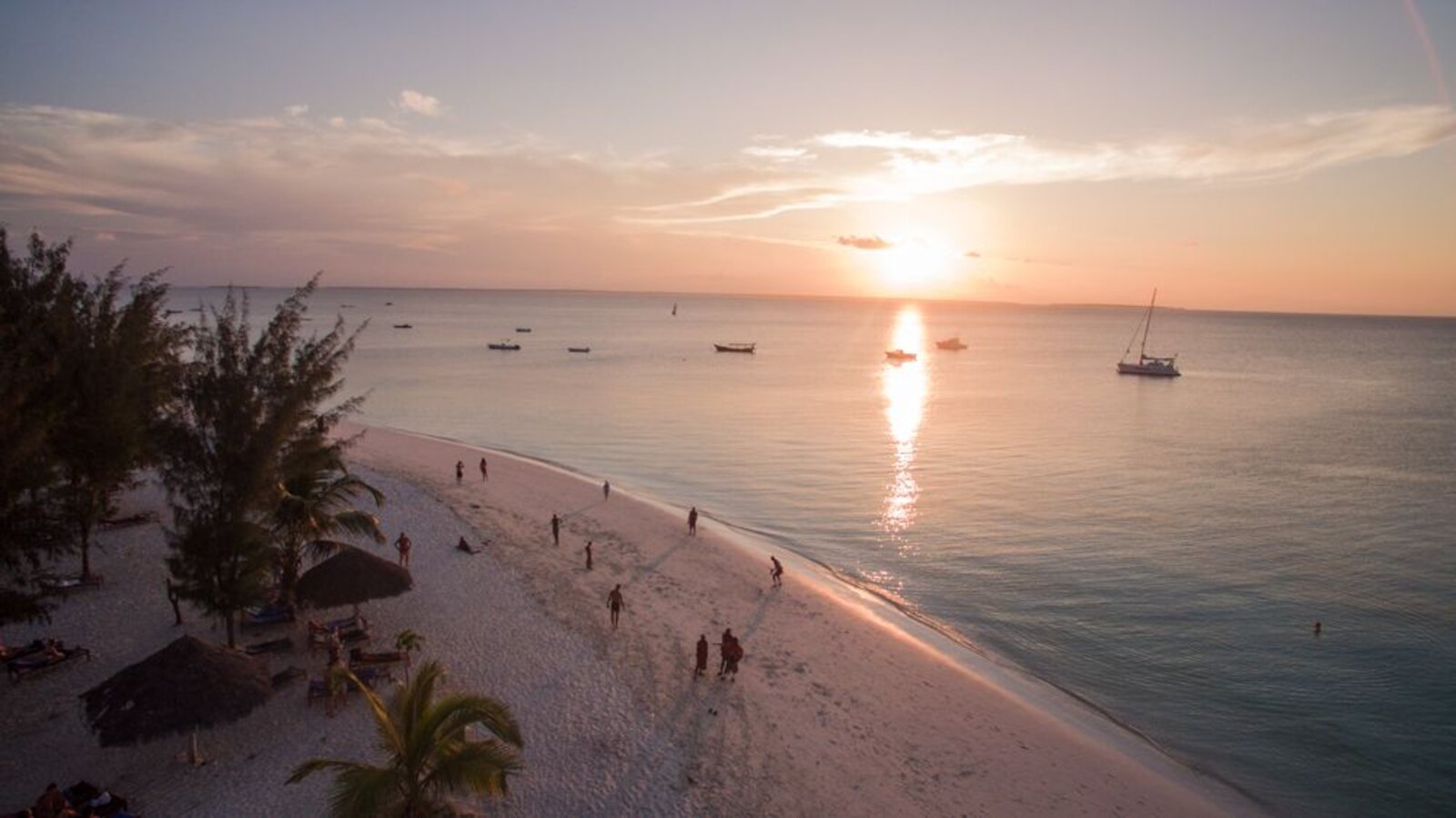
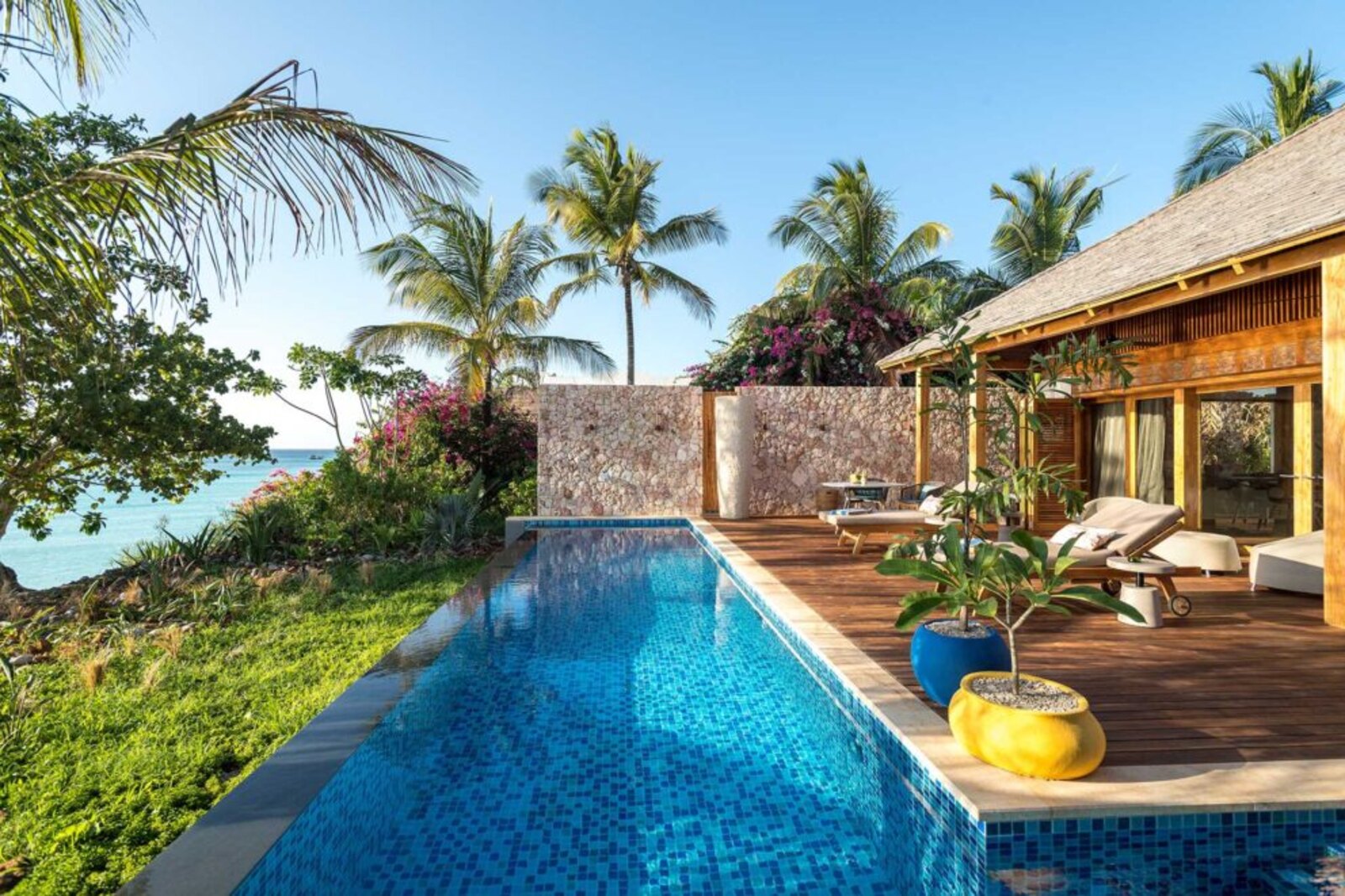
After 4–5 nights of intense safari (early mornings, long game drives, bumpy roads), families need Zanzibar — and the archipelago delivers. White-sand beaches, turquoise Indian Ocean lagoons, spice plantation tours, dhow cruises, snorkelling over coral reefs, and historical Stone Town (UNESCO World Heritage Site) combine beach relaxation with cultural immersion.
Best Zanzibar Beach Areas for Families
Nungwi & Kendwa (North Coast) — The most developed beach areas with resorts, restaurants, water sports, and vibrant nightlife (for parents after kids sleep!). Beaches have minimal tidal variation (good for swimming any time), calm water (safe for children), and excellent snorkelling. Nungwi is busier; Kendwa slightly quieter. Best for families wanting amenities, activities, and social atmosphere.
Paje & Jambiani (East Coast) — Laid-back beach villages with boutique resorts, kite-surfing schools (teens love it), and dramatic tidal ranges (explore tidal pools, sandbanks, seaweed farms at low tide). Less developed than Nungwi but more authentic. Best for families wanting quieter, more local experiences.
Matemwe (Northeast Coast) — Quieter, more upmarket beach area with luxury boutique resorts. Beautiful long beach, excellent snorkelling, fewer crowds. Best for families wanting seclusion and luxury.
Family Activities in Zanzibar
- Stone Town walking tour — UNESCO World Heritage Site with narrow alleyways, Arab-influenced architecture, spice markets, historical sites (House of Wonders, Old Fort, Sultan's Palace). Hire a guide for educational context. 2–3 hours, morning is best (before heat).
- Spice plantation tour — Visit working spice farms (cloves, cinnamon, nutmeg, vanilla, cardamom), see how spices grow, taste fresh tropical fruits. Kids love the hands-on experience (touching leaves, smelling spices, tasting). Half-day tour.
- Jozani Forest — Zanzibar's only national park, home to endangered red colobus monkeys (endemic subspecies). Easy forest walks on boardwalks, guaranteed monkey sightings (they're habituated and approach close). Great for families with younger kids (short, easy, engaging). 2–3 hours.
- Snorkelling & diving — Mnemba Atoll (north of Zanzibar) has excellent snorkelling and diving with turtles, dolphins, reef sharks, and vibrant coral (though warming has damaged some). Half-day or full-day boat trips. Kids ages 8+ for snorkelling, 10+ for diving (junior certifications available).
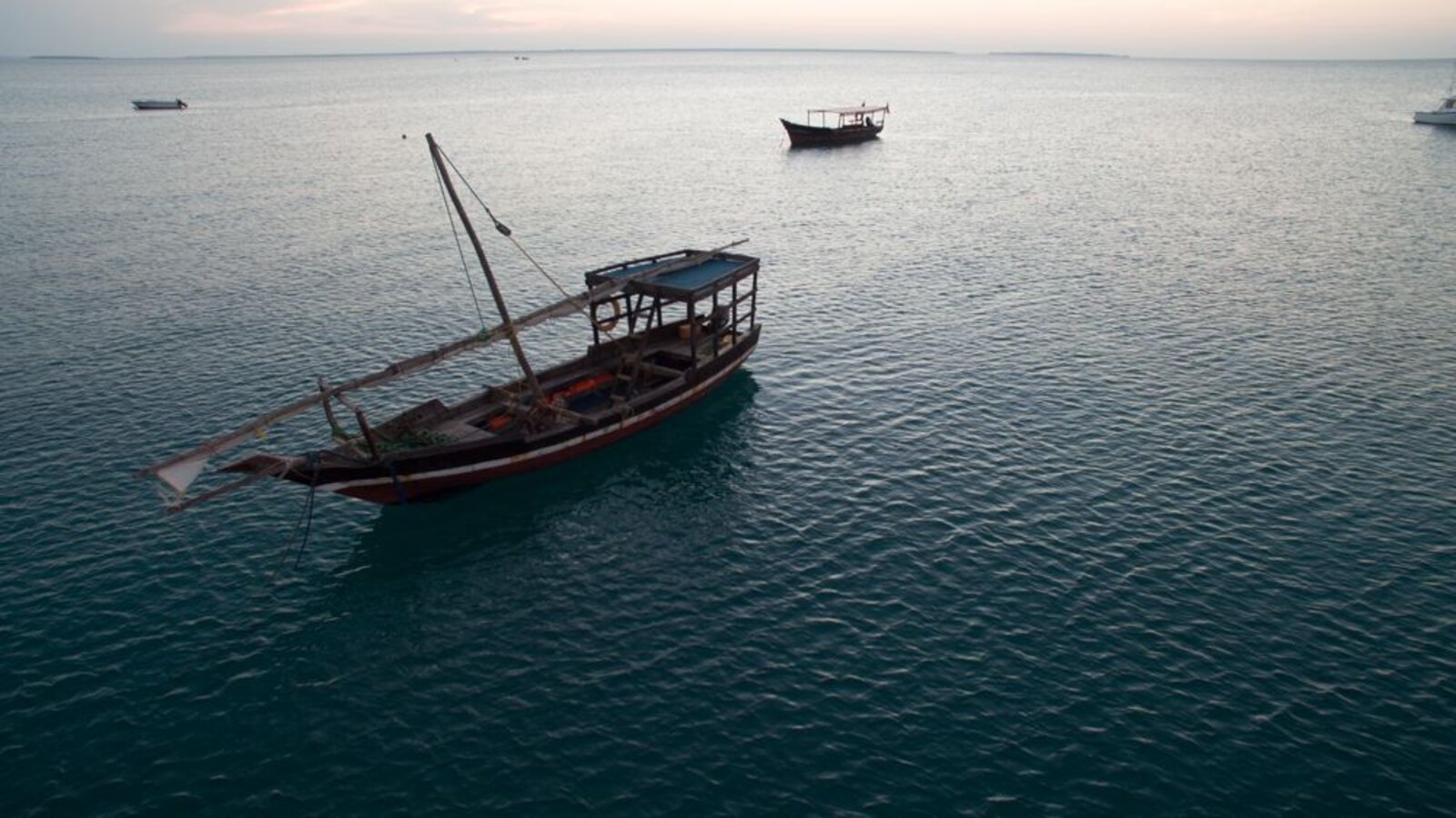
- Dhow cruises — Traditional wooden sailing boats take families on sunset cruises with snacks and soft drinks. Romantic for parents, fun for kids (some cruises offer snorkelling stops). 2–3 hours.
- Prison Island (Changuu Island) — Short boat trip from Stone Town to see giant Aldabra tortoises (some over 100 years old). Kids love feeding the tortoises. Combine with snorkelling. Half-day trip.
Sample 10-Day Tanzania Family Safari-and-Beach Itinerary
Day 1: Arrive Arusha
Fly into Kilimanjaro International Airport. Transfer to Arusha town hotel (1 hour drive). Rest, recover from flights. Briefing with safari guide about the days ahead. Light dinner at hotel.
Days 2–4: Serengeti National Park (3 Nights)
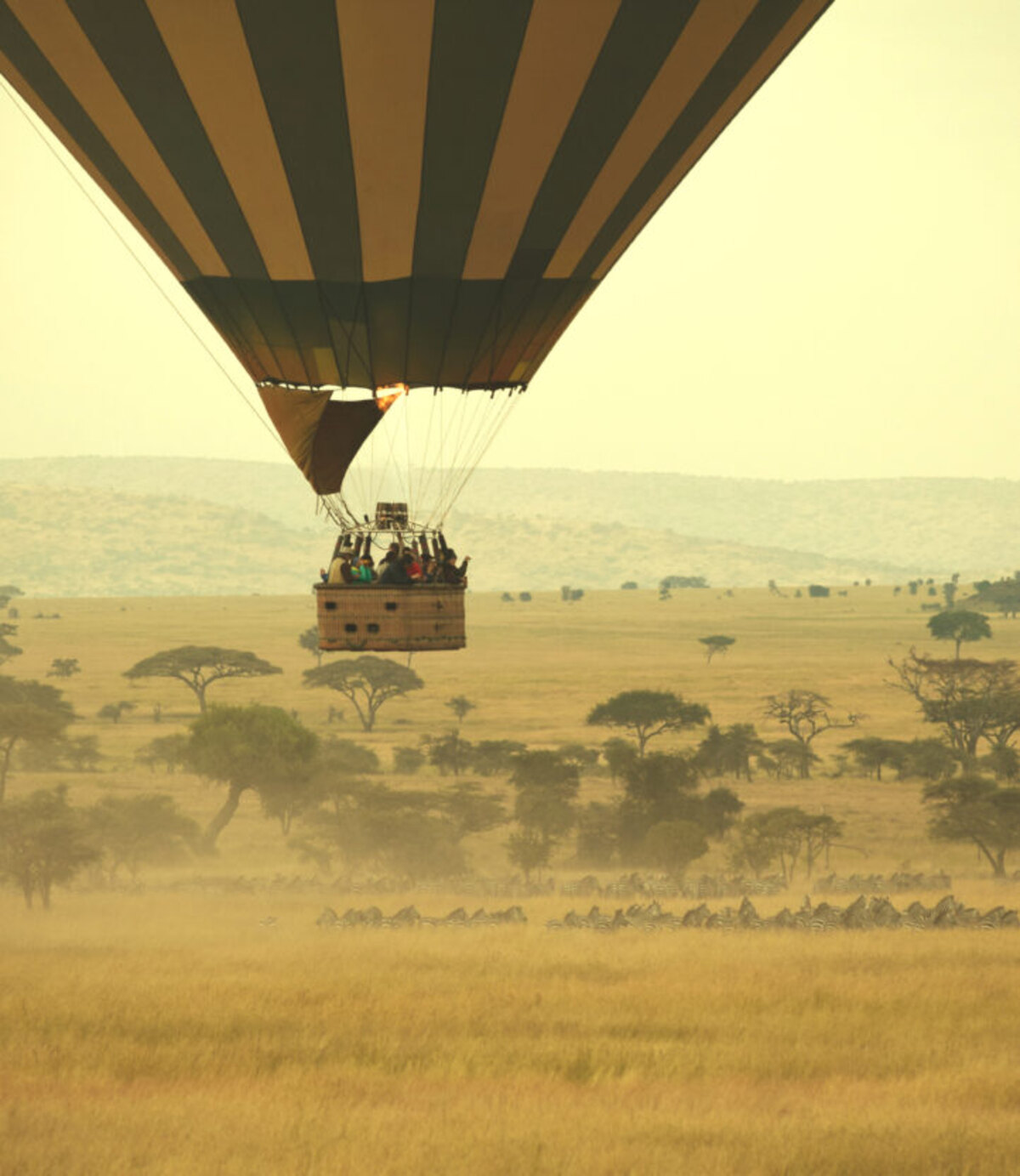
Morning light-aircraft flight from Arusha to Serengeti (1 hour, scenic over the Rift Valley and Ngorongoro). Three nights at family-friendly camp (Serengeti Bushtops, Four Seasons, or migration camp). Daily morning and afternoon game drives (see the Great Migration if travelling calving season January–March or river crossings July–October, or excellent resident wildlife year-round). Optional hot-air balloon safari at sunrise (age 7+, US$550–650 per person, champagne breakfast included — book months ahead). Sundowner stops, bush dinners, stargazing with guides. Children learn about the Serengeti ecosystem, predator-prey dynamics, and Maasai pastoral culture.
Day 5: Ngorongoro Crater
Morning game drive in Serengeti, then afternoon drive to Ngorongoro Crater rim (4–5 hours by road, scenic through the highlands). Overnight at crater rim lodge (Ngorongoro Serena, Crater Lodge). Early dinner and early night (tomorrow's crater descent starts at 6:00 AM).
Day 6: Ngorongoro Crater Game Drive, Fly to Zanzibar
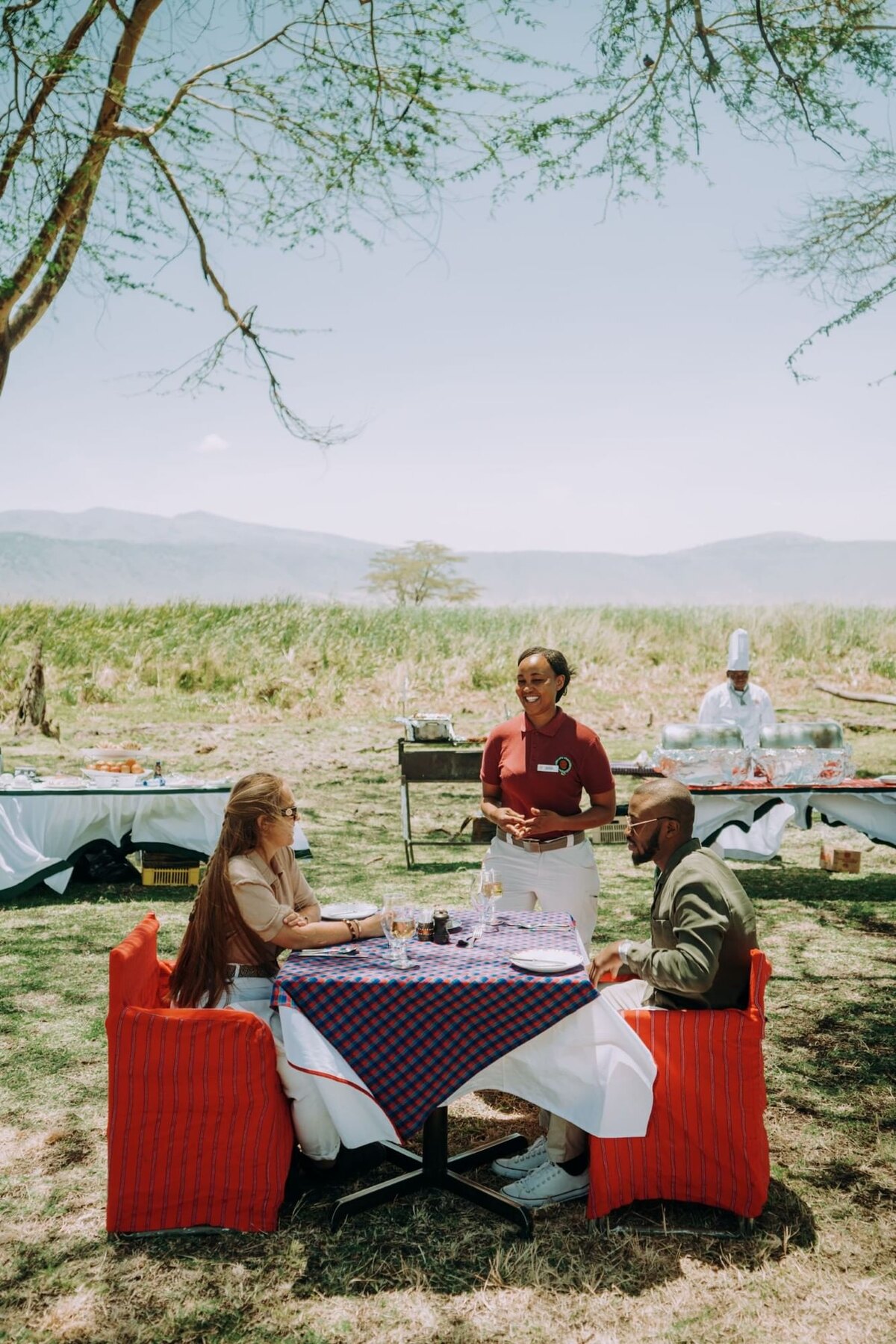
Early morning descent to the Ngorongoro Crater floor (5–6 hour game drive). Guaranteed Big Five viewing in a single morning — lions, elephants, black rhinos, buffaloes, and if very lucky, leopards. Flamingos on Lake Magadi, hippos in Mandusi Swamp, hyena clans, zebra and wildebeest herds. Picnic lunch on the crater floor. Afternoon ascent, then drive to Arusha (3 hours) for evening flight to Zanzibar (1.5 hours). Arrive Zanzibar late evening, transfer to beach resort. Finally, relax!
Days 7–9: Zanzibar Beach (3 Nights)
Three full days at beach resort (Nungwi, Kendwa, Paje, or Matemwe). Beach days — swimming, snorkelling, building sandcastles, water sports (older kids: kite-surfing lessons, stand-up paddleboard, kayaks). Optional day trips: Stone Town walking tour + spice plantation (full day), Jozani Forest red colobus monkeys (half day), Prison Island giant tortoises + snorkelling (half day), dhow sunset cruise. This is wind-down time after the intensity of safari — resist over-scheduling. Beach, pool, books, naps.
Day 10: Depart
Morning at leisure (final swim, pack). Transfer to Zanzibar Airport for onward flights (direct flights to Nairobi, Dar es Salaam, Addis Ababa, Doha for international connections).
Budget Planning for Tanzania Family Safaris
Cost-saving strategies: Travel shoulder season (April–May, November) for 30–40% lower rates (trade-off: long rains April–May, some lodges close). Children under 6 often stay free; under-12s receive significant discounts at most lodges. Use road transfers instead of light-aircraft flights (saves US$300–500 per person, but adds 6+ hours rough driving). Book Serengeti's public campsites or budget lodges instead of luxury camps (60–70% cheaper). Choose Zanzibar mid-range guesthouses over 5-star resorts.
Best Time to Visit — Month by Month
Tanzania is a year-round destination, but the season shapes both the wildlife and the price. Here’s how the calendar plays out for families planning a Serengeti-and-Zanzibar trip.
Essential Family Safari Tips for Tanzania
- Light-aircraft flights are worth it — Arusha to Serengeti is 6–7 hours by rough, dusty road (exhausting for kids) vs. 1 hour scenic flight over the Rift Valley. The extra cost saves family sanity.
- Malaria prophylaxis essential — All safari parks and Zanzibar are malaria zones year-round. Consult your doctor, bring DEET repellent, wear long sleeves at dusk, sleep under nets.
- Book balloon safari early — Serengeti hot-air balloon safaris (US$550–650 per person) are incredibly popular and fill months ahead for peak season. Book when you confirm lodges.
- Prepare kids for long game drives — Serengeti and Ngorongoro drives are 3–6 hours. Bring snacks, water, entertainment, and talk up the adventure beforehand.
- Zanzibar needs 3+ nights — Don't rush the beach. After safari intensity, families need genuine downtime. 3–4 nights minimum in Zanzibar.
- Stone Town is hot and crowded — Do the historical walking tour early morning (before heat and crowds). Hydrate kids constantly.
- Calving season is underrated — January–March offers dramatic predator action, fewer tourists, lower prices than July–October river crossings.
- Private vehicles worth the premium — Tanzania lodges often charge extra for private vehicles/guides. For families, it's worth it — bathroom breaks, pace control, focus on what excites your kids.
Ready to Plan Your Tanzania Family Safari?
We design tailor-made Tanzania family safaris combining the Serengeti's Great Migration drama, Ngorongoro Crater's wildlife amphitheatre, and Zanzibar's spice-scented beaches. Tell us your children's ages, budget, and travel dates — we'll create an itinerary that educates, excites, and brings your family closer.
Start Planning Your Tanzania Safari →"Watching the Great Migration with your children — whether it's newborn calves taking their first steps or a million wildebeest thundering across the Mara River — changes how they see the world. They witness the raw truth of nature: survival, death, birth, the ancient rhythms that have repeated for millennia. And they carry that perspective for the rest of their lives."