Key Takeaways — Kenya Family Safari
- The Great Migration spectacle — Kenya's Masai Mara hosts the world's most dramatic wildlife event (July–October river crossings) that leaves children spellbound
- Safari-and-beach perfection — combine Masai Mara Big Five viewing with white-sand Diani Beach in one trip, connected by short light-aircraft flights
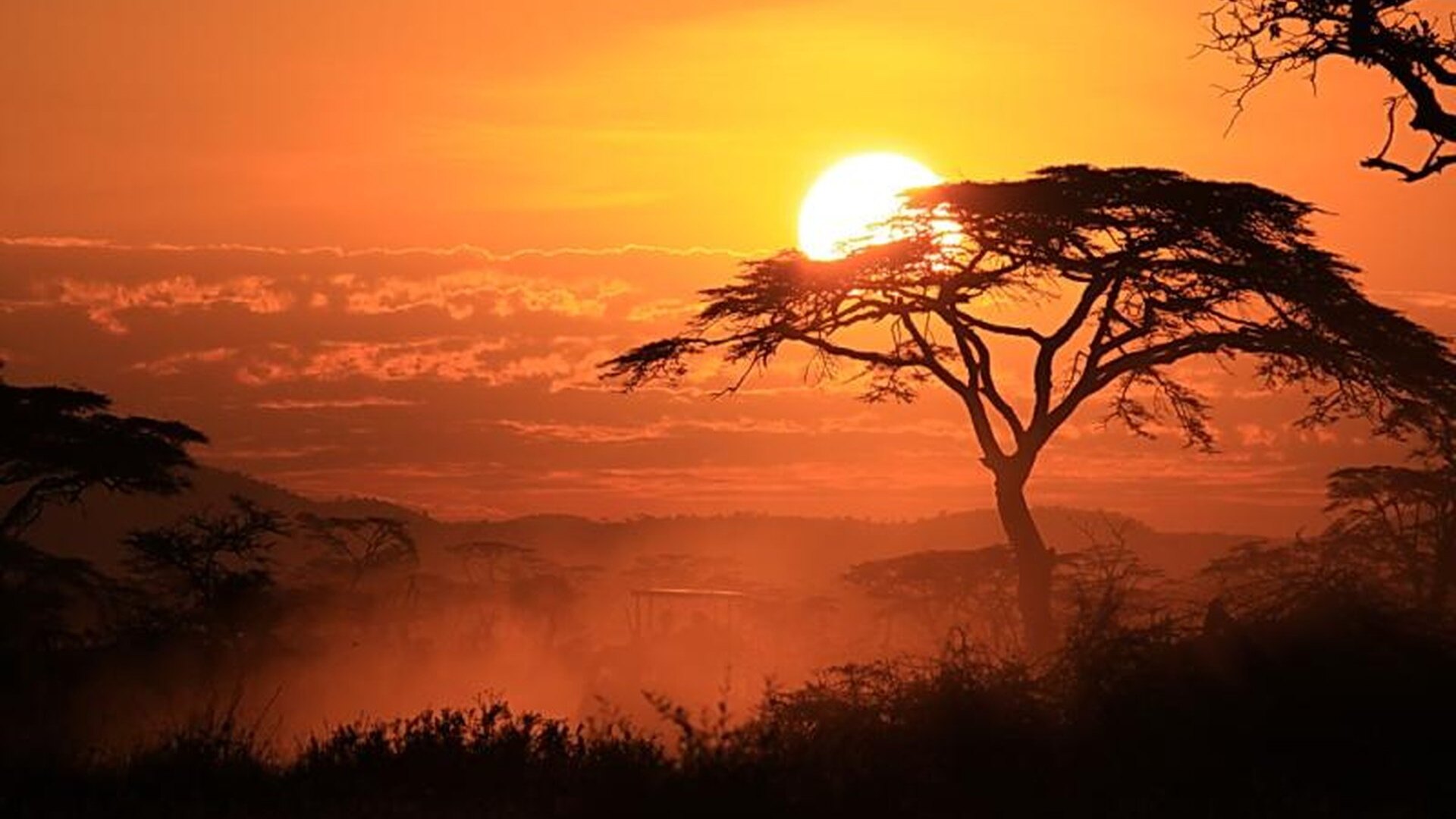
- Iconic scenery — elephants silhouetted against Kilimanjaro in Amboseli, acacia-dotted Mara plains, turquoise Indian Ocean lagoons
- Cultural immersion — Maasai warrior ceremonies, village visits, traditional beadwork — respectful cultural experiences families treasure
- Malaria precautions essential — most safari areas are malaria zones; consult your doctor about prophylaxis for children before travelling
Why Kenya Is Perfect for Family Safaris
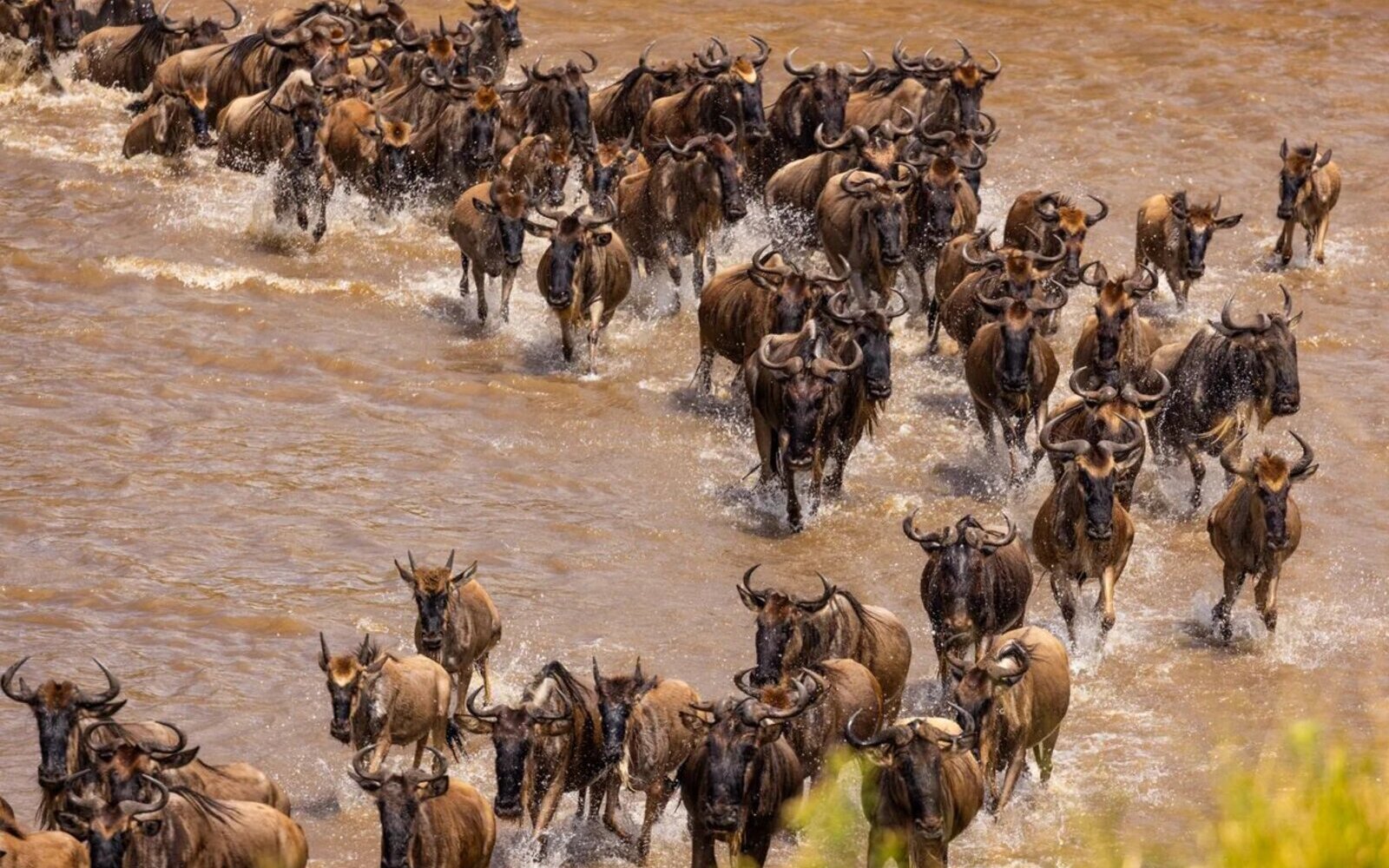
Kenya ignited the world's imagination for African safaris, and it remains the ultimate family safari destination for one overwhelming reason: the Great Migration. Between July and October, over 1.5 million wildebeest and 200,000 zebra thunder across the Mara River in the Masai Mara, with crocodiles lurking in the shallows and lions waiting on the far bank. Children watch this primal drama unfold from open 4x4 vehicles, mouths agape, cameras clicking, senses overwhelmed — it's nature's greatest show on Earth, and it's utterly unforgettable.
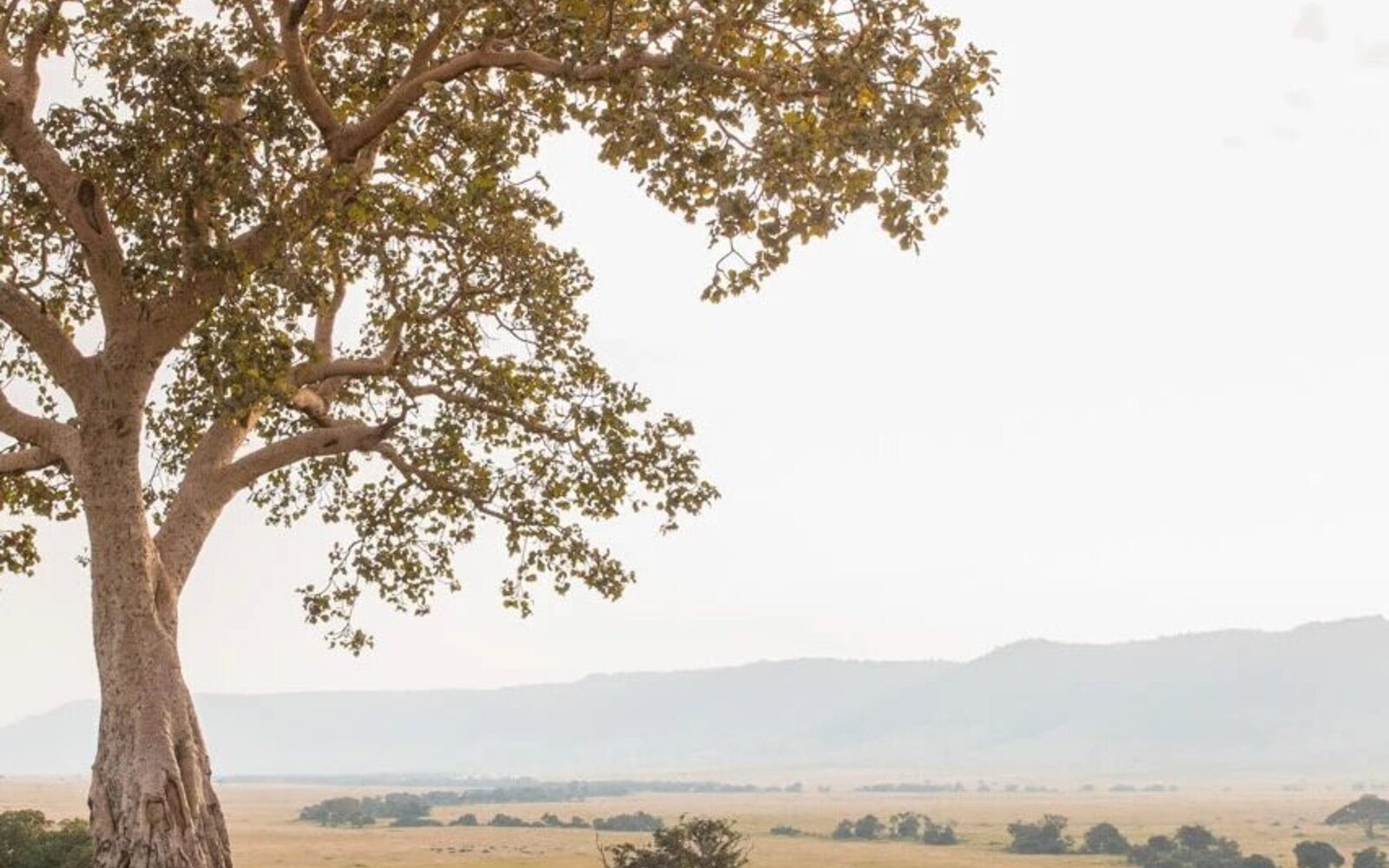
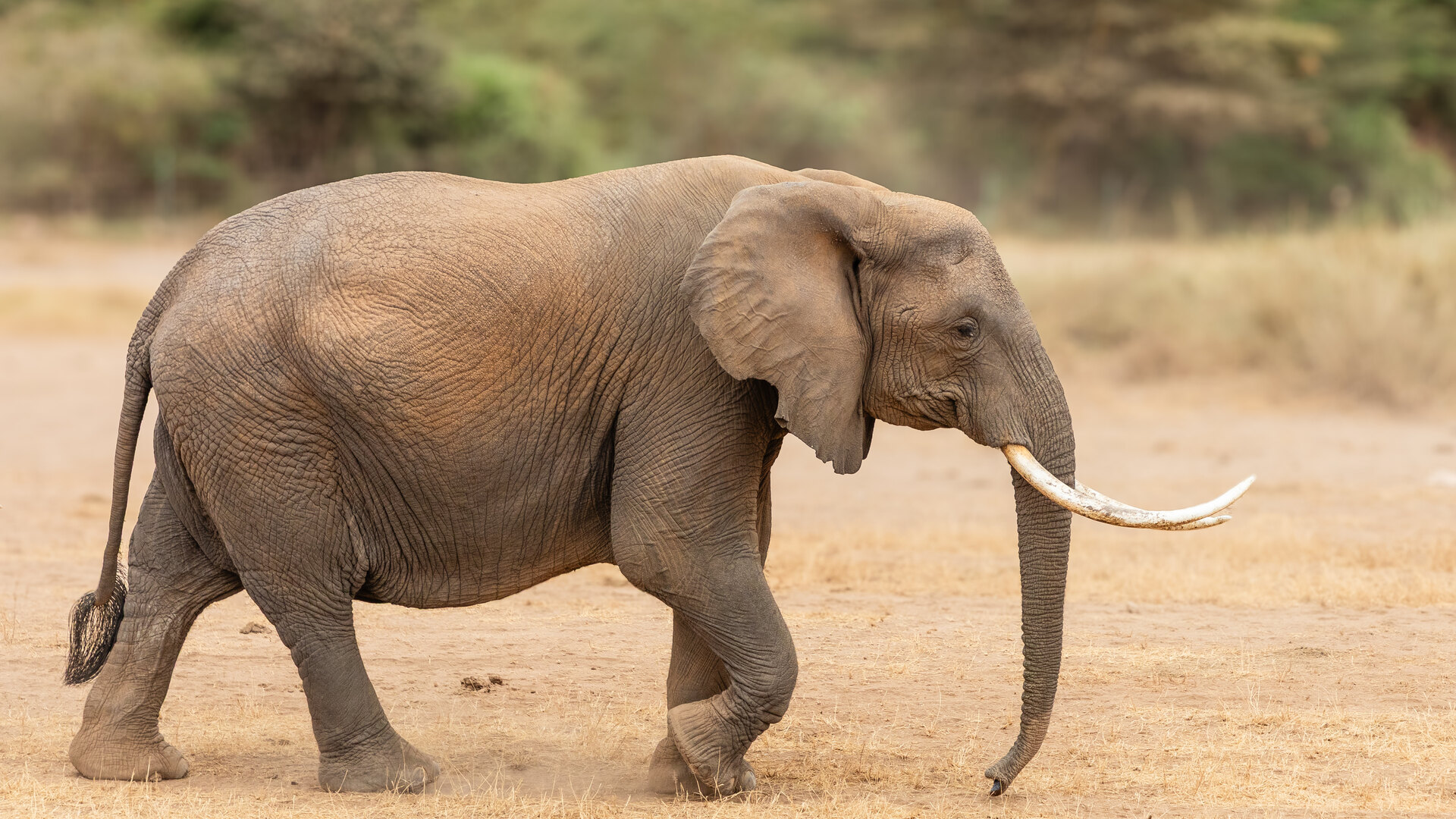
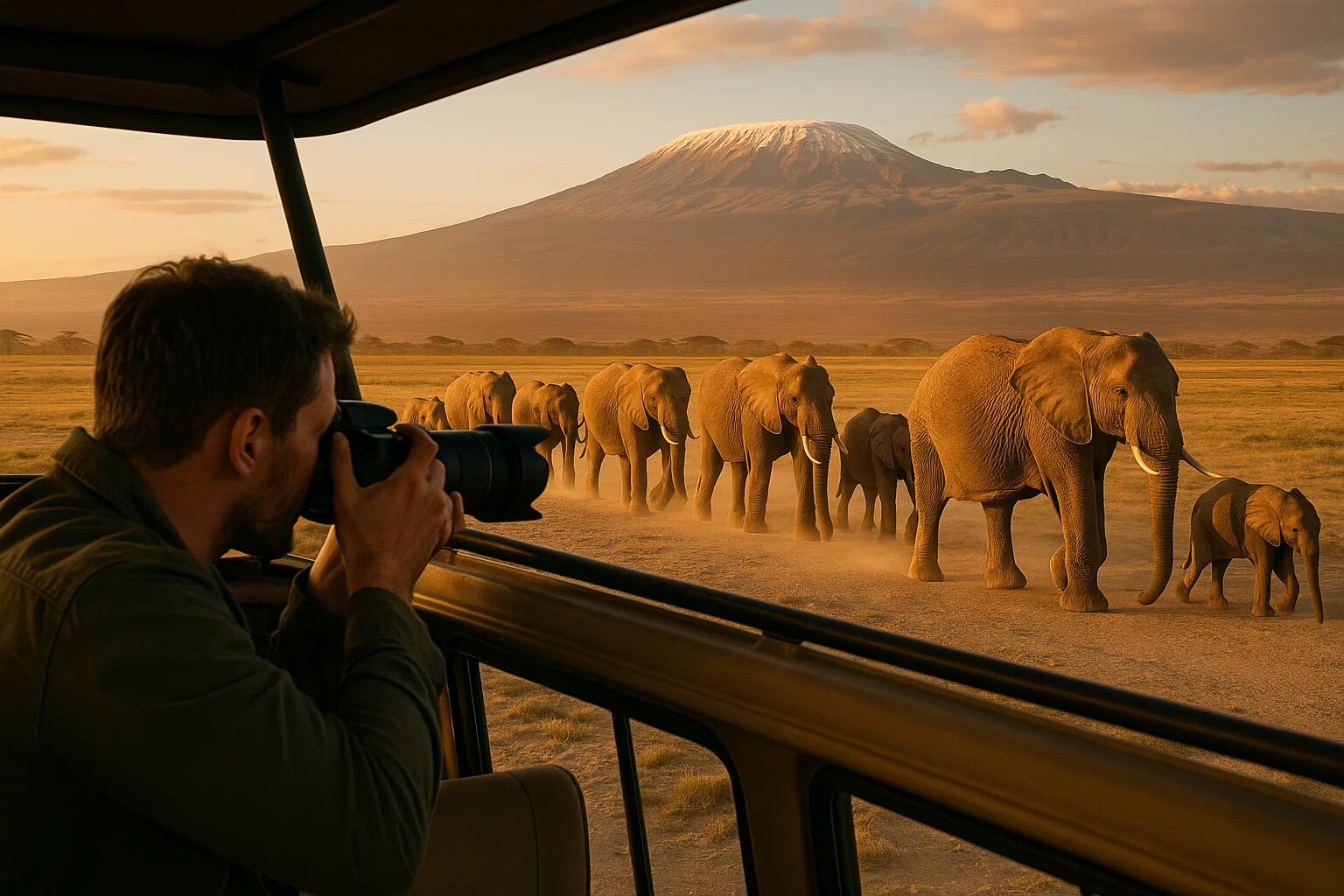
But Kenya offers far more than the Migration. Amboseli National Park frames enormous elephant herds against Kilimanjaro's snow-capped peak (one of Africa's most iconic scenes). The Giraffe Centre in Nairobi lets children hand-feed endangered Rothschild giraffes from a raised platform. Diani Beach on the Indian Ocean coast provides white-sand relaxation, snorkelling, dhow cruises, and safe swimming after the intensity of safari days.
Kenya's family safari infrastructure is excellent: lodges with family suites and kids' programmes, light-aircraft flights that minimise road travel (Nairobi to Masai Mara is 45 minutes by air vs. 5–6 hours by road), experienced guides trained in child safety, and Maasai cultural experiences that educate without exploiting.
Masai Mara — The World's Greatest Wildlife Show
The Masai Mara is Kenya's crown jewel and the northern extension of Tanzania's Serengeti ecosystem. For families, the Mara offers two distinct safari experiences:
The Main Reserve vs. Private Conservancies
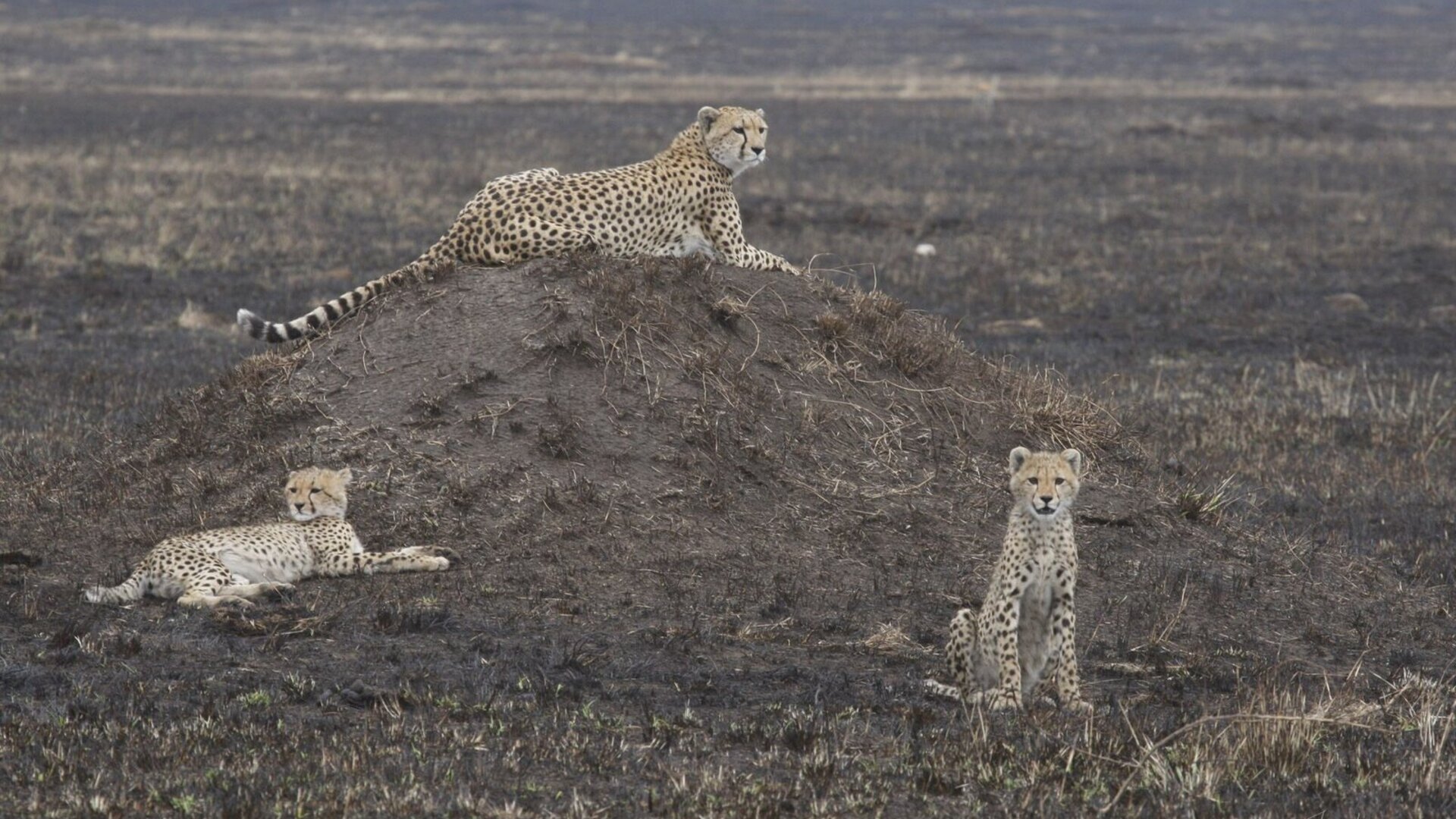
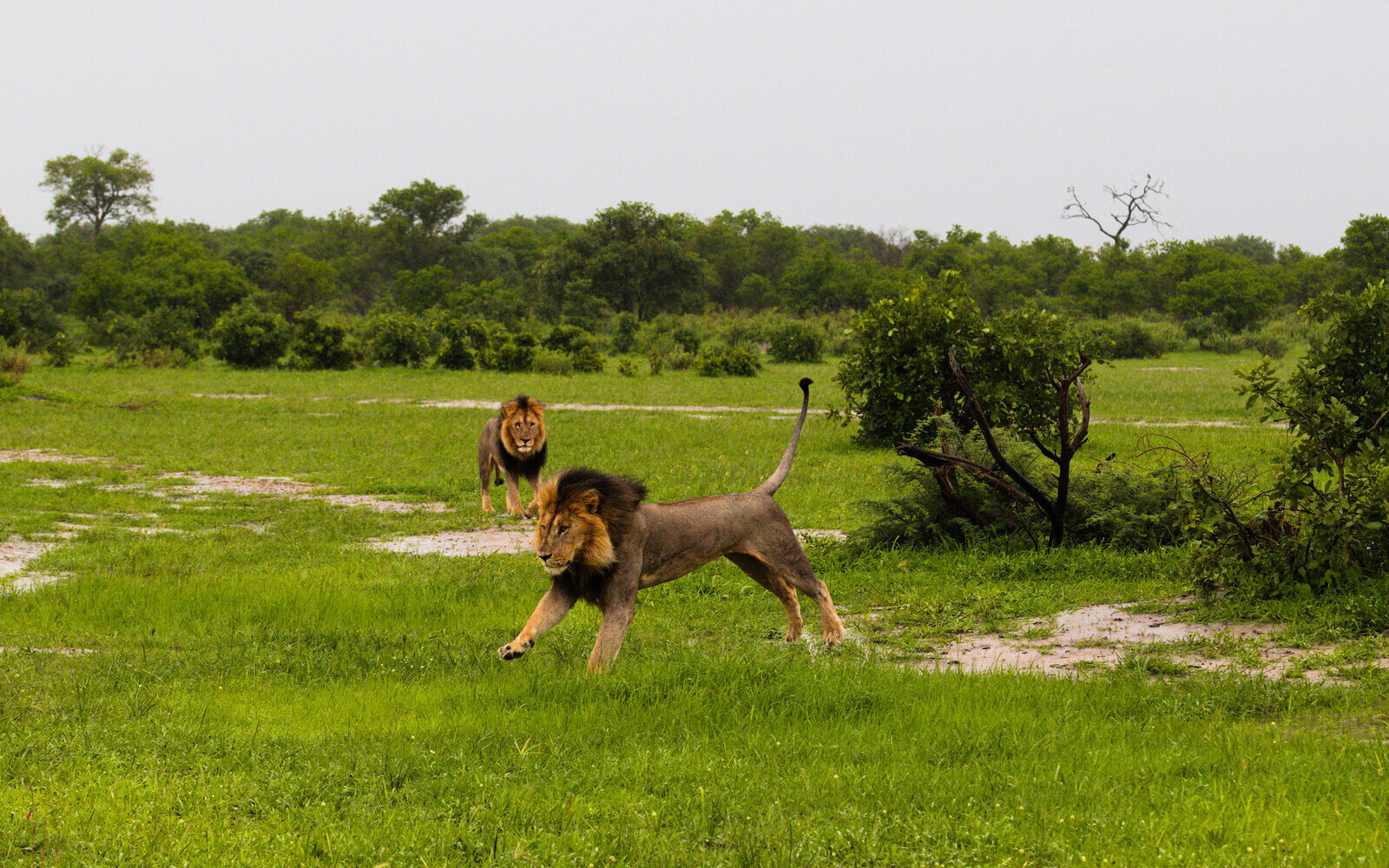
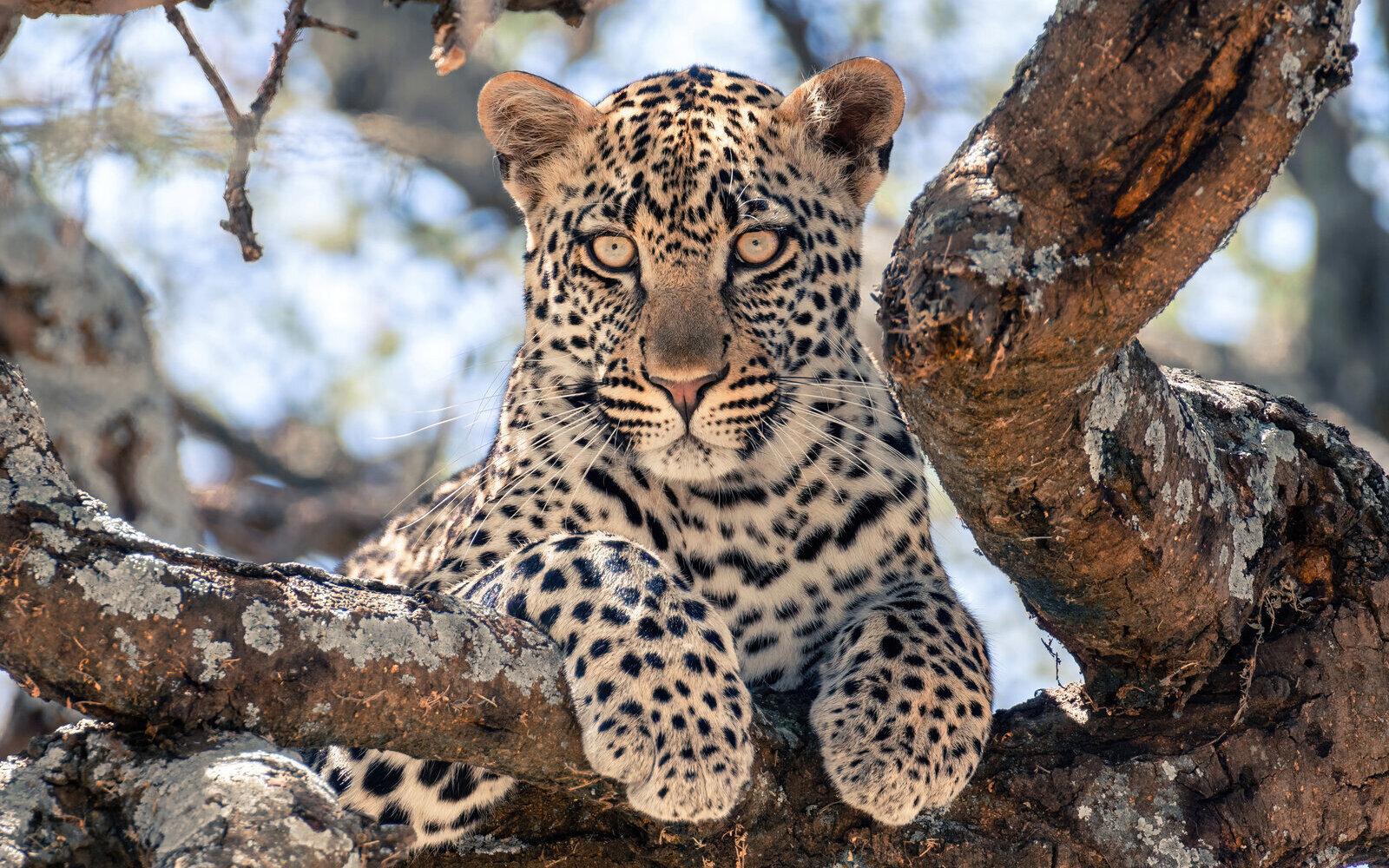
The Masai Mara National Reserve (main park) has excellent year-round wildlife and is where most Great Migration river crossings occur (Mara and Talek rivers). Game drives here can be busy during peak season (July–October) with multiple vehicles at sightings, but the wildlife density is unmatched — lions, cheetahs, leopards, elephants, and during the Migration, a million wildebeest covering the plains as far as you can see.
Private conservancies (Olare Motorogi, Mara North, Naboisho, Ol Kinyei) border the main reserve and offer exclusive game viewing with vehicle limits (typically 2–3 vehicles per sighting), walking safaris (age 12+, with armed rangers), night drives (spotlighting nocturnal animals), and Maasai cultural visits. Conservancy lodges cost more but provide a quieter, more intimate safari experience — ideal for families who want space and flexibility.
Top Family Lodges in the Masai Mara
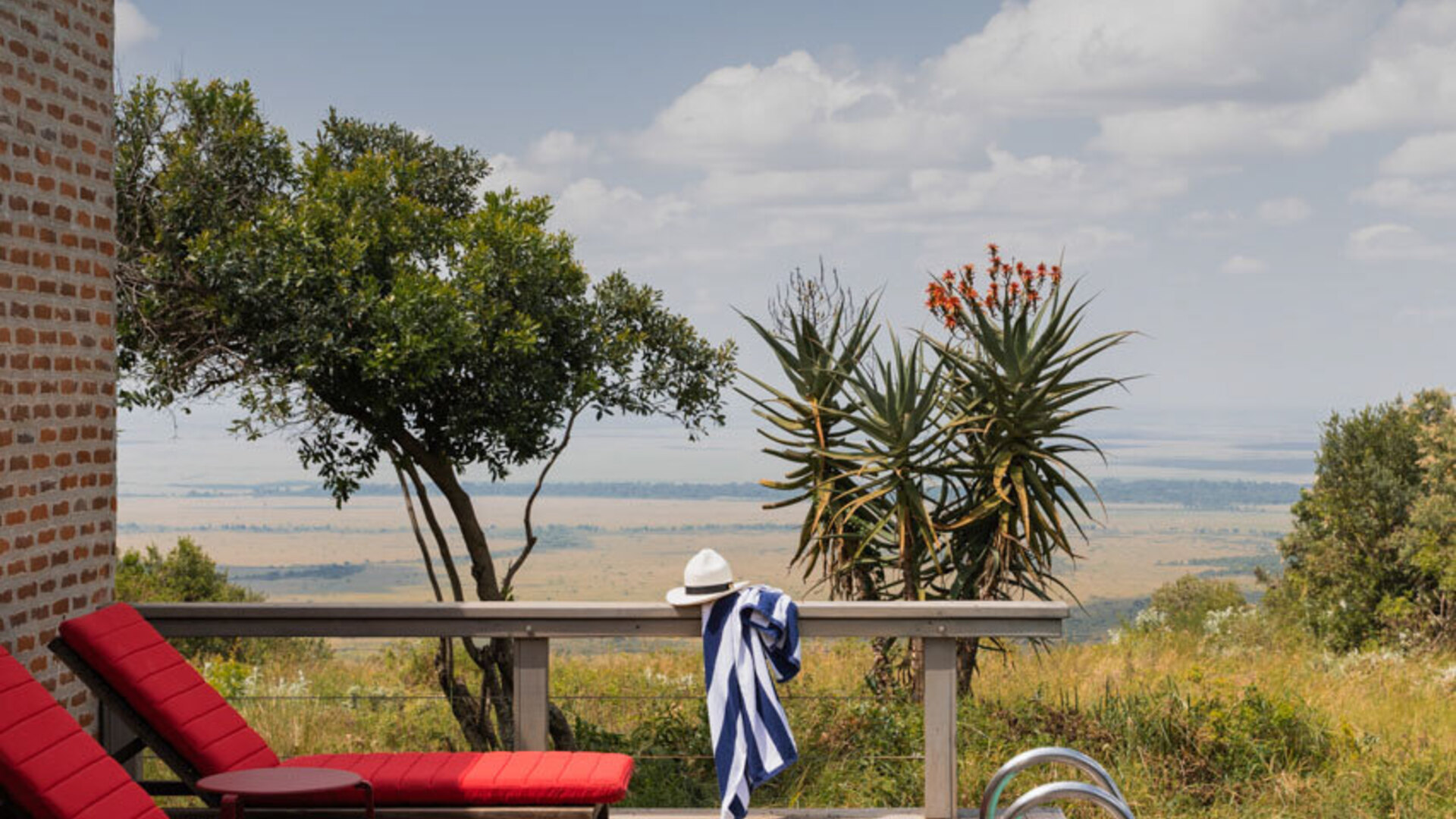
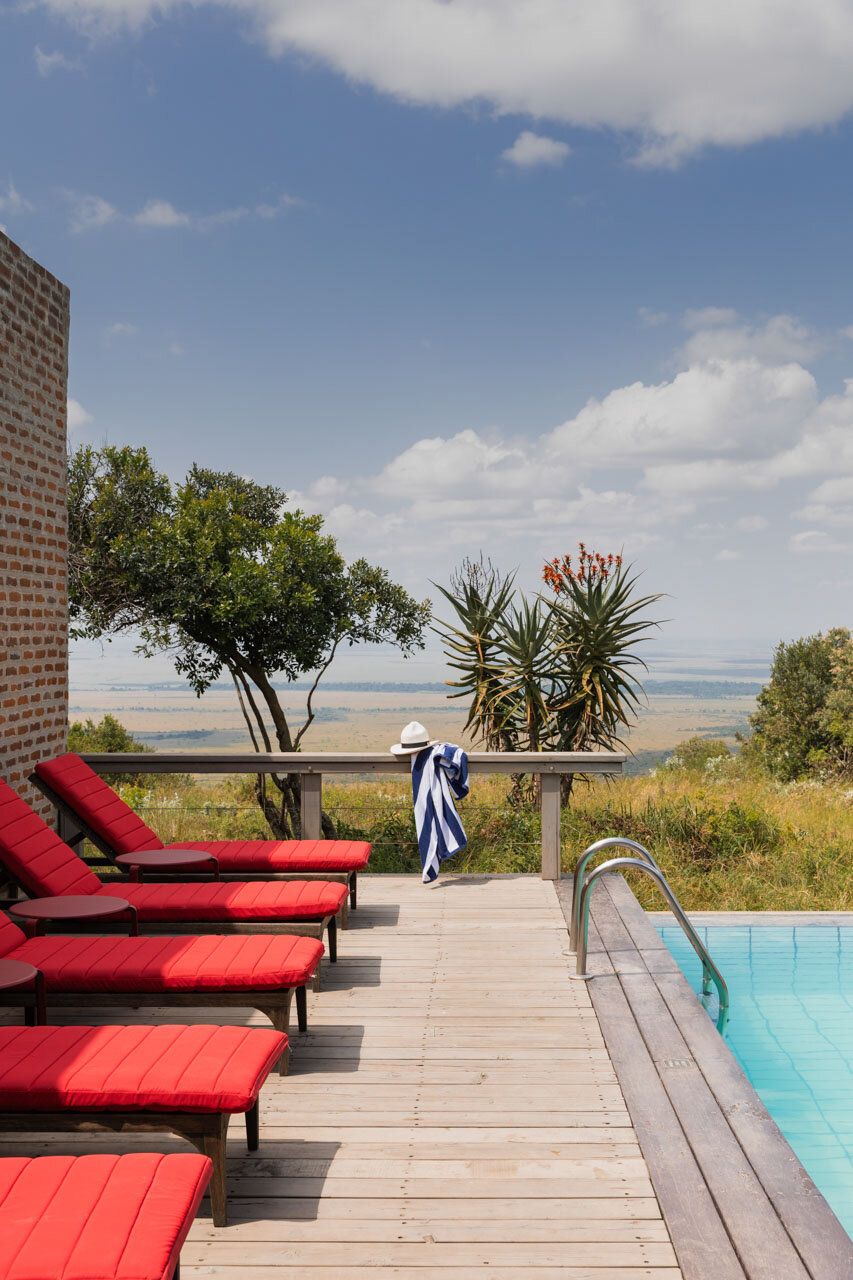
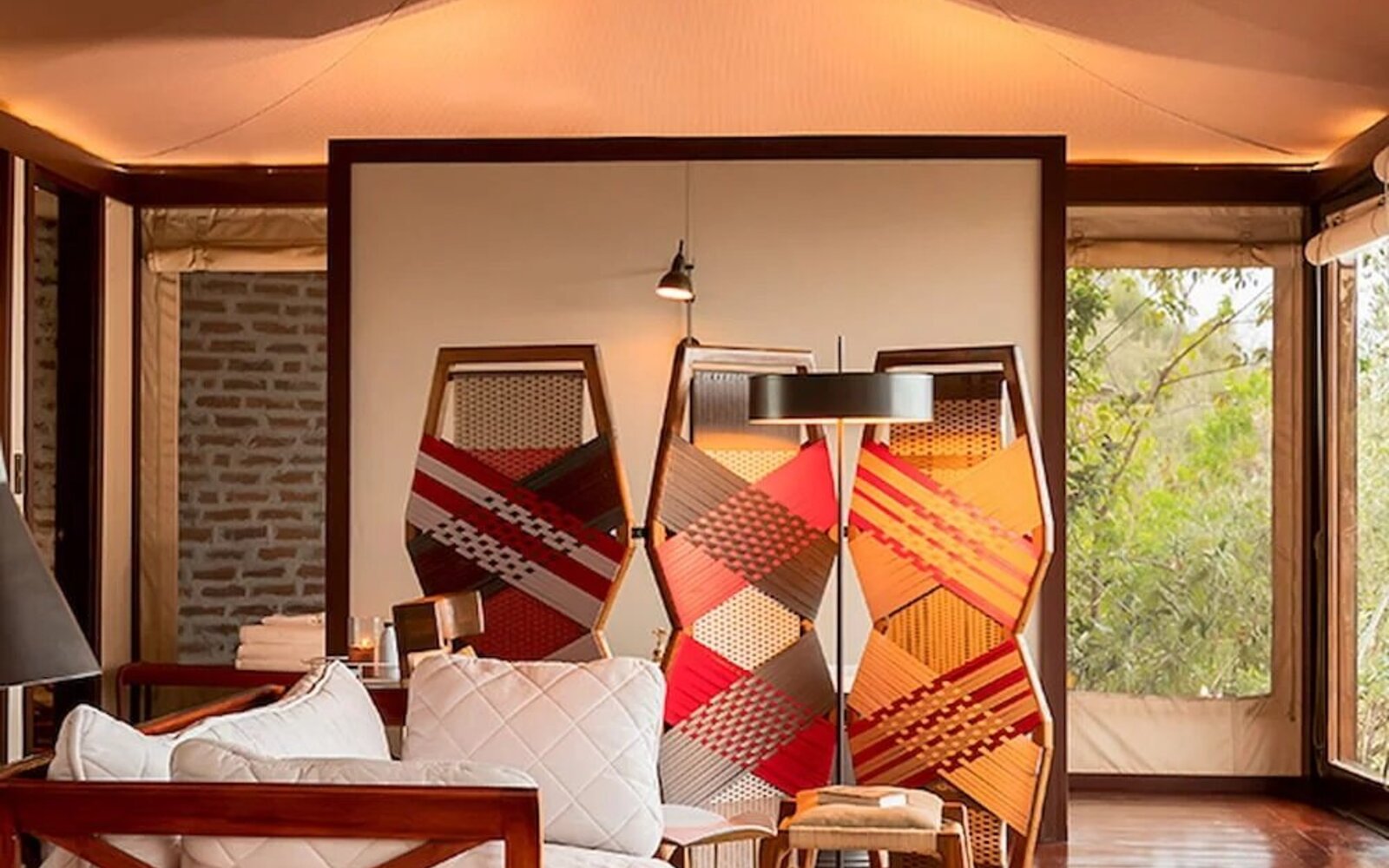
Angama Mara — Perched on the rim of the Great Rift Valley with panoramic views over the Mara plains (the "Out of Africa" filming location), Angama welcomes children of all ages and offers family tented suites, private game drives, hot-air balloon safaris (age 7+), and a dedicated photography studio where kids learn wildlife photography from professional guides. The infinity pool overlooking the Mara is spectacular.
Governors' Camp — The original Mara tented camp (since 1972), Governors' offers family tents along the Mara River, excellent value compared to conservancy camps, and game viewing so prolific you might see lions from your tent. Children ages 7+ are welcome, and the camp's location means you're first at river crossings during the Migration.
Basecamp Masai Mara (conservancy) — An eco-conscious camp with family tents, cultural immersion (Maasai guides, village visits), and walking safaris for older children. The camp plants one tree for every guest night and supports local community projects — great for teaching children about conservation.
The Great Migration with Kids
If your family can travel between July and October, witnessing the Great Migration's Mara River crossings is the wildlife experience of a lifetime. Hundreds of thousands of wildebeest mass on the riverbank, hesitating, calling, building courage. Then one jumps — and the flood begins. They plunge down steep banks into the crocodile-infested river, swept by currents, scrambling up the far side while predators wait.
It's chaotic, primal, and utterly mesmerising. Children sit transfixed in the game drive vehicle, binoculars raised, asking a hundred questions. "Why are they crossing?" "Where are the babies?" "Did that one make it?"
Your guide will explain the ancient rhythms driving the Migration — the search for fresh grass following seasonal rains, the survival instinct pushing prey north from the Serengeti into Kenya, the cycle that has repeated for millennia. It's nature's greatest classroom, and it changes how children see the world.
Exploring Family Safari Beyond Kenya?
Kenya's drama is unmatched, but the continent offers even more. South Africa provides malaria-free Big Five reserves perfect for younger children, Botswana the Okavango Delta's water-based safari, and Tanzania the Serengeti–Ngorongoro–Zanzibar trifecta. Explore our complete family safari guides:
See the Lodges: Kenya’s Best Family Safari Camps
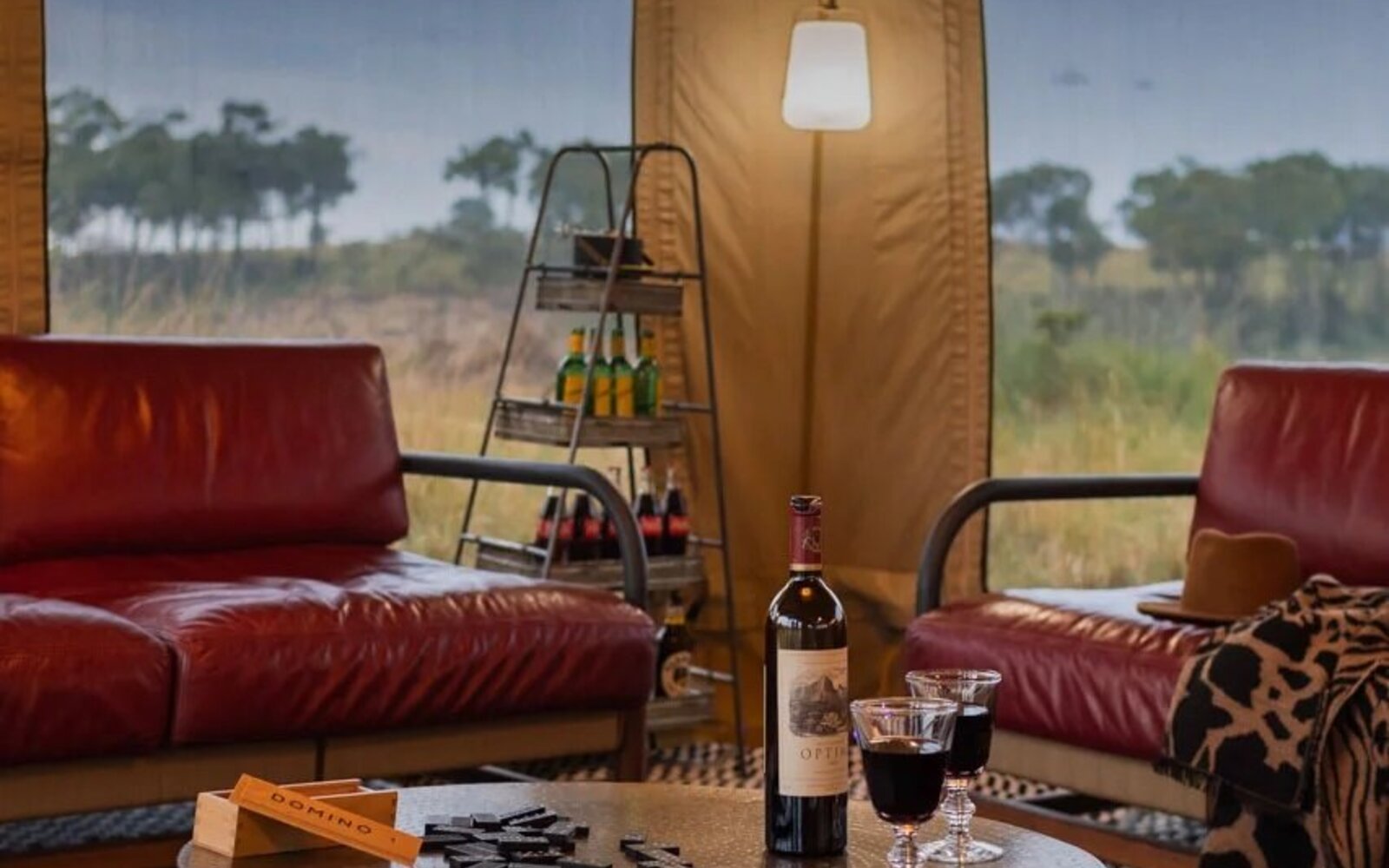
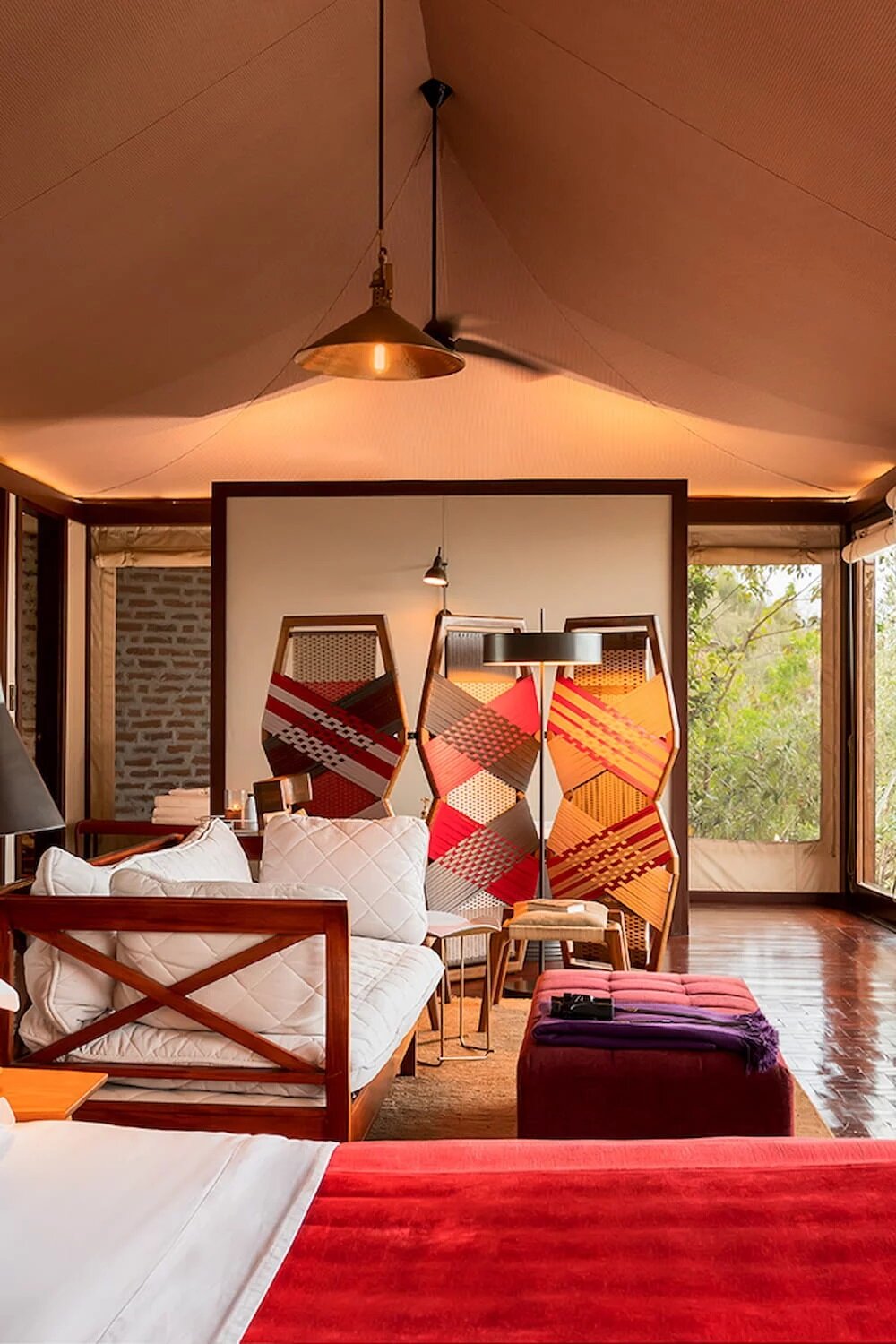
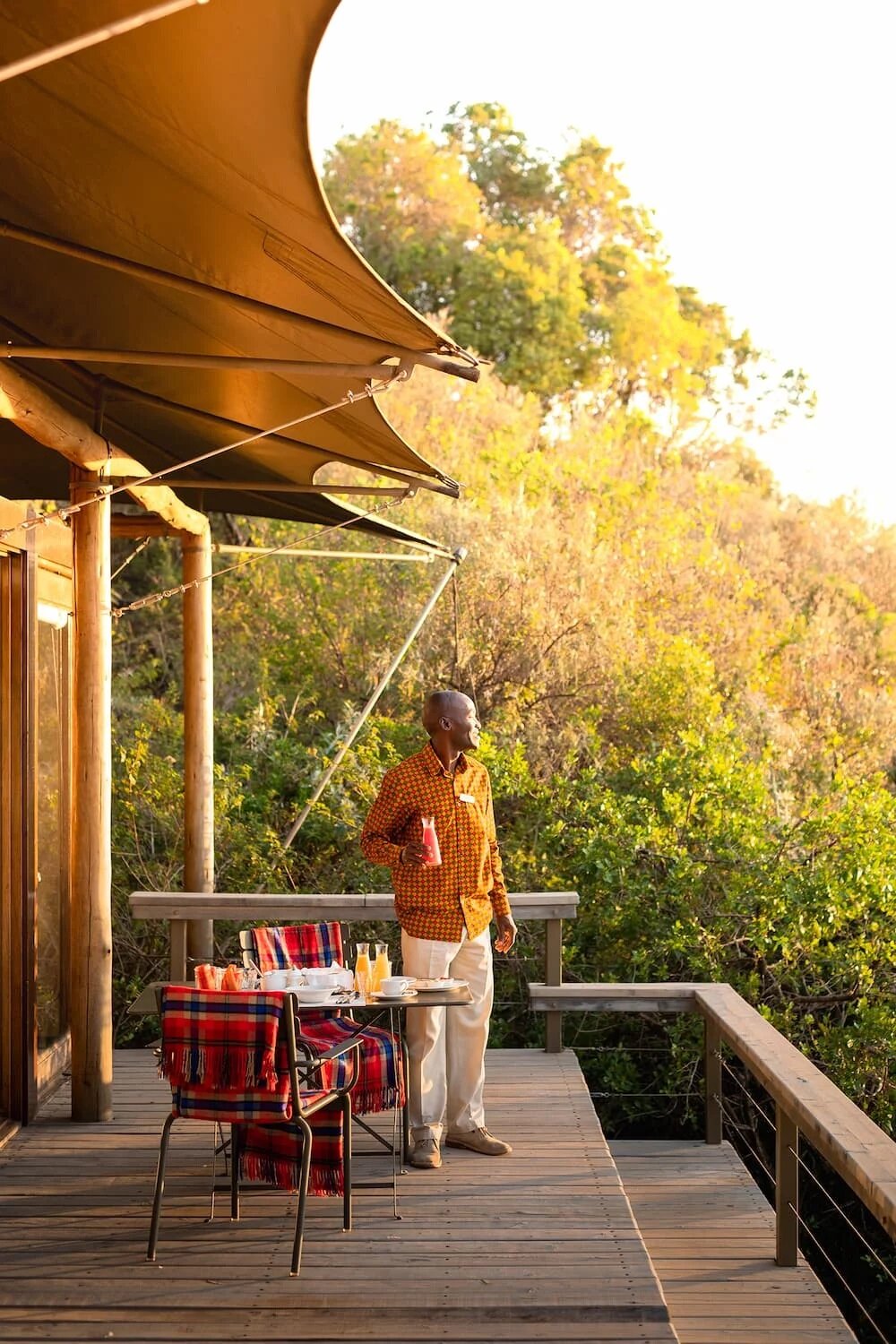
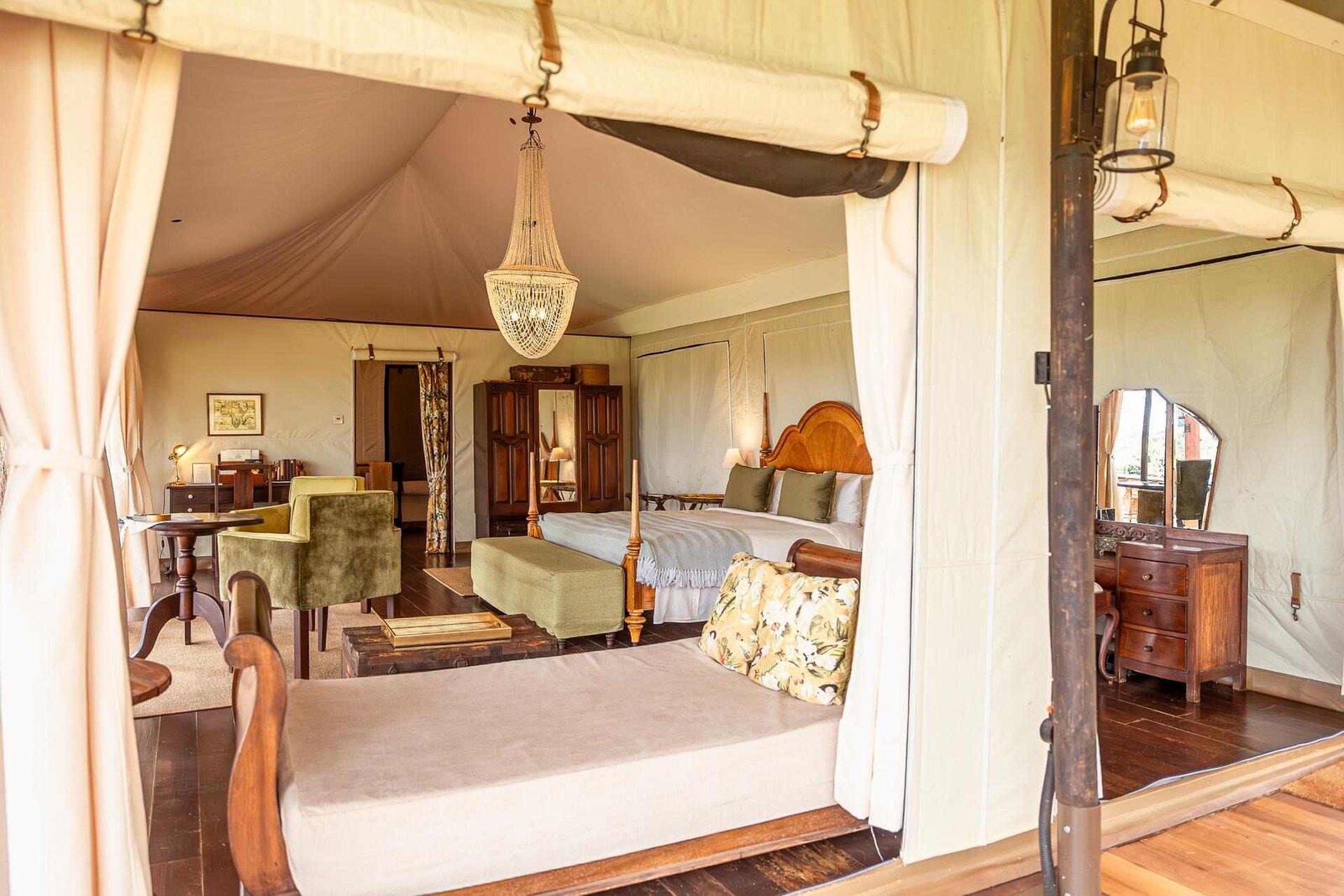
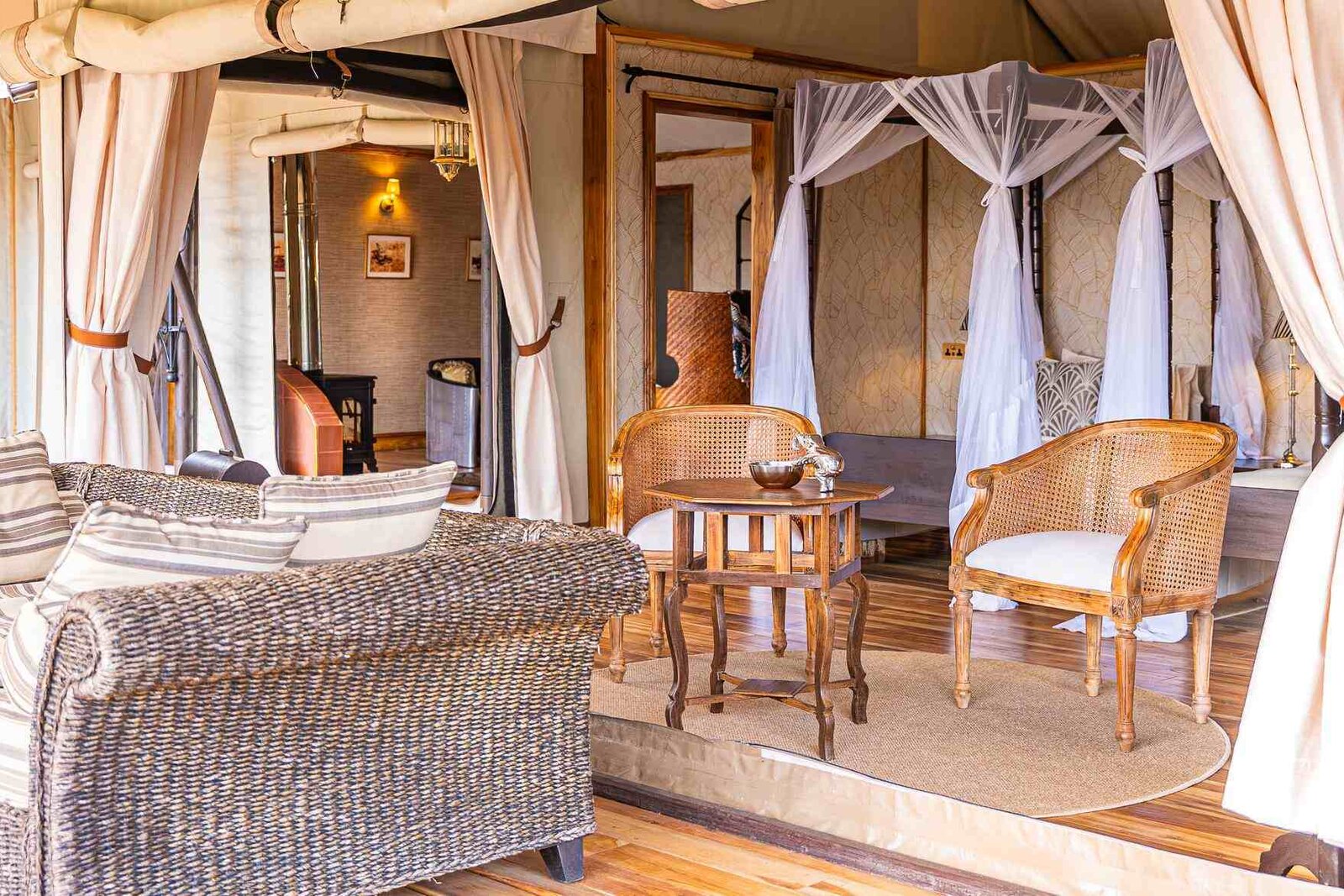
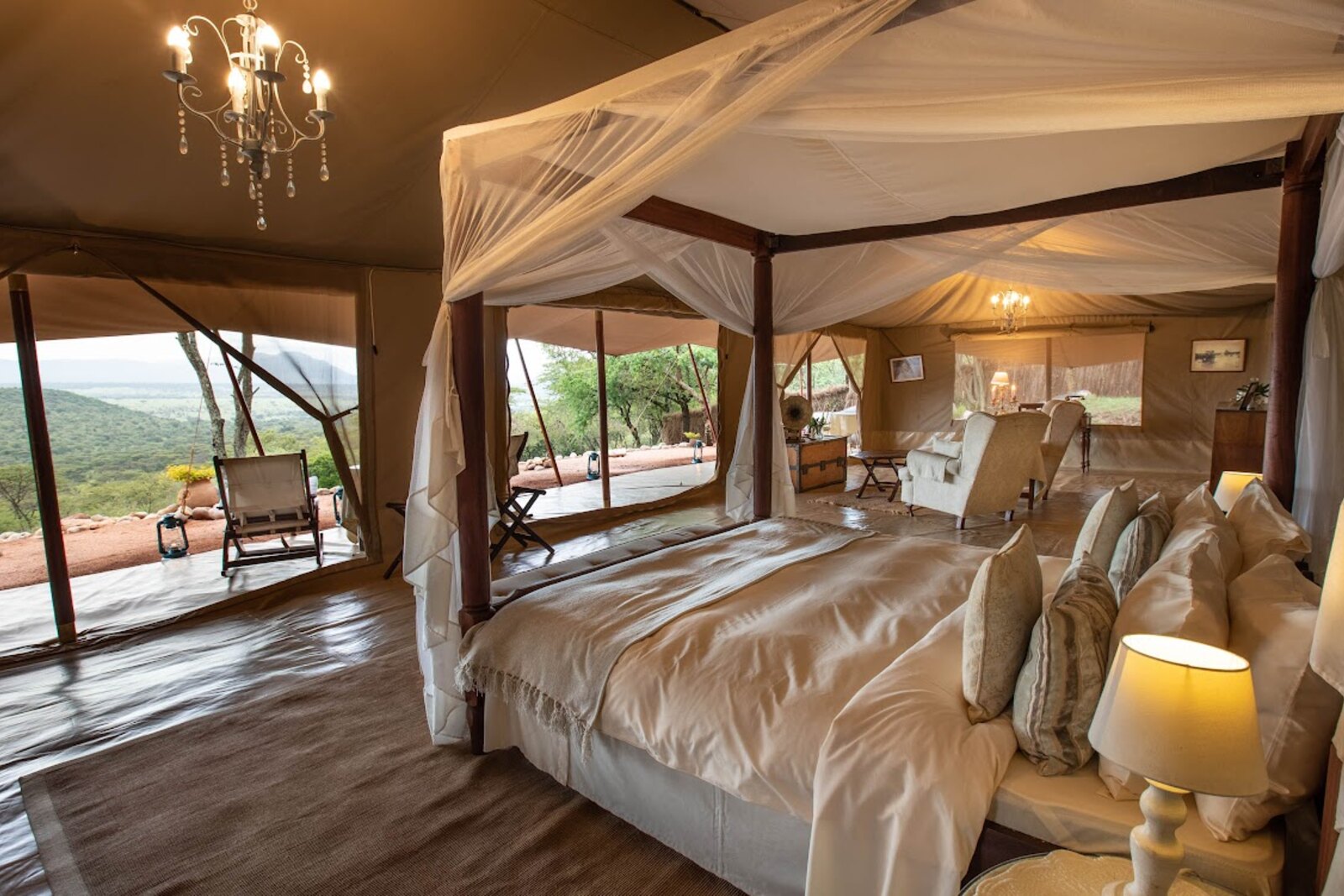
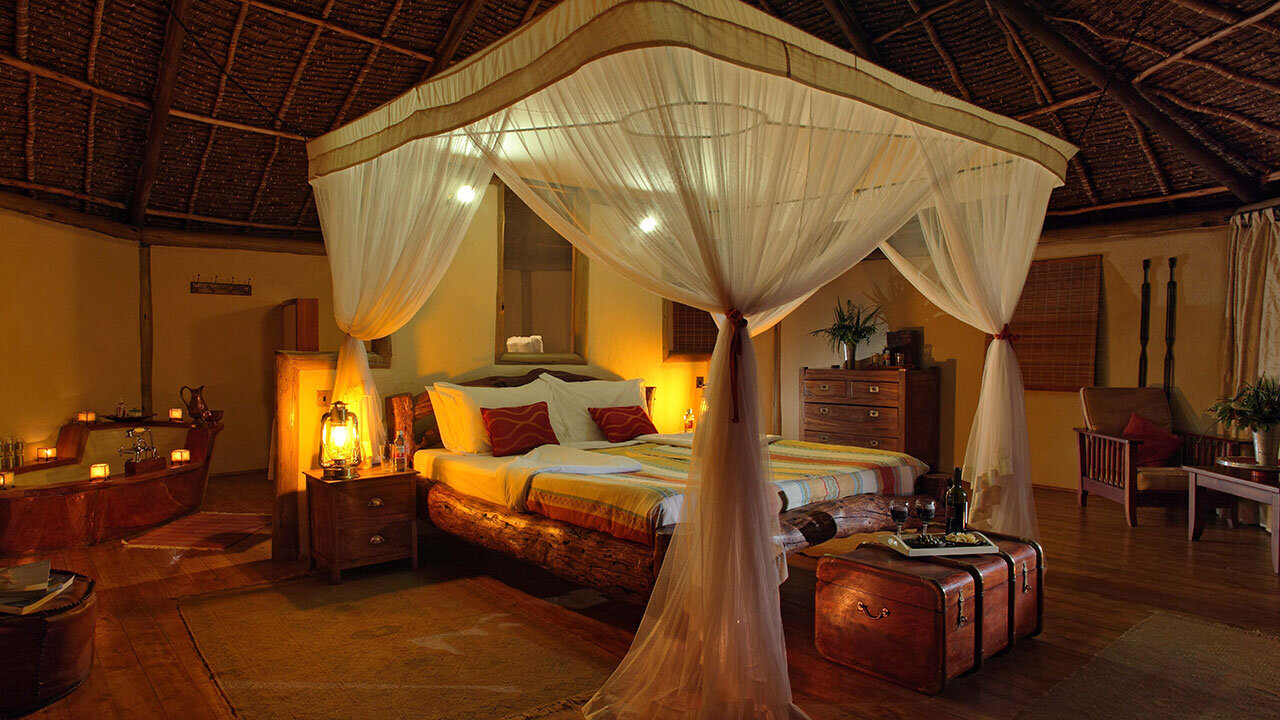
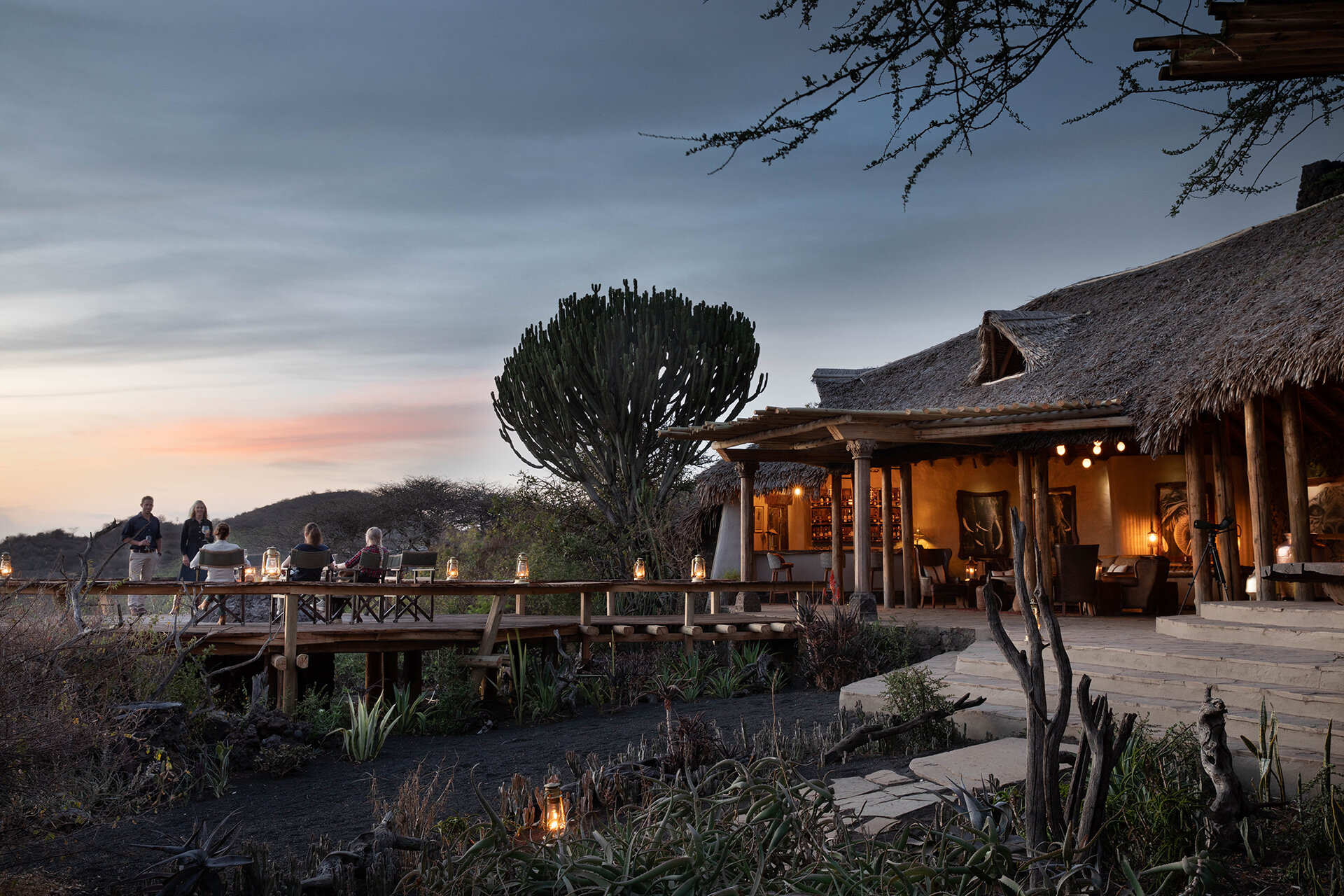
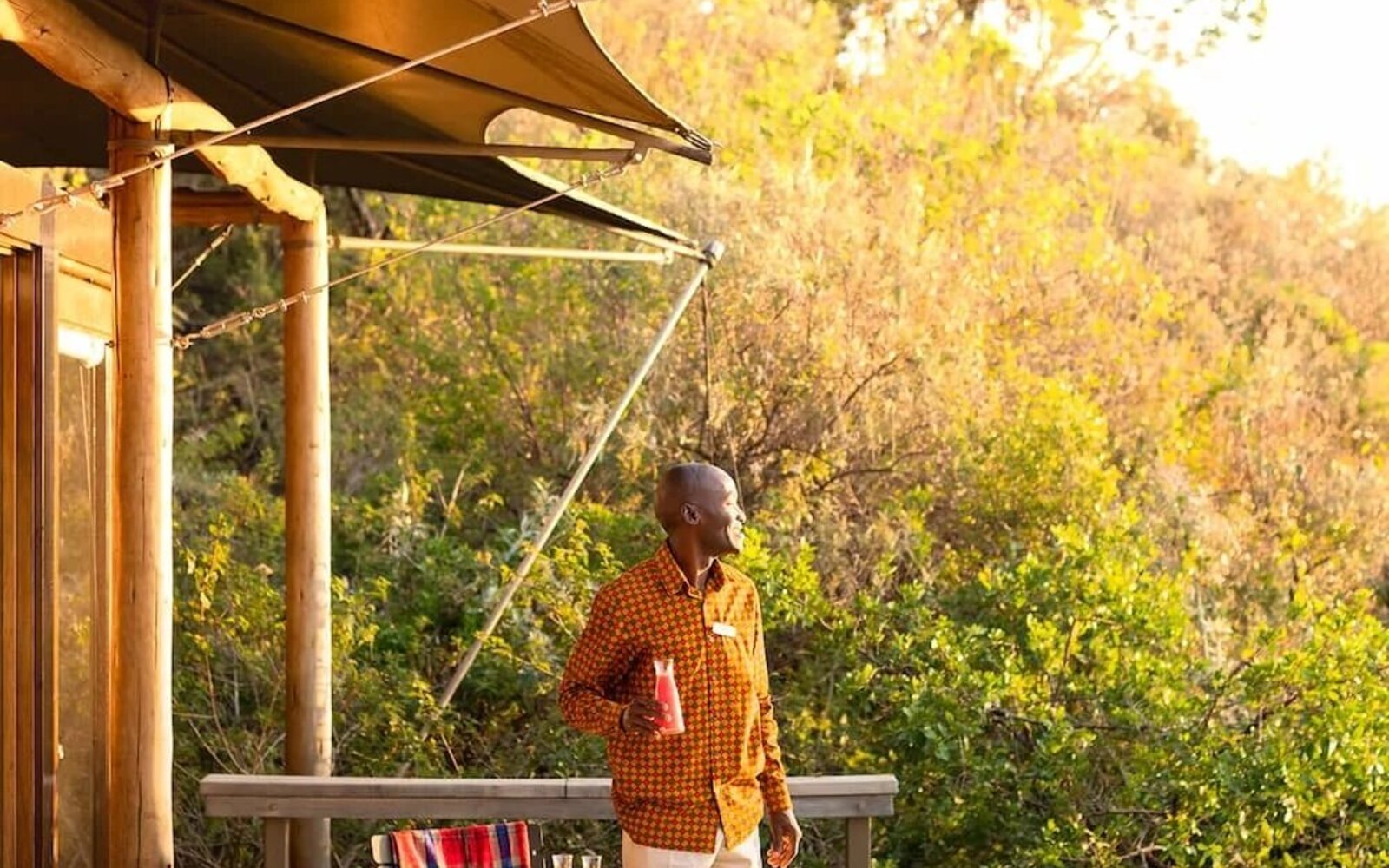
The right camp makes or breaks a family safari. These three — a Rift Valley icon, an heirloom conservancy camp, and a Kilimanjaro-facing family favourite — each pair world-class game viewing with genuine child-friendly flexibility. Swipe through each gallery to see the suites, pools and settings your family will call home.
Which Kenya Destination Suits Your Family?
Every family is different — the right mix depends on your children’s ages, whether you want the Migration’s drama, and how you feel about crowds versus exclusivity. Use this at-a-glance matrix to shape your itinerary.
Amboseli National Park — Elephants Against Kilimanjaro
Amboseli delivers one of Africa's most iconic scenes: enormous elephant herds silhouetted against the snow-capped peak of Mount Kilimanjaro (Africa's highest mountain, just across the border in Tanzania). The park is famous for its "super tuskers" — old bull elephants with tusks so large they almost touch the ground — and elephant research pioneered by Cynthia Moss (some elephants have been studied for over 40 years).
Amboseli is smaller and less busy than the Masai Mara, making it ideal for families wanting a quieter safari experience. Game drives focus on elephants (you'll see hundreds), but the park also hosts lions, cheetahs, hyenas, zebras, wildebeest, giraffes, and over 400 bird species. The landscapes are dramatic — open plains, acacia woodlands, swamps fed by Kilimanjaro's snowmelt, and dust devils swirling across dry lake beds.
Best family lodge: Tortilis Camp (family tents, private conservancy game drives, cultural visits to Maasai villages, swimming pool). The camp sits outside the park in a private conservancy, so you can do walking safaris and night drives (not allowed in the national park itself).
Nairobi — Urban Adventures Before or After Safari
Most Kenya family safaris start or end in Nairobi, and the city offers several excellent family attractions worth a day or two:
- Giraffe Centre — Hand-feed endangered Rothschild giraffes from a raised platform. The giraffes wrap their long purple tongues around pellets you hold between your lips (yes, really — kids squeal with delight). Educational centre teaches about giraffe conservation. Allow 1–2 hours. Book morning slots to avoid crowds.
- David Sheldrick Wildlife Trust (Elephant Orphanage) — Meet baby elephants rescued from poaching, drought, and human-wildlife conflict. The orphans are bottle-fed at 11:00 AM daily while keepers explain each elephant's rescue story. It's heart-wrenching and inspiring. Booking essential (limited daily visitors).
- Nairobi National Park — A full safari park (lions, rhinos, buffaloes, giraffes, zebras) just 7km from the city centre, with Nairobi's skyline visible in the background. Perfect for a half-day safari if you have time before an evening flight. Self-drive or hire a guide at the gate.
- Karen Blixen Museum — The "Out of Africa" farmhouse where the Danish author lived. Older children who've read the book or seen the film will appreciate it; younger kids find it boring. Beautiful gardens, though.
For accommodation, Hemingways Nairobi (family suites, pool, excellent restaurant) or Tribe Hotel (contemporary design, family-friendly, Village Market shopping nearby) are both safe, comfortable, and close to the Giraffe Centre and airport.
Diani Beach — Indian Ocean Paradise After Safari
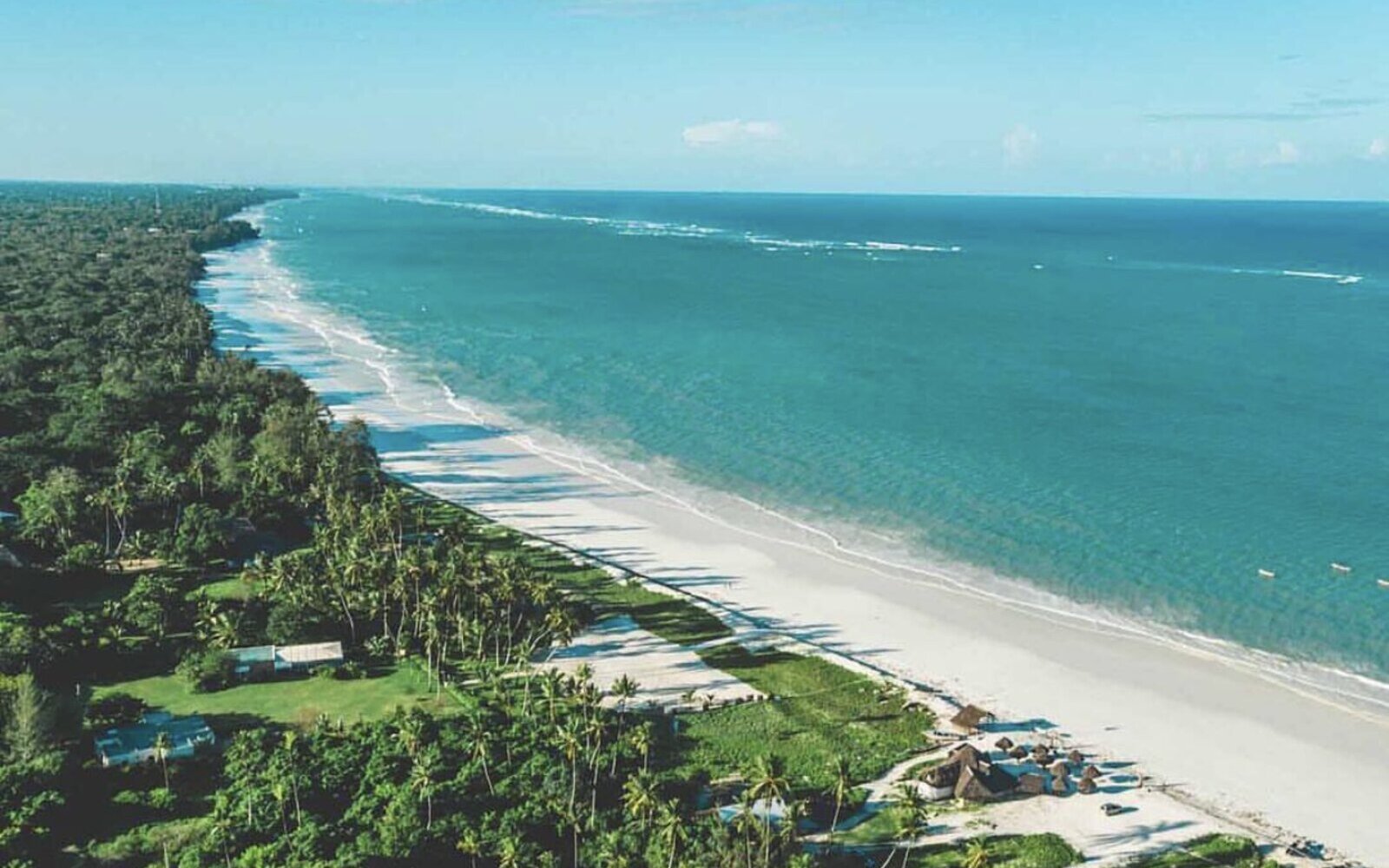
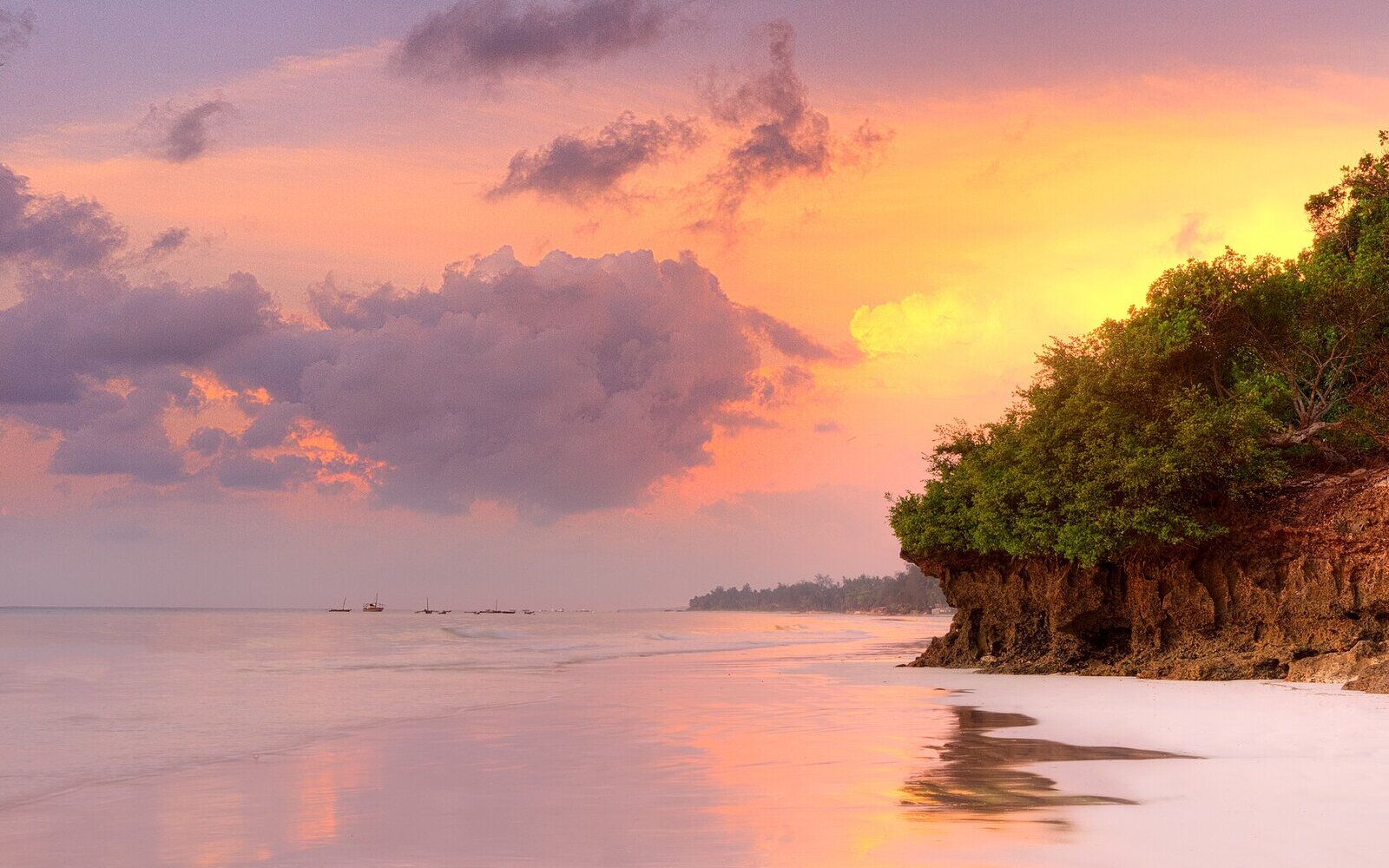
Diani Beach, 30km south of Mombasa on Kenya's coast, is the perfect safari counterbalance — white sand, turquoise lagoons, swaying palms, warm calm water (safe for children), and a relaxed beach-resort vibe. Most families combine 3–4 nights Masai Mara safari with 4–5 nights at Diani Beach, connected by a short light-aircraft flight (Wilson Airport Nairobi to Ukunda airstrip Diani, 1.5 hours).
What to do at Diani Beach:
- Beach time — The main draw. Soft white sand, reef-protected lagoon (calm, shallow, safe for kids to swim and snorkel), beach bars, volleyball.
- Snorkelling and diving — The coral reef offshore is vibrant (though suffering from warming — go soon). Snorkel trips to Kisite-Mpunguti Marine National Park see dolphins, turtles, reef sharks. Older kids (10+) can try scuba diving.
- Dhow cruises — Traditional wooden sailing boats take families on sunset cruises with snacks and soft drinks. Some offer full-day trips to nearby islands.
- Shimba Hills National Reserve — Just 30 minutes inland, this forest reserve has elephants, sable antelope (rare), waterfalls, and canopy walks. A great half-day trip if kids want a break from beach.
- Kite surfing and water sports — Diani has consistent wind (especially June–September). Teens can try kite surfing lessons; younger kids enjoy paddle boards and kayaks.
- Colobus Conservation — Rescue centre for the endangered Angolan colobus monkey. Educational centre and forest walks. Kids love seeing the monkeys leap through the canopy.
Top family resorts: AfroChic Diani Beach (boutique, adults-only in some areas but welcomes families in others — check), Almanara Luxury Resort (family villas with plunge pools, kids' club, excellent food), Leopard Beach Resort (large family-friendly resort, multiple pools, water sports centre).
Sample 10-Day Kenya Family Safari-and-Beach Itinerary
Day 1: Arrive Nairobi
Evening arrival at Jomo Kenyatta International Airport. Transfer to city hotel (Hemingways or Tribe). Rest and recover from the flight. Light dinner at hotel.
Day 2: Nairobi — Giraffe Centre & Elephant Orphanage
Morning visit to the Giraffe Centre (hand-feed giraffes, learn about conservation). Midday visit to David Sheldrick Elephant Orphanage (11:00 AM feeding session — booking essential). Afternoon at leisure (hotel pool) or optional visit to Nairobi National Park. Early dinner and early night (tomorrow's flight departs at 7:00 AM).
Days 3–5: Masai Mara (3 Nights)
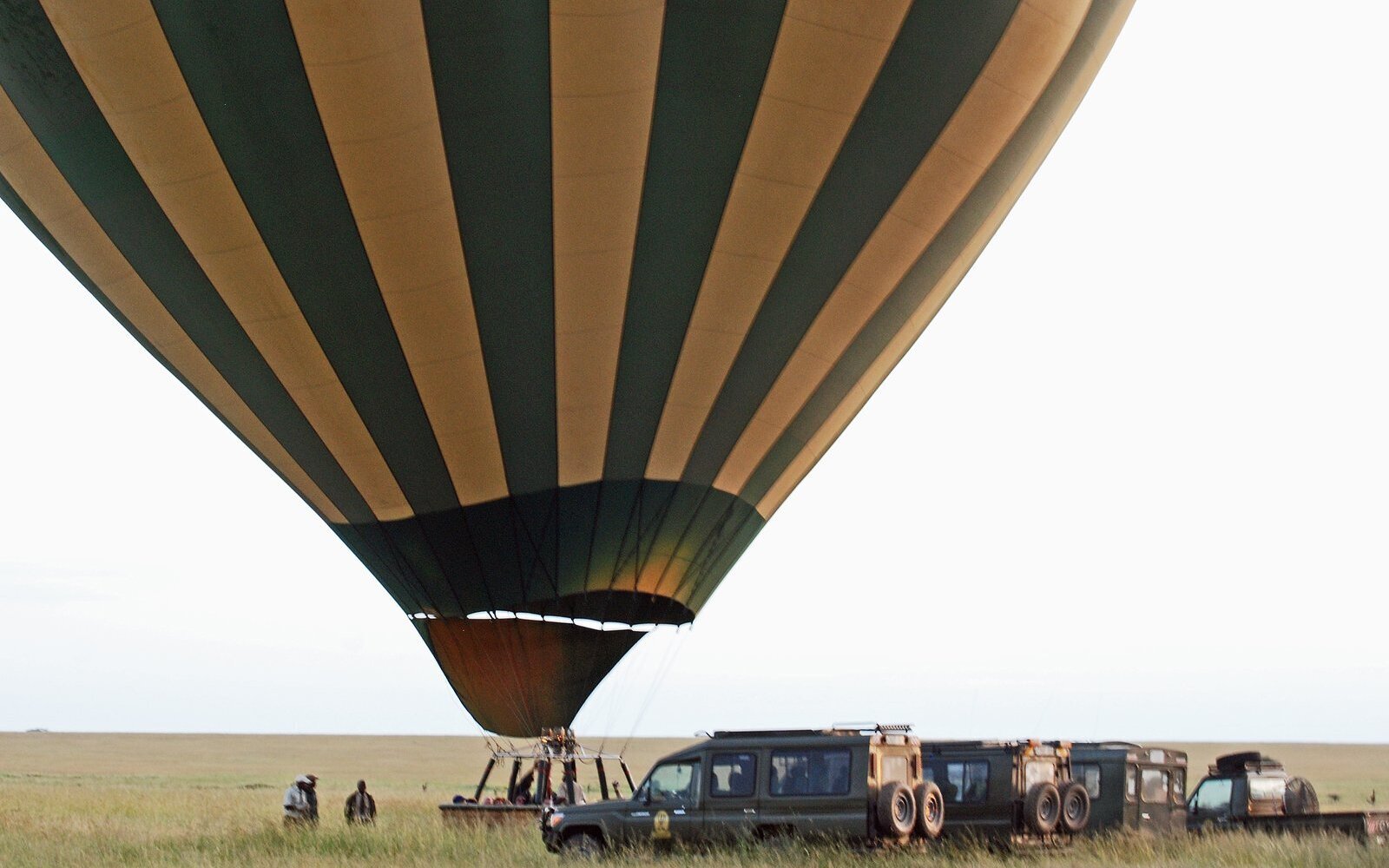
Morning light-aircraft flight from Wilson Airport to the Mara (45 minutes). Three nights at a family-friendly lodge (Angama Mara, Governors' Camp, or conservancy camp). Daily game drives (morning and afternoon), sundowner stops, optional hot-air balloon safari (age 7+, early morning), Maasai village visit (cultural immersion, warrior ceremonies, beadwork demonstrations). If travelling July–October, witness the Great Migration river crossings — the wildlife spectacle of a lifetime.
Day 6: Fly to Diani Beach
Morning game drive, then fly from the Mara to Diani Beach via Nairobi (light aircraft to Wilson, connect to Ukunda, total ~2.5 hours with connection). Afternoon arrival at beach resort. Settle in, swim, relax. The shift from safari intensity to beach calm is exactly what families need.
Days 7–9: Diani Beach (3 Nights)
Beach days — swimming, snorkelling the reef, building sandcastles, water sports, dhow cruises. Optional half-day trip to Shimba Hills National Reserve (forest elephants, waterfall, canopy walk). Optional visit to Colobus Conservation centre. Sunset cocktails (adults) and mocktails (kids) on the beach. This is wind-down time after the early mornings and long game drives of the Mara.
Day 10: Depart
Morning at leisure (final swim, pack). Transfer to Ukunda airstrip or Mombasa airport for onward flights (most international flights to Nairobi depart evening, so you can fly Ukunda–Nairobi mid-afternoon and connect same-day).
Budget Planning for Kenya Family Safaris
Cost-saving strategies: Travel green season (November–June except December–January holidays) for 30–40% lower rates. Children under 6 often stay free at lodges; under-12s receive significant discounts. Book Mara main reserve lodges instead of conservancy camps (60–70% cheaper with excellent game viewing). Use scheduled light-aircraft flights (shared with other guests) instead of private charters. Combine one splurge (e.g. Angama Mara) with budget-friendly Diani beach self-catering villa.
Maasai Cultural Experiences for Families
Most Masai Mara lodges and conservancies offer Maasai cultural visits — these can be touristy or genuinely educational depending on how they're structured. The best experiences:
- Village visits with cultural context — Your guide explains Maasai pastoralist culture, warrior traditions, beadwork symbolism, and how tourism supports education and healthcare in the community. Children watch (and sometimes participate in) jumping ceremonies, see traditional homes (enkang), and learn about livestock's central role in Maasai life.
- Walking safaris with Maasai guides — Maasai warriors have lived alongside wildlife for centuries. Walking with them teaches children to read animal tracks, identify plants used for medicine and food, and understand the ecosystem from an indigenous perspective. Age 12+ typically, with armed rangers for safety.
- Beadwork workshops — Maasai women teach children (usually girls, though boys can participate) to make simple beaded bracelets. The income supports women's cooperatives. Kids treasure the bracelets they made themselves.
- Avoid: Staged "warrior dances" performed on demand with no context. Insist on experiences that educate and respect Maasai culture rather than turning it into a photo-op show.
The key: choose lodges and conservancies that employ Maasai staff, support community projects (schools, clinics, conservancies), and structure cultural visits as educational exchanges rather than performances.
Best Time to Visit — Month by Month
Kenya is a year-round destination, but the season shapes both the wildlife and the price. Here’s how the calendar plays out for families.
Essential Family Safari Tips for Kenya
- Malaria prophylaxis is essential — Consult your doctor at least 4–6 weeks before travel. Bring insect repellent with DEET (child-safe concentration), wear long sleeves and trousers at dusk, and sleep under mosquito nets (provided at all lodges).
- Light-aircraft flights save sanity — Nairobi to the Mara is 5–6 hours by road (rough, dusty, exhausting for kids) vs. 45 minutes by light aircraft. The extra cost is worth it for family peace.
- Book private game drives — Shared drives with strangers mean you're stuck with their schedule and interests. Private vehicles let you stop for bathroom breaks, skip boring sightings, and focus on what excites your kids (maybe they want to watch dung beetles for 20 minutes).
- Prepare kids for early mornings — Game drives depart at 6:00–6:30 AM (when animals are active). Talk up the adventure beforehand: "We're getting up before the sun to see lions hunting!" Most kids rise to the occasion when it's framed as exciting rather than a chore.
- Pack layers — Early morning game drives are cold (especially June–August), but afternoons are warm. Bring fleeces, hats, and scarves for everyone. Lodges provide blankets on vehicles, but own layers are more comfortable.
- Bring your own binoculars for kids — Lodges provide binoculars, but kids love having their own. Doesn't need to be expensive — even basic ones make game drives more engaging.
- Don't over-schedule beach days — After the early mornings and intensity of safari, families need downtime. Resist the urge to pack every Diani day with activities. Beach, pool, books, naps — that's the point.
- Consider travel insurance — Comprehensive travel insurance covering medical evacuation (flying doctor services in Kenya are expensive if you need them), trip cancellation, and lost luggage. Essential for families travelling with children.
Ready to Plan Your Kenya Family Safari?
We design tailor-made Kenya family safaris that combine the Great Migration's drama with Indian Ocean beaches, cultural immersion, and child-friendly lodges. Tell us your children's ages, budget, and travel dates — we'll create an itinerary that educates, excites, and brings your family closer.
Start Planning Your Kenya Safari →"Watching the Great Migration with your children changes them. They see the raw truth of nature — survival, death, birth, the ancient rhythms that have repeated for millions of years. They understand, in a way no classroom lesson can teach, that we're all part of something far bigger than ourselves. And they never forget it."