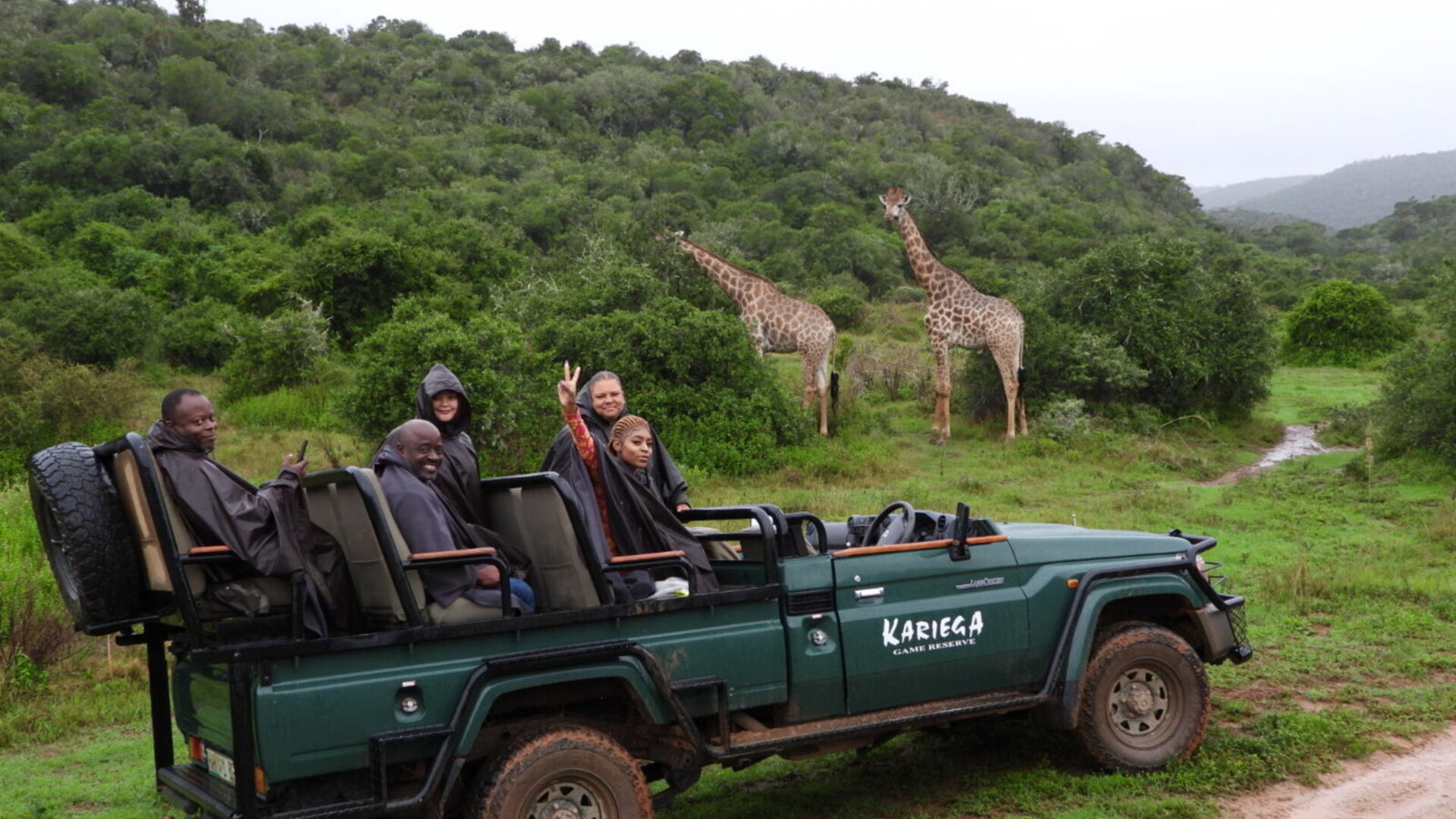
Quick answer: The best African safaris for families with young children are in malaria-free reserves — South Africa's Eastern Cape (Kariega, Shamwari, Gorah) and Madikwe — where the Big Five roam and no one needs a tablet. Families with older children can add the Sabi Sand and the greater Kruger, plus Botswana and Kenya. Look for family suites, a private vehicle and a real children's programme — the three things that make or break a family trip.
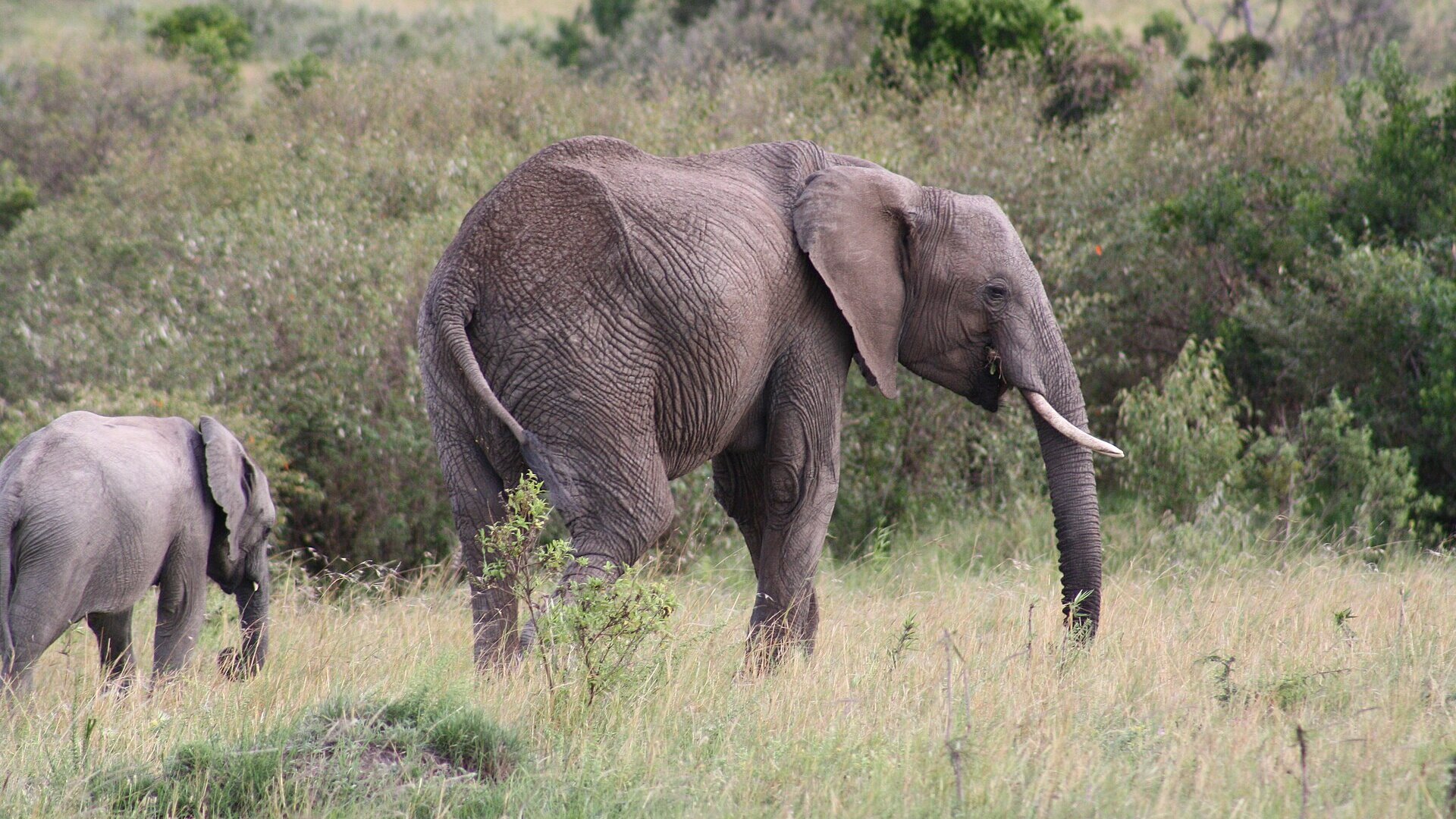
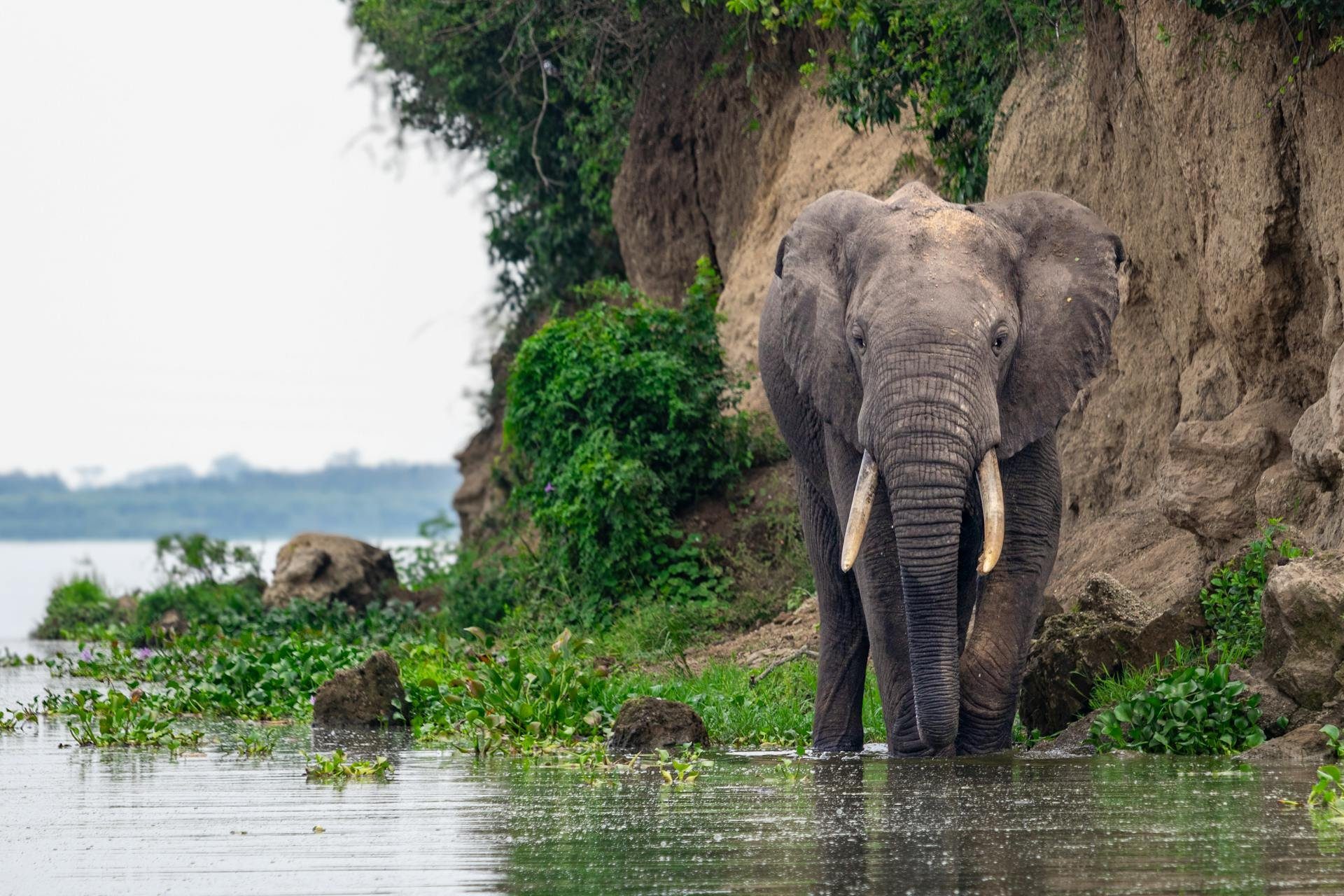
There is a particular kind of quiet that settles over a family on their first game drive. The children stop fidgeting. The phones go down. And everyone — parents and children alike — leans toward the same thing: a herd of elephants moving through the golden grass, a mother and her calf just metres away.
An African safari is the rare holiday that thrills a seven-year-old and a seventy-year-old in the same moment. But the difference between a family trip that works and one that unravels comes down to a handful of decisions made before you ever leave home — the reserve, the lodge, the vehicle and the ages of the children in your party. Get those right and you have the holiday your family will still be talking about in twenty years.
After eighteen years planning family safaris from Cape Town, this is our honest guide to doing it well — where to go, which lodges genuinely look after children, the best age to take them, what it costs and how to keep everyone from the toddler to the grandparents happy.
What Makes a Great Family Safari
A family safari is not simply an ordinary safari with children added. The best family trips are built around three things that most brochures skip over, and they matter more than the thread count of the sheets.
The Right Reserve
For young children, a malaria-free reserve removes the single biggest worry. For older children, the choice widens to the great parks of the Kruger, Botswana and East Africa.
A Private Vehicle
The best upgrade a family can make. Your own guide and vehicle mean a toddler's nap never cuts a sighting short, and you stop for as long as the children are happy.
A Real Kids' Programme
Junior ranger courses, tracking, casting animal prints and star-gazing turn children into explorers — and give parents a well-earned hour by the pool.
Malaria-Free or Not — The First Big Decision
For any family with young children, this is the question to settle first, because it shapes everything that follows. A good part of Africa's finest game country carries a malaria risk, which means anti-malaria medication — and for small children, many parents would simply rather not.
The good news is that South Africa has world-class, malaria-free Big Five reserves where none of that applies. The Eastern Cape, an easy add-on to Cape Town and the Garden Route, and Madikwe in the north both deliver lions, elephants, rhinos and more with zero malaria risk. For families with children under about eight, this is where we point almost everyone.
Our rule of thumb: children under eight, choose malaria-free every time. Older children and teenagers can safely take the medication, which opens up the Sabi Sand, the Kruger, Botswana and Kenya. When in doubt, we plan around the youngest traveller in the group.
The Best Family Safari Destinations in Africa
Here is where we send families, and why. Each of these works for a family — the difference is the age of your children and how far you want to travel.
1. The Eastern Cape — Malaria-Free & Easy to Reach
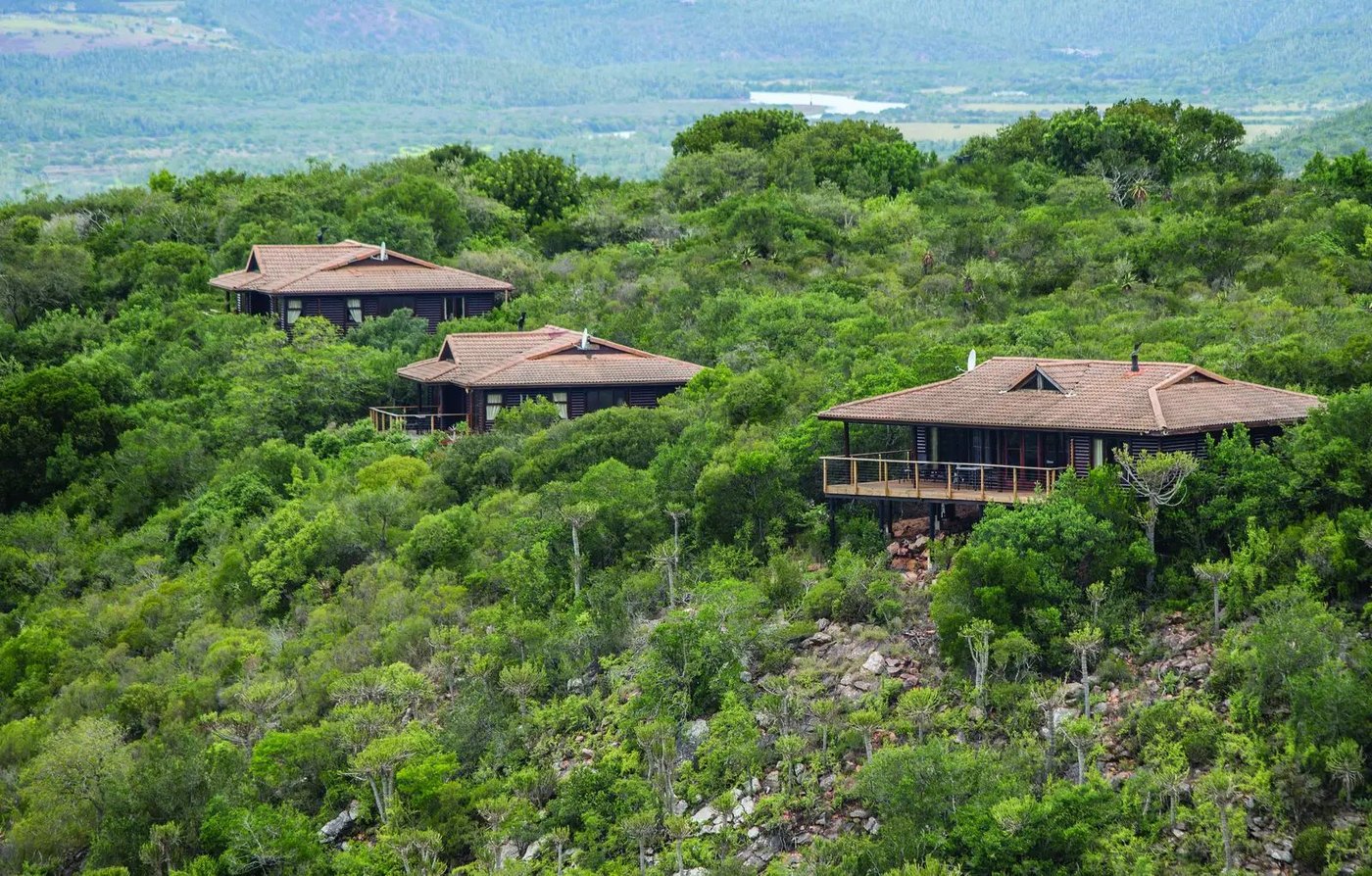
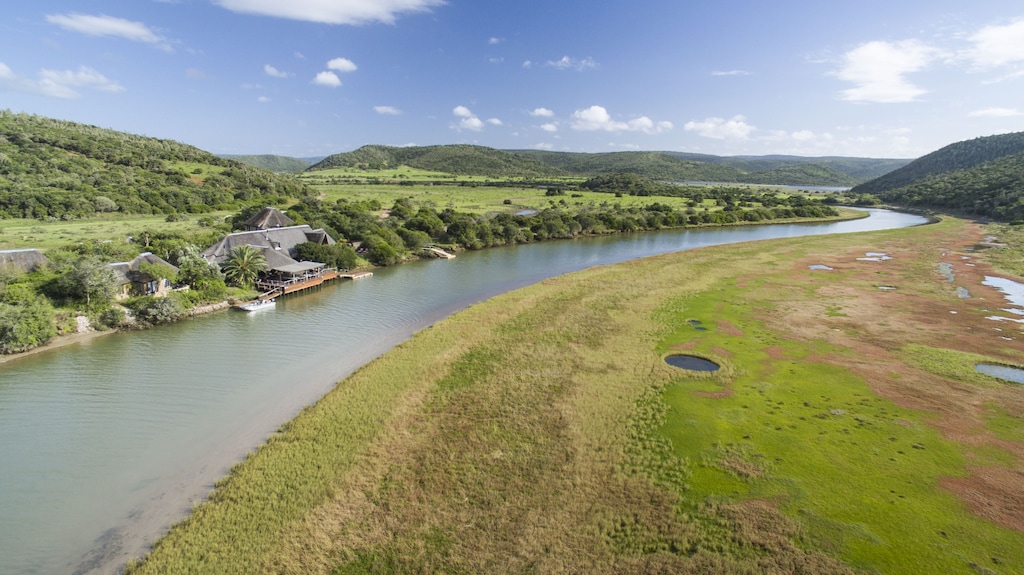
If you are combining Cape Town, the winelands or the Garden Route with a safari, the Eastern Cape is the natural, malaria-free choice. Reserves such as Kariega, Shamwari and Gorah Elephant Camp in Addo offer the Big Five, family suites and children's activities within a short flight or scenic drive of Cape Town. It is the gentlest introduction to safari for a young family.
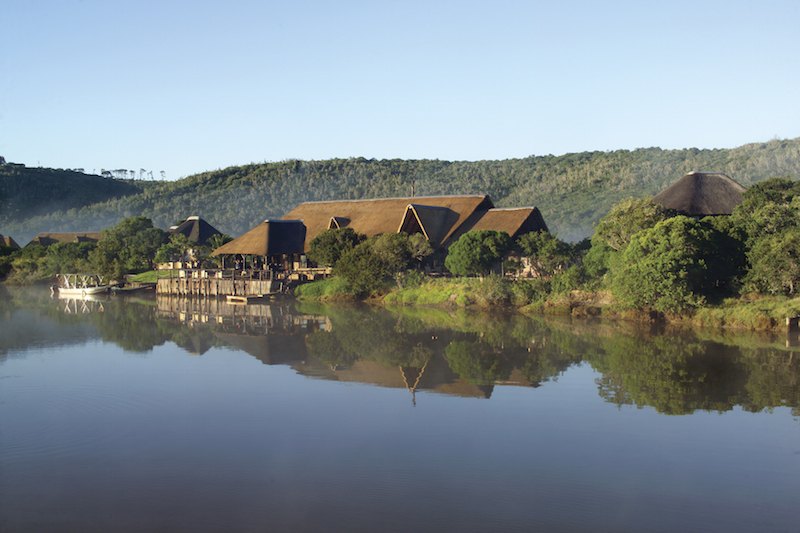
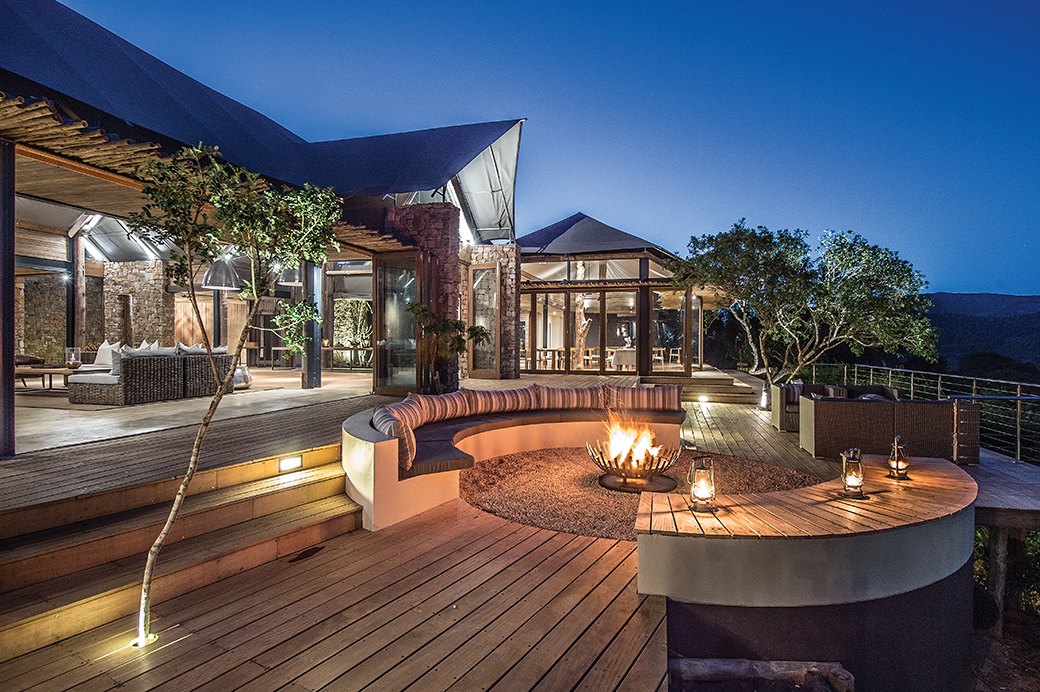
Best for: First safaris, young children, Cape Town combinations.
Malaria: None.
Feel: The Big Five, minus the tablets and the long-haul travel.
2. Madikwe — Malaria-Free, Big Skies
In South Africa's far north, Madikwe is a large malaria-free reserve famous among families for its wild-dog packs, big elephant herds and a cluster of lodges built around children's programmes. It is a short flight or drive from Johannesburg, which makes it an easy first or last stop on a wider trip. Many Madikwe lodges welcome younger children than the premium Sabi Sand camps.
Best for: Families wanting a classic bush setting without malaria.
Malaria: None.
Feel: Big, wild and welcoming to children.
3. The Sabi Sand & Greater Kruger — For Older Children
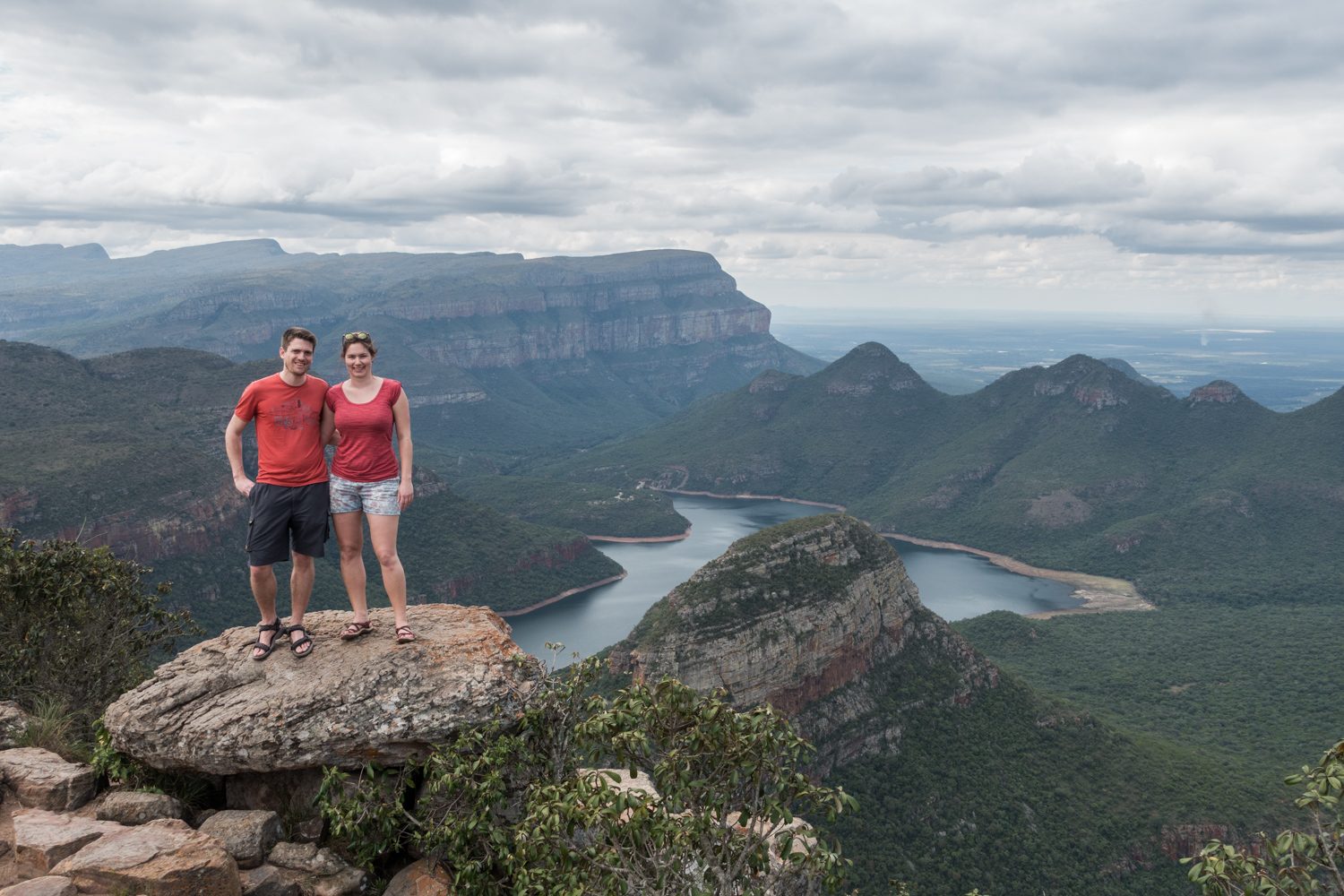
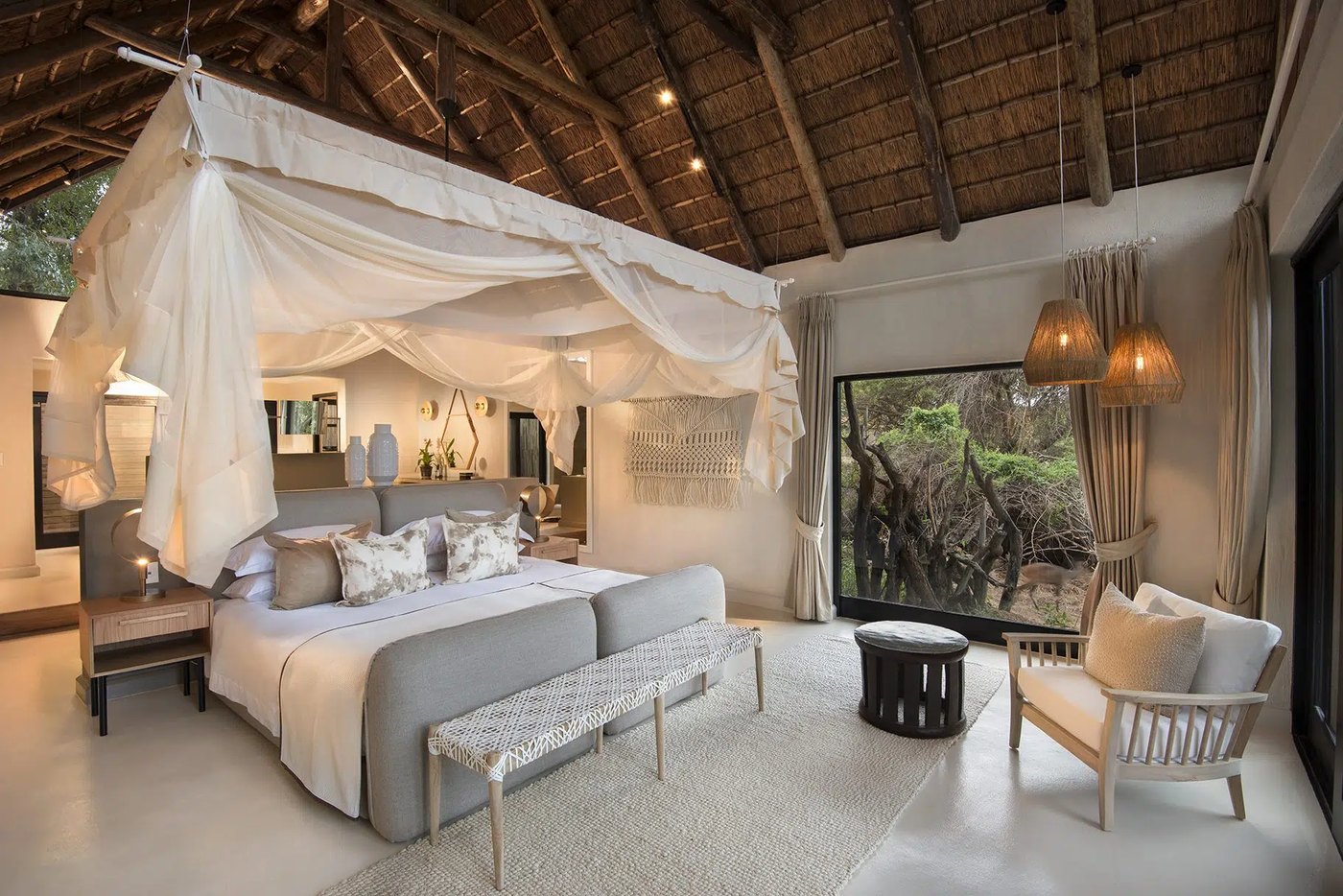
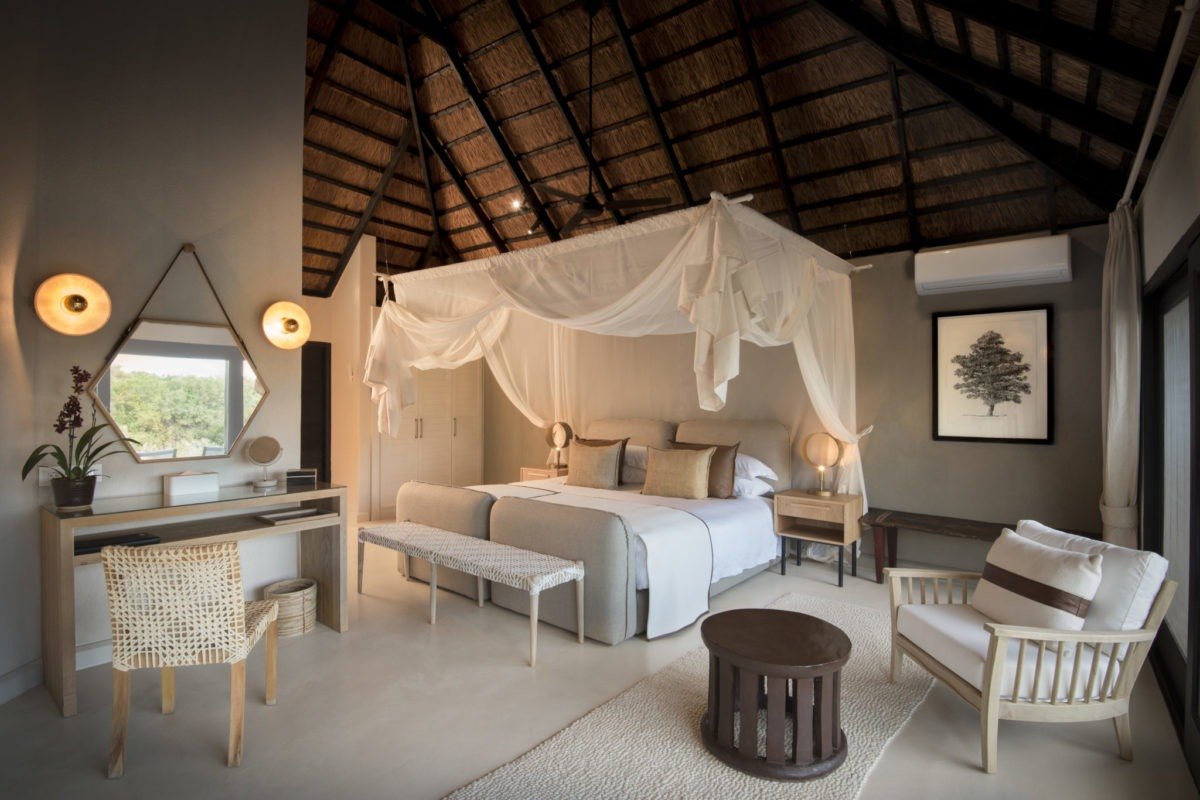
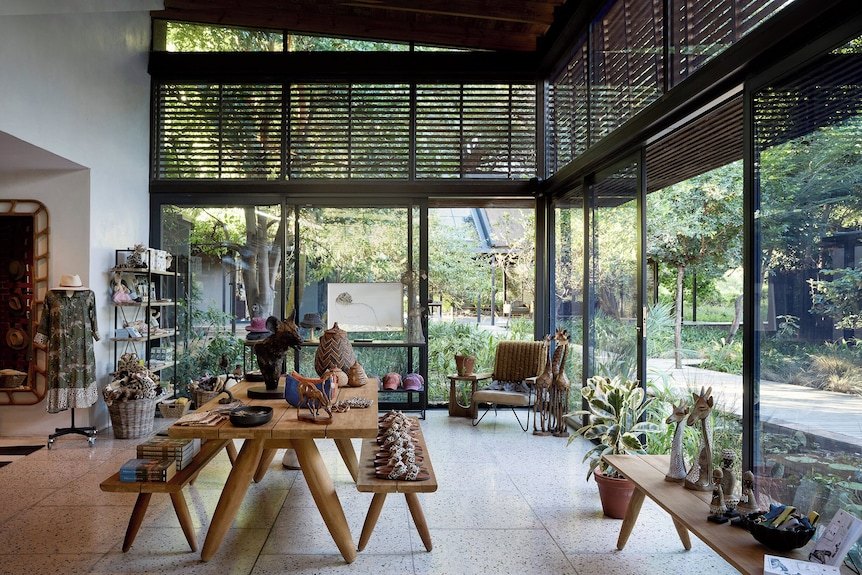
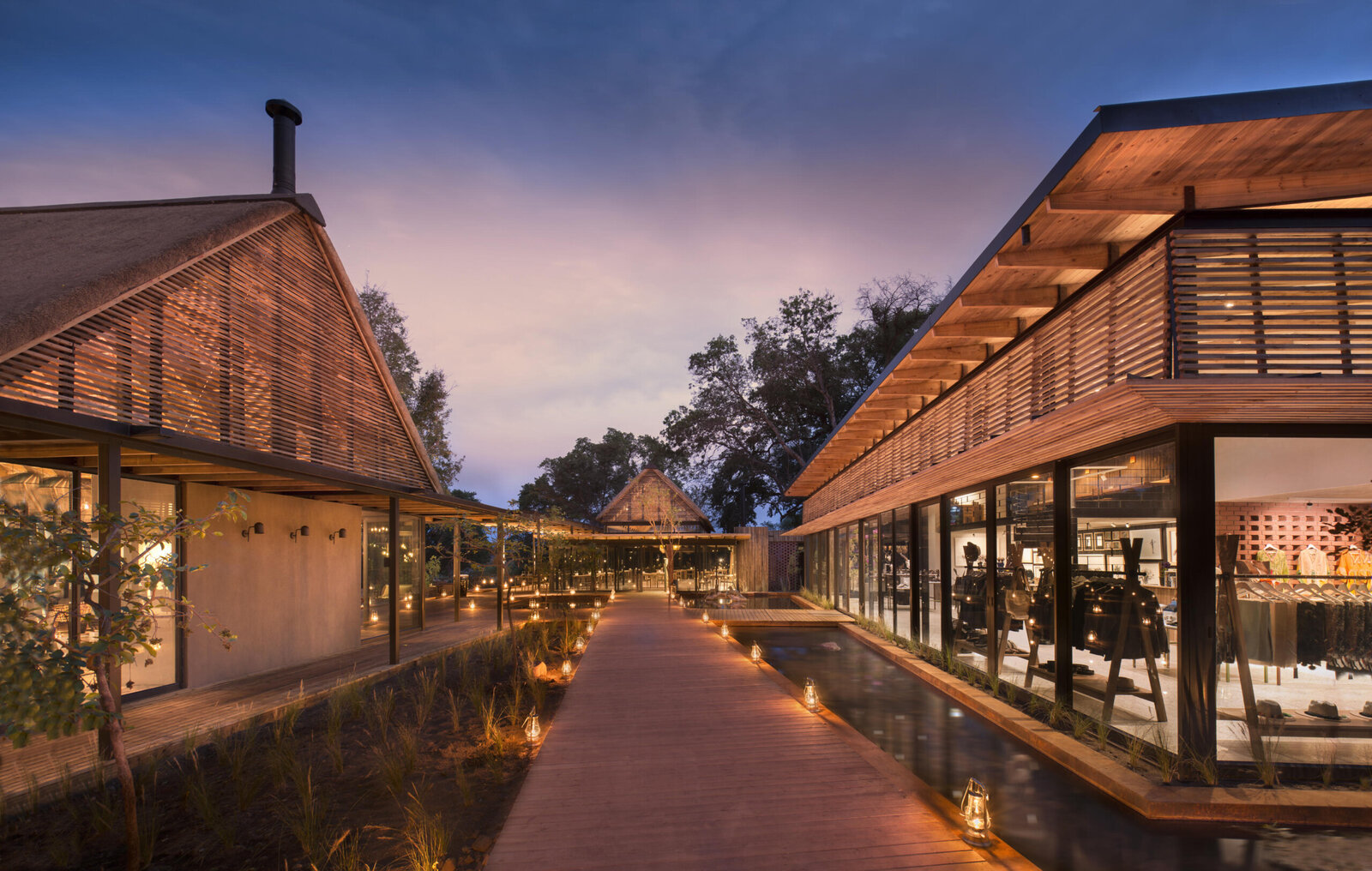
When your children are older — roughly eight and up — the Sabi Sand and the greater Kruger open up, and with them some of the finest guiding and leopard viewing on earth. Lodges such as Lion Sands, Sabi Sabi and Ngala run superb children's programmes and family suites. There is a malaria risk here, so plan the medication with your doctor — but for teenagers and confident older children, the wildlife is second to none.
Best for: Older children and teenagers, keen wildlife families.
Malaria: Low-risk; medication advised.
Feel: The world's best leopard country, with room for the family.
4. Botswana & Kenya — The Bigger Adventure
For families with teenagers who have caught the bug, Botswana's Okavango Delta and Kenya's Masai Mara are the next step — mokoro rides among the reeds, the drama of the Great Migration, and camps that increasingly welcome older children. These are longer, more ambitious trips, best for confident travellers, and we usually pair them with a gentle start in a malaria-free reserve.
Best for: Teenagers and adventurous families.
Malaria: Present; plan medication carefully.
Feel: The great, wild Africa of the documentaries.
The Best Family Safari Lodges — Where Children Come First
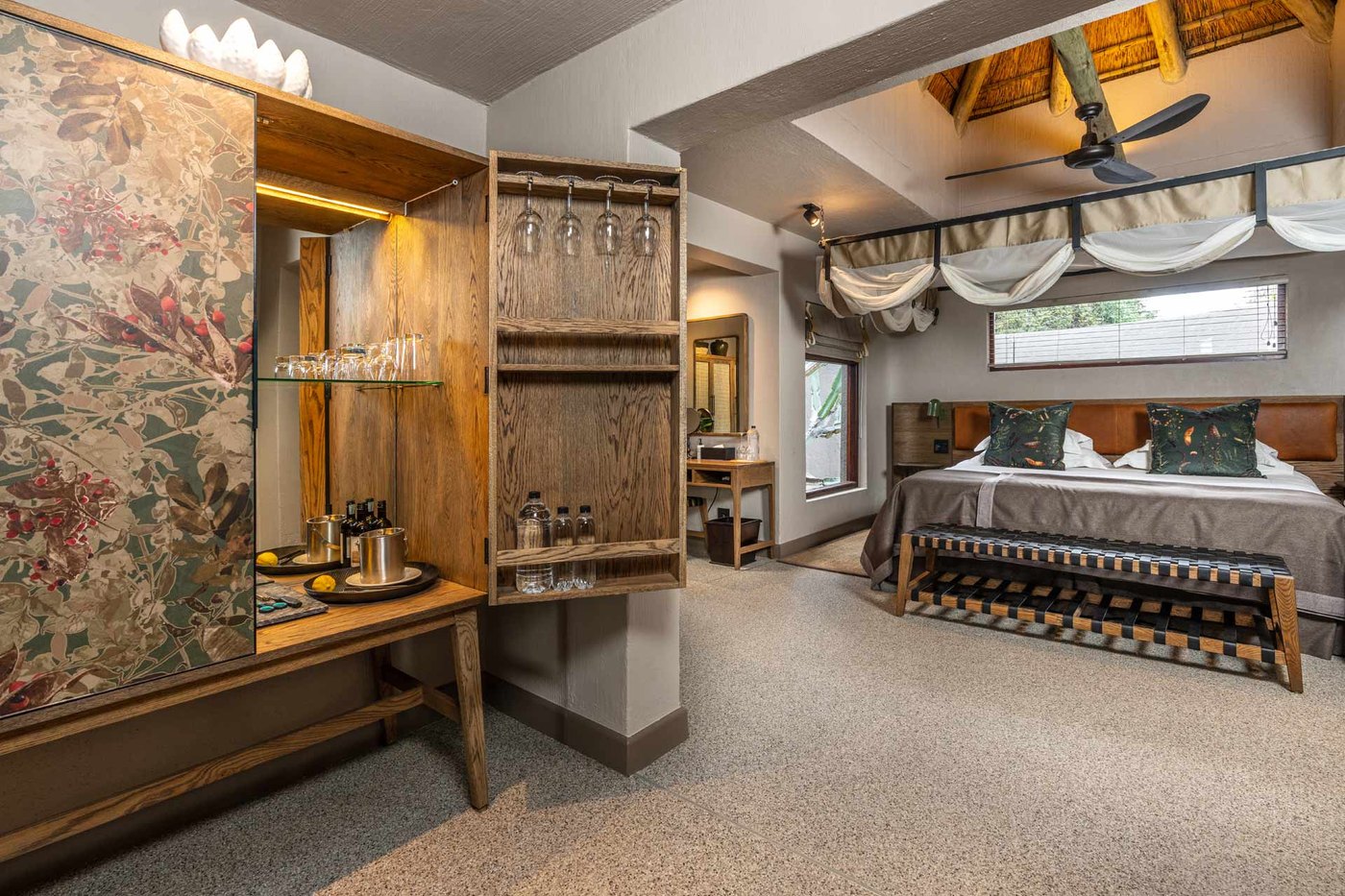
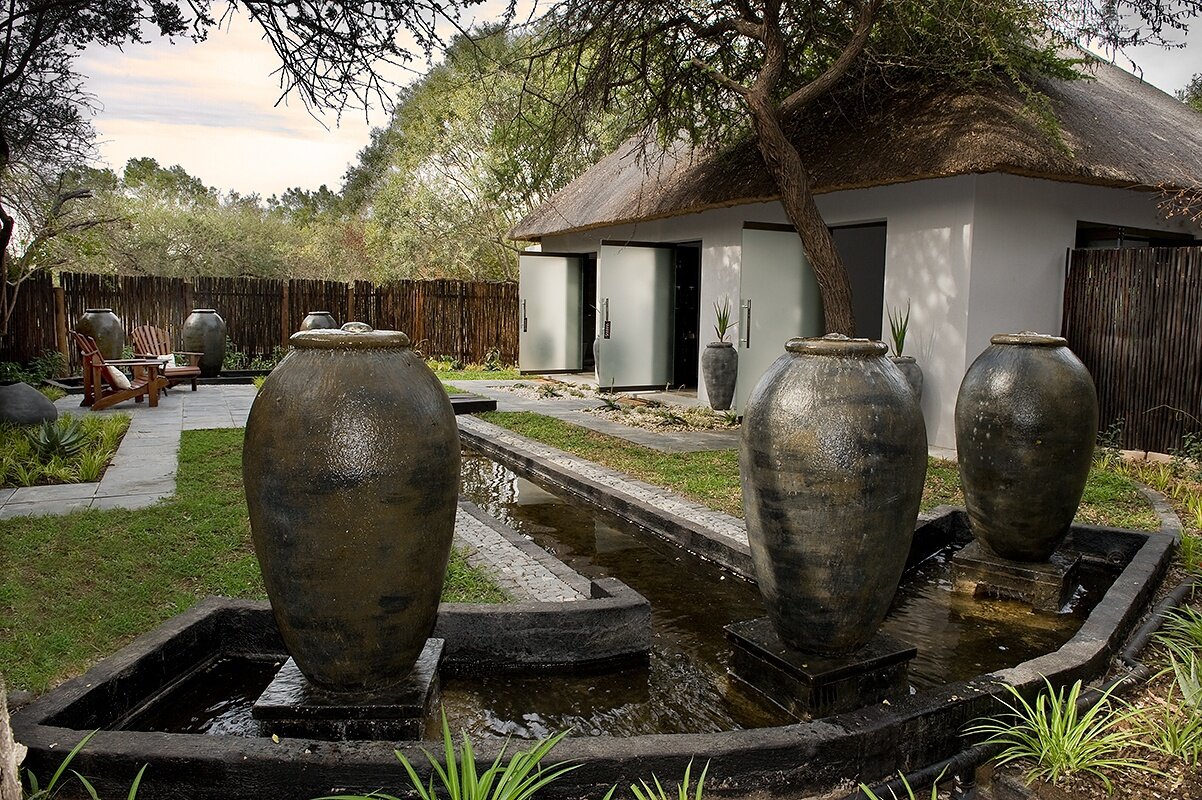
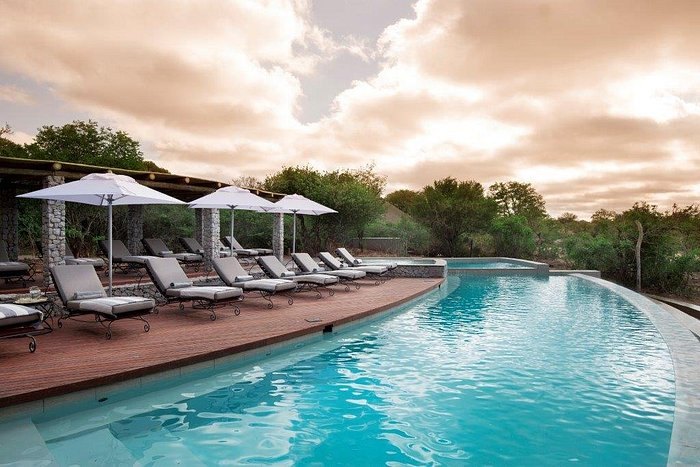
A family lodge is judged on the details you cannot see in a photograph: how the guides speak to a six-year-old, whether the kitchen will happily cook plain pasta at five o'clock, whether there is a shaded pool for the heat of the afternoon. These are the lodges we return to again and again for families.
Sabi Sabi — The EleFun Children's Programme
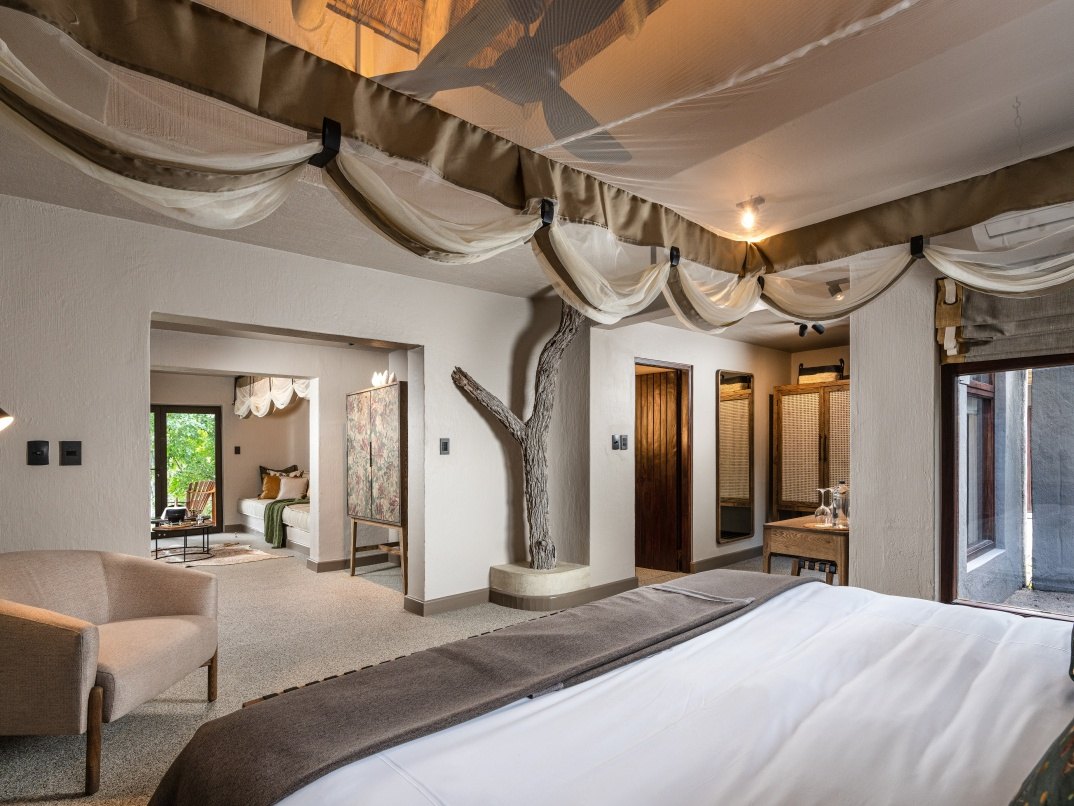
Sabi Sabi in the Sabi Sand is one of the most family-minded of the premium lodges, with its long-running EleFun programme: junior ranger activities, tracking, baking and bush-craft that keep children genuinely absorbed while the adults enjoy a drive or the spa. Family suites and a warm, unstuffy welcome make it a favourite.
Ngala — WILDchild on the Edge of the Kruger
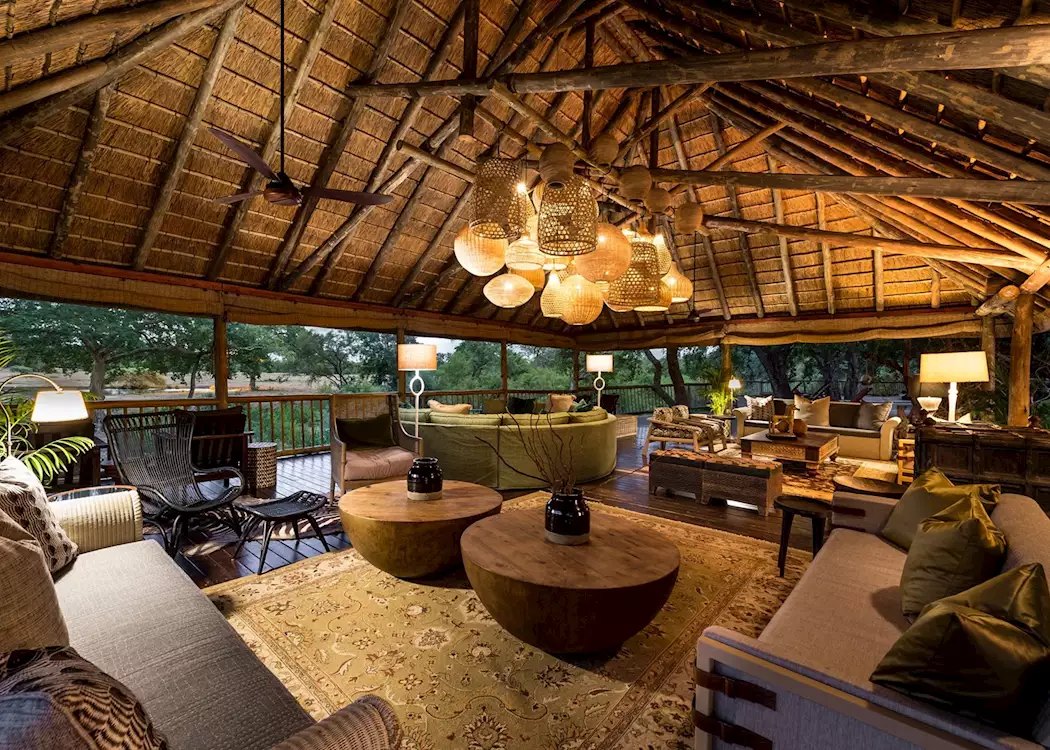
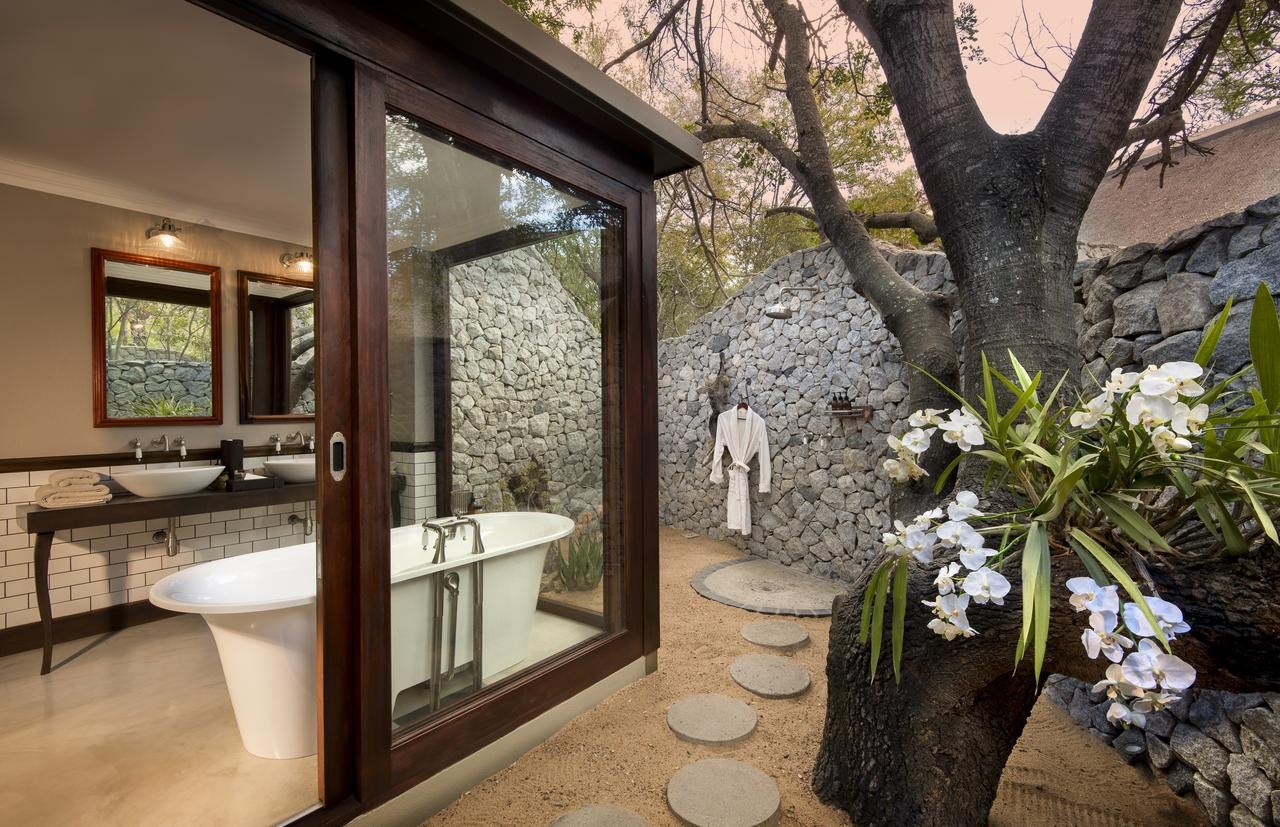
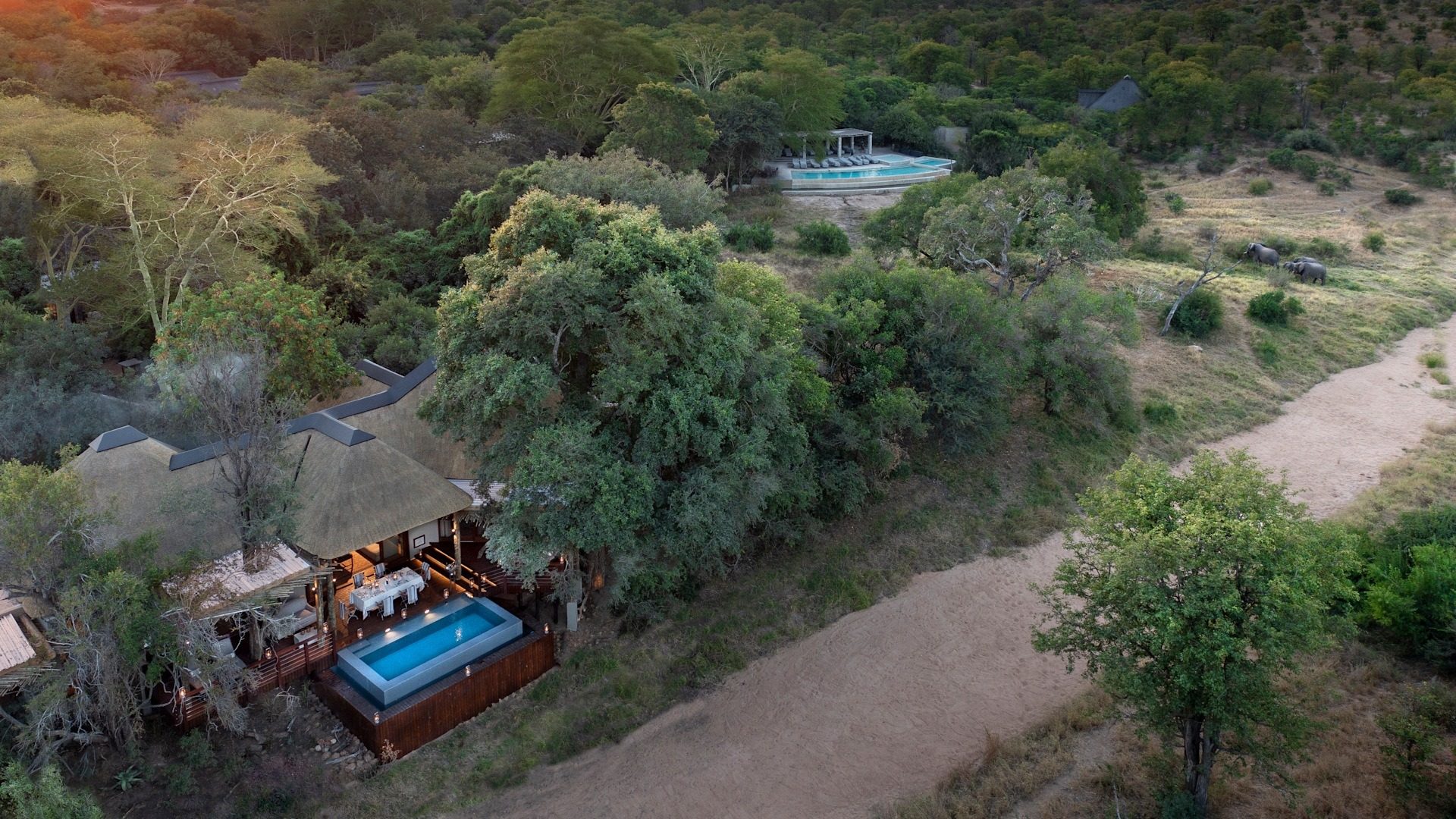
On a private concession bordering the Kruger, Ngala runs the well-regarded WILDchild programme, turning young guests into junior rangers with tracking, casting prints, star-gazing and cooking. A lawn, a pool and family-friendly suites make it easy for parents to relax between drives.
Gorah Elephant Camp — Malaria-Free Canvas in Addo
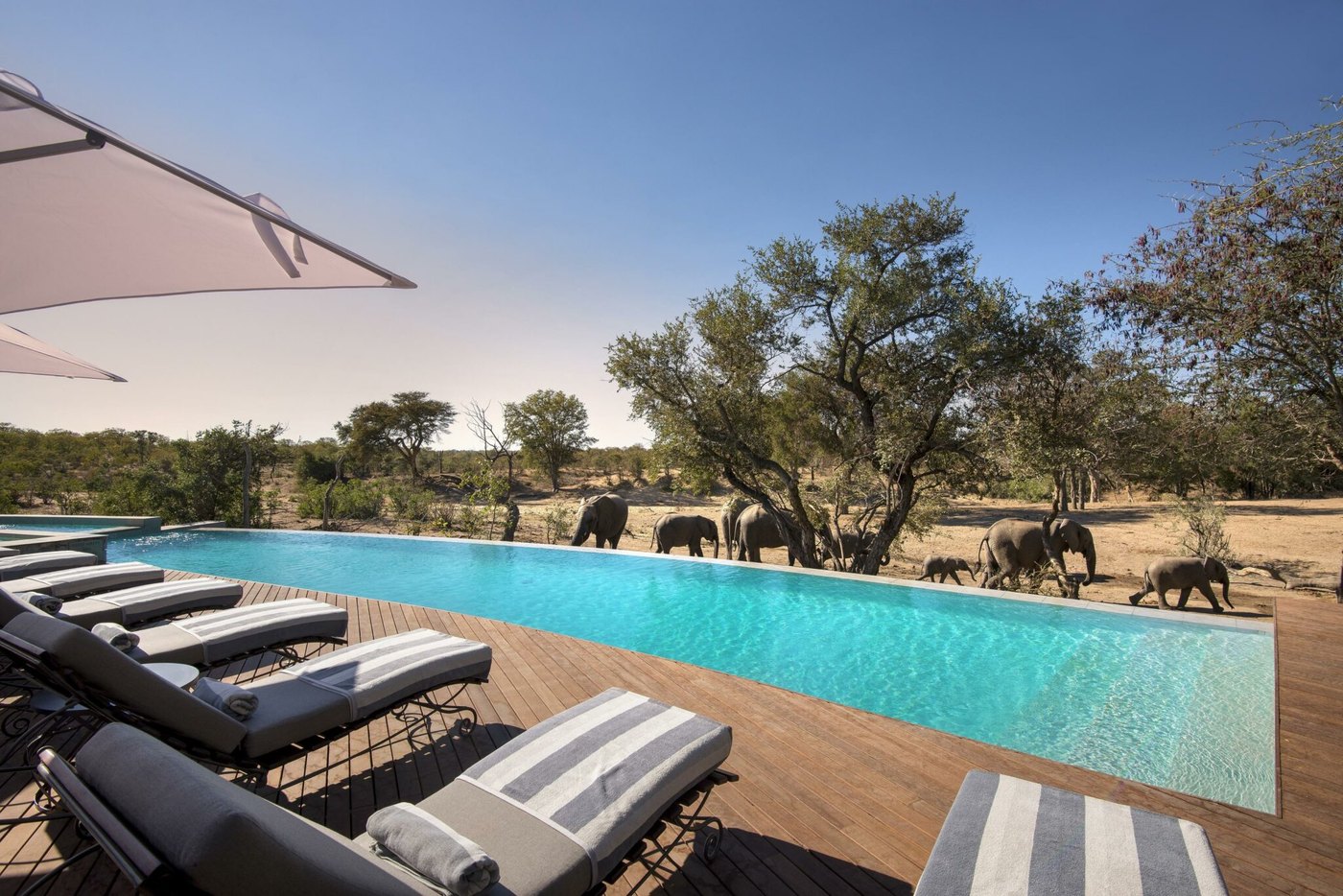
Set inside malaria-free Addo Elephant National Park, Gorah pairs the romance of a tented camp with the ease of the Eastern Cape. Its waterhole draws big elephant herds right to the deck — an endless, safe fascination for children — and the whole camp has an unhurried, family-house feel.
Alongside these, we also love Shamwari and Kariega in the Eastern Cape for younger families, and Lion Sands in the Sabi Sand for older children who are ready for the greater Kruger.
What the Children Actually Do
The fear every parent has — that children will be bored between drives — melts away at a good family lodge. Here is a typical day for a young explorer:
- Junior ranger course — earning a certificate by learning tracks, calls and the rules of the bush
- Tracking & casting — following animal prints and taking home a plaster cast of a lion or elephant track
- Bush-craft & baking — making bread over the fire, weaving, and learning to use a catapult safely
- Spotlight walks & star-gazing — the Southern sky, unpolluted by city light, with a guide to name the constellations
- Pool & downtime — the heat of the middle of the day is for the pool, a nap and a good book
The result is not a childminding service — it is a genuine education dressed up as an adventure, and it is the reason so many children come home wanting to be a game ranger.
The Best Age to Take Children on Safari
There is no single right answer, but experience gives us a clear guide:
Under 4: possible in malaria-free reserves with a private vehicle, but manage expectations — this trip is as much for the parents. Choose a lodge with flexible mealtimes and a pool.
5 to 7: a lovely age. Children can sit through a shorter drive, love the junior programmes and remember the big sightings. Malaria-free is still our strong preference.
8 to 12: arguably the sweet spot. Old enough for full drives and the Sabi Sand, young enough to be spellbound. Junior ranger courses land perfectly here.
Teenagers: ready for the bigger adventures — Botswana, Kenya, walking safaris and photography. A private vehicle keeps everyone engaged at their own pace.
How Much Does a Family Safari Cost?
Family safaris are quoted per person per night, all-inclusive, with child rates and family-suite deals that soften the total. Use these tiers as a planning guide rather than a fixed quote — rates move with season, exchange rates and availability.
| Tier | Per person / night | What you get |
|---|---|---|
| Malaria-free value | $350 – $700 | Eastern Cape & Madikwe family lodges, all-inclusive, with child rates and kids' programmes. The sweet spot for young families. |
| Premium family | $800 – $1,600 | Sabi Sand and greater Kruger family lodges — top guiding, family suites, private-vehicle options for older children. |
| Exclusive-use | $2,000+ | A private villa or exclusive-use lodge — the whole camp, chef, guide and vehicle for your family and no one else. |
The single upgrade we recommend to almost every family is a private vehicle. It usually costs a per-day supplement, and it transforms the trip: you set the pace, stop when the children want to, and never sit through a three-hour drive with a restless toddler and strangers.
When to Go on a Family Safari
The dry winter months — roughly May to October across Southern Africa — offer the finest game viewing, cooler days and very low mosquito activity, which is ideal for families. These months also line up neatly with the northern-hemisphere summer holidays, so they are popular and book out early. The green season from November to March brings newborn animals, dramatic skies and lower rates, and can be a wonderful, quieter time for a family with flexible dates. Whichever you choose, the best family suites and connecting rooms are limited — we start six to twelve months ahead to secure them.
How We Plan Your Family Safari
The "best" family safari does not exist in the abstract — the best one is the one built around your children. Here is how we approach it.
We start with the youngest traveller. Their age sets the reserve, the malaria decision and the pace of the days.
We match the lodge to real family life. Connecting suites, flexible mealtimes, a pool, a genuine children's programme and a private vehicle — we know which lodges deliver and which only say they do.
We handle everything end to end. Flights, transfers, the Cape Town or Garden Route add-on, and the small logistics that make travelling with children painless.
Let's Plan the Safari Your Family Will Never Forget
Tell us the ages of your children, your travel dates and your budget, and we will design a family safari that works for everyone — from the toddler to the grandparents. Since 2008 we have guided more than 5,700 travellers to a 4.9 out of 5 rating.
Plan Your Family SafariBeyond Africa Safaris is a Cape Town-based safari specialist. Speak to our team on +27 74 315 5782 or email res@privatetourscapetown.com to plan the best family safari in Africa for your children.