Key Takeaways
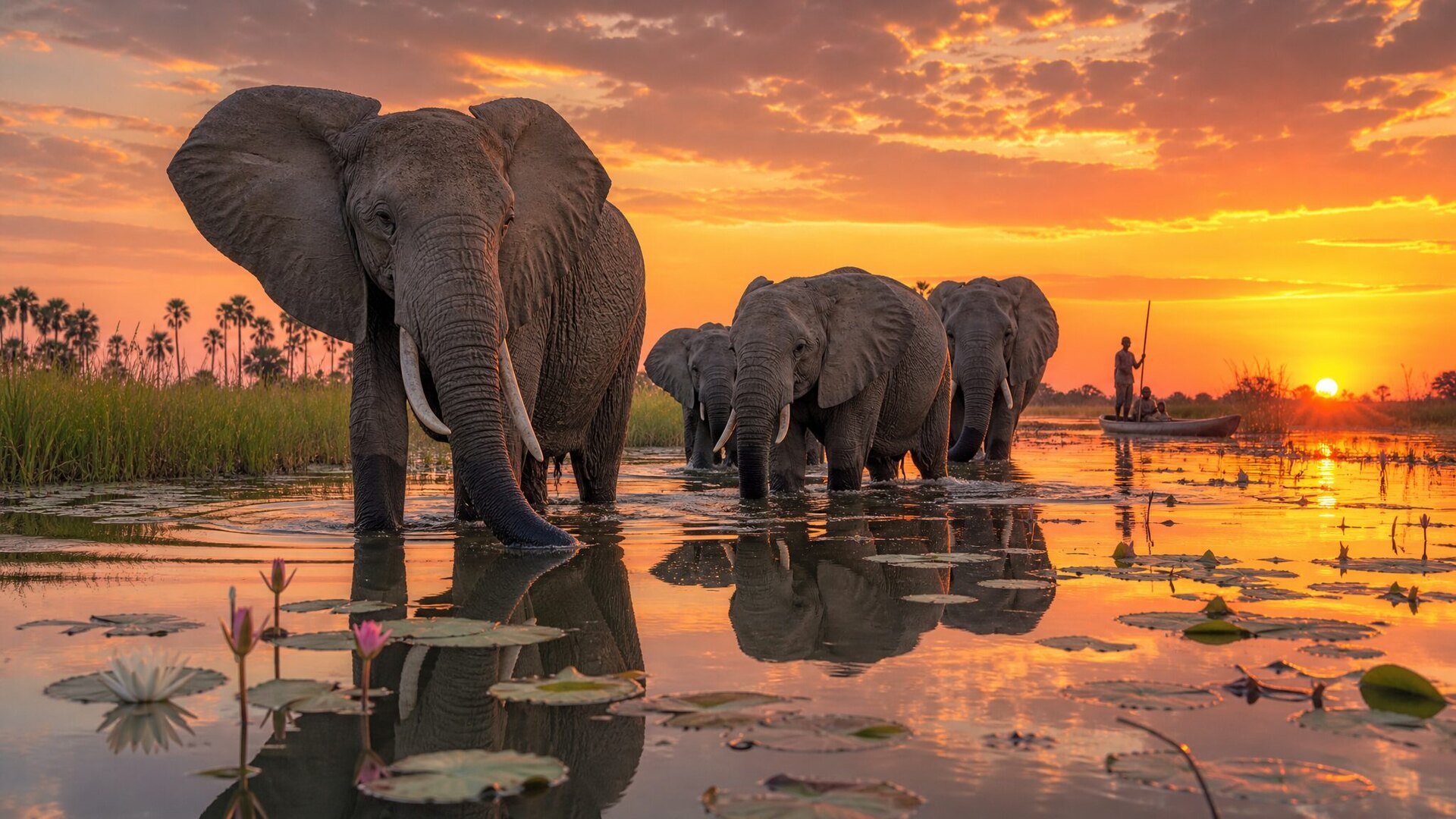
- Private conservancies are the Mara's secret weapon — exclusive traversing rights, no vehicle limits, night drives & off-road freedom unavailable in the public reserve.
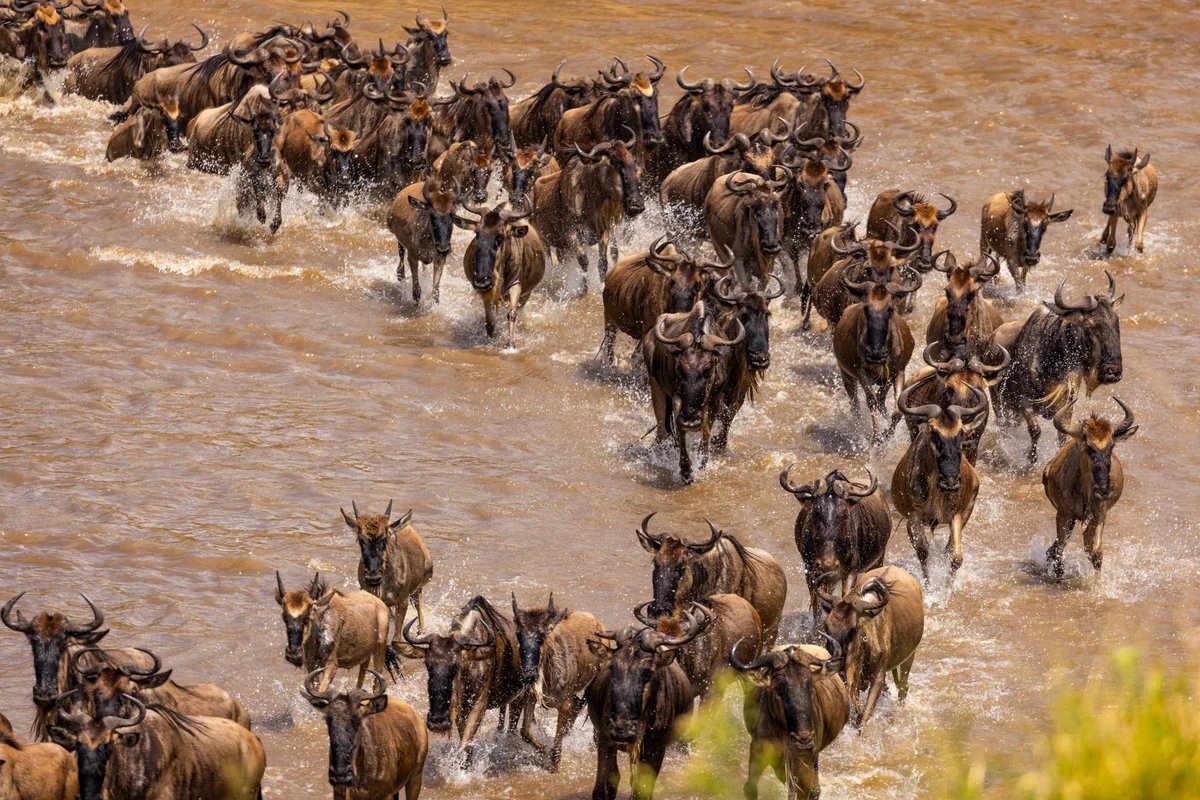
- The Great Migration reaches the Mara July-October — private reserves like Mara North & Olare Motorogi deliver front-row river crossings without the crowds.
- Top conservancies: Mara North (largest, 30,000 acres), Olare Motorogi (intimate, just 6 camps), Naboisho (community-owned excellence) & Mara Conservancy (western corridor).
- Premier lodges include Angama Mara (clifftop views), Mara Plains Camp (7 tents, Olare Motorogi), Mahali Mzuri (Richard Branson's camp) & Naboisho Camp.
- Budget $800-2,500 per person per night for all-inclusive private conservancy stays — significantly higher than public reserve camps, but worth every cent for exclusivity.
- Fly into the conservancy airstrips — Mara North, Olare Orok & Naboisho strips serve private lodges with scheduled flights from Nairobi (45 min).
1. Why Private Conservancies Trump the Main Reserve
The Masai Mara National Reserve is world-famous — and world-crowded. During peak migration season, a single leopard sighting can draw 30+ vehicles. The solution? Private conservancies.
These exclusive wilderness areas surround the reserve, forming the Greater Masai Mara ecosystem. Together they cover over 150,000 acres of unfenced land where wildlife moves freely. But here's the game-changer: only guests staying inside a conservancy can access it.
What you gain on a private conservancy safari:
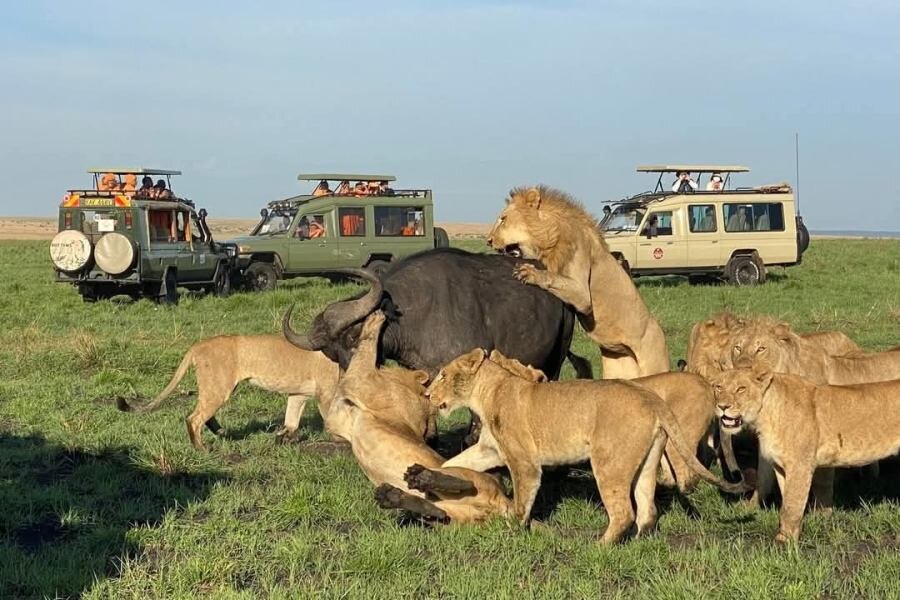
- No vehicle limits — Some lodges cap sightings at 2-3 vehicles maximum. In the reserve? Expect 20+ at a kill.
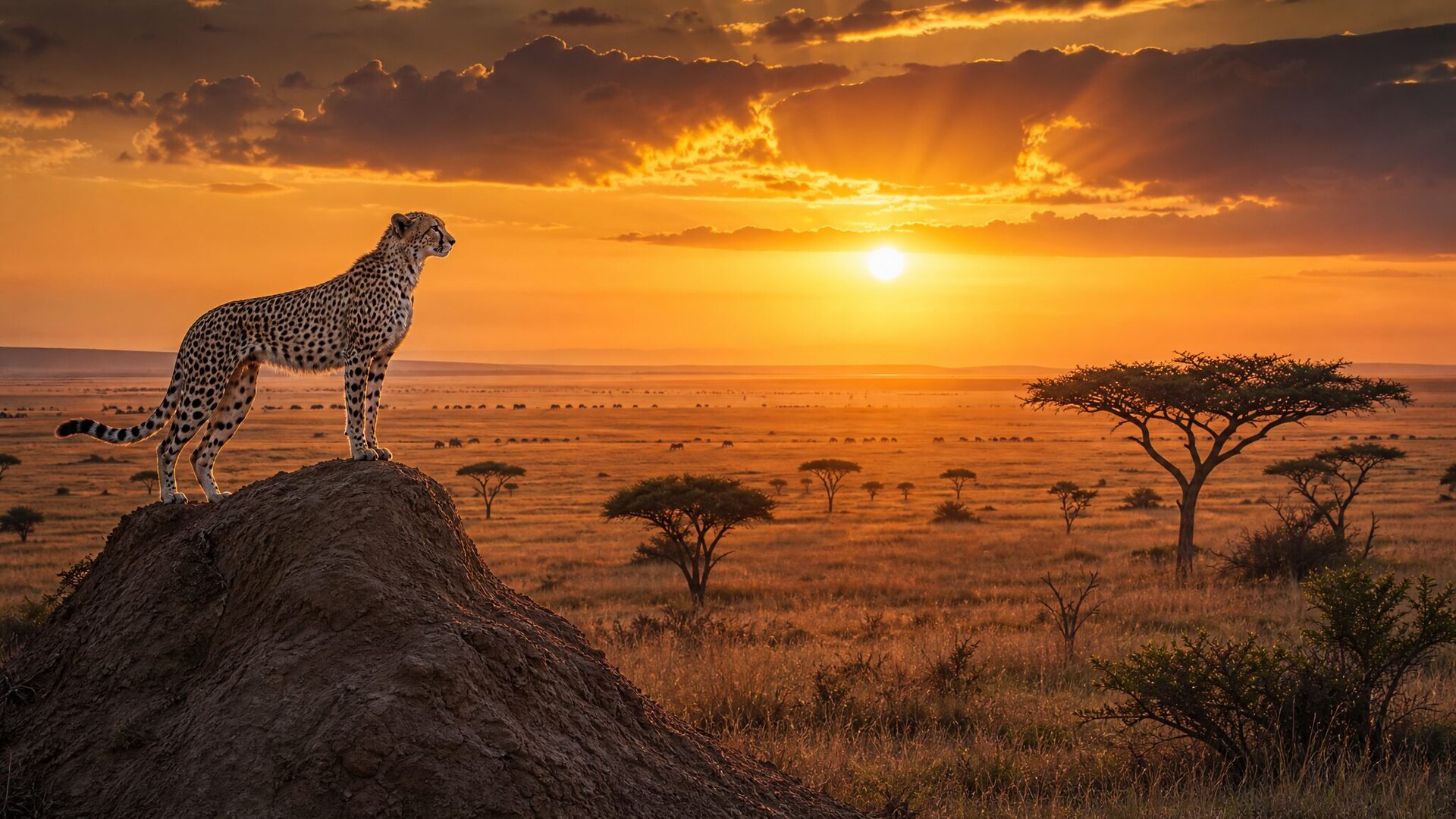
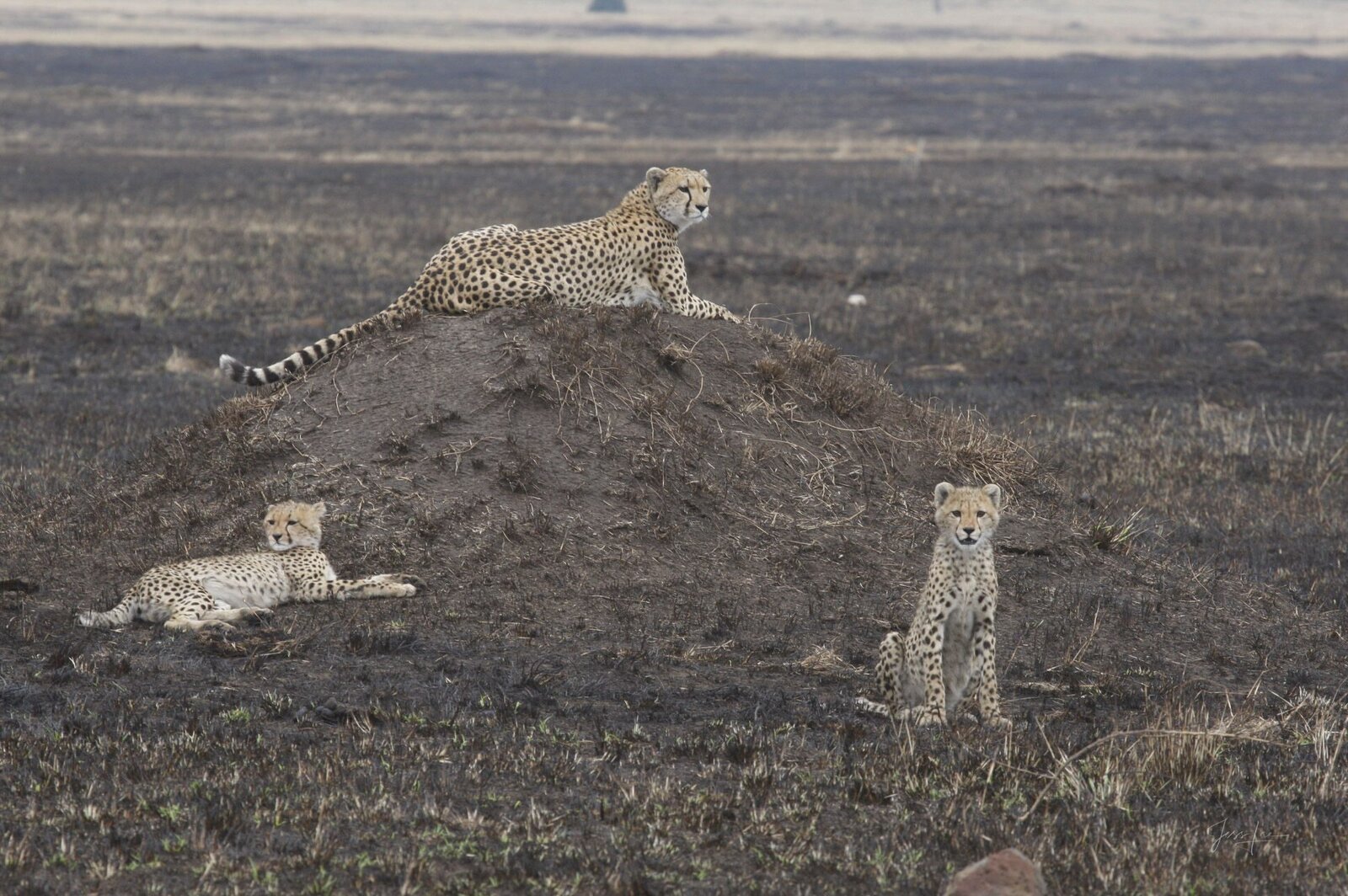
- Off-road driving — Follow a hunt through tall grass, get close to cheetahs on the stalk. Prohibited in the reserve.
- Night drives — Spot leopards, servals, aardvarks & other nocturnal species. Not allowed in the reserve.
- Walking safaris — Track rhino on foot with armed rangers. Impossible in the reserve.
- Vast exclusive zones — Mara North Conservancy alone is 30,000 acres with just 11 camps. That's 2,700 acres per camp.
- Community benefit — Conservancy fees go directly to Maasai landowners, creating a powerful conservation incentive.
The public reserve remains magnificent for migration viewing — the Mara River crossings happen there. But for a true private safari experience, the conservancies are unrivaled.
2. The Great Migration: Private Conservancy Advantage
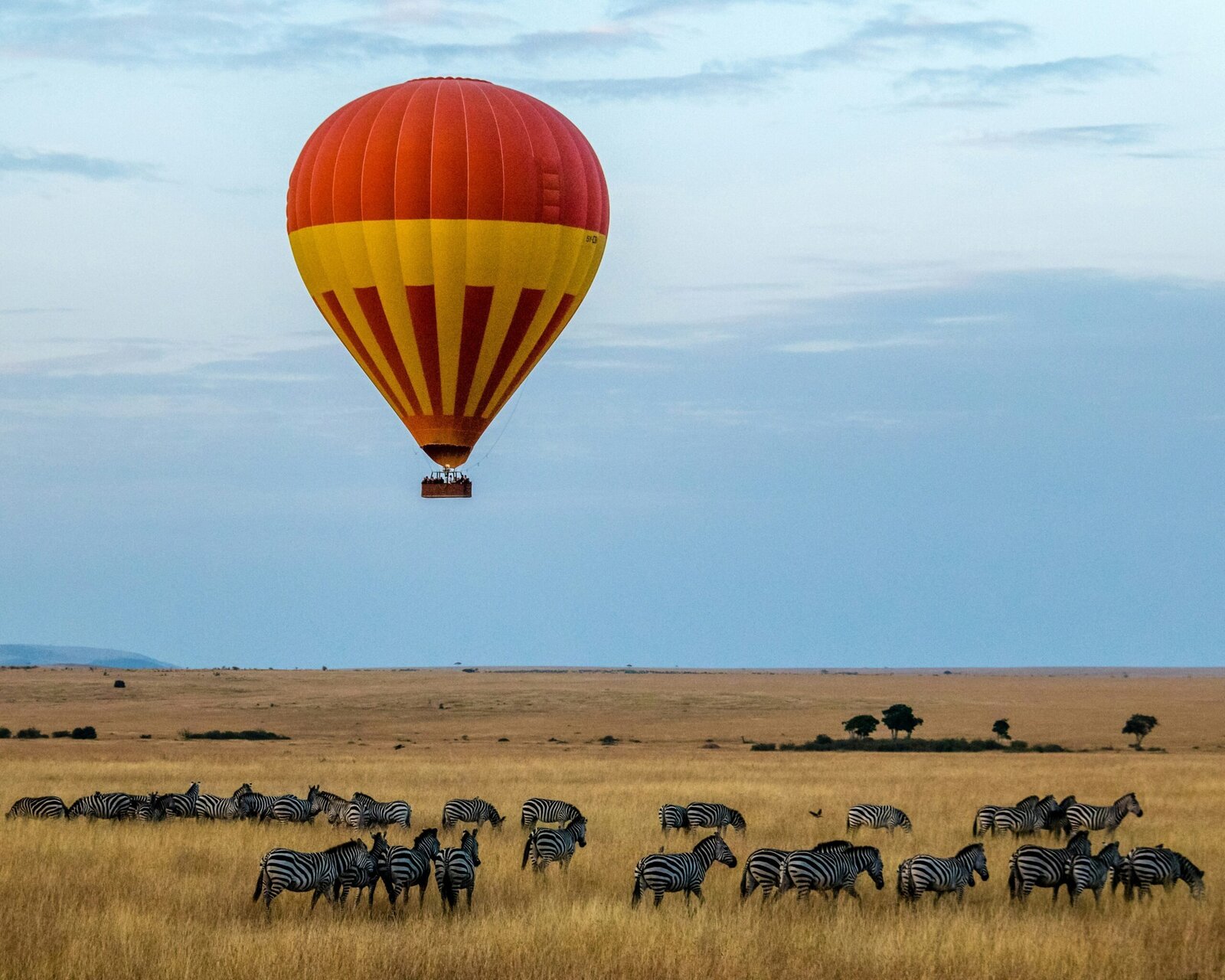
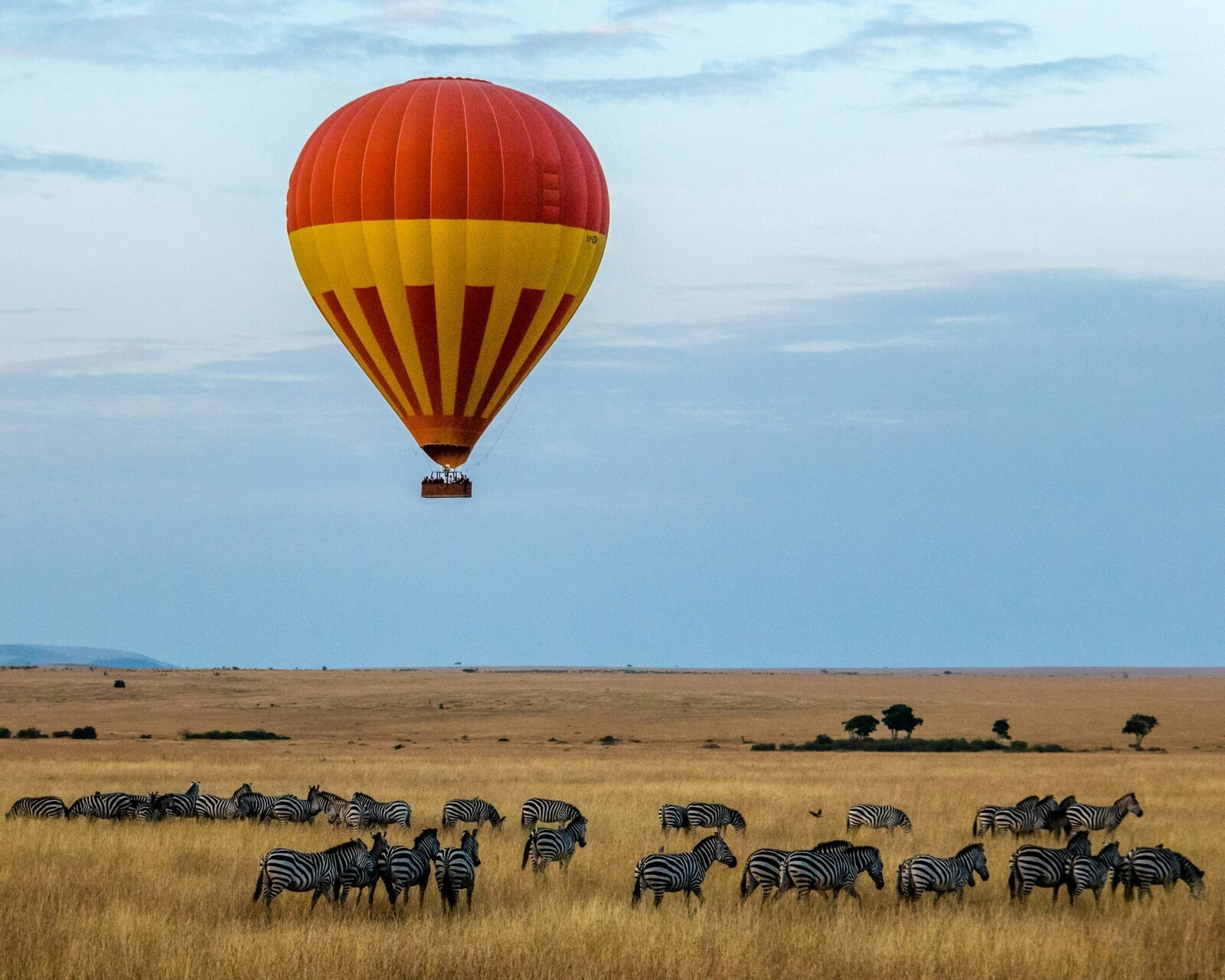
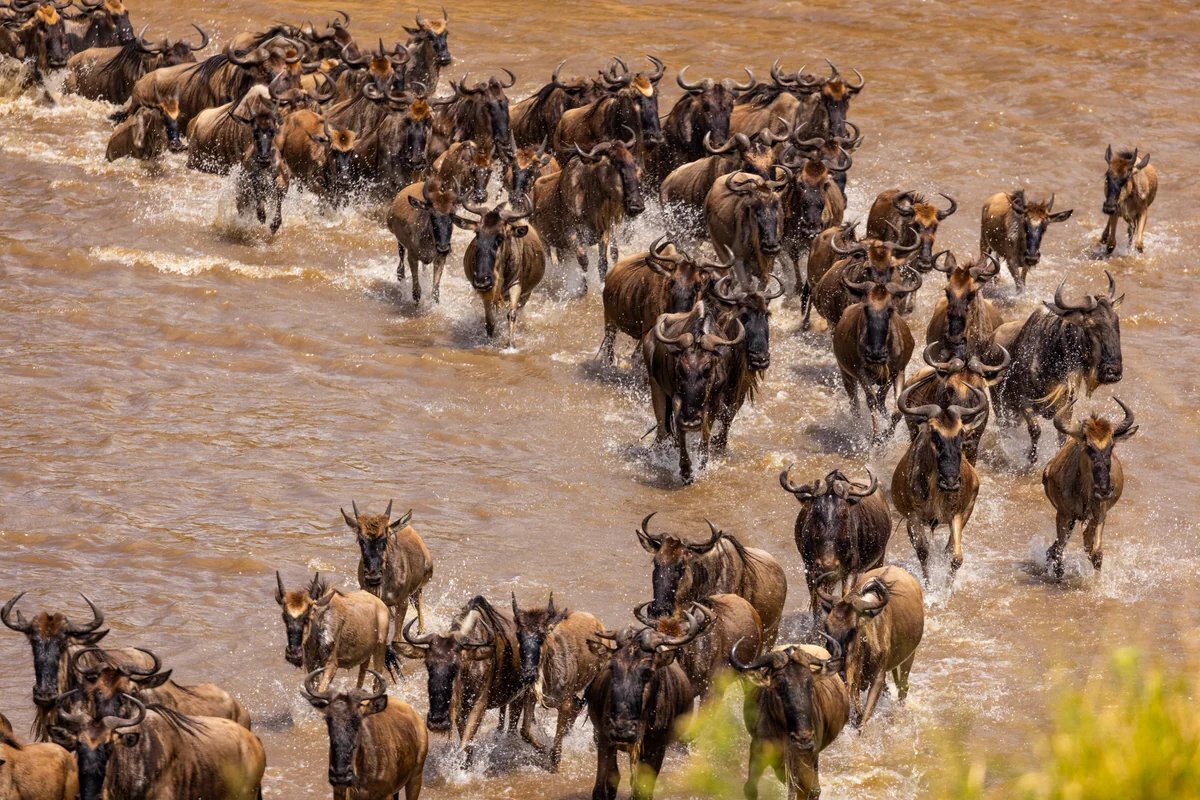
Every year, 1.5 million wildebeest, 200,000 zebras and 300,000 Thomson's gazelles trek from Tanzania's Serengeti to the Masai Mara in search of fresh grazing. They arrive around July, stay through October, then return south.
The drama peaks at the Mara River — thousands of animals plunge into crocodile-infested waters in chaotic crossings that define wildlife television. Most crossings happen in the public reserve along the Mara River's northern banks.
Here's the private conservancy advantage: You can station yourself in a conservancy bordering the reserve (like Mara North or Olare Motorogi), enjoy exclusive game viewing all morning, then make a single focused trip into the reserve for river crossing action when your guides radio in the activity.
After an hour watching 10,000 wildebeest cross while surrounded by 50+ other vehicles, you retreat to your private conservancy — where you might be the only vehicle watching a coalition of lions hunt.
Related journey: Luxury African Safaris →
3. Top 4 Private Conservancies in the Mara
Mara North Conservancy — The Crown Jewel
At 30,000 acres (74,000 acres when combined with adjoining Lemek Conservancy), Mara North is the Mara's largest and most established private reserve. It borders the Masai Mara National Reserve's northern boundary, ensuring migration herds pass directly through.
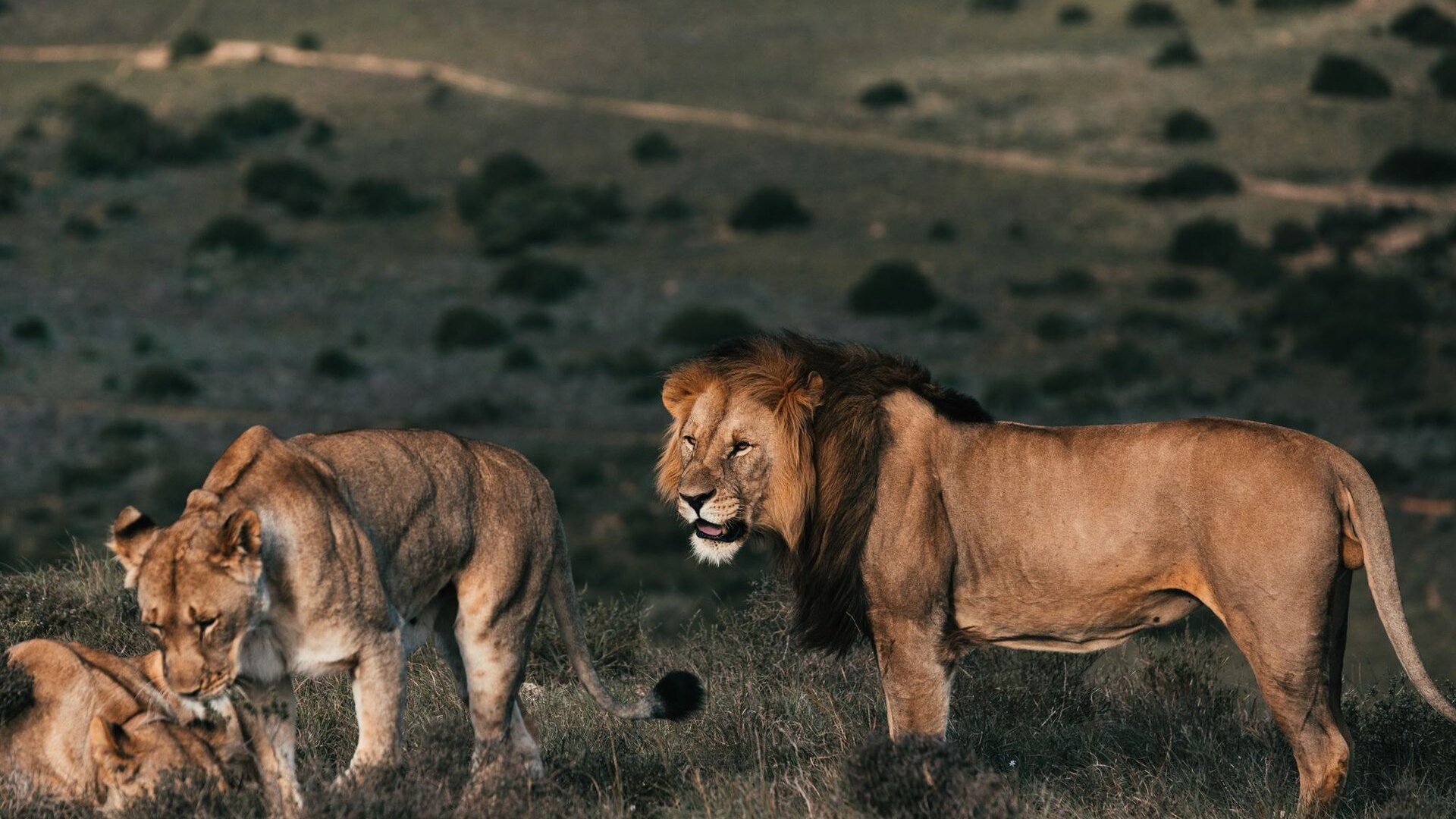
Wildlife: Exceptional Big Five concentrations, particularly lion prides and leopards. The conservancy's unfenced border with the reserve means animals move freely. During migration season, vast wildebeest and zebra herds blanket the plains.
Lodges: 11 intimate camps including Elephant Pepper Camp, Kicheche Mara, Saruni Mara and Ngare Serian. Each property maintains strict guest limits to preserve the wilderness feel.
Best for: Travelers wanting both migration access and year-round Big Five viewing in a well-managed, community-owned conservancy with proven conservation success.
Olare Motorogi Conservancy — Intimate Luxury
Smaller than Mara North at 33,000 acres but arguably more exclusive — Olare Motorogi permits just 6 camps. The guest-to-wilderness ratio is extraordinary.
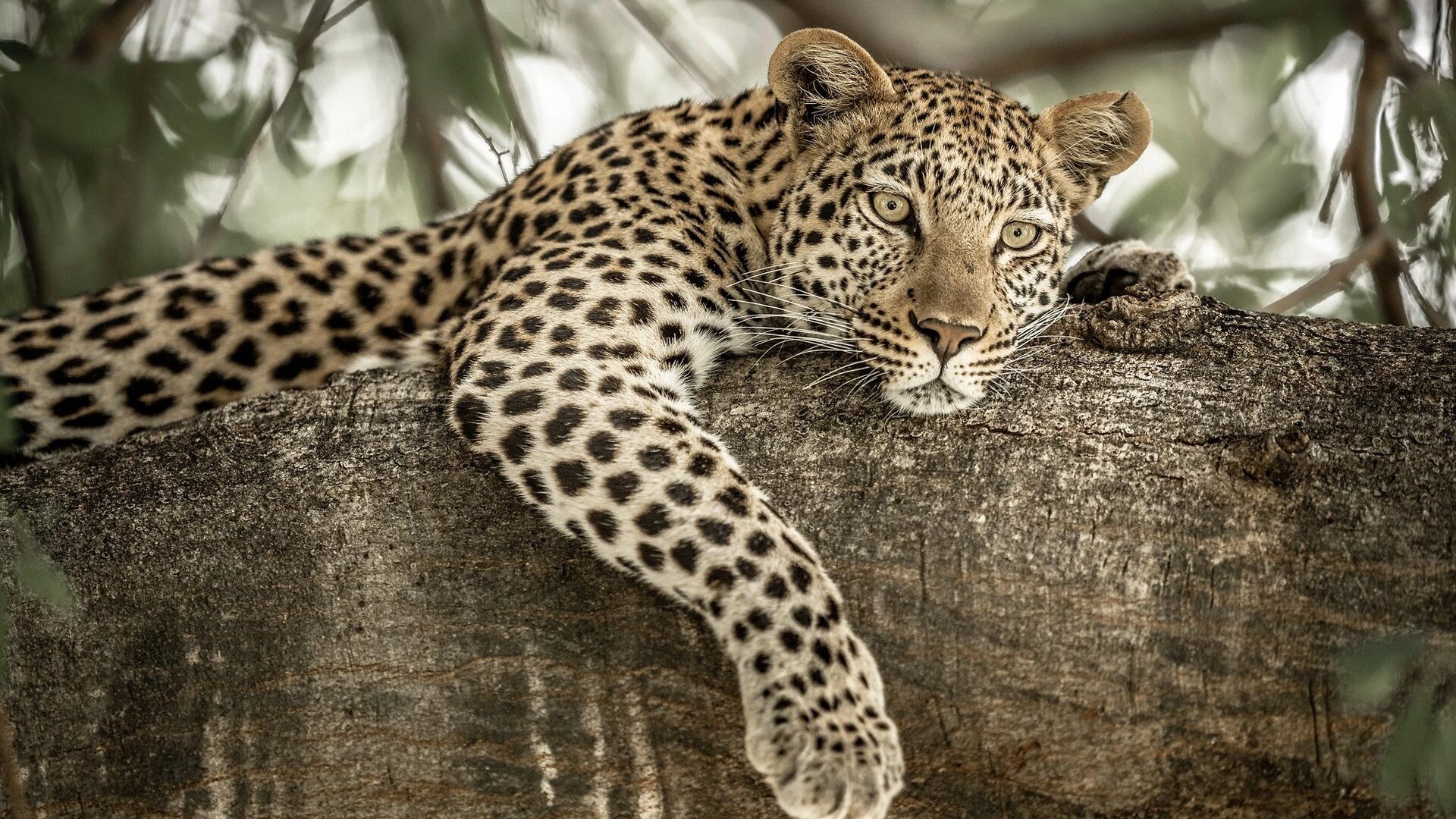
Wildlife: One of Kenya's highest leopard densities. Also superb for cheetahs hunting on open grasslands, plus resident lion prides and regular elephant herds.
Lodges: Mara Plains Camp (our top pick — 7 tents, impeccable guiding), Mahali Mzuri (Richard Branson's Virgin Limited Edition property), Kicheche Valley and Richard's Camp.
Best for: Discerning travelers seeking the ultimate in exclusivity and leopard photography opportunities.
Related journey: Big Five Safaris →
Naboisho Conservancy — Community Excellence
A 50,000-acre conservancy co-owned by 500+ Maasai landowners. Naboisho ("coming together" in Maa) represents community conservation at its best.
Wildlife: Thriving populations of all Big Five, with particularly impressive lion prides. The conservancy's open plains are ideal for cheetah sightings. Elephants are abundant year-round.
Lodges: Naboisho Camp (9 tents, Asilia Africa), Encounter Mara and several smaller camps. All emphasize low-impact safari and community engagement.
Best for: Ethically-minded travelers wanting to directly support Maasai communities while enjoying exceptional wildlife encounters.
Mara Conservancy (Western Sector) — The Reserve's Private Sector
Technically part of the Masai Mara National Reserve, the Mara Conservancy manages the reserve's 50,000-acre western sector under a private nonprofit arrangement. It offers a hybrid experience — reserve access at conservancy standards.
Wildlife: The Mara Triangle (as it's known) is famous for resident lion prides, including the Marsh Pride featured in Big Cat Diary. Excellent year-round game, plus migration access.
Lodges: Angama Mara (our top architectural pick — perched 1,000 feet above the Mara floor with Out of Africa filming location views), plus several tented camps.
Best for: Travelers wanting better-managed reserve access with conservancy-style guiding and community benefits.
4. Best Private Lodges & Camps
Angama Mara — Clifftop Perfection
Perched on the rim of the Great Rift Valley escarpment overlooking the Mara Triangle, Angama Mara is architectural poetry. The 30 tented suites seem to float 1,000 feet above the plains — the same clifftop where the final scene of Out of Africa was filmed.
Why it's exceptional: Those views. Sunrise from your private deck as mist lifts off the Mara River is spiritual. The lodge offers game drives into the Mara Triangle (15-minute descent), hot air ballooning, photographic vehicles, and Angama's signature "Out in Africa" picnics.
Price: From $1,100 per person per night (all-inclusive). Book June-March for best availability.
Related journey: Angama Mara Full Review →
Mara Plains Camp — Intimate Excellence
Our pick for the ultimate private conservancy experience. Just 7 tents in Olare Motorogi Conservancy, owned by Great Plains Conservation (founded by legendary filmmakers Dereck and Beverly Joubert).
Why it's exceptional: The guiding is world-class. Expect your guide to identify individual leopards by their rosette patterns and predict lion pride movements. The camp pioneered the "sleep-out" experience — spend a night under stars on a raised platform deep in the bush.
Price: From $1,600 per person per night (all-inclusive). 3-night minimum during migration season.
Mahali Mzuri — Branson's Mara Hideaway
Richard Branson's Virgin Limited Edition property in Olare Motorogi. 12 luxury tents with floor-to-ceiling glass overlooking the conservancy's rolling hills.
Why it's exceptional: That Virgin attention to detail — Nespresso machines, champagne on game drives, surprise bush dinners. The lodge frequently hosts celebrities seeking privacy. Guides are outstanding, and the guest-to-guide ratio is low.
Price: From $1,400 per person per night (all-inclusive).
Naboisho Camp — Authentic Bush Luxury
Asilia Africa's 9-tented camp in Naboisho Conservancy. Classic safari camp aesthetic — canvas, paraffin lamps (plus electric lighting), open-sided mess tent.
Why it's exceptional: This is safari as it should be — no pretense, just you, the bush, and exceptional guiding. The walking safaris here are superb. Asilia's community partnerships mean you'll meet Maasai warriors and visit local schools.
Price: From $800 per person per night (all-inclusive). Outstanding value for this quality.
5. When to Visit: Migration vs Year-Round Wildlife
July to October — The Migration Months
This is when the Mara becomes the world's greatest wildlife theater. The wildebeest herds arrive from the Serengeti around July (timing varies annually based on rains), and remain until October.
What to expect:
- River crossings — The Mara River's dramatic crossings peak August-September. Crocodiles, drownings, chaos — nature unfiltered.
- Predator action — Lions, leopards and cheetahs feast. Hunting success rates double during migration.
- Crowds — The reserve's main crossing points see 50+ vehicles at peak times. Private conservancies buffer this.
- Higher prices — Lodges charge peak-season rates. Book 9-12 months ahead.
Our take: If it's your only Mara trip, go during migration. But understand you're trading exclusivity for spectacle at the river crossings.
January to March — Calving Season & Fewer Tourists
While the main herds are in Tanzania's southern Serengeti for calving, the Mara's resident wildlife shines. This is Kenya's "secret season."
Why we love it:
- Empty conservancies — You might be one of 20 guests in a 30,000-acre conservancy.
- Excellent Big Five viewing — Resident lion prides, leopards along luggas (dry riverbeds), buffalo herds and elephants.
- Lush green landscapes — Post-rains scenery is stunning, though afternoon thunderstorms can occur.
- Lower rates — Green season discounts of 20-40% at some lodges.
April to June — The Quiet Months
Kenya's long rains. Some camps close, others offer steep discounts. Wildlife viewing remains good (animals don't disappear), but muddy tracks and afternoon rains make this the Mara's least popular season.
Best for: Hardcore safari enthusiasts wanting the bush to themselves and willing to trade convenience for exclusivity.
6. How to Book a Private Conservancy Safari
Private conservancy safaris require more planning than a standard Mara reserve trip. Here's how to do it right:
Choose Your Conservancy First, Then Your Lodge
Start with the conservancy that matches your priorities:
- Want migration + exclusivity? Mara North or Olare Motorogi (both border the reserve)
- Maximum privacy? Olare Motorogi (just 6 camps)
- Community focus? Naboisho
- Reserve access + conservancy perks? Mara Conservancy (Angama Mara)
Then select a lodge within that conservancy based on budget, style (classic canvas vs modern luxury) and desired intimacy (7 tents vs 30).
Fly In — Don't Drive
The 5-hour road journey from Nairobi is rough and dusty. Scheduled flights to conservancy airstrips take 45 minutes and cost $200-300 per person each way.
Main airstrips: Mara North, Olare Orok (for Olare Motorogi), Naboisho and Keekorok (for reserve camps). Airkenya and Safarilink fly multiple daily services.
Budget Realistically
Private conservancy safaris are expensive — but appropriately so given the exclusivity and conservation value:
- Mid-luxury lodges: $800-1,200 per person per night (all-inclusive)
- Top-tier properties: $1,400-2,500 per person per night
- Conservancy fees: Included in lodge rates (typically $80-120 per person per night)
- Flights: $400-600 per person round-trip Nairobi-Mara
A 4-night private conservancy safari for two guests averages $10,000-15,000 all-in. Worth it? Unequivocally yes.
Combine Conservancies
Many travelers split their stay: 3 nights in Mara North for migration river crossings + 2 nights in Olare Motorogi for leopards. Helicopter transfers between conservancies take 10 minutes.
7. Private Safari Activities Beyond Game Drives
Here's where private conservancies truly differentiate themselves — activities impossible in the main reserve:
Night Drives — Nocturnal Revelations
After sunset, a completely different cast of characters emerges. Leopards become active, hunting by spotlight. You might spot servals, genets, aardvarks, honey badgers, spring hares and porcupines — species rarely seen on day drives.
Our experience: A Mara North night drive yielded two leopards, a serval and a civet in 90 minutes. Impossible in the reserve where vehicles must exit by 6:30 PM.
Walking Safaris — Intimate Bush Encounters
Walking with an armed ranger and tracker shifts safari from observation to immersion. You notice dung beetles rolling elephant droppings. You track giraffe by their distinctive three-lobed prints. You freeze as a herd of buffalo crosses 50 meters ahead.
Best conservancies for walks: Naboisho (huge herds, excellent guides) and Mara North.
Off-Road Driving — Predator Pursuits
When your guide radios that a leopard is stalking through tall grass, off-road capability is everything. In the reserve, you watch from the track. In private conservancies, you follow.
This single feature — the ability to leave the road — transforms wildlife photography and sighting quality.
Cultural Visits — Maasai Immersion
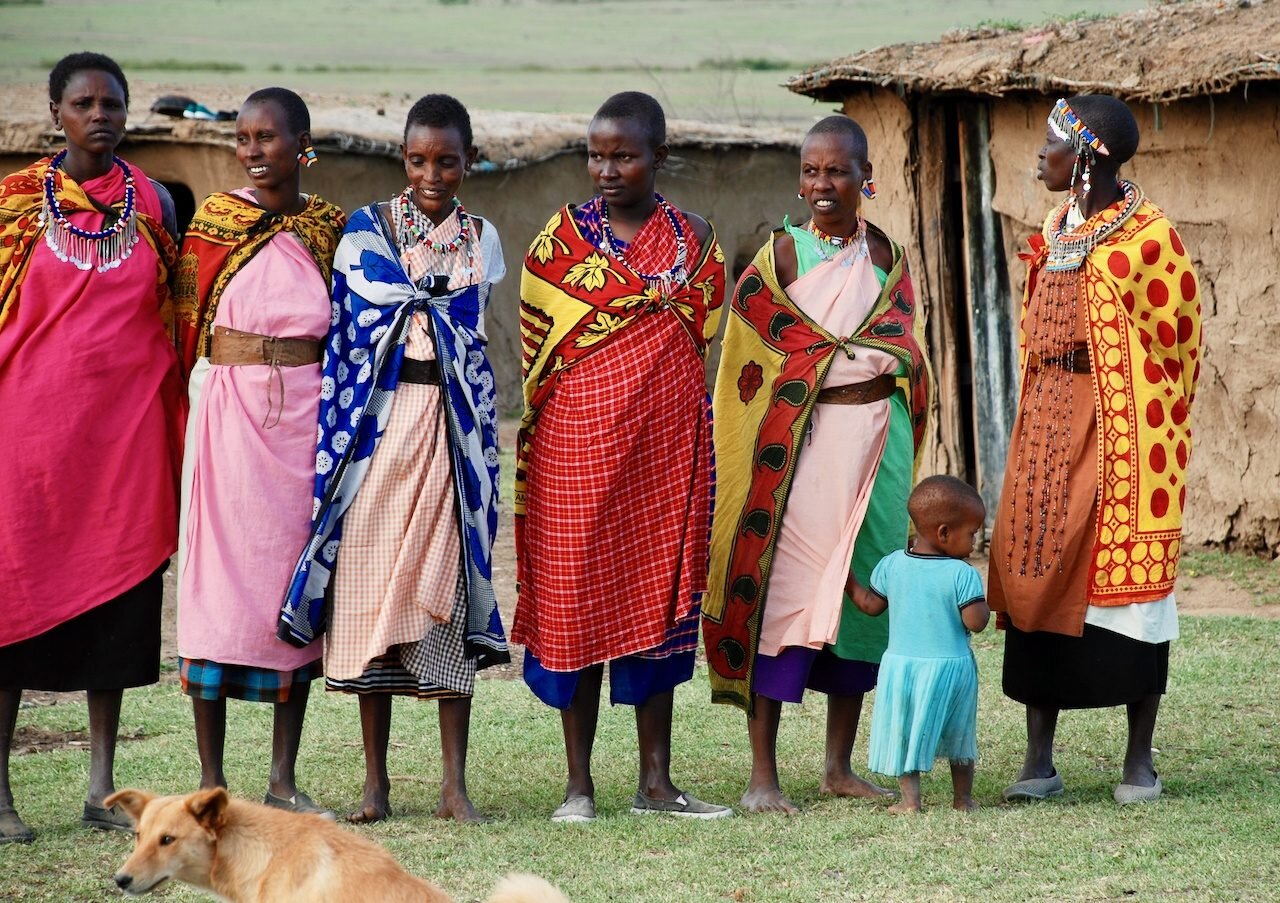
Visit a genuine Maasai homestead (not a tourist "village"). Learn about traditional pastoralism, meet conservancy elders, watch warriors demonstrate fire-making. This isn't performative — these are the landowners who've chosen conservation over cattle grazing.
8. Practical Planning: What You Need to Know
Visa & Entry Requirements
Kenya offers e-visas ($50 for most nationalities) processed in 48 hours. Yellow fever vaccination required if arriving from endemic countries. Proof may be checked at Nairobi airport.
Malaria Precautions
The Mara is a malaria zone. Take prophylaxis (Malarone or doxycycline), use DEET repellent, and sleep under nets (all lodges provide them). Long sleeves at dawn/dusk reduce risk.
What to Pack
Neutral colors (khaki, olive, brown) for game drives. Layers — mornings are cold (50°F/10°C), midday hot (80°F/27°C). Good binoculars, camera with telephoto lens (300mm minimum for wildlife), sun hat, sunscreen, lip balm. Most lodges provide insect repellent.
Tipping Etiquette
Guide: $20-30 per guest per day. Camp staff (pooled): $15-20 per guest per day. Hand tips to the camp manager for distribution, or give your guide directly at trip end.
Connectivity
Most top lodges now offer WiFi in main areas (not tents — by design). Cell coverage is patchy. Embrace the digital detox.
Combine with Other Destinations
The Mara pairs beautifully with:
- Amboseli National Park (3 hours south) — Kilimanjaro views and huge elephant herds
- Laikipia Plateau (4 hours northeast) — Rhino tracking and endangered species sanctuaries
- Nairobi (1 day) — Giraffe Centre, David Sheldrick Elephant Orphanage, Karen Blixen Museum
- Zanzibar or Kenyan coast (post-safari beach extension) — Fly Mara to Diani Beach or to Zanzibar via Nairobi
A classic Kenya safari itinerary: 4 nights Masai Mara private conservancy + 3 nights Amboseli + 4 nights Diani Beach = the ultimate 12-day adventure.
Related journey: Kenya Safari Packages →
Ready to Plan Your Private Masai Mara Safari?
Our team specializes in crafting exclusive Masai Mara private conservancy safaris. We'll match you with the perfect lodge, secure migration-season availability, arrange helicopter transfers between conservancies, and handle every detail from flights to final sundowners.