Key Takeaways
- The Masai Mara river crossings are the climax of the Great Migration — the most dramatic wildlife spectacle on earth.
- They happen broadly July to October, with August–September the peak; there is no fixed date, so timing is about odds, not certainty.
- The main crossing points are along the Mara River in the northern reserve and the less-crowded Mara Triangle, plus the Talek River.
- To maximise your chances: travel in peak season, stay 3–4+ nights near the river, use a private guide, and be patient.
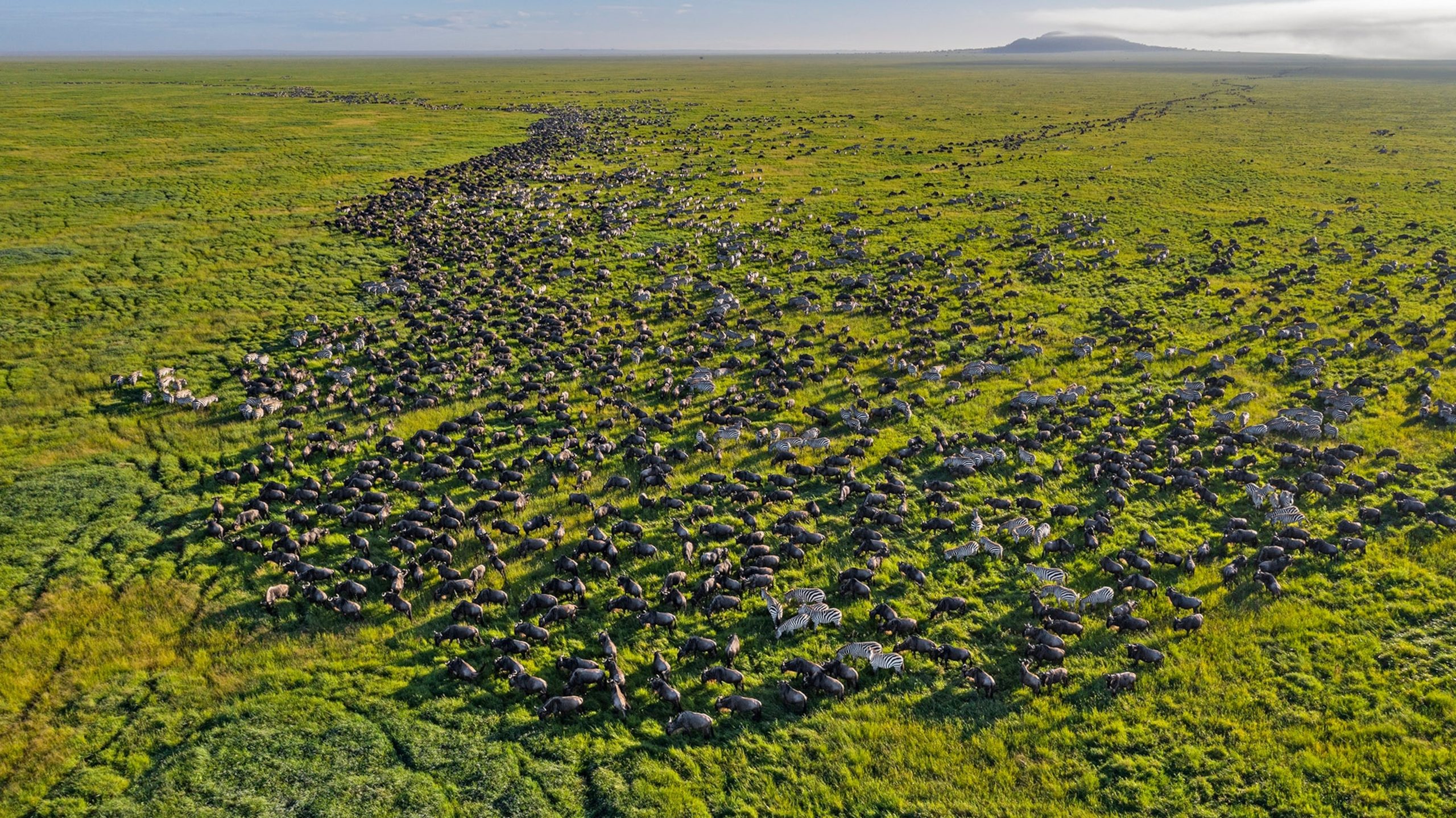
- A dawn balloon safari offers a magnificent aerial perspective on the massing herds.
- The Mara crossings are larger and more dramatic than Tanzania's earlier Grumeti crossings — for the iconic image, the Mara is the place.
What Are the River Crossings?
Every year, more than a million and a half wildebeest, together with hundreds of thousands of zebra and gazelle, trace a vast clockwise circuit across the Serengeti-Mara ecosystem in search of fresh grass and water. This is the Great Migration — the largest overland movement of animals on the planet. And its most famous, most heart-stopping chapter unfolds at the rivers.
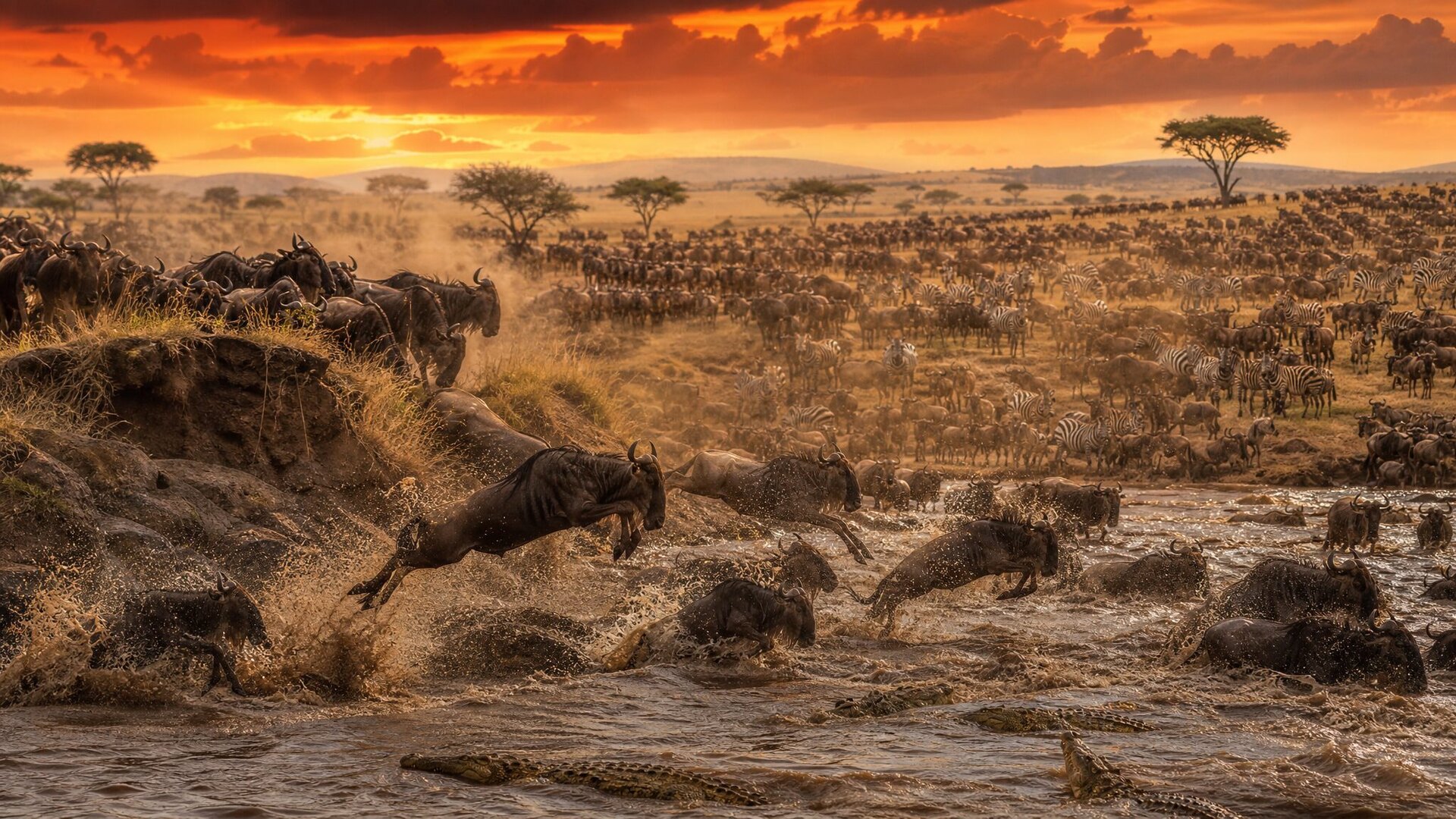
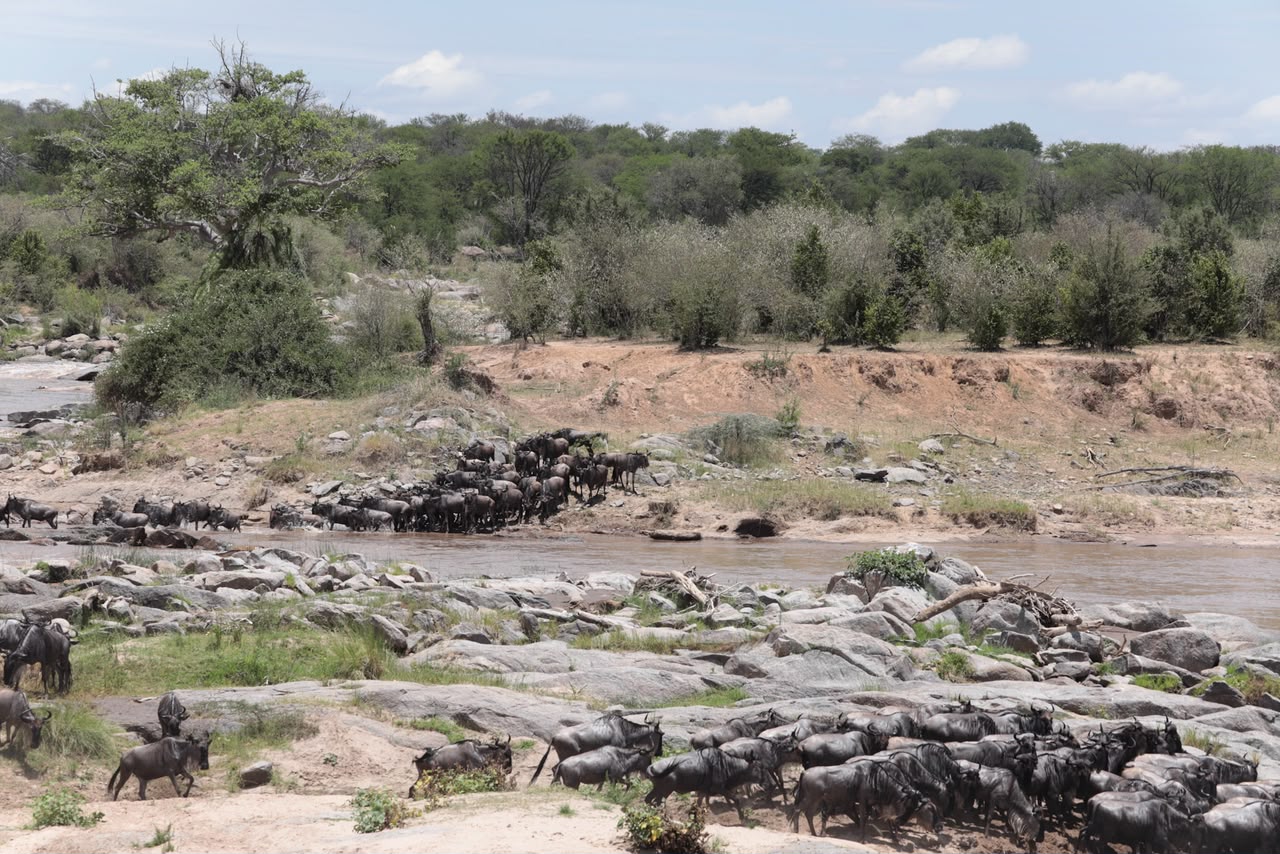
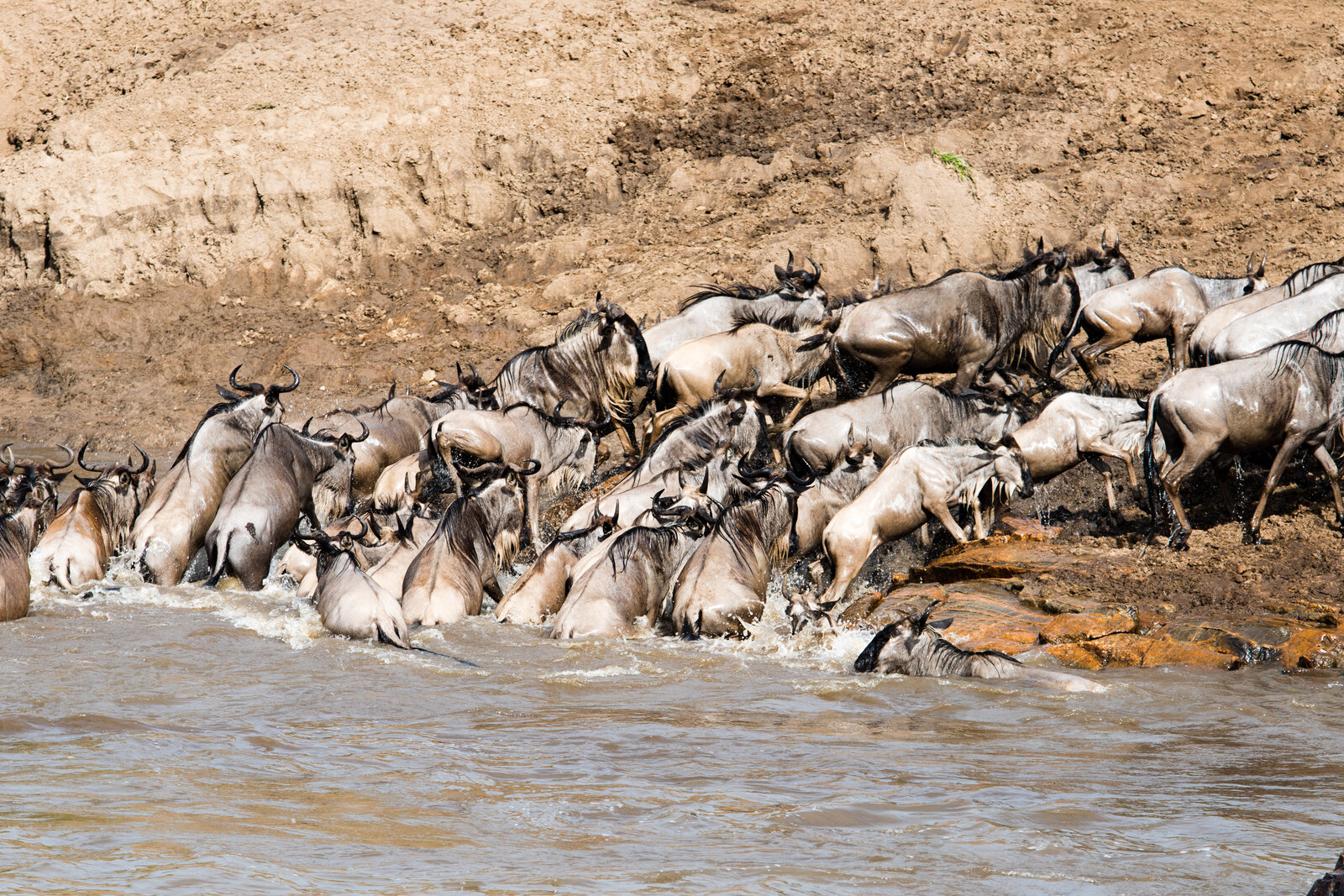
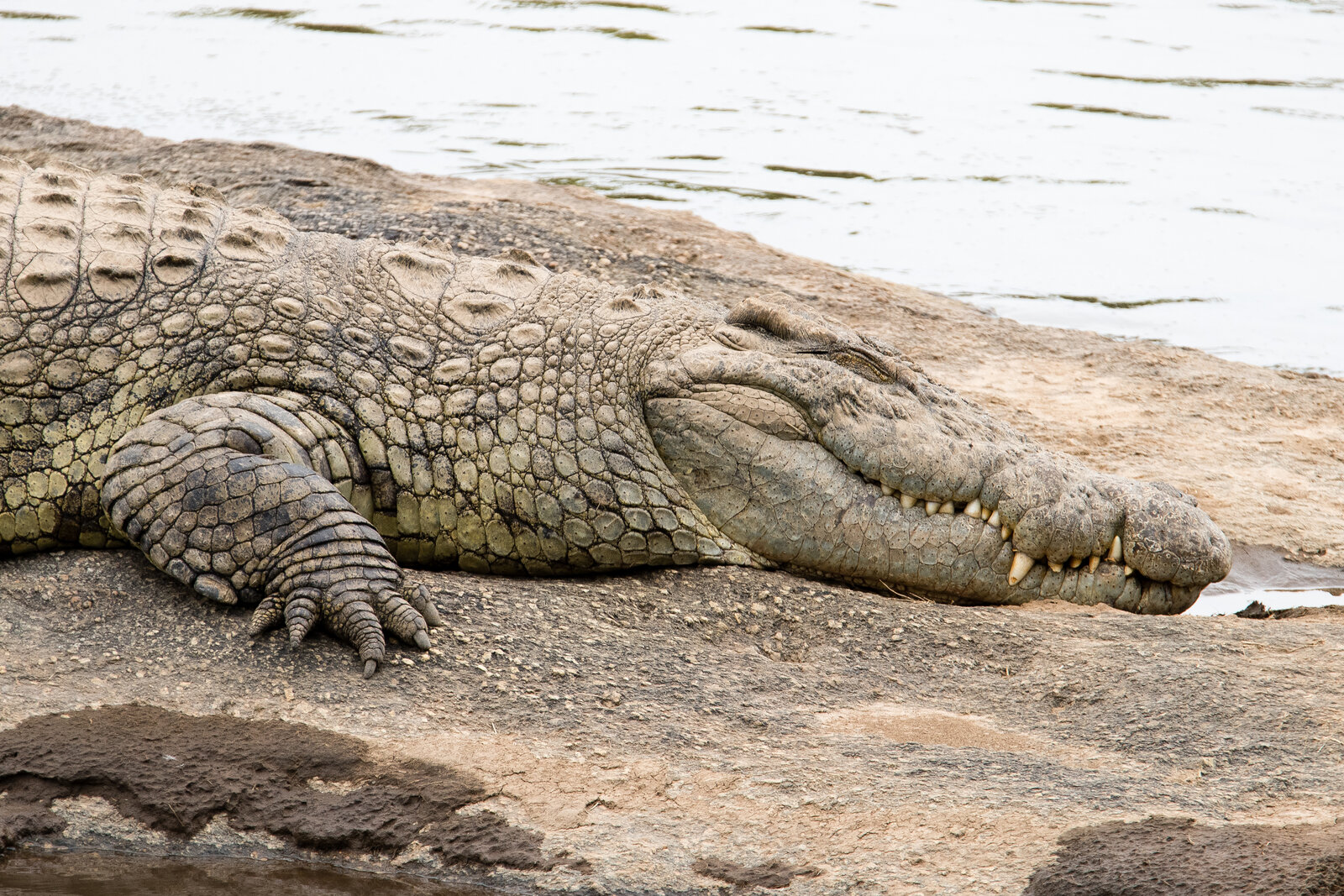
When the herds reach the Mara River, they face a terrible choice: the grazing they need lies on the far bank, but between them and it runs deep, fast water full of enormous crocodiles, with lion and leopard patrolling the edges. For hours the herds mass on the bank, jostling and building courage. Then, in a moment no one can predict, one animal leaps — and the whole column follows in a thunder of hooves, dust and spray. Some are taken by crocodiles; some are trampled; most make it across. It is chaos and courage and raw survival, and to witness it is to understand something ancient and profound about the natural world.
When Do the Crossings Happen?
This is the question every traveller asks, and the honest answer is: the season is predictable, the day is not. The herds arrive in the Masai Mara from the northern Serengeti broadly between July and October, and it is during these months that the river crossings occur. The peak is generally August to September, when the greatest numbers are in the Mara and crossing the rivers repeatedly — often back and forth as they follow the grazing.
But crossings cannot be scheduled. They are triggered by an alchemy of rainfall, grazing pressure and the herd's collective instinct. On some days there are several crossings; on others, none. The wildebeest may mass on a bank for hours and then simply wander away. This unpredictability is precisely why the crossings are so thrilling — and why the single most important thing you can do is travel within the peak window and allow yourself enough time in the Mara to let the odds work in your favour.
Where to Watch: Rivers & Viewpoints
The crossings happen along the region's rivers — principally the Mara River, and to a lesser extent the Talek River. The Mara River winds through the northern part of the reserve and along the Mara Triangle on the western side, and it is here that the great crossings take place at a number of well-known crossing points.
The Mara Triangle is a particular favourite of ours. Managed separately as a not-for-profit, it sees dramatic crossings yet enjoys far lower vehicle numbers than the main reserve, so you experience the spectacle without the crush of cars. The northern reserve near the river is also prime, as are the private conservancies that border it, which combine exclusive game viewing with access to the reserve's crossing points. Wherever you base yourself, the routine is the same: your guide positions you at a crossing point as the herds gather, and then you wait — patiently, quietly — for the moment they commit.
The Best Camps for the Crossings
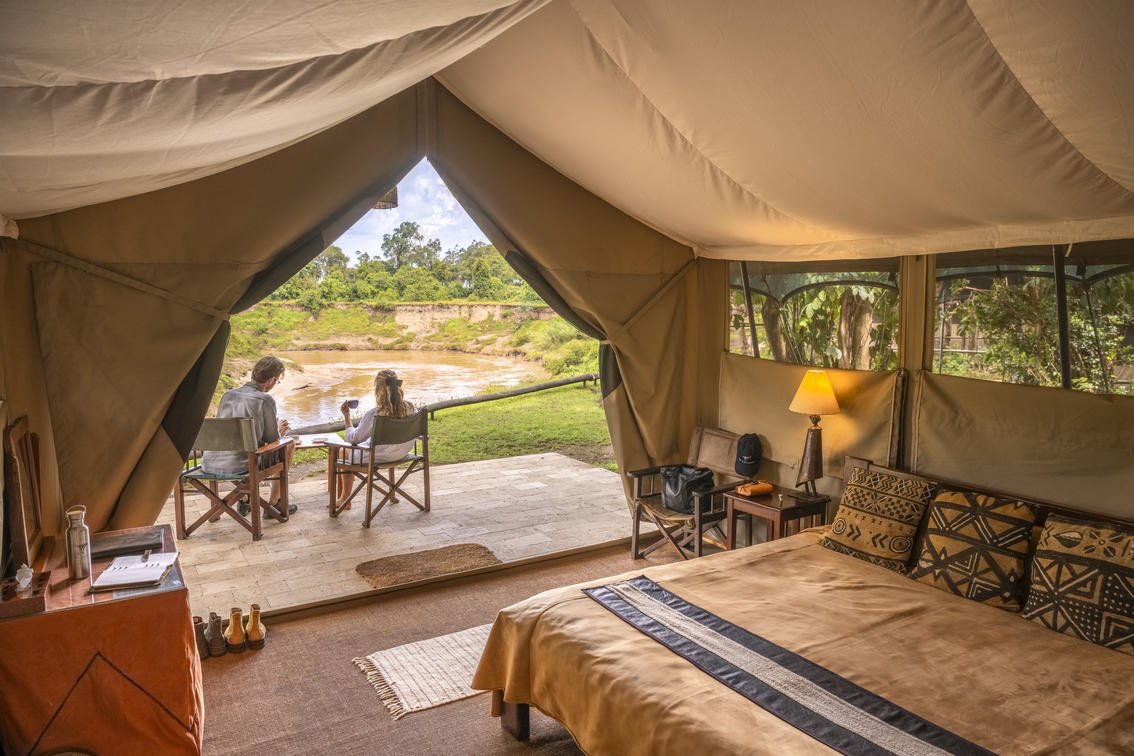
Where you sleep decides how quickly you can be at the action — and in crossing season, minutes matter. The ideal is to base yourself as close as possible to the prime crossing points along the Mara River, so that a radio call of gathering herds means a short drive rather than a two-hour dash.
We generally recommend camps in the Mara Triangle for dramatic, uncrowded crossings; camps in the northern reserve near the river for proximity to the classic crossing points; and camps in the bordering conservancies (Mara North, Olare Motorogi) for those who want exclusive, flexible game viewing plus reserve access for the crossings. Camps range from superb-value tented camps to genuine ultra-luxury, and because crossing season is peak season, the best of them book out a year or more ahead. We secure the right camp in the right location for your exact dates.
How to Maximise Your Chances
Seeing a crossing is never guaranteed — but you can stack the odds heavily in your favour. First, travel in the peak (August to September). Second, stay long enough — we advise at least three to four nights in the Mara, and ideally more, so you have multiple mornings in position. A single night in crossing season is a gamble; four nights transforms your chances. Third, book a private vehicle and guide, so that when the herds start to gather you can wait for hours without being rushed back for a shared lunch or a group schedule. Patience wins crossings, and patience needs privacy.
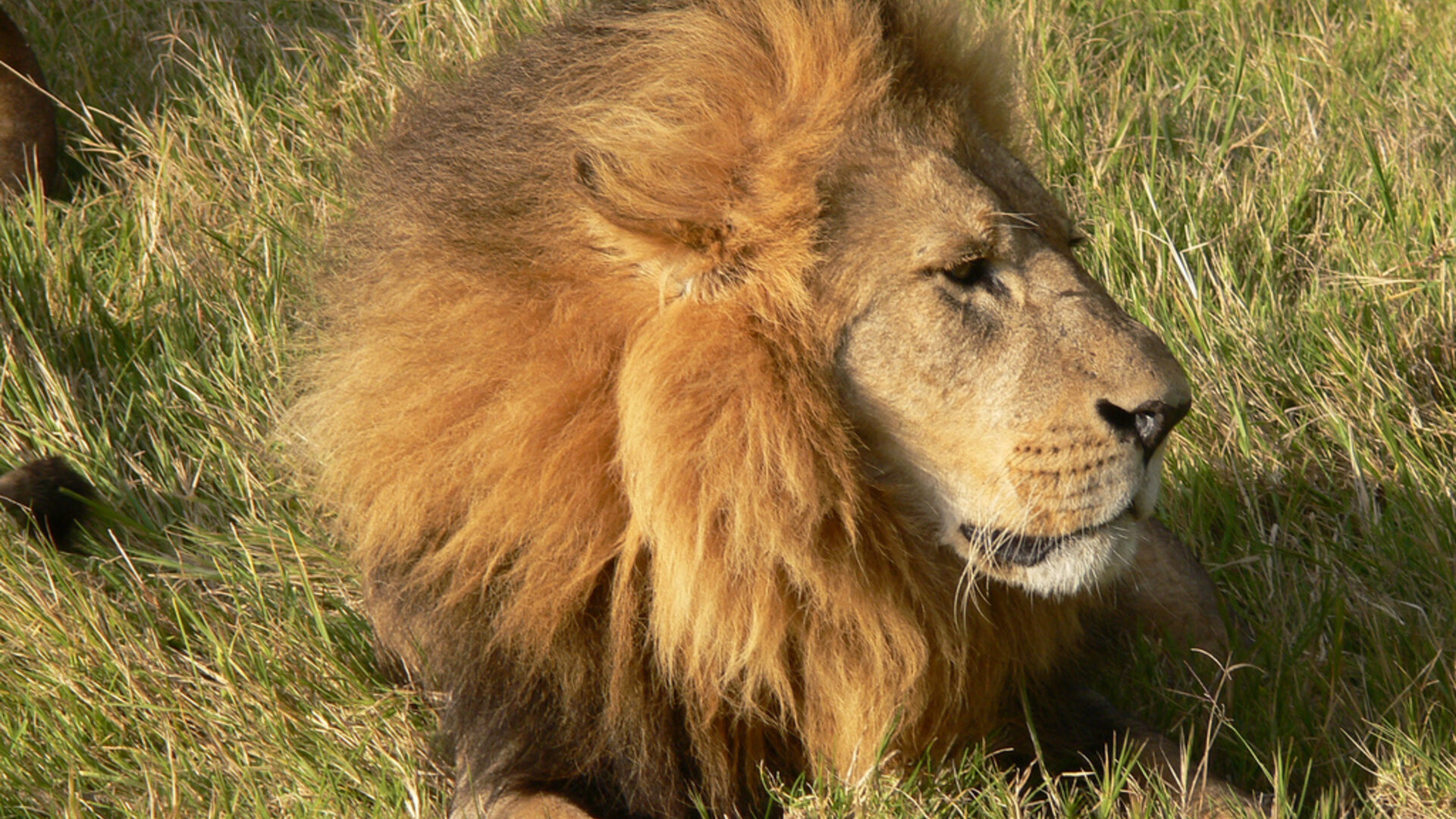
Fourth, base yourself close to the river. And consider a dawn hot air balloon safari: floating over the plains at sunrise gives a breathtaking aerial view of the massed herds and the day's potential, and is a magnificent experience in its own right. Above all, come with the right mindset. The Mara in migration season is spectacular every single day — the resident lions, the plains alive with animals, the golden light — so that even on a day without a crossing, you are witnessing one of the richest wildlife scenes on earth. The crossing, when it comes, is the crown on an already glorious experience.
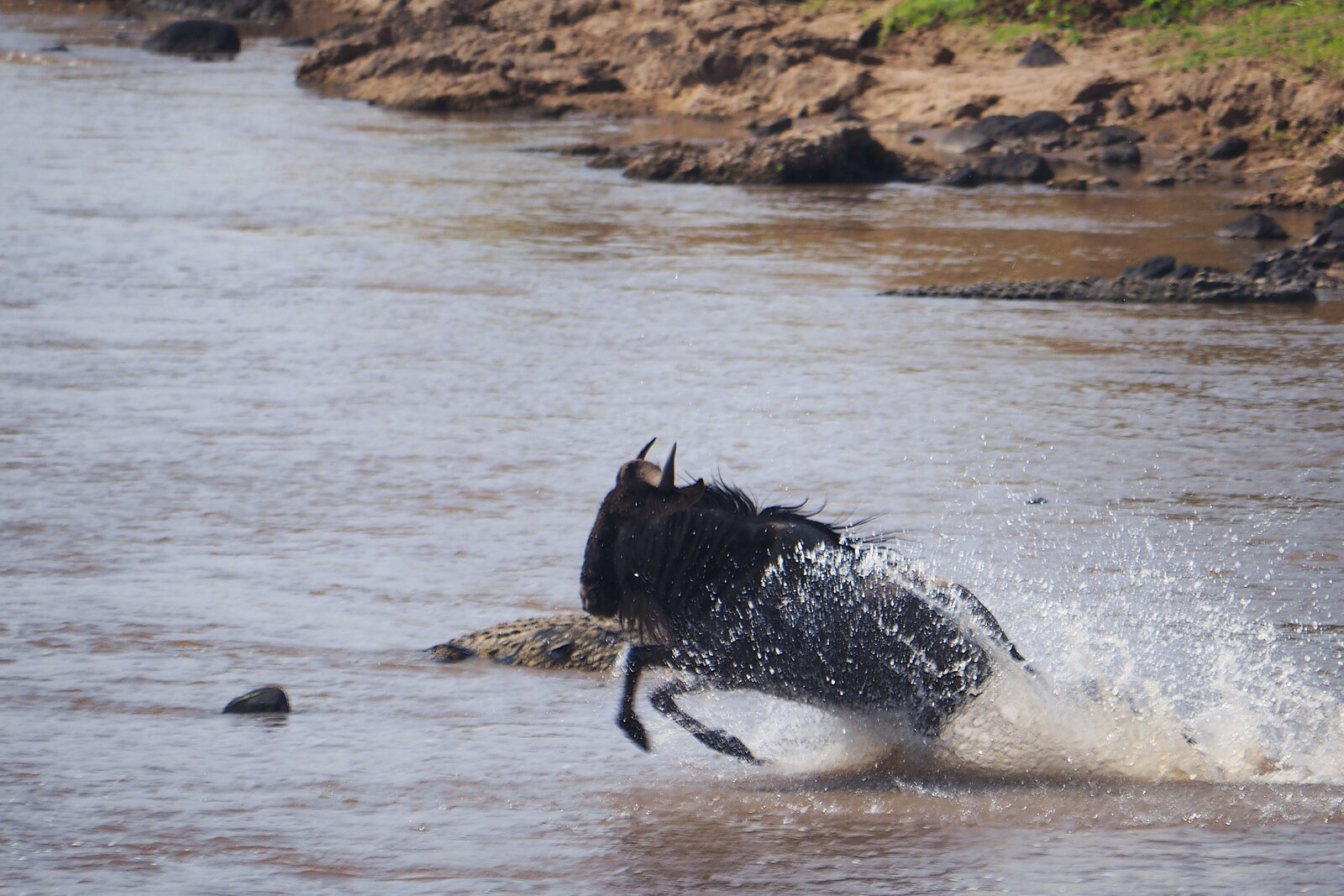
Mara vs Grumeti & Photography Tips
Travellers often ask how the Mara crossings compare to the Grumeti River crossings in Tanzania's western Serengeti. Both belong to the same migration, but they occur at different times and on a different scale. The Grumeti crossings happen earlier, roughly May to July, and tend to be smaller and less frenzied. The Mara River crossings (July to October) are the famous ones — the enormous columns, the waiting crocodiles, the sheer drama. For the iconic crossing image, the Mara is the place; the Grumeti offers a quieter, earlier alternative for those already in the Serengeti.
For photography, come prepared. A telephoto lens (at least 200mm, ideally 400mm) lets you capture the drama at the water without disturbing it; a second body with a wider lens catches the scale of the massed herds. Shoot at a fast shutter speed (1/1000s or faster) to freeze the leaping animals and spray, keep your ISO flexible for the harsh midday light in which crossings often occur, and focus on faces and the moment of the leap. But do not spend the whole crossing behind the viewfinder — lower the camera at least once and simply watch. Some things are meant to be seen with your own eyes first, and remembered forever.
| Crossing | When & What to Expect |
|---|---|
| Mara River (Kenya) | Jul–Oct, peak Aug–Sep — the big, dramatic crossings |
| Talek River (Kenya) | Jul–Oct — smaller crossings within the reserve |
| Mara Triangle (Kenya) | Jul–Oct — dramatic crossings, far fewer vehicles |
| Grumeti River (Tanzania) | May–Jul — earlier, smaller, quieter alternative |
Ready to witness the greatest show on earth?
Crossing-season camps book out a year ahead. Tell us your dates and our specialists will secure the right camp in the right location, arrange private guiding and stack the odds firmly in your favour — so you give yourself the very best chance of the moment of a lifetime.
Ready to explore? Browse our safari tours and packages →