The Great Migration reaches the Masai Mara from July to October — and the river crossings that make it famous, where thousands of wildebeest hurl themselves into the crocodile-filled Mara River, peak in August and September. That is the short answer. The longer, more useful answer is that the migration is not a date on a calendar but a living, weather-driven cycle, and the single biggest mistake first-time visitors make is treating it like a fixed event. This is the definitive, specialist-written guide for 2026 and 2027 — when the herds arrive, where to be for the crossings, how the odds change month by month, and why the Mara is one of the few places on Earth that rewards you in every single month of the year.
When Is the Great Migration in the Masai Mara? At a Glance
If you are planning in a hurry, use this table. The full month-by-month breakdown follows below.
| Your priority | Best window | Why it works |
|---|---|---|
| The Mara River crossings (the headline) | August – September | The herds are in the Mara and crossing the river repeatedly; the peak of the spectacle, though the busiest time |
| The migration herds in the Mara (any crossings) | July – October | The full window the wildebeest and zebra are present in the Kenyan Mara; crossings possible throughout |
| Early migration, fewer crowds | Late June – July | The first herds arrive and crossings begin; lower rates and thinner crowds than the August–September peak |
| Late migration, dramatic crossings | October | Herds begin heading south; big return crossings possible; crowds thinning, excellent value |
| Resident big cats, green scenery, low prices | November – May | Green season: no migration herds, but superb resident lions, leopards and cheetahs, lush plains, newborns, few crowds |
| Best value overall | Late June & October | Shoulder edges of the migration season — strong chances with softer rates and fewer vehicles |
| Big-cat photography | July – October & Jan–March | Peak drama during the migration; clear, dry air and short grass in the green-season dry spells for resident cats |
| Fewest crowds, lowest rates | April – May | Long-rains green season: quiet plains, lush beauty, calving elsewhere, the lowest prices of the year |
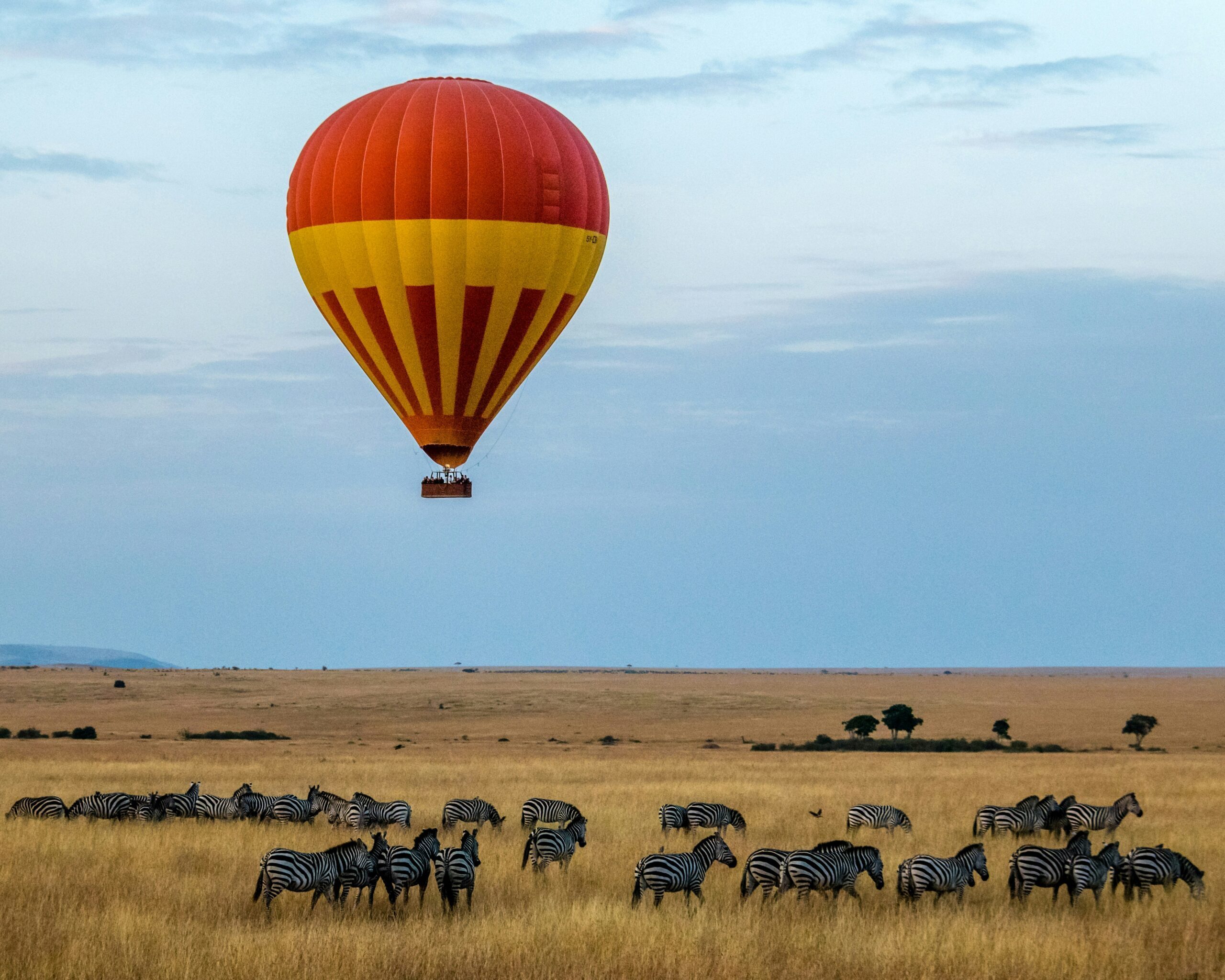
The Great Migration in the Mara — What Actually Happens, and Why Timing Matters
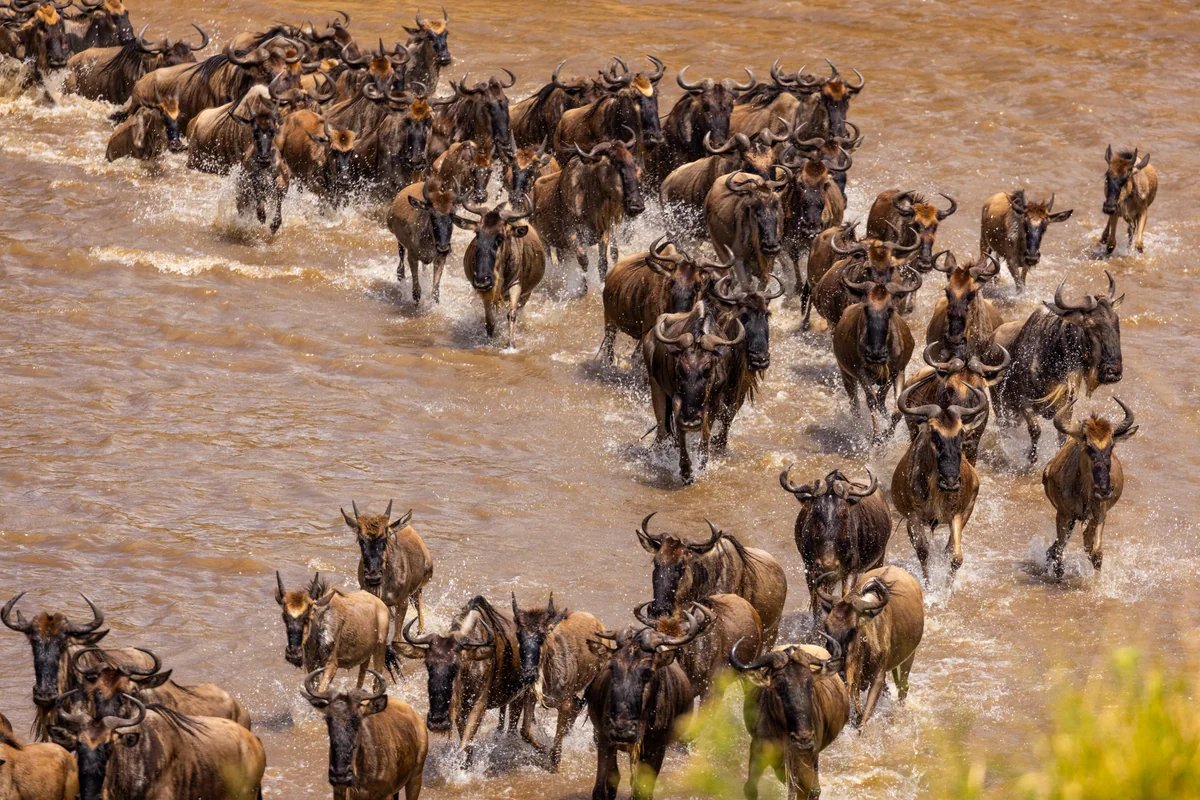
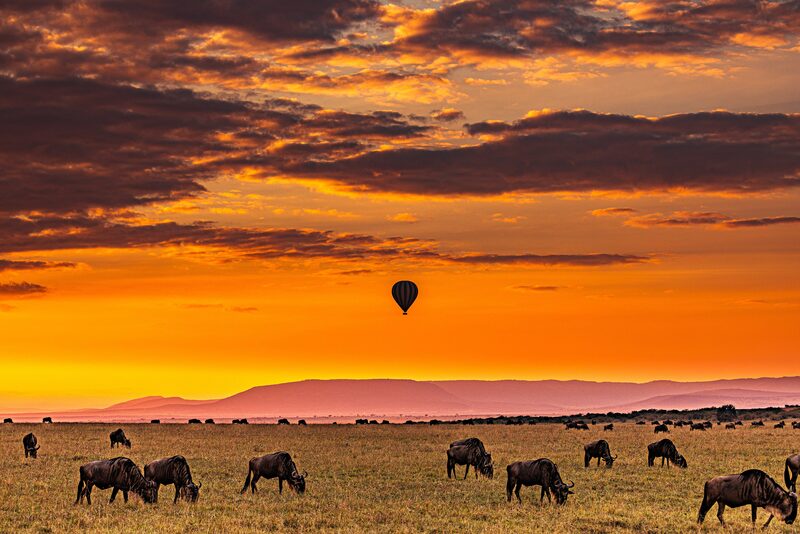
The Great Migration is the year-round, clockwise movement of around 1.3 million wildebeest, several hundred thousand zebra and gazelle, and the predators that follow them, in a vast circuit through the Serengeti–Mara ecosystem that straddles Tanzania and Kenya. The herds are not migrating to the Masai Mara as a destination — they are following the rains and the fresh grazing in a continuous loop, and the Mara is simply the northern tip of that loop, where they spend the middle months of the year before turning south again.
This is why timing is everything, and why so much online advice is misleading. The herds spend roughly December to May in the southern and central Serengeti (Tanzania), where the famous calving happens in February. They move northwest through the western corridor from May to July, and cross into the Kenyan Masai Mara from late June or July, staying until October or early November before the short rains pull them back south into Tanzania. The Mara River crossings — the moment most people picture when they think of the migration — happen when the herds need to cross that river, which lies across their path in the north. That is why the crossings are a Mara (and northern-Serengeti) phenomenon of the July–October window, not a year-round event.
Crucially, the crossings are unpredictable within that window. Herds can mass on a riverbank for hours or days before crossing, or turn back entirely; a crossing can last ten minutes or several hours; and the herds often cross the same river several times in both directions as they follow the grazing. No one can guarantee you a crossing on a given day. What a good safari does is maximise your odds — by putting you in the right sector, at the right time of year, for enough days, with a guide who knows the river. We will come to exactly how below.
The Mara River Crossings (July–October): The Headline Spectacle
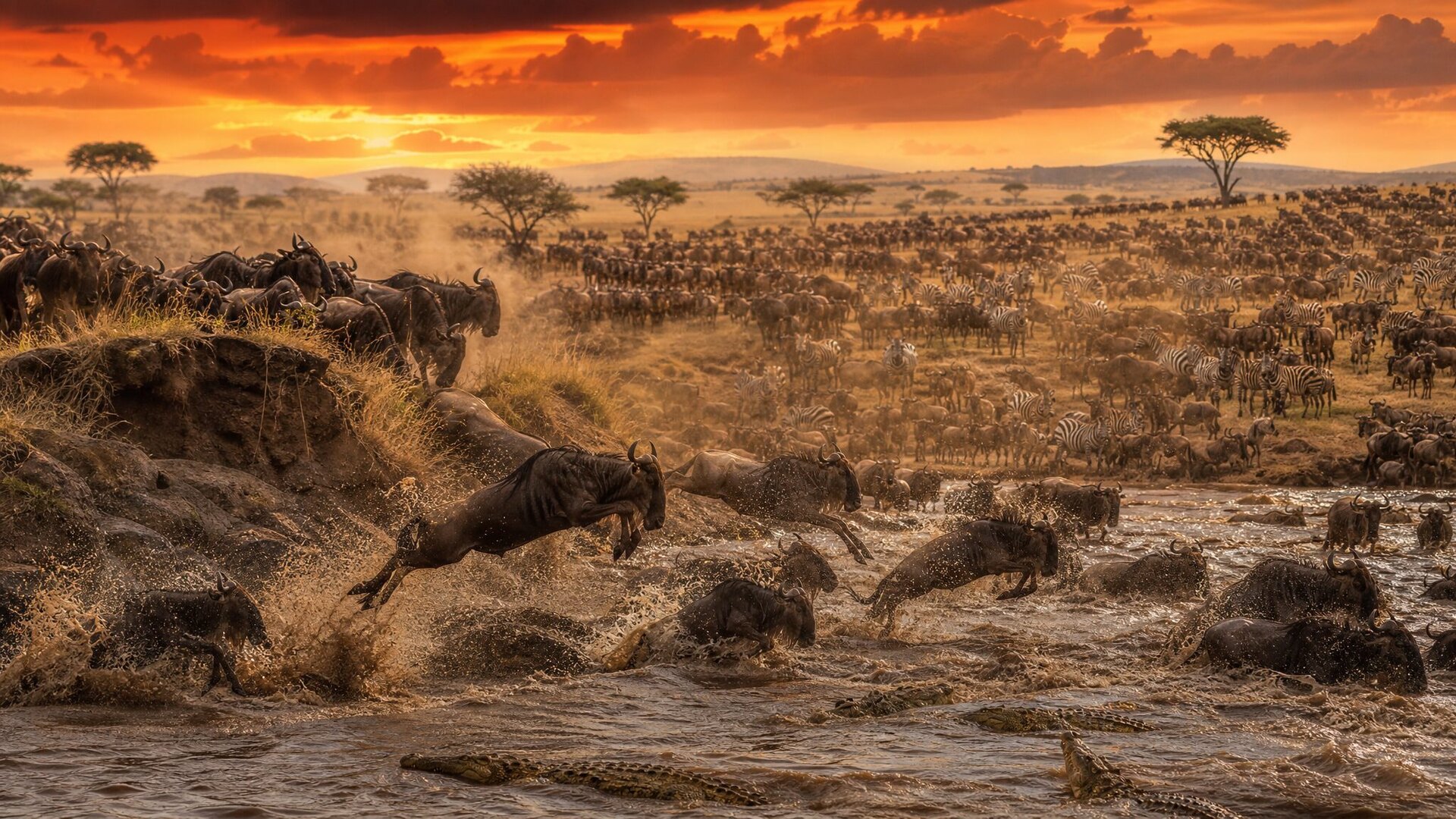
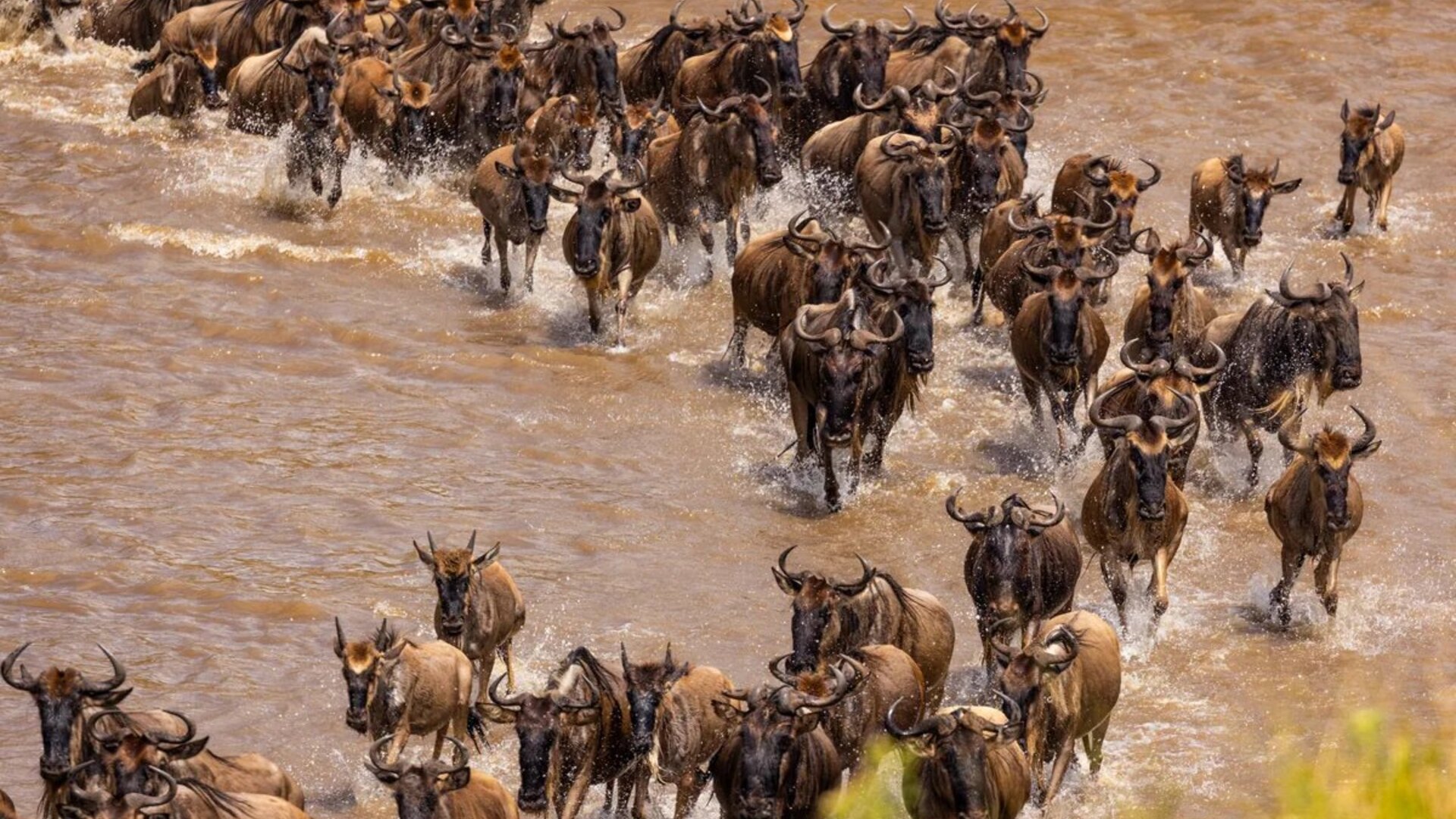
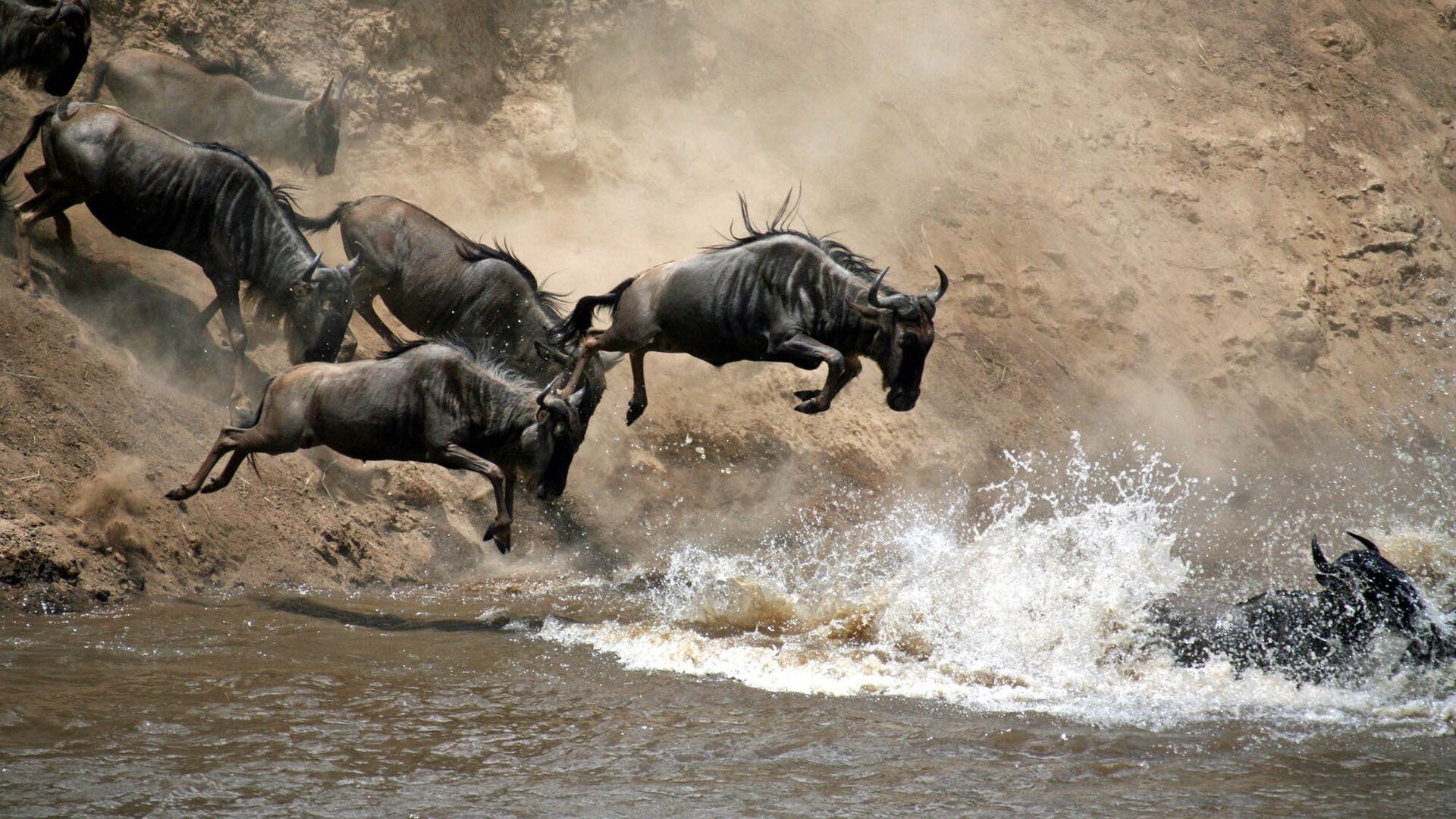
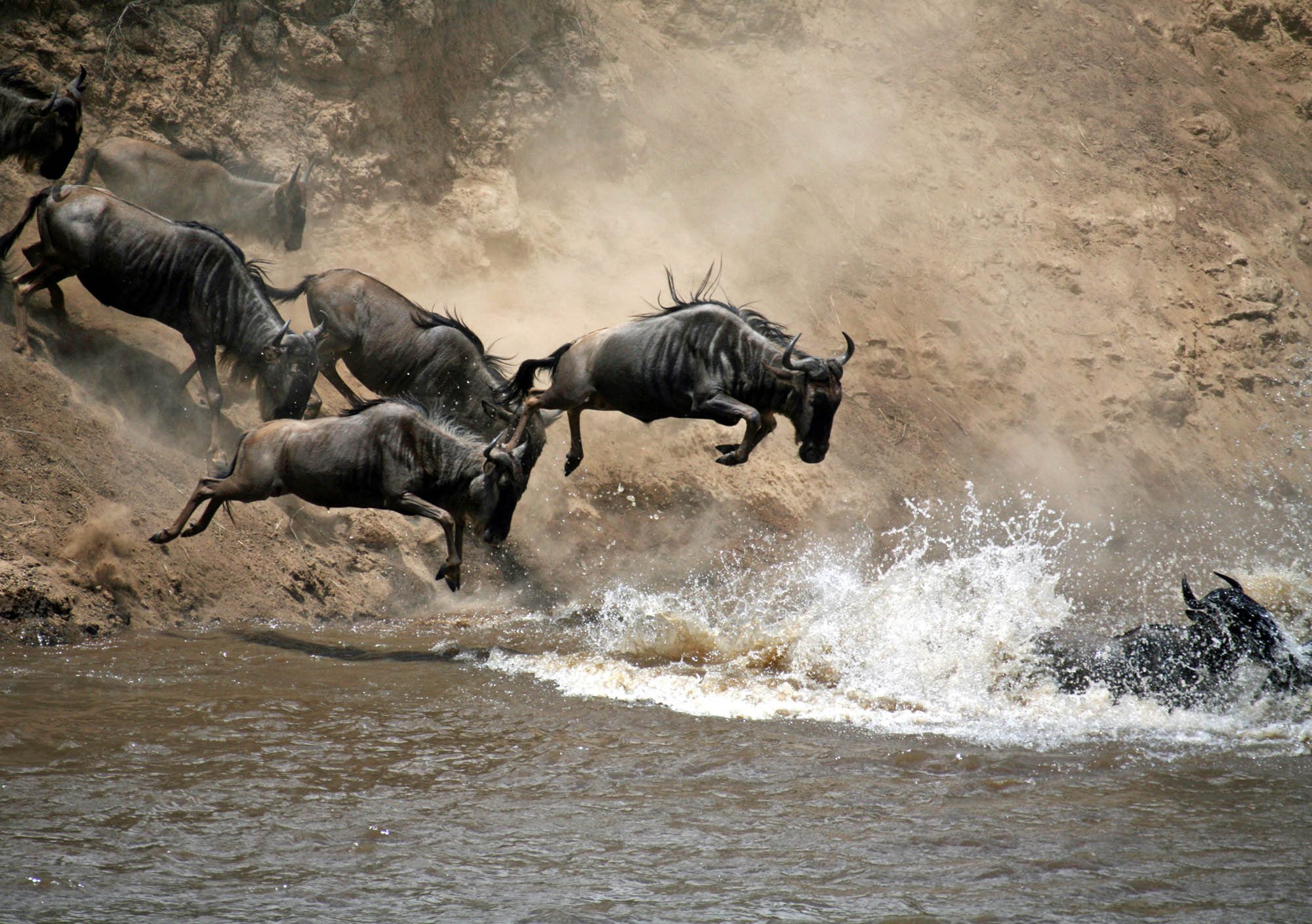
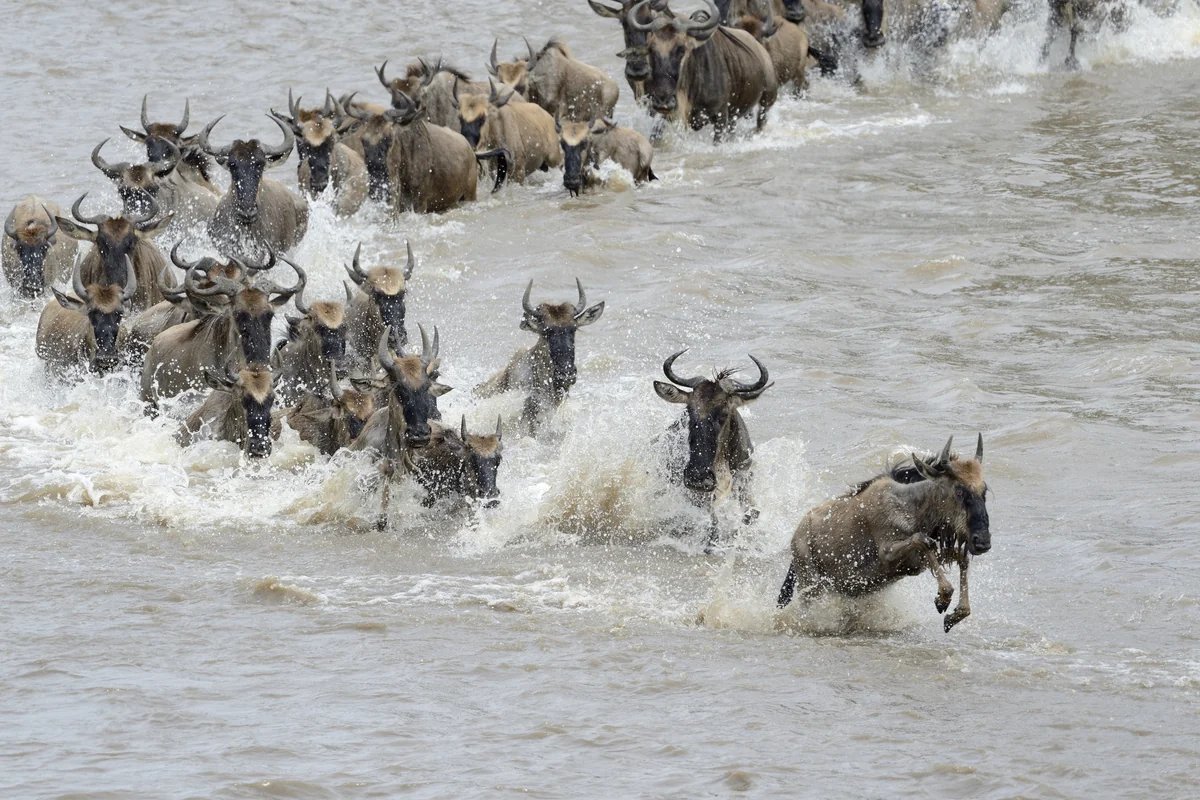
This is what people mean when they ask when the migration is in the Mara. From July, as the herds pour north out of the Serengeti, they reach the Mara River and the Talek River that cut through the ecosystem — and to reach the fresh grazing on the far side, they must cross. The crossings are chaos and drama in equal measure: thousands of wildebeest stampeding down steep banks, plunging into the current, battling the Mara's enormous Nile crocodiles, and scrambling up the far side while lions and leopards wait in the wings. It is, by common consent, the single most dramatic wildlife spectacle on the planet.
July — The Herds Arrive and Crossings Begin
By July the vanguard of the migration has usually reached the Mara, and the first river crossings begin. This is a superb time to visit: the herds are present and building, crossings are happening, and yet the very peak crowds of August have not fully arrived. The weather is dry and pleasant, the grass is still being grazed down, and predator action is intense as the big cats capitalise on the new arrivals. For travellers who want the crossings with slightly thinner crowds and marginally softer rates, July is an excellent choice.
August and September — Peak Crossing Season
These are the two headline months. By August the bulk of the herds are in the Kenyan Mara, and crossings of the Mara River happen regularly — sometimes several in a day across the different crossing points. September often brings the most reliable and dramatic crossings of all, as the herds move back and forth across the river following the grazing, and the dry, settled weather gives clear light for photography. These are the months the world books the Mara for, so they are also the busiest and most expensive, and the popular crossing points can draw a crowd of vehicles. Booking well ahead — and choosing a lodge in the right sector, or a private conservancy — is essential to get the best of it.
October — The Late Drama and the Turn South
October is an underrated gem. The herds are still in the Mara for much of the month, crossings continue, and as the short rains approach, the great southward return begins — often with big crossings back over the river. Crowds thin noticeably from the September peak, rates soften, and the light is beautiful. For travellers who want strong crossing chances with better value and fewer vehicles, October is one of the smartest months to visit the Mara.
Best crossing-season travellers: first-time migration seekers, wildlife photographers, predator enthusiasts, bucket-list travellers. Trade-offs: highest rates and crowds in August–September, crossings are never guaranteed on a given day, popular public crossing points can be busy with vehicles — all strong reasons to consider the conservancies and shoulder weeks.
The Green Season (November–May): No Herds, But a Secret Season
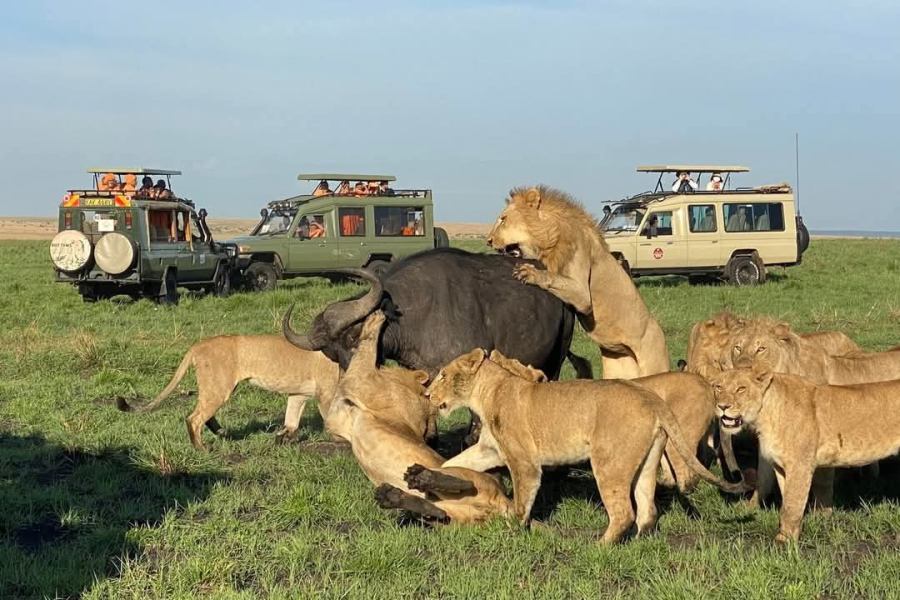
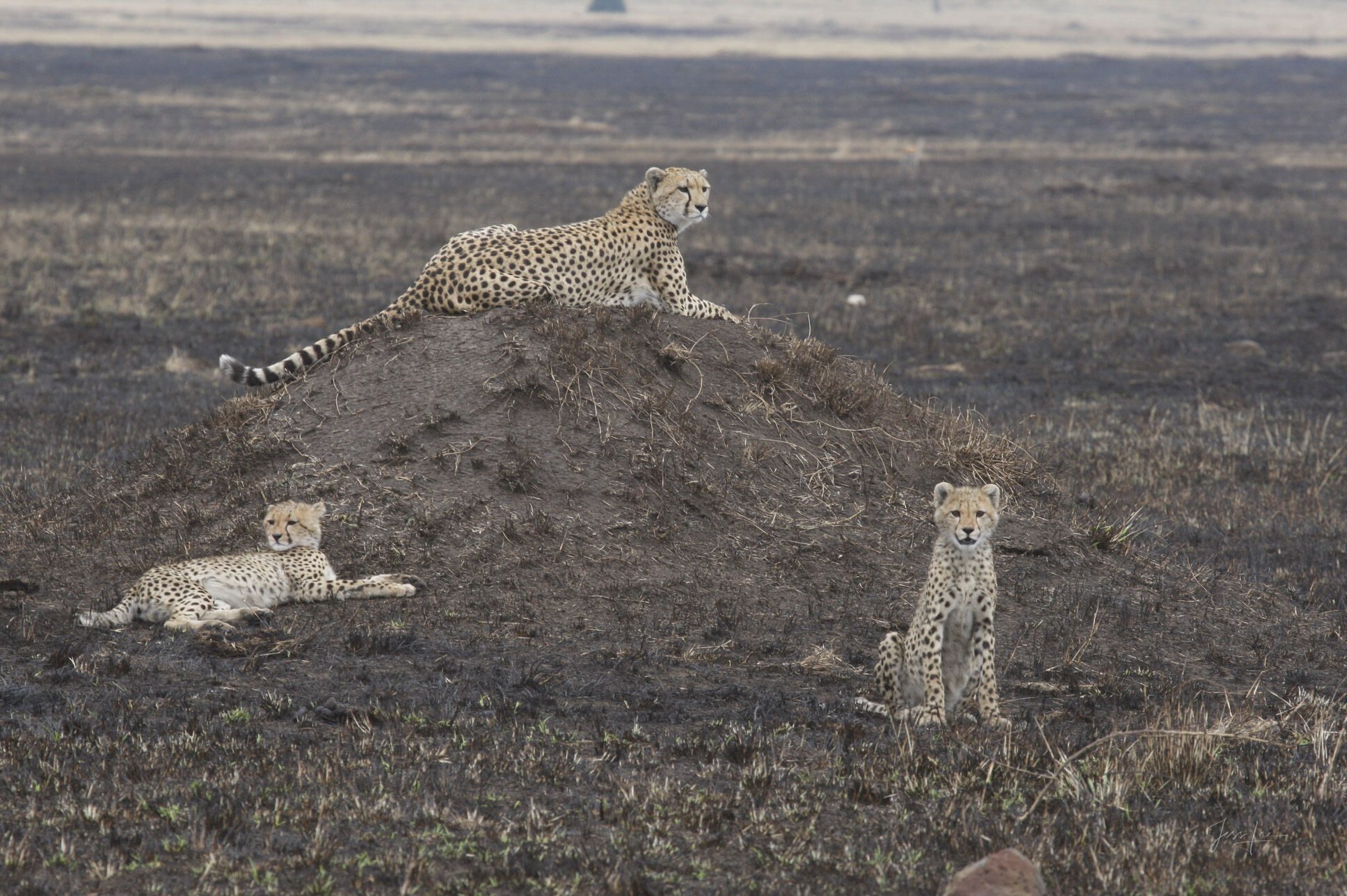
Here is the part most migration guides forget to tell you: the Masai Mara is a sensational safari destination even when the migration herds are not there. From November to May, the wildebeest are back in Tanzania, but the Mara's extraordinary resident wildlife remains — and this green season is, for many seasoned safari-goers, their favourite time to visit.
November — The Short Rains and the Herds Depart
By November the short rains have usually arrived and the herds have moved south back into the Serengeti. The Mara greens up, the plains fill with wildflowers, and migrant birds arrive. The resident game is excellent and the crowds have gone. Rain tends to come in short afternoon bursts rather than all-day downpours, so game drives are rarely disrupted. It is a beautiful, peaceful, great-value month.
December to March — Lush Plains, Resident Cats and Few Crowds
The green season proper. The Mara is lush and photogenic, the resident lion prides, leopards and cheetahs are active and raising young, and the plains are quiet. This is the Mara at its most peaceful and its most affordable, with superb big-cat viewing against green backdrops. There is often a dry spell around January–February that delivers excellent conditions. For photographers and repeat visitors who prioritise cats and scenery over the migration crowds, these are wonderful months.
April and May — The Long Rains and the Lowest Prices
April and May bring the long rains, the greenest and quietest time in the Mara. Some camps close and access can be wetter, but the landscapes are spectacular, the resident wildlife is all still there, and rates are at their lowest. For budget-conscious travellers and those who treasure having the plains almost to themselves, the long-rains shoulder has a real appeal — just be prepared for some wet game drives.
Best green-season travellers: repeat safari-goers, big-cat enthusiasts, photographers wanting green backdrops, budget-conscious travellers, honeymooners wanting exclusivity. Trade-offs: no migration herds or river crossings, wetter conditions (especially April–May), some camps close in the long rains.
Masai Mara Migration Calendar — Full 2026/2027 Month by Month
| Month | Migration status in the Mara | Crossing chances | Weather & crowds | Rating |
|---|---|---|---|---|
| January | Herds in southern Serengeti (calving approaching) | None in the Mara | Green-season dry spell; lush; quiet; low rates | ★★★ (resident cats) |
| February | Calving in the southern Serengeti (Tanzania) | None in the Mara | Green, warm, few crowds; superb resident game | ★★★ (resident cats) |
| March | Herds still in the south | None in the Mara | Greening into long rains; quiet; good value | ★★★ |
| April | Herds beginning to move; still in Tanzania | None in the Mara | Long rains; lush, wet, lowest prices; some camps shut | ★★½ |
| May | Herds moving through the western Serengeti corridor | None in the Mara yet | Tail of the long rains; green, quiet, excellent value | ★★★ |
| June | Vanguard approaching the Mara from late June | First crossings possible late June | Drying out; thinner crowds; good value before peak | ★★★★ (late June) |
| July | Herds arriving in force; present in the Mara | Crossings begin and build | Dry, pleasant; crowds building; book ahead | ★★★★★ |
| August | Bulk of the herds in the Kenyan Mara | Peak — regular river crossings | Dry, clear; busiest and priciest; book early | ★★★★★ |
| September | Herds in the Mara; often the most reliable crossings | Peak — frequent, dramatic crossings | Dry, settled, superb light; busy; book early | ★★★★★ |
| October | Herds in the Mara, beginning the turn south | Strong — big return crossings possible | Dry, warming; crowds thinning; great value | ★★★★★ |
| November | Short rains; herds move back to the Serengeti | Tailing off to none | Short afternoon rains; greening; quiet; good value | ★★★½ |
| December | Herds in the southern/central Serengeti | None in the Mara | Green, festive peak for resident game; book ahead | ★★★ (resident cats) |
Where to Be for the Crossings — The Mara Sector by Sector
Catching a crossing is not only about when you go but where you stay. The Masai Mara is made up of the central Masai Mara National Reserve, the Mara Triangle in the west, and a ring of private conservancies around the reserve's edges. Each offers a different experience during the migration.
The Mara Triangle (Western Reserve)
The Mara Triangle, managed separately by the Mara Conservancy, sits between the Mara River and the Oloololo Escarpment in the west. It has some of the best and most reliable crossing points on the Mara River, far fewer vehicles than the central reserve, and strict off-road and vehicle-number rules that protect the experience. For serious crossing-seekers who want quality over crowds, the Triangle is often the top choice from July to October.
The Central Reserve (Talek & Sekenani)
The central and eastern sectors of the national reserve, around the Talek and Sekenani gates, are the most accessible and have the widest range of lodges at all budgets. They offer excellent game and access to crossing points on both the Mara and Talek rivers — but they are also the busiest, and popular crossings here can draw many vehicles in peak season. Great value and great game, with the trade-off of crowds at the hotspots.
The Private Conservancies (Olare Motorogi, Naboisho, Mara North and more)
The conservancies bordering the reserve — Olare Motorogi, Naboisho, Mara North, Ol Kinyei and others — are, for many connoisseurs, the smartest way to experience the migration season. The herds move through them, they offer superb resident big-cat viewing, and crucially they limit vehicle numbers, permit off-road driving, and allow night drives and walking safaris that the national reserve does not. You can base in a conservancy for exclusivity and big cats, and drive into the reserve or Triangle for the crossings. The combination of a conservancy and the reserve is often the ideal migration-season itinerary.
Mara (Kenya) or Serengeti (Tanzania)? Where the Herds Are, When
A question we are asked constantly: should you go to the Masai Mara in Kenya or the Serengeti in Tanzania to see the migration? The honest answer is that it depends entirely on when you can travel, because the herds are only in one place at a time.
| Time of year | Where the herds are | Headline event |
|---|---|---|
| Dec – March | Southern & central Serengeti (Tanzania) | Calving season (Feb) on the short-grass plains |
| April – June | Central & western Serengeti (Tanzania) | The herds move northwest; Grumeti crossings |
| July – October | Masai Mara (Kenya) & northern Serengeti | The Mara River crossings — the headline spectacle |
| November | Returning south into the Serengeti | The southward turn with the short rains |
In short: if you want the famous Mara River crossings and can travel between July and October, the Masai Mara is the place. If you can only travel between December and June, the Serengeti is where the herds will be. Many of our clients combine both across a single trip, or across return visits. For the full Kenya-side picture — including the Mara's conservancy timing and how it fits a wider Kenya itinerary — see our detailed guide to the best time to visit Kenya for the Great Migration, and our head-to-head Serengeti vs Masai Mara comparison.
How to Maximise Your Chances of Seeing a Crossing
No one can guarantee a river crossing on a given day — but experienced planning dramatically improves your odds. Here is exactly how we stack the deck in your favour.
- Travel in the peak window. August and September give the highest crossing frequency; July and October are strong shoulders. Avoid expecting crossings outside roughly late June to early November.
- Stay at least three to four nights in the Mara. Crossings are unpredictable; the more full days you have on the river, the higher your cumulative chance. A single night is a gamble; four nights makes a crossing very likely in peak season.
- Base in the right sector. The Mara Triangle and camps close to the main crossing points put you on the river fast when herds begin to mass — timing matters, as crossings can start and end quickly.
- Use a great guide. This is the single biggest factor. A top Maasai guide reads the herds, knows which crossing points are active, and positions you early. Private guiding and conservancy camps excel here.
- Be patient and flexible. Crossings often follow hours of the herds massing and hesitating. The best sightings reward those who wait at the river rather than chasing from point to point.
- Consider a conservancy base. Pairing a private conservancy (for exclusive big-cat viewing and off-road access) with reserve or Triangle drives for the crossings gives you the best of both worlds.
Best Time to Visit the Masai Mara by Traveller Type
| Traveller | Best time | Notes |
|---|---|---|
| First-time migration seeker | August – September | Peak crossing frequency; the full spectacle, worth the crowds and higher rates |
| Crossings with fewer crowds | July or October | Strong crossing chances at the shoulders of the peak, with thinner crowds and softer rates |
| Photographers | August – October | Dramatic crossings and clear dry-season light; conservancies allow off-road positioning |
| Big-cat enthusiasts | July – October & Jan–March | Peak predator action during the migration; resident cats with young in the green-season dry spells |
| Honeymooners | July – October (crossings) or Jan–Feb (exclusivity) | The migration for drama, or the green season for lush, crowd-free romance and lower rates |
| Families | July – August | Peak migration aligns with northern-hemisphere summer holidays; dry, comfortable weather |
| Value & shoulder seekers | Late June & October | Migration present with better rates and fewer vehicles than the August–September peak |
| Quiet, green-season travellers | November – March | No herds, but superb resident wildlife, lush plains, few crowds and the lowest prices |
Masai Mara Trip Planning Calendar — 2026 & 2027
Planning your 2026 or 2027 Mara migration safari? Here is what to expect season by season across the two years. The pattern is consistent, but the exact arrival and crossing timing shifts with the rains each year — so flexibility and early booking both pay off.
| Season window | 2026 / 2027 planning notes | Book by |
|---|---|---|
| Jul – Oct 2026 | Peak migration and the Mara River crossings; August–September busiest, October strong value. The prime crossing window of the year | Book now — peak camps fill 9–12 months ahead |
| Nov 2026 – Mar 2027 | Green season: herds back in the Serengeti; superb resident big cats, lush plains, few crowds, low rates in the Mara | 3–5 months ahead |
| Apr – May 2027 | Long rains: greenest and quietest; lowest prices; some camps closed; resident game excellent | 2–4 months ahead |
| Late Jun 2027 | Vanguard of the herds reaching the Mara; first crossings; thinner crowds and good value before the peak | 6–9 months ahead |
| Jul – Oct 2027 | The next peak crossing season; the best camps in the Triangle and conservancies book out first | 9–12 months ahead for Aug–Sep |
When to Book — Price Guide and Availability by Season
The Masai Mara spans every budget, but prices and availability swing sharply with the migration calendar.
| Season | Rates | Crowds | Book ahead |
|---|---|---|---|
| Peak crossings (Aug–Sep) | Highest of the year; premium peak surcharges | Busiest; crossing points can be crowded | 9–12 months for the best camps |
| Migration shoulders (Jul, Oct) | High but softer than the peak | Busy easing to moderate | 6–9 months |
| Green season (Nov–Mar) | Moderate; good value | Quiet; exclusive feel | 3–5 months |
| Long rains (Apr–May) | Lowest of the year | Very quiet; plains to yourself | 2–4 months |
Mara camps range from accessible tented camps to ultra-luxury conservancy lodges at USD 1,000–2,500+ per person per night all-inclusive in peak season. The single biggest money-saving lever is travelling at the migration shoulders (late June or October) rather than the August–September peak, or choosing the green season for resident big cats at a fraction of the price. Because the exact crossing timing and the best-camp availability shift each year, the smartest move is to plan early with a specialist who builds your dates, sector and camp around the migration — exactly what we do at Beyond Africa Safaris.
Masai Mara Weather and What to Pack — Season by Season
| Season | Temperatures | Conditions | What to Pack |
|---|---|---|---|
| Migration/dry (Jul–Oct) | Days 24–28°C; nights 10–14°C | Dry, sunny, clear; cool dawns | Warm fleece and beanie for dawn drives; light layers for midday; neutral earth tones; sunhat and SPF; good binoculars |
| Short rains (Nov) | Days 24–27°C; mild nights | Short afternoon showers; greening | Light waterproof, layers, insect repellent; the rest as above |
| Green dry spell (Dec–Mar) | Days 25–28°C; mild nights | Lush, warm, occasional showers | Light clothing, a warm layer for mornings, rain jacket, repellent |
| Long rains (Apr–May) | Days 22–26°C; mild nights | Wetter; greenest; some muddy roads | Good waterproofs, waterproof footwear, layers, dry bags for cameras |
Wear neutral earth tones (khaki, olive, sand — avoid white, bright colours and dark blue/black) for game drives. A telephoto lens of at least 300mm will transform your crossing and big-cat photography, and a beanbag or support helps in the vehicle. The Masai Mara sits at altitude (around 1,500–1,800m), so mornings and evenings are cool year-round even in the dry season — always pack a warm layer for dawn drives and balloon safaris. Kenya is a malaria area, so consult a travel health clinic at least four weeks before departure for current prophylaxis advice.
The Verdict — When Should You Visit the Masai Mara?
If your dream is the Great Migration and the Mara River crossings, visit between July and October, with August and September the peak for crossing frequency and October the smart choice for strong crossings at better value. If you want world-class big cats, lush scenery and the plains almost to yourself — without the migration crowds — the green season from November to March is a secret that seasoned safari-goers treasure. And whenever you come, stay at least three to four nights, base in the right sector, and travel with a great guide: those three decisions matter as much as the month.
The Masai Mara is one of the few places on Earth that rewards you in every season — the question is simply which version of its magic you want. Tell us what you dream of seeing, and we will build the journey around the perfect dates.
Ready to plan your Masai Mara migration safari? Speak to a Beyond Africa Safaris specialist or explore our private Kenya safari packages — every journey is tailor-made to the perfect season for you. You can also read our full Masai Mara safari guide, discover the best Masai Mara safari camps, or explore the wider best time to visit Kenya for the Great Migration.