Key Takeaways — Your Great Migration Cheat Sheet
- River crossings peak July–October in the northern Serengeti (Kogatende) and Masai Mara. August and September offer the best odds.
- Calving season (Dec–Mar) in the southern Serengeti/Ndutu is the best for photography — soft green light, 400,000 newborns, and peak predator action.
- The migration never stops. The herds move all year — there is always a chapter to witness, from calving to the long march north to the dramatic crossings and the return south.
- Crossings are NOT guaranteed. Wildlife is unpredictable. Stay at least 4–5 nights near the river and travel with a private guide to stack the odds.
- Budget range: US$400–$3,000+ per person per night depending on camp tier. Park fees, conservancy fees and internal flights are usually extra.
- Book 9–12 months ahead for peak crossing season (Jul–Oct) — the best Mara River camps sell out a year in advance.
- Tanzania for variety and privacy; Kenya for accessibility and value. Both sides of the ecosystem deliver world-class migration experiences.
- Mobile camps follow the herds. They are the single most effective strategy for being in the right place at the right time.
- Combine destinations: add Zanzibar for beach, gorilla trekking in Rwanda/Uganda, or the Ngorongoro Crater for a complete East Africa journey.
- Use our free Great Migration Tracker to see where the herds are right now.
What Is the Great Migration?
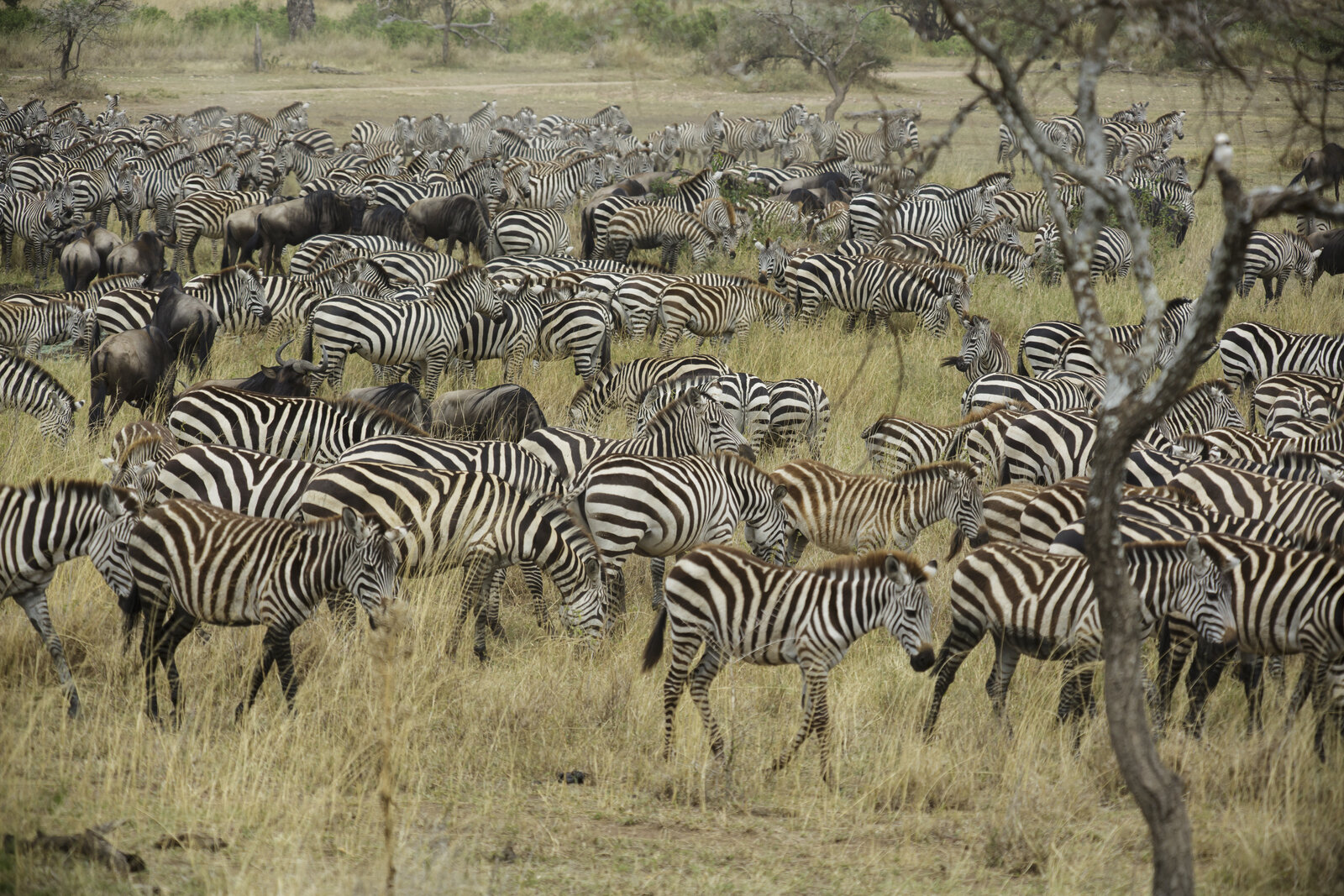
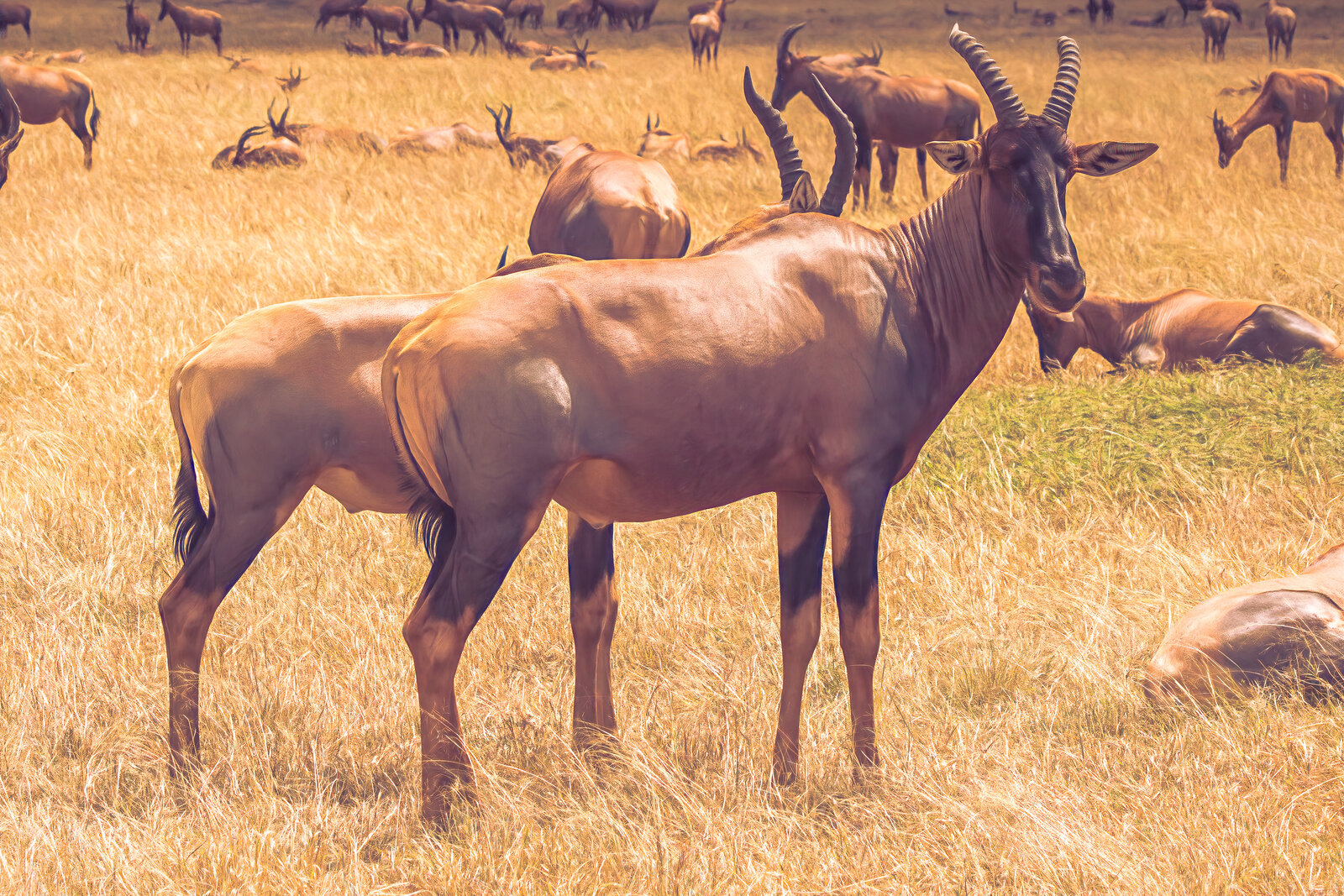
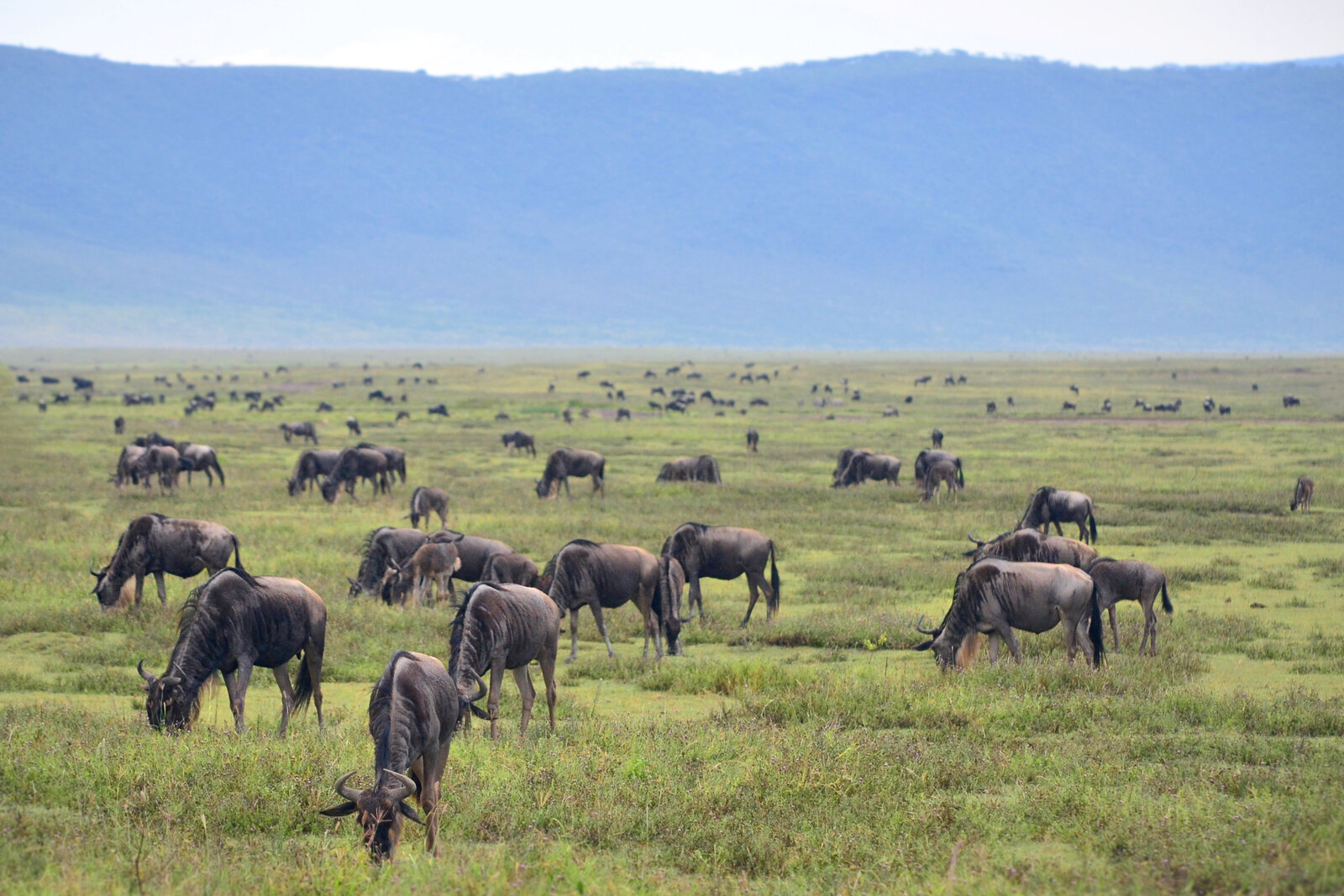
The Great Migration is the largest movement of land animals on Earth. Every year, approximately 1.2 million wildebeest, joined by around 300,000 zebra and 400,000 Thomson's and Grant's gazelle, travel a continuous clockwise loop of roughly 1,000 kilometres through the Serengeti–Masai Mara ecosystem, crossing from Tanzania into Kenya and back again. It is not a single event but a perpetual journey — the herds are always moving, always following the rain and the fresh grass it brings.
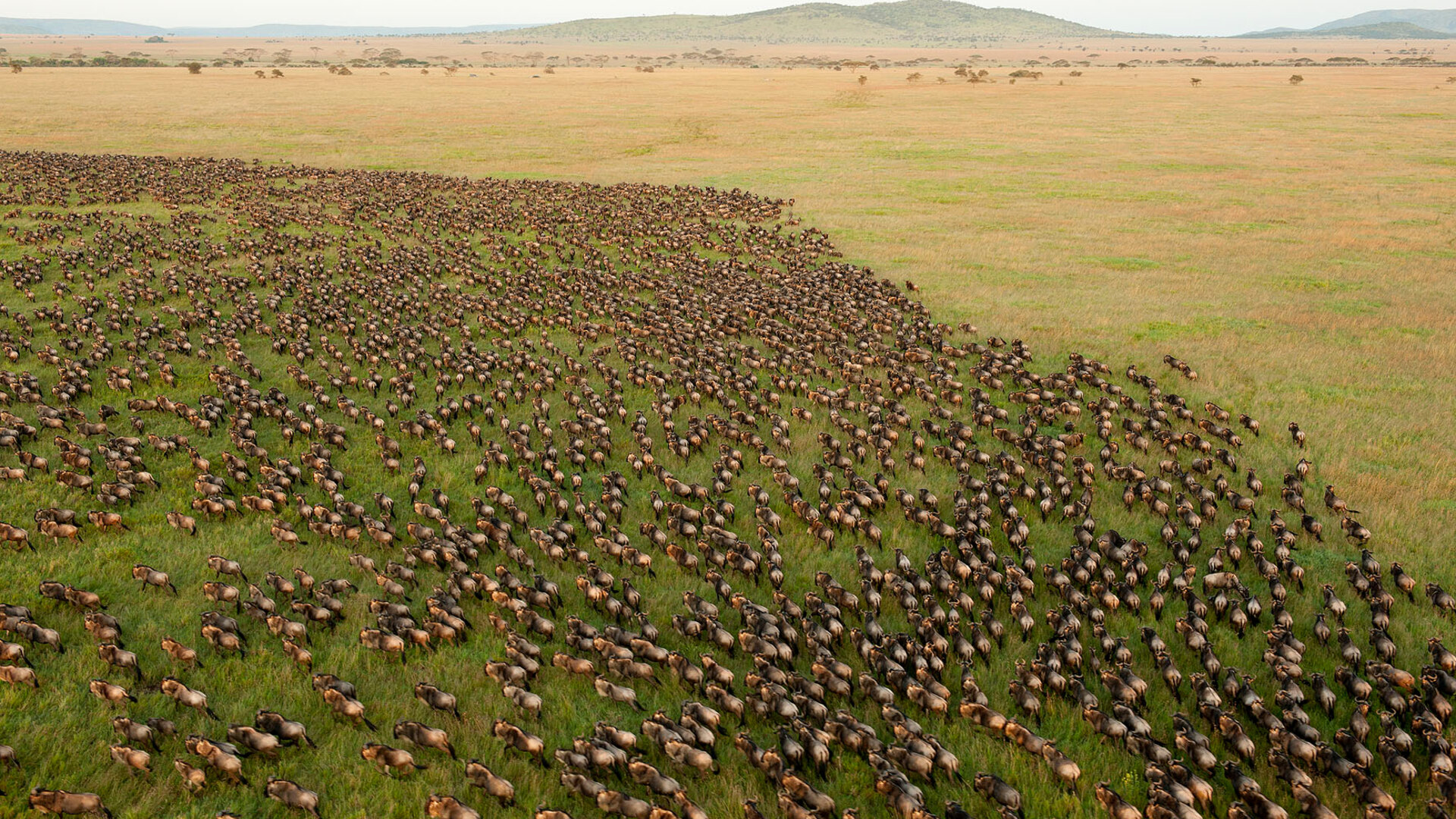
The scale is staggering. At peak concentrations, the herds stretch to the horizon in every direction — a living, breathing river of animals that has been flowing across these plains for at least a million years. The migration sustains an entire ecosystem: the grass the herds crop stimulates new growth, their dung fertilises the plains, and their sheer numbers feed the densest concentration of predators in Africa — lions, leopards, cheetahs, hyenas, wild dogs, and the Nile crocodiles that wait in the rivers.
For the traveller, the Great Migration offers the most dramatic wildlife spectacle on the planet. Whether you witness the explosive chaos of a river crossing, the miracle of half a million calves born in a few short weeks, or the quiet grandeur of endless herds on the open Serengeti plains, this is a safari experience that has no equal anywhere on Earth.
Why the Great Migration Happens
The migration is driven by a simple equation: rain makes grass, and grass feeds herds. The Serengeti–Mara ecosystem receives rainfall in a pattern that sweeps south to north through the year. The short rains fall on the southern Serengeti and Ndutu plains from November to February, producing the mineral-rich short grasses that the wildebeest need for calving. As those plains dry out by April, the herds move northwest toward the Western Corridor and the Grumeti River, drawn by the long rains that green the taller grasses there. By July, the rains have pushed further north, and the herds follow — crossing the Mara River into the northern Serengeti and the Masai Mara, where the grass stays green through the Kenyan summer. When the short rains return in November, the herds swing south again, completing the circle.
The instinct is ancient and deeply encoded. Wildebeest calves can walk within minutes of birth and run within days — a survival adaptation shaped by millions of years of this exact journey. The zebra, whose digestive systems handle coarser grasses, often move slightly ahead of the wildebeest, effectively mowing the tall grass and exposing the shorter, more nutritious growth that the wildebeest prefer. The gazelle follow behind, picking over what remains. It is one of the most elegant examples of ecological cooperation in the natural world.
Climate variability means the timing shifts from year to year — the herds follow the rain, not the calendar. A late rainy season can delay the crossings by weeks; an early one can push them forward. This unpredictability is part of what makes the migration so thrilling and why local knowledge and flexible itineraries matter so much when planning a trip.
When to Go — Month-by-Month Migration Calendar
The migration is a year-round event, and every month offers a different chapter. The two peak windows are the river crossings (July–October) and the calving season (December–March). The table below maps the entire cycle so you can match your travel dates to the spectacle you most want to see.
| Month | Where the Herds Are | What Is Happening | Highlight |
|---|---|---|---|
| January | Southern Serengeti / Ndutu | Calving begins; herds mass on the short-grass plains | 🟢 Calving peak |
| February | Southern Serengeti / Ndutu | Peak calving — ~400,000 calves born in 2–3 weeks; predator action at its highest | 🟢 Best for photography |
| March | Southern / Central Serengeti | Late calving; herds begin to drift northwest as the short-grass plains dry | Calving + early movement |
| April | Central Serengeti / Seronera | Long rains; herds move through central Serengeti, mating season begins | Green season, fewer crowds |
| May | Western Corridor | Herds push into the Western Corridor; Mbalageti River crossings begin | Green season value |
| June | Western Corridor / Grumeti | Grumeti River crossings — dramatic, crocodile-rich, and far less crowded than the Mara | 🟡 Grumeti crossings |
| July | Northern Serengeti / Kogatende | First Mara River crossings in the northern Serengeti; herds begin entering Kenya | 🔴 River crossings begin |
| August | Northern Serengeti / Masai Mara | Peak crossing season — herds in the Mara in force, frequent crossings | 🔴 Peak crossings |
| September | Masai Mara / Lamai Wedge | Big crossings continue, often the finest month; slightly thinner crowds than August | 🔴 Best crossing month |
| October | Masai Mara / Northern Serengeti | Late crossings as herds begin drifting south; dramatic skies, good value | 🟡 Late crossings + value |
| November | Central / Southern Serengeti | Short rains return; herds swing south through the Serengeti | Transition / quiet season |
| December | Southern Serengeti / Ndutu | Herds arrive on the calving grounds; early births begin; green season beauty | 🟢 Early calving |
For a deeper dive into timing, see our specialist guides: Best Time for a Great Migration Safari, Great Migration Month by Month, and Best Time for the Great Migration in Tanzania.
🦁 Track the Herds Live — Great Migration Tracker →
Where to See the Great Migration
The migration moves through two countries — Tanzania (the Serengeti) and Kenya (the Masai Mara). Understanding the sectors is the key to being in the right place at the right time.
Serengeti Sectors (Tanzania)
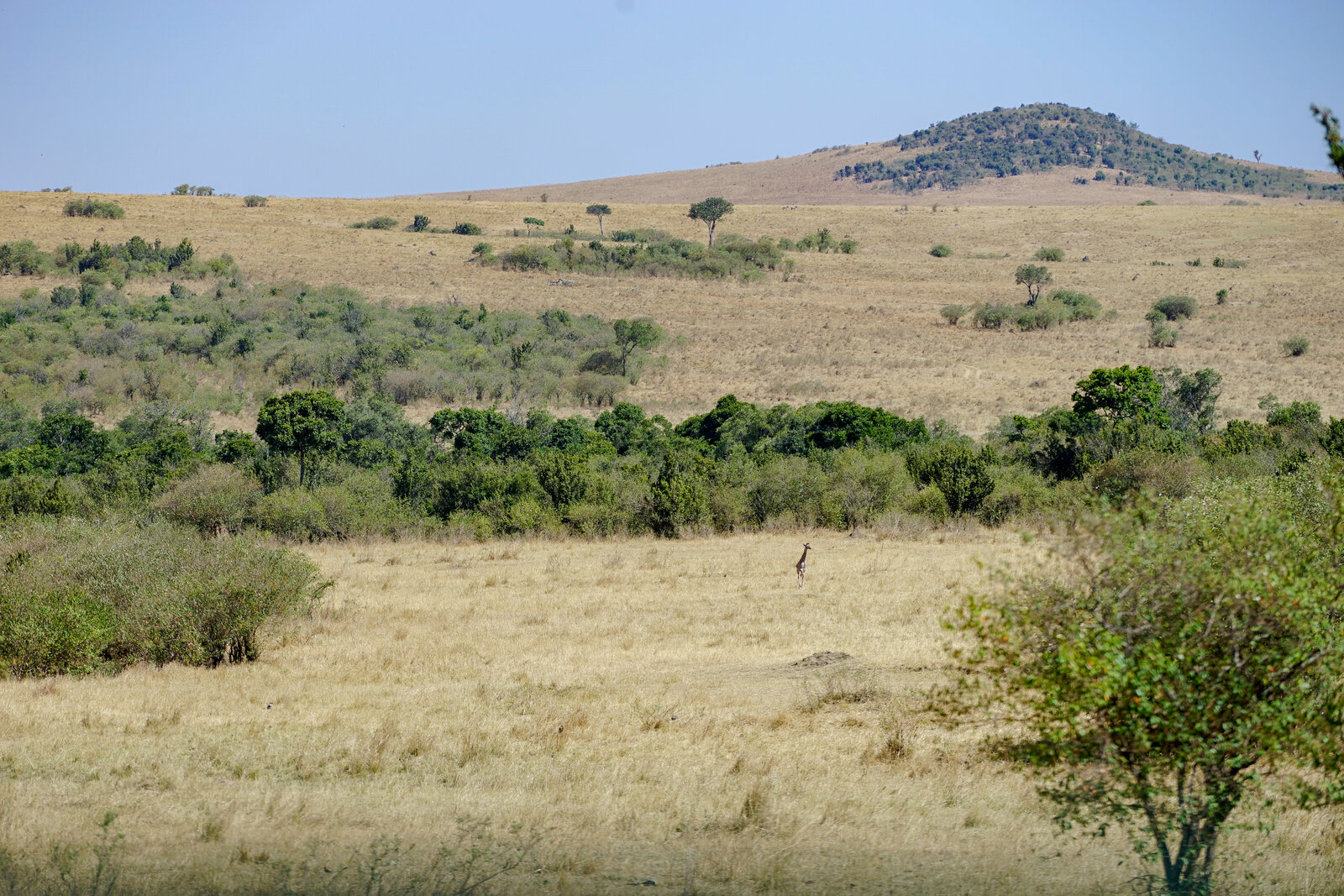
Southern Serengeti / Ndutu (Dec–Mar): The short-grass calving plains. This is where the herds mass for calving season — vast, flat, treeless plains stretching to the Ngorongoro highlands. The light here is extraordinary: soft, green, low-angle — perfect for photography. Ndutu is the heart of the calving action.
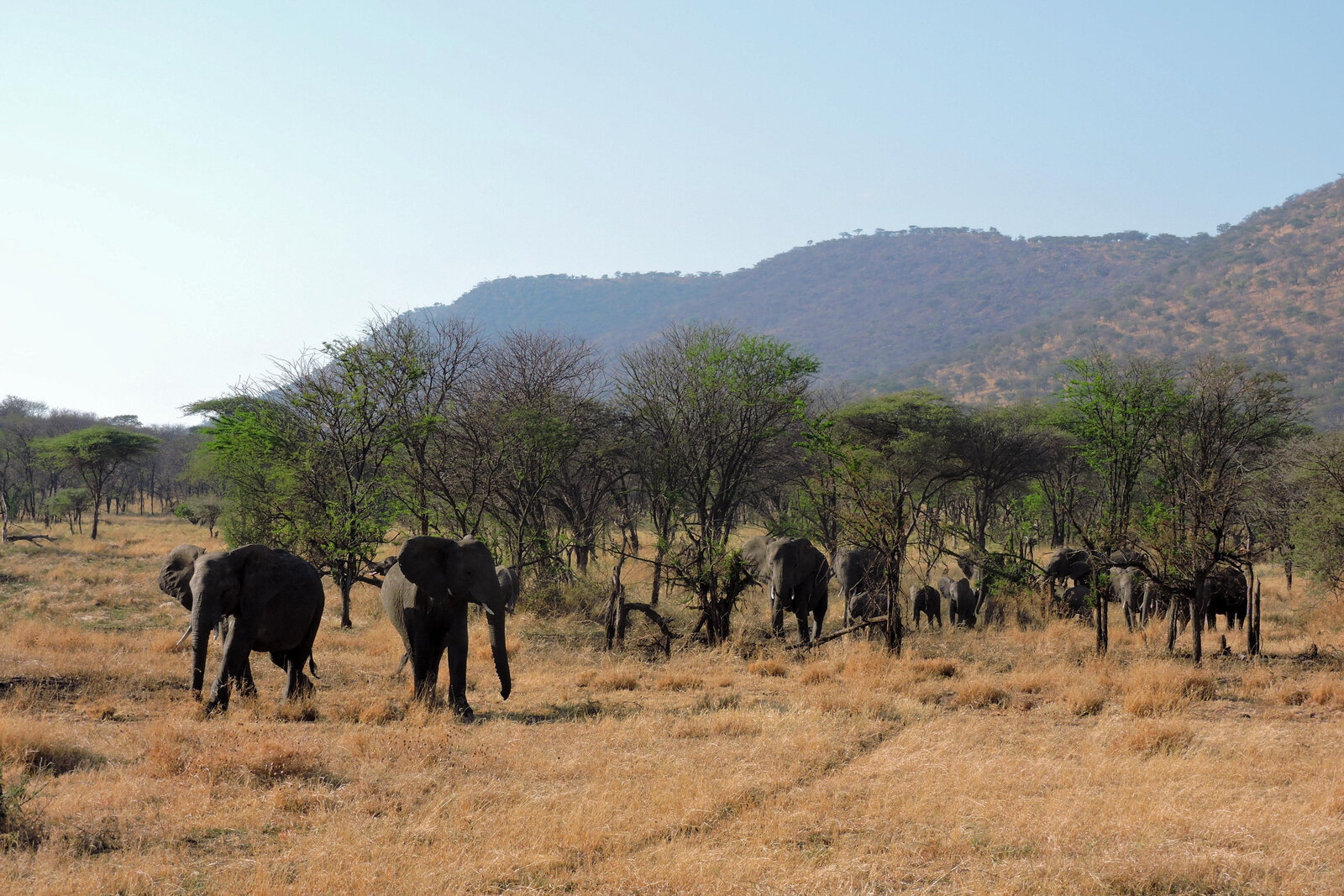
Central Serengeti / Seronera (year-round): The classic Serengeti — acacia-dotted savanna with resident big cats, hippo pools and the Seronera River. The herds pass through in April–May, but the resident wildlife is excellent all year. The most accessible sector with year-round lodges.
Western Corridor / Grumeti (May–Jun): A narrower, forested corridor where the Grumeti River runs. The herds cross the Grumeti in late May and June — a dramatic, crocodile-rich crossing that sees a fraction of the vehicles the Mara crossings attract. Genuinely wild and private.
Northern Serengeti / Kogatende (Jul–Oct): The remote far north, where the Mara River runs through the Serengeti before crossing into Kenya. This is where the famous numbered crossing points (1–10) are, and where the iconic images of wildebeest leaping into the river are captured. The most dramatic sector of the entire migration.
Lamai Wedge (Aug–Sep): A tiny triangle of land pressed against the Kenyan border, north of the Mara River. Only a handful of small camps serve the Lamai, making it the most private crossing area in the ecosystem. The herds cross back and forth here, giving Lamai guests a second front of crossing action the main crowds never see.
Masai Mara Sectors (Kenya)
Masai Mara National Reserve (Jul–Oct): The main reserve — open grasslands, the Mara River and the Talek River. The famous crossings happen here, and the predator density is among the highest in Africa. Vehicle density can be high at the well-known crossing points in peak season.
Private Conservancies (year-round): The conservancies that border the reserve — Olare Motorogi, Mara North, Naboisho, Mara Naboisho — offer capped vehicle numbers, off-road driving, night drives and walking safaris. The herds pass through them, and the predator action is excellent with far fewer vehicles. These conservancies are where the best migration experiences in Kenya are built.
For a detailed interactive map of the entire ecosystem, see our Masai Mara & Serengeti Map Guide.
The River Crossings — the Migration's Greatest Act
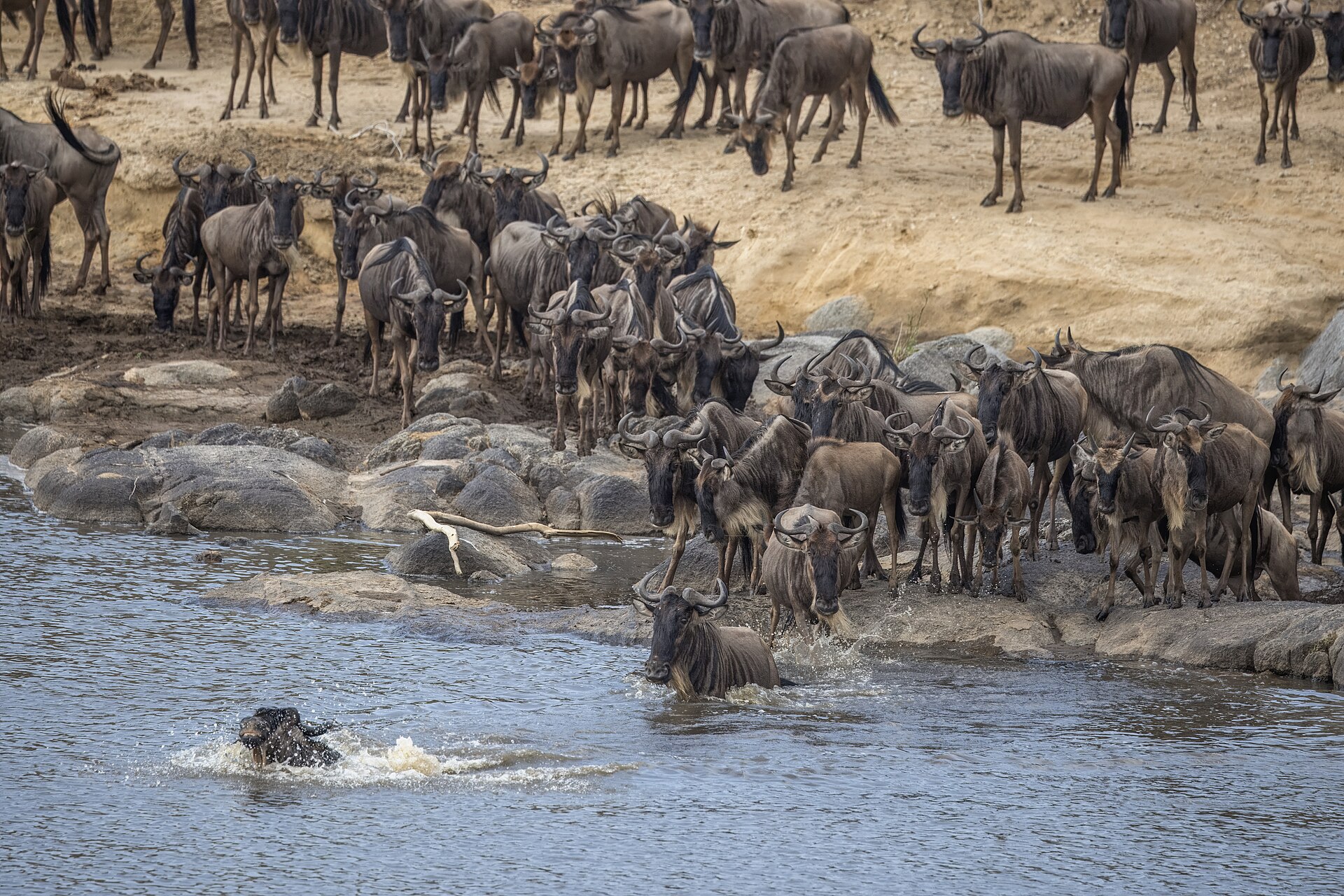
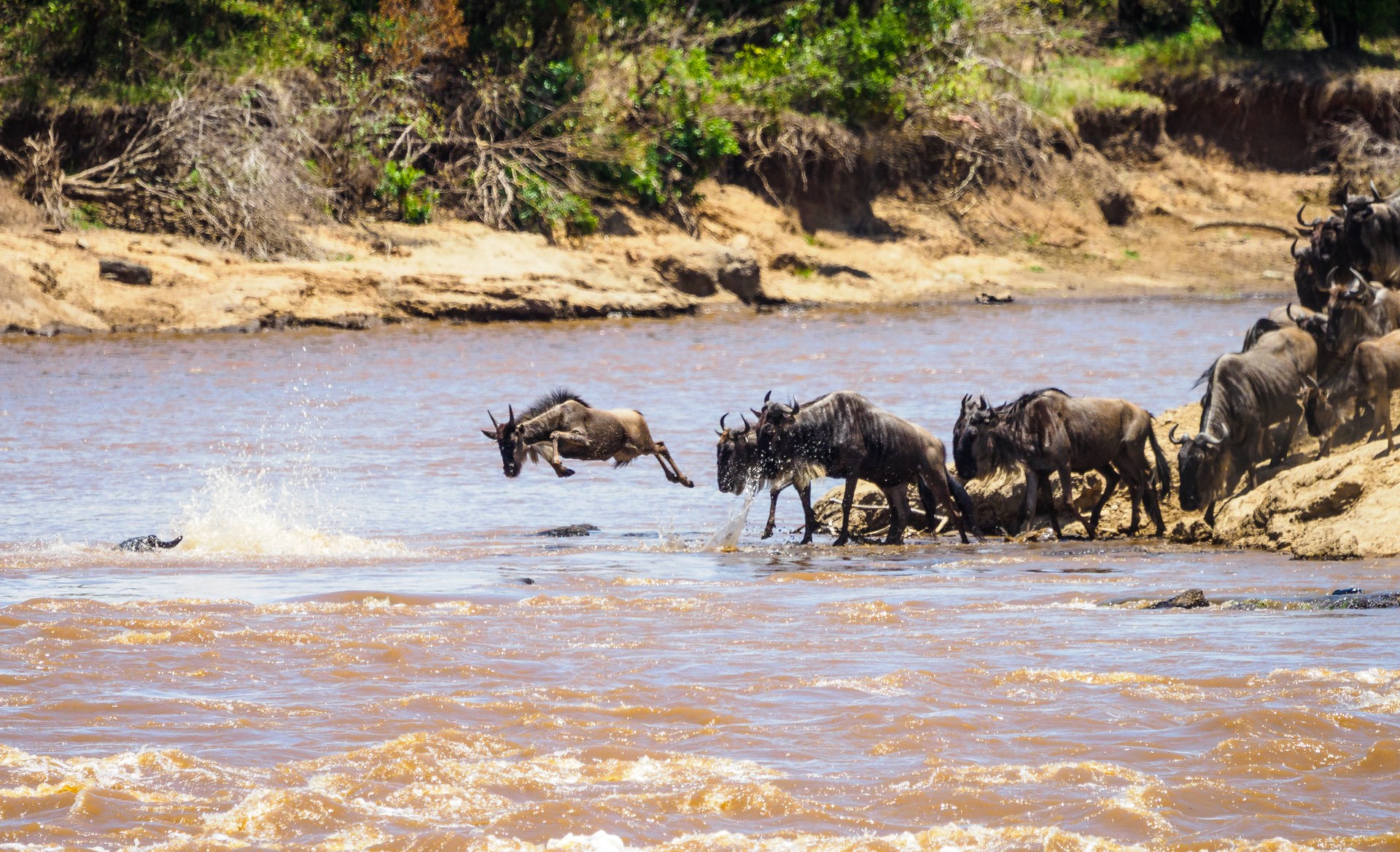
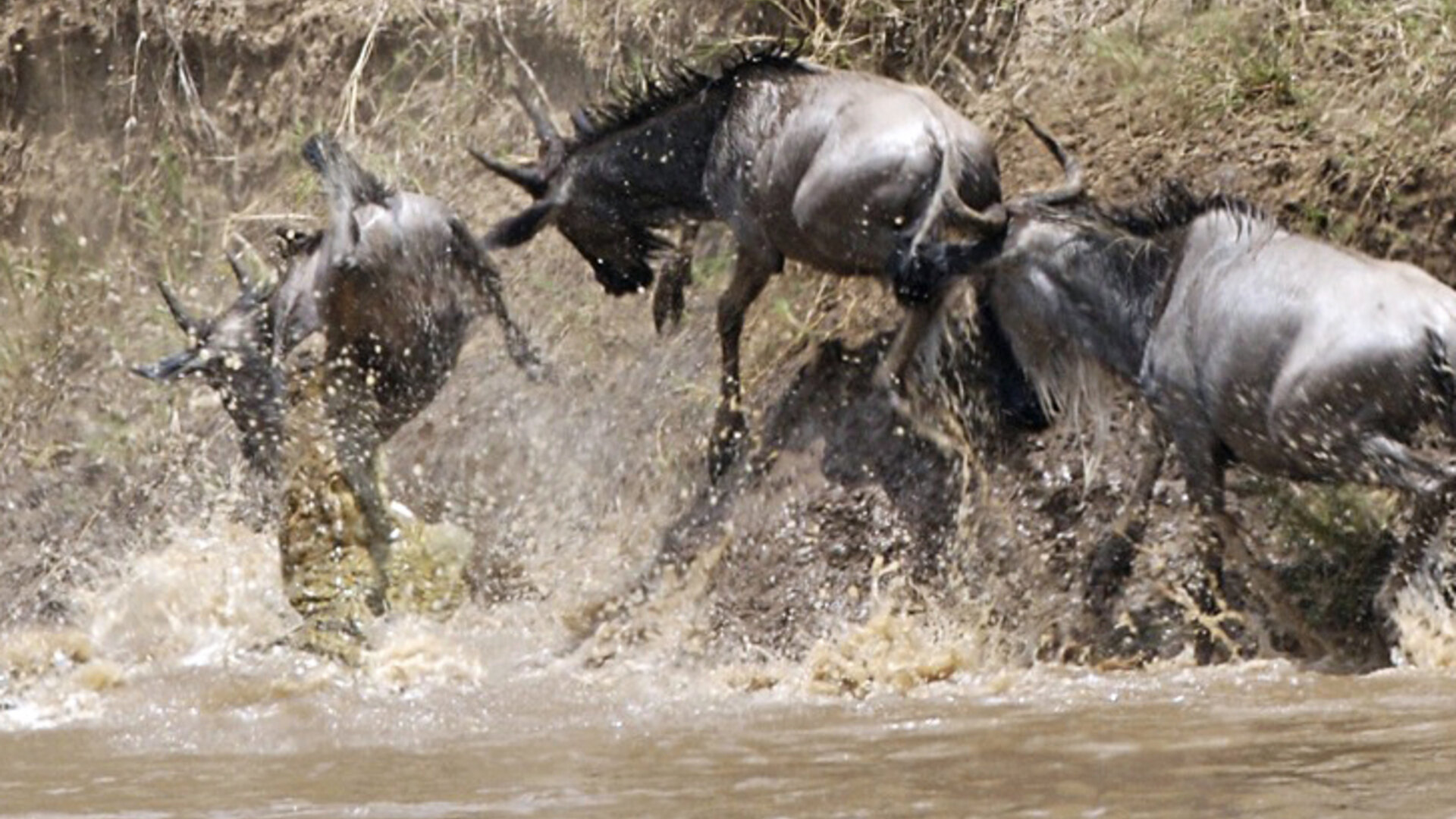
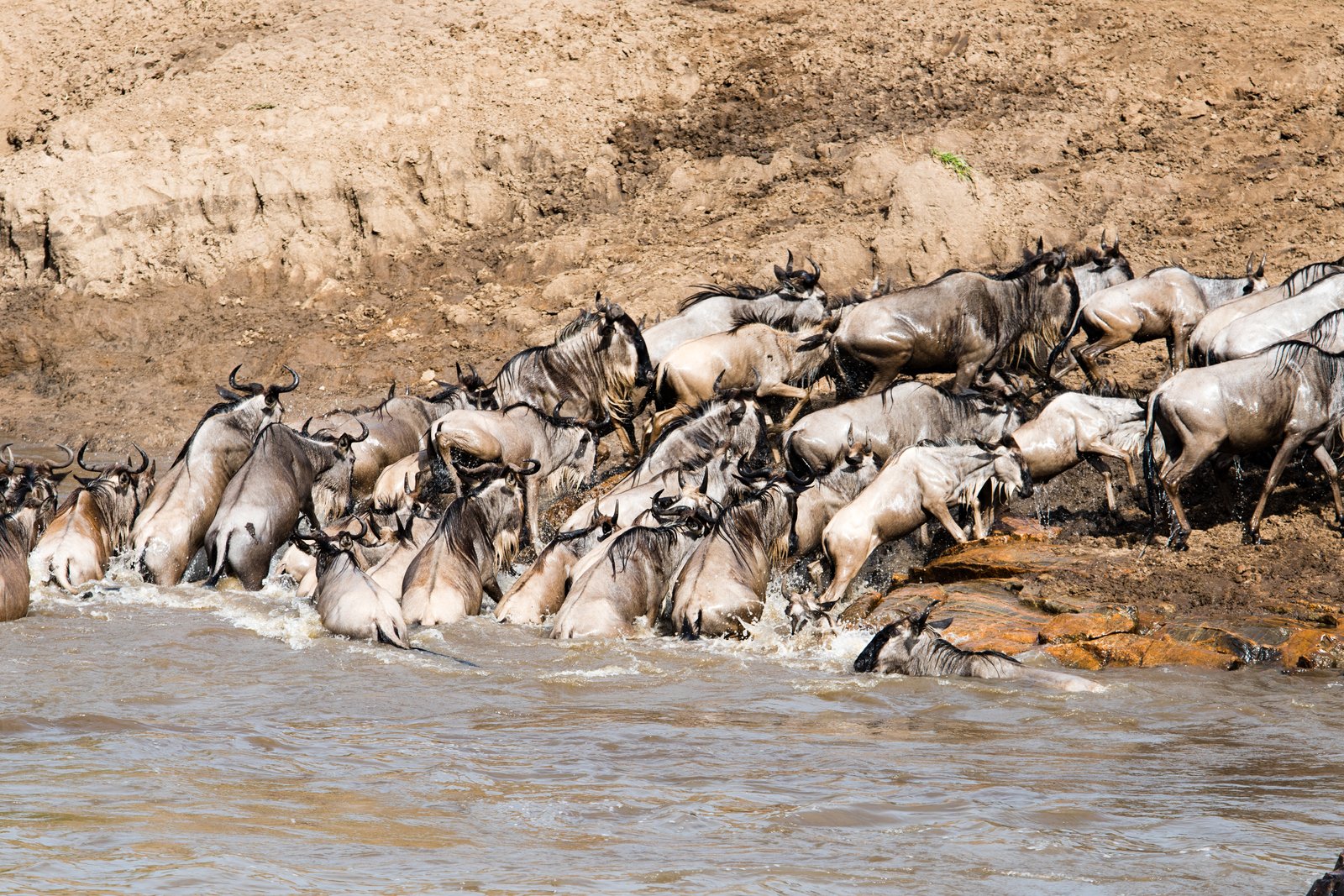
The river crossings are what most people picture when they think of the Great Migration — hundreds of thousands of wildebeest surging into the Mara River or the Grumeti, a churning mass of horns, hooves, spray and crocodiles. It is raw, chaotic and utterly mesmerizing.
The Mara River is the main stage. From July to October, the herds cross and re-cross the Mara as they move between the northern Serengeti (Kogatende) and the Masai Mara. The crossing points are numbered roughly 1 through 10 by guides, and the most photogenic (typically 4, 7 and 10) are where the vehicles gather. A great private guide on the radio can position you at a quieter number for the same spectacle with far fewer vehicles.
The Grumeti River offers a quieter, earlier crossing in late May and June in the Western Corridor. The Grumeti is narrower and more forested, with enormous Nile crocodiles, and almost no crowds. It is the migration's hidden crossing, and one of the finest wildlife experiences in Africa.
What triggers a crossing? Nobody knows for certain. The herds gather on the bank — sometimes tens of thousands strong — and stand for hours, held back by the fear of the water and the predators in it. When one animal commits, usually pushed by the pressure of the herd behind, the dam breaks and the crossing erupts. It can happen at dawn, midday or late afternoon. It can be triggered by a lone zebra or by nothing visible at all. This unpredictability is why you need time on the ground and a guide who reads the herds.
Positioning for the best view: Stay in a camp on the river — not an hour's drive away. A crossing-front camp at Kogatende, Lamai or the Mara River in Kenya puts you minutes from the action. Private vehicles are essential: you go where the herds are massing, you stay as long as it takes, and you leave when you're ready — no compromise with other guests.
Crowd reality: At the famous crossing points in August, it is not unusual to see 30–50 vehicles jockeying for position. This is the honest truth. The way around it: visit in September (slightly thinner crowds), aim for quiet crossing numbers with a private guide, or combine a few nights on the busy crossings with time at Lamai or the Grumeti where you may have a crossing to yourself.
For our deep dive into the hidden and crowd-free crossings, see Hidden Wildebeest Migration Crossings. For Masai Mara packages built around the crossings, see Masai Mara Great Migration Packages.
The Calving Season — the Migration's Best-Kept Secret
Ask most travellers about the Great Migration and they think of river crossings. Ask a professional wildlife photographer and they will tell you: the calving season is the finest chapter of all.
From December to March, the herds gather on the short-grass plains of the southern Serengeti and Ndutu. Around February, approximately 400,000 wildebeest calves are born in a concentrated burst of two to three weeks — one of the most extraordinary phenomena in the natural world. The calves can walk within minutes and run within days, but in those first fragile hours they are easy prey, and the plains become a predator's paradise.
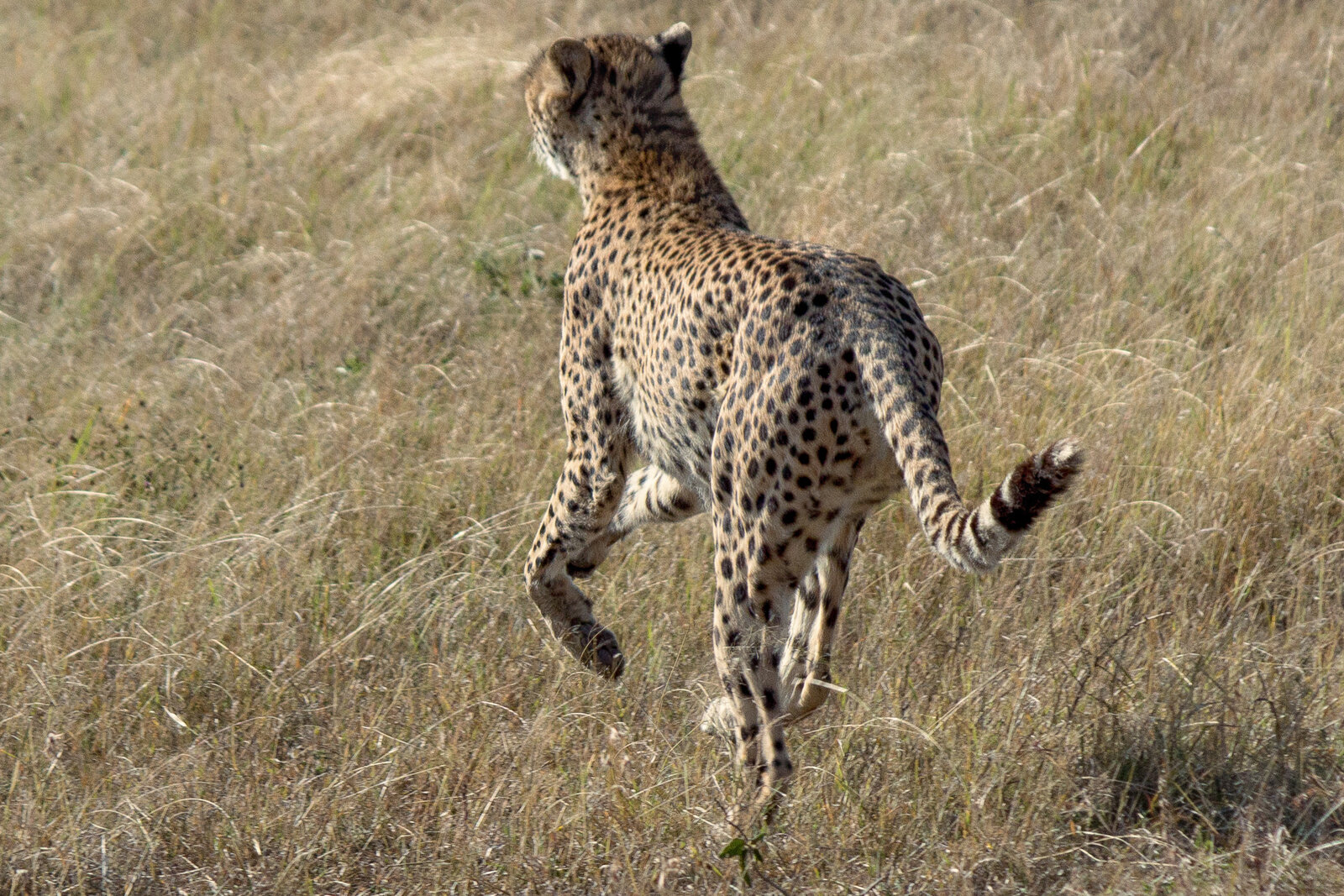
This is when the big cats are at their most active. Cheetah hunt openly on the flat plains with nowhere for the calves to hide. Lion prides position themselves along the calving corridors. Hyena clans roam in numbers, picking off the weak and the slow. The sheer density of predator action during calving is higher than at any other point in the migration cycle.
The light is what makes it magical for photography. The short rains bring a green flush to the plains, and the low-angle golden light of the Serengeti in January and February is soft, warm and diffused — a far cry from the harsh dusty light of the dry-season crossings. Add newborn calves, dramatic kills and a fraction of the crossing-season crowds, and you have arguably the most rewarding — and most underrated — migration safari on the calendar.
For the full calving guide, see our Serengeti Calving Season Guide.
Planning Your Migration Safari — Logistics & Decisions
How to Get There
Tanzania (Serengeti): Fly into Kilimanjaro International Airport (JRO) near Arusha, or Julius Nyerere in Dar es Salaam. From Arusha, a light aircraft to one of the Serengeti airstrips (Seronera, Kogatende, Ndutu, Grumeti) takes about 90 minutes and avoids a full day's drive. Internal flights are the standard way to reach the migration in Tanzania.
Kenya (Masai Mara): Fly into Jomo Kenyatta International Airport (NBO) in Nairobi. From Wilson Airport (Nairobi's domestic hub), a light aircraft to the Mara takes about one hour. Road transfers take five to six hours and are scenic but tiring. Fly-in is strongly recommended for migration trips.
How Long to Stay
- River crossings (Jul–Oct): Minimum 4–5 nights on the river. Crossings are unpredictable — one night is a lottery, four or five makes a great crossing almost inevitable. Allow a day of travel each end.
- Calving season (Dec–Mar): 3–4 nights in the Ndutu/southern Serengeti area is usually sufficient. The herds are concentrated and the action is more reliable than the crossings.
- Combined trip: 7–10 nights to cover two or three sectors — for example, Ndutu calving + central Serengeti, or Kogatende crossings + Masai Mara conservancy.
Mobile Camps vs Permanent Lodges
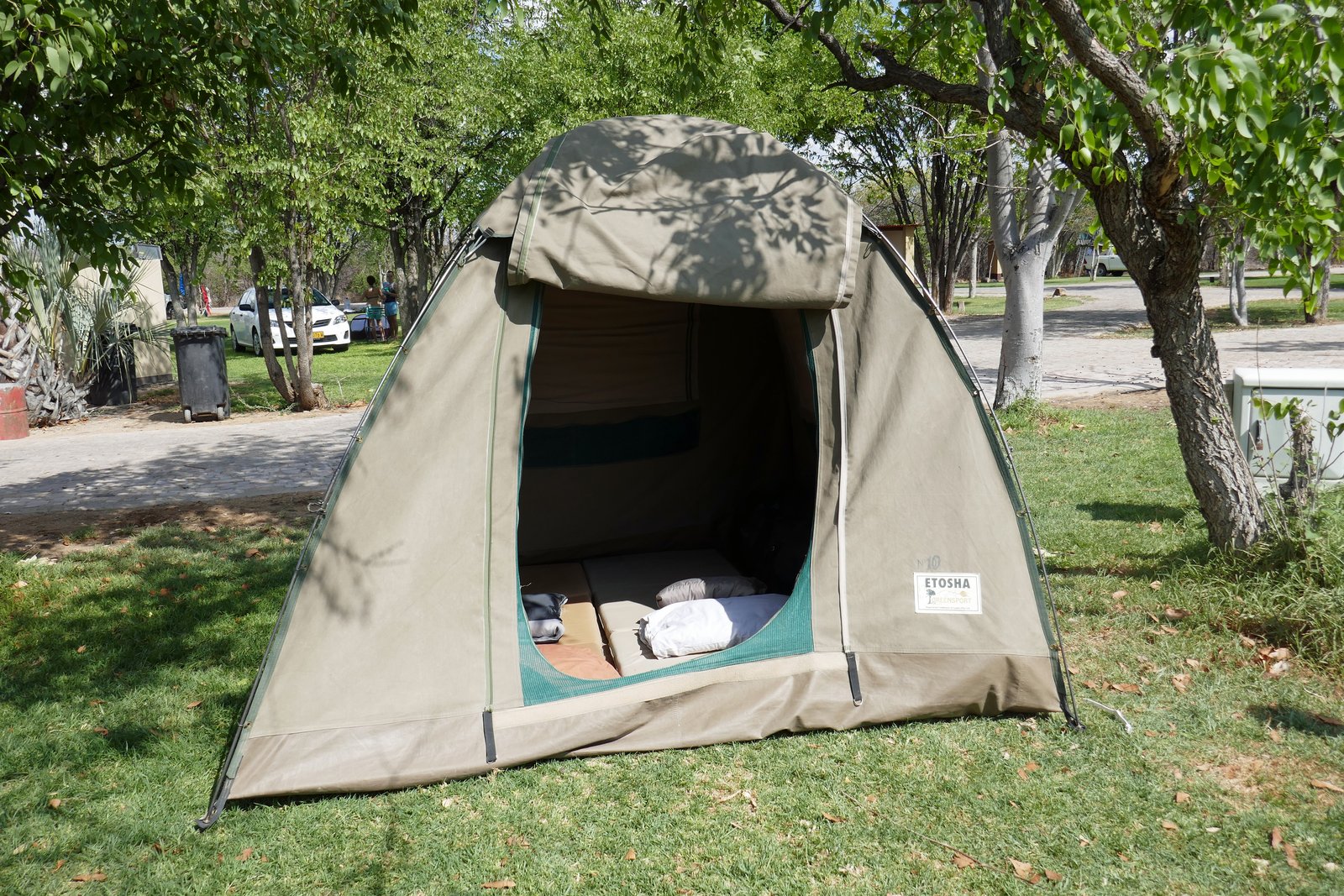
Mobile camps relocate seasonally to follow the herds — Grumeti in June, Kogatende in July–October, Ndutu in January–March. They put you exactly where the action is and are the gold standard for serious migration safaris. Canvas is comfortable (think proper beds, hot showers, gourmet meals), but the setting is raw and immersive.
Permanent lodges offer more consistent luxury and amenities — pools, spas, large suites — but they cannot follow the herds. If the herds move to a different sector than where your lodge sits, you may face long drives to the action. The best strategy is often to combine a permanent lodge for comfort with a mobile camp for the migration itself.
Tanzania vs Kenya — Which Side?
This is one of the most common questions we receive. The honest answer is: both are excellent, and the best choice depends on your priorities.
| Factor | Tanzania (Serengeti) | Kenya (Masai Mara) |
|---|---|---|
| Crossing season | Jul–Oct (Kogatende, Lamai) | Jul–Oct (Mara Reserve, conservancies) |
| Calving | Dec–Mar (Ndutu) — the calving grounds | No calving in Kenya |
| Vehicle density | Lower — Serengeti is vast (14,763 km²) | Higher in the reserve; low in conservancies |
| Off-road driving | Allowed in most areas | Reserve: on-track only. Conservancies: off-road allowed |
| Night drives | Not allowed in the Serengeti | Conservancies only |
| Accessibility | Remote — internal flights essential | Easier — 1hr flight from Nairobi |
| Cost | Generally higher (park fees, remote logistics) | Wider range; conservancies premium but reserve camps good value |
| Best for | Calving, privacy, variety of sectors, photographers | Accessibility, conservancy exclusivity, combining with other Kenya parks |
For the full route breakdown, see Great Migration: Serengeti to Masai Mara.
📩 Get a Free Migration Safari Quote →
Cost & Pricing — What a Great Migration Safari Really Costs
Migration season is peak season, so rates run higher than the rest of the year. But there is a tier for every budget. These are honest 2026 guide prices, per person per night sharing, and include accommodation, meals and game drives unless noted. Park fees, conservancy fees and internal flights are usually extra.
| Tier | Per Person / Night | What You Get | Example Camps |
|---|---|---|---|
| Value | US$400–650 | Comfortable tented camps, shared game drives, standard meals | Olakira Camp, Kati Kati Tented Camp, Mara Leisure Camp |
| Mid-range | US$800–1,200 | Premium tented camps, private guide option, excellent guiding, all-inclusive meals & drinks | Ubuntu Migration Camp, Serengeti Safari Camp, Governors' Camp |
| Luxury | US$1,500–2,500 | Flagship camps, private vehicle and guide, premium wines and spirits, spa, exceptional service | Angama Mara, Mara Plains, andBeyond Serengeti Under Canvas, Nomad Lamai |
| Ultra-luxury | US$3,000+ | The very finest — private-use, helicopter transfers, exclusive traversing rights, personal chef | Singita Mara River Tented Camp, Singita Sasakwa, One Nature Mwiba |
What Is Included
Most migration camps are fully inclusive — accommodation, three meals, tea/coffee, game drives (usually two per day), and laundry. Higher-tier camps include premium drinks, bush dinners, and specialist activities (walking, balloon transfers). Park fees (Serengeti: US$70/day adult; Mara Reserve: ~US$200/day non-resident in peak season), conservancy fees (Kenya: US$80–120/day), and internal flights (US$200–500 per sector) are almost always extra and should be budgeted separately.
What Is Extra
International flights, premium drinks at lower-tier camps, tips for guides (US$15–25/day recommended) and camp staff (US$10–15/day), hot-air balloon flights (~US$500 per person), laundry at budget camps, and travel insurance.
For ready-priced bookable packages, see our Wildebeest Migration Safari Packages — itineraries from US$400 per person per night. For wider East Africa cost context, see also Masai Mara Private Safari Cost and Affordable Kenya & Tanzania Safari.
Where to Stay — Sector-by-Sector Lodge Guide
The right camp in the right sector at the right time is 80 percent of a great migration safari. Below is our sector-by-sector guide to the best lodges and camps, with embedded galleries showing the style and setting of each.
Western Corridor & Grumeti — for June Crossings
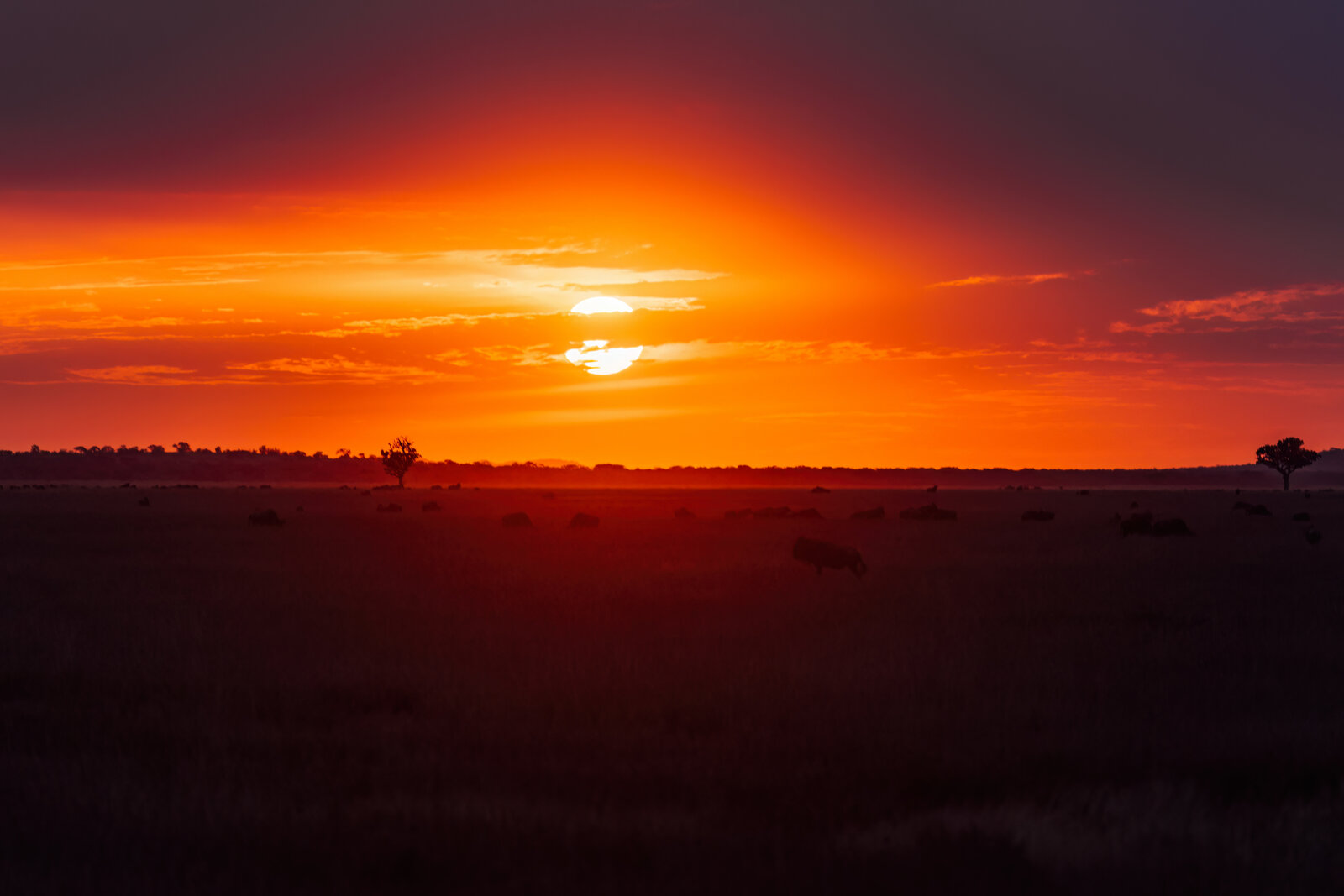
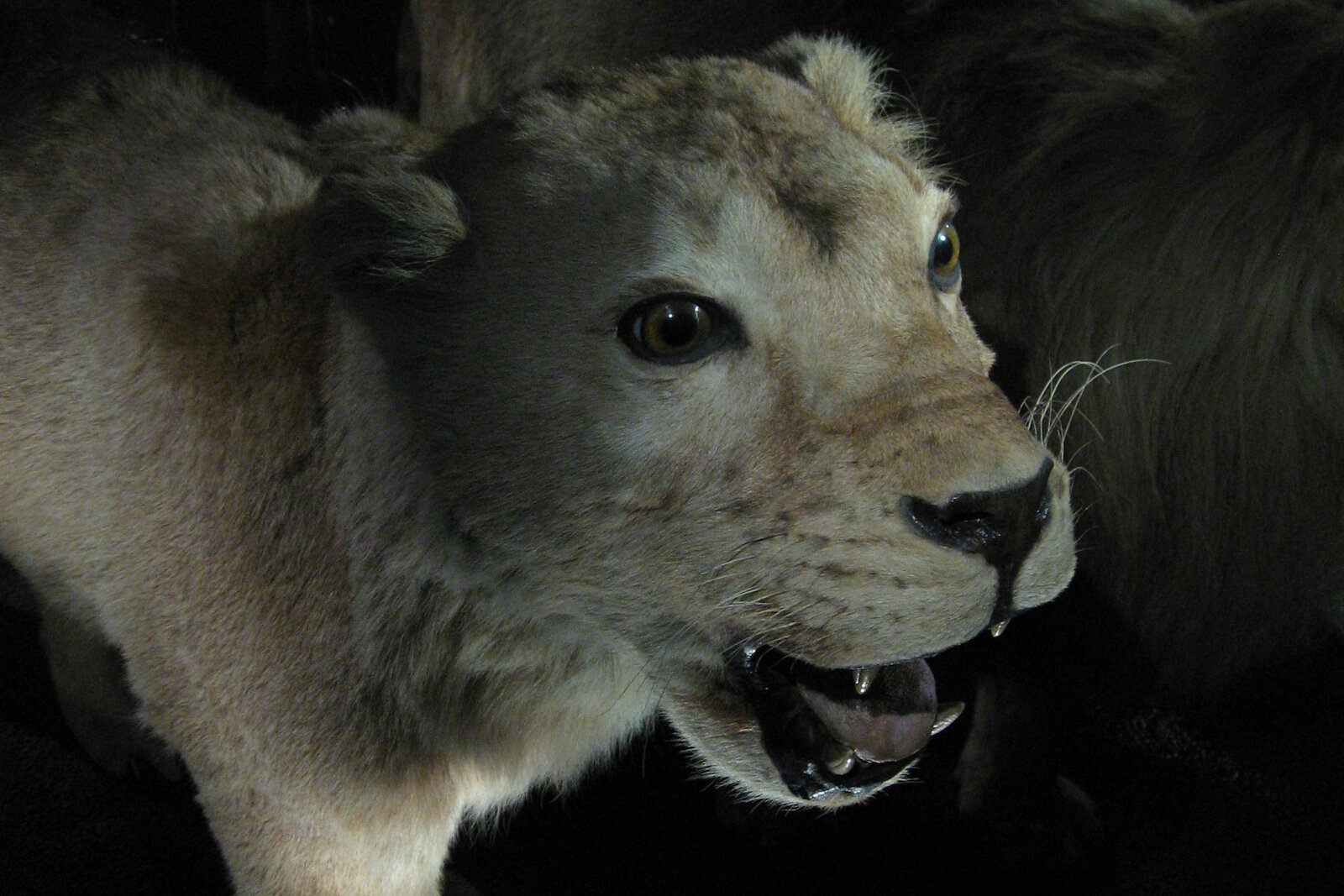
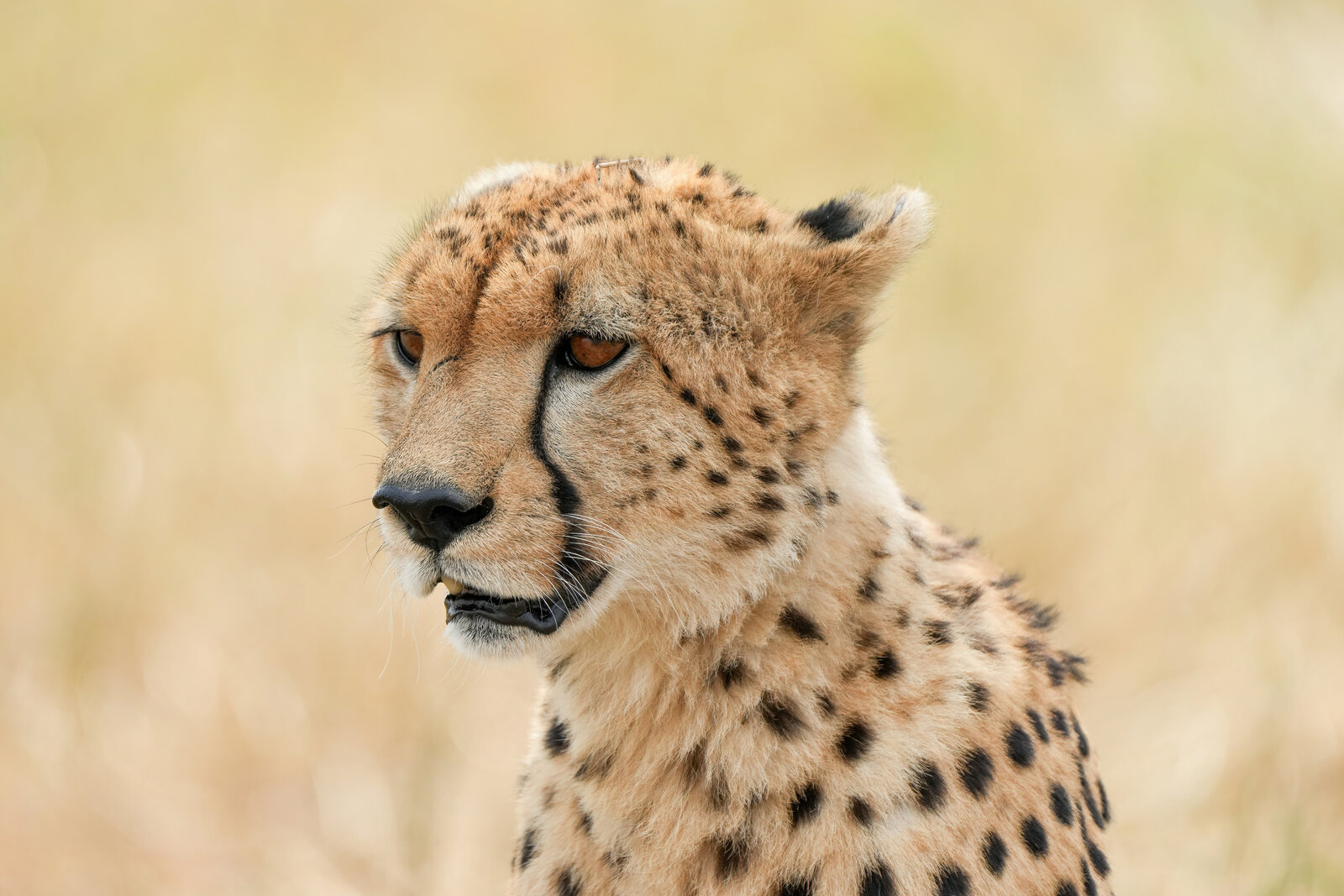
The Grumeti crossing is the migration's first dramatic river act. Camps here — Singita Grumeti, Serengeti Bushtops, Grumeti Serengeti Tented Camp — sit in a private concession or near the river, with superb big-cat sightings and almost no other vehicles. Stay here in May and June for the Grumeti crossings, or year-round for the resident wildlife.
Kogatende & Northern Serengeti — for Mara River Crossings
Kogatende is the epicentre of the river crossings. Sayari Camp, Lamai Serengeti, Ubuntu Migration Camp, Alex Walker's Serian Serengeti — these are the camps that put you within minutes of the numbered crossing points from July to October. Mobile camps here are the gold standard: they physically relocate to sit under the herds.
Lamai Wedge — Ultra-Private Crossings
The Lamai Wedge, pressed against the Kenyan border, is the wildest and least-visited corner of the entire migration. Singita Mara River Tented Camp, Lamai Serengeti, Nomad Lamai — these camps see crossings from the northern bank with almost no other vehicles. If you want the migration at its rawest and most exclusive, Lamai is the promised land.
Namiri Plains — Calving & Big Cats
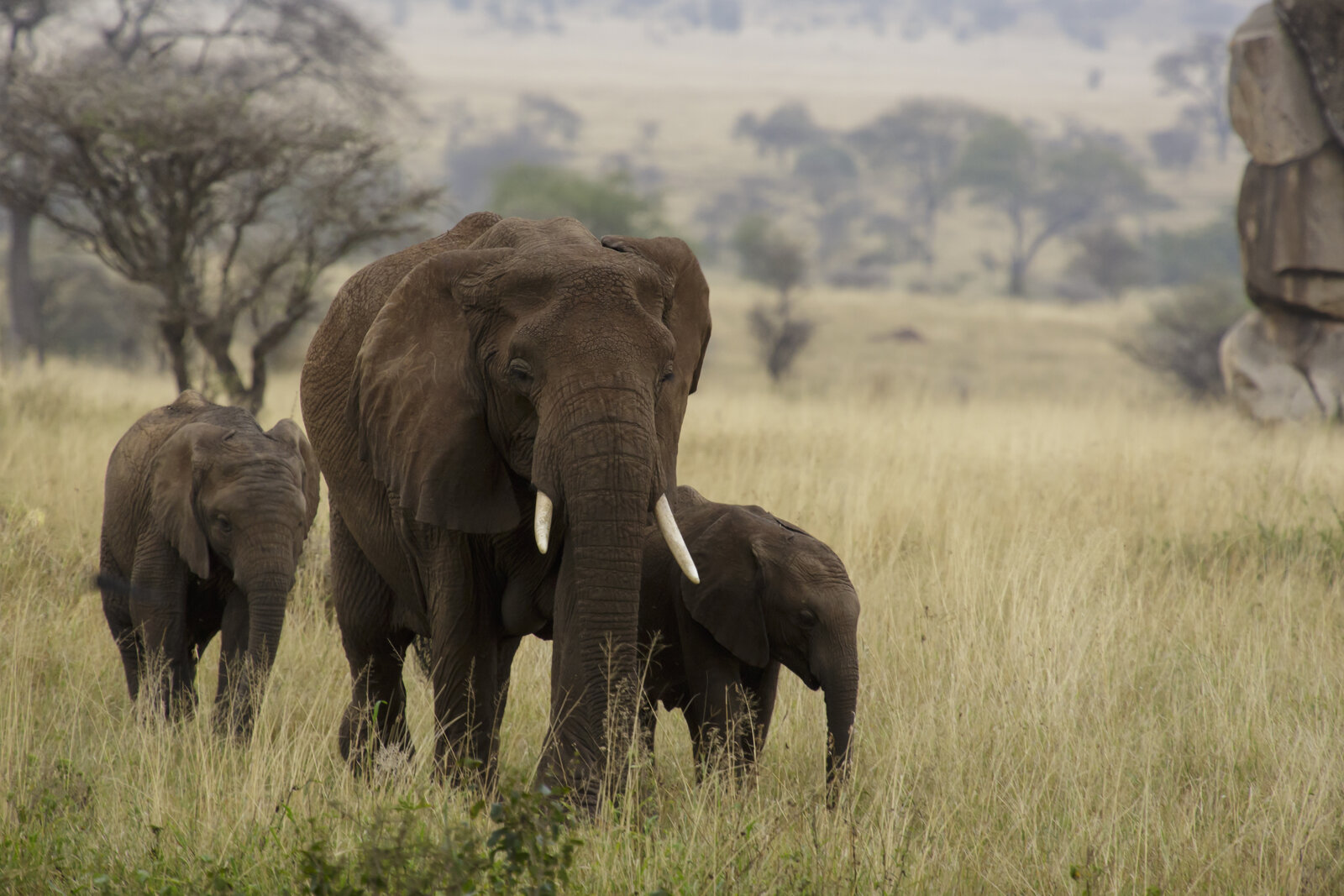
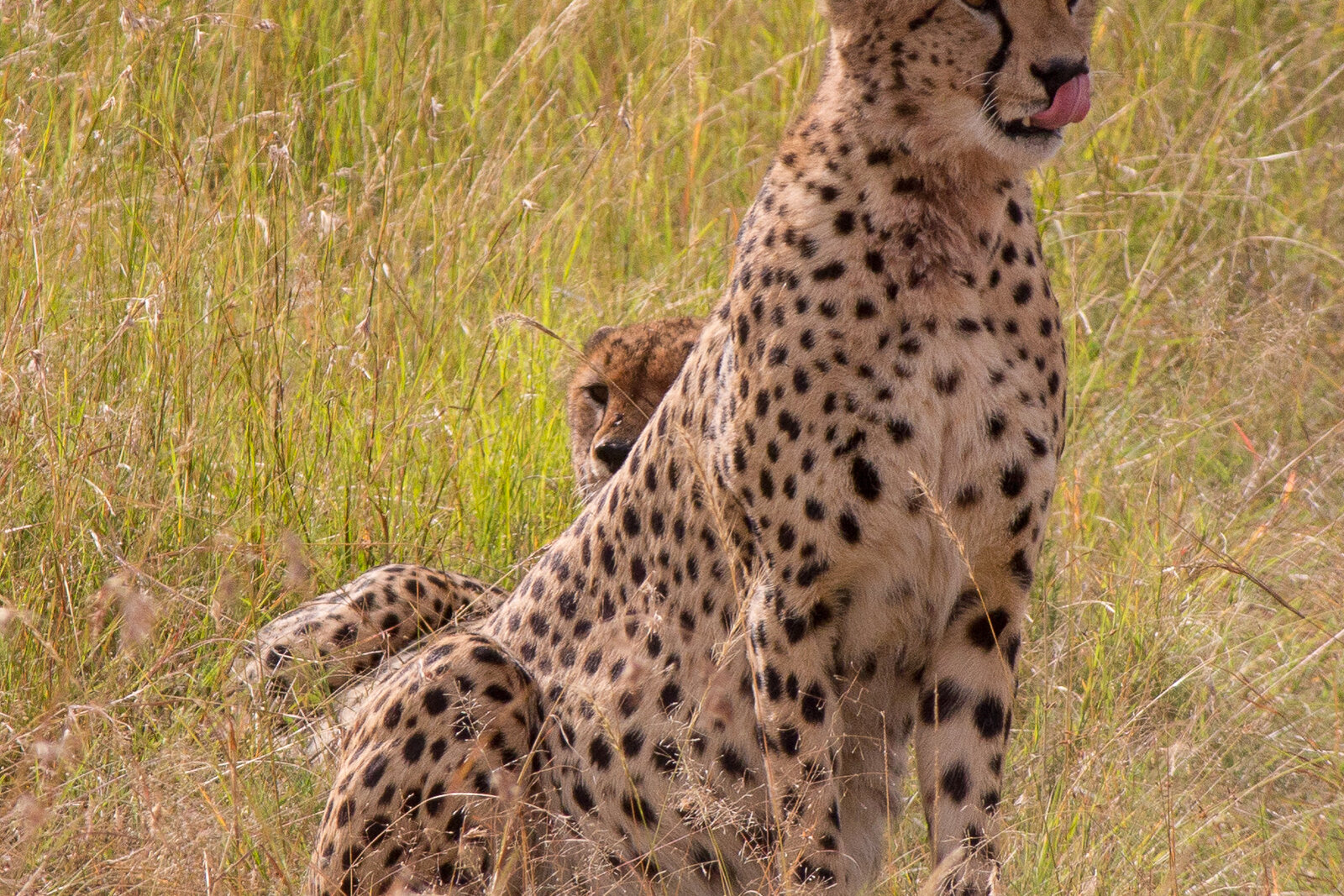
The Namiri Plains, in the remote eastern Serengeti, were closed to tourism for two decades as a cheetah conservation area. Now one of Africa's finest big-cat destinations, Namiri offers calving-season drama and year-round predator action with almost no other vehicles. It is the migration's quietest, most private chapter.
Southern Serengeti Mobile Camps — for Calving Season
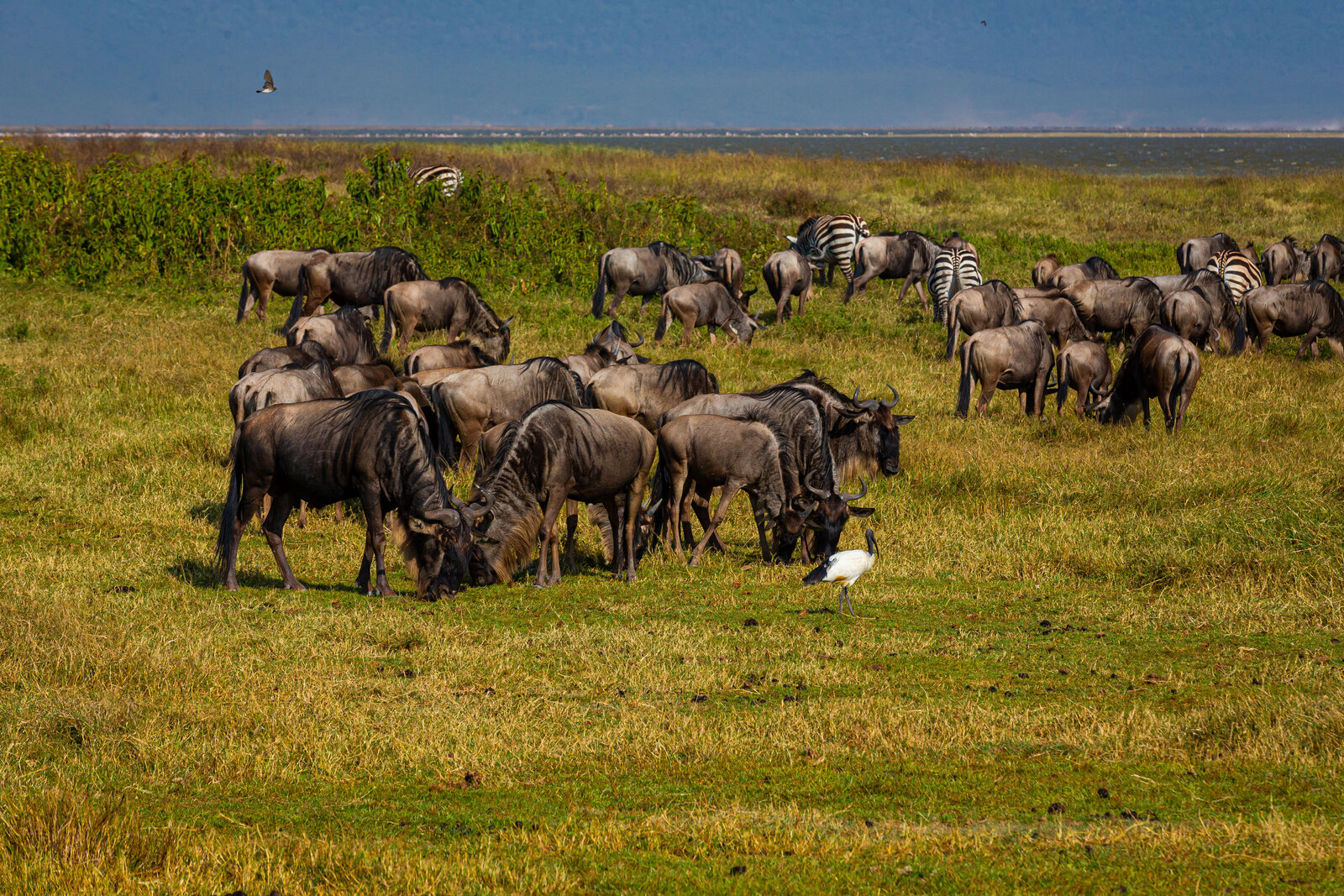
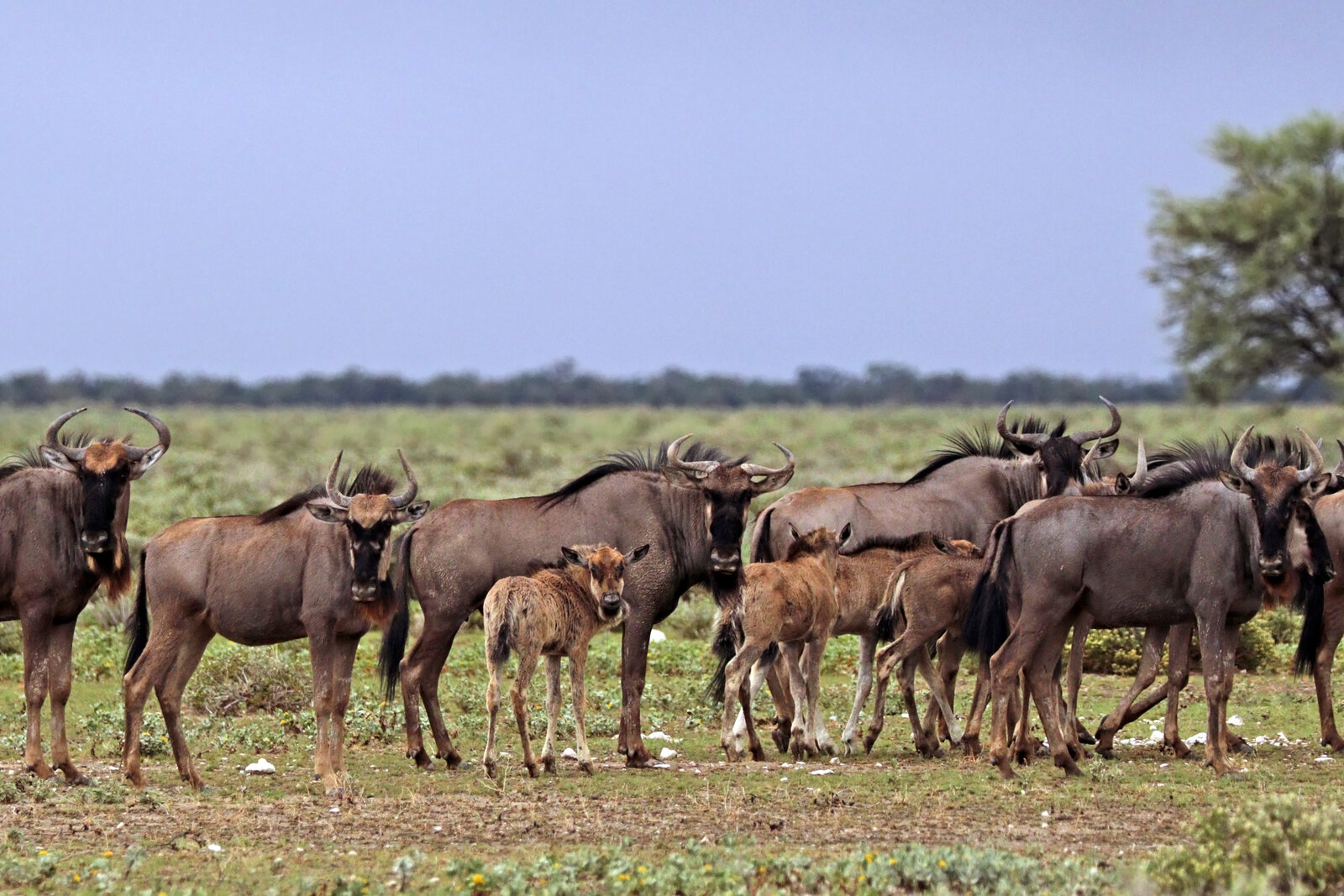
The calving grounds at Ndutu are best served by mobile camps that relocate to the southern plains from December to March. Serengeti Safari Camp, Alex Walker's Serian Ndutu, Olakira Camp, Ubuntu Camp — these follow the herds onto the calving grounds, putting you where the newborns, the predators and the green-season light converge. Several permanent lodges at Ndutu (Lake Ndutu Tented Lodge, Ndutu Safari Lodge) also provide calving-season bases.
Masai Mara Private Conservancies — Exclusive Migration Viewing
The private conservancies that border the Masai Mara Reserve — Olare Motorogi, Mara North, Naboisho, Mara Naboisho — offer capped vehicle numbers, off-road driving, night drives and walking safaris. The herds pass through them July to October, and the predator action is excellent with far fewer vehicles than the main reserve. Mara Plains Camp, Rekero Camp, Kicheche Mara Camp, Entim Mara — these are among the best camps in the Mara ecosystem.
Permanent Mara Lodges — Kenya's Iconic Camps
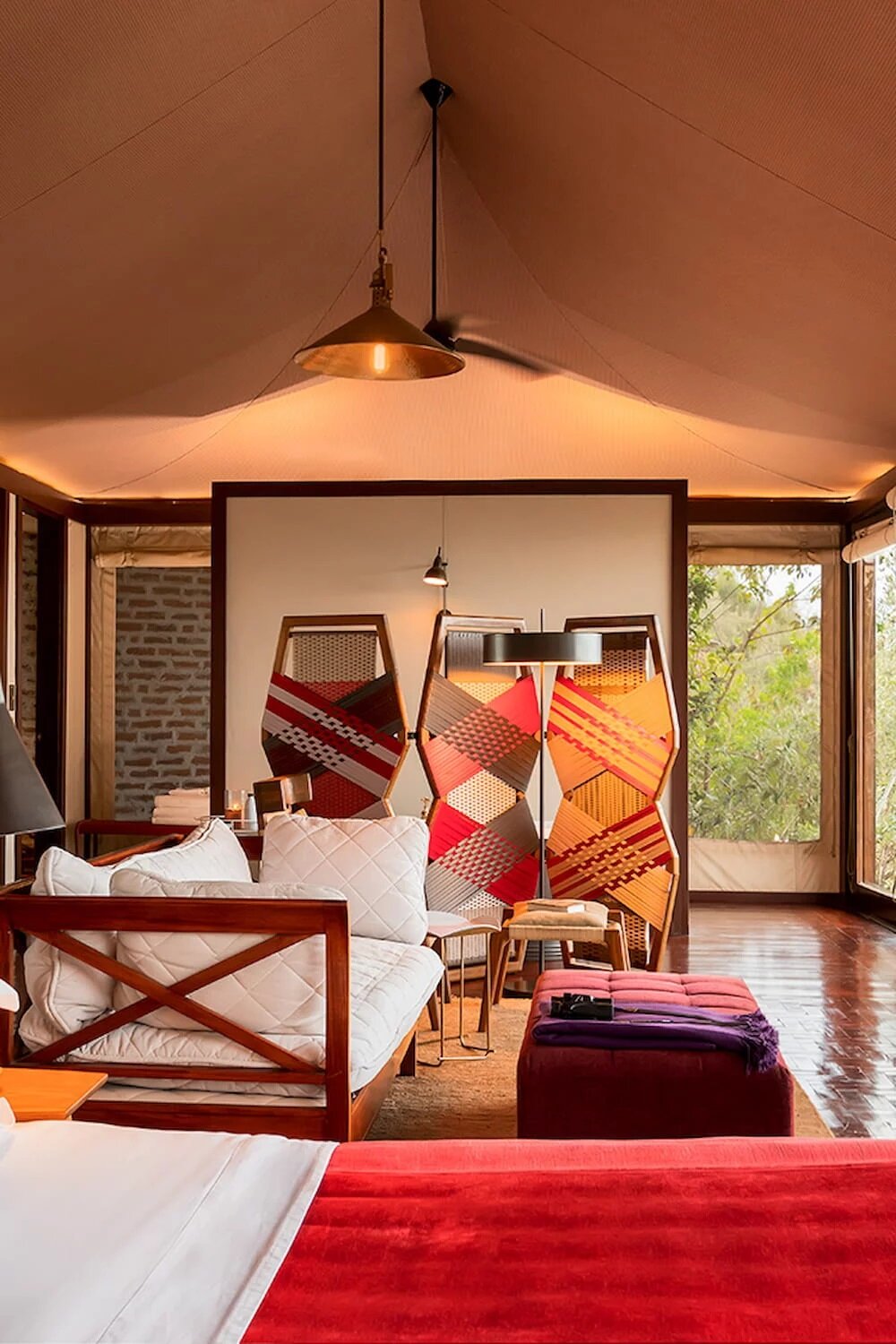
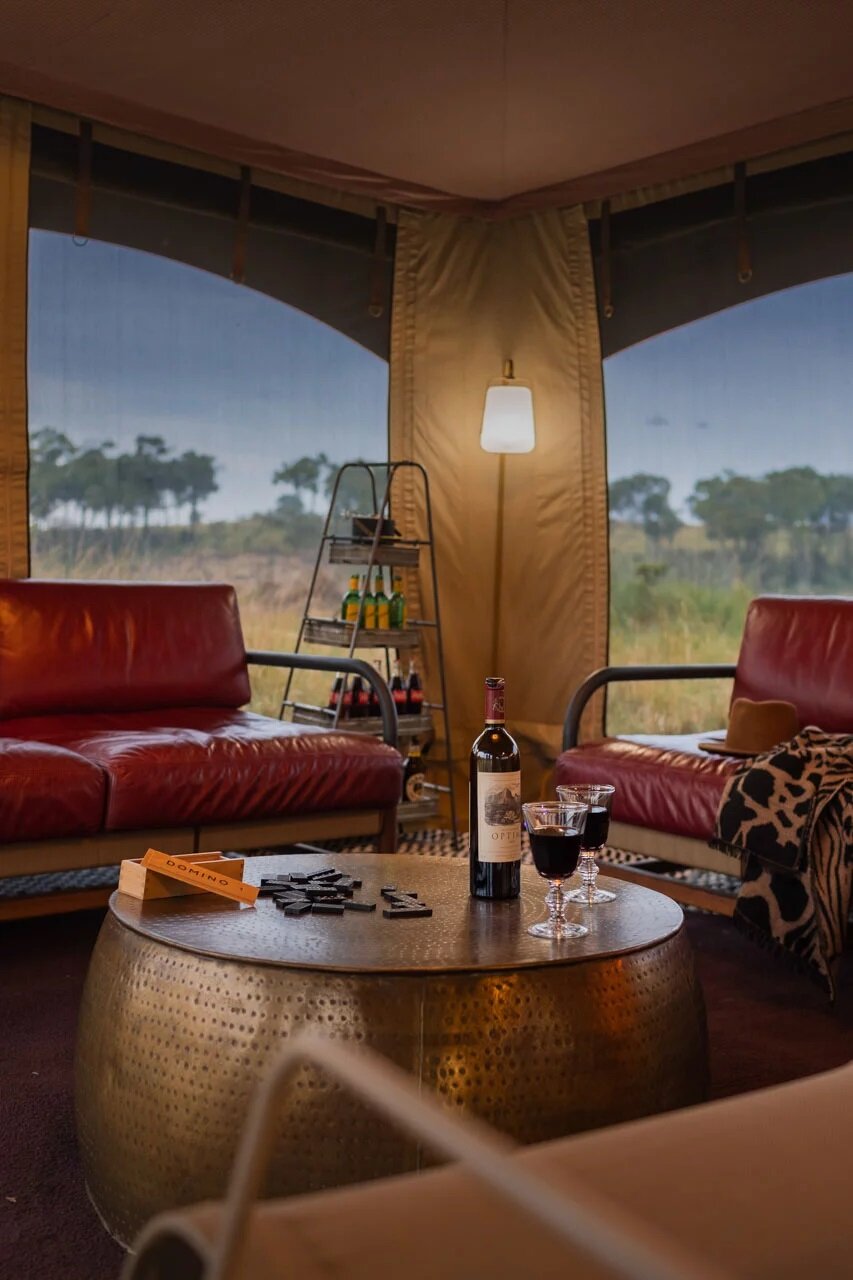
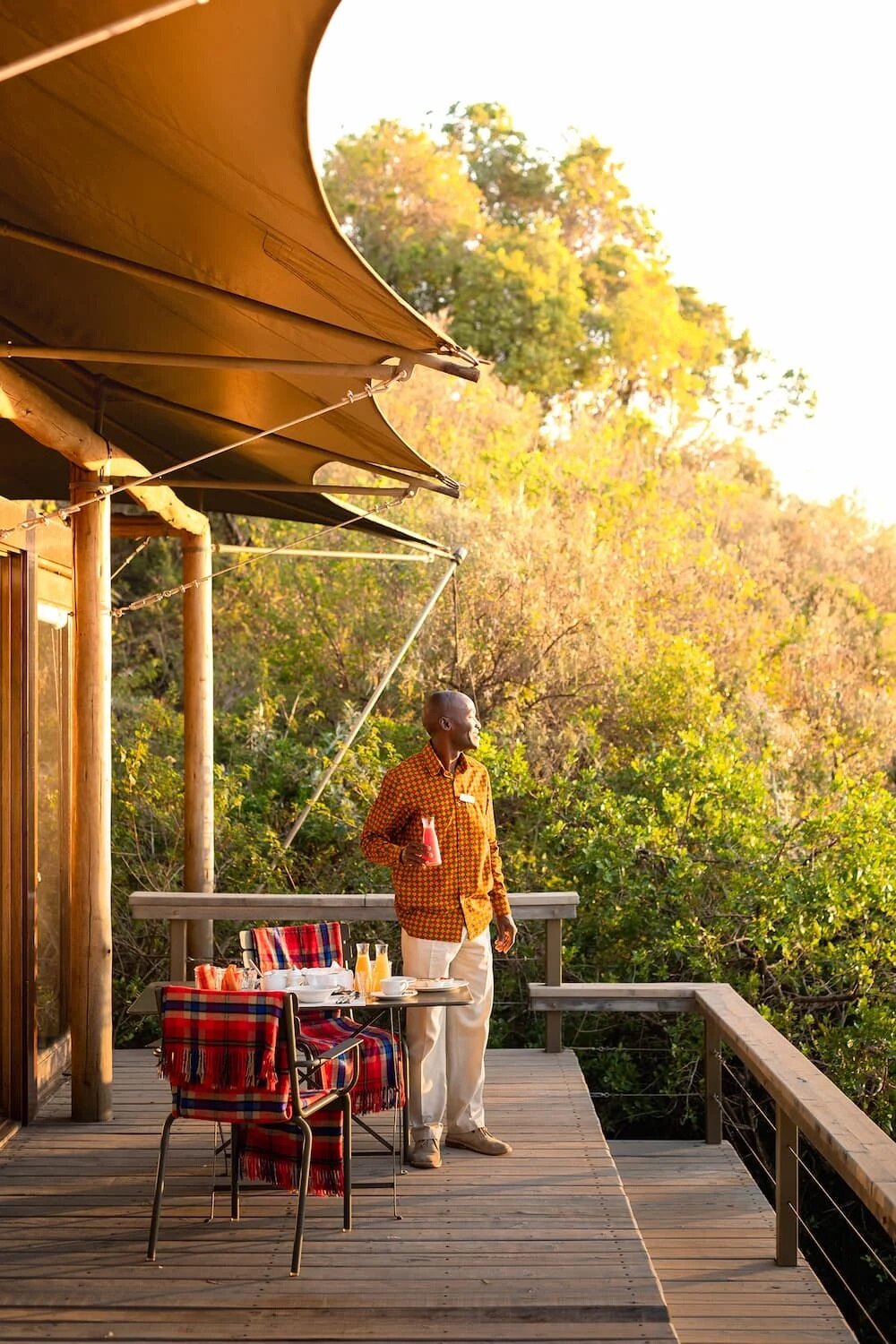
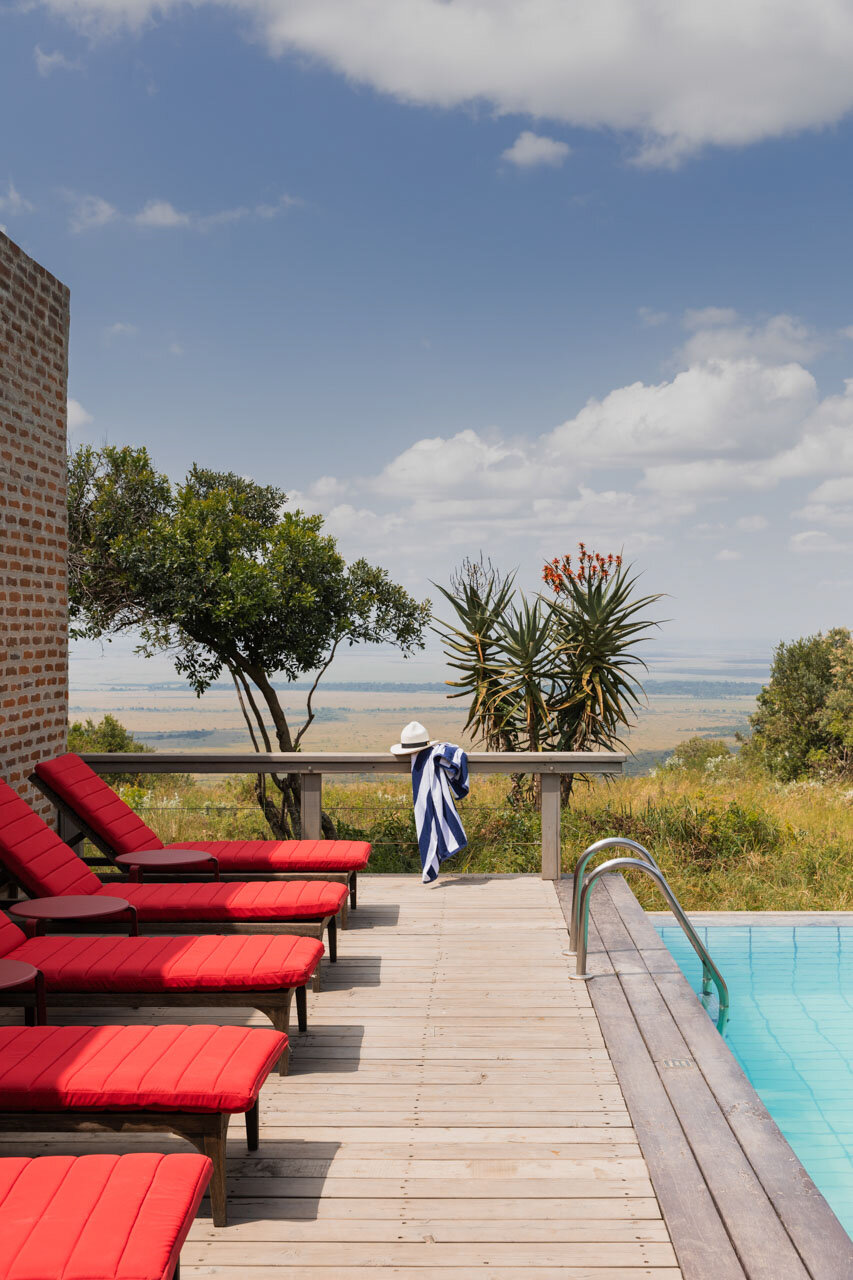
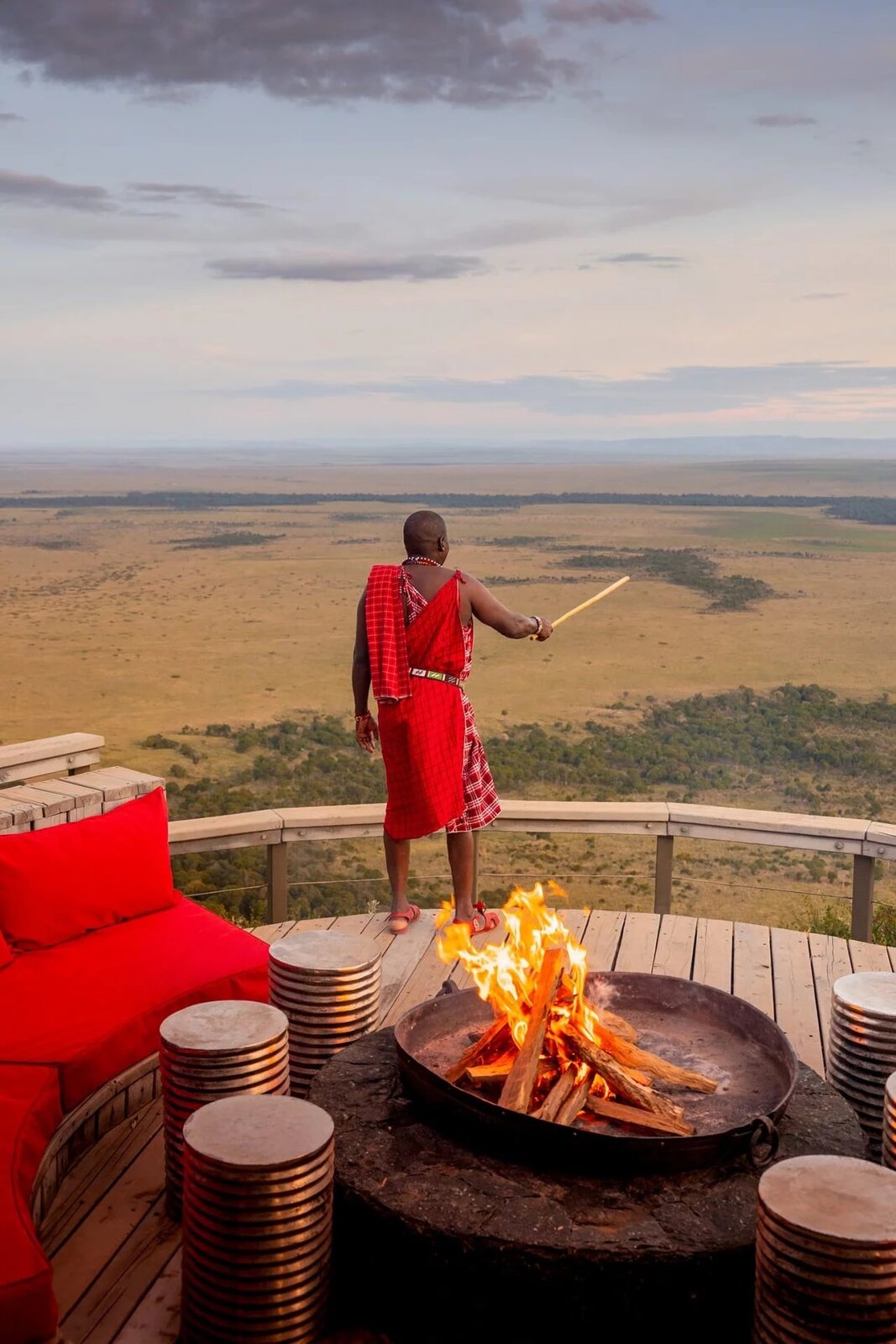
Kenya's storied migration lodges sit on the Mara River or along the escarpment, with decades of guiding pedigree. Angama Mara (suspended on the Oloololo Escarpment above the Mara Triangle), Governors' Camp (on a prime bend of the Mara River, home of Big Cat Diary), and Mara Plains Camp (seven copper-and-brass suites on the private Olare Motorogi Conservancy) — these are the camps that define the Kenyan migration experience.
What to Expect — Honest Counsel
The Great Migration is the greatest wildlife spectacle on Earth, but it comes with realities that every traveller should understand before they go.
Crossings are NOT guaranteed. Wildebeest are not performers. They gather on the bank, they hesitate, they turn back. A gathering of 50,000 can stand for hours and then walk away without crossing. Any operator who guarantees a crossing is not being honest. What a good safari does is stack the odds: a camp on the river, a private guide reading the herds, and enough nights on the ground to let the drama come to you.
Crowd reality at peak crossings. At the famous Mara River crossing points in August, 30–50 vehicles at a single crossing is common. This is the honest truth. If solitude matters to you, consider the Grumeti (June), Lamai (August–September), or the quieter numbered crossing points at Kogatende with a private guide. The conservancies on the Kenyan side also offer a less crowded alternative.
Weather conditions: July–October (crossing season) is dry and dusty. The Serengeti can be harsh in the afternoon sun. December–March (calving season) is green, lush and photogenic, but afternoon rain showers are common and some roads become challenging.
The "close to river = guaranteed crossings" myth. A camp on the river improves your odds dramatically, but it does not guarantee anything. The herds cross where they choose, not where your camp is positioned. A great guide who works the radio and reads the herd is more valuable than a river-front address.
Dust, bumps and long drives. Migration safaris involve early mornings (5:30 am starts), long game drives (sometimes 4–6 hours), and roads that are rough and dusty. This is part of the adventure, not a flaw in the itinerary. Pack layers, a buff for dust, and a sense of humour.
Photography Tips — Freezing the Drama
Quick-hit essentials for capturing the migration. For the full deep dive, see our Great Migration Photography Guide.
- Lens: A telephoto (200–600mm) is essential for crossings and predator action. Carry a wide-angle (16–35mm) for landscape and herd-scale shots. A 100–400mm zoom is the most versatile single lens.
- Crossings settings: Shutter speed 1/1000s or faster (up to 1/2000s for mid-river chaos). Burst mode (10+ fps). Tracking/continuous autofocus on the leading animals. Aperture f/5.6–f/8 for depth across the action.
- Light: Golden hour (first and last hour of the day) is when the Serengeti looks its finest. The dust at crossings is an asset — it catches the backlight and creates dramatic atmosphere. Shoot into the dust, not away from it.
- Support: A beanbag on the vehicle door frame is more stable and versatile than a tripod in a safari vehicle. Bring a backup camera body — the dust is relentless.
- Positioning: Arrive at the crossing point early and claim a position on the far bank (the scramble side is more dramatic than the entry). A low angle from the vehicle adds power to the composition.
Predators & Survival — the Gauntlet
The migration is a moving feast for Africa's predators. Every stage of the journey is a battle for survival, and understanding the threats makes the spectacle even more powerful.
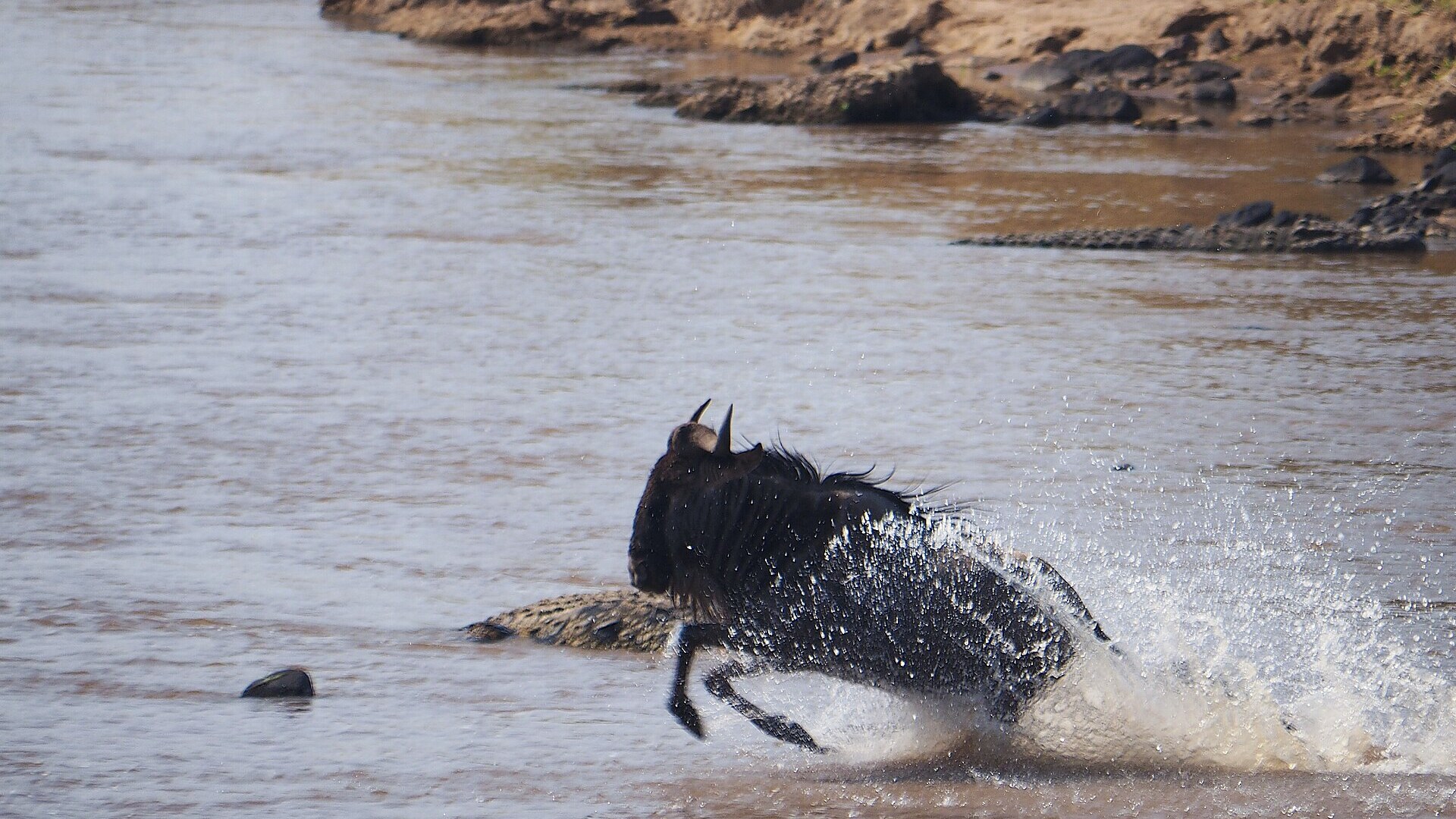
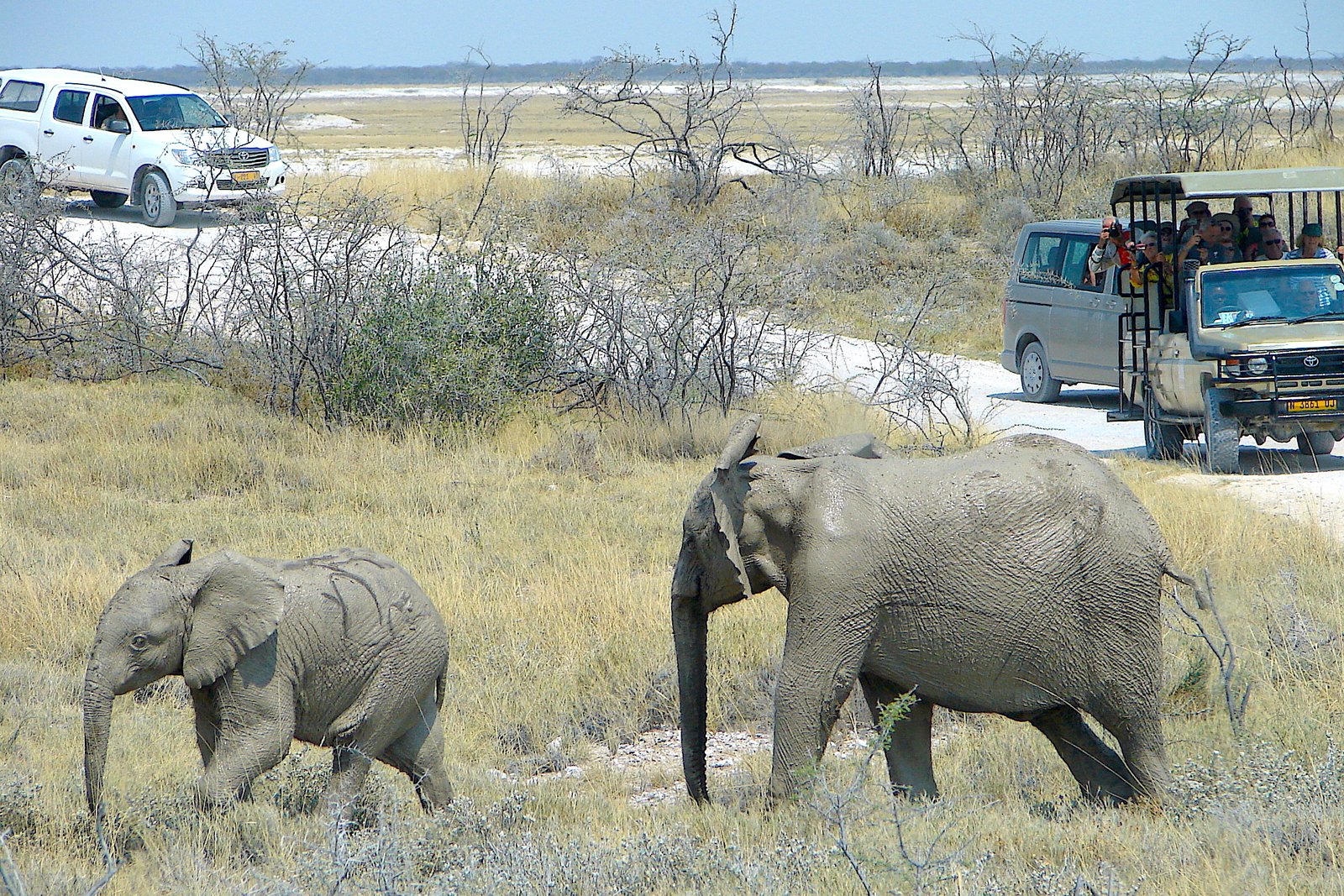
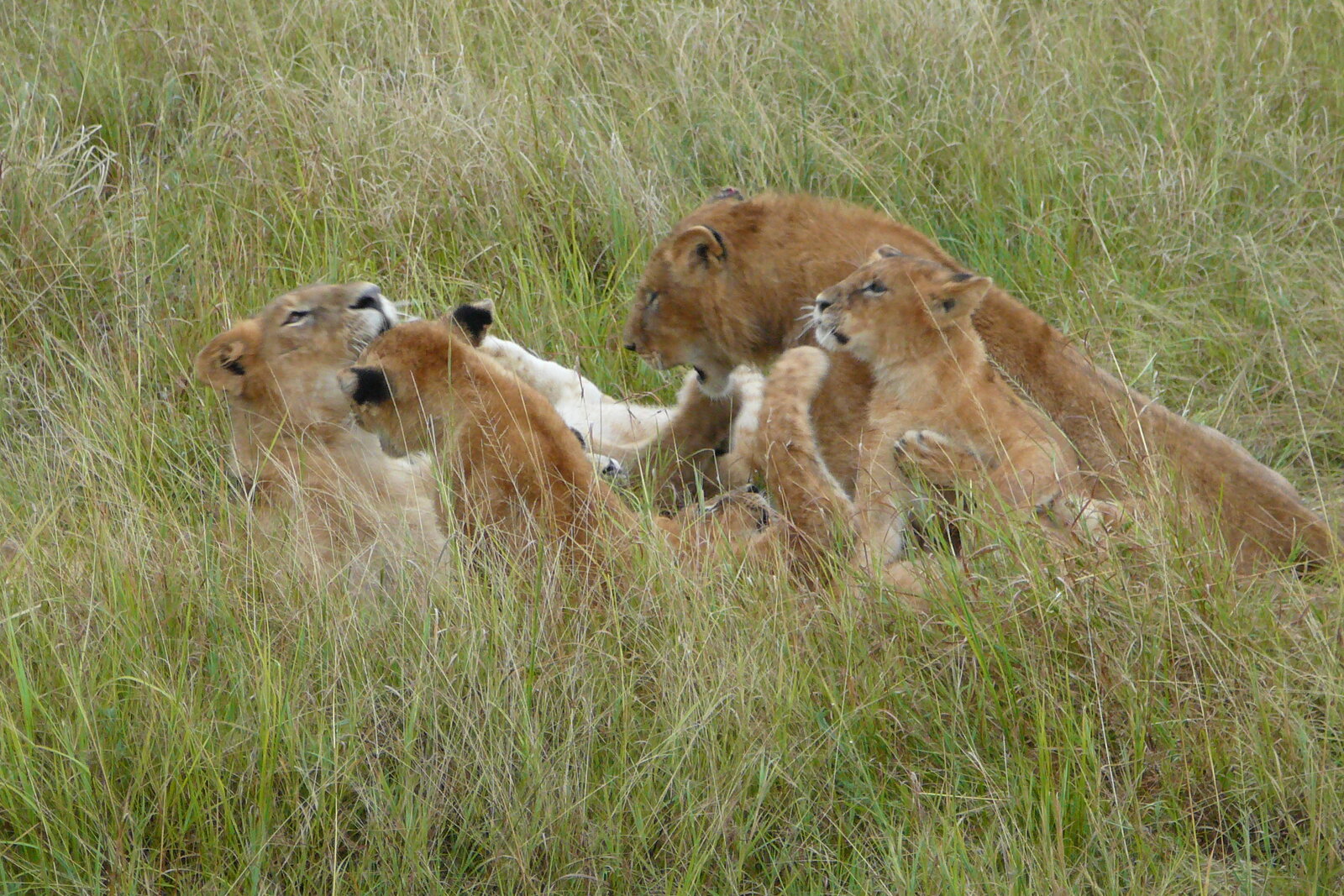
Lions are the apex threat — prides position themselves along the migration corridors and target stragglers, calves and the exhausted. The Mara and Serengeti support some of the densest lion populations in Africa. Nile crocodiles wait in the rivers — some over five metres long — and strike at the crossings. Spotted hyenas hunt in organised clans, especially during calving season. Cheetahs hunt on the open plains, exploiting the flat terrain and the vulnerable calves. Wild dogs are rarer but devastating — they hunt in packs with an 80% success rate.
But here is the surprising truth: drowning and trampling kill far more wildebeest than predators. The panicked crush at steep river banks, the current of the swollen Mara, and the sheer weight of hundreds of thousands of animals funnelled into a narrow crossing point — these are the real killers. The carcasses that line the riverbanks after a major crossing are mostly victims of the crush, not the crocodiles.
The wildebeest's survival strategy is simple and brutally effective: safety in numbers. With 1.2 million individuals, the loss of 200,000–300,000 each year (to all causes) is sustainable — the herd replaces those losses in the calving season and begins the cycle anew.
For the full exploration, see Wildebeest Migration: Dangers, Predators & Survival.
Combining Destinations — Beyond the Migration
A Great Migration safari pairs naturally with East Africa's other headline experiences:
- Zanzibar (Tanzania): 3–5 nights of beach, spice tours and Stone Town after a Serengeti safari. A 90-minute flight from the Serengeti. The classic "bush and beach" combo.
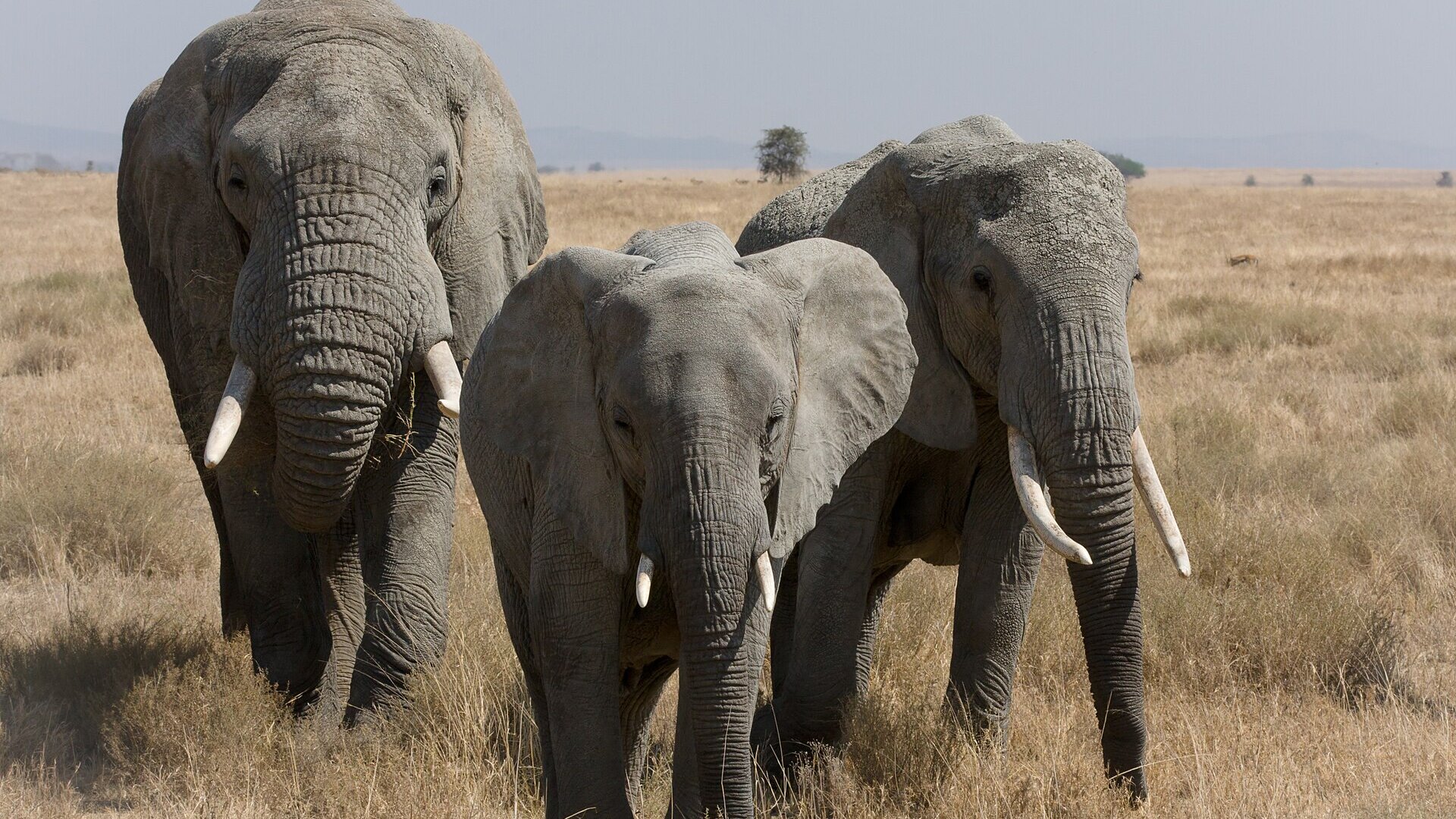
- Ngorongoro Crater (Tanzania): A half-day drive from the southern Serengeti or a short flight from Seronera. The crater is a self-contained ecosystem with the Big Five and one of the densest wildlife populations anywhere.
- Gorilla Trekking (Rwanda/Uganda): Fly from Nairobi or Arusha to Kigali (Rwanda) or Entebbe (Uganda) for a 1–2 night gorilla trek. The ultimate East Africa combination: migration, gorillas and beach.
- Victoria Falls (Zambia/Zimbabwe): A short flight from Nairobi. Add 2–3 nights for the Falls, sunset cruises on the Zambezi, and optional bungee or white-water rafting.
- Okavango Delta (Botswana): For the serious safari traveller — combine the Serengeti migration with the Okavango's water-based wilderness for a two-country, two-ecosystem masterpiece.
Safari Packages & Itineraries
These are real, bookable migration safaris that we build for our clients. Each includes flights, accommodation, game drives, park fees and a private guide unless noted. Dates are flexible — we tailor every trip to your preferred travel window.
Ultimate Great Migration Safari — 7 Days
Northern Serengeti (Kogatende) + Ngorongoro Crater. Peak crossing season. Private vehicle and guide throughout. 4 nights on the Mara River crossings.
Northern Serengeti Migration & Mara River Crossings — 6 Days
Focused Kogatende crossing safari. Mobile camp on the river. Maximum time at the numbered crossing points.
Serengeti Migration Safari — 7 Days
Classic Serengeti circuit: central Seronera + northern crossings. Flexible timing to match the herds' position.
Maasai Mara Explorer — 4 Days
Short and focused Kenya migration experience. Fly-in to the Mara, 3 nights in the reserve or a conservancy, private vehicle.
Serengeti & Ngorongoro Ultimate — 8 Days
The full Tanzania experience: Serengeti migration + Ngorongoro Crater + Tarangire elephants. Private guide, luxury camps.
Migration Highlights — 3 Days
A concentrated migration taster — 2 nights on the crossings, perfect as an add-on to a longer East Africa itinerary.
Masai Mara Balloon Honeymoon — 7 Days
Romance meets the migration: luxury Mara camp + hot-air balloon over the herds + private bush dinners. Peak season magic.
Kenya Luxury Fly-In Safari — 7 Days
All-flight Kenya safari: Mara migration + Amboseli elephants + Laikipia conservancy. No road transfers, maximum game time.
🌍 Browse All Migration & Safari Packages →
Plan Your Great Migration Safari With Beyond Africa
We are a Cape Town-based, tailor-made safari house, and the Great Migration is one of the journeys we love most. We know these camps and their guides personally, we watch the herd movement reports as your dates approach, and we build the timing, the camps and the route so you have the best possible chance of witnessing Africa's greatest spectacle. You travel with a private guide who reads the Serengeti or the Mara each morning and enough time on the ground to let the drama come to you.
Ready to plan your Great Migration safari?
👉 Request a tailor-made migration safari quote →
👉 Browse our safari packages →
👉 Track the herds live →
👉 WhatsApp us: +27 78 471 4852