Key Takeaways
- The migration crosses far more than the famous Mara River. Dozens of crossing points fire across the Grumeti, Mbalageti, Sand, Talek and Mara rivers over the year — and the wildest, most private drama happens at the ones the crowds never reach.
- The Grumeti (Western Corridor) is the forgotten crossing. Late May to July, the herds pour through crocodile-choked channels near Kirawira with a fraction of the vehicles you'll see up north — a genuine secret in plain sight.
- Kogatende's crossings are numbered 1 to 10. In the far northern Serengeti the Mara River offers up to ten distinct crossing points; the famous ones (4, 7 and 10) draw the vehicles, while a good private guide reads the herds and takes you to the quiet numbers.
- The Lamai Wedge is the wildest corner of all. North of the Mara River, hard against the Kenyan border, Lamai delivers double-back crossings and vast crowd-free viewing from a handful of small camps.
- Timing plus a private vehicle is everything. A crossing is unpredictable to the hour. The travellers who see the best of it are on the water at dawn, in a private 4x4, staying in a mobile or crossing-front camp — which is exactly how we build these trips.
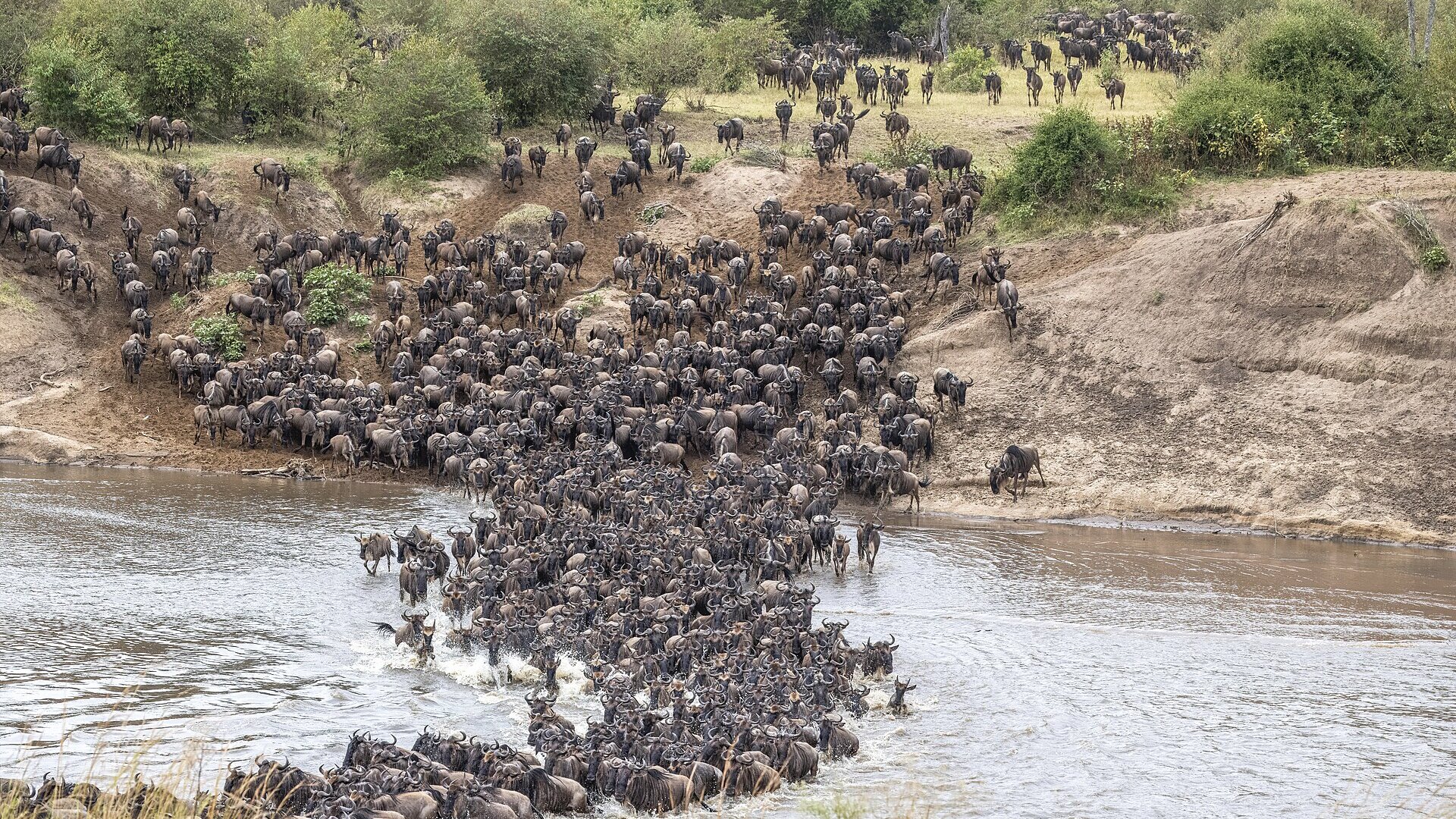
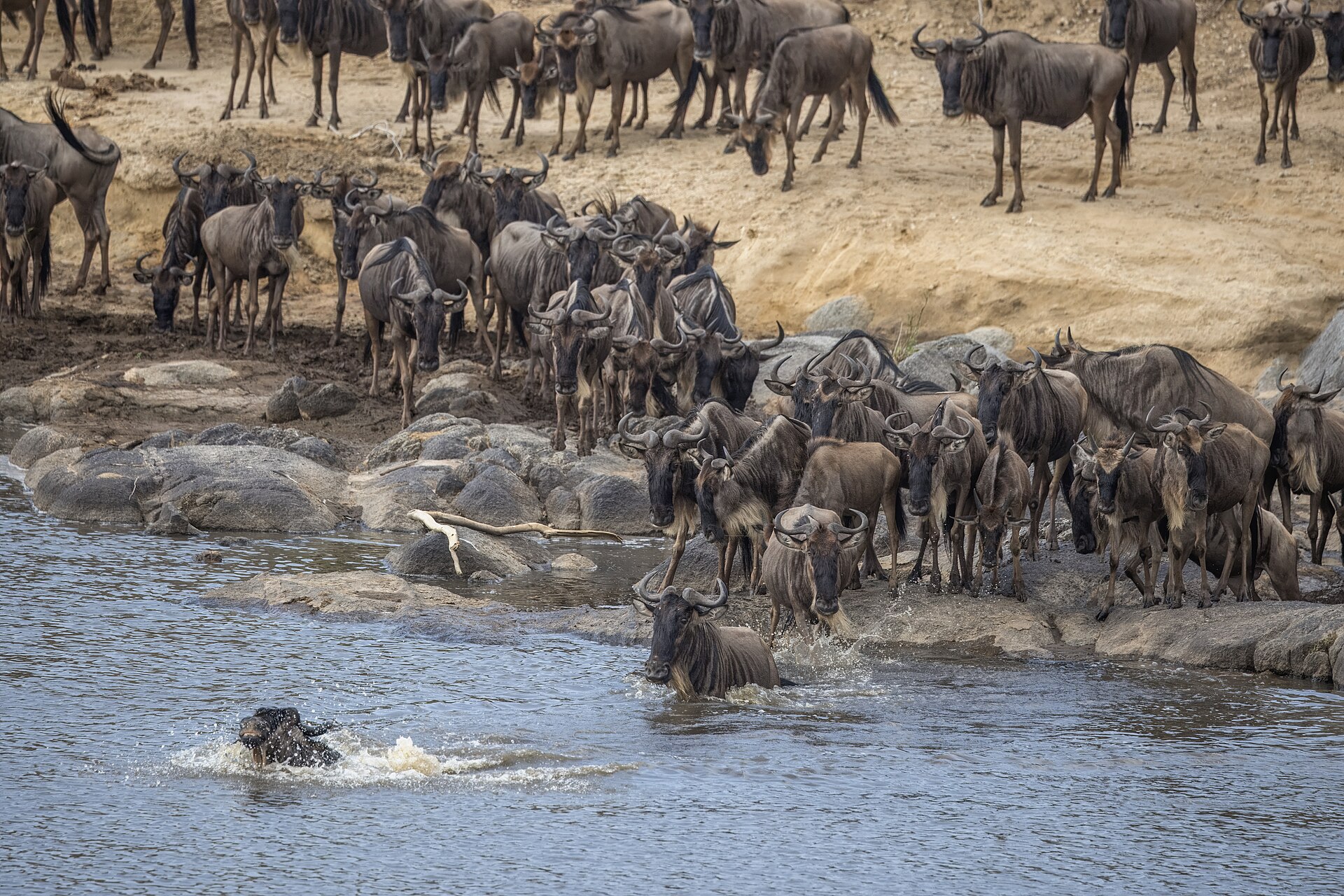
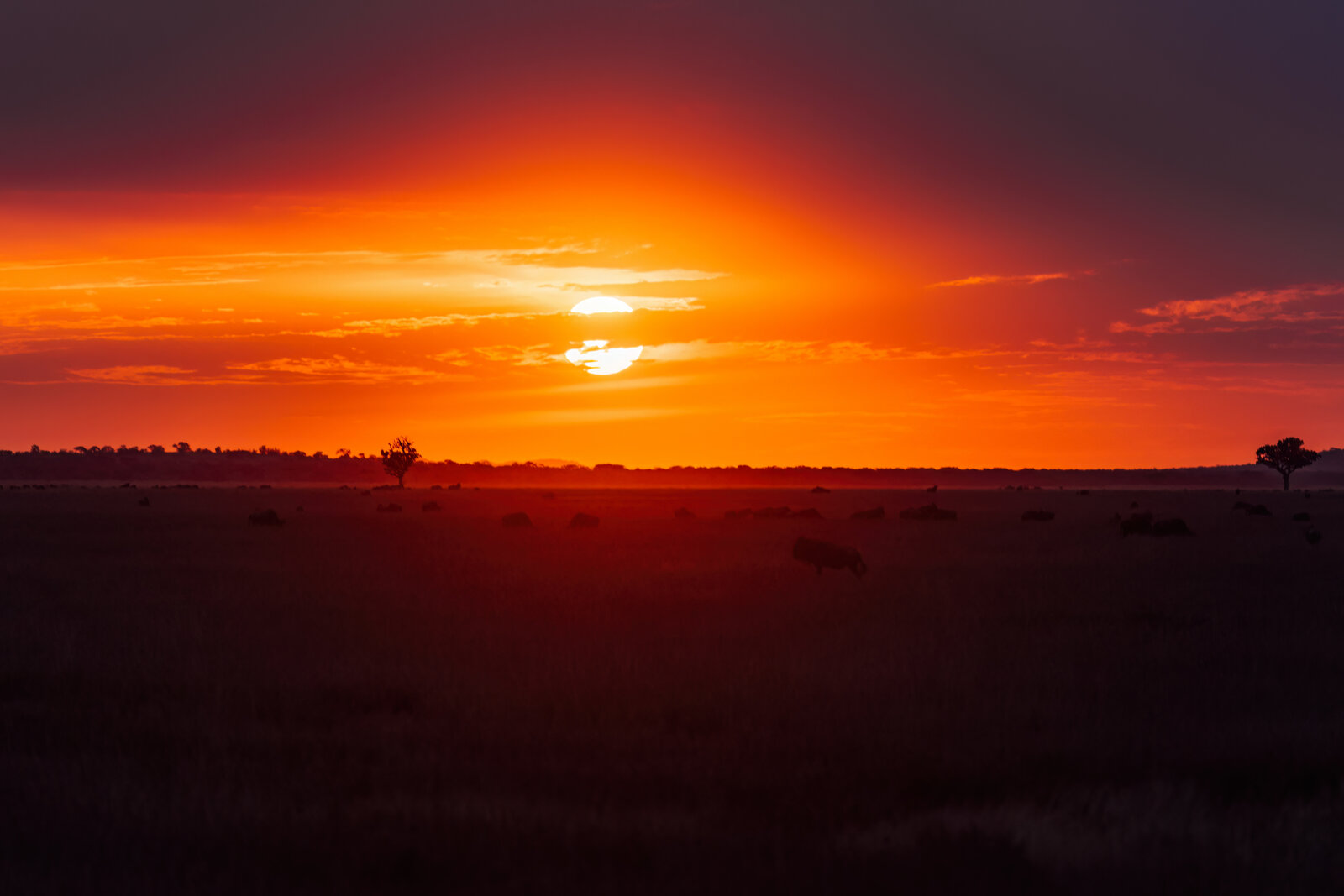
Picture a bend in a river you have never heard of. The far bank is empty; the near bank is a living, breathing wall of wildebeest, thousands deep, grunting in a low thunder that you feel in your chest. They hesitate for an hour. Then one animal commits — and the whole herd pours over the edge in a landslide of hooves and dust and spray, crocodiles rising from the shallows to meet them. And when you look around, there is not another safari vehicle in sight. This is the Great Migration as almost no one sees it: not at the famous, four-vehicles-deep crossing, but at a hidden crossing, all to yourself.
The internet is full of guides to "the" Mara River crossing. This is not that. This is the atlas of the hidden wildebeest migration crossings — the secret gates scattered across the Grumeti, the numbered crossings of Kogatende, the untamed Lamai Wedge, the southern calving grounds and the border rivers the famous itineraries skip. We have crossed them, camped on them and guided them, and in this definitive 2026 guide we map every one: where it is, when it fires, the real camps that sit on top of it, what it honestly costs, and the private way to witness the plunge with the herds all to yourself. Mission: to put you at the water's edge, alone with two million animals.
Why the best crossings are the ones nobody talks about
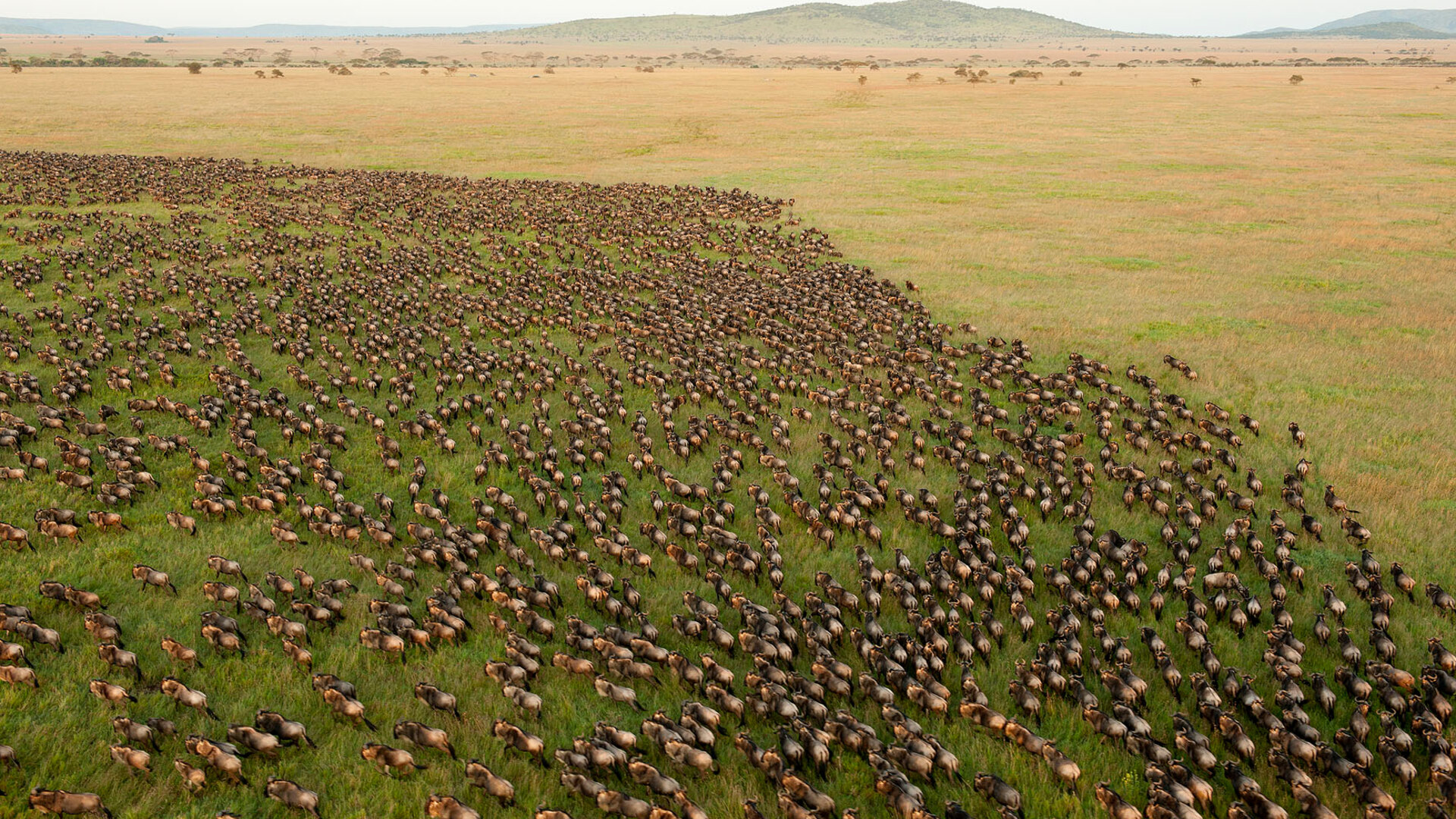
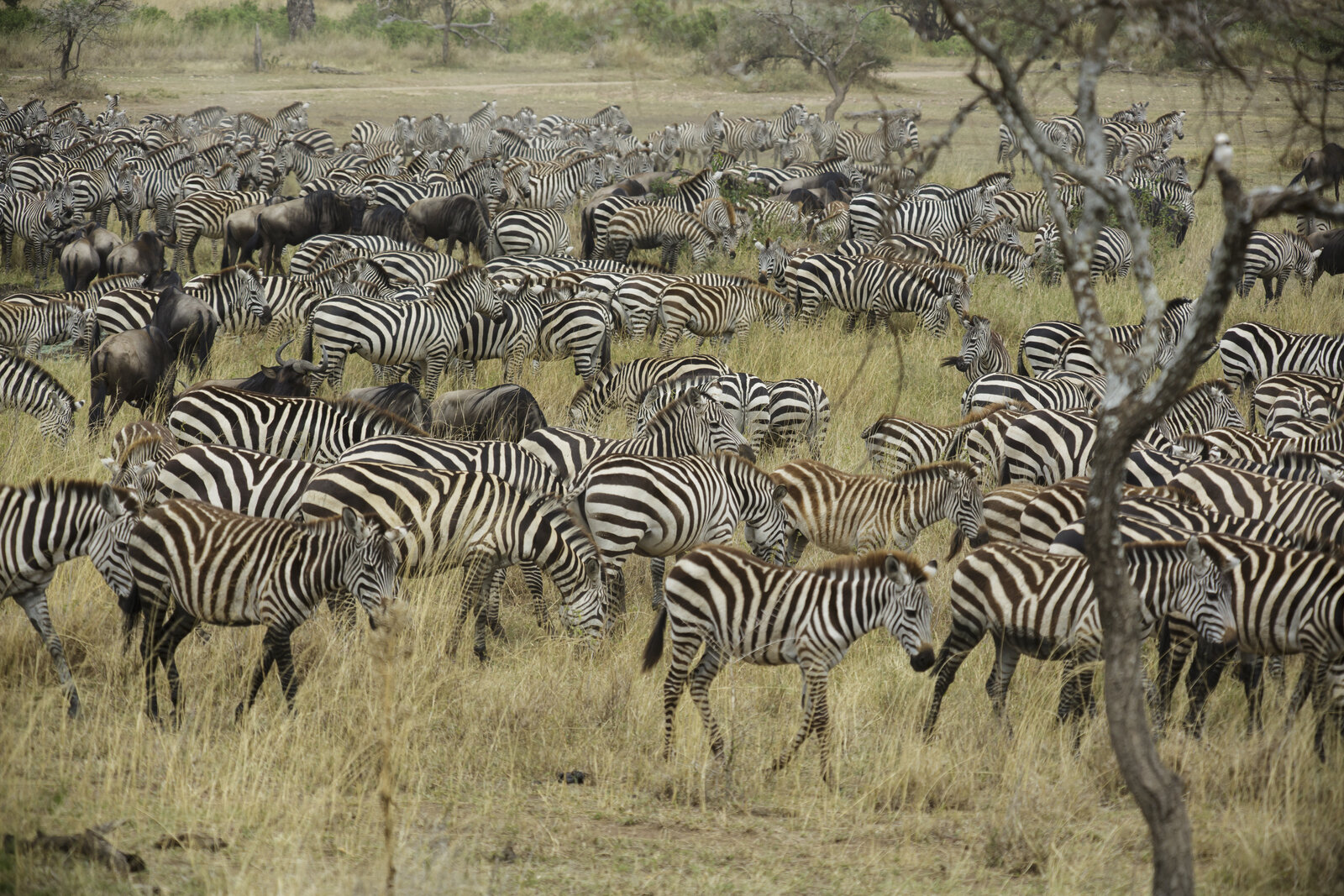
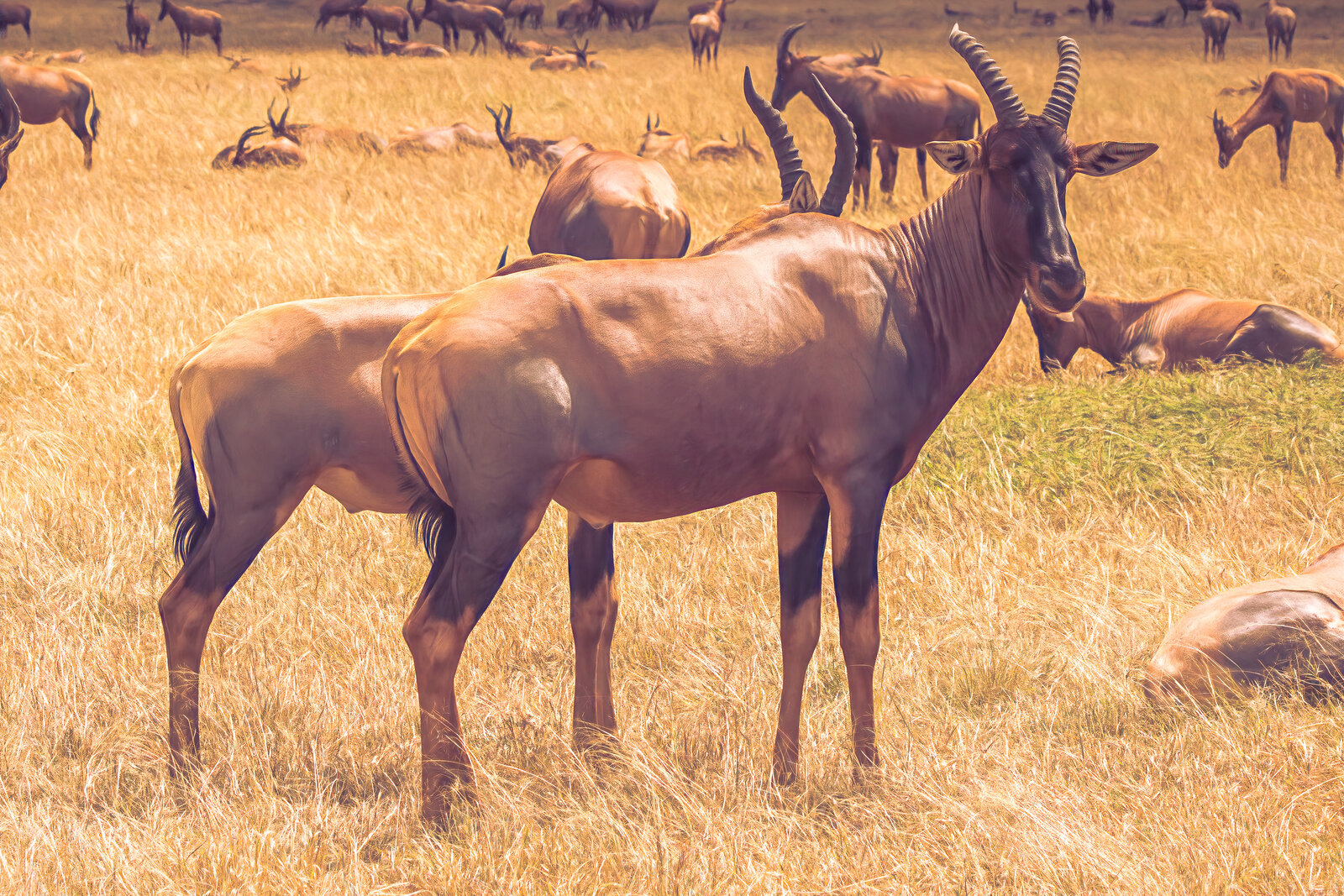
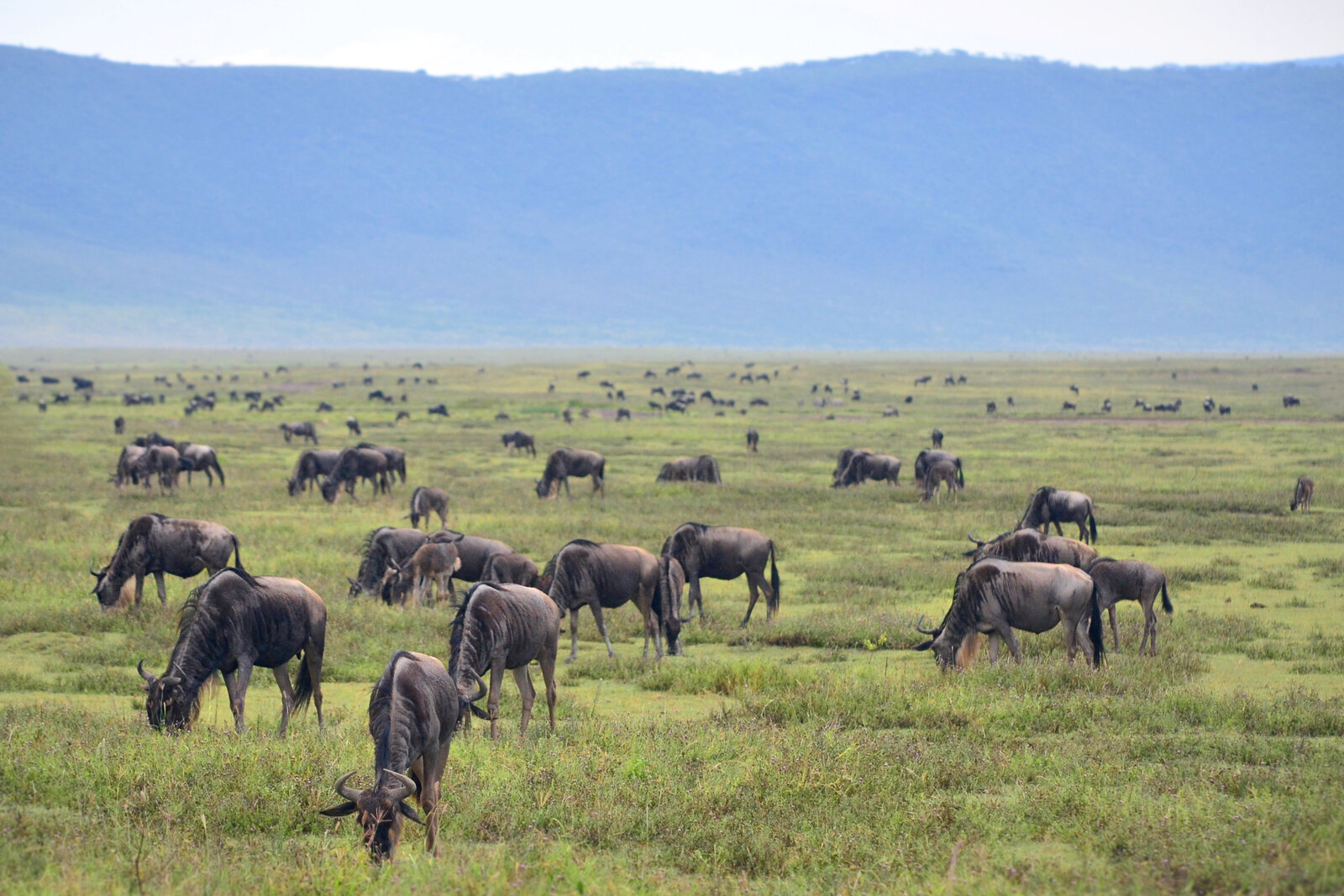
The Great Migration is not a single event with a single location. It is a year-round, thousand-kilometre clockwise loop of roughly two million wildebeest, zebra and gazelle chasing the rain across the Serengeti–Mara ecosystem. Along the way the herds must cross rivers — and a river crossing is the most dramatic wildlife spectacle on Earth. The problem is that ninety percent of visitors watch the same handful of crossing points on the same few weeks of the year, which is why the famous crossings can mean a wall of forty vehicles jostling for position.
Here is the secret the crowds miss: the herds cross dozens of times, in dozens of places, over many months. The Grumeti fires in late May. The Mbalageti sees crossings in June. Kogatende's ten numbered points run from July to October. The Sand and Talek rivers on the Kenyan side crossing back and forth all season. Lamai delivers double-backs into September. And a river crossing at a "quiet number," with a private guide and no other vehicle, is not a lesser experience — it is a greater one. The drama is identical; the intimacy is incomparable.
This guide is built around that truth. We are going to take you off the famous crossing and onto the hidden ones — and show you how staying in the right camp, on the right river, in the right week, with a private vehicle, turns the world's most crowded wildlife event into your own private theatre.
The hidden-crossing calendar — where the drama moves, month by month
Chasing a crossing is chasing rain, grass and geography. This is the honest month-by-month of where the crossings actually happen — including the hidden ones — so you can point your trip at the right river at the right time.
| Month | Where the herds are | Crossing to target | Crowd level |
|---|---|---|---|
| Jan–Mar | Southern Serengeti & Ndutu — calving | Small stream crossings; predator drama on the plains | Low–moderate |
| Apr–May | Central Serengeti moving west | Mbalageti River begins; herds massing for the Grumeti | Very low |
| Late May–Jun | Western Corridor (Grumeti) | Grumeti River — the hidden crossing | Low ⭐ |
| Jul–Aug | Northern Serengeti (Kogatende) & Mara | Kogatende crossings 1–10; Lamai; Mara River | High at famous points; low at quiet numbers ⭐ |
| Sep–Oct | Far north & Masai Mara; double-backs | Lamai Wedge; Sand & Talek rivers; return crossings | Moderate ⭐ |
| Nov | Herds turning south again | Return crossings north-to-south; eastern Serengeti | Very low ⭐ |
| Dec | Southern plains — regathering | Building toward calving; Namiri big cats | Low |
⭐ = the hidden-crossing sweet spots where a private guide can find you crowd-free drama. The single most important thing to understand: crossings are triggered by grass and rain, not the calendar, so these windows shift a week or two each year — which is exactly why a guide on the ground who reads the herds daily beats any fixed itinerary.
The Grumeti — the Western Corridor's forgotten crossing
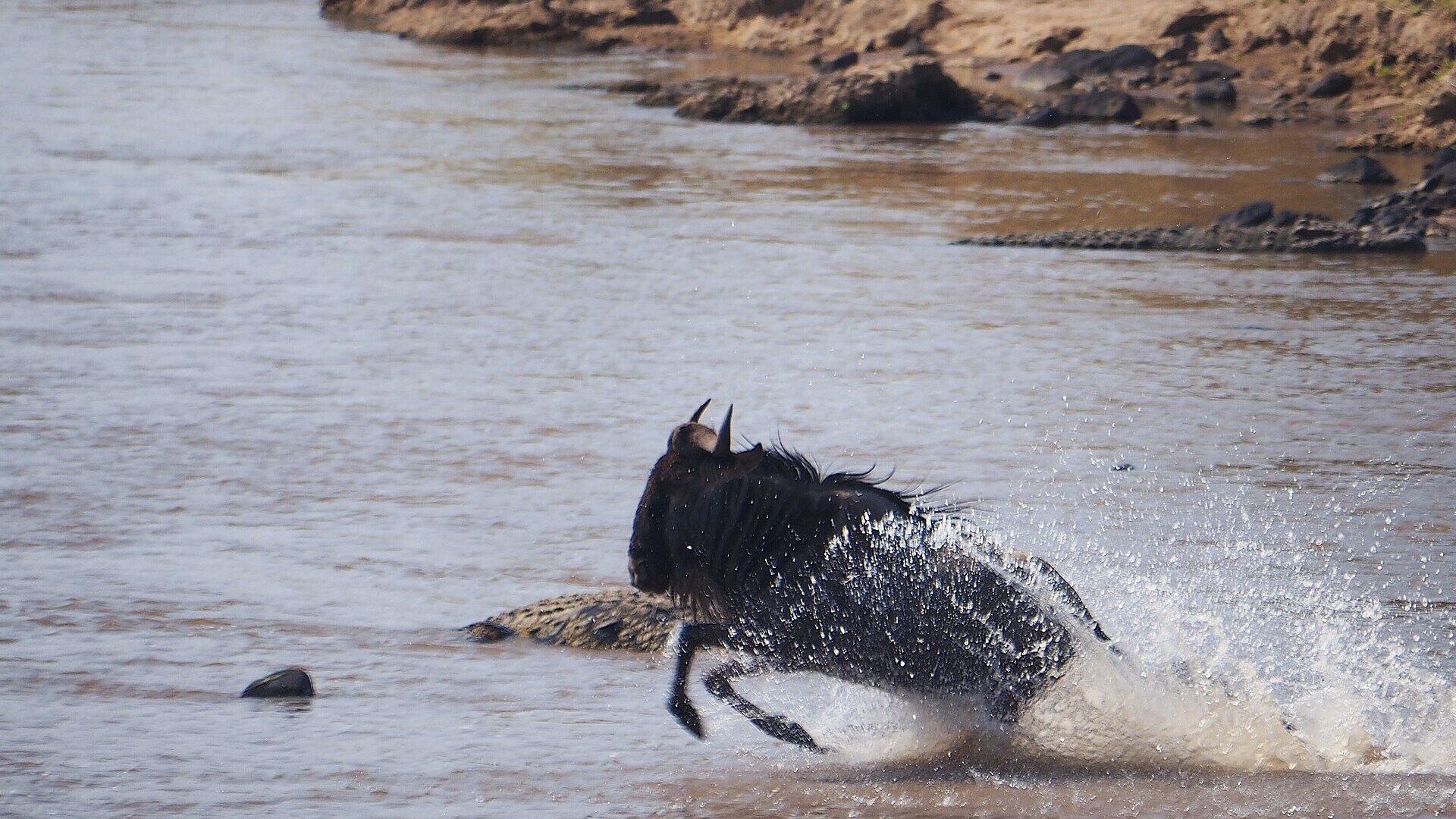
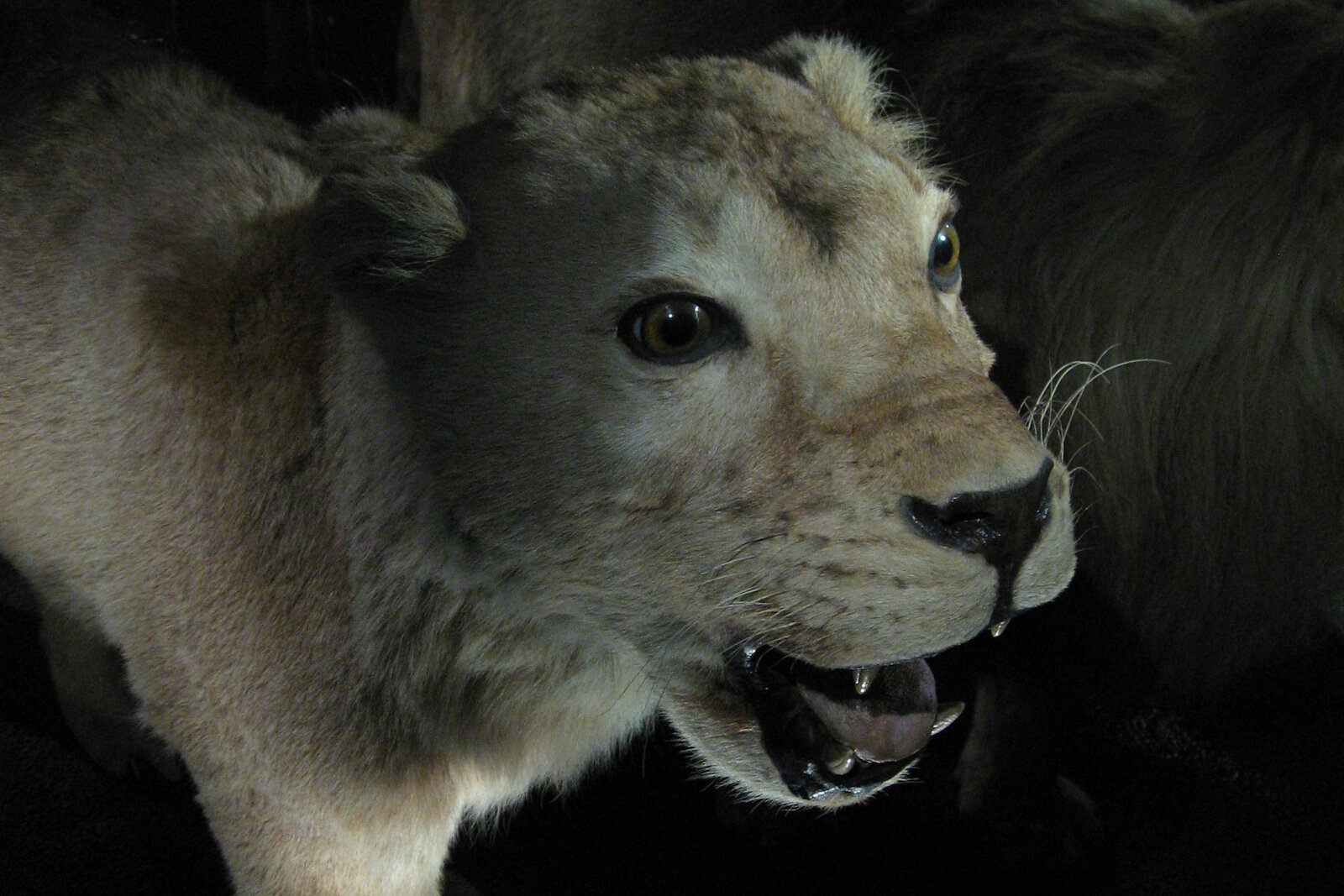
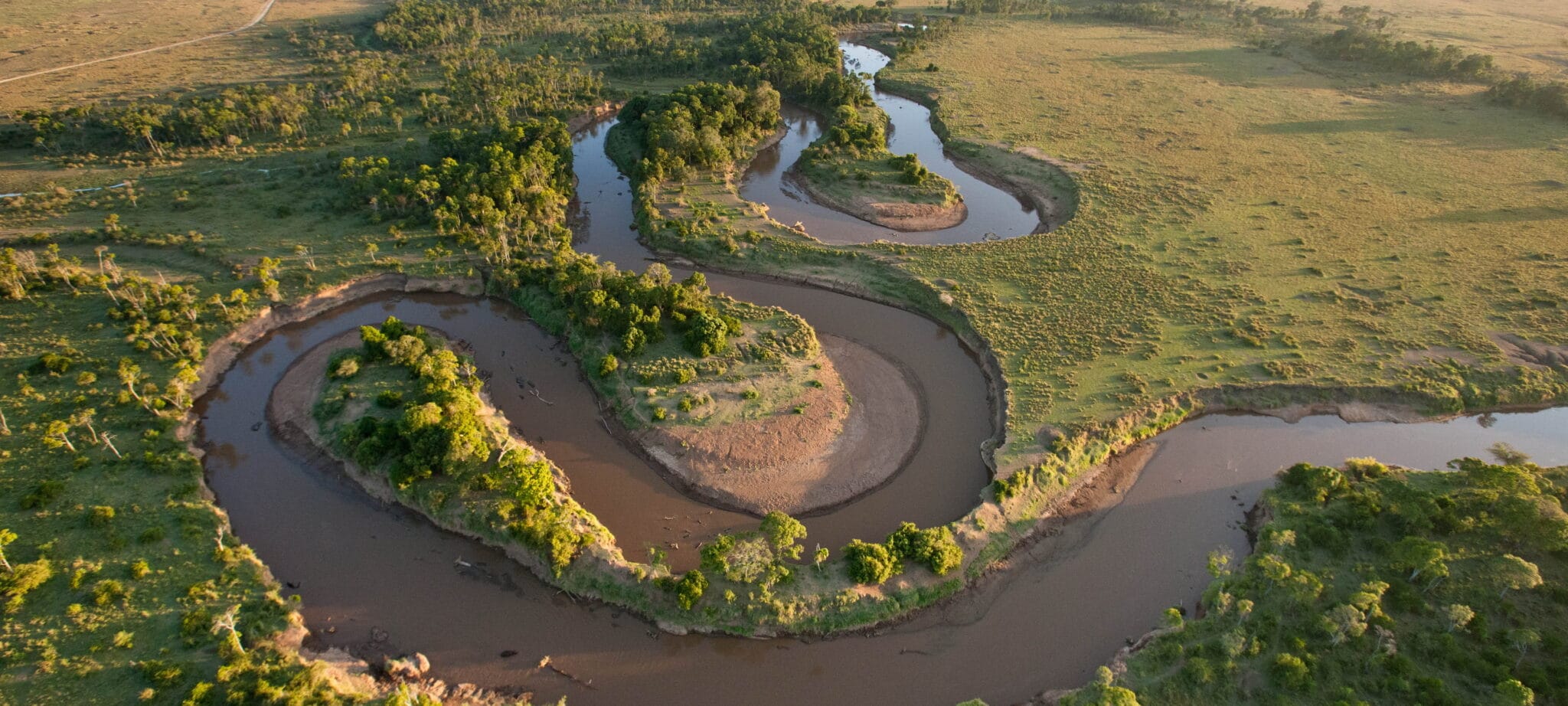
Ask ten travellers where wildebeest cross rivers and ten will say "the Mara." Almost none will name the Grumeti, and that is precisely why it is the finest hidden crossing of them all. As the herds swing west through the Serengeti's Western Corridor in late May and June, they meet the Grumeti River — a series of dark, deep, permanent channels guarded by some of the largest crocodiles in Africa, monsters that have waited all year for this single feast.
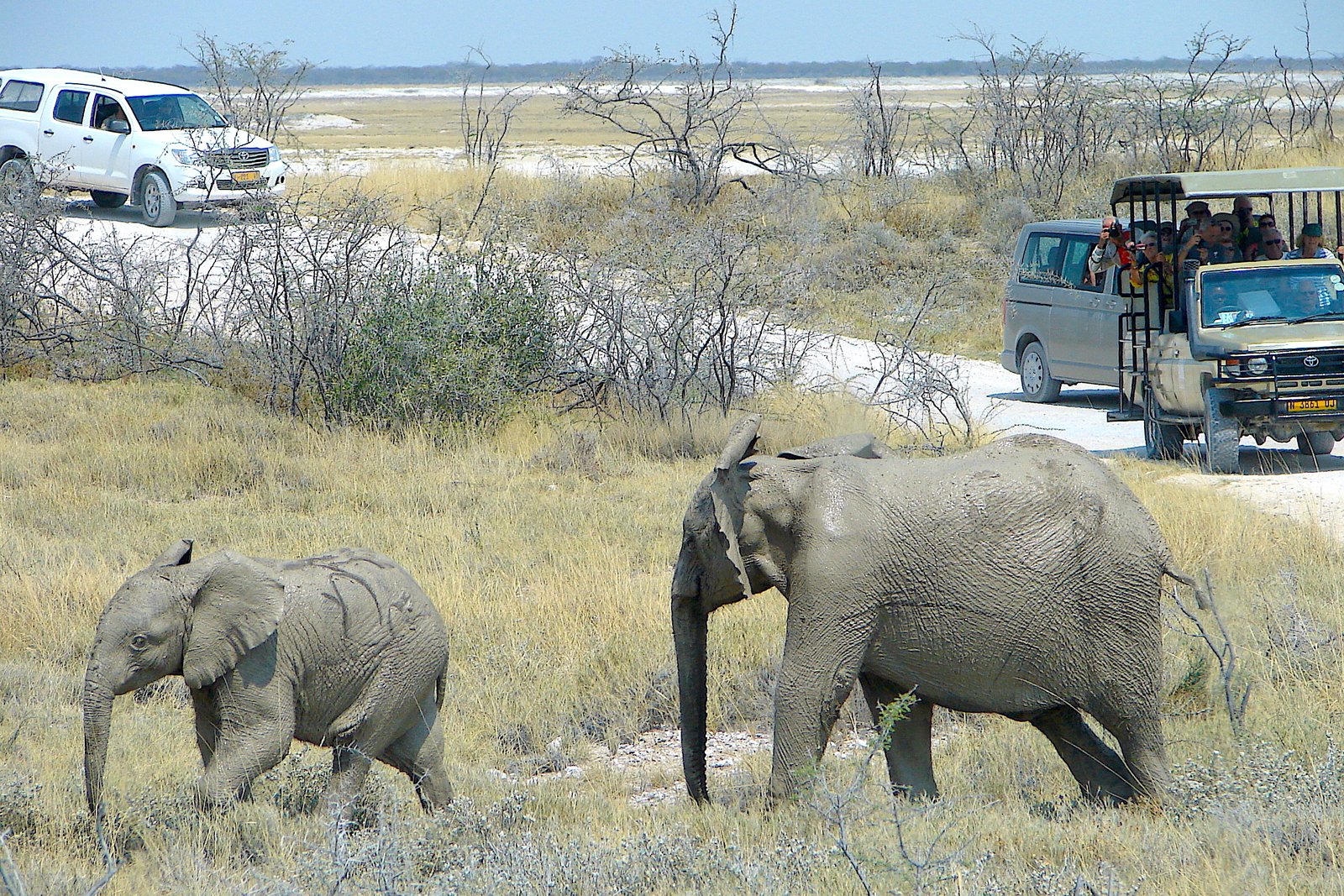
The Grumeti crossings are different in character from the Mara's. The river here is narrower and pooled rather than wide and fast, so the crossings are often shorter but astonishingly intimate — and the crocodile action is the stuff of legend. Crucially, the Western Corridor sees a tiny fraction of the vehicles that swarm the north. You can sit on a Grumeti channel and watch the entire drama unfold with, quite literally, no one else there.
Base yourself in the Kirawira / western Grumeti area in a tented camp that follows the herds, and you trade the famous-name crowds for something far rarer: the migration's oldest, wildest crossing, all to yourself.
Kogatende — the numbered crossings 1 to 10 of the far north
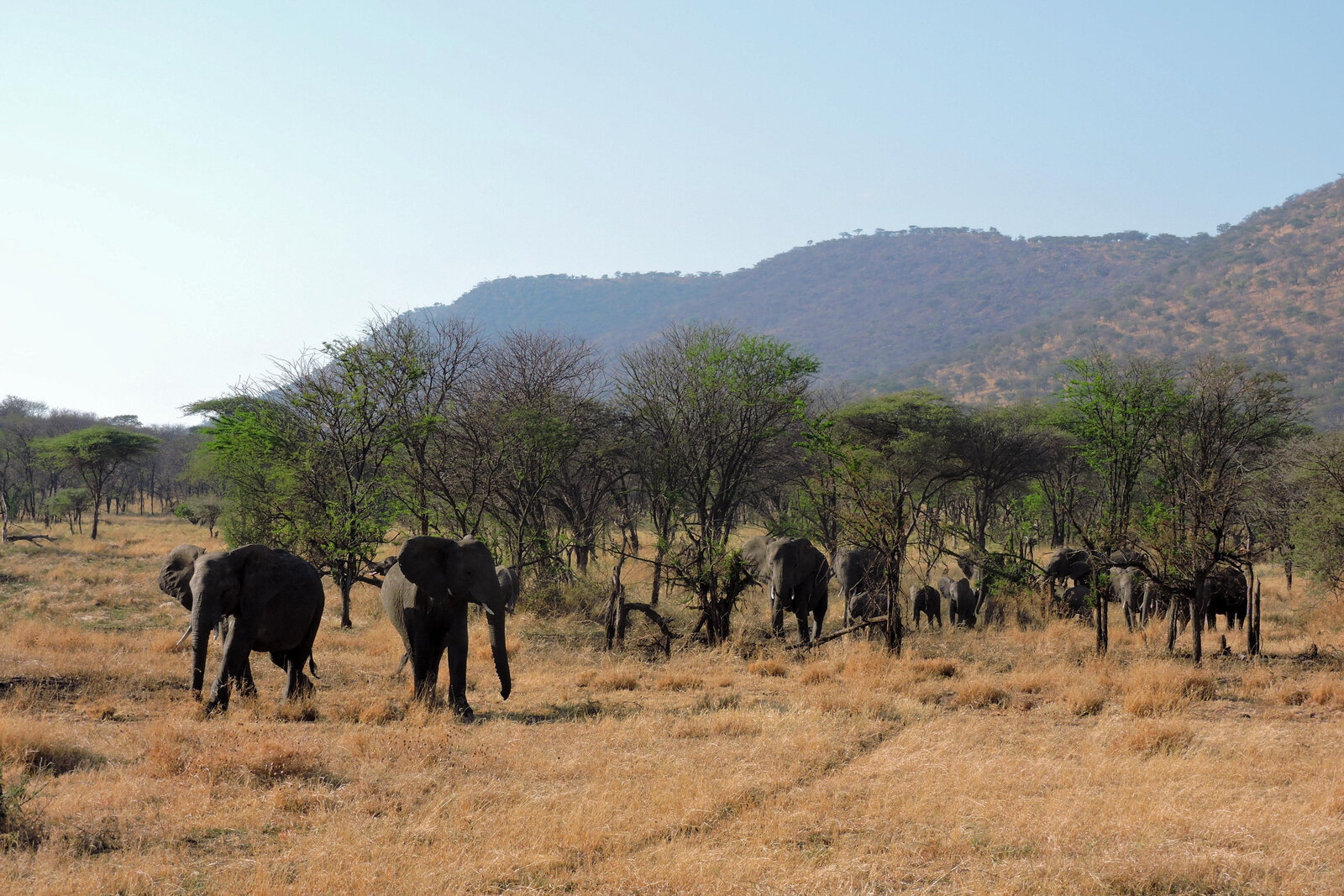
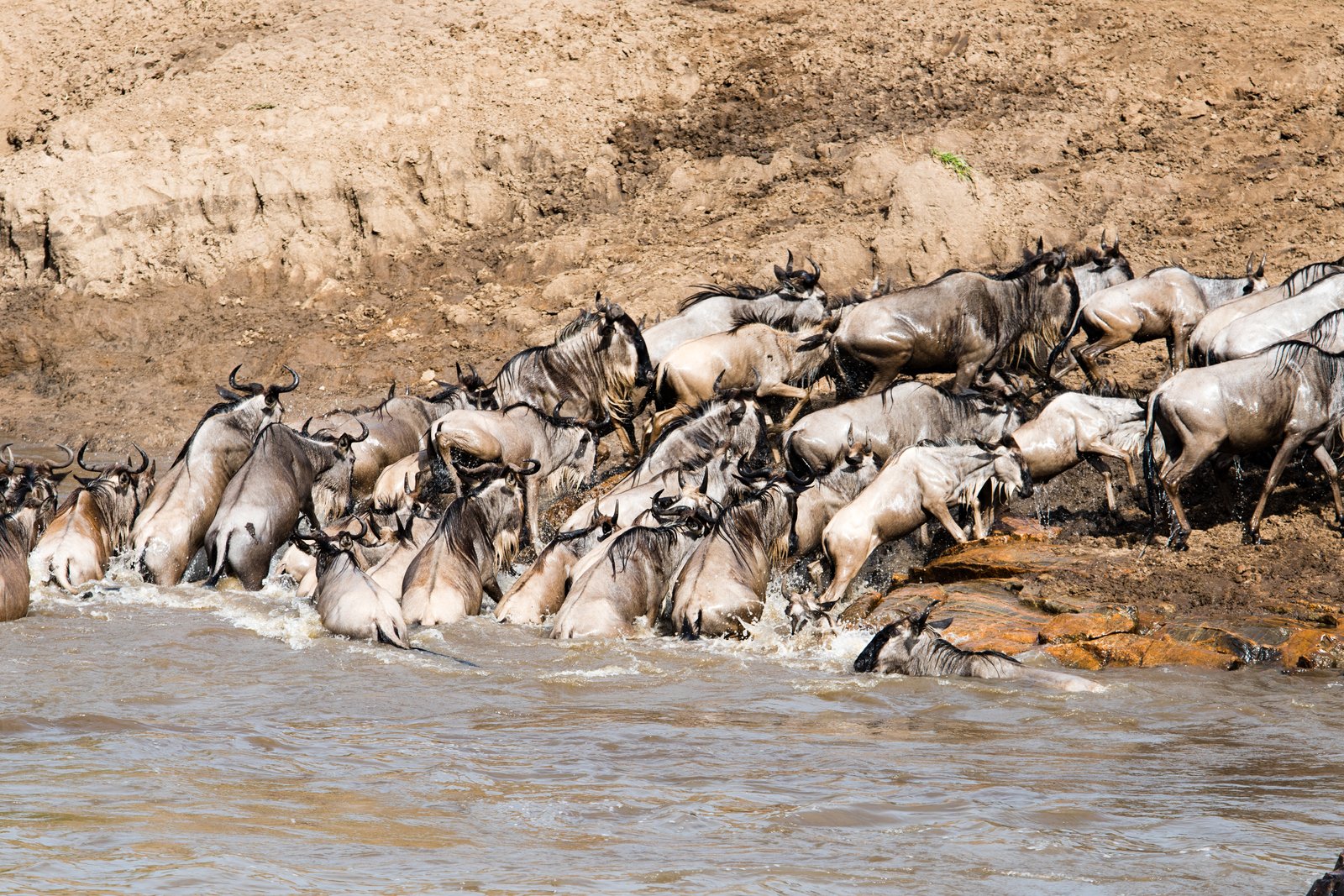
From July to October, the greatest concentration of river crossings on Earth happens along a single stretch of the Mara River in the far northern Serengeti, in a sector called Kogatende. What most visitors don't know is that this stretch is divided by guides into numbered crossing points — roughly 1 through 10. Each is a distinct bend, bank and channel where the herds habitually cross.
The famous, photogenic points — typically numbers 4, 7 and 10 — are where the vehicles gather, sometimes dozens deep, because they offer the classic wide-river, steep-bank drama. But here is the hidden-crossing masterstroke: a great private guide who is on the river at dawn, in radio contact and reading the herds, can position you at a quiet number — say 2, 5 or 8 — where the same species, the same crocodiles and the same plunge play out with two or three vehicles instead of forty.
Kogatende is also where the herds "double back," crossing north one day and south the next as they test the grass on either bank. That means multiple crossing chances per day for those staying right on the river in a mobile camp — not a distant lodge two hours away.
The Lamai Wedge — the wildest corner of all
North of the Mara River, in the triangle of land pressed hard against the Kenyan border, lies the Lamai Wedge — arguably the single wildest, least-visited corner of the entire migration. Once the herds have crossed the Mara northward, they graze the Lamai grasslands, and then, in August and September, many cross back — giving Lamai-based travellers a second front of crossing action that the southern-bank crowds never see.
Because Lamai is served by only a handful of small camps, the vehicle density here is extraordinarily low. You can watch a crossing from the northern bank — the "wrong" side for most itineraries — and have the entire spectacle to yourself, with the escarpment of the Mara Triangle rising beyond. For travellers who want the migration at its rawest and most private, Lamai is the promised land.
It is also the natural stitch point for a cross-border journey: from Lamai the herds flow into Kenya's Masai Mara, so a well-built trip can follow them across the frontier — Tanzania's hidden Lamai crossings, then Kenya's Mara — for a two-country crossing odyssey.
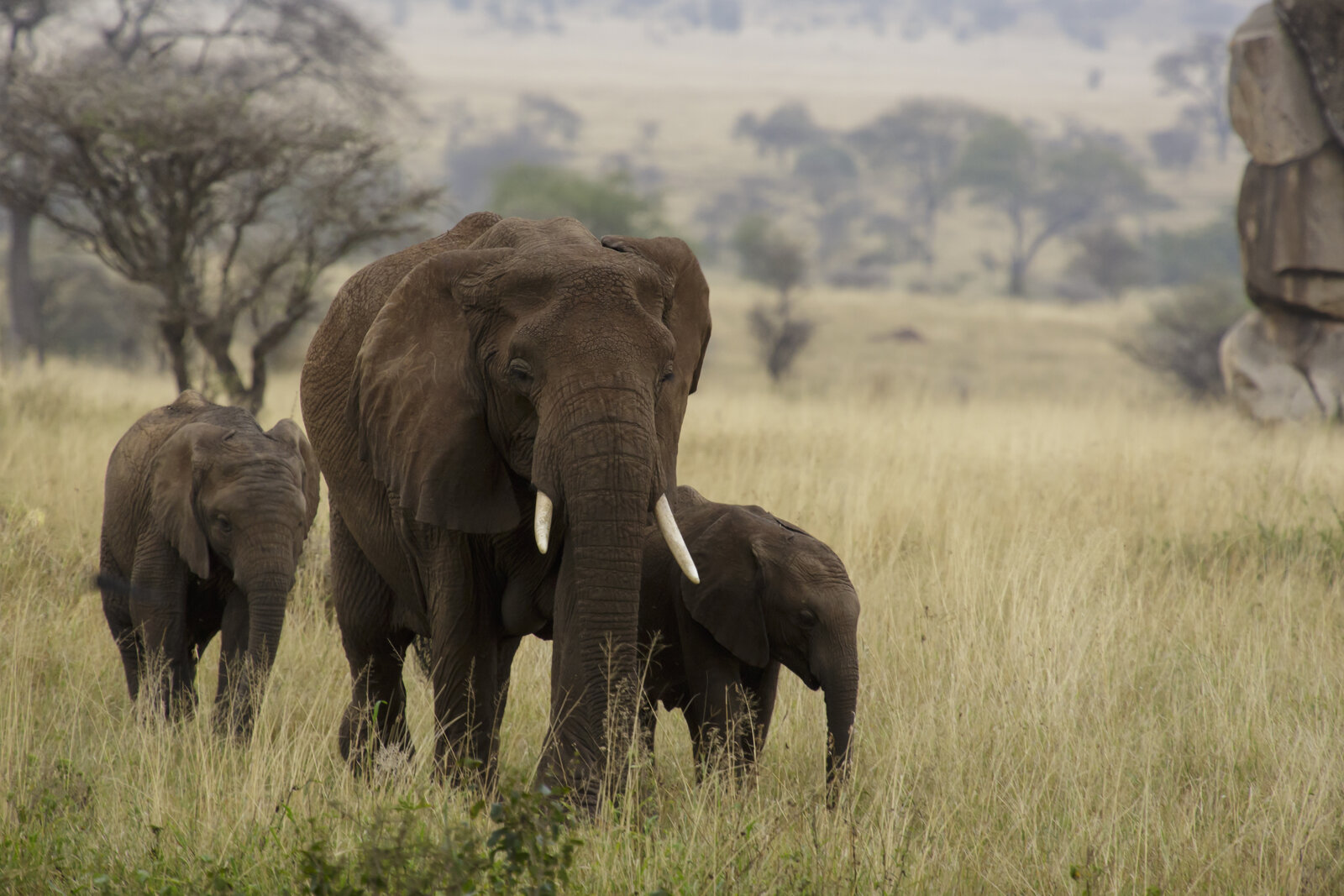
Namiri Plains & the southern calving — the crossings before the crossings
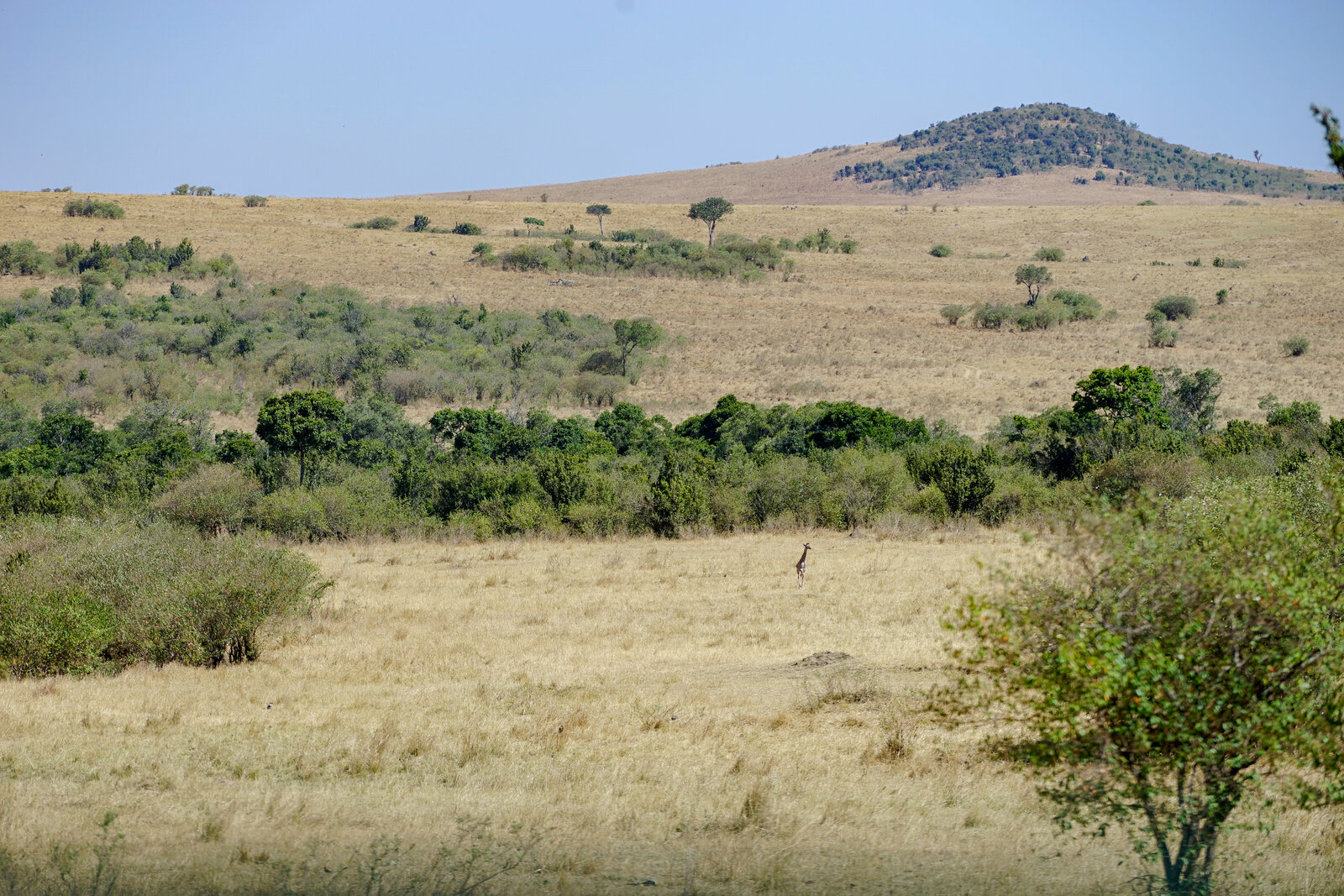
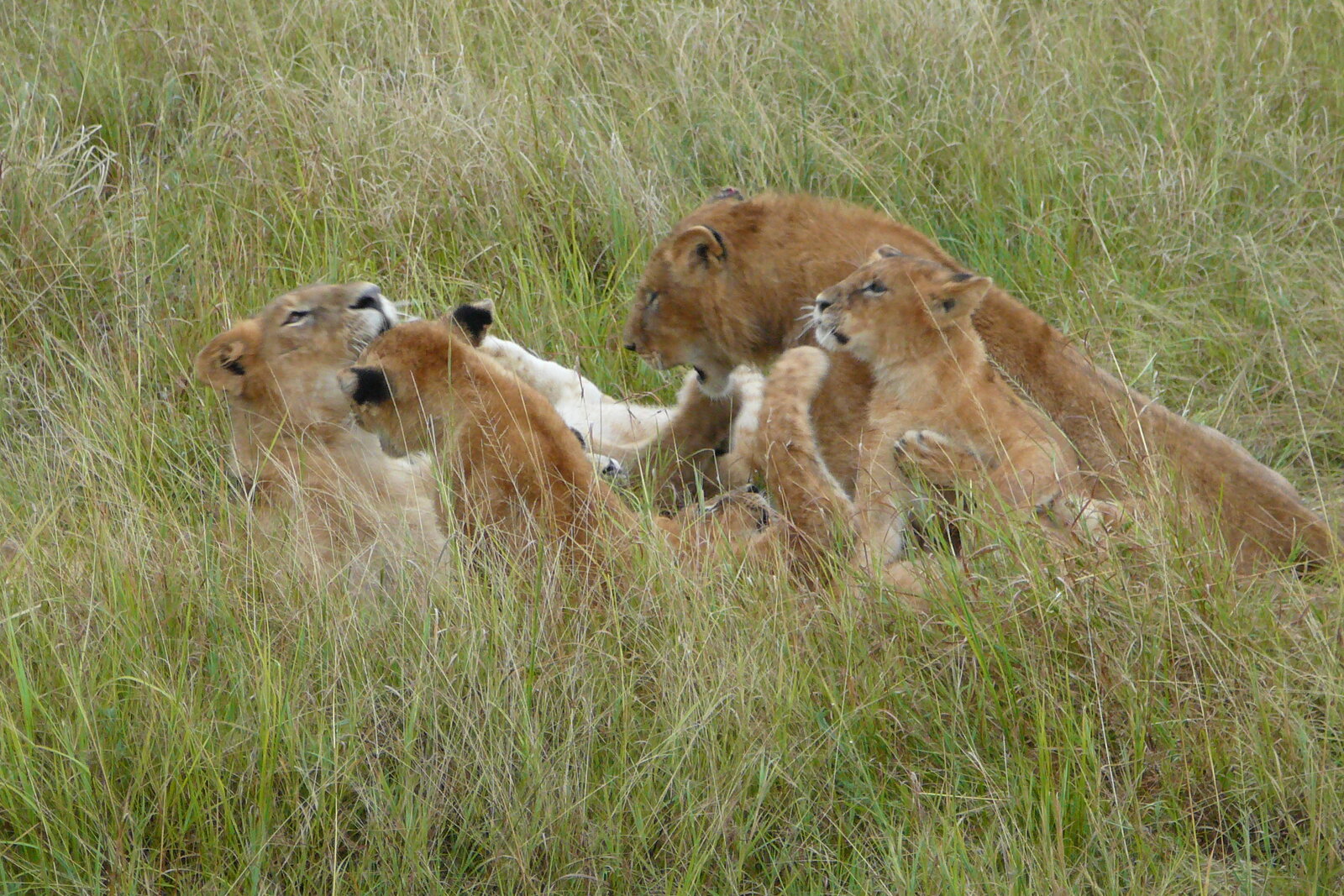
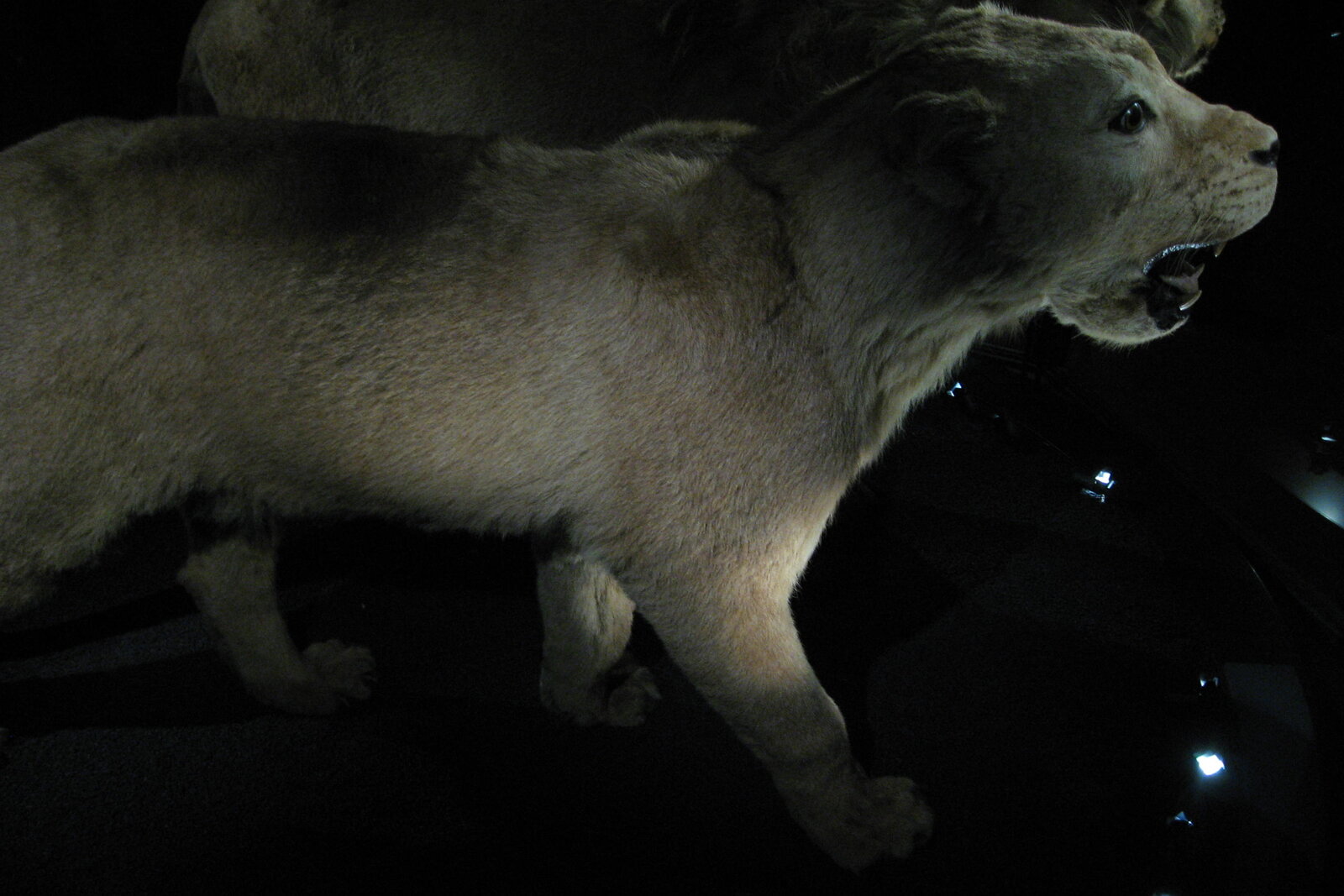
Not every act of the migration is a river crossing — and the travellers who understand this unlock the migration's quietest, most private chapter. From January to March, the herds gather on the short-grass plains of the southern Serengeti and Ndutu to calve. Around half a million wildebeest are born in a few short weeks, and where there are newborns, there are predators. This is the season of the great cat drama, and it plays out with a fraction of the crossing-season crowds.
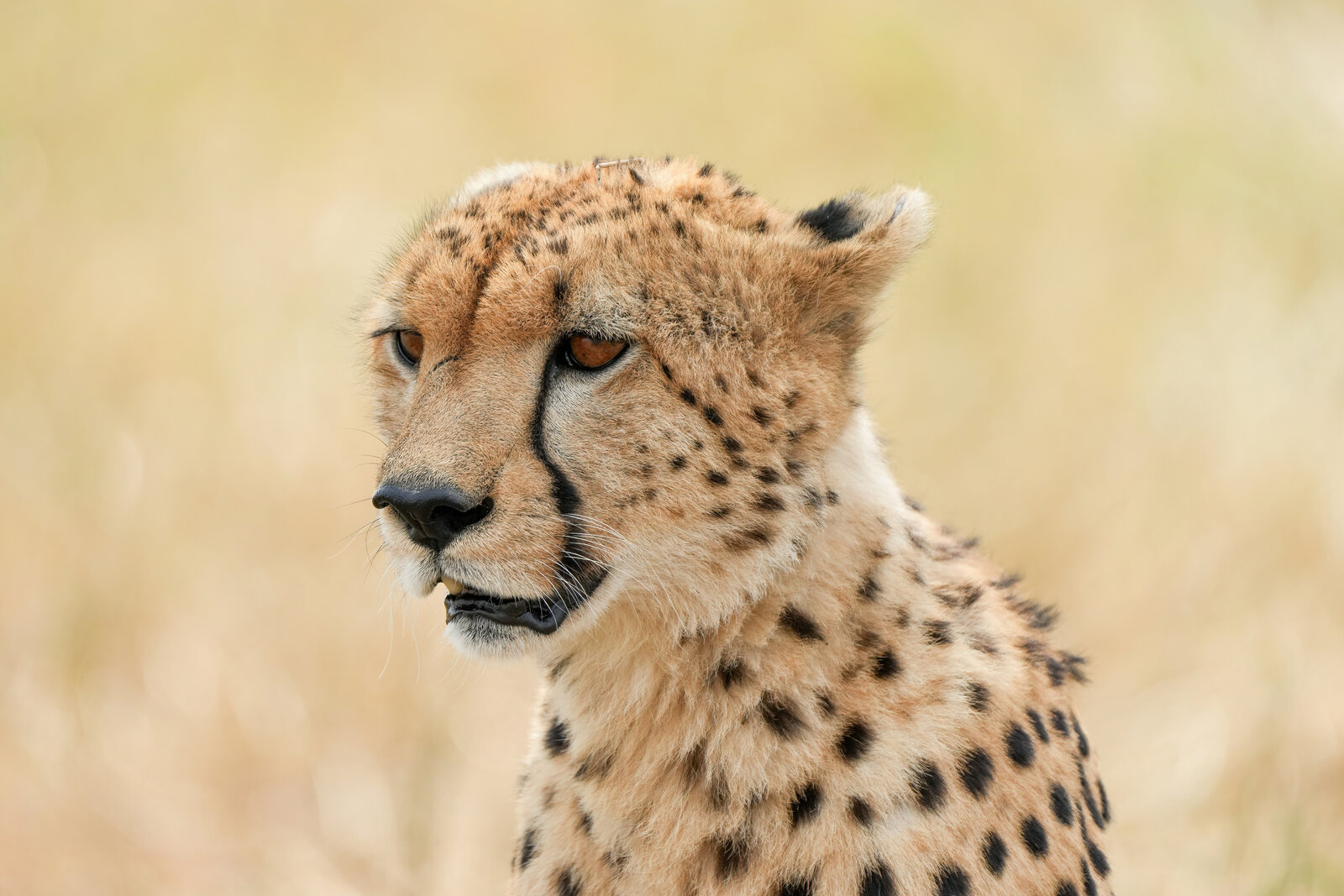
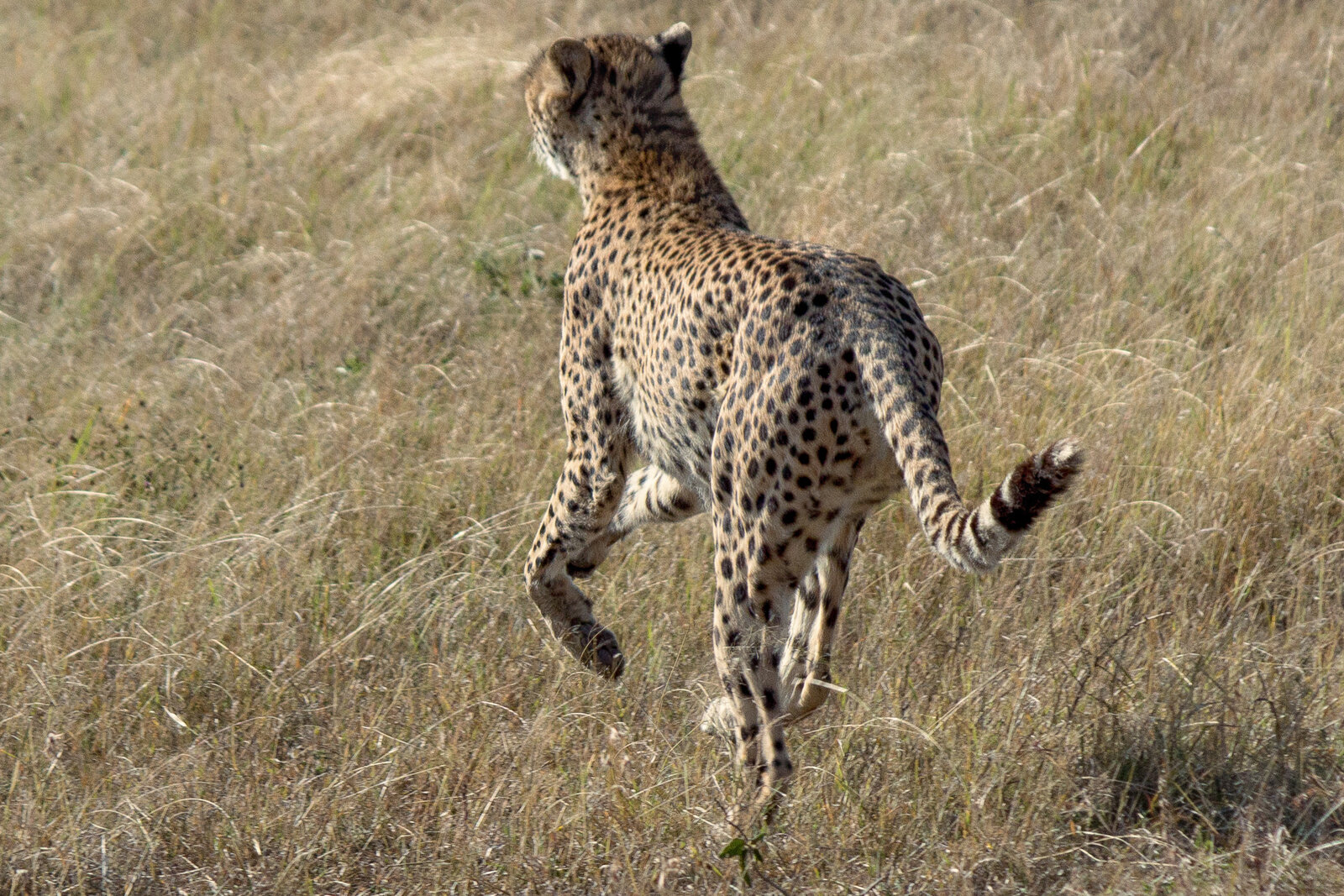
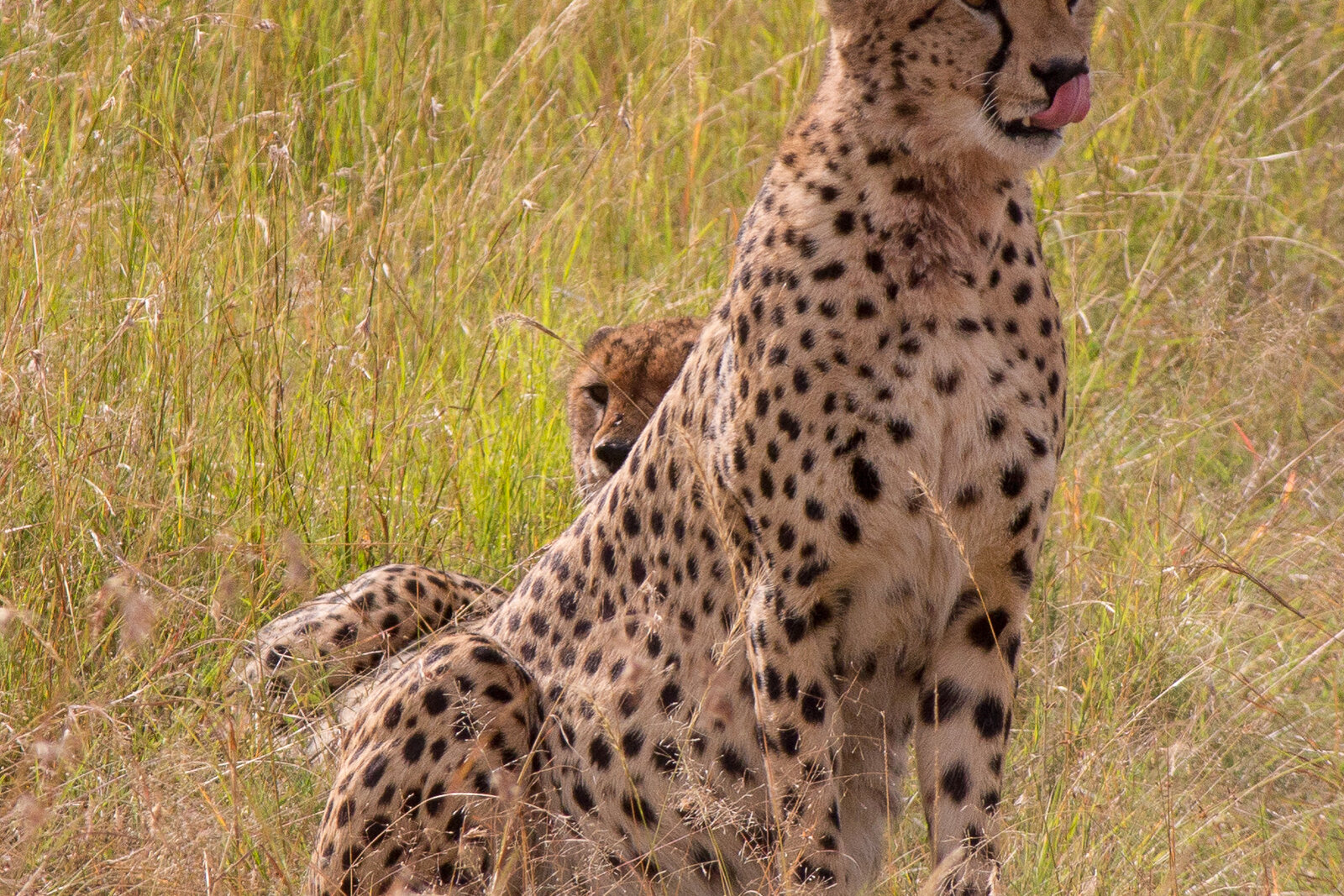
The Namiri Plains, in the remote eastern Serengeti, are the beating heart of this. Closed to tourism for two decades as a cheetah conservation area, Namiri is now one of the finest big-cat destinations on the continent — cheetah, lion and the calving herds, year-round, with almost no vehicles. It is the perfect "hidden" bookend to a crossing trip: come for the river drama up north, or come in green season for the calving and the cats, and either way you have the Serengeti's most private corner.
The southern plains in calving season also deliver small-stream crossings and constant predator-prey tension — a different, gentler, but equally cinematic face of the migration, and one the crowd-chasers completely overlook.
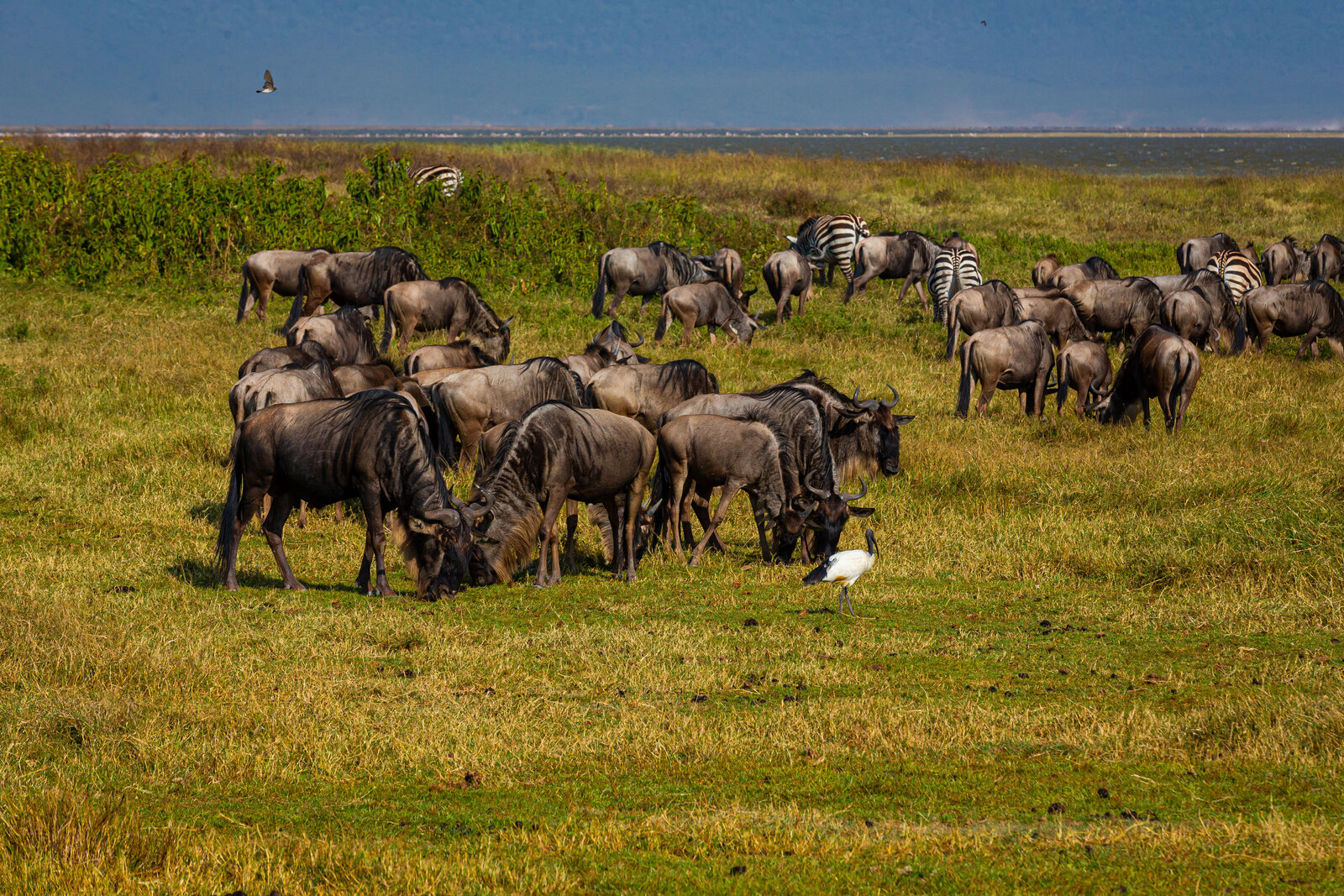
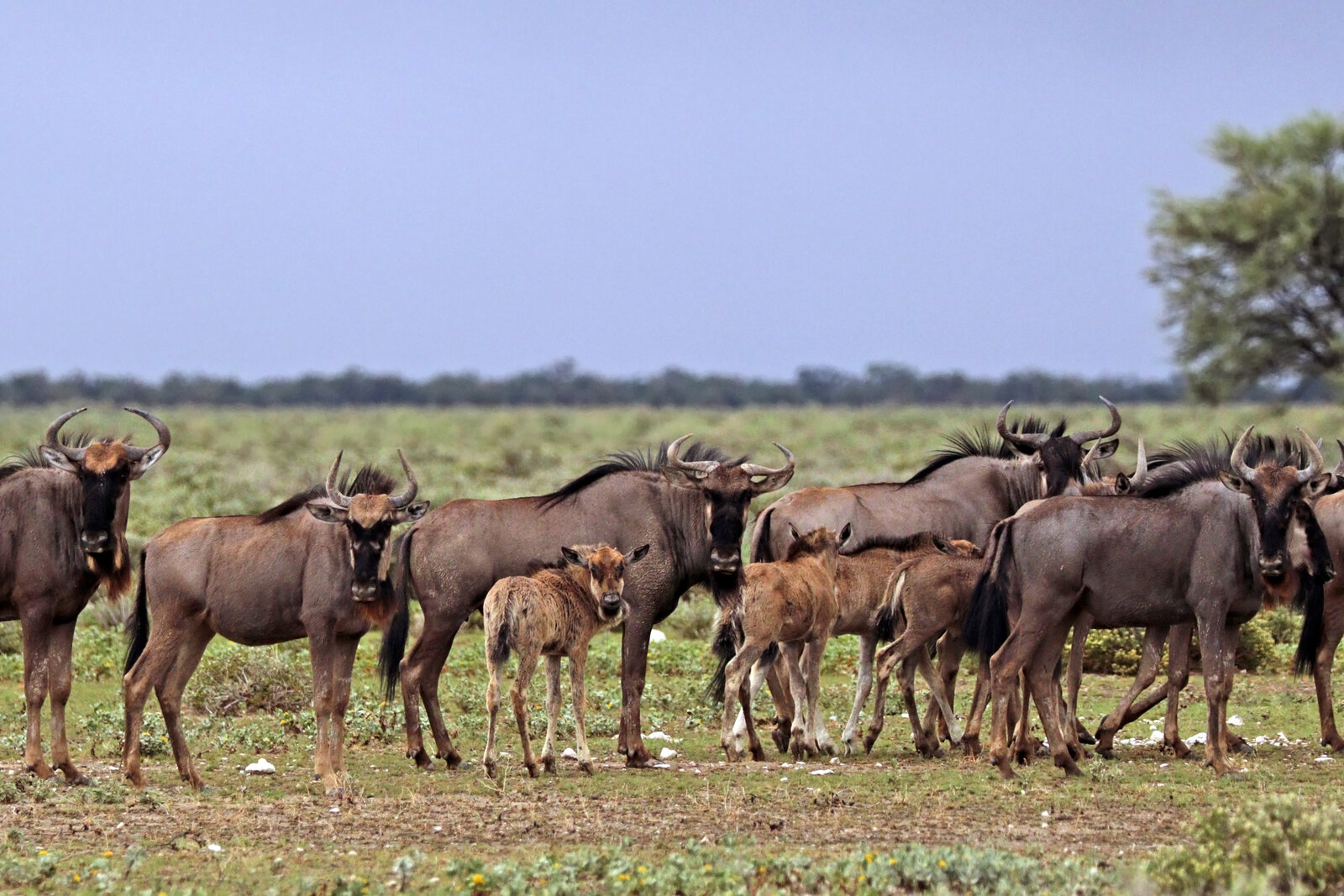
Beyond the famous points — the border crossings the guidebooks miss
Even the best "hidden crossings" guides stop at Grumeti, Kogatende and Lamai. But the migration crosses several more rivers that almost never appear in a brochure — and knowing them is what separates a good migration trip from a great one.
- The Mbalageti River. In the Western Corridor, before the herds reach the Grumeti, many cross the smaller Mbalageti in May–June. It is a genuine crossing with almost zero traffic — a warm-up act most people don't know exists.
- The Sand River. On the Kenya–Tanzania border, the Sand River sees crossings as the herds move between the Serengeti and the Masai Mara. It is a quieter, shallower crossing than the Mara, and a superb place to catch the herds moving across the frontier.
- The Talek River. Inside the Masai Mara, the Talek is a tributary the herds cross repeatedly through the season — smaller in scale than the Mara River proper, but far less crowded and highly productive for those staying in the eastern Mara or its conservancies.
- The Mara River from the Kenyan side. The same river, the same crossings — but approached from the Masai Mara and the Mara Triangle rather than Kogatende. Governors' and Mara Triangle camps put you on the crossings from Kenya, and a two-country trip lets you follow the herds across the whole ecosystem.
Add these to the Grumeti, the Kogatende numbers, Lamai and the calving grounds and you have not one crossing but a whole atlas of them — most of them quiet, most of them missed by the crowds, all of them ours to build a trip around.
How to actually see a hidden crossing — the private approach
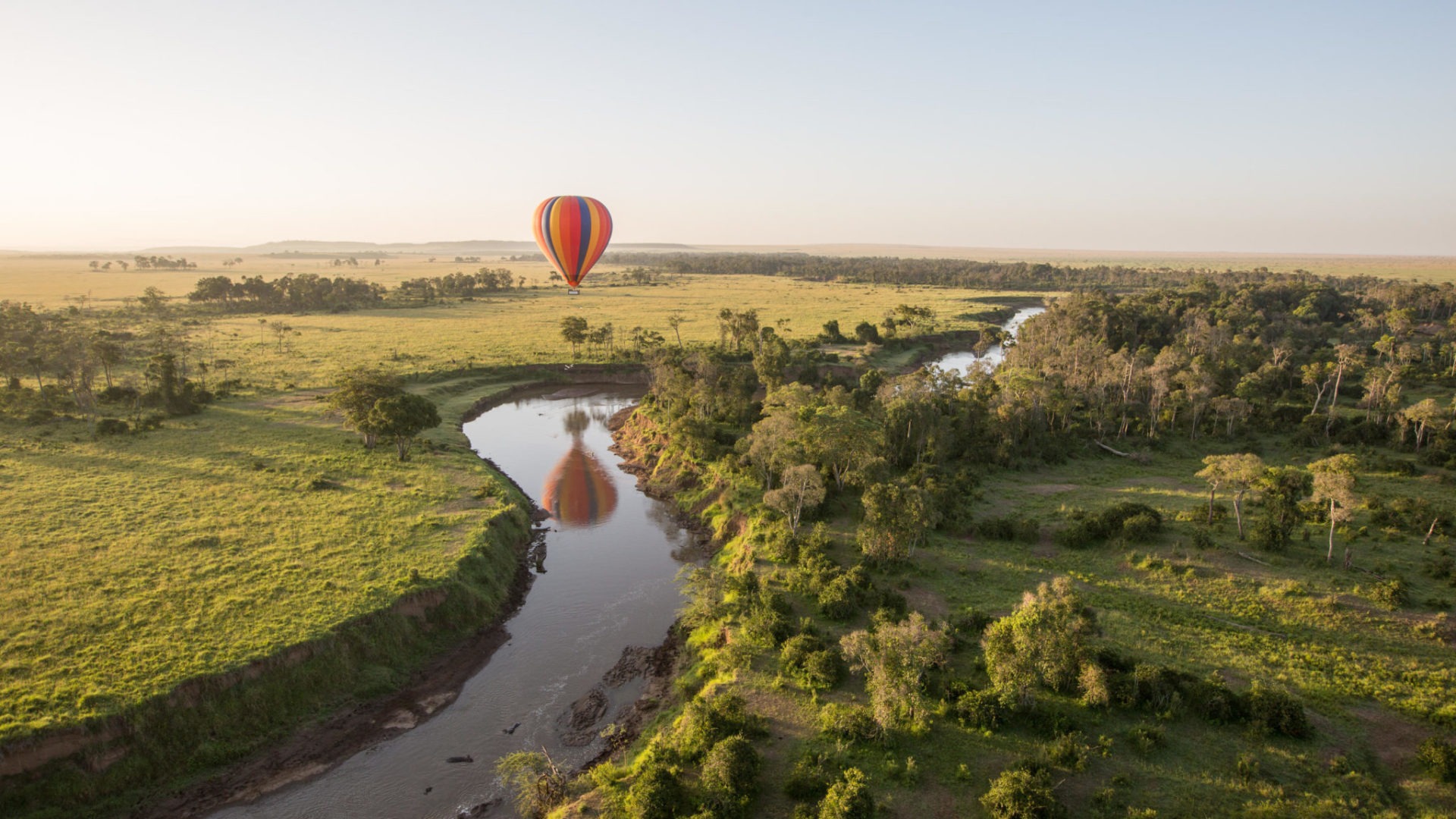
A river crossing is the most unpredictable spectacle in nature. Herds can mass on a bank for six hours and then walk away; they can cross at dawn or at four in the afternoon; they can cross a kilometre from where you're parked. Seeing a great crossing — and especially a hidden, crowd-free one — is a matter of stacking the odds. Here is exactly how we do it.
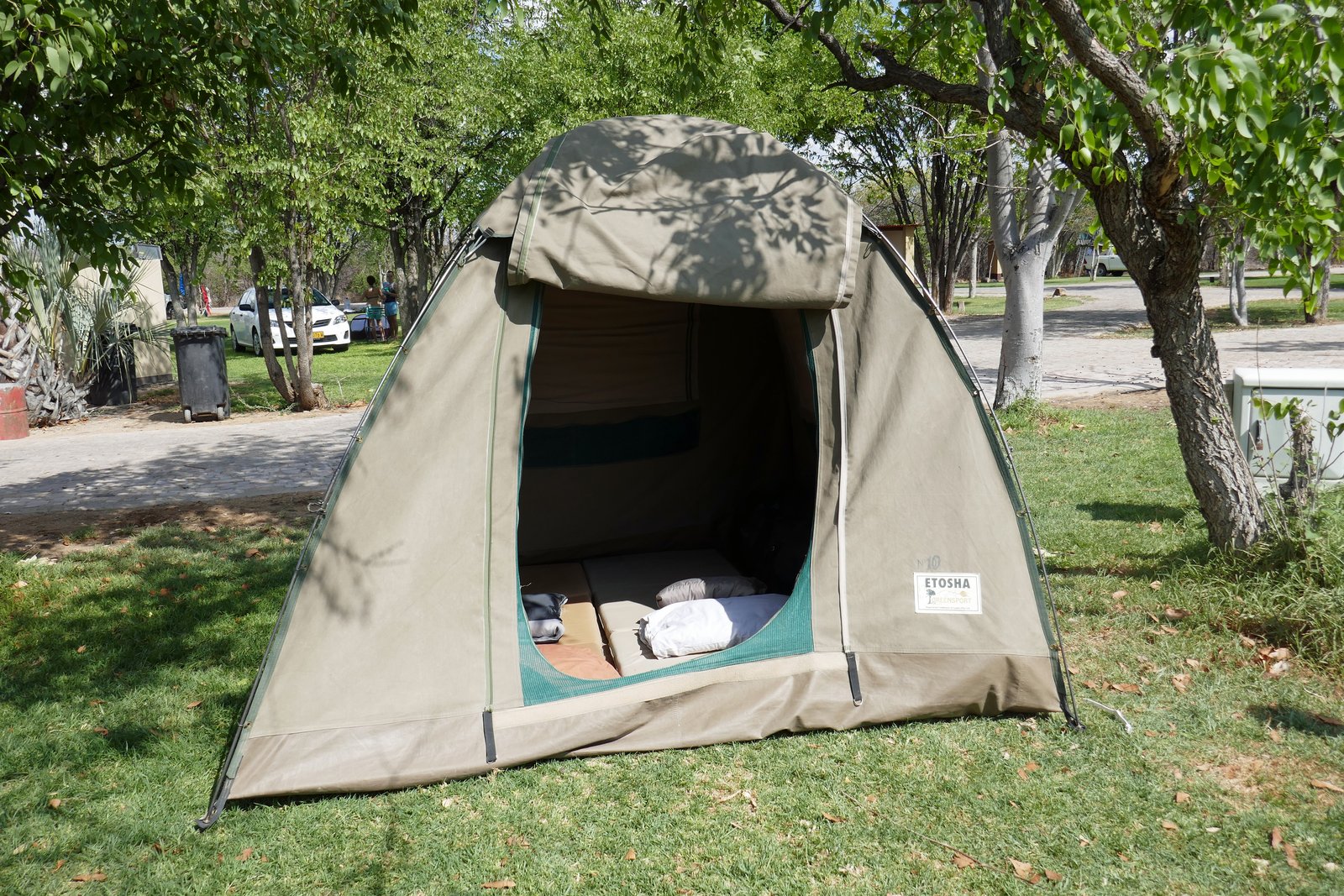
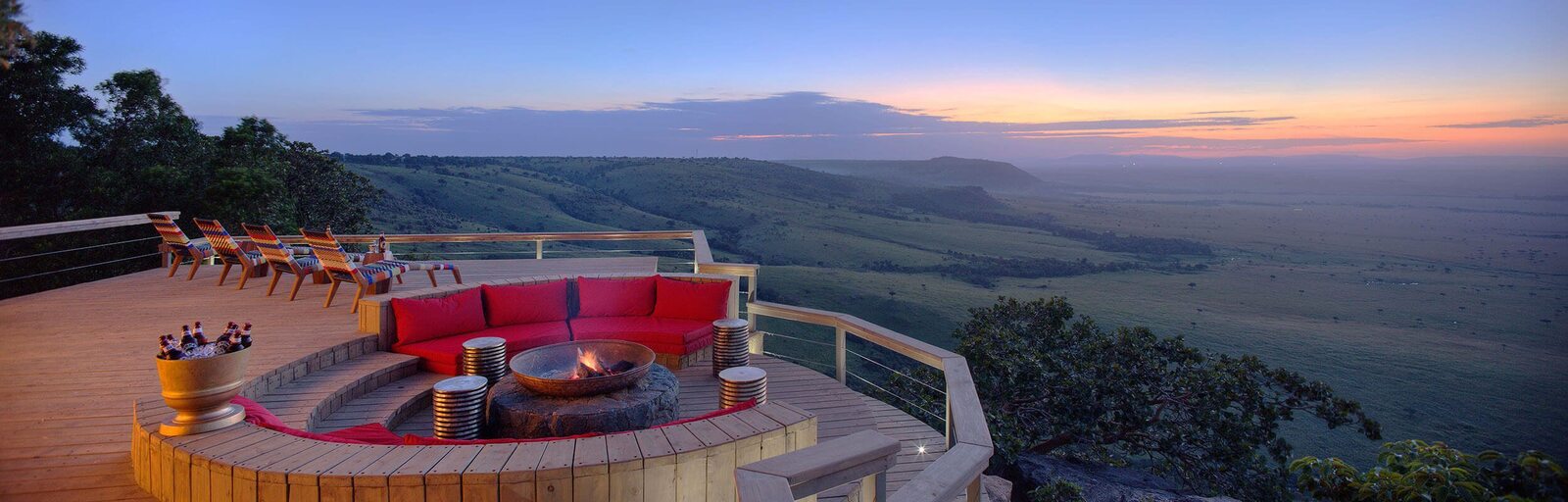
1. Stay on the river, not near it. The single biggest factor is proximity. A mobile or crossing-front camp within minutes of the water means you are there at first light and can wait out the herds all day. A lodge two hours away means you arrive after the drama is over.
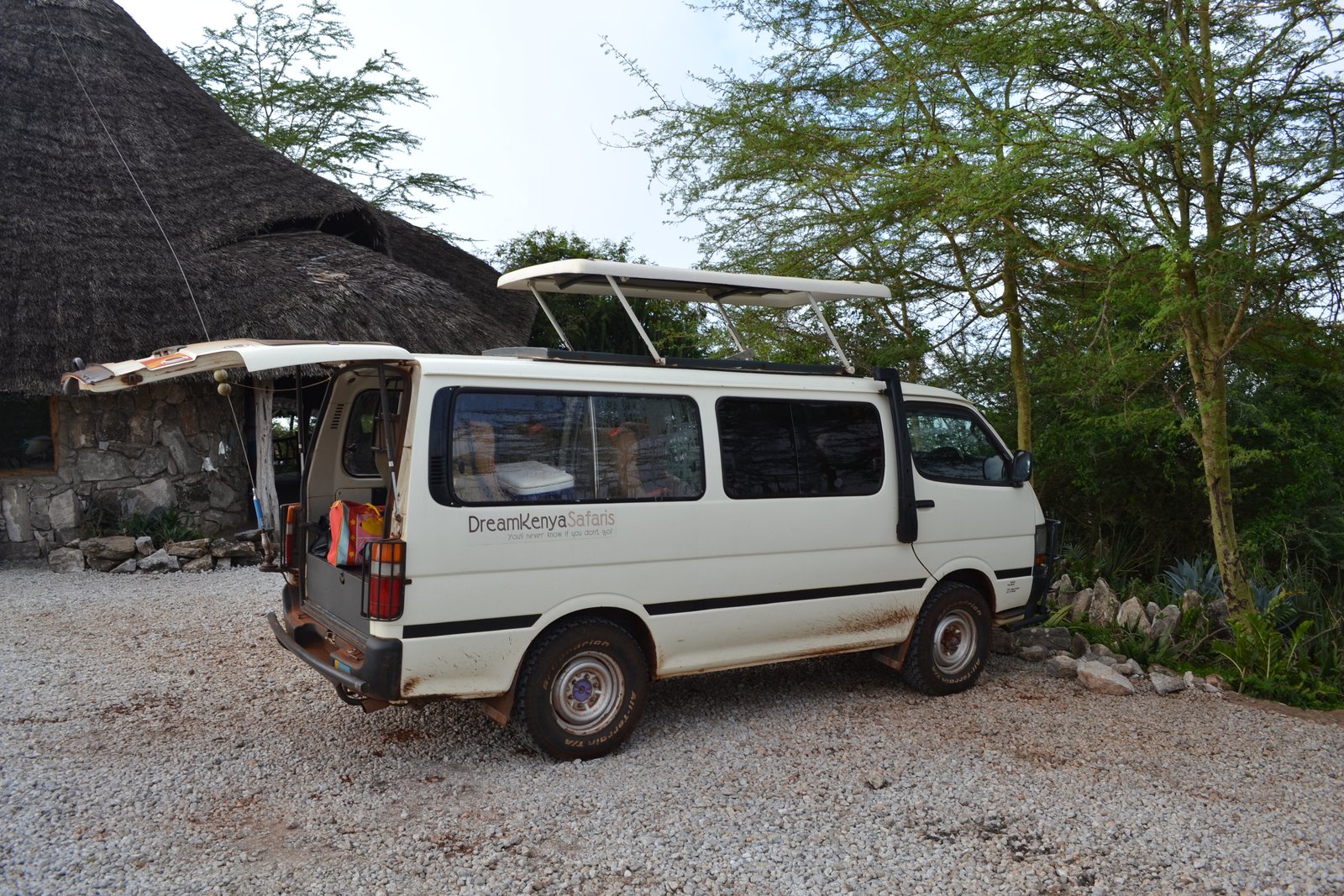
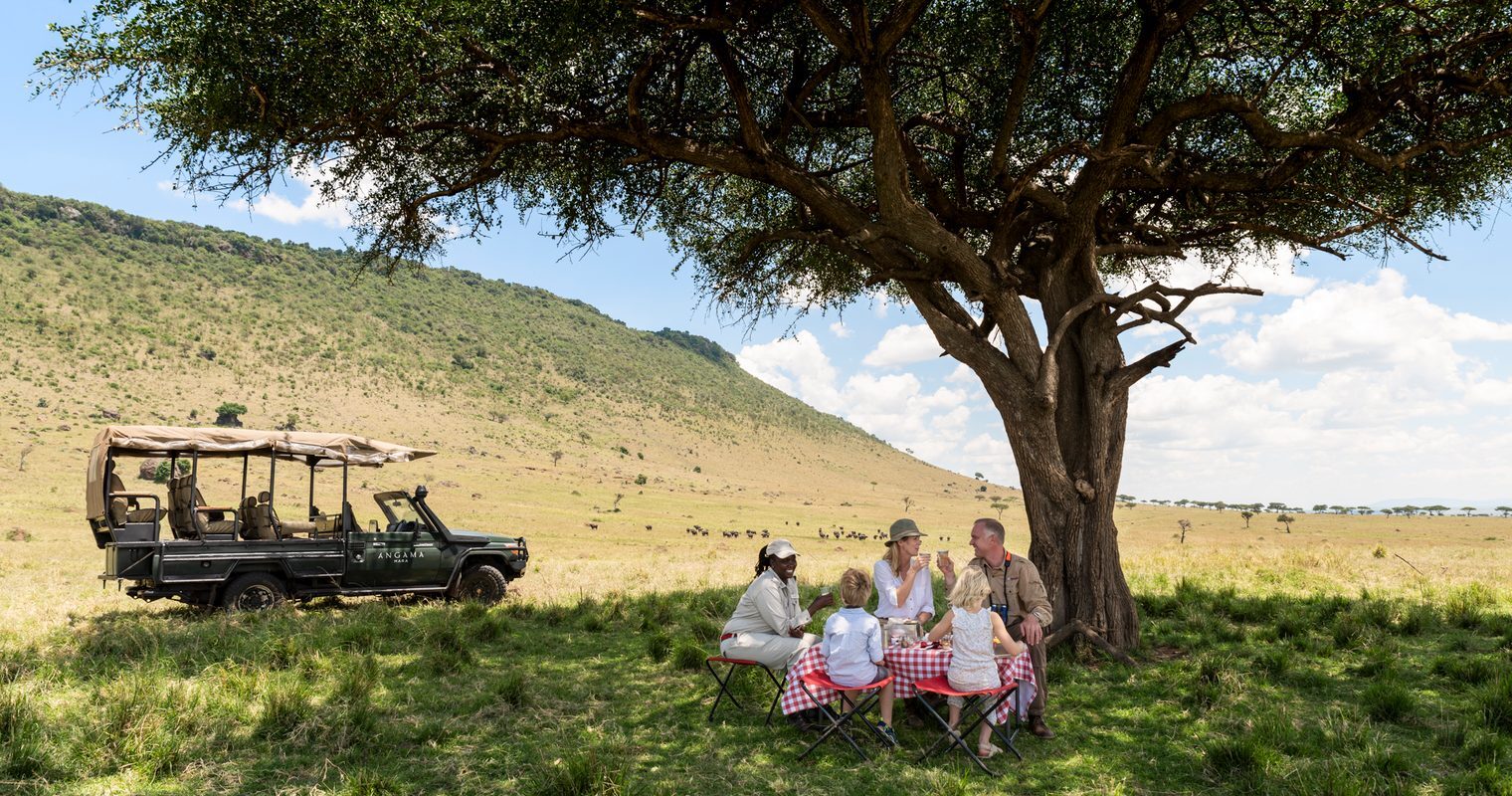
2. Travel with a private vehicle and a crossing specialist. A private 4x4 means you go where the herds are massing and you stay as long as it takes — no compromise with other guests. Our guides work the radio network and read the animals' behaviour to position you at a quiet crossing number before the crowd arrives.
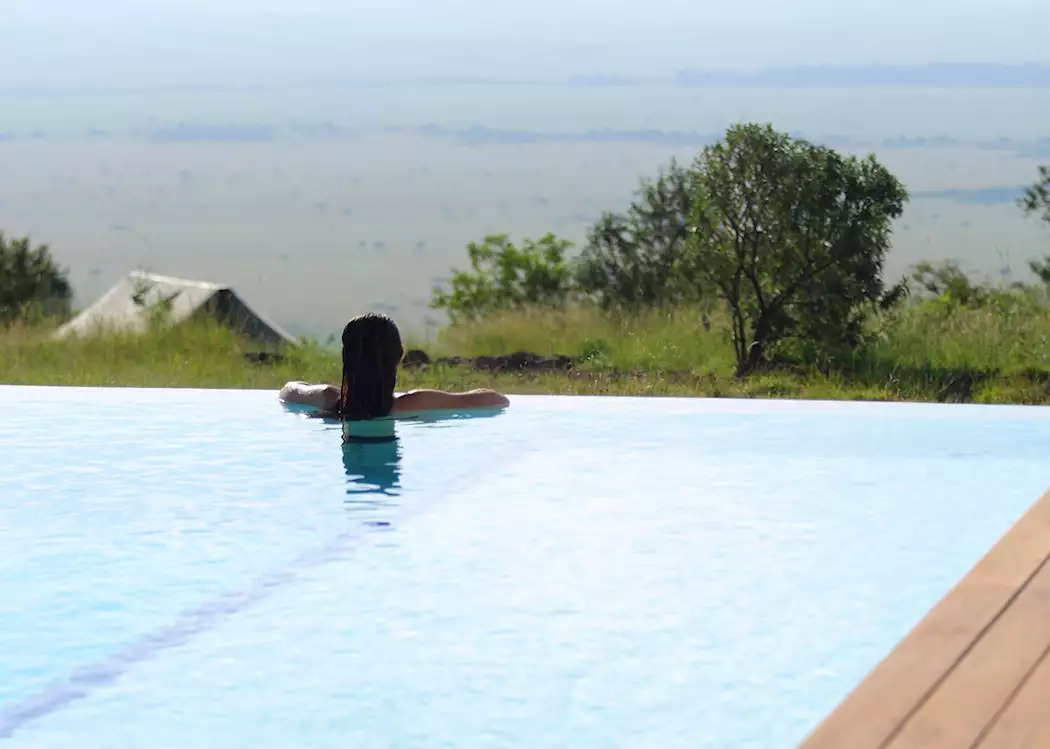
3. Go mobile — follow the herds. The best migration operators run seasonal mobile camps that physically relocate to sit under the herds — Grumeti in June, Kogatende and Lamai from July. Staying in the right camp in the right month is 80% of the battle.
4. Give it time. Build in at least three or four nights on the crossings. One night is a lottery; four nights near a productive stretch makes a great crossing almost inevitable.
5. Combine the hidden with the classic. The perfect trip pairs a famous, high-drama sector with a hidden one — a couple of nights where the big crossings fire, then several more where you have them to yourself. That balance is exactly what we design.
What a private hidden-crossing safari costs in 2026
Hidden-crossing safaris are, by nature, a little more specialised than a standard lodge trip — they favour mobile camps, private vehicles and the remote sectors — but they span a wide range of budgets. These are honest 2026 guide prices, per person sharing, land-only (international flights extra).
| Tier | Style | Per night (pp) | 7-night trip (pp) |
|---|---|---|---|
| Classic | Good mobile & tented camps, shared game drives | US$550–850 | US$4,500–7,000 |
| Premier | Crossing-front mobile camps, private vehicle | US$850–1,400 | US$7,000–12,000 |
| Luxury fly-in | Top camps on the river, private guide, light-aircraft hops | US$1,400–2,200 | US$12,000–20,000 |
| Exclusive-use | Private mobile camp / villa, dedicated crew & aircraft | US$2,200–3,500+ | US$20,000–35,000+ |
Prices are indicative 2026 guide ranges. The Grumeti and Namiri sectors can be excellent value because they sit outside the peak northern-crossing weeks; a green-season calving trip is often the most affordable way to see the migration at its most private. We tailor every itinerary and give you one clear all-in price.
The verdict — your own private migration
The famous Mara River crossing is famous for a reason: it is magnificent. But it is not the only crossing, and on the wrong week it is not even the best one. The real magic of the Great Migration lives at the hidden crossings — the Grumeti's crocodile channels in June, the quiet numbers at Kogatende, the double-backs of the Lamai Wedge, the cat-and-calf drama of Namiri and the southern plains, and the border rivers no one names. Same thunder, same dust, same crocodiles — but the herds all to yourself.
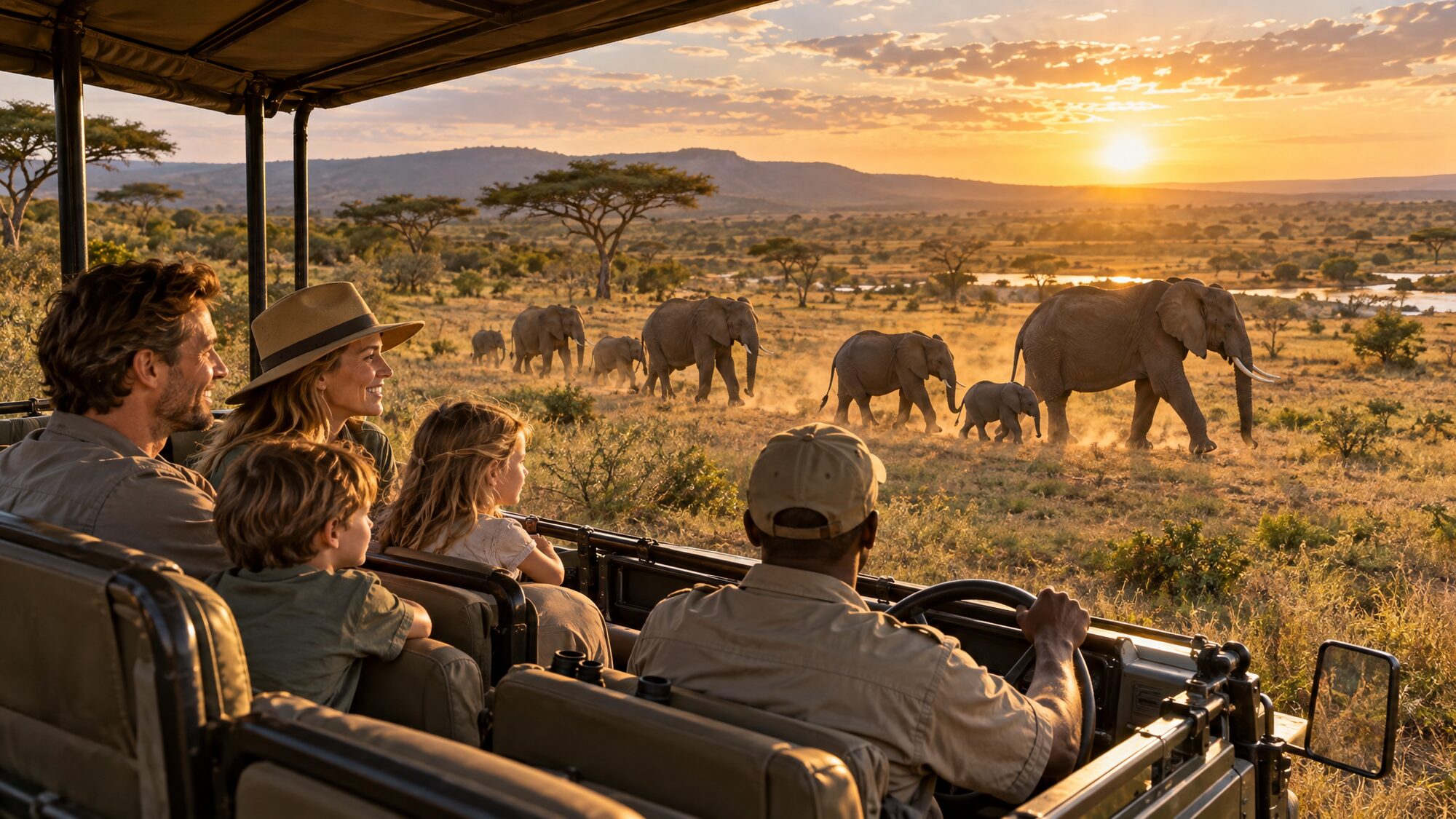
That is exactly the trip we love to build: a private, guided, perfectly-timed journey to the crossings the crowds never reach. We are an owner-run South African team on the ground, we choose the camps, guides and vehicles ourselves, and we fold every flight and detail into one clear price. Tell us when you can travel and we will point you at the crossing that will be firing — and put you at the water's edge, alone, for the greatest wildlife show on Earth.