Key Takeaways
- A private Masai Mara safari runs roughly US$380–650 per person per day at the budget end, US$460–900 mid-range, and US$1,000–2,500+ for luxury conservancy stays — all-in of camp, private vehicle, guide and most meals.
- Park fees are a major, non-negotiable line item. Non-resident entry to the Masai Mara National Reserve is about US$100 per adult per day in the green season and US$200 in peak season.
- "Private" means a 4x4 and guide to yourselves — around US$250–275 per vehicle per day — so the more of you share the vehicle, the lower the per-person cost.
- Season changes everything. Travelling in the green season (roughly April–June) can cut the price of the very same Mara by a third or more versus peak migration season.
- Beware the "from" price. The honest cost includes park/conservancy fees, flights or transfers, and extras like a balloon ride — which is exactly how we quote: one clear, all-in number.
Ask what a private Masai Mara safari costs and you'll get answers ranging from "a few hundred dollars" to "the price of a small car." Both can be true — and neither is useful — because the Mara is not a fixed-price product. It is a set of building blocks, and the final number depends entirely on how you assemble them. The good news is that those blocks are simple, knowable and — in our hands — completely transparent.
This guide is our honest answer to the question, written by a South African team who quote and run these trips every week. We are going to itemise every part of the price — your camp, your private vehicle and guide, the park and conservancy fees, flights versus driving, and the extras people forget — then show you two real, all-in worked examples so you can see exactly where the money goes. By the end you'll be able to look at any Mara quote, including ours, and know precisely what you're paying for and whether it's fair.
The short answer — what a private Masai Mara safari costs in 2026
If you only read one section, read this. These are honest 2026 guide ranges for a private safari (your own 4x4 and guide), per person sharing, and — importantly — land-only, meaning they exclude your international flights but include your camp, most meals, game drives, and a private vehicle and guide.
| Tier | Per person / day | A 4-night private trip (pp) | What you get |
|---|---|---|---|
| Budget / Standard | ~US$380–650 | ~US$1,500–2,600 | Tented camps near the reserve, private vehicle, classic game drives |
| Mid-range / Comfort | ~US$460–900 | ~US$1,850–3,600 | Well-appointed lodges & tented camps, more personal service |
| Luxury / Premium | ~US$1,000–2,500+ | ~US$4,000–10,000+ | Exclusive conservancy camps, off-road & night drives, high staff ratios |
Those ranges are wide for a reason: the Mara can be a wonderful, attainable adventure or a once-in-a-lifetime indulgence, and everything in between. What follows explains exactly what moves you up and down that scale — so you can place yourself on it with confidence.
What actually makes up the price — the building blocks
Every Mara quote, honest or not, is assembled from the same core parts. Understanding them is the single best defence against a misleading "from" price.
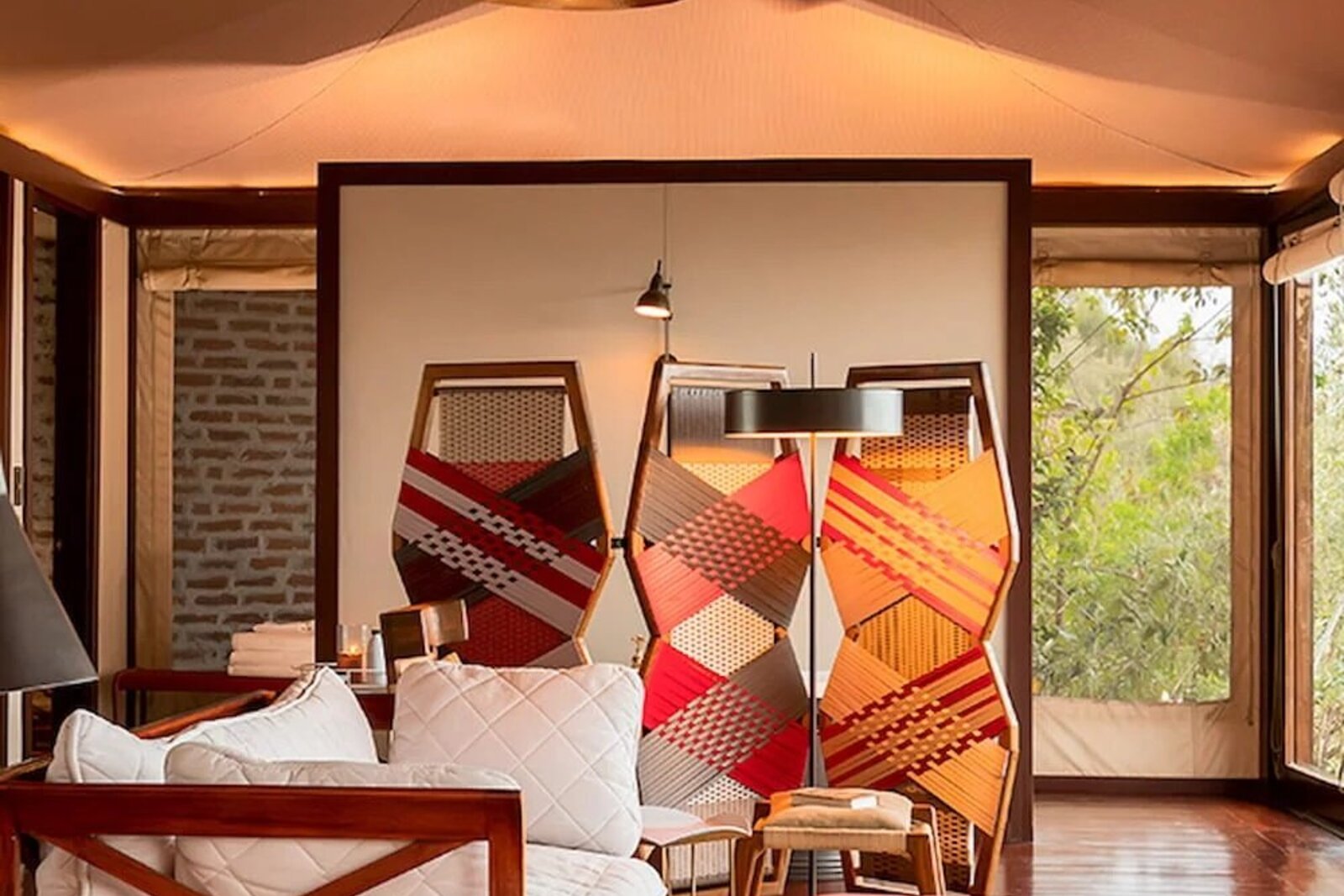
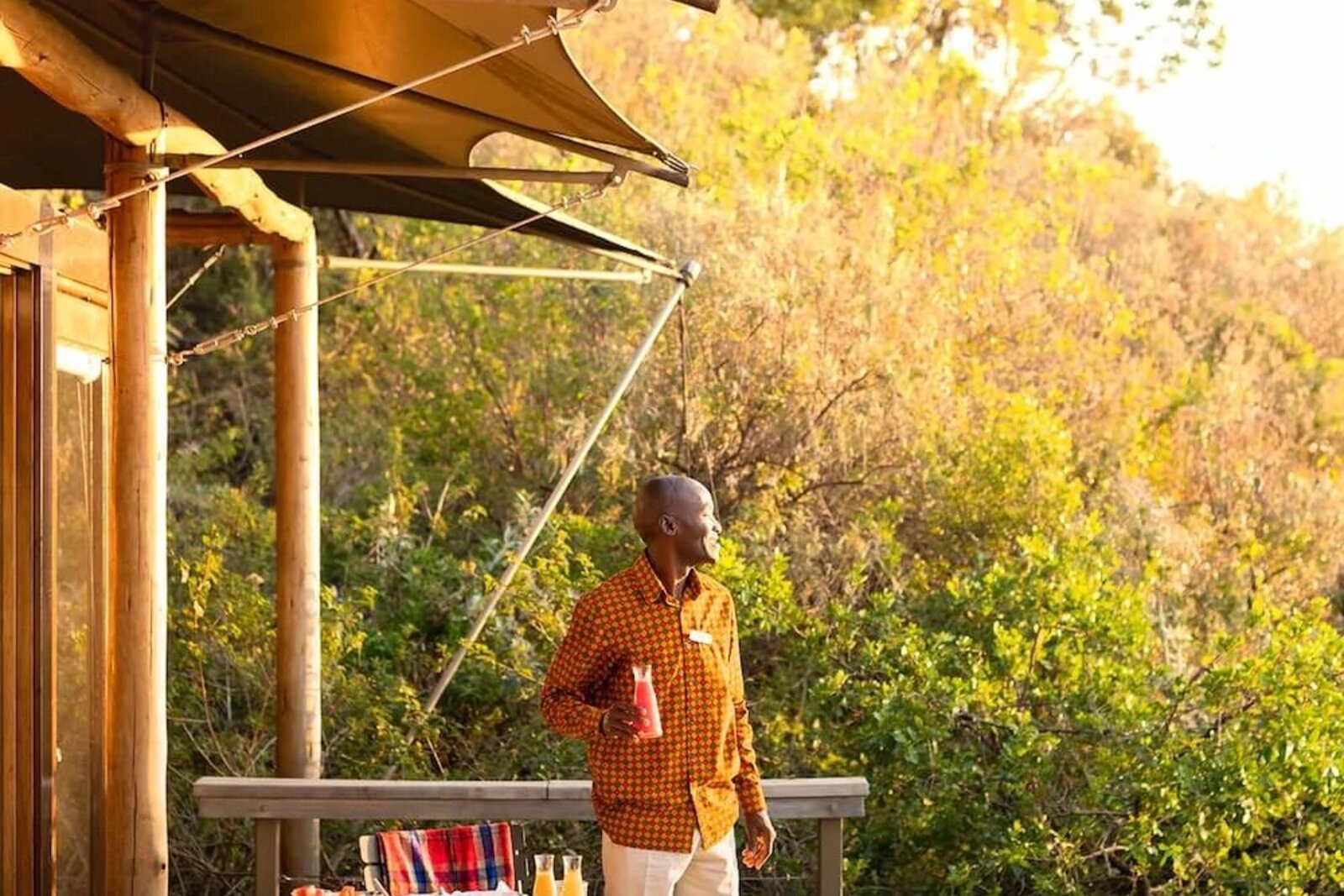
1. Your camp or lodge. This is usually the biggest line item, and it swings enormously — from simple tented camps just outside the reserve gates to exclusive conservancy camps with a handful of tents and a butler. The camp sets the tone of the whole trip and most of the cost.
2. Your private vehicle and guide. The word "private" is where a lot of the value — and cost — lives. A private 4x4 Land Cruiser with a dedicated guide typically runs about US$250–275 per vehicle per day. Crucially, that's per vehicle, not per person: two people pay the same for the vehicle as four, so larger parties bring the per-person cost right down.
3. Park and conservancy fees. These are mandatory, government- or landowner-set, and often the reason a quote is higher than you expected. They're detailed in the next section.
4. Getting there. You either drive from Nairobi (cheaper, longer) or fly in by light aircraft (faster, pricier). This choice alone can move the total by hundreds of dollars per person.
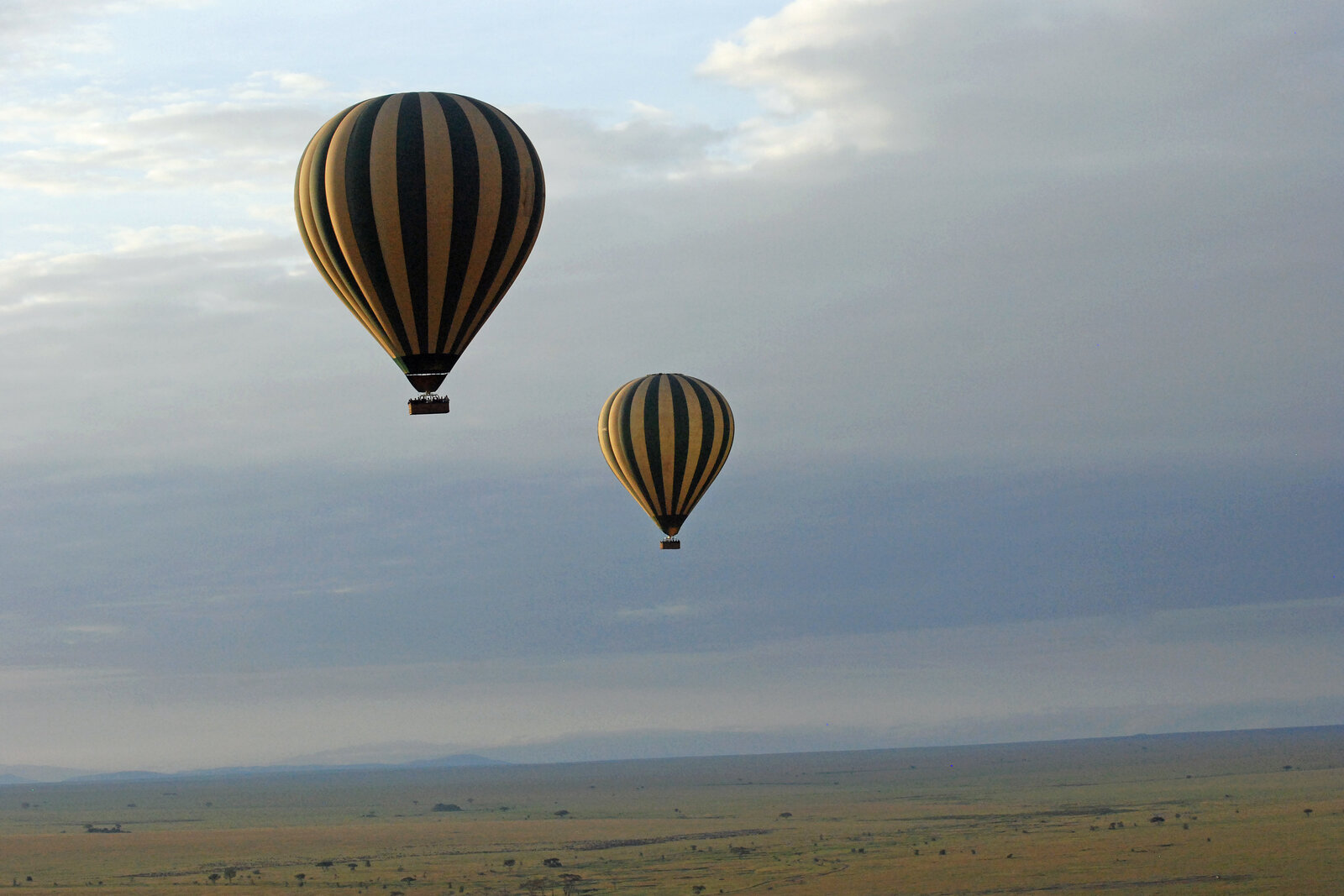
5. The extras. Balloon safaris, Maasai village visits, tips, drinks and the like sit on top of the base price — small individually, but they add up, and honest planning includes them from the start.
The 2026 park & conservancy fees, plainly stated
Fees are the part of the price most companies bury. Here they are in the open. These are per adult, per day, for non-residents, and are set by the reserve and the conservancies — not by us.
| Fee | Green season | Peak season |
|---|---|---|
| Masai Mara National Reserve entry | ~US$100 / adult / day | ~US$200 / adult / day |
| Private conservancy fee (Mara North, Naboisho, Olare Motorogi, etc.) | ~US$100–130 / adult / day | ~US$100–130 / adult / day |
Two things to notice. First, reserve fees roughly double in peak season (broadly July–December, spanning the migration), which is a big reason peak-season trips cost more. Second, conservancy fees are usually rolled into the nightly rate at conservancy camps, so you won't always see them as a separate line — but you are paying them, and they buy you something valuable, which we explain next.
Reserve vs conservancy — where your money actually goes
One of the biggest decisions affecting both your experience and your bill is whether you stay in the National Reserve or in one of the surrounding private conservancies.
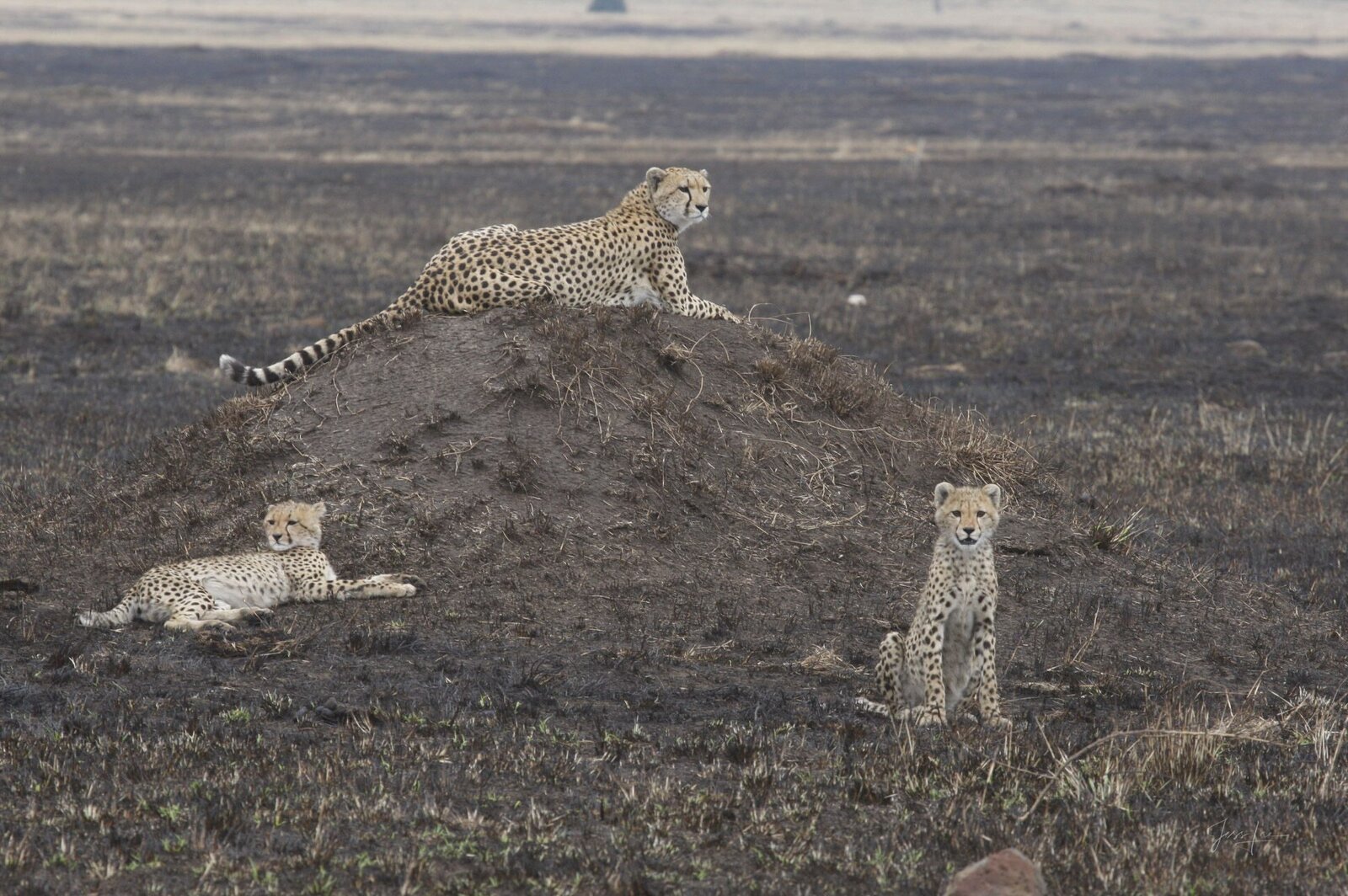
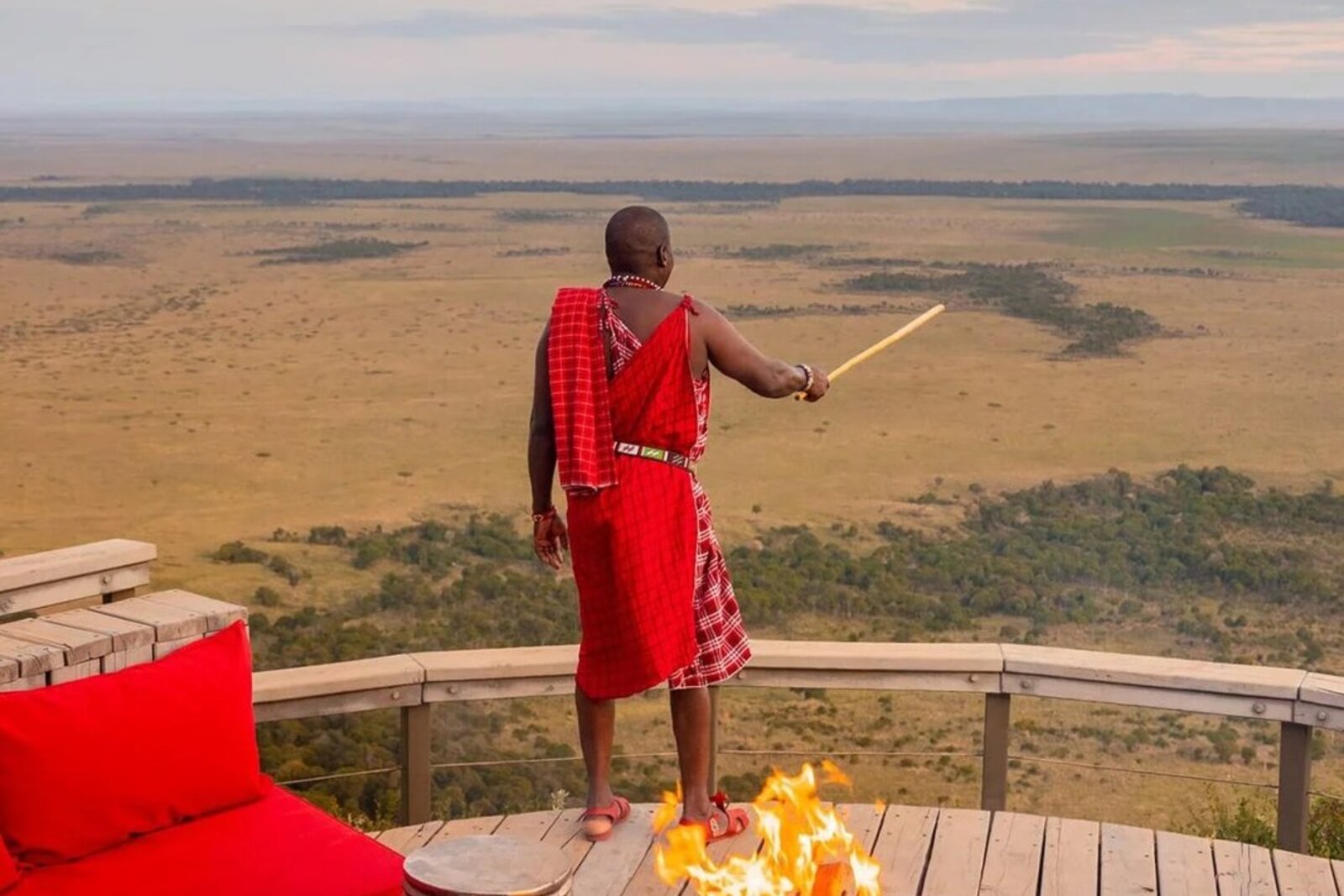
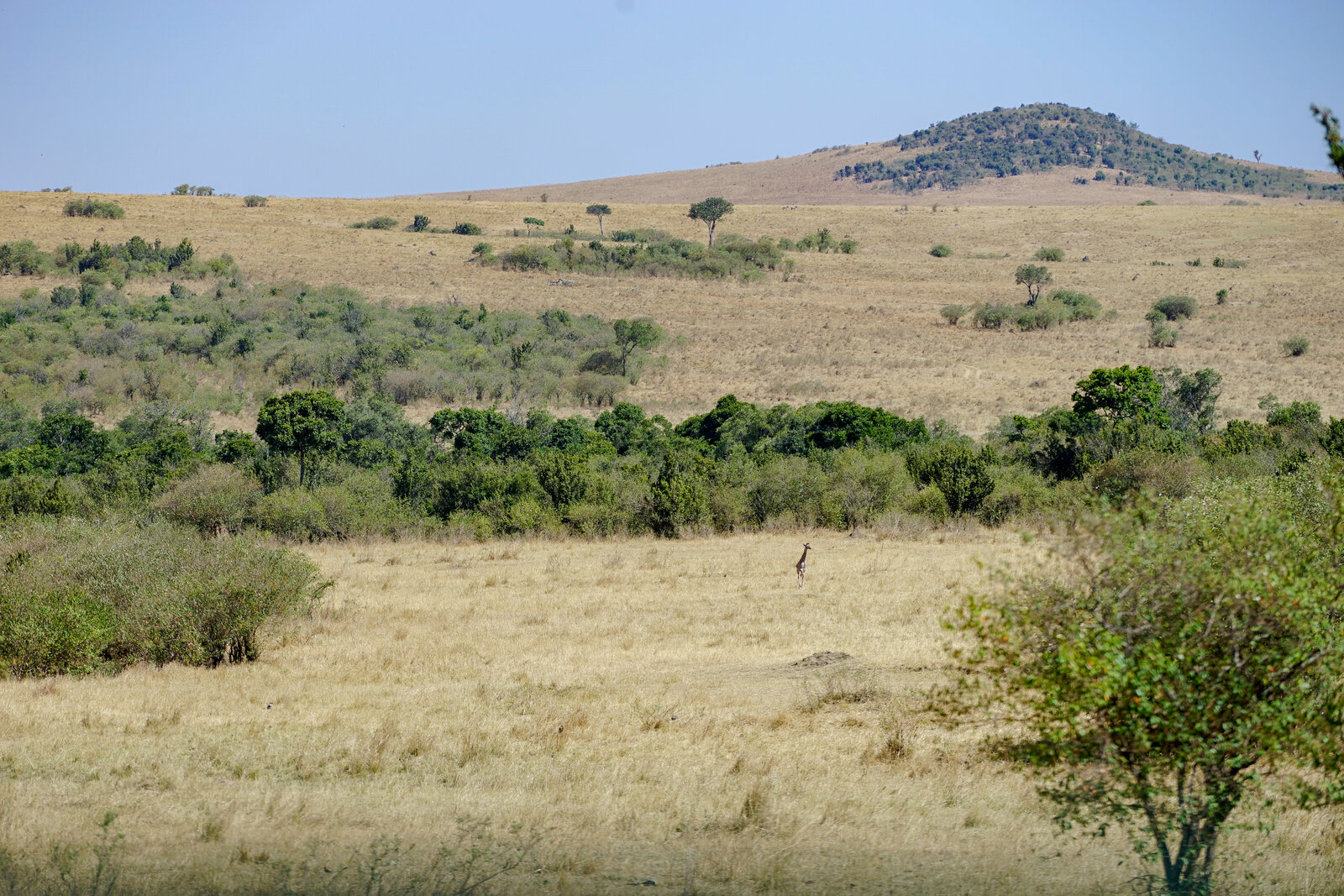
The reserve is the classic Mara — the setting of the famous river crossings and the highest concentration of the migration in season. It's superb, but it's shared: vehicles must stay on the tracks, there are no night drives, and popular sightings can draw a crowd. Conservancies cost a little more per night, but that premium buys genuine exclusivity — low vehicle numbers, permission to drive off-road right up to a sighting, night drives, guided walks, and a real sense of having the wilderness to yourselves. For many travellers, the conservancy premium is the best money they spend on the whole trip.
Two honest, all-in worked examples
Ranges are useful, but real numbers are better. Here are two realistic 2026 private safaris, costed all-in (land-only, excluding international flights). Yours will vary with dates and camp, but this is the shape of it.
Example 1 — a couple, 4 nights, mid-range, green season
| Mid-range tented camp, 4 nights (2 pax, full board) | ~US$3,600 |
| Private 4x4 & guide, 4 days | ~US$1,050 |
| Park / conservancy fees (2 pax × 4 days, green) | ~US$800 |
| Return road transfer from Nairobi (2 pax) | ~US$400 |
| All-in total (2 people) | ~US$5,850 |
| Per person | ~US$2,925 |
Example 2 — a family of four, 5 nights, luxury conservancy, peak season
| Luxury conservancy camp, 5 nights (family of 4, all-inclusive) | ~US$16,000 |
| Private 4x4 & guide, 5 days (conservancy fees usually included in rate) | ~US$1,350 |
| Return light-aircraft flights Nairobi–Mara (4 pax) | ~US$1,600 |
| Balloon safari (2 adults) | ~US$1,000 |
| All-in total (family of 4) | ~US$19,950 |
| Per person | ~US$4,990 |
Notice how the same destination produces very different numbers depending on camp tier, season and whether you fly or drive — and how sharing a vehicle and camp brings the family's per-person cost closer to the couple's than you might expect. That is the lever you control.
Peak vs green season — the biggest price lever you control
If budget matters, season is your most powerful tool. Peak season (broadly July–October, when the migration is in the Mara) brings the highest camp rates and the higher US$200 reserve fee. Green season (roughly April–June, and again in the quieter months) can cut camp rates significantly and halves the reserve fee to about US$100 — for the same magnificent wildlife, lush scenery and far fewer vehicles. You won't have the peak river-crossing spectacle, but the resident lion, cheetah, elephant and plains game are all there, the birding is superb, and your money goes dramatically further.
What's included — and what isn't
The gap between a cheap-looking quote and an honest one usually hides in this list. When we quote you a single all-in price, here's what sits inside it and what to budget separately.
| Typically included | Usually extra |
|---|---|
| Camp/lodge accommodation & most meals | International flights & Kenya eTA |
| Private 4x4, guide & game drives | Balloon safari (~US$415–540 pp) |
| Park & conservancy fees | Tips (~US$10 pp/day) & premium drinks |
| Airstrip or Nairobi transfers | Maasai village visit (~US$20–50 pp), travel insurance |
How to get the most Mara for your money
A private safari doesn't have to mean the highest price. Here's how our travellers get the best value without cutting the magic:
Travel green. Shifting your dates to the green season is the single biggest saving available. Share the vehicle. Because the 4x4 is priced per vehicle, a family or group of friends slashes the per-person cost. Drive one leg. A road transfer in and a flight out can trim hundreds while keeping the convenience where it counts. Choose a conservancy for fewer, richer nights. Three exceptional conservancy nights often beat five ordinary ones. And book it as one clear package — folding camp, vehicle, fees, transfers and extras into a single price is not just simpler, it's almost always cheaper than assembling the parts yourself.
Is a private safari worth it?
For most travellers, emphatically yes. A private vehicle means you go where you want, stay as long as you like at a sighting, stop for photographs on your schedule, and never share your day with strangers on a fixed itinerary. On a trip this special — often a once-in-a-lifetime one — the freedom and intimacy of private travel is precisely what turns a good safari into an unforgettable one. And because we build the whole thing around your budget, "private" is far more attainable than most people assume.
The verdict — a Mara trip you can plan with confidence
A private Masai Mara safari costs what you decide it costs — and now you know exactly which levers set the number. Budget travellers can have a genuine private adventure from around US$380 a day; families and couples seeking the ultimate can craft an all-inclusive conservancy dream. The only thing that should never be part of the price is a nasty surprise.
That's our promise. We are an owner-run South African team; we choose the camps, guides and vehicles ourselves, we show you every cost up front, and we fold flights, fees, transfers and extras into one clear, honest number. Tell us your dates, your party and your budget, and we'll build you the private Mara safari that fits — and make every cent of it count.