Key Takeaways
- Kruger is one of the most affordable Big Five destinations on earth, with realistic options from roughly 80 US dollars a day to over 3,500 a night.
- Self-drive on SANParks rest camps is the cheapest route; you pay only the conservation fee, accommodation and fuel.
- Mid-range guided safaris and value lodges typically run 300 to 600 US dollars per person per night, all-inclusive.
- Luxury private reserves such as Sabi Sands start around 700 and climb past 3,500 US dollars per person per night for off-road, low-vehicle exclusivity.
- The 2026 conservation fee is R602 per adult per day for international visitors; a Wild Card can be cheaper for stays over about six days.
- Whatever you pay, the wildlife is the same — the price mostly buys comfort, access and expert guiding, not better animals.
The Short Answer
Let us start with the honest headline, because it is the reason Kruger is such a phenomenon: this is one of the cheapest places in the world to see the Big Five, and it scales to almost any budget. A frugal traveller can self-drive the park and sleep in a simple rest-camp bungalow for the price of a modest hotel back home. At the other extreme, the flagship lodges of the Greater Kruger charge more per night than a fortnight's package holiday — and both guests, remarkably, watch the same lions.
In round 2026 numbers, a self-drive safari works out at roughly 80 to 150 US dollars per person per day once you add the conservation fee, a rest-camp bed and fuel. A comfortable mid-range guided safari or value lodge sits at about 300 to 600 US dollars per person per night, all-inclusive. Luxury private-reserve lodges begin around 700 and rise past 3,500 US dollars per person per night at the very top. The rest of this guide breaks down exactly what each of those bands buys.
Budget: Self-Drive and Rest Camps
The single cheapest way to experience Kruger is to do it yourself. The park is superbly set up for self-drive: a network of good tarred and gravel roads, clear signage, and a chain of fenced rest camps run by South African National Parks (SANParks) where you can sleep, refuel, eat and stock up. You hire a car — an ordinary sedan is fine for the main roads — pay the daily conservation fee, book a bungalow or a camping pitch, and simply drive, stopping wherever the wildlife appears.
The maths is gentle. Your fixed cost is the conservation fee of R602 per adult per day for international visitors in 2026, plus accommodation that ranges from budget camping to comfortable self-catering bungalows, plus fuel and food. There are no guiding fees and no lodge premiums. The trade-off is effort and expertise: you are your own guide, so sightings depend on your patience and a little luck, and you miss the off-road tracking that private vehicles enjoy. For confident travellers, families on a budget and anyone who loves the freedom of the open road, it is unbeatable value — and profoundly satisfying when you find that leopard yourself.
Mid-Range: Guided Tours and Value Lodges
For most first-time visitors, the mid-range is the sweet spot, and it comes in two flavours. The first is the guided tour: you are collected in Johannesburg or at a nearby airport and taken on a small-group safari, staying in comfortable lodges or guest houses just outside a park gate, with open-vehicle game drives led by a professional guide. The second is the value lodge, often on the fringes of the Greater Kruger, where an all-inclusive rate covers your room, all meals and twice-daily drives.
In 2026 this tier typically runs from about 300 to 600 US dollars per person per night for value lodges, while a three or four day guided package from Johannesburg often totals 800 to 1,800 US dollars per person depending on comfort. What you gain over self-drive is enormous for the money: an expert who reads tracks and behaviour, a raised open vehicle for better views, someone else doing the driving and planning, and the sociable rhythm of camp life. It is the tier that turns a good trip into an effortless one without the ultra-luxury outlay.
Luxury: Private Reserves and Fly-In Lodges
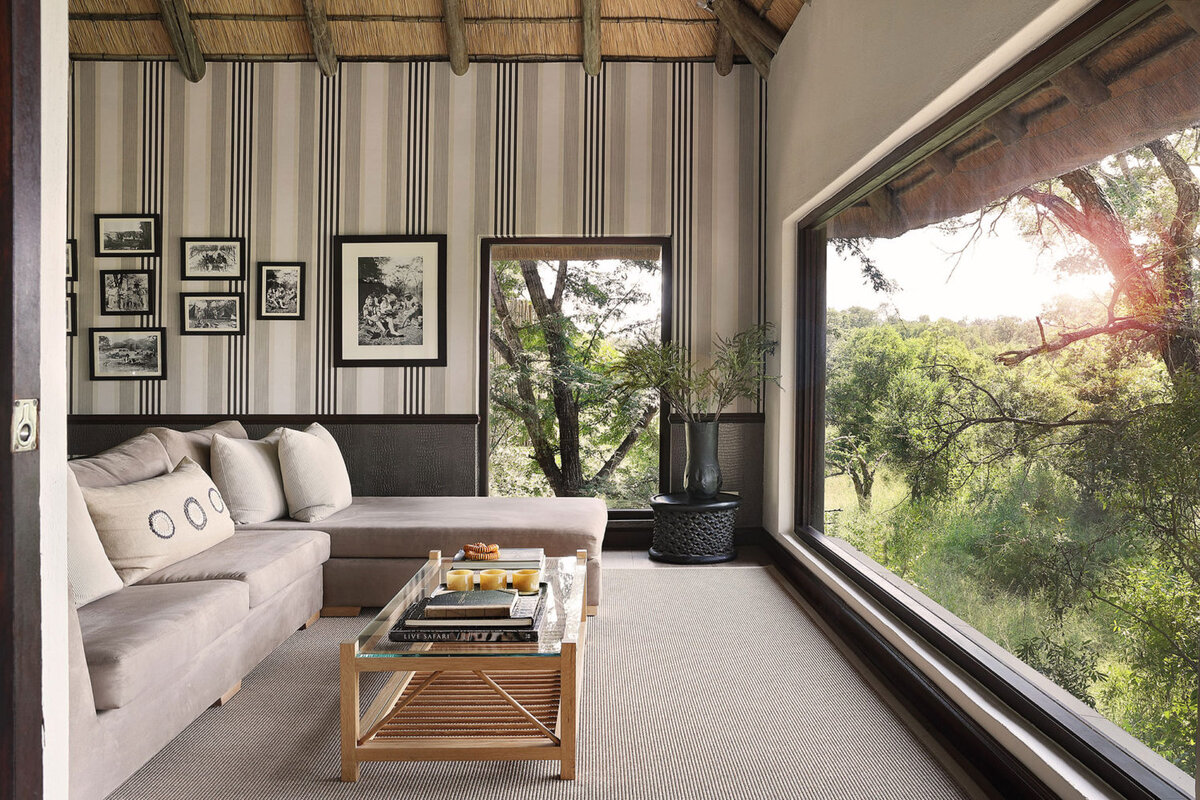
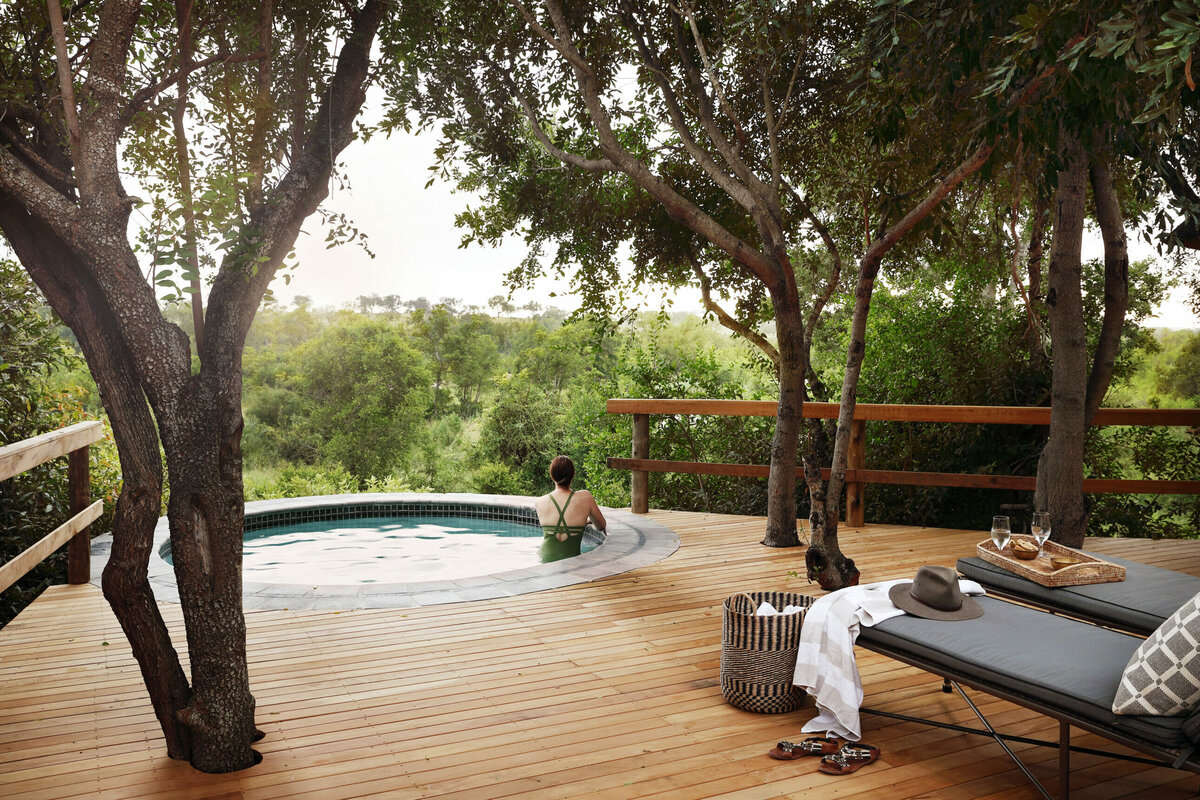
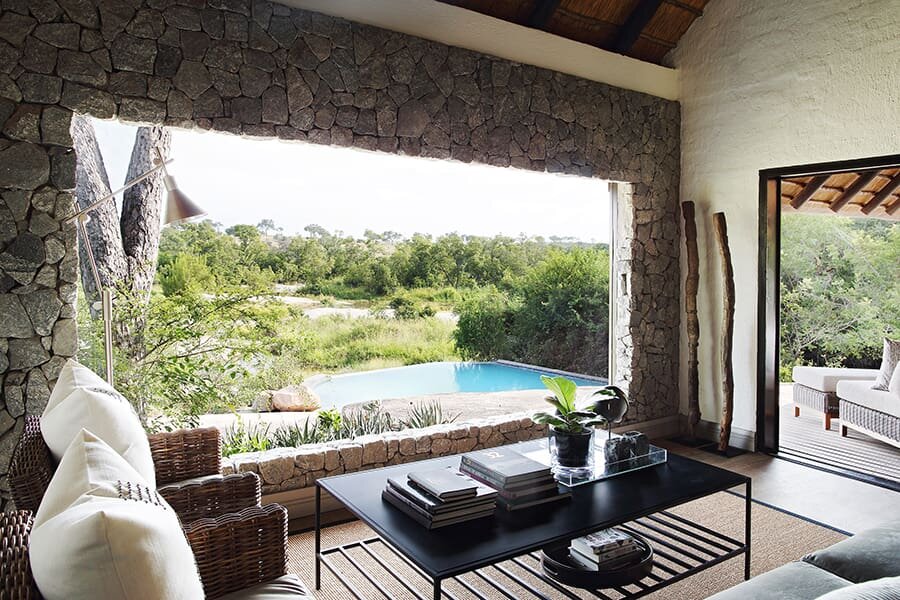
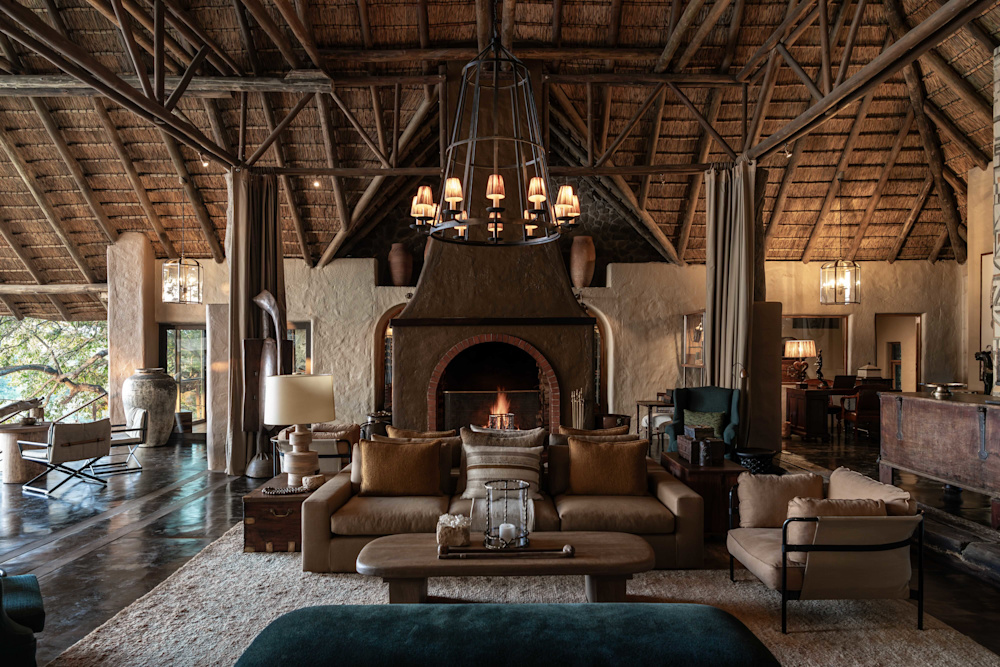
At the top of the market are the private reserves of the Greater Kruger — names such as Sabi Sands, Timbavati and Thornybush — and the flagship lodges within them. Here the nightly rate, which begins around 700 US dollars and climbs past 3,500 at properties like Singita, Londolozi and MalaMala, is genuinely all-inclusive: luxurious suites, gourmet dining, fine wines, and twice-daily game drives with a dedicated guide and tracker. Many guests fly in by light aircraft to a private airstrip, stepping off the plane straight into safari.
The premium buys three things money cannot fake. First, access: private reserves permit off-road driving, so your guide can leave the track and position you metres from a hunting leopard. Second, exclusivity: low vehicle densities mean you often have a sighting entirely to yourselves, rather than sharing it with a dozen cars. Third, seamless comfort: everything from your dietary quirks to your airport transfers is handled. For honeymooners, special occasions and travellers who want the finest of everything, it is worth every rand. For those on a budget, it is reassuring to know the same wildlife roams freely across both the private reserves and the public park next door.
See Exactly What the Luxury Tier Buys
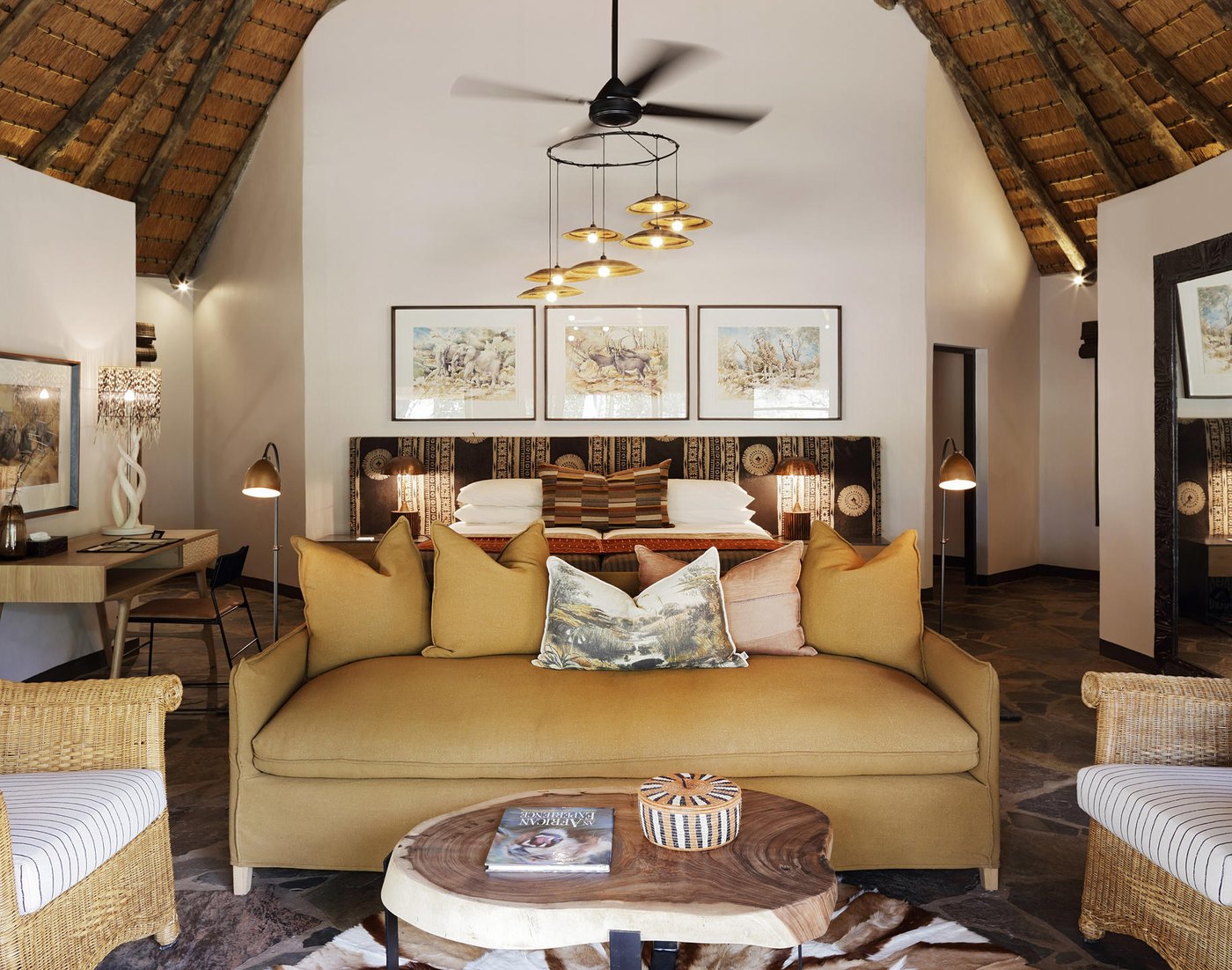
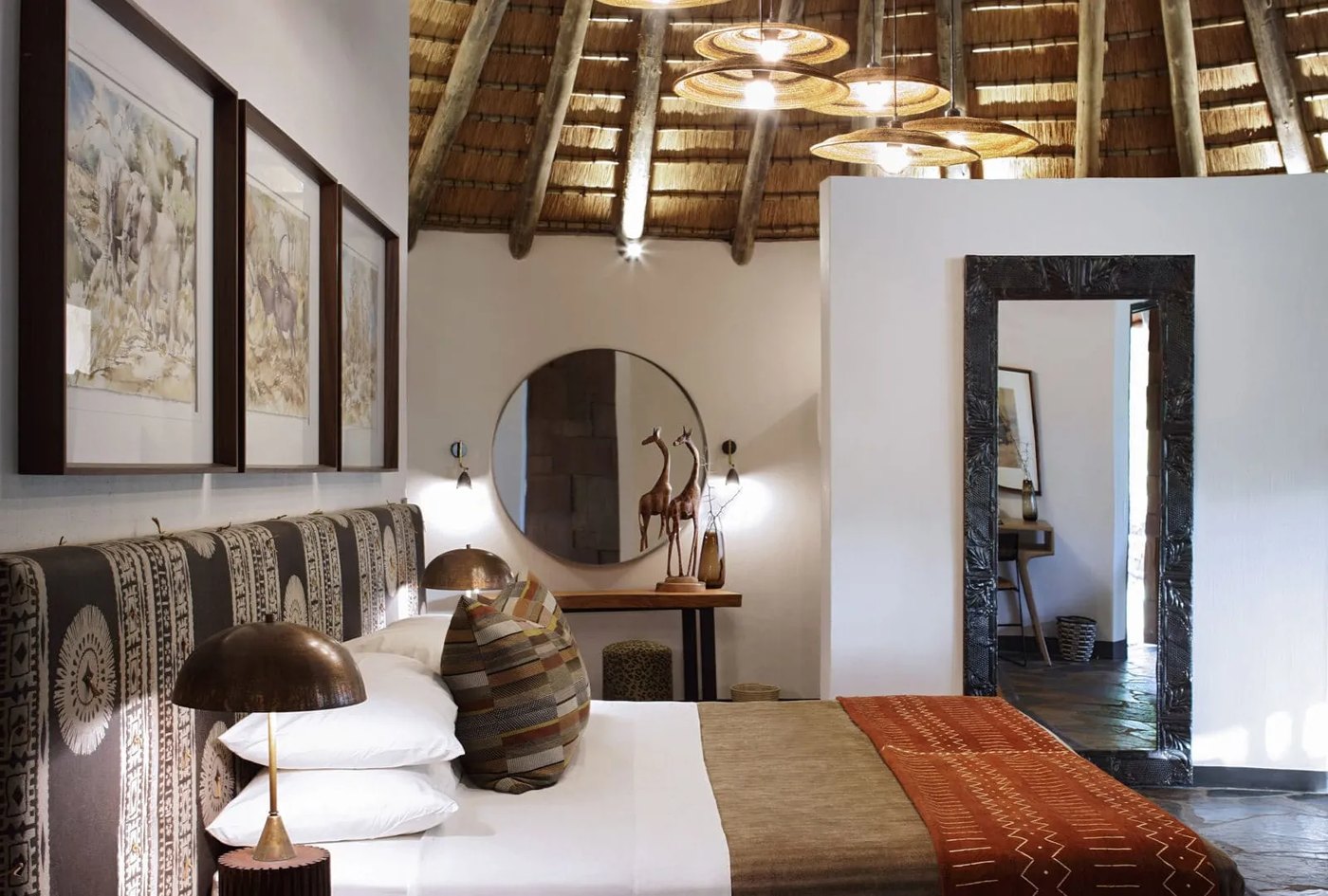
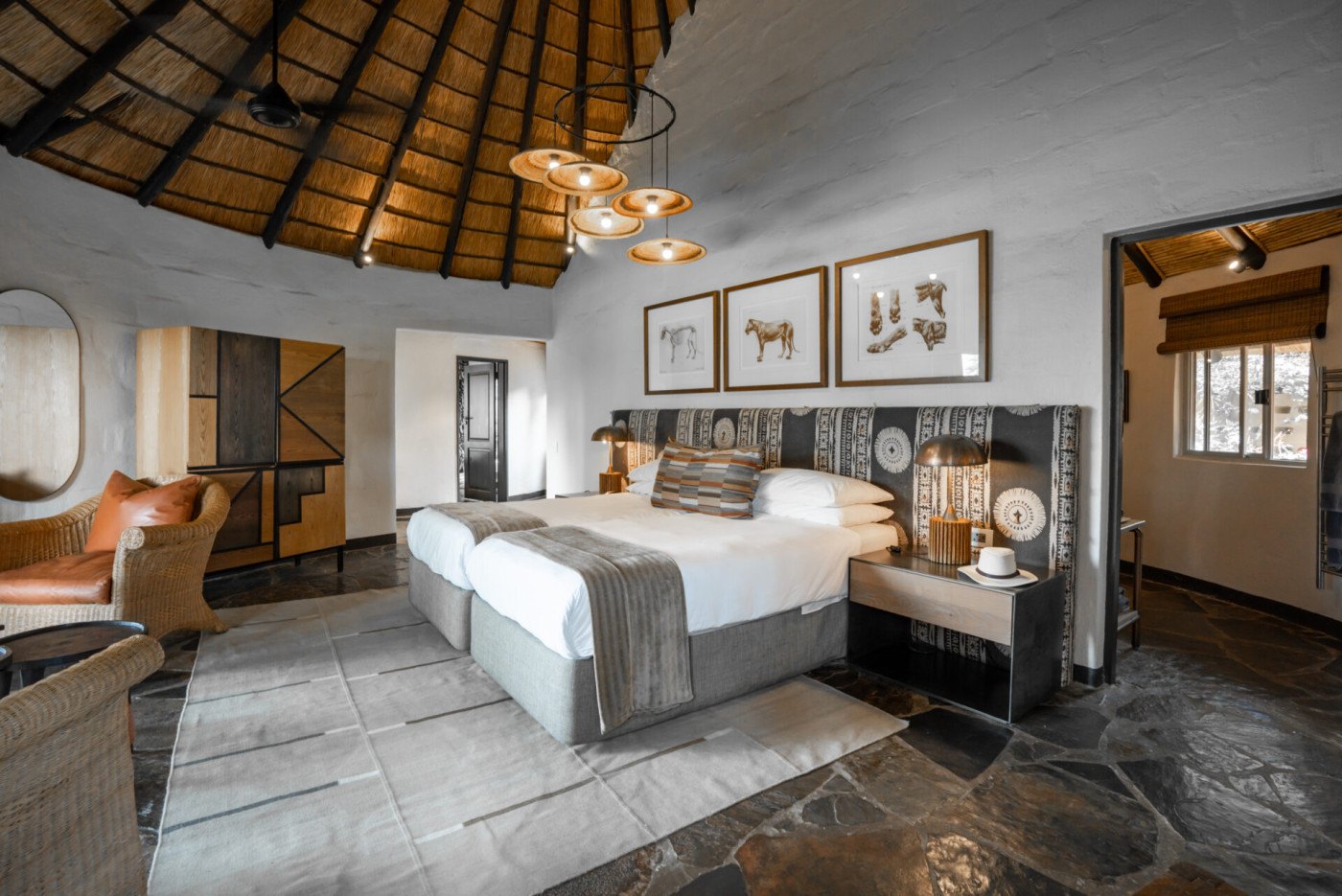
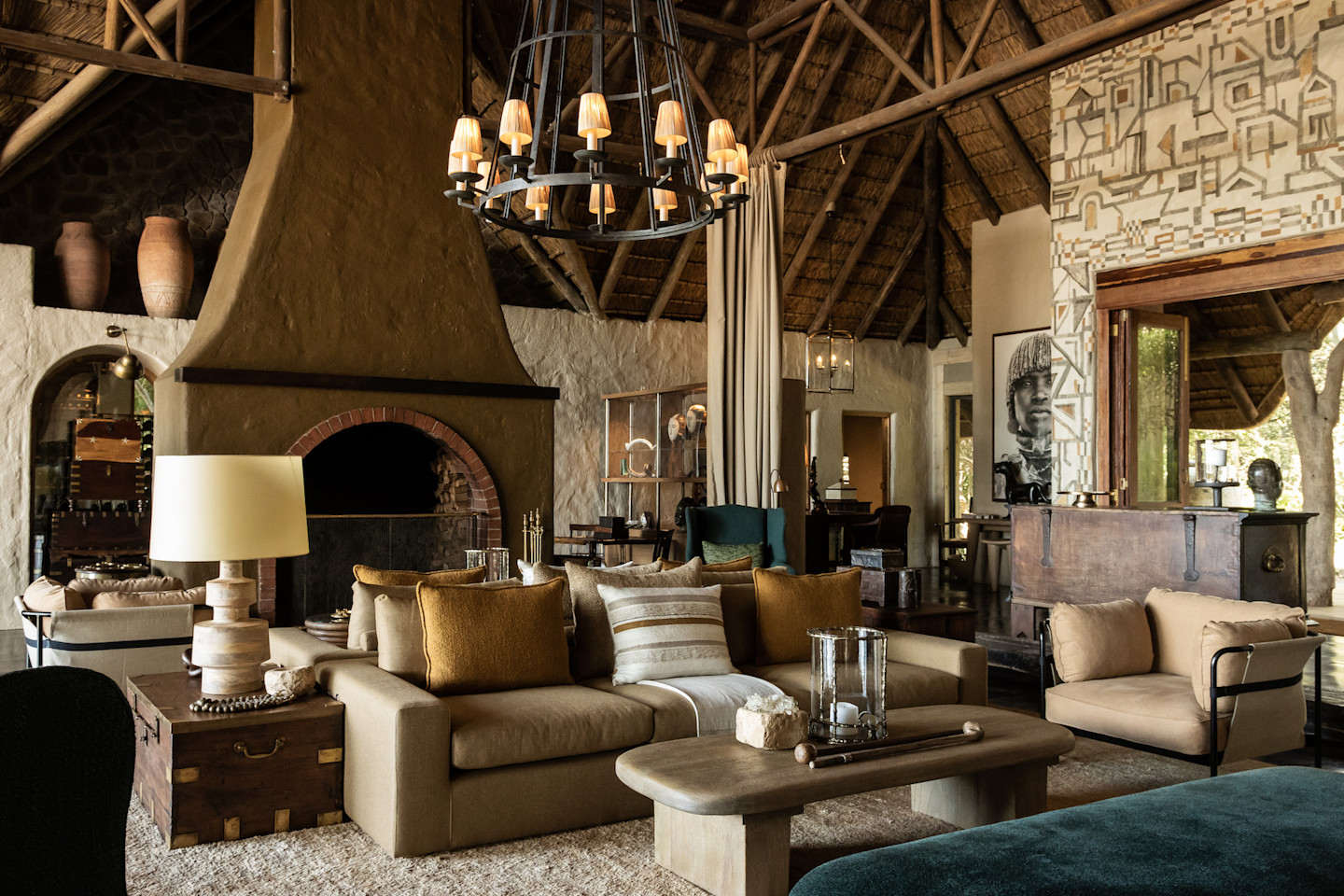
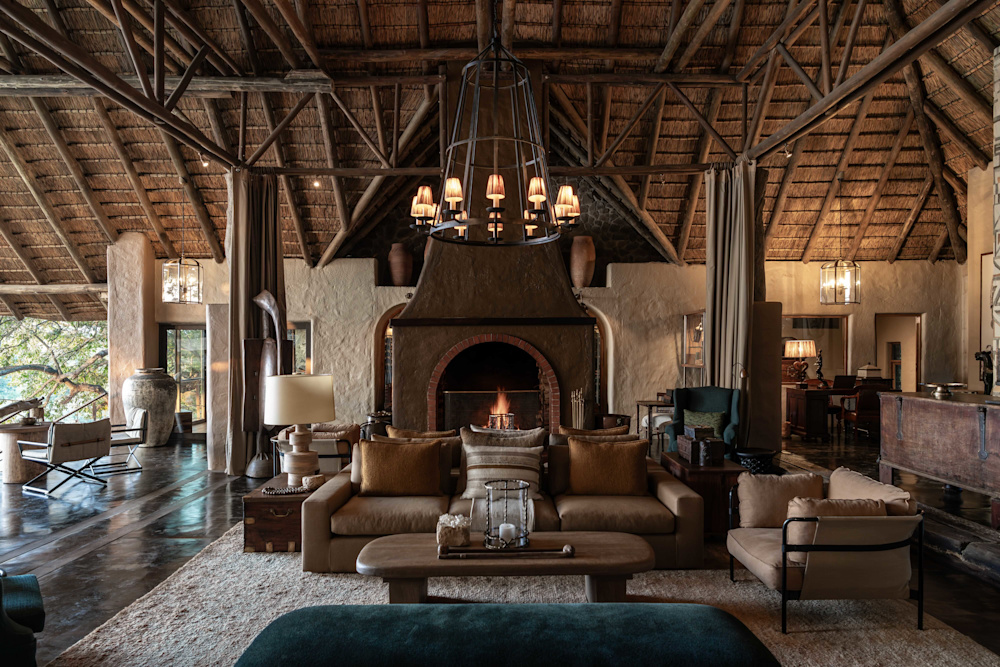
When a private-reserve lodge charges 700 to 3,500 US dollars a night, it helps to see precisely what that premium buys. These are three of the flagship names referenced above — MalaMala, Londolozi and Singita — the icons of the Greater Kruger, where the rate folds in a private suite, gourmet dining, fine wines and twice-daily off-road drives with a dedicated guide and tracker. Step inside.
The Extra Costs People Forget
Whatever tier you choose, a few costs sit outside the headline price and are worth planning for. The conservation fee is the big one for self-drivers and is charged per person for every day you are in the park; if you are staying more than about six days, price up an International All-Parks Wild Card, which waives it. Then there are your flights — international airfare to Johannesburg, and any domestic or light-aircraft hops to a Kruger airport, which can add meaningfully to a fly-in trip.
Beyond that, budget for the human touches: tips for your guide, tracker and camp staff are customary and appreciated; drinks and premium wines are sometimes excluded even at luxury lodges; and travel insurance and any malaria prophylaxis are sensible non-negotiables in this region. Self-drivers should add fuel, food and the small vehicle entry fee. None of these are large individually, but together they are the difference between a budget that holds and one that surprises you — so we always quote them in full and up front.
| Safari Style (2026) | Realistic Price & What It Includes |
|---|---|
| Budget self-drive | ~80-150 US dollars pp/day — conservation fee, rest-camp bed, fuel; you guide yourself |
| Guided tour package | ~800-1,800 US dollars pp for 3-4 days — transfers, lodge, guided open-vehicle drives |
| Value lodge (all-in) | ~300-600 US dollars pp/night — room, all meals, twice-daily game drives |
| Luxury private reserve | ~700-3,500+ US dollars pp/night — suite, gourmet dining, private off-road drives |
| Conservation fee | R602 adult / R300 child per day (international, to 31 Oct 2026) |
| Kruger + Cape Town (7-10 days) | ~3,000-9,000 US dollars pp — the most popular overseas combination |
How to Get the Most Safari for Your Money
The secret to value in Kruger is knowing where to spend and where to save. Spend on time in the bush rather than on a lavish room you will barely use — an extra night almost always improves your sightings more than an upgrade. Spend on a good guide for at least part of your trip, because expertise turns empty hours into unforgettable ones. Save by travelling in the shoulder months of April or October, when rates soften but the game viewing stays strong, and by mixing a night or two of self-drive with a guided stay.
Above all, be honest about what you want. If freedom and budget matter most, self-drive and pocket the savings. If you want to be looked after and shown the very best, a value or luxury lodge earns its keep. And if you are combining Kruger with Cape Town or Victoria Falls, let us sequence the flights so you never backtrack or waste a paid safari day in transit. That is exactly the kind of planning that quietly saves you money — and we do it for a living.
Let Us Build Your Kruger Safari to Your Budget
There is no single price for a Kruger safari, only the right one for you — and finding it is what we do best. Tell us your dates, your travelling style and roughly what you would like to spend, and we will build a precise, all-in quote with no surprises: the right camp or lodge, the best-value season, the smartest routing, and every fee and transfer accounted for. Whether that is a frugal self-drive or a fly-in to a flagship lodge, we will make every rand work harder.
Want a Precise Kruger Safari Quote?
Our specialists build tailor-made Kruger safaris to any budget — self-drive, guided or luxury private reserve — with a clear all-inclusive price and no hidden extras, matched to your dates and travel style.
Ready to explore? Browse our safari tours and packages →