Key Takeaways
- A Sabi Sands safari costs roughly US$650–1,050 per person per night (value-luxury), US$1,200–2,200 (premier luxury), or US$2,400–4,500+ (ultra-luxury icons like Singita and Londolozi) — the lodge tier is the single biggest lever on the total.
- Rates are almost always all-inclusive: accommodation, all meals, twice-daily game drives with a ranger and tracker, guided bush walks, most drinks and laundry are built in — so the nightly figure is closer to the true cost than it first appears.
- Budget separately for the conservation levy (about R450–R574, roughly US$25–32 per person per night), getting there (Skukuza flights ~US$150–250 each way, charters US$400–3,000, road transfer from Johannesburg US$300–500), tips (guide US$20–40/day, tracker US$10–20/day) and travel insurance.
- Season matters: the dry winter (May–September) is peak and priciest; the green season (November–March) is cheaper and often carries "stay 4, pay 3" style specials for the same superb wildlife.
- There is no truly budget Sabi Sands — the cheapest genuine lodges still start around US$650 a night — but Sabi shares the exact same unfenced wildlife as the Kruger, with off-road driving, night drives, a ranger-and-tracker team and the world's best leopard viewing, which is what the premium buys.
How Much Does a Sabi Sands Safari Cost?
A Sabi Sands safari costs between about US$650 and US$4,500 or more per person per night in 2026, and where you land within that range comes down to one dominant decision — which lodge you choose — followed by the season you travel and the size of your party. The Sabi Sand Game Reserve is not a single destination with a single price. It is a cluster of privately owned lodges, from characterful value-luxury camps to some of the most celebrated lodges on the planet, all sharing an unfenced border with the Kruger National Park and therefore the same free-ranging wildlife.
What makes Sabi Sands quotes confusing at first is that the headline nightly rate bundles almost everything together — it is nearly always all-inclusive — while a short tail of extras (the conservation levy, getting there, tips, insurance) sits outside it. In this guide we pull those apart so you can read any Sabi Sands quote honestly, see exactly where the money goes, and understand which levers you control. By the end you will be able to build a realistic Sabi Sands budget to within a few hundred dollars, and know precisely how to bring the total down without hollowing out the experience.
The three things that decide your Sabi Sands safari cost:
- Lodge tier — from a US$650-a-night value-luxury camp to a US$4,500-a-night ultra-luxury icon, this is by far the largest variable.
- Season — the dry winter peak commands premium rates; the green season is markedly cheaper for the same wildlife.
- Party size and room type — solo travellers pay a single supplement, while families and groups booking villas or exclusive-use camps change the per-person maths entirely.
Understanding Sabi Sands Pricing — Why It Costs What It Does
Before the tiers and the numbers, it helps to understand why Sabi Sands sits at the top of the African safari price ladder. The rate is not arbitrary luxury — it reflects a genuinely different product from a national-park self-drive, and the cost is built from real, structural things.
Private land, low density. Sabi Sands is privately owned and fiercely protective of the quality of the experience. Lodges are small — often eight to twelve suites — and the number of vehicles allowed to traverse the land is strictly limited. You are paying for exclusivity: a handful of guests spread across a vast private wilderness, rather than a queue of cars at a sighting.
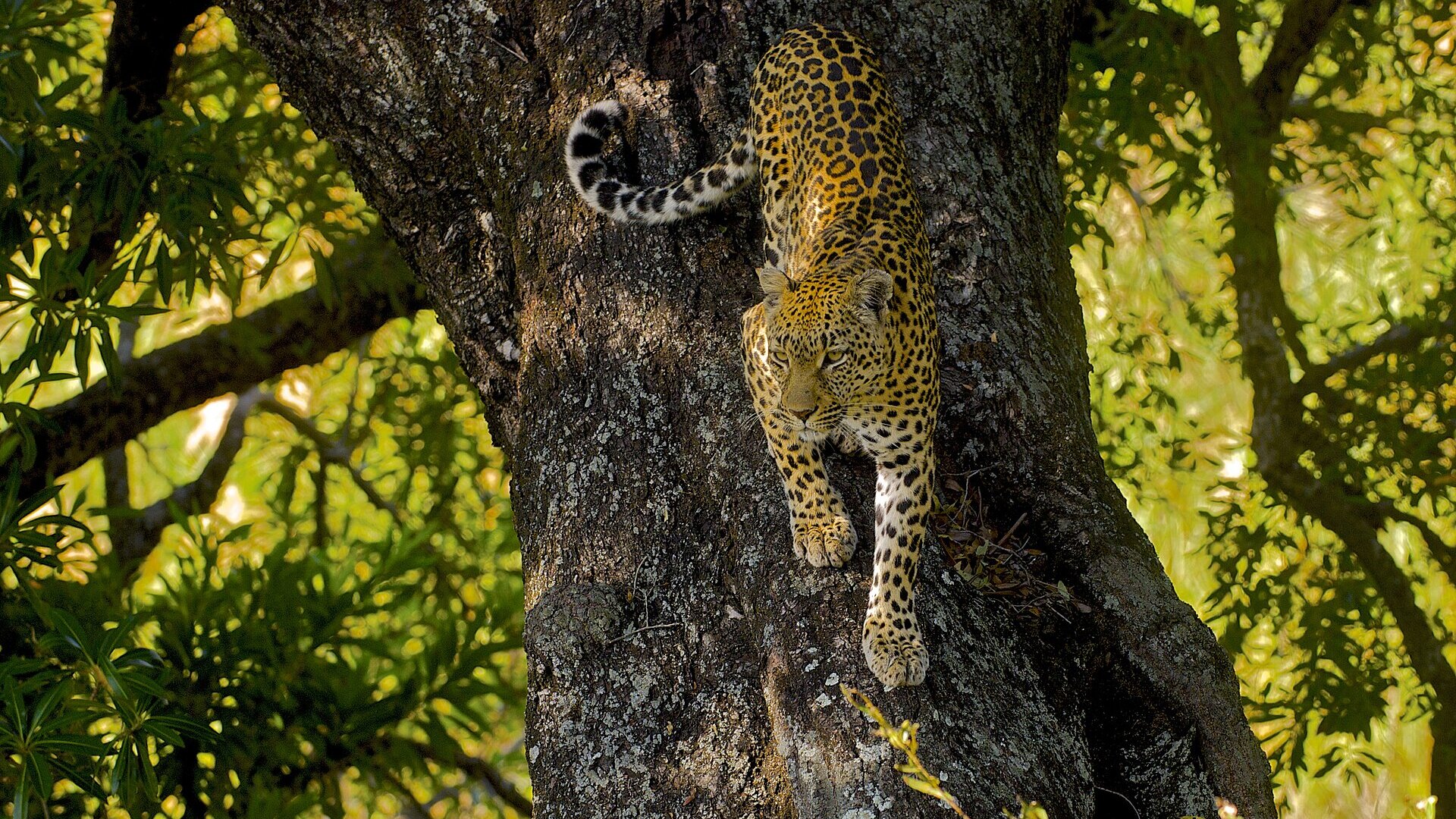
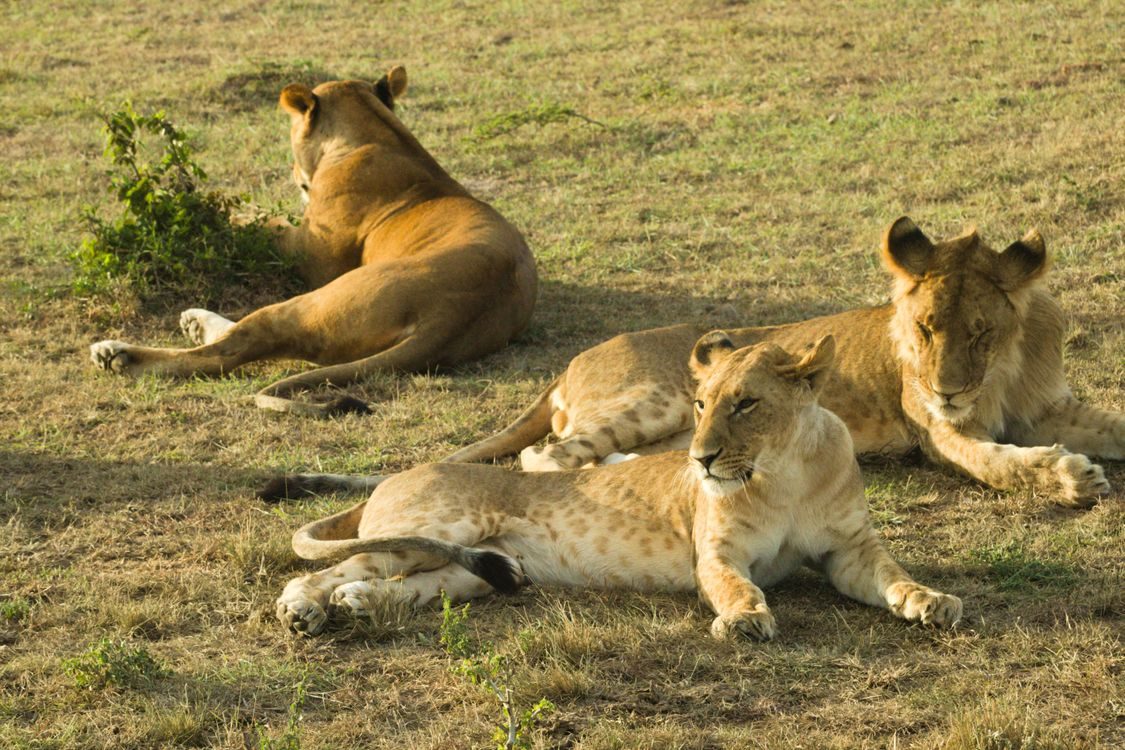
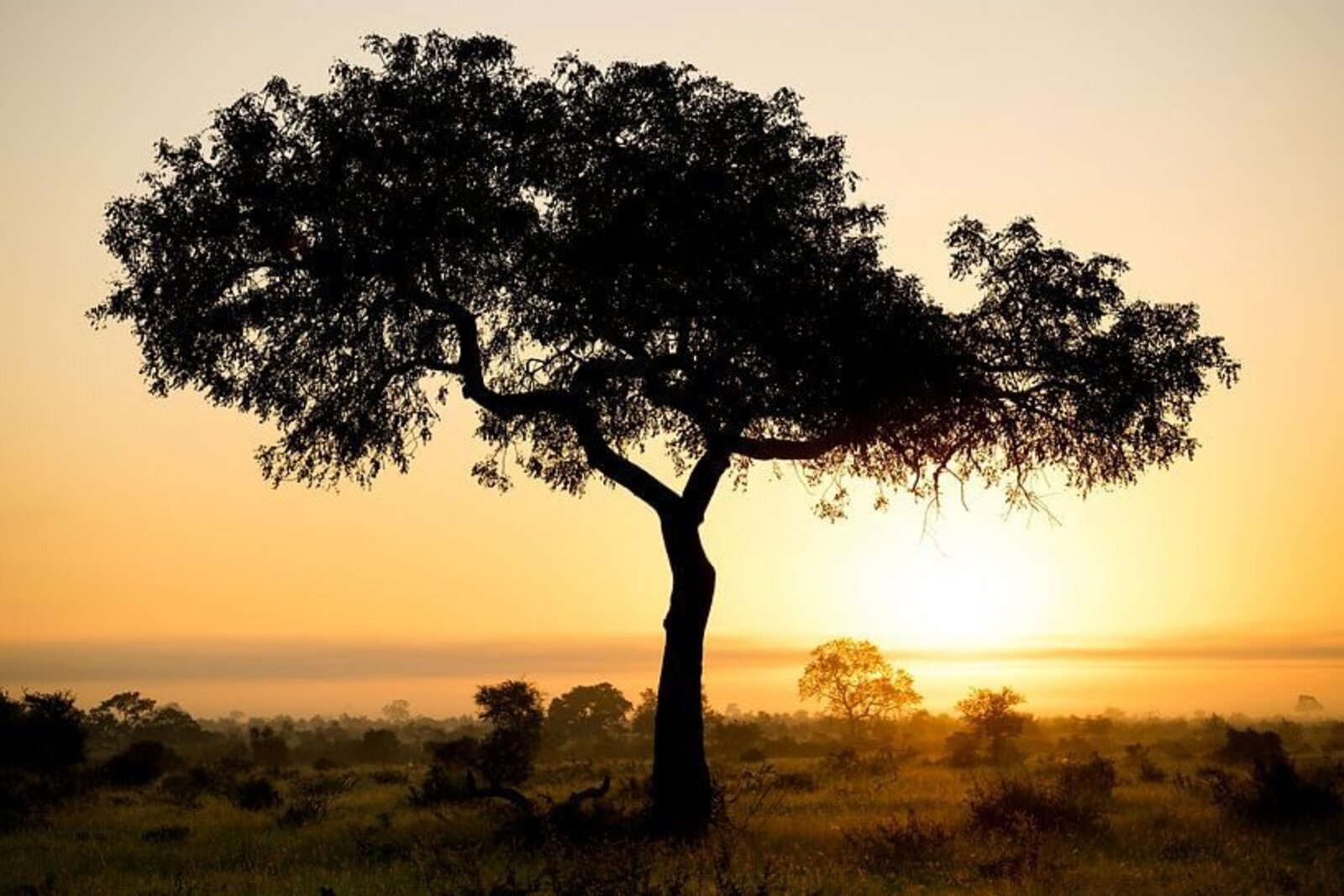
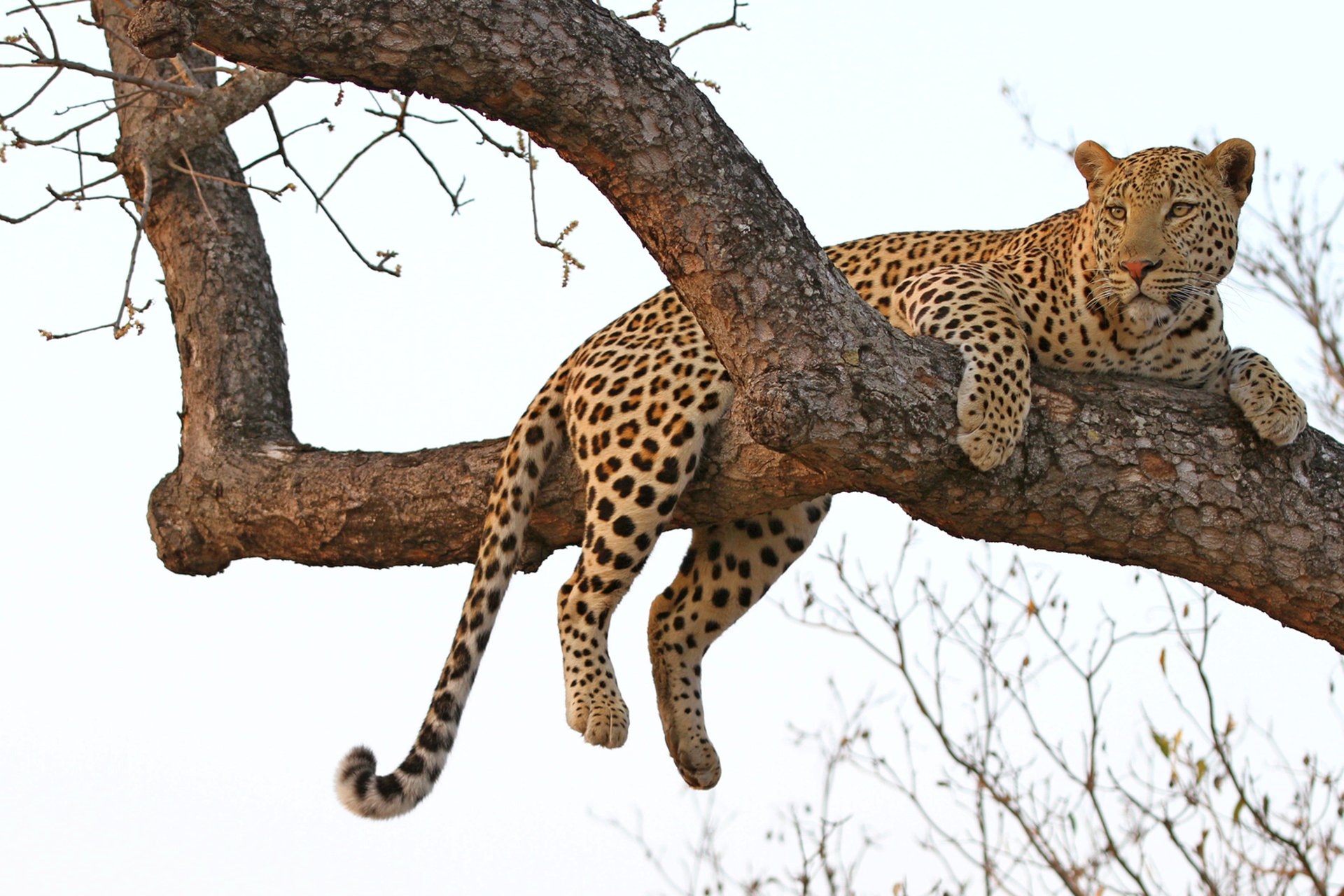
Traversing rights and off-road driving. Unlike the Kruger, where you must stay on the tarred and gravel roads, Sabi Sands lodges hold traversing rights that allow their rangers to drive off-road, right up to a sighting. This is the single biggest reason Sabi delivers such intimate wildlife encounters — and why its leopards, habituated to vehicles over decades, are the most viewable on Earth.
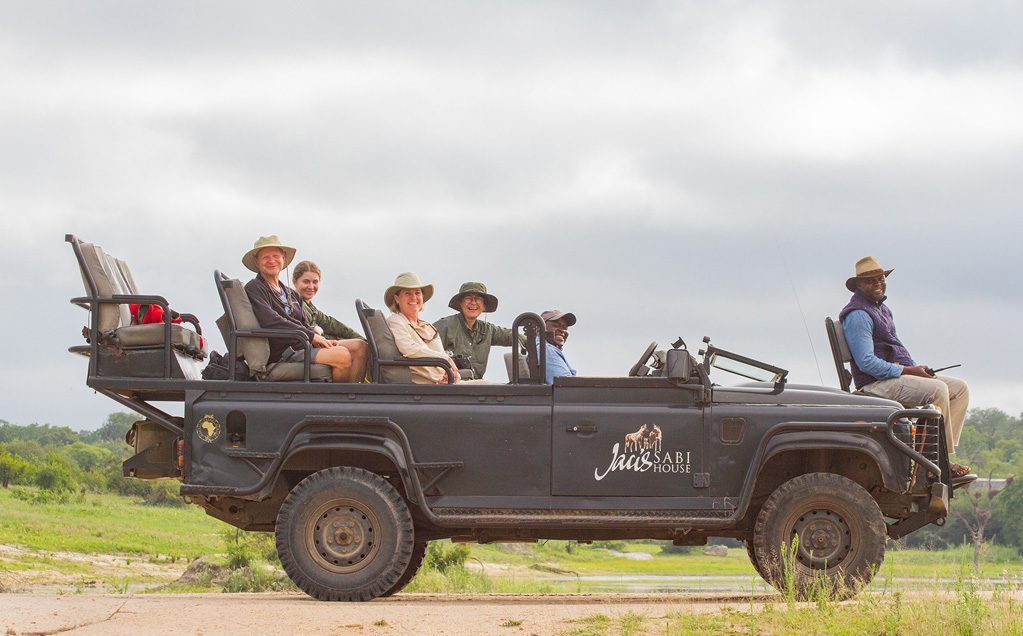
A ranger and a tracker on every drive. Sabi Sands lodges field a two-person team: a qualified ranger driving and interpreting, and a tracker reading the bush from a seat on the bonnet. That doubles the eyes, the skill and the wage bill on every game drive, and it is a large part of why sightings are so consistent.
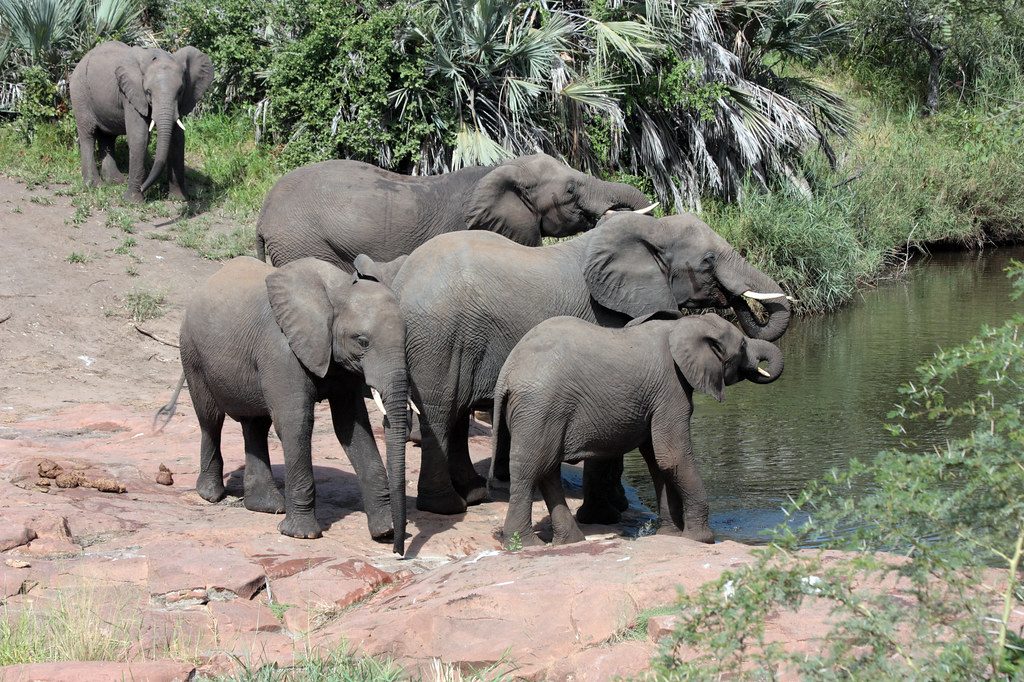
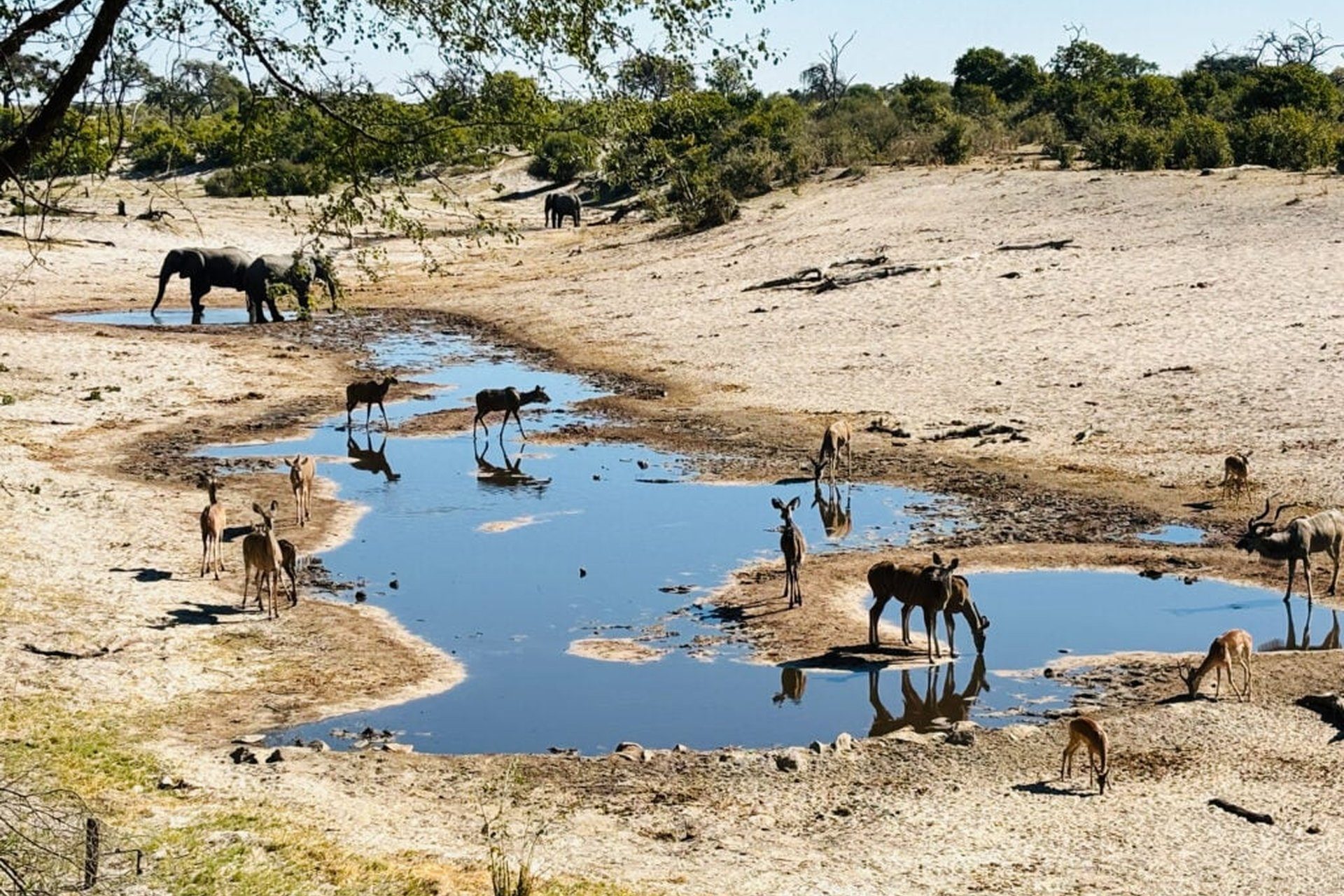
Unfenced Greater Kruger wildlife. There are no fences between Sabi Sands and the Kruger National Park — animals move freely across a single, enormous ecosystem. You are inside Big Five country with genuinely wild, free-ranging populations, not a stocked enclosure.
All-inclusive service. The rate carries all meals, drinks, two game drives a day, guided walks, laundry and often more. Remote lodges must fly or truck in everything — food, wine, fuel, staff — and maintain a high staff-to-guest ratio. That logistical cost is real and it is folded into the nightly figure.
Put together, these are the reasons a Sabi Sands night costs several times a night in a Kruger rest camp. You are not paying more for the same thing; you are paying for a fundamentally more exclusive, more intimate and more expertly guided version of the same wilderness.

Daily Rates Breakdown — The Luxury Tiers, With Real 2026 Lodge Examples
Sabi Sands lodges fall into three broad tiers. Knowing which one you belong in is the fastest route to a realistic budget. All rates below are 2026 guide figures, per person per night, sharing (double occupancy), and all-inclusive.
Value-luxury — about US$650–1,050 per person per night
This is the entry point to Sabi Sands, and it is still a genuine, high-quality safari. Lodges such as Elephant Plains, Nkorho and Umkumbe sit here. You trade architectural grandeur and the very lowest guest-to-vehicle ratios for real value — but you still get the same reserve, the same unfenced wildlife, off-road traversing, a ranger-and-tracker team and Big Five sightings. For travellers who care more about the leopard on the fallen marula than the thread-count of the sheets, this tier is superb. It is also the honest floor of Sabi Sands: there is nothing genuinely cheaper inside the reserve.
Premier luxury — about US$1,200–2,200 per person per night
The heart of the reserve. This tier buys high-end suites, refined dining, premium open bars, strong and experienced guiding teams and excellent facilities. Real 2026 examples include Sabi Sabi (Bush Lodge and the iconic Earth Lodge), Lion Sands River Lodge (from around US$1,762–1,851 per person sharing depending on season), Ulusaba Rock and Safari Lodge (from around US$2,072–2,146 on a "Fully Inclusive Plus" basis) and Leopard Hills (around R26,300 per person per night — roughly US$1,440). This is where most discerning first-time Sabi visitors land: the full, polished Sabi Sands experience without quite reaching ultra-luxury rates.
Ultra-luxury — about US$2,400–4,500+ per person per night
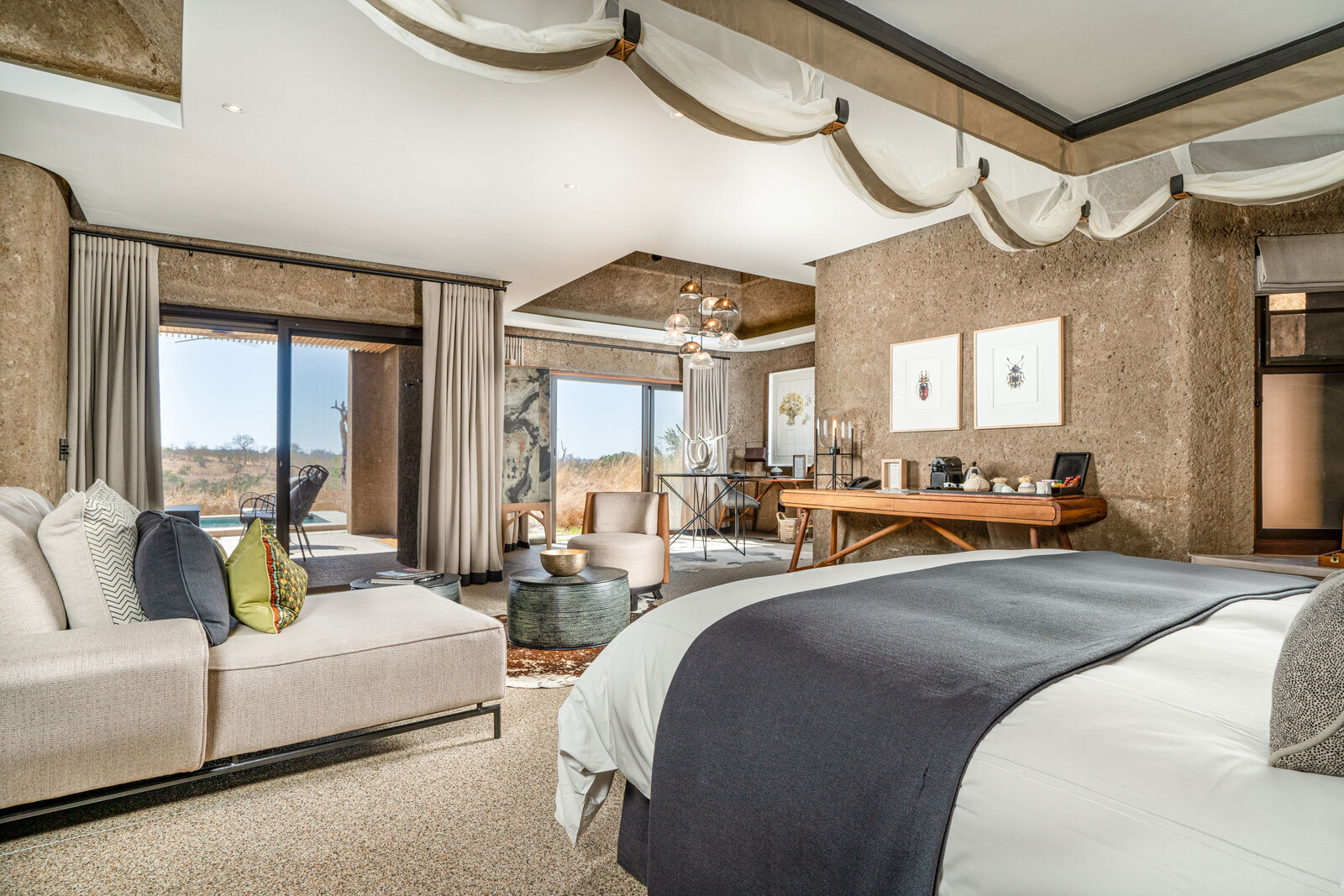
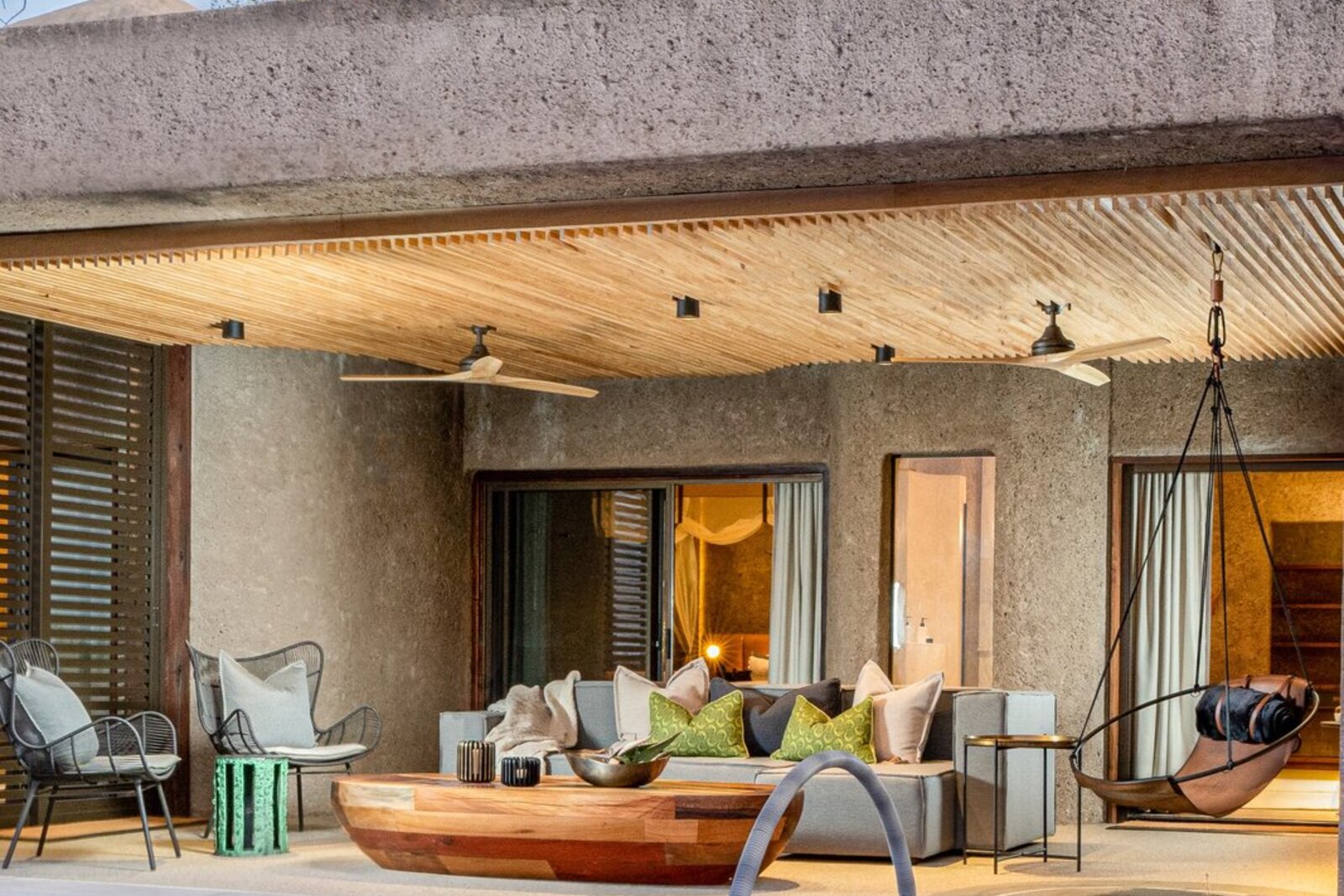
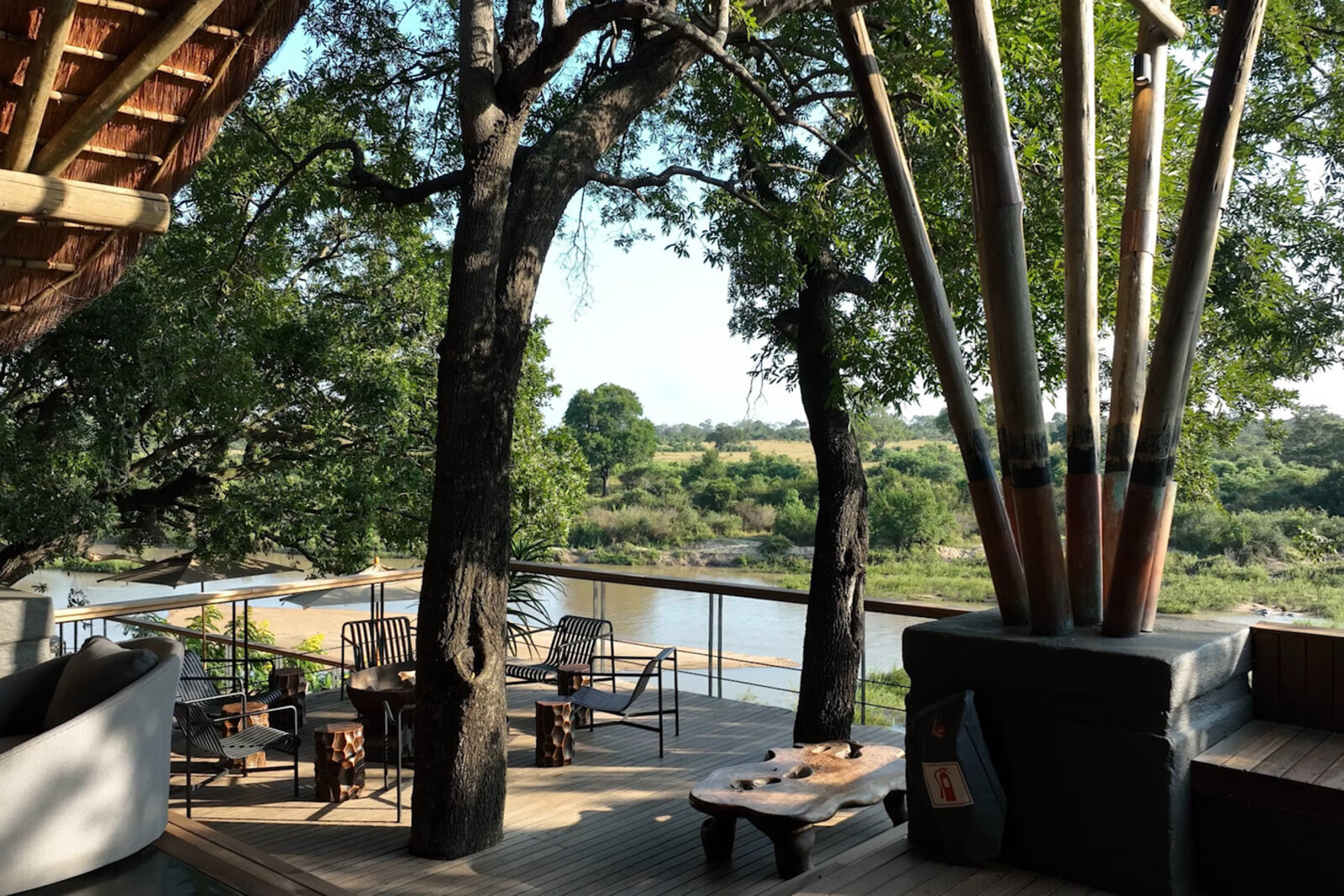
The pinnacle of African safari, and some of the most famous lodges in the world. Singita (Boulders and Ebony) publishes 2026 rates in rand of roughly R49,255–60,470 per adult per night across its off-peak, shoulder and peak seasons — around US$2,700–3,300+ — while its exclusive-use villas and Castleton run higher still. Londolozi's flagship Private Granite Suites and Pioneer Camp reach US$2,900–3,800+ per person per night (its Founders and Varty camps start lower, around US$1,500–1,700). This tier delivers architectural master-suites, private heated plunge pools, sommelier-curated wine cellars, dedicated photographic hides and the lowest guest-to-vehicle ratios in the reserve. You are paying for space, privacy, design and a level of guiding and service that is genuinely world-leading.
The crucial point across all three tiers: they watch the same wildlife on the same land. A leopard does not appear only for Singita guests. What the money buys in Sabi Sands is comfort, design, privacy, exclusivity and the very finest guiding — not access to better animals.
Seasonal Pricing Guide — Peak, Shoulder & Green Season
When you travel changes the rate as much as which tier you pick within a lodge. Sabi Sands runs a clear seasonal calendar and the swing between low and high season is significant — often 15–30% on the same suite.
Peak season — May to September (the dry winter), plus the festive period (mid-December to early January). These are the premium months and the reason is wildlife: in the dry winter the bush thins out, water is scarce, and animals concentrate around the rivers and waterholes, making sightings frequent and easy. Mornings are cold and crisp, days mild and sunny, and there are no mosquitoes to speak of. Singita's peak (1 June–31 August) rates, for example, sit at the top of its band. The best suites at the best lodges sell out 12–18 months ahead for these dates, so peak travellers pay the most and must book earliest.
Shoulder season — May and September/October. The edges of the dry season offer a genuine sweet spot: excellent game viewing as the bush is still relatively open, pleasant weather, and rates a notch below full peak. October can be hot but the game viewing is often outstanding as animals crowd the last water.
Green season — November to March (the summer rains). The "green" or low season brings warm days, afternoon thunderstorms, lush scenery, dramatic skies and newborn animals. Rates fall to their lowest, availability opens up, and this is when lodges most often run "stay 4, pay 3" or "stay 3, pay 2" specials that can quietly cut 25–33% off a stay. The bush is thicker so sightings take more work, but the resident leopards, lions, elephants and the rest do not leave — and the birding and photography (green backdrops, moody light) are at their best. For value-focused travellers who can be flexible, the green season is the biggest saving available in Sabi Sands.
The lesson: if your dates are locked to July or August, budget for the peak premium and book early. If you can travel in November, February or March, the same lodge, the same wildlife and often a free night await at a materially lower price.
What's Included in Your Sabi Sands Rate
The reason a Sabi Sands nightly rate looks high is that it is almost always all-inclusive — it is much closer to the true, all-in cost of your safari than a room-only hotel rate. At the great majority of lodges, your rate covers:
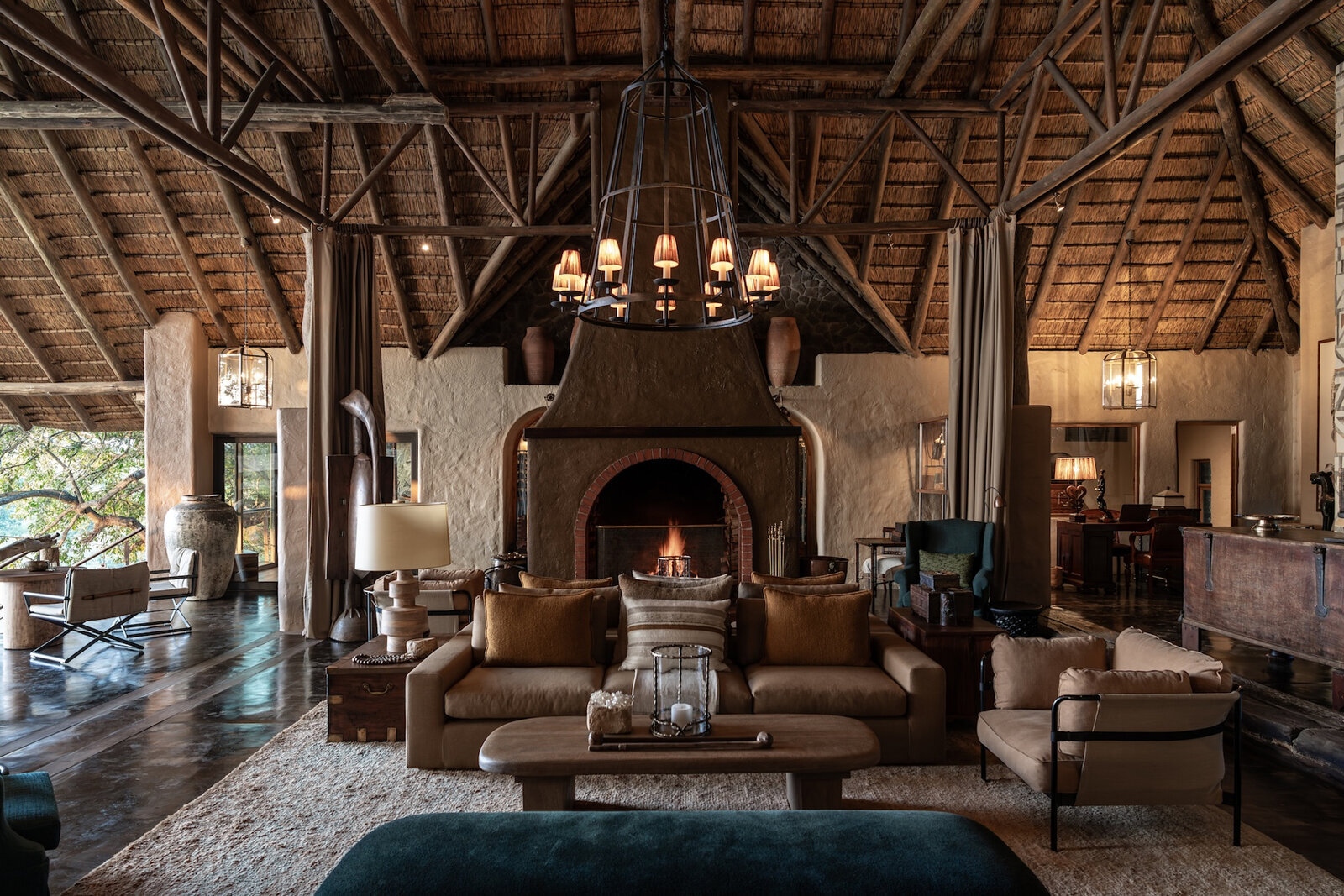
- Luxury accommodation — your suite or tented suite, usually with a private deck and often a plunge pool at the upper tiers.
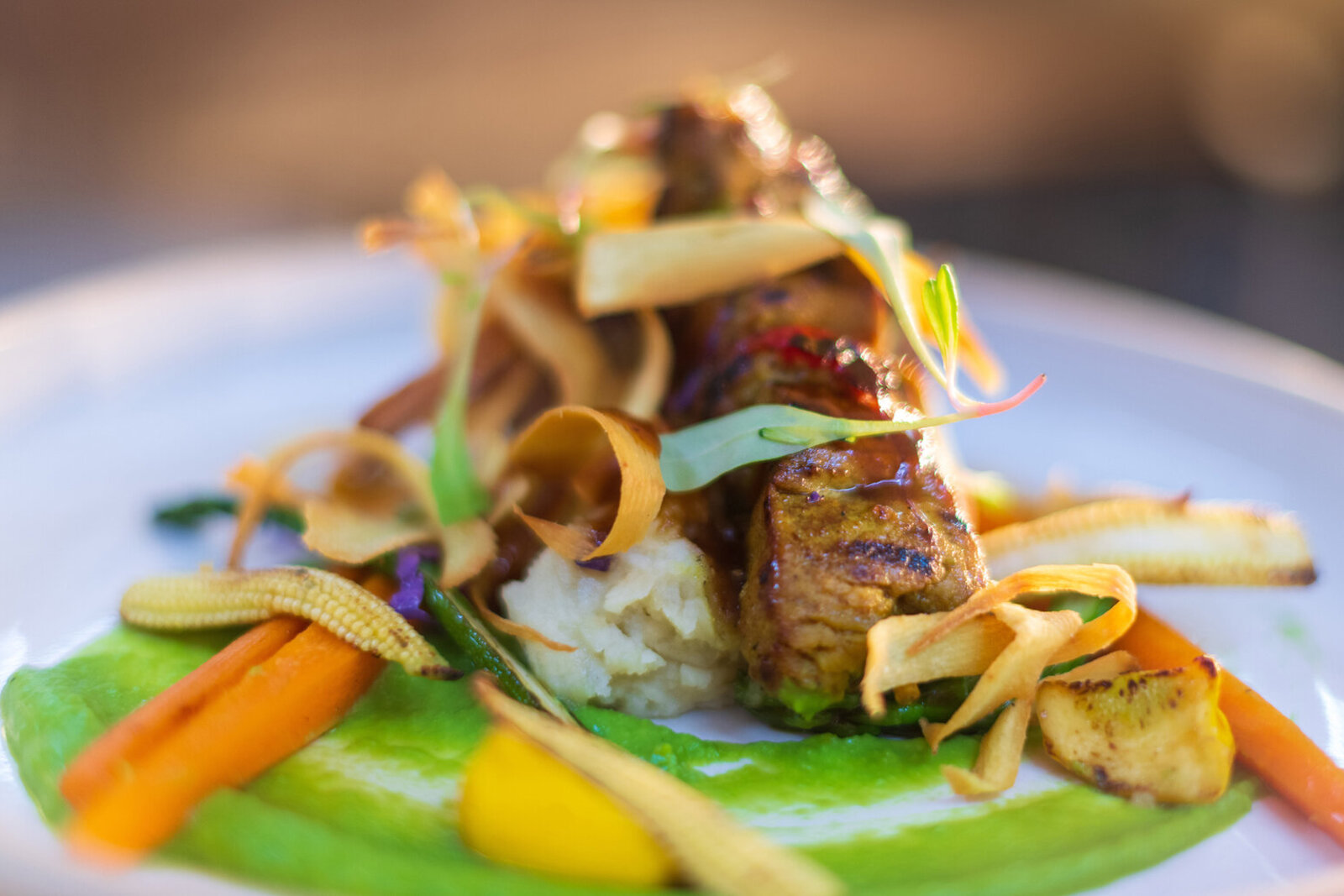
- All meals — breakfast, lunch, dinner, plus mid-morning and afternoon teas, bush breakfasts and sundowner snacks. The food is a highlight in its own right.
- Two game drives a day — an early-morning and a late-afternoon/evening drive in an open 4x4, each with a qualified ranger and a tracker, including off-road driving and after-dark spotlighting.
- Guided bush walks — most lodges offer morning walking safaris with an armed, qualified guide.
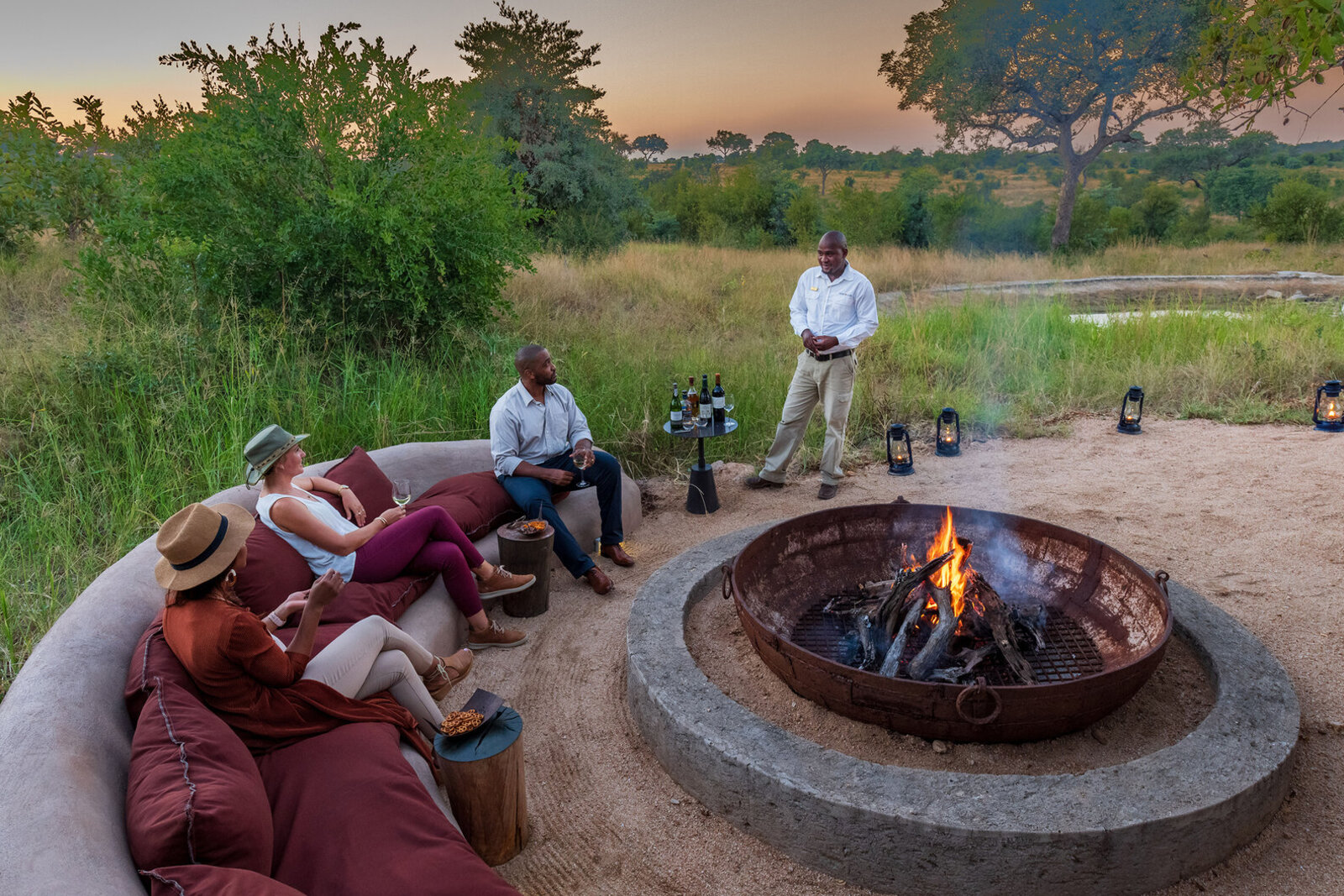
- Most drinks — house wines, spirits, beers, soft drinks and teas/coffees are typically included; premium and vintage wines and champagnes are usually extra.
- Laundry — daily laundry is included at nearly all lodges, so you can pack light.
- Road transfers to the local airstrip — transfers between the lodge and the nearest airstrip are commonly included.
Some "Fully Inclusive Plus" lodges (Ulusaba is one) go further, folding in a wider range of premium drinks and a spa treatment or wellness element. Because the definition of "all-inclusive" varies slightly between lodges, the single most valuable question to ask any lodge or specialist is simply: "What exactly does this rate include, and what will I be billed for on top?" A reputable operator will answer it in writing, line by line.
Additional Costs & Extras — Full Transparency
The all-inclusive rate covers most of your safari, but an honest budget adds the extras that sit outside it. None is a nasty surprise if you plan for it; all are if you do not.
- Conservation levy — about R450–R574 (roughly US$25–32) per person per night. A mandatory reserve contribution, usually charged separately (see the next section for detail).
- Getting to the reserve. Scheduled flights to Skukuza Airport run about US$150–250 each way; private or shared charter flights direct to a lodge airstrip range from about US$400 to US$3,000 depending on exclusivity and distance; a private road transfer from Johannesburg is about US$300–500 per vehicle (a long but scenic drive).
- Tips — guide US$20–40 per day, tracker US$10–20 per day, plus general lodge staff. Gratuities are customary and an important part of staff income. Budget a per-day figure for your ranger and tracker, plus a contribution to the communal staff tip box.
- Travel insurance — about US$80–200 per person. Comprehensive cover with medical evacuation is essential given the remote location; it is never included in a lodge rate.
- Premium drinks. Fine wines, champagnes and premium spirits beyond the house selection are usually charged to your account.
- Spa treatments and wellness. Massages and treatments are extra at most lodges (a few "plus" rates include one).
- Private vehicle hire. If you want a vehicle exclusively for your party (rather than sharing with a few other guests), most lodges offer it for a supplement — at Leopard Hills, for instance, around R26,300 per day. Worth it for photographers and families.
- Helicopter excursions and special experiences. Scenic flights over the Blyde River Canyon, special-occasion set-ups and the like are charged separately.
- Single supplement. Rates are per person sharing; solo travellers pay a single supplement that can add substantially to the nightly figure.
- International flights. Your flights to Johannesburg (and onward to Skukuza or the airstrip) are separate.
Add these up and a couple on a three-night premier-luxury stay should pencil in a few hundred dollars each of levies, transfers and tips on top of the lodge rate — significant, but modest against the room cost, and entirely predictable once you know to plan for it.
Conservation Levies & Reserve Fees
One line deserves its own section because it consistently confuses first-time visitors: the conservation levy (sometimes called a "rhino levy" or guest conservation contribution). This is a mandatory, per-person, per-night charge that funds the reserve's anti-poaching units, wildlife veterinary work, habitat management and community programmes. It is what keeps the Sabi Sand's famous rhino population — and everything else — protected.
How much is it? The levy is set by the reserve and individual lodges and is adjusted annually, so it varies. As real 2026 examples: Sabi Sabi's SGR Conservation Levy is R450 per person per night (VAT inclusive) for the period 1 March 2026 to 28 February 2027, while Idube's guest conservation contribution ("rhino levy") is R574 per person per night, capped at three nights (a maximum of R1,722) for the 2026 calendar year. In US-dollar terms that is roughly US$25–32 per person per night.
Is it included? Some ultra-luxury lodges fold the levy into their all-inclusive rate; most list it as a separate, mandatory charge. It is also distinct from any Sabi Sand gate entrance fee, which is likewise subject to annual increase. When you compare quotes, always confirm whether the conservation levy is inside or outside the rate — it is a small figure per night but it adds up over a stay, and it is the kind of line a suspiciously cheap quote tends to omit.
Whether bundled or separate, treat the levy as unavoidable and build it into your budget from the outset. It is, genuinely, money well spent: it is the direct mechanism by which your safari helps keep the reserve wild and its rhinos alive.
Sabi Sands vs Kruger — The Cost Comparison
The most common question we hear is: if the wildlife is the same, why pay Sabi Sands prices when the Kruger National Park is right next door? It is a fair question, and the honest answer is that you are buying two genuinely different experiences.
A Kruger National Park safari is dramatically cheaper. Self-drive in the Kruger costs a daily conservation fee of roughly R535 per international adult (around US$29) plus a rest-camp bed from about US$100–200 for two, or a stay in a mid-range private lodge in one of the Greater Kruger concessions for a fraction of a Sabi rate. You can absolutely have a wonderful, affordable Big Five safari in the Kruger — and for many travellers, especially families and self-drivers, it is the right choice.
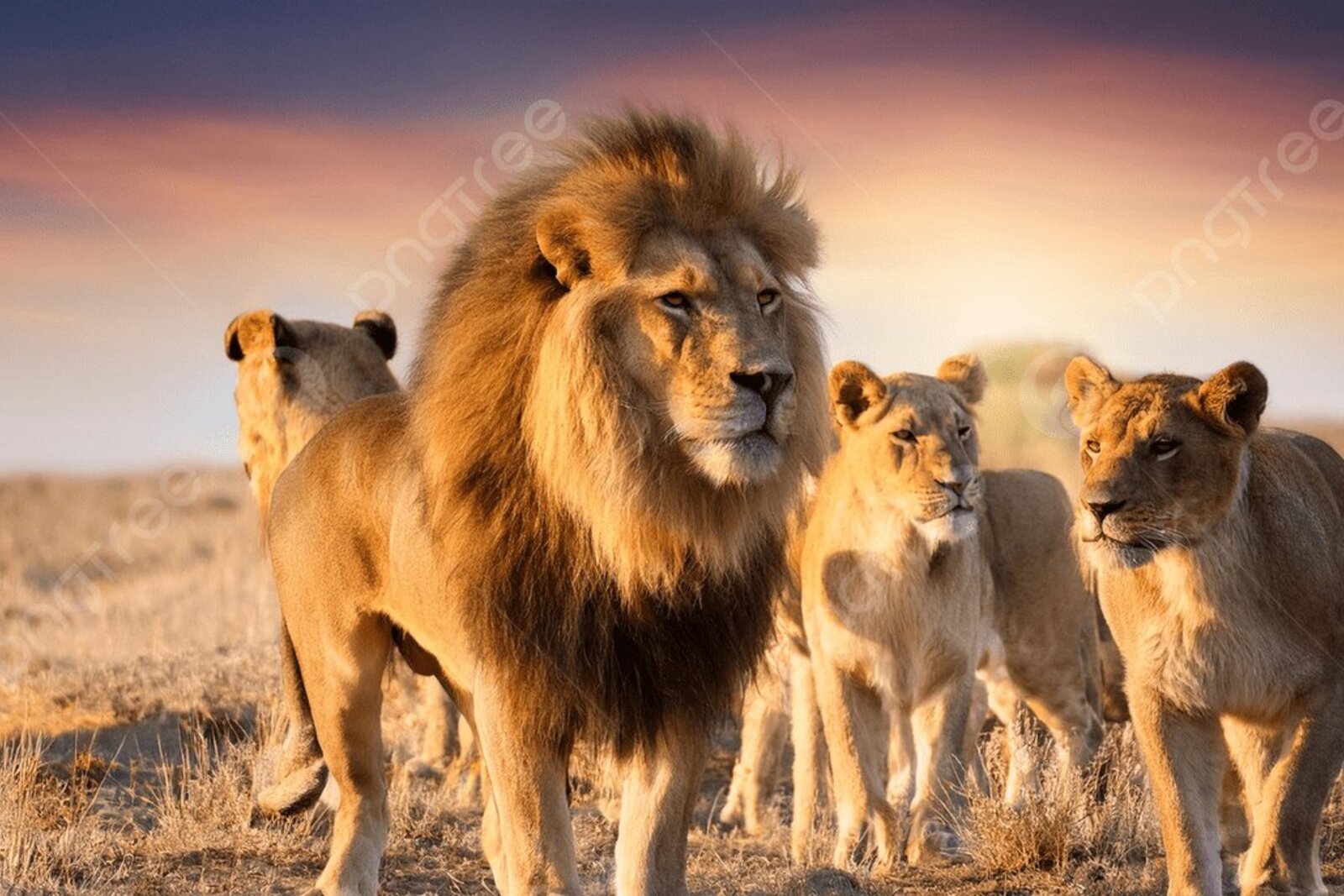
A Sabi Sands safari typically costs three to five times a comparable Kruger experience. What that premium buys is not different animals — the reserves share an unfenced border and the same populations — but a different way of seeing them: off-road driving right up to sightings (forbidden in the national park, where you stay on the roads), after-dark night drives with a spotlight, a ranger-and-tracker team dedicated to your vehicle, strict limits on how many vehicles attend a sighting, tiny guest numbers, and the world's most reliable leopard viewing. In the Kruger you might watch a leopard through binoculars from a queue of cars on the road; in Sabi Sands your ranger can ease off-road to within metres, alone.
The honest verdict: if your priority is seeing the Big Five affordably, the Kruger is unbeatable value. If your priority is the most intimate, expertly guided, low-density and photographically rewarding version of that same wilderness — and you can afford it — Sabi Sands is worth the premium. Many of our clients do both: a few nights self-driving or in a value Kruger lodge, then a splurge of two or three nights in Sabi Sands for the concentrated magic. We are glad to build either, or the blend.

Is There a Budget Sabi Sands Safari? An Honest Assessment
We will be straight with you, because a cost guide that pretends otherwise is not worth reading: there is no truly budget Sabi Sands safari. The cheapest genuine lodges inside the reserve — the value-luxury camps like Elephant Plains, Nkorho and Umkumbe — still start around US$650 per person per night, all-inclusive. That is the floor, and it will not go materially lower, because even the most affordable Sabi lodge still carries the reserve's fundamentals: private land, traversing rights, a ranger-and-tracker team, all meals and drinks, and a high staff-to-guest ratio.
If your budget genuinely cannot stretch to that, the honest advice is not to look for a cheaper Sabi lodge that does not exist, but to consider the alternatives that deliver the same Big Five wildlife for less:
- The Greater Kruger private reserves (for example, parts of Balule, Klaserie and Timbavati) offer off-road, guided lodge safaris from lower rates than Sabi, with the same open ecosystem — a little less polished and with slightly higher vehicle density, but excellent value.
- The Kruger National Park itself — self-drive or a mid-range concession lodge — gives you the Big Five for a fraction of the cost, if you accept staying on the roads and no night drives.
- The green season in Sabi Sands — if you are set on Sabi but need to save, travelling in November, February or March, and taking advantage of "stay 4, pay 3" specials at a value-luxury lodge, is the cheapest legitimate way into the reserve.
Our position is simple: we would rather tell you honestly that Sabi Sands starts at around US$650 a night, and help you decide whether that is right for you or whether a Greater Kruger alternative serves you better, than dress up a compromise as a bargain. Sometimes the best value is a few nights in Sabi paired with a longer, cheaper Kruger stay — a blend we build often.
Sample Sabi Sands Safari Costs (Worked Examples)
Numbers land better as whole trips than as nightly rates. Here are worked 2026 examples, per person sharing, to anchor your planning. All are lodge-only estimates (the all-inclusive rate plus the conservation levy) and exclude flights, transfers, tips and insurance, which we itemise separately.
3 nights, value-luxury — roughly US$2,100–3,300 per person. Three nights at a value-luxury lodge (around US$650–1,050 a night) plus levies. The most affordable genuine Sabi Sands stay, ideal as a two- or three-night highlight bolted onto a wider South Africa trip, or a Kruger self-drive.
4 nights, premier luxury — roughly US$5,200–8,800 per person. Four nights at a premier lodge such as Lion Sands, Ulusaba, Sabi Sabi or Leopard Hills (around US$1,300–2,200 a night) plus levies. The classic discerning first-timer's Sabi Sands safari, long enough to relax into the rhythm of two drives a day and see the reserve properly.
7 nights, ultra-luxury — roughly US$18,000–32,000+ per person. A week split between ultra-luxury icons such as Singita and Londolozi (around US$2,600–4,500 a night) plus levies, often with private vehicle, a balloon or helicopter flight and exclusive-use touches. The Sabi Sands at its most private and refined — the trip of a lifetime.
A blended value trip — roughly US$4,000–6,000 per person for a week. Four nights self-driving or in a mid-range Greater Kruger lodge, then three nights of Sabi Sands value-luxury for the concentrated magic — the way many savvy travellers get the best of both worlds without a five-figure bill.
Notice how the per-night figure climbs through the tiers, but so does what each night contains. Your job in planning is not to chase the lowest number — it is to match the tier, the season and the number of nights to what will make the trip unforgettable for you, then to use season, party size and a Kruger blend to bring it within budget.
Booking Strategies to Save Money on a Sabi Sands Safari
- Travel in the green season. November to March rates are the lowest of the year, for the same resident wildlife — the single biggest saving available inside the reserve.
- Hunt the "stay 4, pay 3" specials. Green-season and shoulder-season stay-longer-pay-less offers can quietly cut 25–33% off a stay; a good specialist knows which lodges are running them.
- Choose a value-luxury lodge. The same reserve, the same off-road traversing and ranger-and-tracker team, from around US$650 a night rather than US$2,500 — the biggest structural saving of all.
- Fill your rooms and consider a villa. Families and groups booking an exclusive-use villa or a family suite often achieve a better per-person rate — and a private vehicle at no extra cost — than the same people in separate suites.
- Blend with the Kruger. Pair a shorter Sabi Sands splurge with a longer, cheaper Greater Kruger or self-drive leg to lower your overall cost per day.
- Fly to Skukuza rather than chartering. A scheduled flight to Skukuza plus a road transfer is far cheaper than a private charter to the airstrip, if you are willing to trade a little time.
- Book through a specialist. Tour operators frequently access package and consortium rates below the published rack rate, and can bundle flights, transfers and levies into one clean, all-in quote — often saving you money and always saving you the guesswork.
- Book early for peak dates, late for green-season deals. The best peak-season suites sell out 12–18 months ahead; green-season specials, by contrast, reward the flexible late booker.
Is Sabi Sands Worth the Cost? The Value Analysis
So, is a Sabi Sands safari worth what it costs? The honest answer depends entirely on what you value — but here is the case, laid out plainly.
What you are paying for is not the animals — it is the encounter. The same leopard exists in the Kruger next door. What Sabi Sands gives you is the ability to be alone with it: your ranger eases the open vehicle off the road, through the bush, to within a few metres, in the golden light of late afternoon, with no other cars, while your tracker quietly explains what she is about to do. That is an experience that simply cannot be bought in a national park at any price, because off-road driving and low vehicle density are the very things the private reserve exists to protect. For wildlife photographers, for once-in-a-lifetime honeymoons and special occasions, and for anyone who has dreamed of Africa their whole life, that intimacy is precisely the thing — and it is worth a great deal.
The all-inclusive nature makes the number less frightening than it looks. A US$1,500 night is not a room rate — it is your suite, every meal, all your drinks, two expert-guided game drives, walks, laundry and more. Compared like-for-like with the total daily cost of a self-organised trip, the gap narrows.
But it is not for everyone, and that is fine. If your dream is simply to see the Big Five, if you are travelling with young children on a tight budget, or if you would rather spend three weeks across several countries than three nights in one lodge, the Kruger or a Greater Kruger reserve will serve you better and we will happily say so. Sabi Sands earns its price for travellers who want the very best version of a single, concentrated, deeply personal wildlife experience — and who will remember it for the rest of their lives.
Our job is not to talk you into the most expensive option. It is to tell you honestly what each choice costs and delivers, and then to build the trip that is genuinely right for you.
What a Beyond Africa Sabi Sands Safari Costs
We build Sabi Sands safaris as tailor-made private journeys rather than fixed shelf packages, so the price follows your ambitions and the lodge you choose. As a guide, our value-luxury Sabi stays generally run from around US$650–1,050 per person per night, our premier-luxury lodges from around US$1,200–2,200, and our ultra-luxury icons from around US$2,400–4,500 and upward — all on an all-inclusive basis. Our companion four-night Sabi Sands Authentic Safari starts from around US$5,600 per person as a complete, premier-tier trip.
Whatever tier you choose, we quote in writing, all-in: your lodge on an all-inclusive basis, the conservation levy, your flights or transfers to the reserve, and every fee, so the figure you see is the figure you pay. What sits outside is the same short list every operator excludes — international flights, travel insurance, premium drinks, tips and optional extras such as a private vehicle or a helicopter flight — and we itemise all of it so there are no surprises at check-out. Because we price to your dates, party size and chosen lodge, we can show you exactly how each lever in this guide changes your total.
Planning Your Sabi Sands Safari With Us
Sabi Sands rewards planning more than almost any safari on Earth, because the same reserve can be a three-night value highlight or the most refined week of your life, and the difference is a series of decisions you get to make. Tell us your budget, your dates, who is travelling and what you most want from the experience, and we will match you to the right lodge and tier, time your trip to the season that suits your priorities, and build a Sabi Sands safari that spends your money where it counts.
Talk to us and we will turn the numbers in this guide into a real, all-in Sabi Sands itinerary priced to your exact trip — honestly, transparently, and with no fees waiting at the gate.