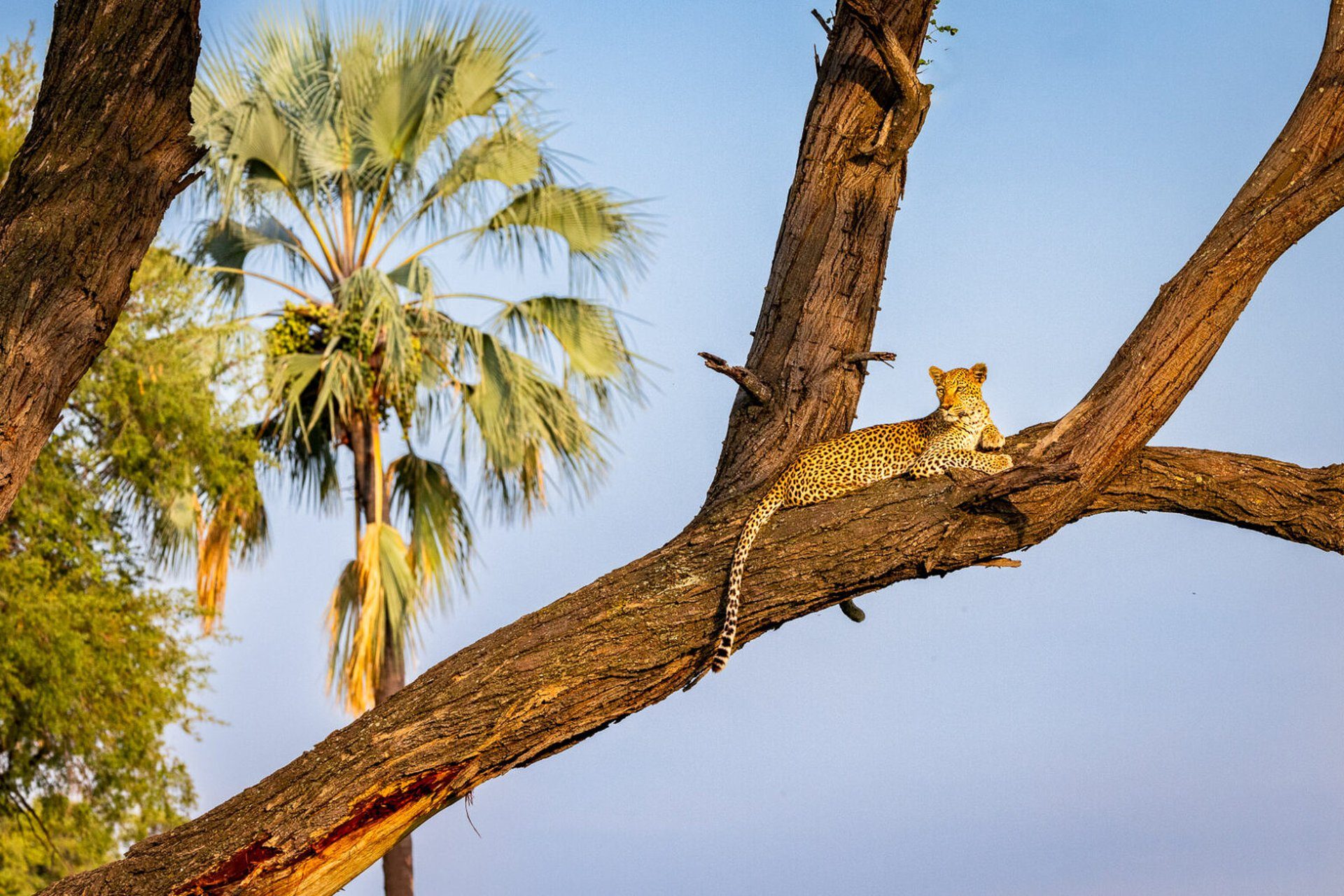
It is the most common question we hear when planning a South African safari: Kruger or Sabi Sands? Both sit in the same Greater Kruger ecosystem, both deliver the Big Five, and both are world-renowned. But the experience, the cost and the style of safari are completely different. One is Africa's most famous national park, open to all. The other is an exclusive private reserve where you share the wilderness with a handful of other guests and some of the best guides on the continent.
🦁 Planning Your Kruger Safari?
For the complete kruger safari resource - expert guides, honest costs, luxury lodges, curated itineraries, and everything you need to plan your trip - visit our comprehensive hub:
View Complete Kruger Safari Hub →This guide breaks down the differences — wildlife, privacy, guiding, costs, lodges and who each suits best — so you can choose the right safari for you.
The same wildlife roams both reserves — the difference is how close you get to it.
Quick Answer
Choose Kruger if you want an affordable Big Five safari, the freedom of self-drive exploration and the romance of a vast national park — it is still world-class and delivers genuine wildlife encounters at a fraction of the cost.
Choose Sabi Sands if you want the best game viewing on the continent (especially leopards), expert guiding, off-road tracking, luxury lodges and total privacy — it is the pinnacle of the South African safari, with everything handled for you.
At a Glance: Kruger vs Sabi Sands
| Factor | Kruger National Park | Sabi Sands Game Reserve |
|---|---|---|
| Access | Public park, self-drive + guided drives | Private, lodge-only, no self-drive |
| Off-road tracking | Not allowed — stay on roads | Yes — follow animals into the bush |
| Leopard sightings | Possible, usually distant | Highest density in Africa — daily, close |
| Crowds at sightings | 10–30 vehicles possible | 1–3 vehicles, often alone |
| Guiding | DIY or shared camp drives | Private ranger + tracker, world-class |
| Night drives | No (gates close at sunset) | Yes — spotlight nocturnal species |
| Cost (per person / night) | $40–$300 (self-drive/camps); $500–$1,500 (private lodges) | $600–$3,000+ all-inclusive |
| Best for | Budget, self-drive, families, flexibility | Honeymoon, luxury, photography, best guiding |
Geography & Access
Kruger National Park
One of Africa's largest game reserves — 19,485 square kilometres, roughly the size of Israel or Wales. Kruger is a public national park managed by South African National Parks (SANParks). It has nine entrance gates, a network of tarred and gravel roads open to self-drive visitors, and 12 main rest camps offering accommodation from basic rondavels to comfortable chalets. You can explore on your own, book guided drives at the camps, or stay at private lodges inside Kruger's borders (a middle-ground option).
Sabi Sands Game Reserve
A private reserve of 65,000 hectares bordering Kruger's southwestern edge. There are no fences between Sabi Sands and Kruger, so the wildlife moves freely. But Sabi Sands is divided into private concessions, each with one or two lodges. Access is by lodge booking only — you fly into Skukuza or a private airstrip, get picked up by your lodge, and never leave the property except on game drives within the reserve. There are no public roads, no self-drive and no day visitors.
Wildlife & Game Viewing
The animals are the same
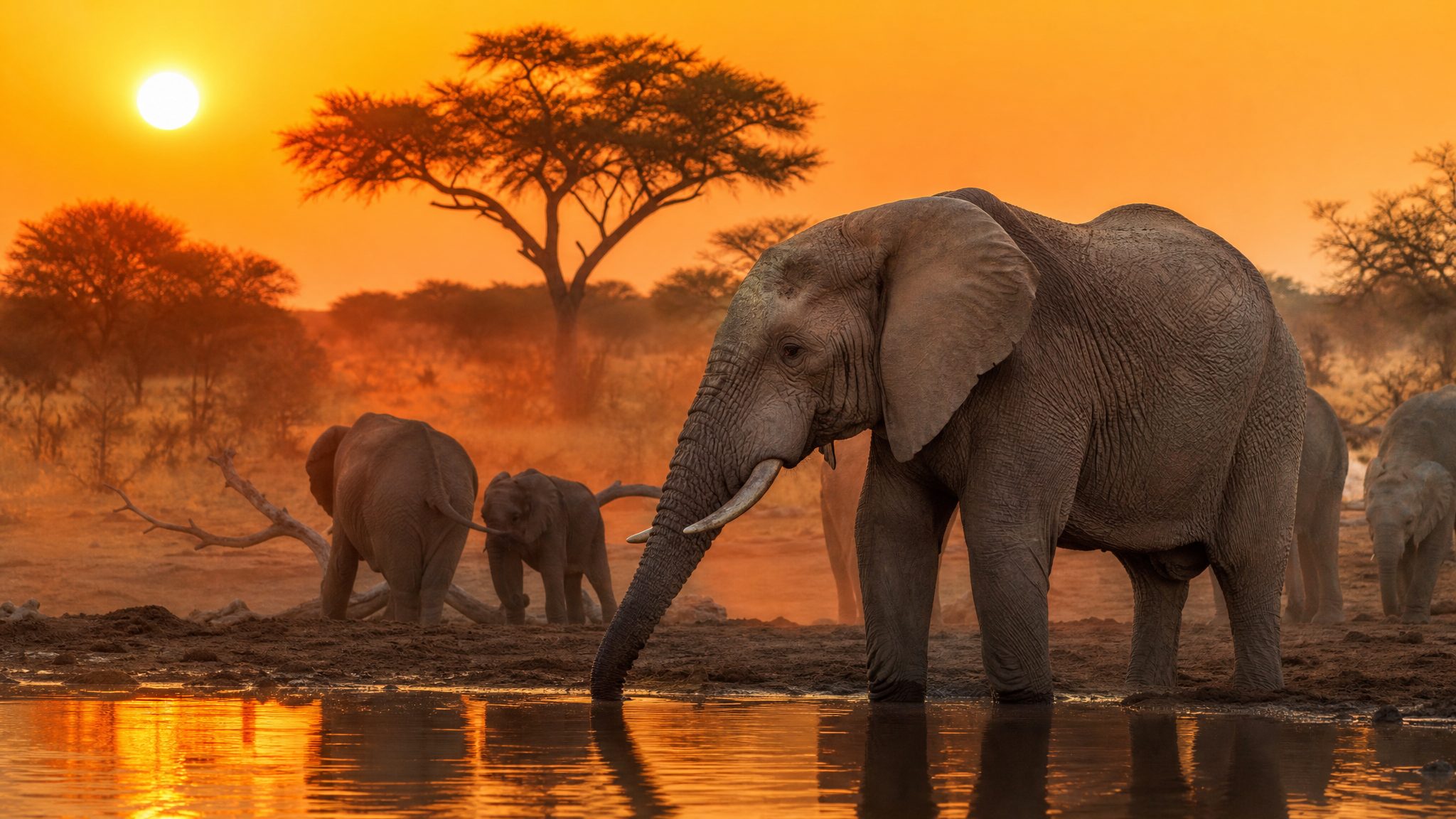
Because there is no fence, the same lions, elephants, leopards, buffalo and rhino roam between Kruger and Sabi Sands. Both have excellent Big Five populations, plus cheetah, wild dog, giraffe, zebra, hippo and hundreds of bird species. The ecosystem is identical.
The sightings are not
Here is where Sabi Sands pulls ahead. In Kruger, you must stay on roads. You can see a leopard in a tree 50 metres away — but if it walks into the bush, you cannot follow. In Sabi Sands, your guide radios other vehicles, goes off-road and tracks the leopard through the bush until you are 5 metres away, watching it stalk impala. This is the difference between seeing wildlife and experiencing it.
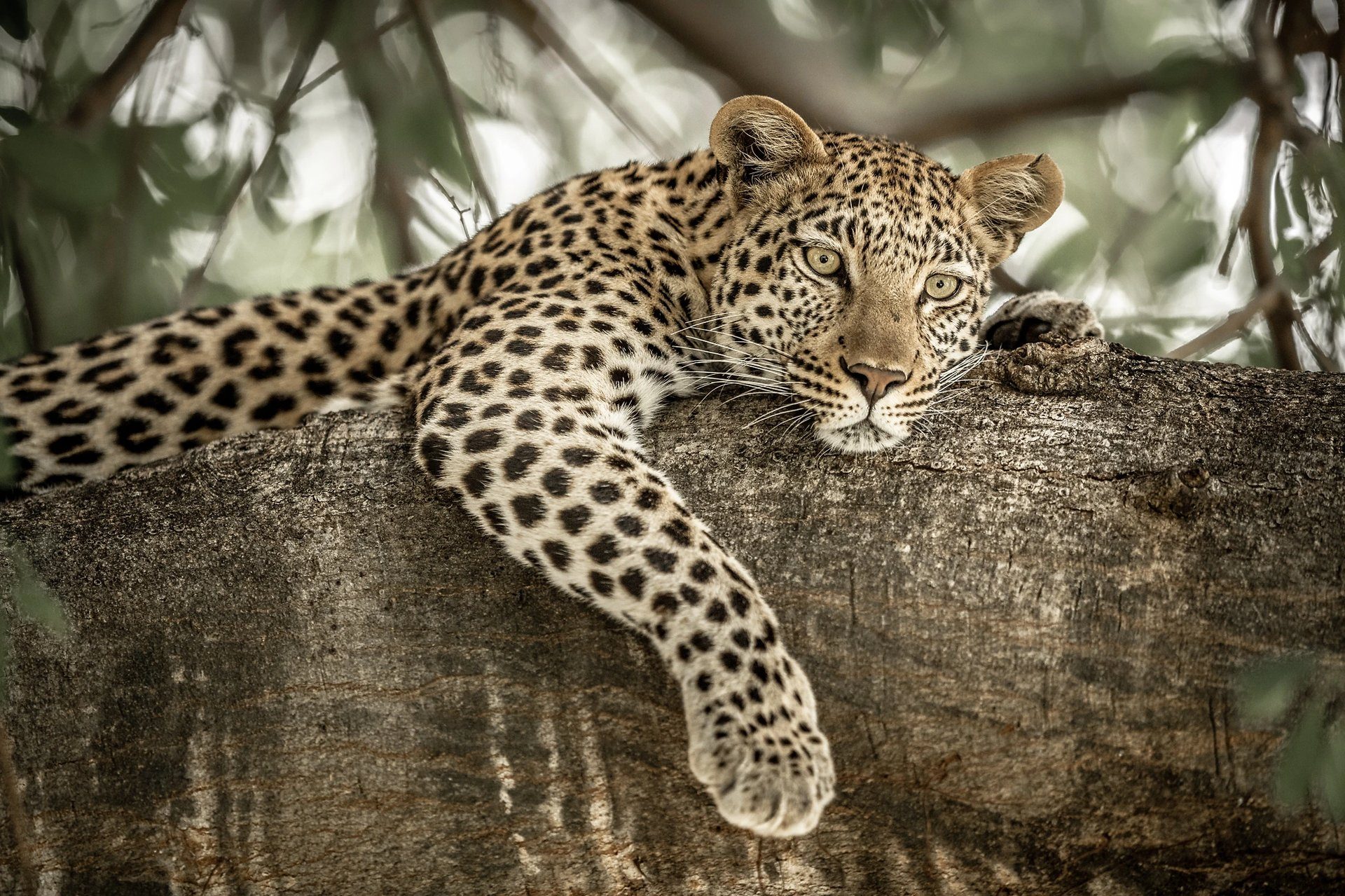
Leopard sightings — the Sabi Sands advantage
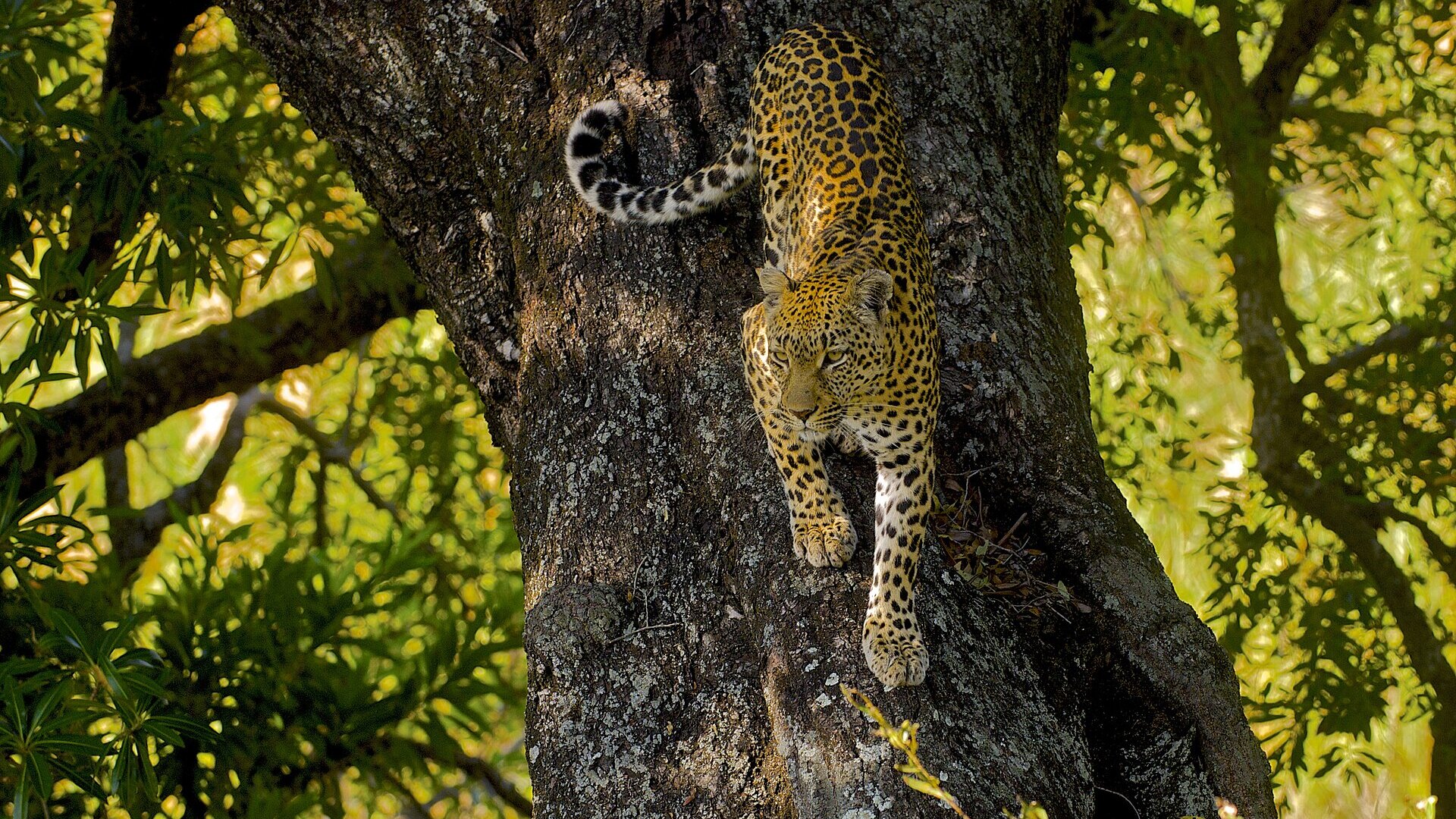
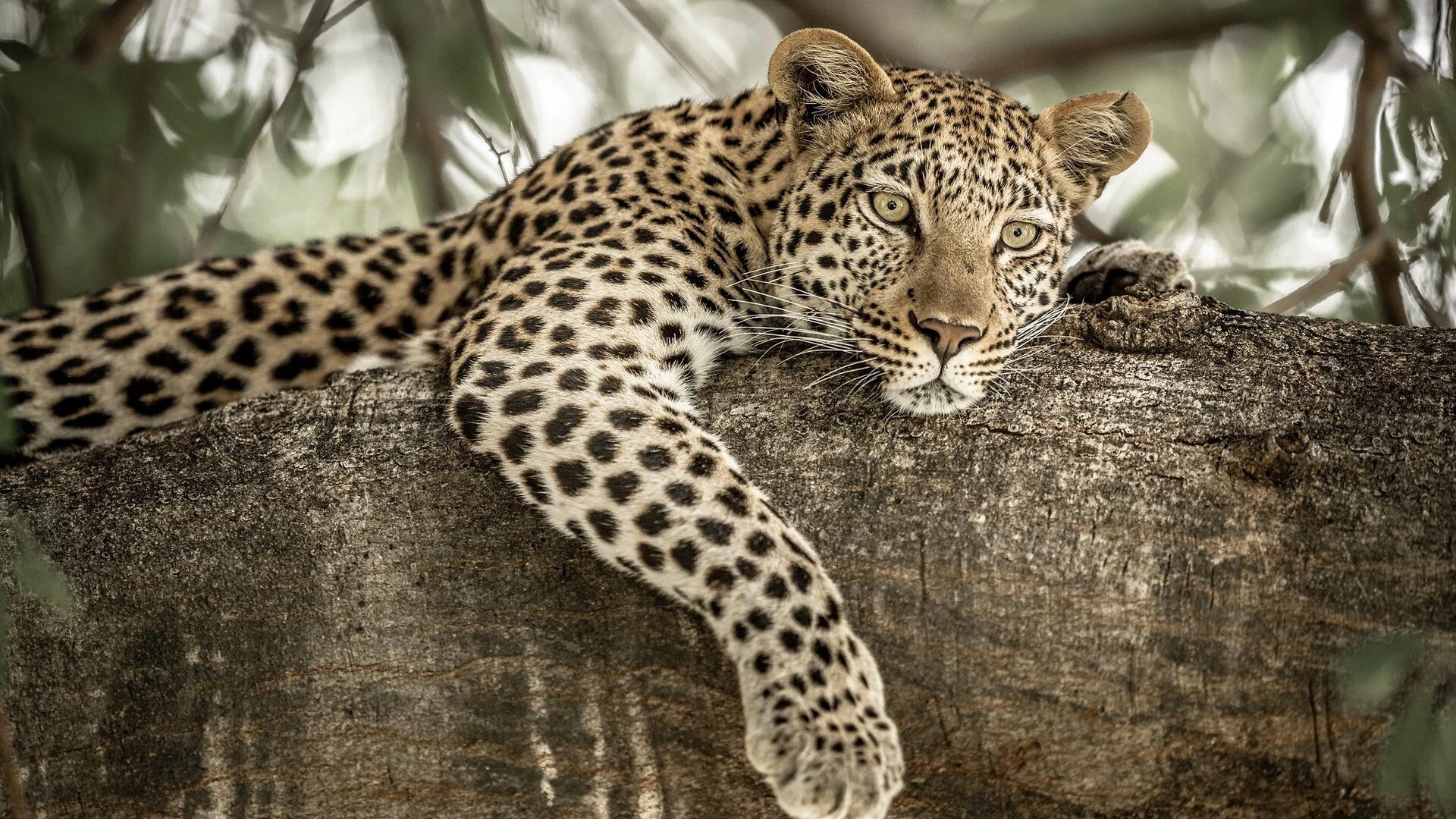
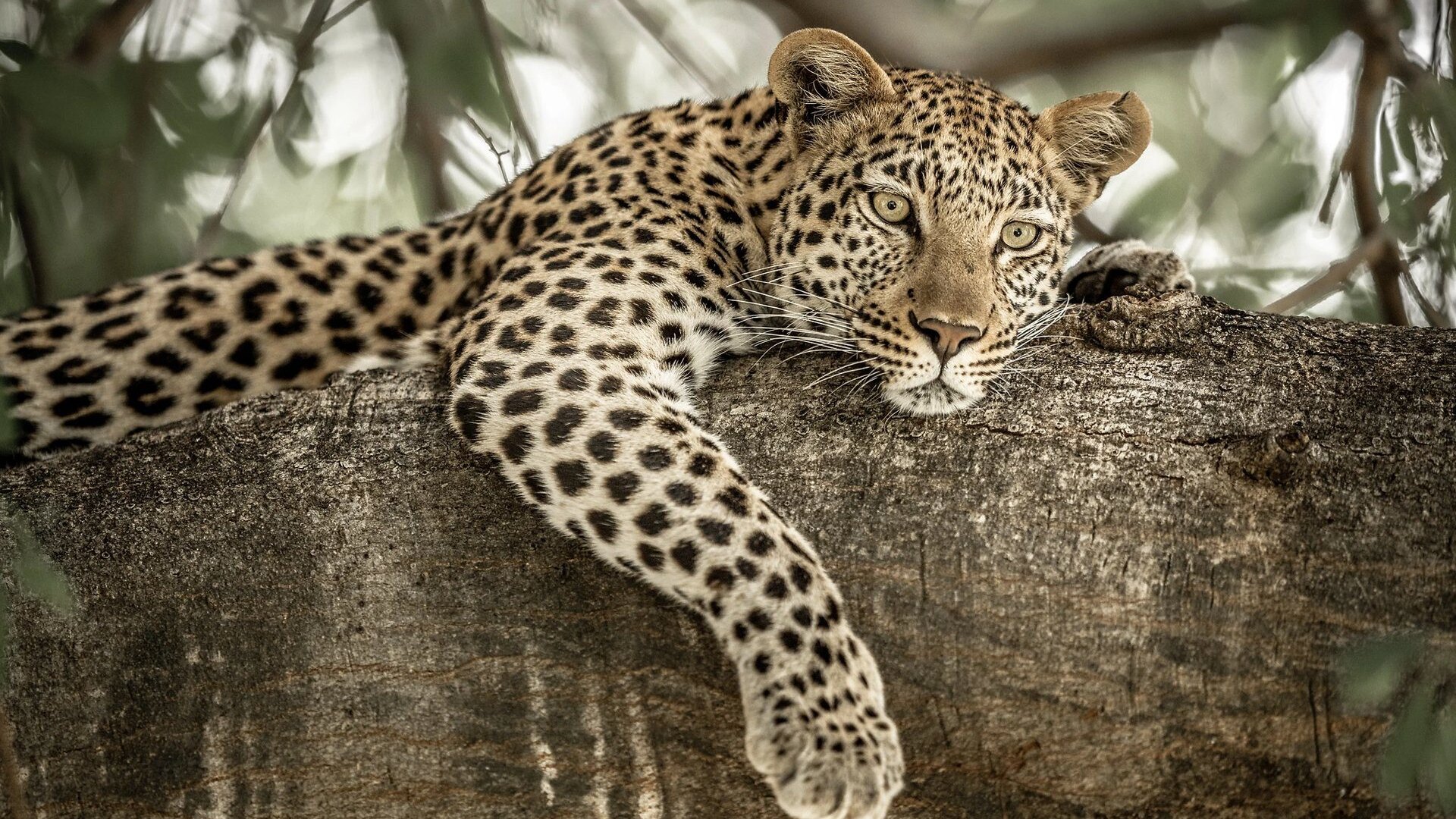
Sabi Sands has the highest concentration of habituated leopards in Africa. These cats have been tracked by guides for decades, so they ignore vehicles and behave naturally. Daily leopard sightings are the norm — often multiple sightings per drive. You will see them hunt, drag kills into trees, interact with cubs and patrol their territories. In Kruger, leopard sightings are possible but far less frequent and usually distant. If leopards are your dream, Sabi Sands is in a different league.
Predator density overall
Sabi Sands also has higher densities of lion prides and a strong cheetah population. Wild dog sightings are rare in both (they range widely), but when packs do pass through Sabi Sands, the guides can follow them off-road for hours.
The Safari Experience
Kruger: self-drive freedom & scale
In Kruger, you drive yourself. You wake up when you want, choose your own routes, stop where you like and spend as long as you want at sightings. There is a romance to this — you and the African bush, no schedule, no guide, just you and a map. The vastness of Kruger is also part of the magic — hours of driving with little sign of other vehicles, the sense of true wilderness. For independent travellers and those on a budget, it is a brilliant option.
Sabi Sands: expert guiding & off-road tracking
In Sabi Sands, everything is guided. Your ranger (often with 10–20 years' experience) and tracker (who sits on a seat mounted to the front bumper of the Land Cruiser, reading the ground) work as a team. They know every animal, every territory, every den site. They communicate by radio with other guides to locate sightings, then take you off-road — through riverbed, over termite mounds, between thorn trees — to position you perfectly. The quality of the sighting and the depth of knowledge shared is transformative. You learn to read tracks, understand behaviour and see the bush through expert eyes.
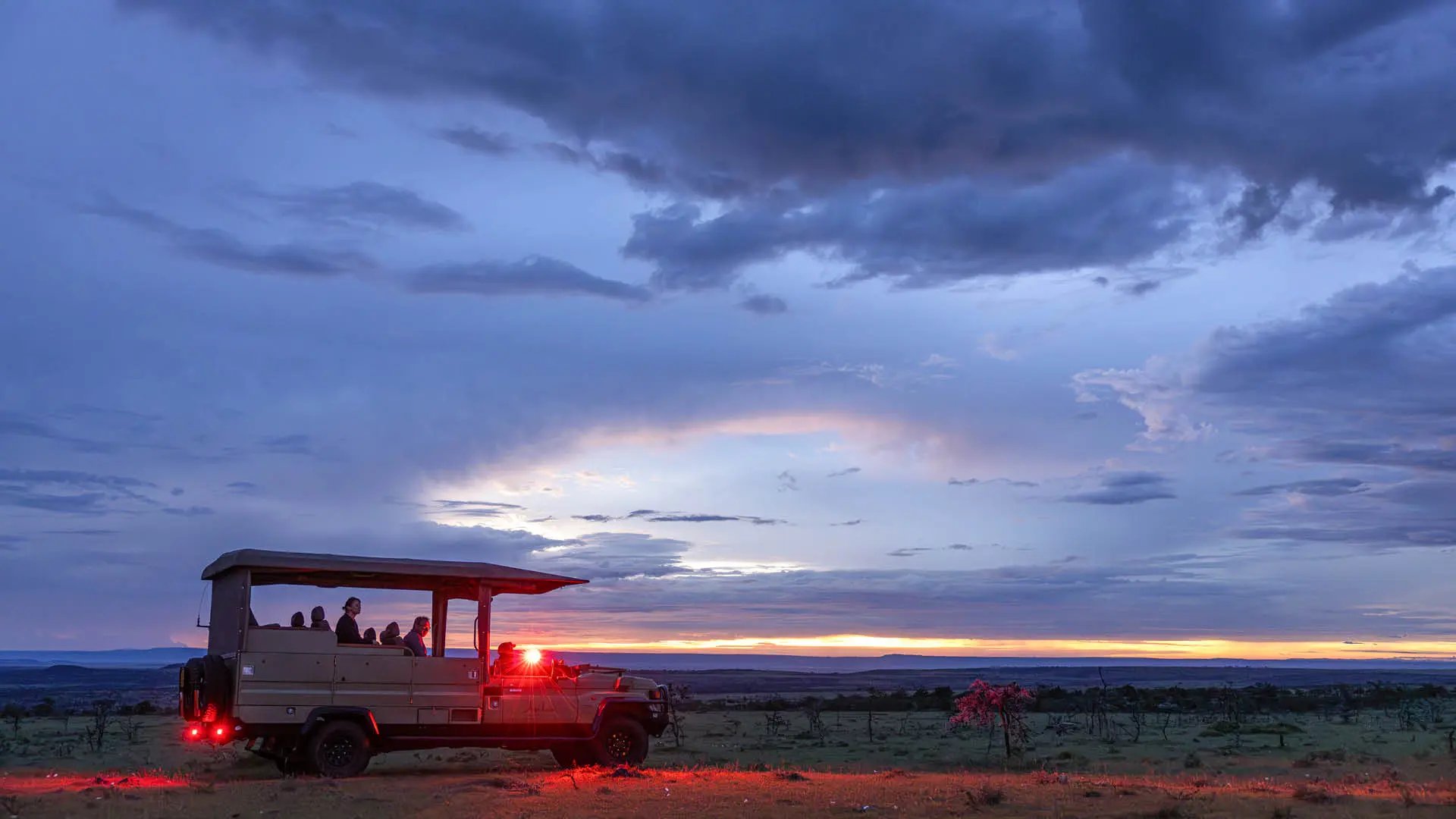
Privacy & exclusivity
In Kruger, popular sightings (especially lions or leopards near roads) can attract 10, 20, sometimes 30 vehicles. It is a public park, so everyone has a right to be there. In Sabi Sands, your lodge shares sightings only with the other one or two lodges on the same concession. A leopard sighting might be just your vehicle, or at most two or three others. Often you are completely alone with the animal. The difference is profound.
Lodges & Accommodation
Kruger options
Kruger has three tiers:
1. SANParks rest camps (Skukuza, Satara, Lower Sabie, etc.) — basic chalets, shared facilities, self-catering kitchens. Budget-friendly ($40–$120 per person per night).
2. SANParks luxury camps (Punda Maria, Shingwedzi) — more comfortable, still public, some with restaurants. Mid-range ($100–$200 per person per night).
3. Private lodges inside Kruger (Jock Safari Lodge, Rhino Post, Imbali) — luxury lodges on private concessions within the park. Guided drives, all-inclusive. Premium ($500–$1,500 per person per night).
Sabi Sands lodges
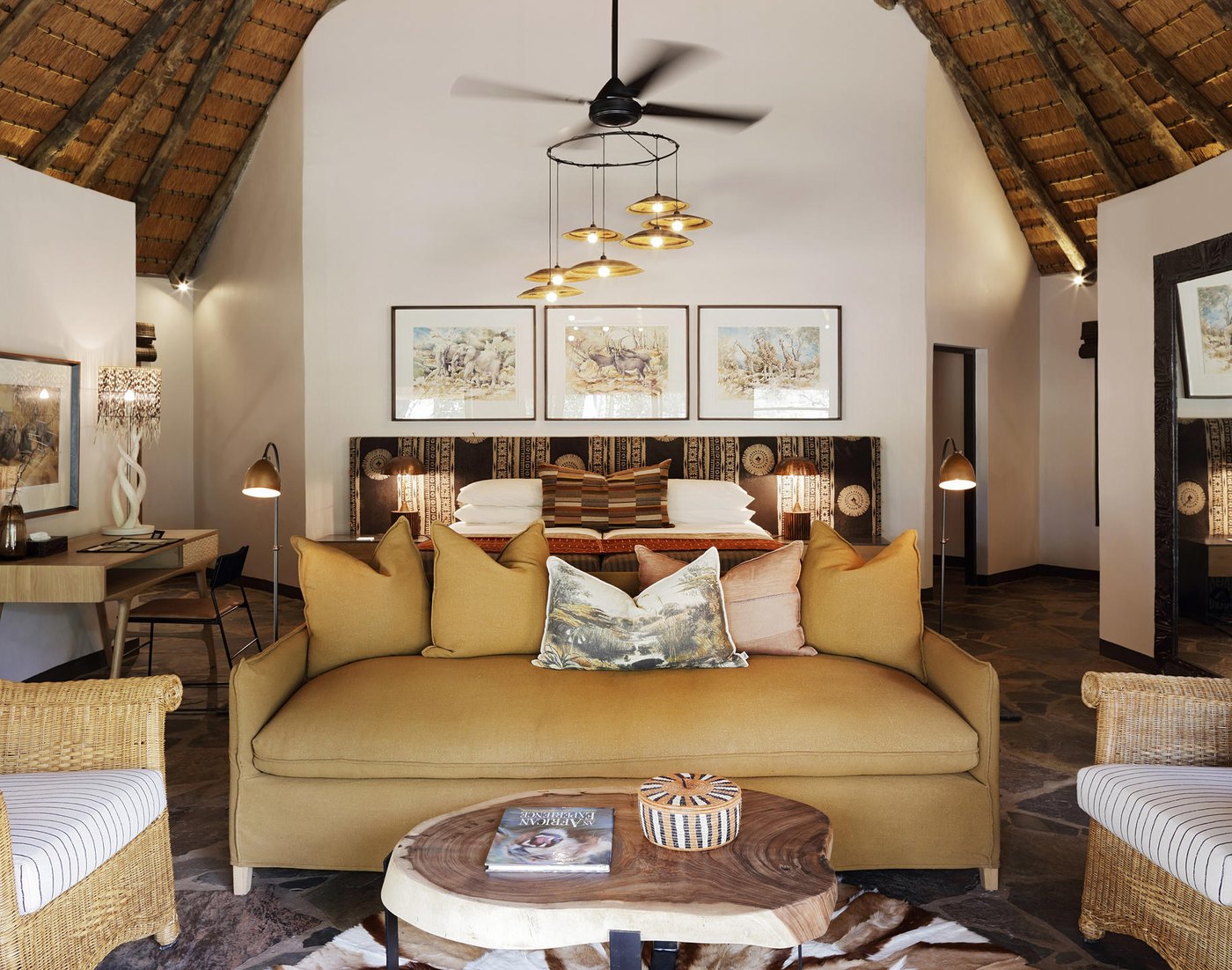
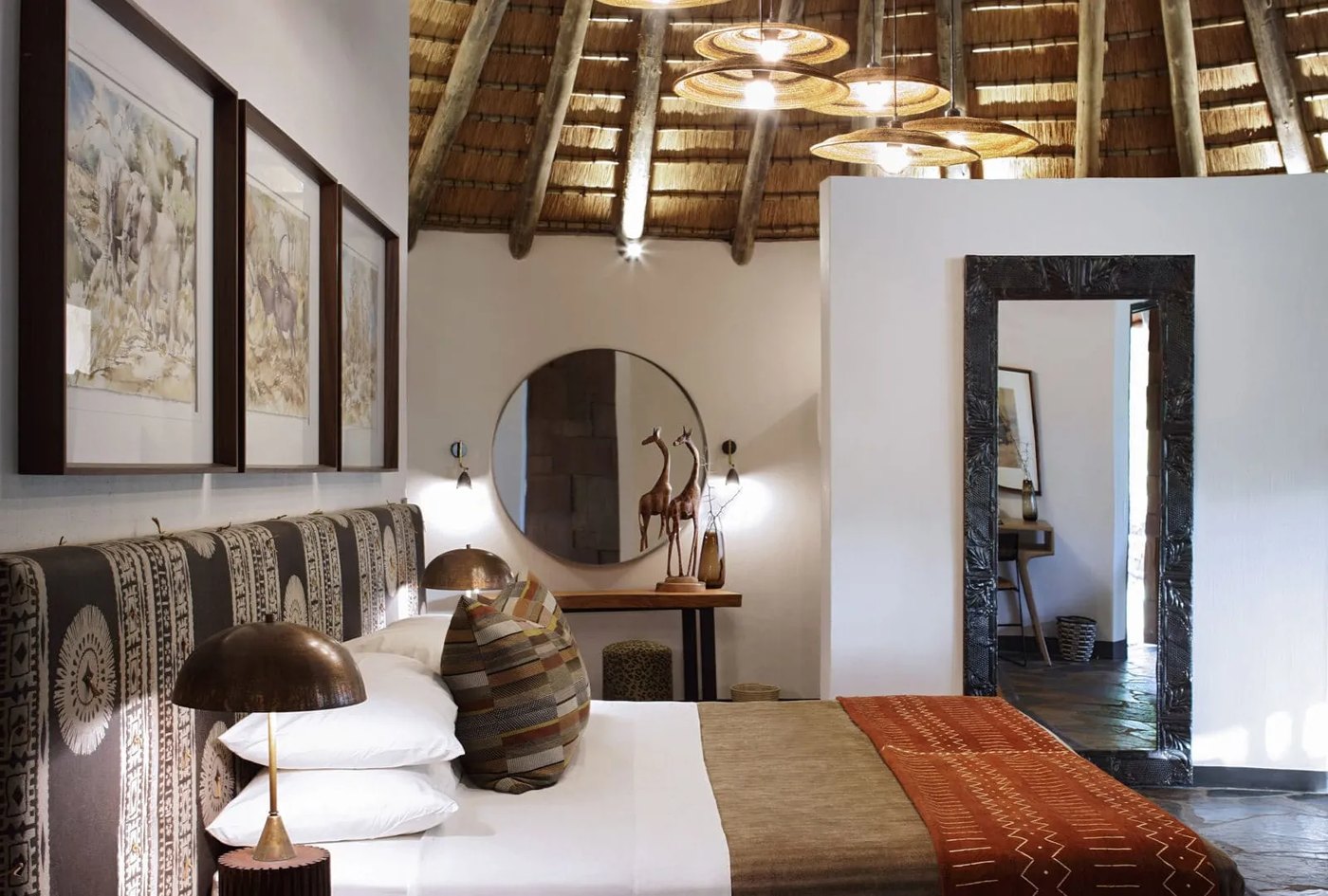
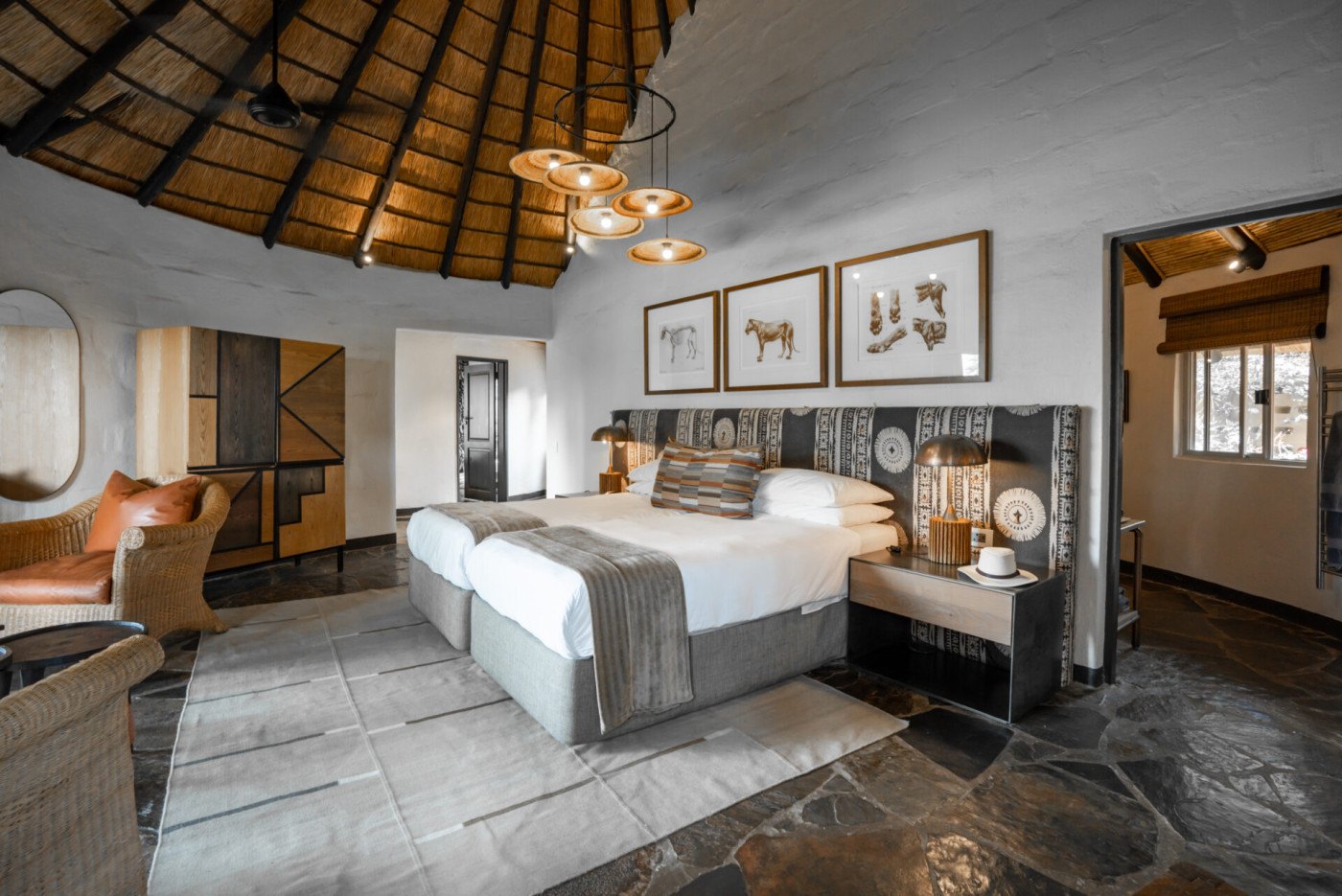
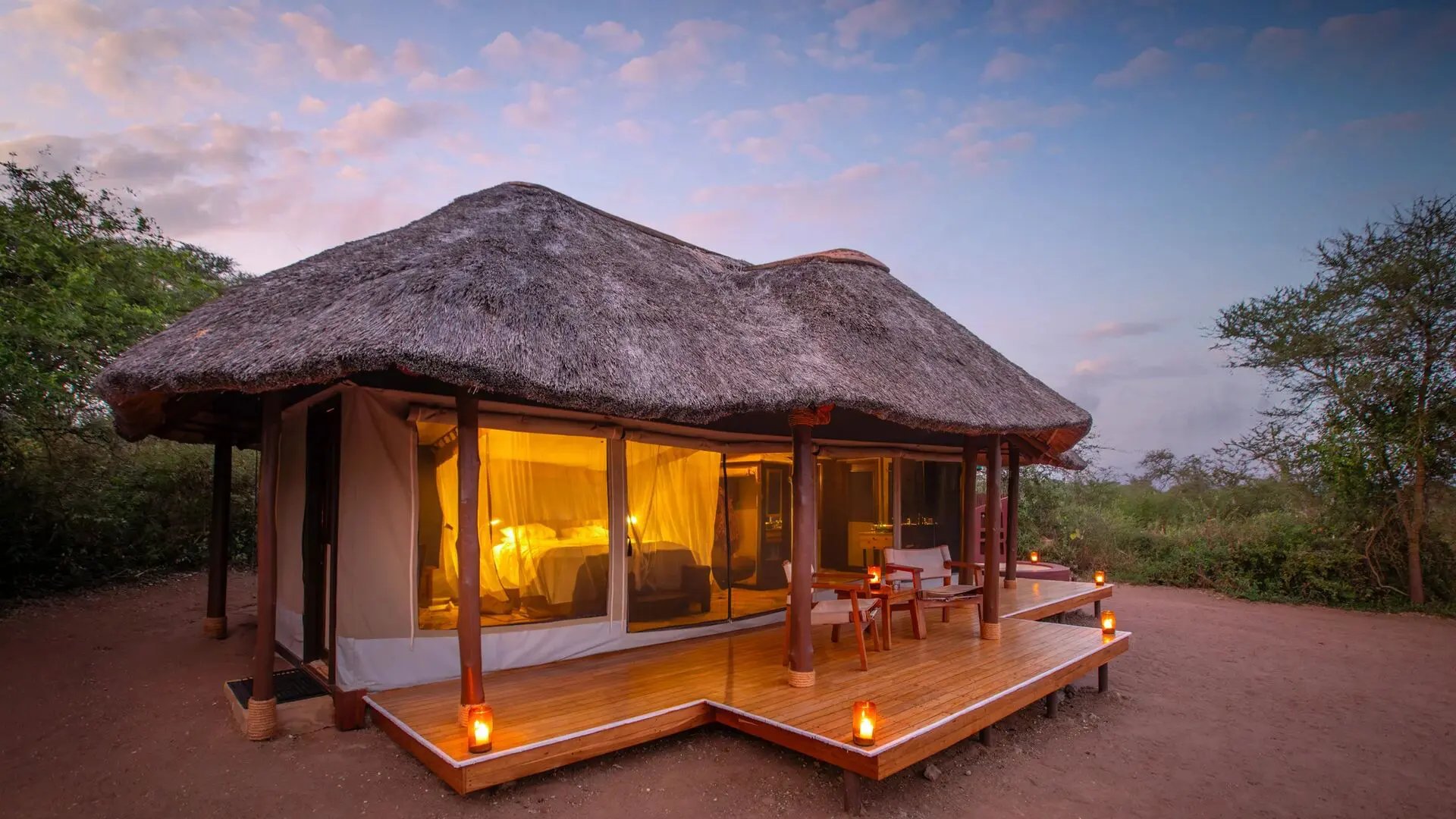
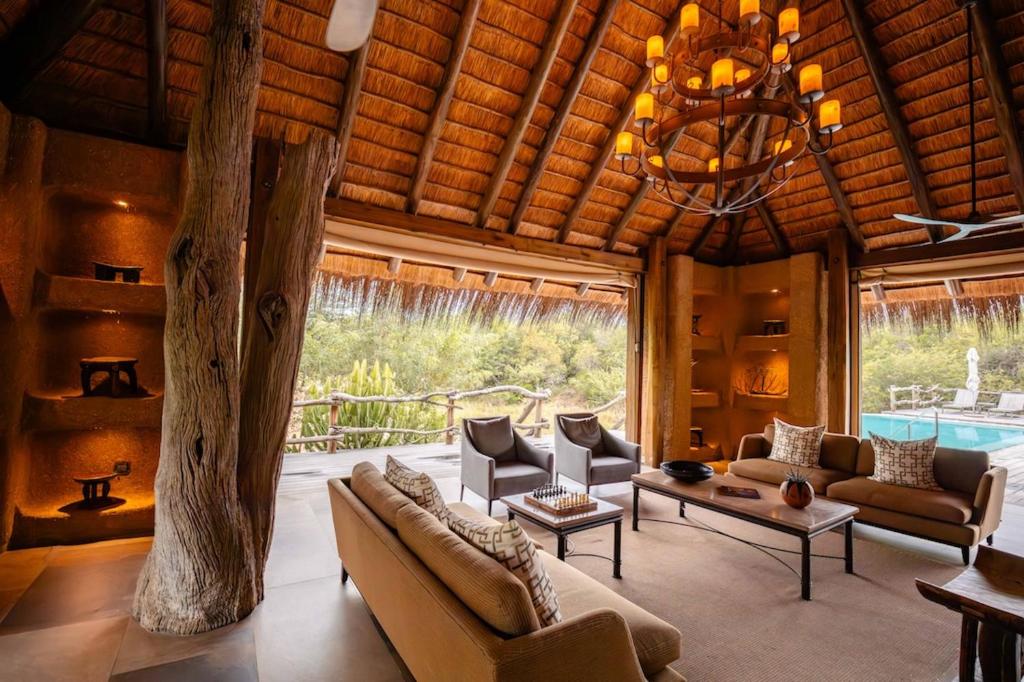
Sabi Sands is home to some of the world's finest safari lodges: Londolozi, Singita, Lion Sands, Dulini, Chitwa Chitwa, Leopard Hills, Ulusaba and more. These are all-inclusive luxury properties with private suites, plunge pools, spa treatments, wine cellars, gourmet cuisine and twice-daily game drives. Rates run from $600 per person per night (comfortable) to $3,000+ (ultra-luxury). The lodges are small (10–20 guests), intimate and designed around the wilderness.
Cost Comparison (2026)
Kruger
Self-drive, 4 days/3 nights: $500–$1,200 per person total (rest camp accommodation, car rental, fuel, park fees, food).
Guided, mid-range lodge: $1,500–$3,000 per person (3 nights, all-inclusive).
Private luxury lodge inside Kruger: $2,500–$6,000 per person (3 nights, all-inclusive).
Sabi Sands
Comfortable lodge: $2,500–$4,000 per person (3 nights, all-inclusive).
Premium lodge: $4,500–$8,000 per person (3 nights).
Ultra-luxury (Singita, Londolozi Tree Camp): $9,000–$15,000+ per person (3 nights).
Value for money
Kruger wins on price. Sabi Sands wins on experience per dollar spent. If you can afford it, most guests say Sabi Sands was worth every cent.
2026 lodge rates at a glance
| Lodge | Reserve | Tier | From (pp / night, all-incl.) |
|---|---|---|---|
| SANParks rest camp | Kruger (public) | Budget | $40–$120 |
| Kapama River Lodge | Greater Kruger | Mid-range | $450–$700 |
| Jock / Rhino Post / Imbali | Inside Kruger (private) | Premium | $500–$1,500 |
| MalaMala Sable Camp | Sabi Sands | Luxury | $700–$1,400 |
| Leopard Hills / Dulini | Sabi Sands | Luxury | $900–$1,800 |
| Londolozi / Singita | Sabi Sands | Ultra-luxury | $1,800–$5,000+ |
Indicative 2026 rates, per person sharing, all-inclusive of meals, drinks and twice-daily game drives. Green-season (Nov–Mar) specials can cut Sabi Sands rates by 20–40%.
Guiding & Expertise
Kruger
If you self-drive, you are your own guide. SANParks rest camps offer guided morning and night drives (book at reception), led by field guides with varying experience. These are shared drives on set routes, good but not comparable to private lodge guiding.
Sabi Sands
Sabi Sands guides are among the best in Africa. Many hold advanced FGASA (Field Guide Association of Southern Africa) qualifications, have 10–20 years in the bush, and know individual animals by sight. Your guide is assigned to you for your stay, learns what you want to see, and tailors every drive to your interests. The tracker, often with decades of experience, reads spoor (tracks) like a book. The two work in sync, turning every drive into a masterclass in bush knowledge.
Activities Beyond Game Drives
Kruger
Self-drive game viewing (dawn to dusk), guided morning/sunset drives (book at camp), guided wilderness walks (3-hour bush walks with armed ranger, bookable at certain camps), bird-watching hides. No night drives on public roads (gates close at sunset).
Sabi Sands
Twice-daily game drives (dawn and late afternoon/night), guided bush walks with armed ranger and tracker, night drives with spotlight (legal on private land — you will see nocturnal species like genets, civets, porcupines, sometimes hunting leopards and lions), spa treatments, stargazing, photographic hides, boma dinners, sundowners in the bush. The range is far broader.
Best Time to Visit
Both follow the same seasonal patterns because they share the same ecosystem.
Dry season: May–October
Best for game viewing. Animals concentrate around permanent water, vegetation is sparse, sightings are easier. July–September is peak season (busy in Kruger, fully booked in Sabi Sands). Book 6–12 months ahead.
Green season: November–March
The bush is lush and green, newborn animals appear (impala, wildebeest), migratory birds arrive, and Kruger is less crowded. Afternoon thunderstorms are common. Sabi Sands lodges drop rates by 20–40% (green season specials). Still excellent game viewing, just a different flavour.
Shoulder months: April & November
The sweet spot for value and weather. Conditions are still good, crowds are lighter, and Sabi Sands rates are lower than peak.
Who Each Suits Best
Kruger is ideal for:
Budget travellers, self-drive adventurers, families who want flexibility, first-time safari-goers testing the waters, anyone who loves the freedom and scale of a true wilderness park. It is also perfect if you want to combine safari with Cape Town or the Garden Route on a tighter budget.
Sabi Sands is ideal for:
Honeymooners, luxury travellers, serious wildlife photographers, repeat safari-goers who want the best, anyone for whom leopards are non-negotiable, and travellers who value expert guiding and privacy over cost. If this is a once-in-a-lifetime trip and you want it done right, Sabi Sands is the answer.
Can You Do Both?
Yes, though most guests find it unnecessary — you are seeing the same animals in the same ecosystem. If you do want both experiences, a typical split is 2 nights self-drive in Kruger (to feel the scale and independence) + 3 nights in Sabi Sands (for the luxury and expert guiding). Your Sabi Sands lodge can arrange a pick-up from Skukuza camp or a Kruger gate.
The best-of-both 5-night itinerary
| Day | Base | Experience |
|---|---|---|
| Day 1 | Kruger rest camp | Fly to Skukuza, collect car, afternoon self-drive to your camp — feel the scale of the park. |
| Day 2 | Kruger rest camp | Full day self-drive on the southern loops (best Big Five density), sunset drive booked at camp. |
| Day 3 | Transfer to Sabi Sands | Morning drive, then lodge transfer. First afternoon drive with private ranger & tracker. |
| Day 4 | Sabi Sands lodge | Dawn & dusk drives, off-road leopard tracking, bush walk, boma dinner. |
| Day 5 | Sabi Sands lodge | Final morning drive, spa or siesta, night drive with spotlight — the pinnacle of the trip. |
| Day 6 | Depart | Last sunrise drive, brunch, transfer to airstrip for your onward flight. |
Other Greater Kruger Private Reserves
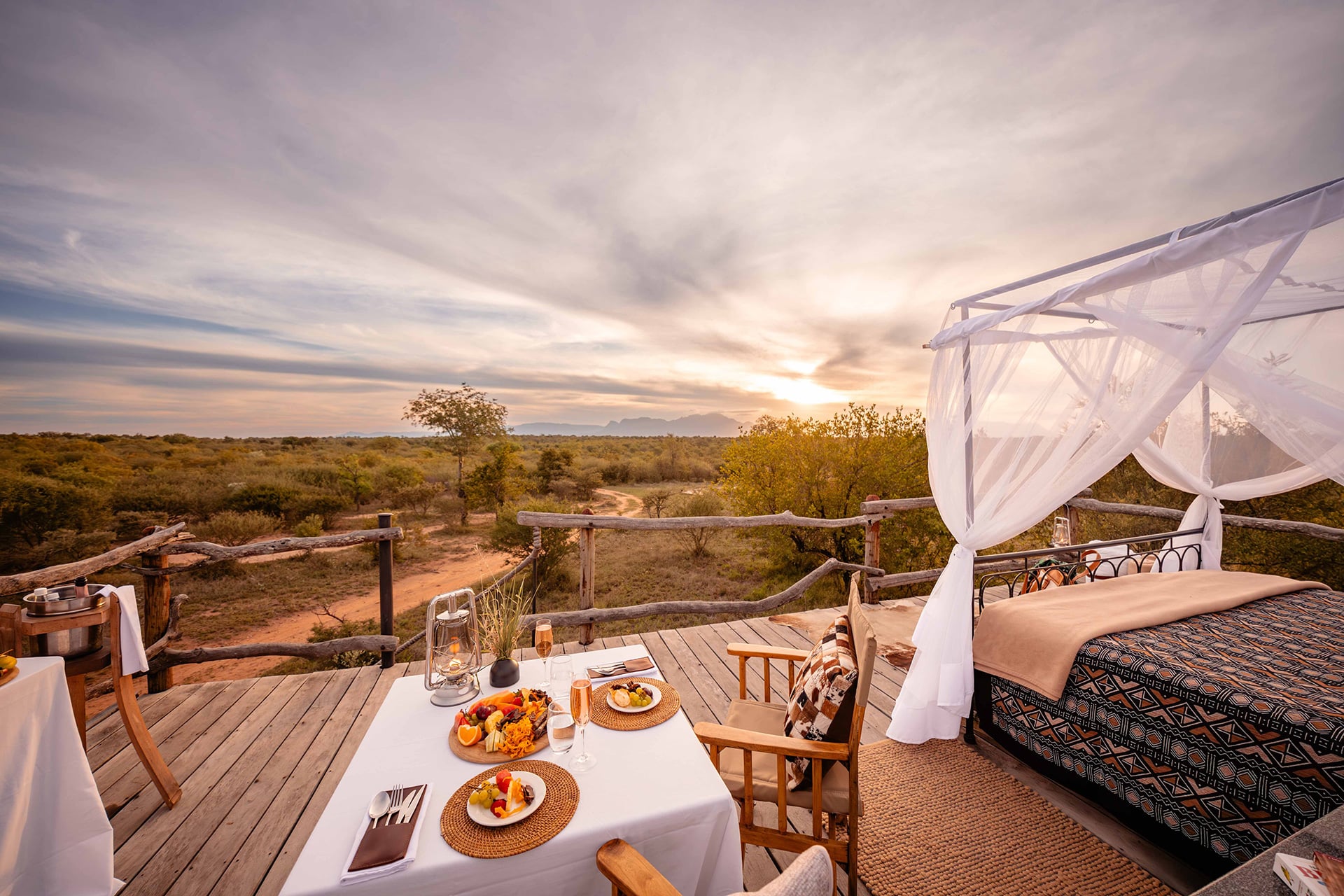
If Sabi Sands is beyond budget but you want a private reserve experience, consider Timbavati, Thornybush, Klaserie or Balule — neighbouring private reserves that also share unfenced borders with Kruger. They offer excellent Big Five viewing, off-road driving and quality lodges at $400–$900 per person per night (vs Sabi Sands' $600–$3,000+). Leopard density is not as high as Sabi Sands, but the overall experience is still far superior to self-drive Kruger. See our Kruger safari packages guide for details.
When to Book (2026 Timeline)
12+ months out: Book Sabi Sands luxury lodges (Londolozi, Singita, MalaMala) for peak dry-season dates (Jul–Sep) — the best suites sell out first.
6–9 months out: Secure mid-range Greater Kruger lodges and Kruger private concessions, plus internal flights to Skukuza or Hoedspruit.
3–6 months out: Lock in Kruger rest-camp accommodation and self-drive car rental (SANParks camps release inventory ~11 months ahead but shoulder dates stay open).
Green season (Nov–Mar): Shorter lead times work — 2–4 months out — and you unlock 20–40% Sabi Sands savings.
Final Recommendation
If budget is tight or you value independence and scale, Kruger delivers a genuine, thrilling Big Five safari and you will love it. If you can stretch to Sabi Sands, do it — the quality of guiding, the intimacy of the sightings and the leopard encounters are unmatched anywhere in Africa. For most of our guests, Sabi Sands becomes the benchmark against which every future safari is measured.
Read our private safari South Africa guide, explore our Luxury Sabi Sands Safari package, compare with the Classic Kruger Safari, or get in touch to design a safari that fits your budget, style and wildlife wish list. Whether Kruger or Sabi Sands, we will make it unforgettable.