Kruger National Park day safari — Big Five game drives from nearby towns and lodges.
🔥 August 2026 Update
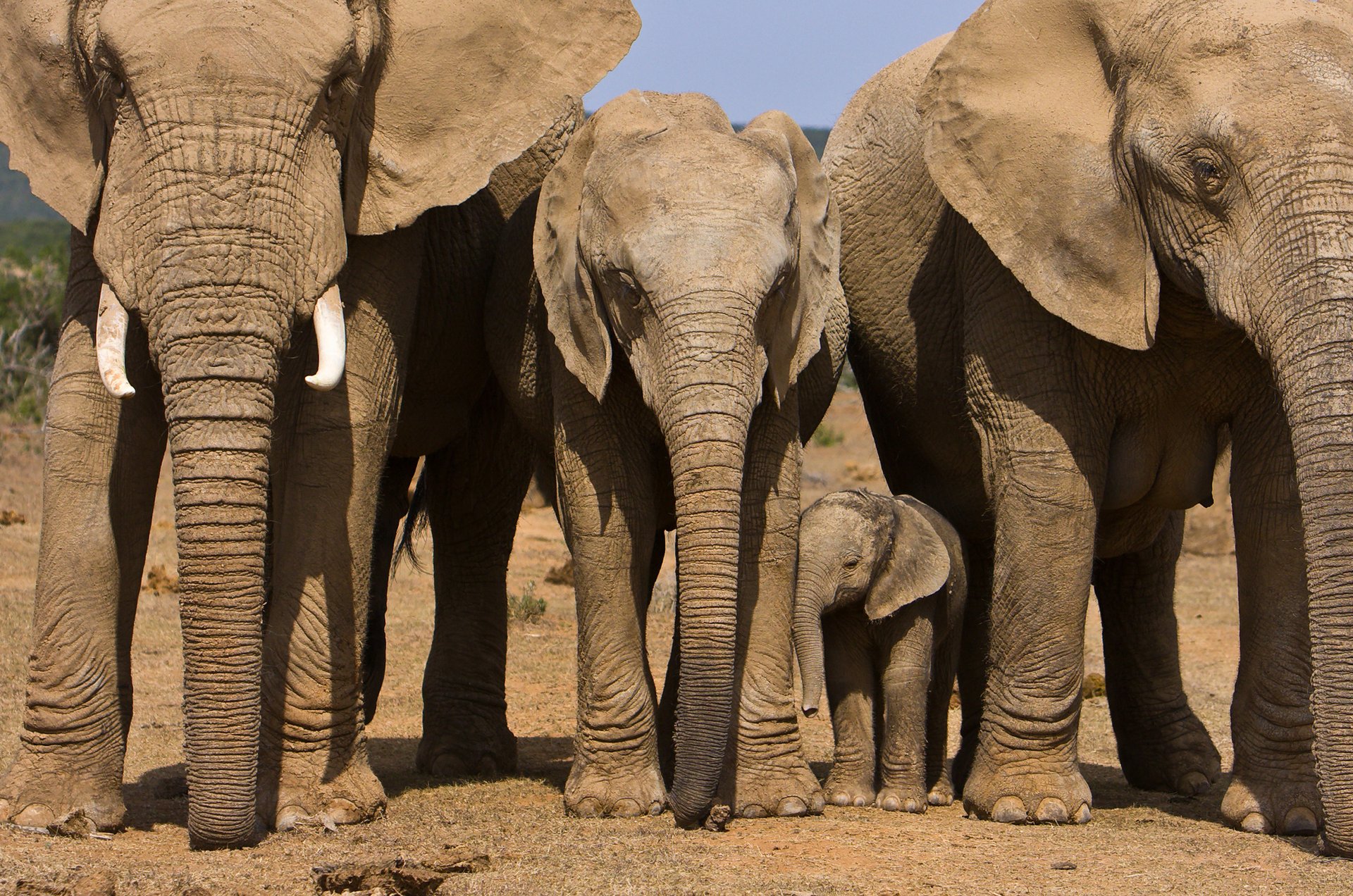
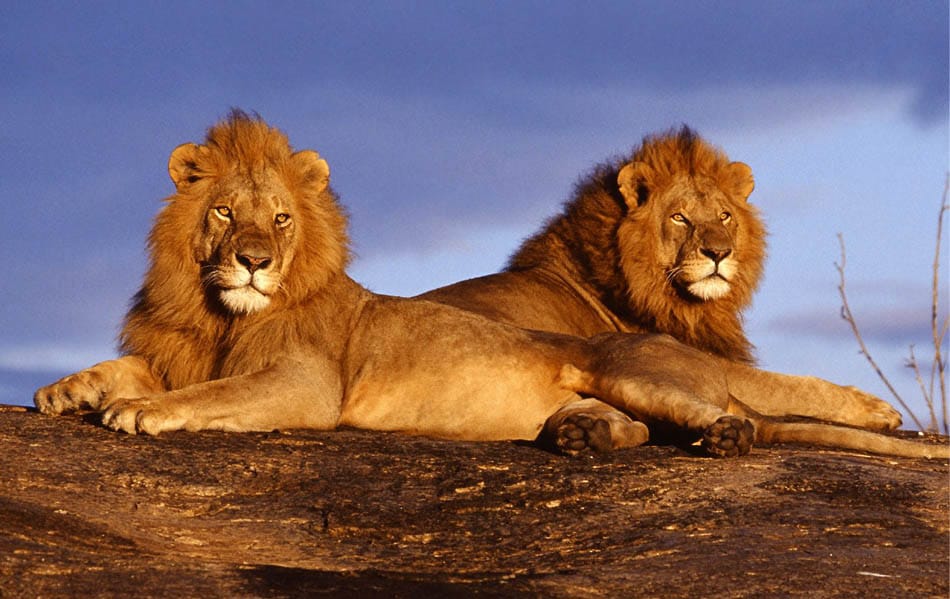
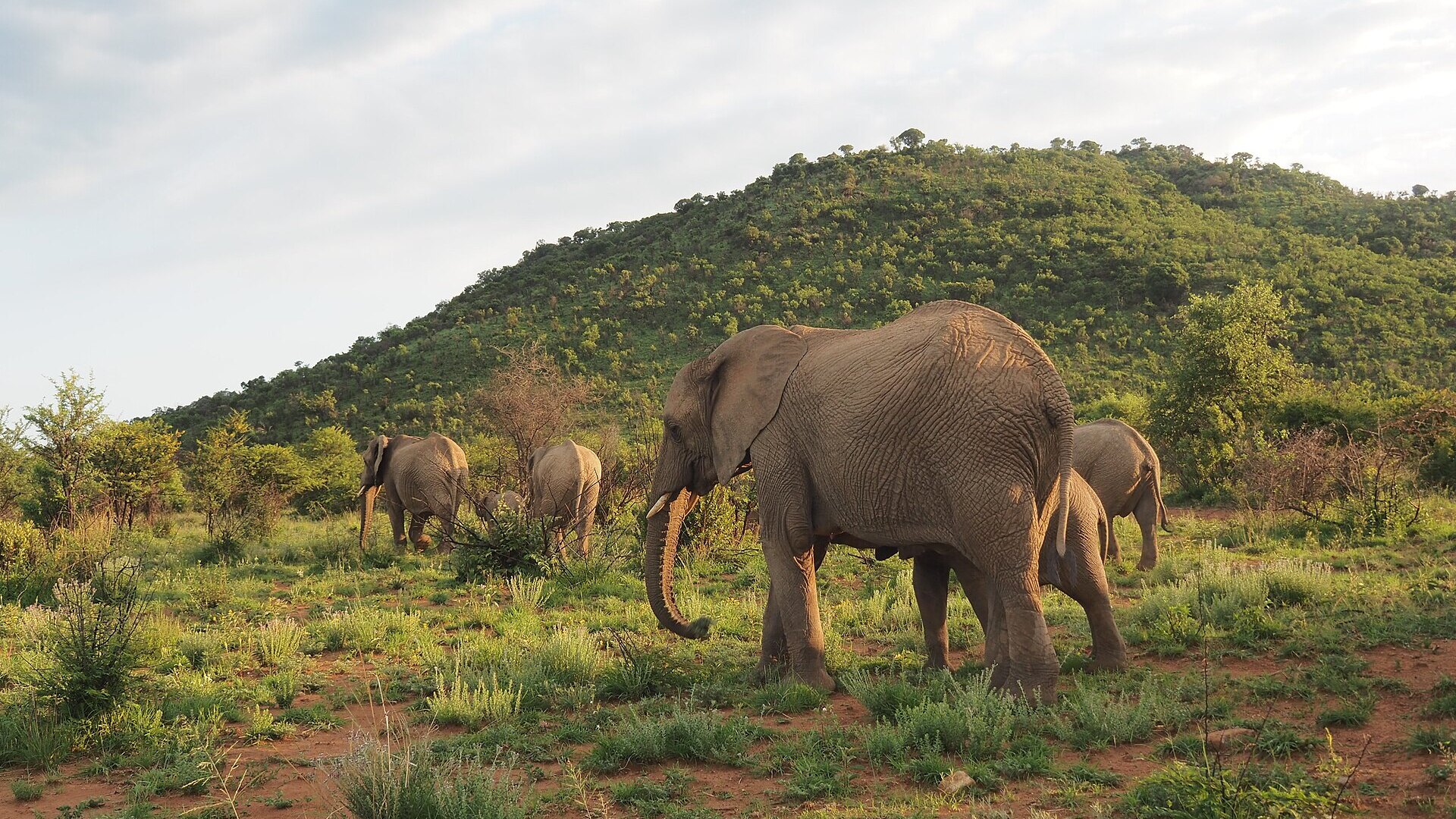
Wildlife surge: Kruger's 2026 dry season (June–September) is delivering exceptional game viewing. Lion pride activity near Satara and Skukuza is at a 6-year high. The new Kruger Skybridges viewing platforms at Sunset Dam and Nkuhlu offer unmatched elephant photography opportunities.
Access update: Phabeni and Numbi gates now accept QR-code Wild Card entries — skip the queue. Book sunrise game drives (05:30 departure) for cooler temps and peak predator activity.
Kruger National Park — Africa's Premier Wildlife Destination
Quick Answer
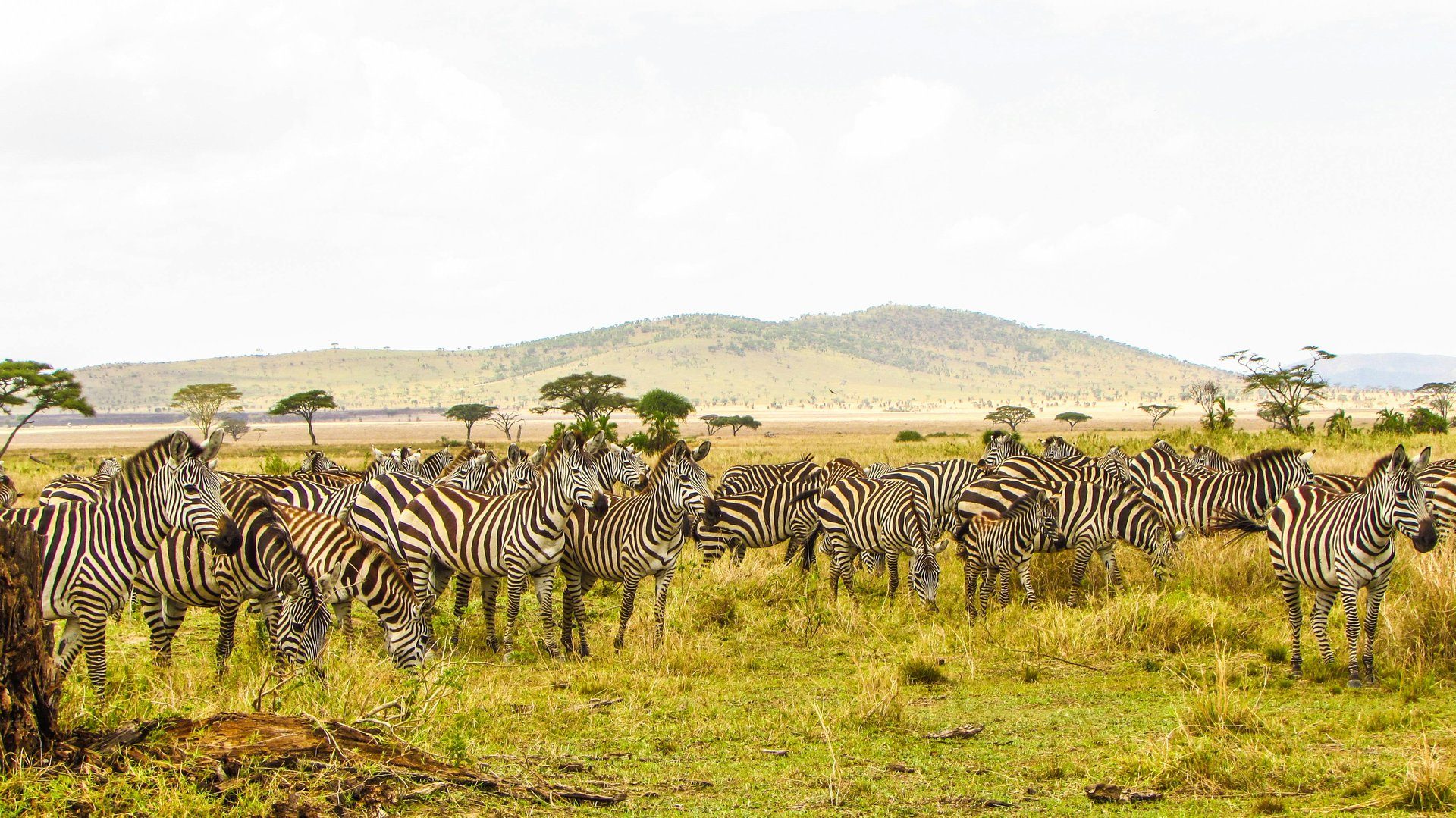
A Kruger National Park day safari is possible if you're staying near the park gates (Hazyview, Nelspruit, Hoedspruit). Full-day safaris typically run 6am–5pm with a professional guide in an open 4x4, covering 100–150 km inside Kruger. You'll see Big Five (lion, leopard, elephant, rhino, buffalo) with high probability, plus giraffe, zebra, and hundreds of bird species. Cost: $120–$250 per person for group tours, $400–$800 for private.
While a single day gives you a solid wildlife experience, 2–3 nights inside Kruger (at a rest camp or private lodge) dramatically increases sightings and lets you do dawn and dusk drives (peak activity times). See our Kruger safari packages guide for multi-day options.
Kruger National Park is South Africa's crown jewel and one of the largest game reserves in Africa. Spanning 19,485 square kilometres (roughly the size of Wales or New Jersey), it's home to an astonishing concentration of wildlife: 12,000 elephants, 2,000 lions, 1,000 leopards, 5,000 rhinos, and 37,000 buffalo.
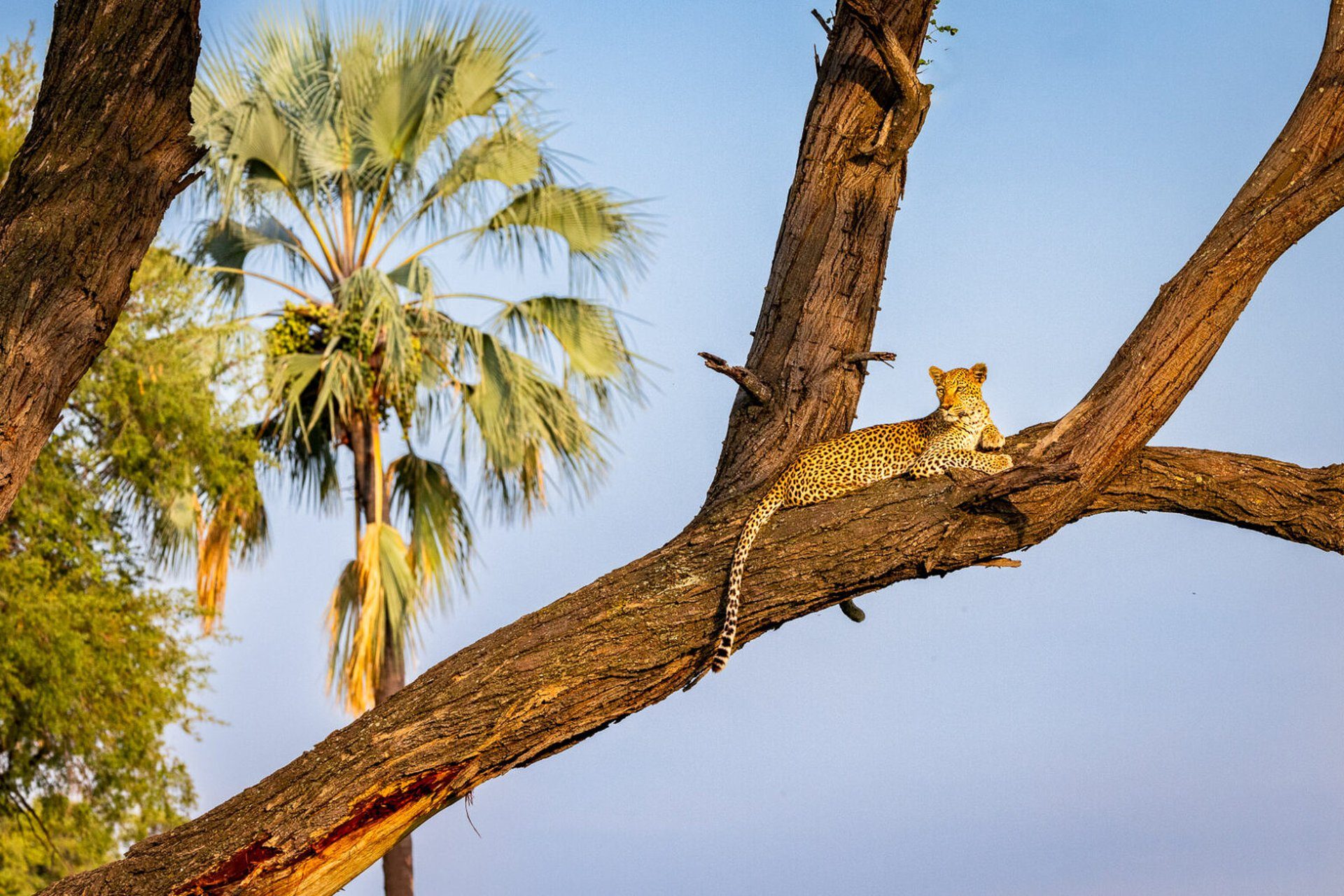
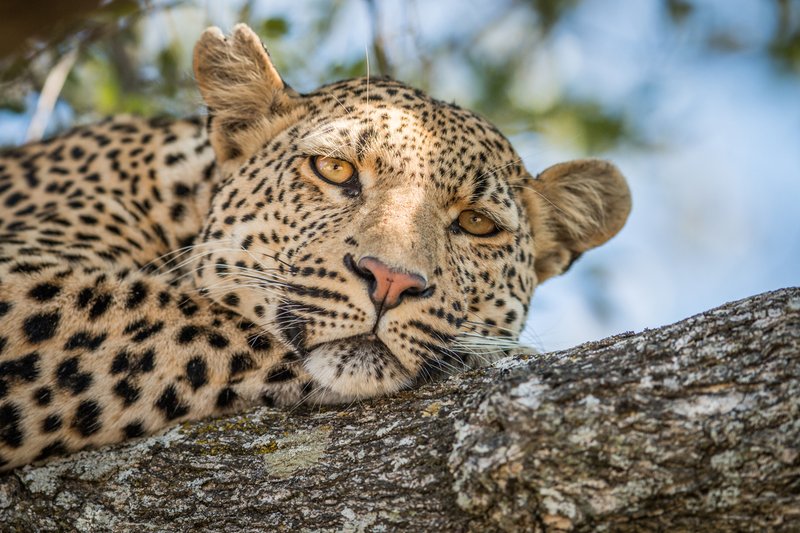
But Kruger isn't just about numbers. It's about that moment when a leopard appears from nowhere on a branch above your vehicle. The thunderous sound of an elephant herd crossing the road just metres away. The electric tension when your guide whispers, "Lions on the kill, 50 metres ahead."
This guide covers everything you need to plan the perfect Kruger experience, whether it's a day trip or a week-long immersion.
Kruger Day Safari — How to Maximise Your Time
Gate Times & Planning
Kruger's gates open at 05:30 in summer (October–March) and 06:00 in winter (April–September). The first hour after gates open is peak wildlife activity — predators are still hunting, and animals are at waterholes before the heat of the day. Arriving at gate opening is non-negotiable.
Best Routes for a Day Safari
Southern Kruger (Best for Big Five — Phabeni/Paul Kruger Gate)
The southern section between Lower Sabie and Skukuza has the highest concentration of Big Five and the best road infrastructure. Our recommended route:
- Enter via Phabeni Gate (less crowded than Paul Kruger Gate)
- Drive the H4-1 to Lower Sabie — this road follows the Sabie River, arguably the best game-viewing road in the entire park
- Stop at Sunset Dam (hippos, crocodiles, herons) and Mlondozi Dam
- Take the S28 loop — excellent for lion and elephant sightings
- Lunch at Lower Sabie Camp (overlooking the river)
- Return via the H4-2 through Skukuza for a different landscape
Central Kruger (Best for Variety — Orpen Gate)
The central section around Satara is prime lion territory — the open plains attract large herds of zebra and wildebeest, which in turn attract Africa's apex predators.
What to Bring on a Day Safari
- Binoculars — Essential. Many incredible sightings happen at distance
- Camera with zoom lens — A 200mm+ lens captures stunning wildlife shots
- Sun protection — Hat, sunscreen (SPF 50+), sunglasses. Open vehicles = sun exposure
- Layers — Mornings are cold (5–10°C in winter), afternoons hot (25–35°C)
- Water and snacks — Dehydration dulls your senses and enjoyment
- Patience — The bush reveals its secrets to those who wait
Private Game Reserves vs. Kruger Self-Drive
Self-Drive in Kruger
Pros: Freedom to explore at your pace, significantly cheaper, the satisfaction of your own discovery.
Cons: Must stay on tarred/gravel roads (no off-roading), no night drives, larger groups at sightings, no expert tracker.
Private Game Reserves (Sabi Sands, Timbavati)
Pros: Expert rangers and trackers, off-road vehicle tracking, night drives with spotlights, walking safaris, smaller groups (6–8 guests max), exclusive traversing areas.
Cons: Significantly more expensive (R5,000–R20,000+ per night), advance booking required.
Our recommendation: If budget allows, do at least one night in a private reserve. The quality of sightings — particularly leopard and the more elusive species — is incomparably better. Then add a self-drive day in Kruger itself for the adventure of personal discovery.
Best Kruger Camps for Overnight Stays
- Lower Sabie — Our #1 pick. Overlooks the Sabie River with hippo, elephant, and often leopard visible from camp. The restaurant terrace at sunset is pure magic
- Satara — Best for lion sightings. The central plains around Satara are Kruger's Serengeti
- Olifants — Perched on a cliff above the Olifants River. The most dramatic setting of any camp. Watch elephants, buffalo, and hippo from your viewing deck
- Skukuza — The largest and most well-equipped camp, with a golf course, car hire, and the excellent Cattle Baron restaurant
Conservation & Responsible Tourism
Kruger faces significant conservation challenges, including rhino poaching and habitat pressure. When you visit, your conservation fees directly fund anti-poaching units, veterinary care, and habitat management.
You can go further by:
- Booking with operators who contribute to conservation (we donate a portion of every Kruger booking to the SANParks Honorary Rangers programme)
- Never feeding or approaching animals
- Reporting any suspicious activity to park authorities
- Staying on designated roads (off-roading damages sensitive ecosystems)
Ready to experience Africa's greatest wildlife show? Browse our Kruger safari packages or let us plan your perfect bush experience.