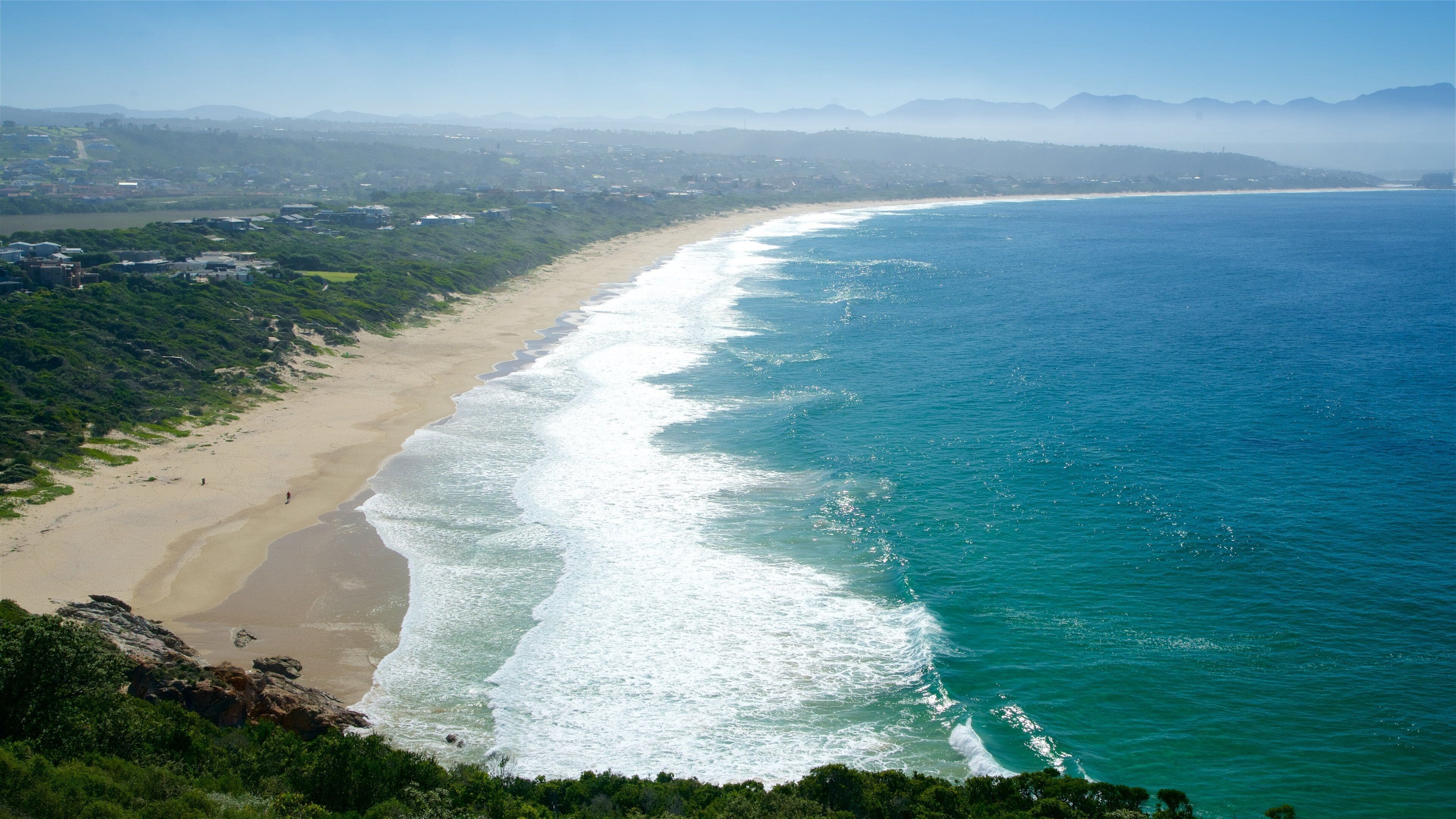
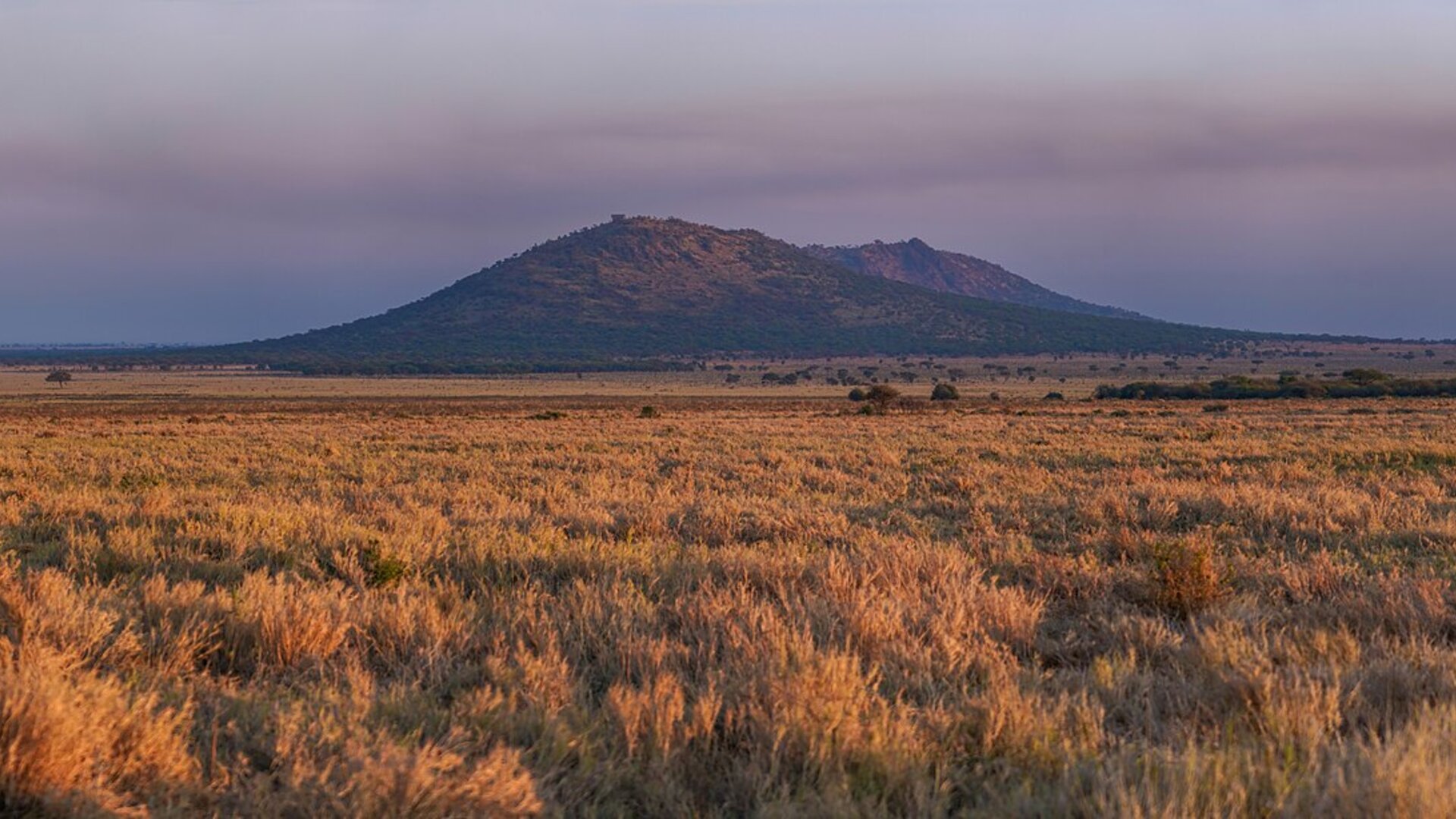
Key Takeaways — 2026/2027 Kruger Rankings At a Glance
- Best overall / first-timer: Classic Kruger Safari 4 Days — the complete Big Five introduction, expert guides, from US$2,500 pp
- Best luxury & private: Luxury Sabi Sand Safari 5 Days — off-road, exclusive, the world's finest leopards
- Best all-inclusive short break: Johannesburg & Greater Kruger 3 Days — from US$1,900 pp, everything bundled
- Best fly-in: Luxury Sabi Sand Fly-In 4 Days — no long roads, straight to the wildlife by light aircraft
- Best for couples & honeymoon: Sabi Sand Honeymoon Safari 7 Days — private suites, candlelit bush dining
- Best combo: Cape Town & Kruger 10 Days — mountain, ocean, winelands and Big Five in one trip
- Best value / independent: Kruger Self-Drive Safari 7 Days — freedom on the park's superb road network
- Peak-season (Jul–Sep) private-reserve lodges book 9–12 months ahead — plan early for 2026 and 2027
Kruger is where great African safaris begin — two million unfenced hectares of Big Five wilderness, an interlocked mosaic of the state-run national park and the legendary private reserves of the Greater Kruger. But "Kruger safari package" covers a huge spectrum: a self-drive week in a public rest camp and a private fly-in suite on the Sabi River are both "Kruger packages" and they deliver completely different experiences. Choosing the right one is the whole game.
We have assembled, stayed in and ranked the ten best Kruger safari packages for 2026 and 2027 — private, luxury, all-inclusive, fly-in, honeymoon and value trips. Each is a real, bookable itinerary. For a full tier-by-tier price breakdown, see our how much does a Kruger safari cost guide; for month-by-month timing, our best time to visit Kruger guide; for choosing a camp, our best Kruger safari lodges guide; and for the ultimate private-reserve deep-dive, our private safari Kruger guide.
How We Ranked These Packages
Each package was assessed across five criteria: wildlife access (private-reserve traversing rights and Big Five density), accommodation quality (lodge standard, setting and character), inclusions (how genuinely all-inclusive the rate is — meals, drinks, drives, park fees and transfers), experience match (whether it suits first-timers, couples, families, photographers or repeat safari-goers) and value (what you receive at the price point). Rankings reflect the best overall score for each traveller type — not simply the most expensive option. For the private-reserve landscape in detail, see our Greater Kruger private reserves guide.
1. Classic Kruger Safari — 4 Days
Best for: First-timers who want to do it properly — the complete Big Five introduction at a sensible price.
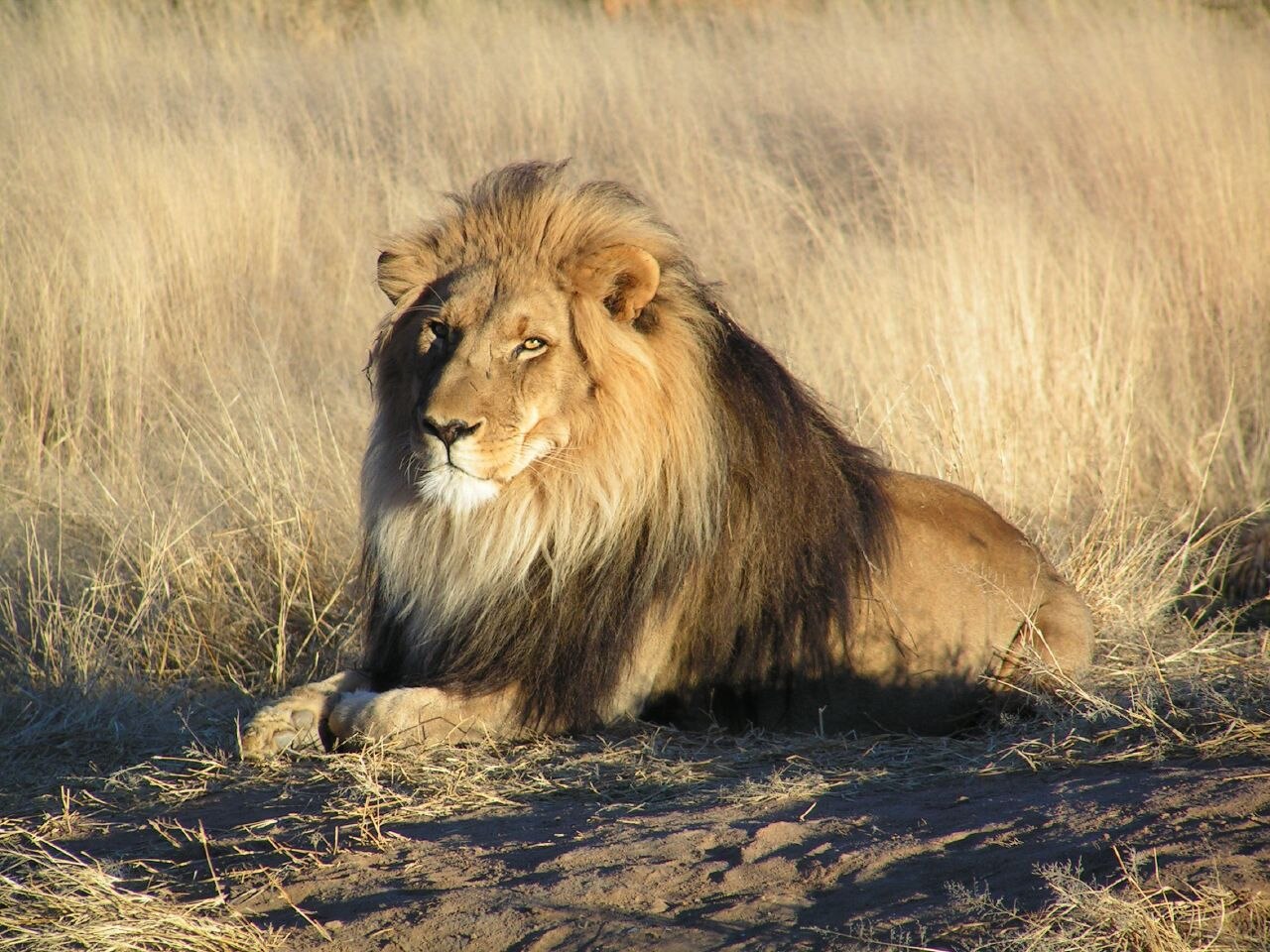
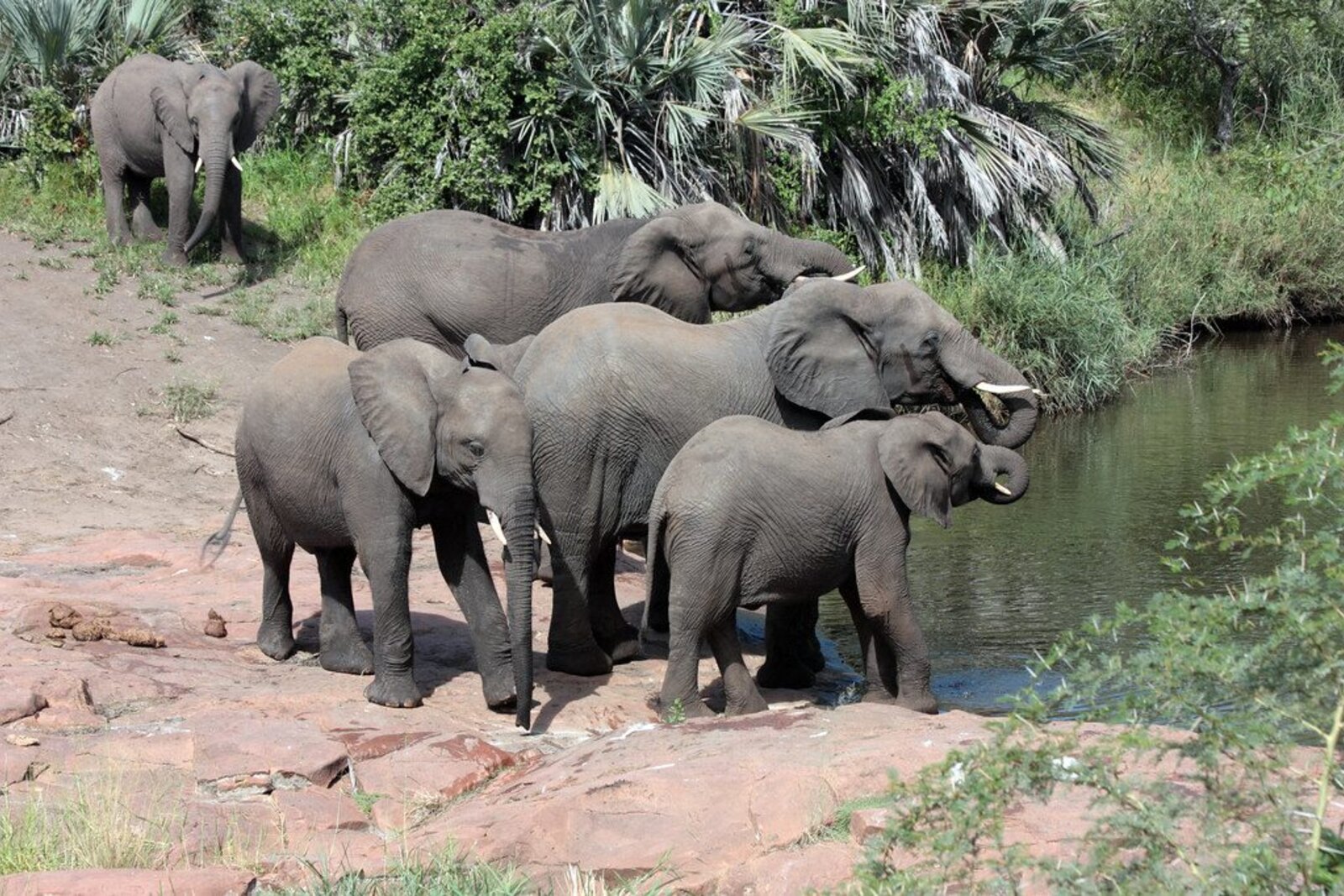
When guests simply ask which is the best Kruger safari, this is the package we reach for first. Four days in a Greater Kruger private reserve delivers six open-vehicle game drives — enough to all but guarantee the Big Five and to let the rhythm of the bush reveal what six drives rather than four will always uncover: a wild dog pack crossing at first light, a cheetah posed on a termite mound, a leopard hanging a kill in the fork of a marula tree. You stay in a comfortable Greater Kruger lodge, meals and game drives are fully inclusive, and ranger-and-tracker teams bring genuine knowledge to every sighting.
It is the ideal balance of time, cost and wildlife immersion — long enough to feel the wilderness settle over you, compact enough to pair cleanly with Cape Town or the Garden Route on either end. For the full itinerary and pricing, see our Classic Kruger Safari (4 Days) page.
Best season: May–October for dry-season peak game viewing. Ideal for: First-timers, couples, families wanting the complete introduction. Highlights: Big Five, six open-vehicle drives, expert ranger-and-tracker teams, Greater Kruger lodge, fully inclusive.
2. Luxury Sabi Sand Safari — 5 Days
Best for: The premium private-reserve experience — off-road exclusivity and the finest leopard sightings on Earth.
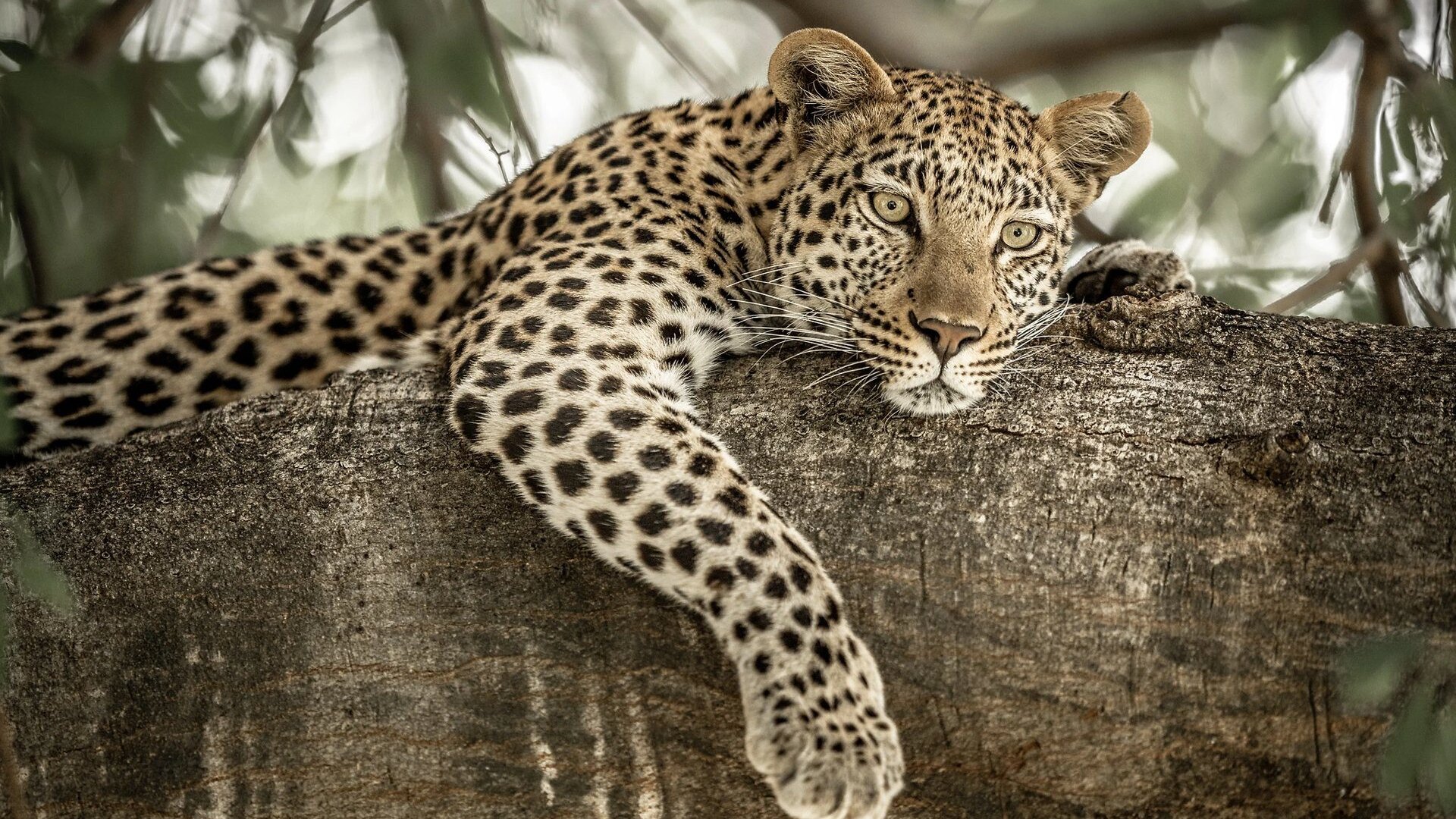
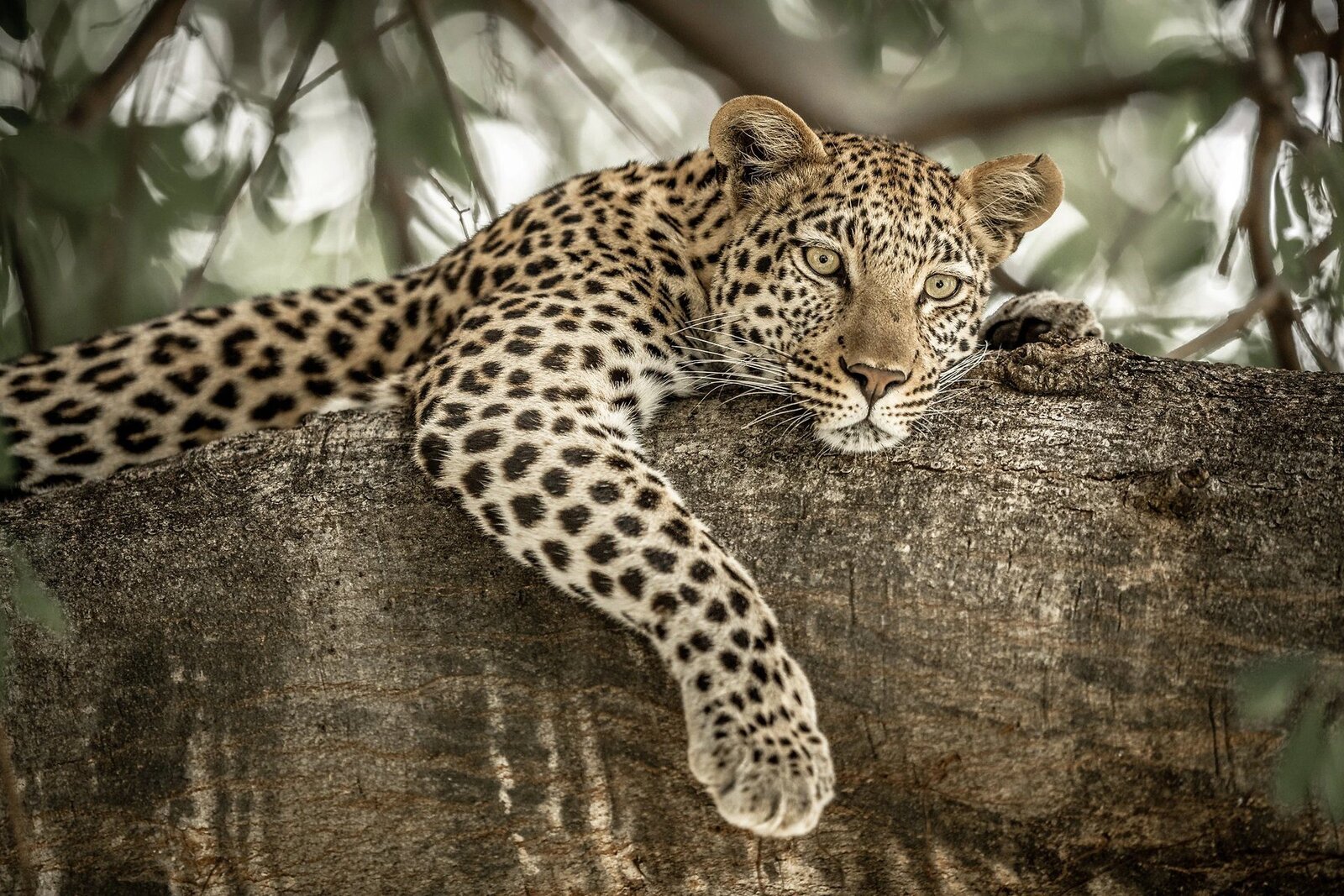
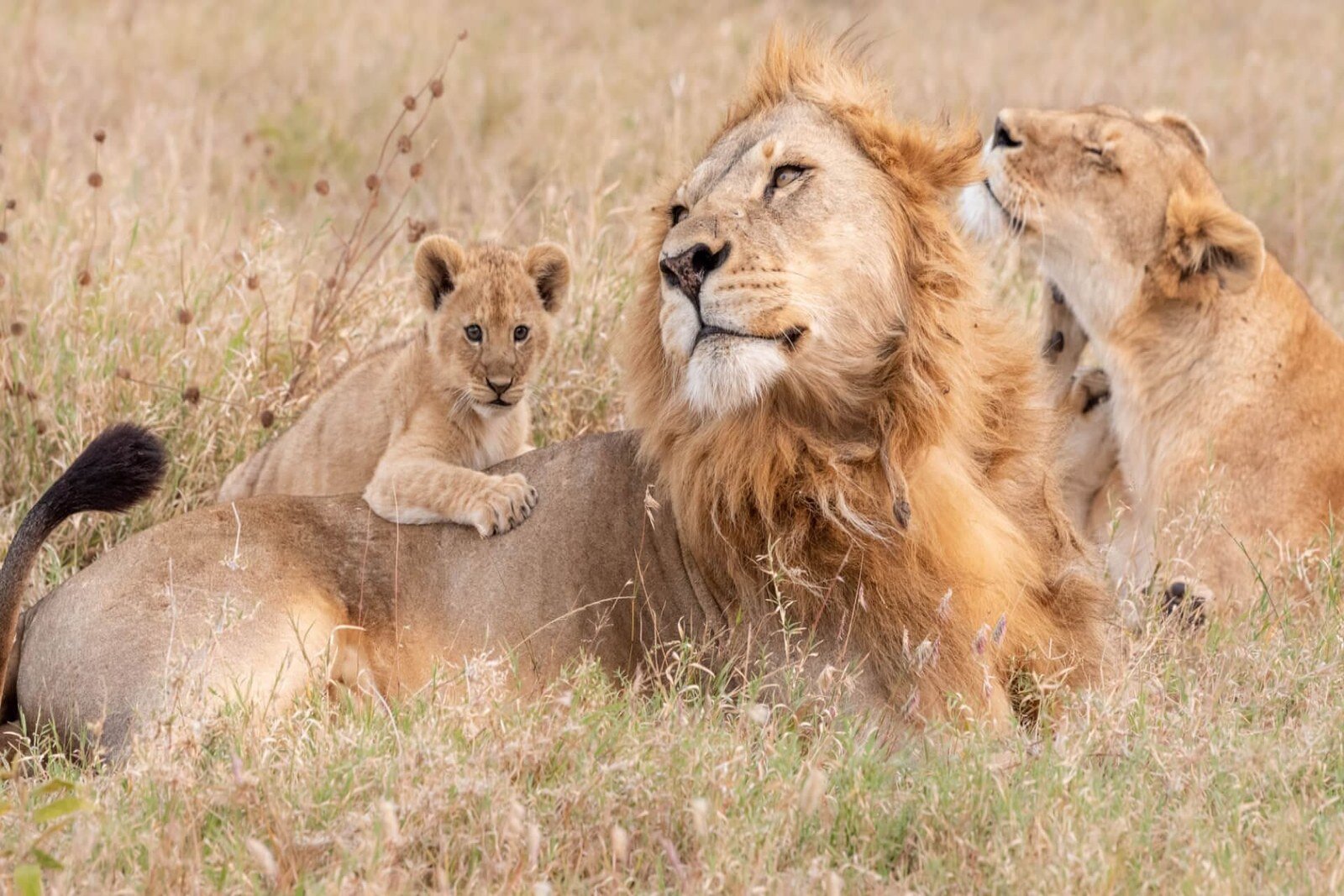
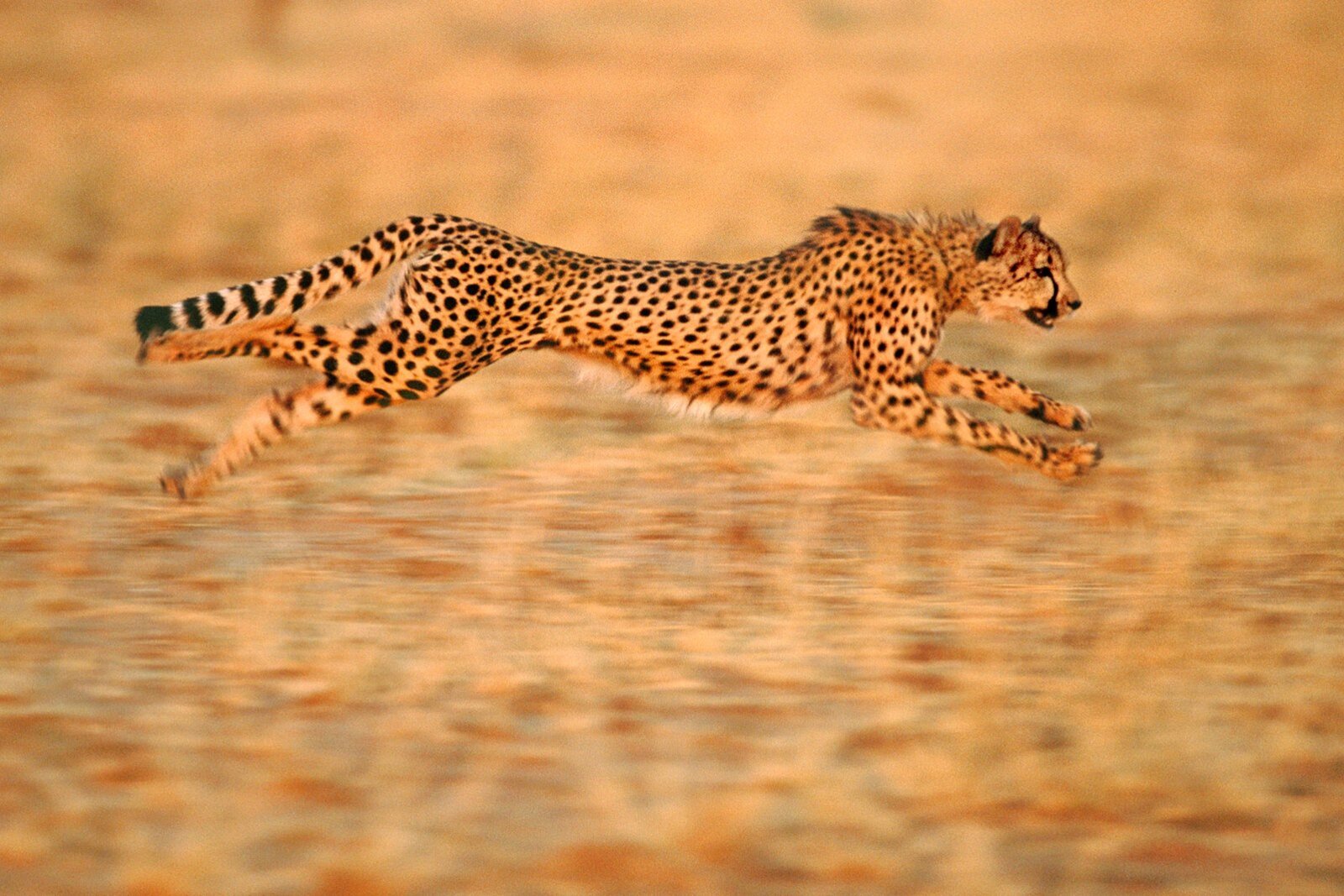
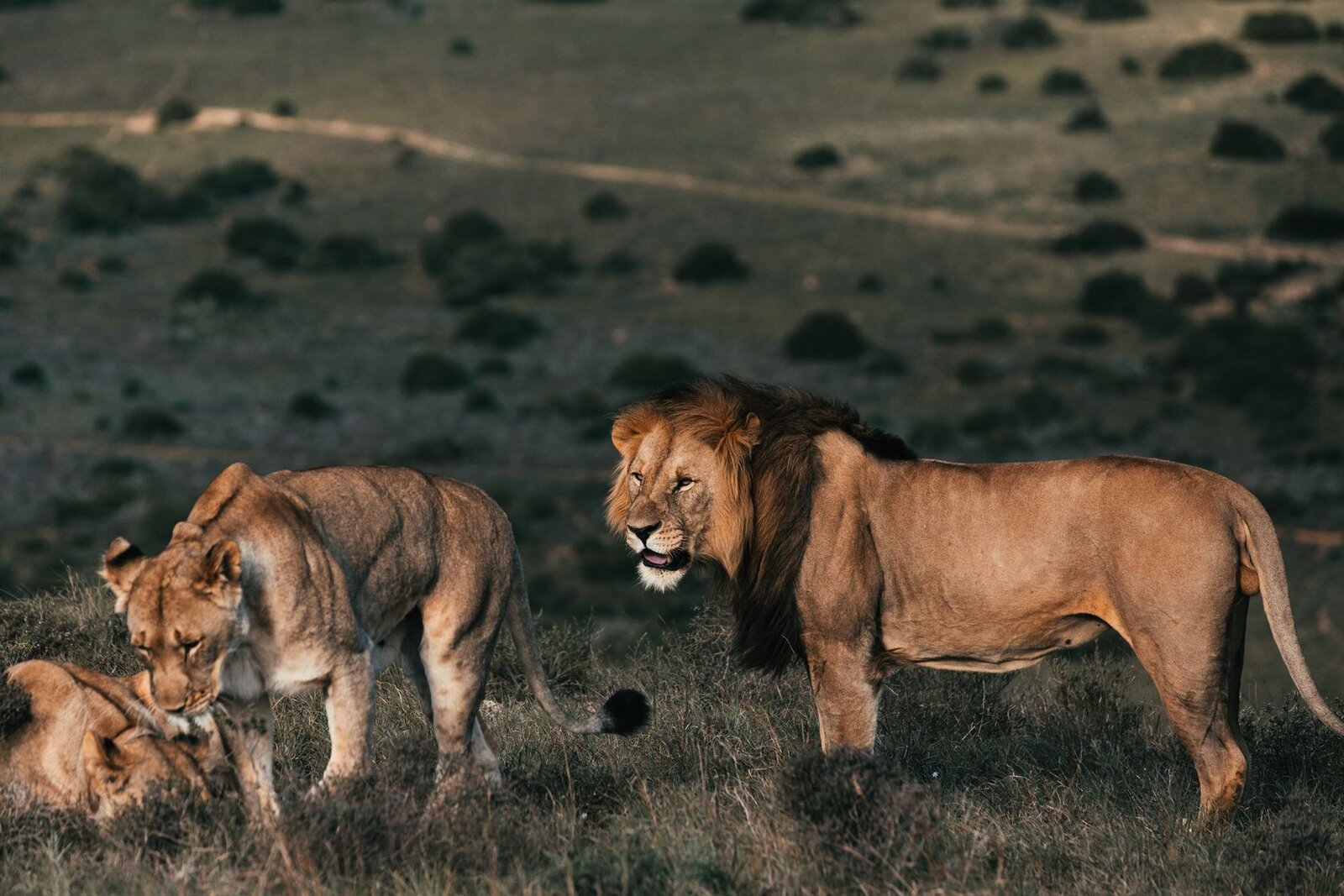
If you want the very best the Greater Kruger can deliver, this is it. Five days in the Sabi Sand — the most celebrated private reserve in Africa, sharing its entire southern boundary unfenced with Kruger National Park — where expert rangers and Shangaan trackers work off-road to place you within metres of leopard, lion and elephant. Sabi Sand's leopards are the most habituated and viewable in the world: decades of ethical, no-pressure guiding have produced cats that regard open-vehicle guests as furniture, allowing the kind of sustained, intimate encounters that exist nowhere else in Africa.
This package defines luxury private safari: exclusive traversing rights, vehicle-free sightings, twice-daily off-road drives, gourmet all-inclusive dining and a suite with a private plunge pool overlooking a waterhole. For the full itinerary and pricing, see our Luxury Sabi Sand Safari (5 Days) page.
Best season: Year-round; May–September for peak dry-season game viewing. Ideal for: Luxury travellers, photographers, special occasions. Highlights: World's finest leopard viewing, off-road traversing, no vehicle crowds, ultra-luxury lodges, all-inclusive.
3. Johannesburg & Greater Kruger Luxury Safari — 3 Days
Best for: The best all-inclusive short break — maximum Big Five in minimum time, straight from Johannesburg.
Short on time but not on ambition? This three-day all-inclusive package runs directly from Johannesburg into a Greater Kruger private reserve — four game drives, two nights of luxury lodge living and everything bundled from US$1,900 per person. Road or air transfer, luxury accommodation, all meals and house drinks, and twice-daily expert-guided drives are all included; you simply arrive and step into the bush. Despite the compact length, four drives in the game-rich Greater Kruger reserves are enough to encounter the majority of the Big Five.
It is the smartest way to add a genuine Big Five safari to a business trip or a longer South African holiday, and it works beautifully as the wildlife finale before or after Cape Town. For the full itinerary, see our Johannesburg & Greater Kruger Luxury Safari (3 Days) page.
Best season: May–October for the clearest sightings; year-round availability. Ideal for: Time-pressed travellers, add-on safaris, first-time visitors to Kruger. Highlights: Fully all-inclusive, direct from Johannesburg, four game drives, luxury lodge, from US$1,900 pp.
4. Luxury Sabi Sand Fly-In Safari — 4 Days
Best for: The Greater Kruger at its most refined — light-aircraft transfers, no long roads, maximum time in the wilderness.
Every transfer on this package is by light aircraft. You fly directly from Johannesburg into the Sabi Sand airstrip, land minutes from your lodge, and spend four days in one of Africa's most exclusive reserves without a single hour on a tarred road. Fly-in is the connoisseur's approach: it maximises bush time, delivers dramatic aerial views of the wilderness on arrival, and reaches deep-reserve lodges that road transfers make tediously long to access from the city.
Paired with the Sabi Sand's world-class leopard viewing, exclusive off-road traversing and ultra-luxury lodges, the fly-in format is the most seamless and indulgent Kruger safari available. For the full itinerary, see our Luxury Sabi Sand Fly-In Safari (4 Days) page. For the full fly-in guide, see our Kruger fly-in safari guide.
Best season: Year-round; May–September for peak dry-season viewing. Ideal for: Luxury travellers, honeymooners, those who value time above all. Highlights: Light-aircraft transfers, Sabi Sand exclusivity, ultra-luxury lodge, maximum bush time, dramatic arrival over the wilderness.
5. Sabi Sand Honeymoon Safari — 7 Days
Best for: Couples — the most romantic private-reserve safari in Africa, purpose-built for two.
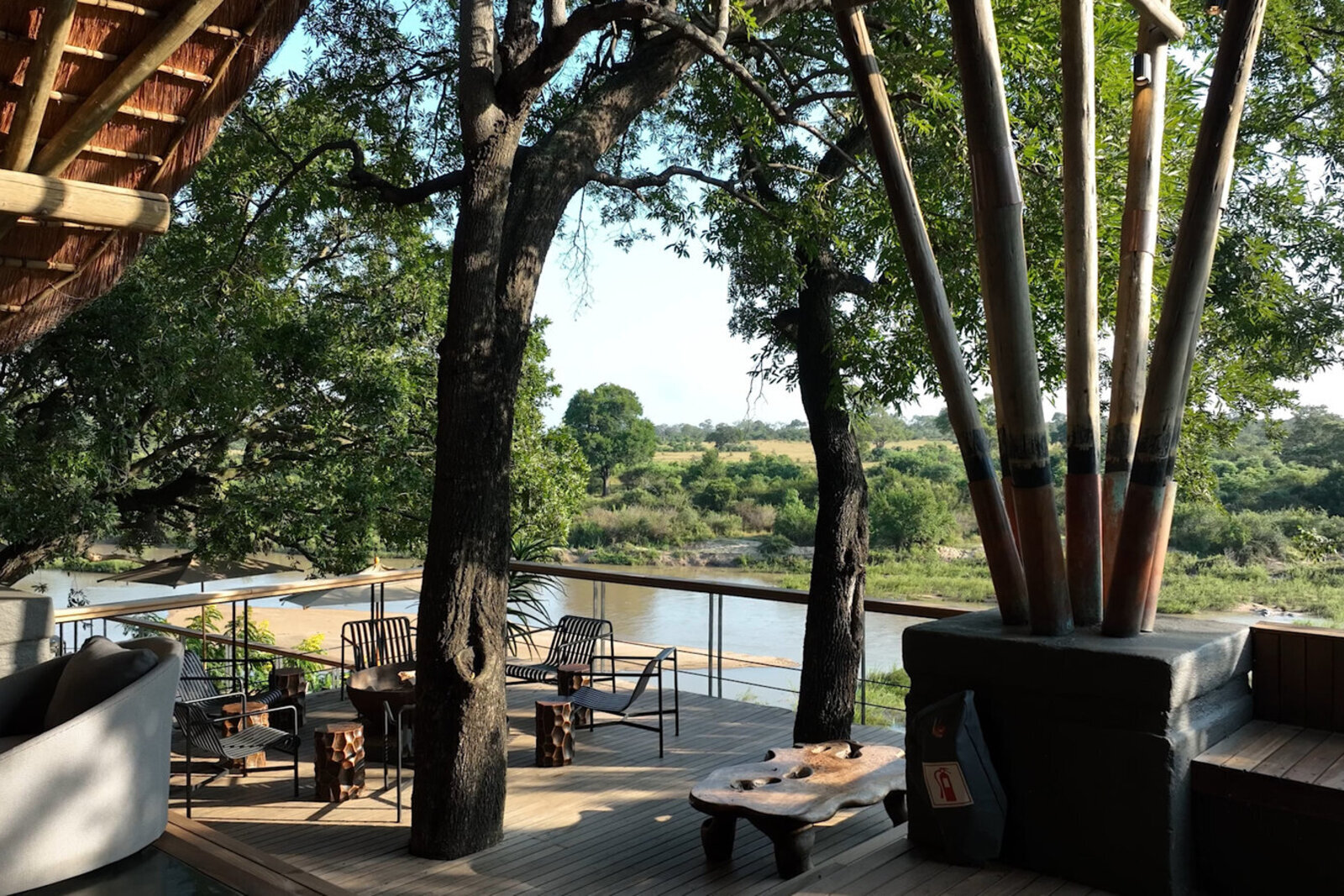
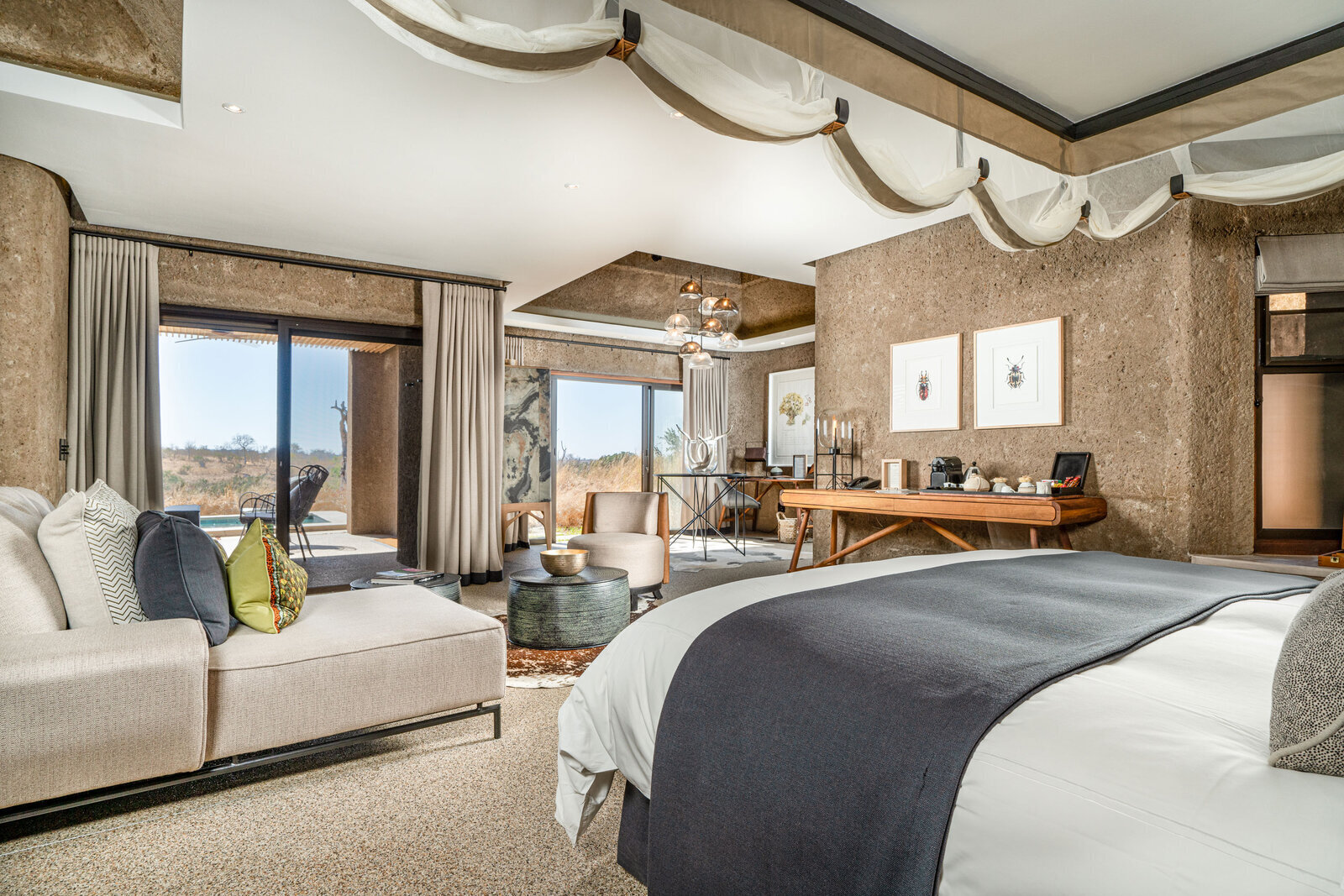
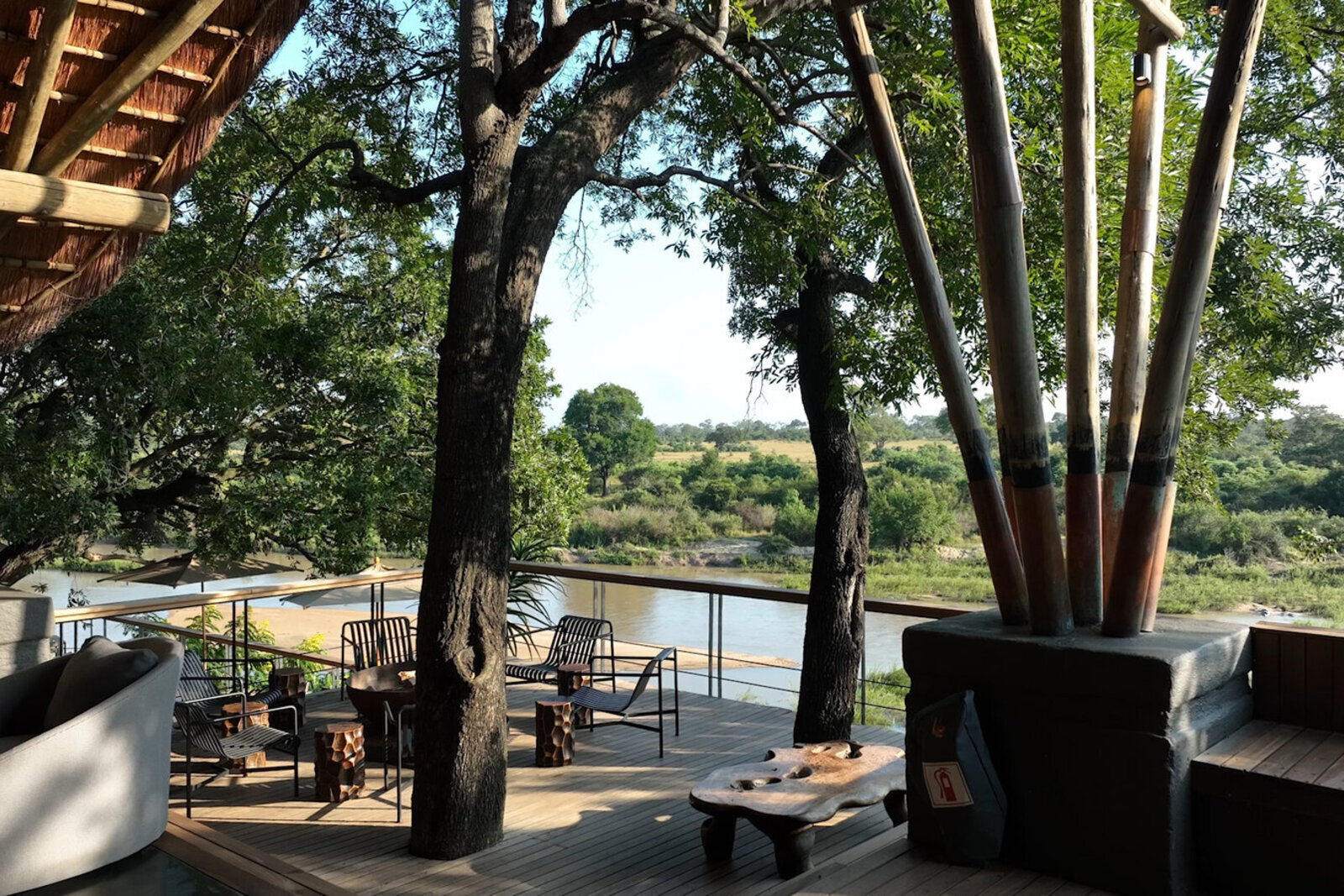
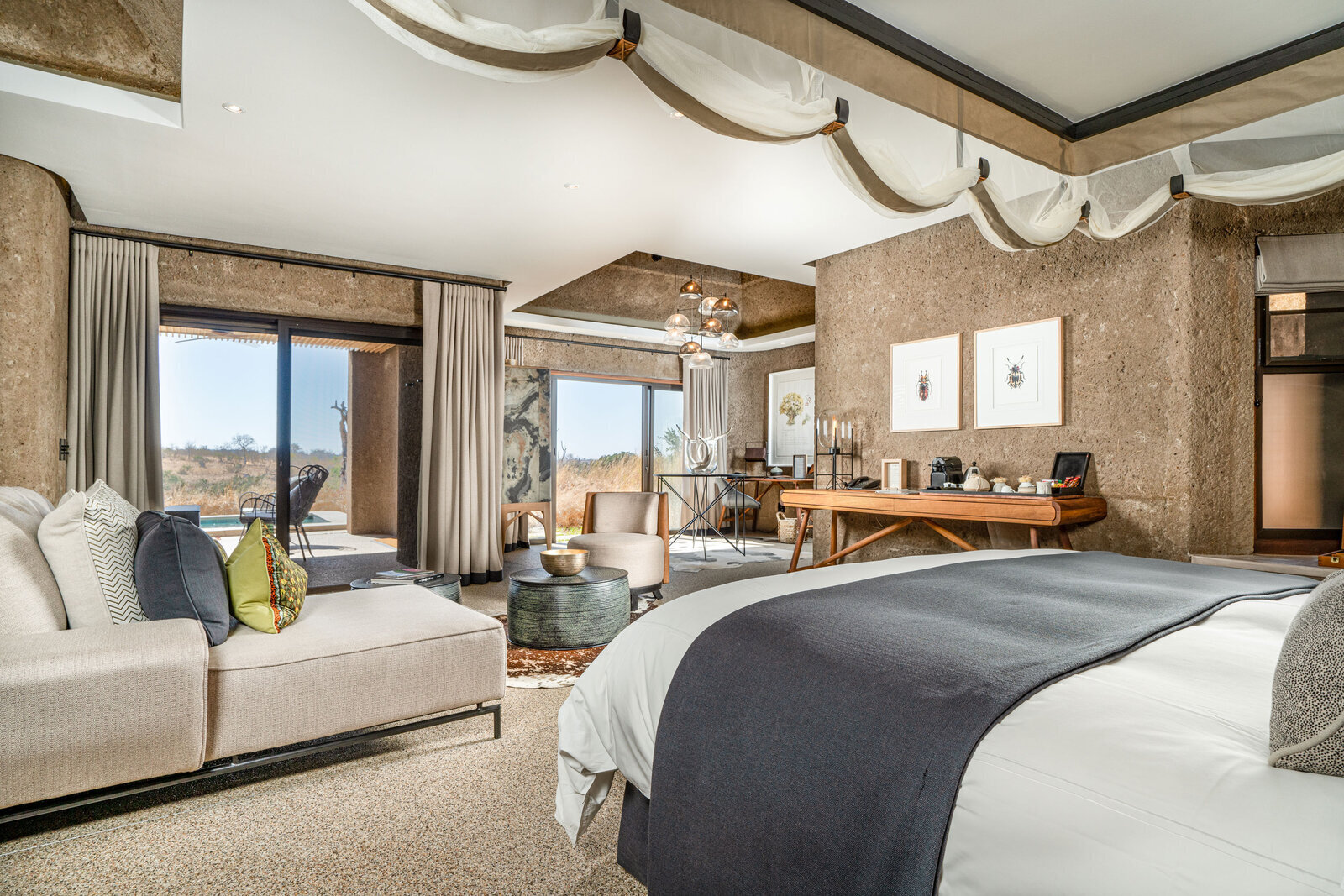
This package exists for romance. Seven days in the Sabi Sand, in a suite built for two — private plunge pool, open-air outdoor shower, a deck looking over a waterhole, and candlelit dinners laid under a star-thick African sky. The Sabi Sand's intimate, small-camp lodges and unhurried off-road drives produce the finest honeymoon safari experience in South Africa, and the leopard sightings leave you with a shared memory that outlasts any beach holiday. See our Kruger family safari guide if you are travelling with children, and our Kruger vs Sabi Sand guide to understand the private-reserve landscape.
This package pairs perfectly with a Cape Town city-and-wine opener or a Mozambique or Mauritius beach finale for the classic bush-and-beach honeymoon. For the full itinerary, see our Sabi Sand Honeymoon Safari (7 Days) page.
Best season: Year-round; May–September for dry-season game and clear skies. Ideal for: Honeymooners, anniversaries, couples marking a milestone. Highlights: Private suite with plunge pool and waterhole deck, romantic bush dining, off-road leopard viewing, optional beach extension.
6. Cape Town & Kruger Safari Combo — 10 Days
Best for: The complete South Africa — mountain, ocean, winelands and the Big Five in one seamless journey.
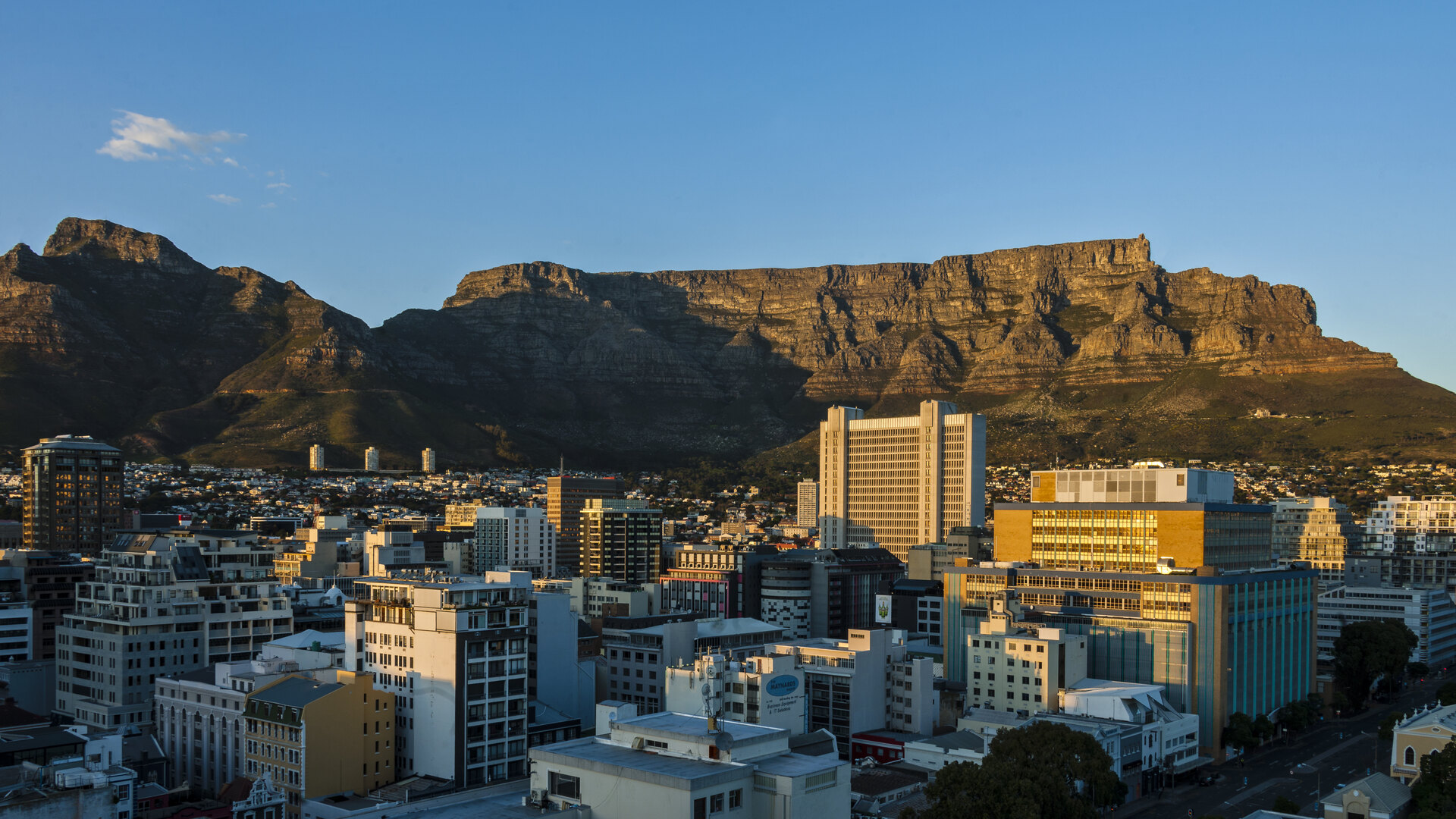
For most travellers the question is not Cape Town or Kruger — it is both. This ten-day combination opens with Cape Town: Table Mountain, the Cape Peninsula, the Winelands and the ocean, before flying north to the Greater Kruger for the Big Five finale. It is the single most popular shape of South African holiday we build, and the reason is simple — it delivers the country's two utterly different faces in one well-paced, seamless journey.
We arrange the internal flights and every transfer so the two halves flow together without friction. Four or five Cape nights followed by three or four Kruger nights gives you the country's greatest city and its greatest wilderness without a day wasted in transit. For the full itinerary, see our Cape Town & Kruger Safari Combo (10 Days) page.
Best season: October–April for Cape Town summer; May–September for peak Kruger game (the shoulder months from October and April suit both equally well). Ideal for: First-time visitors to South Africa, couples, milestone trips. Highlights: Table Mountain, Cape Winelands, Cape Peninsula, Greater Kruger Big Five, seamless internal flights arranged end-to-end.
7. Sabi Sand Leopard Capital Ultimate — 6 Days
Best for: Photographers and repeat safari-goers — the deepest immersion into the world's leopard capital.
The Sabi Sand is, without exaggeration, the leopard capital of the world — and this six-day package is built to make the most of it. Longer drives, more time at each sighting, and lodges chosen specifically for their traversing rights over the most productive leopard territories deliver what four-day packages cannot: the patience to wait for the extraordinary. Six days in the Sabi Sand means multiple resident leopard individuals, big-cat family interactions, and the unhurried rhythm of a reserve where you learn the wildlife by face rather than by encounter.
This is the package for travellers who have safari'd before and want to go deeper — to photograph a hoist at last light, to watch a lion ambush unfold through an hour of stillness, to know the bush by its small daily movements rather than just its headline moments. For the full itinerary, see our Sabi Sand Leopard Capital Ultimate (6 Days) page.
Best season: May–September for the clearest sightings; year-round world-class leopard viewing. Ideal for: Photographers, wildlife specialists, repeat safari-goers. Highlights: Resident leopards by name, extended drives, prime traversing rights, expert big-cat guiding, extraordinary photographic opportunity.
8. Sabi Sand Authentic Safari — 4 Days
Best for: The private-reserve experience at a more accessible price — real Sabi Sand, honestly priced.
You do not need the most opulent suite in the Sabi Sand to fall in love with it. This four-day authentic package puts you in a genuine Sabi Sand private-reserve camp — the same unfenced wilderness and the same off-road traversing with the same expert ranger-and-tracker teams — at a price point accessible to more travellers. The wildlife operates entirely independently of which camp you chose; the leopards, lions and elephants cannot read your tariff sheet. Four days, eight drives and the full Sabi Sand experience.
It is the smart choice for travellers who want the authentic private-reserve experience without the ultra-luxury tariff — and it consistently delivers the best Big Five encounters in South Africa. For the full itinerary, see our Sabi Sand Authentic Safari (4 Days) page. For affordable options within Kruger, see our affordable luxury Kruger safari guide.
Best season: May–October for peak dry-season viewing. Ideal for: Value-conscious travellers, couples, first-timers wanting a private reserve. Highlights: Authentic Sabi Sand private-reserve camp, off-road traversing, eight game drives, best-value private Kruger experience.
9. Kruger Self-Drive Safari — 7 Days
Best for: Independent travellers who want the freedom of their own wheels and the park on their own terms.
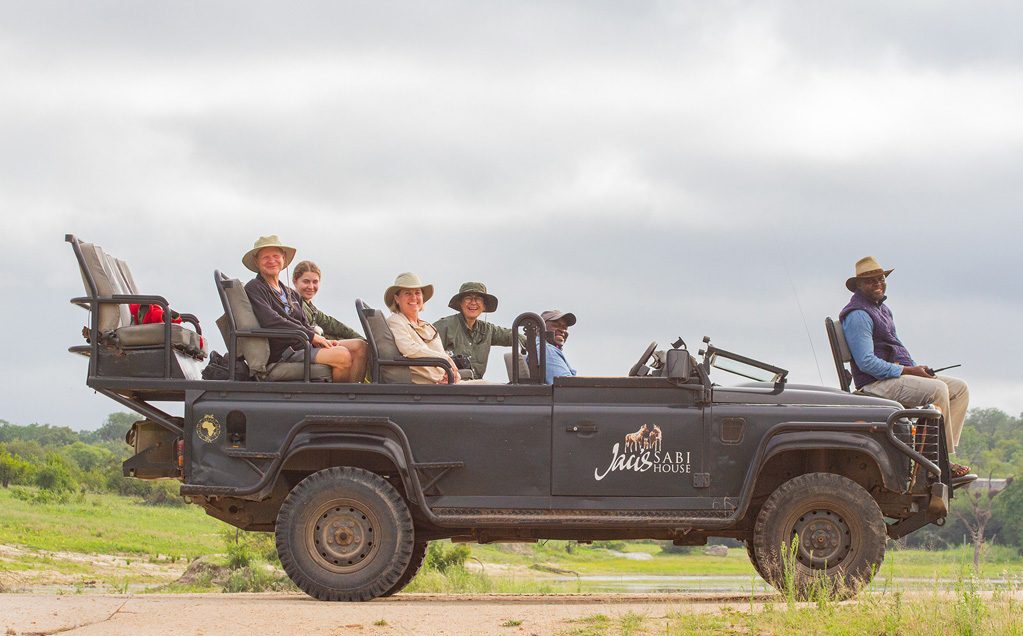
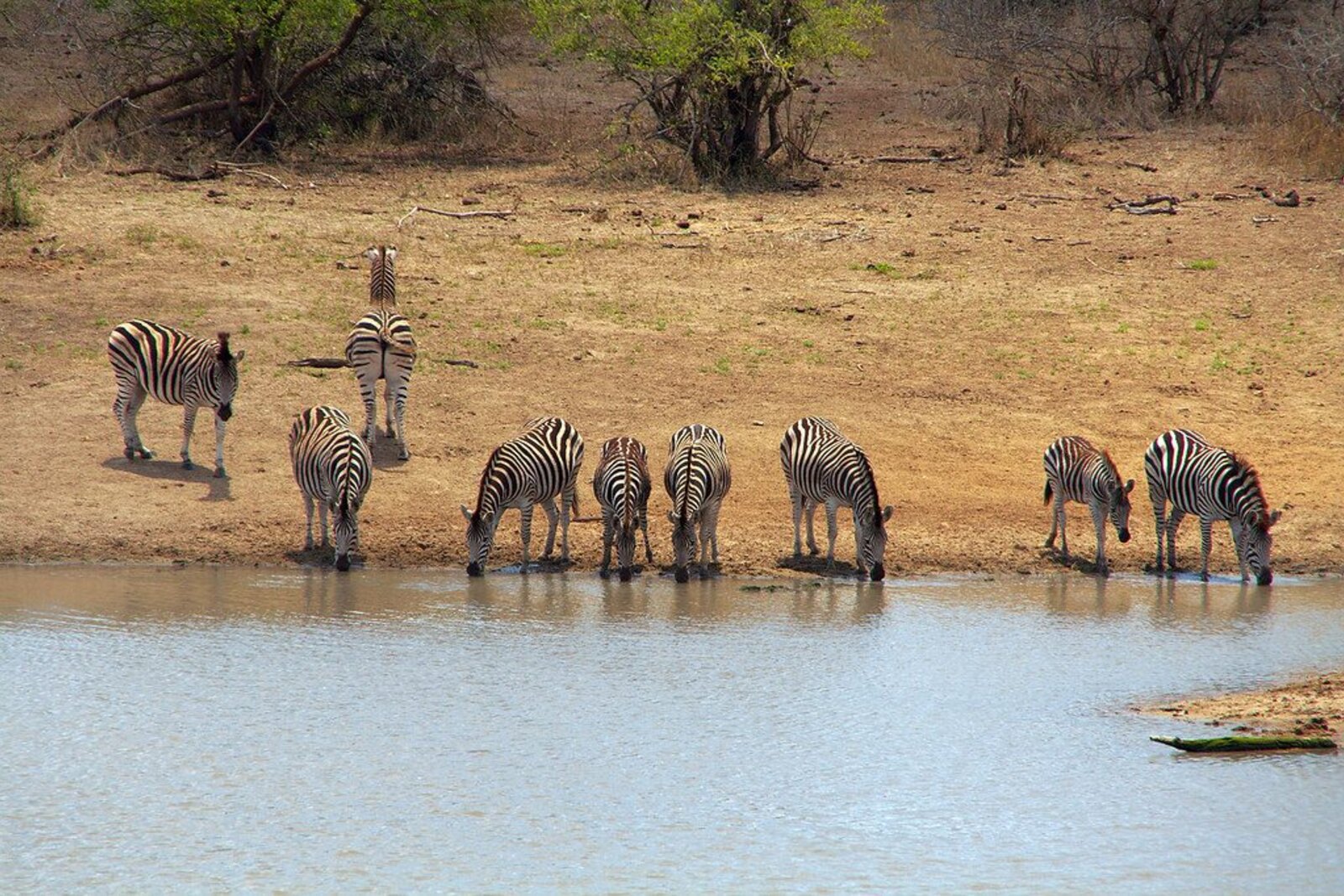
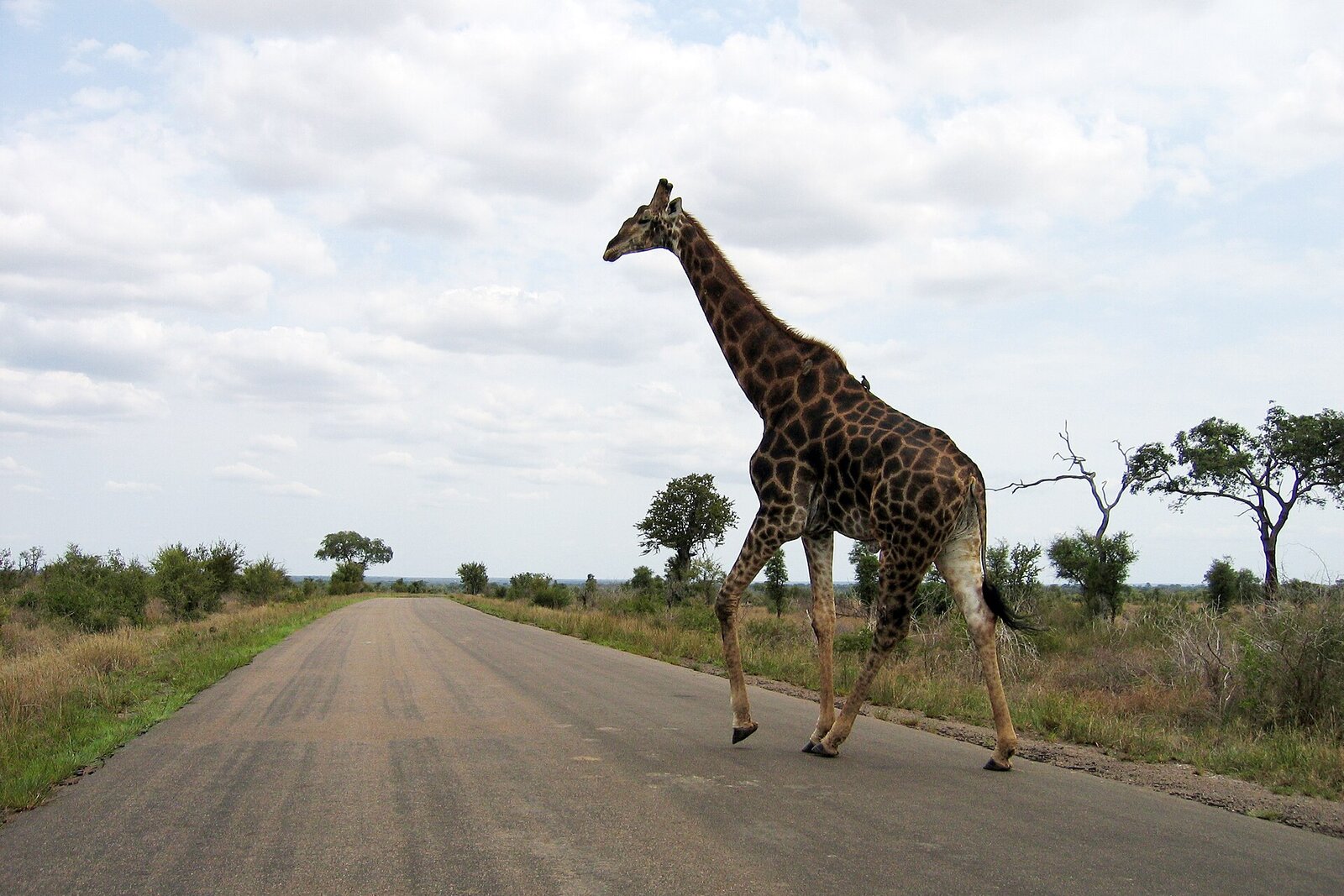
The most affordable route into the Greater Kruger is to drive it yourself. This seven-day self-drive package provides a hire vehicle with a planned route through Kruger's outstanding network of surfaced roads and public rest camps, giving you total control over your days — stop as long as you like at a sighting, picnic at a waterhole hide, explore the northern zones that guided packages rarely reach. Kruger's public rest camps range from simple bungalows to comfortable riverside chalets, and the park's roads deliver exceptional Big Five viewing on your own schedule.
Self-drive trades off-road traversing and dedicated guiding for independence and the best value in the region — and for adventurous, self-reliant travellers it is deeply rewarding. We plan the route, book the camps and brief you thoroughly so you drive with confidence. For the full self-drive playbook, see our Kruger self-drive guide and our Kruger gates guide. Full package details on our Kruger Self-Drive Safari (7 Days) page.
Best season: May–September for the clearest game viewing on the roads. Ideal for: Budget travellers, road-trippers, independent adventurers, families. Highlights: Total freedom, public rest camps, superb road network, best value in the park, fully planned route and camp bookings.
10. Sabi Sand Safari — 3 Days
Best for: The best short private-reserve break — a taste of the Sabi Sand when time is genuinely tight.
When you have only a long weekend, three days in the Sabi Sand still delivers a complete private-reserve safari: two nights, four open-vehicle drives, and the off-road access that makes the Sabi Sand famous. It is the ideal short break for South African residents, business travellers extending a trip, or first-timers testing the safari waters before committing to a longer stay. Four drives in the leopard capital of the world is no small thing — many travellers complete the Big Five in that window and leave with sightings that stay with them for life.
Compact, luxurious and endlessly rewarding, it is the best short private-reserve package we offer. For the full itinerary, see our Sabi Sand Safari (3 Days) page.
Best season: Year-round; May–September for peak game viewing. Ideal for: Short-break travellers, South African residents, add-on safari days. Highlights: Sabi Sand private reserve, four off-road drives, leopard capital access, compact luxury, Big Five in three days.
2026/2027 Kruger Package Price Guide — What to Budget
| Package | Duration | From (per person) | Tier |
|---|---|---|---|
| Classic Kruger Safari | 4 days | US$2,500 pp | Classic / value |
| Luxury Sabi Sand Safari | 5 days | US$5,900 pp | Luxury / private |
| Johannesburg & Greater Kruger Luxury | 3 days | US$1,900 pp | All-inclusive short break |
| Luxury Sabi Sand Fly-In Safari | 4 days | US$6,400 pp | Luxury fly-in |
| Sabi Sand Honeymoon Safari | 7 days | US$7,500 pp | Honeymoon |
| Cape Town & Kruger Combo | 10 days | US$6,900 pp | Combo |
| Sabi Sand Leopard Capital Ultimate | 6 days | US$6,800 pp | Photographic / specialist |
| Sabi Sand Authentic Safari | 4 days | US$3,400 pp | Mid-range private |
| Kruger Self-Drive Safari | 7 days | US$1,700 pp | Self-drive / value |
| Sabi Sand Safari | 3 days | US$2,900 pp | Short break |
| Kruger Classic Safari | 3 days | US$1,250 pp | Classic / value |
Prices shown are indicative "from" rates per person sharing, based on two adults. Private-reserve rates include accommodation, all meals, most drinks, twice-daily game drives and conservation fees; self-drive rates include vehicle and camp bookings. International flights excluded. Peak season (July–September) applies a premium above base rates. Contact us for exact 2026 and 2027 pricing for your specific dates and lodge preferences. For the full tier-by-tier breakdown, see our Kruger safari cost guide.
Choosing the Right Kruger Package — The Quick Decision Guide
Still unsure which package fits your trip? Use this fast filter:
- First safari, want to do it right → package #1 (Classic Kruger 4 Days)
- Want the finest luxury and private-reserve experience → package #2 (Luxury Sabi Sand 5 Days)
- Want an all-inclusive short break from Johannesburg → package #3 (Johannesburg & Greater Kruger 3 Days)
- Want to fly in and skip the long road transfer → package #4 (Sabi Sand Fly-In 4 Days)
- On honeymoon or a couple celebrating something → package #5 (Sabi Sand Honeymoon 7 Days)
- Want Cape Town and the Big Five in a single trip → package #6 (Cape Town & Kruger 10 Days)
- Photographer or repeat safari-goer wanting more time → package #7 (Leopard Capital Ultimate 6 Days)
- Want a private reserve at a more accessible price → package #8 (Sabi Sand Authentic 4 Days)
- Budget traveller wanting independence and freedom → package #9 (Self-Drive 7 Days)
- Only have a long weekend to spare → package #10 (Sabi Sand 3 Days)
Every package above can be privately guided and fully tailored to your exact travel dates, budget and lodge preferences. For the deepest dive into the private-reserve options, see our private safari Kruger guide, our Greater Kruger private reserves guide and our best Kruger safari lodges selection. When you are ready to build your safari, contact our team and we will assemble your Kruger package around the real lodge availability for 2026 and 2027.
Why Book With Beyond Africa?
We have been placing guests into the Greater Kruger — in the Sabi Sand, Timbavati, Thornybush and the national park itself — for many years. We know which lodges deliver on their marketing, which private reserves have the best traversing rights at any given time of year, and which combination of lodge tier, duration and add-on itinerary delivers the most for any given budget. When you book through us, the entire journey — from the airport transfer to the final game drive and internal flight home — is arranged as a single, coherent experience. Because we book direct with the lodges and do not add a resale layer, you pay the true lodge rate. Talk to our team about your Kruger safari for 2026 or 2027.