Quick Answer: When Should I Visit Kruger for the Best Safari?
May to September (dry winter) is the gold-standard window for Big Five sightings in Kruger National Park. During these months, the bush thins, waterholes shrink, and wildlife concentrates around predictable water sources — making game viewing dramatically easier. September is peak season for photographers and serious wildlife enthusiasts.
Best for first-timers: June–August (cooler, clearer, excellent sightings)
Best for photographers: August–September (sparse vegetation, concentrated wildlife)
Best for birders & scenery: November–March (green season, migratory birds, newborns)
Budget-conscious travelers: April–May & October (shoulder months, fewer crowds, still great game viewing)
Why Kruger National Park is the Ultimate African Safari
Kruger National Park is not just South Africa's flagship reserve — it's one of the most accessible, rewarding, and wildlife-dense safari destinations on the African continent. Spanning nearly 20,000 square kilometers (roughly the size of Wales or Israel), Kruger harbors an estimated 147 mammal species, over 500 bird species, and the densest concentration of Big Five wildlife in Southern Africa.
🦁 Planning Your Kruger Safari?
For the complete kruger safari resource - expert guides, honest costs, luxury lodges, curated itineraries, and everything you need to plan your trip - visit our comprehensive hub:
View Complete Kruger Safari Hub →Unlike many East African reserves that require international flights, light aircraft connections, and complex logistics, Kruger is a scenic 4.5-hour drive from Johannesburg — or a quick 1-hour flight to Skukuza or Hoedspruit. This accessibility, combined with a spectrum of accommodation from budget rest camps to ultra-luxury private lodges, makes Kruger the perfect introduction to African safari — or a lifetime obsession for repeat visitors.
The Big Five: Your Kruger Checklist
Kruger's Big Five populations are among the healthiest in Africa. Here's what to expect:
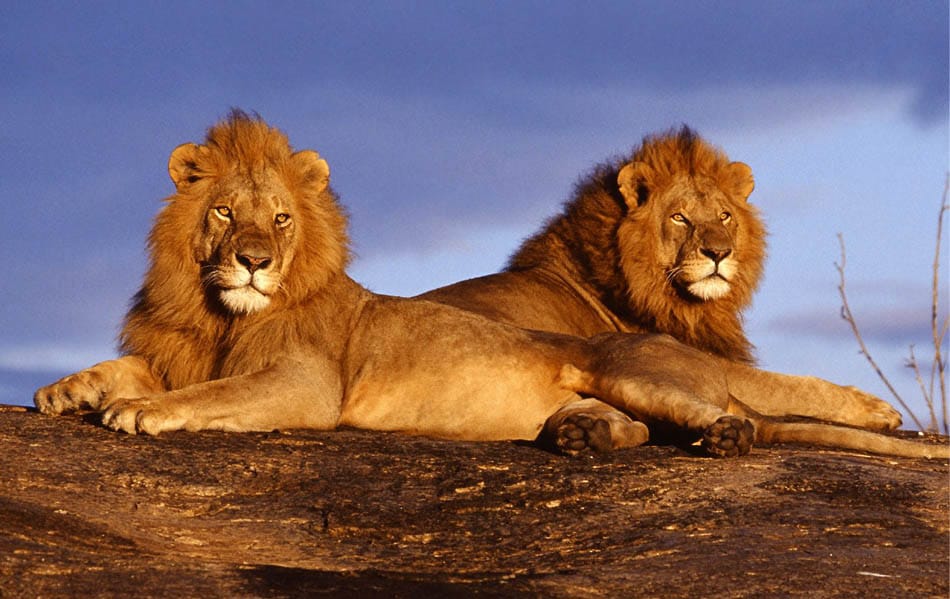
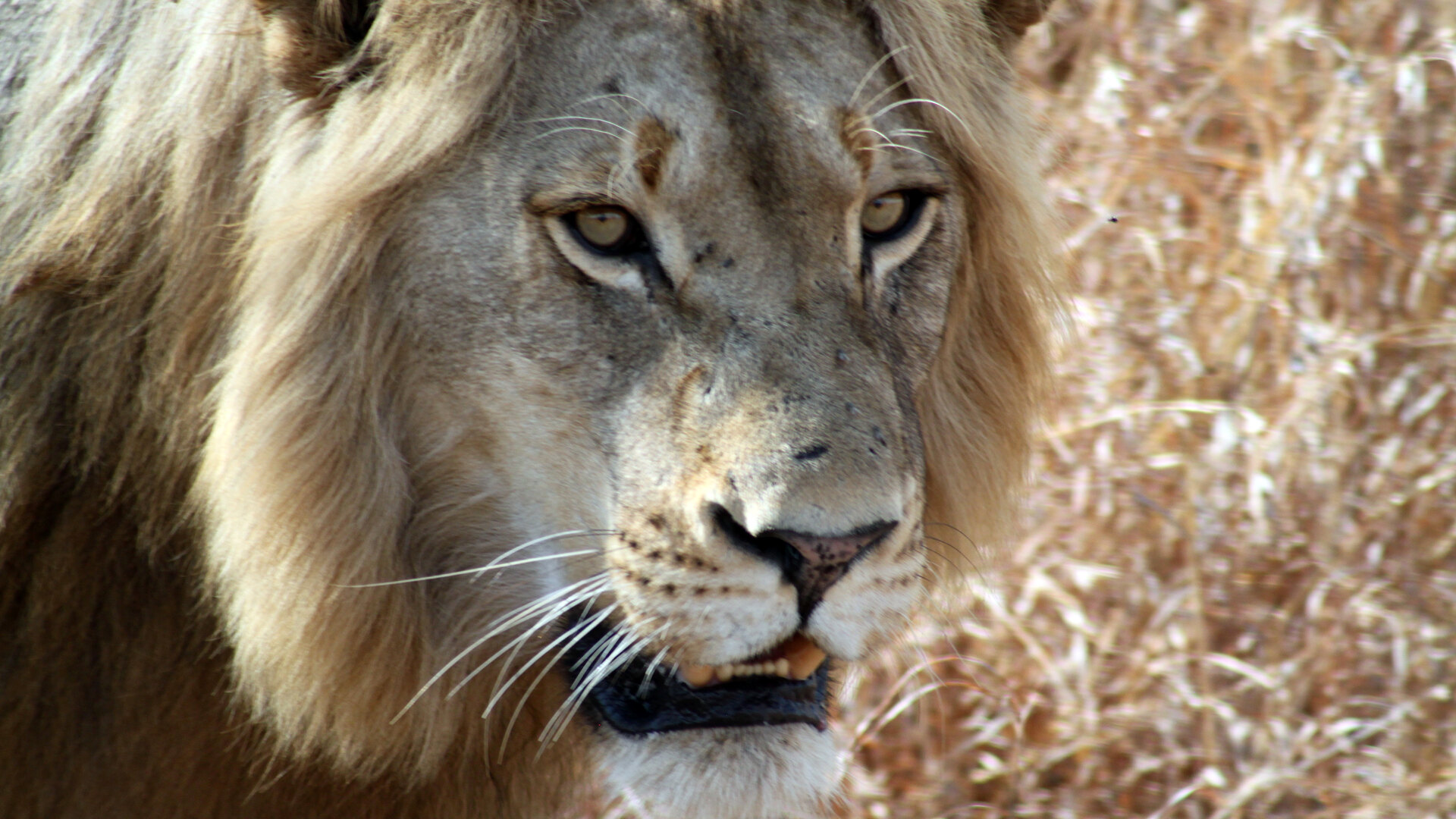
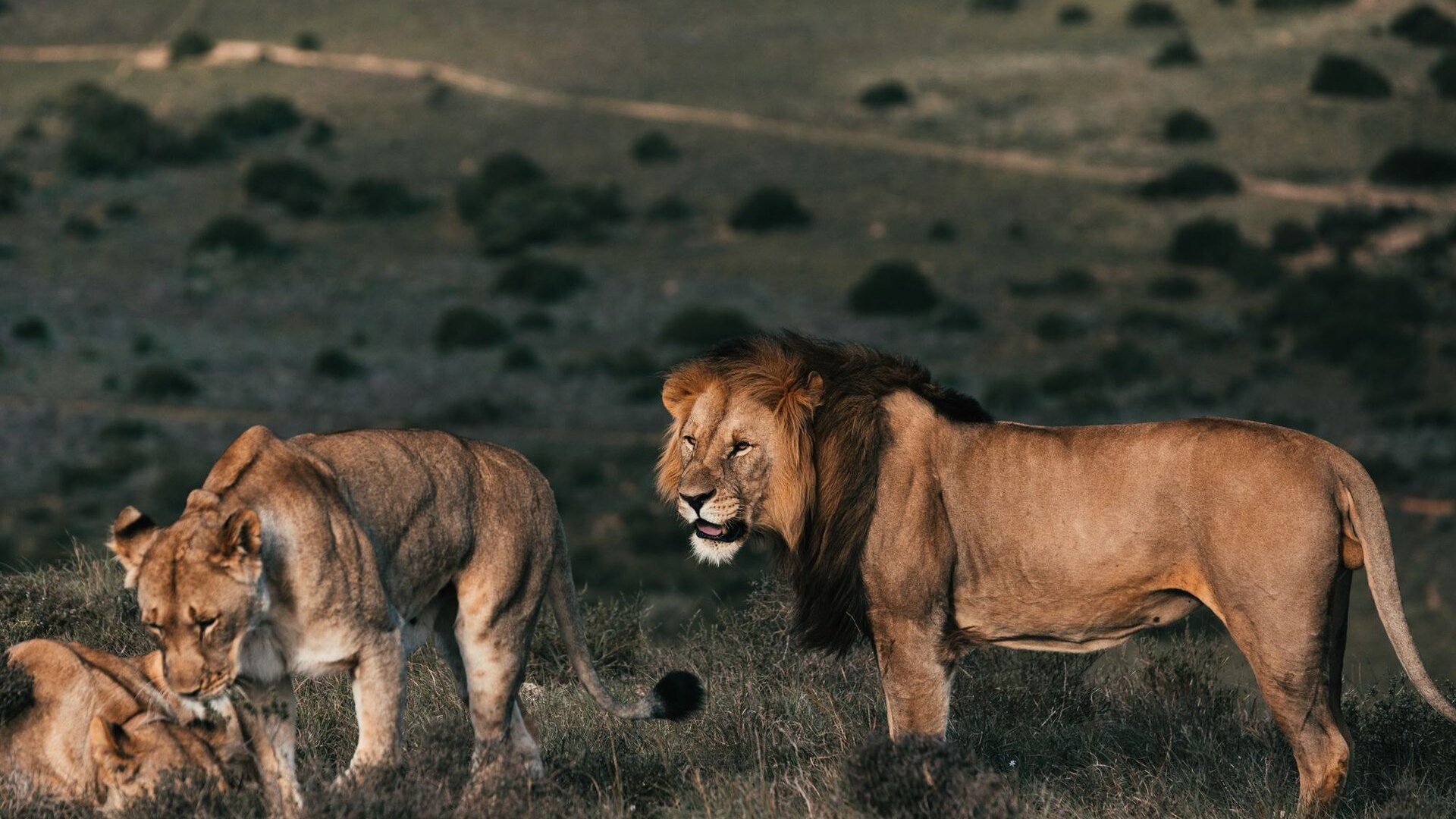
- Lion (1,500+ individuals): Kruger's apex predator. Best seen in central regions like Satara, Orpen, and the S100 road. Early morning and late afternoon drives yield the most sightings.
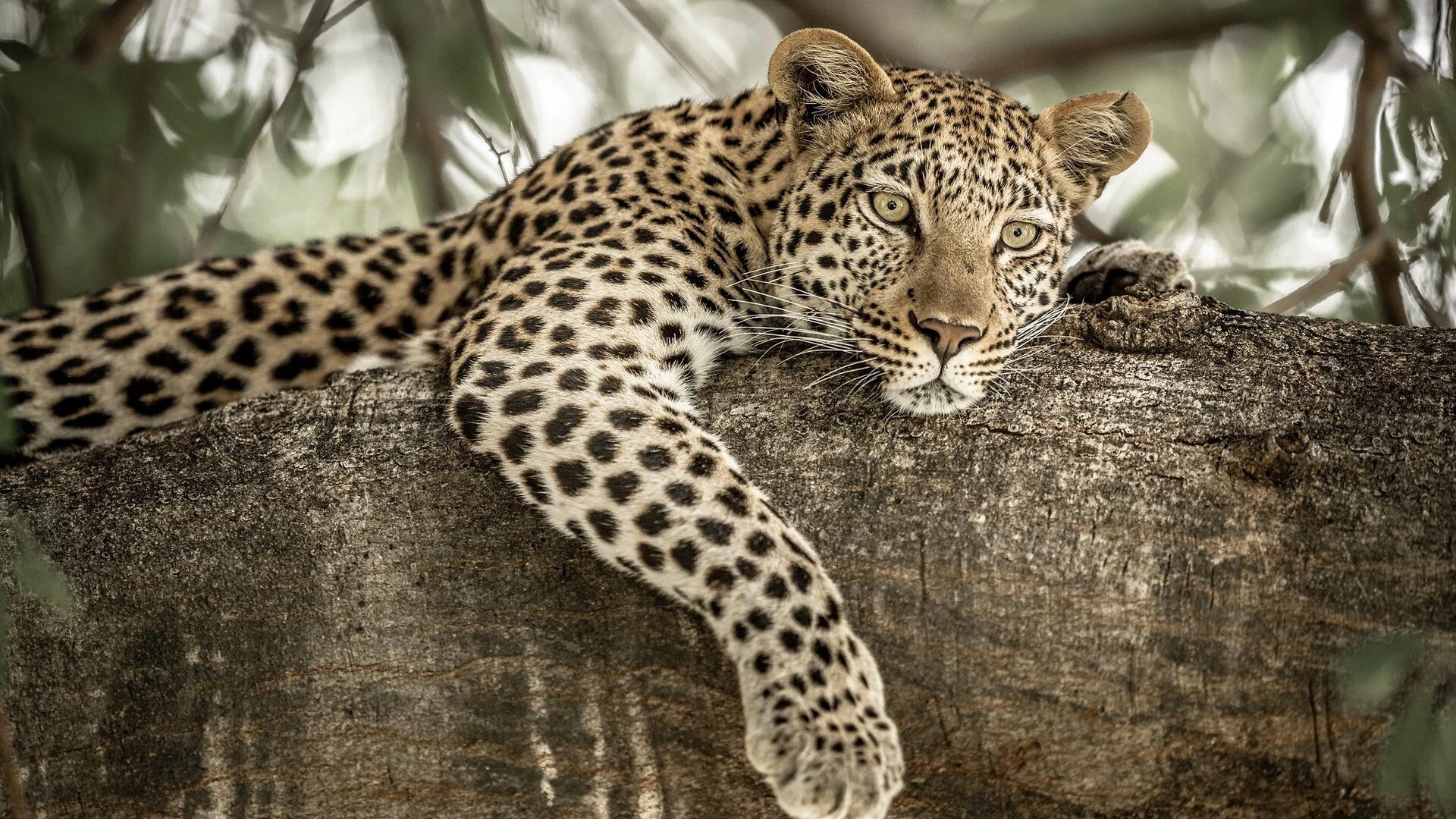
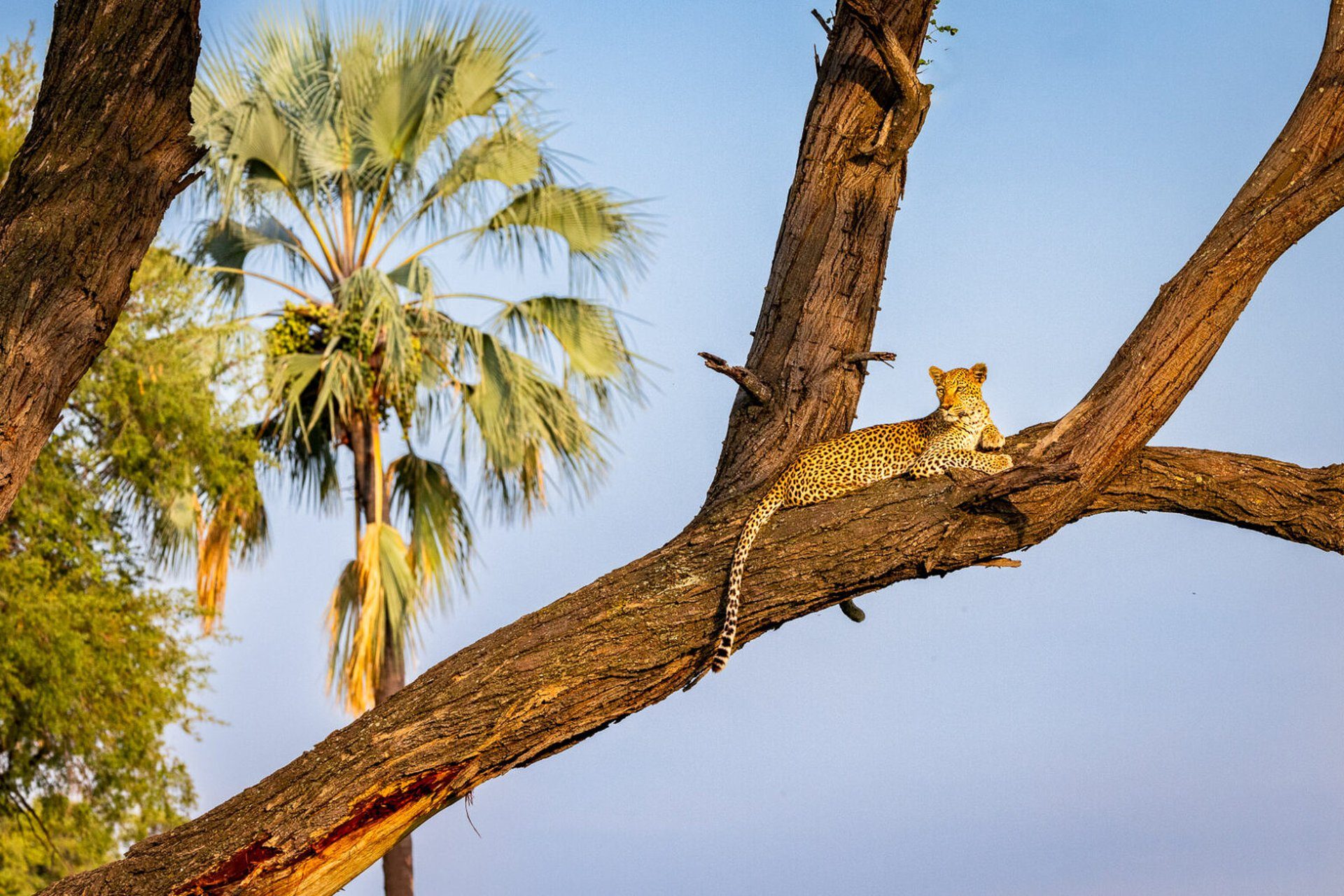
- Leopard (1,000+): The elusive ghost of the bush. Leopards favor riverine forests and rocky outcrops. Look for them draped in trees along the Sabie River.
- Elephant (17,000+): Kruger's gentle giants are virtually guaranteed. Large breeding herds frequent waterholes throughout the park, particularly in the north.
- Buffalo (37,000+): Often seen in vast herds of hundreds. Southern Kruger's grasslands and the Crocodile River are buffalo hotspots.
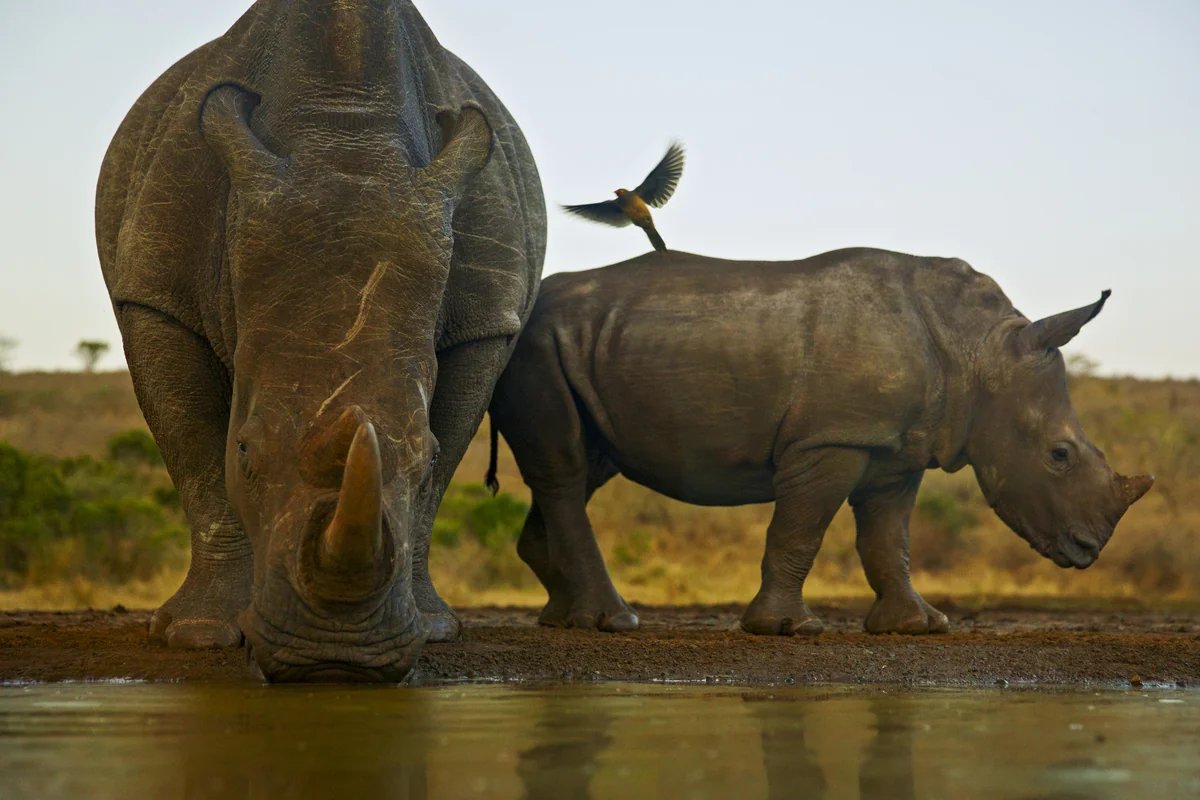
- Rhino (white ~6,500, black ~350): White rhinos are commonly sighted grazing in open areas; black rhinos remain rare and elusive, favoring thick bush.
🦁 Pro Tip from Our Rangers: Download the Latest Sightings app or check SANParks' daily sighting boards at camp gates. Fellow visitors and rangers share real-time wildlife locations, giving you a serious edge for rare finds like wild dogs, cheetah, or honey badgers.
Best Time to Visit Kruger National Park (Month by Month)
Kruger is a year-round destination, but your experience will vary dramatically depending on the season. Here's the insider breakdown:
Dry Season (May–September): Peak Game Viewing
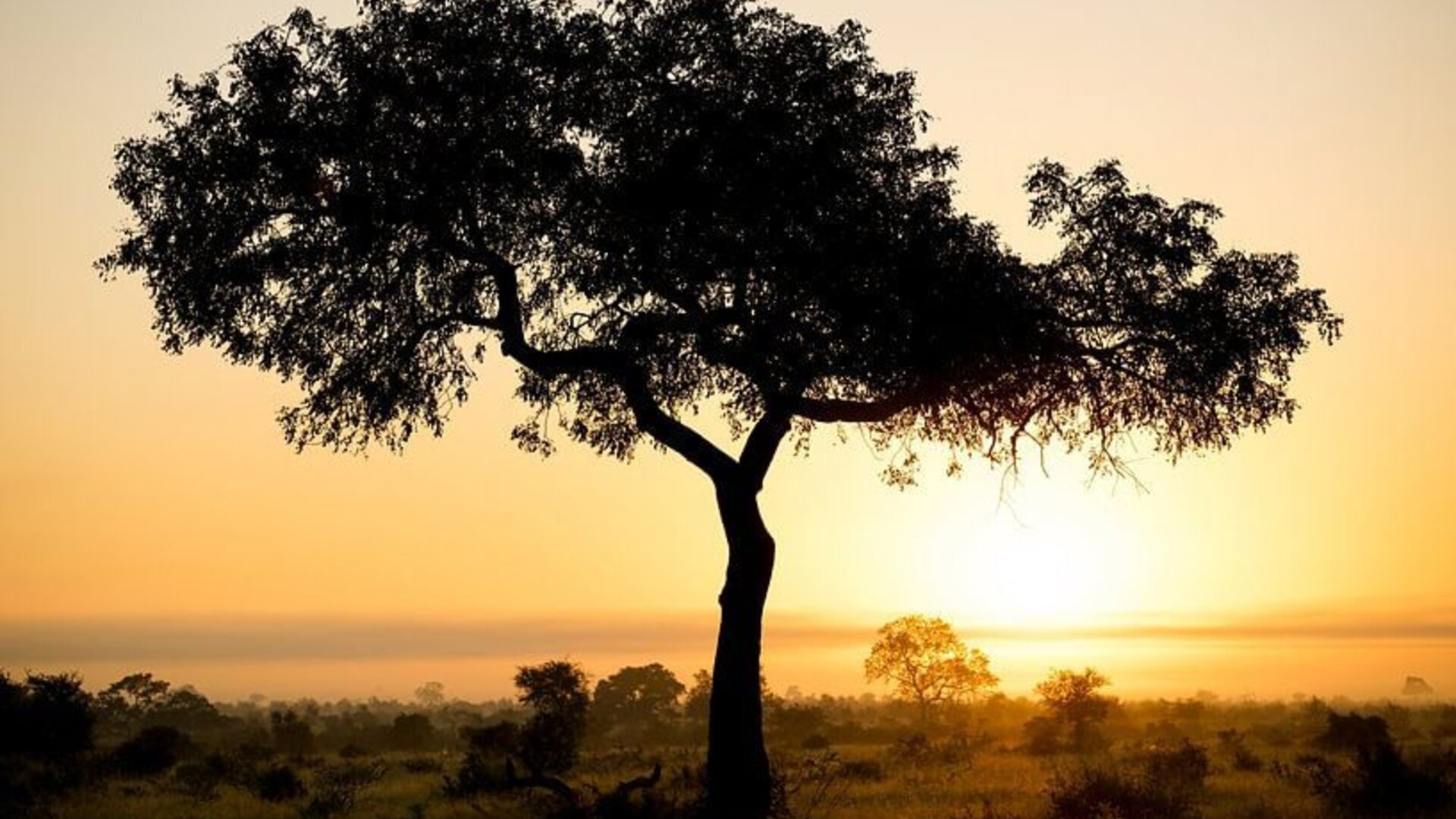
Why visit now: This is the undisputed champion window for wildlife sightings. As the dry season progresses, vegetation thins, waterholes shrink, and animals are forced to congregate around the few remaining water sources. By late August and September, the bush is skeletal, and predator-prey interactions intensify around waterholes — nature's theater at its rawest.
Weather: Clear blue skies, mild daytime temperatures (20–25°C), but early morning and evening game drives can drop to near-freezing (especially June–July). Pack layers and a warm jacket for open-vehicle drives.
Wildlife highlights: Big Five sightings peak. Leopards become more visible as they descend from thick cover to hunt near rivers. Lion prides stake out waterholes. Elephant herds march in procession to drink. This is also prime time for wild dog sightings, as packs range widely across open plains.
Crowds: Expect higher visitor numbers in July and August (South African winter school holidays), but the park is vast enough to find solitude if you explore lesser-known roads.
Green Season (November–March): Lush Landscapes & Baby Animals
Why visit now: The summer rains transform Kruger into a lush, emerald paradise. This is calving season for impala, wildebeest, and zebra — which means newborns everywhere (and predators in hunting overdrive). Birdwatching is world-class, with hundreds of migratory species arriving from Europe and northern Africa.
Weather: Hot (30–35°C+), humid, with afternoon thunderstorms common. The rain is usually brief but dramatic. Malaria risk is higher during these wet months — prophylaxis is essential.
Wildlife highlights: Dense vegetation makes sightings more challenging, but the rewards are unique. You might witness a lioness teaching her cubs to hunt, or a secretary bird stamping out a snake. The landscape is Instagram-worthy, and the park feels quieter and more intimate.
Crowds: Fewer international tourists (except December/January festive season). Lodges offer lower rates outside of peak holiday weeks.
Shoulder Months (April, October): The Sweet Spot
Why visit now: These transitional months offer the best of both worlds — good game viewing, pleasant weather, fewer crowds, and often the best lodge deals. April marks the end of the rains; the bush is still green but animals are easier to spot. October is the last gasp of the dry season, with desperate wildlife clustering around the final water sources.
Pro tip: October is brutally hot (often 35–40°C+), but if you can handle the heat, you'll witness some of the most concentrated game viewing of the year.
| Season | Months | Game Viewing | Weather | Crowds | Best For |
|---|---|---|---|---|---|
| Peak Dry | May–Sep | ⭐⭐⭐⭐⭐ | Cool, clear | Moderate–High | Big Five sightings, first-timers, photographers |
| Green/Wet | Nov–Mar | ⭐⭐⭐ | Hot, humid, rainy | Low–Moderate | Birders, scenery, newborn animals |
| Shoulder | Apr, Oct | ⭐⭐⭐⭐ | Pleasant (Apr) / Very hot (Oct) | Low | Best value, fewer crowds, balanced wildlife |
Where to Stay in Kruger: Camps, Lodges & Private Reserves
Kruger offers an extraordinary range of accommodation, from basic self-catering huts to opulent private suites with infinity pools overlooking waterholes. Your choice will shape your entire safari experience.
SANParks Rest Camps (Budget to Mid-Range)
South African National Parks (SANParks) operates 13 main rest camps and several smaller bushveld camps within Kruger. These government-run camps are fenced, safe, and excellent value for money. They range from basic rondavels (thatched huts) with shared ablutions to comfortable bungalows with kitchenettes and air conditioning.
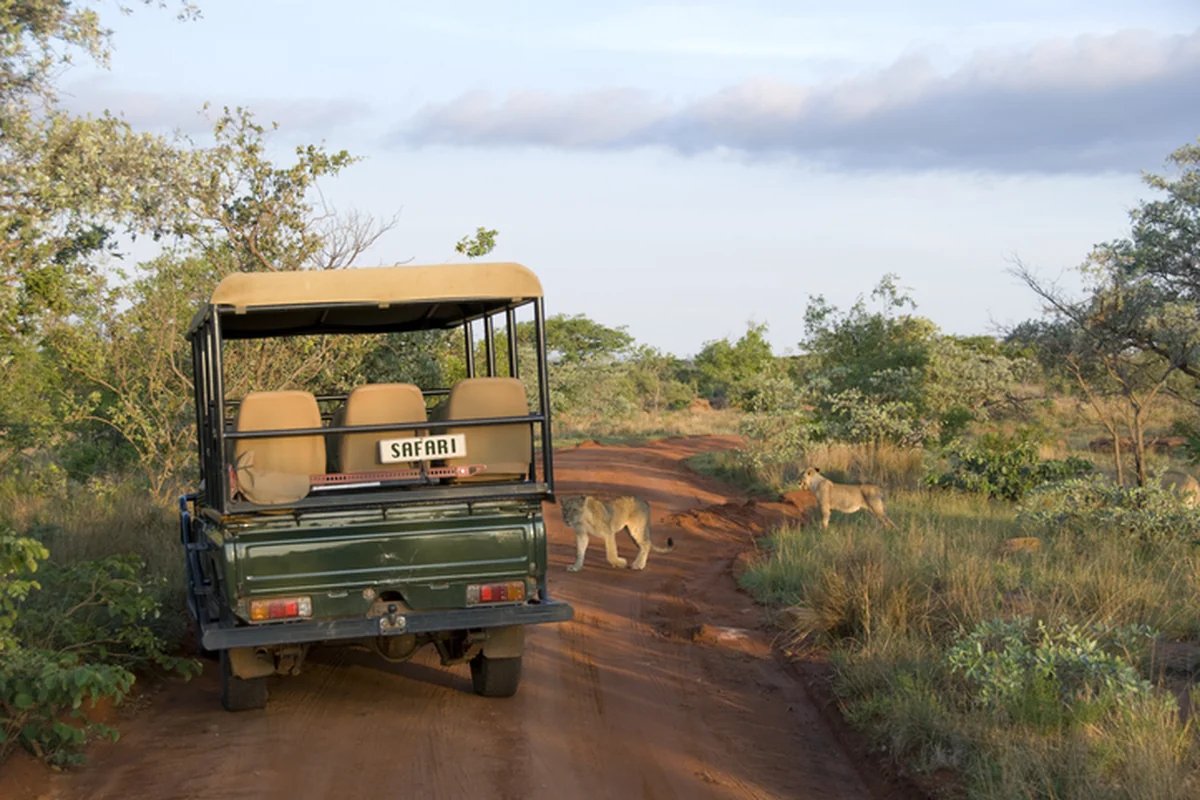
Top SANParks camps for first-timers:
- Skukuza: The largest camp, with a supermarket, multiple restaurants, fuel station, and excellent general game viewing. A good base for exploring central and southern Kruger.
- Lower Sabie: Perched on the Sabie River, this camp is beloved for its riverfront deck (where elephants, hippos, and crocs are daily visitors) and superb sunset views.
- Satara: Situated in the heart of the central plains, Satara is "big cat country." Lions and cheetahs are frequently sighted on the surrounding grasslands.
- Olifants: Built on a cliff overlooking the Olifants River, this camp offers jaw-dropping views and is a favorite for photographers.
Cost: R1,200–R3,500 (~$65–$190) per night for a bungalow sleeping 2–4 people, plus daily conservation fees (~R450/$25 per person). Self-drive and self-catering keep costs low.
Private Lodges Within Kruger (Mid-Range to Luxury)
Several private concessions operate within Kruger's boundaries, offering boutique lodges with guided game drives, walking safaris, and gourmet cuisine — but without leaving the national park. These lodges provide a more intimate, all-inclusive experience while still enjoying Kruger's iconic wildlife density.
Recommended private lodges in Kruger:
- Singita Lebombo & Sweni: Ultra-luxury, architecturally stunning, with exclusive traversing rights in the far north. Expect world-class guiding, wine cellars, and rates from $1,200+ per person per night.
- Imbali Safari Lodge: A romantic, tented lodge in the Mluwati Concession. All-inclusive rates ~$400–$600 per person per night.
- Rhino Walking Safaris: For the adventurous, this rustic tented camp focuses on guided walking safaris (accompanied by armed rangers). Rates ~$250–$350 per person per night.
Adjacent Private Reserves (Luxury & Ultra-Luxury)
Kruger is bordered by several unfenced private reserves that share the same ecosystem and wildlife, but offer off-road tracking, night drives, and exclusivity that the national park cannot match. The most famous is Sabi Sands, but Timbavati, Thornybush, Klaserie, and Manyeleti are equally rewarding.
Why choose a private reserve over Kruger?
- Off-road tracking (rangers can drive directly to lions in thick bush, not just view from the road)
- Night drives with spotlights (see nocturnal species like leopards hunting, genets, bush babies, porcupines)
- Walking safaris with armed guides (experience the bush at ground level — utterly thrilling)
- Fewer vehicles per sighting (often exclusive sightings with just your vehicle)
- All-inclusive luxury (gourmet meals, premium drinks, spa treatments, private plunge pools)
Step Inside Kruger’s Finest Lodges
From ultra-luxury Sabi Sands to characterful mid-range camps in the Greater Kruger, here is a real look inside three of the region’s standout lodges — so you can see exactly what each tier of the Kruger experience offers.
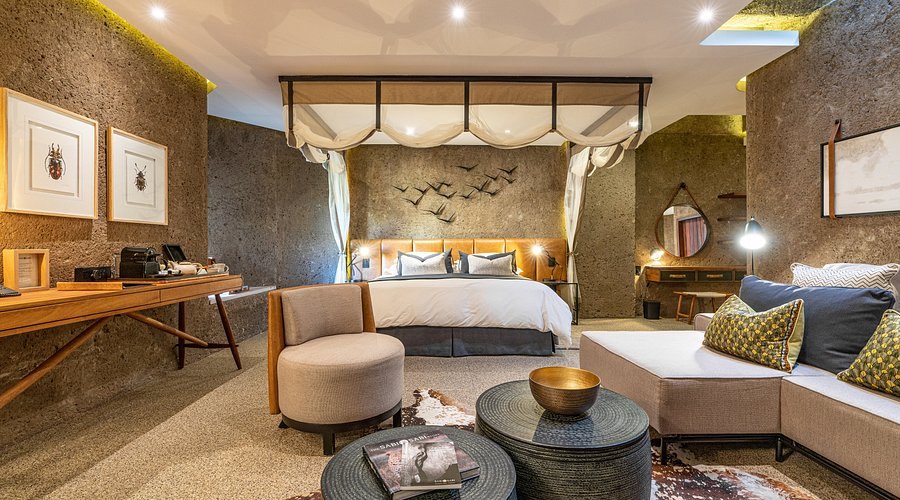
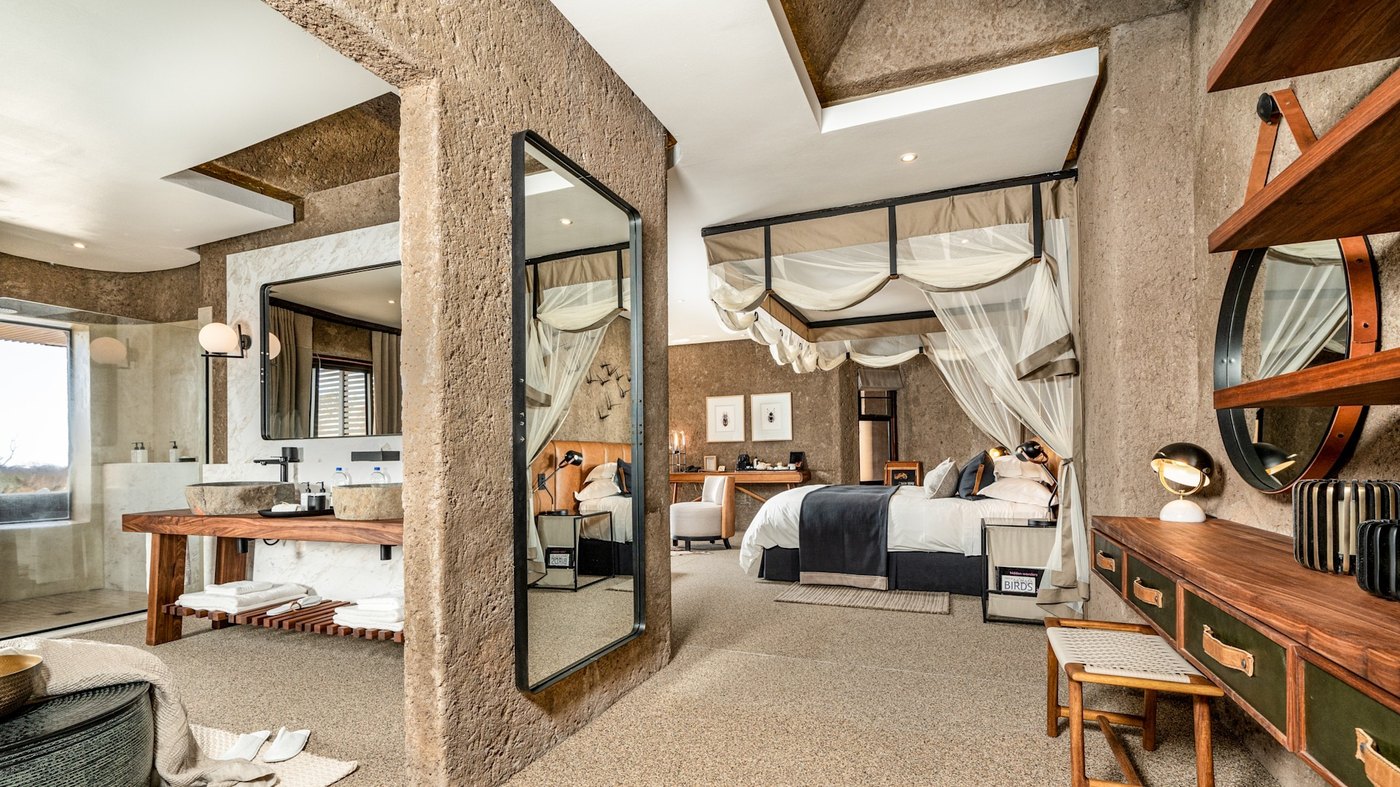
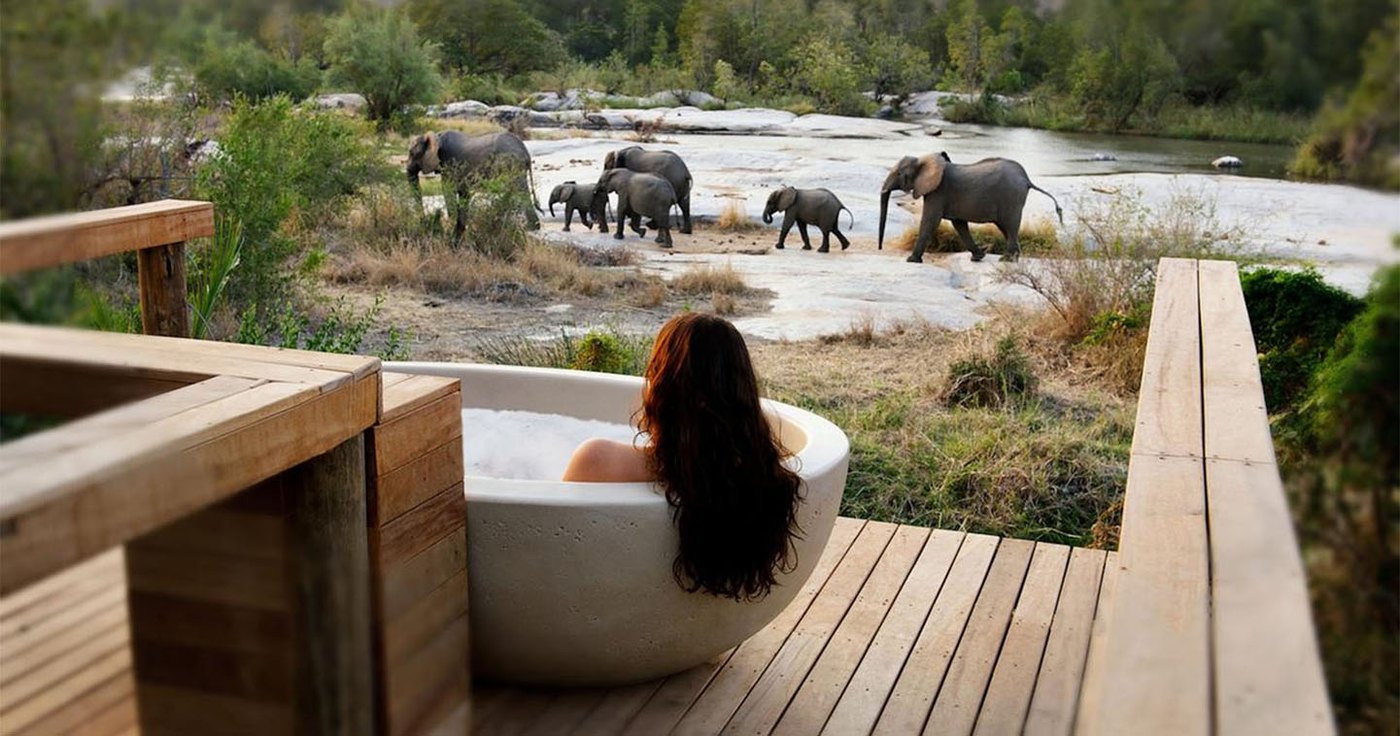
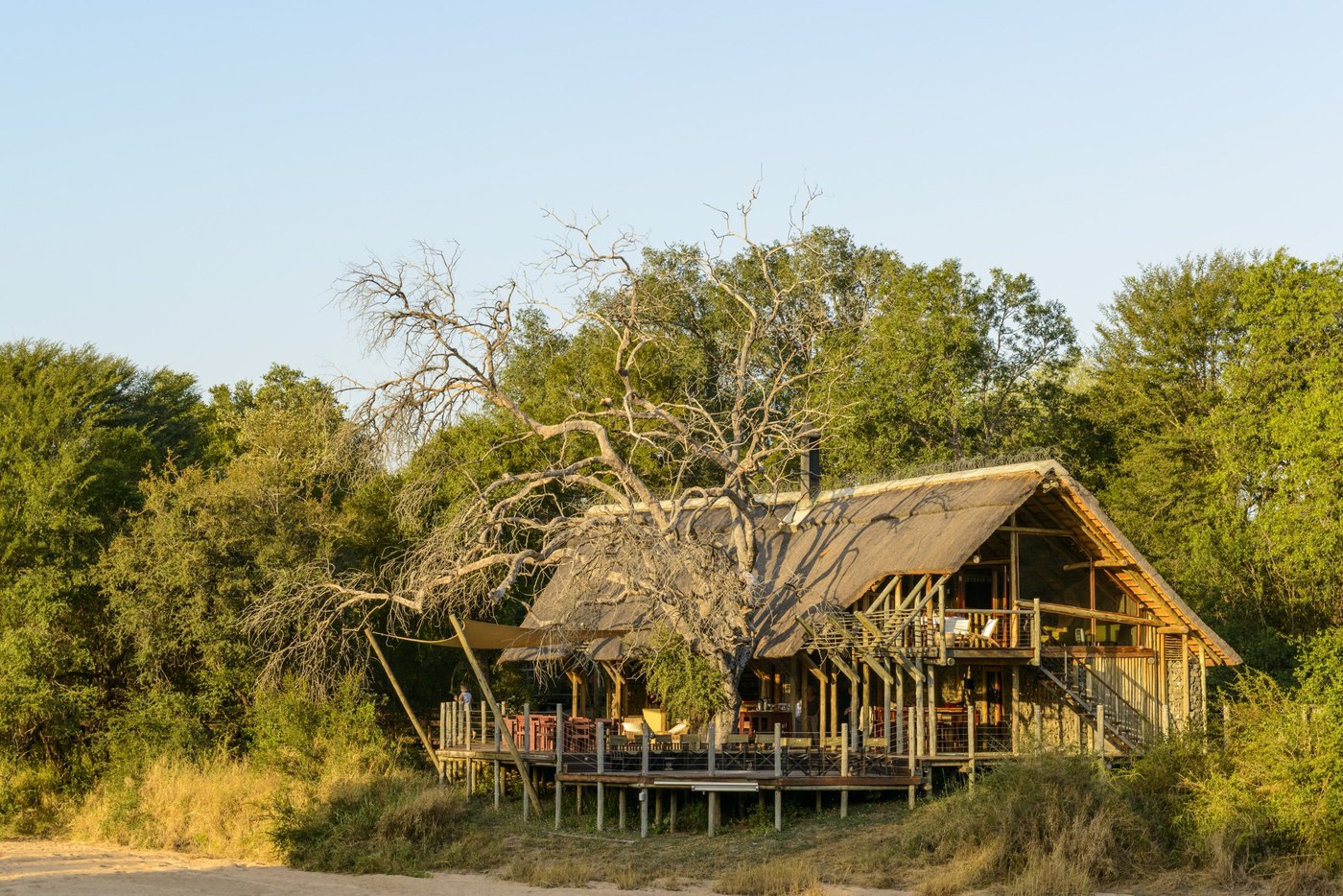
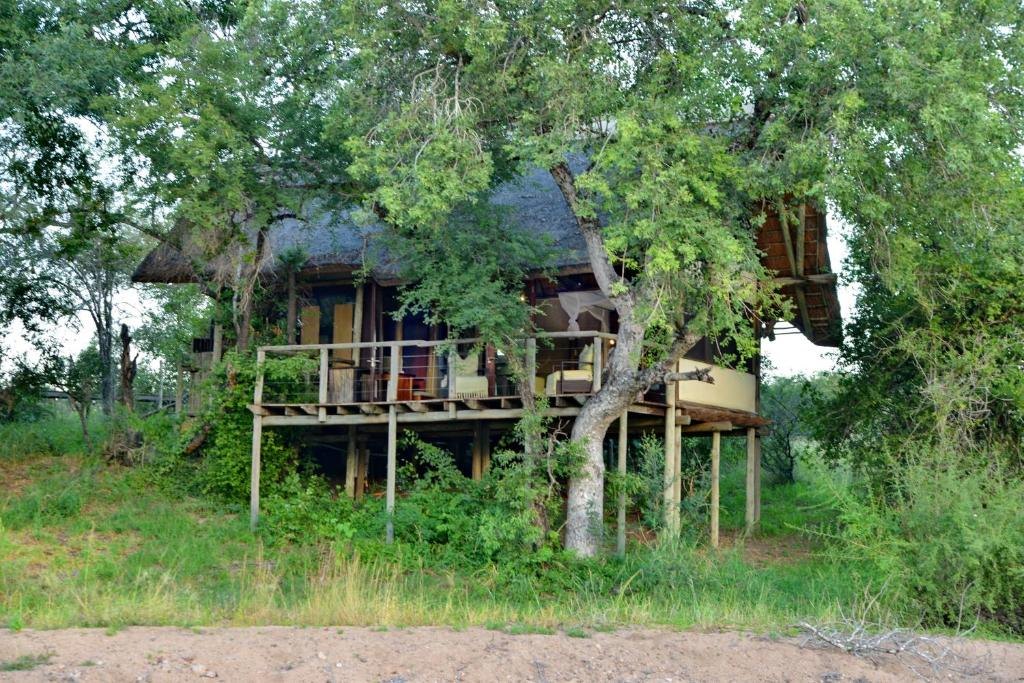
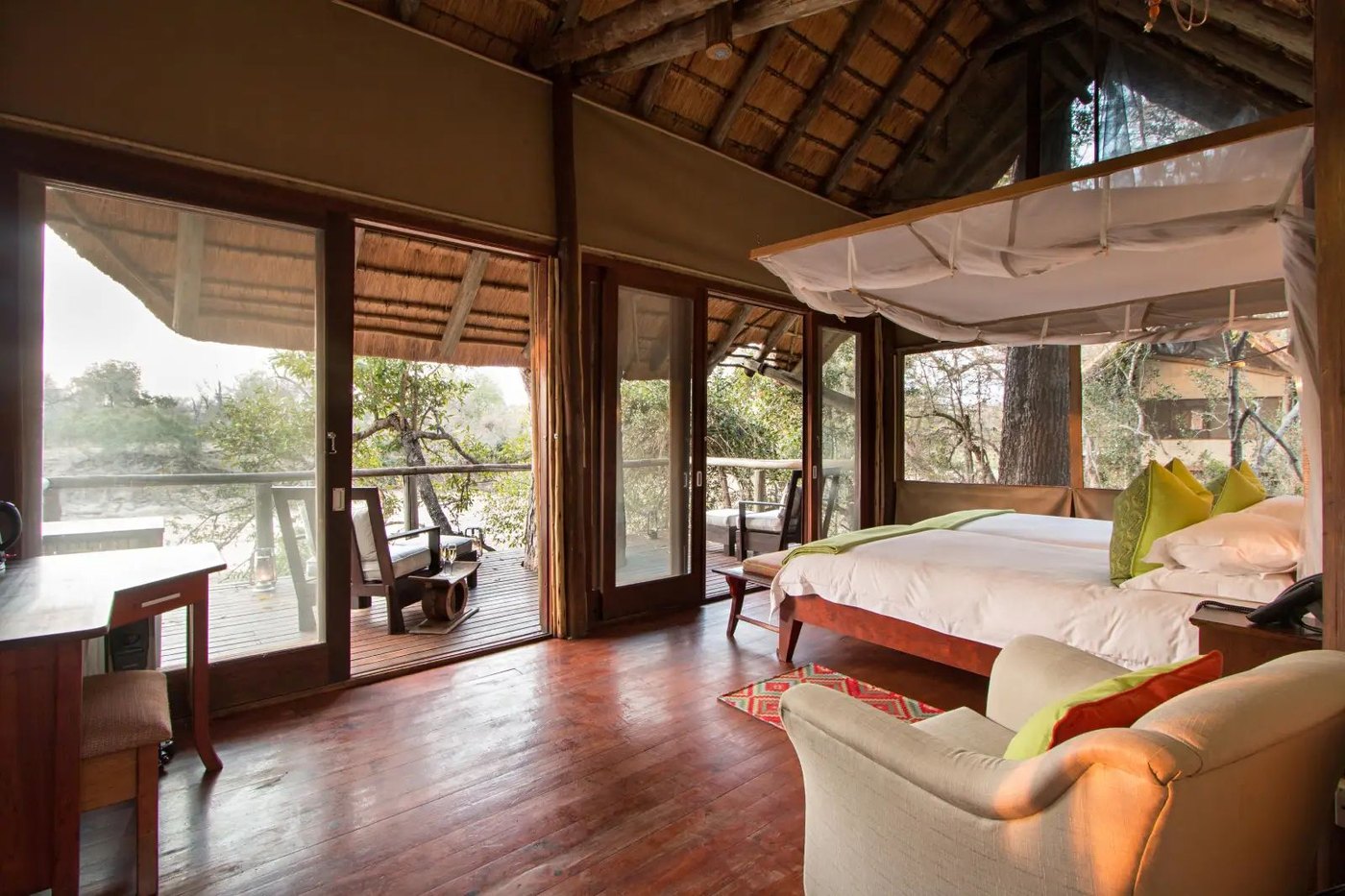
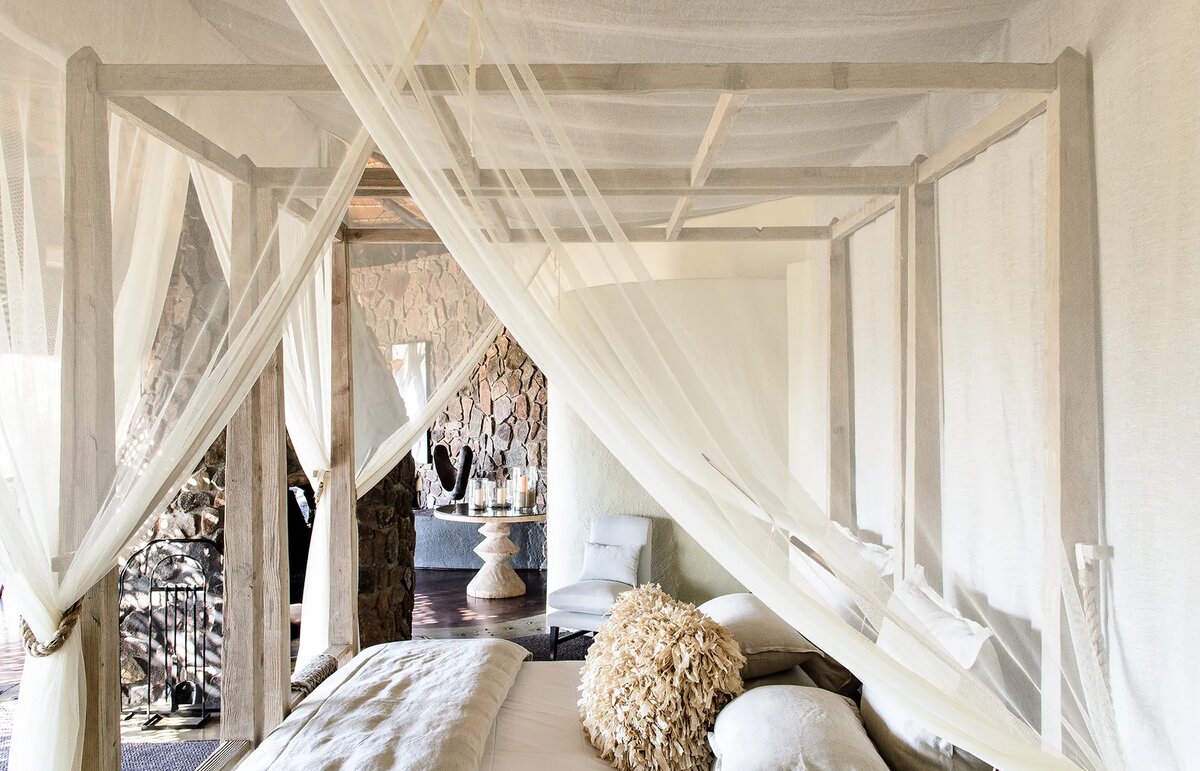
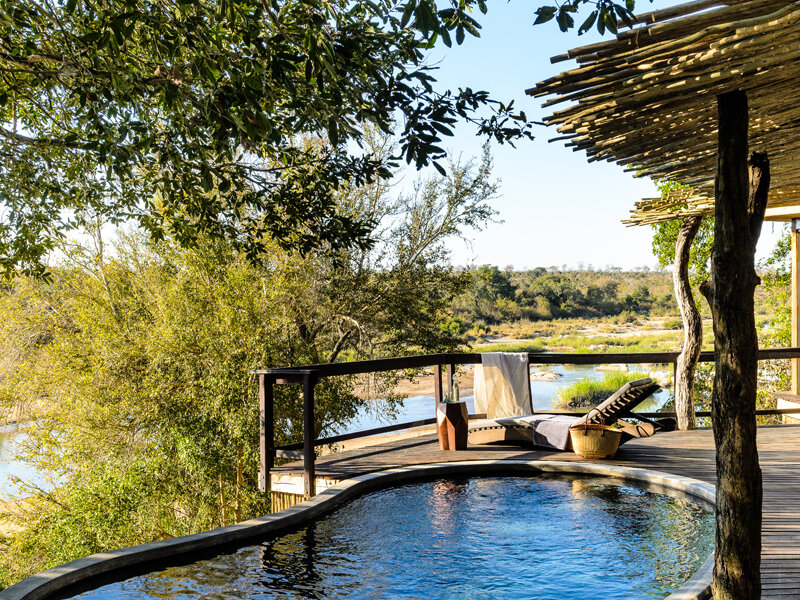
🏆 Our Top Pick for First-Time Luxury Safari: Londolozi Private Game Reserve (Sabi Sands). Five-star service, legendary leopard sightings, and rangers who treat every guest like a VIP. Rates from ~$800–$1,200 per person per night, all-inclusive. Worth every cent.
How to Plan Your Kruger Safari (3, 5, or 7 Days?)
The ideal Kruger safari duration depends on your budget, time, and wildlife ambitions. Here's how to allocate your days:
3-Day Safari: The Essentials
Perfect for first-timers or those on a tight schedule. Three days gives you enough time to explore one or two regions (e.g., central and southern Kruger), complete 5–6 game drives, and tick off the Big Five. You'll likely see lions, elephants, buffalo, and rhinos with ease; leopards require luck but are possible.
Recommended itinerary: Day 1 (arrival + afternoon drive), Day 2 (morning + afternoon drives), Day 3 (morning drive + departure). Base yourself at one camp or lodge to maximize drive time and minimize packing/unpacking.
5-Day Safari: The Sweet Spot
Five days allows you to slow down, explore multiple regions (southern grasslands, central plains, northern riverine forests), and significantly increase your chances of rare sightings (wild dogs, cheetahs, honey badgers). You'll complete 8–10 game drives, and the rhythm of the bush will start to sink in.
Recommended itinerary: Combine Kruger with the Panorama Route (Blyde River Canyon, God's Window, Bourke's Luck Potholes) for a scenic counterpoint to the wildlife intensity. Or spend all five days in Kruger, moving between camps to experience different ecosystems.
7-Day Safari: The Immersion
A full week is the dream for serious wildlife enthusiasts. You'll have time to explore Kruger's far north (Punda Maria, Pafuri — pristine, remote, and rich in rare species like Pel's fishing owl and nyala), track elusive leopards, wait out sightings for the perfect photographic moment, and fully disconnect from the outside world. By day seven, you'll be identifying bird calls and reading animal tracks like a junior ranger.
Recommended itinerary: Three nights in southern/central Kruger (Skukuza, Satara), two nights in the far north (Punda Maria or a private concession like Singita Lebombo), and two nights in an adjacent private reserve (Sabi Sands or Timbavati) for the ultimate private-public contrast.
Self-Drive vs. Guided Safari: Which is Right for You?
Kruger is one of the few African parks where self-drive safaris are not only possible but highly rewarding. Here's how to decide:
Self-Drive Safari
Pros: Total flexibility (drive when you want, stop where you want, linger at sightings as long as you like), lower cost (no guide fees), and the thrill of making your own discoveries. Kruger's roads are excellent, and maps/apps make navigation foolproof.
Cons: You'll miss sightings that experienced guides would catch (fresh tracks, distant movement, subtle animal behavior cues). You're also limited to designated roads and must exit gates by sunset (no night drives). Self-drivers often see plenty of elephants, buffalo, and general game, but may struggle with elusive species like leopards or wild dogs.
Best for: Budget-conscious travelers, families, photographers who want to control their pace, and repeat visitors who know the park.
Guided Safari (Day Drives or Multi-Day Packages)
Pros: Expert rangers increase your sighting success by 300%. They know animal behavior, track fresh spoor, and communicate via radio with other guides to pinpoint Big Five locations in real-time. You'll also learn about the ecosystem — birds, trees, insects, ecology — not just the big mammals. Private reserves offer off-road tracking and night drives (impossible in Kruger proper).
Cons: Higher cost. Less flexibility (you're on the lodge's schedule, typically two drives per day). You share the vehicle with other guests (unless you book a private vehicle).
Best for: First-time safari-goers, serious wildlife photographers, those seeking rare species, and anyone wanting a stress-free, educational experience.
💡 Our Recommendation: If it's your first African safari, book a guided package. The ranger's expertise is irreplaceable. If you're a repeat visitor or on a strict budget, self-drive is a fantastic adventure — just temper your expectations for elusive sightings.
What to Pack for a Kruger Safari
Packing for Kruger is straightforward, but a few items can make or break your experience. Here's the ultimate checklist:
Clothing
- Neutral colors: Khaki, olive, beige, brown. Avoid bright colors (animals may perceive them as threats) and avoid camouflage patterns (illegal in some African countries).
- Layers: Mornings and evenings can be freezing (especially June–August), but midday is warm. Pack a fleece or down jacket, long-sleeve shirts, and a lightweight scarf or buff.
- Long pants: Essential for sun protection and tsetse flies (rare but present). Quick-dry fabrics are ideal.
- Comfortable walking shoes: Even if you're not doing walking safaris, you'll be on your feet at rest camps and viewpoints.
- Wide-brimmed hat: The African sun is relentless. A hat is non-negotiable.
Gear & Accessories
- Binoculars: An absolute must. 8×32 or 10×42 are the sweet spot for wildlife viewing. Bring your own or rent from your lodge.
- Camera with zoom lens: A 300mm lens minimum (400–600mm is ideal for distant wildlife). Bring spare batteries and memory cards — you'll shoot thousands of frames.
- Sunscreen & lip balm: SPF 50+. Reapply every two hours.
- Insect repellent: DEET-based (50%+). Mosquitoes are most active at dawn and dusk.
- Headlamp or torch: Rest camps have limited lighting at night. A headlamp is invaluable for navigating after dark.
- Reusable water bottle: Stay hydrated. Most lodges provide filtered water; rest camps have taps.
- Field guide: A Southern African mammals or birds guide enhances your experience tenfold. Newman's Birds of Southern Africa and Smithers' Mammals of Southern Africa are the gold standards.
Health & Safety
- Antimalarial prophylaxis: Consult your doctor at least 4 weeks before travel. Doxycycline, Malarone, and Mefloquine are common options.
- First aid kit: Basics like plasters, antiseptic, antihistamines, pain relievers, and any prescription medications.
- Travel insurance: Ensure it covers medical evacuation (Kruger is remote).
Safari Etiquette & Safety Rules
Kruger is a wild, unfenced reserve where dangerous animals roam freely. Respect the rules — they exist for your safety and the welfare of the wildlife.
The Golden Rules
- Never exit your vehicle except at designated picnic spots and rest camps. Lions, elephants, and buffalo can appear from nowhere.
- Keep windows and doors closed when animals are nearby (especially baboons, who are notorious thieves and can be aggressive).
- Stay on designated roads. Off-roading is illegal and damages the ecosystem. Only private reserves can drive off-road.
- Observe speed limits (typically 40–50 km/h on tar, 20–30 km/h on gravel). Speeding endangers wildlife and reduces your chances of spotting animals.
- Don't feed or disturb wildlife. It's illegal, dangerous, and disrupts natural behavior.
- Respect other vehicles at sightings. Don't block views, keep engines quiet, and limit your time if others are waiting.
- Stick to gate times. Kruger's gates open at sunrise and close at sunset. Late entry results in hefty fines.
Kruger vs. Other Safari Destinations: How Does It Compare?
Kruger is often compared to East Africa's Serengeti, Masai Mara, and Okavango Delta. Here's the honest breakdown:
| Destination | Big Five Density | Accessibility | Cost (3-Day Safari) | Best For |
|---|---|---|---|---|
| Kruger, South Africa | ⭐⭐⭐⭐⭐ | Easy (4.5h drive from JHB) | $550–$850 (guided) / $300–$500 (self-drive) | First-timers, self-drivers, budget-conscious, photographers |
| Serengeti, Tanzania | ⭐⭐⭐⭐⭐ | Moderate (flights + transfers) | $1,200–$2,500 | Wildebeest migration, vast plains, luxury tented camps |
| Masai Mara, Kenya | ⭐⭐⭐⭐⭐ | Moderate (flights + transfers) | $1,000–$2,200 | Great Migration (Jul–Oct), balloon safaris, Maasai culture |
| Okavango Delta, Botswana | ⭐⭐⭐⭐ | Difficult (fly-in only, expensive) | $2,000–$4,000+ | Water-based safaris, exclusivity, pristine wilderness |
| Etosha, Namibia | ⭐⭐⭐⭐ | Easy (self-drive friendly) | $400–$700 | Desert-adapted wildlife, salt pans, self-drive, budget safaris |
Verdict: Kruger offers the best balance of accessibility, affordability, wildlife density, and infrastructure. It's the perfect first safari — and for many, it becomes an annual pilgrimage.
Beyond the Big Five: Kruger's Hidden Gems
While the Big Five dominate wishlist, Kruger harbors dozens of equally fascinating (and rarer) species that serious wildlife enthusiasts obsess over. Keep an eye out for:
- African Wild Dog: One of the continent's most endangered carnivores. Packs roam widely; sightings are rare but unforgettable (often in central and northern Kruger).
- Cheetah: Found in the open grasslands of central Kruger (around Satara and Orpen). Look for them on termite mounds scanning for prey.
- Honey Badger: Fearless, ferocious, and rarely seen. Mostly nocturnal, but occasionally spotted at dawn.
- Aardvark: The elusive "earth pig." Nocturnal and shy. Spotting one is a badge of honor among safari-goers.
- Ground Hornbill: A massive, prehistoric-looking bird. Listen for their booming calls at dawn.
- Pel's Fishing Owl: One of the world's rarest owls. Found along the Luvuvhu River in the far north (Pafuri region).
🦅 Birder's Paradise: Kruger is home to over 500 bird species, including the magnificent African Fish Eagle, Lilac-breasted Roller, and Kori Bustard (the world's heaviest flying bird). November to March is peak birding season, when European migrants arrive.
Frequently Asked Questions About Kruger Safaris
(See the detailed FAQ section above for comprehensive answers to the most common Kruger safari questions.)
Ready to Experience Kruger National Park?
Kruger isn't just a safari destination — it's a rite of passage for anyone who loves wildlife, wild places, and the raw, unfiltered beauty of Africa. From first-timers seeking their first lion sighting to seasoned safari enthusiasts chasing the elusive leopard in dappled light, Kruger delivers.
From budget-friendly self-drive adventures staying in SANParks rest camps to ultra-luxury private lodges where butlers deliver champagne sundowners as elephants parade past your suite, there's a Kruger safari for every dream and every budget.
The Big Five are waiting. The sunsets are legendary. The memories will last a lifetime.
Book your Kruger safari today — and discover why this iconic reserve has captivated travelers for over a century.