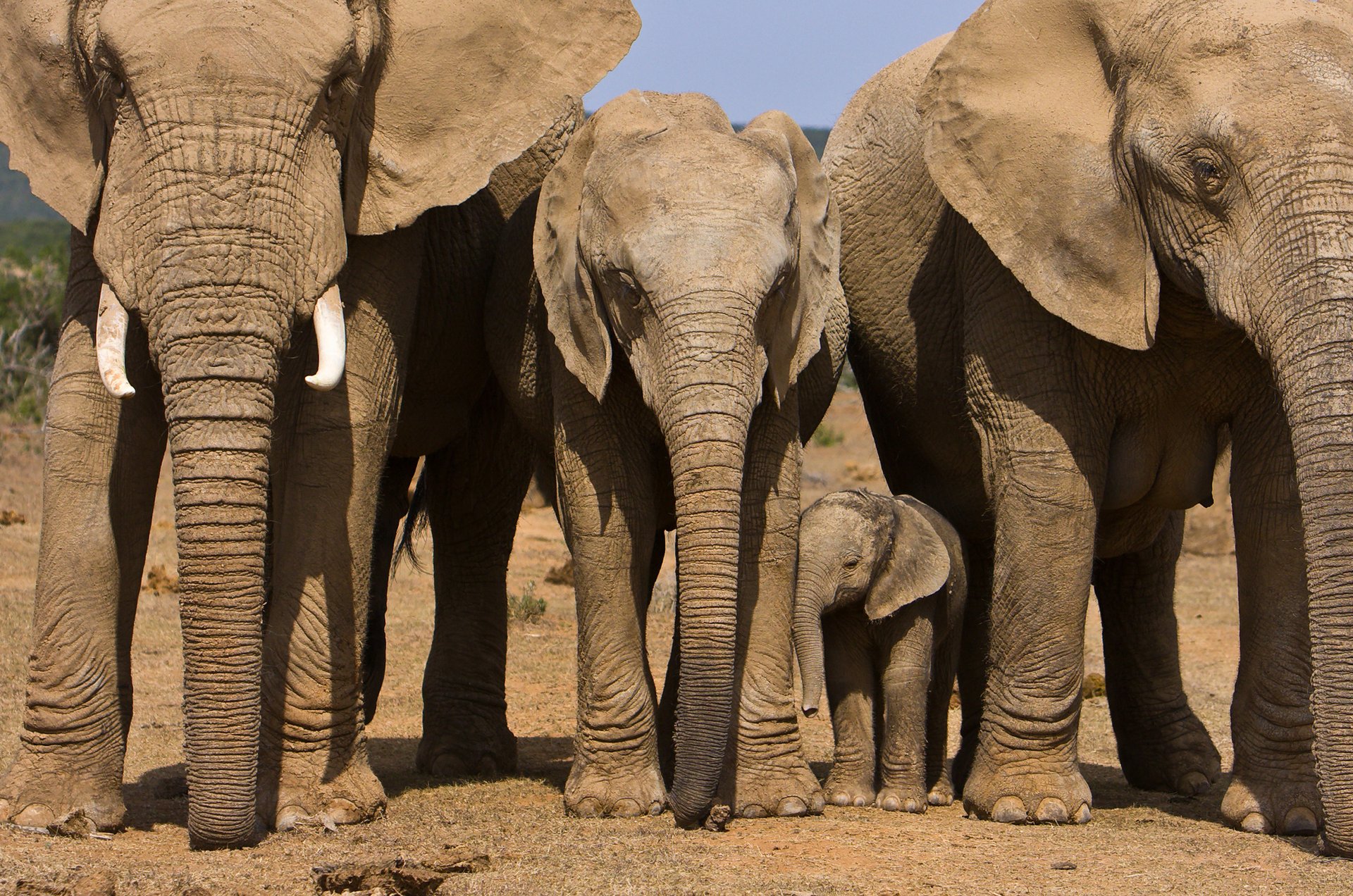
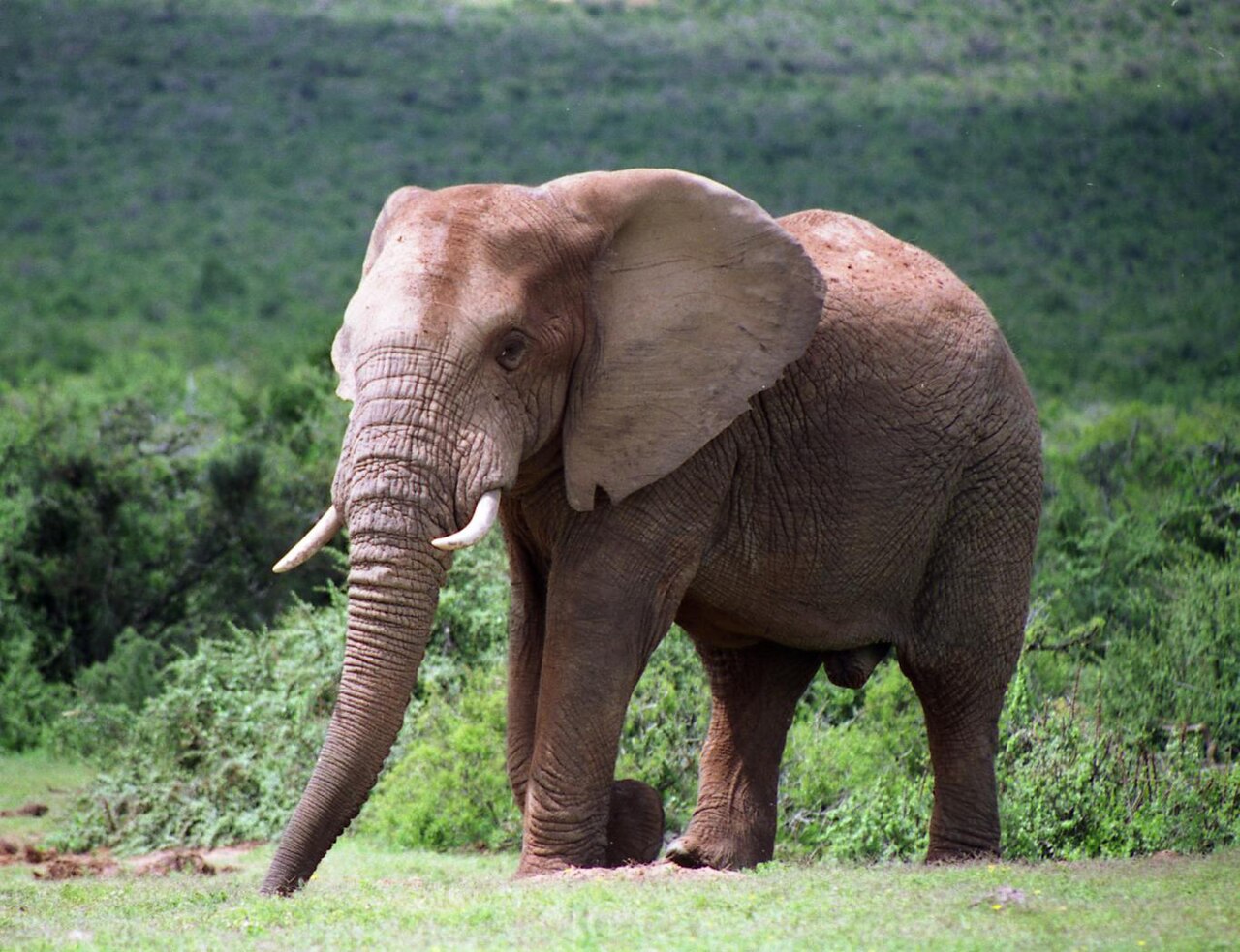
Kruger National Park is one of the finest Big Five destinations on earth — vast, accessible and extraordinarily wildlife-rich. But how long should you spend there? Five days is the sweet spot. It's enough time to explore multiple regions, enjoy morning and evening game drives when predators are most active, and give yourself the best chance of seeing all the Big Five without the trip feeling rushed. This day-by-day 5-day Kruger National Park safari itinerary for 2026 is designed for both self-drive and guided safaris, with detailed timings, camp recommendations, costs and insider tips.
🦁 Planning Your Kruger Safari?
For the complete kruger safari resource - expert guides, honest costs, luxury lodges, curated itineraries, and everything you need to plan your trip - visit our comprehensive hub:
View Complete Kruger Safari Hub →First-timer or returning safari-goer, this itinerary will help you make the most of your Kruger adventure.
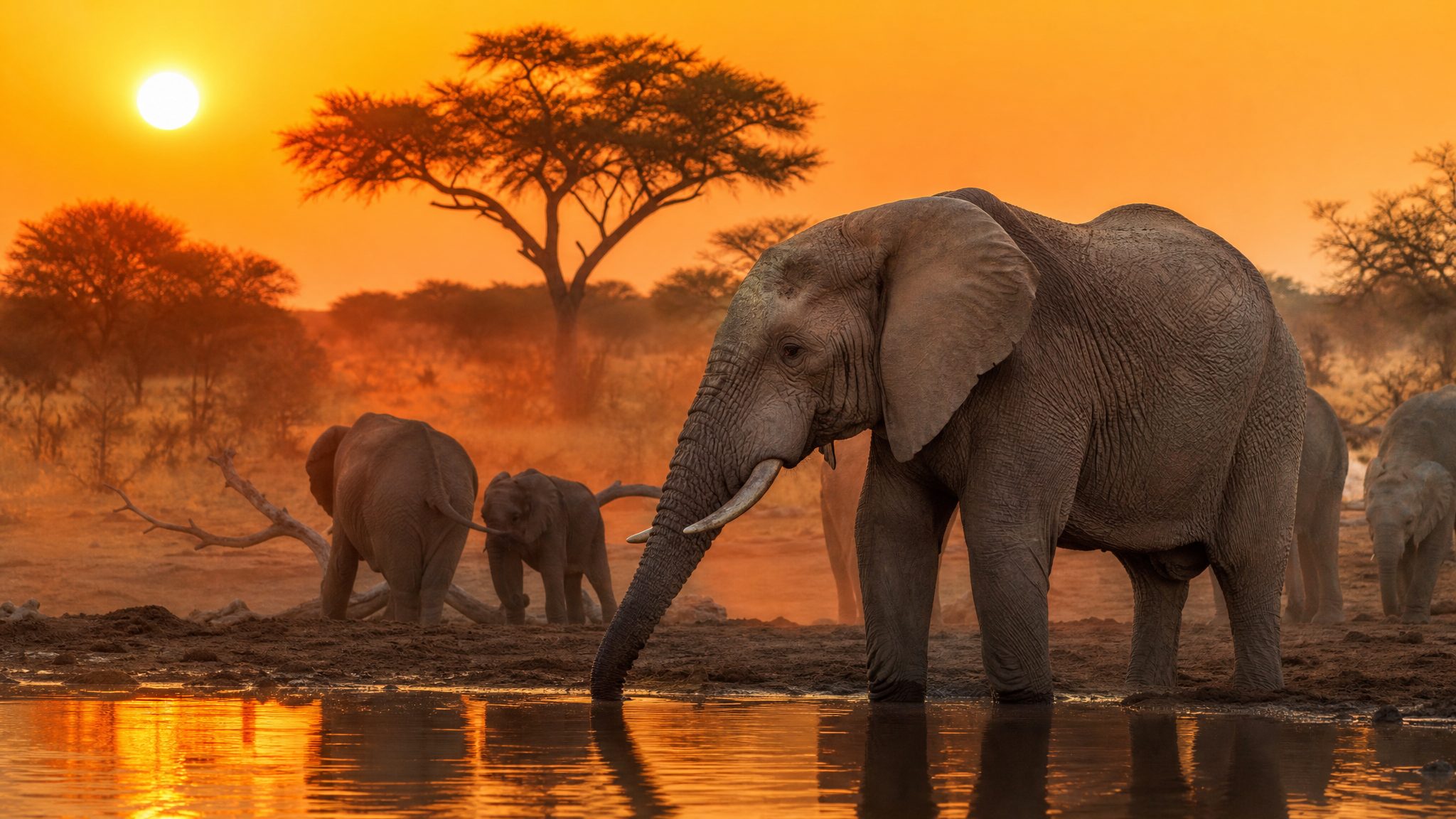
Kruger National Park — five days of Big Five adventure in South Africa's wildlife flagship.
5-Day Kruger Itinerary at a Glance
Quick Summary
- Day 1: Arrive, afternoon game drive
- Days 2-4: Full safari days (morning & evening drives)
- Day 5: Final morning drive, depart
Best camps: Satara (central, lions), Skukuza (largest, most facilities), Lower Sabie (rhino, river), Olifants (remote, views).
Day 1: Arrive in Kruger & Afternoon Drive
Morning/Midday: Arrive at one of Kruger's entry gates. Most travellers enter via Kruger Mpumalanga International Airport (KMIA) near Nelspruit or Hoedspruit in the north, both about 1-2 hours' drive to the park. If you're self-driving, collect your rental car (a standard sedan works fine on Kruger's tar and gravel roads). If you're on a guided safari, your lodge will arrange airport transfers.
Popular entry gates:
- Phabeni Gate (near Hazyview) — for Skukuza and Lower Sabie.
- Paul Kruger Gate (near Skukuza airport) — the busiest and most convenient.
- Orpen Gate (western side) — for Satara and central Kruger.
- Phalaborwa Gate (northern) — for Letaba and Olifants.
Check-in: Arrive at your chosen rest camp or lodge by early afternoon. If you're staying in a private reserve like Sabi Sands, Timbavati or Thornybush (adjacent to Kruger), you'll check in there instead and enjoy a more exclusive, guided experience with off-road driving.
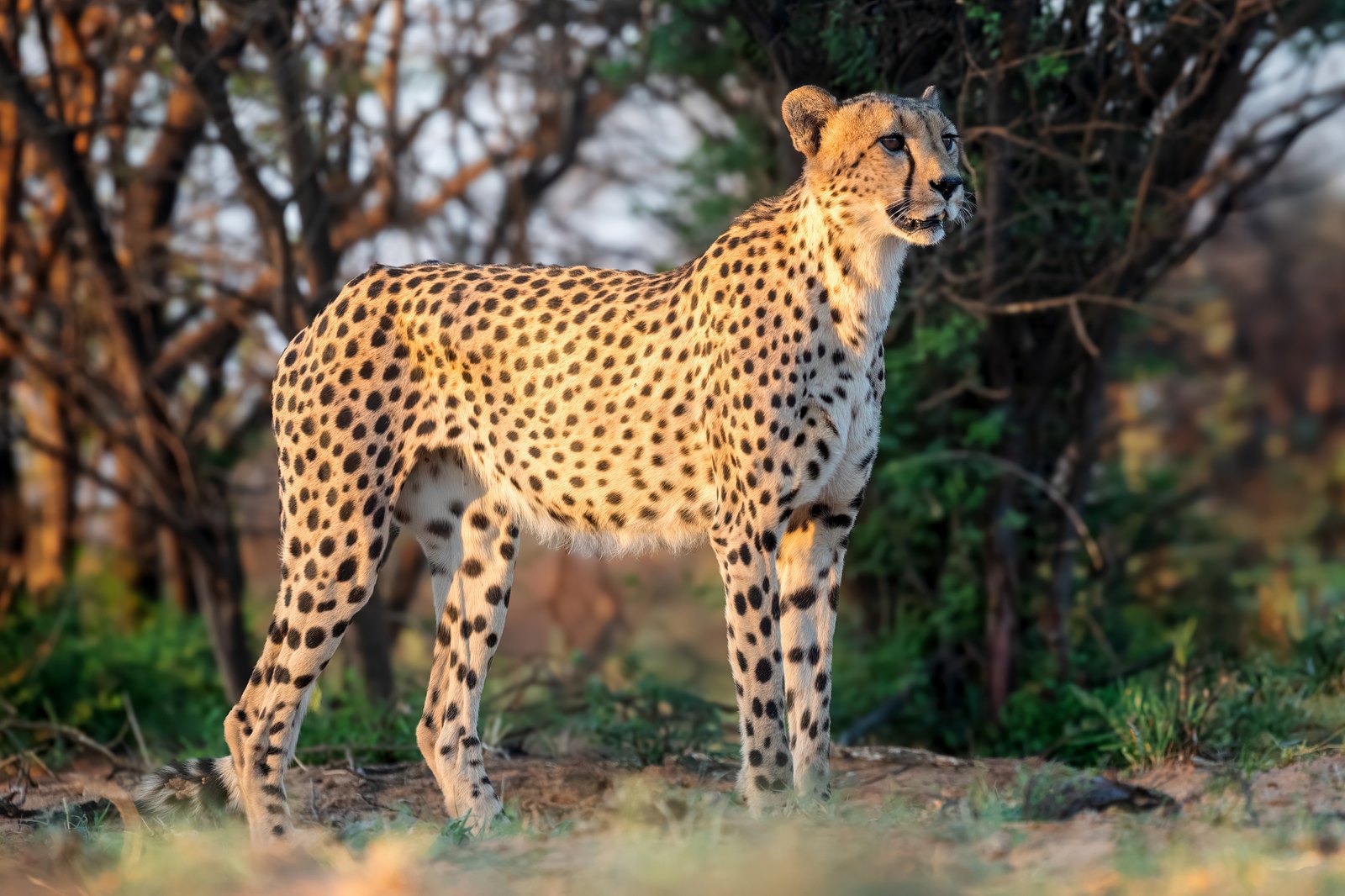
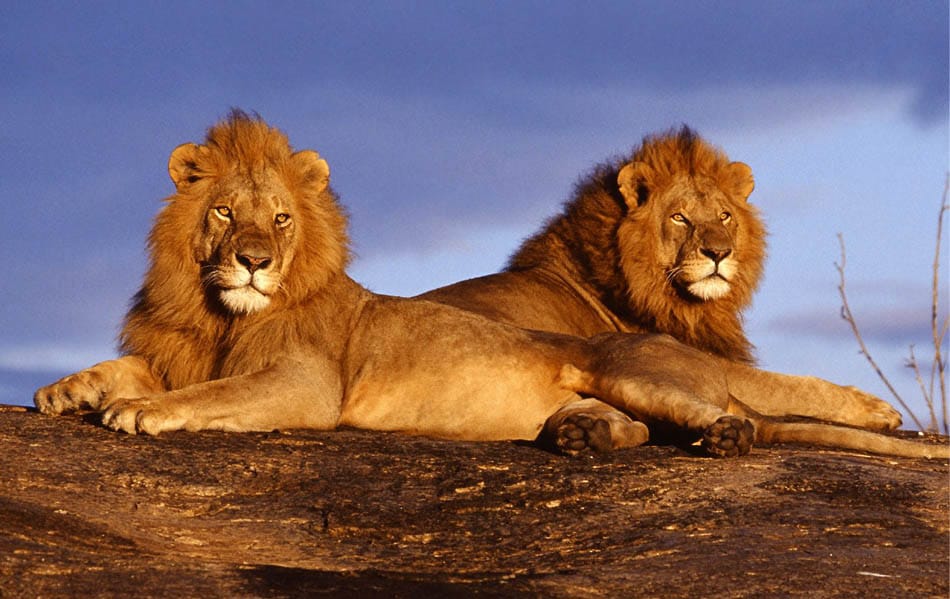
Kruger is home to prolific big cats — lions, leopards and cheetahs.
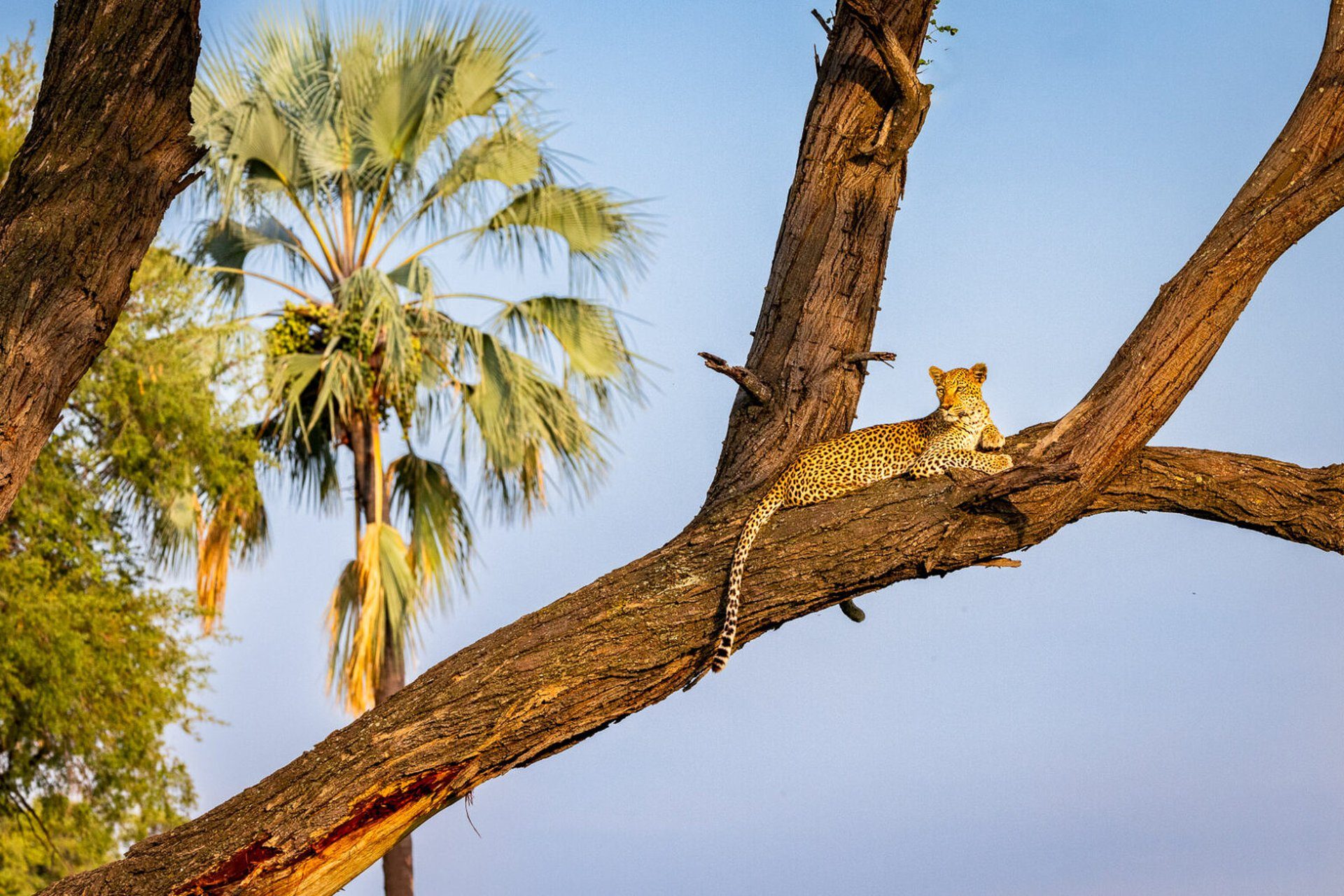
Afternoon: After settling in and a light lunch, head out for your first game drive around 3:30-4:00pm. This is when animals start emerging from the shade as the heat of the day eases. Kruger's roads are easy to navigate — tar roads connect the major camps, and gravel loops take you deeper into prime game-viewing areas. Keep an eye out for elephant herds, giraffe, zebra and impala. Lions often rest under trees or on termite mounds, and if you're lucky, you may spot a leopard lounging in the fork of a tree.
Sunset: Gates close at 6pm in winter (May-August) and 6:30pm in summer (September-April). Return to camp before closing time. Enjoy sundowners at the camp's bar or restaurant, then have dinner. Rest camps have restaurants, shops and often a waterhole with floodlights where you can watch nocturnal visitors like hyena and hippo.
Accommodation: Satara, Skukuza or Lower Sabie rest camps (budget-friendly, $40-120/night). Or upgrade to a private lodge outside the park ($200-600+ per night).
Days 2-4: Full Safari Days
All Three Days Follow a Similar Rhythm:
Morning Routine
5:00-5:30am: Wake up before dawn. Gates open at 5:30am in summer, 6:00am in winter. Have a quick coffee and biscuit, then head out.
5:30-9:30am: Morning game drive — the best time of day for predator sightings. The bush is cool, animals are active, and the soft morning light is perfect for photography. Lions and leopards are often still active from the night's hunting. Drive slowly, scan the trees for leopards, and watch the ground for fresh tracks. Stop at waterholes and rivers — prime spots for elephant, rhino, buffalo and hippo. Pack a thermos of coffee and snacks to enjoy at a designated picnic spot.
Pro tip: The S-roads (smaller gravel loops) and H-roads (main tar routes) are numbered on maps. The S-roads are quieter and often more rewarding for sightings.
Midday Break
9:30am-12:00pm: Return to camp for a full breakfast. Relax, nap, swim in the camp pool or sit at the waterhole and watch wildlife come and go. Kruger's rest camps have shops where you can stock up on snacks, drinks and souvenirs.
12:00-3:30pm: Rest during the heat of the day. Read, plan the afternoon route, or simply unwind.
Afternoon Routine
3:30-4:00pm: Have a light lunch or snack, then head out again.
4:00-6:00/6:30pm: Afternoon game drive — the golden hour. Animals re-emerge as temperatures cool. This is prime time for big-cat activity as predators prepare for the night's hunt. The low-angle sunlight is magical for photography, bathing the savanna in amber and gold. Return to camp just before the gates close.
Evening
7:00pm onwards: Dinner at the camp restaurant or cook your own meal if you're self-catering. Swap stories with fellow safari-goers around the campfire or at the waterhole. Go to bed early — tomorrow's another 5:30am start.
Exploring Different Regions
Kruger is huge — nearly 20,000 square kilometres — so each region offers different landscapes and wildlife strengths. Here's how to vary your drives over the three full days:
Central Kruger (Satara region)
Open plains and grasslands — the lion capital of Kruger. The S100 and S39 roads are legendary for big-cat sightings. Cheetah and wild dog are also seen here. Best for: lions, cheetahs, open savanna.
Southern Kruger (Skukuza, Lower Sabie)
Riverine areas along the Sabie and Crocodile rivers. Excellent for rhino, elephant, hippo and crocodiles. The S28 and S25 roads near Lower Sabie are prime rhino territory. Best for: rhino, river wildlife, buffalo herds.
Northern Kruger (Letaba, Olifants)
Wilder, quieter and more remote. Big elephant herds, baobab trees and dramatic landscapes. The far north (Punda Maria, Pafuri) is pristine but requires more driving. Best for: wilderness feel, elephants, birding.
Sample 3-day route: Day 2 — central Satara plains for lions. Day 3 — southern circuits near Lower Sabie for rhino and rivers. Day 4 — longer drive north to Olifants for wilderness and views, or spend the day exploring Skukuza's surrounding loops.
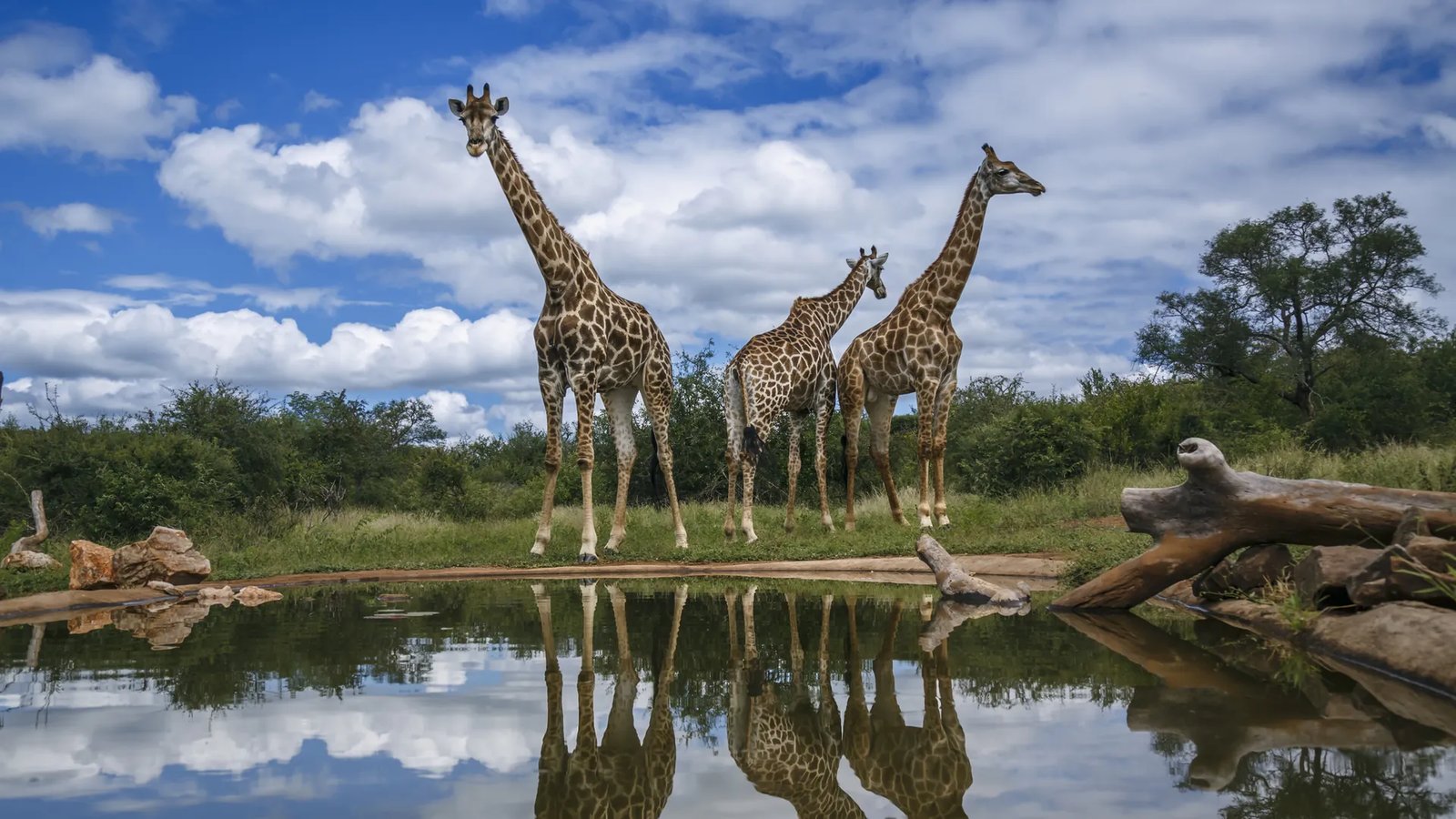
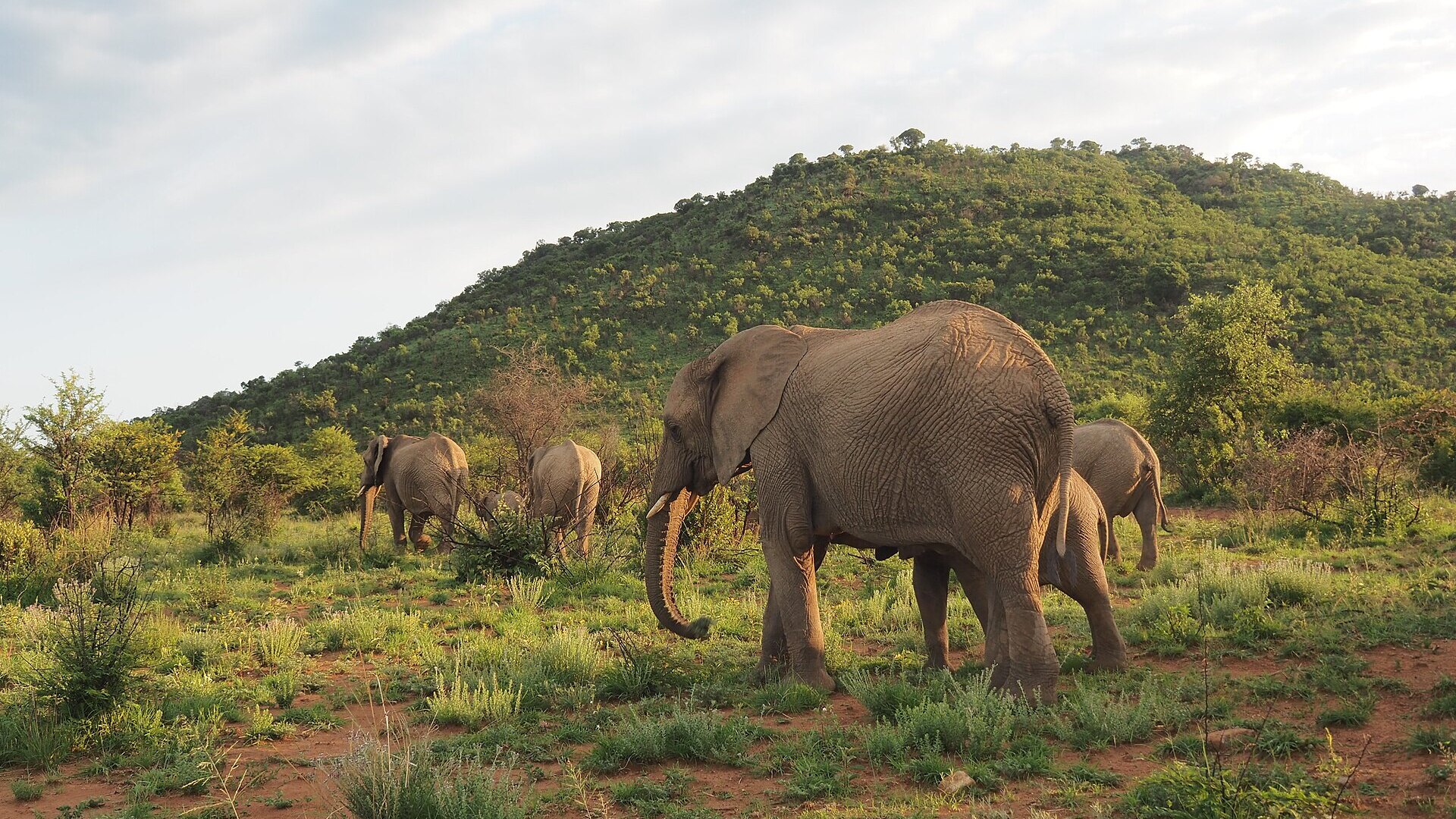
Kruger's diversity means every drive offers something new — from giraffe to the Big Five.
Day 5: Final Morning Drive & Departure
5:00-5:30am: Rise early for one last sunrise game drive — the most rewarding drive of the trip is often the final one. You've learned where to look, you've tuned your eyes to the bush, and there's always a chance for that one spectacular sighting you've been hoping for.
5:30-9:00am: Head out for your final drive. Savour the sounds of the African dawn — the calls of francolins, the alarm snorts of kudu, the distant roar of a lion. If you haven't seen all the Big Five yet, this is your last chance — though by now, you've likely ticked them all.
9:00-10:30am: Return to camp for a final breakfast. Check out, pack up and say goodbye to Kruger.
Late Morning/Afternoon: Drive back to the airport (KMIA, Hoedspruit or Skukuza) for your onward flight. Or continue your South African adventure — many travellers add Cape Town and the winelands, the Panorama Route (Blyde River Canyon, God's Window), or a beach extension to Mozambique.
Self-Drive vs Guided Safari: Which is Best?
| Option | Pros | Cons |
|---|---|---|
| Self-drive (Kruger) | Affordable, flexible, set your own pace, genuine adventure | No guide expertise, must stay on roads, no night drives |
| Guided (private reserves) | Expert trackers, off-road driving, night drives, luxury lodges | More expensive, less control, fixed drive times |
Verdict: Self-drive is perfect for budget-conscious, independent travellers who want flexibility. Guided safaris in Sabi Sands or other private reserves offer the best leopard viewing on earth, off-road tracking and a more exclusive, luxurious experience — ideal for honeymoons, special occasions or those who want expert guiding.
Budget Breakdown
- Rest camp accommodation (4 nights): $160-480 (budget) / $400-800 (mid-range chalets)
- Park entry fees (5 days, 2 people): $250
- Car rental (5 days): $200-400
- Fuel & food (self-catering): $150-300
- Total (self-drive, 2 people): $760-1,730 / $380-865 per person
- Guided safari in private reserve (4 nights): $3,000-$8,000+ per person all-inclusive
Practical Tips
- Book rest camps early — Satara, Skukuza and Lower Sabie fill up months in advance, especially during peak season (June-September).
- Pack binoculars and a good camera — essential for spotting and photographing wildlife. A zoom lens (300mm+) is ideal.
- Bring layers — mornings are cold (especially June-August), but afternoons are hot. A fleece or jacket is essential for early drives.
- Anti-malarial medication — Kruger is a malaria area. Consult your doctor before travelling.
- Download offline maps — cell signal is patchy in the park. The official Kruger map app works offline.
- Respect the rules — stay in your vehicle except at designated areas, keep to speed limits (50km/h tar, 40km/h gravel), and never feed or approach animals.
Final Thoughts: The Perfect Kruger Safari
This 5-day Kruger National Park safari itinerary delivers the ultimate South African wildlife experience — multiple game drives, diverse regions and an excellent chance of seeing all the Big Five, all in one of Africa's most accessible and rewarding parks. Whether you self-drive or book a guided safari, Kruger never disappoints. The roar of a lion at dawn, the silhouette of a giraffe against the sunset, the thrill of tracking a leopard through the bush — these are the moments that make Kruger unforgettable.
Plan Your 5-Day Kruger Safari with Beyond Africa Safaris
We design private, tailor-made Kruger safaris — whether you want a self-drive rest-camp adventure or a luxury guided experience in Sabi Sands. We handle camp bookings, transfers, expert guides and all the logistics, so you can focus on the wildlife. From budget to ultra-luxury, we'll craft your perfect Kruger safari.
Contact us to start planning your 5-day Kruger adventure today.