We're Open8am–6pm SAST
WishlistPartner Portal
← Back to BlogGarden Route

Addo Elephant National Park — The Complete Guide to the Eastern Cape's Big Five

Audio EditionListen to this story
0:000:00
Narrated by George — audio edition

Every great journey deserves a great ending, and the Garden Route saves one of its best for last. Beyond the forests and the wild coast, at the eastern edge of the route, the bush opens into the Eastern Cape — and there, gathered around a waterhole in the golden afternoon light, stand the great herds of Addo Elephant National Park. Over 600 elephants roam free here, in one of the densest populations on earth, alongside lion, buffalo, rhino and leopard: a true Big Five safari, entirely malaria-free, just off the Garden Route.

Addo is a conservation miracle — born from the rescue of just 11 surviving elephants in 1931 — and today it is South Africa's third-largest national park. This complete guide covers 2026 fees, the best time to visit, self-drive versus guided drives, the famous Big Seven, and how to get there.

Addo — the great elephant herds that crown the Garden Route.

Quick Answer

Addo Elephant National Park, in the Eastern Cape at the end of the Garden Route, is home to 600+ elephants and the full Big Five — and it's completely malaria-free. 2026 entry is about R360 per international adult (24-hour permit). The best game viewing is the dry winter, June–September. You can self-drive the excellent roads or take a guided game drive for the best sightings. It's about 60 km from Gqeberha (Port Elizabeth), the perfect grand finale to a multi-day Garden Route journey.

See it the easy way — let our team plan your Garden Route safari.

The Elephants of Addo

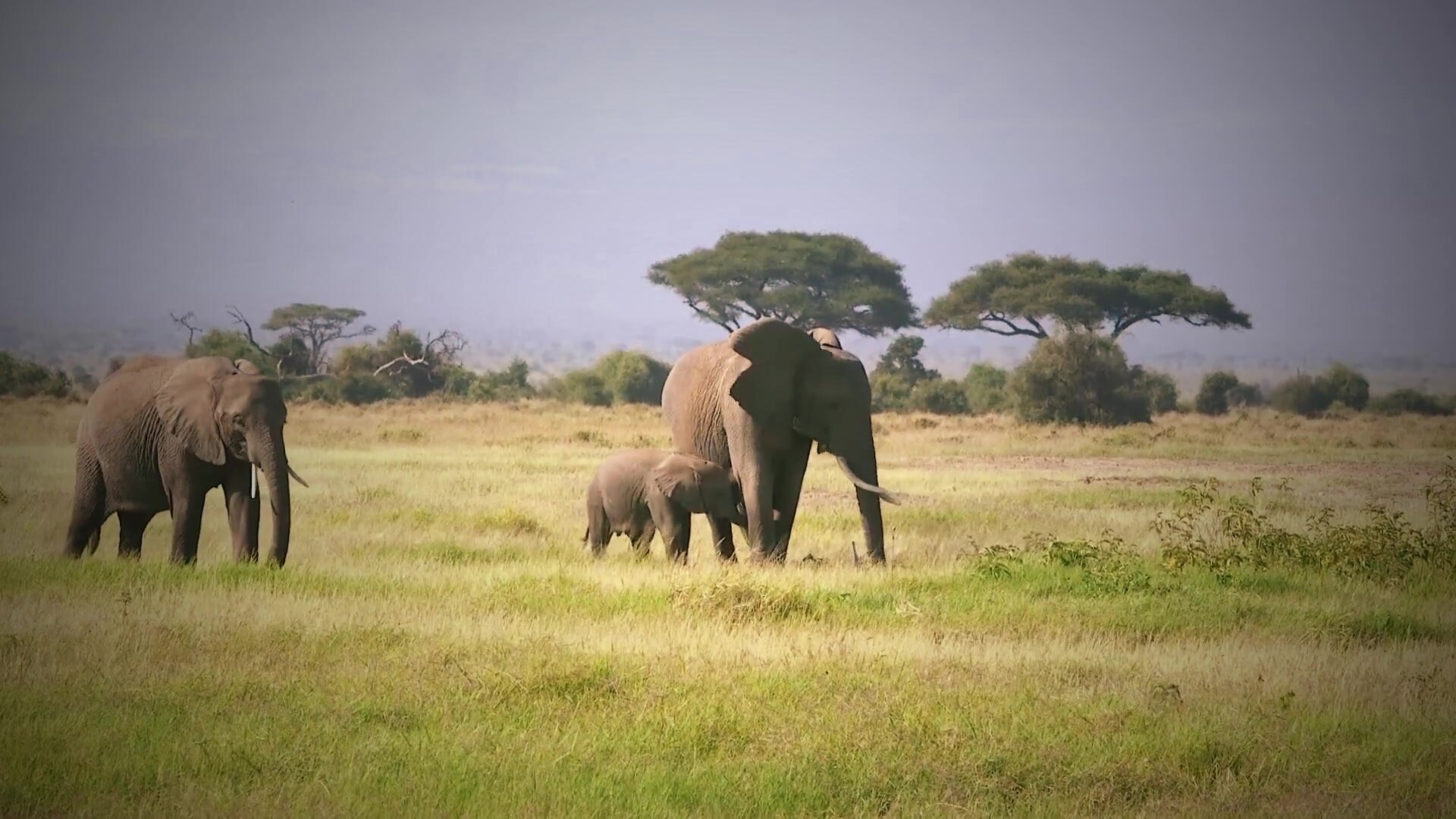
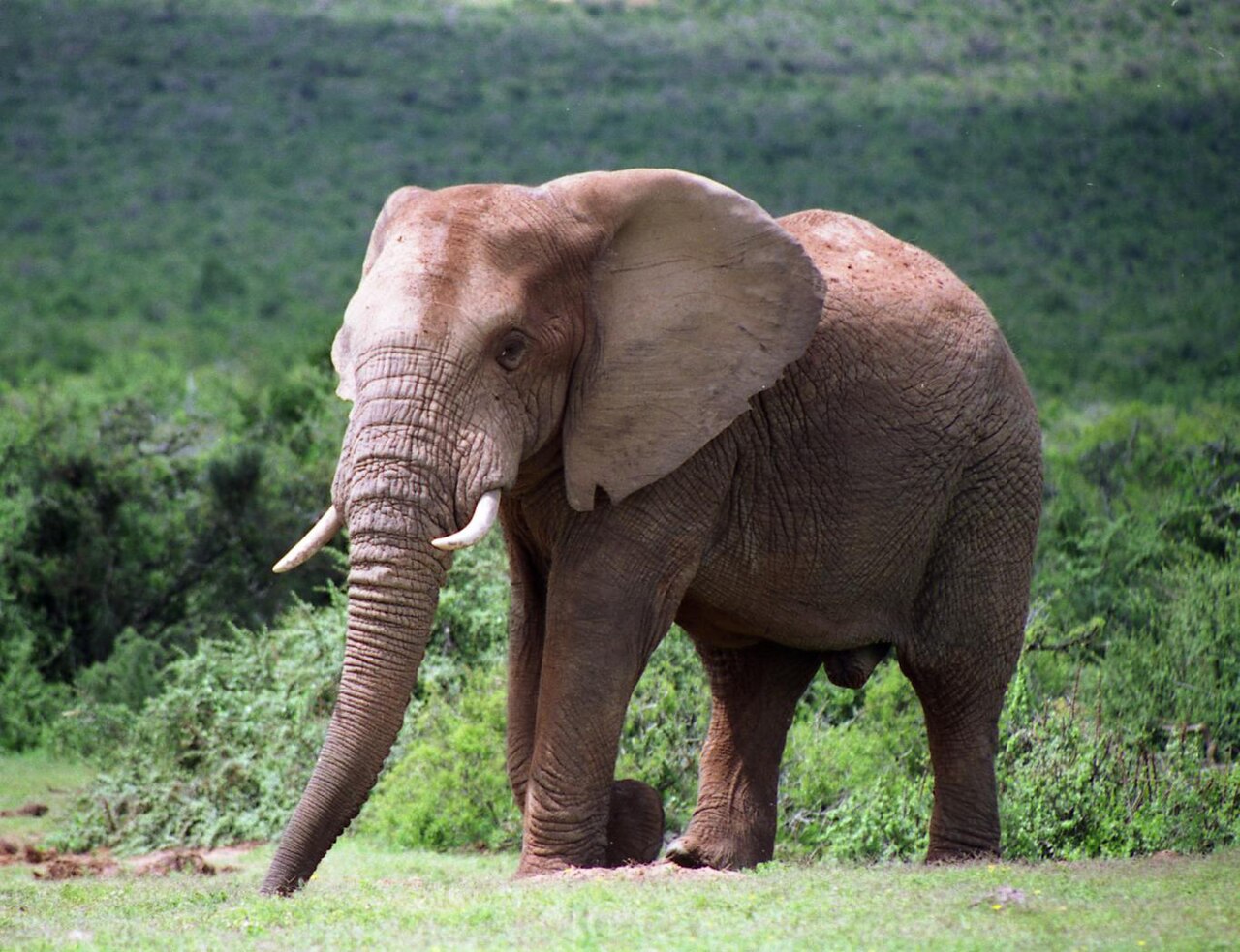
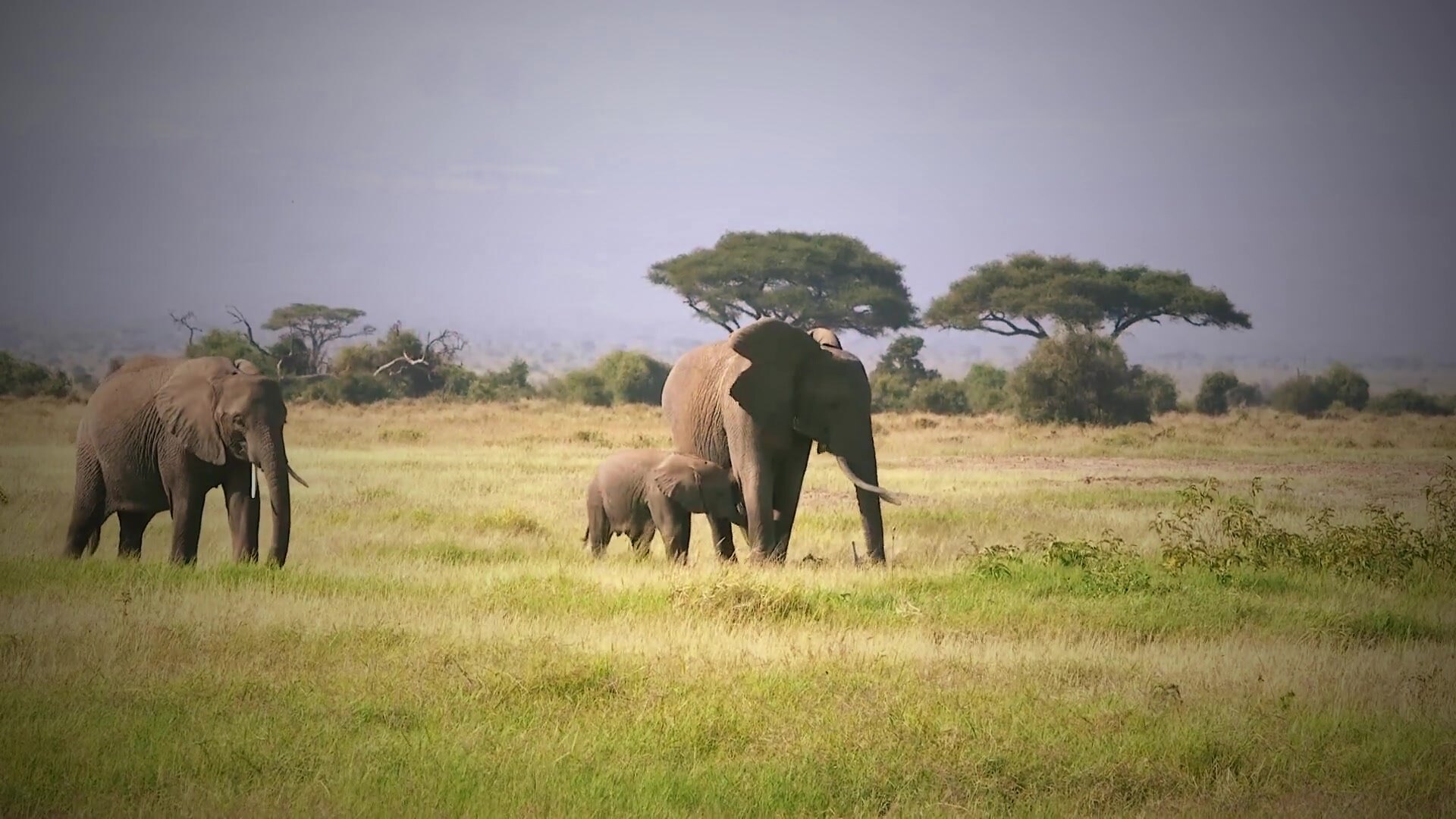
Addo exists because of its elephants. By 1931, relentless hunting had reduced the once-great Eastern Cape herds to just 11 animals, clinging on in the dense Addo bush. The park was proclaimed to save them — and it worked spectacularly. Today that remnant has grown to over 600 elephants, one of the densest populations anywhere on the planet, and the sight of huge multi-generational herds — matriarchs, teenagers, tiny calves — jostling and drinking at the waterholes is Addo's unforgettable signature. Because the animals are so relaxed around vehicles, the encounters are close, calm and deeply moving.
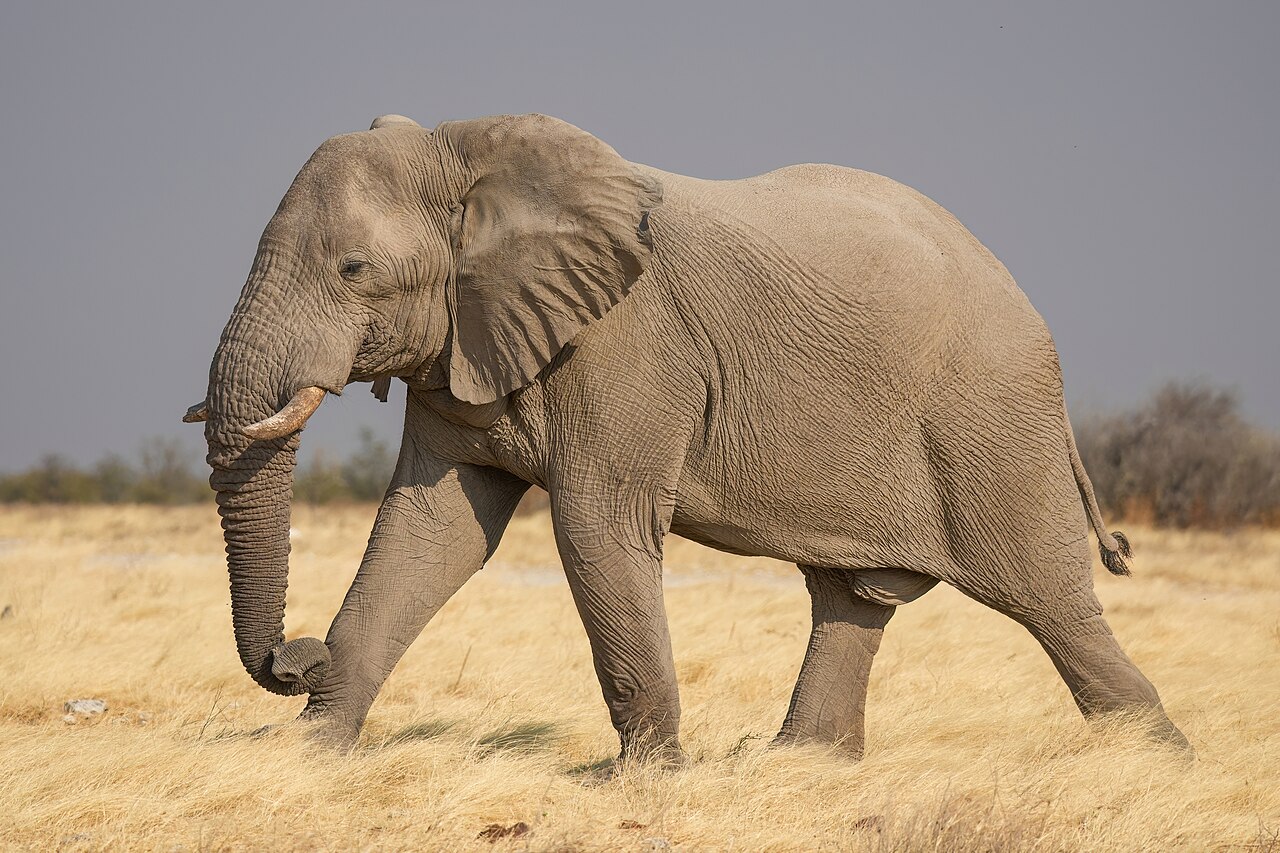
A close-up of an African elephant at Addo
Close, calm elephant encounters are Addo's signature.

Entrance Fees & Opening Hours

Addo is a SANParks park, so a daily conservation fee applies. For 2026, international visitors pay approximately R360 per adult and R180 per child, valid for a 24-hour period, with much lower rates for South African citizens and SADC nationals, and free entry for Wild Card holders. The main gate opens early and closes around sunset (hours shift slightly by season). SANParks reviews fees each year, typically in November, so check the official rates before travelling — or let a guided tour take care of entry, gate times and game drives.

The Best Time to Visit

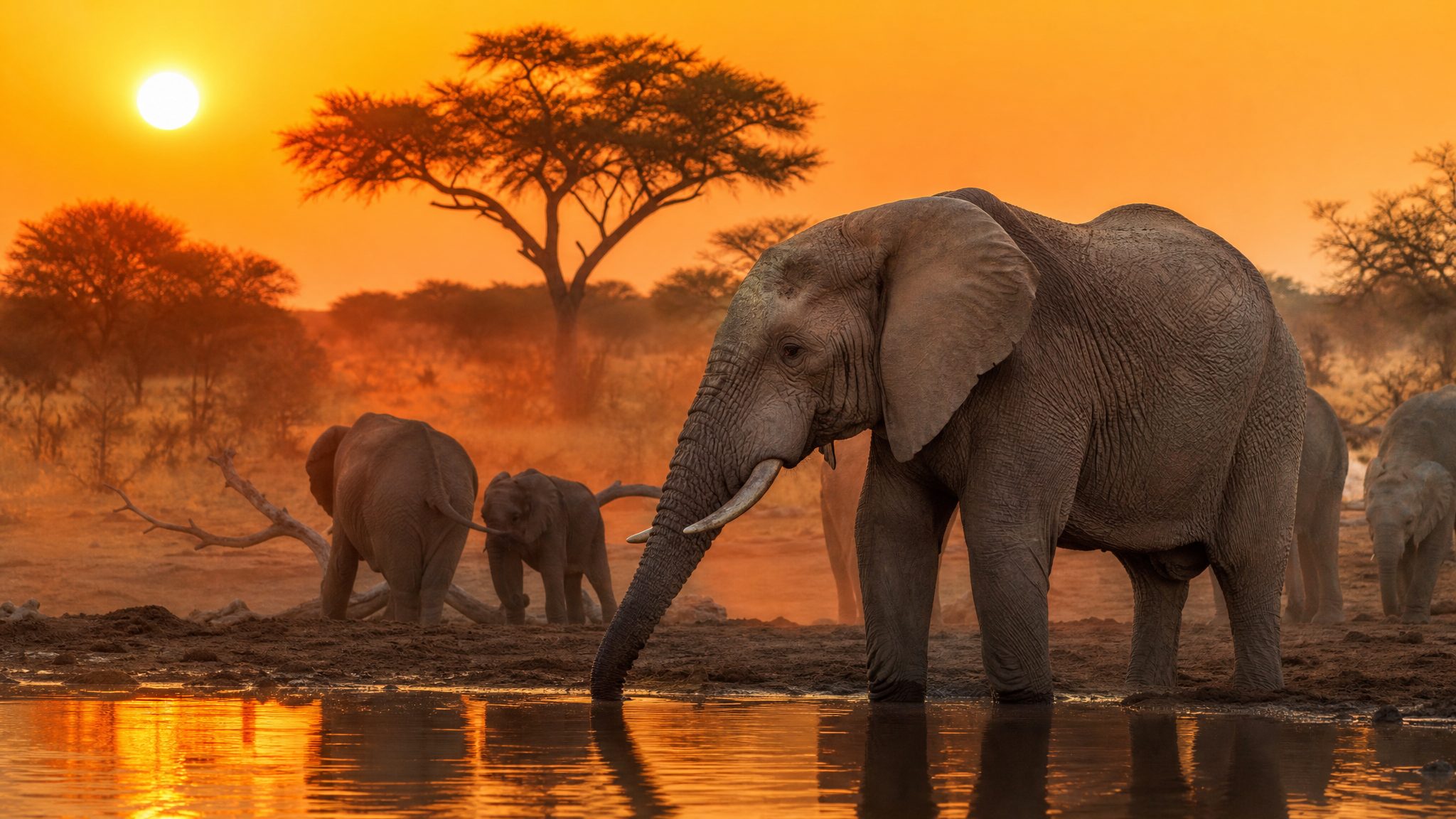
Addo rewards visitors year-round, but timing sharpens the experience. The dry winter months of June to September are best for game viewing: with the bush thinned out and natural water scarce, animals concentrate at the waterholes and are far easier to spot. Winter days are mild and sunny — though early-morning drives are genuinely cold, so pack warm layers. Summer (October–March) is lush, green and hot, with newborn animals about, but it's busier during South African school holidays. Whatever the season, early morning and late afternoon are the golden hours for sightings.
Elephants and other game at an Addo waterhole
In the dry winter, the great herds gather at the waterholes.

The Big Five — and the Big Seven

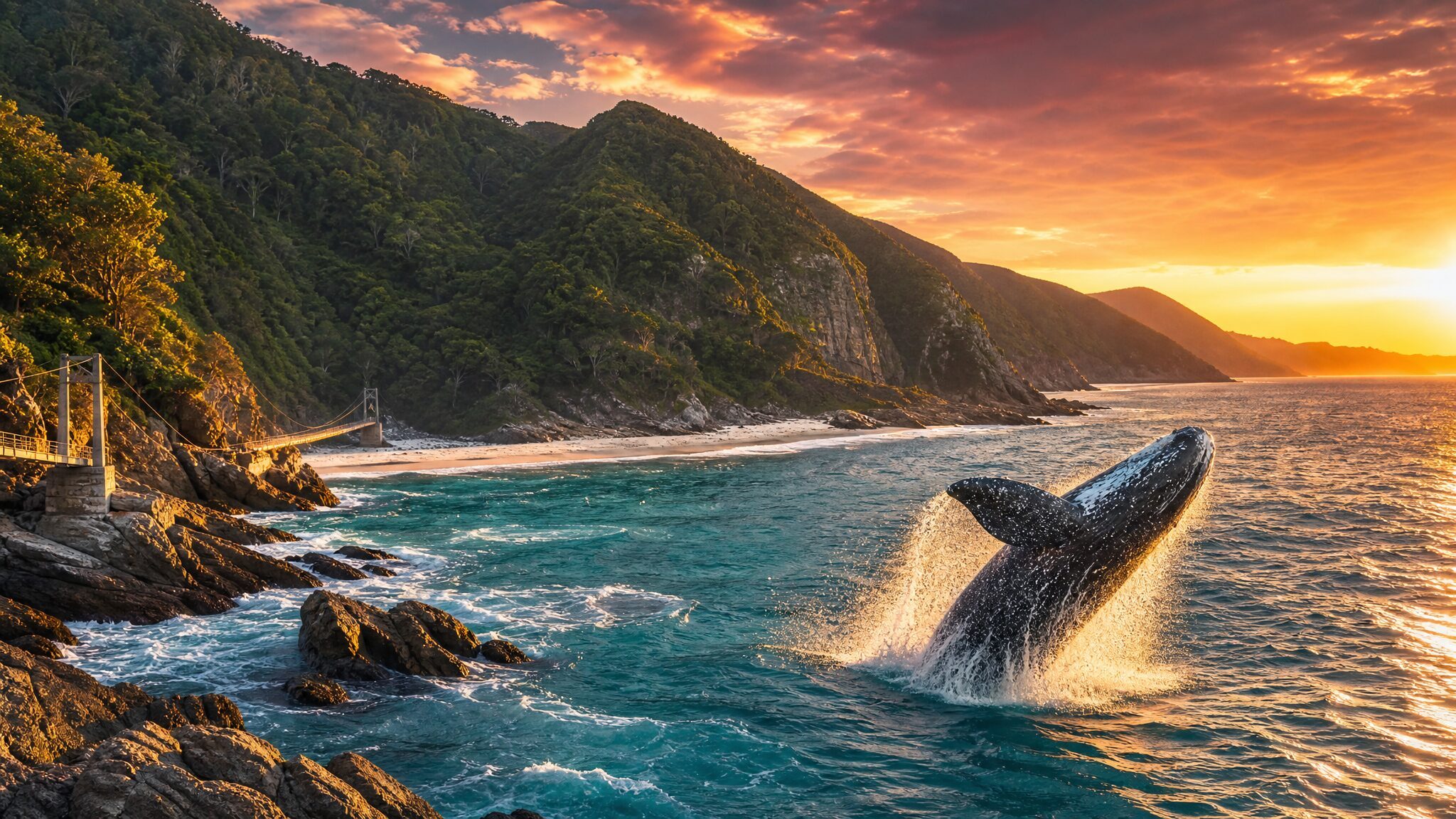
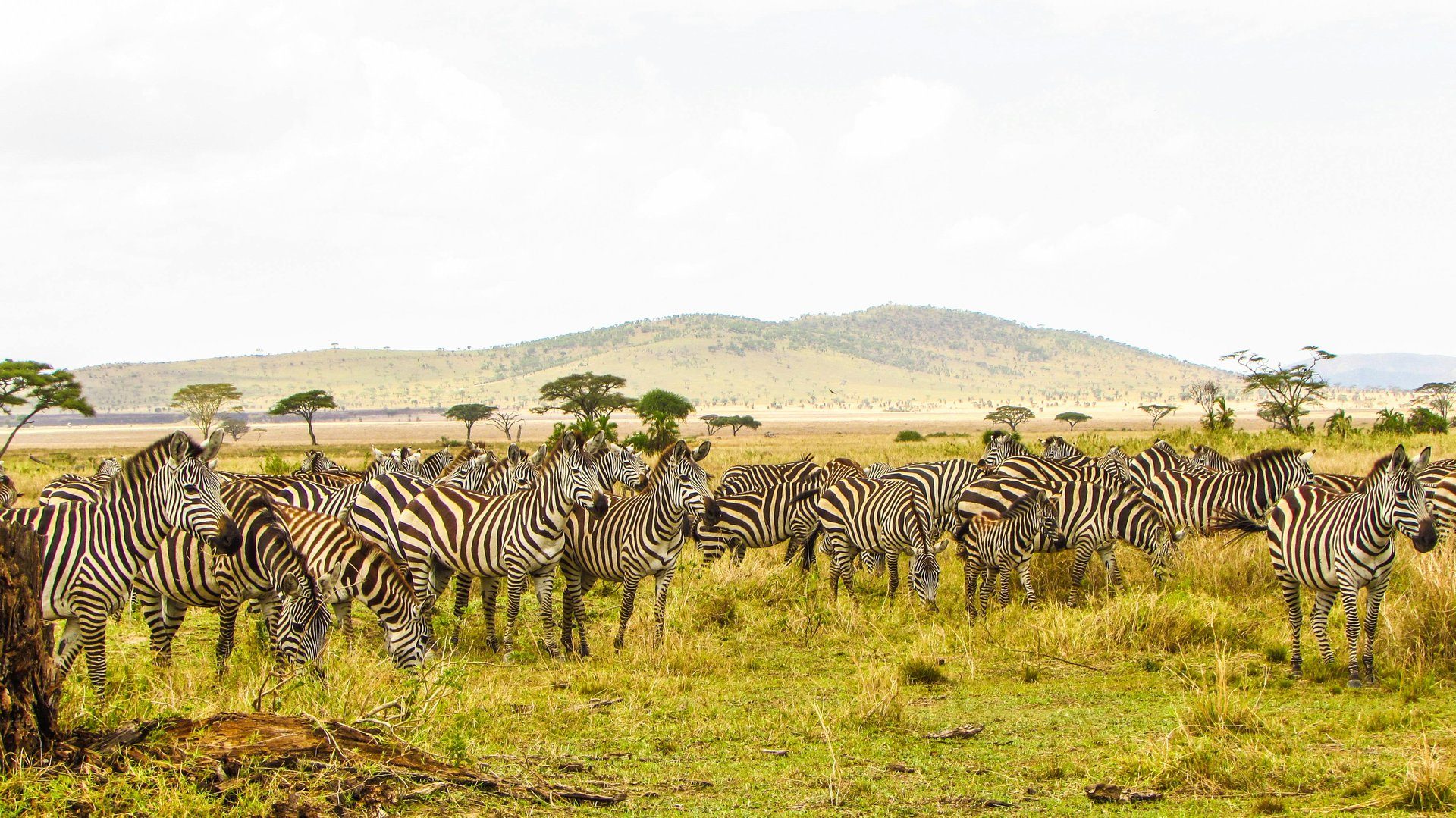
Addo is a genuine Big Five destination. Elephants and buffalo are seen on almost every visit; lions were reintroduced and are best spotted at dawn; black rhino are present but shy, favouring the thickets; and leopard are famously elusive. But Addo goes one better: with its coastal marine sections protecting the waters around St Croix and Bird Islands, it is the only park billed as a "Big Seven" reserve — adding the southern right whale and the great white shark to the classic five. Add zebra, kudu, red hartebeest, warthog and a wealth of birdlife, and every drive brings something new.

Self-Drive or Guided Game Drive?

Addo is wonderfully accessible. Its network of good, well-signposted roads makes self-driving in an ordinary car easy and affordable — you linger at the waterholes at your own pace. But a guided game drive in an open safari vehicle transforms the day: a trained ranger reads tracks, knows where the lions were at first light, spots the camouflaged and shares the ecology behind what you're seeing. On top of that, the malaria-free status makes Addo ideal for families with young children and for older travellers — a full Big Five safari with none of the anti-malarial fuss of the northern parks.

Addo as the Garden Route Finale

Addo sits about 60 km north of Gqeberha (Port Elizabeth) — a 45-minute drive from the city and airport — at the eastern end of the Garden Route, roughly 750 km from Cape Town. That makes it the perfect grand finale to a multi-day Garden Route journey: forests and coast at Knysna and Tsitsikamma, caves and ostriches at Oudtshoorn, and the great herds at Addo before you fly home from Gqeberha. Our 4-Day Garden Route Adventure & Safari and 5-Day Garden Route tour both build Addo into the journey, while the 3-Day Garden Route tour with a Big 5 game drive delivers the elephants in a shorter escape.

Let us take you to meet the great herds of Addo — the conservation miracle at the end of the road. Talk to our Garden Route team and we'll craft your ideal safari journey.
Frequently Asked Questions

For 2026, the daily conservation fee for international visitors is approximately R360 per adult and R180 per child, payable at the gate and valid for a 24-hour period. South African citizens and SADC nationals pay significantly less, and SANParks Wild Card holders enter on their card. Fees are set by SANParks and change each year (usually in November), so verify before you travel — or join a tour where entry and game drives are arranged for you.

Addo is home to over 600 elephants — one of the densest elephant populations in the world. The park was proclaimed in 1931 to save the last 11 surviving elephants of the Eastern Cape from extinction, and that remarkable conservation success story is why you now see huge, relaxed herds gathering at the waterholes. It's one of the most reliable places on earth for close, unhurried elephant sightings.

You can see wildlife year-round, but the best game viewing is in the dry winter months of June to September, when sparse vegetation and limited water draw animals to the waterholes and make them far easier to spot. Winter days are mild and sunny, though early-morning game drives are cold, so bring warm layers. Summer (October to March) is greener and hotter, with the park busiest during South African school holidays.

Yes. Addo is a true Big Five park — elephant, lion, leopard, rhino and buffalo all occur. Elephants and buffalo are seen constantly; lions are present and best spotted early morning; black rhino are shy and tend to stay in the thickets; leopard are elusive and rarely seen. Addo is also famous as a 'Big Seven' destination, adding the southern right whale and great white shark found in its marine sections along the coast.

Yes — and it's one of Addo's biggest advantages. The park is completely malaria-free, which makes it ideal for families with young children, older travellers and anyone who would rather not take anti-malarial medication. It offers a genuine Big Five safari without the malaria precautions needed in northern parks like Kruger, and it sits conveniently at the end of the Garden Route.

Both work brilliantly. Addo has an excellent network of well-maintained roads, so self-driving in your own car is easy, affordable and popular — you set your own pace at the waterholes. But a guided game drive in an open safari vehicle, with a trained ranger who knows where the lions were this morning and can spot camouflaged wildlife, dramatically increases what you see and understand. Many visitors do both, and our tours include expert-guided drives.

Addo lies in the Eastern Cape, about 60 km north of Gqeberha (Port Elizabeth) — roughly a 45-minute drive from the city and its airport. It sits at the eastern end of the Garden Route, about 750 km from Cape Town, so most visitors reach it as the grand finale of a multi-day Garden Route trip that also takes in Knysna, Tsitsikamma and Oudtshoorn. You can fly out of Gqeberha afterwards, or loop back.

Make It Happen

Safari Packages

Ready to experience it yourself?

Let our local experts craft a private journey around the places you just read about.

Explore ToursPlan My Trip
Curated For You

You May Also Like

Kirstenbosch National Botanical Garden in bloom on the eastern slopes of Table Mountain in warm golden lightCape Town

Kirstenbosch Botanical Garden — The Complete Visitor's Guide

Ranked among the great botanical gardens of the world, Kirstenbosch drapes the eastern slopes of Table Mountain in fynbos, forest and lawn. This complete visitor's guide covers opening hours, 2026 entrance fees, the famous Boomslang canopy walkway, the legendary summer sunset concerts, the best walking trails, when to come and how to get there — so you experience Cape Town's most beautiful garden at its finest.

18 Jul 2026 · 16 min
The brightly painted houses and cobbled streets of Bo-Kaap on the slopes of Signal Hill in warm lightCape Town

Bo-Kaap, Cape Town — The Complete Guide to the Malay Quarter

Bo-Kaap is Cape Town's most photographed neighbourhood — a hillside of candy-bright houses and cobbled streets beneath Signal Hill, and the beating heart of Cape Malay culture. But behind the famous colours lies a profound story of enslavement, faith, freedom and resilience. This complete guide covers the history, the museum and mosque, the best walking tours and cooking classes, the finest photo spots, and how to visit this living community with respect.

18 Jul 2026 · 15 min
African penguins on the white sand and granite boulders of Boulders Beach near Simon's Town in golden lightCape Town

Boulders Beach Penguins — The Complete Guide to Simon's Town's African Penguins

At Boulders Beach, near the naval village of Simon's Town, a colony of endangered African penguins waddles across white sand and shelters among giant granite boulders — one of the only places on earth you can stand within metres of wild penguins. This complete guide covers 2026 tickets, opening hours, the best time to visit, the boardwalks, whether you can swim, how to get there, and the tours that make it effortless.

18 Jul 2026 · 15 min
Simple, Personal, Expert-Led

How It Works

From first message to the trip of a lifetime — planning your safari with us is effortless.

  1. 1

    Share Your Dream

    Tell us who is travelling, your dates and what you long to see. One quick message is all it takes to begin.

  2. 2

    We Design It

    Your specialist crafts a private, tailor-made itinerary — the right camps, the right season, every detail considered.

  3. 3

    Refine Together

    We fine-tune the journey with you until every day feels perfect, then handle flights, transfers and permits.

  4. 4

    Travel With Confidence

    Set off knowing every detail is handled and a dedicated specialist is on call from your first game drive to home.

Your Journey Starts Here

Let Our Experts Craft Your Perfect Safari

Every itinerary is handcrafted by our team of local specialists who have spent 18+ years exploring Southern and East Africa. From Big Five game drives to gorilla trekking — we create journeys that stay with you forever.

Start PlanningChat with Us
Chat