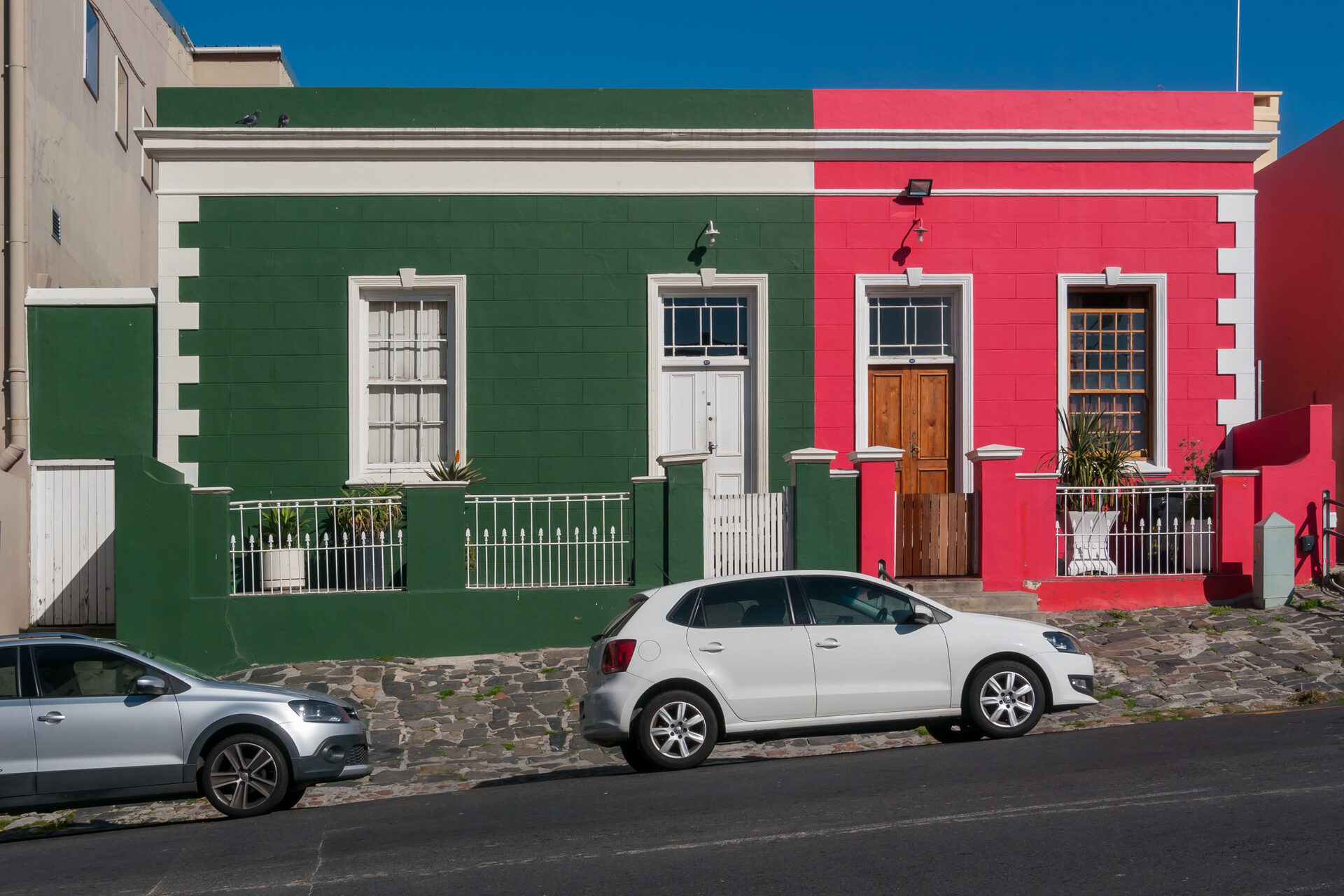
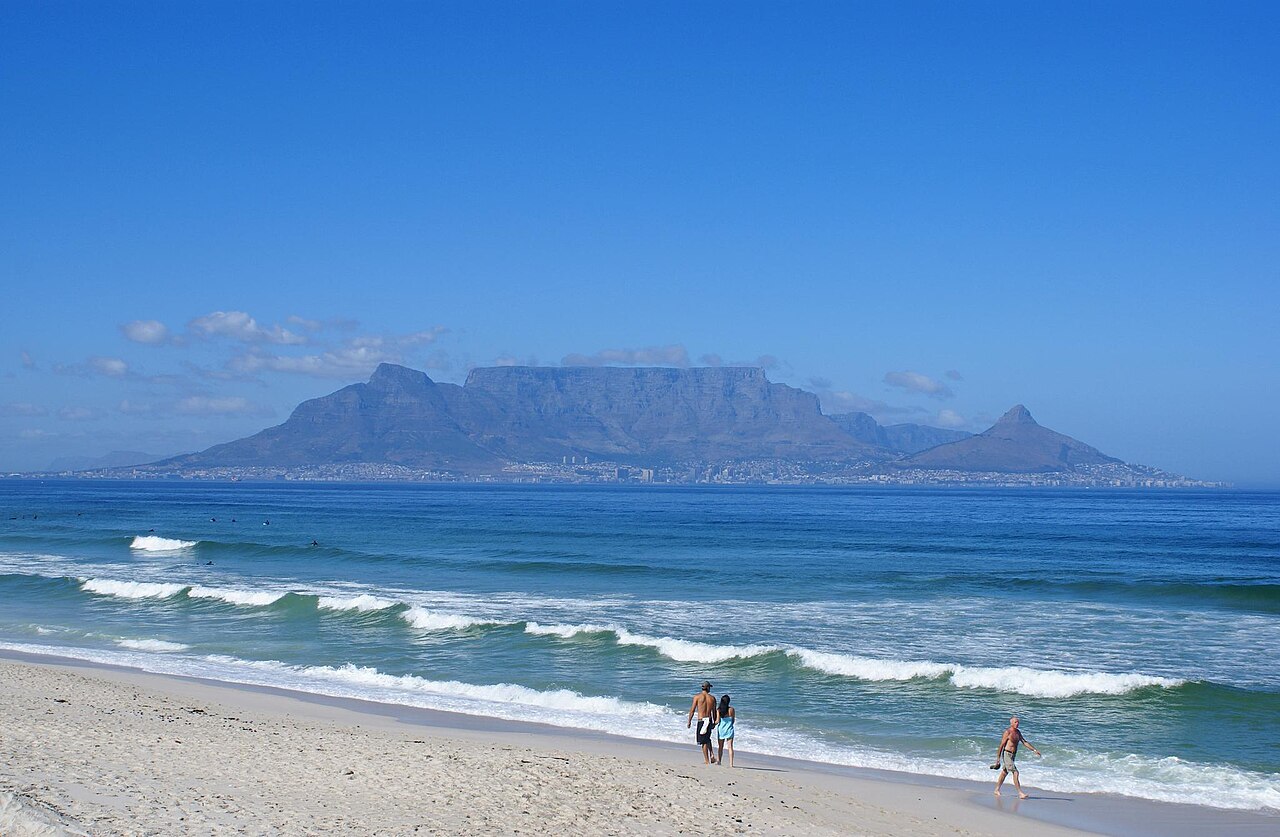
Of all the images that come to mind when you picture Cape Town — the flat-topped mountain, the penguins, the vineyards — few are as instantly recognisable as a Bo-Kaap street: a steep cobbled lane climbing Signal Hill, lined with houses painted lime green, hot pink, cobalt blue and marigold orange, with Table Mountain framing the scene behind. It is the most photographed neighbourhood in the city, and one of the most joyful streetscapes anywhere in the world.
But Bo-Kaap is far more than a photo opportunity. It is the historic heart of the Cape Malay community, one of the oldest residential districts in Cape Town, and a living, breathing neighbourhood with a story that runs from enslavement to freedom. To understand Bo-Kaap is to understand Cape Town itself. This guide will help you see past the colours to the culture — and visit the right way.
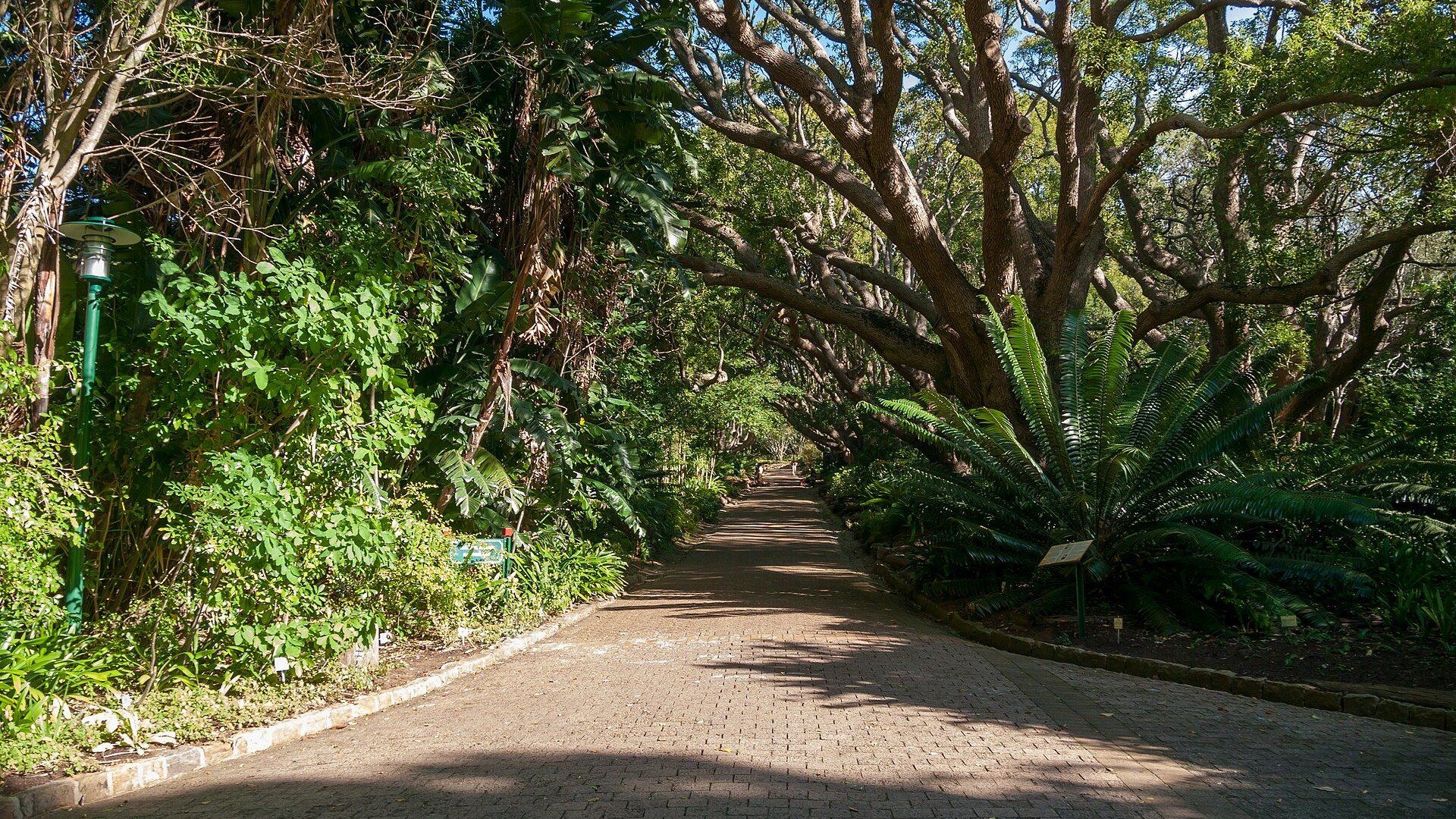
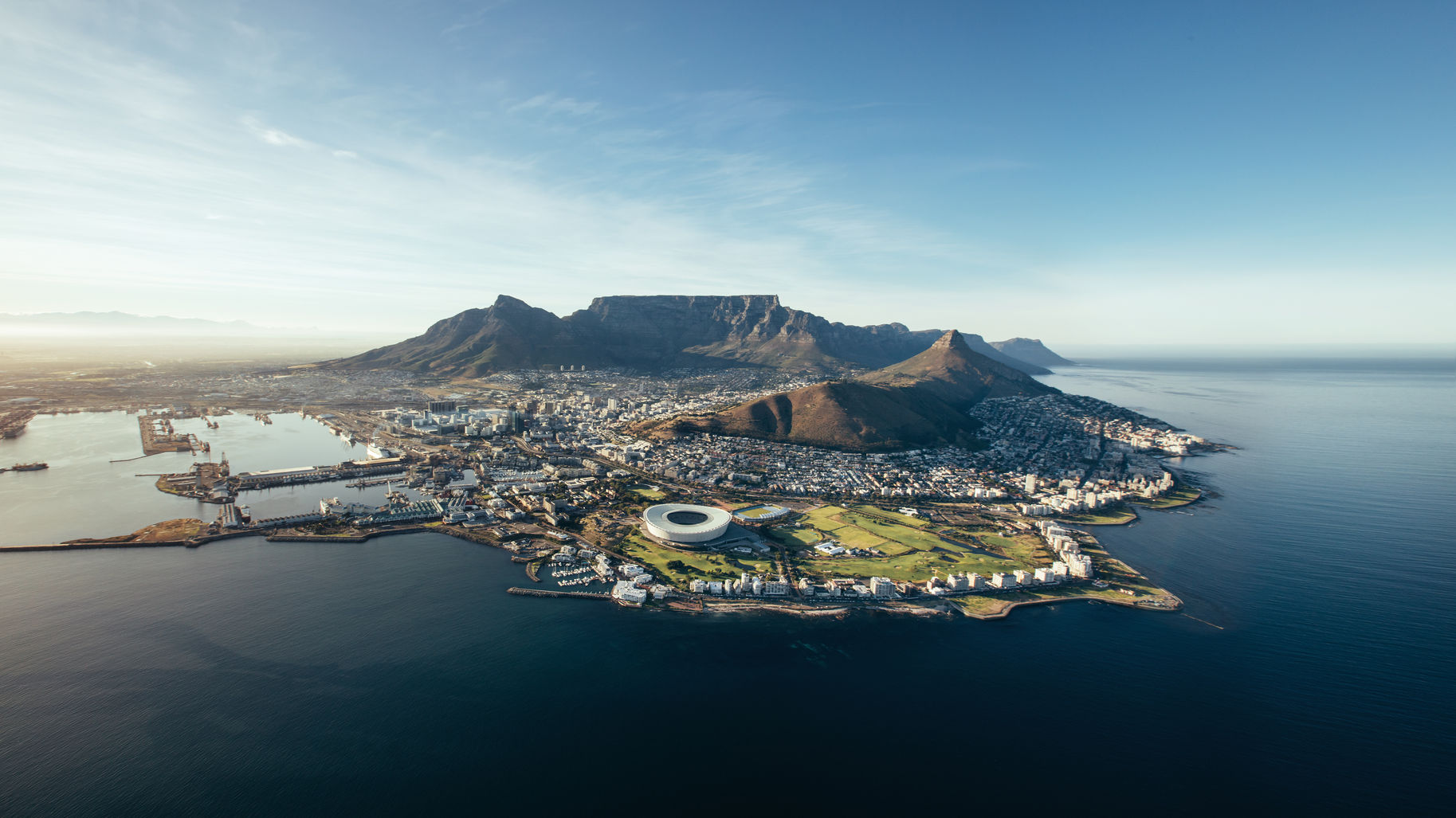
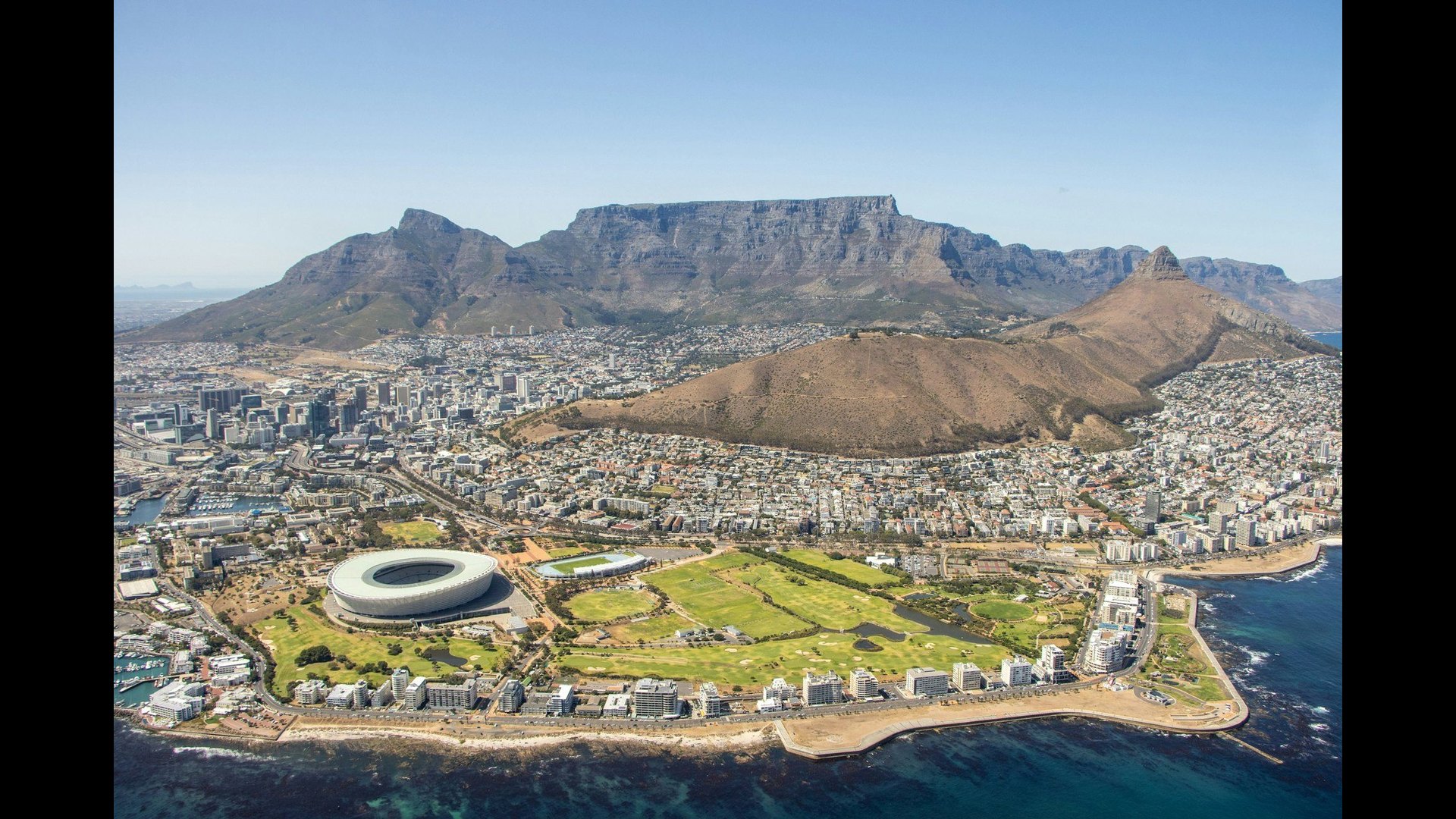
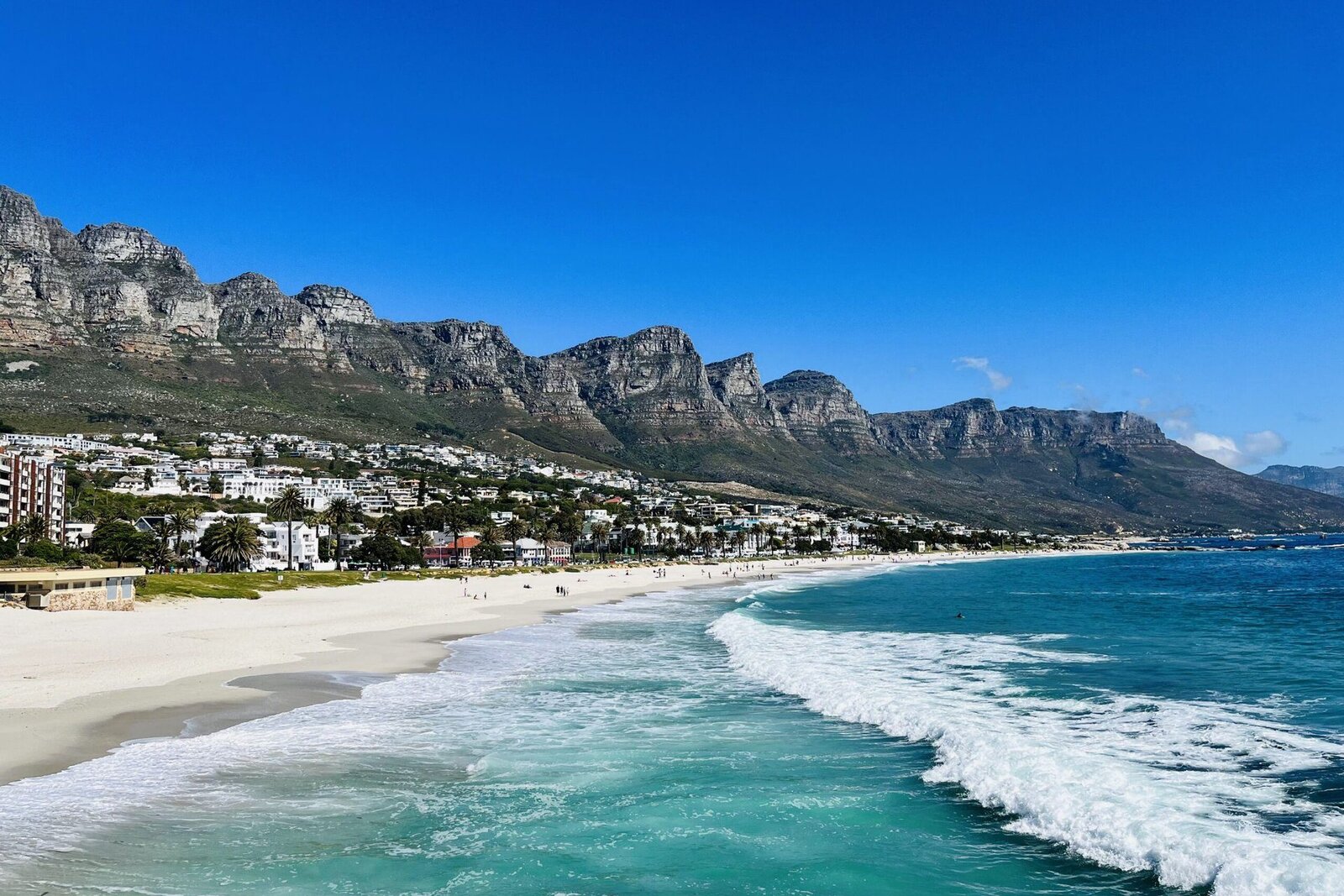
The colours of Bo-Kaap, the gardens and the peninsula — Cape Town in golden light.
Quick Answer
Bo-Kaap is Cape Town's historic Cape Malay quarter on the slopes of Signal Hill, famous for its brightly painted houses — colours that symbolise freedom and ownership. Don't miss Wale Street, the Bo-Kaap Museum and the Auwal Mosque (South Africa's oldest, 1794). The best way to experience it is a resident-led walking tour and a Cape Malay cooking class. It's a living community, so photograph respectfully and dress modestly near mosques.
Explore it on a private city day — let our team plan your Cape Town itinerary.
The Story Behind the Colours
The famous colours are recent; the history beneath them is centuries deep. Bo-Kaap — Afrikaans for "above the Cape" — took shape in the 1760s, when the Dutch colonist Jan de Waal built rows of modest rental houses on the hillside. Into these homes came enslaved people the Dutch East India Company had brought to the Cape from Indonesia, Malaysia, India, Sri Lanka and the coasts of Africa. Many were Muslim, and many were skilled artisans, tailors, teachers and imams. Out of this mix, over generations, grew the distinctive Cape Malay identity — a culture of faith, food, craft and community that endures in Bo-Kaap today.
For a long time the houses were kept plain white, a condition of their rental under white ownership. It was only as residents came to own their homes — a process that accelerated with the end of apartheid — that the neighbourhood erupted into colour. Ask a local why, and they won't give you a tourist-brochure answer about spice or celebration; they'll tell you it was about freedom: the simple, radical joy of owning your home and painting it any colour you please.
What to See in Bo-Kaap
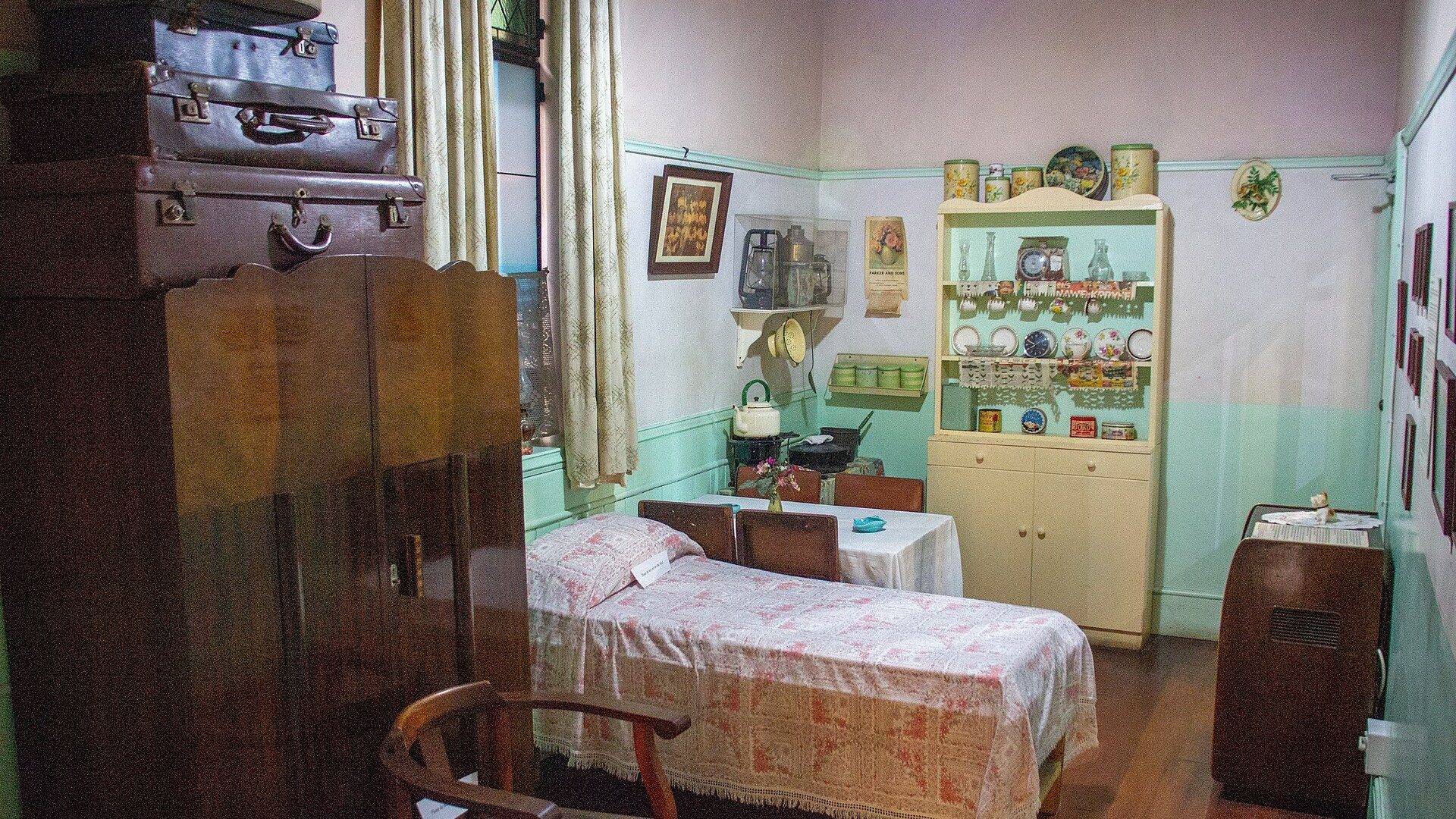
The heart of the neighbourhood is the cluster of streets around Wale Street, Chiappini Street and Rose Street, where the colours are at their most vivid and the cobbles at their steepest. At 71 Wale Street you'll find the Bo-Kaap Museum, set in one of the oldest buildings in the area (dating to the 1760s), which tells the story of the community, its Islamic faith and its domestic life. A short walk away on Dorp Street stands the Auwal Mosque, established in 1794 and recognised as the oldest mosque in South Africa — a cornerstone of the community's heritage. Wander the lanes, admire the ornate doorways and fanlights, and pause at the crest of the hill for sweeping views over the city bowl to Table Mountain and the harbour.
Taste the Culture — Cape Malay Cooking
You cannot truly know Bo-Kaap without tasting it. Cape Malay cuisine is one of South Africa's great culinary traditions — fragrant, gently spiced, and quite unlike the fiery curries of elsewhere. On a cooking class in a resident's home, you'll blend the signature spice mixes, fold delicate samoosas, roll roti, and cook classics like bobotie (spiced mince with an egg custard top), rich Cape curries and the sweet, syrupy doughnut-twists called koesisters. Many tours also stop at the historic Atlas Trading Company, a spice emporium that has scented the neighbourhood for generations. It is warm, hands-on, delicious, and the best possible way to meet the community.
The Best Photo Spots
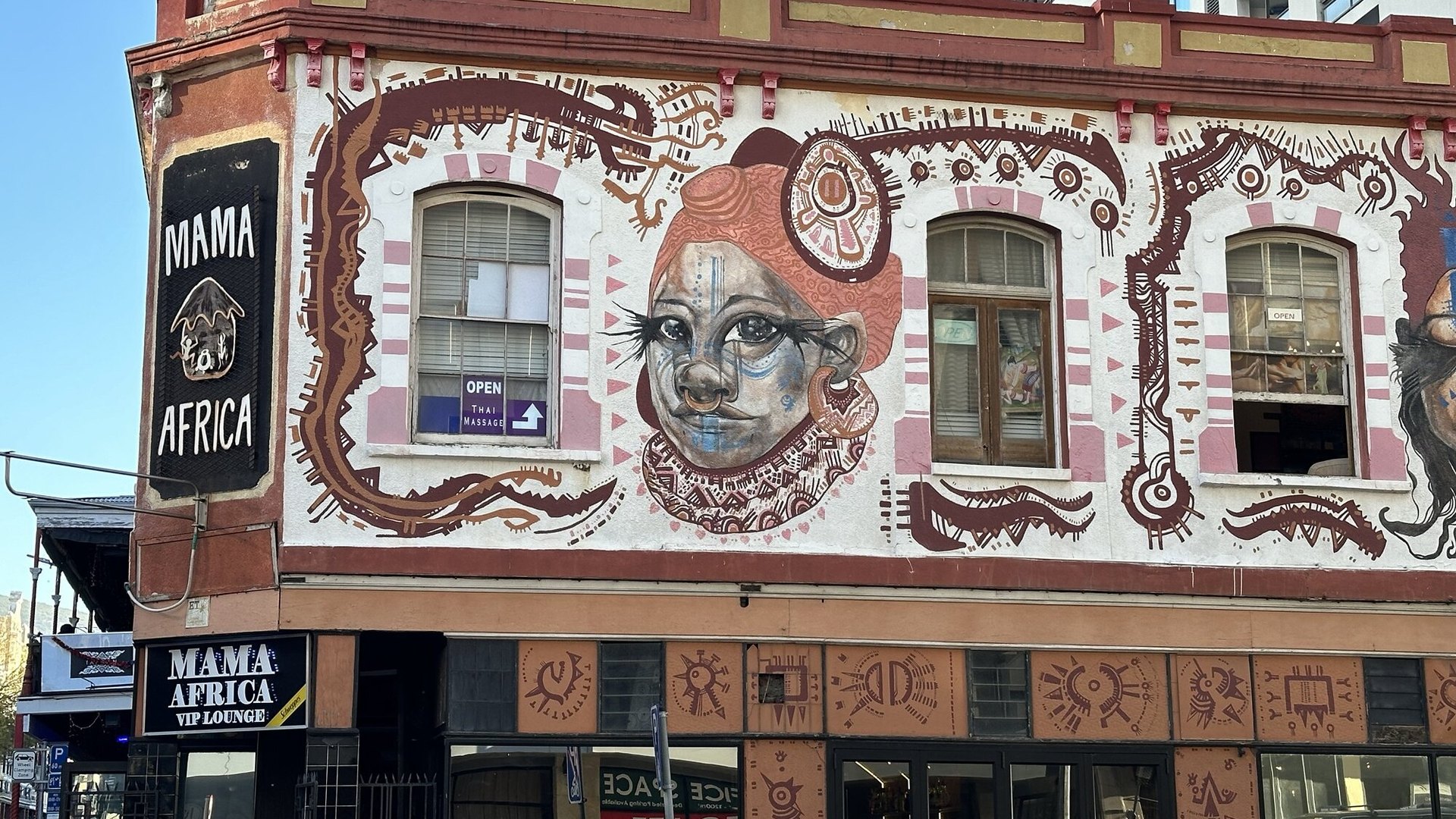
For that classic shot — a row of colourful houses with Table Mountain rising behind — head to the upper stretch of Wale Street and the streets just above it. Early morning is best: the light is soft and warm, the streets are quiet, and you'll avoid both the crowds and the harsh midday glare. Golden hour in the late afternoon also works beautifully. Please remember that these are people's homes: keep to the street, don't lean on doorways or block entrances, and always ask before photographing residents. A little courtesy goes a long way in a neighbourhood that has welcomed visitors for decades.
Visiting Respectfully
Bo-Kaap's greatest charm is also the thing to protect: it is a real, living community, not a museum exhibit. Dress modestly when you're near the mosques, keep your voice down, don't picnic on doorsteps, and don't photograph into homes. The best way to give back is to spend locally — buy from the spice shops and cafés, tip your guide, and choose a resident-led tour so your money supports the people whose story you've come to hear. Do that, and you'll be welcomed with genuine warmth.
How to Fit Bo-Kaap Into Your Trip
Bo-Kaap sits right on the edge of the city centre, which makes it easy to combine with Cape Town's other highlights. A perfect city morning pairs Bo-Kaap with the Company's Garden, the museums and the V&A Waterfront, or with a cable-car trip up Table Mountain. It also slots beautifully into a longer day out to Kirstenbosch and Boulders Beach. Our Kirstenbosch, Bo-Kaap & Penguins full-day tour brings the culture, the gardens and the penguins together, while the Best of Cape Town private tour builds Bo-Kaap into a wider city loop. To go deeper into the food and culture, ask us about pairing it with a Cape Town dinner and live-entertainment experience.
Let us introduce you to the real Bo-Kaap — the colours, yes, but also the history, the faith and the food that give them meaning. Talk to our Cape Town team and we'll build it into your perfect trip.