You have decided on an African safari. Now comes one of the biggest early decisions: do you rent a car and explore the bush at your own pace, or hand the keys to an expert guide and sit back? The choice between a self-drive and a guided safari shapes your budget, your wildlife sightings, your comfort and the whole feel of the trip.
There is no single right answer — it depends on who you are, where you are going and what you want. This honest, no-spin comparison weighs both options across cost, sightings, safety, freedom and comfort, tells you the best parks for self-drive, explains when a guide is worth every cent, and shows how many travellers get the best of both.
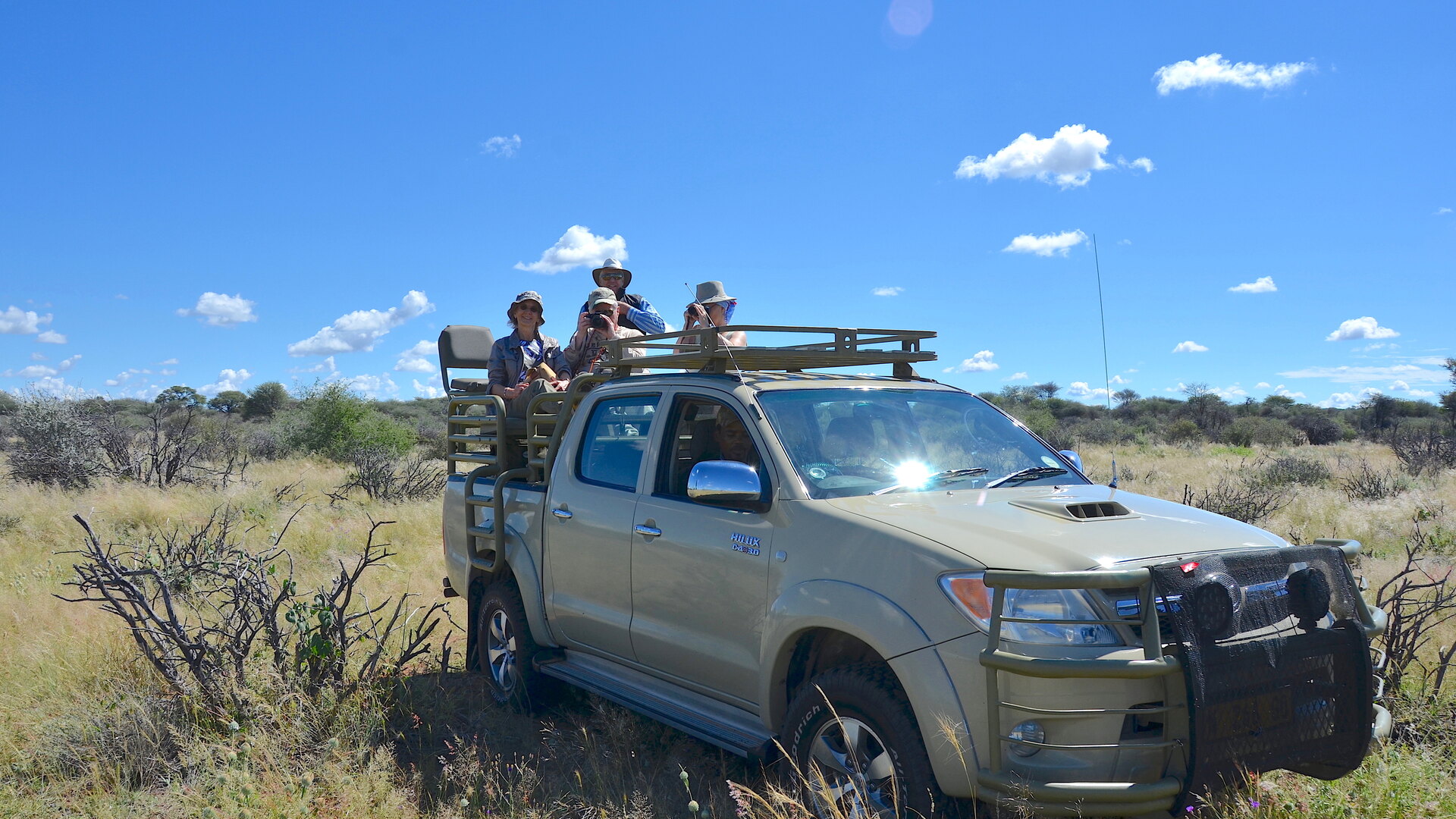
Self-drive freedom or expert guiding — two ways to experience the bush.
Quick Answer
Choose self-drive for freedom, flexibility and lower cost — perfect for Kruger's excellent road network and confident, independent travellers.
Choose a guided safari for far better sightings, expert knowledge, off-road tracking and a fully handled experience — the right call for first-timers, photographers and anyone wanting the very best game viewing.
The Quick Verdict
If you want the short version: self-drive is cheaper, more flexible and ideal for confident, independent travellers in well-developed parks like Kruger. A guided safari delivers more and better wildlife, expert knowledge, off-road access, night drives and zero logistics — which is why most first-timers and anyone after the finest experience choose it. The best trips often combine the two. Now let us break down why.
Cost: Self-Drive Wins
Self-drive
This is the budget route. In Kruger you can safari for as little as $80–$150 per person per day once you add up car rental, fuel, daily conservation fees and rest-camp accommodation with self-catering. You control spending entirely — cook your own meals, choose cheaper camps, travel in your own time. For couples and families on a budget, nothing beats it.
Guided
A guided safari at an all-inclusive lodge runs roughly $350–$700 per person per night at the mid-range, and $700–$3,000+ at luxury and ultra-luxury properties. That price includes everything — accommodation, all meals, drinks, twice-daily guided drives, park fees and a professional guide. It is far more expensive, but you are paying for expertise, comfort and results. For the full breakdown, see our African safari cost guide.
Winner: self-drive, comfortably, on pure cost.
Wildlife Sightings: Guided Wins
This is where a guide earns the money. A professional guide:
- Knows the terrain, the seasonal movements and where animals were seen that morning.
- Reads tracks, alarm calls and other signs to find game you would never spot alone.
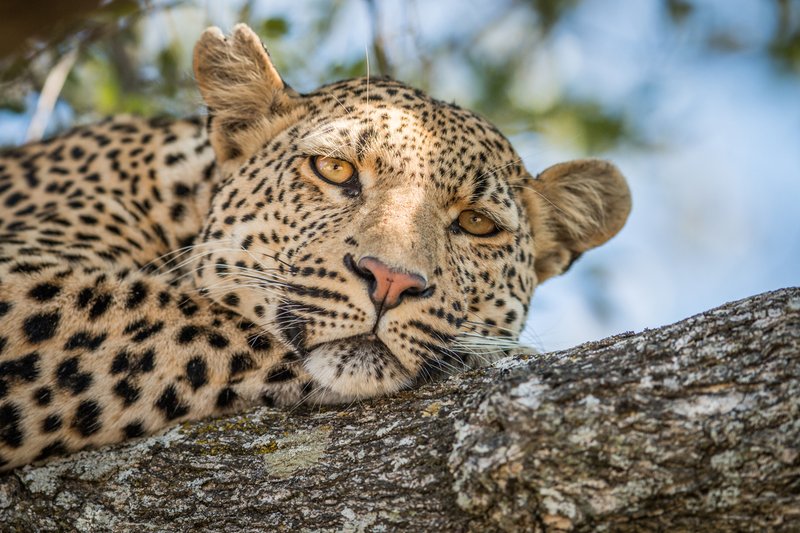
- Sees camouflaged animals — a leopard in a tree, a lion in long grass — that self-drivers cruise straight past.
- Communicates by radio with other vehicles, so a sighting anywhere in the area reaches you.
- On private reserves, can drive off-road to reach a sighting and run night drives for nocturnal species — both impossible when self-driving public roads.
Self-drivers do see wonderful wildlife, especially in game-rich Kruger, but the difference in the quantity and quality of sightings — particularly for the cats and the elusive leopard — is real and significant. If maximising sightings matters to you, a guide is the answer. See how this plays out in our Kruger vs Sabi Sands guide.
Winner: guided, decisively.
Knowledge & Experience: Guided Wins
A game drive with an expert guide is an education. You learn animal behaviour, ecology, tracking, birds, plants and the stories of individual animals the guide has followed for years. On the top private reserves a guide works with a tracker, and the two turn every drive into a masterclass. Self-driving, you are on your own with a guidebook and an app — rewarding in its own way, but you miss the depth, context and 'why' that transform a sighting into understanding. Photographers in particular gain hugely from a guide who understands light and positioning — see our safari photography guide.
Freedom & Flexibility: Self-Drive Wins
This is self-drive's trump card. You set your own schedule, linger as long as you like at a sighting, stop for every bird, eat when you want and follow your own route. There is a genuine thrill in finding your own animals and a deep satisfaction in the independence. Families with restless children appreciate being able to leave a quiet sighting on their own terms. A guided lodge, by contrast, runs to a set rhythm of dawn and afternoon drives — wonderful, but structured.
Winner: self-drive, for independent spirits.
Safety: Both Are Safe (With Caveats)
Self-drive safety
In well-managed parks like Kruger, Pilanesberg and Addo, self-drive is safe provided you follow the rules:
- Stay inside your vehicle at all times except in designated get-out points.
- Keep a respectful distance, never get between animals and their young (elephants especially), and keep windows up near big game.
- Observe speed limits — most wildlife is missed by driving too fast — and never off-road.
- Return to camp before the gates close at sunset; driving in the dark is not allowed.
Roads are tarred or good gravel and clearly signposted, and rest camps are secure. Bear in mind self-drive on public roads also means no night drives and no off-road access.
Guided safety
With a guide you have an expert managing every situation, reading animal behaviour and keeping you safe — particularly valuable around elephants, lions and on walking activities. For nervous first-timers, this peace of mind is worth a great deal.
Comfort & Logistics: Guided Wins
On a guided safari, everything is handled: transfers, meals, drinks, drives, park fees and housekeeping. You unpack once and simply enjoy. Lodges offer open, raised game-viewer vehicles with superb visibility, plus pools, fine food and service. Self-drive means doing it all yourself — planning the route, booking camps months ahead (Kruger rest camps sell out fast), driving, navigating, self-catering and managing fuel and time. That is part of the adventure for some and a chore for others. For trips that involve remote camps, a fly-in guided safari removes long drives entirely.
The Best Parks for Self-Drive
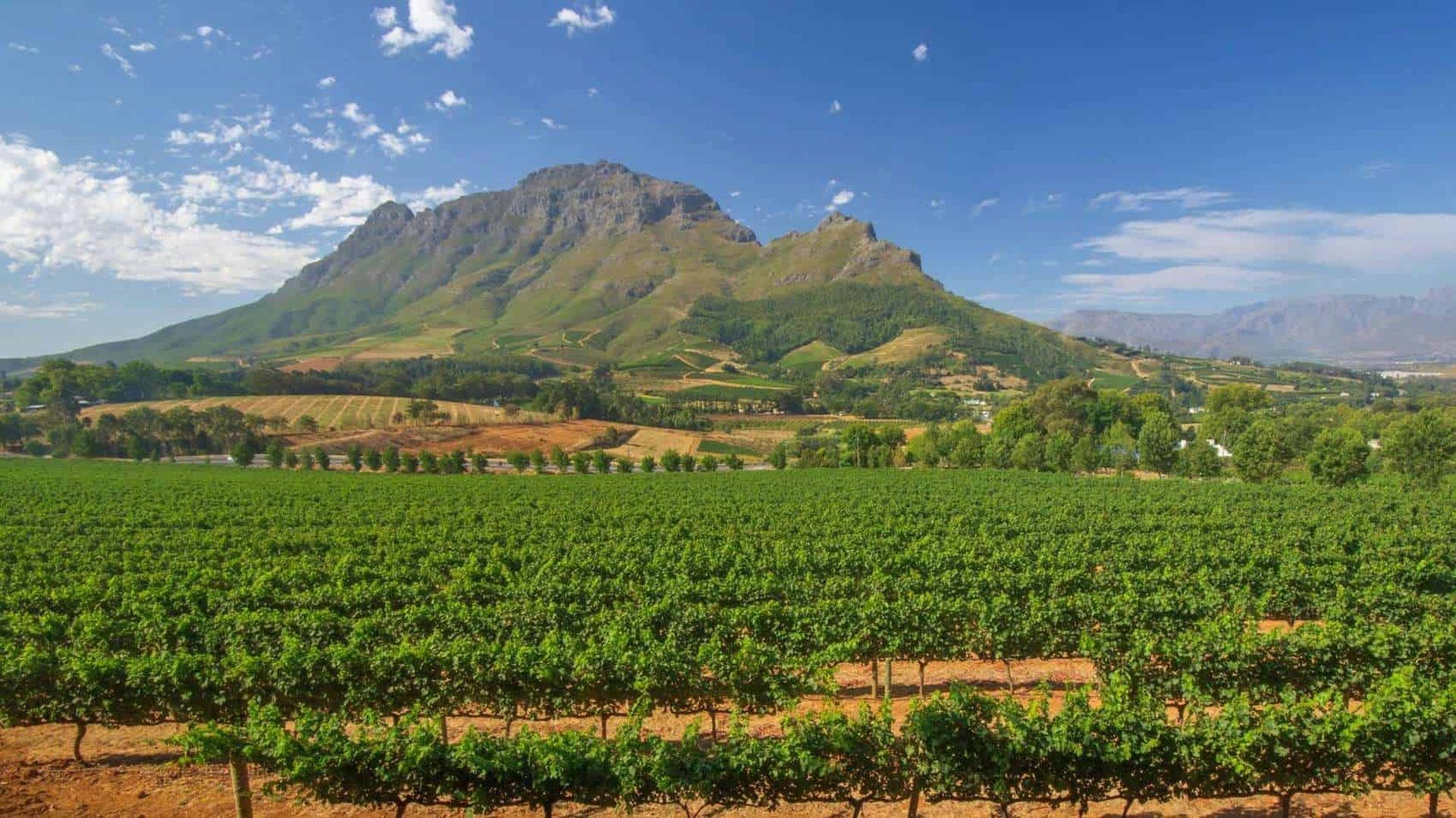
If self-drive appeals, South Africa is the best country in Africa for it, thanks to excellent infrastructure:
- Kruger National Park — the classic self-drive safari: vast, game-rich, with a network of tarred roads, well-run rest camps and easy logistics.
- Pilanesberg National Park — malaria-free, close to Johannesburg, Big Five, perfect for a short self-drive.
- Addo Elephant National Park — malaria-free, on the Garden Route, hundreds of elephants and growing Big Five.
- Garden Route reserves — easy add-ons to a self-drive road trip; see our Garden Route guide.
Note that the premier private reserves — Sabi Sands, Madikwe, Timbavati and the rest — are guided-only. You cannot self-drive there; access is exclusively by lodge vehicle with a guide.
Who Each Option Suits
Choose self-drive if you are:
Budget-conscious, an independent and confident traveller, comfortable driving in a foreign country, keen on the thrill of finding your own animals, or a family wanting maximum flexibility. Self-drive in Kruger is one of the great-value wildlife experiences on earth.
Choose guided if you are:
A first-time safari-goer, a serious wildlife enthusiast or photographer, a honeymooner or luxury traveller, a family wanting a hassle-free trip, or anyone for whom this is a once-in-a-lifetime journey you want done to the highest standard. The expertise, sightings and comfort justify the cost.
The Best of Both Worlds
You do not have to choose. A popular and clever approach combines the two: spend a few days self-driving in Kruger for freedom, value and the joy of independence, then move to a private reserve lodge for a few nights of expert-guided drives, off-road access and night drives. You experience the scale and adventure of doing it yourself and the polish and superior sightings of a guided lodge — the complete safari. We can design a combined itinerary that balances your budget and your wish list.
Plan Your Safari, Your Way
Whether you want the independence of self-drive, the expertise of a guided lodge, or a smart blend of both, we will build the right trip around your budget and goals.
Explore the Classic Kruger Safari, the Classic Kruger Adventure, the short Kruger Discovery, or the all-inclusive Big Five Luxury Safari. New to safari? Start with our first-timer's planning guide, or get in touch and we will craft a safari that fits exactly how you like to travel.