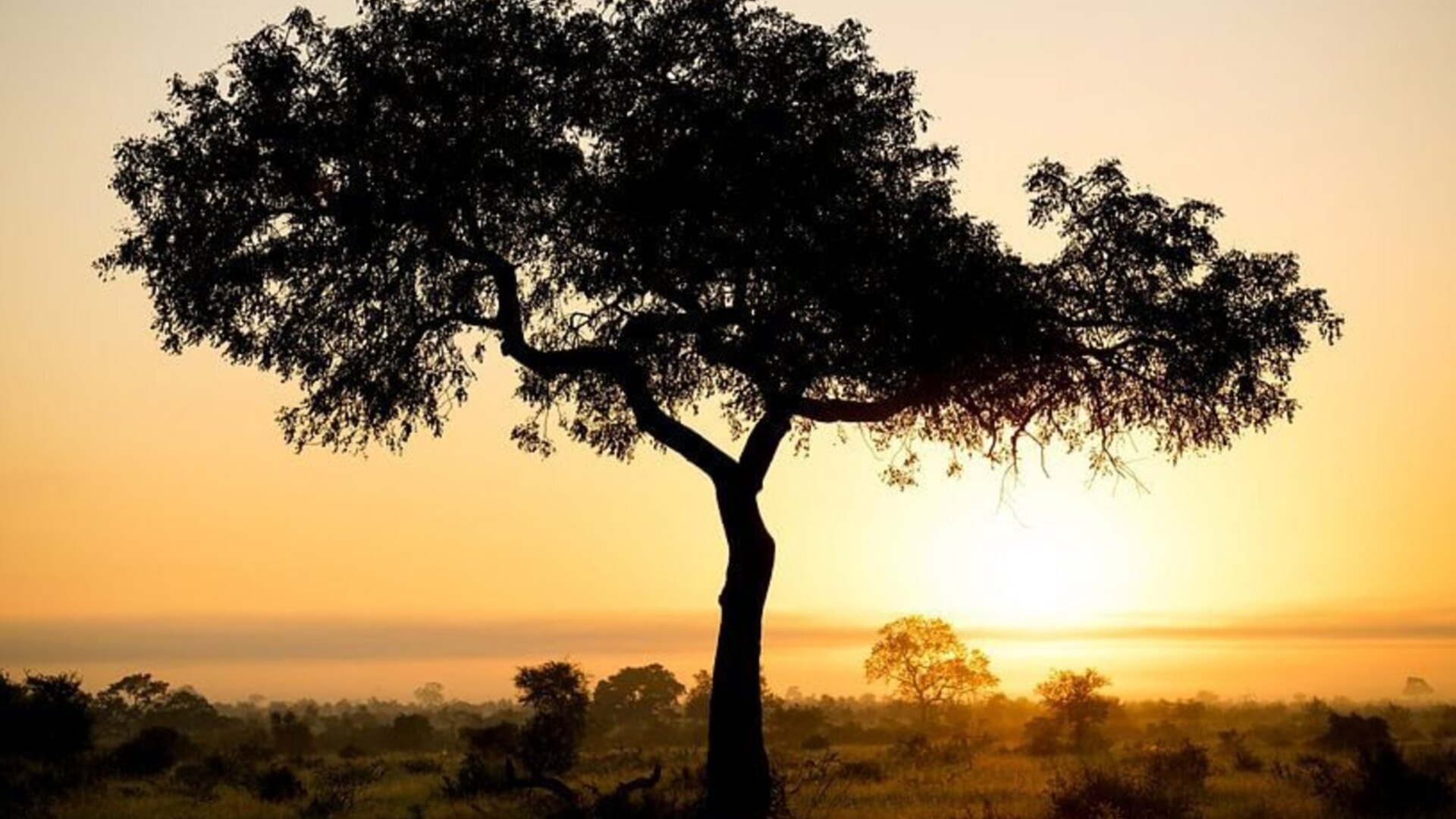
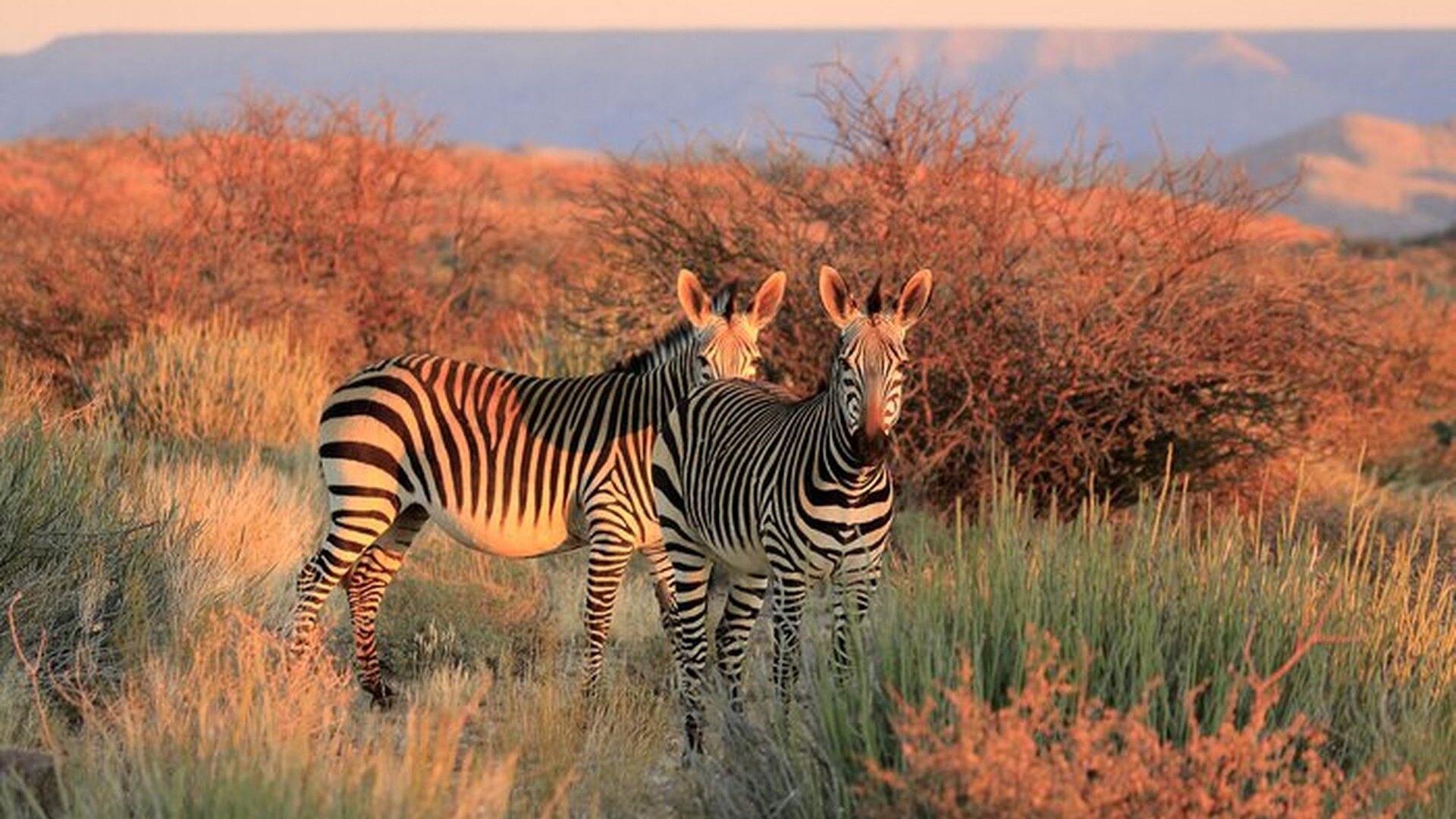
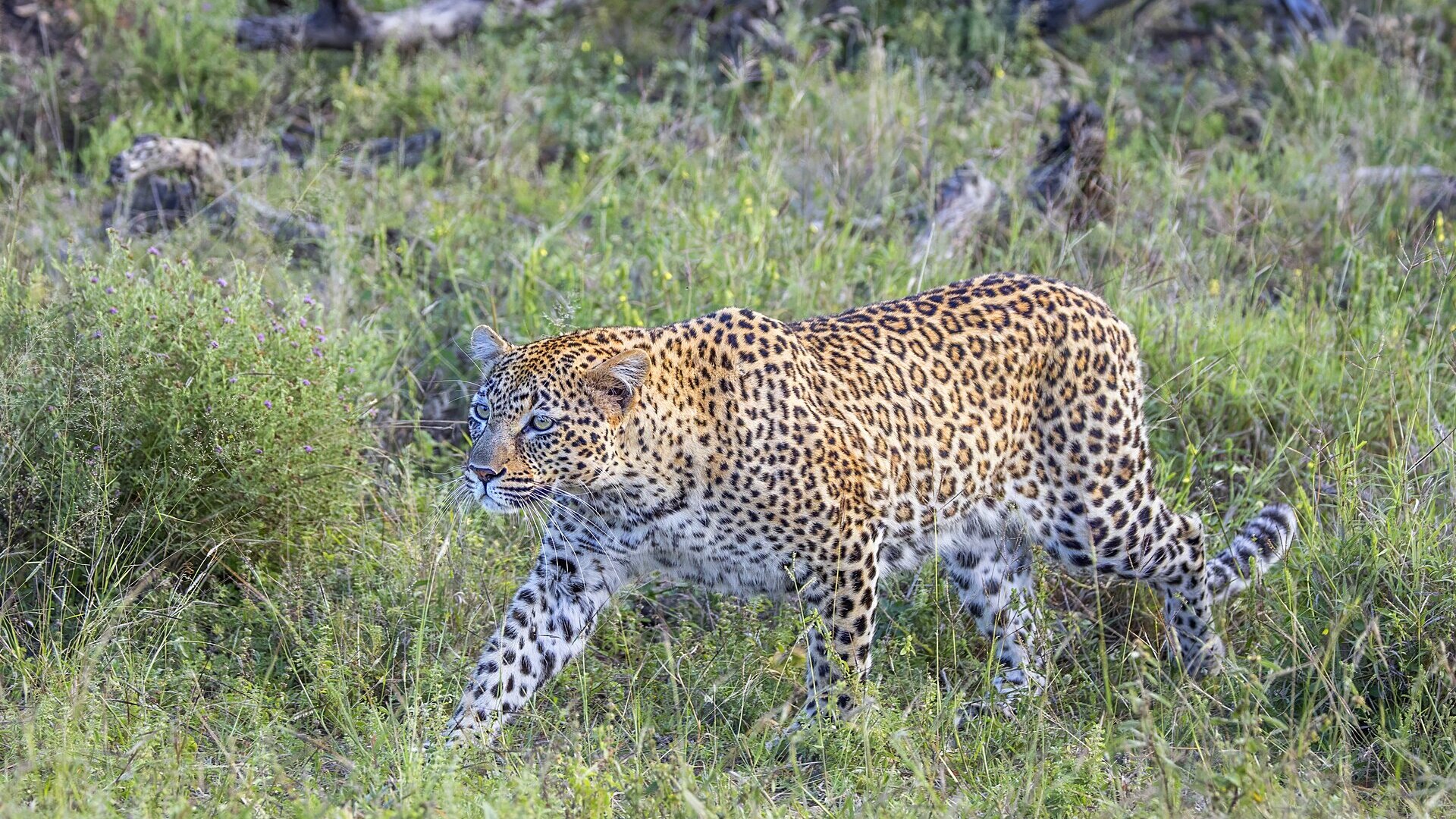
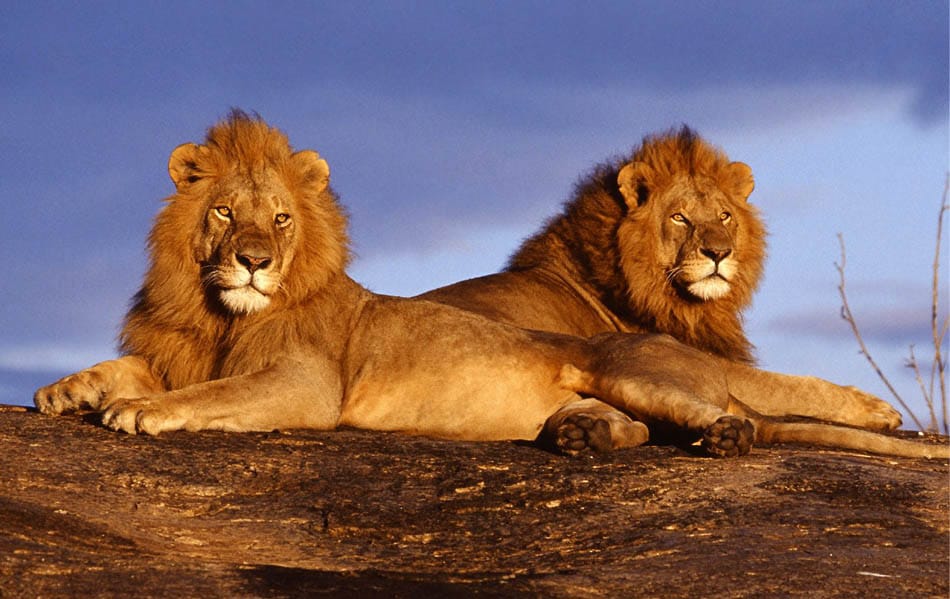
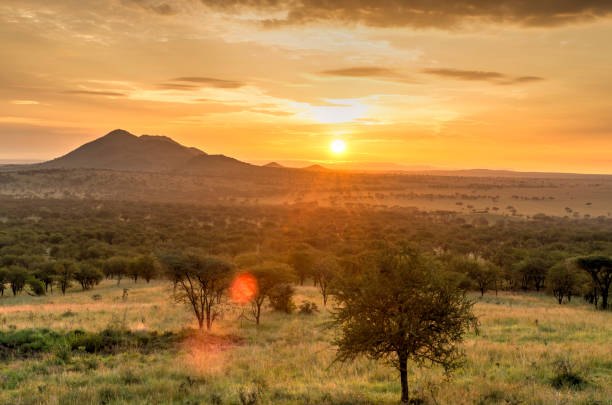
Africa holds the greatest wildlife theatres on earth. A leopard draped along a marula branch in the Sabi Sand. A million wildebeest thundering across the Mara River. Elephants wading shoulder-deep through the channels of the Okavango. The crater walls of Ngorongoro cradling a lost world of lion and flamingo. These are not scenes from a documentary — they are days you can actually live. The only real question is: which of Africa's great national parks should you choose?
It's the question we're asked more than any other, and it's a wonderful one to wrestle with. As a specialist private safari operator, we've spent years sending travellers into every one of these legendary places, and we've learned that the "best" national park in Africa is the one that fits you — your dream, your budget, your time of year and the kind of adventure you're built for. So in this definitive 2026 guide we put the continent's most famous safari parks head-to-head, honestly and in plain language, so you can choose with confidence.
We'll cover the icons — Kruger vs Serengeti, Serengeti vs Masai Mara, the watery wilderness of the Okavango Delta and Chobe, the elephant kingdoms of Etosha and Addo, the walking-safari heartland of South Luangwa, and the crater wonder of Ngorongoro — and at the end you'll find the real, bookable safaris and luxury packages we build into each one. For the wider lay of the land, our companion guide to the best safari destinations in Africa is the perfect next read.
The best national parks in Africa for safari — from Kruger to the Serengeti and Okavango.
How to Choose the Right National Park for Your Safari
Quick Answer
The best national parks for safari in Africa are Kruger (South Africa — Big Five accessibility), Serengeti (Tanzania — Great Migration + predators), Okavango Delta (Botswana — water safaris + elephants), Masai Mara (Kenya — migration river crossings), Chobe (Botswana — massive elephant herds), Etosha (Namibia — stark beauty + waterholes), and Hwange (Zimbabwe — walking safaris).
Kruger is perfect for first-timers (malaria-free zones available, easy access). Serengeti and Mara offer migration spectacle June–October. Okavango delivers luxury water-based safaris. Budget $250–$2,000/night depending on park and lodge tier. See our top safari destinations guide for detailed park breakdowns.
Before we compare the parks one by one, here's the simple framework we use with every guest. Get clear on these five things and the right park almost chooses itself:
- Your wildlife dream. Is it the Big Five? The Great Migration? Leopards? Wild dogs? Elephants by the thousand? Each park has a speciality.
- Your budget. South African parks offer the best value; Botswana's Okavango and exclusive East African camps sit at the premium end.
- Your time of year. The same park can be magic in one season and quiet in another — timing is everything.
- Your travel style. Self-drive freedom, classic guided game drives, walking safaris, mokoro canoes, hot-air balloons — different parks excel at different things.
- Malaria and family needs. Travelling with young children, or prefer to avoid anti-malarials? That narrows things beautifully.
Keep those five in mind as we go. Now, to the contenders.
The Great Safari Parks of Africa, Compared
1. Kruger National Park & the Sabi Sand — South Africa's Crown Jewel
If there is a "default" great safari, this is it. Kruger National Park is roughly the size of a small country, holds all of the Big Five in healthy numbers, and is astonishingly easy and affordable to reach. You can self-drive its excellent road network, stay in everything from simple rest camps to refined lodges, and reliably see lion, elephant, buffalo, rhino and — with a little luck — leopard.
On Kruger's unfenced western flank lies the Sabi Sand Game Reserve, the most famous private reserve on earth and the planet's premier destination for leopard. Here, off-road traversing and strictly limited vehicle numbers mean intimate, cinematic sightings that the main park simply can't match. The Greater Kruger region therefore offers the full spectrum: budget self-drive at one end, ultra-luxury private lodges at the other.
Best for: first-time safari-goers, the Big Five, families, value, and anyone wanting to combine the bush with Cape Town. Standout: the world's best leopard viewing in the Sabi Sand. Start with our 3-Day Classic Kruger National Park Safari or, for a single unforgettable day, the Kruger Full-Day Open-Vehicle Game Drive. For the full picture, read our Sabi Sand safari guide and our Kruger safari packages guide.
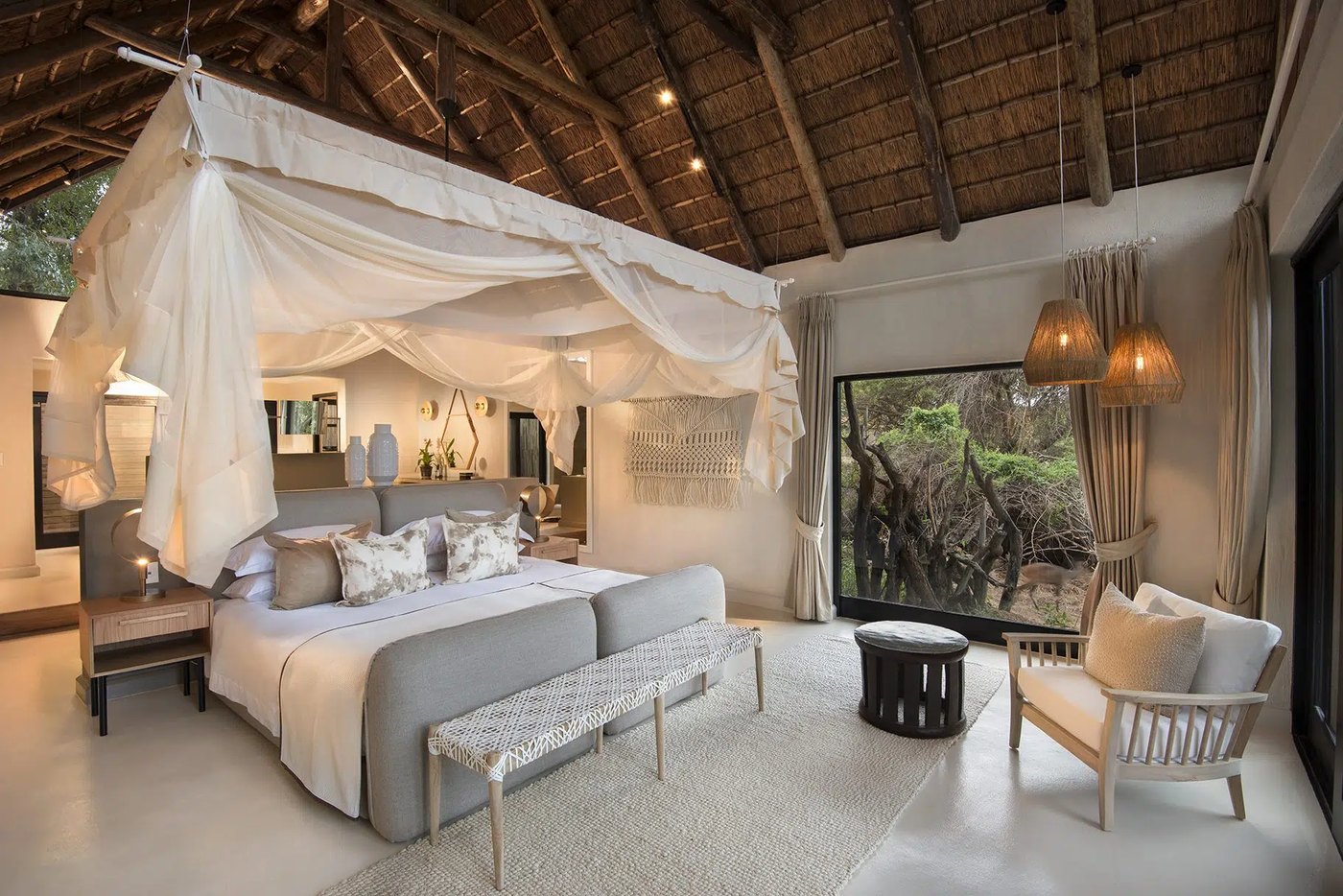
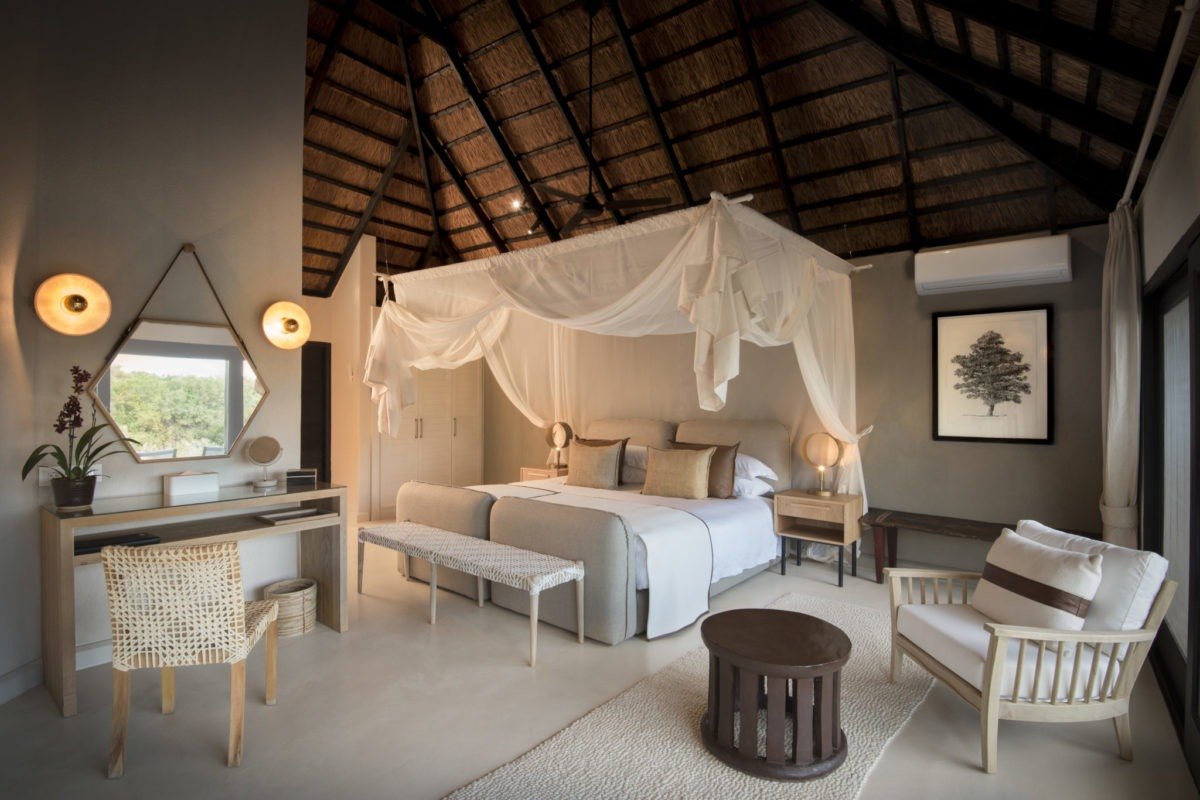
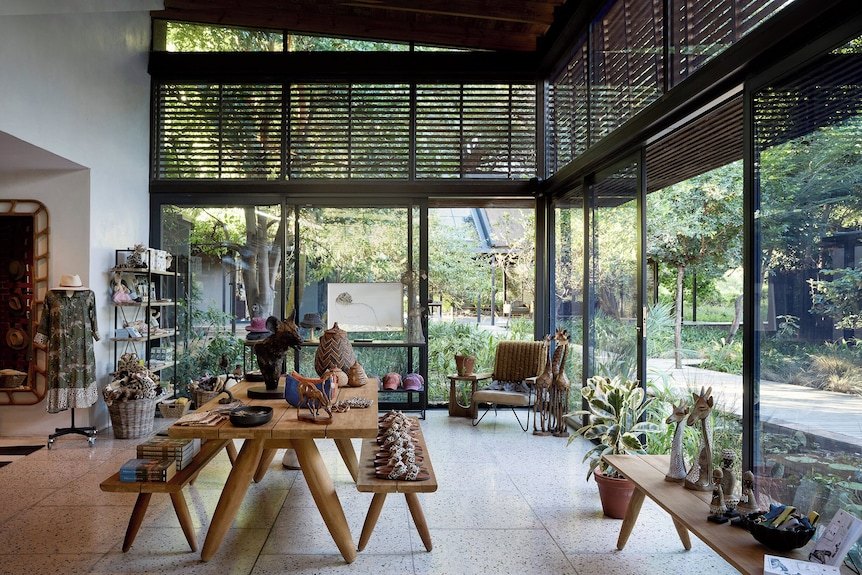
2. Serengeti National Park — Tanzania's Endless Plains
Say the word "safari" and many people picture the Serengeti: a horizon-to-horizon sea of golden grass dotted with acacias, lion prides lazing on kopjes, and the thunder of the Great Migration. At nearly 14,750 km², it's a vast, wild and deeply cinematic park — the very image of classic Africa.
The Serengeti's calendar follows the herds: the dramatic Mara River crossings in the north (roughly July–October) and the extraordinary calving season in the south (January–March), when hundreds of thousands of wildebeest give birth and predators gather. Private concessions on the fringes allow off-road drives, night drives and walking safaris that the central park does not. It's more remote and more expensive than Kruger, but for sheer spectacle it has few equals. Dive deeper in our Great Migration safari guide.
Best for: the Great Migration, big-sky drama, photographers, and a true bucket-list adventure. Standout: the migration and the most iconic plains on earth.
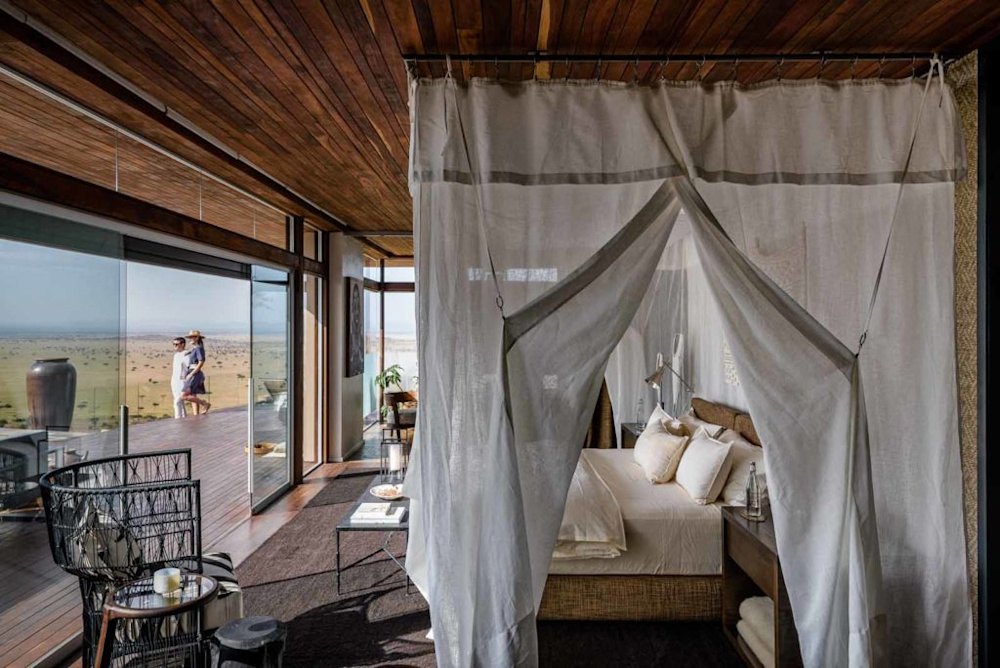
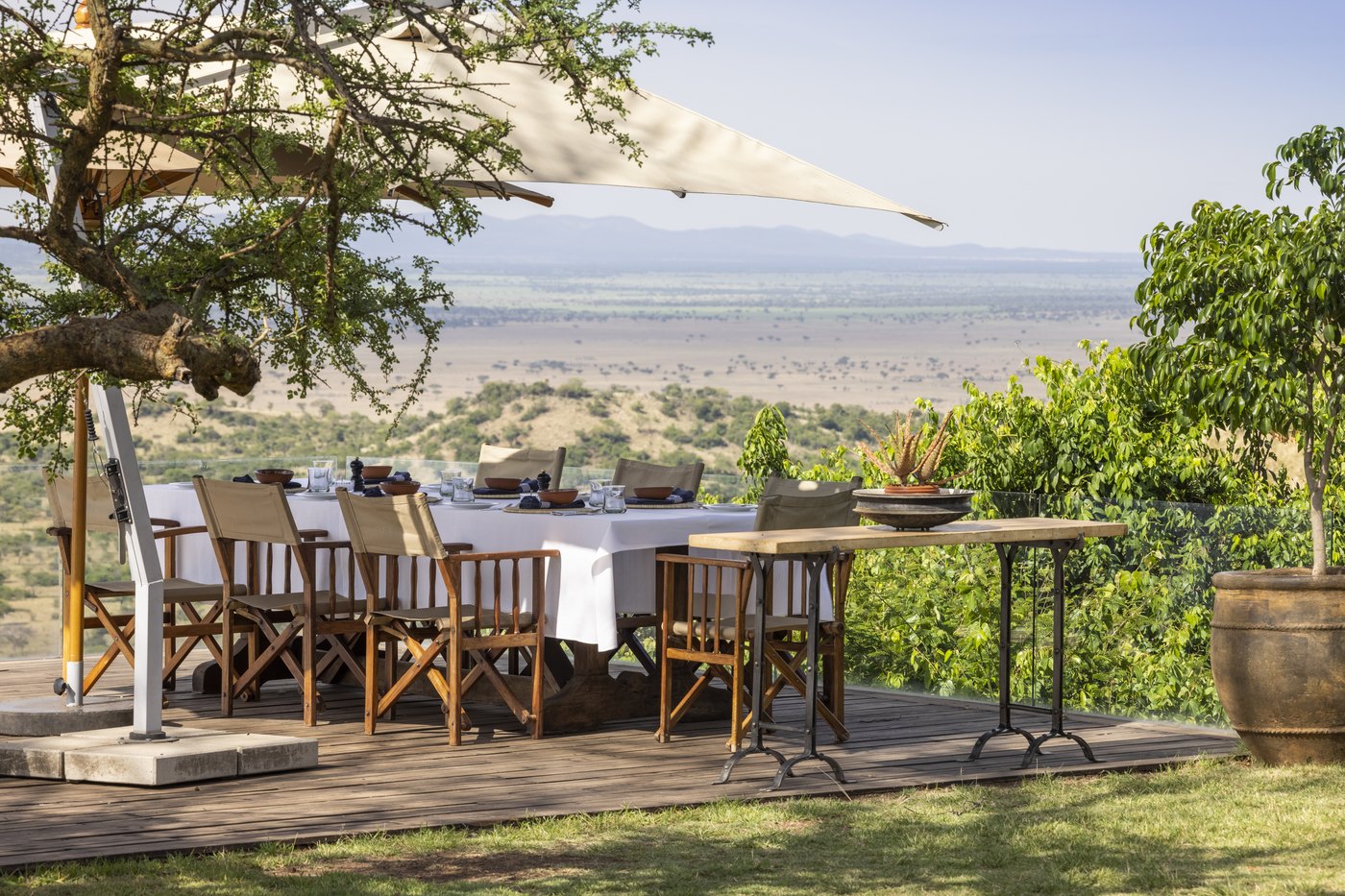

3. Masai Mara National Reserve — Kenya's Big-Cat Capital
The Masai Mara is the Serengeti's northern continuation across the Kenyan border — the same great ecosystem, but smaller, more concentrated and famous for two things: extraordinary big-cat density and the heart-stopping Mara River crossings from roughly July to October. It's a little easier to reach (a short flight from Nairobi) and often slightly more affordable than the deep Serengeti, while the surrounding private conservancies offer exclusive, low-vehicle game viewing.
Best for: lions, cheetahs and leopards in abundance, river crossings, and a superb first East African safari. Standout: the densest concentration of big cats in Africa.
4. Okavango Delta — Botswana's Water Wilderness
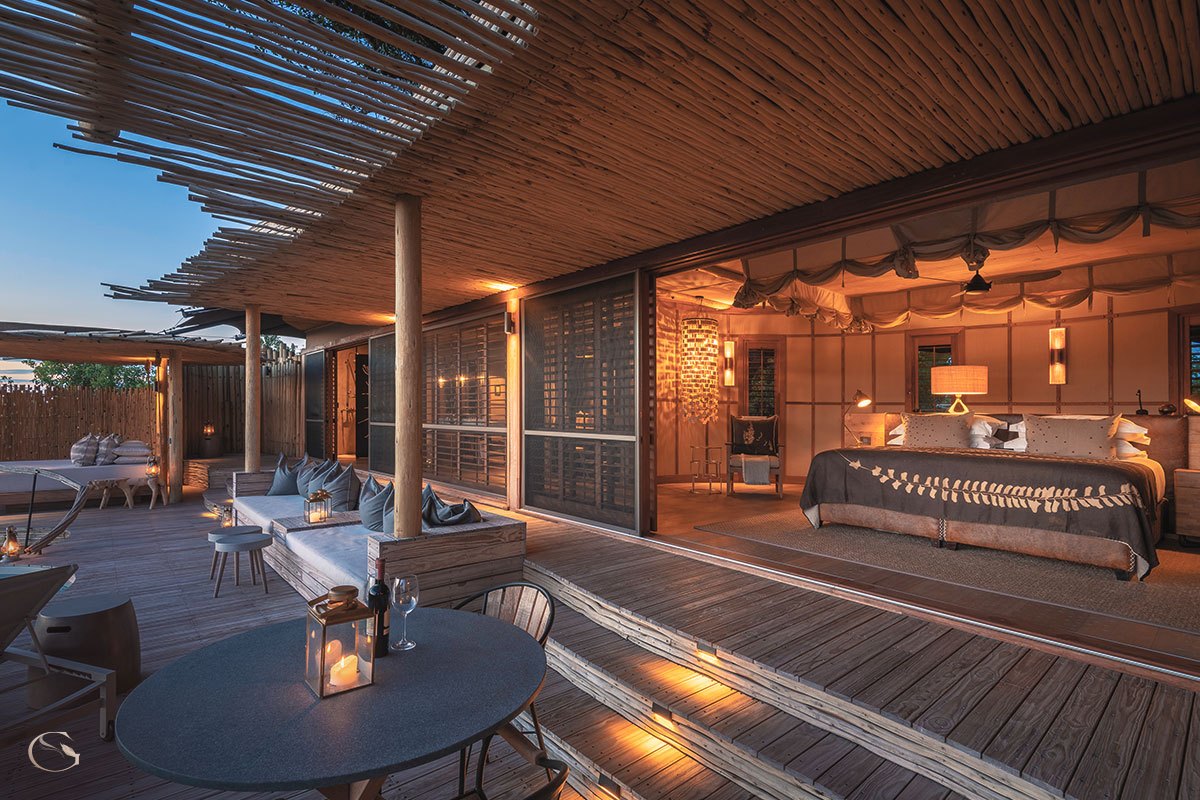
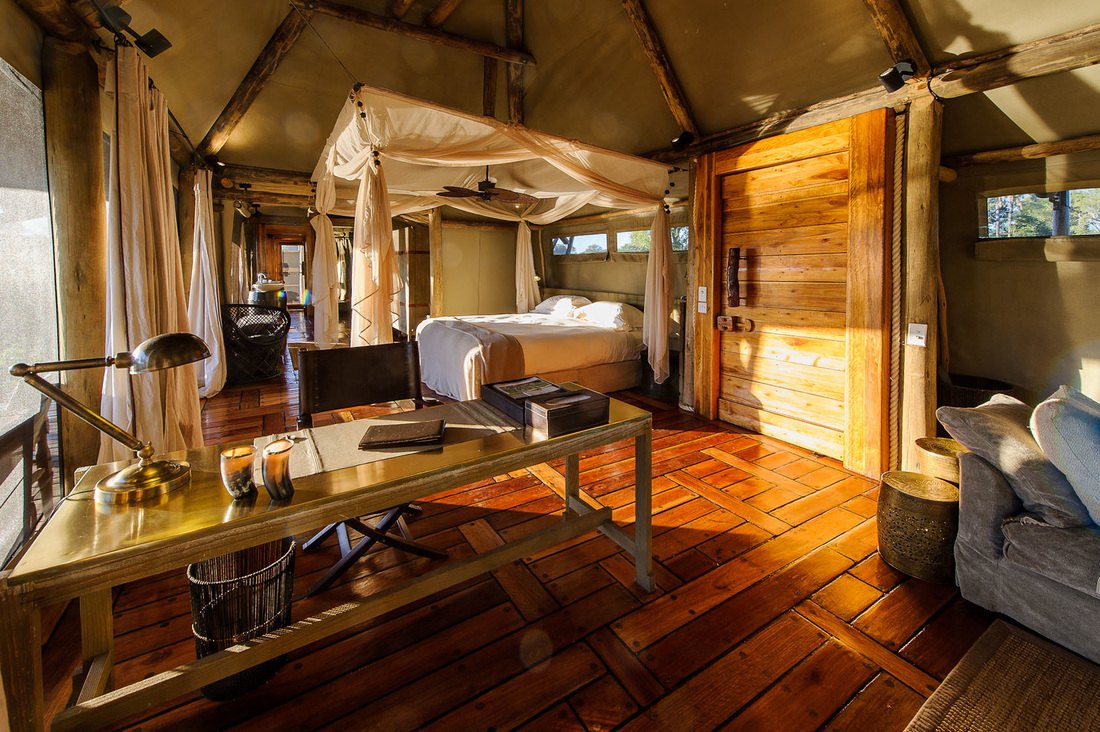
The Okavango Delta is unlike anywhere else on the continent — a vast inland delta where a river spills into the Kalahari and never reaches the sea, creating a shimmering maze of channels, lagoons and palm-fringed islands. Here you explore not just by 4x4 but by mokoro (traditional dugout canoe) and motorboat, gliding silently past elephants, hippos and red lechwe.
Botswana follows a deliberate "high-value, low-impact" model: fewer beds, higher exclusivity and a premium price, which makes the Okavango one of the most pristine and private safari experiences in the world. It pairs perfectly with nearby Chobe. Read our full Okavango Delta safari guide.
Best for: exclusivity, water-based safaris, honeymooners, and seasoned travellers seeking the wildest, most private experience. Standout: mokoro safaris through a living, breathing wetland.
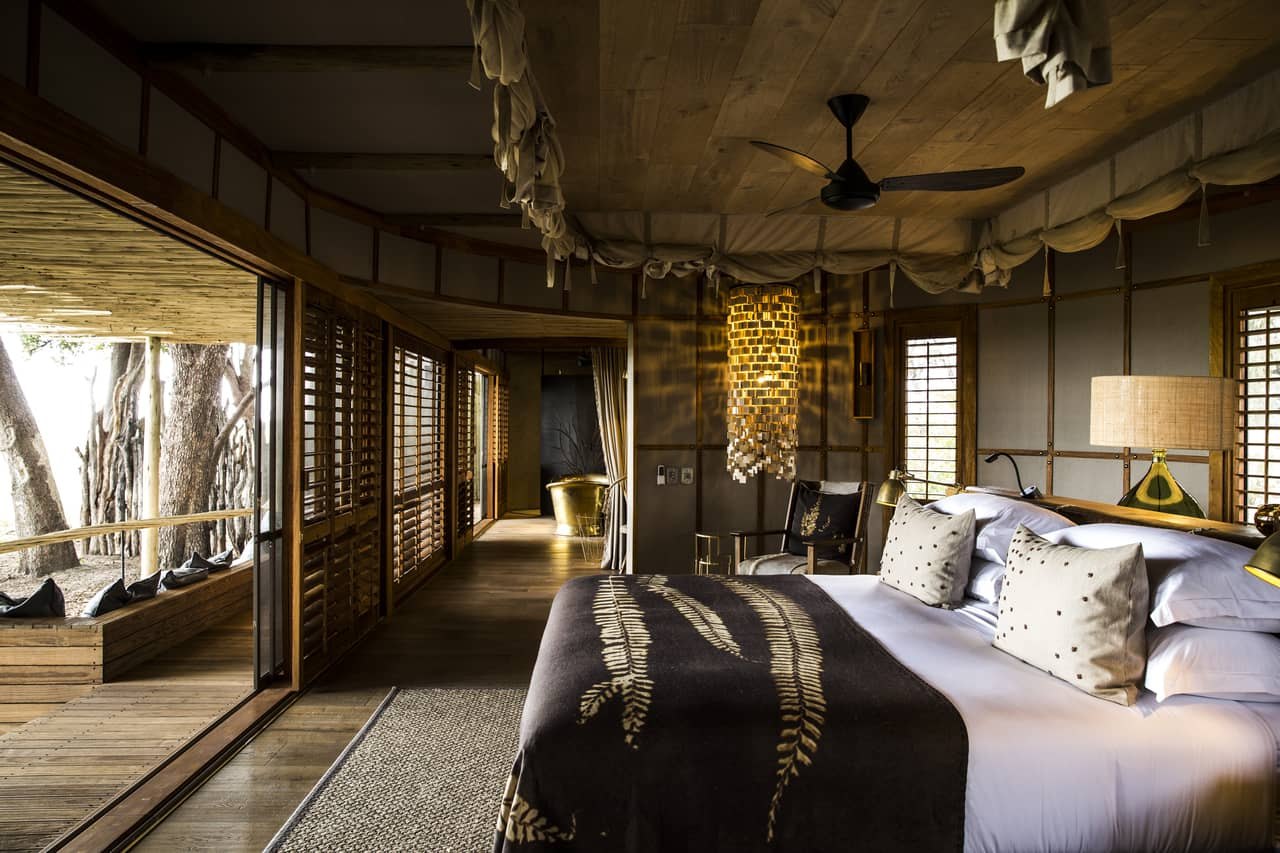
5. Chobe National Park — Botswana's Elephant Kingdom
Just north of the Okavango, Chobe National Park is famous for one of the greatest elephant populations on earth — tens of thousands of them. The Chobe River draws enormous concentrations of game to its banks, and a sunset boat safari here, drifting past drinking elephants and yawning hippos as the sky turns molten, is one of Africa's most magical experiences. Chobe also sits right beside Victoria Falls, making it the ultimate combination trip.
Best for: elephants, river-based game viewing, and pairing with Victoria Falls. Standout: the Chobe River boat safari at sunset. See how it fits a wider trip in our Victoria Falls adventure guide.
6. Ngorongoro Crater — Tanzania's Lost World
The Ngorongoro Crater is a natural wonder: the world's largest intact volcanic caldera, its walls enclosing a self-contained Eden of some 25,000 large animals. In a single day on the crater floor you can realistically see lion, elephant, buffalo, flamingo and one of Africa's best chances at the critically endangered black rhino. It's compact, scenically jaw-dropping, and almost always combined with the Serengeti on a northern Tanzania circuit.
Best for: a high density of game in a small area, black rhino, and unforgettable scenery. Standout: the crater itself — there's nowhere like it.
7. South Luangwa National Park — Zambia's Walking-Safari Home
Zambia's South Luangwa is the birthplace of the modern walking safari and one of Africa's most rewarding, uncrowded wildernesses. Famous for leopard, enormous concentrations of game along the Luangwa River, and superb guiding, it's a connoisseur's park — quieter and wilder than the headline names, with a real sense of old Africa. Walking safaris led by expert guides put you on foot in big-game country, an utterly different kind of thrill.
Best for: walking safaris, leopard, keen wildlife enthusiasts, and travellers wanting fewer vehicles. Standout: world-class walking safaris.
8. Etosha National Park — Namibia's Waterhole Theatre
Namibia's Etosha centres on a vast, shimmering salt pan so large it's visible from space. In the dry season the wildlife show writes itself: animals are drawn to the park's famous waterholes, where you simply park, wait, and watch a parade of elephant, lion, giraffe, zebra and black rhino come to drink. The stark, pale landscape makes for extraordinary photography, and Etosha pairs beautifully with Namibia's desert and dune scenery.
Best for: waterhole game viewing, self-drive, photographers, and combining with Namibia's deserts. Standout: floodlit waterholes where the animals come to you.
9. Addo Elephant National Park — South Africa's Malaria-Free Big Five
Addo Elephant National Park, near the Garden Route, is South Africa's third-largest park and a malaria-free Big Five destination — perfect for families and anyone who'd rather skip anti-malarials. Home to over 600 elephants and growing populations of lion, buffalo and rhino, Addo is the ideal way to add a genuine safari to a Cape Town and Garden Route holiday. Our 3-Day Garden Route with Big 5 Game Drive weaves it into the coast beautifully — see the full Garden Route guide.
Best for: malaria-free Big Five, families, and Garden Route add-ons. Standout: elephants in their hundreds, no malaria worry.
Honourable Mentions: Pilanesberg, Hluhluwe-iMfolozi & the Gorilla Parks
A few more parks deserve a place on your radar. Pilanesberg, an easy malaria-free Big Five park near Johannesburg, is brilliant for a short safari — try our Pilanesberg Big 5 day trip. Hluhluwe-iMfolozi in KwaZulu-Natal is a rhino-conservation triumph and one of the best places on earth to see both black and white rhino — reachable on our Hluhluwe-iMfolozi day trip from Durban. And for a completely different kind of wildlife encounter, Rwanda's Volcanoes National Park and Uganda's Bwindi offer the life-changing experience of trekking to wild mountain gorillas — covered in depth in our gorilla trekking Rwanda vs Uganda guide.
Head-to-Head: The Comparisons Travellers Ask Us Most
Kruger vs Serengeti
This is the classic Southern-vs-East Africa decision. Kruger wins on value, convenience, year-round Big Five reliability, the option to self-drive, and the ease of combining with Cape Town. The Serengeti wins on scale, scenery and spectacle — above all the Great Migration. If it's your first safari, you're watching the budget, or you want luxury close to a major city, choose Kruger and the Sabi Sand. If you're chasing a once-in-a-lifetime bucket-list moment and the wide-open plains of your imagination, choose the Serengeti. Many of our most memorable trips do both, on a single grand itinerary.
Serengeti vs Masai Mara
Remember: these are two halves of the same ecosystem. The Serengeti is far larger, more remote and offers a longer migration calendar (including the southern calving season). The Masai Mara is smaller, more concentrated, slightly more affordable and easier to reach — and from July to October it serves up the dramatic Mara River crossings. Dream of river crossings on a tighter timeline? The Mara. Want space, exclusivity and the calving season? The Serengeti.
Okavango vs Chobe
Botswana's dynamic duo. The Okavango Delta is about water, exclusivity and mokoro magic — the most private, pristine experience. Chobe is about elephants in their thousands and that unforgettable sunset river cruise, and it's far easier to combine with Victoria Falls. The good news: you don't have to choose. A classic Botswana itinerary flows from the Delta's islands to Chobe's riverbanks and on to the Falls.
South Africa vs East Africa
In short: South Africa offers the best value, the easiest logistics, world-class Big Five (especially leopard), malaria-free options, and the unbeatable add-ons of Cape Town, the Winelands and the Garden Route. East Africa (Tanzania and Kenya) offers the Great Migration, the most iconic plains and a wilder, big-sky grandeur — at a higher price. For a first safari, a family trip, or a bush-and-beach honeymoon, we often steer guests to South Africa; for the migration and a pure-spectacle bucket-lister, East Africa. Our luxury safari South Africa guide and best African safari packages guide explore both in detail.
Africa's Best Safari Parks at a Glance
A quick-reference comparison of the headline parks. Use it to shortlist, then let us tailor the detail to your dates and dreams.
| National Park | Country | Famous For | Big Five | Best Time | Value |
|---|---|---|---|---|---|
| Kruger / Sabi Sand | South Africa | Big Five & leopard | Yes (all 5) | May–Oct | ★★★★★ |
| Serengeti | Tanzania | Great Migration, plains | 4 of 5 (rhino scarce) | Jun–Oct & Jan–Mar | ★★★ |
| Masai Mara | Kenya | Big cats & river crossings | 4 of 5 (rhino scarce) | Jul–Oct | ★★★ |
| Okavango Delta | Botswana | Water wilderness, exclusivity | Yes (most) | May–Oct | ★★ |
| Chobe | Botswana | Elephants & river safaris | 4 of 5 | May–Oct | ★★★ |
| Ngorongoro Crater | Tanzania | Crater game density, black rhino | Yes (all 5) | Year-round | ★★★ |
| South Luangwa | Zambia | Walking safaris & leopard | 4 of 5 | May–Oct | ★★★ |
| Etosha | Namibia | Waterholes & salt pan | 4 of 5 | May–Oct | ★★★★ |
| Addo Elephant | South Africa | Malaria-free Big Five, elephants | Yes (all 5) | Year-round | ★★★★★ |
For a deeper breakdown of what drives the price differences, see our African safari cost & budget guide.
Park Accessibility & Logistics
Getting there, malaria risk and whether you can self-drive vary widely from park to park. Here's the practical picture at a glance.
| Park | Nearest Hub | Typical Transfer | Malaria | Self-Drive |
|---|---|---|---|---|
| Kruger / Sabi Sand | Johannesburg | 1h flight or 5h drive | Yes (lower in some reserves) | Yes (Kruger) |
| Serengeti | Arusha | 1–1.5h flight | Yes | No (guided) |
| Masai Mara | Nairobi | 45min–1h flight | Yes | No (guided) |
| Okavango Delta | Maun | 20–45min light aircraft | Yes | No (fly-in) |
| Chobe | Kasane | 10min drive or boat | Yes | Limited |
| Ngorongoro | Arusha | 1h flight + 3h drive | Yes | No (guided) |
| South Luangwa | Lusaka | 1h flight | Yes | No (guided) |
| Etosha | Windhoek | 1h flight or 5h drive | Low | Yes |
| Addo Elephant | Gqeberha (Port Elizabeth) | 1h drive | No (malaria-free) | Yes |
Which National Park Is Best for You?
Here's our honest, traveller-by-traveller shortlist:
- Best for a first safari: Greater Kruger / Sabi Sand (reliable Big Five, easy, great value), or the Masai Mara for East Africa.
- Best for the Great Migration: Serengeti (calving Jan–Mar) and Masai Mara (river crossings Jul–Oct).
- Best for the Big Five quickly: Sabi Sand and Greater Kruger.
- Best for leopard: Sabi Sand, with South Luangwa a close second.
- Best for elephants: Chobe and Addo.
- Best malaria-free family safari: Addo, Pilanesberg, Madikwe and the Eastern Cape reserves.
- Best for exclusivity & honeymoons: Okavango Delta and the private Sabi Sand lodges. See our couples safari guide.
- Best for photographers: Serengeti (plains & migration), Etosha (waterholes & light), Sabi Sand (leopard).
- Best for walking safaris: South Luangwa.
- Best value overall: South African parks — Kruger, Addo, Pilanesberg.
- Best for combining with a beach & city: South Africa (Cape Town, Winelands, Garden Route) or Kenya (Diani / Zanzibar add-ons).
If the Big Five are your priority, our dedicated Big Five safari South Africa guide is essential reading; for the ultimate in privacy and service, see our private safari guide and our pick of the best luxury safari lodges.
Quick Decision Matrix: If You Want… Go To…
The fastest way to shortlist. Find your priority on the left; the park that does it best is on the right.
| If You Want… | Go To… | Why |
|---|---|---|
| The Big Five, fast | Sabi Sand / Greater Kruger | All five reliable; the best leopard on earth |
| The Great Migration | Serengeti or Masai Mara | Calving Jan–Mar; river crossings Jul–Oct |
| Leopard | Sabi Sand or South Luangwa | Highest densities, relaxed sightings |
| Elephants in their thousands | Chobe or Addo | Chobe river herds; 600+ at Addo |
| A water-based safari | Okavango Delta | Mokoro canoes & boat safaris |
| Malaria-free Big Five | Addo, Pilanesberg, Madikwe, Eastern Cape | All five, zero malaria worry |
| Best value overall | Kruger, Etosha, Addo | South Africa & Namibia lead on cost/quality |
| Walking safaris | South Luangwa | Birthplace of the modern walking safari |
| Pure exclusivity | Okavango Delta | Low-volume, high-value wilderness |
| Bush & beach easily | South Africa or Tanzania | Cape Town / Garden Route / Mozambique; or Zanzibar |
Best Time to Visit Africa's National Parks
Timing can make or break a safari. As a broad rule:
- Dry season (May–October in Southern Africa; June–October for the northern Serengeti & Mara): the prime game-viewing window. Thin bush, animals at water, easier predator sightings, fewer mosquitoes. Our top recommendation for most parks.
- Southern Serengeti calving (January–March): a green-season exception — vast wildebeest herds give birth and predators follow. Spectacular.
- Green / summer season (November–March in the south): lush scenery, newborn animals, excellent birding, lower prices and fewer crowds, but thicker bush and occasional rain.
Because the migration moves and each park peaks at a different time, getting the timing exactly right is one of the biggest reasons to plan with a specialist. Our best time to visit South Africa guide goes deeper for the Southern African parks.
Best Time to Visit Each Park: Season-by-Season
Every park peaks in a different window. This matrix shows the broad seasons at a glance so you can line up your travel dates with the action.
| Park | Jan–Mar | Apr–Jun | Jul–Sep | Oct–Dec | Peak Highlight |
|---|---|---|---|---|---|
| Kruger / Sabi Sand | Green, lush | Shoulder | Prime | Hot, wet | May–Sep: dry, peak leopard |
| Serengeti | Calving | Herds move north | Migration | Short rains | Jan–Mar calving; Jun–Oct migration |
| Masai Mara | Off-season | Shoulder | Crossings | Short rains | Jul–Oct: Mara River crossings |
| Okavango Delta | Low water | Rising flood | Peak flood | Drying | Jun–Aug: highest water, best mokoro |
| Chobe | Wet | Drying | Peak dry | Hot | May–Oct: elephant concentrations |
| Ngorongoro | Good | Good | Best | Short rains | Year-round; Jun–Oct driest |
| South Luangwa | Wet (many camps closed) | Opening up | Prime | Hot, wet | Jun–Oct: dry-season peak |
| Etosha | Wet | Drying | Peak dry | Hot | Jun–Sep: waterhole viewing peak |
| Addo Elephant | Good | Good | Winter | Good | Year-round; Jun–Aug cooler, drier |
What a National Park Safari Costs in 2026
A realistic per-person guide, before we tailor it to your exact trip:
- Guided day safari (Kruger, Aquila, Pilanesberg): from $150–$250 per person.
- Multi-day Kruger lodge safari: from $300–$800 per person, per night.
- Sabi Sand & ultra-luxury private reserves: $800–$3,500+ per person, per night.
- Serengeti, Masai Mara & Okavango (premium): often $700–$2,500+ per person, per night, including flights and park fees.
South African parks consistently offer the best value; Botswana's Okavango and the most exclusive East African camps sit at the top end. Wherever you go, booking direct with a specialist like us typically saves 15–35% versus international agents and online travel agents — and you get a real human designing your trip.
Park Cost Comparison: What You'll Pay Per Night
A side-by-side look at typical per-person, per-night rates across the great parks, fully inclusive of lodging, meals, game activities and park fees. Budget reflects basic camps and rest camps; ultra-luxury reflects the finest suites with private guiding.
| Park | Country | Budget | Mid-Range | Luxury | Ultra-Luxury |
|---|---|---|---|---|---|
| Kruger / Sabi Sand | South Africa | $150–$300 | $400–$800 | $800–$1,500 | $2,000–$3,500+ |
| Serengeti | Tanzania | $300–$500 | $600–$1,200 | $1,200–$2,000 | $2,500–$4,000+ |
| Masai Mara | Kenya | $250–$450 | $550–$1,000 | $1,000–$1,800 | $2,200–$3,500+ |
| Okavango Delta | Botswana | — | $700–$1,200 | $1,200–$2,000 | $2,500–$4,500+ |
| Chobe | Botswana | $200–$400 | $450–$800 | $800–$1,400 | $1,800–$3,000+ |
| Ngorongoro | Tanzania | $250–$450 | $500–$1,000 | $1,000–$1,800 | $2,000–$3,500+ |
| South Luangwa | Zambia | $200–$400 | $450–$900 | $900–$1,600 | $1,800–$3,000+ |
| Etosha | Namibia | $100–$250 | $300–$600 | $600–$1,200 | $1,500–$2,500+ |
| Addo Elephant | South Africa | $120–$280 | $350–$700 | $700–$1,300 | $1,500–$2,500+ |
The Smartest Move: Combine Two or More Parks
Some of the most magical safaris we design don't pick just one park — they string several together into one smooth journey. A few of our favourite combinations:
- Kruger + Cape Town + Winelands: the classic South African bush-and-city trip.
- Serengeti + Ngorongoro: the definitive northern Tanzania circuit.
- Okavango + Chobe + Victoria Falls: Botswana's water wilderness finished at the world's greatest waterfall.
- Masai Mara + beach: big cats followed by the Indian Ocean.
- Sabi Sand + Garden Route + Addo: luxury leopards, then a coastal road trip with a malaria-free safari.
This is exactly what our multi-day luxury safari packages are built for — and you'll find a curated selection of them in the row just below this guide.
Our Luxury National Park Safaris & Packages
Everything in this guide is bookable through us. Below this article you'll find our hand-picked, ready-to-go luxury safari packages spanning the great parks of Kruger and the Sabi Sand, the Serengeti and Ngorongoro, the Masai Mara, the Okavango Delta and Chobe, South Luangwa and beyond — drawn from our collection of more than sixty curated safaris across eight countries. Each is fully tailorable: change the lodges, add nights, fold in Cape Town or the Garden Route, or build a multi-park grand tour.
Prefer to start with a single day or a short trip? Our bookable day and multi-day tours include the 3-Day Classic Kruger Safari, the 4-Day Kruger Big 5 & Panorama Route Safari, the leopard-famous 3-Day Sabi Sands Luxury Private Reserve Safari, the Aquila Big 5 day trip from Cape Town, and more. Browse the package row below, or explore the full best African safari packages guide.
Planning Tips for Your National Park Safari
- Lead with your dream, not the brochure. Decide whether it's the Big Five, the migration, leopard or elephants — the right park follows from there.
- Match the park to the season. The same park can be world-class or quiet depending on the month; timing is everything.
- Consider malaria-free options if you're travelling with young children or prefer to skip prophylaxis — Addo, Pilanesberg, Madikwe and the Eastern Cape deliver Big Five without it.
- Choose a great guide. A skilled ranger transforms a safari — and in private reserves they can go off-road to follow the action.
- Combine parks for contrast. Two complementary parks (say, the Delta and Chobe, or Kruger and the coast) beat a single longer stay for most travellers.
- Pack neutral colours, layers and a good camera. Dawn drives are cold even in Africa; the light is glorious.
- Book direct. You'll save money and get a tailor-made itinerary designed by people who live and breathe African safari.
Start Planning Your African National Park Safari
From the leopard-laden riverbeds of the Sabi Sand to the thundering herds of the Serengeti, from the silent channels of the Okavango to the elephant-lined banks of the Chobe, Africa's national parks offer the greatest wildlife experiences on earth. The "best" one is simply the one that matches your dream — and that's exactly what we're here to help you find.
Ready to begin? Explore the luxury safari packages below, browse our flagship Sabi Sand safari, or contact our specialists to design a tailor-made journey through the national parks of your dreams. Whether it's your first safari or your fifth, we'll make it the trip of a lifetime.