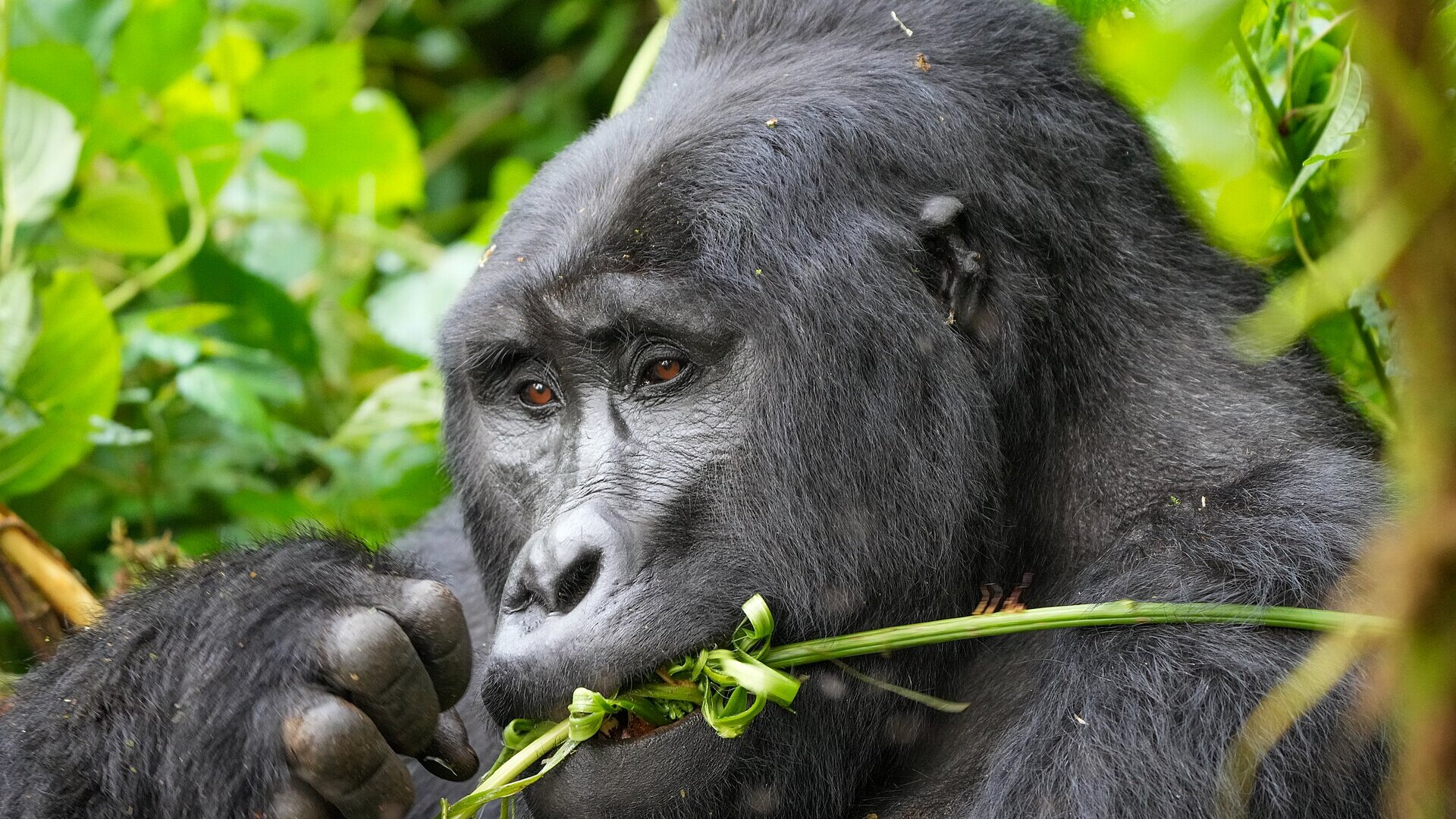
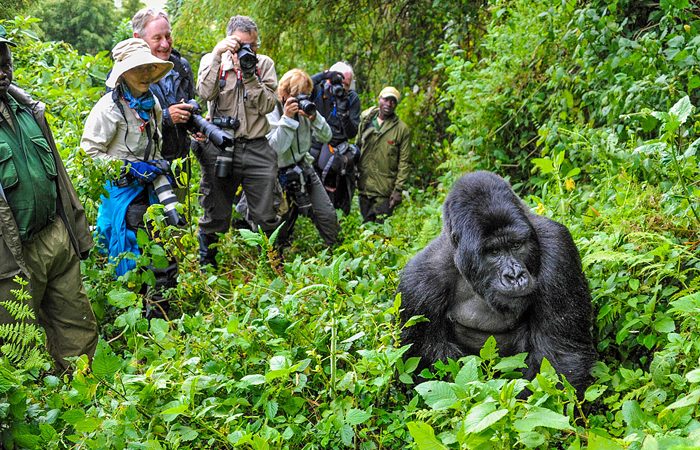
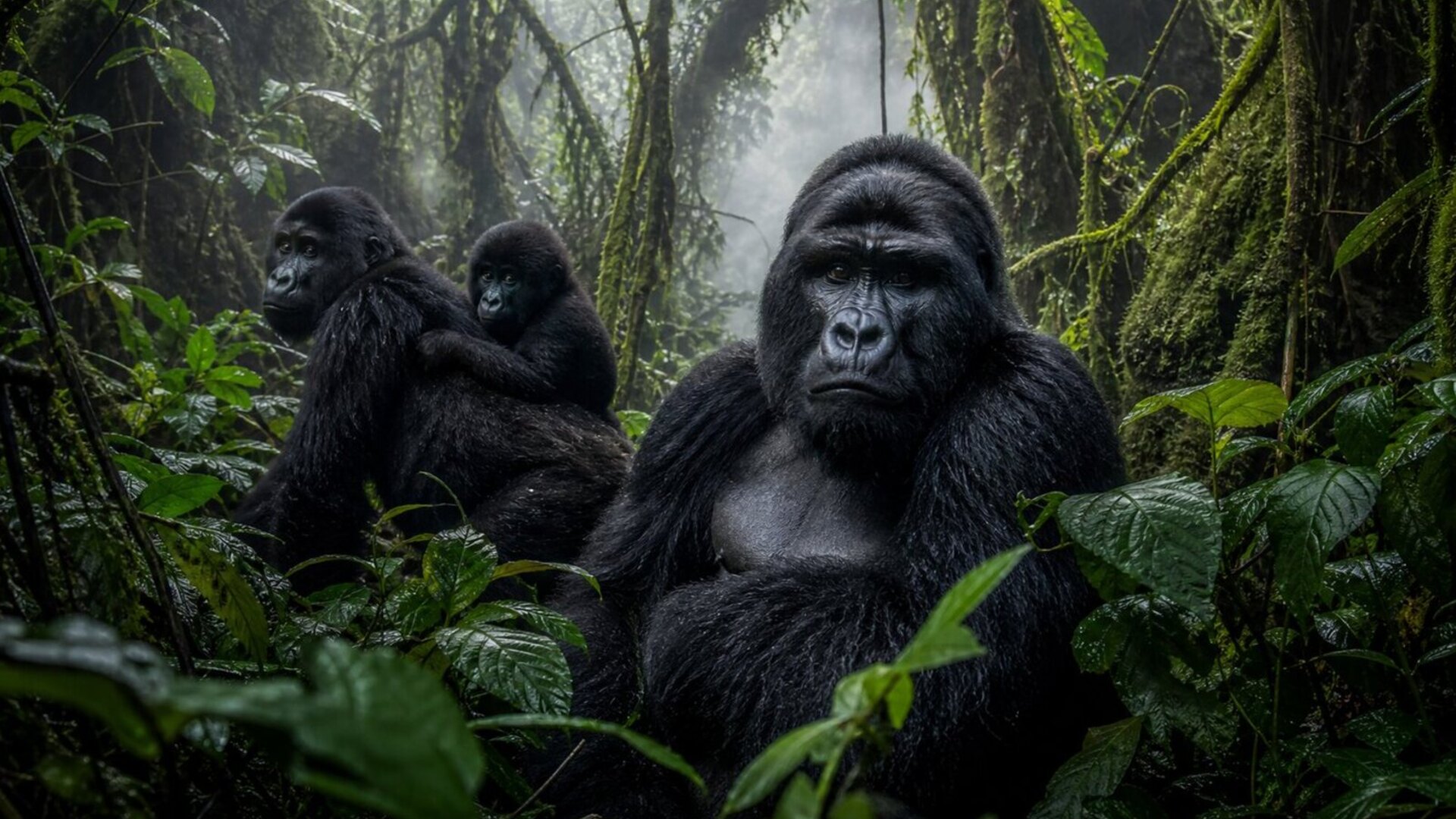
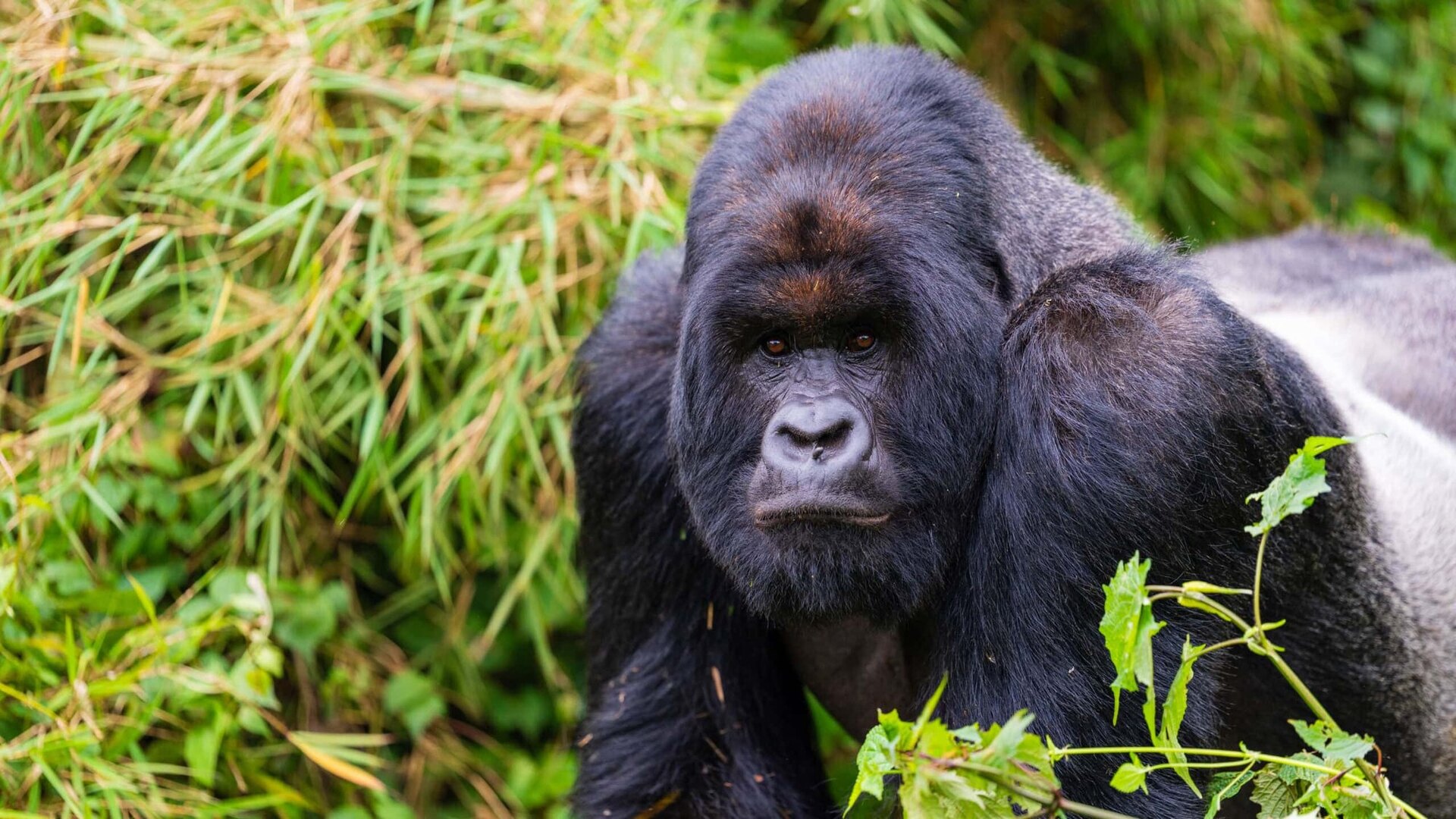
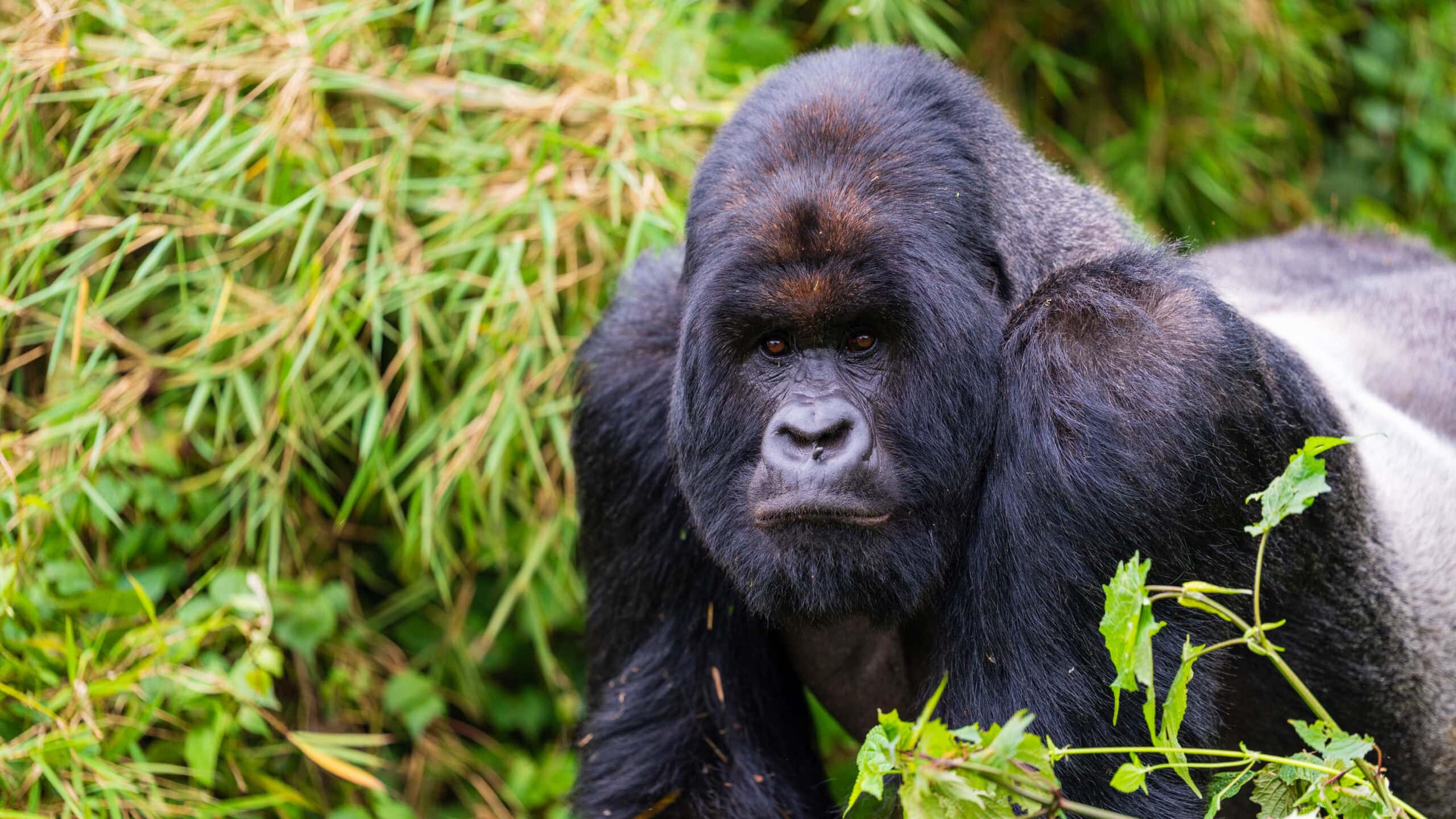
There are few wildlife experiences on earth as moving as gorilla trekking. After hiking through misty, ancient rainforest, you crest a ridge, push aside the foliage — and there, just a few metres away, sits a 200kg silverback, utterly at ease, surrounded by his family. It's a moment that stays with you forever.
🦍 Planning Your Gorilla Trekking?
For the complete gorilla trekking resource - expert guides, honest costs, luxury lodges, curated itineraries, and everything you need to plan your trip - visit our comprehensive hub:
View Complete Gorilla Trekking Hub →Both Rwanda and Uganda offer this once-in-a-lifetime encounter with endangered mountain gorillas. But which should you choose? This complete 2026 comparison breaks down permits, access, trek difficulty, accommodation and how to combine gorilla trekking with a wider safari, so you can plan with confidence.
Mountain gorillas in the forests of Rwanda and Uganda.
Quick Answer
Choose Rwanda for fast access from Kigali (a 2–3 hour drive), shorter treks and polished luxury lodges — ideal if time or comfort matters most (permit $1,500 per person).
Choose Uganda's Bwindi for a wilder, more affordable trek (permit $800) and the chance to pair gorillas with chimpanzees and a classic savannah safari.
🔥 August 2026 Update
Rwanda gorilla permits holding at $1,500 (Volcanoes NP). Uganda permits stable at $800 (Bwindi/Mgahinga). Bwindi's new Rushaga sector habituated 2 more gorilla families in 2026 — permit availability improved slightly. Book permits 6–9 months ahead for peak season (Jun–Sep, Dec–Feb).
First, the Basics — Where Do Mountain Gorillas Live?
Roughly 1,000 mountain gorillas remain in the world, all within a small region spanning the Virunga Massif (shared by Rwanda, Uganda and the DRC) and Uganda's Bwindi Impenetrable Forest. Thanks to extraordinary conservation efforts, their numbers are slowly rising — and responsible tourism funds much of that work. Explore our gorilla trekking safaris to see how a permit directly supports conservation.
Rwanda — Volcanoes National Park
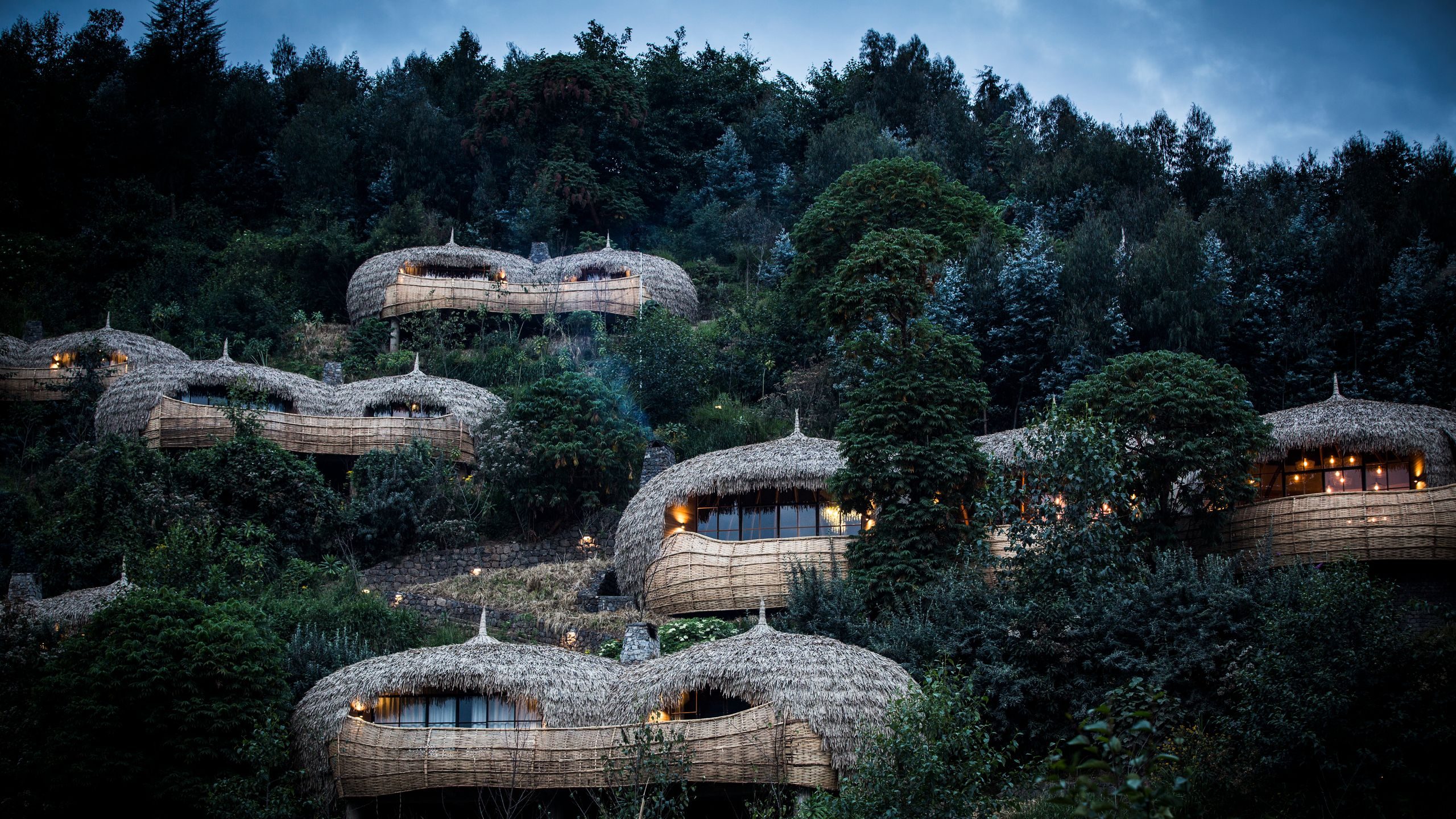
Rwanda's Volcanoes National Park, in the country's lush northwest, is where Dian Fossey did her famous research. It's the premium, polished choice for gorilla trekking.
Pros
- Easy access — just a 2–3 hour scenic drive from Kigali International Airport
- Shorter treks on average, with more open terrain
- World-class lodges, including some of Africa's most luxurious
- Clean, safe, easy — Kigali is one of Africa's most welcoming capitals
Cons
- Permits cost $1,500 per person — the most expensive option
- Less of an "off-the-beaten-track" adventure feel
Best for: time-pressed travellers, luxury seekers and those combining a short, comfortable trek with the rest of an African itinerary.
Uganda — Bwindi Impenetrable Forest
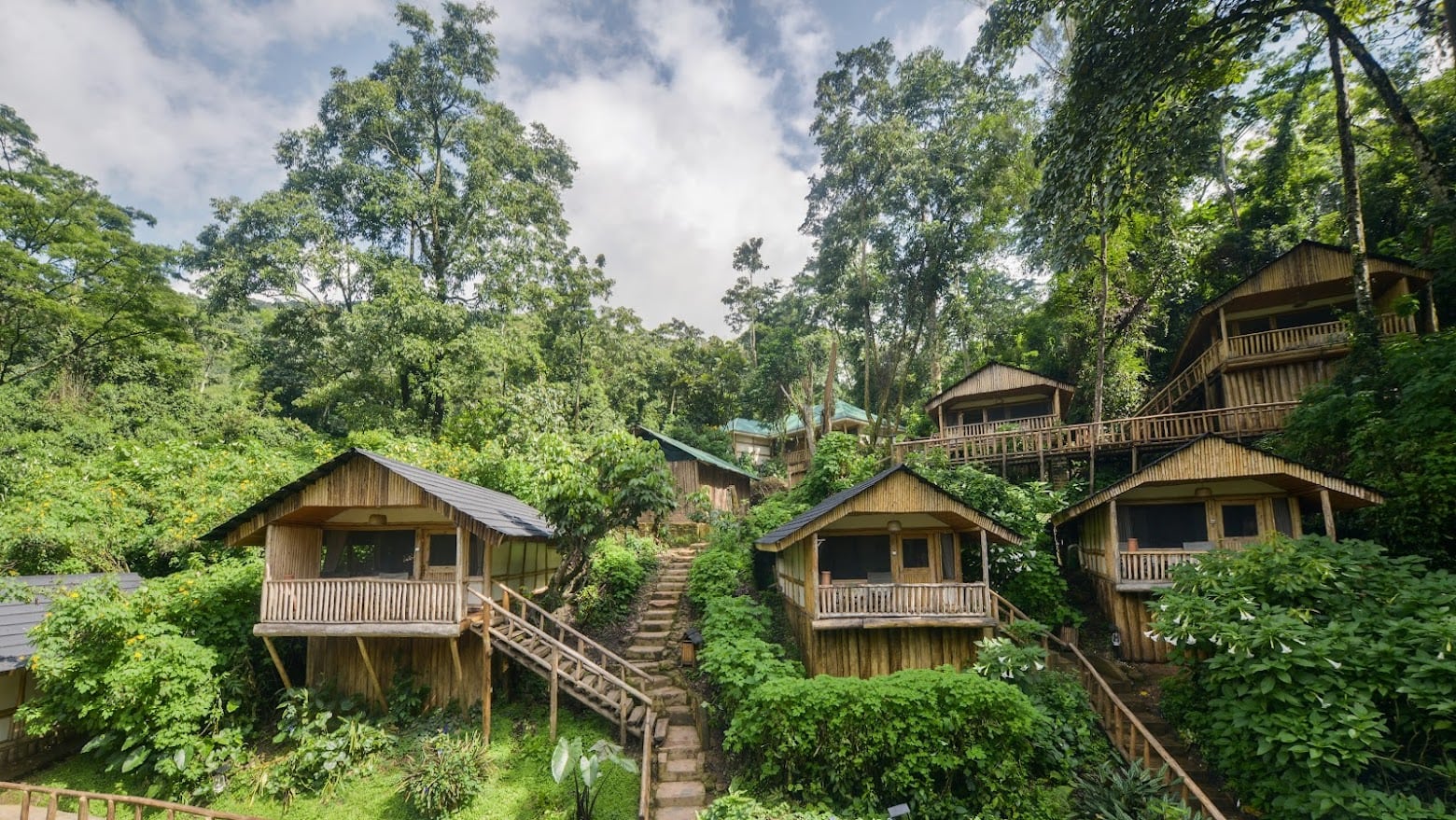
Uganda's Bwindi Impenetrable Forest is home to roughly half the world's mountain gorillas. It's the adventurous, better-value choice.
Pros
- Permits cost $800 — almost half Rwanda's price
- More gorilla families and a wilder, more immersive forest experience
- Pairs brilliantly with chimpanzee trekking and classic savannah safari (Queen Elizabeth and Murchison Falls national parks)
- Gorilla habituation experience available — up to four hours with a family
Cons
- Longer access — a 8–10 hour drive or a charter flight from Entebbe
- Tougher terrain — Bwindi is famously dense and steep ("impenetrable" is no exaggeration)
Best for: adventurous travellers, those on a tighter budget, and anyone wanting to combine gorillas with a broader Ugandan safari.
Head-to-Head Comparison
- Permit cost: Rwanda $1,500 vs Uganda $800
- Access: Rwanda 2–3 hrs from Kigali vs Uganda 8–10 hrs from Entebbe (or charter flight)
- Trek difficulty: Rwanda moderate vs Uganda moderate–strenuous
- Lodges: Rwanda ultra-luxury vs Uganda excellent mid-to-high range
- Combine with: Rwanda short add-on vs Uganda full primate + savannah safari
- Overall vibe: Rwanda polished & easy vs Uganda wild & adventurous
How Difficult Is the Trek, Really?
You'll hike through mountainous rainforest at altitude (2,000–3,000m), and the trek can last anywhere from one to six-plus hours depending on where the gorilla family has roamed. You don't need to be an athlete — guides set a manageable pace, and local porters are available to carry your bag and help on steep, muddy sections (hiring one also supports the community). If you can manage a few hours of uphill walking, you can do this.
When to Go
The dry seasons — June to September and December to February — offer the firmest trails and easiest hiking. Trekking is possible year-round, but the wetter months bring muddier, more slippery conditions. Whichever season you choose, the forest is breathtaking and the gorillas are present all year.
Combining Gorilla Trekking with a Wider Safari
Gorilla trekking pairs beautifully with the rest of Africa. Many of our guests combine it with a Great Migration safari in neighbouring Kenya or Tanzania, a South African Big Five safari, or a few days in Cape Town. A typical luxury circuit might be: gorillas in Rwanda, migration in the Serengeti, then beach or city to finish.
What Does Gorilla Trekking Cost in 2026?
Beyond the permit, budget for lodges, transfers and guiding. A typical 3-night gorilla trekking package (lodge, permit, transfers and a single trek) starts from around $2,500–$4,000 per person in Uganda and $3,500–$6,000+ per person in Rwanda, depending on lodge level. Booking direct with Private Tours Cape Town ensures honest pricing and straightforward logistics.
Gorilla Trekking Rules & Etiquette
Mountain gorillas share roughly 98% of our DNA, which makes them vulnerable to human diseases — so strict rules protect them. The most important is the seven-metre distance rule: you must stay at least seven metres from the gorillas at all times, although curious youngsters sometimes break this rule themselves. Visits are limited to one hour per group per day, and only eight visitors are permitted per gorilla family to minimise stress on the animals.
You will be asked to wear a face mask near the gorillas, keep your voice low, avoid direct eye contact with dominant silverbacks, and never eat or drink in their presence. If you feel unwell — even a common cold — you should not trek, as a minor human illness can be fatal to a gorilla. These regulations can feel strict, but they are the reason mountain gorilla numbers have steadily climbed back from the brink of extinction.
What to Pack for Gorilla Trekking
Gorilla trekking takes place in dense, often muddy mountain rainforest at altitude, so the right gear makes a huge difference. Essentials include sturdy waterproof hiking boots with good ankle support, gaiters to keep mud and insects out, long trousers and long-sleeved shirts to protect against stinging nettles, and a waterproof jacket — rain can arrive at any time. Gardening-style gloves protect your hands when grabbing vegetation on steep slopes.
Bring a small daypack with at least two litres of water, energy snacks, sunscreen, insect repellent and a camera (no flash allowed). Hiring a local porter for around US$15–20 is highly recommended: they carry your bag, offer a steadying hand on tough terrain, and your fee directly supports the community living alongside the gorillas. For broader safari packing advice, see our luxury safari guide.
The Conservation Story
The recovery of the mountain gorilla is one of conservation's greatest success stories. When Dian Fossey began her research in the 1960s, fewer than 250 mountain gorillas survived. Thanks to anti-poaching patrols, community-based tourism and cross-border cooperation between Rwanda, Uganda and the DRC, the wild population has now climbed above 1,000 — the only great ape whose numbers are increasing.
Your trekking permit is central to this success. The fees fund ranger salaries, veterinary care and, crucially, a revenue-sharing scheme that channels money into schools, clinics and businesses in surrounding villages. When local communities benefit directly from living gorillas, the incentive to protect them is powerful. In a very real sense, visiting the gorillas helps guarantee their future. Discover related primate journeys among our gorilla trekking experiences.
Health & Fitness Preparation
Gorilla trekking is graded moderate to strenuous. Treks can last from one to seven hours depending on where the gorilla family has moved, often climbing steep, slippery slopes at altitudes between 2,000 and 3,000 metres where the thin air makes exertion harder. You do not need to be an athlete, but a reasonable level of fitness — the ability to walk for several hours on uneven ground — will transform the experience from an ordeal into a joy.
In the weeks before your trip, build up your walking and add some hill or stair training. On the day, set a steady pace, stay hydrated and tell your guide if you are struggling — the group moves together. Travellers with limited mobility can request a "sedan chair" porter team in advance. Yellow fever vaccination is required for entry, and you should consult a travel clinic about routine vaccinations and malaria precautions for lower-altitude areas.
Plan Your Gorilla Trekking Safari
Whether you choose Rwanda's polished ease or Uganda's wild adventure, looking a mountain gorilla in the eye is an experience without equal. Explore our gorilla trekking safaris and let us build the perfect primate-and-safari journey.
Ready to start? Browse gorilla trekking experiences, use our trip planner, or contact our specialists to secure your permits and lodges.