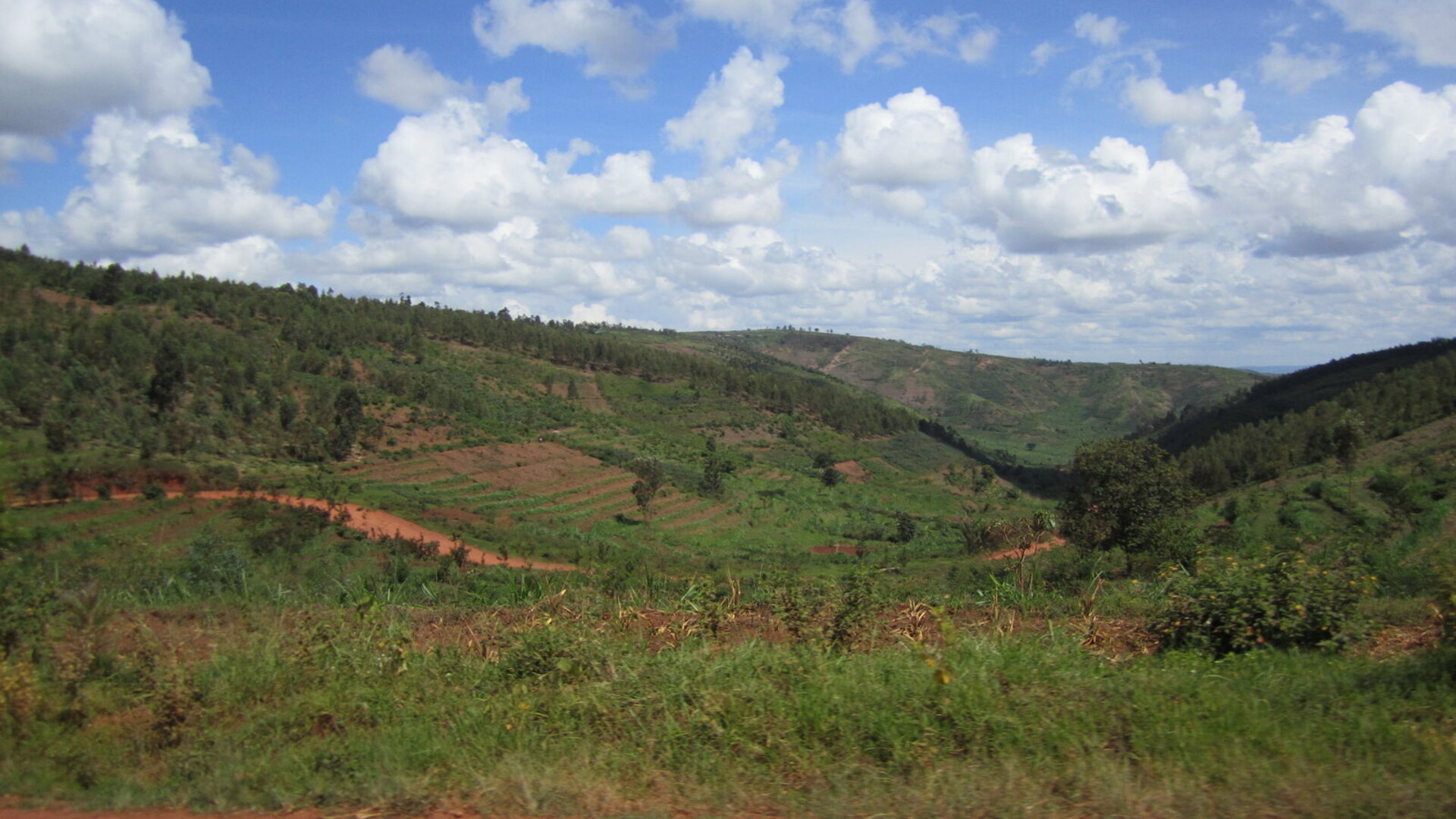
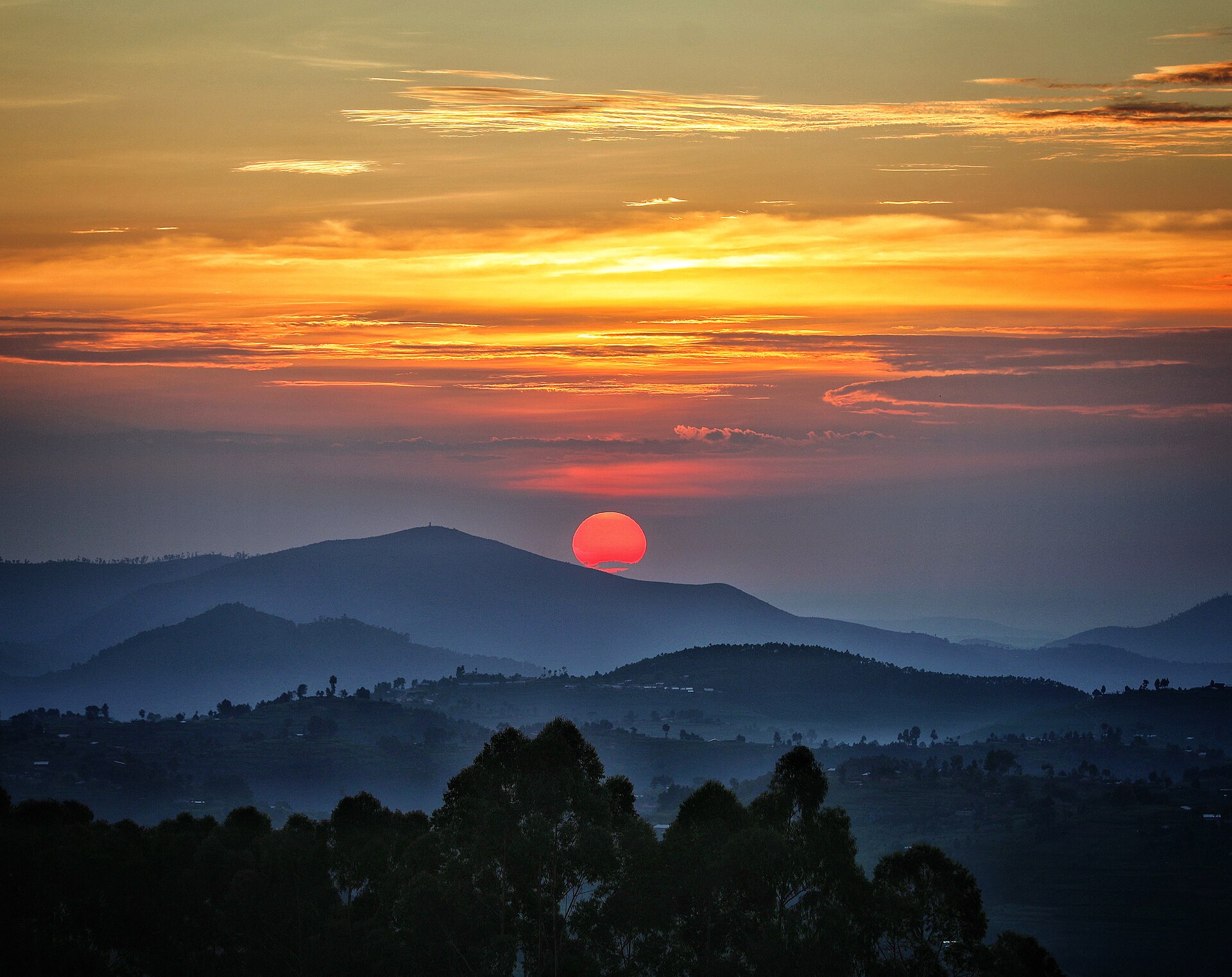
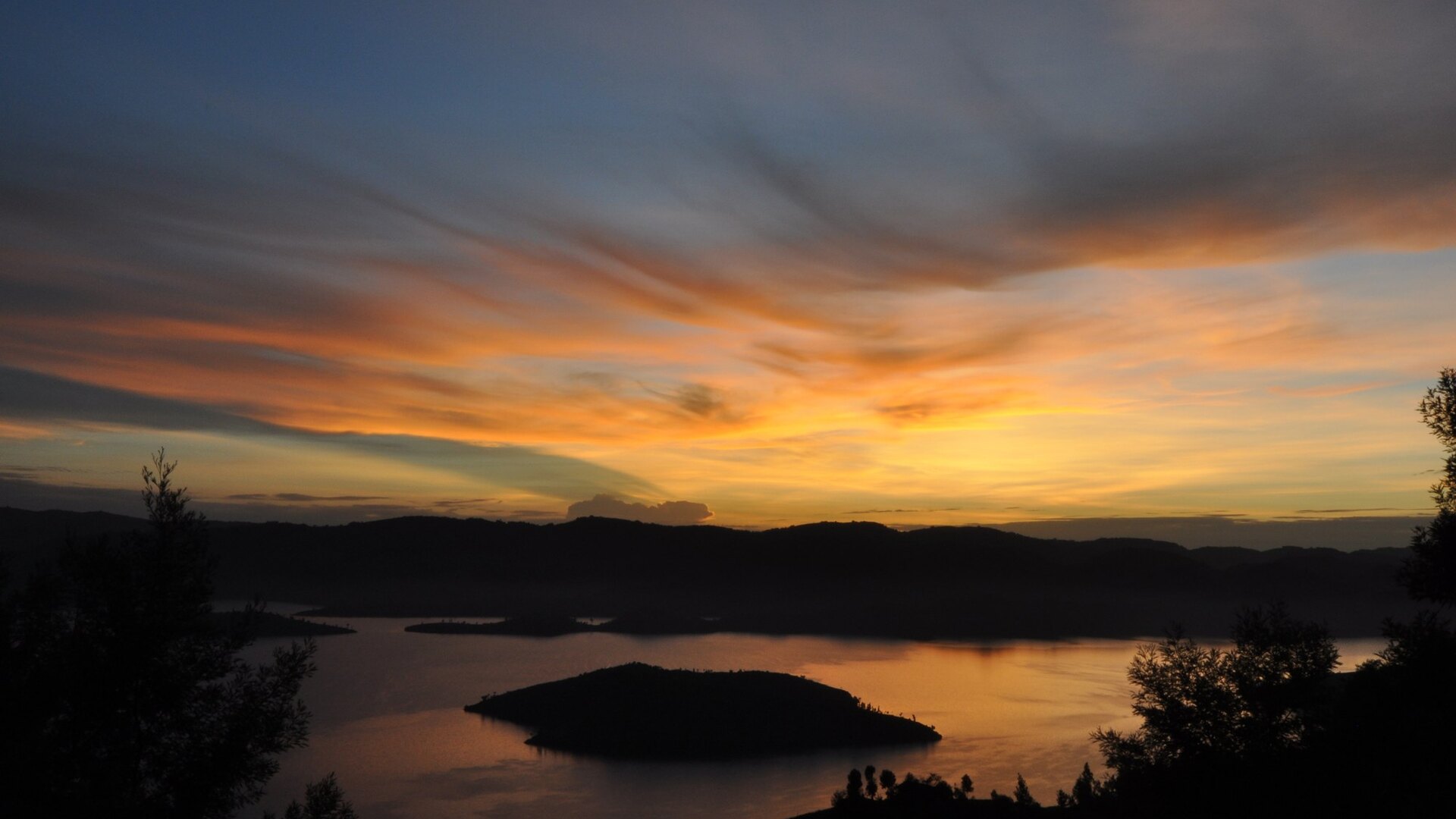
Everyone comes to Rwanda for the mountain gorillas — the misted peaks of the Volcanoes and the unforgettable hour spent in the presence of a silverback. But Rwanda is a small country of astonishing variety, and beyond that famous forest lies a green, orderly, endlessly surprising land that only a fraction of travellers ever explore. This is the Rwanda of Big Five game drives at dawn, of a canopy walkway swaying above a 13-million-year-old rainforest, of singing fishermen on a silver lake, of a forest brought back from the brink, and of a capital so clean and calm it rewrites everything you thought you knew about an African city.
🦍 Planning Your Gorilla Trekking?
For the complete gorilla trekking resource - expert guides, honest costs, luxury lodges, curated itineraries, and everything you need to plan your trip - visit our comprehensive hub:
View Complete Gorilla Trekking Hub →This 2026 guide opens five of them — Akagera, Nyungwe, Lake Kivu, Gishwati-Mukura and Kigali — with the finest lodges, the wildlife you will meet, honest costs, the best time to go, and exactly how to weave them into one seamless private journey across the Land of a Thousand Hills.
Akagera National Park — The Big Five Savannah of the East
Drop east from the highlands and the forests give way to something entirely different: golden savannah, papyrus swamps and a chain of shining lakes. Akagera National Park is Rwanda's only Big Five destination and one of the great conservation comeback stories on the continent. A generation ago the park was emptied by poaching; today, under a landmark partnership, lion have been reintroduced and eastern black rhino returned, joining elephant, buffalo and leopard across more than a thousand square kilometres of restored wilderness.
Game drives here roll past giraffe and zebra on the ridges, hippo and crocodile in the shallows, and topi and impala scattering across the plains, while a boat safari on Lake Ihema brings you close to some of the densest hippo pods in Africa and, for the lucky, the prehistoric silhouette of a shoebill. With over 500 bird species and the option of a night drive, Akagera is a genuine, rounded safari — the perfect savannah counterpoint to Rwanda's mountains and rainforests.
Read the full Akagera destination guide for lodges, boat safaris and sample savannah itineraries.
Nyungwe Forest — Ancient Rainforest and the Canopy in the Sky
In Rwanda's far southwest stands one of the oldest rainforests in Africa. Nyungwe Forest National Park is a vast, unbroken montane jungle that has clothed these mountains for some 13 million years — a green cathedral of towering hardwoods, hanging lianas, orchids and giant tree ferns, echoing with the calls of birds and monkeys. It is Rwanda's richest wilderness for biodiversity, sheltering thirteen primate species and nearly three hundred kinds of bird.
Nyungwe is one of the finest places in Africa to trek habituated chimpanzees, and to watch enormous troops of Angolan colobus — several hundred strong — flow through the canopy. Its signature is East Africa's only canopy walkway, a 160-metre suspension bridge strung 50 metres above the forest floor, where you stand level with the treetops and gaze across a rippling green sea to the horizon. Add trails to thundering waterfalls, orchid-lined paths and the neighbouring tea estates that frame the forest in emerald, and Nyungwe becomes one of the continent's great walking wildernesses.
Explore the full Nyungwe destination guide to plan chimp trekking, the canopy walk and colobus encounters.
Lake Kivu — Beaches, Islands and Singing Fishermen
Between the forests and the volcanoes lies a great sheet of calm water. Lake Kivu is one of Africa's Great Lakes, a tranquil inland sea ringed by terraced green hills and scattered with islands and fishing villages. Its water is warm and bilharzia-free, its shores lined with easy lakeside towns — Rubavu, Karongi and Rusizi — that make relaxed, sun-warmed bases between the exertions of trekking.
This is where Rwanda exhales. Swim from quiet beaches, kayak or paddleboard the coves, take a boat to an island, or ride and hike sections of the Congo Nile Trail that traces the shoreline through banana groves and coffee farms. At dusk the wooden fishing boats slide out in threes, their crews singing in rhythm as they paddle to the deep — a haunting, timeless sight best watched with a sundowner in hand. Kivu is the gentle heart of any Rwandan journey.
See the full Lake Kivu destination guide for beaches, boat trips and lakeside stays.
Gishwati-Mukura — A Forest Brought Back to Life
Rwanda's newest national park is also its most quietly moving. Gishwati-Mukura National Park, gazetted in 2015 and now part of a UNESCO Biosphere Reserve, protects two surviving fragments of ancient montane rainforest that were all but lost to decades of deforestation — and are now being painstakingly stitched back together. To walk here is to witness a landscape in the act of healing, a living symbol of the conservation ambition that defines modern Rwanda.
Small and intimate, Gishwati shelters a habituated group of chimpanzees, along with golden monkeys, blue monkeys and L'Hoest's monkeys, and more than 230 bird species drawn to the regenerating canopy. Guided forest walks, chimp and monkey tracking, waterfall hikes and community experiences — tea tasting, beekeeping and traditional storytelling with the local cooperatives — make this an uncrowded, deeply personal counterpoint to Rwanda's larger forests.
Discover the full Gishwati-Mukura destination guide for chimp tracking, forest walks and community visits.
Kigali — The Green City of Hills
Almost every Rwandan journey begins and ends in Kigali, and almost every traveller leaves surprised. Spread across a series of ridges and valleys, Rwanda's capital is famously clean, safe and green — a calm, walkable city of leafy boulevards, hillside cafés, buzzing markets and a thriving arts and food scene. It is one of the most welcoming introductions to Africa anywhere on the continent.
Give it a full day. The Kigali Genocide Memorial is a moving, essential place that tells the story of 1994 and of the remarkable reconciliation that followed — context that deepens everything you will see beyond the city. Balance it with the colour and energy of Kimironko Market, the studios of the Inema Arts Centre, a coffee tasting of Rwanda's superb high-altitude beans, and dinner at one of the capital's excellent restaurants. Kigali is not a place to rush through on the way to the gorillas — it is a highlight in its own right.
Read the full Kigali destination guide for the memorial, markets, art and dining.
And the Gorillas That Started It All
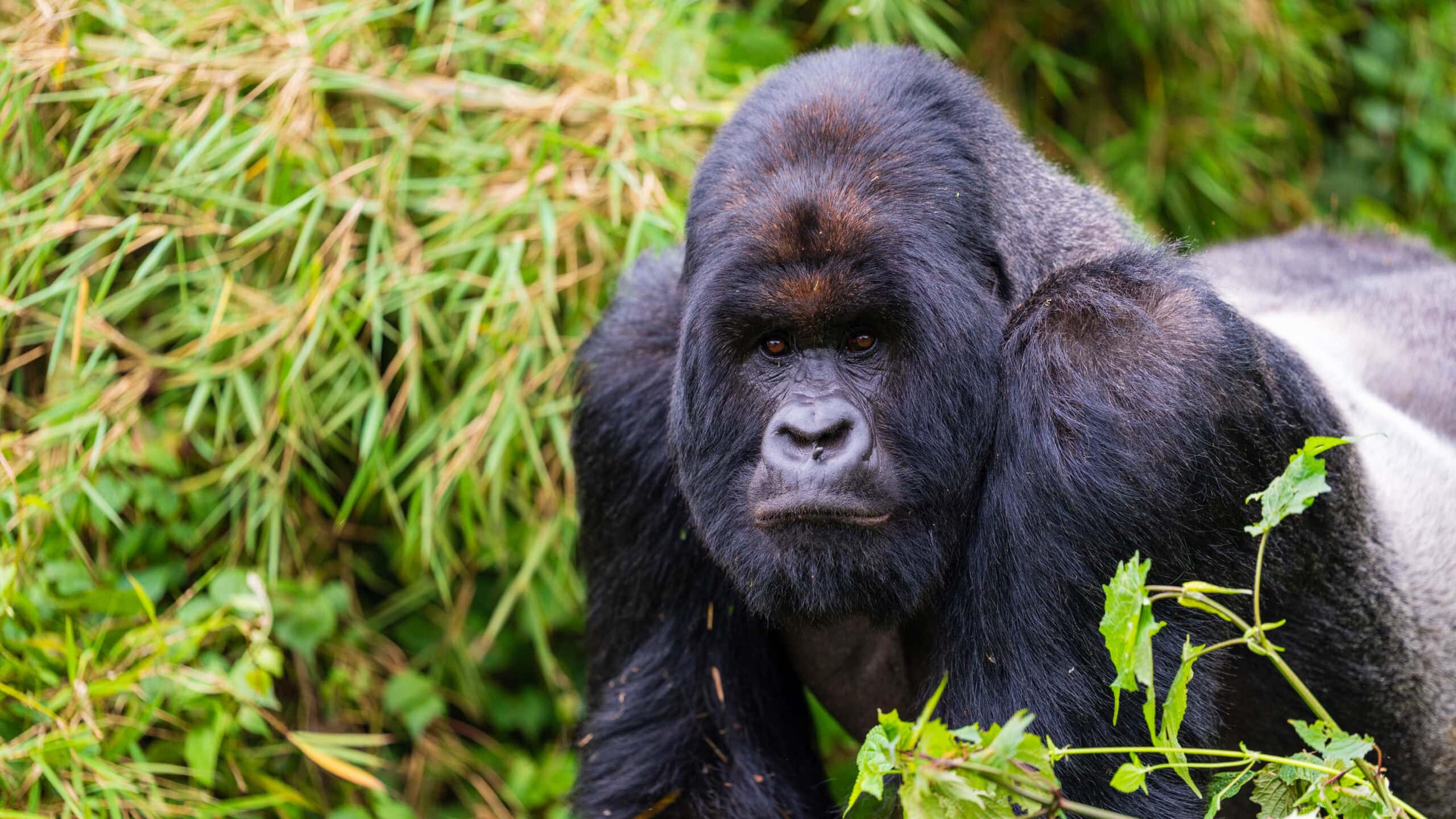
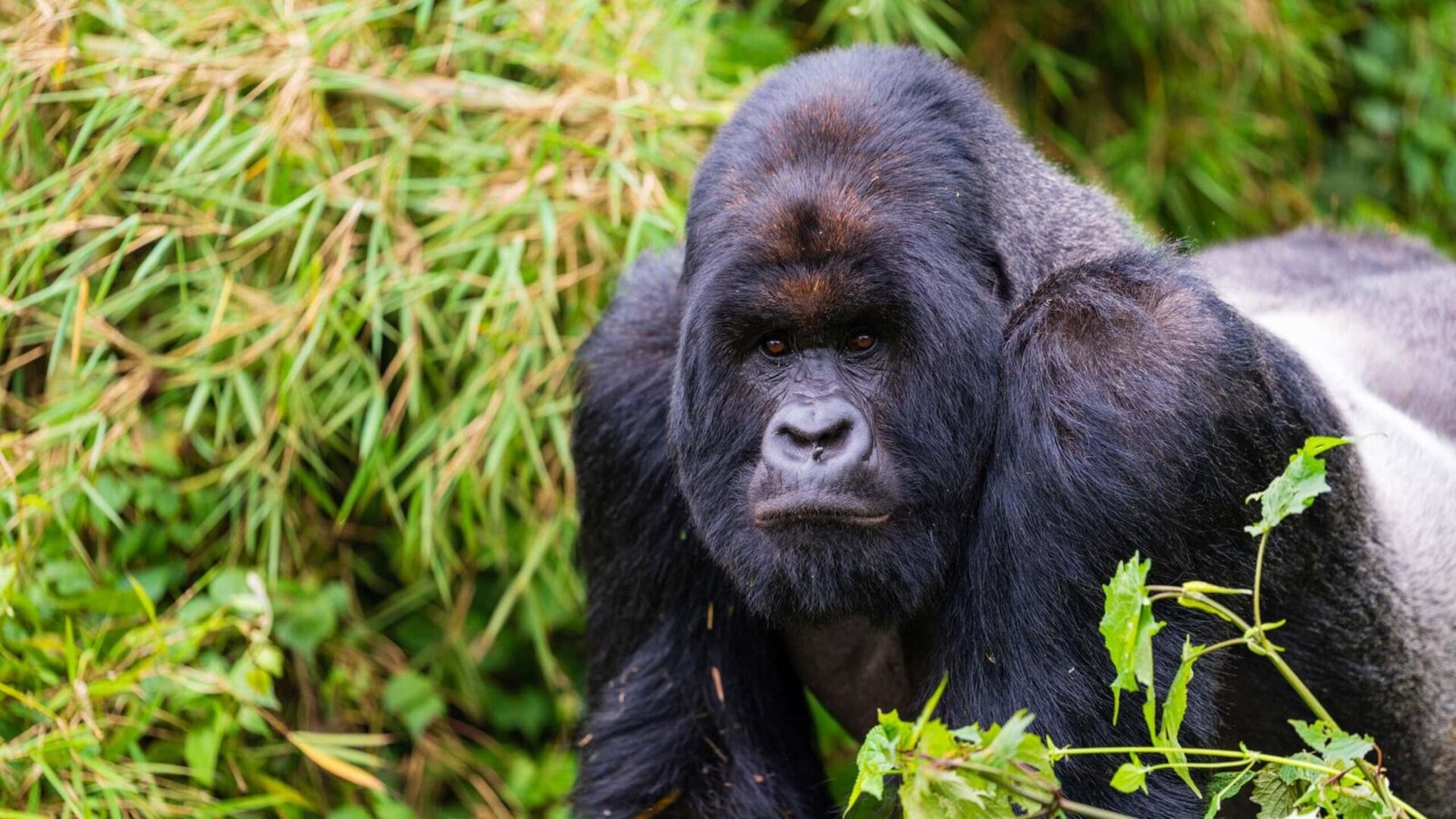
Of course, the Volcanoes remain the crown. The Virunga peaks rising in the northwest shelter Rwanda's mountain gorillas, and an hour in their company is still one of the most profound wildlife encounters on earth. What this guide adds is everything around it — the reasons to stay a week rather than a weekend, and to leave with a sense of the whole country rather than a single, unforgettable morning. Plan your trek in the full Volcanoes National Park destination guide.
How Much Does It Cost in 2026?
Rwanda spans the full range from characterful comfort to world-class luxury. Lakeside and city lodges in Kigali and along Lake Kivu run from around $200–$500 per person per day. The forest lodges around Nyungwe and Gishwati typically range from $350–$900, and Akagera's savannah lodges from roughly $300–$800, with the finest camps higher. Rwanda's gorilla permits are premium and priced separately, which places the Volcanoes at the top end; chimpanzee and monkey permits in Nyungwe and Gishwati are considerably more accessible. Self-drive is possible on the country's good roads, while privately guided journeys and light-aircraft fly-in circuits sit at the premium end but transform the pace of a shorter trip. We build every itinerary to your budget and style.
When to Go
Rwanda has two dry seasons that are ideal for trekking and travel: the long dry season from June to September and a shorter dry spell from December to February. These months bring firmer forest trails for gorilla, chimp and monkey tracking, and the clearest long views across the hills. The wetter months are quieter and gloriously green, with lower rates and superb, moody photography, though the forest trails turn muddy. Sitting astride the equator at altitude, Rwanda stays mild by day and cool in the evenings all year round.
Weaving It All Together
Rwanda's great gift is its compactness — it is one of Africa's smallest safari countries, with excellent roads, so most regions are only a few scenic hours apart. A favourite private circuit begins in Kigali, runs southwest to Nyungwe for chimps and the canopy walk, curves up the shore of Lake Kivu to unwind, continues north through Gishwati-Mukura to the Volcanoes for gorillas, then crosses east to Akagera for a savannah finale before returning to the capital. Short on time? Light-aircraft fly-in hops link the parks in a matter of minutes. Whichever you choose, our specialists arrange every lodge, vehicle, guide, permit and flight as one seamless private tour.
Ready to see the Rwanda beyond the gorillas? Speak to a Beyond Africa specialist and we will craft your private journey across the Land of a Thousand Hills and beyond.