Ultra-Luxury7 DaysGishwati-Mukura National Park Ultimate Safari
Rwanda's Newest Park — A Forest Reborn. Gishwati-Mukura is Rwanda's fourth and newest national park, gazetted in 2015 and declared a UNESCO Biosphere Reserve in 2…
A two-minute journey, narrated. Press play and let Gishwati-Mukura National Park, Rwanda unfold.
Rwanda's Newest Park — A Forest Reborn
High on the Congo-Nile divide, where two ancient forests were once all but lost, lies Rwanda's youngest and most inspiring national park. Gishwati-Mukura is a living story of restoration — woodland brought back from the brink, now sheltering chimpanzees, golden and L'Hoest's monkeys and more than two hundred birds. A UNESCO Biosphere Reserve and gloriously uncrowded, it offers guided forest treks and community walks far from the safari crowds.
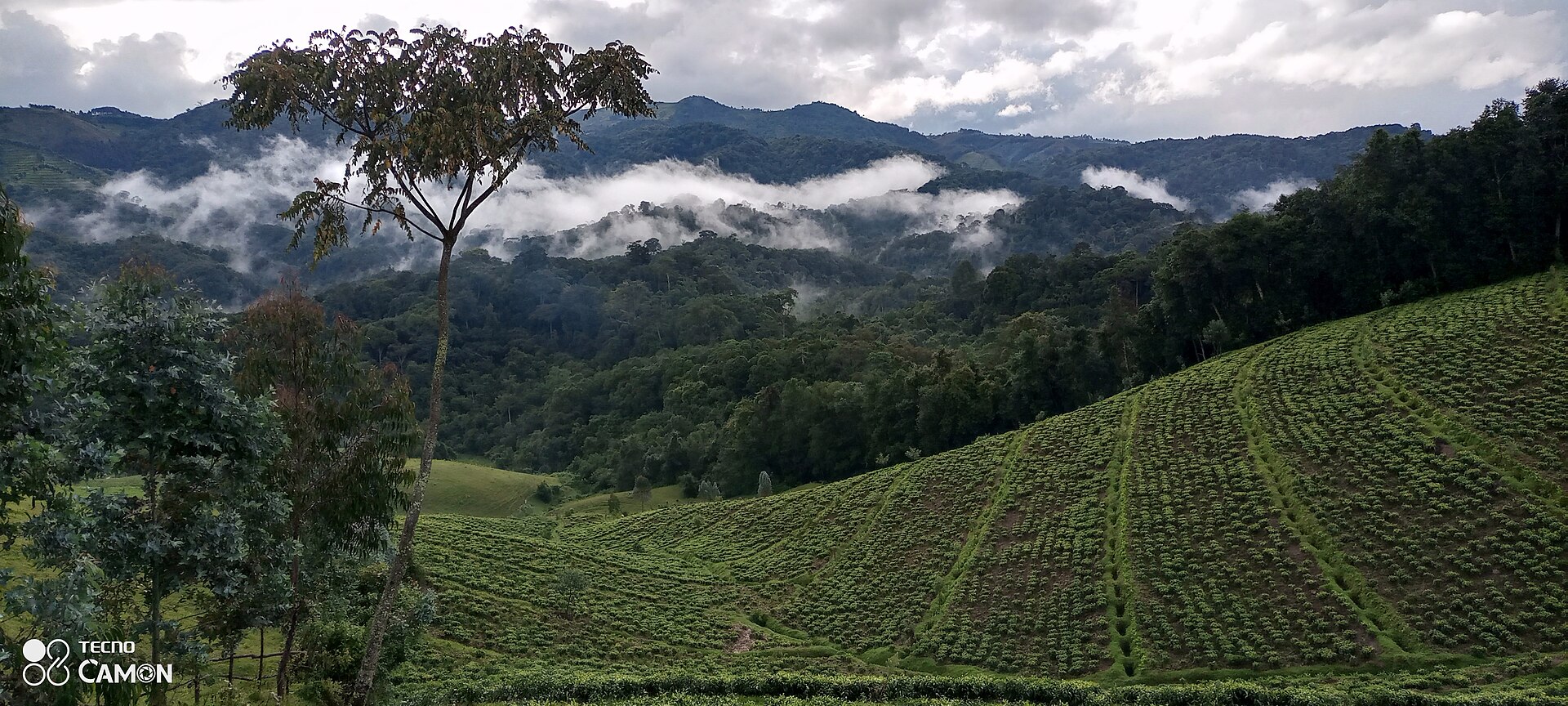
Gishwati-Mukura is Rwanda's fourth and newest national park, gazetted in 2015 and declared a UNESCO Biosphere Reserve in 2020. It unites two separate forests — larger Gishwati and smaller Mukura — that ride the crest of the Congo-Nile divide in the country's mountainous west. This is one of Africa's most heartening conservation stories: decades of clearing had reduced Gishwati to a fraction of its former size, but a determined restoration effort has brought the forest, and its wildlife, back. Today the reborn woodland shelters a small community of Eastern chimpanzees, together with golden monkeys, L'Hoest's monkeys, blue monkeys and the black-and-white colobus, as well as 232 bird species, among them Albertine Rift endemics. Visitor numbers are deliberately low, so a guided trek here feels genuinely exclusive — you walk misty ridges and moss-hung trees with a guide and tracker, often without another soul in sight. Chimp and monkey tracking, birding, a waterfall hike and community experiences with the neighbouring farming cooperatives make Gishwati-Mukura a rewarding, off-the-beaten-track addition to a western Rwanda journey.
A forest brought back from the brink — and almost nobody knows it's there.
We take you into Rwanda's newest park with the guides and communities who restored it, pairing it with Lake Kivu and Nyungwe for a western Rwanda journey few ever make.
Gishwati-Mukura is Rwanda's best-kept secret — here's what makes a visit so special.
Few places tell the story of conservation so vividly. Gishwati was almost lost to clearing, and its restoration into a national park is one of Africa's proudest recent achievements.
Track chimpanzees, golden monkeys, L'Hoest's and blue monkeys in a forest that sees only a handful of visitors — encounters feel intimate and unhurried.
With deliberately low visitor numbers, you often have the misty trails and ridge-top views entirely to yourself — a rare luxury in East Africa.
With 232 species and Albertine Rift endemics, the park is a delight for birders exploring its regenerating canopy.
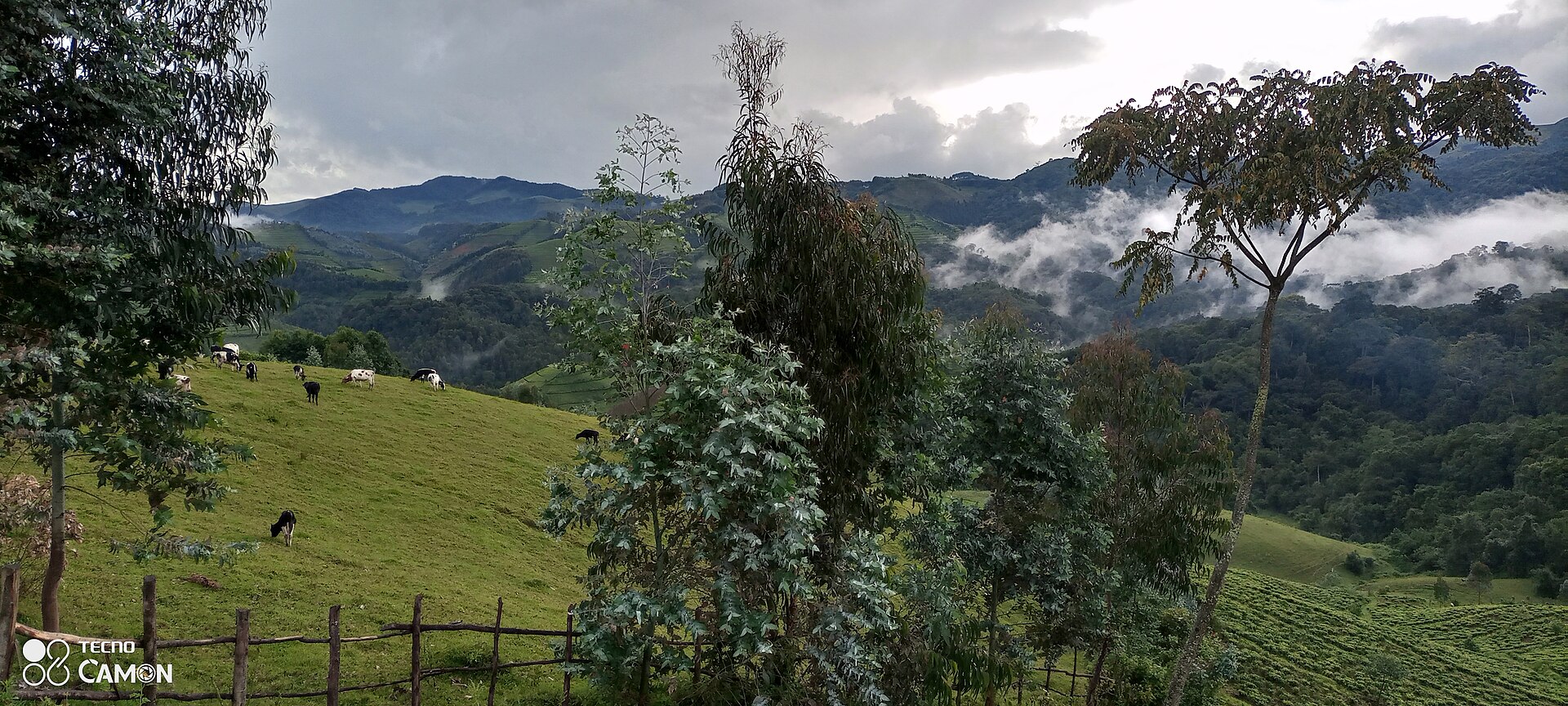
The park works hand in hand with neighbouring cooperatives; a community walk to tea farms, tree nurseries and a traditional healer completes the experience.
Hand-crafted private journeys through Gishwati-Mukura National Park, Rwanda — from our flagship ultra-luxury expedition to exceptional value escapes. Every package is fully tailor-made, privately guided and includes luxury lodges, expert rangers and smooth logistics.
Ultra-Luxury7 DaysRwanda's Newest Park — A Forest Reborn. Gishwati-Mukura is Rwanda's fourth and newest national park, gazetted in 2015 and declared a UNESCO Biosphere Reserve in 2…
Luxury5 DaysRwanda's Newest Park — A Forest Reborn. Gishwati-Mukura is Rwanda's fourth and newest national park, gazetted in 2015 and declared a UNESCO Biosphere Reserve in 2…
Value4 DaysRwanda's Newest Park — A Forest Reborn. Gishwati-Mukura is Rwanda's fourth and newest national park, gazetted in 2015 and declared a UNESCO Biosphere Reserve in 2…

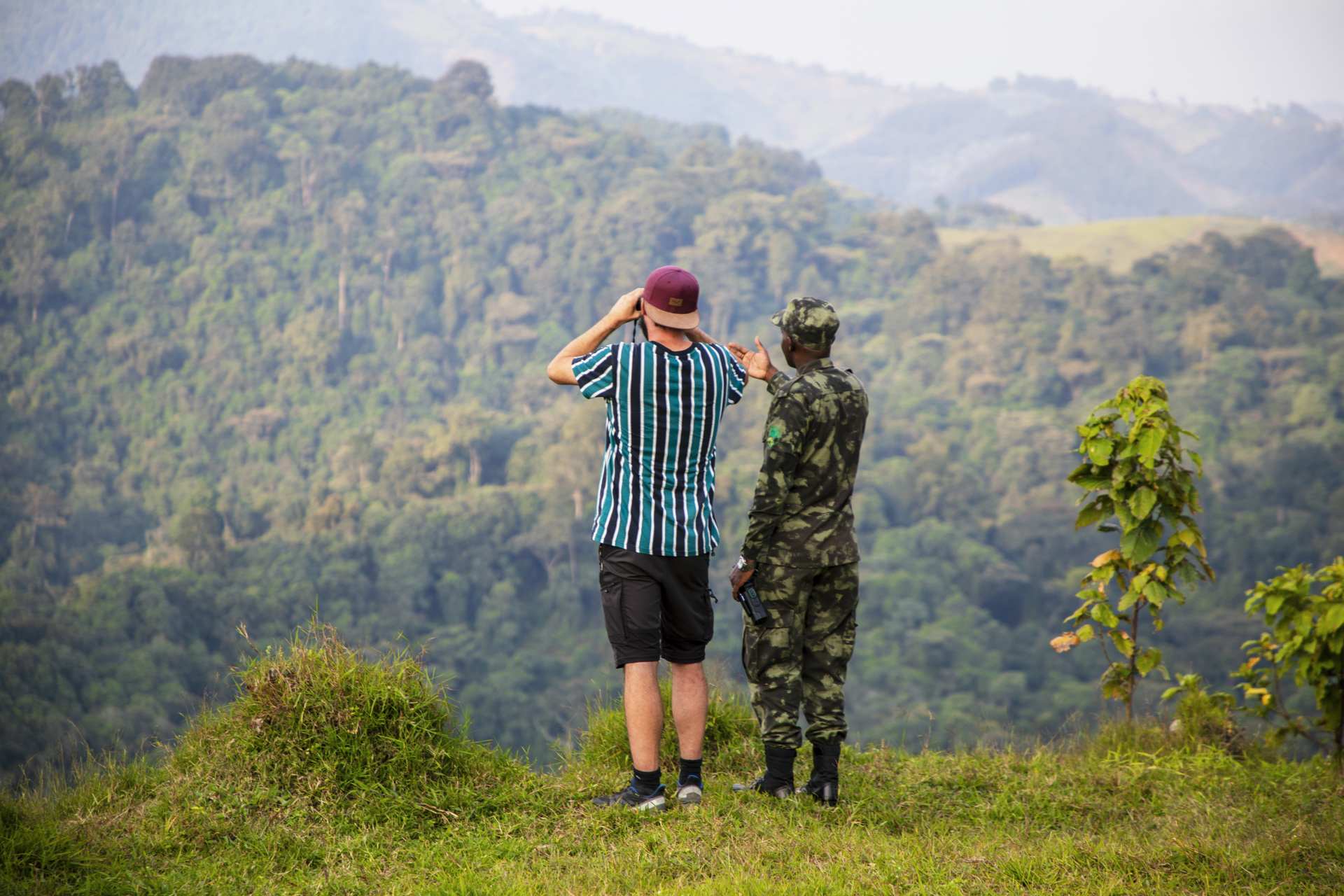
You set out with a guide and tracker into the regenerating forest, climbing misty ridges hung with moss and lichen where, only a generation ago, the trees had all but vanished. Somewhere ahead a small community of chimpanzees is stirring — and as their calls ring through the canopy, you follow, often the only visitors in the entire forest. To watch these apes in a woodland brought back from the brink is to witness both wild nature and human hope, entwined.

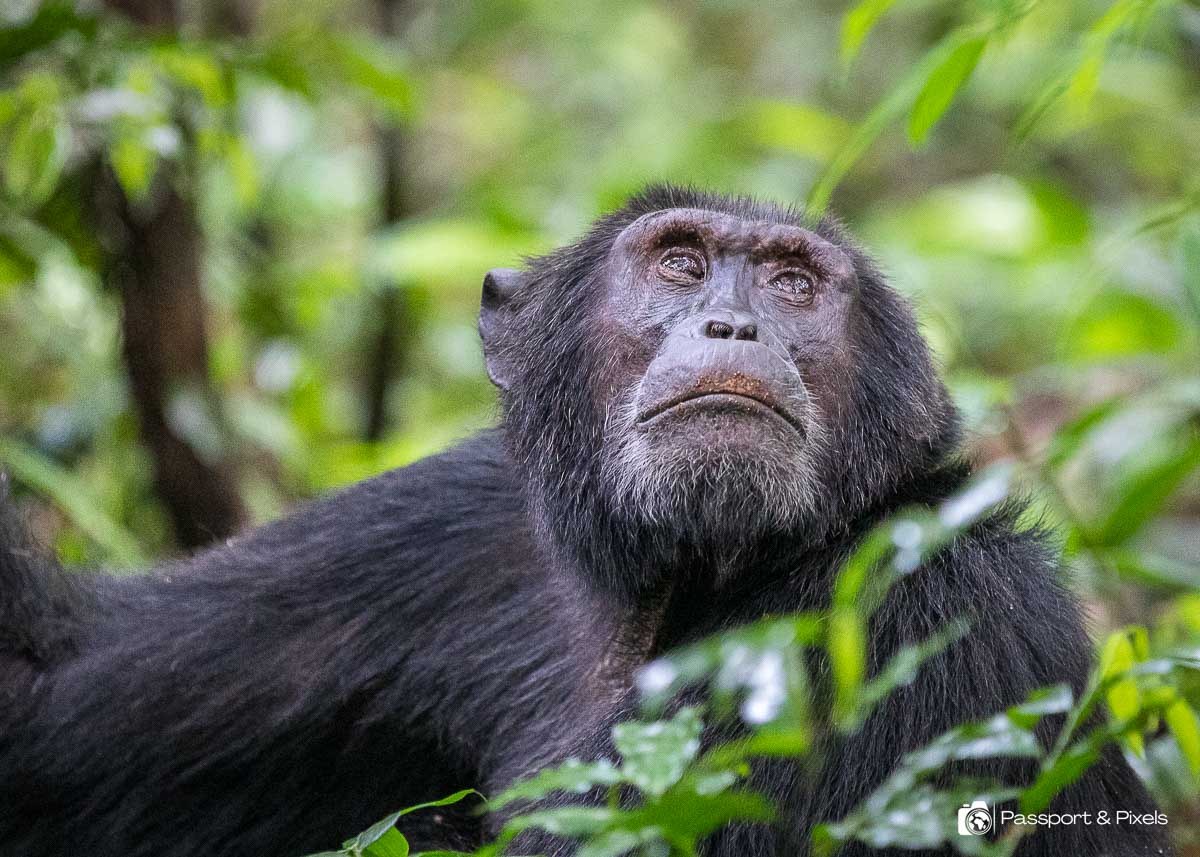
Trek with a guide and tracker in search of Gishwati's small community of Eastern chimpanzees. Numbers are low and the forest steep, but sightings in such an intimate, uncrowded setting are all the more rewarding.

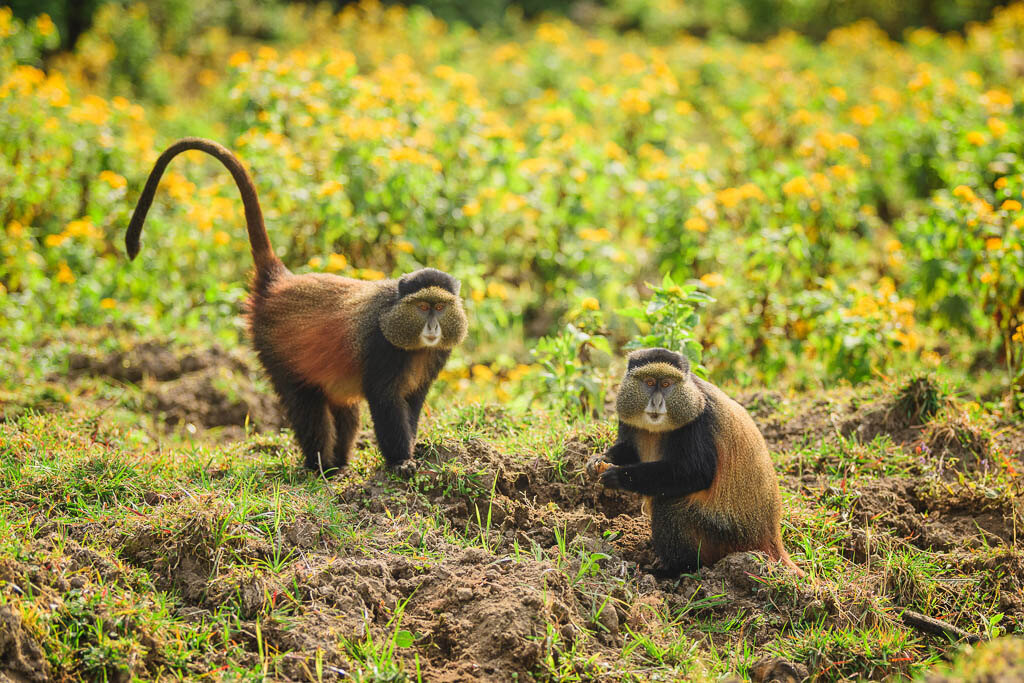
Seek out Gishwati's troops of golden monkeys and the striking, chestnut-backed L'Hoest's monkey, along with blue monkeys and colobus, on a guided walk through the regenerating woodland.

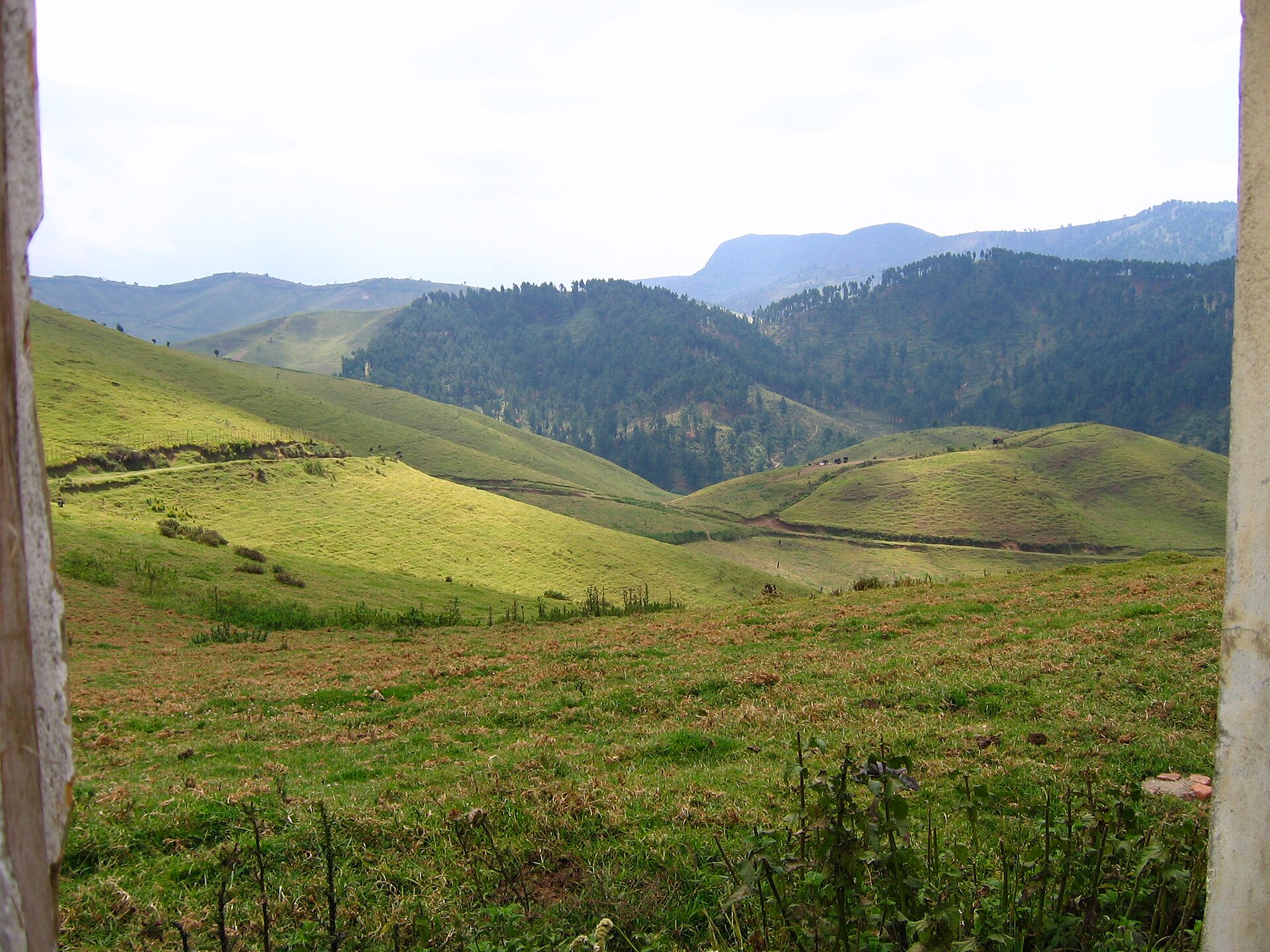
Follow trails along the crest of the Congo-Nile divide through moss-hung montane forest, with sweeping views over the hills towards Lake Kivu and, on clear days, the Virunga volcanoes.

Hike through the forest to a hidden waterfall, spotting some of the park's 232 bird species along the way, including Albertine Rift endemics, turacos and sunbirds in the regenerating canopy.

Meet the communities restoring and protecting the forest on a walk to tea plantations, a tree nursery, a traditional healer and local craft cooperatives — a warm, grounding insight into the human side of conservation.
Handpicked luxury lodges ranging from award-winning ultra-luxury suites to exceptional value properties — every lodge delivers a world-class safari experience.

The park's own community-run guest house sits right on the forest edge — a simple, welcoming base whose proceeds support the restoration and the neighbouring cooperatives.
Community conservation lodge

Many visitors pair Gishwati with a stylish stay on nearby Lake Kivu. Cleo, at Rubavu, offers contemporary luxury and a rooftop pool within easy reach of the forest.
Boutique lakeside hotel

For those combining Gishwati with Nyungwe to the south, this comfortable hilltop hotel offers sweeping forest views and a restful base between the two parks.
Established forest lodge
For couples who crave the road less travelled, Gishwati offers a rare privilege — a misty, restored forest almost entirely to yourselves, paired with the beaches and sunsets of nearby Lake Kivu.
With so few visitors, your forest walks feel utterly exclusive — just the two of you, a guide and the wild.
Picnic on the Congo-Nile divide with views towards Kivu and the volcanoes — a romantic reward for the climb.
Combine the forest with barefoot days and sunset cruises on the shores of Lake Kivu, just down the hill.
Witness a forest reborn together — a hopeful, meaningful backdrop for the start of married life.
We had the entire forest to ourselves — just us, our guide and the monkeys. Then Lake Kivu for sunsets. Perfect and private.
Gishwati felt like a secret. Knowing the forest had been saved made it all the more moving.

A small, wild community lives in the restored Gishwati forest

Troops of the endangered golden monkey forage in the regenerating canopy

A striking Albertine Rift endemic, chestnut-backed and white-throated

Common in the mid-canopy alongside the black-and-white colobus

Elegant, long-tailed colobus move through the treetops

232 species, including regional endemics, inhabit the reborn forest
Rwanda's western forests differ in scale and character — here's how the newer Gishwati-Mukura compares to vast Nyungwe.
The dry seasons make the steep, misty forest trails firmer and more comfortable for chimp and monkey tracking.
A second fine window between the rains, with warm, largely dry days and green surrounds.
The green seasons cloak the regenerating forest in lush growth and superb birding, though trails are muddy and wet.
The practical details that make a real difference — gathered from years of sending travellers into this region.
Gishwati's trails are steep and often muddy. Waterproof boots and a reasonable level of fitness make the primate treks far more enjoyable.
Wildlife numbers are lower than the big parks — come for the exclusivity, scenery and conservation story rather than guaranteed sightings.
With limited lodging in the park, many travellers stay at Rubavu on Lake Kivu, an easy drive away, and visit Gishwati on a day trip.
As a montane forest, Gishwati is often wet and misty. Bring a good rain jacket and a dry bag for your camera.
The community forest walk — tea farms, tree nurseries and a traditional healer — is a highlight and directly supports the restoration.
With 232 bird species and treetop primates, good binoculars greatly enhance the forest experience.
Gishwati-Mukura lies in the mountainous west between Volcanoes National Park and Nyungwe, close to the northern shore of Lake Kivu. It is most easily visited as part of a wider western circuit — many guests base themselves at Rubavu on Lake Kivu, an hour and a half away, or break the journey between the gorillas and Nyungwe. Kigali is a scenic three-to-four-hour drive.
See where this region sits and tap any glowing marker to open another destination our specialists know first-hand.
A Gishwati-Mukura National Park, Rwanda safari pairs beautifully with the regions below. Our team stitches them into one unhurried journey — flights, transfers and timing handled end to end.

Base yourself on the nearby lake and combine forest treks with restful beach days.
Explore Lake Kivu
Continue south to the vast ancient rainforest and its famous canopy walkway.
Explore Nyungwe Forest National Park
RwandaPair with the mountain gorillas to the north for a complete western-forest circuit.
Explore VolcanoesIt is Rwanda's newest national park, gazetted in 2015 and a UNESCO Biosphere Reserve since 2020, and it represents one of Africa's great forest-restoration success stories. A woodland once nearly lost to clearing has been brought back, and now shelters chimpanzees, golden and L'Hoest's monkeys, colobus and 232 bird species — all in a gloriously uncrowded setting.
Yes. Gishwati is home to a small community of Eastern chimpanzees that can be tracked with a guide and tracker. The group is small and the forest steep, so sightings require patience — but the intimacy and lack of crowds make the experience deeply rewarding.
Gishwati-Mukura is far smaller and much less visited than Nyungwe. Where Nyungwe is a vast, ancient rainforest with a famous canopy walkway, Gishwati is an intimate, restored forest offering exclusive primate treks with few other visitors. Many travellers combine the two.
Gishwati lies close to the northern shore of Lake Kivu — around 90 minutes to two hours from Rubavu (Gisenyi). This makes Kivu the most popular base for visiting the park, combining forest treks with relaxing lakeside days.
The park protects a small community of chimpanzees, plus golden monkeys, L'Hoest's monkeys, blue monkeys and black-and-white colobus, along with 232 bird species including Albertine Rift endemics. Sightings are less guaranteed than in larger parks, but the exclusivity is the appeal.
Yes. Its compact size means a single full day, or an overnight stay, is enough to enjoy a primate trek or forest hike. It works beautifully as a half-day or full-day addition to a Lake Kivu stay, or as a stop between Volcanoes and Nyungwe.
Lodging options are limited, in keeping with the park's low-key character. The community-run Forest of Hope Guest House sits on the forest edge, while many visitors prefer the wider choice of hotels on nearby Lake Kivu at Rubavu, or combine Gishwati with a stay en route to Nyungwe.
Join 200,000+ travellers who have trusted us with their African safari dreams since 2008. Our expert team will craft a tailor-made Gishwati-Mukura National Park, Rwanda itinerary perfectly suited to your style, budget and dates.