Okavango Delta Safari: Luxury Lodges & Water Safari Experiences 2026
Alain Kabura, African Safari Specialist3 June 2026 · 24 min read
⭐⭐⭐⭐⭐
Trusted by 11,869+ Safari Travelers
"Beyond Africa planned our dream Botswana safari!" — Sarah M., USA
Audio EditionListen to this story
0:000:00
Narrated by George — audio edition
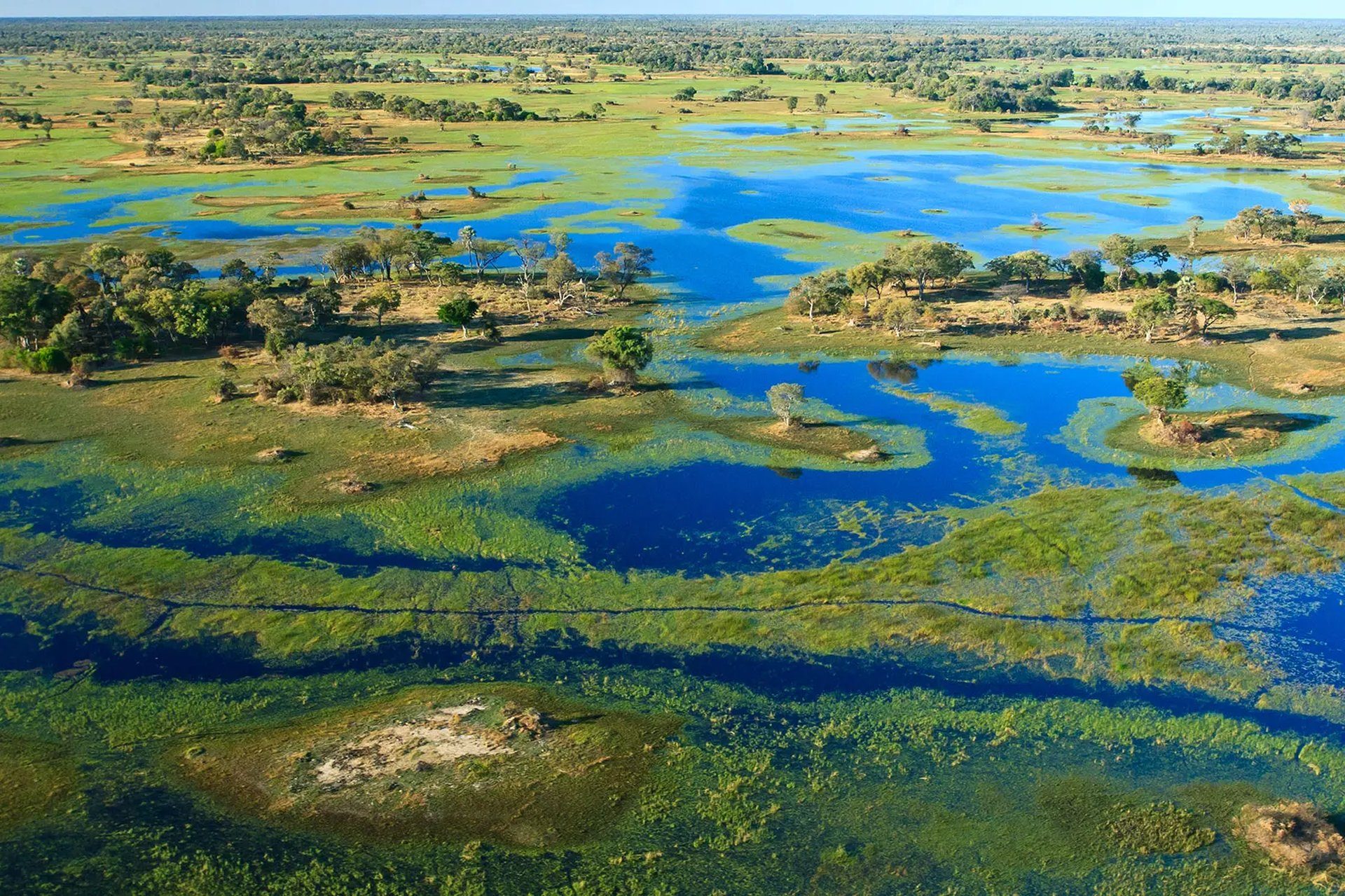
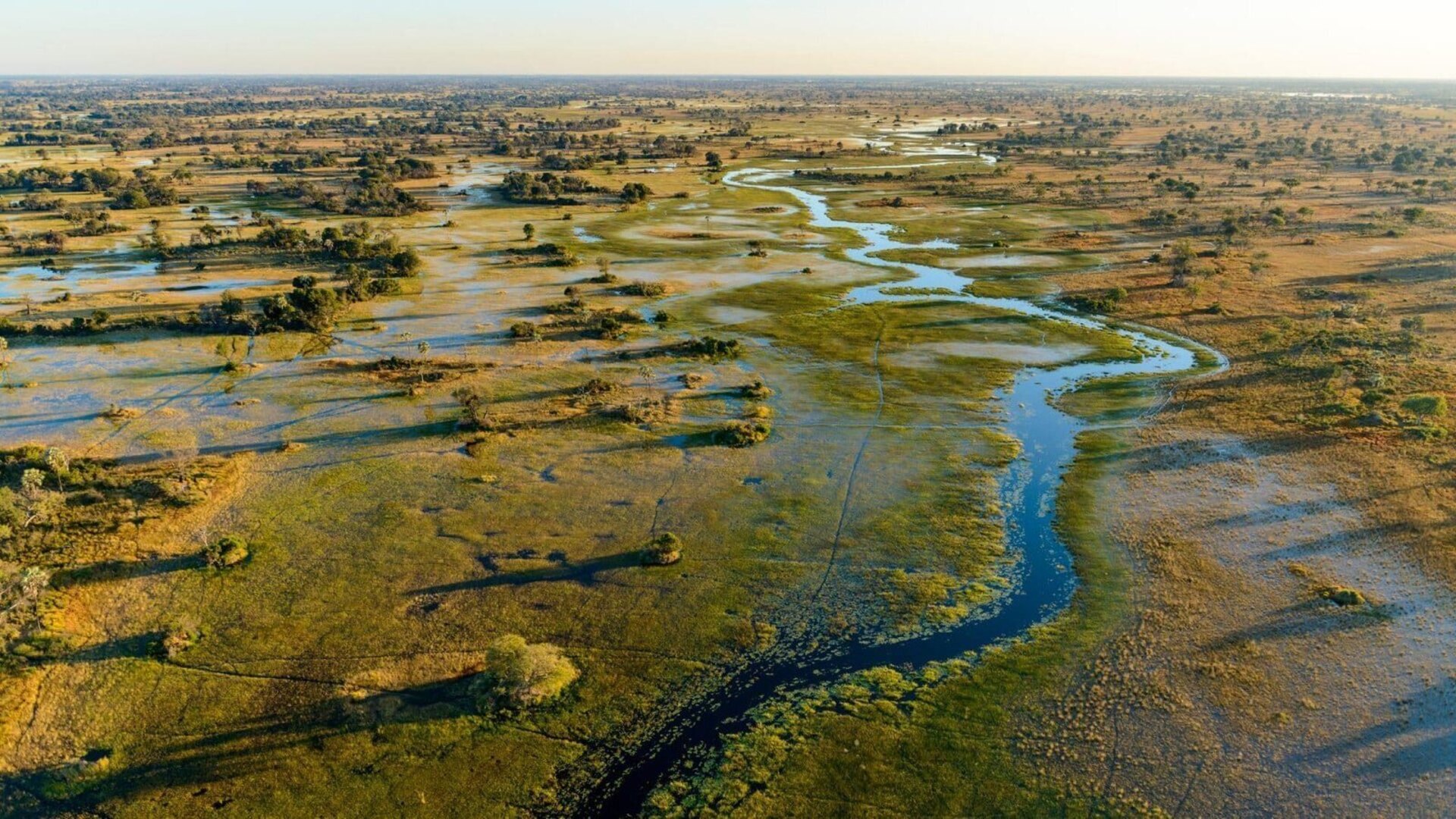
In the heart of Botswana, the Okavango Delta performs one of nature's great paradoxes: a river that never reaches the sea. Each year the Okavango River spills out of the Angolan highlands and fans across the Kalahari sands, creating a vast, shimmering inland delta of channels, lagoons and palm-fringed islands — a green oasis in the desert that draws wildlife from hundreds of kilometres around.
🌊
Planning Your Botswana Safari?
For the complete botswana safari resource - expert guides, honest costs, luxury lodges, curated itineraries, and everything you need to plan your trip - visit our comprehensive hub:
A UNESCO World Heritage Site and one of Africa's last truly pristine wildernesses, the Delta offers a safari unlike any other. This 2026 guide covers the magical water safaris, the best lodges, when the flood arrives, what it costs, and how to plan your Delta adventure.
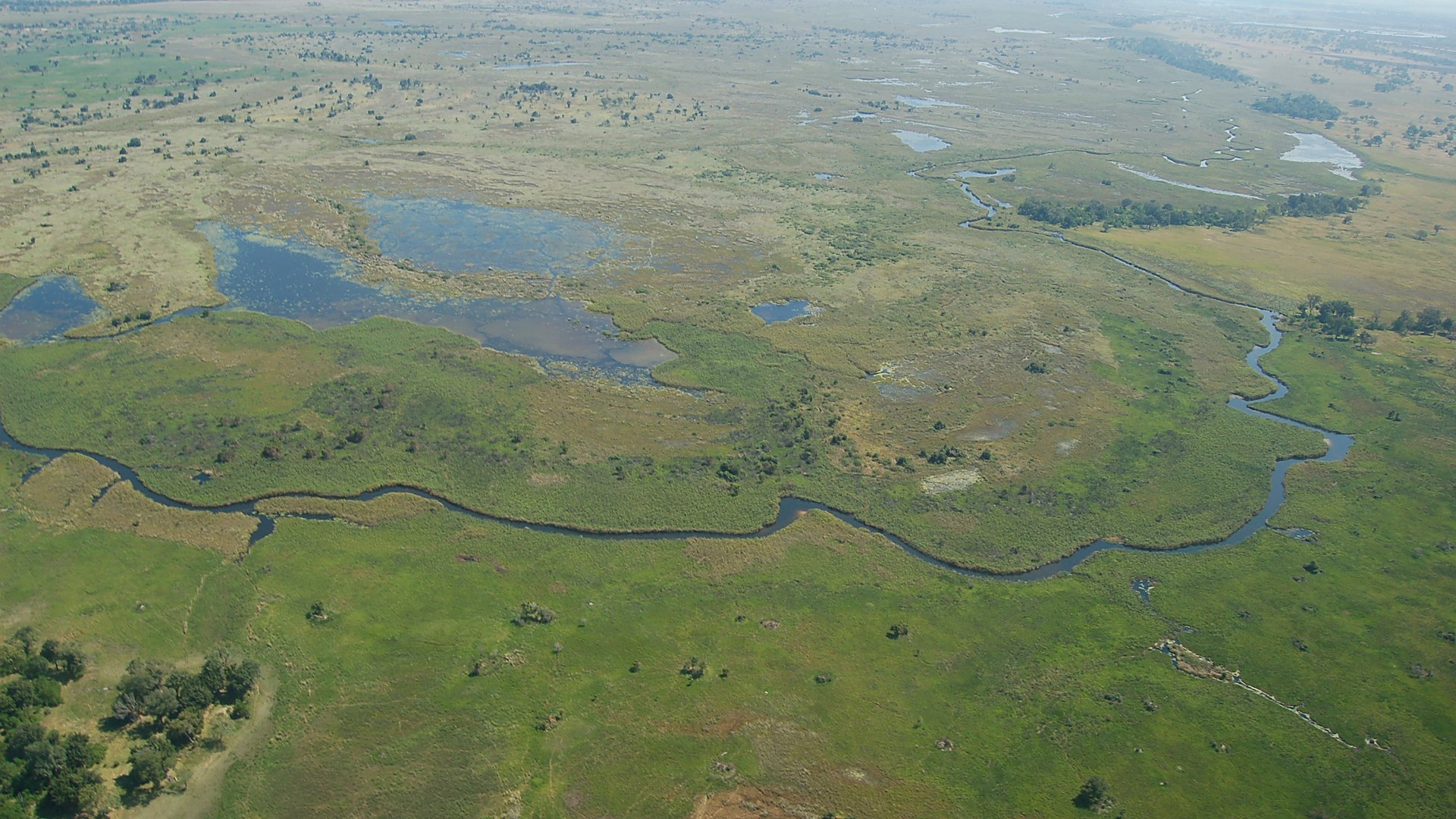
The Okavango Delta — a water wilderness best explored by mokoro and boat.
Quick Answer
The Okavango Delta is a vast inland water wilderness in Botswana, explored by mokoro (dugout canoe), motorboat and game drive.
The floodwaters peak from June to August — the prime window for water safaris and big-game viewing. Expect small, exclusive camps, superb birdlife and outstanding elephant and predator sightings.
🔥 August 2026 Update
Okavango water levels at 12-year high in 2026 — exceptional wildlife densities and pristine mokoro channels. Luxury camps (Mombo, Vumbura, Duba Plains) 95% booked Jul–Oct. Camp Okavango's new private-island star-bed sleep-outs perfect for honeymooners. Book 2027 NOW.
Northern Delta • Predator Camp
Duba Plains Camp — legendary big-cat sightings, private plunge pools and land-and-water safaris on a lush palm island in the northern Okavango.
What Makes the Okavango Delta Unique?
Most safari destinations are about land — the Okavango is about water. Here you explore by mokoro canoe and motorboat as much as by 4x4, gliding through reed-lined channels where elephants wade, hippos wallow and fish eagles call overhead. The combination of water and land creates an extraordinary density and diversity of wildlife, and Botswana's low-volume tourism model keeps it blissfully exclusive. Discover our Okavango Delta safaris.
Water Safaris — The Soul of the Delta
The Mokoro Experience
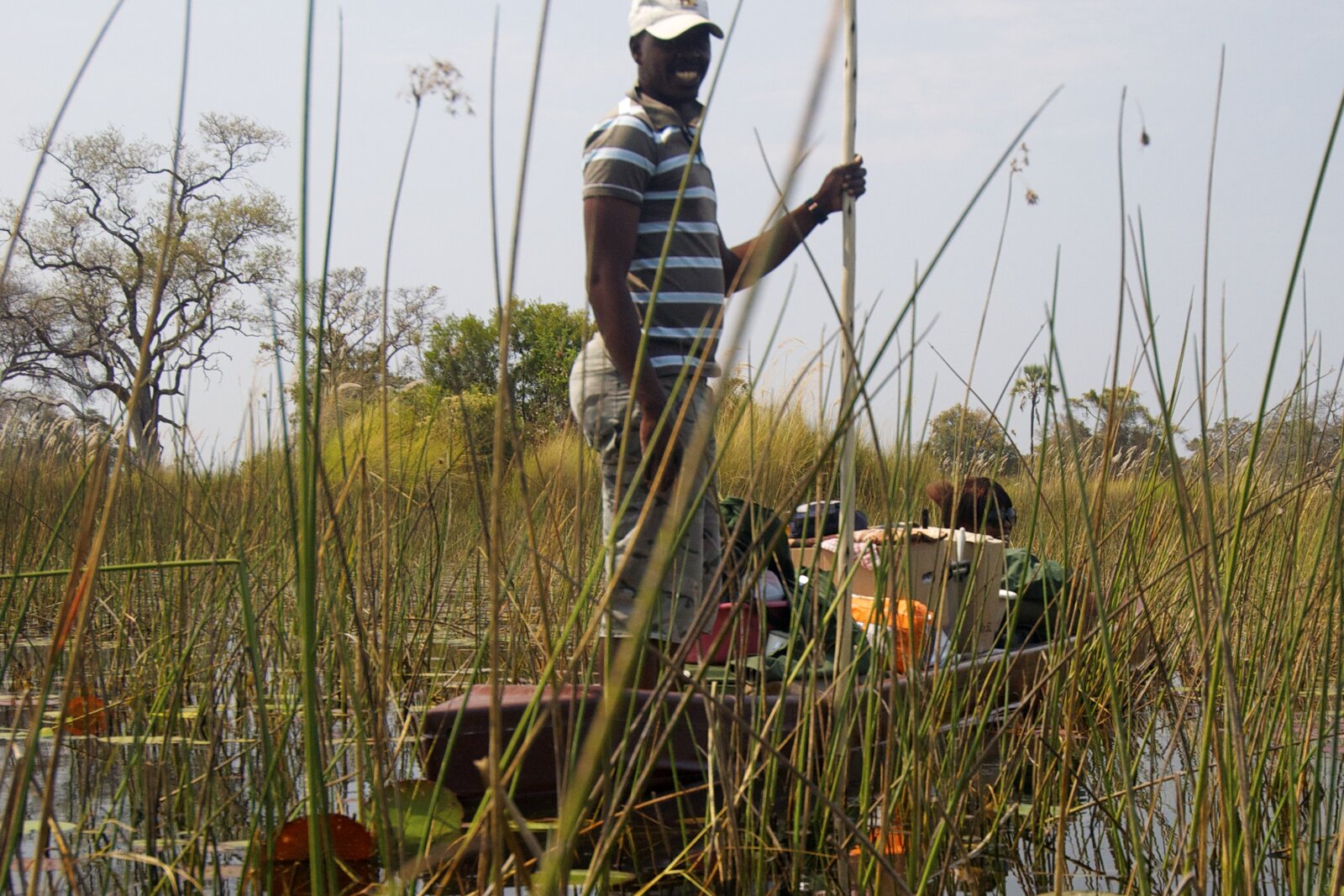
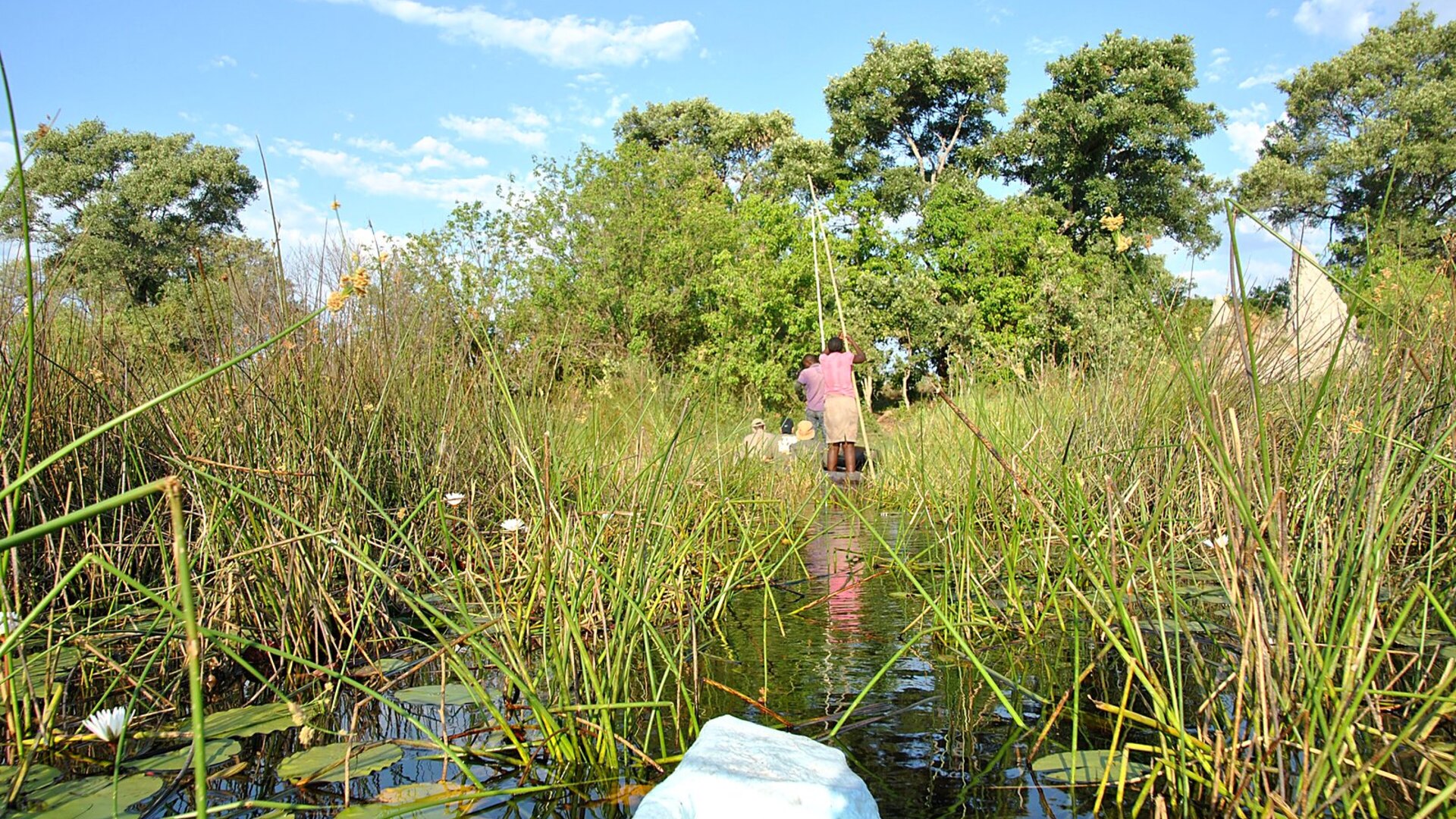
The signature Delta activity is the mokoro — a traditional dugout canoe, poled silently through the shallows by an expert guide. Reclining just above the waterline, you drift past lily pads, painted reed frogs, kingfishers and grazing antelope in near-perfect silence. It's meditative, intimate and utterly unforgettable — a complete contrast to the adrenaline of a game drive.
Motorboat Safaris
In the deeper, permanent channels, motorboat cruises let you cover more ground, approach hippo pods and elephant herds at the water's edge, and reach prime fishing and birding spots. Sunset on the water, drink in hand, is a Delta rite of passage.
Game Drives & Walking Safaris
On the Delta's islands and in adjoining Moremi Game Reserve, classic 4x4 game drives and guided walks reveal the Big Five, wild dog, cheetah and more. Many camps blend water and land activities depending on the season and water levels.
When to Go — Understanding the Flood
The Delta's rhythm is unusual: the floodwaters peak in the dry season (the water takes months to travel down from Angola), creating the region's signature spectacle.
Peak season (Jun–Oct): high water and dry surrounds concentrate wildlife. Best for mokoro safaris and game viewing.
Shoulder (Apr–May, Nov): changing water levels, fewer guests, good value.
Green season (Dec–Mar): lush scenery, newborn animals and exceptional birding, at lower rates — though some camps close in the heaviest rains.
Okavango Delta Month-by-Month Guide — Water Levels & Wildlife
Floodwaters begin arriving. Wildlife concentrations increasing.
Shoulder season — excellent value.
Jun – Aug
Peak (High Water)
Prime mokoro season. Exceptional game viewing — Big Five, wild dog, cheetah.
Peak season — book 10–12 months ahead.
Sep – Oct
Receding
Wildlife still concentrated. Game drives & water safaris both excellent.
Very popular — warm weather, clear skies.
Nov – Dec
Low
First rains arrive. Birding improves, herds start dispersing.
Shoulder season — fewer guests, good value.
Santantadibe • Organic Luxury
Sandibe Okavango Safari Lodge — sweeping organic architecture, private plunge pools and superb game viewing in the Santantadibe concession.
Chief's Island • Big Cat Capital
Mombo Camp — legendary as Africa's "Place of Plenty" for its extraordinary predator densities, including wild dog, lion and leopard sightings on nearly every drive.
Choosing Your Lodge
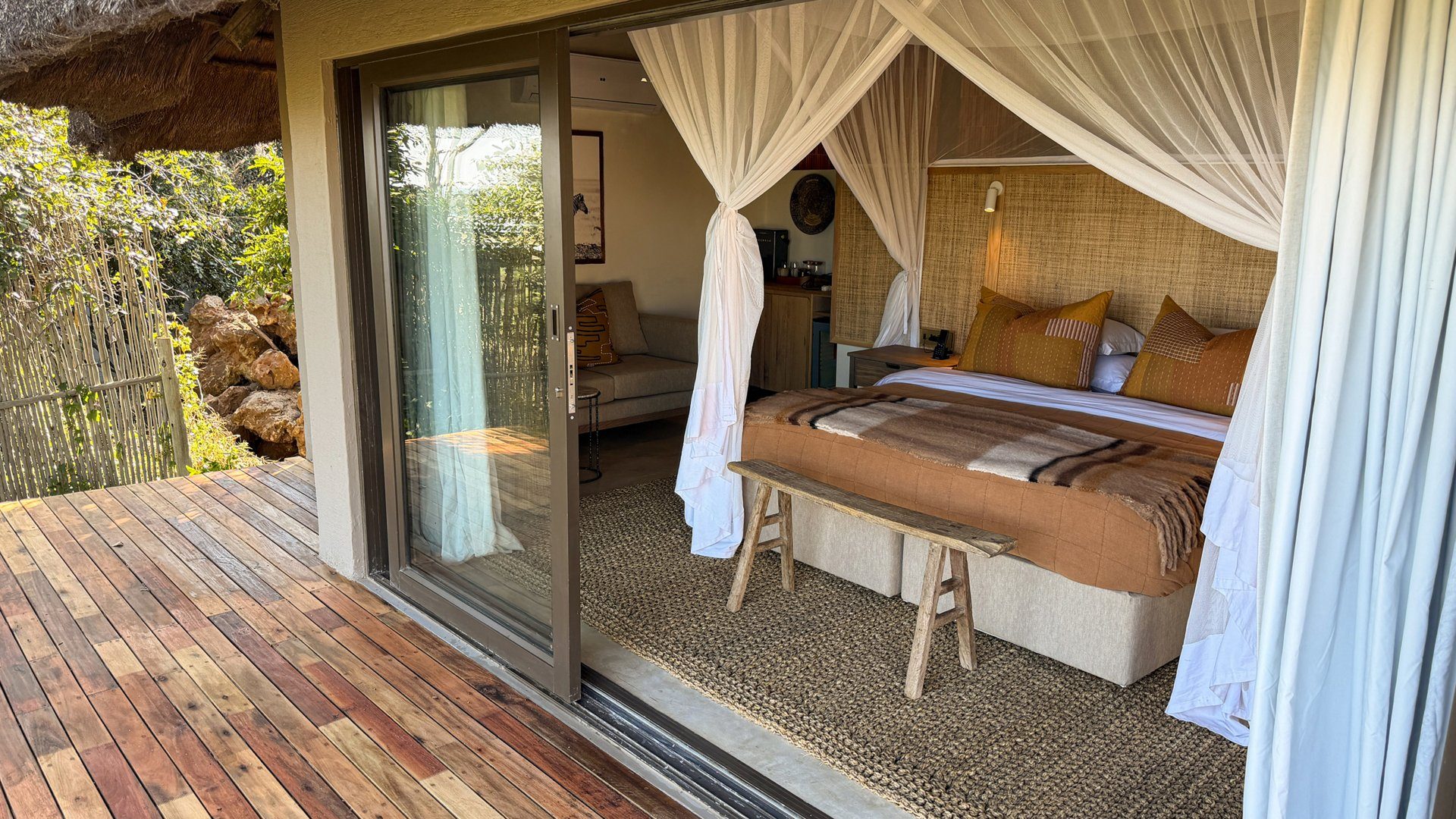
Okavango camps are small, remote and reached by light aircraft, which is part of their exclusivity. Options range from comfortable mid-range tented camps to some of the most luxurious safari properties on the planet — think private plunge pools, sala decks over the water and personal guides. Whether you want barefoot luxury or full opulence, our specialists match you to the right camp. Explore luxury safari options here.
Okavango Delta Regions Explained — Where to Stay
Region
Location
Best For
Key Camps
Moremi Game Reserve
Eastern Delta (formally protected reserve)
First-timers, Big Five game drives, mixed water/land activities
Camp Moremi, Camp Okavango, Xigera
Khwai Concession
North-east Delta (bordering Moremi)
Predators (wild dogs, lions), night drives, photographers
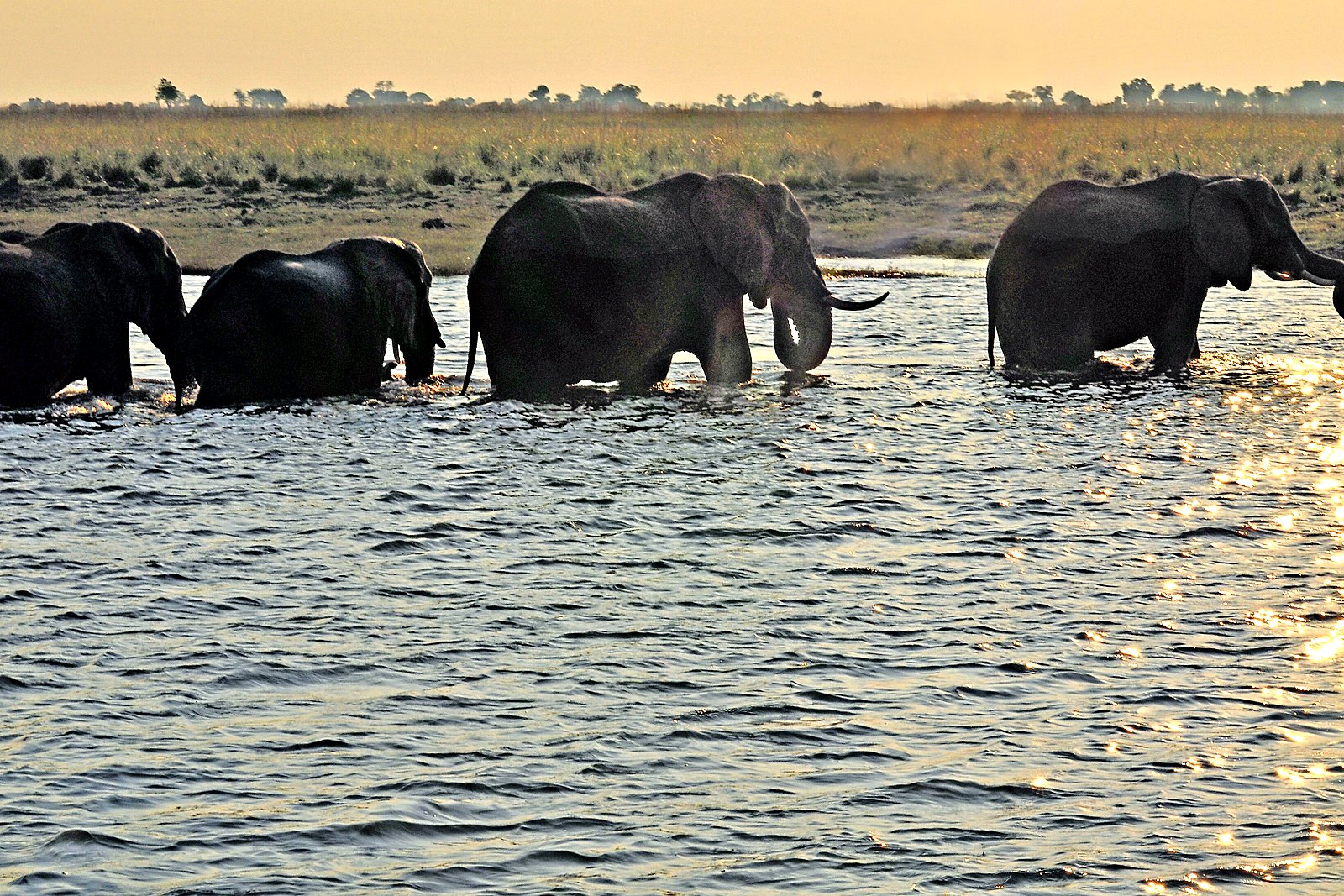
The Delta and Moremi support elephant, buffalo, lion and leopard (with rhino in some areas), plus outstanding populations of hippo, African wild dog, cheetah and over 400 bird species. The mosaic of water and land habitats means sightings are richly varied — one moment a leopard in a sausage tree, the next a herd of elephant swimming across a channel.
Okavango Delta Wildlife Highlights — Where & When to See Them
Species
Best Regions
Peak Months
Notes
African Wild Dog
Khwai, Moremi, Duba Plains
May – Aug (denning season)
Endangered; Okavango is a global stronghold. Best sightings at den sites.
Lion
Moremi, Chief's Island, Duba Plains
Jun – Oct (dry season)
Delta lions are famous for hunting buffalo and swimming across channels.
Leopard
All regions (especially wooded islands)
Year-round (best Jun–Oct)
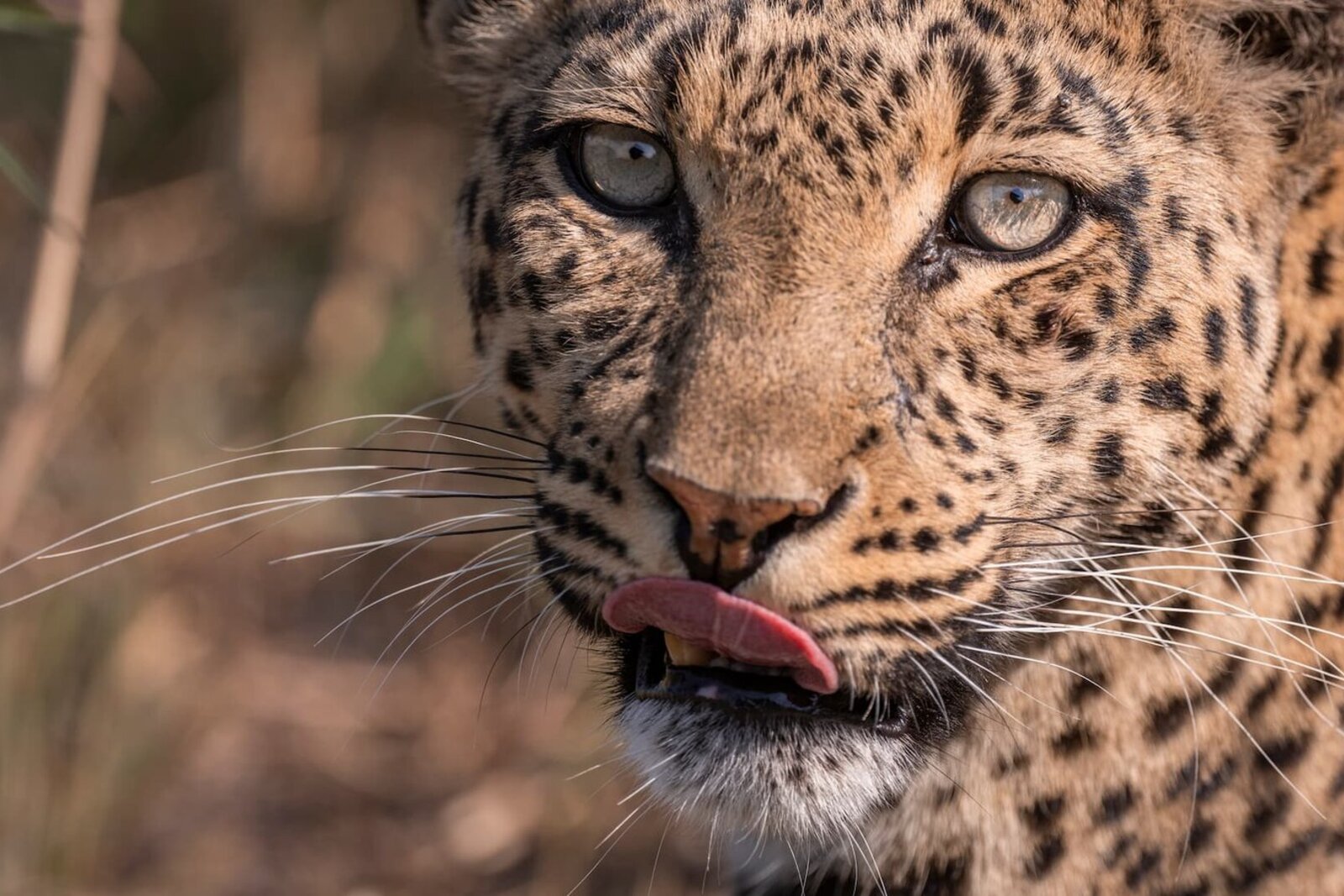
Often spotted in sausage trees and riverine woodland.
Cheetah
Moremi, Chief's Island (open plains)
Jun – Oct
Seasonal floodplains provide ideal cheetah hunting habitat.
Elephant
All regions (largest population in Africa)
Year-round
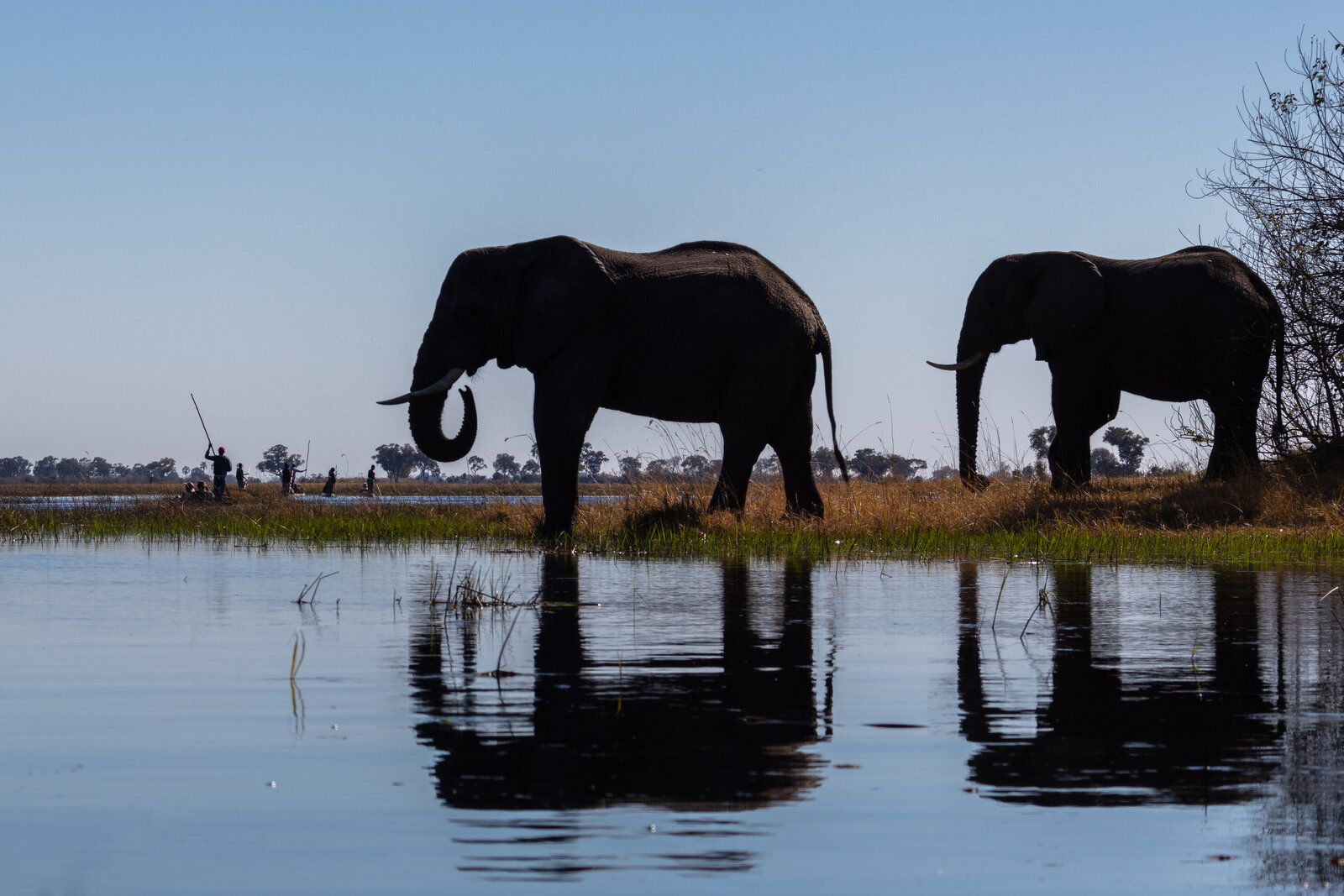
Often seen swimming across channels — a Delta signature sight.
Hippo
Permanent water channels & lagoons
Year-round
Best viewed from mokoro or boat. Huge pods in deeper channels.
Lechwe (Red & Sitatunga)
Floodplains & marshes
Jun – Aug (high water)
Water-adapted antelope; sitatunga are rare and elusive.
Birding (400+ species)
All regions (Panhandle exceptional)
Nov – Mar (migrant species)
African Fish Eagle, Pel's Fishing Owl, Wattled Crane, carmine bee-eaters.
How to Get There
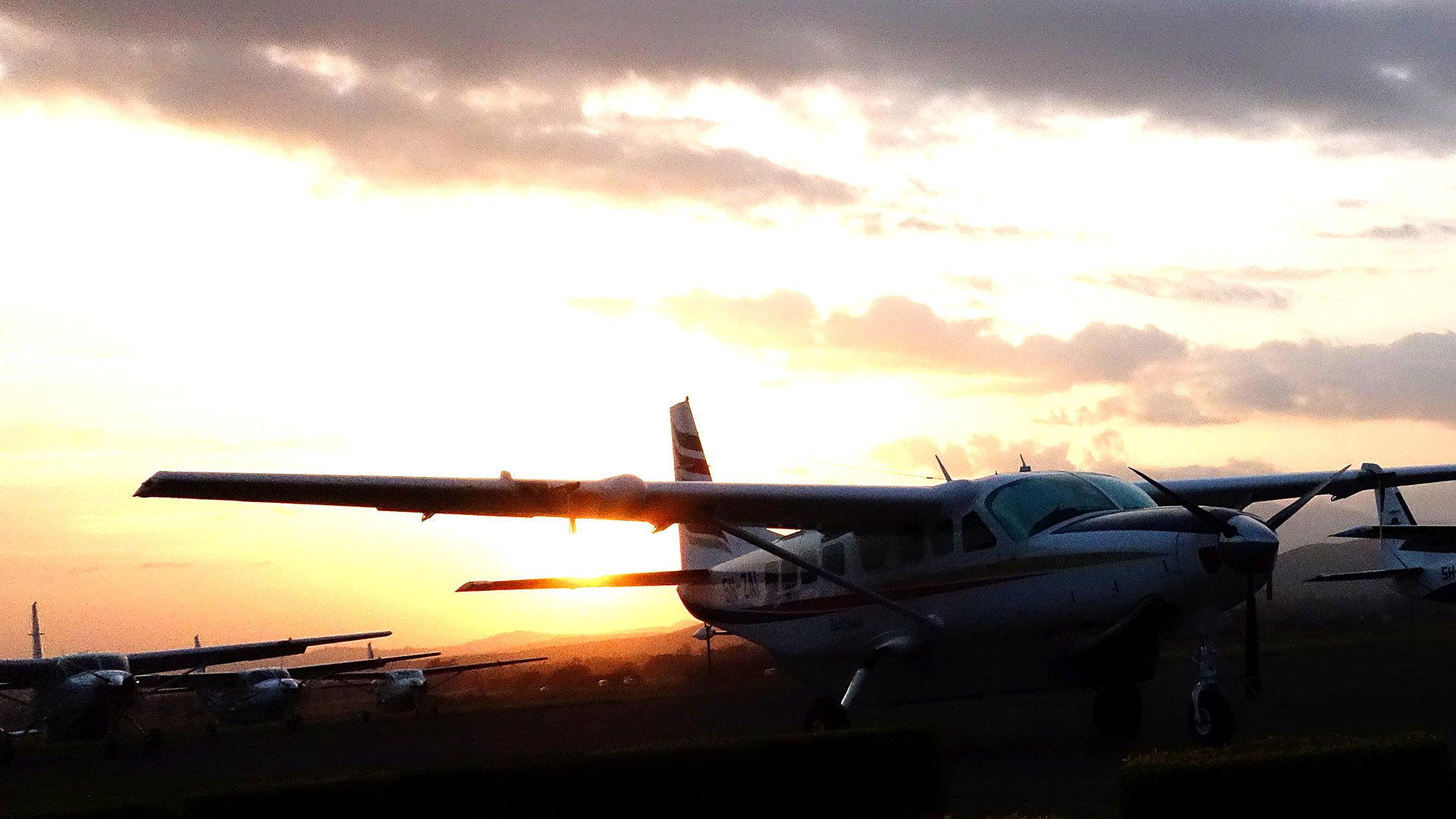
Most Delta camps are reached by light aircraft from Maun, with short, scenic flights landing on bush airstrips. The flight itself is a highlight, offering a bird's-eye view of the Delta's intricate channels and wildlife. Transfers to camp are then by vehicle, boat or mokoro depending on water levels.
What Does an Okavango Safari Cost in 2026?
Mid-range camps: $800–$1,200 per person per night
Premium camps: $1,200–$2,000 per person per night
Ultra-luxury camps: $2,000–$3,500+ per person per night
Rates are all-inclusive of accommodation, meals, drinks, activities and usually inter-camp light-aircraft transfers. Booking direct with Private Tours Cape Town ensures honest pricing and expertly arranged logistics.
Sample 7-Day Okavango Delta Safari Itinerary
Day
Destination
Highlights
1 – 3
Moremi / Seasonal Camp (e.g. Duba Plains)
Light-aircraft transfer from Maun. Game drives for lion, leopard, wild dog. Mokoro excursions through papyrus channels. Sundowners on the floodplains.
4 – 6
Permanent Water Camp (e.g. Sandibe or Xigera)
Fly deeper into the Delta. Motorboat safaris, mokoro glides, birding excursions. Close encounters with elephant & hippo. Night photography around camp.
7
Departure via Maun
Morning mokoro or game drive, then fly back to Maun for onward travel (Victoria Falls, Cape Town, home).
This sample itinerary blends land and water camps for the full Delta experience. Our specialists tailor every detail to your interests, budget and travel dates.
Okavango Delta Safari Cost Breakdown (Per Person Per Night, All-Inclusive)
Camp Tier
Nightly Rate (USD)
Included
Examples
Mid-Range
$800 – $1,200
Accommodation, meals, local drinks, game drives, mokoro, boat safaris. Inter-camp flights usually extra.
Camp Moremi, Kwara Camp
Premium
$1,200 – $2,000
As above, plus premium wines & spirits, private plunge pools, smaller guest numbers, often includes light-aircraft transfers.
Good availability at mid-range & premium camps. Ultra-luxury options limited.
Still achievable — book now to avoid disappointment.
3–6 months ahead
Peak season heavily booked. Green season (Nov–Mar) & shoulder periods have better space.
Flexible dates essential. Consider shoulder seasons for value & availability.
Last-minute (<3 months)
Very limited availability. Occasional cancellations may open up.
Contact us immediately — we monitor real-time availability & can secure last-minute openings.
Northern Delta • Contemporary Luxury
Vumbura Plains — striking modern architecture, elevated suites with plunge pools, and outstanding land-and-water safari experiences in the wildlife-rich northern Delta.
Combine the Delta
Okavango Wildlife Gallery
The Okavango Delta's unique water-and-land ecosystem creates extraordinary wildlife encounters — from swimming elephants and lions to Africa's largest wild dog populations.
Combine the Delta with the Rest of Africa
The Okavango pairs beautifully with Botswana's elephant-rich Chobe National Park and nearby Victoria Falls, just a short flight away. Many travellers combine all three, then finish with a few days in Cape Town. For the bigger picture, see our Luxury Safari South Africa guide.
A Day in the Delta
Life in the Okavango moves to the rhythm of water and wildlife. Mornings begin early with coffee around the fire before a game drive or a mokoro excursion — gliding silently through papyrus-lined channels in a traditional dugout canoe, poled by an expert guide who knows every reed bed and lagoon. The stillness is extraordinary: reed frogs calling, jacanas stepping across lily pads, and the occasional elephant feeding on an island.
After a leisurely brunch and the heat of midday spent relaxing at camp, afternoons bring a second activity — perhaps a boat cruise, a guided walk on a palm island, or a game drive timed to end with sundowners as the sky turns to fire. Dinners are convivial affairs under a canopy of stars so dense the Milky Way casts shadows. This blend of land and water activities is what makes the Delta unlike anywhere else in Africa. Explore our Okavango Delta experiences to find your ideal camp.
Photography in the Delta
The Okavango is a photographer's paradise, offering compositions impossible elsewhere: reflections in mirror-still channels, dramatic backlit dust as elephants cross, and the chance to shoot at eye level from a low mokoro. The clear light and open floodplains make for stunning wildlife portraits, while the abundance of water creates opportunities for evocative reflection shots at dawn and dusk.
A telephoto lens is essential for skittish game and birds, but don't neglect a wider lens to capture the vast, watery landscapes that define the region. Helicopter scenic flights — a popular Delta add-on — open up breathtaking aerial perspectives of the channels and herds below. Many camps cater specifically to photographers with low vehicle numbers and flexible timings, so mention your interest when booking. For more tips, see our Great Migration guide.
Helicopter Scenic Flights — The Delta from Above
A helicopter flight over the Okavango Delta is one of Africa's most breathtaking experiences. From the air, the Delta's vast, intricate network of channels, islands and lagoons unfolds beneath you in mesmerizing patterns — elephant herds crossing channels, hippo pods clustered in lagoons, and the dramatic contrast between emerald floodplains and the golden Kalahari beyond.
Most camps offer helicopter flights as an add-on (30–60 minutes, $400–$800 per person), with morning slots offering the clearest light and best wildlife visibility. Photographers prize the aerial perspective for unique compositions impossible from the ground, while couples find the experience deeply romantic. It's also a practical way to grasp the sheer scale of this UNESCO wilderness before diving into the intimate world of mokoro and game drives.
Sustainability & the Moremi
The Okavango Delta is a global conservation success story built on a model of low-volume, high-value tourism. Botswana deliberately limits visitor numbers and charges premium rates, ensuring the fragile wetland ecosystem is never overwhelmed. The Moremi Game Reserve, which protects the eastern third of the Delta, was the first reserve in Africa established by a local community — the Batawana people — to safeguard their ancestral lands.
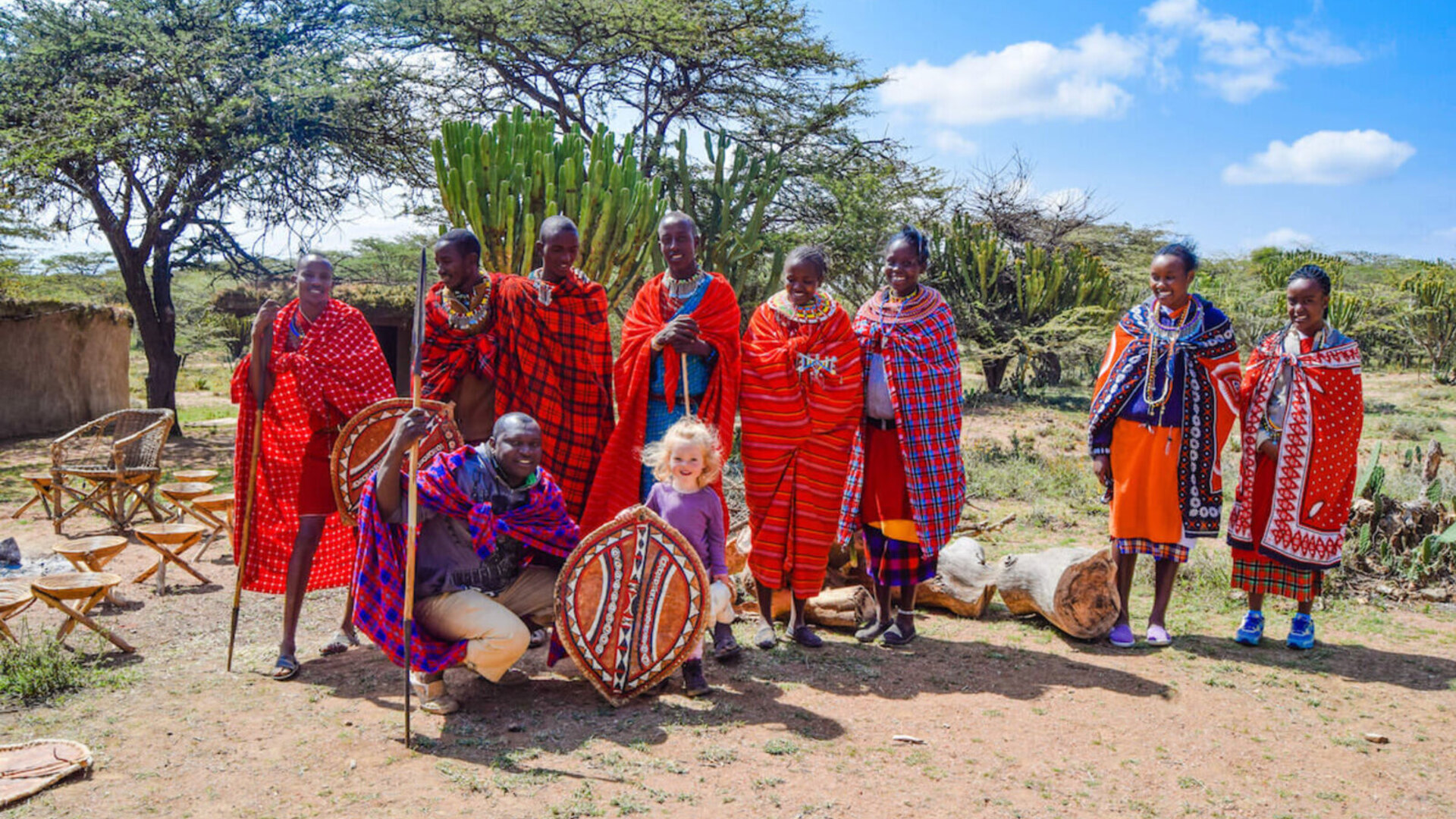
Most camps operate on private concessions leased from local communities, channelling revenue and employment directly to the people who share the land with wildlife. Many run on solar power, manage water and waste carefully, and support anti-poaching and wildlife-research programmes. Choosing the Delta is therefore one of the most responsible safari decisions you can make — your visit actively funds the protection of this UNESCO World Heritage Site.
What to Pack for the Delta
Packing for the Okavango follows standard safari principles with a few water-based additions. Bring neutral-coloured, lightweight clothing in khaki and olive, with warm layers for cold morning game drives during the dry winter months (June to August). A waterproof bag or dry sack is invaluable for protecting cameras and phones during mokoro and boat outings, and a light rain jacket is wise in the green season.
Other essentials include a wide-brimmed hat, sunglasses, high-factor sunscreen, strong insect repellent, binoculars and any personal medication. Because most camps are reached by light aircraft, soft duffel bags within the strict 20kg limit are mandatory — hard suitcases will not be accepted. Most camps provide same-day laundry, so you can travel light and still stay fresh throughout your stay.
Who the Delta Suits Best
The Okavango Delta rewards travellers seeking exclusivity, tranquillity and a deep wilderness experience over crowds and box-ticking. It is ideal for honeymooners drawn to its romance, keen photographers, returning safari-goers wanting something different, and anyone who values water-based activities like mokoro trips and boat cruises alongside classic game drives.
Because of the premium pricing and remote fly-in access, it is less suited to budget travellers or those on a very tight schedule — though even two or three nights leaves an indelible impression. Families are welcome at many camps, though some have minimum age limits, so it pays to choose carefully. The Delta pairs beautifully with Chobe, Victoria Falls or a Cape Town stay — our specialists can craft the perfect combination. See our Victoria Falls guide for add-on ideas.
Plan Your Okavango Delta Safari
Few places on earth feel as wild, peaceful and pristine as the Okavango Delta. Let our team craft a Delta journey — water safaris, perfect camps and smooth flights — built entirely around you.
The peak season is June to October, when the floodwaters are high and the surrounding Kalahari is dry — concentrating wildlife around the Delta's permanent water and making for spectacular game viewing and mokoro water safaris. The green season (November–March) is quieter and cheaper, with lush scenery, newborn animals and superb birding, though some camps close during the heaviest rains.
A mokoro is a traditional dugout canoe, poled silently through the Delta's shallow channels by an expert guide. Gliding just above the waterline, you drift past lily-covered lagoons, frogs, birds and grazing animals in near-total silence — an utterly peaceful, intimate way to experience the Delta that's quite different from a vehicle game drive.
The Okavango Delta is a premium, low-volume destination, so prices are higher than many safari regions. Expect $800–$2,500+ per person per night, all-inclusive of accommodation, meals, drinks, activities and often light-aircraft transfers between camps. Botswana's high-value, low-impact tourism model keeps visitor numbers low and the wilderness experience exclusive.
Most Delta camps are reached by light aircraft from the town of Maun, with short scenic flights landing on bush airstrips near each camp. The flight itself is part of the experience, offering aerial views of the Delta's channels and wildlife. From there, transfers to camp are by vehicle, boat or mokoro depending on water levels.
Yes. The Delta and adjoining Moremi Game Reserve are home to elephant, buffalo, lion and leopard, with rhino present in some areas, plus exceptional populations of hippo, wild dog, cheetah and hundreds of bird species. The mix of water and land habitats supports an extraordinary diversity of wildlife year-round.
Yes, though camp policies vary. Many lodges welcome children aged 6+ on game drives and 12+ on mokoro excursions and walking safaris. Some camps, like Sandibe and Camp Moremi, offer dedicated family suites and flexible activity schedules. Always check age policies when booking, and choose camps with larger, safer boats and shorter activity durations for younger travellers.
Light-aircraft flights from Maun to Delta camps typically take 20–45 minutes depending on the camp's location within the Delta. The small Cessna planes fly low, offering spectacular aerial views of the channels, islands and wildlife — making the transfer itself a highlight of the journey. Most camps arrange these flights as part of your all-inclusive package.
Yes. The Okavango Delta is in a malaria zone year-round. Consult your doctor about prophylaxis before travelling, use insect repellent, wear long sleeves and trousers at dawn and dusk, and sleep under mosquito nets (provided at all camps). The risk is higher during the green season (November–March) when mosquito populations peak.
Absolutely — it's one of the classic Botswana combinations. Chobe offers some of Africa's densest elephant populations and exceptional river cruises, while the Okavango delivers intimate water safaris and diverse habitats. A typical itinerary is 3–4 nights in the Delta, 2–3 nights in Chobe, with a light-aircraft hop between the two. Many travellers add Victoria Falls (a short flight from Chobe) to complete the ultimate southern African safari circuit.
Every itinerary is handcrafted by our team of local specialists who have spent 18+ years exploring Southern and East Africa. From Big Five game drives to gorilla trekking — we create journeys that stay with you forever.