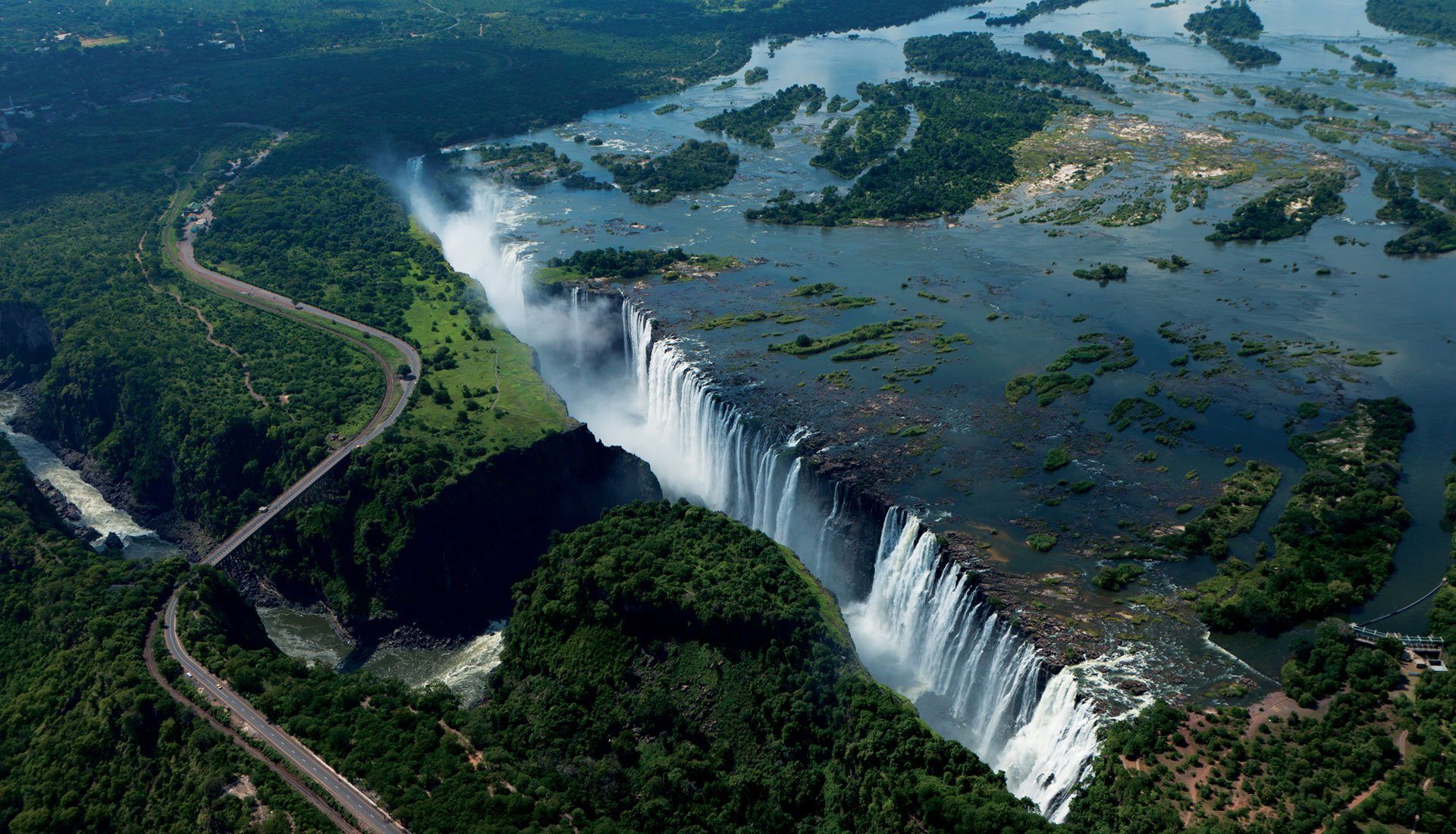
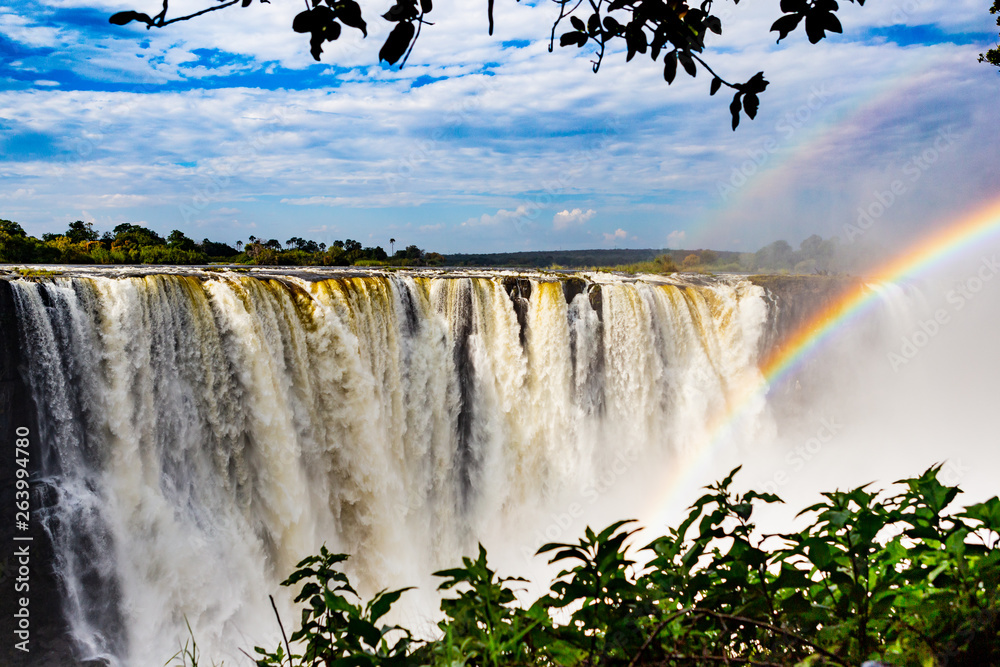
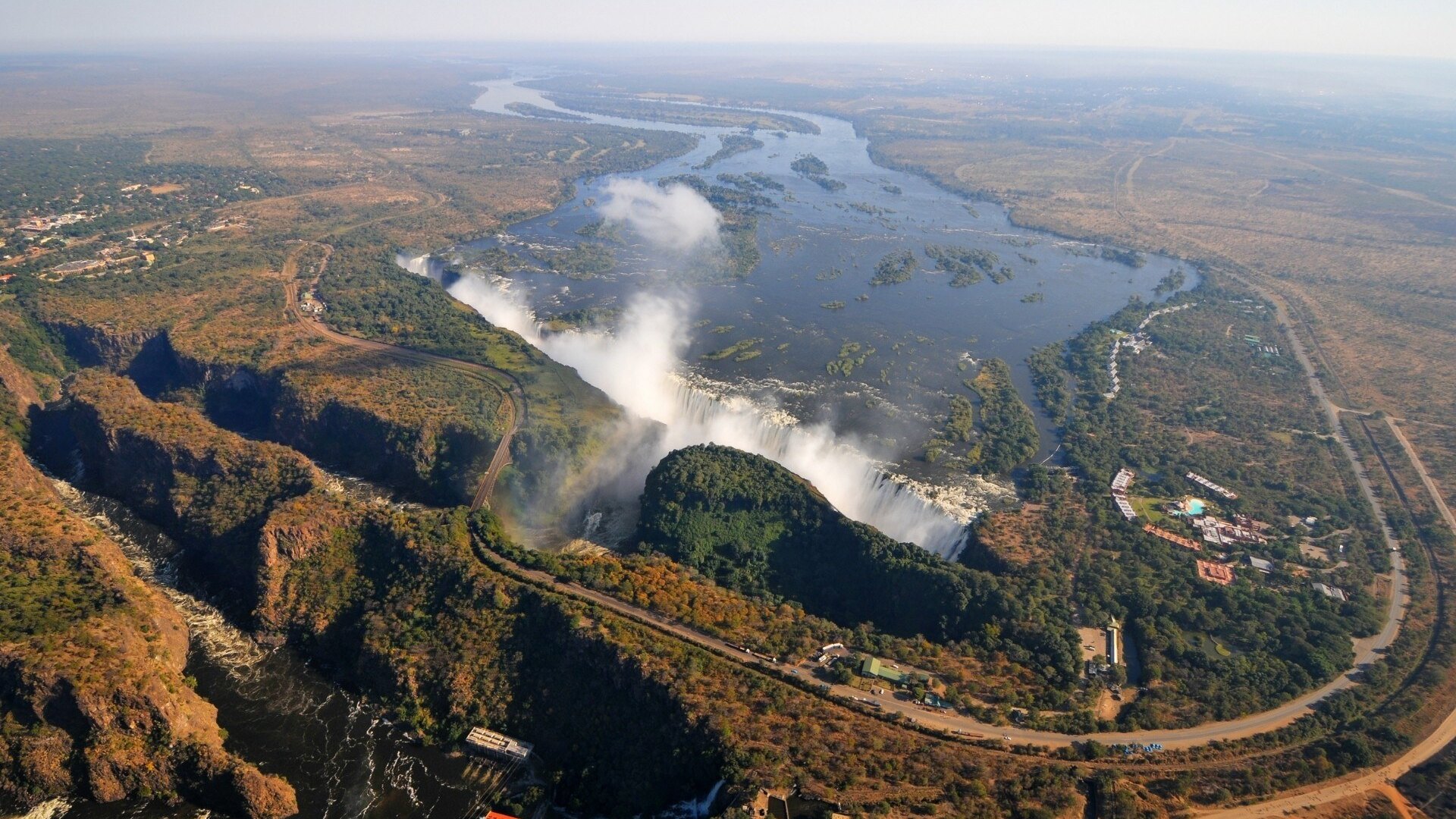
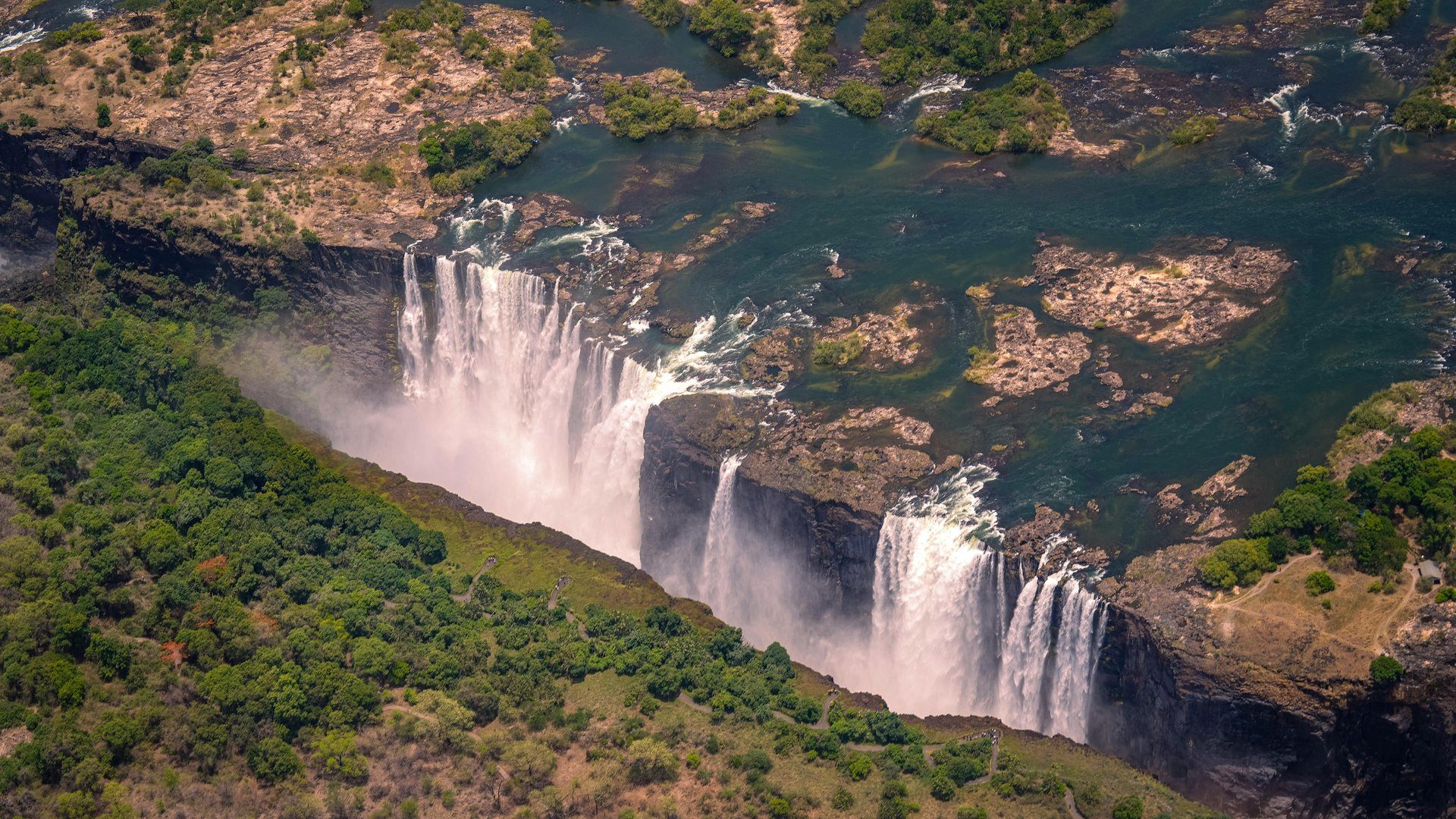
Twice as high as Niagara and more than a kilometre wide, Victoria Falls is one of the Seven Natural Wonders of the World — a wall of the Zambezi River plunging into a deep basalt gorge with a roar you can hear long before you see it. The local name, Mosi-oa-Tunya ("the Smoke that Thunders"), captures it perfectly: a column of spray rises hundreds of metres into the sky, visible from miles away.
💦 Planning Your Victoria Falls Safari?
For the complete victoria falls safari resource - expert guides, honest costs, luxury lodges, curated itineraries, and everything you need to plan your trip - visit our comprehensive hub:
View Complete Victoria Falls Safari Hub →The Falls are more than a sight to tick off — they're the adventure capital of Southern Africa and the ideal add-on to any safari. This 2026 guide covers when to go, the Zambia-versus-Zimbabwe question, the best activities, and how to weave the Falls into a wider African journey.
Victoria Falls — the Smoke that Thunders — and the wild Zambezi River.
Quick Answer
Victoria Falls straddles Zimbabwe (Victoria Falls Town) and Zambia (Livingstone). Both sides offer excellent views; the Zimbabwe side has more viewpoints and better infrastructure, while the Zambia side gets you closer to the edge and is quieter.
The best time to visit is April to June (peak flow after the rains) or August to October (lower water for Devil's Pool and adventure activities). Pair the Falls with a two- to three-night Zambezi or Chobe safari for the full experience.
🔥 August 2026 Update
Victoria Falls water levels exceptional in 2026 — peak flow May–Jul. Sunset helicopter flights selling out 2 weeks ahead (book on arrival). Devil's Pool (Zambia side, dry season only) safest Jun–Dec. Tongabezi Lodge's new River View Suites opened July 2026 with Falls-facing terraces.
When Is the Best Time to Visit?
Victoria Falls transforms dramatically with the seasons, so the "best" time depends on what you're after.
- Peak flow (Feb–May): the Falls at their most thunderous, just after the rains. Spectacular — but heavy spray can obscure the view and soak you.
- Balanced (May–Jul): impressive flow with good visibility. Many consider this the sweet spot.
- Low water (Aug–Dec): clearer views and photographs, plus the season for rafting and the Devil's Pool.
Explore our Victoria Falls safaris to match your trip to the right season.
Zambia vs Zimbabwe — Which Side?
The Falls straddle the border between the two countries, and each side offers a different experience. The good news: a day visa lets you cross easily, so many visitors see both.
Zimbabwe Side (Victoria Falls Town)
The Zimbabwe side commands the most panoramic views — roughly two-thirds of the Falls' frontage — and looks impressive year-round, even in low-water months. The town has a great range of lodges, restaurants and activity operators.
Zambia Side (Livingstone)
The Zambia side offers closer, more intimate views and is home to the legendary Devil's Pool — a natural infinity pool right at the Falls' edge where (in low-water season) you can swim to the very brink. It can run dry in places during the driest months, so timing matters.
Top Activities at Victoria Falls
- Guided Falls tour — walk the rainforest paths and viewpoints along the gorge edge
- Zambezi sunset cruise — sip a sundowner as hippos, elephants and crocodiles drift past
- White-water rafting — the Zambezi rapids are among the best commercial rafting on earth (low-water season)
- Devil's Pool — the ultimate infinity-edge swim at the Falls' lip (Aug–Dec)
- Bungee jumping — off the historic Victoria Falls Bridge, 111 metres above the gorge
- Helicopter & microlight flights — the "Flight of Angels" for jaw-dropping aerial views
- Gorge swings and zip lines — for the adrenaline addicts
Pairing the Falls with a Safari
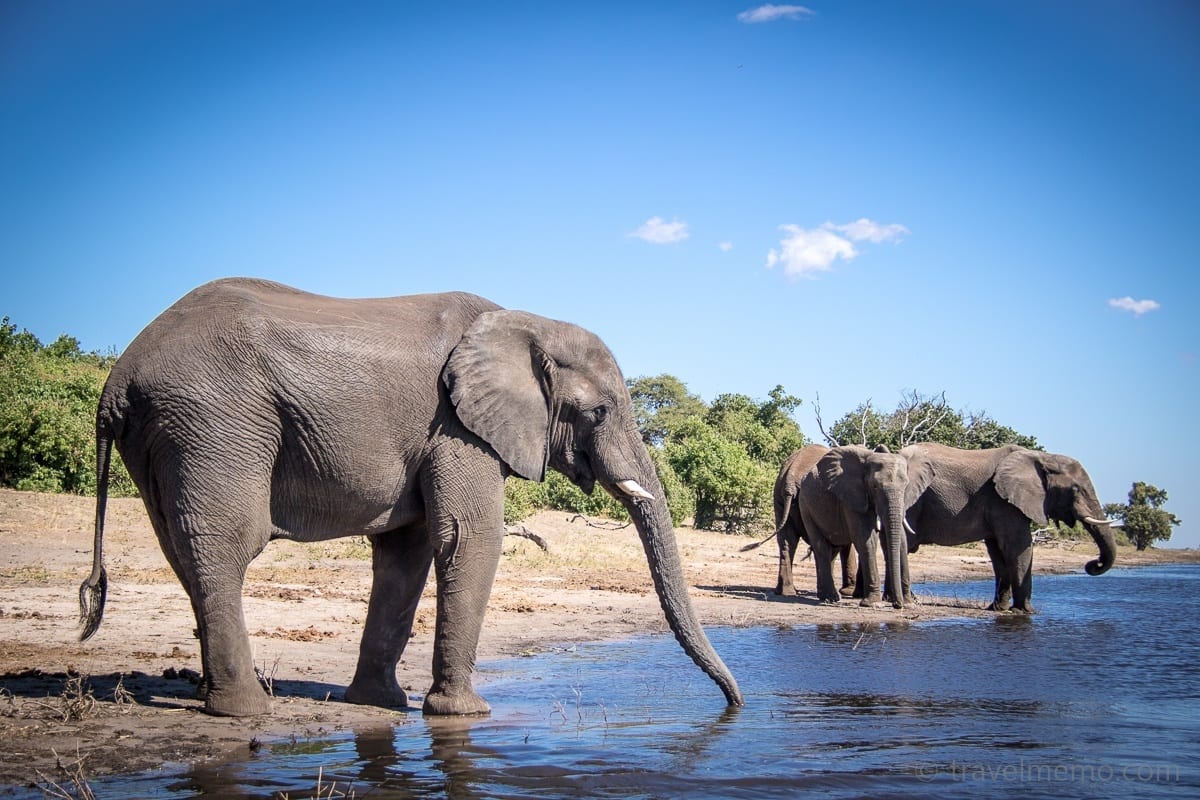
Victoria Falls' real magic is its location — it's the perfect hub for a multi-country safari. Just an hour away lies Botswana's Chobe National Park, famous for the largest elephant population in Africa and superb river game viewing. From the Falls you can also reach the Okavango Delta, Zambia's South Luangwa, or fly south to a South African Big Five safari.
A classic circuit: 2–3 nights at the Falls, a few nights on safari in Chobe or the Delta, then onward to Cape Town. Browse our luxury safari experiences for tailored combinations.
How Many Days Do You Need?
Two to three nights is ideal — enough to tour the Falls, enjoy a Zambezi sunset cruise, fit in an activity or two, and perhaps a day trip to Chobe for elephants. A single night only works if you're purely transiting between safari destinations.
What Does a Victoria Falls Trip Cost in 2026?
- Mid-range lodges: $250–$500 per person per night
- Premium lodges: $500–$1,000 per person per night
- Activities: sunset cruise from ~$70pp; helicopter flight from ~$180pp; rafting from ~$170pp
Booking direct with Private Tours Cape Town means honest pricing and a smoothly arranged itinerary across borders.
The History of the Falls
For the Kololo and Tonga peoples who have lived along the Zambezi for centuries, the falls have always been known as Mosi-oa-Tunya — "the smoke that thunders" — a name that perfectly captures the towering spray and ground-shaking roar. The site was sacred long before any outsider set eyes on it. In 1855, the Scottish explorer David Livingstone became the first European to see the falls, naming them after Queen Victoria and writing that "scenes so lovely must have been gazed upon by angels in their flight."
Today the town of Livingstone on the Zambian side keeps the explorer's name alive, while the falls themselves carry dual UNESCO World Heritage status shared between Zambia and Zimbabwe. Understanding this rich cultural and colonial history adds real depth to a visit — and a guided heritage walk or museum stop is a worthwhile addition to any itinerary. Explore our Victoria Falls experiences for guided cultural options.
Where to Stay: Zambia or Zimbabwe?
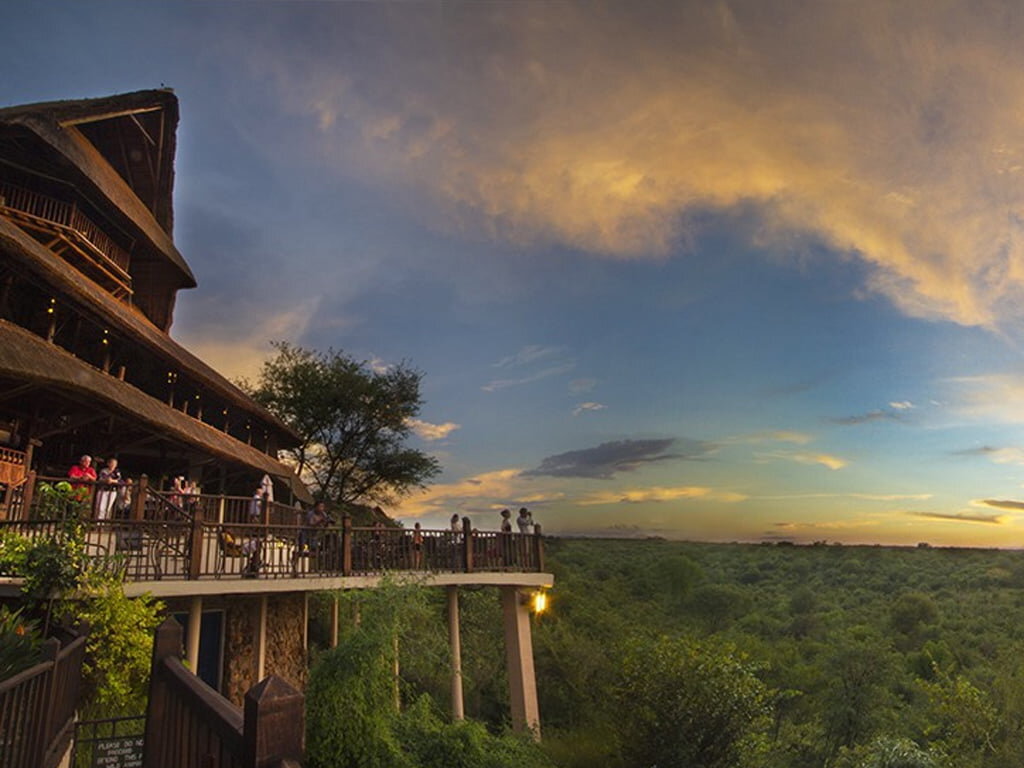
Both sides of the Zambezi offer excellent accommodation for every budget. On the Zimbabwean side, the historic Victoria Falls Hotel is a colonial-era icon with manicured gardens and views toward the bridge, while the town of Victoria Falls is compact, walkable and packed with restaurants and operators. The Zambian side, centred on Livingstone, offers superb riverside lodges upstream of the falls where elephants and hippos wander past your deck.
Your choice may come down to your wider itinerary: Zimbabwe pairs naturally with Hwange National Park and Botswana's Chobe, while Zambia connects easily to the South Luangwa and Lower Zambezi parks. A day visa allows you to cross the border and experience both sides, so many visitors stay one side but tour both. We can advise on the best base for your trip and combine it with a visit to the Okavango Delta.
What to Pack for Victoria Falls
Packing depends heavily on when you visit. During the high-water months (roughly February to July) the spray is so intense that you will get thoroughly soaked walking the viewpoints — a lightweight rain jacket or poncho is essential, and waterproof protection for your phone and camera is a must. Quick-dry clothing and sandals with grip are far more practical than heavy boots near the falls themselves.
Year-round, pack sunscreen, a hat, sunglasses, insect repellent and binoculars for the abundant birdlife and game. If you plan to combine the falls with a safari, bring neutral-coloured clothing and layers for cool morning game drives. Don't forget any adventure-specific gear your operator recommends, and always carry some US dollars in small denominations, which are widely accepted on both sides of the border.
Family-Friendly Activities
Victoria Falls is surprisingly well suited to families. While the bungee jumping and white-water rafting are strictly for thrill-seeking adults and teens, there is plenty for younger children to enjoy. A gentle sunset cruise on the Zambezi delights all ages with hippos, crocodiles and elephants along the banks, while the calmer guided rainforest walk lets families see the falls together at their own pace.
The Devil's Pool and high-adrenaline activities have minimum age limits, but elephant-back interactions, cultural village visits, steam-train dinners and short game drives in nearby reserves all work beautifully for families. Many lodges offer family rooms and child-friendly menus, and our team can build an itinerary that balances excitement for older kids with relaxed, safe experiences for the little ones.
Wildlife Around the Falls
Victoria Falls is not just a geological wonder — it sits within a thriving wildlife region. The surrounding national parks, including Zambezi National Park on the Zimbabwean side and Mosi-oa-Tunya National Park on the Zambian side, are home to elephant, buffalo, giraffe, zebra, antelope and the occasional lion. It is entirely possible to combine waterfall sightseeing with genuine game viewing in a single short stay.
The Zambezi River itself is a wildlife highway: sunset cruises routinely encounter large pods of hippo, basking crocodiles and elephants crossing between islands. Birdlife is exceptional, with African fish eagles, carmine bee-eaters and the rare Taita falcon among more than 400 recorded species. For a fuller safari, the falls connect easily to Chobe and Hwange — see our luxury safari guide for ideas on extending your trip.
Plan Your Victoria Falls Adventure
Whether you come for the thundering spectacle, the adrenaline or the perfect safari add-on, Victoria Falls delivers. Let our team handle the cross-border logistics, the timing and the lodges.
Ready to feel the spray? Browse Victoria Falls safaris, use our trip planner, or contact our specialists to build your adventure.