Quick Answer: How Long Does It Take to Get to Victoria Falls from South Africa?
By air: Just 1 hour 35 minutes on a direct flight from Johannesburg to Victoria Falls Airport (Zimbabwe). Daily flights available from South African Airways, Airlink, and British Airways. Return tickets typically cost $200–$400.
By road: Approximately 14–16 hours driving from Johannesburg via Botswana (not recommended unless you're on an overland adventure). Most visitors fly.
Multi-stop packages: Many tour operators offer Victoria Falls as an add-on to Kruger safaris, Cape Town city breaks, or Garden Route itineraries, with direct flight connections and transfers included.
Why Victoria Falls Should Be On Your South African Itinerary
Victoria Falls is not in South Africa — but it might as well be, given how easy it is to reach from Johannesburg. At just 1 hour 35 minutes by air, this UNESCO World Heritage Site and one of the Seven Natural Wonders of the World is the ultimate add-on to any Southern African adventure.
💦 Planning Your Victoria Falls Safari?
For the complete victoria falls safari resource - expert guides, honest costs, luxury lodges, curated itineraries, and everything you need to plan your trip - visit our comprehensive hub:
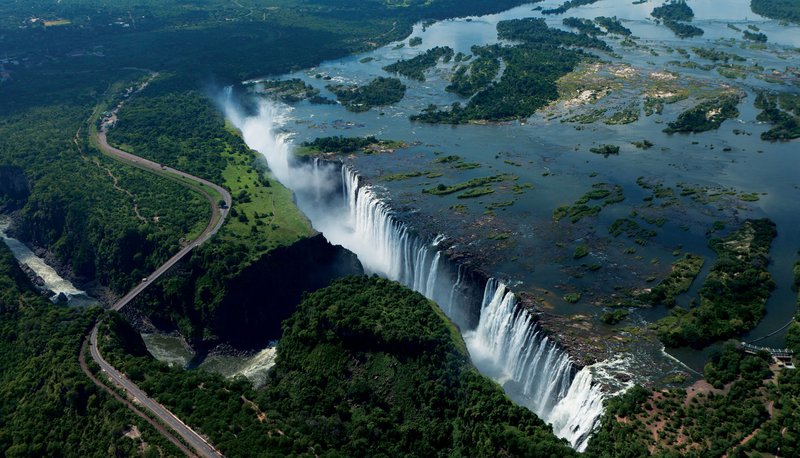
View Complete Victoria Falls Safari Hub →Locally known as Mosi-oa-Tunya ("The Smoke That Thunders" in the Kololo language), Victoria Falls is the world's largest curtain of falling water, spanning over 1,700 meters in width and plunging up to 108 meters into the Zambezi Gorge below. During peak flow (typically March to May), over 500 million liters of water cascade over the lip every minute, creating a mist that rises 400+ meters into the sky — visible from 50 kilometers away.
But Victoria Falls is far more than just a waterfall. It's an adventure playground (helicopter flights, white-water rafting, bungee jumping, zip-lining), a wildlife gateway (Chobe National Park is just 70km away), and a cultural crossroads where Zimbabwe and Zambia meet on the historic Victoria Falls Bridge.
Whether you're seeking adrenaline, awe, or simply a bucket-list moment to stand at the edge of one of Earth's most powerful natural forces, Victoria Falls delivers — and it's closer to South Africa than you think.
Best Time to Visit Victoria Falls from South Africa
Victoria Falls is a year-round destination, but the experience varies dramatically depending on the Zambezi River's flow. Here's the insider breakdown:
High-Water Season (February–May): Maximum Drama
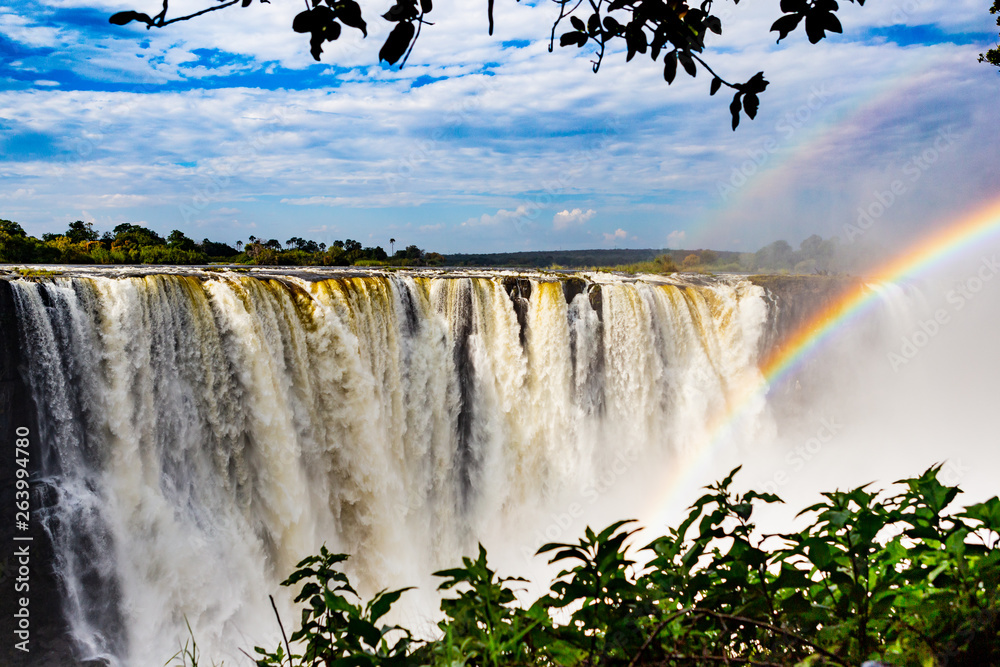
Why visit now: This is the falls at their most ferocious and awe-inspiring. After the summer rains, the Zambezi swells to a roaring torrent, and the volume of water plunging over the edge is staggering. The mist rises so high it's visible from the air, and the roar is so loud you can barely hear yourself think. Rainbows form constantly in the spray.
Trade-offs: The mist can be so intense that visibility is limited, and you'll get absolutely drenched on the rainforest walk (rain gear is essential). Some viewpoints on the Zimbabwean side may be obscured entirely by spray. The Devil's Pool on the Zambian side is closed (too dangerous).
Best for: First-time visitors who want the full "Smoke That Thunders" spectacle, photographers seeking dramatic mist shots, and those who don't mind getting soaked.
Low-Water Season (September–December): Clear Views & Devil's Pool
Why visit now: The water level drops, revealing the basalt cliff face and individual cascades in stunning detail. Visibility is crystal-clear, and the rainforest walk is far more comfortable (you'll still get misted, but not drenched). This is the only time the Devil's Pool on the Zambian side is accessible — the ultimate adrenaline experience of swimming on the edge of the falls.
Trade-offs: By November and December, some sections of the falls (particularly on the Zambian side) may be reduced to a trickle or dry entirely. The spectacle is diminished compared to high water, but the clarity and access to unique experiences (Devil's Pool, Livingstone Island tours) make up for it.
Best for: Photographers seeking unobstructed views, adventurers wanting to swim in the Devil's Pool, and those who prefer dry, comfortable conditions.
Shoulder Months (April, June–August): The Sweet Spot
Why visit now: April is the tail end of high water — still dramatic, but with slightly better visibility than February–March. June to August offers a balance: moderate water flow, good visibility, and pleasant weather (Zimbabwe's dry winter is warm and sunny). This is also prime time for combining Victoria Falls with game viewing in nearby Chobe or Hwange.
Best for: Travelers seeking a balanced experience — good water flow, clear views, and ideal weather for safari add-ons.
| Season | Months | Water Flow | Visibility | Best For |
|---|---|---|---|---|
| High Water | Feb–May | ⭐⭐⭐⭐⭐ (Maximum) | ⭐⭐ (Heavy mist) | Drama, first-timers, mist rainbows |
| Moderate | Jun–Aug | ⭐⭐⭐⭐ | ⭐⭐⭐⭐ | Balanced experience, safari combos |
| Low Water | Sep–Dec | ⭐⭐ | ⭐⭐⭐⭐⭐ (Crystal-clear) | Devil's Pool, clear cliff views, photography |
Zimbabwe vs. Zambia: Which Side Should You Visit?
Victoria Falls straddles the border between Zimbabwe and Zambia, and each side offers a distinct experience. Serious visitors often explore both, but if you're limited on time, here's how to choose:
Zimbabwe Side: The Classic View
Pros: Zimbabwe offers the best overall views of the falls, with 16 designated lookout points along a 2km rainforest path that runs parallel to the falls. You'll see roughly 75% of the total width of the falls from this side, including the iconic Main Falls, Devil's Cataract, and Horseshoe Falls. The infrastructure is excellent — hotels, restaurants, curio markets, and tour operators are all within walking distance. The town of Victoria Falls (Zimbabwe) is compact, safe, and tourist-friendly.
Cons: More crowded than the Zambian side, especially during peak season. The views, while spectacular, are from a fixed path — you can't get as close to the water's edge as you can on the Zambian side.
Best for: First-time visitors, those on short trips, families, and anyone seeking convenience and comprehensive views.
Zambia Side: The Adventure Edge
Pros: Zambia offers fewer viewpoints but more intimate, hands-on experiences. The highlight is Livingstone Island and the Devil's Pool (only accessible during low water, September–December) — where you can swim right up to the edge of the 108-meter drop. The Zambian side is quieter, less commercialized, and offers a more "off-the-beaten-path" vibe. The Knife-Edge Bridge viewpoint is spectacular (and terrifying — it's a narrow footbridge suspended over the gorge, drenched in spray).
Cons: You'll only see about 25% of the falls' total width from the Zambian side. The town of Livingstone is further from the falls (10km) and feels more spread out. Infrastructure is less developed than Zimbabwe.
Best for: Adventure seekers, repeat visitors, those chasing the Devil's Pool experience, and travelers who prefer quieter, less touristy environments.
Our Recommendation: See Both
If you have 3+ days, cross the border and see both sides. A KAZA UNIVISA ($50, purchased at Victoria Falls Airport or the border) allows multiple entries between Zimbabwe, Zambia, and Botswana over 30 days. You can walk across the Victoria Falls Bridge (a 10-minute stroll between the two countries) or arrange a guided tour that includes both sides.
💡 Pro Tip: Do the Zimbabwe side first (morning, when light is best for photos and the mist is less intense), then cross to Zambia in the afternoon for the Devil's Pool or a sunset cruise on the Zambezi. This way, you experience both perspectives in a single day.
Top Activities at Victoria Falls
Victoria Falls is nicknamed "The Adventure Capital of Africa" for good reason. Beyond gazing at the falls, there's a menu of adrenaline-pumping and serene experiences to fill your days.
1. Helicopter "Flight of Angels"
The single most spectacular way to experience Victoria Falls is from the air. Helicopters depart every 30 minutes from the helipad near the falls, offering 12-15 minute flights that swoop low over the gorge, giving you a bird's-eye view of the entire 1.7km curtain of water, the Zambezi River upstream, and the Batoka Gorge downstream. The sight of the falls from above — with rainbows arcing through the mist — is utterly otherworldly.
Cost: ~$150–$180 per person (12-15 min flight). Worth every cent.
Pro tip: Book the first flight of the morning (softer light, fewer thermals, less turbulence) and request a window seat on the falls-facing side.
2. White-Water Rafting in the Batoka Gorge
Immediately downstream from the falls, the Zambezi River plunges through a series of 23 Grade 5 rapids in the narrow Batoka Gorge. This is widely regarded as one of the world's best white-water rafting experiences — intense, thrilling, and absolutely safe (when done with licensed operators). Full-day trips include safety briefings, professional guides, and a riverside lunch.
Cost: ~$150 per person (full day, includes gear and lunch).
Season: Best during low water (August–December), when rapids are most defined. High water (February–May) is dangerous and rafting is often suspended.
3. Sunset Cruise on the Zambezi River
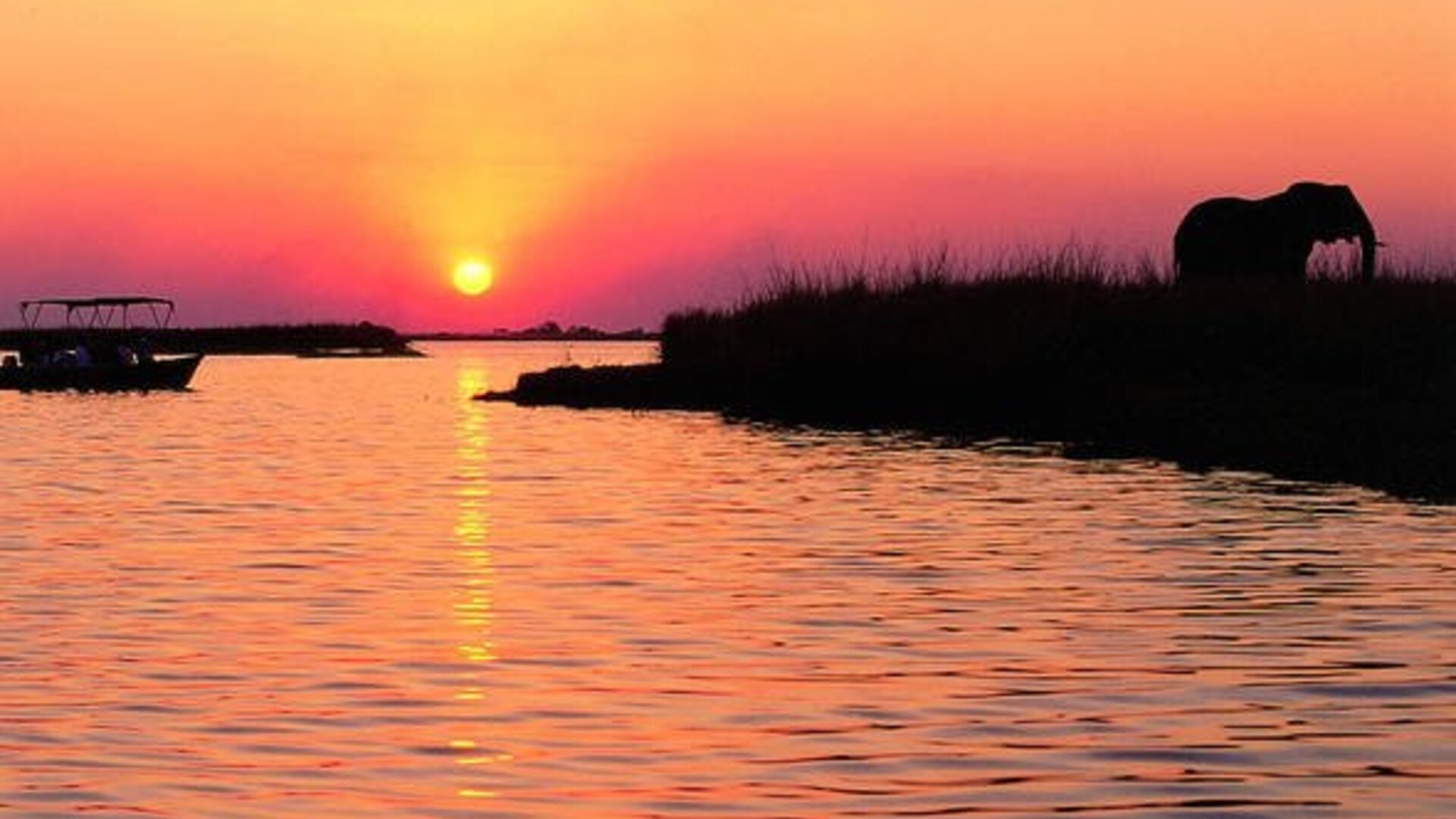
A quintessential Victoria Falls experience: drift along the upper Zambezi River on a flat-bottomed boat as the sun sets over the water. Hippos surface, crocodiles sun on the banks, elephants come down to drink, and the sky turns gold, then pink, then purple. Drinks (local beer, wine, G&Ts) and snacks are included. It's supremely relaxing after a day of adventure.
Cost: ~$60–$80 per person (2 hours, includes drinks and snacks).
Pro tip: Book a smaller boat (under 12 passengers) for a more intimate experience. Avoid the large "booze cruise" boats if you want wildlife over party vibes.
4. Bungee Jump from the Victoria Falls Bridge
For the ultimate adrenaline rush, leap 111 meters off the historic Victoria Falls Bridge into the Batoka Gorge below. The bridge sits directly between Zimbabwe and Zambia, offering views of the falls mid-plunge. This is the world's second-highest natural bungee jump (after Macau Tower). Not for the faint of heart, but an unforgettable bucket-list moment.
Cost: ~$160 per person (includes video and photos).
5. Devil's Pool (Zambian Side, Low Water Only)
Swim to the edge of Victoria Falls — literally. The Devil's Pool is a natural infinity pool perched on the lip of the 108-meter drop, accessible via a guided tour from Livingstone Island. You'll wade through shallow channels, cling to rocks, and peer over the edge while the Zambezi roars beneath you. It's terrifying and exhilarating in equal measure.
Cost: ~$120–$150 per person (includes guided tour, breakfast or lunch on Livingstone Island).
Season: Mid-August to mid-January (low water only). Strong swimmers only.
6. Chobe National Park Day Trip (Botswana)
Chobe National Park, just 70km from Victoria Falls, is home to the highest concentration of elephants in Africa (over 50,000). A full-day trip typically includes a morning game drive in 4x4 vehicles, lunch at a riverside lodge, and an afternoon boat cruise on the Chobe River (where you'll see elephants swimming, hippos, crocodiles, and countless bird species). It's the perfect safari add-on to your falls visit.
Cost: ~$180–$250 per person (full day, includes transfers, park fees, lunch).
🚁 Don't Miss: The helicopter flight is non-negotiable. Even if you're on a budget, sacrifice a meal or skip a souvenir — the aerial view of Victoria Falls is a once-in-a-lifetime experience you'll never forget.
Where to Stay: Accommodation Guide
Victoria Falls offers accommodation for every budget, from backpacker hostels to ultra-luxury lodges. Here's the breakdown:
Budget (Under $100 per night)
Victoria Falls Backpackers, Shoestrings Backpackers, and N1 Hotel offer clean, safe dorm beds and private rooms within walking distance of the falls. Self-catering facilities and communal areas make it easy to meet fellow travelers and organize budget activities.
Mid-Range ($100–$300 per night)
The Kingdom at Victoria Falls, A'Zambezi River Lodge, and Ilala Lodge offer comfortable rooms, swimming pools, restaurants, and easy access to the falls and town. These are solid, reliable options for families and couples seeking value without sacrificing comfort.
Luxury ($300–$800+ per night)
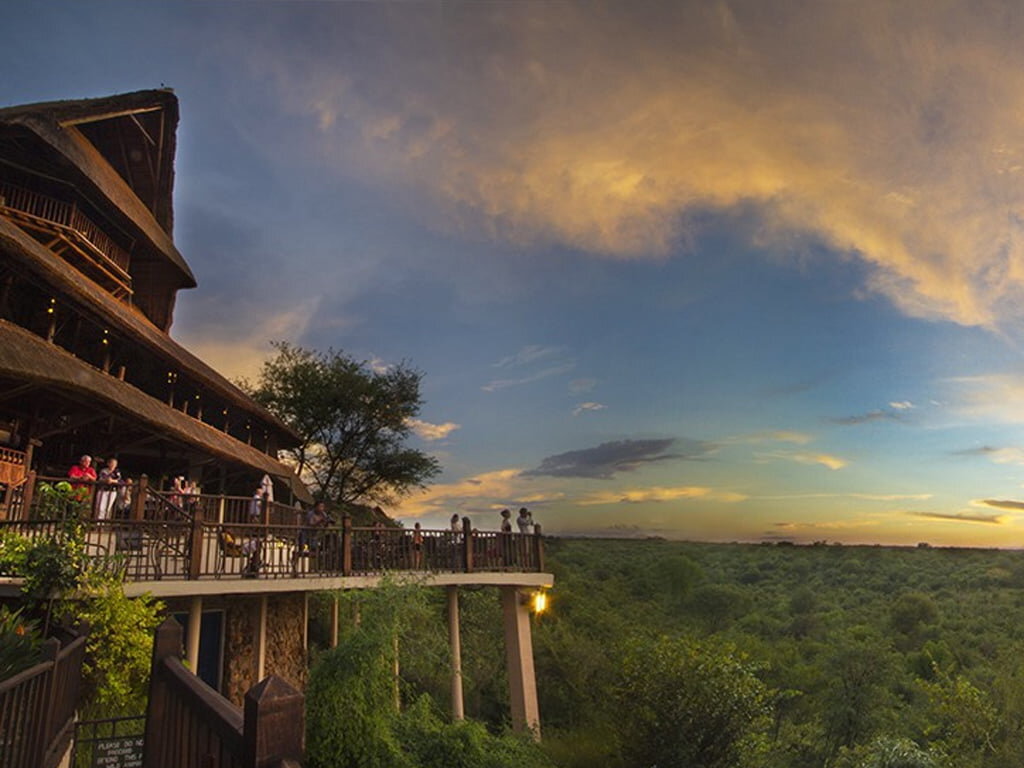
Victoria Falls Hotel (the grand dame, a colonial-era icon with stunning gardens and views), The Elephant Camp (intimate tented camp with resident rescue elephants), and Tongabezi Lodge (ultra-romantic, perched on the Zambezi River upstream) offer world-class service, gourmet dining, and exclusive experiences. Expect butlers, private decks, and helicopter transfers.
How to Plan Your Victoria Falls Itinerary
Here's how to allocate your time based on how many days you have:
2 Days: The Essentials
- Day 1: Arrive (flight from Johannesburg), check in, afternoon rainforest walk on the Zimbabwe side (2–3 hours), sunset cruise on the Zambezi.
- Day 2: Morning helicopter flight, afternoon activity (white-water rafting, bungee jump, or visit Zambian side/Devil's Pool if low water season), evening departure.
Verdict: You'll see the falls and tick off two key activities, but it feels rushed.
3 Days: The Sweet Spot
- Day 1: Arrive, afternoon rainforest walk (Zimbabwe side), sunset cruise.
- Day 2: Morning helicopter flight, afternoon Chobe National Park day trip (or Devil's Pool if low water season).
- Day 3: Morning white-water rafting or cultural village tour, afternoon departure.
Verdict: Perfectly balanced — you'll see both sides of the falls, complete 3–4 major activities, and still have time to relax.
5–7 Days: The Full Experience
- Days 1–3: Victoria Falls (as above).
- Days 4–5: Overnight safari in Chobe National Park (Botswana) or Hwange National Park (Zimbabwe).
- Days 6–7: Optional extension to Okavango Delta or return to South Africa.
Verdict: The ultimate "falls + wildlife" combo. You'll experience the best of Southern Africa in a single trip.
Practical Information: Visas, Currency & Safety
Visas for South Africans
Zimbabwe: South African passport holders receive free entry on arrival for tourism purposes (typically 30–90 days).
Zambia: Visa on arrival (~$50 for single entry, 30 days). Duration at immigration officer's discretion.
KAZA UNIVISA: $50, allows multiple entries between Zimbabwe, Zambia, and Botswana over 30 days. Purchase at Victoria Falls Airport or the border.
Currency
Zimbabwe uses the US Dollar (USD) as its primary currency. Zambia uses the Zambian Kwacha (ZMW), but USD is widely accepted at tourist establishments. Bring small denominations ($1, $5, $10 notes) for tips and small purchases. Credit cards are accepted at hotels and major tour operators, but cash is king for markets and taxis.
Safety
Victoria Falls town is generally safe for tourists, with visible police presence and a tourism-focused infrastructure. However, exercise standard precautions: don't walk alone at night in unlit areas, avoid displaying expensive cameras or jewelry unnecessarily, use reputable tour operators, and keep valuables in hotel safes. Petty theft (pickpocketing) can occur in crowded areas like curio markets. Always check your government's current travel advisories before booking.
Packing Checklist for Victoria Falls
- Rain gear: A compact rain jacket or poncho is essential, especially if visiting during high water (you will get drenched on the rainforest walk).
- Waterproof bag: For protecting cameras, phones, and valuables from the mist.
- Sunscreen & hat: The African sun is intense.
- Insect repellent: Mosquitoes are present year-round. Malaria prophylaxis is recommended (consult your doctor).
- Camera with zoom lens: You'll want to capture the falls from a distance (mist makes close-ups difficult).
- Comfortable walking shoes: The rainforest walk involves uneven paths and slippery rocks.
- Swimsuit: For sunset cruises, hotel pools, and the Devil's Pool (if applicable).
- US Dollars (cash): Small denominations for tips, markets, and visa fees.
Combining Victoria Falls with Your South African Safari
Victoria Falls pairs beautifully with South African itineraries. Here are the most popular combinations:
Classic Combo: Kruger + Victoria Falls (7–10 Days)
Spend 4–5 days on a Big Five safari in Kruger National Park, then fly to Victoria Falls for 3 days of waterfall wonder and adventure. Total cost: ~$2,500–$4,500 per person (mid-range lodges, flights, activities included).
Cape to Falls: Cape Town + Victoria Falls (7 Days)
Explore Cape Town's highlights (Table Mountain, Cape Point, Winelands) for 4 days, then fly to Victoria Falls for 3 days. Total cost: ~$2,800–$5,000 per person.
Ultimate Southern Africa: Cape Town + Garden Route + Kruger + Victoria Falls (14 Days)
The grand tour. Fly into Cape Town, drive the Garden Route, safari in Kruger, and cap it off with Victoria Falls. Total cost: ~$5,000–$10,000+ per person (depending on luxury level).
Ready to Experience the Smoke That Thunders?
Victoria Falls is more than just a waterfall — it's a pilgrimage. Standing at the edge of the Zambezi Gorge, feeling the mist on your face, hearing the roar that shakes the earth, and watching the world's largest curtain of water plunge into the abyss — it's a moment that redefines "spectacular."
And with direct flights from Johannesburg, flexible multi-day packages, and a wealth of adventure and wildlife experiences on your doorstep, there's no excuse not to add Victoria Falls to your South African itinerary.
The Smoke That Thunders is calling. Will you answer?
Book your Victoria Falls tour from South Africa today — and witness one of the Seven Natural Wonders of the World.