Key Takeaways
- Private conservancies allow off-road driving, night drives and walking safaris, with strict limits on vehicle numbers.
- National parks are bigger, wilder and cheaper, but keep you on the roads, in daylight, and sometimes sharing sightings.
- The wildlife is often identical — many conservancies share unfenced boundaries with the parks beside them.
- Conservancies deliver exclusivity and access; parks deliver scale, value and a sense of the truly public wild.
- The finest trips often combine both — and matching the mix to you is exactly what we do.
Same Wildlife, Two Different Worlds
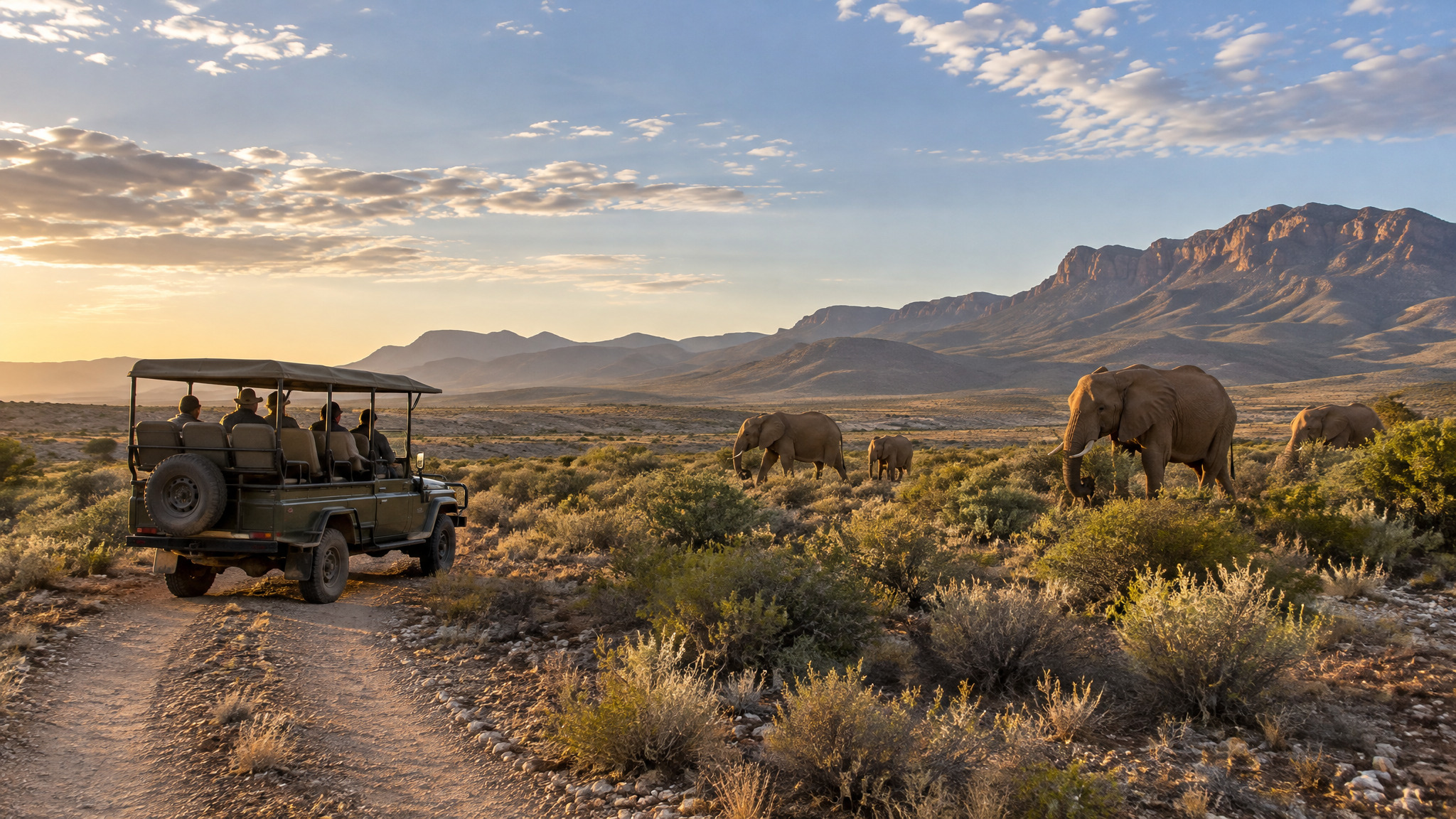
The animals rarely know where the boundary is — but you will feel it. Across much of Africa, the great private conservancies and reserves sit directly against the national parks, often with no fence between them, so the same lions, leopards and elephants move freely across both. What changes is everything around the sighting: whether your guide can leave the road, drive after dark, walk you through the bush, and how many other vehicles are allowed to join. Understanding that single distinction is the key to choosing the safari that will thrill you most.
Neither option is better in absolute terms — they are simply different tools for different travellers. A first safari on a tight budget, a photographer wanting off-road angles, a family needing space, a honeymoon craving privacy: each is best served by a different balance of park and conservancy, and that is the judgement we make with you.
1. What Is a Private Conservancy?
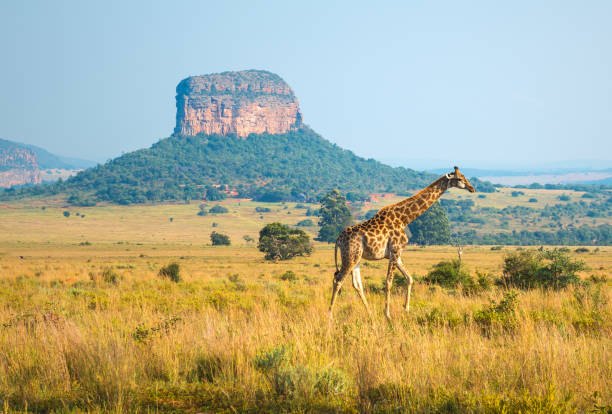
Protected wilderness managed by private lodges under strict rules. A private conservancy (or private game reserve or concession) is an area of wild land where a small number of lodges hold exclusive traversing rights. Because access is controlled, they can limit how many vehicles operate and allow guides to drive off-road, at night and on foot. Your nightly rate helps fund the land, its anti-poaching teams and its community partners. The result is a highly personal, low-density safari where sightings feel intimate and unhurried — often with just your vehicle present.
2. What Is a National Park?
Vast public wilderness, open to all, protected by the state. A national park is government-protected land run for conservation and public access. Anyone with a valid entry permit can drive its road network in daylight hours, which makes parks wonderfully democratic, wild and generally far cheaper. The trade-offs are the rules that keep such busy, open spaces safe and sustainable: you stay on designated roads, you cannot usually drive after dark, and a popular sighting may draw several vehicles. In return you get genuine scale, remote wild country and superb value.
3. Off-Road Driving & Night Drives
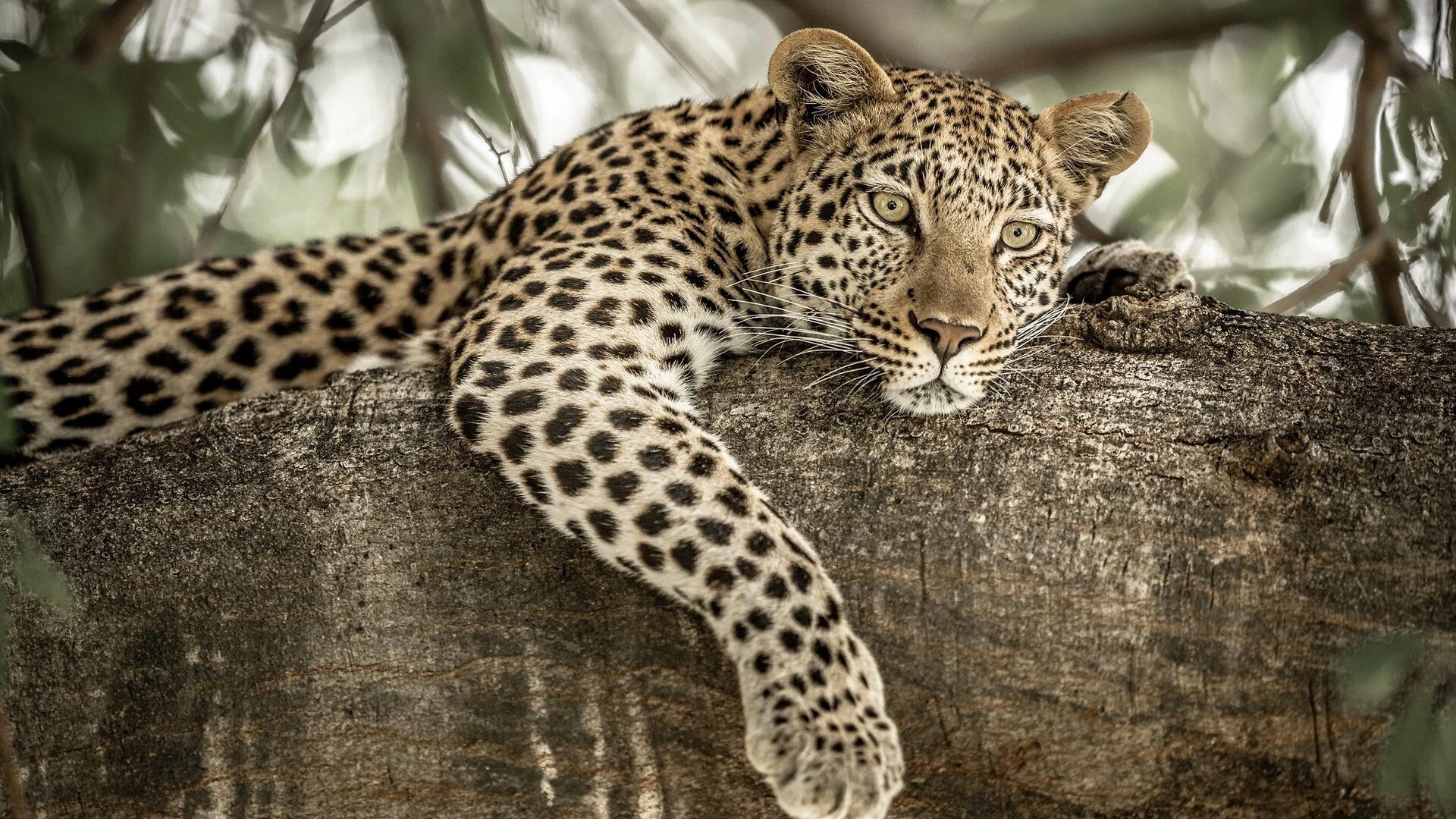
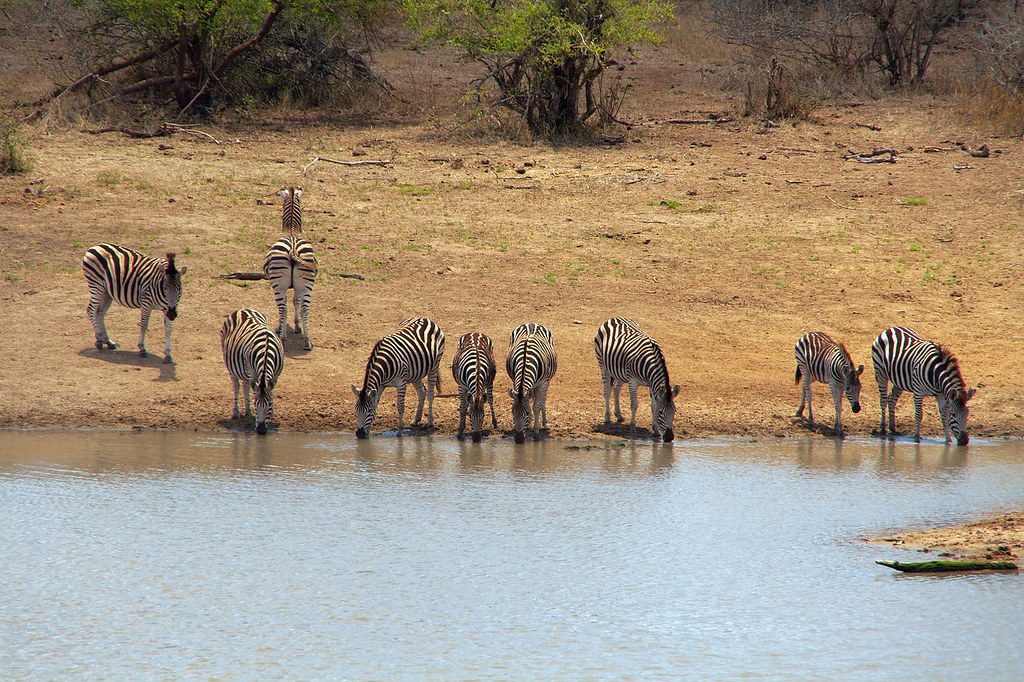
The single biggest experiential difference. In a private conservancy, your guide can leave the road to position you perfectly for a leopard in a tree or a lion on a kill — a gift for photographers and for anyone who wants to truly be with the animal. Night drives, with a spotlight, open up a whole second world of aardvark, civet, bushbaby and hunting big cats. National parks, protecting fragile ground and managing heavy traffic, generally keep you on the roads and end drives at dusk. If off-road and after-dark game viewing matter to you, a conservancy is worth every cent.
4. Vehicle Density & Exclusivity
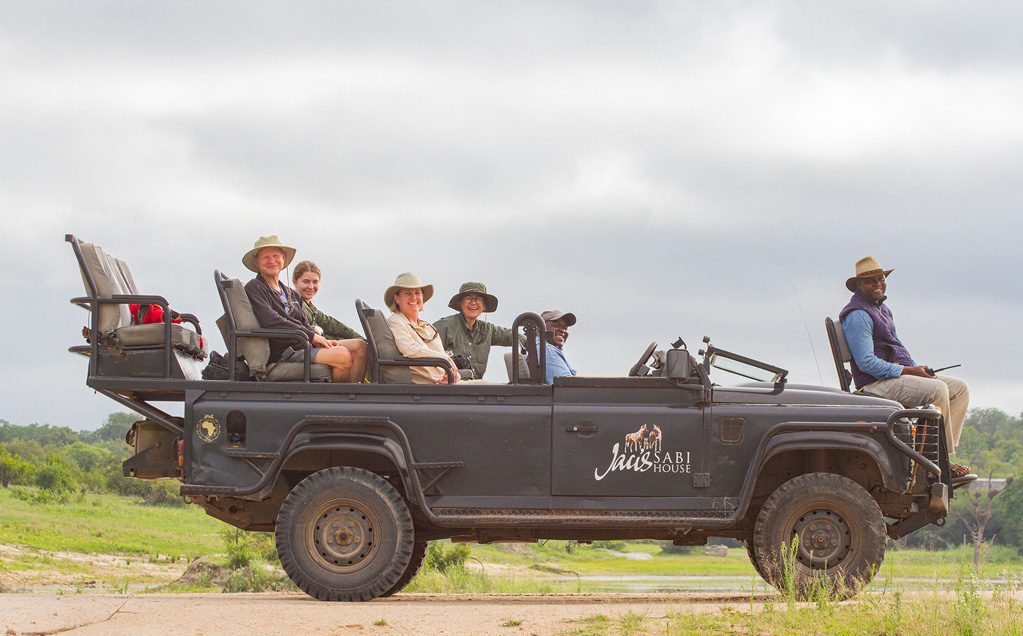
How many people share your sighting changes everything. Conservancies cap the number of vehicles allowed at a sighting — often just two or three, sometimes only yours — so even the greatest moments feel private and calm. In a busy national park, a leopard beside the road can gather a line of vehicles within minutes. Neither is wrong, but the difference in atmosphere is profound: the conservancy delivers hushed intimacy, while the park delivers the shared thrill of a public wilderness. For honeymooners and photographers especially, low vehicle density is often the deciding factor.
5. Walking Safaris & Getting Out of the Vehicle
Feeling the wild on foot, not just watching it. Guided walking safaris — with an expert, armed guide reading tracks, dung and birdsong — are one of the most profound ways to experience Africa, and they are far more freely offered in private conservancies and dedicated walking areas. On foot you notice the small wonders a vehicle rushes past: a dung beetle, a spoor in the sand, the tension in the air near a herd. Most national parks restrict off-vehicle activity to designated areas or licensed operators, so if walking is a priority, a conservancy usually delivers it best.
6. Cost & Value Compared
Parks win on price; conservancies win on access and privacy. A national-park safari — especially self-drive or in a larger camp — is generally the most affordable way to see big game, and the value is excellent. Private conservancies cost more because your rate funds exclusive land, low guest numbers and premium guiding, but that money buys off-road access, night drives, walking and privacy you simply cannot get in the park. The smartest question is not which is cheaper, but which delivers the experience you most want for the budget you have — and that is exactly where our honest advice earns its keep.
7. Conservation Models — How Each Protects the Wild
Two complementary engines of protection. National parks safeguard enormous, connected landscapes and the migratory routes that need real scale, funded by the state and by entry fees. Private conservancies protect land that might otherwise be lost to farming or development, funding anti-poaching, habitat restoration and community partnerships directly through your stay — turning wildlife into a living, local economy. Far from being rivals, parks and conservancies work best together, buffering and extending one another. Choosing either is a genuine act of support; choosing both spreads your impact across two vital models.
8. How to Choose — or Combine Both
The finest safaris often use each for what it does best. A classic pairing is a few nights in a great national park for scale, wild country and value, followed by a few nights in a private conservancy for off-road, night and walking safaris in blissful privacy — the best of both worlds in one seamless trip. If budget is tight, a park-focused safari still delivers superb wildlife; if privacy and access are everything, lean into the conservancies. There is no single right answer — only the right blend for your priorities, and designing that blend is precisely what we do.
Private Conservancy vs National Park — At a Glance
| Feature | Private Conservancy | National Park |
|---|---|---|
| Off-road driving | Yes | Generally no |
| Night drives | Yes | Rarely |
| Walking safaris | Freely offered | Restricted areas |
| Vehicle density | Strictly limited | Can be high |
| Cost | Higher | More affordable |
| Best for | Privacy, access, photography | Scale, value, wild country |
Which Should You Choose First?
If it is your very first safari and budget matters, a national park delivers extraordinary wildlife and a real sense of wild Africa for less — a superb, confidence-building introduction. If you are celebrating something special, travelling to photograph, or simply crave privacy and the freedom to follow a sighting off-road and after dark, a private conservancy will feel like magic. And if you can, do both: the contrast between the public grandeur of a great park and the hushed intimacy of a private conservancy makes for the most complete safari of all. We will help you decide where to begin and how to balance the two.
Do the Big Five Live in Both?
In the best regions, yes — because the land is often continuous. Where a private conservancy shares an unfenced boundary with a national park, the lions, leopards, elephants, buffalo and rhino roam across both, so your chances of the Big Five are excellent either side. What differs is how you experience them: in the conservancy you may track a leopard off-road in near solitude, while in the park you might watch a breeding herd of elephant cross the road in the company of other delighted travellers. Same animals, two very different, equally wonderful moments.
Why Plan Your Reserve Choice With Us
- On-the-ground knowledge — we know which conservancies and parks truly deliver.
- Honest, independent advice — the right reserve for you, not the biggest commission.
- Seamless combinations — park and conservancy woven into one effortless trip.
- Priority-matched lodges — access, privacy or value, exactly as you need it.
- 24/7 support — one point of contact from first quote to final sunset.
Let Us Design Your Perfect Blend
We are a private, tailor-made travel house based in Cape Town, and matching the right reserves to the right travellers is at the heart of what we do. Tell us what matters most to you — privacy, price, photography, walking, or simply the widest wildlife — and we will craft a safari that uses parks and conservancies for exactly what each does best.
Ready to plan your safari? 👉 Request a tailor-made safari quote → 👉 Browse our tours & safari packages → 👉 WhatsApp us: +27 78 471 4852