Key Takeaways
- The "Greater Kruger" is the ring of private reserves that share an unfenced border with the Kruger National Park — the animals move freely between them, so you get the same wildlife with a very different experience.
- Private reserves offer off-road game drives, night drives, guided walks and expert ranger-and-tracker teams, plus low guest numbers — things the national park's rules do not allow.
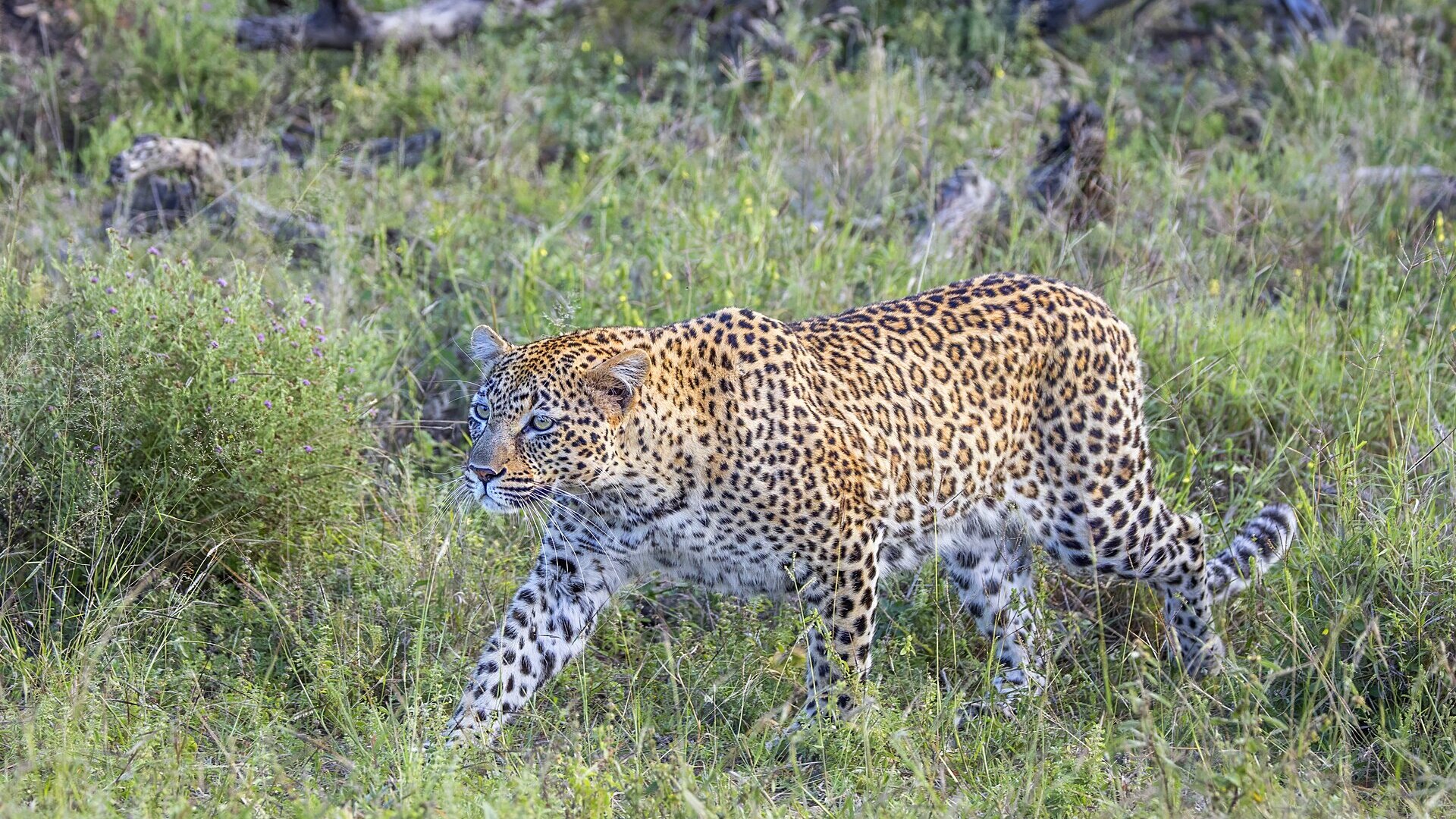
- The Sabi Sands is the most famous and luxurious, celebrated worldwide for its relaxed, easy-to-photograph leopards.
- Timbavati, Manyeleti and Klaserie are wilder, quieter and often better value, on the western and northern flanks of the park.
- The national park itself is unbeatable for scale and affordability and remains a wonderful self-drive safari — the choice is about experience and budget, not quality of wildlife.
- The right reserve depends on what you want: leopards and luxury, wilderness and value, or a walking-and-wildlife balance. We match reserve, lodge and budget to you.
What Greater Kruger Actually Means
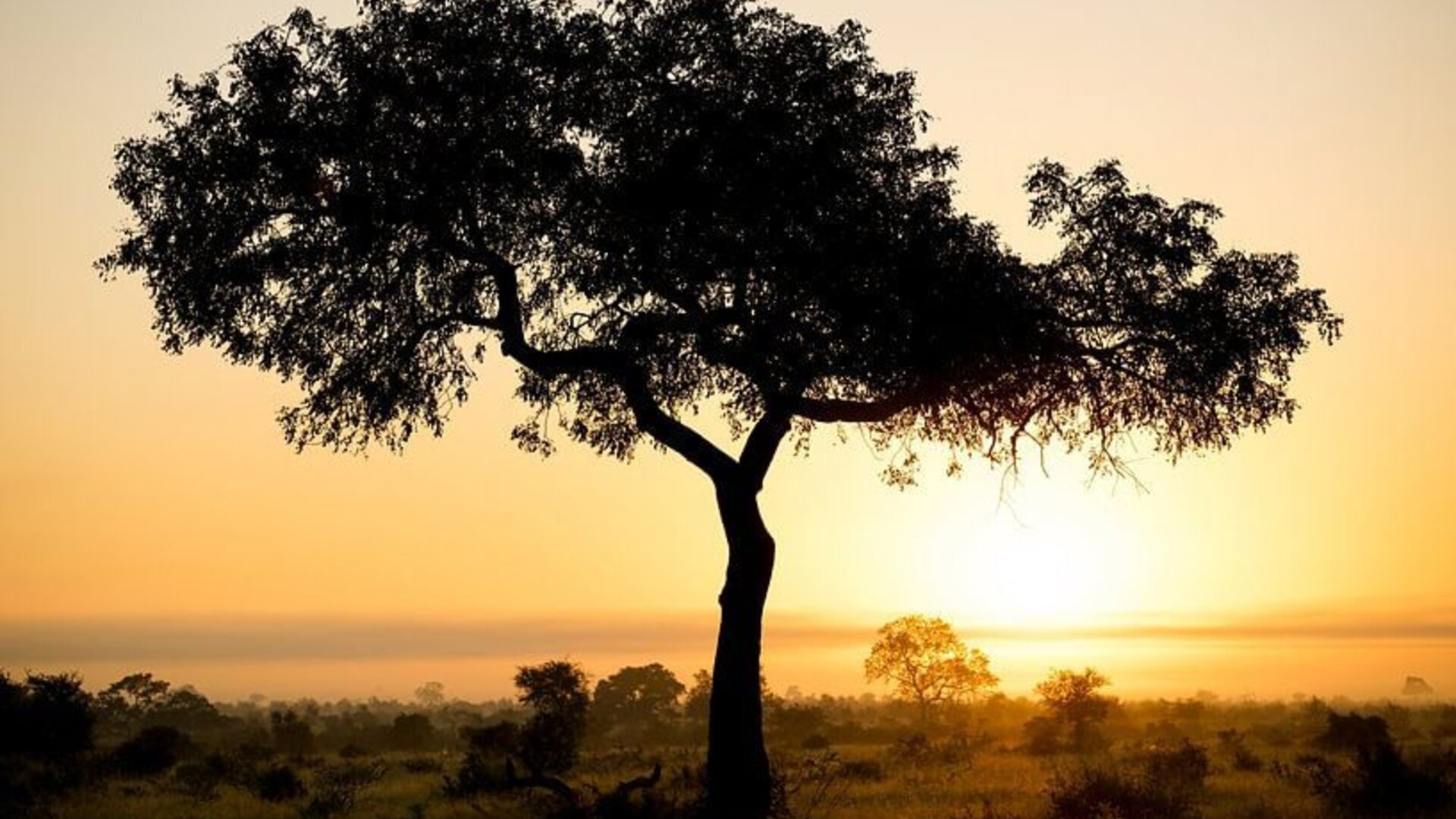
The Kruger National Park is one of the largest game reserves in Africa, but its boundary is not the edge of the wilderness. Along its western flank, a series of private reserves dropped their fences with the national park decades ago, creating one vast, unfenced ecosystem. Animals move freely across these invisible borders following the rains and the game — which means a leopard photographed in a private concession this morning may have been inside the national park last night. Collectively, this belt of private land plus the park is what people mean by the "Greater Kruger".
The distinction matters because the wildlife is shared but the rules are not. Inside the national park, you must stay on designated roads, keep to opening hours, and there is no off-road driving or night driving. In the private reserves, the operators set their own rules: their guides can drive off-road to follow a sighting, run drives after dark, and lead walking safaris — all with a fraction of the vehicles you would find at a popular national-park sighting.
So when travellers ask whether they should "do Kruger or a private reserve", the honest answer is that they are the same wilderness experienced two different ways. The animals do not know where the boundary is. What changes is how close you get, how few other vehicles are around, and how much expert guiding shapes your days.
Sabi Sands — The Leopard Capital
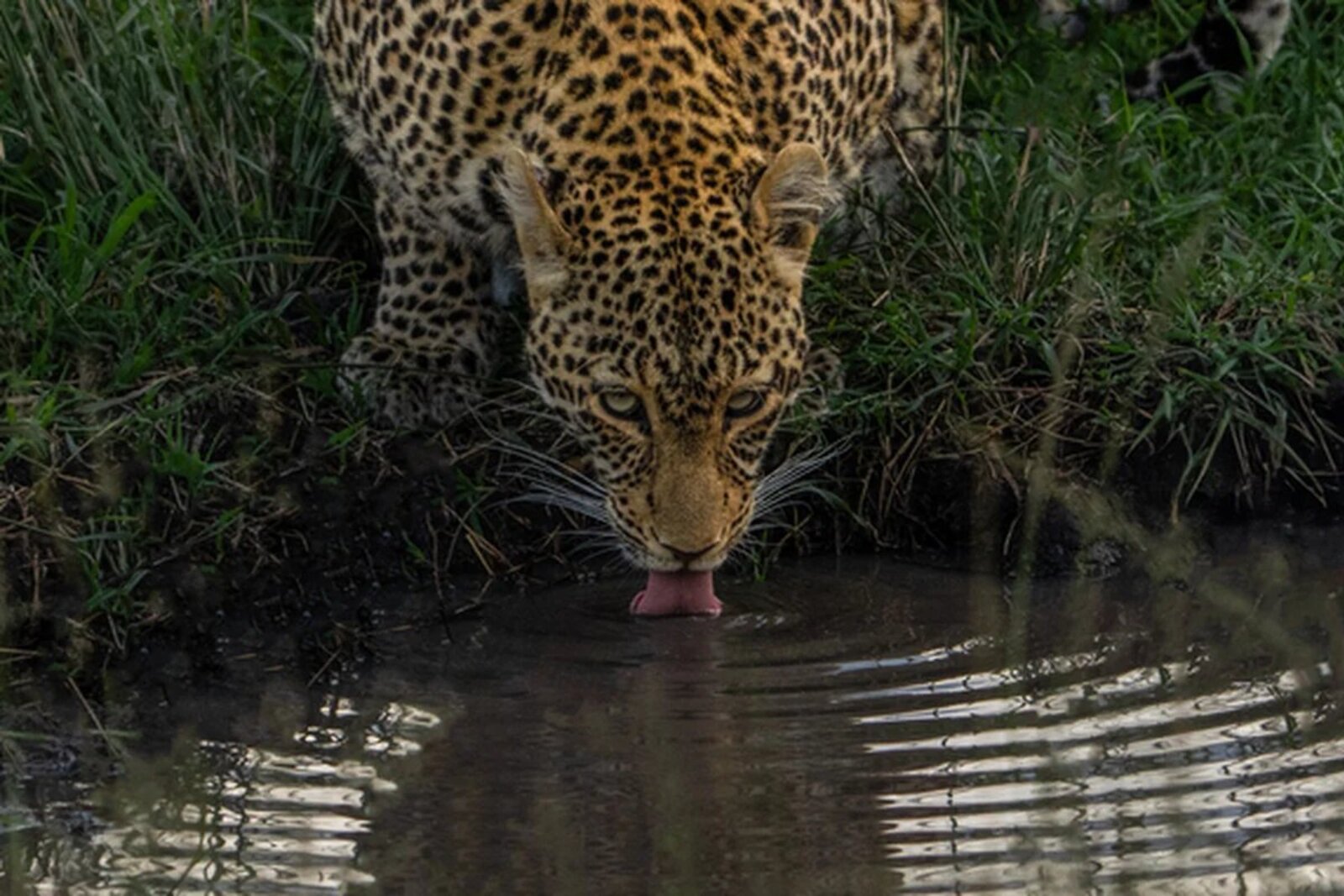
If the Greater Kruger has a crown jewel, it is the Sabi Sands. Sitting on the park's southwestern border and watered by the Sand and Sabie rivers, it is the oldest and most celebrated of the private reserves — and the single best place in Africa to see leopard. Decades of careful, low-impact guiding have produced generations of leopards that are completely relaxed around vehicles, which is why so many of the world's most famous big-cat photographs and documentaries come from here.
It is also the most luxurious corner of the Greater Kruger. Legendary lodges have set the global standard for the safari experience, pairing extraordinary game viewing with world-class food, design and service. Days revolve around twice-daily drives with a ranger and a Shangaan tracker working as a team, off-road and often alone at a sighting. Beyond leopards, the Sabi Sands delivers the full Big Five, wild dog, cheetah and the great supporting cast of the Lowveld.
The trade-off is price. The Sabi Sands sits firmly at the premium end, and its finest lodges are bucket-list expensive. But for honeymooners, milestone celebrations and first-timers who want the very best of a South African safari in one place, nothing else quite matches it. If leopards and luxury are your priority, this is the reserve.
Timbavati, Manyeleti & Klaserie
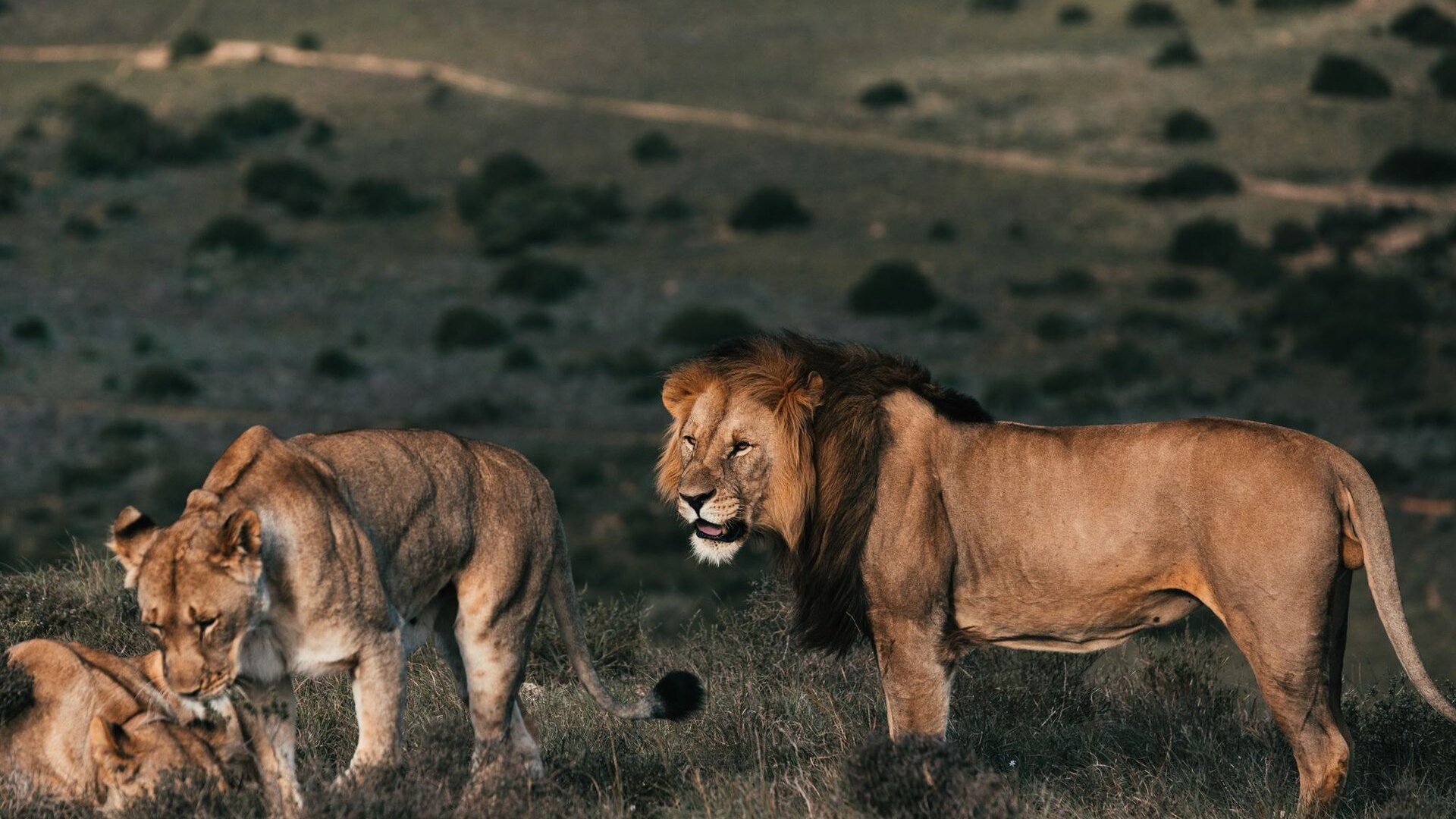
North and west of the Sabi Sands lie the other great private reserves, each with its own character. The Timbavati, on the park's central-western border, is famous for its open savanna, big prides of lion and its legendary white lions — genetically rare, pale-coated lions that occur naturally here. It is wilder and less manicured than the Sabi Sands, with a mix of characterful owner-run camps and polished lodges, and it delivers superb general game with fewer vehicles.
The Manyeleti — its name means "place of stars" — sits between the Sabi Sands and Timbavati and is one of the Greater Kruger's best-kept secrets. Historically a community reserve with very few lodges, it offers genuine wilderness, excellent Big Five viewing and some of the darkest night skies in the region, all at noticeably gentler prices than its glamorous neighbour. It is a favourite for travellers who want exclusivity without the top-tier cost.
The Klaserie, further north, is the largest of the private reserves and among the wildest — a patchwork of private farms run collectively, with intimate, unpretentious camps and a real old-Africa feel. Game viewing here is authentic and unhurried rather than guaranteed-in-an-hour, which is exactly what its regulars love. Together, these three reserves prove that the Greater Kruger is far more than just the Sabi Sands — and that wilderness, value and exclusivity are all on the table.
Step Inside the Reserves’ Lodges
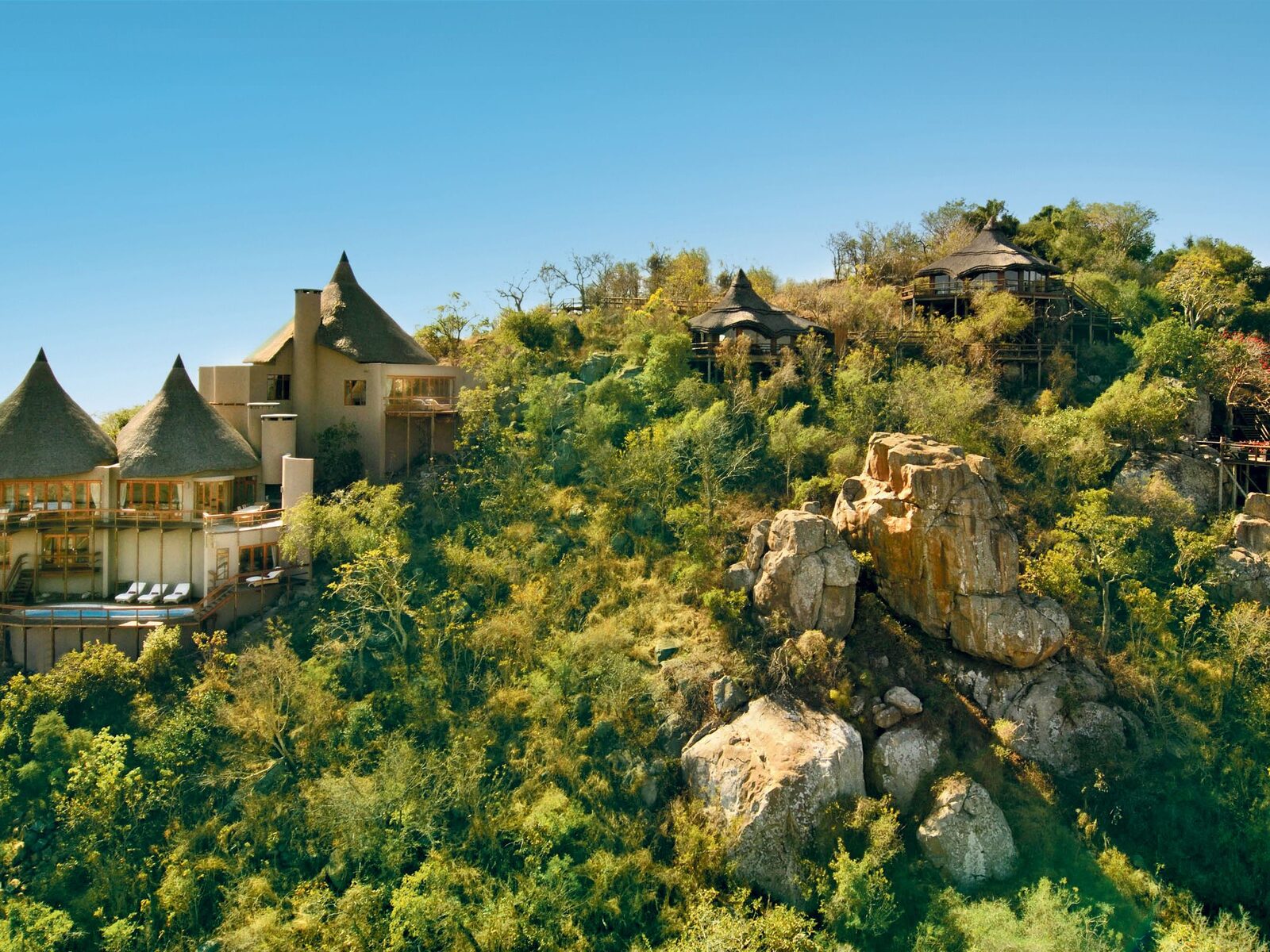
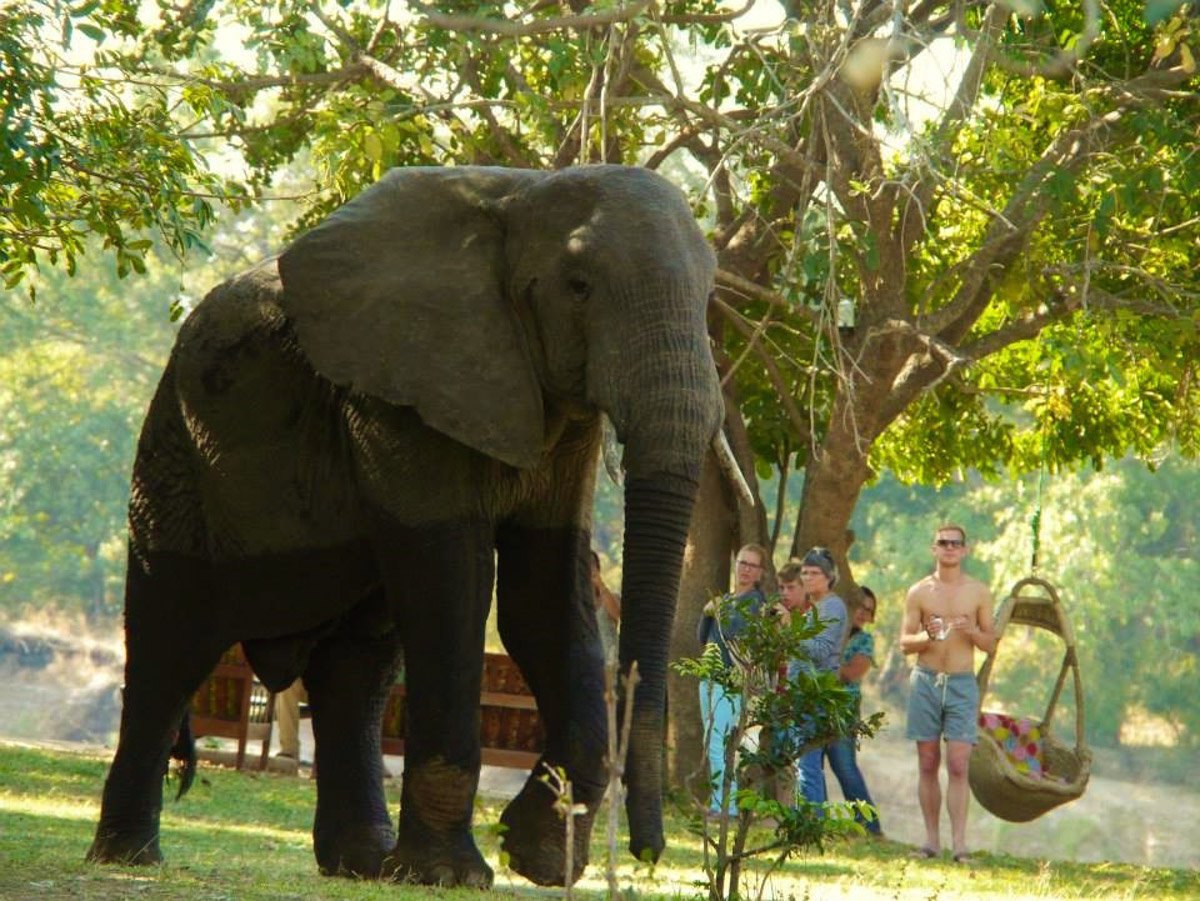
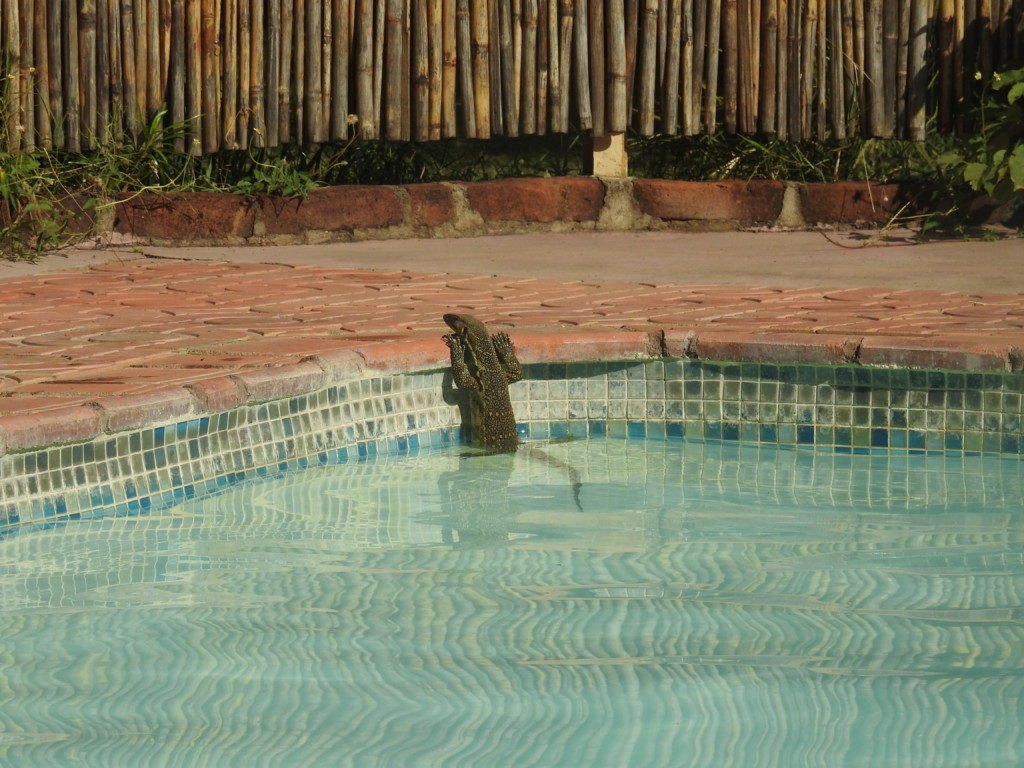
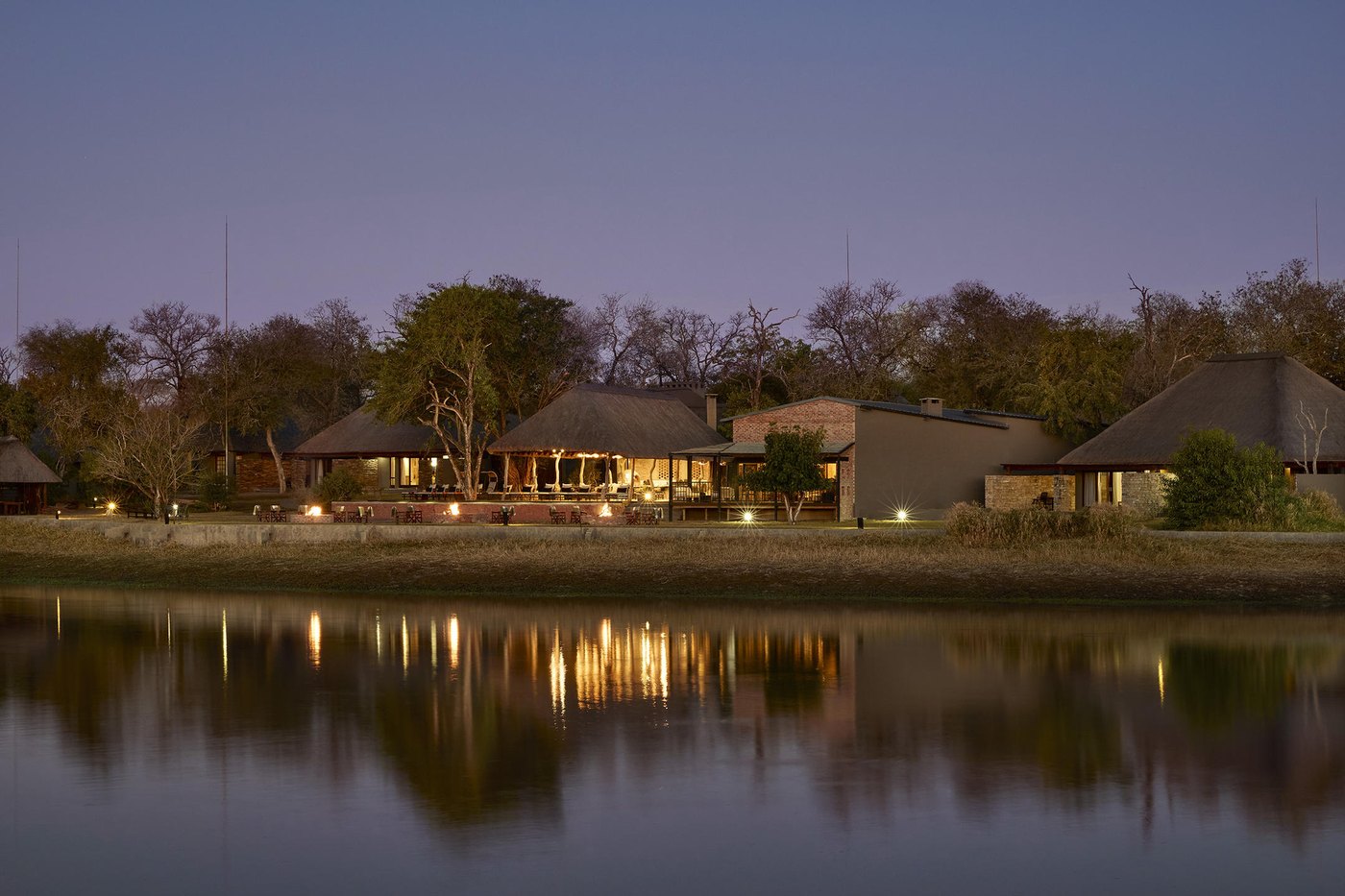
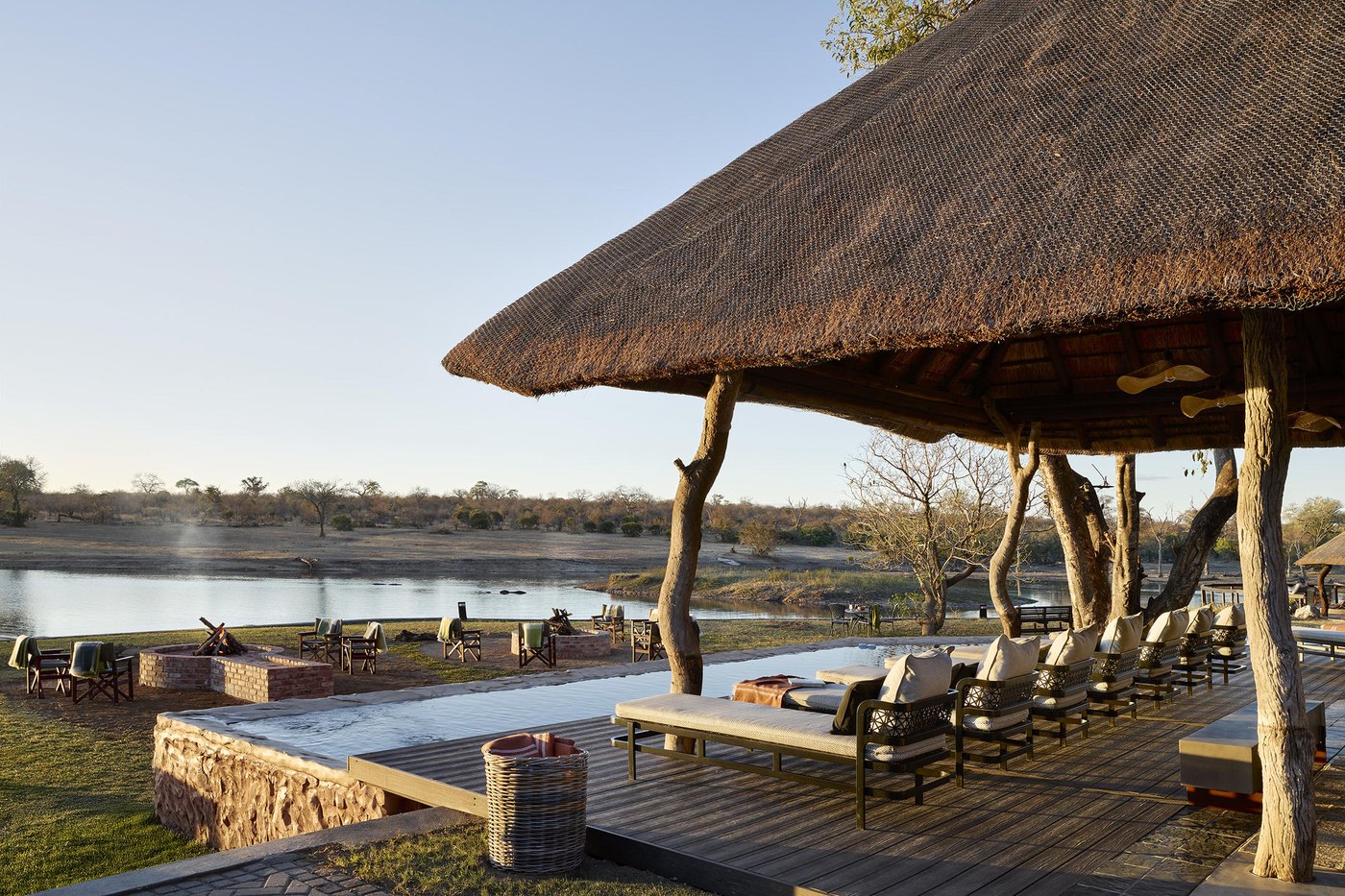
The reserves come alive through the lodges that sit inside them — and they span a huge range, from Sir Richard Branson’s clifftop Ulusaba in the Sabi Sands to intimate, well-priced camps in the wilder Timbavati. Here is a real look inside three properties across two of the Greater Kruger’s great reserves, so you can see exactly what the private-reserve experience feels like from the deck of your own suite.
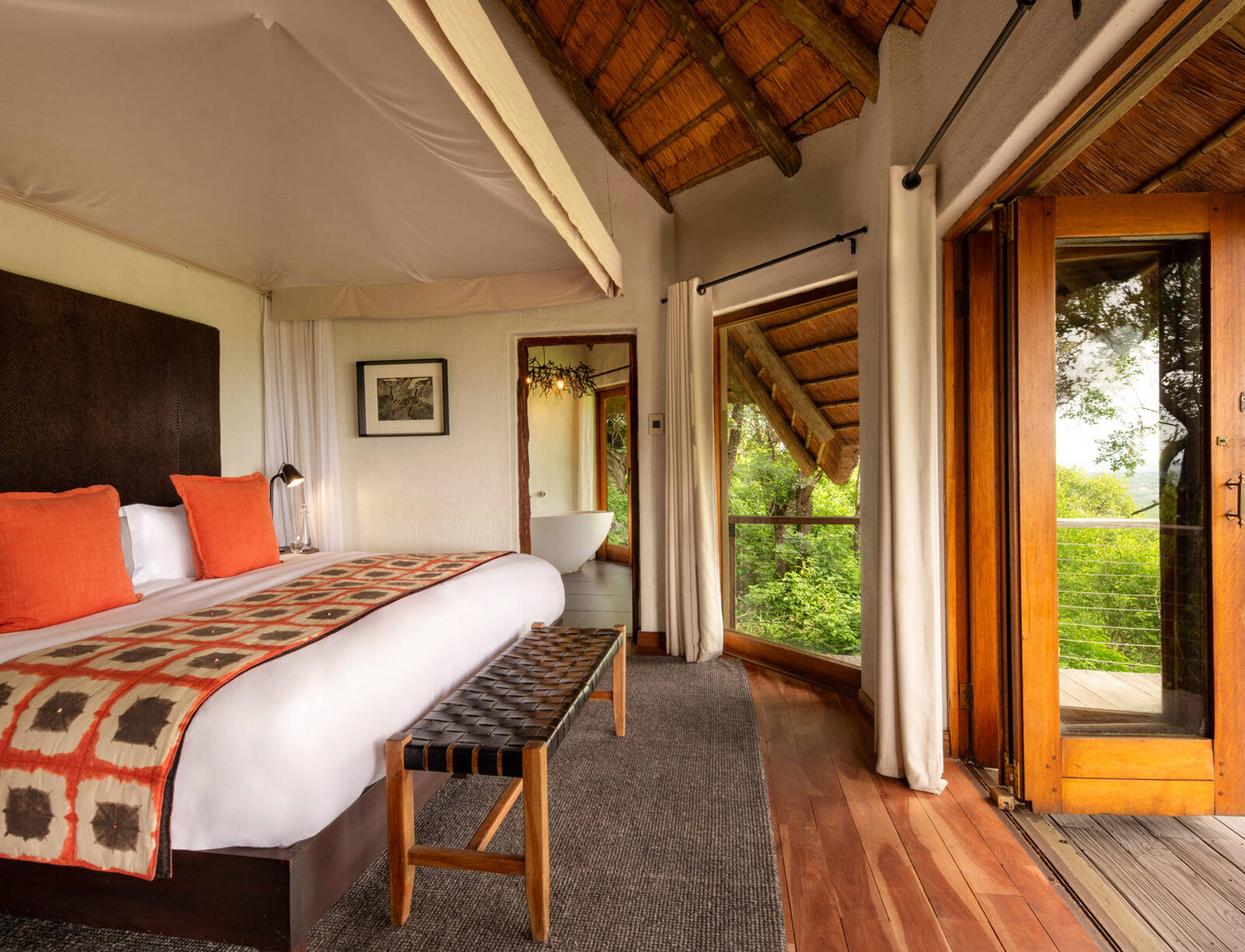
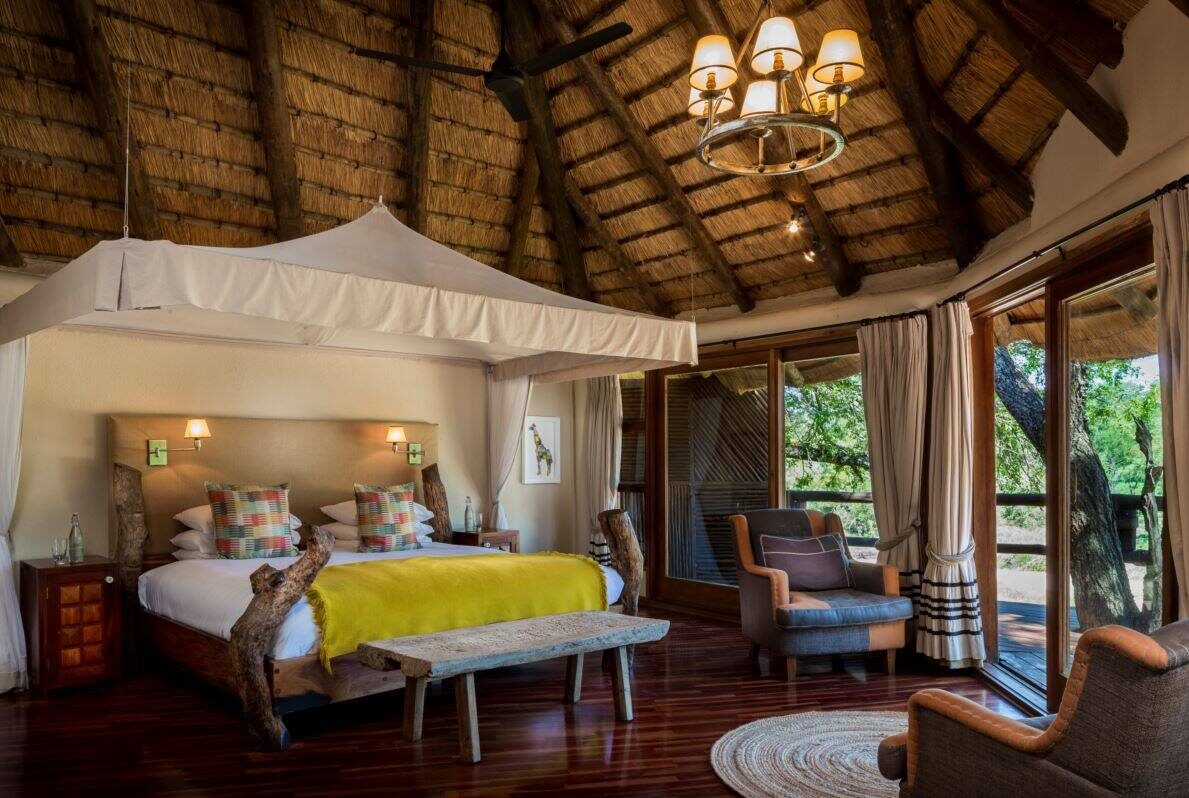
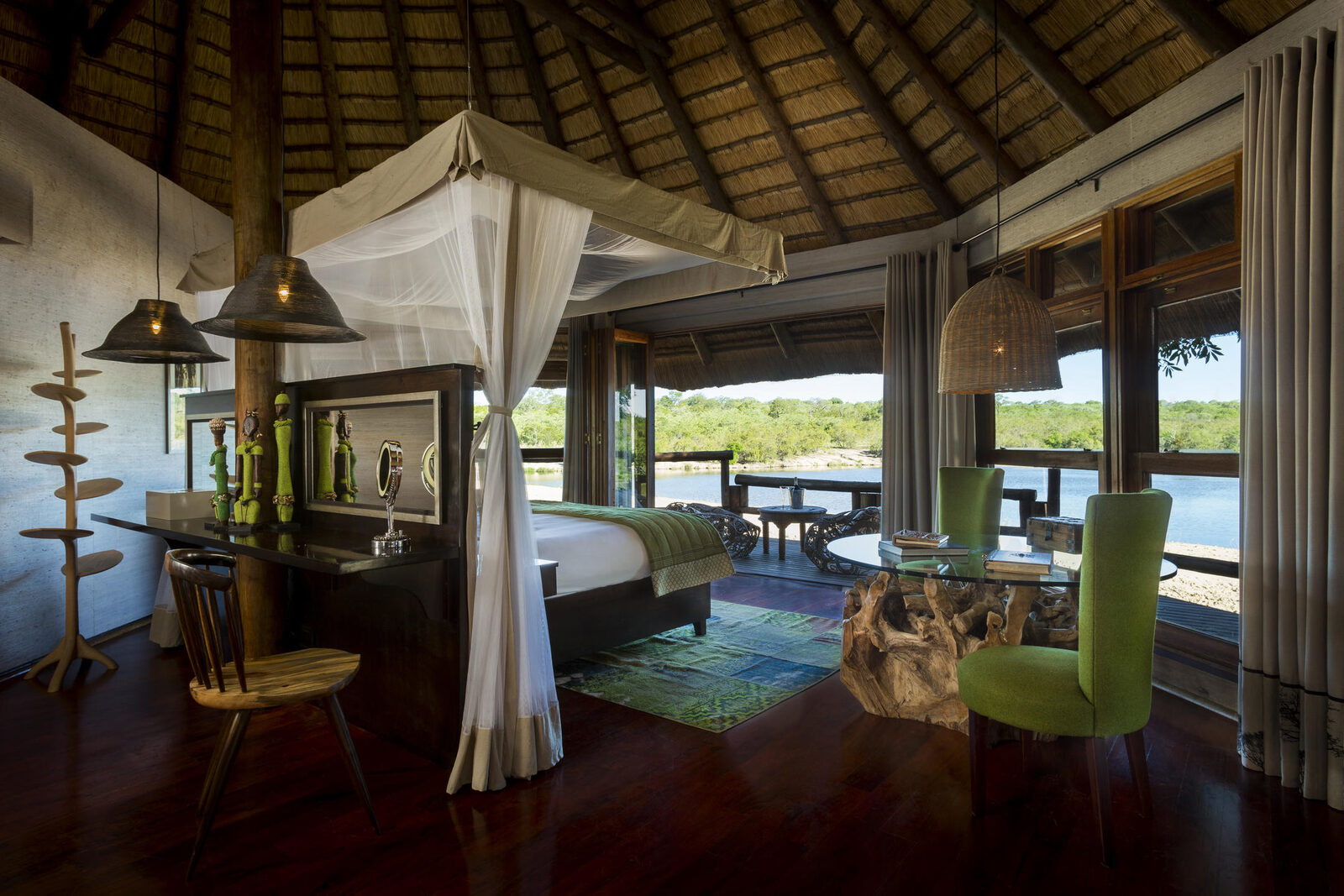
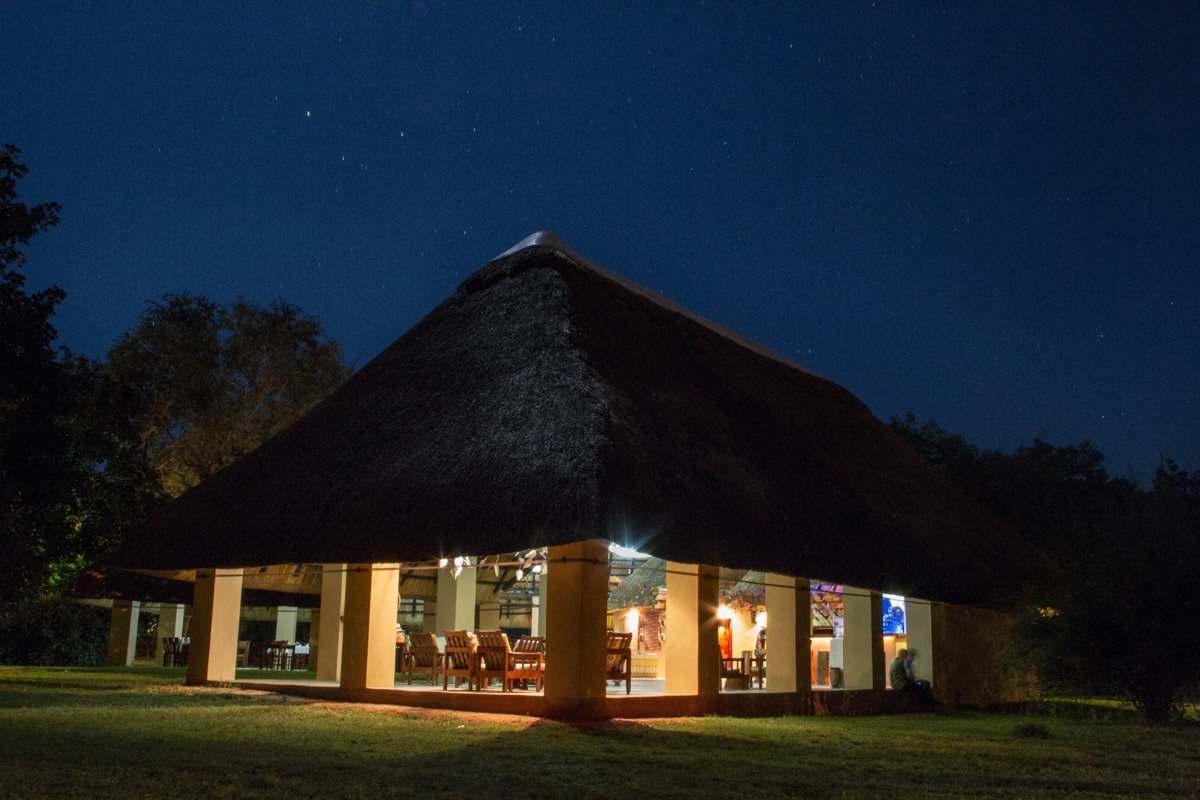
Private Reserve vs National Park
The choice between a Greater Kruger private reserve and the national park comes down to three things: access, exclusivity and cost. In a private reserve, your guide can leave the road to follow a leopard into the thickets, run a spotlit drive after dark, and take you walking with a rifle-carrying ranger — and you will often be the only vehicle at a sighting. Meals, drives and even the pace of your day are all handled for you. It is safari at its most immersive and effortless, and it is priced accordingly.
The national park offers a different kind of magic. It is enormous, gloriously affordable, and open to anyone with a hire car. You set your own pace, picnic at rest camps, and enjoy the quiet satisfaction of finding your own animals — but you stay on the roads, keep to gate times, and share popular sightings with other cars. For families, self-drive enthusiasts and budget-conscious travellers, it is one of the great safari experiences on Earth, and the wildlife is identical to that of the private reserves next door.
Many of our most satisfied travellers refuse to choose. They spend a couple of nights self-driving the national park for its scale and freedom, then move into a private reserve for a night or two of off-road, guided intensity. That combination gives you the best of both worlds — and it is exactly the kind of itinerary we love to build.
What a Day on Safari Looks Like
Life in a Greater Kruger private reserve follows a beautiful, unchanging rhythm dictated by the animals. You wake before dawn to coffee and a rusk, then head out on the morning game drive as the bush comes alive and the predators are still active. Your ranger and tracker read tracks, respond to radio calls from other guides, and go off-road to put you in the best position for a sighting — a pride on a kill, a leopard hauling prey into a tree, wild dogs on the hunt.
Back at the lodge by mid-morning, the day slows down. A big brunch, a swim, a spa treatment or simply a snooze on your deck watching the waterhole while the heat builds. Some lodges offer a guided bush walk in this window for those who want to feel the wilderness on foot. Then, in the late afternoon, you head out again — the second drive rolling through golden hour into a sundowner stop with a gin and tonic, and often continuing after dark with a spotlight to find the nocturnal world.
Evenings are unhurried and convivial: a shower, drinks around the fire, and dinner under the stars or in a candlelit boma, often with the distant call of a lion or the whoop of a hyena for a soundtrack. Everything is included and everything is handled, so all you have to do is be present for the wildlife. Two or three days of this rhythm is deeply restorative — and utterly addictive.
Choosing Your Reserve
With so many reserves and lodges, choosing well is the difference between a good safari and an unforgettable one. Start with what matters most to you. If it is leopards, luxury and the polished, iconic experience, the Sabi Sands is the answer. If it is wilderness, value and space — big skies and few vehicles — the Manyeleti, Timbavati or Klaserie will reward you more per rand. If you want walking safaris and a wilder, more rustic feel, the northern reserves shine.
Then layer in the practicalities: budget, of course, but also how you will get there (many lodges have their own airstrips for fly-in access from Johannesburg), whether you are travelling with children (some lodges have age restrictions, others are wonderfully family-friendly), and how the reserve fits into your wider trip. A Greater Kruger safari pairs naturally with the Panorama Route, Cape Town or Victoria Falls, and the right combination depends on your time and taste.
This is where a specialist earns their keep. We know the reserves and the individual lodges — their guiding reputations, their traversing rights, their character and their quirks — and we match them to exactly the safari you are dreaming of. Tell us what you want to feel, see and spend, and we will place you in the corner of the Greater Kruger that delivers it.
Greater Kruger Reserves at a Glance
A quick side-by-side of the main reserves — and the national park — to help you match character, vehicle numbers and budget to the safari you want.
| Reserve | Character | Best For | Vehicle Density | Price Tier |
|---|---|---|---|---|
| Sabi Sands | The famous, polished leopard capital | Leopards, luxury, first-timers | Low | Premium – ultra |
| Timbavati | Open savanna, big prides, white lions | Wilder game viewing, value | Low | Mid – premium |
| Manyeleti | “Place of stars” — dark skies, few lodges | Exclusivity without the top price | Very low | Mid |
| Klaserie | The largest and wildest, rustic camps | Authentic old-Africa wilderness | Very low | Mid |
| Kruger National Park | Vast, self-drive, roads and rest camps | Scale, freedom, families, budget | Higher at sightings | Budget – mid |
Ready to explore? Browse our Greater Kruger & Sabi Sands safari packages →