Key Takeaways
- Leopard Is the Draw: Karongwe has long been one of Limpopo's stronger reserves for leopard, with a resident population the guides know by name — the single best reason to put it on your shortlist
- Big Five, Plus Two: Lion, leopard, elephant, buffalo and rhino all range the reserve, and so do cheetah and wild dog — the "Magnificent Seven" that few reserves this size can offer
- 9,000 Hectares Between Six Rivers: Green riverine bushveld at the foot of the northern Drakensberg, inside the UNESCO Kruger to Canyons Biosphere, about 45 minutes from Kruger
- Seven Properties, One Reserve: From the flagship Becks and boutique Kuname to family-friendly Shiduli, the tented Chisomo, River Lodge, the intimate Sepela and the private Noka House villa
- Low-Risk Malaria, Not Malaria-Free: Karongwe sits in a low-risk malaria area near Hoedspruit — a real distinction worth understanding before you book, which we cover in full below
- All-Inclusive Rates: Published 2027 rates start from about R6,500 per person per night sharing at the family lodges (including VAT), with the 5-star properties higher and the Noka House villa higher again; meals and twice-daily game drives are included
- Easy to Reach: A short transfer from Hoedspruit's Eastgate Airport, or about a five-hour drive from Johannesburg — simple to pair with a few days in Kruger or the Panorama Route
Why This Review Matters
Karongwe does not shout as loudly as the big Sabi Sand names, and that is part of the appeal. It is a mid-sized Limpopo reserve with a genuine reputation for leopard, a spread of lodges that covers almost every budget and travelling party, and a setting between six rivers that keeps the game close to the water. This review is written for the traveller choosing between Karongwe and the better-known greater-Kruger reserves: what the reserve does well, the low-risk-malaria question nobody likes to spell out, how the seven properties actually differ, and who each one suits.
Location & Setting: Between Six Rivers in Limpopo
Karongwe Private Game Reserve lies in the Limpopo lowveld near Hoedspruit, at the foot of the northern Drakensberg and roughly 45 minutes from the Kruger National Park. It falls inside the UNESCO-recognised Kruger to Canyons Biosphere, one of the largest biosphere reserves in the world, which links the great park with the Blyde River Canyon and the escarpment.
The reserve covers 9,000 hectares of green riverine bushveld, and its defining feature is water. Six rivers converge across the property, among them the Makhutswi, and that network of watercourses and riverine forest is what keeps the game viewing consistent and the birdlife rich. This is proper lowveld — marula, leadwood and jackalberry along the rivers, open grassland between — rather than the dry, open country you find further south and west.
The position is one of Karongwe's quiet strengths. It puts you within easy reach of:
- Kruger and the greater-Kruger reserves — about 45 minutes away, simple to combine into one trip
- Hoedspruit and Eastgate Airport — a short transfer, with direct flights from Johannesburg and Cape Town
- The Panorama Route — the Blyde River Canyon, God's Window and the escarpment, an hour or so to the west
- A malaria-lighter corner of the lowveld — low-risk rather than high-risk, a point we return to below
Conservation & the Land
Being part of the Kruger to Canyons Biosphere is not a marketing line — it places Karongwe inside a recognised conservation corridor that ties the lowveld reserves to the escarpment and the canyon. The reserve manages its own game populations, its predator dynamics and its habitat across those 9,000 hectares, with the rivers doing much of the work of keeping the bush green and the plains game fed.
Karongwe has been used over the years as a base for predator research, particularly on leopard, cheetah and lion, and that long familiarity with the resident cats is part of why the leopard viewing holds up. Guides here tend to know the individual animals, their territories and their habits, which turns a drive from a hopeful search into something closer to informed tracking.
The reserve is fenced, as almost all private reserves of this size are, and the game is managed accordingly. That is worth saying plainly: Karongwe is a well-run managed reserve, not an open wilderness the size of a national park. What it gives you in return is reliable Big Five country, healthy predator numbers and a real chance at the two species — cheetah and wild dog — that so many reserves have lost.
The Wildlife Reality: What You'll Actually See
Karongwe is sold as a Big Five and "Magnificent Seven" reserve. The big species are genuinely here, but a good consultant owes you the honest breakdown rather than the brochure.
Leopard — The Reserve's Signature
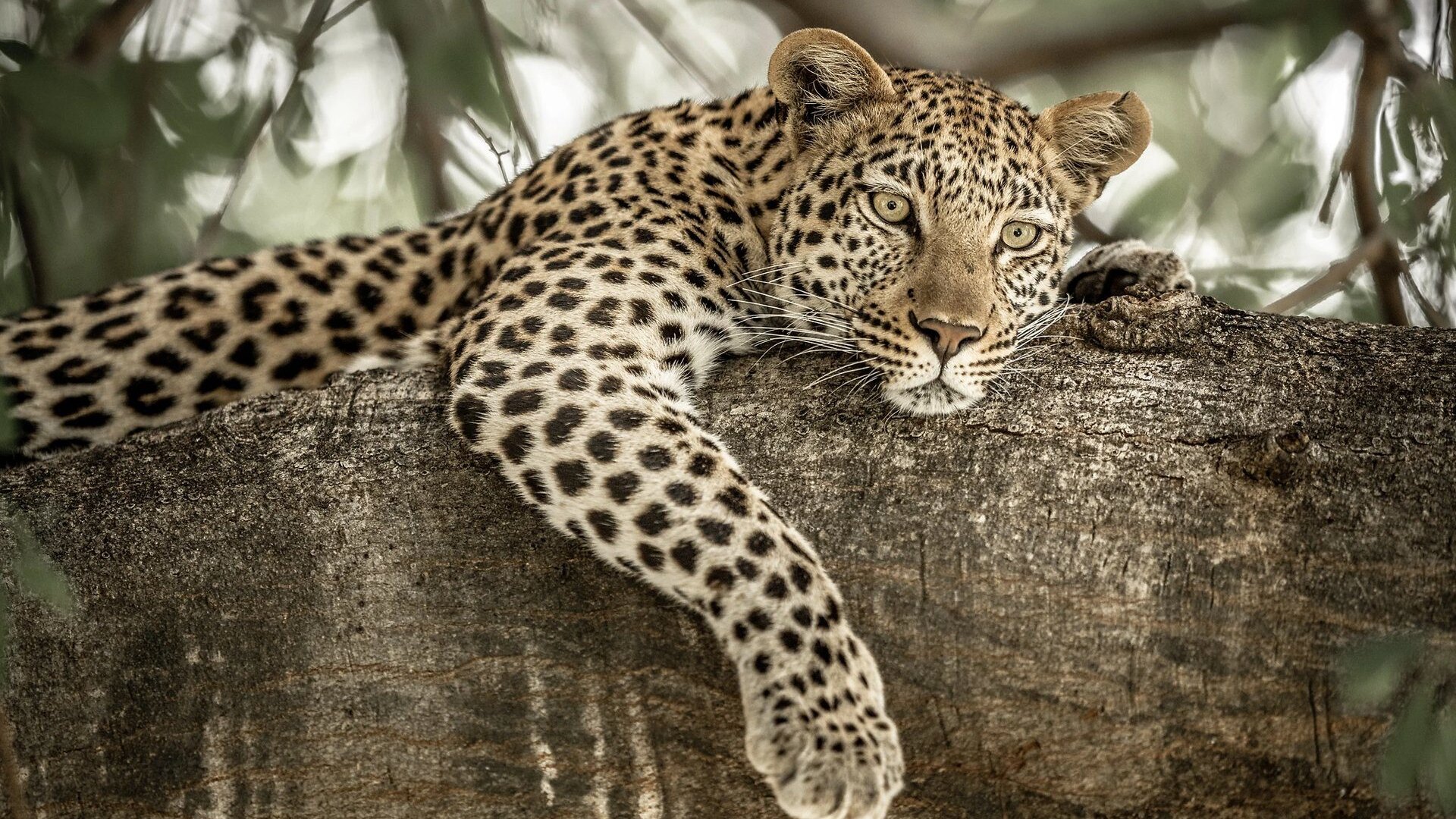
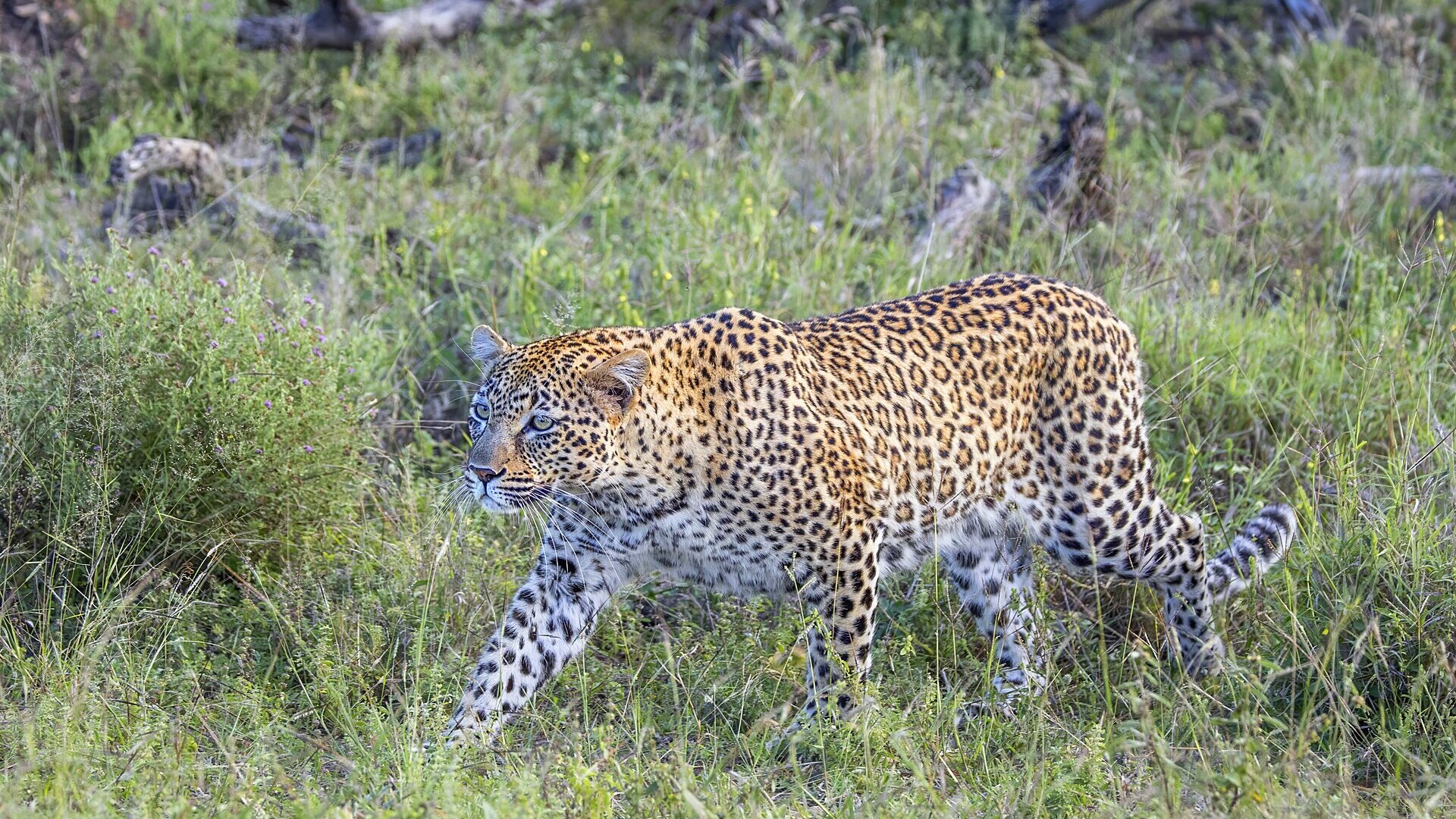
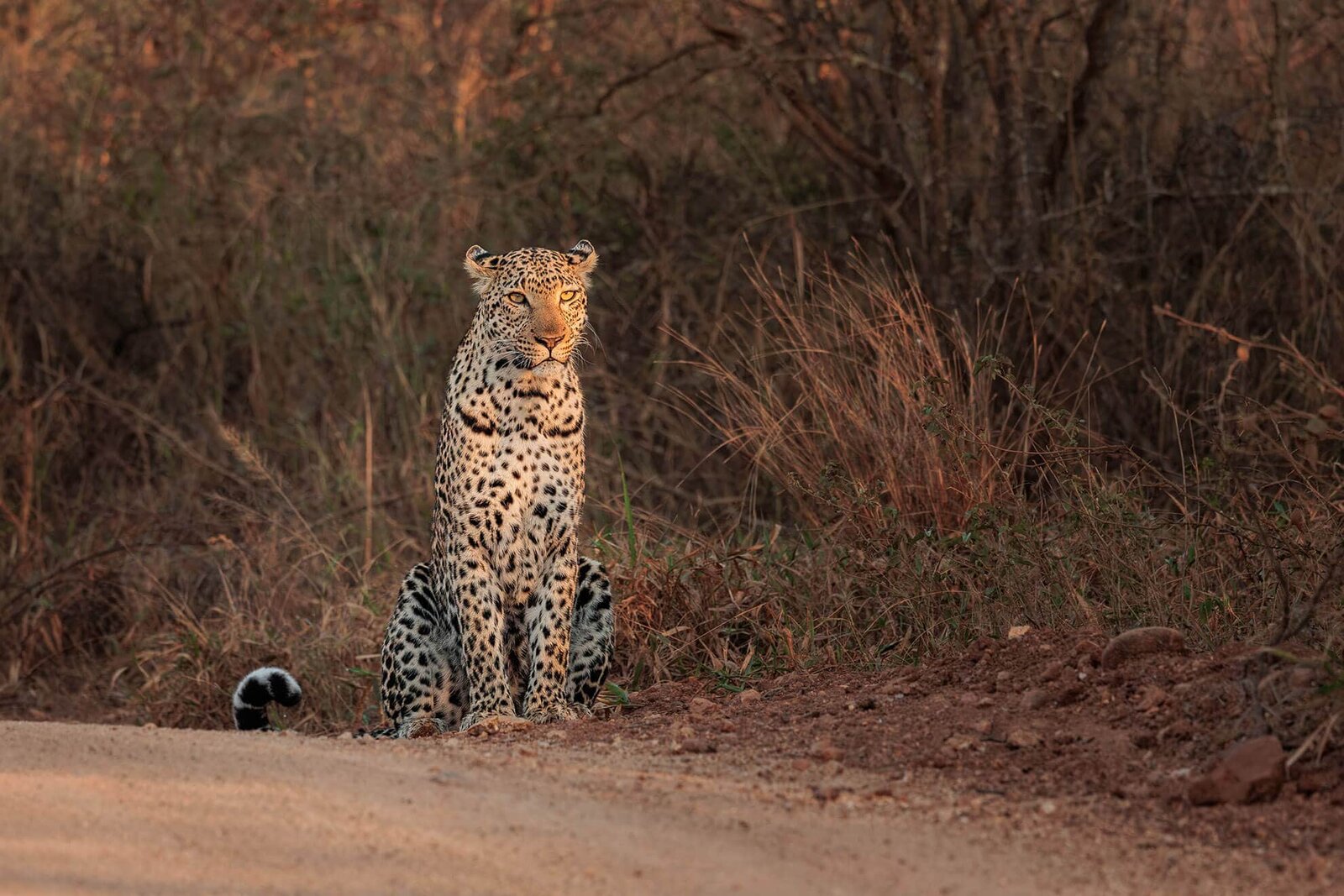
This is where Karongwe earns its name. The reserve has carried a strong, well-habituated leopard population for years, and the riverine bush along those six rivers is ideal leopard country. Sightings are never guaranteed anywhere — any honest guide will tell you that — but your odds here are better than at most reserves of this size, and the guides' knowledge of the individual cats is the difference-maker. If leopard is the animal you most want to see, Karongwe belongs on your list.
Lion, Elephant, Buffalo & Rhino
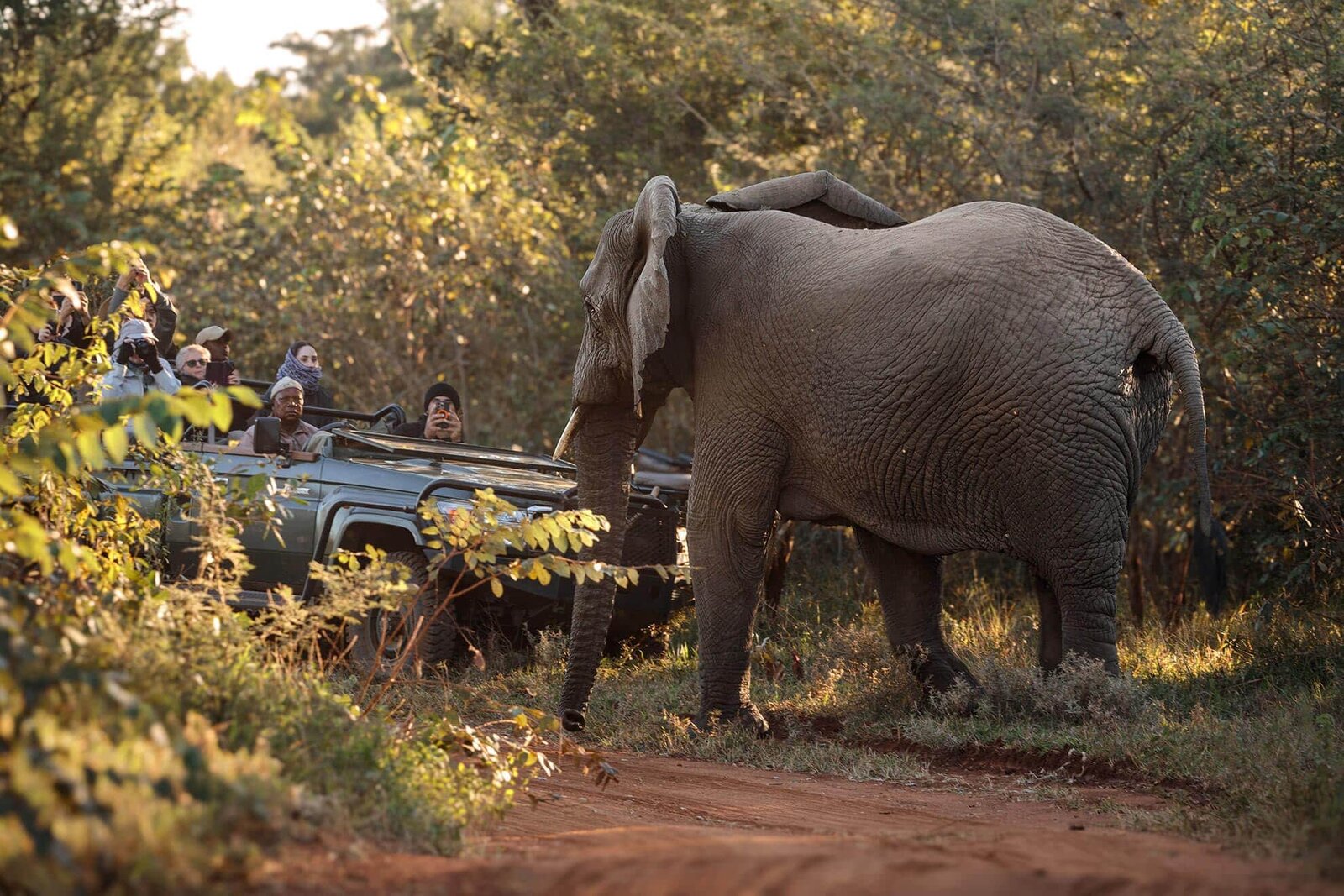
The other four of the Big Five are all present and seen regularly. Lion prides range the reserve, elephant move between the rivers and the open bush, buffalo herds work the grassland, and rhino are here and protected. On 9,000 hectares with good water, the big herds tend to stay close, so game drives are productive without the long empty stretches you can get on vast open systems.
Cheetah & Wild Dog — The Extra Two
What lifts Karongwe above a standard Big Five reserve is the chance at cheetah and wild dog as well — the "Magnificent Seven". Cheetah hunt the open stretches, and wild dog, when a pack is on the reserve, are one of the most thrilling sightings in the bush. Neither is a daily certainty, but having both in the mix on a reserve this size is unusual and genuinely raises the ceiling on what a few days here can deliver.
Plains Game & Birdlife
The open bush and riverine forest carry good plains game — giraffe, zebra, kudu, impala, waterbuck, nyala and more — along with hippo and crocodile in the rivers. Birdlife is a highlight in its own right: the water draws fish eagle, kingfishers, herons and storks, and the bush holds hornbills, rollers and raptors. Keen birders should bring binoculars and allow time at the water.
The Verdict: Treat Karongwe as a well-managed, leopard-strong Big Five reserve with the rare bonus of cheetah and wild dog. Go for the cats, the consistent drives and the water-rich setting, and let the plains game and birds fill the quieter moments.
The Lodges & Camps: Seven Ways to Stay
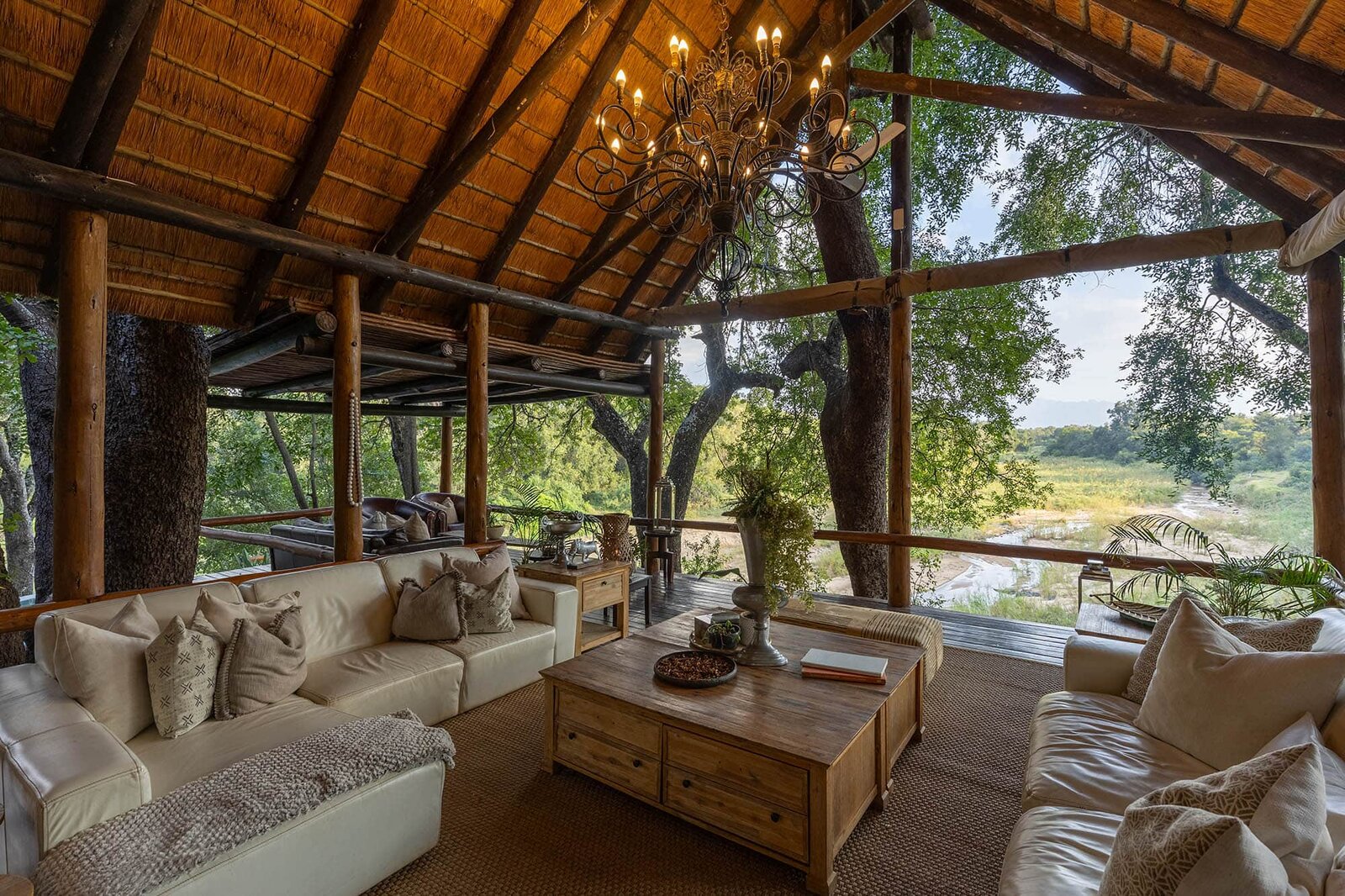
Karongwe is a shared reserve: seven separate properties sit on the same 9,000 hectares, each with its own character, price point and guest policy, all traversing the same game-rich land. That spread is the reserve's biggest practical advantage — there is a Karongwe lodge for almost every budget and every kind of travelling party. All of them include your meals and twice-daily game drives in the rate. Here is how they actually differ.
Becks Safari Lodge (The Flagship)
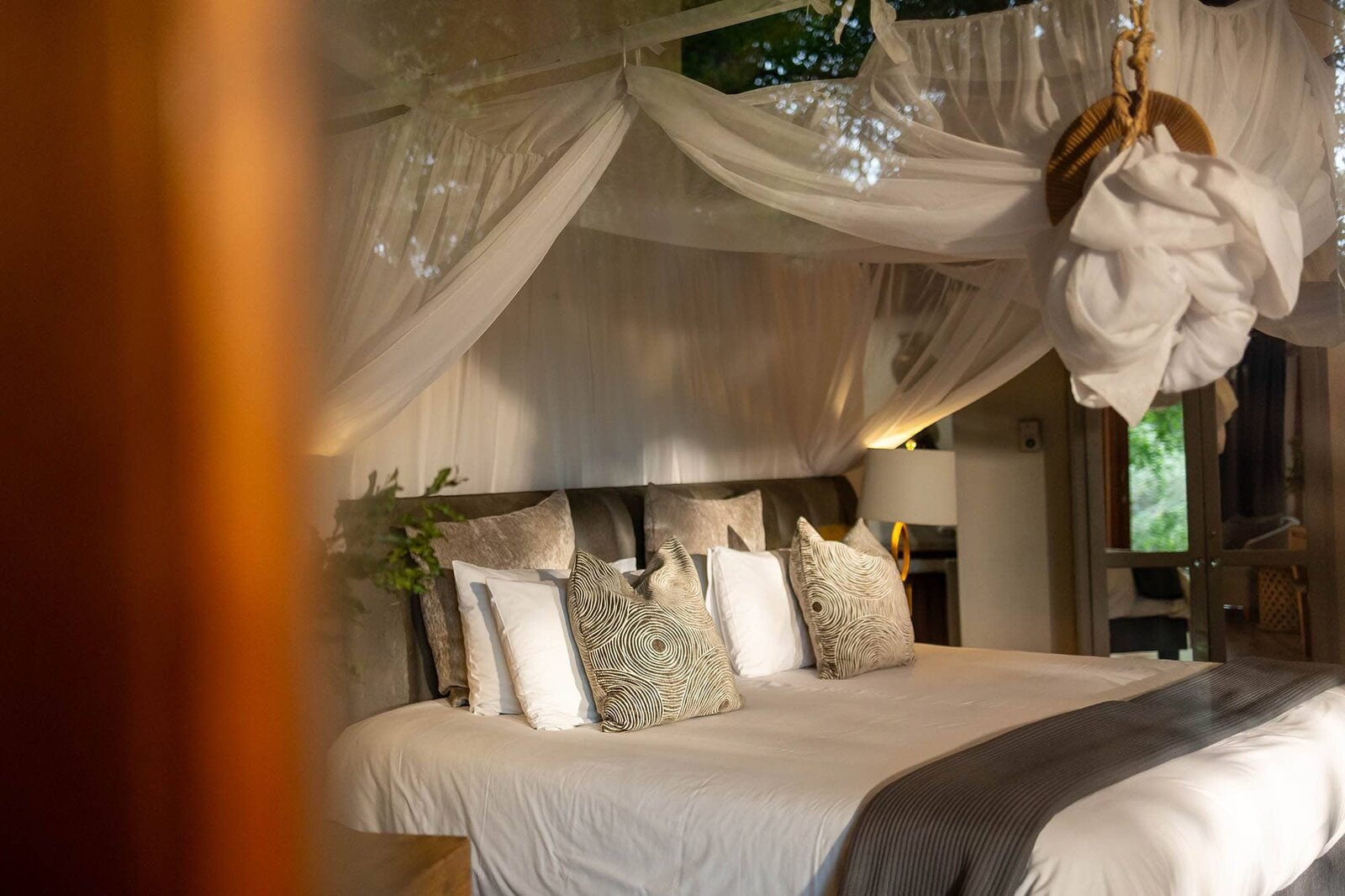
Becks is the design-led top of the range — a five-star lodge with a clean, contemporary style, an infinity pool over a waterhole or riverbed, and suites built for couples who want the quiet, grown-up end of the reserve. Children under six are not accommodated, which keeps it calm. This is the choice for honeymoons, anniversaries and anyone who wants the stay itself to feel like the occasion.
- Best for couples, honeymoons and design-minded travellers
- Five-star; no children under six
Kuname Safari Lodge (Boutique & Intimate)
Kuname is the boutique five-star option — luxury suites with private decks and outdoor baths, set in a quiet, garden-like stretch of the reserve. It takes children from twelve, so it sits between the adults-only calm of Becks and the full family welcome of Shiduli. A strong pick for couples and small groups who want privacy and a slower pace without going to the very top rate.
- Best for couples and small groups wanting a quiet, private feel
- Five-star; children twelve and over
Shiduli Safari Lodge (The Family Lodge)
Shiduli is the family heart of the reserve — a four-star lodge of around 24 suites set in indigenous gardens, with a large pool and the Little Paw Centre children's programme. It welcomes children of all ages, which makes it one of the easier family safaris in Limpopo. This is the value-and-family tier, and the reason Karongwe works so well for multi-generation trips.
- Best for families with children of all ages
- Four-star; all ages welcome; dedicated children's programme
Chisomo Safari Camp (Tented & Sociable)
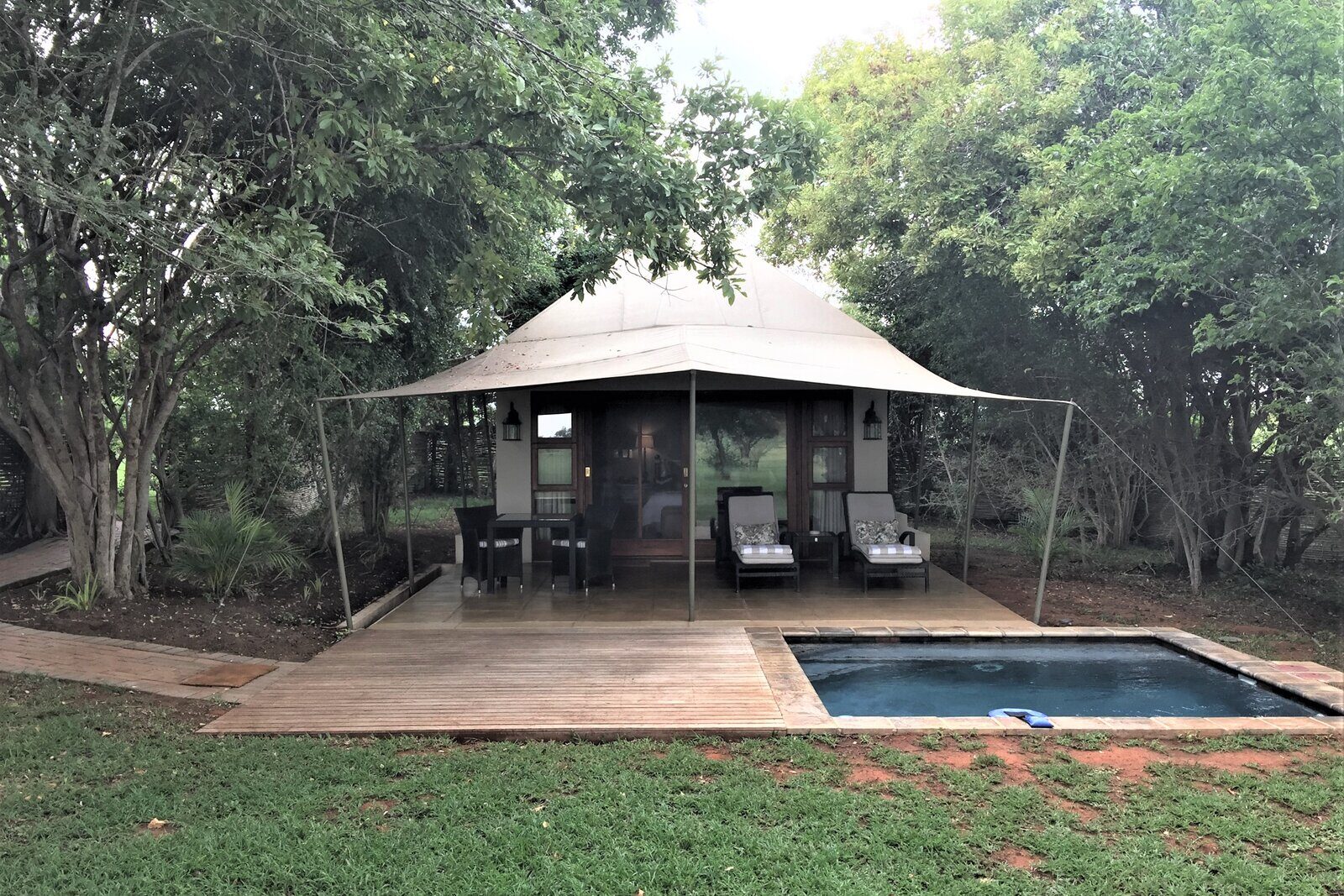
Chisomo is the tented camp — an East-African-style canvas-under-thatch set-up that trades hard walls for the sounds of the bush at night. It keeps a sociable, easygoing spirit and suits families and groups who want the classic safari-camp feel at a sensible four-star price. The closest thing on the reserve to sleeping out in the bush without giving up comfort.
- Best for families and groups wanting the tented-camp experience
- Four-star; sociable, bush-camp atmosphere
River Safari Lodge (Thatch by the Water)
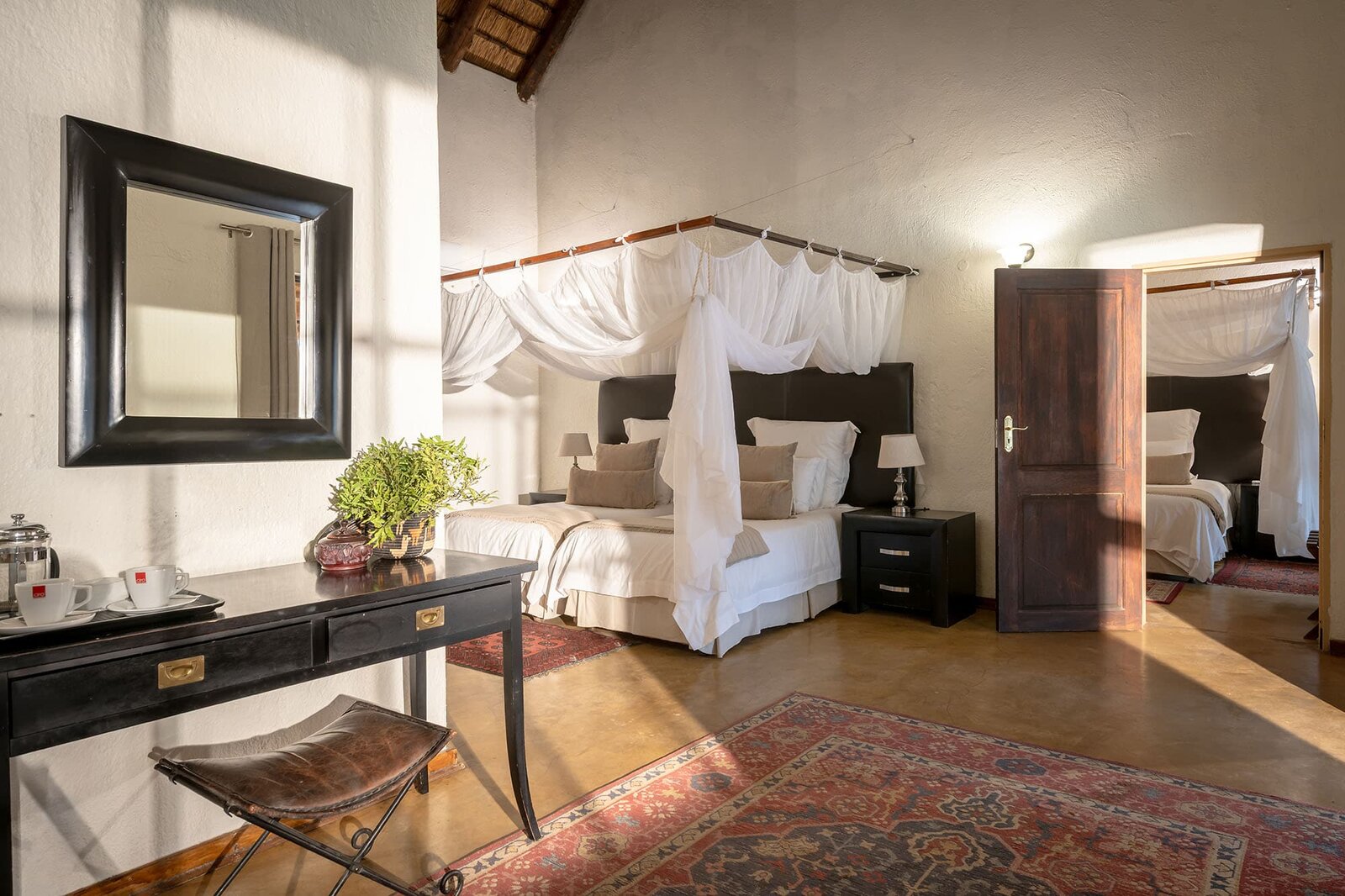
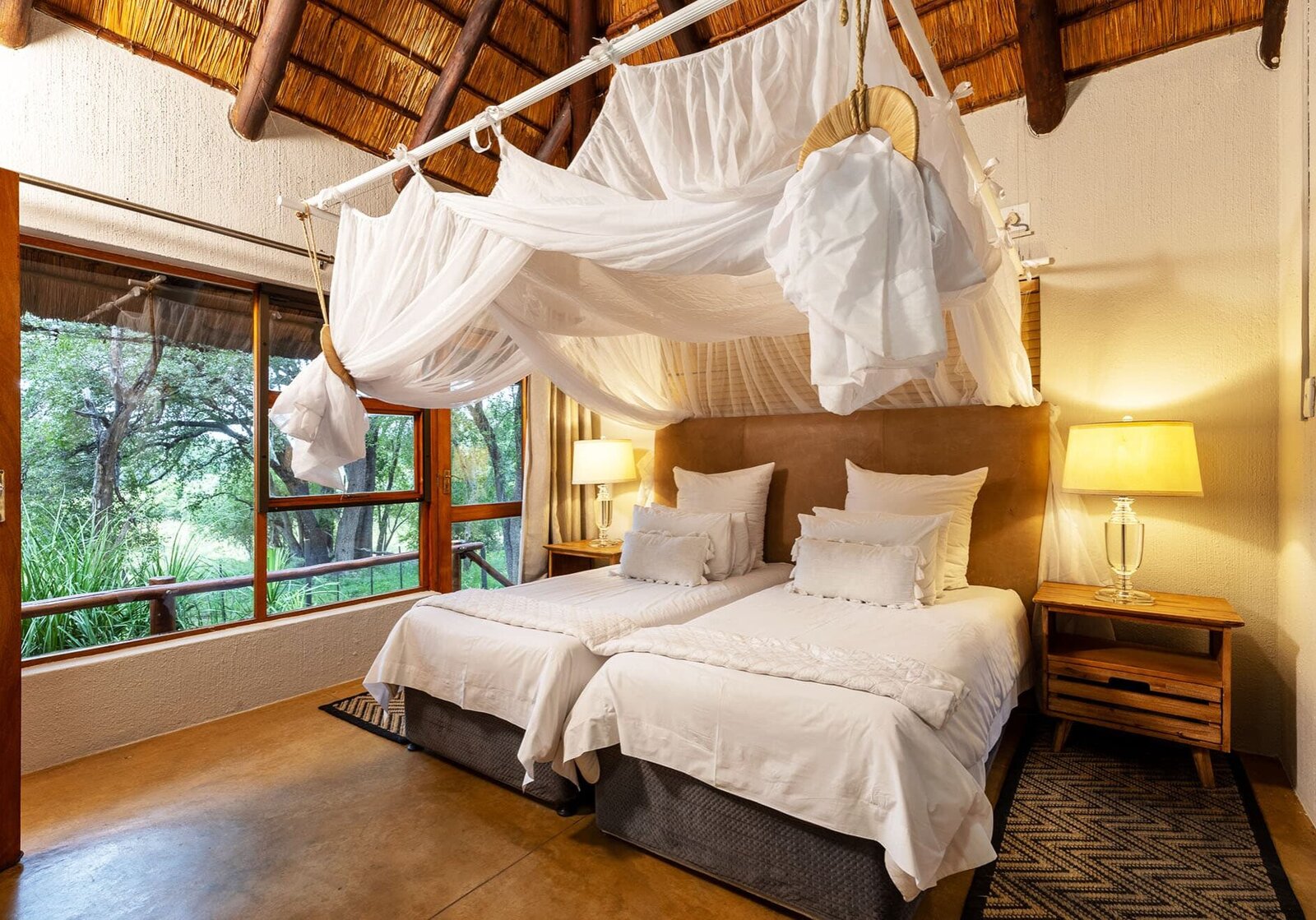
River Lodge offers spacious thatched suites along the water, including larger presidential-style units with private plunge pools, and its own bird hide for the keen birders. A comfortable mid-to-upper choice for couples and families who want room to spread out and easy access to the riverine birdlife.
- Best for couples and families wanting space and birding
- Thatched suites; plunge-pool units; private bird hide
Sepela Explorer Camp (Slow & Secluded)
Sepela is the intimate explorer camp in the southern reaches of the reserve, built for travellers who want a slower, quieter wilderness stay well away from the busier lodges. It does not take children under sixteen, which protects the calm. The pick for couples and seasoned safari-goers chasing seclusion over facilities.
- Best for couples and experienced travellers wanting seclusion
- Intimate camp; no children under sixteen
Noka House (The Private Villa)
Noka House is the exclusive-use villa — a private, sole-use retreat on the banks of the Kuvenyami River under big shade trees, sleeping up to six in two en-suite bedrooms plus a loft, with its own plunge pool, kitchen and fire pit. It welcomes all ages and comes with its own vehicle and guide. The right choice for a family or a group of friends who want the whole house, and the reserve, to themselves.
- Best for families and friend groups wanting a private, sole-use house
- Sleeps six; all ages; private vehicle and guide
Activities: Drives, Walks & the Water
Game Drives
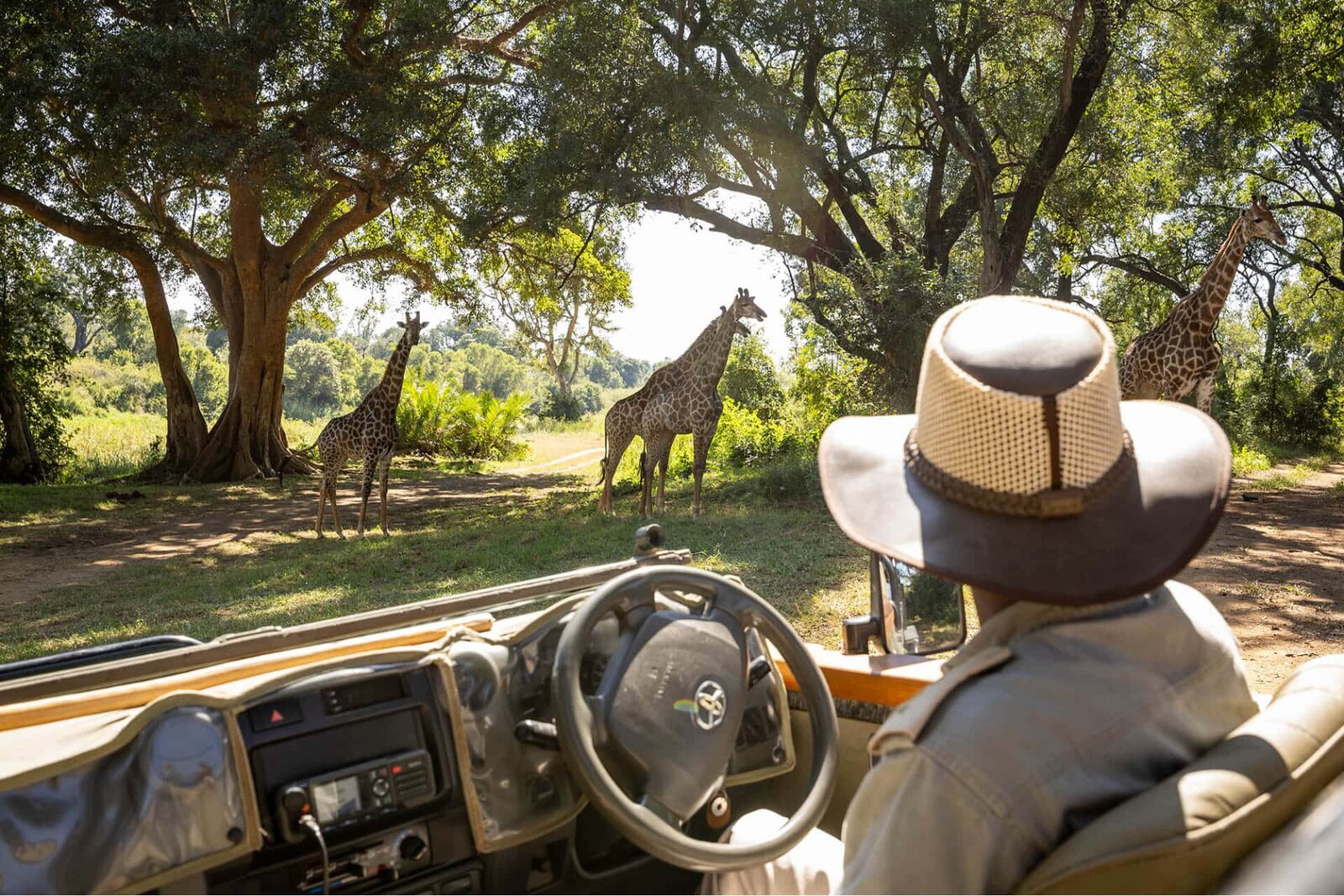
Two daily drives — early morning and late afternoon into the evening — in open vehicles with the lodge's ranger, and at most properties a tracker up front. Because this is a shared reserve, lodges coordinate traverse and sightings across the land, which means strong teamwork on a good leopard or wild-dog sighting. Night-drive spotlighting on the way back brings out the nocturnal cast — genet, civet, bushbaby and, with luck, a hunting leopard.
Guided Bush Walks
Most of the lodges offer guided walks with an armed ranger, subject to age limits — a chance to slow right down and read the small signs the vehicle drives past: tracks, dung, birdcalls and the plants the animals use. Walks are weather- and age-dependent, so confirm when you book if this matters to you.
Birding & the Rivers
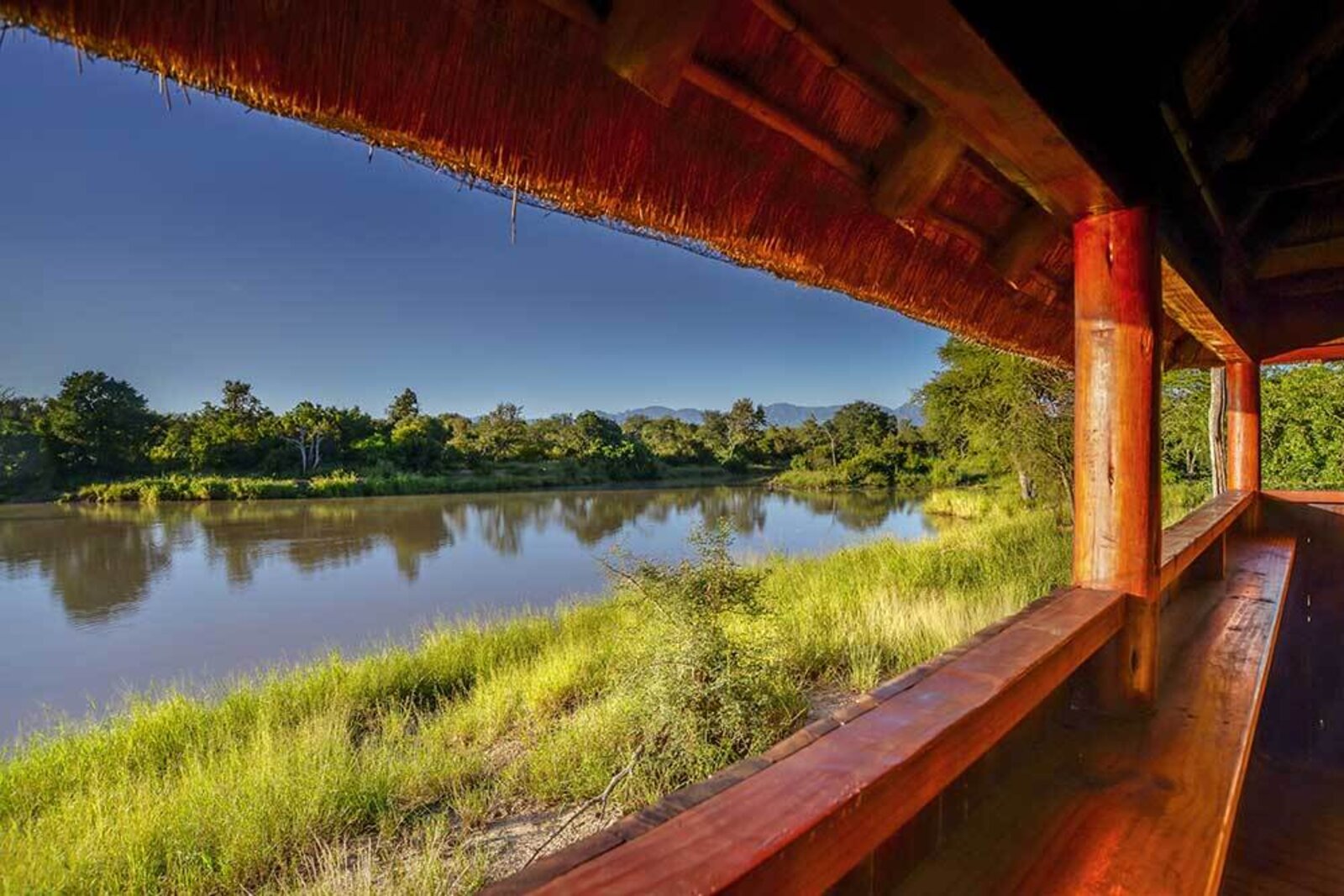
With six rivers and riverine forest, Karongwe is a genuinely good birding reserve. Fish eagle call over the water, kingfishers and bee-eaters work the banks, and River Lodge's hide lets you sit quietly and watch. Even if you are not a dedicated birder, the sound of a fish eagle over the reserve is one of the things you will remember.
Spa, Pool & Family Time
Between drives there are pools at every lodge, spa treatments at the larger properties, and at Shiduli the Little Paw Centre to keep younger children happy while the adults rest. The middle of a lowveld day is hot; the lodges are built around the idea that you drive at the cool ends and slow down in between.
Dining: Bush Tables & the Boma
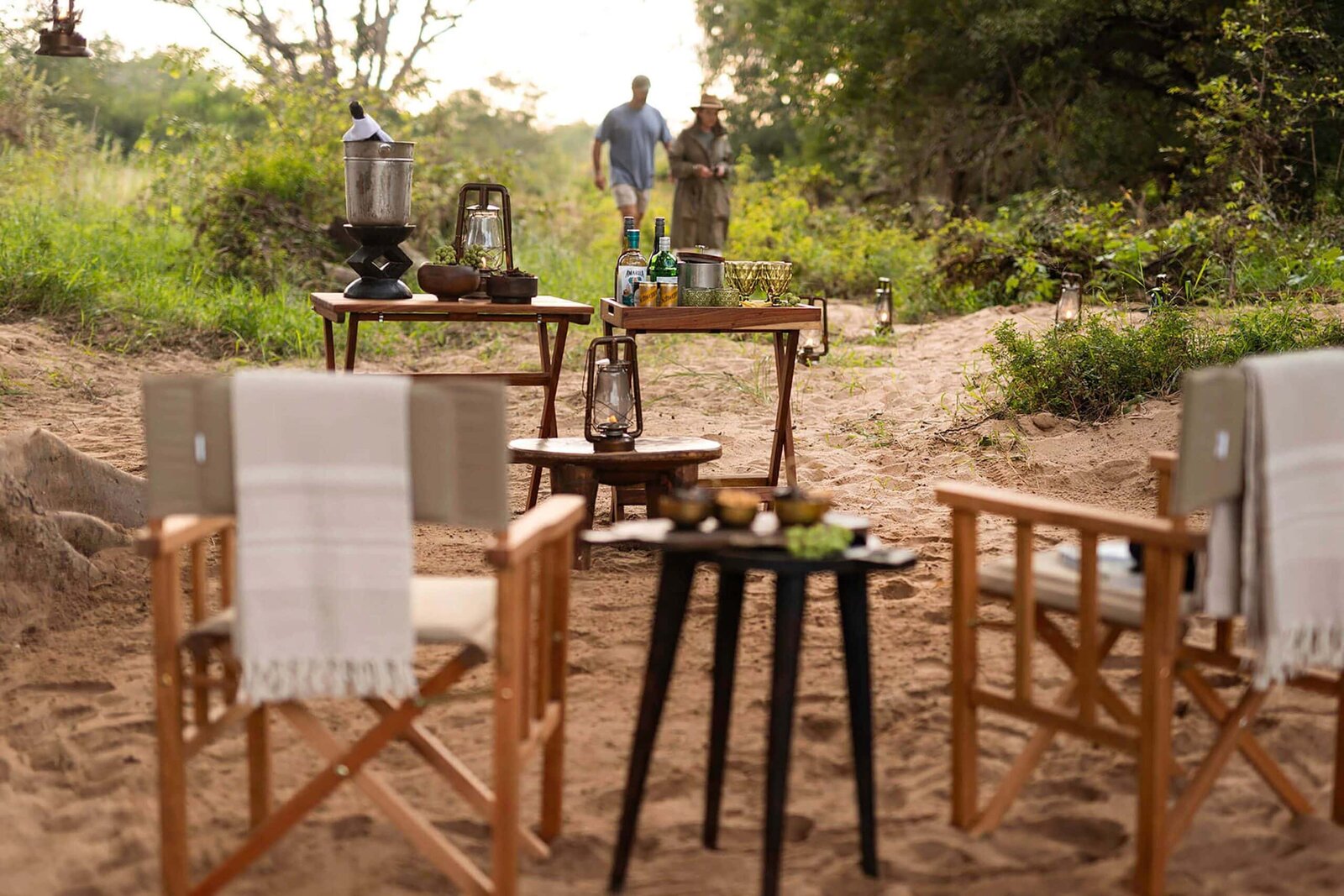
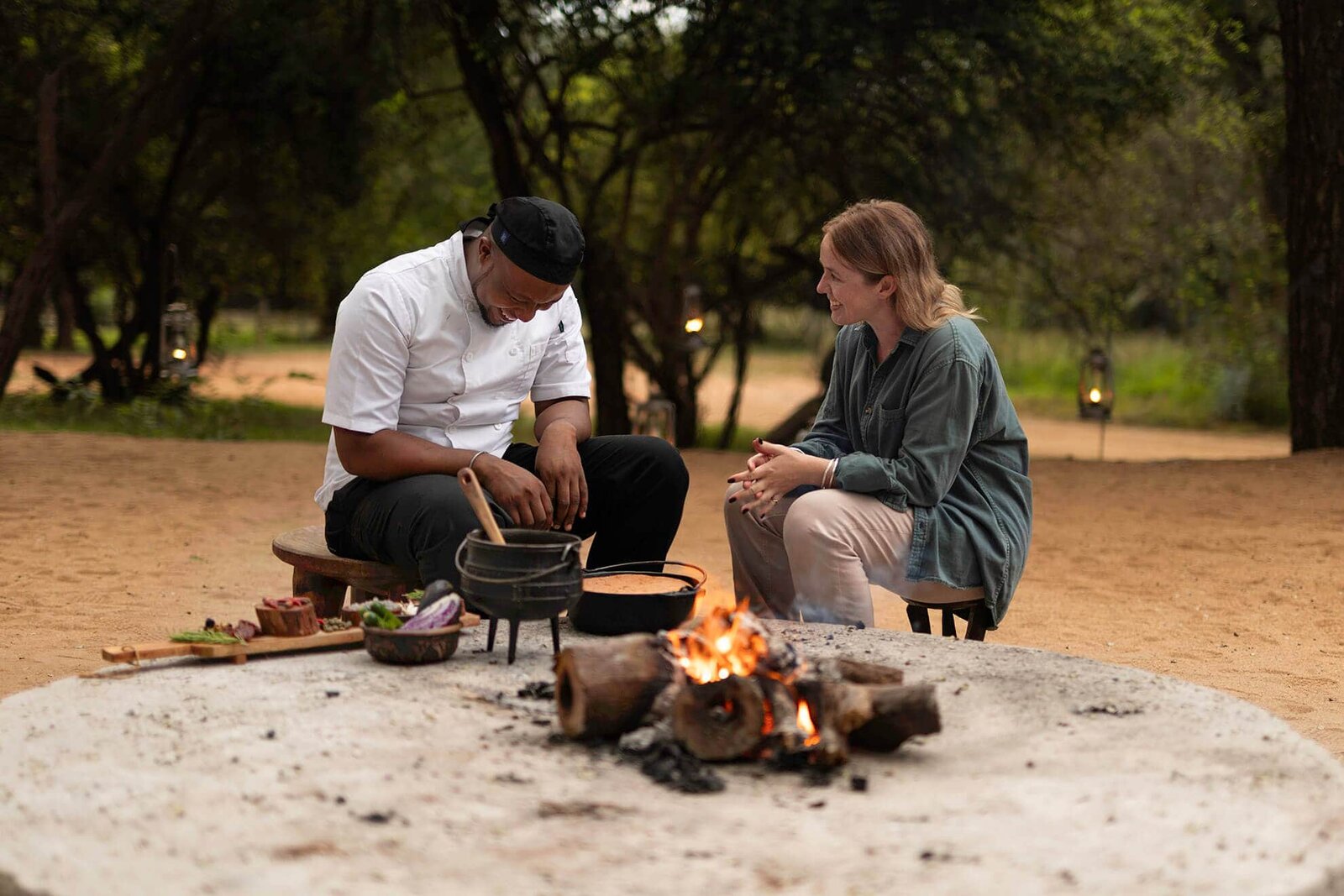
Meals are included in the rate across all the lodges, and the style runs from plated dinners at the five-star properties to generous buffet and bush-braai spreads at the family lodges. Expect an early coffee before the morning drive, a full breakfast on return, a relaxed lunch, and dinner in the evening — often in the open-air boma around a fire, under the lowveld stars.
The kitchens handle dietary needs — vegetarian, halal and allergies — well with notice, and the bush-dinner nights, with lanterns and a fire and the sounds of the reserve around you, are consistently the meal guests remember. Noka House, as a private villa, has its own chef cooking for your group alone.
Pricing & Value Analysis
| Lodge | 2027 Rate (per person per night sharing, incl. VAT) | Best For |
|---|---|---|
| Shiduli Safari Lodge | from ~R6,520 | Families, all ages, value |
| Chisomo Safari Camp | from ~R6,620 | Families & groups wanting a tented camp |
| River Safari Lodge | from ~R8,620 | Couples & families wanting space & birding |
| Kuname & Becks Safari Lodges | from ~R9,520 | Couples, honeymoons, five-star comfort |
| Sepela Explorer Camp & Noka House | from ~R10,600 / Noka House from ~R44,520 | Seclusion & private sole-use stays |
| Included: accommodation, all meals and twice-daily game drives. From 2027 several lodges move to an all-inclusive rate that also covers selected drinks and Hoedspruit Airport transfers for certain guests. Note: rates are the published 2027 tariff, quoted in Rand including VAT, and vary by lodge and season (high season Jan–Apr and Jul–Dec, low season May–Jun). Child policies differ by lodge. We confirm the live rate and the best lodge for your party before you book. | ||
Comparative Value
- vs. Sabi Sand: Sabi Sand is the benchmark for leopard and for unfenced traverse with Kruger, and its top lodges are priced well above Karongwe. Karongwe gives you a genuinely strong leopard reserve and the Magnificent Seven at a fraction of Sabi Sand money — not the same rarefied air, but far more safari for the rand.
- vs. Thornybush & Kapama: These are Karongwe's closest neighbours in profile — mid-sized Hoedspruit-area reserves with a spread of lodges. Karongwe holds its own on leopard and on the cheetah-and-wild-dog bonus, and its family lodge pricing is competitive. The right choice often comes down to the specific lodge and the dates.
- vs. a Kruger rest camp: A national-park self-drive is cheaper and wilder in scale, but you lose the open vehicles, the off-road access to sightings, the guiding and the all-in comfort. Karongwe is the step up from a self-drive into a guided private-reserve experience.
The Value Proposition: Karongwe sits in the sweet spot between an affordable family safari and a genuine leopard-and-predator reserve. You are paying for strong cats, consistent water-rich drives, a lodge for every budget and an easy fly-in near Kruger — not for the unfenced scale and top-end exclusivity of Sabi Sand. For most travellers wanting real Big Five country without the top-tier price, that is an excellent trade.
What Could Be Better: Honest Critiques
In fairness, here is where Karongwe will not suit everyone.
1. It Is Low-Risk Malaria, Not Malaria-Free
This is the most important thing to be straight about. Karongwe sits in a low-risk malaria area of the Limpopo lowveld — the risk is low, especially in the dry winter months, but it is not zero the way the Western and Eastern Cape reserves are. Lodges provide mosquito nets and the sensible precautions apply: cover up at dusk, use repellent, and talk to your doctor about prophylaxis for your dates. If you need a guaranteed malaria-free reserve — for very young children, or in pregnancy — this is worth weighing carefully, and we are happy to point you to the fully malaria-free options instead.
2. It Is a Shared, Fenced Reserve
Seven lodges traverse the same 9,000 hectares, so at a popular sighting you may share the moment with a vehicle or two from another lodge. Traverse is coordinated and well-managed, but this is not the near-private feel of a small exclusive concession. And, like almost all reserves of this size, Karongwe is fenced and its game managed — reliable, but not open wilderness.
3. Leopard Is Strong, But Never Guaranteed
Karongwe's leopard reputation is real and well-earned, but no reserve can promise a wild cat on demand. Come for the strong odds and the guides' knowledge, not a cast-iron guarantee, and you will not be disappointed.
4. The Lodges Vary — Choose Carefully
Seven properties across four-star family lodges and five-star boutique suites means the Karongwe experience depends heavily on which lodge you pick. A family at Shiduli and a couple at Becks are on the same reserve but having quite different stays. This is where a few minutes with us saves you from the wrong room at the wrong lodge.
5. You Will Want to Fly or Make a Day of the Drive
Karongwe is about a five-hour drive from Johannesburg, or a short transfer from Hoedspruit's Eastgate Airport. The fly-in is easy but adds cost; the drive is long but scenic, especially if you take the Panorama Route on the way.
Who Should Book Karongwe?
✅ Ideal For:
- Travellers who most want leopard — one of Limpopo's stronger reserves for the cat, with guides who know the individuals
- Families — Shiduli, Chisomo and Noka House welcome children, and the Little Paw Centre makes a young-family safari genuinely workable
- Couples and honeymooners drawn to the design-led Becks or the boutique Kuname with its outdoor bath
- Anyone wanting the Magnificent Seven — the chance at cheetah and wild dog on top of the Big Five
- Kruger and Panorama Route travellers wanting a guided private-reserve stay close by
- Value-minded safari-goers after real Big Five country without top-tier Sabi Sand pricing
❌ Perhaps Not For:
- Families needing a guaranteed malaria-free reserve — the Cape reserves are the safer call for the very young or for pregnancy
- Travellers set on a private, unfenced concession — the shared traverse is not the near-exclusive Sabi Sand feel
- Those wanting national-park scale — 9,000 managed hectares is reliable but not vast open wilderness
- Anyone chasing the very top of the luxury market — Karongwe is excellent value, not ultra-premium
Practical Booking & Visit Information
Best Time to Visit
- Winter (May–Sep): Our pick — dry, mild days, thin bush and animals drawn to the water make for the best game viewing, and the malaria risk is at its lowest.
- Spring & Autumn (Apr, Oct): Warm, green shoulder months with good sightings and fewer guests.
- Summer (Nov–Mar): Hot and green, excellent birding and newborn plains game, but thicker bush and a slightly higher malaria risk — take precautions.
Getting There
- By air: Fly to Hoedspruit (Eastgate Airport, HDS) from Johannesburg or Cape Town, then a short road transfer to the reserve.
- By road: About five hours from Johannesburg, or a scenic run via the Panorama Route and the Blyde River Canyon.
- Inside the reserve: All game viewing is on the lodges' open vehicles — no self-drive.
What to Pack
- Neutral-coloured clothing plus warm layers — lowveld mornings are cold on the open vehicle, even in summer
- Insect repellent and long sleeves for dusk, plus any malaria prophylaxis your doctor advises
- Sun protection: wide-brimmed hat, sunglasses and high-SPF sunscreen
- Binoculars and a camera with a zoom lens for the cats and the birds
Health & Safety
- Low-risk malaria area — not malaria-free; take precautions and seek medical advice for your dates
- Child policies vary by lodge — Becks (no under-6), Kuname (12+), Sepela (16+), and Shiduli, Chisomo and Noka House welcoming younger children
- The nearest full medical facilities are in Hoedspruit; larger hospitals are in Nelspruit and Johannesburg
Sample Karongwe Safari Packages
Most people reach Karongwe one of three ways — a short fly-in stay, a few nights folded into a Kruger trip, or a longer bush-and-Panorama combination. The sample journeys below are the ones we book most often. Prices are per person and indicative; the exact figure depends on the lodge, the season and party size. We tailor every one of them, so treat these as a starting point rather than a fixed menu.
Karongwe Fly-In Big Five Escape
Fly into Hoedspruit, transfer to your Karongwe lodge and settle into two nights of twice-daily game drives in leopard country. The quickest way to put a real private-reserve safari into a long weekend.
- Two nights fully inclusive (all meals)
- Four game drives in open vehicles
- Airport transfers from Hoedspruit
- Lodge chosen to suit your party
Karongwe & Kruger Combined Safari
The stay we recommend to most first-timers. Two nights on Karongwe for the leopard and the Magnificent Seven, then two in the greater-Kruger area for the open-system game, with all transfers and guiding handled. The fullest picture of the lowveld in one trip.
- Four nights fully inclusive across two reserves
- Twice-daily game drives throughout
- All transfers and a private guide
- Lodges matched to your budget
Karongwe Family Safari at Shiduli
Built for families. Three nights at Shiduli with its all-ages welcome and the Little Paw Centre, game drives pitched for younger safari-goers, and pool time in the middle of the day. An easy, rewarding first safari for children.
- Three nights fully inclusive at Shiduli
- Family-paced game drives
- Children's programme & pool
- Airport transfers from Hoedspruit
Want one of these costed for your dates and party? Send us an enquiry or WhatsApp +27 78 471 4852 and we will come back with a firm quote and the right lodge for your group.
Ready for Leopard Country Near Kruger?
Let our specialists plan your Karongwe safari — the right lodge for your party, the best season for the cats, and transfers from Hoedspruit sorted.
💬 Enquire Now — Get Custom Quote📞 WhatsApp us 24/7: +27 78 471 4852
🦁 See the Full Private Reserves Near Kruger Collection
Karongwe is one of several private reserves within easy reach of Kruger, each with its own character, price point and strengths — easy to pair with a few days in the park or on the Panorama Route.