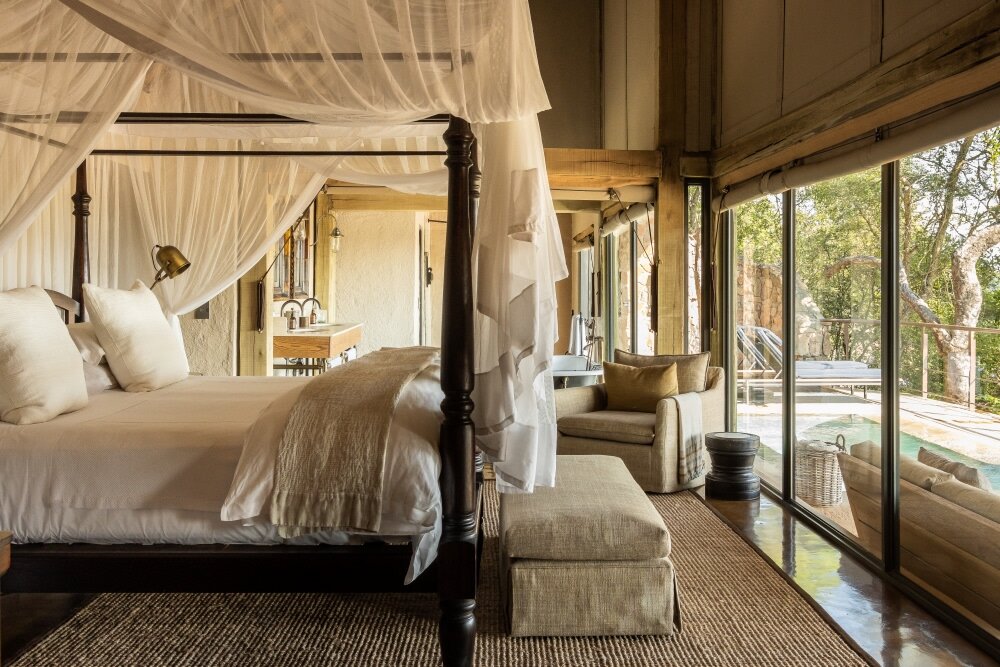
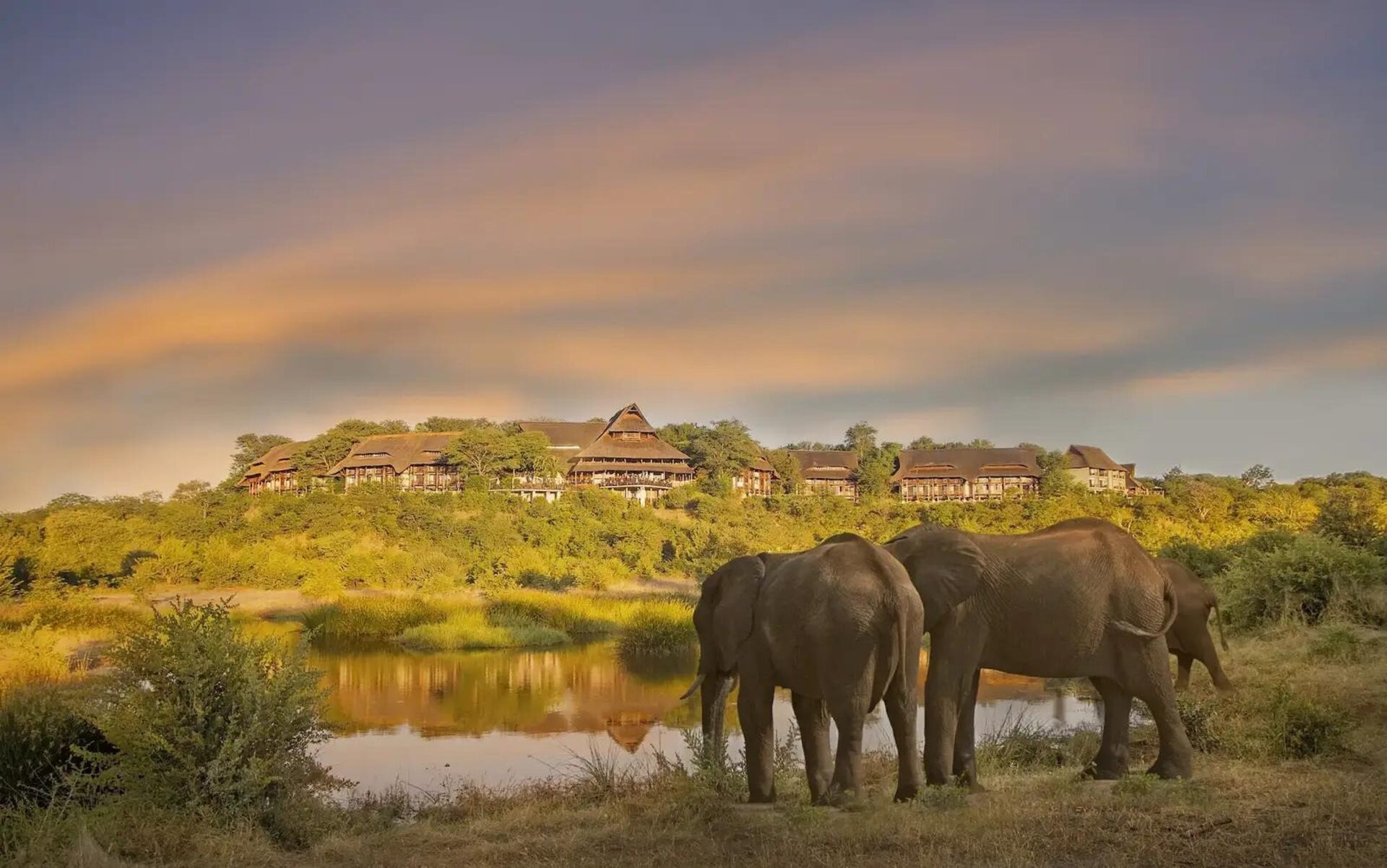
Key Takeaways
- South Africa offers the widest range of horseback safaris in Africa: malaria-free bushveld in the Waterberg, Big Five riding near Kruger, red-dune desert riding in the Kalahari, wild coastal trails in the Eastern Cape, and mountain rides in the Drakensberg
- The Waterberg (Limpopo) is the horseback-safari heartland — Ant's Nest & Ant's Hill and Horizon Horseback both welcome everyone from absolute beginners and children to advanced riders, all within roughly three hours of Johannesburg
- Wait a Little on the Karongwe and Makalali reserves near Kruger is South Africa's genuine Big Five from the saddle ride — strictly for confident intermediate-plus riders
- Weight limits are non-negotiable horse-welfare controls, typically 95 kg for wilderness and coastal rides and up to 110 kg at Ant's Nest
- Riding requirements vary enormously — Ant's Nest, Horizon and the Winelands take beginners and families; Wait a Little and the multi-day Wild Coast trail demand a balanced, independent seat at walk, trot and canter
- Almost all of South Africa's premier horseback destinations are malaria-free, making the country uniquely suited to family and first-time riding safaris
- A personal, correctly fitted riding helmet is essential everywhere — bring your own rather than relying on stable stock
Introduction — Why South Africa Is the World's Great Horseback-Safari Country
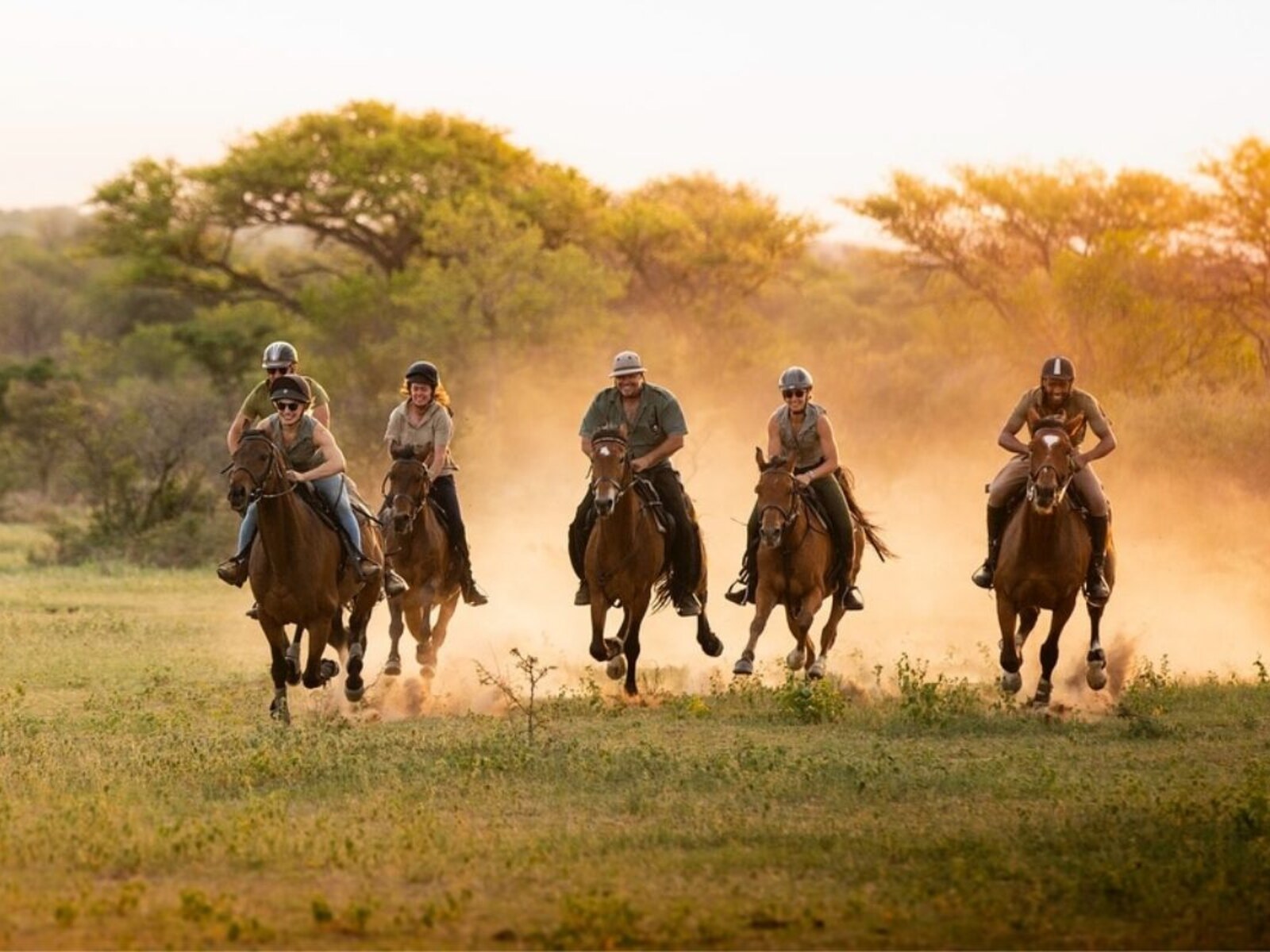
There is a moment on every South African horseback safari when the country reveals just how much it has been holding in reserve. You are riding a collected canter across a Waterberg plain, dust rising gold behind you, when a tower of giraffe steps out of the bush and simply watches you pass — unhurried, unafraid, because to them you and your horse are one more grazing shape. Or you are walking a mount along an empty Transkei beach, the Indian Ocean breaking to your right and cattle grazing the dune grass to your left, and there is not another human being for ten kilometres. Or you crest a red Kalahari dune at first light and the whole desert is on fire beneath you.
No other country on earth packs this much riding variety into one malaria-conscious, easily reached, world-class destination. Kenya and Botswana each offer one or two extraordinary mounted safaris. South Africa offers ten — across five distinct ecosystems, at every level of riding ability, and mostly in malaria-free country you can reach in a short drive or flight from Johannesburg or Cape Town. This is the single most important thing to understand about horseback safaris in South Africa: the range. A horse-mad six-year-old can take a led pony walk at Ant's Nest on the same reserve where their parents ride out to look for rhino. A seasoned expedition rider can gallop among wildebeest at Wait a Little in the morning and be sipping wine in the Cape Winelands two days later.
This guide is the definitive resource for planning a horseback safari in South Africa in 2027. We review ten destinations that together represent the full spectrum of mounted safari in the country — the family-friendly bushveld of the Waterberg, the genuine Big Five riding near Kruger, the luxury red-dune riding of the Kalahari, the multi-day coastal trails of the Wild Coast, the high-country rides of the Drakensberg, and the vineyard-and-beach riding of the Western Cape. For each, we provide the detail that matters: which lodge or operator, what riding standard is genuinely required, what wildlife you will realistically encounter, what it costs in both rand and US dollars, and exactly who each destination suits.
Two principles govern every word. First, accuracy over romance: we distinguish clearly between the destinations where you can ride among the Big Five and those deliberately stocked with only plains game so beginners and children stay safe, and we never present a demanding expedition trail as a gentle holiday. Second, safety over spectacle: every rider requirement, weight limit and helmet recommendation here is a non-negotiable welfare and safety standard, not a detail to be argued away in exchange for a booking. A horseback safari earned honestly — matched correctly to your ability — is the most intimate way to meet wild Africa. Matched wrongly, it is dangerous for you and unfair to the horse.
Why Ride South Africa Rather Than Kenya or Botswana?
The great continental riding safaris — the Okavango Delta's floodplain gallops, the Masai Mara's migration expeditions — are rightly famous, and we cover them fully in our guide to the best horse riding safaris in Africa. But for a large and growing share of riders, South Africa is the better answer, for four concrete reasons.
1. Malaria-free riding
The Waterberg, the Kalahari, Madikwe, the Eastern Cape reserves, the Drakensberg and the Western Cape are all malaria-free. For families with young children, for pregnant riders, and for anyone who would rather not take prophylactics for a week in the saddle, this is decisive. You can ride South Africa's finest bushveld without a single anti-malarial tablet. See our guide to malaria-free safaris in South Africa for the full picture.
2. Accessibility
The Waterberg's leading riding lodges are roughly three hours by road from OR Tambo International in Johannesburg — no charter flight required. Tswalu, the Eastern Cape and the Wild Coast are short scheduled or light-aircraft hops. You lose far less of your holiday to transfers than you do reaching a remote Okavango camp.
3. The full ability spectrum
South Africa is the only country where a genuine beginner, a nervous returning rider, a competent teenager and an expedition-hardened expert can each find a world-class ride in the same fortnight. The continental expeditions are almost all for experienced, fit riders only. South Africa welcomes everyone — and keeps them safe by matching horse, route and reserve to ability.
4. Combinability
A South African riding safari slots effortlessly into a wider trip — Big Five game drives, the Garden Route, the Winelands, Cape Town, or a beach finish. Our luxury South Africa safari guide and family safari guide show how the pieces fit together.
The Riding Regions of South Africa — A Map for the Saddle
Before the destinations, it helps to understand the country's five great riding landscapes, because each rides completely differently.
The Waterberg (Limpopo) is the horseback-safari heartland — a vast, malaria-free plateau of bushveld, grassland and rocky hills three hours north of Johannesburg, home to more dedicated riding operations than anywhere else in Africa. This is where most South African horseback safaris begin and, for many riders, where they are perfected.
The Greater Kruger lowveld (Limpopo/Mpumalanga) is Big Five country — dense, hot, thrilling, and open to riders only through a very small number of specialist operators who accept experienced riders willing to accept the risk and discipline of riding among dangerous game.
The Kalahari (Northern Cape) is red-dune desert riding at its most cinematic — open, arid, luminous, and at Tswalu wrapped in some of the most exclusive lodge comfort on the continent.
The Eastern Cape and Wild Coast combine malaria-free Big Five reserves with the untamed Transkei coastline, where multi-day trails follow empty beaches, cross tidal rivers and pass Xhosa villages that see almost no tourists.
The Drakensberg and KwaZulu-Natal high country offer mountain riding — basalt escarpments, San rock-art valleys and cool, green trails that feel a world away from the bushveld.
And on the country's southern tip, the Western Cape adds vineyard rides through the Winelands and long canters along Noordhoek's white beach beneath the Cape mountains — the gentlest, most scenic riding of all.
1. Ant's Nest & Ant's Hill — The Waterberg's Family Riding Icon
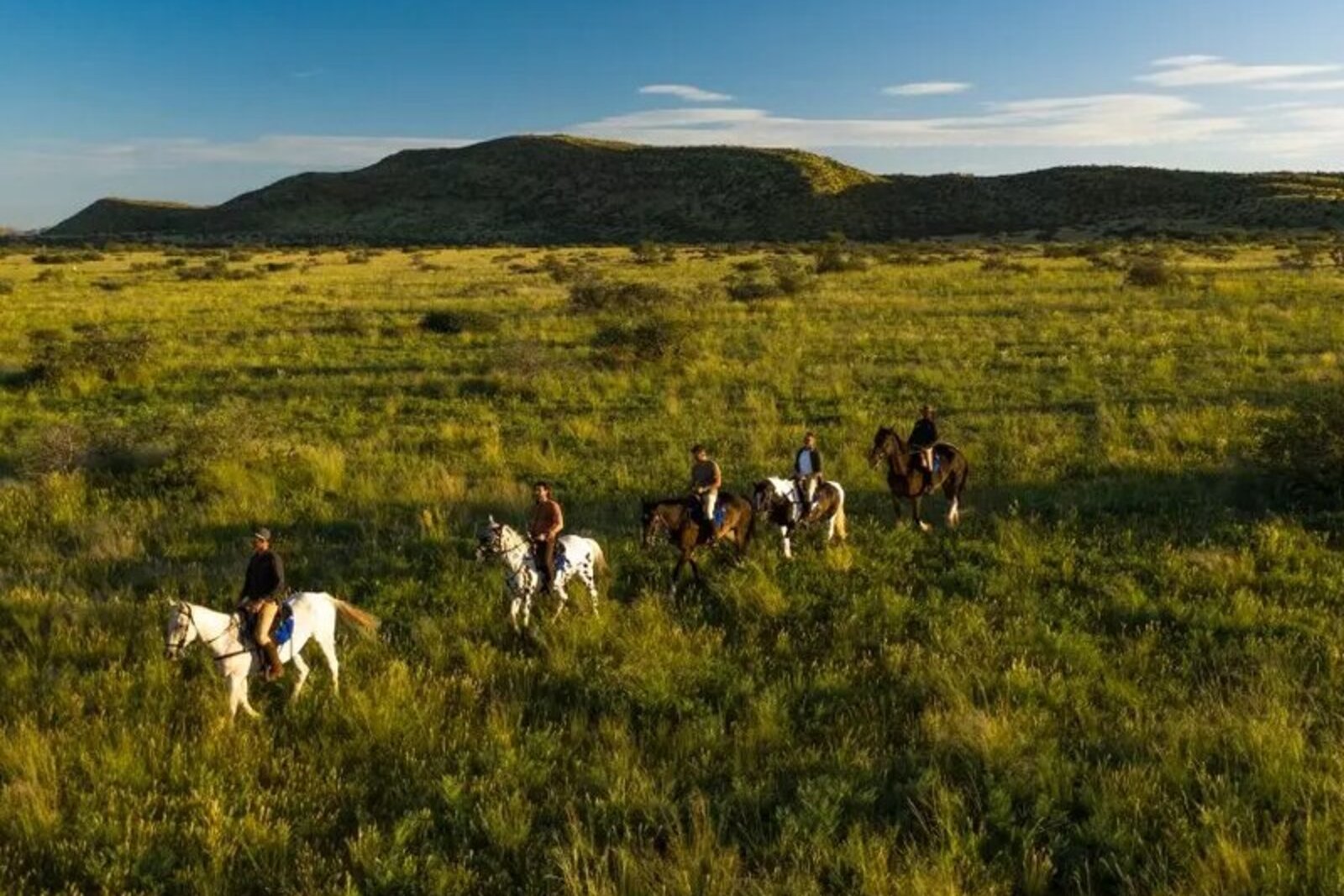
If there is a single destination that defines South African horseback safari, it is Ant's Nest and Ant's Hill, two exclusive-use bush homes on a private, malaria-free reserve in the heart of the Waterberg, roughly three hours from Johannesburg. No other riding operation in Africa matches its breadth of welcome. With a herd of more than 100 horses and a reserve deliberately stocked with plains game rather than lion or elephant, Ant's can safely put an absolute beginner, a six-year-old on a led pony, and an advanced rider chasing the Game Census ride out on the same landscape on the same day, each on the right horse and the right route.
Riding here is genuinely inclusive. Beginners are taught properly and matched to calm, schooled horses; children ride from young ages under close supervision, with led pony walks near the lodge for the smallest; and confident riders can trot and canter across open plains among giraffe, zebra, wildebeest, kudu and the reserve's rhino. Because there are no dangerous predators or elephant, the reserve is one of the very few places in Africa where a first-time rider can experience genuine wildlife from the saddle in complete safety. McLellan-style saddles are standard, helmets are mandatory, and the weight limit is the most generous of any premier operation at around 110 kg.
Accommodation is exclusive-use luxury: Ant's Nest is booked as a private home, Ant's Hill perches on the escarpment with sweeping views, and both are family-owned and run with a warmth that keeps guests returning for decades. Non-riders are superbly catered for with game drives, bush walks, mountain biking, swimming and more — making Ant's a rare destination where a mixed riding and non-riding party is equally happy.
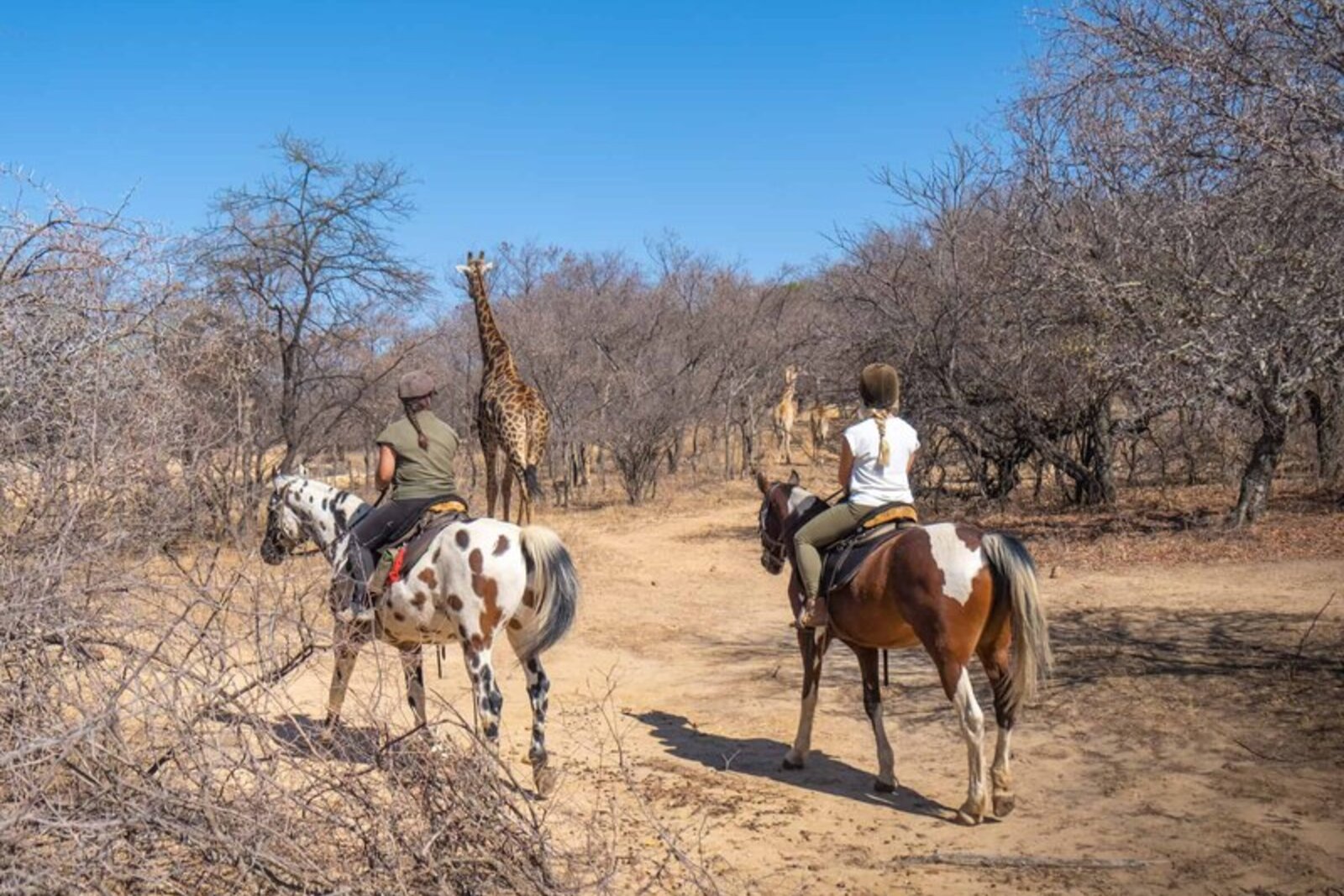
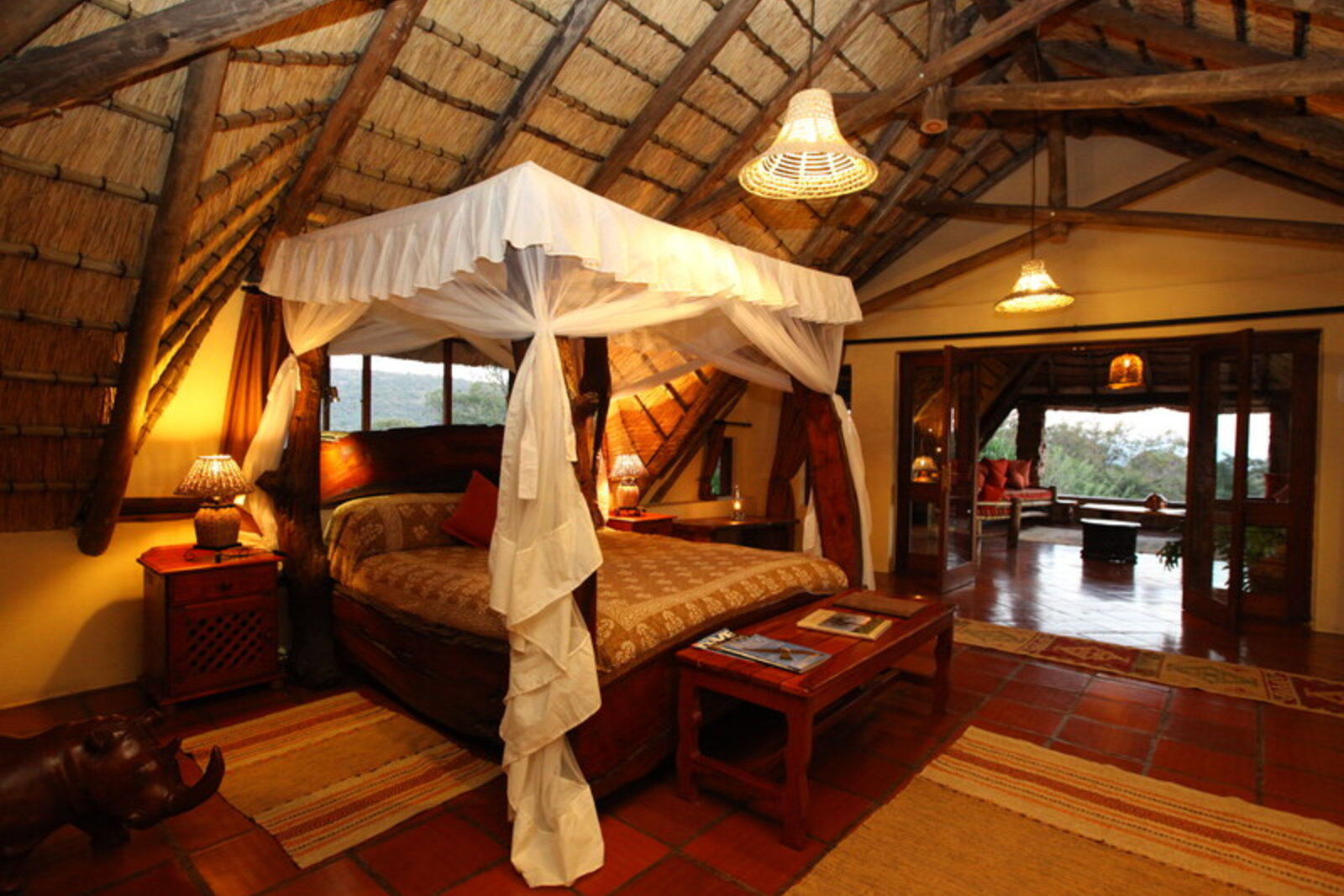
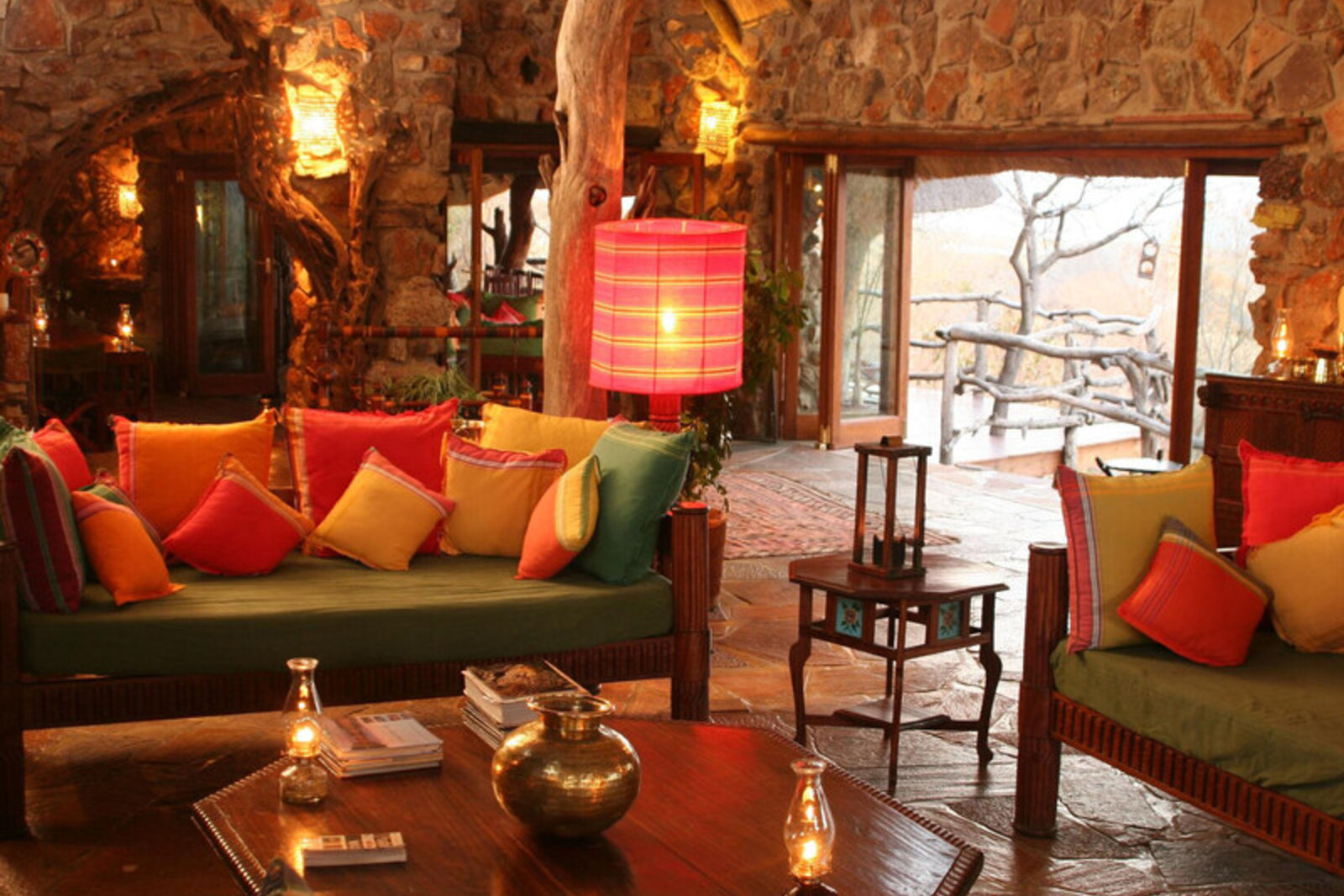
Best for: Families, beginners, mixed-ability groups, and anyone who wants genuine wildlife from the saddle in complete safety. Riding level: Absolute beginner to advanced (ability-matched). Getting there: ~3 hours by road from Johannesburg (OR Tambo), malaria-free.
2. Horizon Horseback Adventures — Waterberg Riding for the Adventurous
A short distance across the same malaria-free Waterberg landscape, Horizon Horseback Adventures takes a more adventurous, activity-rich approach to riding safari. Roughly three hours north of Johannesburg, Horizon runs a large and versatile herd of around 80 horses — Anglo-Arabs, Thoroughbreds, Boerperds and hardy crosses — bred and schooled for everything from a novice's first hour in the saddle to fast cross-country work for experienced riders.
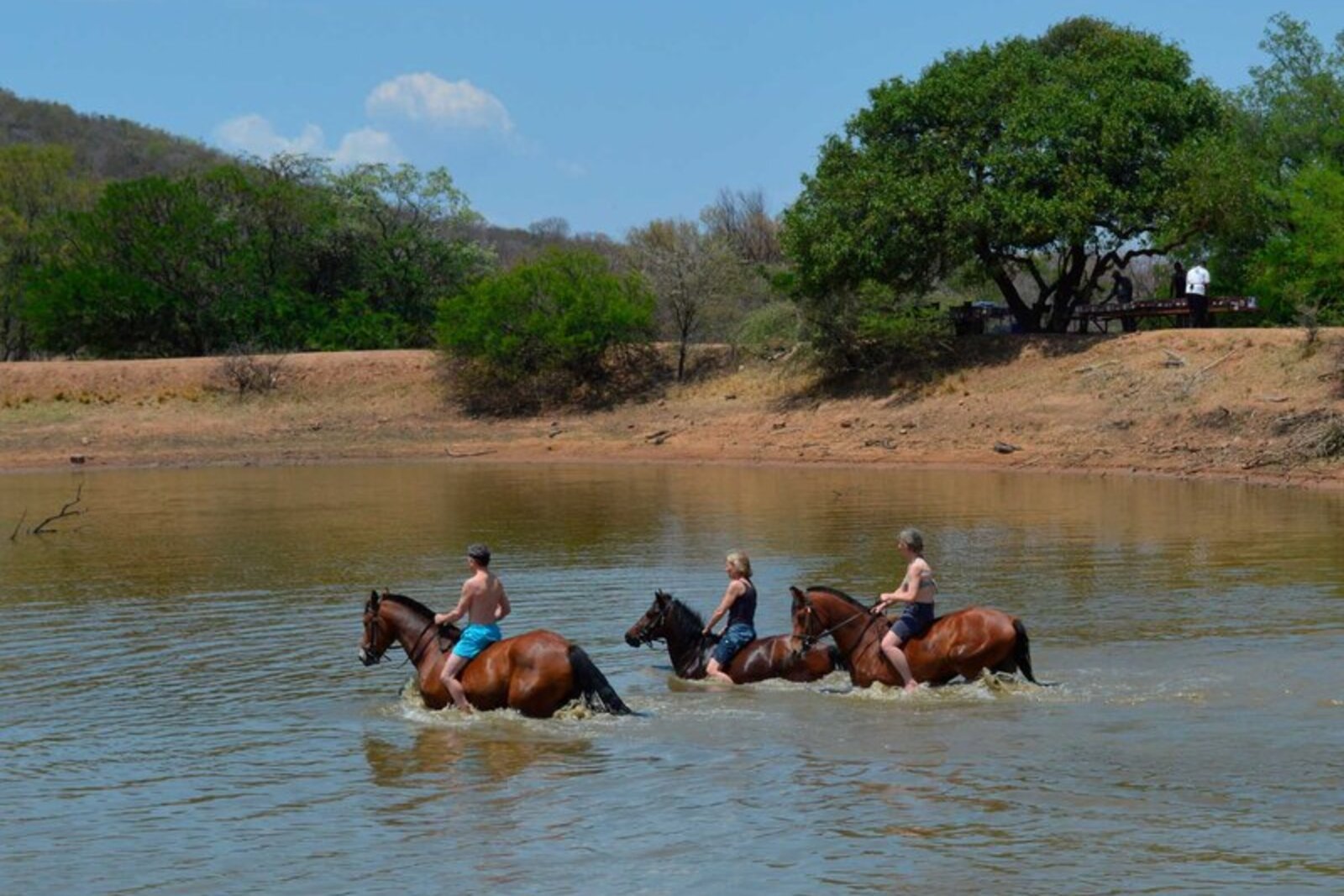
What sets Horizon apart is the sheer range of mounted activity. Beyond classic game rides among giraffe, zebra, hippo and antelope, guests can play polocrosse, jump a cross-country course, and — in one of the most joyful experiences in African riding — swim with the horses in the reserve's dam. Novices are carefully brought on, while confident riders can range far and fast across the reserve's open country. Because the Waterberg here is free of the Big Five's dangers, the riding is bold and liberating in a way that big-game country never allows.
Accommodation ranges from the comfortable main lodge to the more rustic, solar-powered Camp Davidson, a tented outpost reached on horseback and reserved for intermediate and stronger riders — an authentic bush-camp experience that captures the romance of a riding expedition without leaving the Waterberg.
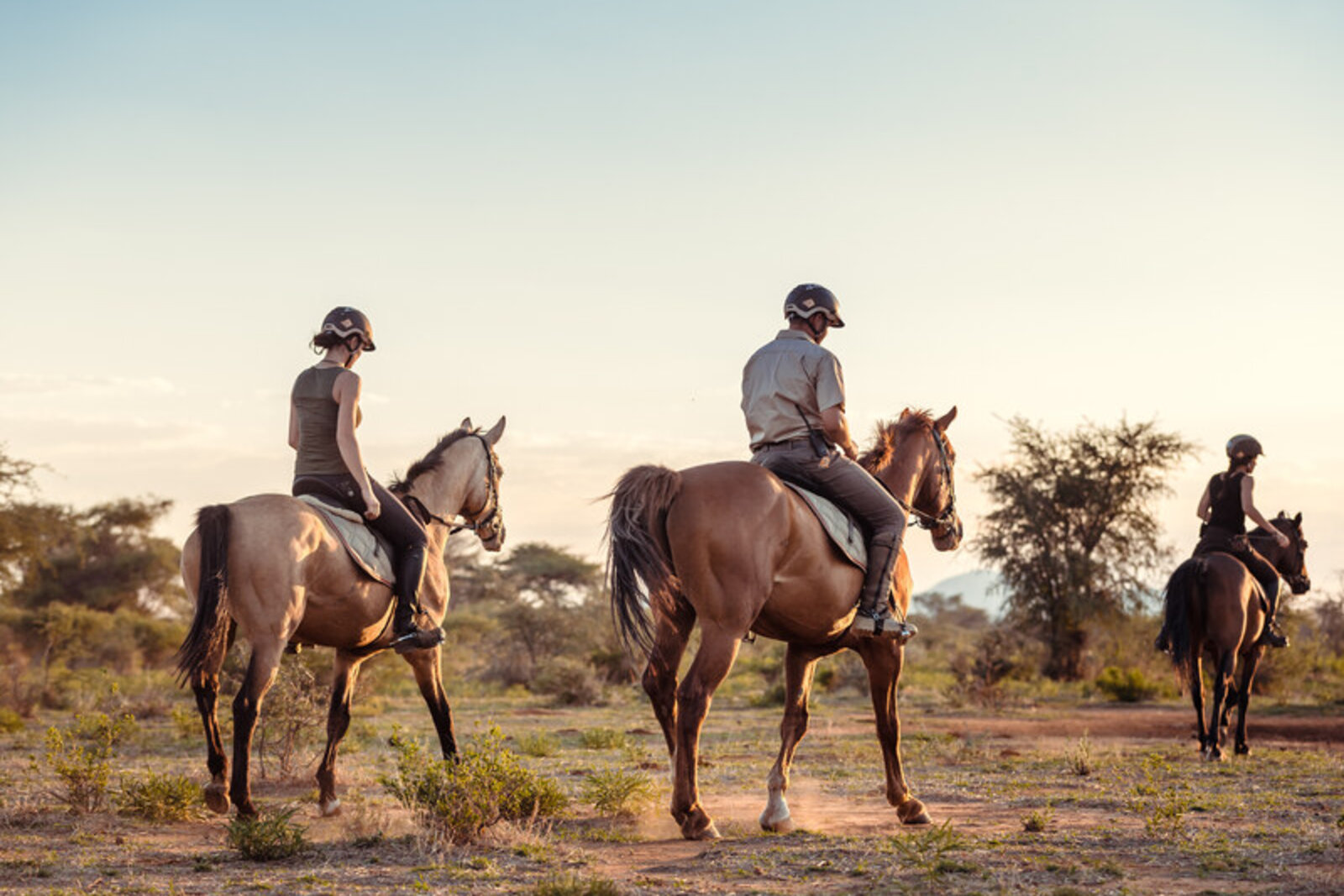
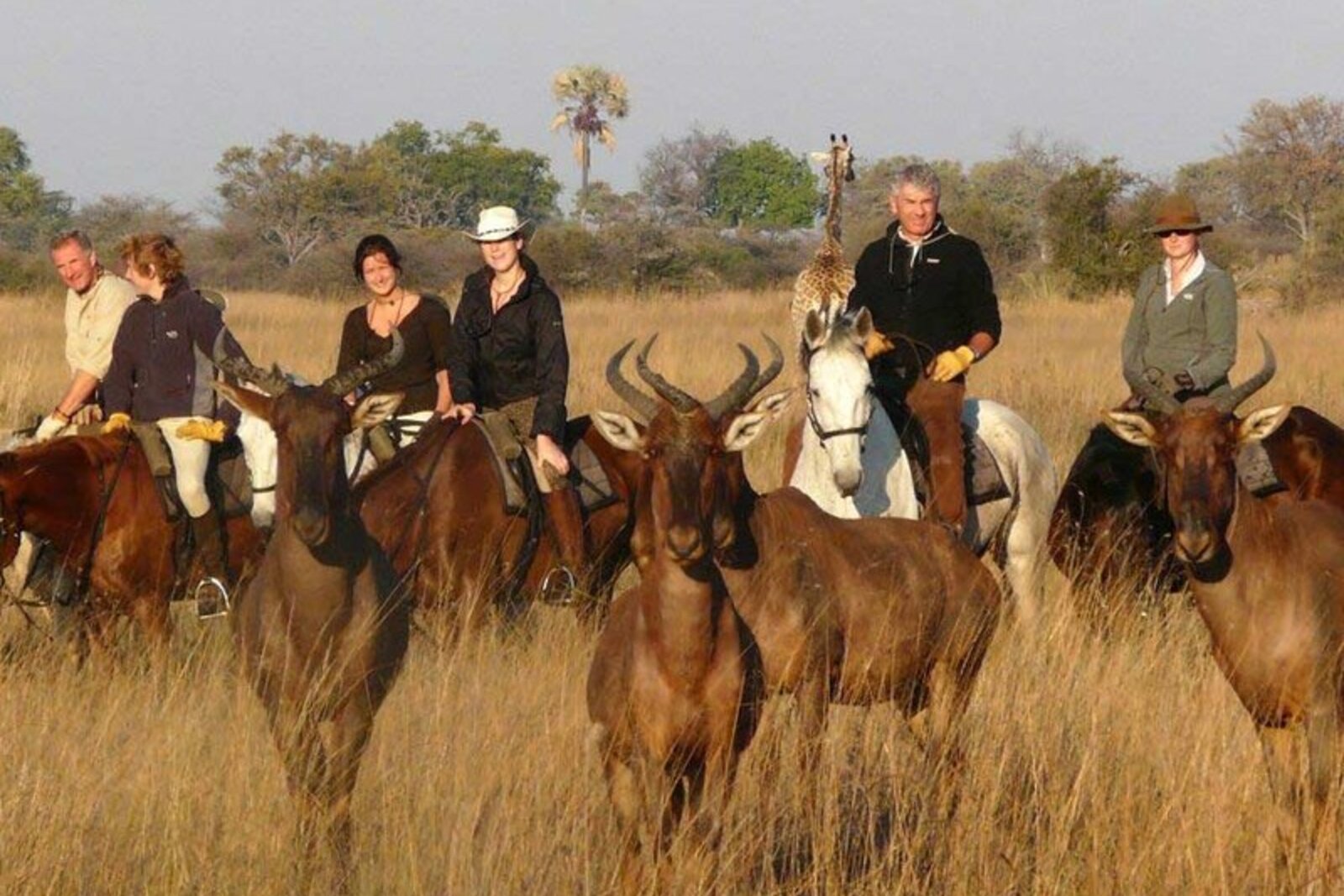
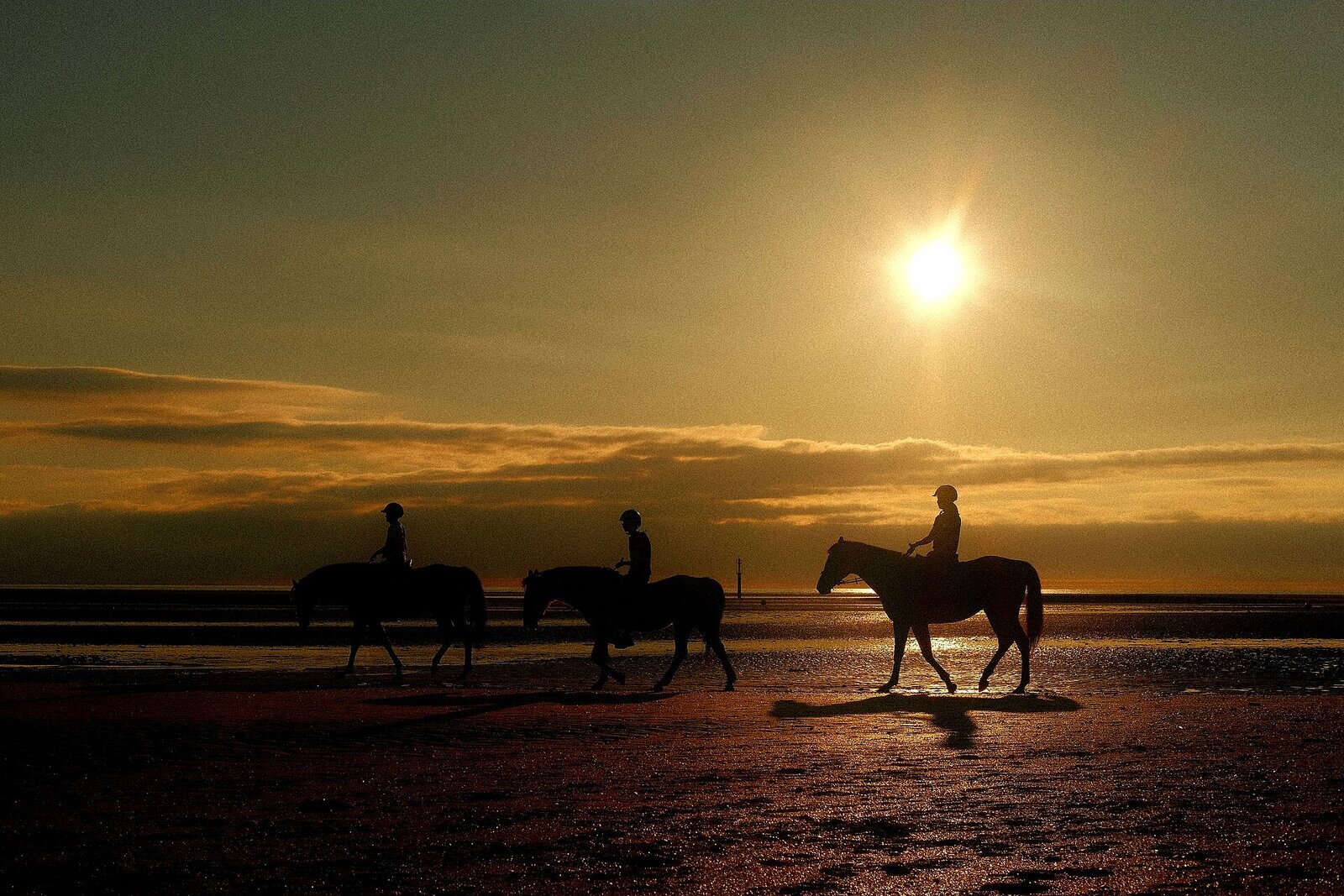
Best for: Active riders of all levels who want variety — game rides, polocrosse, jumping, swimming with horses. Riding level: Novice to advanced. Getting there: ~3 hours by road from Johannesburg, malaria-free.
3. Wait a Little — Genuine Big Five Riding Near Kruger
For experienced riders, one South African destination stands apart: Wait a Little, run by Philip and Gerti Kusseler across the Karongwe and Makalali private reserves in the Limpopo lowveld near Kruger. This is the real thing — riding among the Big Five, including elephant, buffalo, rhino, and the possibility of lion and leopard, from the back of a horse. It is one of a tiny handful of operations on earth where you can do so, and it is emphatically not a beginner's ride.
Wait a Little accepts only confident, fit, intermediate-plus and experienced riders with a genuinely balanced, independent seat — able to walk, trot and canter for sustained periods, bushwhack through thick cover, and, crucially, sit quietly and follow instruction instantly when the guide brings the ride close to dangerous game. The horses — around 30 to 40 Boerperd, Thoroughbred, Warmblood and Friesian crosses — are seasoned, brave and superbly schooled for big-game work. The weight limit is a firm 95 kg and minimum ages start around 10 to 12 with proven competence.
Programmes range from the seven-night Big Five Safari mobile trail and the five-night camp-based Big Five Camp Safari to the nine-night Big Five Ride & Dine, staying in a mix of the Beacon Rock fly camp and the beautiful XiDulu lodge, whose infinity pool looks over a hippo dam. Reached by a short flight to Hoedspruit or Phalaborwa (or roughly five hours by road from Johannesburg), Wait a Little is the pinnacle of South African adventure riding — the ride you graduate to.
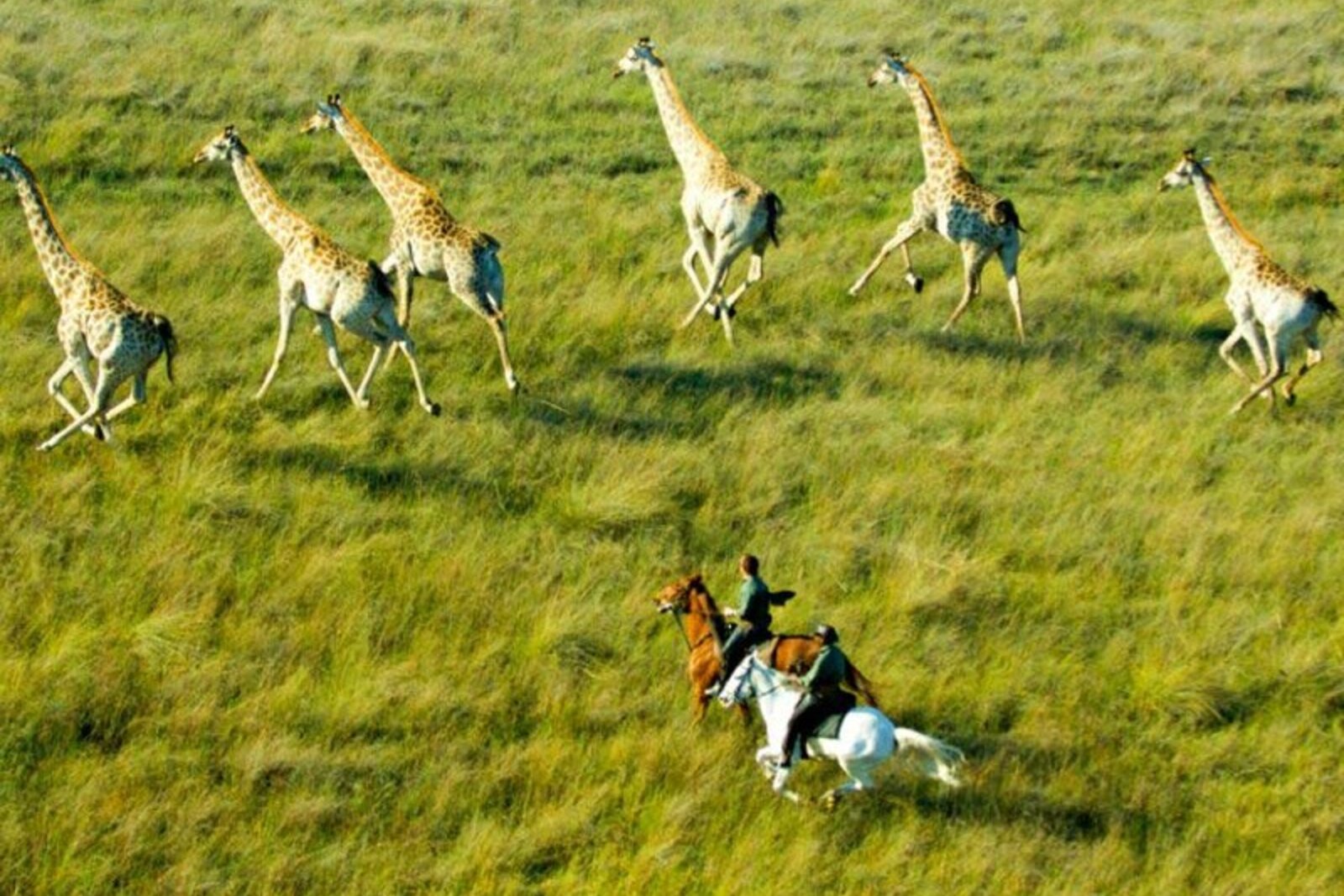
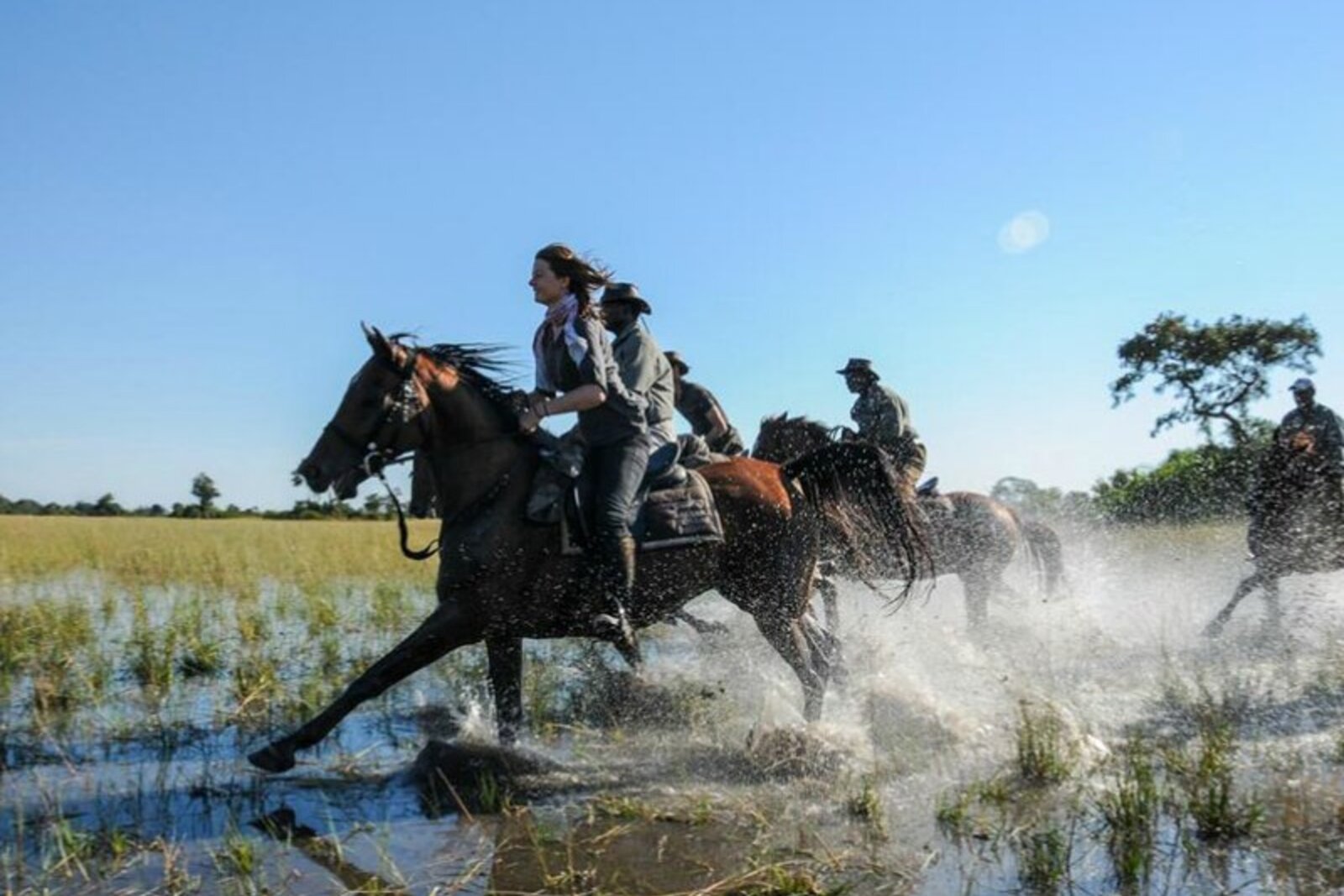
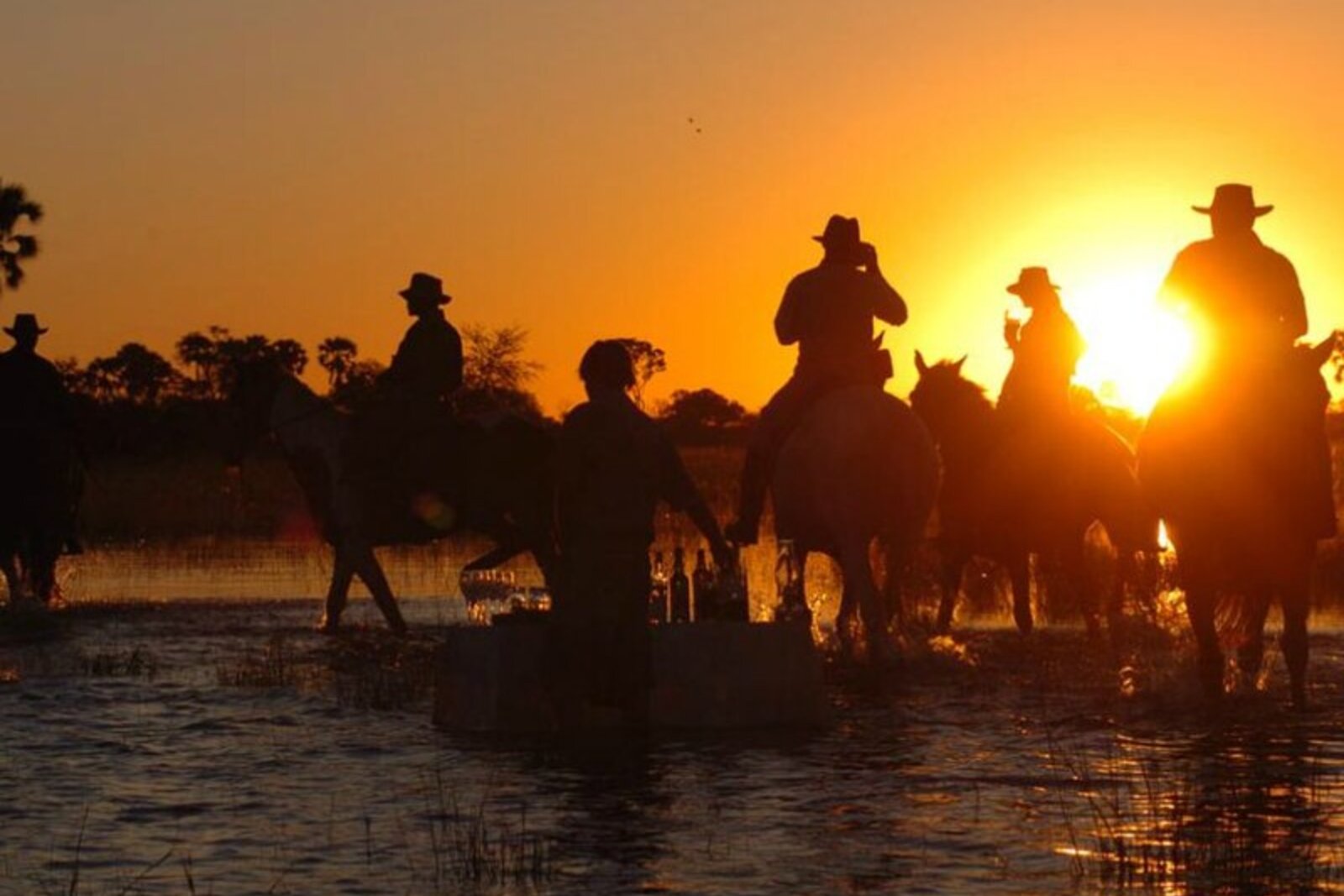
Best for: Experienced, fit riders seeking the ultimate thrill of Big Five encounters from the saddle. Riding level: Intermediate-plus to advanced only. Getting there: Fly to Hoedspruit/Phalaborwa, or ~5 hours by road from Johannesburg.
4. Tswalu Kalahari — Luxury Red-Dune Riding in the Northern Cape
South Africa's largest private reserve, Tswalu Kalahari, offers the country's most luxurious desert riding. Set across a vast, malaria-free expanse of the southern Kalahari in the Northern Cape, Tswalu lets riders trace red dunes, open grassy plains and dry riverbeds beneath some of the clearest skies in Africa, with the chance to see oryx, springbok, black-maned Kalahari lion (viewed at a safe distance, not ridden among), meerkat and, for the fortunate, the reserve's famous pangolin and aardvark on separate specialist activities.
Riding here is one activity within an ultra-exclusive, all-inclusive safari — Tswalu limits guest numbers fiercely and offers riding to competent guests as part of a bespoke programme rather than as a dedicated riding trail. The reward is exclusivity almost impossible to find elsewhere: on a reserve this size, with so few guests, a canter across the dunes at first light can feel like having the entire Kalahari to yourself. Accommodation at the Motse and the exclusive-use Tarkuni is among the finest in the country, and the Malori sleep-out deck lets you spend a night under the desert stars.
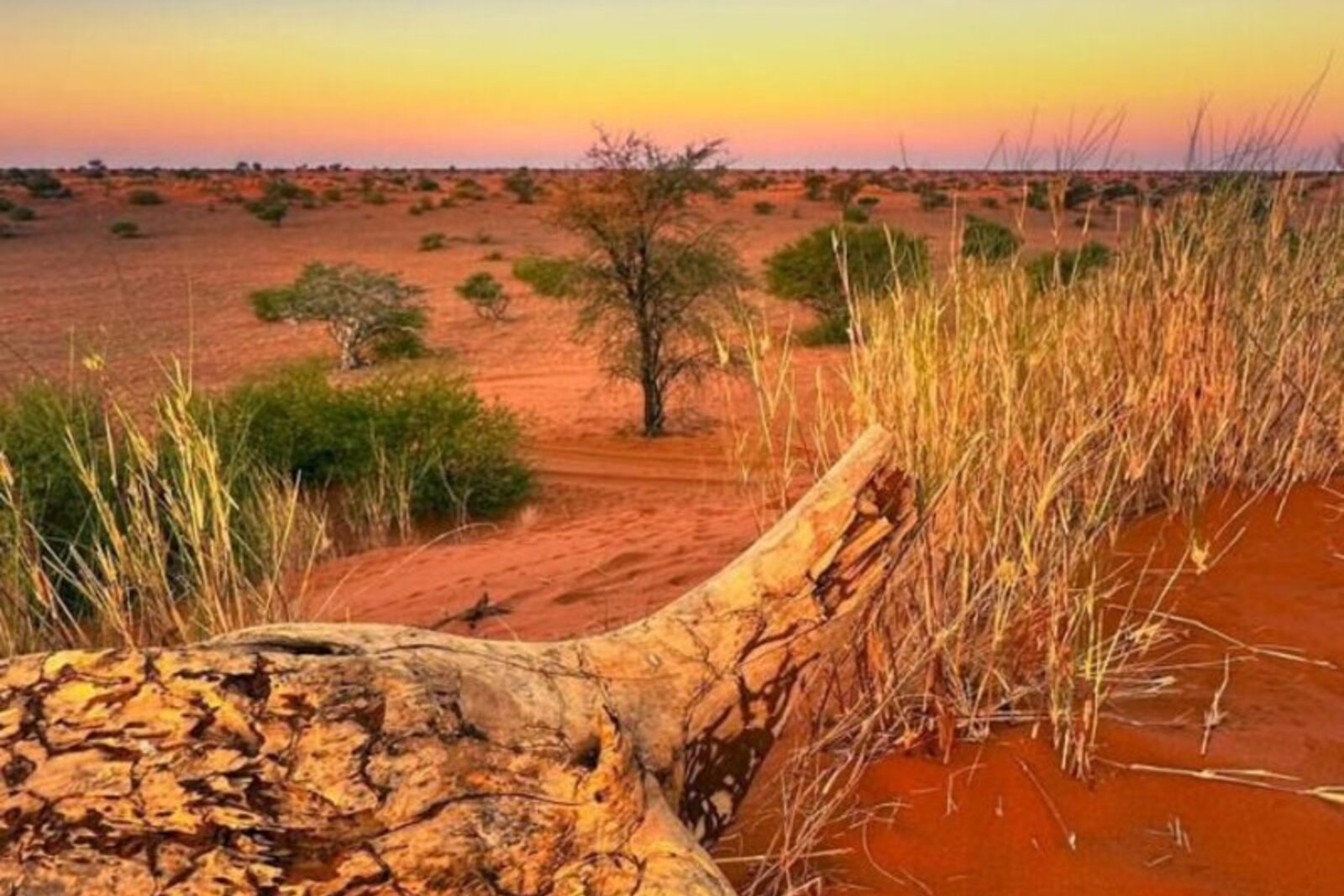
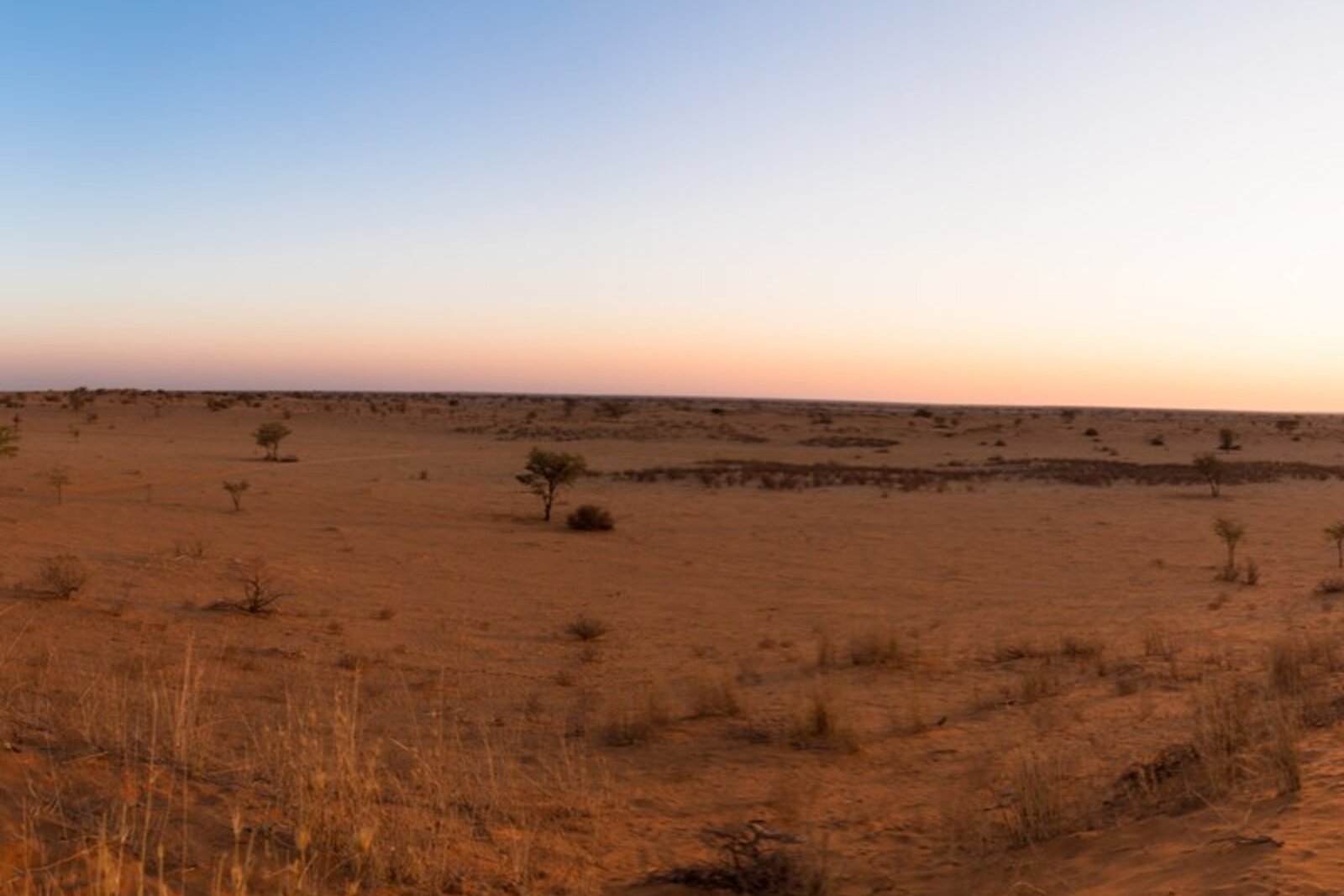
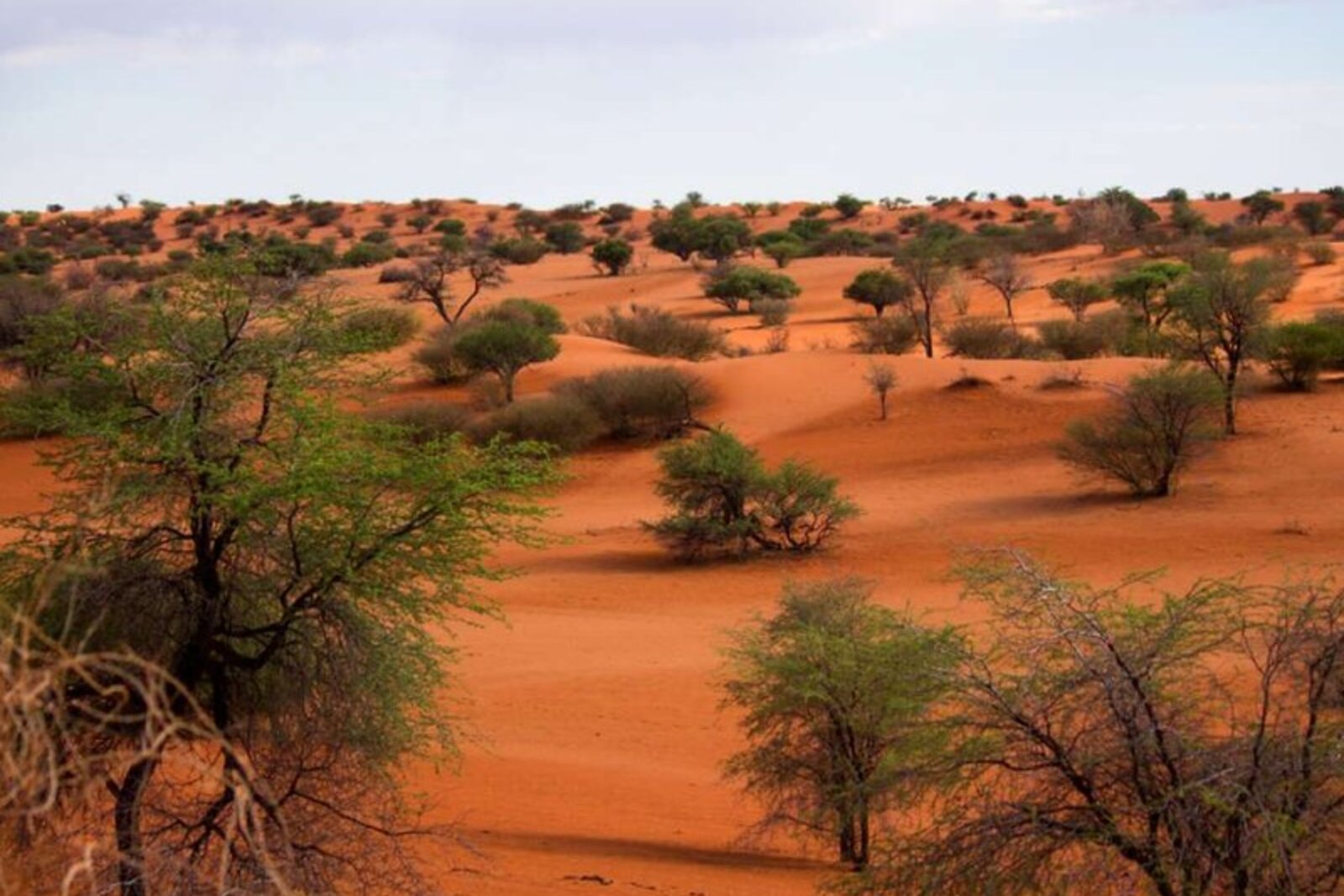
Best for: Riders who want desert riding wrapped in the country's finest lodge luxury and near-total exclusivity. Riding level: Competent riders (riding is part of a bespoke all-inclusive programme). Getting there: Scheduled or private flight to Tswalu's airstrip, malaria-free.
5. The Wild Coast Horse Trails — The Eastern Cape's Great Coastal Ride
For a completely different kind of riding safari, head to the Wild Coast of the Eastern Cape — the old Transkei, a malaria-free coastline of empty beaches, dramatic cliffs, estuaries and rolling green hills dotted with Xhosa homesteads. Here, dedicated coastal-trail operators run multi-day rides that follow the shore between river mouths, cantering long stretches of firm sand at low tide, crossing tidal rivers, and passing villages that see almost no visitors.
The flagship is the multi-day Wild Coast Trail, a point-to-point journey of roughly seven to ten days that demands a strong, fit, independent seat — you will ride long canters on the beach, negotiate river crossings scheduled around the tides, and cover real distance day after day. Shorter Meander, Mini Beach and river trails, plus day rides, offer gentler options for less experienced riders, and working-holiday placements welcome horse-lovers for weeks at a time. Whale-watching season (roughly July to November) adds southern right and humpback whales to the seascape. Weight limits sit around 95 kg and, because the trails are tide-scheduled, dates and timings are set by the ocean rather than the diary.
Best for: Fit, experienced riders craving a wild, multi-day coastal expedition (with gentler day-ride options available). Riding level: Strong intermediate to experienced for the full trail; beginner-friendly day rides available. Getting there: Fly to East London or Mthatha, then road transfer, malaria-free.
6–10. More of South Africa's Great Rides — Eastern Cape Reserves, Drakensberg, Winelands, Noordhoek & the Free State
Beyond the five flagships, South Africa offers a deep bench of outstanding riding, enough to fill a lifetime of return visits.
6. Malaria-free Big Five reserves of the Eastern Cape
The private reserves around Addo and the Eastern Cape interior — such as Amakhala, Kariega, Shamwari and their neighbours — combine malaria-free Big Five game viewing with horse riding on their plains-game sections, letting families pair superb vehicle safaris with gentle rides among giraffe, zebra and antelope. It is an ideal way to add a taste of the saddle to a classic Eastern Cape safari; see our family safari guide for how to combine them.
7. The Drakensberg & KwaZulu-Natal high country
In the Drakensberg, operators such as Khotso and the Cavern run mountain rides through basalt foothills, grassland and San rock-art valleys — cool, green, high-altitude riding that could not feel more different from the bushveld. Trails range from gentle half-day rides to multi-day mountain expeditions for confident riders, with sure-footed horses bred for the terrain.
8. The Cape Winelands
Around Stellenbosch, Franschhoek and the Elgin Valley, vineyard estates and stables offer relaxed rides through the oak-lined Winelands, often finishing with a tasting — the most civilised riding in the country and perfectly suited to beginners and couples. Pair it with our Cape Winelands wine tours guide.
9. Noordhoek Beach, Cape Town
On Cape Town's doorstep, the long white sweep of Noordhoek Beach offers one of the world's great beach rides — a canter along the sand beneath Chapman's Peak, with Table Mountain's chain rising behind. Rides suit all levels and make an unforgettable half-day from the city; combine with our Cape Peninsula tour guide.
10. The Free State & Klein Karoo
For riders seeking wide-open, uncrowded country, the Free State's Witteberg (around Moolmanshoek) and the Klein Karoo (around Sanbona) offer mountain and semi-desert trails on private reserves — dramatic, quiet and superb value, with malaria-free game and big skies.
Comparison — South Africa's Horseback Safaris at a Glance
| Destination | Region | Riding level | Wildlife from saddle | Malaria-free |
|---|---|---|---|---|
| Ant's Nest & Ant's Hill | Waterberg | Beginner–advanced | Plains game, rhino | Yes |
| Horizon Horseback | Waterberg | Novice–advanced | Plains game | Yes |
| Wait a Little | Greater Kruger | Intermediate-plus only | Big Five | No (malaria area) |
| Tswalu Kalahari | Northern Cape | Competent | Desert plains game | Yes |
| Wild Coast Trail | Eastern Cape | Strong intermediate–experienced | Coastal, few large game | Yes |
| Drakensberg (Khotso/Cavern) | KwaZulu-Natal | Beginner–advanced | Mountain scenery | Yes |
| Winelands & Noordhoek | Western Cape | Beginner-friendly | Scenic, no big game | Yes |
Riding Requirements, Weight Limits & Safety
The single most important decision you will make is matching the destination to your honest riding ability. Get it right and a horseback safari is the most rewarding experience in African travel; get it wrong and it is unsafe for you, unfair to the horse, and miserable for the rest of the group.
Beginners and families should ride Ant's Nest, Horizon (novice programme), the Eastern Cape reserves, the Winelands or Noordhoek. These destinations teach properly, match calm horses, and — crucially — keep beginners away from dangerous game.
Confident intermediate and experienced riders can take on the Wild Coast Trail, advanced Horizon and Drakensberg trails, and Tswalu's dune riding. You should be secure and independent at walk, trot and canter on unfamiliar horses over uneven ground for sustained periods.
Big Five riding at Wait a Little is for genuinely experienced riders only. You must be able to control a fit horse at all paces, sit quietly among dangerous game, and follow instruction instantly. This is not a place to learn or to overestimate yourself.
Weight limits are non-negotiable horse-welfare controls, typically around 95 kg for wilderness, big-game and coastal riding, and up to roughly 110 kg at Ant's Nest. They reflect the horses' build, the terrain and the daily workload, and no reputable operator will waive them. Some measure "dressed riding weight" — your weight in riding clothes and boots — so always confirm the exact figure and interpretation when you book.
Safety essentials: a personal, correctly fitted riding helmet (bring your own), comprehensive travel and medical insurance that covers riding, honest disclosure of your ability, and absolute obedience to your guide. In big-game country, distance from dangerous animals is managed by the guide — never by you.
When to Go & What It Costs
When to go. The Waterberg, Kalahari and most malaria-free reserves ride year-round, with the cool, dry winter (roughly May to August) offering the most comfortable conditions and excellent game viewing at waterholes. Summer (November to March) brings green landscapes, dramatic skies and, in the lowveld, heat and rain. Wild Coast trails are tide-scheduled and best in the drier, milder months, with whale watching from roughly July to November. Drakensberg riding is loveliest in spring and autumn.
What it costs. Pricing spans a wide range. Short day and half-day rides in the Winelands, at Noordhoek or in the Drakensberg typically run from around R450 to R1,200 (roughly USD 25–65) per person. Multi-day trails such as the Wild Coast are usually positioned from around R18,000 to R35,000 (roughly USD 1,000–1,900) for a week, depending on comfort level. Exclusive lodge-based riding safaris at Ant's Nest and Ant's Hill are enquiry-based and fully inclusive of in-house riding, typically working out from around USD 550–850 per person per night. Big Five riding at Wait a Little is positioned from roughly USD 5,000–9,000 per person for a five-to-nine-night trail. Tswalu is ultra-luxury and all-inclusive, from around USD 1,500+ per person per night. All figures are indicative for 2027 planning; we confirm exact, current rates at the time of booking.
What to Pack for a South African Horseback Safari
Essentials include a properly fitted riding helmet (bring your own rather than relying on stable stock), riding boots or shoes with a suitable heel, half chaps, riding gloves, comfortable jodhpurs or long trousers, neutral-coloured clothing (khaki, brown, olive), lightweight layers for cool mornings and warm afternoons, sunglasses with a strap, high-SPF sunscreen and lip balm, a compact camera with a secure one-handed strap, binoculars, a light rain shell, and any personal medication. For light-aircraft destinations such as Tswalu, luggage is limited to soft-sided bags within strict weight limits — pack light. For Wild Coast beach trails, add quick-drying clothing and waterproof protection for tidal crossings.
How to Book Your South African Horseback Safari
Book through Beyond Africa Safaris. As a specialist South African safari consultancy, we match you to the right destination and operator based on an honest assessment of your riding ability, party composition (including ages and weights of all riders), travel dates and budget. We handle transfers, flights, insurance guidance and the full itinerary — and we combine riding with Big Five game drives, the Garden Route, the Winelands or a beach finish where you wish. Contact our team to begin.
Final Verdict — The South African Ride That Matches You
There is no single "best" horseback safari in South Africa — only the best one for you. Here is the honest match.
If you are a family or a mixed-ability group: Ant's Nest and Ant's Hill in the Waterberg is the finest family riding destination in Africa — malaria-free, three hours from Johannesburg, welcoming children and beginners while still challenging experts, all in complete safety among plains game and rhino.
If you want adventure and variety: Horizon Horseback delivers game rides, polocrosse, jumping and swimming with horses across the same malaria-free Waterberg country, for every level from novice to expert.
If you are an experienced rider chasing the ultimate thrill: Wait a Little's Big Five riding near Kruger is South Africa's pinnacle — genuine dangerous-game encounters from the saddle, for confident, fit riders only.
If you want luxury and desert exclusivity: Tswalu Kalahari offers red-dune riding on the country's largest private reserve, wrapped in some of the finest lodge comfort on the continent.
If you crave a wild, multi-day expedition: the Wild Coast Trail follows empty Transkei beaches and tidal rivers for a week of long canters and true remoteness — for strong, fit riders.
If you want the gentlest, most scenic riding: the Cape Winelands, Noordhoek Beach and the Drakensberg deliver beauty, comfort and beginner-friendly trails within easy reach of Cape Town and the KZN highlands.
Whatever you choose, bring a properly fitted helmet, an honest assessment of your riding ability, and the willingness to let the horse set the pace. South Africa will give you the rest — more variety, more accessibility and more malaria-free wilderness than any other riding country on earth. This is where the saddle meets the whole of Africa, all in one country.