Key Takeaways
- Self-drive suits independent travellers who value freedom, pace and value; the main Kruger's roads make it easy and safe.
- A guided safari suits those who want expert spotting, off-road access and everything arranged for them.
- Self-drive is usually significantly cheaper; a guided safari costs more for expertise, comfort and access.
- You generally see more with a guide and tracker, but patient self-drivers still see a great deal.
- Self-drivers can book park-run guided drives — including night drives — without staying at a lodge.
- The hybrid approach — self-drive plus a few guided nights — is often the best answer of all.
The Case for Self-Drive
There is a particular joy to driving yourself through the Kruger that no guided trip can quite replicate. You set your own alarm, choose your own road, and stop for as long as you like at whatever catches your eye — a tower of giraffe, a lone bull elephant, a martial eagle on a dead tree. If you want to sit at a waterhole for two hours waiting for the drama to unfold, you can. If you want to turn around and go back for a second look, you can. The park belongs to you and your own curiosity, and the thrill of spotting your first lion yourselves, with no guide to point it out, is something self-drivers never forget.
The main Kruger is superbly set up for this. It has an excellent network of tarred and well-graded gravel roads, clear signage, comfortable rest camps for every budget, and shops and fuel along the way. The rules are simple and keep everyone safe — stay in your vehicle except at designated points, keep to the speed limits, and be back inside camp before the gates close. For independent-minded travellers, families watching their budget, and anyone who loves a road trip, self-drive is affordable, flexible and deeply rewarding.
The Case for a Guided Safari
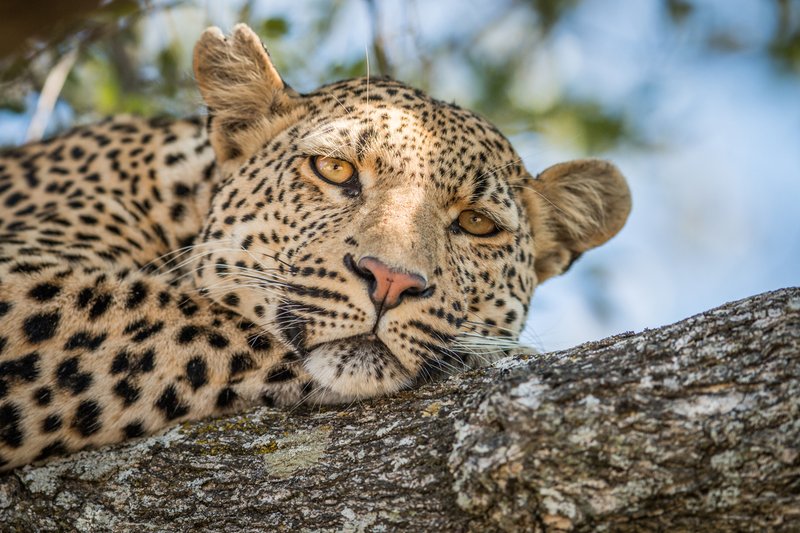
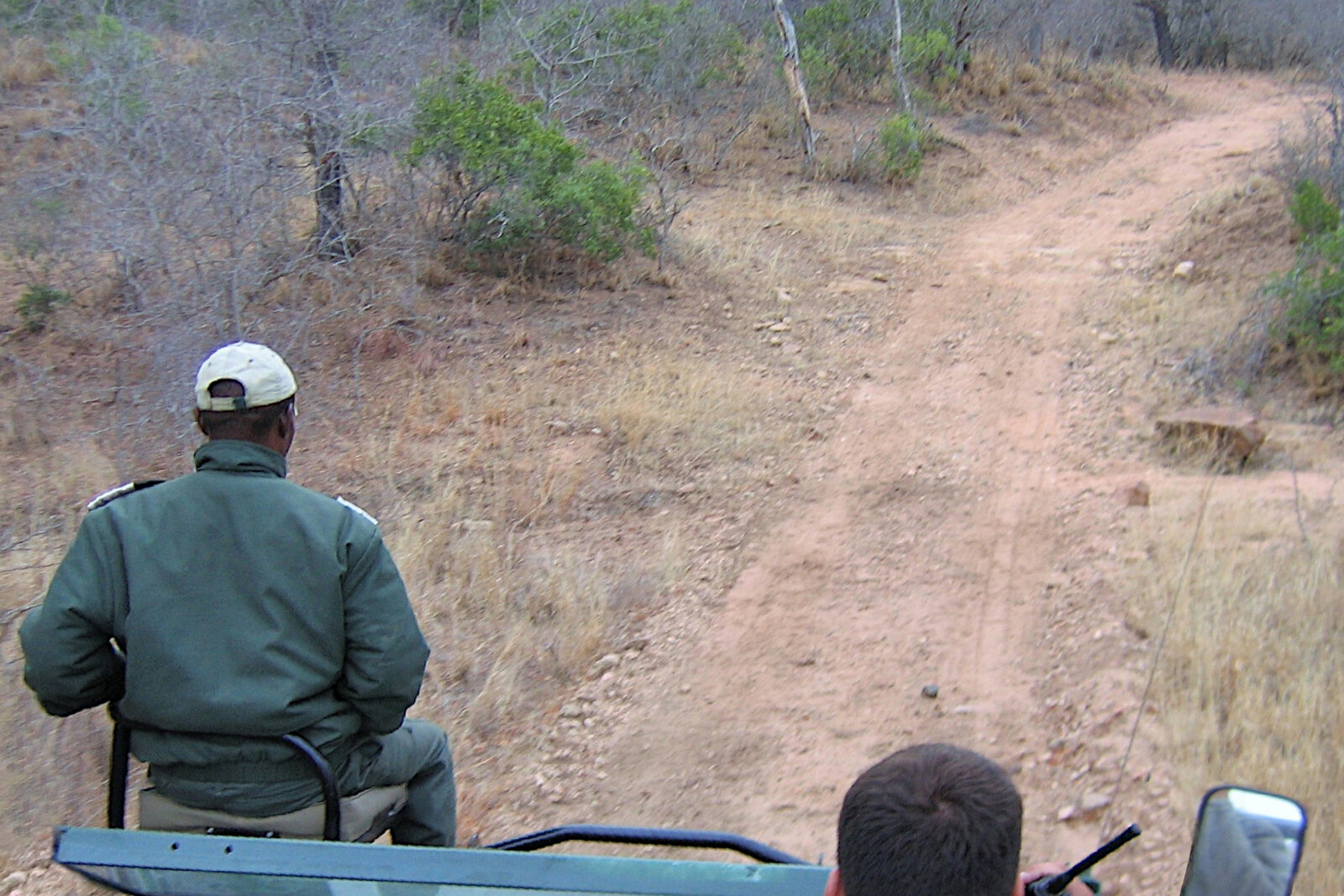
A guided safari trades independence for expertise, comfort and access — and for many travellers that is a very good trade. The heart of it is the guide: a trained professional, often working with a tracker, whose eyes are tuned to the bush in a way yours cannot yet be. They spot the leopard draped in a distant tree, read the alarm calls that mean a predator is near, anticipate where the action will move, and unpack the behaviour, ecology and story behind everything you see. You spend your time watching the bush instead of the road, and you learn immeasurably more.
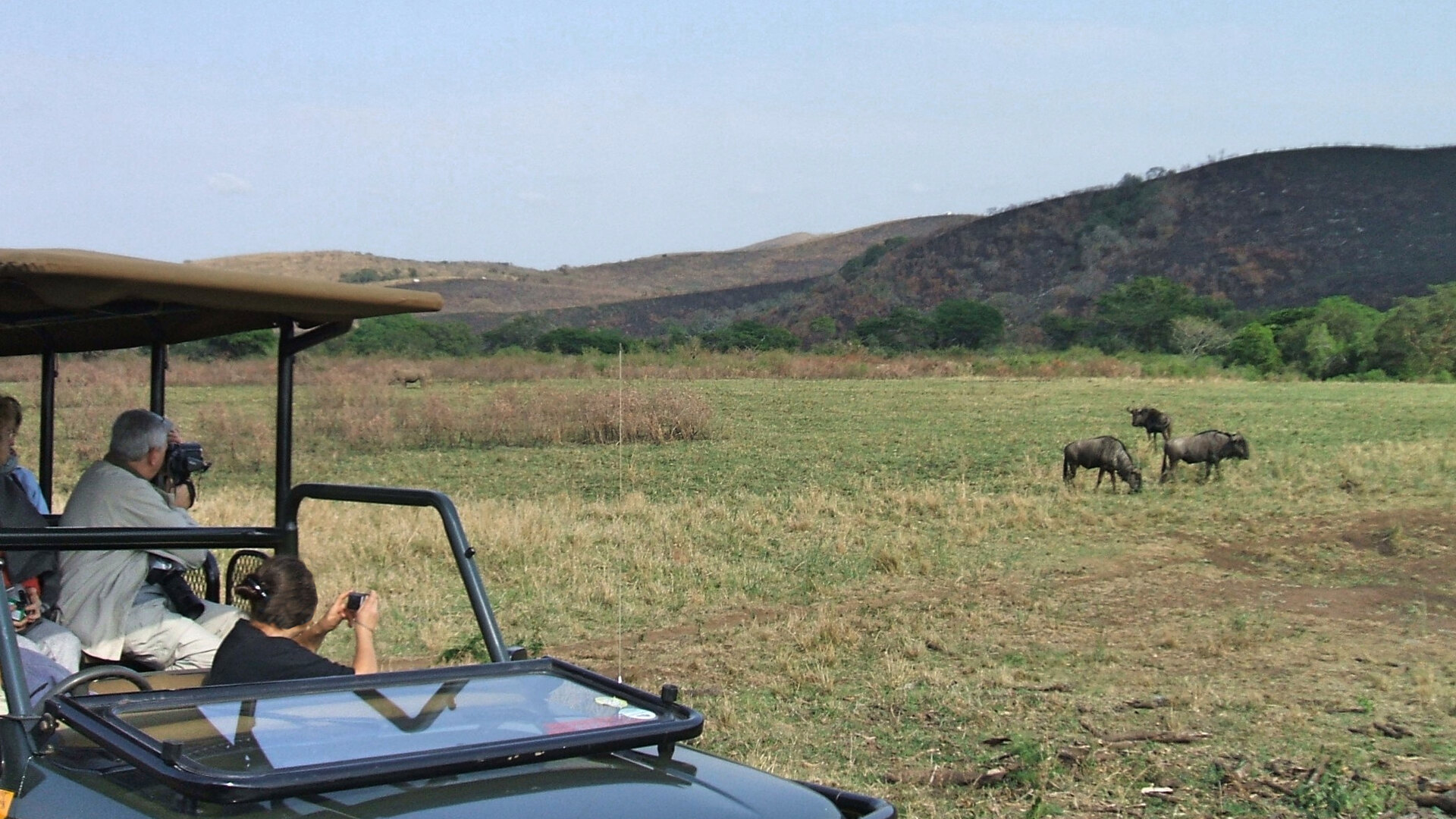
In the private reserves along the Kruger's western boundary, a guided safari adds something the main park cannot: off-road access. From a raised, open game-viewing vehicle, your guide can leave the road to follow a sighting across the veld, bringing you close to a lion pride or a hunting cheetah with clear, unobstructed sightlines perfect for photography. Add in the effortlessness of having your meals, drives, and logistics all arranged, and the comfort of a beautiful lodge to return to, and the appeal is obvious. A guided safari is about depth, ease and access — letting someone who knows the bush intimately show you its secrets.
Cost: An Honest Comparison
Cost is where the two approaches diverge most sharply, and it pays to be clear-eyed about why. A self-drive safari is usually significantly cheaper because you are paying for relatively few things: your park entry, a hired car, fuel, and self-catering or affordable rest-camp accommodation. You provide the labour — the driving, the spotting, the cooking, the planning — and in return you keep the cost down. For budget-conscious travellers and families, it is by far the most economical way to experience the Kruger.
A guided safari costs more, sometimes considerably more, but the money buys real things: the expertise of professional guides and trackers, the off-road access of a private reserve, all-inclusive lodges with meals and drinks, and the sheer convenience of having everything handled. You are paying for time saved, expertise gained, comfort enjoyed and access granted. Neither is a rip-off and neither is a bargain in the abstract — they are simply priced according to what they include. The table below lays out where the money goes in each, so you can weigh what matters most to you.
| Factor | Self-Drive vs Guided |
|---|---|
| Overall cost | Self-drive noticeably cheaper; guided costs more for what it includes |
| What you pay for (self-drive) | Park entry, car hire, fuel, self-catering or rest camps |
| What you pay for (guided) | Guides, trackers, off-road access, all-inclusive lodges |
| Freedom & pace | Self-drive: total freedom; guided: set drive times |
| Game viewing | Guided: expert spotting & off-road; self-drive: your own finds |
| Effort required | Self-drive: you plan & drive; guided: everything arranged |
Game Viewing: Who Sees More?
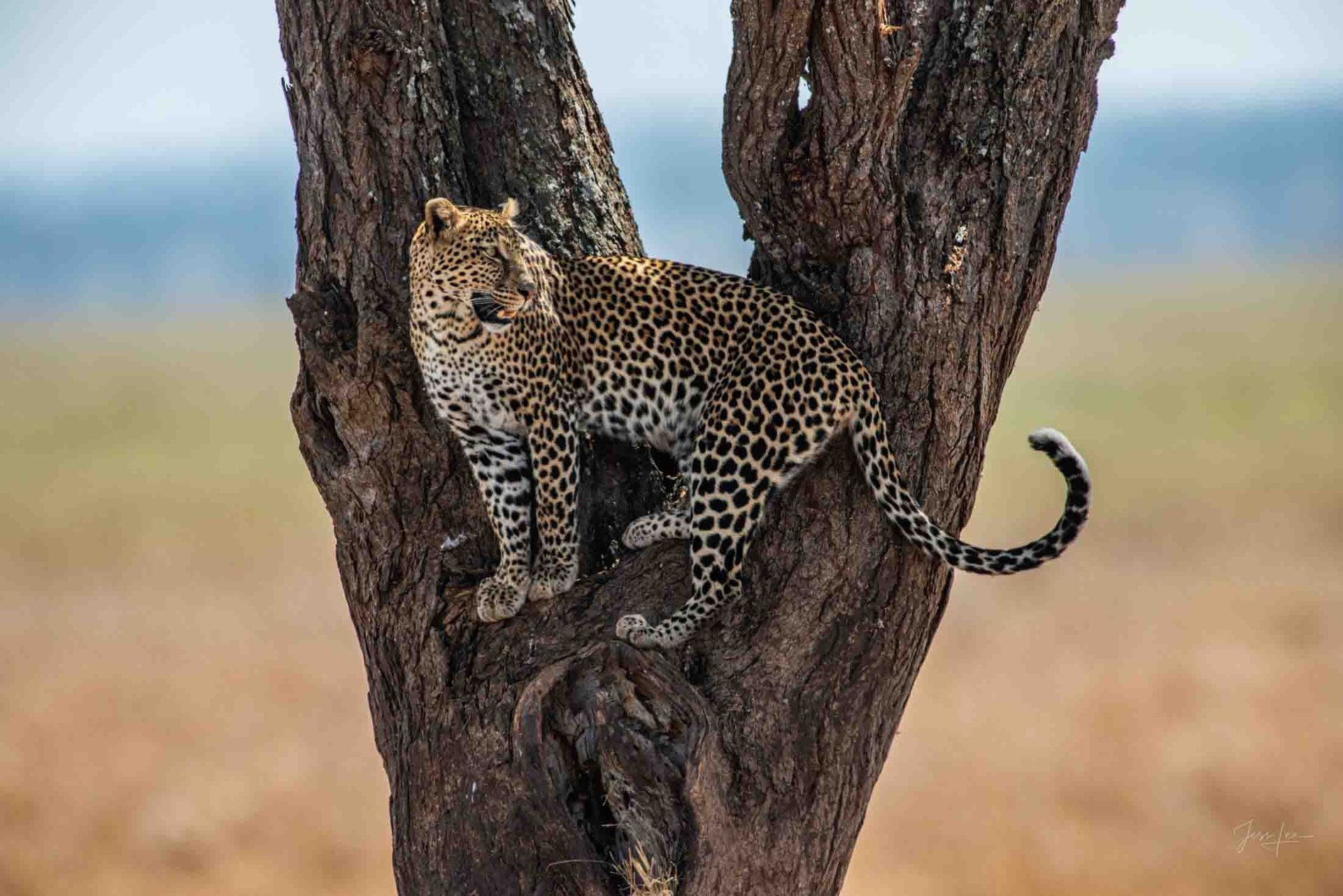
If your single priority is seeing as much as possible, a guide gives you an undeniable edge. Years of experience train a guide's eye to catch what the rest of us miss — the flick of a tail in long grass, the shape that is a leopard and not a branch, the vultures circling that mean a kill. Working with a tracker, reading fresh tracks and listening to alarm calls, a good guide turns a quiet morning into a productive one, and in a private reserve can follow a sighting off-road for a front-row view. You will almost always see more, and understand far more, with a guide.
But do not underestimate the patient self-driver. Travellers who move slowly, resist the urge to rush from sighting to sighting, spend real time at waterholes and river crossings, and learn a little about animal behaviour and where to look, can have superb game viewing on their own. The main Kruger's game density is high, and some of the most memorable sightings come from simply parking quietly and waiting. The honest summary: a guide maximises what you see, but a thoughtful self-driver still sees a great deal — which is exactly why so many people choose to do both.
Comfort, Safety and Peace of Mind
On safety, the reassuring news is that both approaches are very safe when done sensibly. Self-driving the main Kruger is popular with first-time visitors precisely because the park is so well organised: good roads, clear rules, and the simple discipline of staying in your car and getting back before gate-closing time. The wildlife has right of way, you keep a respectful distance, and millions of self-drivers explore happily every year. The main demands on you are alertness, patience and respect for the rules.
Comfort and peace of mind are where a guided safari pulls ahead. There is a real ease in having someone else drive, navigate, spot, cook and plan, leaving you free simply to soak it all in — especially valuable if you are travelling with children, if you are short on time, or if you would rather not shoulder the logistics. A guided lodge also offers the pampering of fine food, a pool and a comfortable bed after a dawn start. Self-drive asks more of you and gives more independence in return; guided asks less of you and gives more ease. Which matters more is entirely a question of how you like to travel.
The Hybrid Approach: Best of Both
Here is the answer that quietly wins over more travellers than any other: you do not have to choose. A hybrid safari blends both approaches into a single trip, and for many people it is the finest way to do the Kruger. A typical version gives you several days of self-drive in the main park — the freedom, the value, the pride of your own discoveries — and then two or three nights in a private reserve or guided lodge, where expert guides, open vehicles and off-road access deliver the premium sightings and effortless comfort. You get independence and expertise, value and luxury, all in one journey.
Even within a self-drive trip, you can borrow the best of guiding. Staying in the main park's rest camps, you can book the park's own guided game drives — including the sunset and night drives you simply cannot do alone — to add expert spotting and after-dark magic to your independent days. There is no single right way to do the Kruger; there is only the way that fits how you like to travel, what you want to see, and what you want to spend. Tell us those things, and we will design the balance — pure self-drive, fully guided, or an artful blend — that is right for you.
Let Us Design Your Perfect Balance
The beauty of the Kruger is that it rewards every kind of traveller, and the choice between self-drive and guided is not a test with a right answer — it is a question about you. Tell us how you love to travel, what you most want to see, who is coming and what you want to spend, and we will build the trip that fits: the freedom of the open road, the expertise of a private reserve, or the hybrid that gives you both. Either way, the Kruger will not disappoint.
Not Sure Which Way to Do the Kruger?
Tell us how you like to travel and what you want to see, and we will design the ideal balance of self-drive freedom and guided expertise — including the hybrid trips that give you the best of both.
Ready to explore? Browse our safari tours and packages →