Key Takeaways
- A game drive is a guided outing in an open safari vehicle to find and watch wildlife — the heart of every safari.
- Drives last around three hours and run in the early morning and late afternoon, when animals are most active.
- The sunset and night drive uses a spotlight to reveal nocturnal animals you would never see by day.
- A guide interprets the bush and manages sightings; a tracker helps spot what would otherwise be missed.
- Bring warm layers — dawn drives are cold — plus binoculars, camera, hat, sunscreen and water.
- Patience, quiet and good etiquette turn every drive into a richer, more rewarding experience.
What a Game Drive Actually Is
If the safari is the trip of a lifetime, the game drive is the heartbeat that makes it one. At its simplest, a game drive is a guided outing into the bush in an open safari vehicle, setting out to find and watch wildlife. You roll slowly along roads and tracks, your guide reading the bush as you go, stopping wherever there is something to see — and there always is, from the smallest jewel-coloured bird to a pride of lions sprawled in the shade. It is part treasure hunt, part nature lesson, part meditation, and wholly addictive.
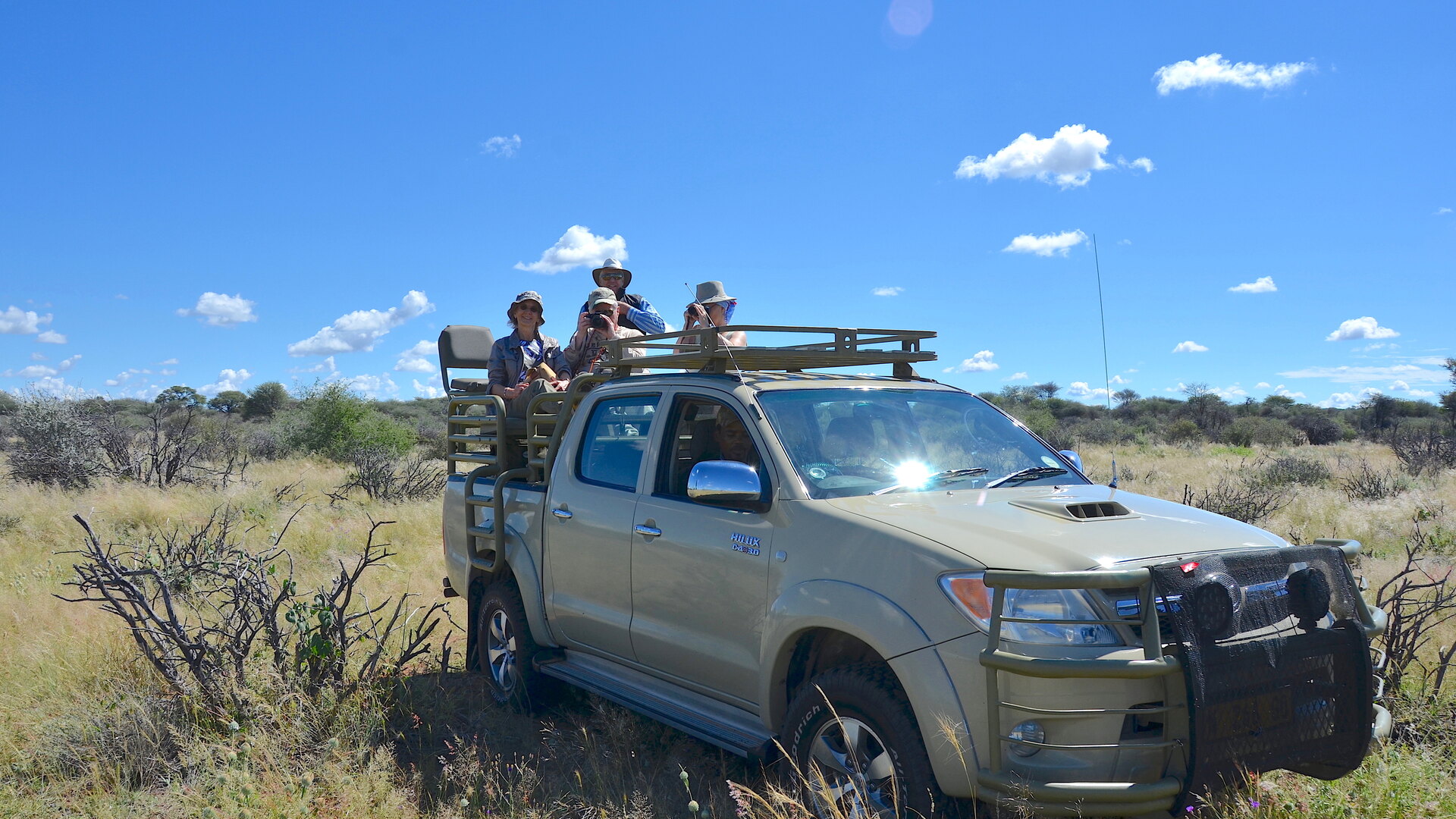
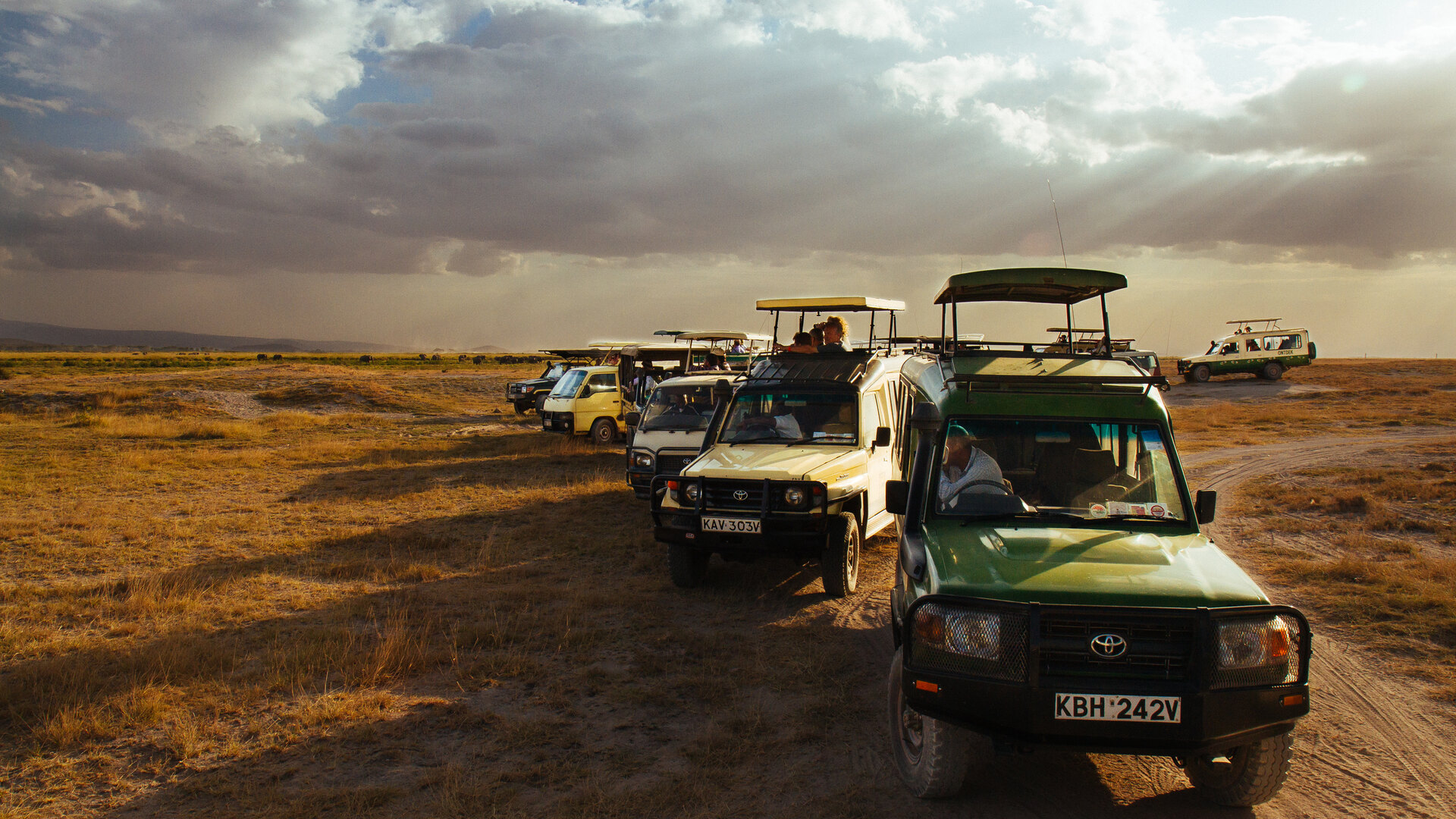
The classic safari vehicle is open and raised: no glass between you and the bush, a high vantage for clear views and photography, and tiered seats so everyone sees. In the private reserves a tracker often rides on a seat mounted on the front, scanning the ground for fresh tracks. In the main Kruger, guided drives run in open vehicles from the rest camps. Either way, the rhythm is the same and deeply satisfying — roll slowly, stop often, watch closely, and let the guide unpack the story of everything you find. Once you have felt that rhythm, you understand why people come back to the bush again and again.
The Morning Drive
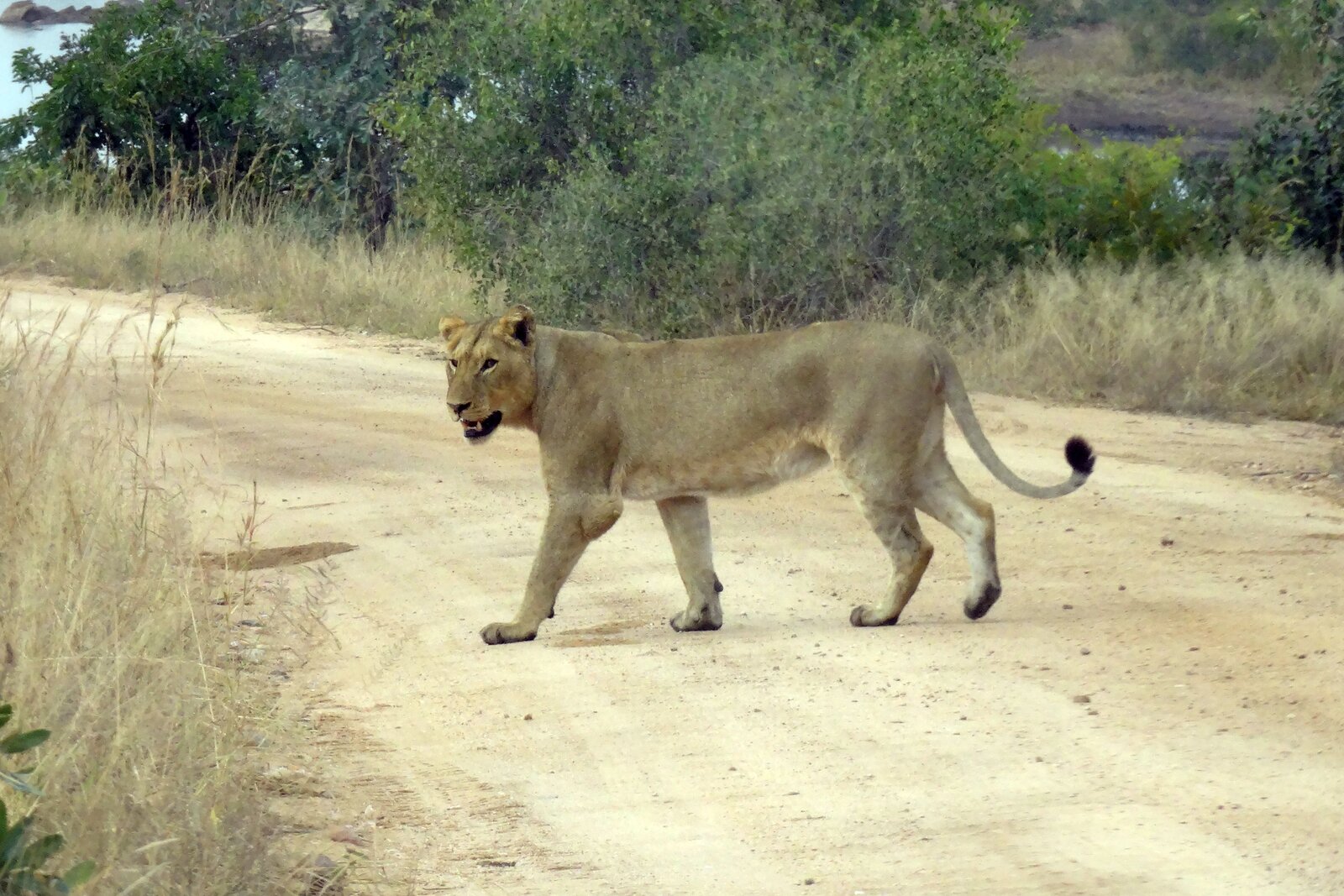
The morning drive is, for many, the finest of the day, and it begins in the dark. You are woken before dawn, perhaps with coffee and a rusk, and set out as the first grey light seeps into the sky. It is cold — genuinely cold in winter — so you wrap up warm and watch the bush emerge from the night. This is when the air is coolest, the light is softest and most beautiful, and the animals are at their most active, moving and feeding before the heat sets in. Predators are often still awake from the night's hunt, and the dawn chorus of birds is glorious.
As the sun climbs and warms your back, the drive settles into its rhythm: slow rolling, frequent stops, the guide pointing out tracks, birds, behaviour and the big sightings everyone hopes for. Midway, you usually pause somewhere scenic for a stretch, a hot drink and a snack — a small ritual that becomes a treasured memory. By mid-morning, as the heat builds and the animals seek shade, you head back to camp for breakfast and a rest through the hottest hours, ready to do it all again in the afternoon. There are few better ways to start a day than watching the sun rise over the Kruger from an open vehicle.
The Sunset and Night Drive
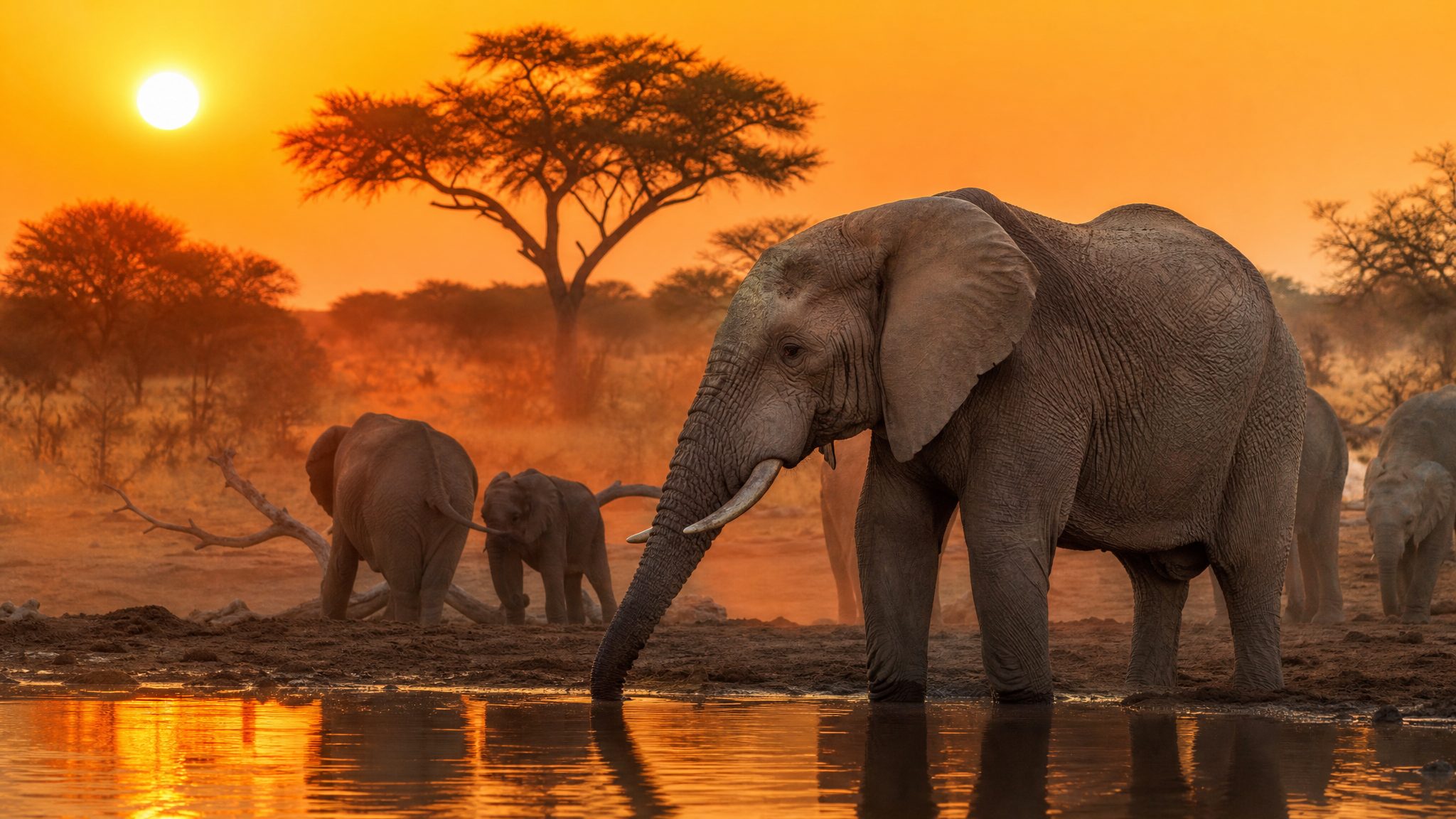
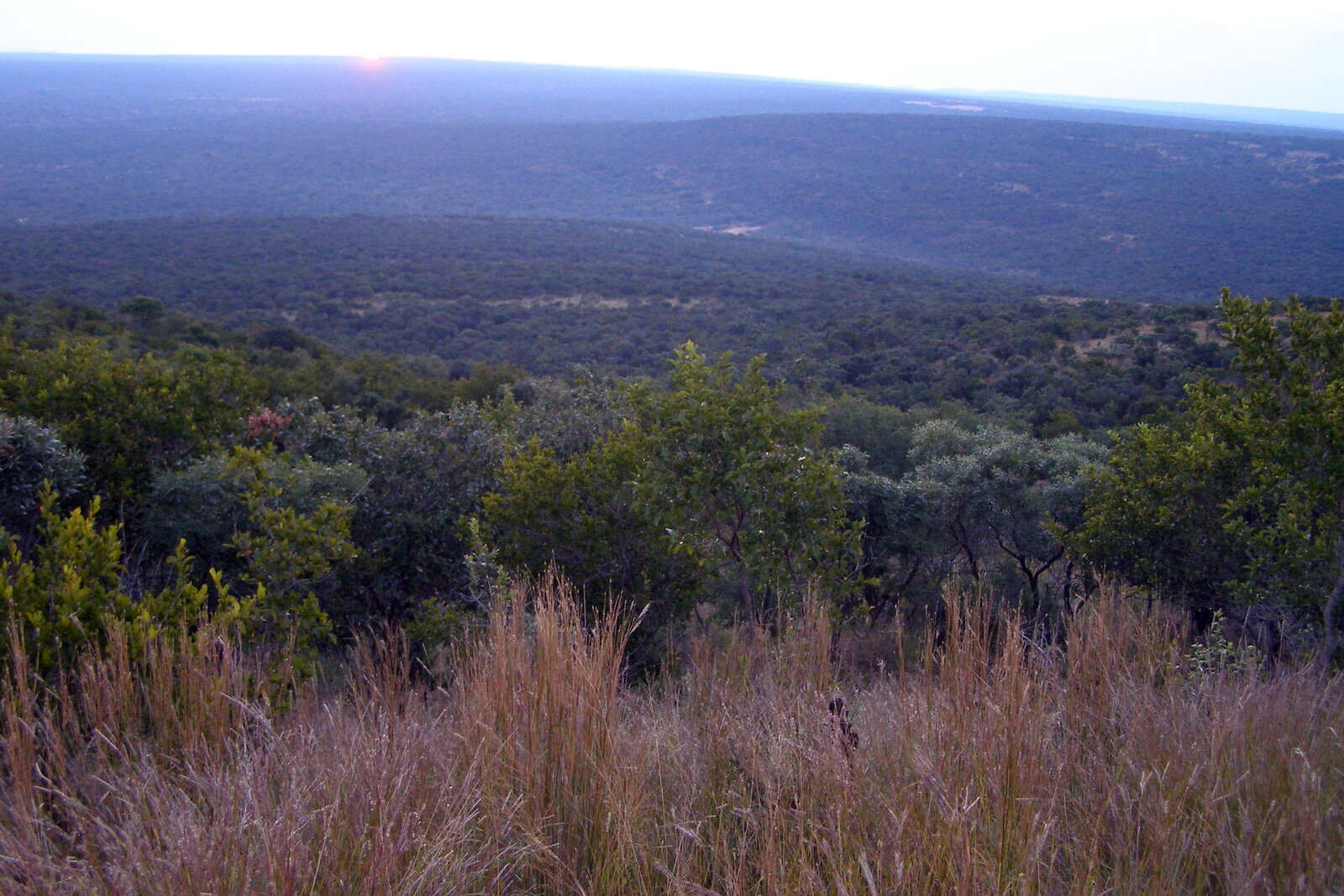
The afternoon drive carries its own particular magic, because it straddles two worlds. You set out in the late afternoon as the fierce heat softens, finding animals stirring again from their midday rest. As the sun sinks, your guide pulls over at a scenic spot for the beloved ritual of the sundowner — a cold drink and a snack in hand while the sky turns to fire and the bush glows gold. It is one of the great pleasures of a safari, a pause to simply drink in the beauty of the African evening.
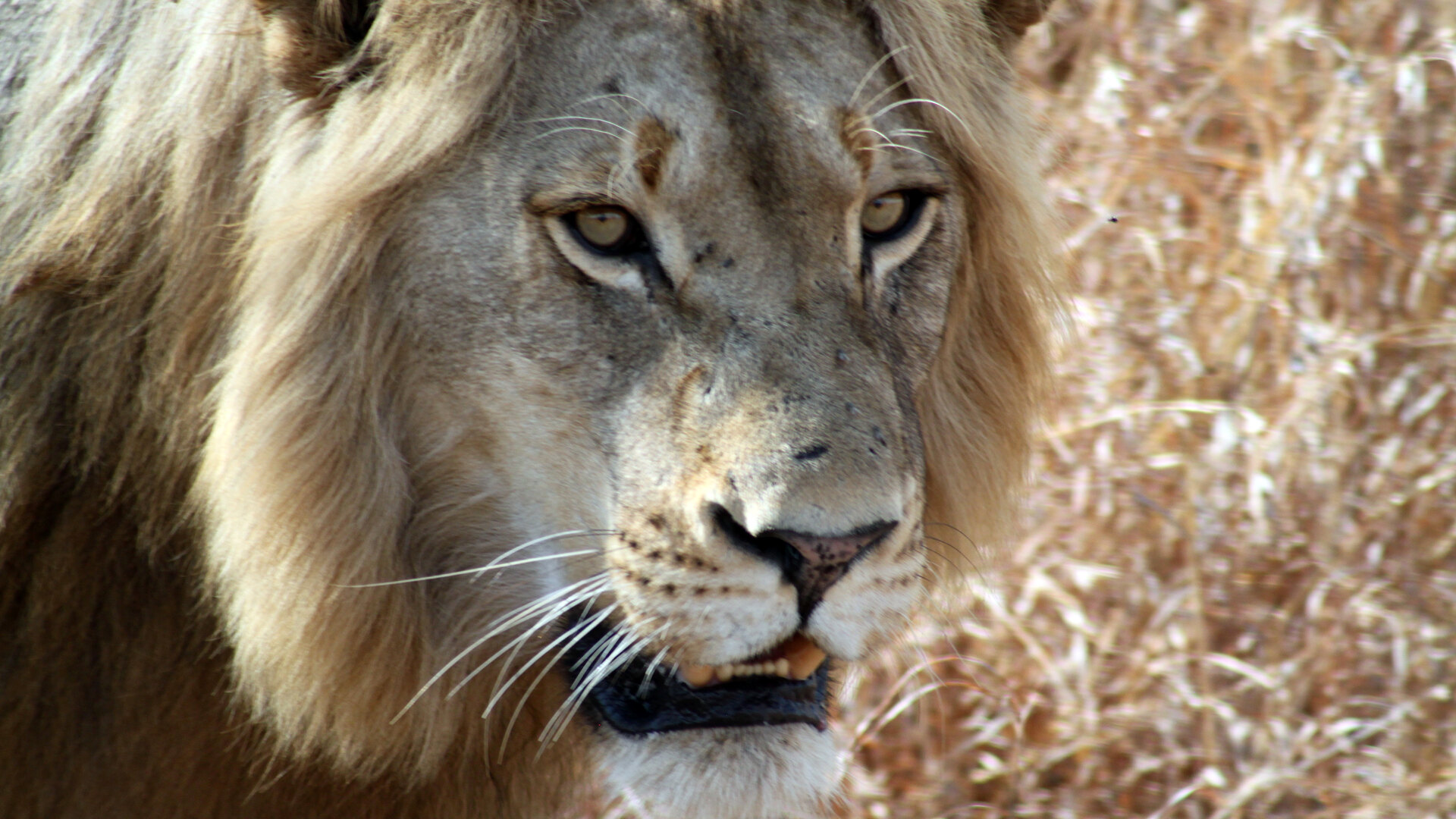
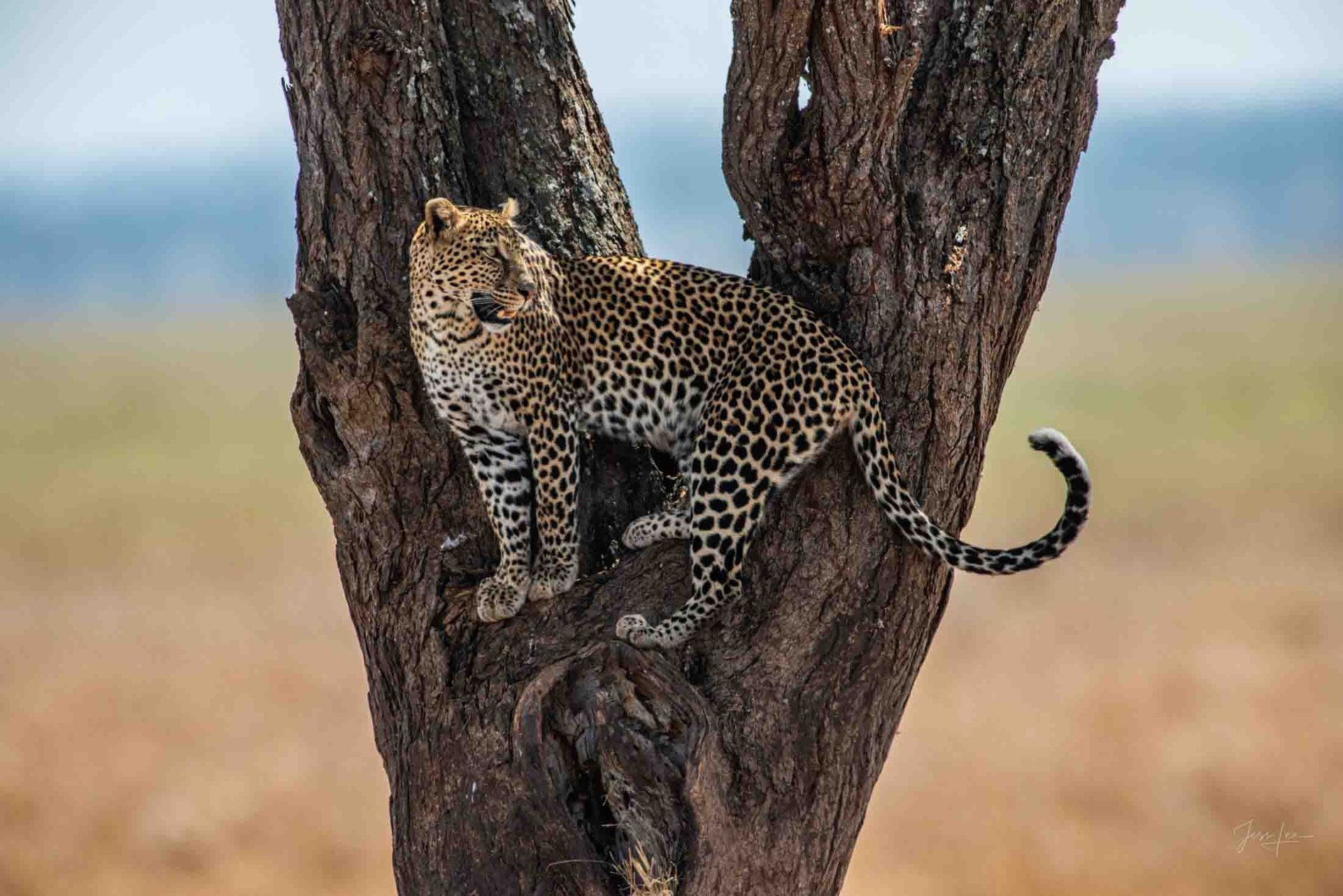
Then, as darkness falls, the drive transforms into a night drive — an experience the self-driver can never have alone. With a spotlight sweeping the bush, a whole hidden world emerges: the eye-shine of a genet or bushbaby, an owl on a branch, a civet trotting along the road, and sometimes the great nocturnal hunters — lion, leopard, hyena — moving through the dark on the prowl. The bush at night sounds and feels entirely different, alive with calls and rustles, and the spotlight turns every thicket into a possibility. In the main Kruger these night drives are run by the park and bookable from the rest camps; in private reserves they are simply part of the evening safari.
What Your Guide and Tracker Do
Much of the magic of a guided drive comes from the quiet expertise of the people up front. Your guide is doing far more than driving; they are reading the bush continuously — scanning for movement, interpreting fresh tracks in the sand, listening for the alarm calls of impala or baboons that betray a predator, watching which way the vultures circle. They know the terrain, the resident animals and their habits, and they use radio contact with other vehicles to locate and share sightings across the reserve. What looks like a lucky find is very often the fruit of skill and experience.
In the private reserves, the guide is often paired with a tracker, who rides on a seat mounted on the front of the vehicle and whose entire focus is spotting — reading spoor, catching the flick of a tail, following a trail the guide is concentrating too hard on driving to see. The two work as a seamless team, murmuring to each other, piecing together the clues, and it is genuinely thrilling to watch them track a leopard from a single fresh print to the animal itself. Beyond finding the animals, your guide is your interpreter of the whole ecosystem, turning every sighting into a story and answering every question. A great guide is the difference between seeing the bush and understanding it.
| Game Drive Element | What to Expect |
|---|---|
| Duration | Around three hours per drive |
| Morning drive | Dawn start, cold air, most active wildlife, coffee stop |
| Sunset drive | Late afternoon start, sundowner stop, golden light |
| Night drive | Spotlight reveals nocturnal animals; guided only |
| The guide | Drives, interprets, manages sightings, shares stories |
| The tracker | Spots tracks and movement from the front seat |
What to Bring and Wear
A comfortable game drive comes down to a few sensible choices, and the most important one is layers. Dawn drives are genuinely cold before the sun rises — surprisingly so in the dry winter — while by mid-morning you will be peeling layers off in the warmth. Bring a warm jacket, and in winter a beanie and even gloves for that first icy hour; you can always take them off, but you cannot conjure them from nowhere in an open vehicle. Evening drives cool quickly once the sun is down, so the same applies. Neutral, muted colours are ideal, and quiet, soft fabrics are kinder in the stillness of a sighting.
Beyond clothing, keep your kit small and simple. Binoculars transform a drive, letting you truly see the animals and birds rather than just noting them. Bring your camera, sunglasses, a sun hat, sunscreen and any personal medication, and a small bottle of water. A soft daypack holds it all and tucks away easily, since space on the vehicle is limited and hard cases are awkward. That really is everything — resist over-packing, because the best moments on a drive ask nothing of you but your attention. Come prepared to be comfortable, and then simply watch.
How to Get the Most From Every Drive
A few gentle habits will make every drive richer, both for you and for everyone in the vehicle. The first is patience. The finest sightings reward those who wait — a pride of lions that looks asleep may erupt into play or a hunt if you sit quietly, and a guide who lingers is often rewarded. Resist the urge to rush from one sighting to the next; the bush gives its best to those who slow down. The second is quiet: keep your voice low at a sighting, move gently, and switch your phone to silent, so as not to disturb the animals or your companions.
Beyond that, engage. Ask your guide questions — they love a curious guest, and their knowledge is deep and freely given. Watch behaviour rather than just ticking off species; the way a herd interacts, or a bird hunts, or a youngster plays, is often more memorable than the sighting itself. Follow your guide's instructions on where to stay seated and quiet, respect other vehicles at a sighting, and let the experience unfold rather than chasing a checklist. Approach each drive with openness and patience, and the Kruger will give you moments — a hunt, a river crossing, a tender family scene — that no itinerary could ever promise and no traveller ever forgets.
Let Us Put You in the Best Seat
Every great safari is built around great game drives, and the quality of those drives — the guides, the vehicles, the reserve, the timing — is exactly what we plan for you. Whether you want the park-run drives that let a self-driver add expert spotting and a night drive, or the premium open-vehicle experience of a private reserve with its own guide and tracker, we will put you in the best possible seat at the best possible time. Tell us what you dream of seeing, and we will design the drives that give you the finest chance of seeing it.
Ready for the Drive of a Lifetime?
From park-run guided drives for self-drivers to private open-vehicle safaris with expert guides and trackers, we design the game-drive experiences that put you in the right place at the right time — dawn, dusk and after dark.
Ready to explore? Browse our safari tours and packages →