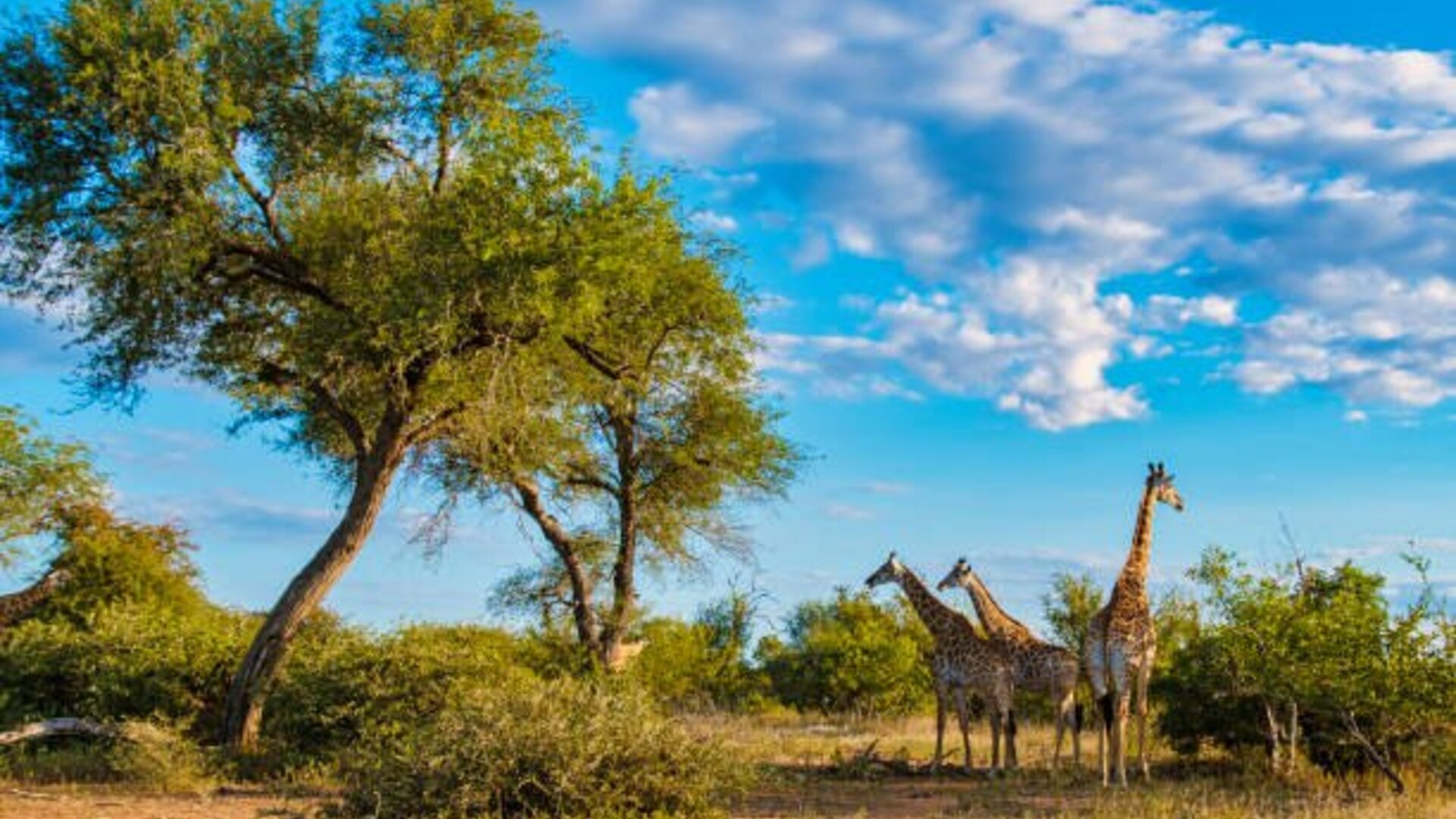
You have read about safaris, seen the photos, maybe watched the documentaries. But what does a game drive actually feel like, minute by minute, from the moment you are woken in the dark to the sundowner with a lion pride silhouetted on the horizon? This is the honest, no-gloss timeline of what to expect on your first safari game drive — the cold start, the thrill of the first sighting, how close you really get, the unwritten rules, and why that first drive changes people.
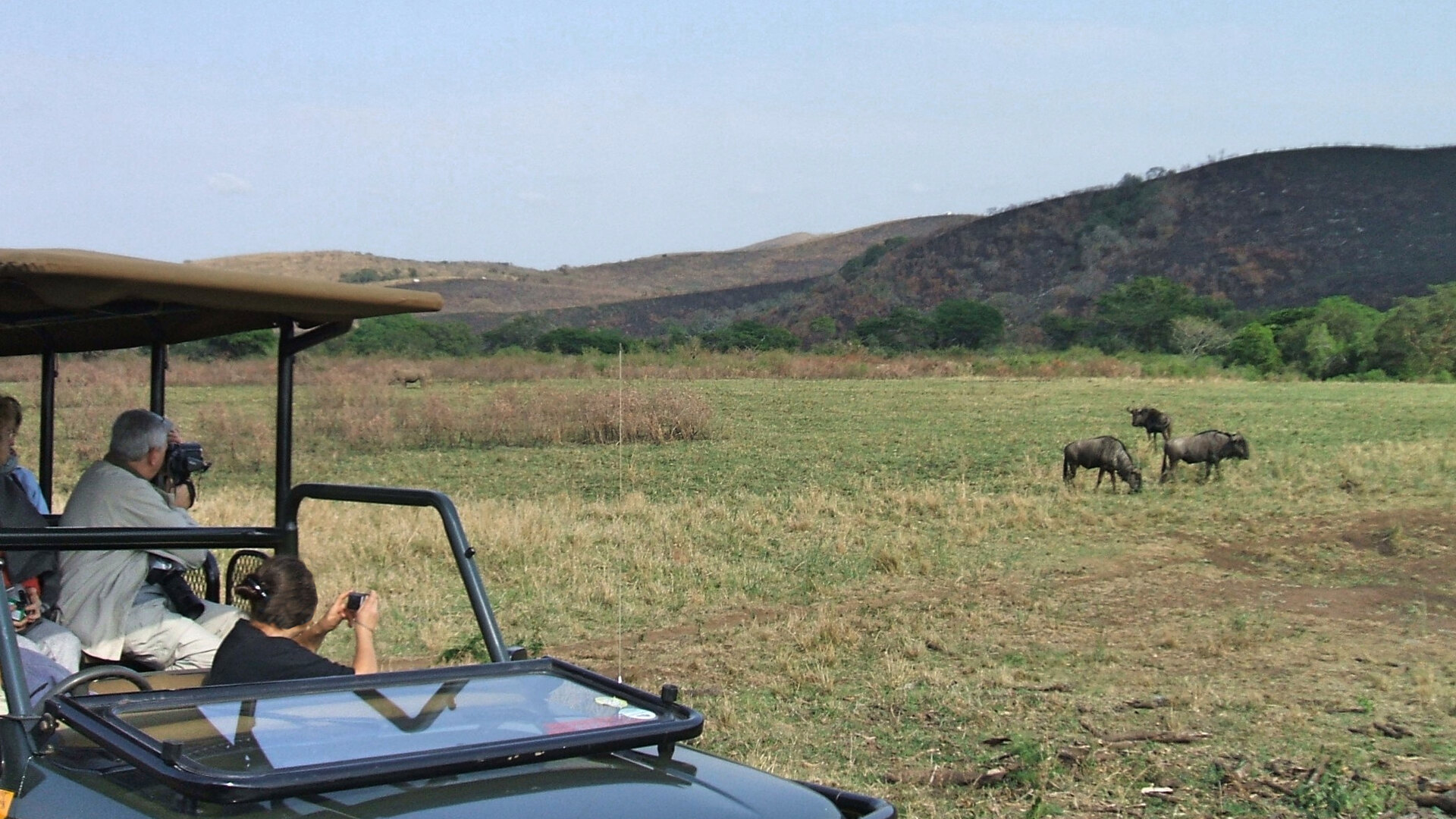
A morning game drive in Kruger — the real experience awaits you.
The Pre-Dawn Wake-Up (5:00–5:30 a.m.)
Your first game drive starts in the dark. A soft knock on your door, a friendly voice calling "Good morning," and a tray with coffee, tea and rusks (or biscuits) waiting outside. The air is cold — properly cold if you are visiting in the dry-season winter (June to August) — and the stars are still out.
You pull on the warm layers you laid out the night before (fleece, jacket, beanie, gloves if it is winter — trust us, you will need them), grab your camera and binoculars, and make your way to the lodge's gathering point. Other guests are doing the same, clutching their coffee cups, breath visible in the chill. The excitement is quiet but electric.
Departure: Climbing Into the Vehicle (5:30–6:00 a.m.)
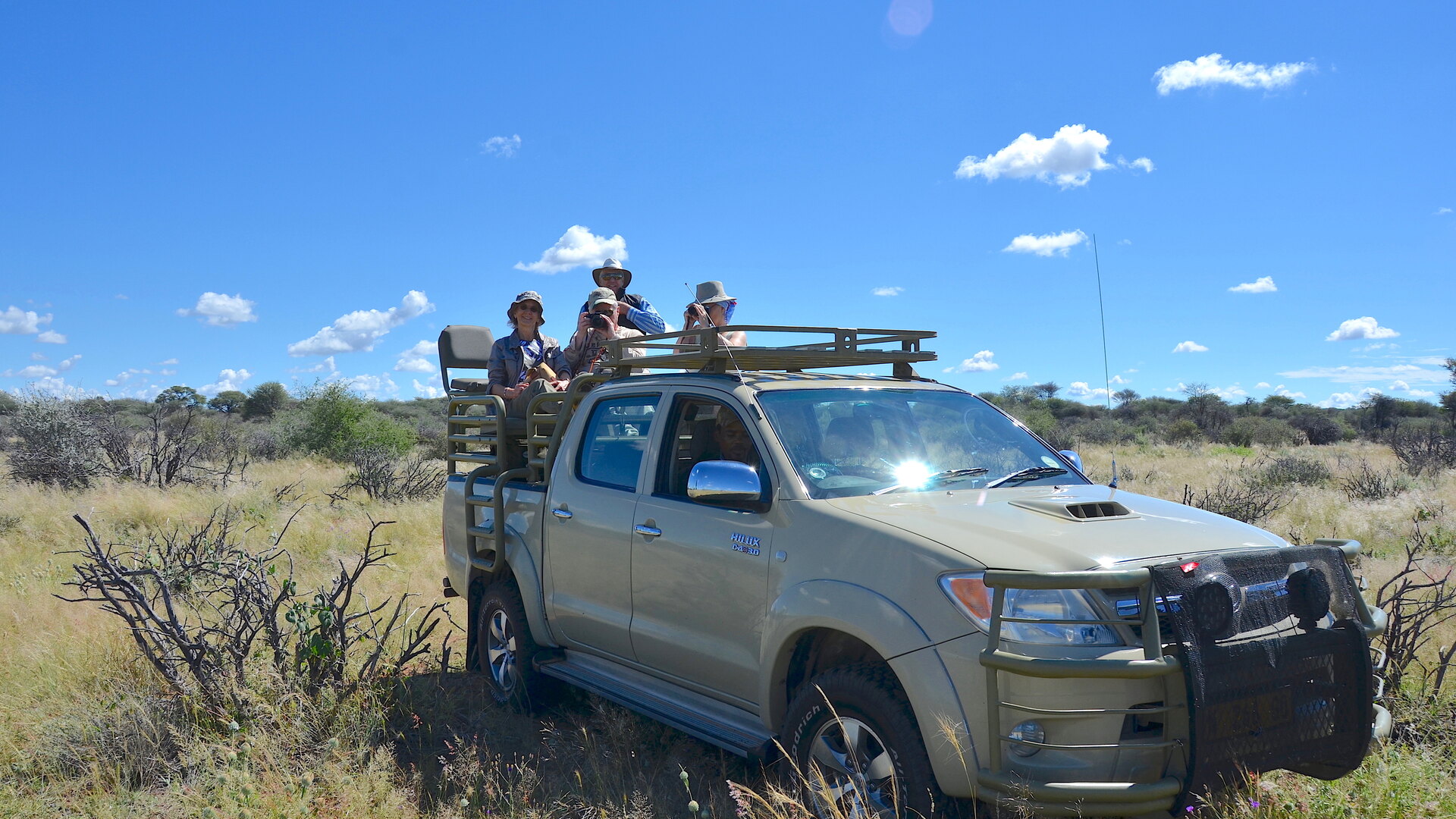
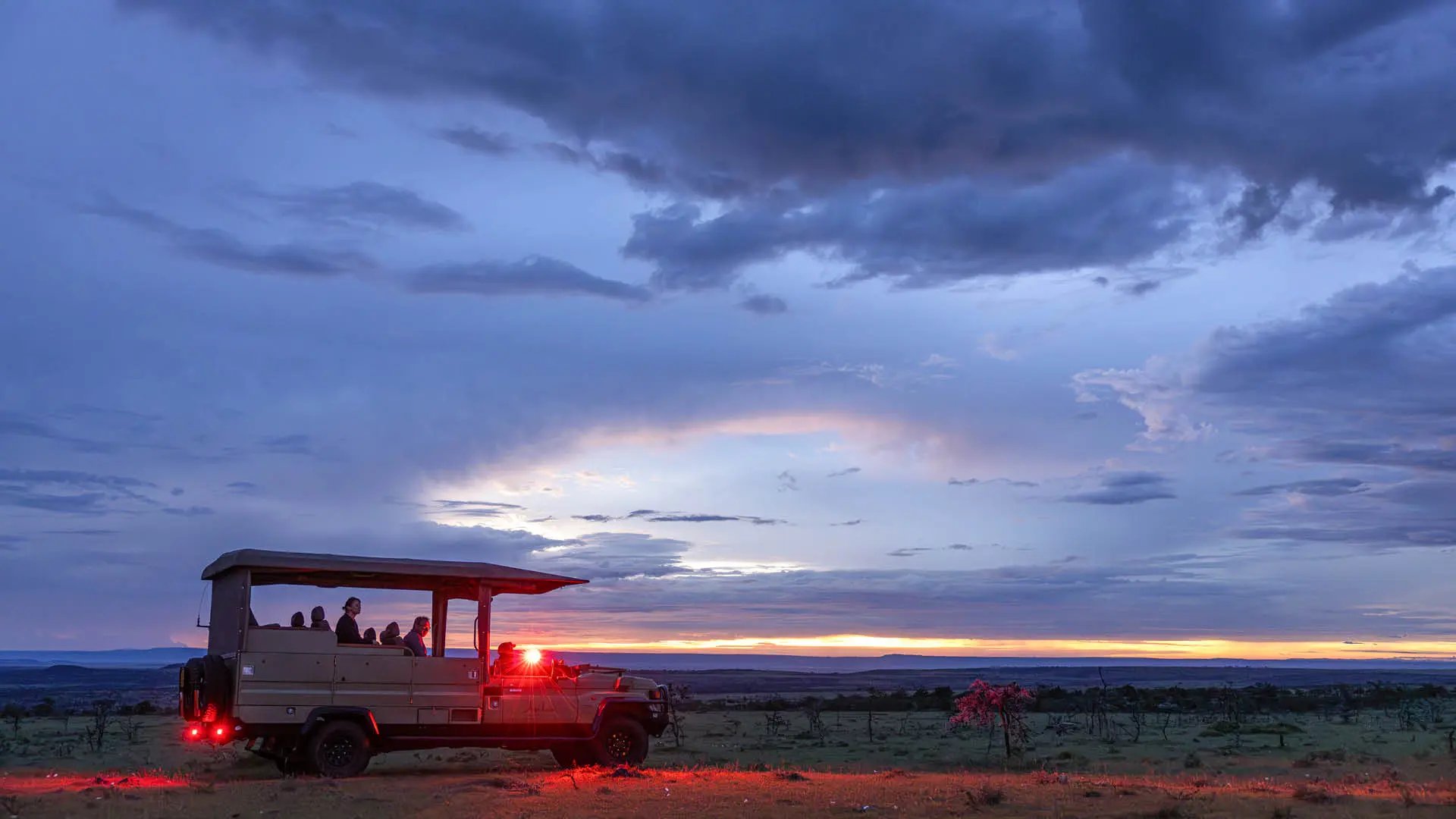
The game-drive vehicle is an open 4x4 — raised, tiered seating so everyone gets a view, no roof, no windows. This is crucial: the openness puts you in the bush, not behind glass. Your guide welcomes you, introduces the tracker (on luxury safaris), gives a quick safety briefing (stay seated, stay quiet near animals, no sudden movements), and hands out blankets. You wrap up, the engine starts, and you roll out into the dark.
The lodge lights fade. The headlights carve a tunnel through the black, and within minutes you are deep in the wilderness. The cold air stings your cheeks. You can hear every sound — a distant hyena whoop, the tick of insects, the crunch of tyres on dirt. It feels like the start of something enormous.
First Light & the First Sightings (6:00–7:00 a.m.)
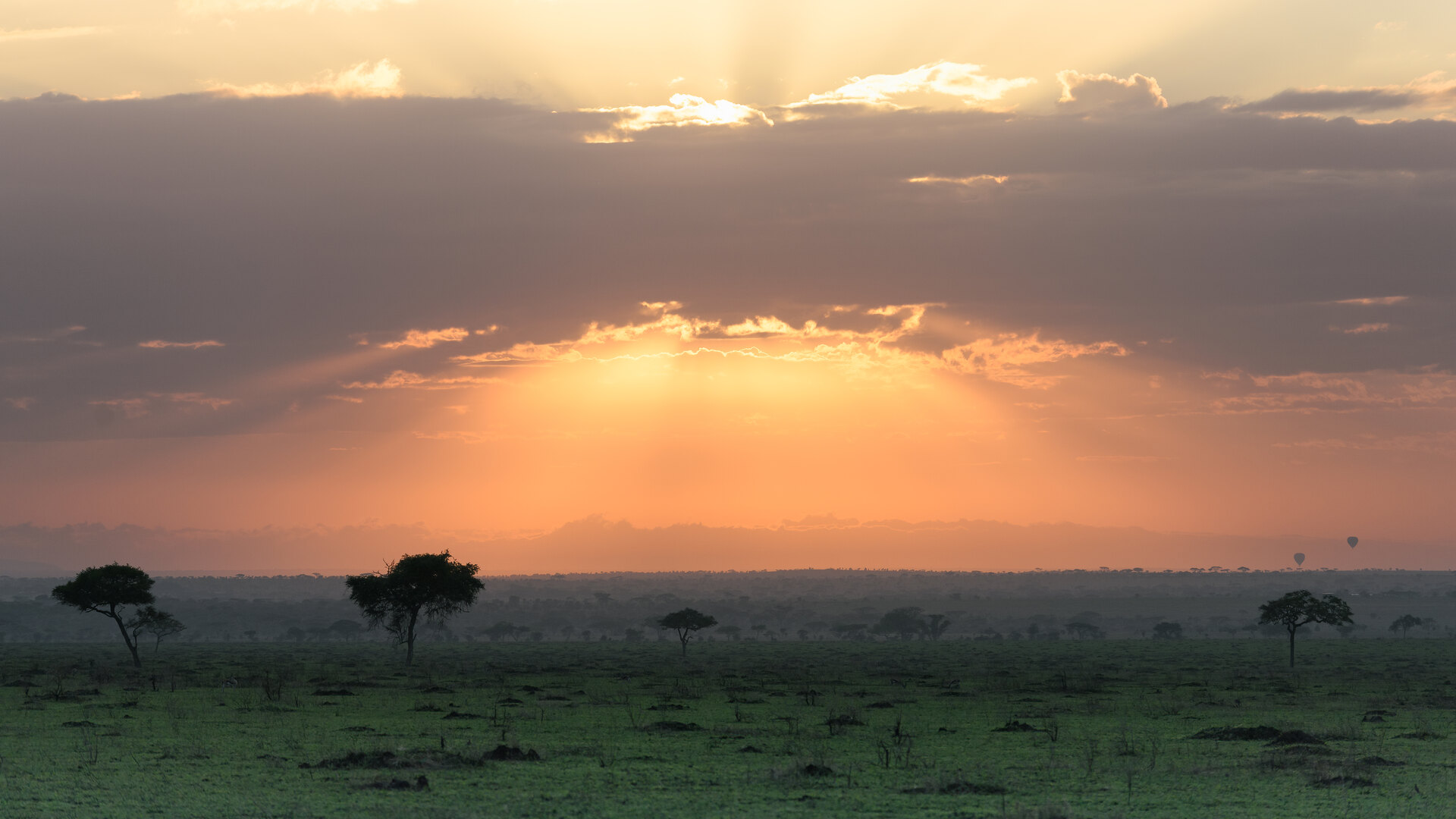
As the sky shifts from black to deep blue to soft pink, the bush wakes up. Your guide is reading the road — fresh tracks in the dust, a broken branch, droppings still steaming. The tracker, perched on a seat at the front, scans with binoculars and radios other vehicles. Everyone is hunting for the morning's story.
Then it happens. A herd of impala grazes near the road, their ears twitching. Your guide stops, switches off the engine. Silence. You watch them for a few minutes, learning to see — the way they freeze at a sound, the sentinel buck on high alert. You start noticing birds: a lilac-breasted roller on a branch, a fish eagle calling from a dead tree. Your guide names everything, tells you what to look for, and the bush stops being a blur of green and becomes a living, breathing place.
The Big Moment: Your First Big Game (7:00–8:00 a.m.)
The radio crackles. Another vehicle has found elephants. Your guide exchanges a few words in a mix of English and local language, turns the wheel, and you are off-road now (only allowed in private reserves), pushing through low scrub, the vehicle tilting and bouncing. Your heart is in your throat.
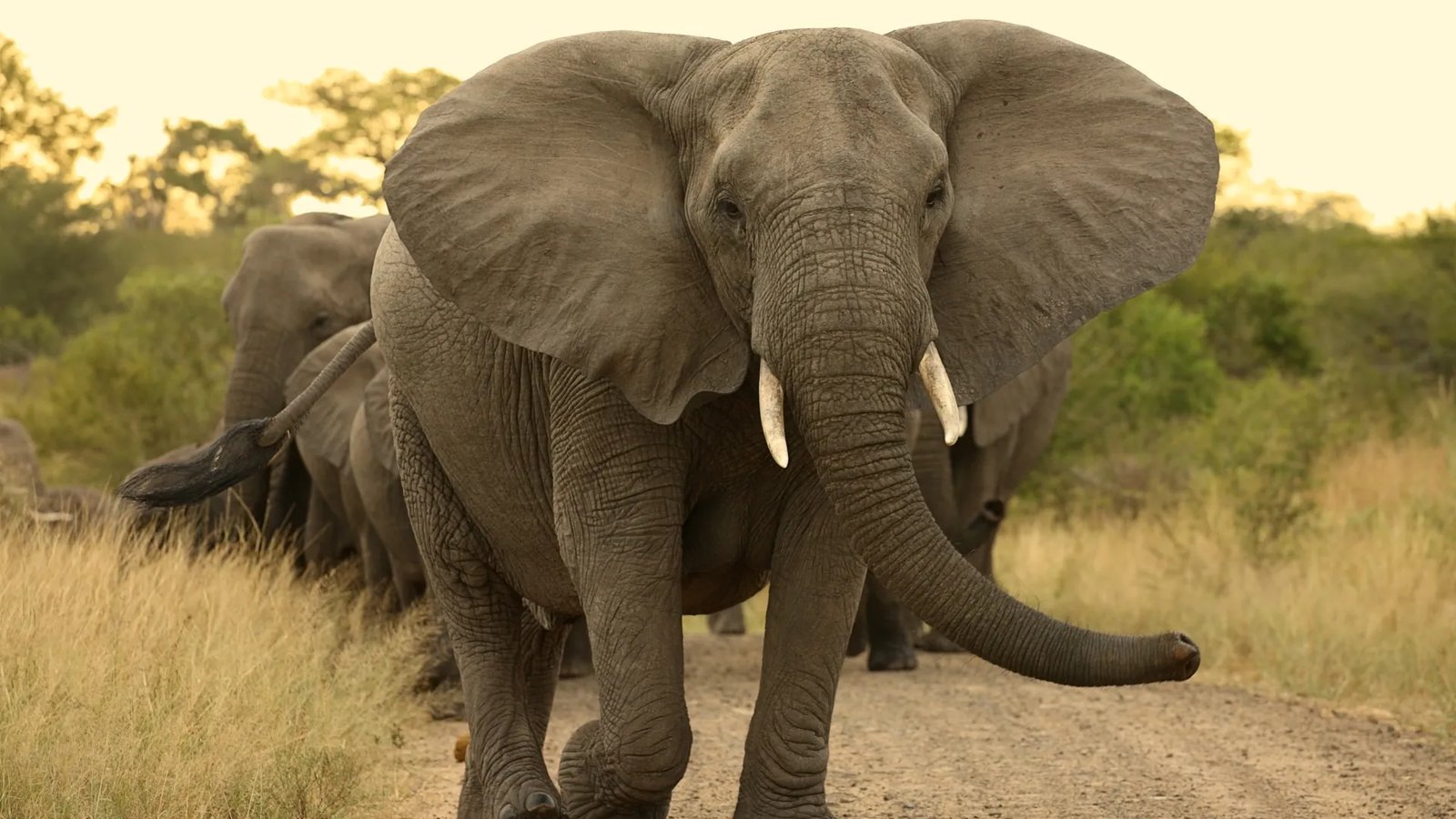
And then you see them. A breeding herd of elephants — maybe ten, maybe twenty — moving slowly through the trees. Babies tucked between their mothers' legs. The matriarch lifts her trunk, testing the wind. Your guide edges the vehicle closer, stops twenty metres away, kills the engine. The elephants keep moving. One walks right past the front bumper, so close you could reach out and touch her (you do not — the guide's eyes are on you). You hear her breathing. You hear the rumble in her belly. You smell the earthy, grassy scent of elephant.
Time stops. Nobody speaks. Somebody's camera clicks softly. And you understand, suddenly and completely, why people spend thousands of dollars to sit in an open truck in the African bush at dawn.
The Mid-Morning Cruise (8:00–9:00 a.m.)
The sun is climbing now, the cold forgotten. You have shed the blankets and the fleece. The guide takes you deeper, reading the landscape, explaining the ecology — why buffalo prefer this drainage line, how termite mounds shape the whole system, which trees the browsers target and why. Every few hundred metres there is something worth stopping for: a giraffe browsing at eye level, a troop of baboons on the road, vultures circling high above (a sign of a kill somewhere below).
If you are lucky — and luck plays a part, always — the radio crackles again. Leopard. Lion. Wild dogs. Your guide accelerates, navigating by instinct and GPS, and five minutes later you are watching a lioness with two cubs resting in the shade of a marula tree. She yawns. One cub paws at her face. You sit there for twenty minutes, maybe thirty, just watching. There is no hurry. This is what you came for.
The Bush Coffee Stop (Optional)
On some drives, especially longer ones, your guide pulls into a scenic clearing — maybe overlooking a river, maybe under a centuries-old baobab — and the tracker sets up a fold-out table. Fresh coffee, tea, rusks, biscuits, sometimes even a shot of amarula cream liqueur. You stretch your legs (this is one of the few safe moments to get out), use the bush behind a designated tree if nature calls, and take in the view. The guide answers questions, tells stories, points out bird calls. It is civilised and wild at the same time.
Heading Home (9:00–10:00 a.m.)
The guide loops back toward the lodge, taking a different route. You see zebra, wildebeest, maybe a rhino in the distance (rhino are often the shyest). By now you are warm, the sun is high, and the animals are starting to seek shade. The morning activity is winding down.
As the lodge comes into view, you feel two things at once: relief (you are hungry, and a hot shower sounds perfect) and a strange reluctance to let the drive end. You have been out for three and a half, maybe four hours. It felt like twenty minutes.
What About the Afternoon Drive?
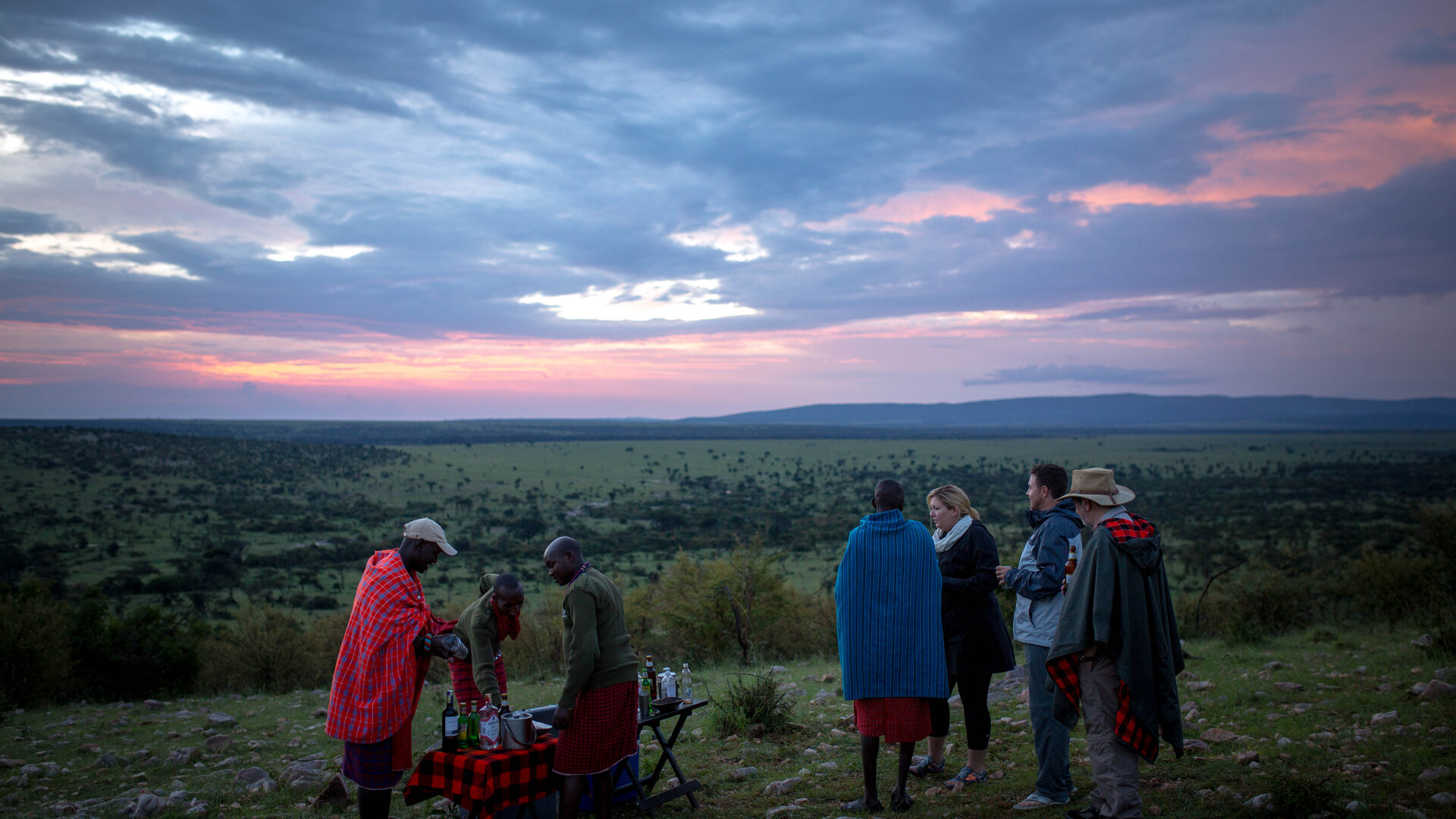
The afternoon game drive follows a similar rhythm but in reverse. You depart mid-afternoon (around 3:30–4:00 p.m.) when the heat is easing, drive through the golden late-afternoon light, and stay out past sunset. The highlight is the sundowner stop — your guide pulls up at a scenic viewpoint, sets out drinks and snacks, and you watch the sun drop below the horizon with a gin and tonic (or juice, or wine) in hand. As the sky turns orange, then purple, then black, you climb back in and your guide switches on the spotlight. Now you are hunting nocturnal animals — genets, civets, bush babies, honey badgers, and sometimes a leopard or lion on the move. You return to camp around 7:00–7:30 p.m., just in time for dinner under the stars.
How Close Do You Really Get?
Closer than you can imagine from photos. Elephants walk within a few metres of your bumper. Lions rest right beside the track. Giraffe lean over the roof. Buffalo herds surround the vehicle. Your guide knows exactly how close is safe and respectful — close enough for extraordinary sightings and photos, but never so close that it stresses the animal or puts you at risk. The lack of windows and roof means nothing separates you from the experience. You are there, not watching through glass. That is the magic and the thrill.
The Unwritten Rules (Etiquette)
There are a few simple, universal rules that keep everyone safe and sightings good:
- Stay seated. Never stand or lean out when near animals. This keeps you safe and keeps the vehicle's silhouette predictable to wildlife.
- Stay quiet. Whisper near animals. Loud voices can spook them and ruin the sighting for everyone.
- Listen to your guide. If they say "do not move" or "sit back," do it immediately. They are reading the animal's body language and keeping you safe.
- Be patient. Animals move on their own time. Do not rush a sighting.
- Share the view. If you are on a shared vehicle, be considerate with camera positioning.
- Phones on silent. A sudden ringtone can break the spell.
Your guide will cover all of this in the pre-drive briefing. Follow it, and the experience is better for you, for the animals and for everyone else on the vehicle.
What If You Do Not See the Big Five?
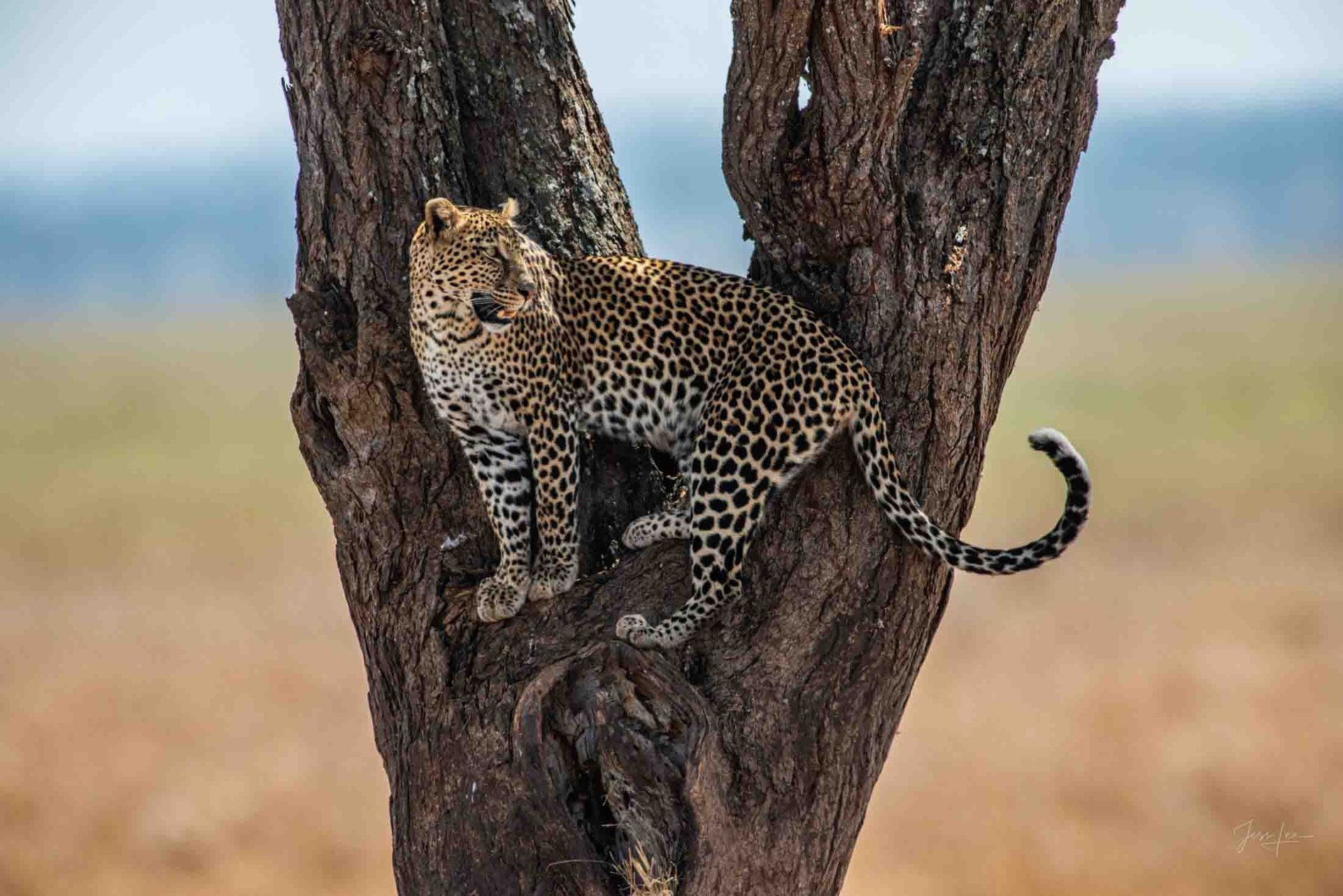
Here is the truth: wildlife is wild, and sightings are never guaranteed. But — and this is a big but — a quality lodge in a Big Five area with experienced guides will show you lion, elephant, buffalo and rhino reliably over a few days. Leopard is the hardest; it is the prize sighting, and some trips miss it. If you go to the right places (Sabi Sands for leopard, the Serengeti for migration, Kruger for all-round Big Five), your chances are excellent. And even if you miss one, you will see things you never expected — a cheetah hunt, wild dogs on a kill, a secretary bird stomping a snake, a fish eagle dive — and you will come home changed. Read our Kruger vs Sabi Sands guide to pick the right reserve for your goals.
What to Bring on the Drive
Your guide or lodge will give you a full list, but the essentials are:
- Warm layers for the morning (fleece, windproof jacket, beanie, gloves in winter).
- A hat and sunglasses for when it warms up.
- Sunscreen and lip balm (the African sun is fierce).
- Camera, spare batteries and memory cards (see our safari photography guide).
- Binoculars (essential — one pair per person transforms the experience).
- A small bottle of water (most lodges provide this).
For the complete packing list, read our safari packing and clothing guide.
Why the First Drive Changes You
There is something about sitting in an open vehicle at dawn, wrapped in a blanket with coffee steam rising into the cold air, watching a lion walk ten metres from your door, that resets something inside you. It is not just the animals — though they are unforgettable. It is the scale, the quiet, the feeling of being a small, respectful visitor in a place that belongs to something older and bigger than you. People come home from their first game drive and immediately start planning the next one. Now you know why.
Plan Your First Game Drive
Ready to experience it yourself? We design private safaris that put you in the right places, with the right guides, at the right time of year for the sightings you want.
Start with the Classic Kruger Safari, the Big Five Luxury Safari, the leopard-rich Luxury Sabi Sands Safari, or the migration spectacle of the Serengeti Migration Safari. New to safari? Read our first-timer's planning guide, or get in touch and we will make sure your first game drive is everything it should be.