Key Takeaways
- A safari day is built around the golden hours — an early morning drive and a late afternoon drive, when animals are most active and the light is most beautiful.
- Expect a pre-dawn wake-up (around 5:30am), a three-to-four-hour morning drive with a bush coffee stop, then brunch back at camp.
- The middle of the day is deliberately slow — a siesta, the pool, a spa treatment or a lazy lunch while the bush sleeps through the heat.
- High tea in the afternoon leads into the second game drive, which ends with a sundowner drink in the bush as the sun sets.
- Evenings mean a lantern-lit dinner, often in an open-air boma around a fire, followed by an early night before it all begins again.
- The rhythm flexes by camp and country: private concessions add night drives and walks, while some regions offer all-day drives with a picnic.
Why the Safari Day Has Its Own Rhythm
The first thing every first-timer discovers is that a safari day follows the animals, not the clock. Africa's wildlife is most active in the cool hours around dawn and dusk — the golden hours when predators hunt, herds move to water and the light turns the whole bush to amber. In the heat of the middle of the day, the animals rest in the shade, and so, gloriously, do you. Understanding this simple rhythm is the key to understanding what a day on safari actually feels like: two intense, beautiful bookends of wildlife and light, with a long, restful lull in between.
It is a rhythm that quickly becomes addictive. Within a day or two your body clock resets: you wake before dawn without complaint because you know what the morning holds, you savour the slow middle of the day, and you count down to the afternoon drive and its sundowner ritual. Far from feeling regimented, the structure frees you — every decision about where to go and what to look for is handled by your guide, leaving you to simply be present for it all. Here is how that day unfolds, hour by hour.
Before Dawn: The Wake-Up Call
Your day begins in the dark. Somewhere around 5:30am — earlier in summer, a touch later in winter — a gentle knock on the door or a soft call of good morning outside your tent is the traditional safari wake-up. There is no alarm clock jangle here; often it comes with a tray of hot coffee or tea and a few rusks or biscuits to see you to the vehicle. Pull on layers, because the pre-dawn bush is genuinely cold even when the day will be hot, and step out into a world that is still grey and hushed.
At the main area you will find more coffee, a light bite and your guide readying the vehicle. This is one of the quietly magical moments of safari: the sky just beginning to lighten, the dawn chorus of birds starting up, the air sharp and clean. Everyone speaks in low voices, still half-dreaming, cradling warm mugs. Then you climb aboard, wrap a blanket over your knees, and roll out of camp just as the first colour touches the horizon. The day's adventure has begun.
The Morning Game Drive
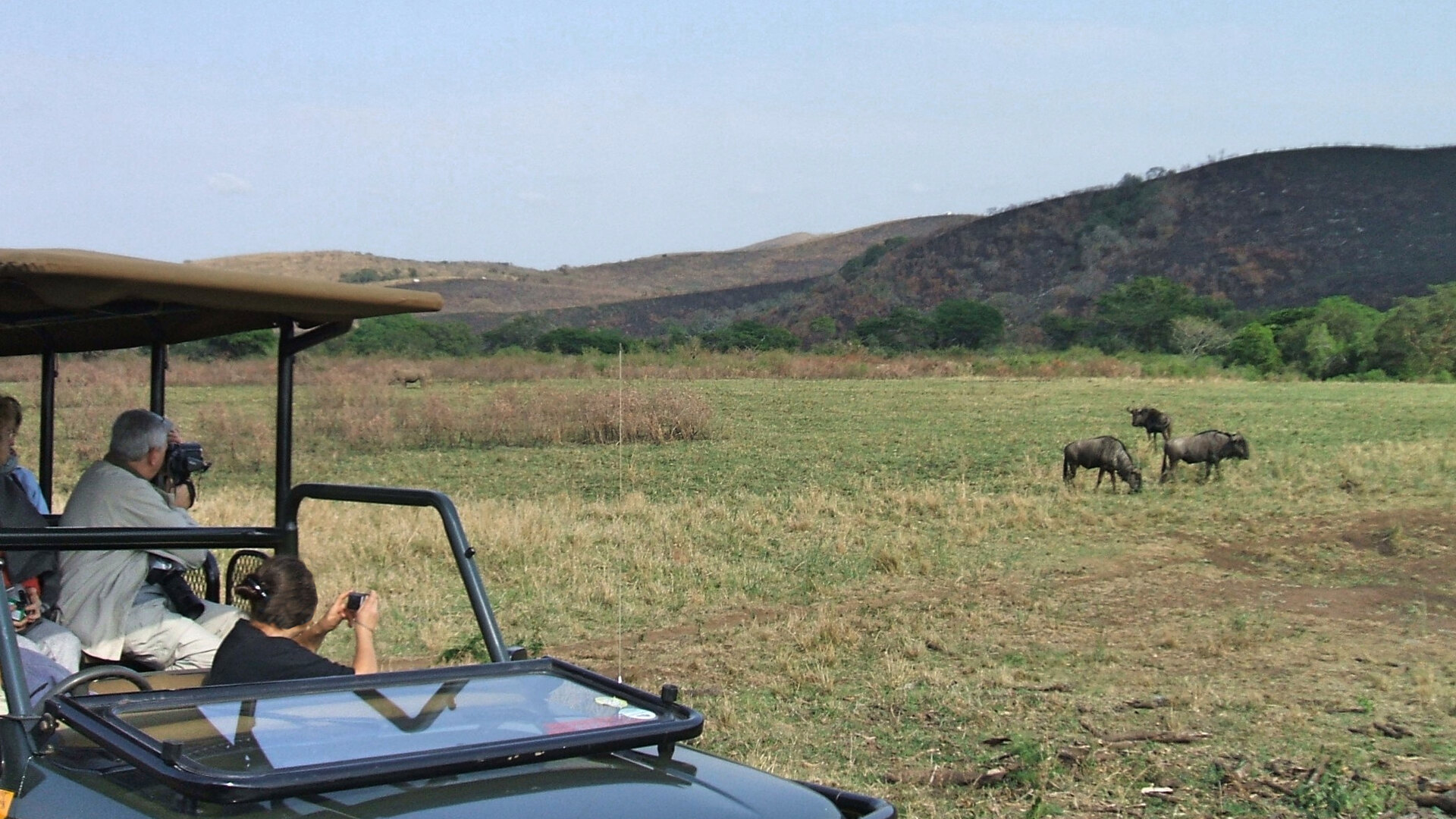
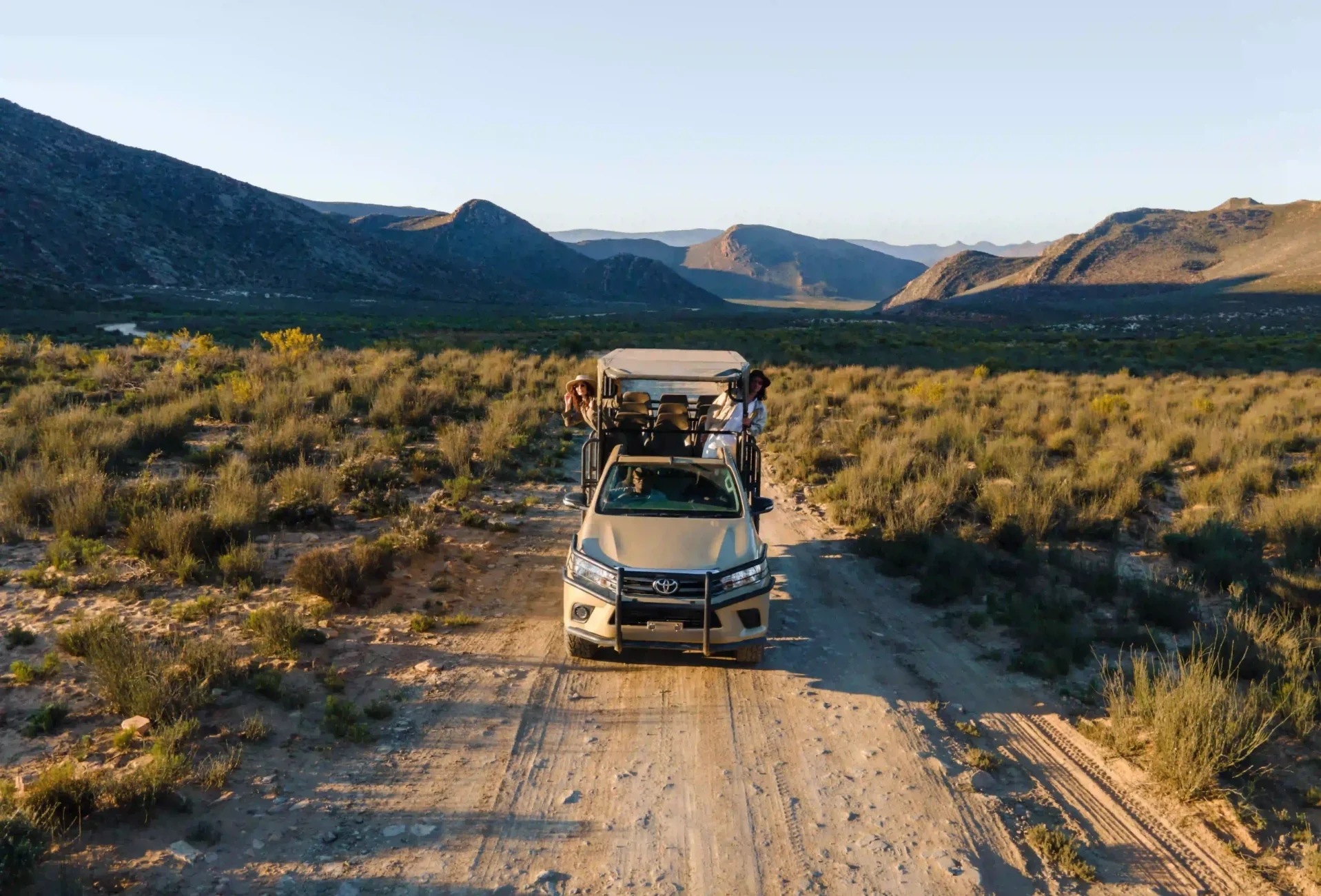
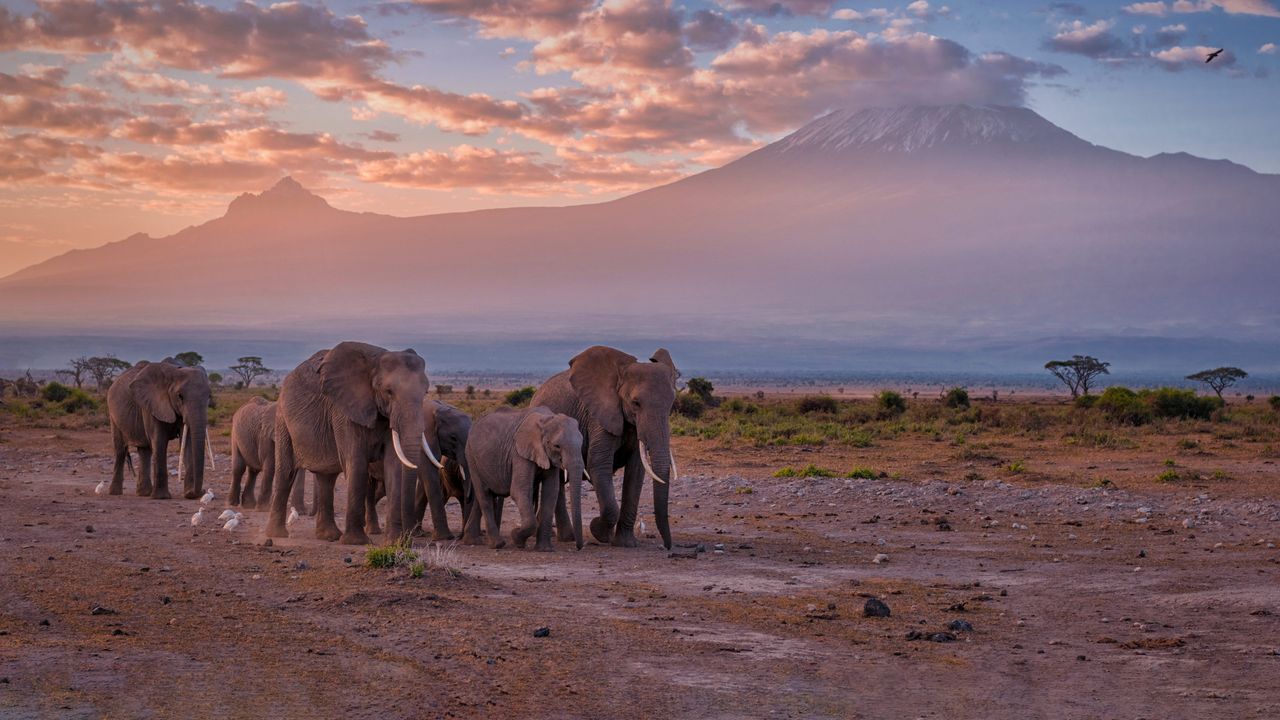
The morning game drive is the heart of the safari day, and usually its most productive. For the next three to four hours you explore in the cool, golden light while the bush is at its liveliest. This is when lions, leopards and cheetahs are still active after the night's hunting, when elephants and buffalo move to water, and when the low sun rims everything in gold. Your guide reads tracks in the dust, listens for alarm calls and follows radio tips from other vehicles, piecing together the story of the night and following it to a sighting.
There is no fixed itinerary — that is the joy of it. You might spend forty minutes with a leopard draped in a tree, roll on to a journey of giraffe browsing the acacias, then sit quietly as a herd of elephants crosses the track metres away. Somewhere in the middle, your guide will find a scenic spot to stop for a bush coffee break — flask coffee, tea and a snack, stretching your legs beside the vehicle with the savanna rolling away in every direction. It is a simple pleasure that ranks among the best of any trip.
Brunch & the Midday Siesta
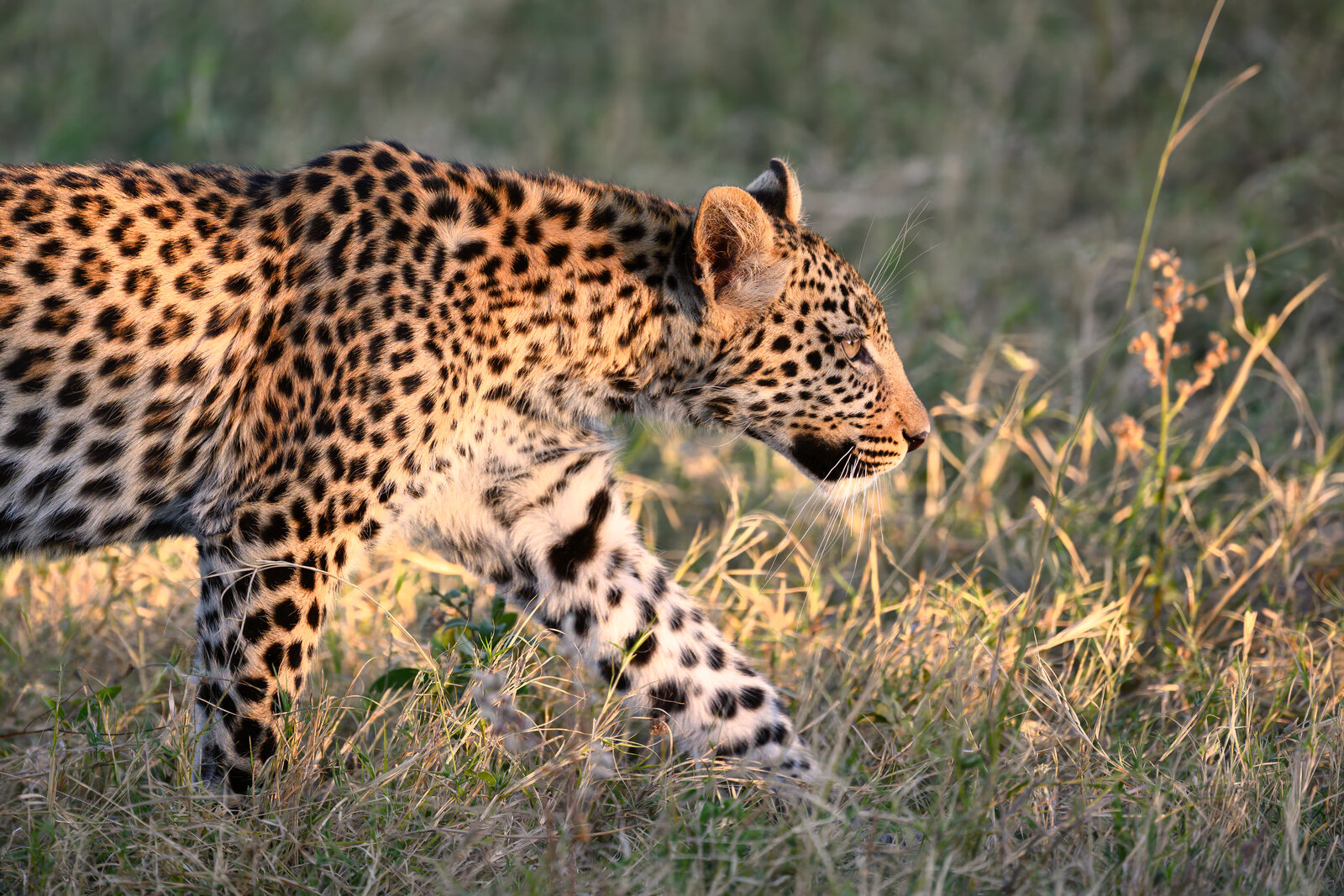
You will usually roll back into camp between 9:30 and 11am, pleasantly weary and ready to eat. What awaits is often a highlight in its own right: a generous brunch — eggs cooked to order, fresh bread, fruit, cold meats, pastries and endless coffee — served on a deck or under a shade tree with a view over a waterhole or river. Appetites are enormous after a dawn start in the fresh air, and safari kitchens rise to the occasion.
Then comes the part no one expects to love and everyone does: the midday siesta. As the sun climbs and the heat builds, the bush falls quiet and the camp slows to match. The hours between brunch and mid-afternoon are yours to do gloriously little — nap in your tent, cool off in the pool, book a spa treatment, read on your deck, or simply watch the animals that drift past camp. Some camps offer a guided walk or a visit to a local community for the more restless, but the classic safari middle is about rest. You have earned it, and you will need it, because the afternoon has its own rewards.
High Tea & the Afternoon Game Drive
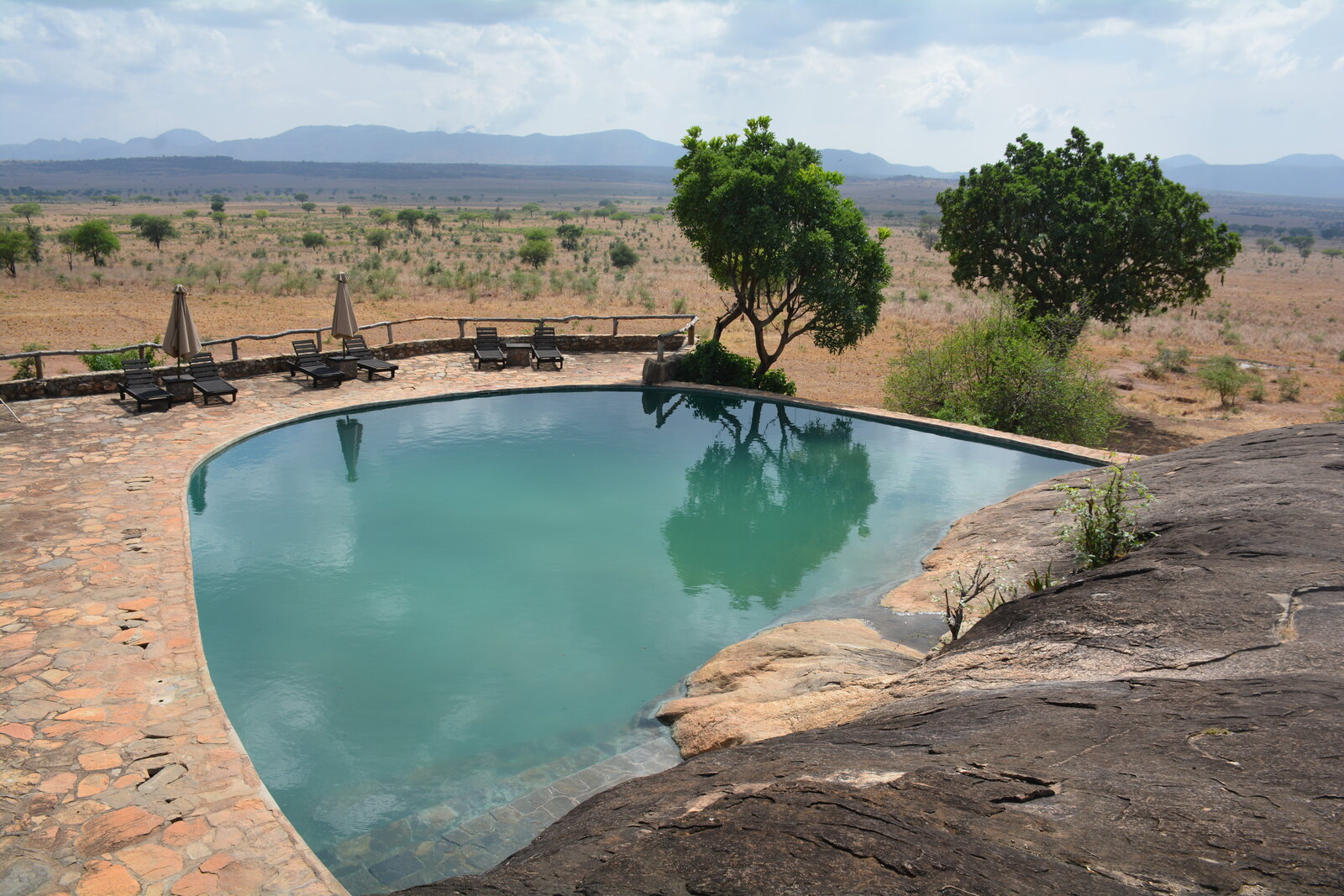
The second act of the day opens gently, with high tea. Around 3:30 or 4pm the camp gathers again for tea, coffee, cakes and savoury treats — a very civilised prelude to the afternoon drive, and a chance to shake off the siesta. It is a lovely, unhurried ritual, taken on the deck as the worst of the heat begins to lift and the light starts, once more, to soften and warm.
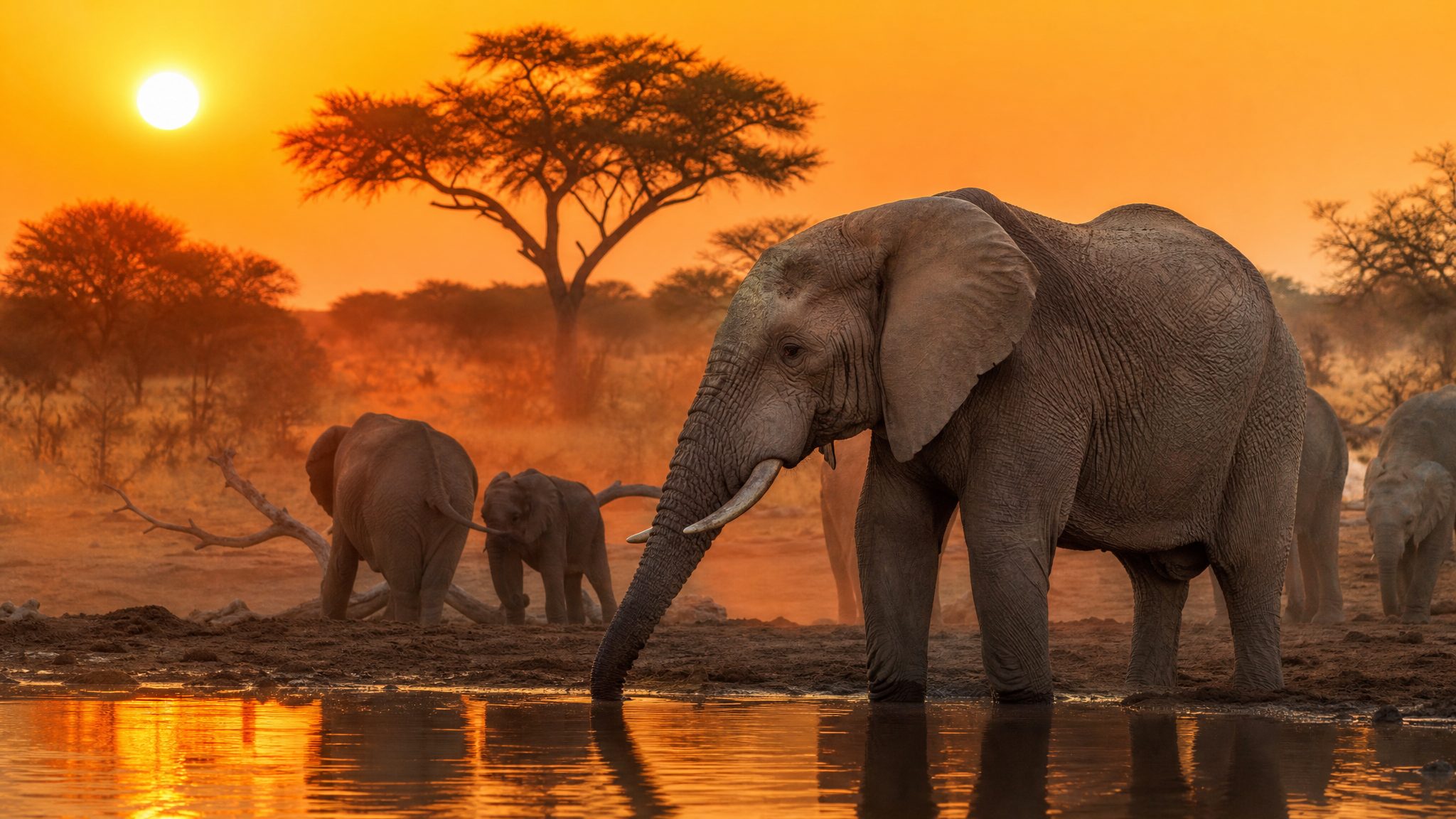
Then you head out for the afternoon game drive, rolling into the cooling light as the animals stir back to life. Afternoons have a different character to mornings — softer, slower, building towards the drama of sunset. You might track a pride of lions rousing for the night's hunt, watch elephants dust-bathing in the last warm light, or sit with a tower of giraffe silhouetted against a reddening sky. As the sun sinks lower, your guide begins to look for the perfect place to stop — because the afternoon drive has one more tradition still to come.
The Sundowner & Dinner Under the Stars
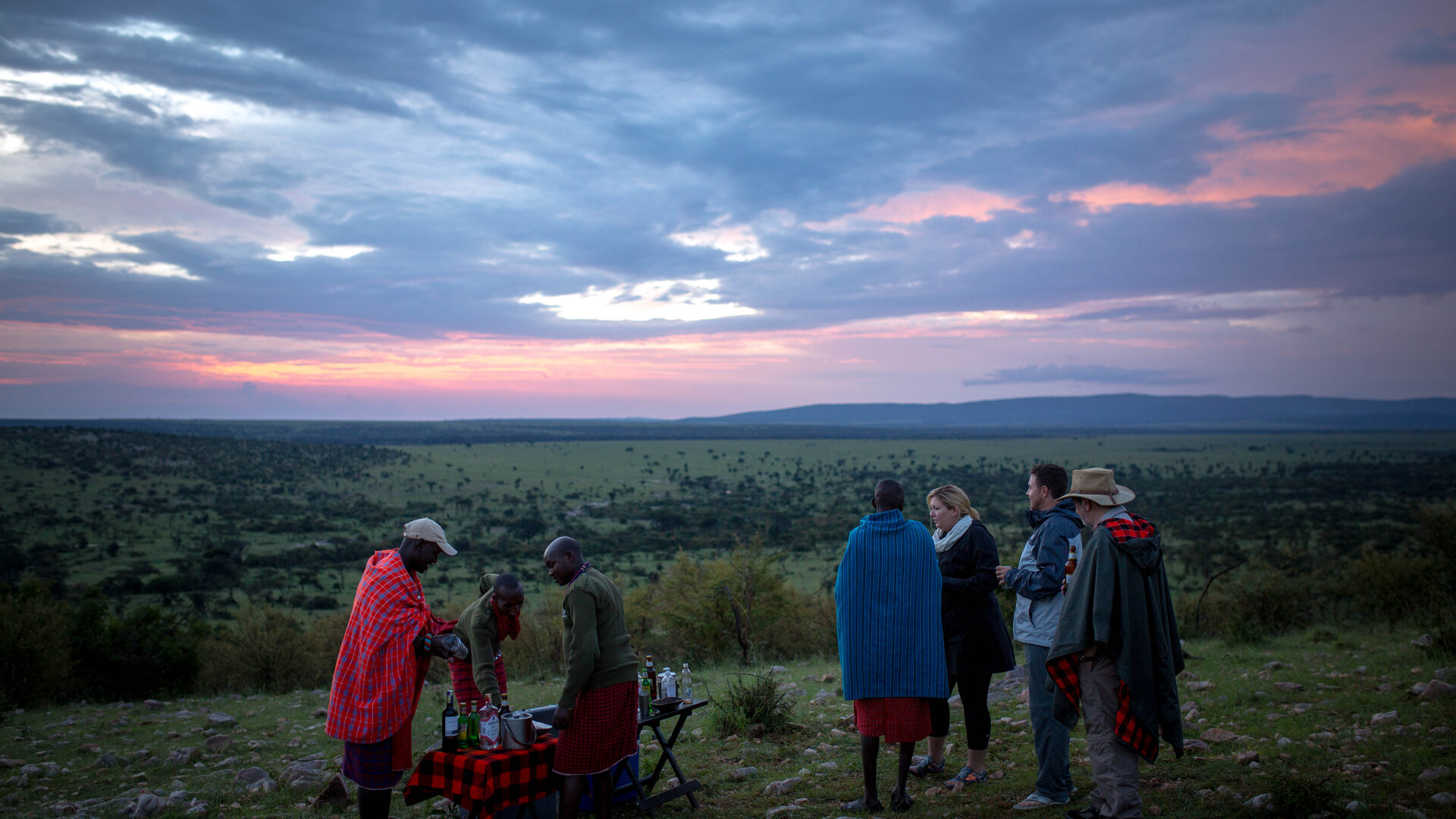
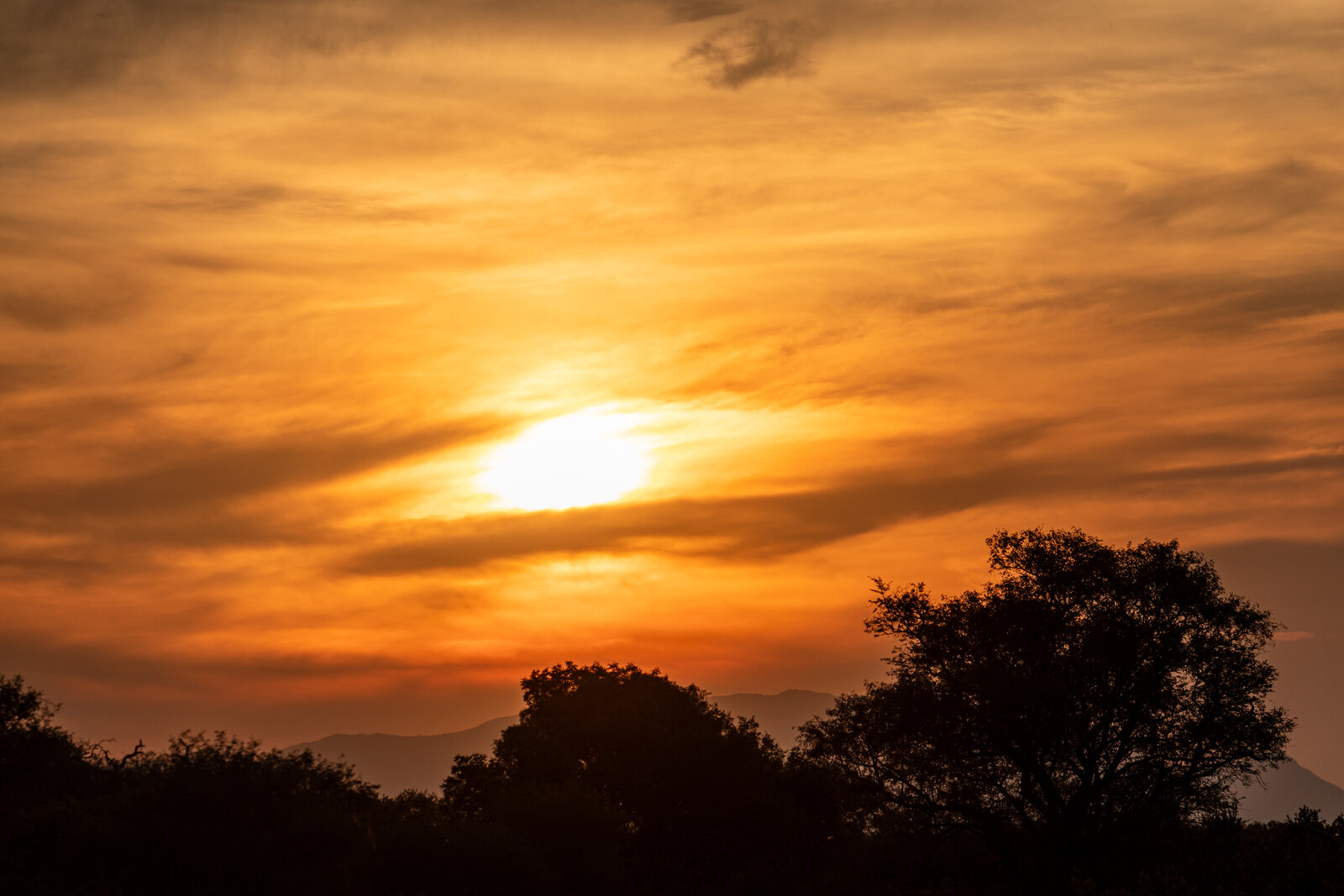
The sundowner is the soul of the safari day. As the sun approaches the horizon, your guide pulls up at a scenic spot — a rise with a long view, a waterhole, the edge of a plain — and unpacks a bush bar from the back of the vehicle. Gin and tonics, chilled wine, cold beers and soft drinks appear alongside a few snacks, and you stand in the open air, drink in hand, watching the sky catch fire and the African sun drop away. It is a ritual as old as safari itself, and it never, ever gets old.
As dusk falls, you drive back to camp — on private reserves, often with a spotlight scanning for nocturnal animals along the way. Back at camp, dinner is the grand finale: frequently served in an open-air boma, a circular reed enclosure with a fire crackling at its centre and lanterns and stars overhead. The food is superb, the wine flows, and the guides and guests swap the day's sightings under a sky ablaze with more stars than most travellers have ever seen. By 9 or 10pm, pleasantly full and happily tired, you turn in — because tomorrow, that gentle knock will come again before dawn.
Your Safari Day at a Glance
| Time | What Happens |
|---|---|
| 5:30am | Wake-up call with coffee, tea and rusks in the pre-dawn cool |
| 6:00 - 9:30am | Morning game drive through the golden hours, with a bush coffee stop |
| 9:30 - 11:00am | A generous brunch back at camp |
| 11:00am - 3:30pm | Midday siesta — rest, the pool, a spa treatment or an optional walk |
| 3:30pm | High tea with cakes and savouries before heading out |
| 4:00 - 7:00pm | Afternoon game drive ending with a sundowner at sunset |
| 7:30pm onward | Lantern-lit dinner in the boma, then an early night |
How the Day Changes by Camp & Country
The rhythm above is the classic template, but it flexes beautifully depending on where you are. On private concessions and reserves — such as the Sabi Sands next to the Kruger, or private conservancies bordering the Masai Mara — vehicles can go off-road to follow a sighting and conduct night drives with a spotlight after dark, revealing leopards, genets and other nocturnal creatures you would never see in a national park. Many private reserves also offer guided walking safaris, swapping the vehicle for the thrill of tracking on foot with an armed ranger.
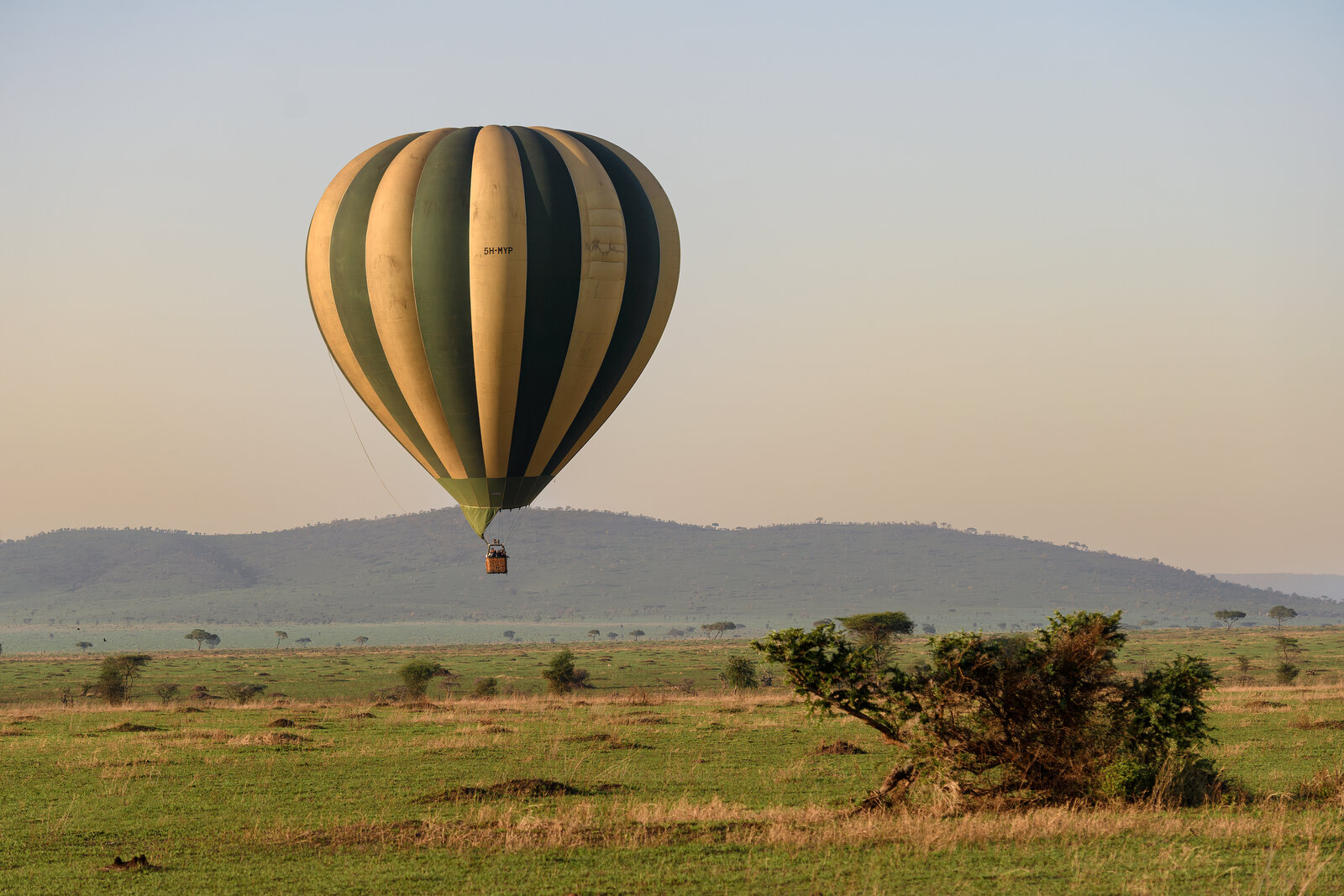
In the great national parks — the Serengeti, Kruger or Amboseli — rules require vehicles to keep to roads and return by sunset, so the sundowner happens inside the vehicle or back at camp, and drives can sometimes run as a single long outing with a packed lunch. In Botswana's water-based camps, a game drive might be swapped for a mokoro glide through the Okavango's channels or a boat cruise, while some regions offer a dawn hot-air balloon safari followed by a champagne breakfast on the plains — an unforgettable variation on the morning drive. Wherever you go, the essential rhythm — golden mornings, restful middays, magical evenings — remains the heartbeat of every safari day.
Let Us Craft Your Perfect Safari Day
Now that you know what a day on safari looks like, the real magic is in the details — the right camp for your pace, the reserves that allow night drives and walks, the guides who turn a good sighting into an unforgettable one, and the timing that puts you in the best places in the best season. That is what we do. We design private, tailor-made safaris where every day flows exactly as it should, matched to whether you want action-packed drives, gentle family days, walking and water, or the ultimate luxury of doing nothing at all between the golden hours.
Ready to Live Your Own Safari Day?
Our specialists design tailor-made safaris across East and Southern Africa — matched to the camps, reserves and season that suit you, so every day delivers the golden mornings, restful middays and magical evenings that make safari the trip of a lifetime.
Ready to explore? Browse our safari tours and packages →