Key Takeaways
- Safari etiquette is a simple, unwritten code that keeps you safe, protects the wildlife and makes you a guest guides love to have aboard.
- On game drives: keep voices low, movements slow, and stay seated inside the vehicle unless your guide says otherwise.
- Always keep a respectful distance, never feed or crowd animals, and give breeding herds and mothers with young extra room.
- Your guide's word is law — their instructions keep you safe, and trusting their expertise gets you the best sightings.
- Around camp, be punctual, mindful of other guests, and respectful of local communities, staff and traditions.
- Tipping is customary — roughly US$10-20 per guest per day for your guide, plus a communal staff box; we provide clear guidance for every trip.
Why Safari Etiquette Matters
Every safari runs on a quiet code of conduct — a set of unwritten rules that most first-timers have never encountered, and that make all the difference between a good trip and a great one. This etiquette exists for three simple reasons: to keep you safe among genuinely wild animals, to protect the wildlife and wilderness you have come so far to see, and to ensure every guest and every creature has the best possible experience. None of it is complicated or stuffy; it is mostly common sense, delivered with respect.
Understanding the etiquette in advance means you can relax into your safari from the very first drive, rather than nervously wondering what is and is not allowed. It also makes you the kind of guest guides adore — attentive, calm and considerate — which, in turn, means they will go the extra mile for you. Far from limiting your experience, good bush manners unlock it: quiet, respectful guests consistently see more, get closer and take home the finest memories. Here is everything you need to know.
On the Game Drive: Quiet, Still & Seated
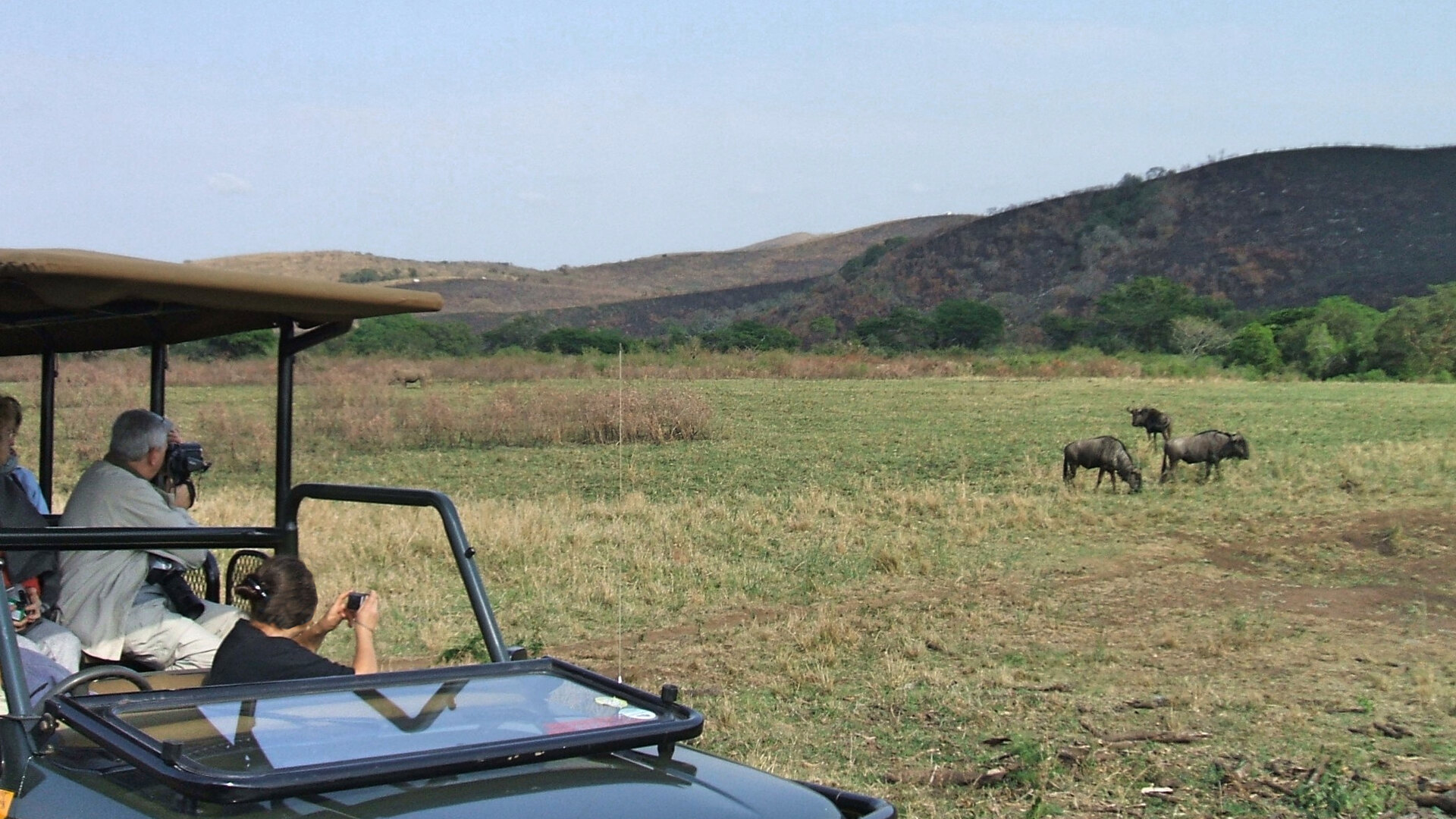
The heart of safari etiquette lives on the game drive, and the golden rules are wonderfully simple: keep quiet, keep still, and stay seated. Wild animals see a safari vehicle as a single, unremarkable shape and largely ignore it — but only while everyone remains inside its outline. The moment someone stands up, leans out or makes a sudden movement, that outline breaks, and an animal that was calmly grazing metres away may bolt, or worse, feel threatened. Never stand or step out of the vehicle unless your guide explicitly says it is safe.
Sound matters just as much. Keep your voice low and conversation gentle; save the excited exclamations for later. Loud talking, ringtones and music scare wildlife away and rob everyone of the sighting, and your guide may ask for complete silence during a hunt or near a nervous animal. Wear muted, natural colours rather than bright whites or reds, skip strong perfumes and aftershaves, and switch phones to silent. Do all this and something wonderful happens: the animals relax, behave naturally, and let you into their world.
Respecting the Wildlife
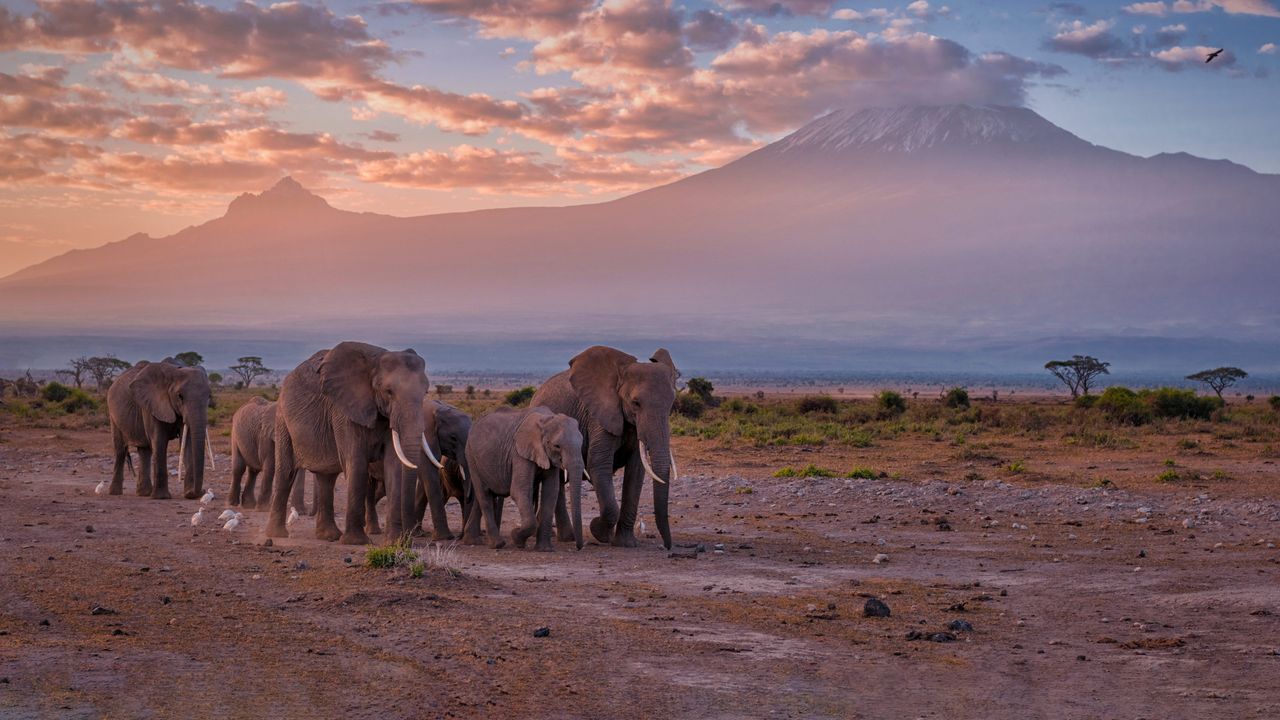
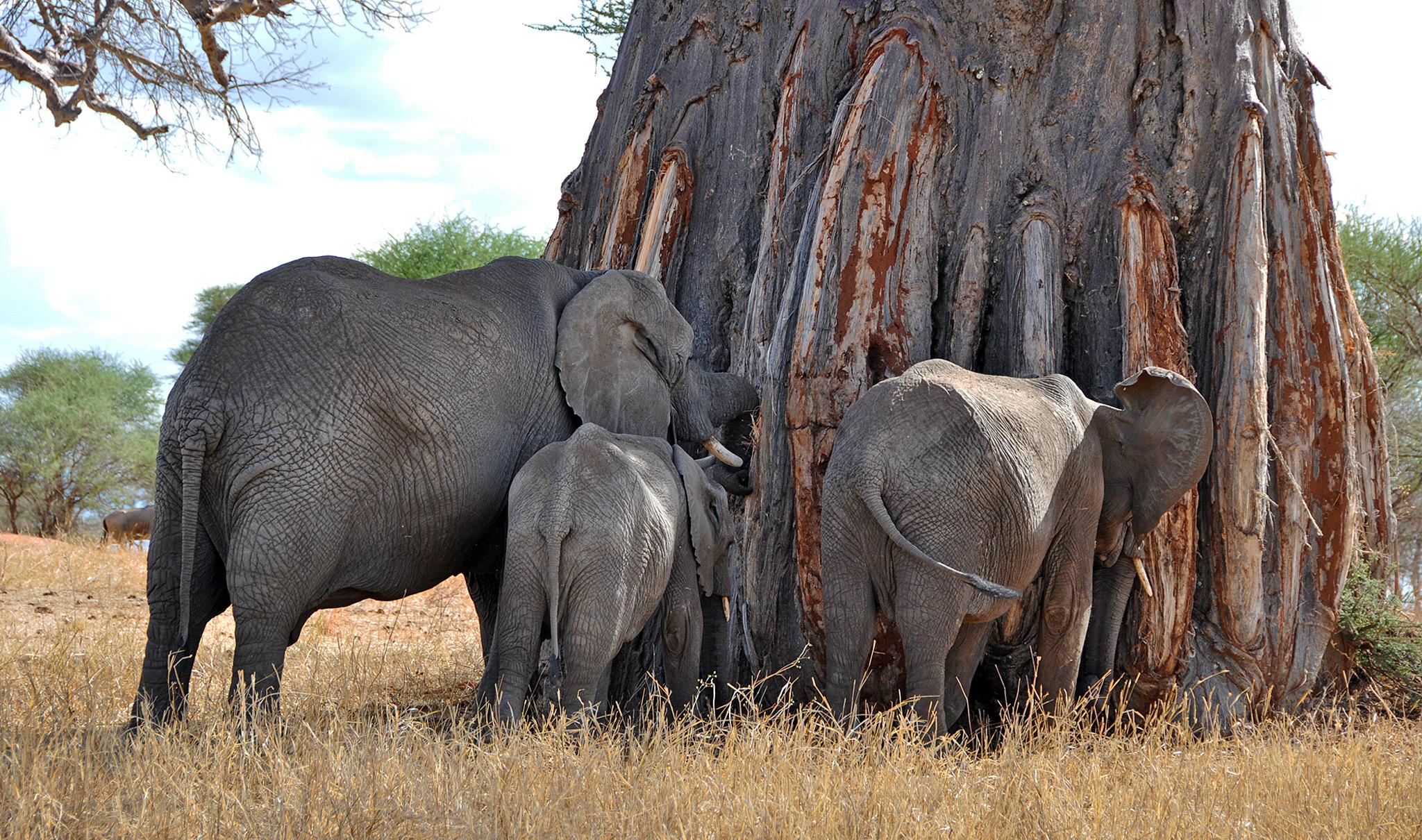
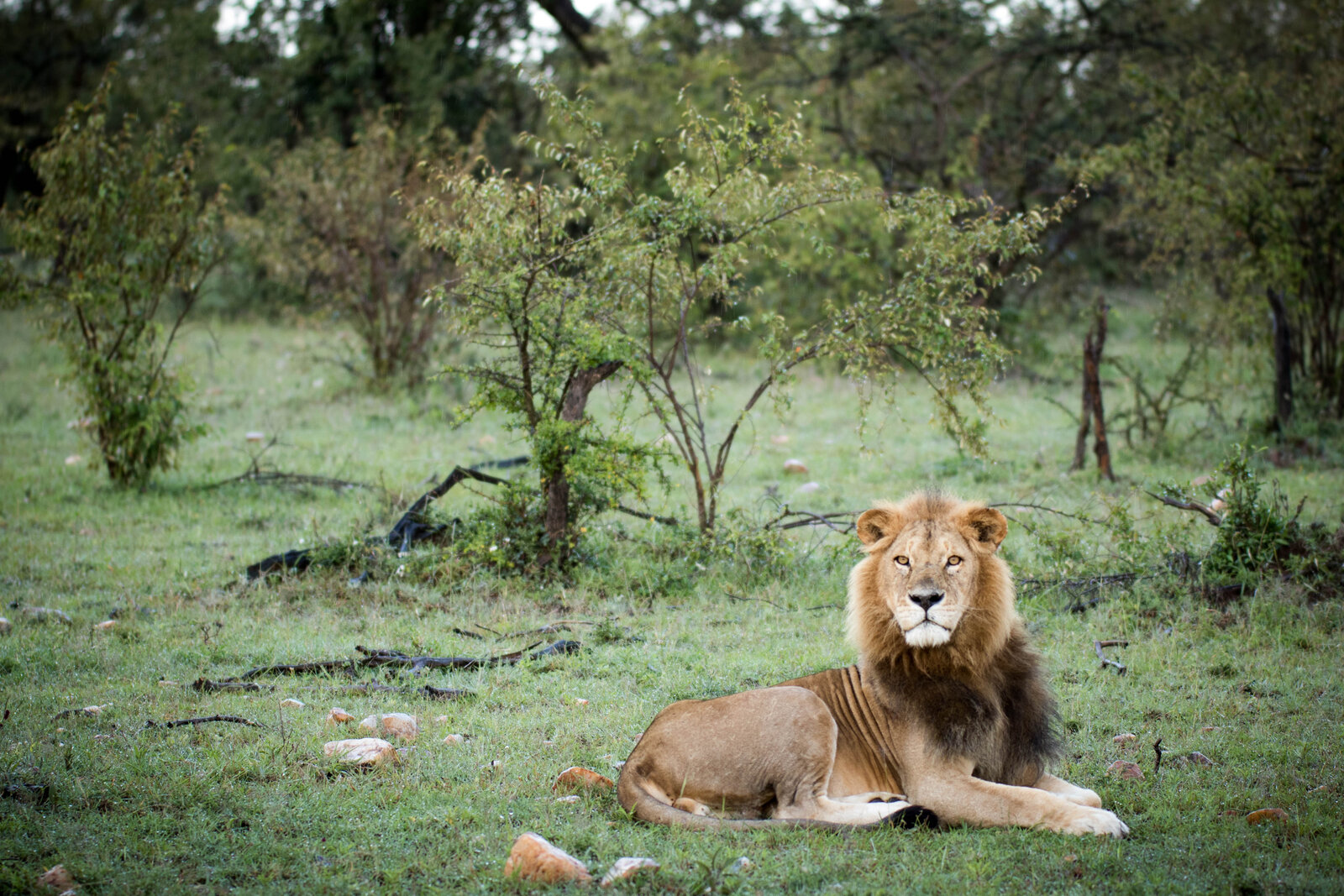
The animals always come first, and the guiding principle is that they set the terms, not us. Your guide will keep a distance that does not disturb the animal and read its body language constantly; if a creature shows any sign of stress or alters its behaviour because of the vehicle, that is the signal to back off. Never ask your guide to edge closer than they judge wise, and be especially gentle around the vulnerable — breeding herds of elephant, mothers with young, and animals at a kill all deserve extra space and patience.
Some rules are absolute. Never feed wild animals — it is dangerous for you and disastrous for them, teaching them to associate humans with food. Never try to touch or attract an animal's attention by calling or whistling. Do not litter, and never remove anything from the environment, from a feather to a fragment of bone. Treat the whole ecosystem as something precious that you are privileged to visit. This respect is not just ethical; it is what keeps these places wild and these sightings possible for the travellers who follow you.
Trusting Your Guide
Your guide is the single most important person on your safari, and the etiquette here can be summed up in one line: their word is law. Guides train for years and know their wilderness intimately — its animals, its dangers and its moods. When they ask you to sit down, lower your voice, or stay in the vehicle, it is for your safety and the animals' wellbeing, and it should be followed instantly and without argument. This trust is the foundation of every safe, successful drive.
Beyond safety, a good relationship with your guide is the key to a richer safari. Ask questions — guides love curious guests and will happily share their encyclopaedic knowledge of tracks, birds, plants and behaviour. Tell them what you most want to see, whether that is a leopard, a particular bird or simply a beautiful sunset, so they can tailor the drives. Be patient when a sighting takes time, and gracious when nature does not cooperate. Treat your guide as the expert friend they are, and they will transform your trip.
Camp Life & Cultural Respect
Etiquette does not end when the vehicle returns to camp. Punctuality is a genuine courtesy here: drives leave at set times, and a whole vehicle of guests waiting for one latecomer is a poor start to the day, so be ready when your guide is. Be considerate of fellow guests too — safaris draw people seeking peace and connection with nature, so keep noise down around communal areas, respect others' space at sightings, and remember that many have travelled far for a quiet, once-in-a-lifetime experience.
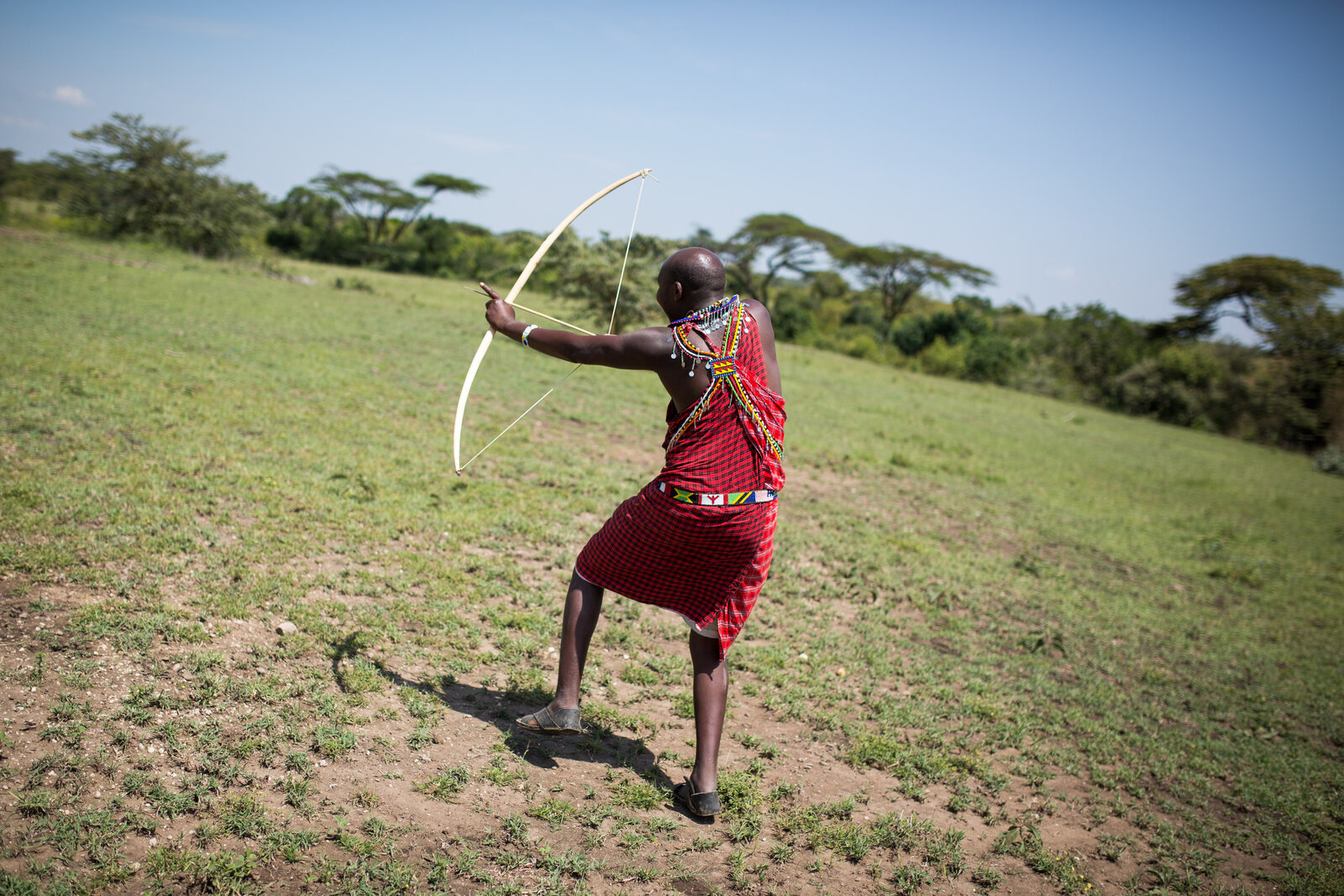
Cultural respect matters just as deeply. You will often meet local communities and staff whose warmth is part of what makes Africa unforgettable, from Maasai guides to camp teams. Always ask before photographing people, learn a few words of the local language, dress modestly when visiting a village, and engage with genuine curiosity rather than as a spectator. If you buy crafts, do so fairly and directly. This respect honours the people whose home you are visiting — and invariably leads to the warmest, most authentic encounters of the whole trip.
Photography & Tipping Etiquette
Photography has its own gentle rules. Use a long lens to feel close without ever crowding an animal, and switch off your flash near wildlife — it can startle and distress them, especially at night. Do not pester your guide to reposition endlessly for the perfect shot at the expense of the animal's comfort or other guests' views, and remember to put the camera down sometimes and simply be present. When photographing people, always ask first; a smile and a moment of connection are worth more than a stolen snap.
Finally, tipping. It is customary across African safaris and hugely appreciated by hard-working guides and camp teams, though always at your discretion. As a rough guide, many travellers tip their guide around 10 to 20 US dollars per guest per day, and add roughly 5 to 10 dollars per guest per day to a communal staff box for the wider team, with trackers, butlers and drivers sometimes tipped separately. Bring some cash in small denominations for this. We provide clear, current tipping guidance for every itinerary, so you always know exactly what is expected and can budget with confidence.
| Situation | The Etiquette |
|---|---|
| On the drive | Voices low, movements slow, stay seated inside unless the guide says otherwise |
| Near wildlife | Keep your distance, never feed or crowd, give mothers and herds extra room |
| With your guide | Follow instructions instantly; ask questions; share what you hope to see |
| Photography | Long lens, no flash near animals, ask before photographing people |
| Around camp | Be punctual for drives, considerate of other guests, respectful of staff |
| Tipping | ~US$10-20/guest/day for the guide, plus a communal staff box |
Let Us Guide You Every Step of the Way
Good etiquette is easy when you have expert guides and a team who brief you on everything before you go. We match you with the finest private guides in Africa, share clear pre-trip guidance on conduct and tipping, and design safaris where respect for wildlife and local communities is woven through every day. Travel with us and you will feel confident, welcome and completely at ease from your very first game drive.
Ready for a Safari Done Right?
Our specialists craft tailor-made safaris with the finest guides and camps, and full pre-trip guidance on etiquette and tipping — so you travel as a confident, respectful and welcome guest of the wild.
Ready to explore? Browse our safari tours and packages →