Tarangire is the elephant park — a place where great herds numbering in the hundreds gather along the river in the dry season, moving beneath some of the oldest and most majestic baobab trees in Africa. While the Serengeti and Ngorongoro steal the headlines on Tanzania's famous northern circuit, Tarangire National Park quietly delivers one of the most concentrated, intimate and photogenic wildlife experiences in the country — and it does so with a fraction of the vehicles.
This complete Tarangire safari guide covers exactly when to go for the great elephant gatherings, where to find the wildlife along the river and the swamps, the finest lodges, honest 2026 costs, sample itineraries and how to plan a private safari that pairs Tarangire with the rest of the northern circuit.
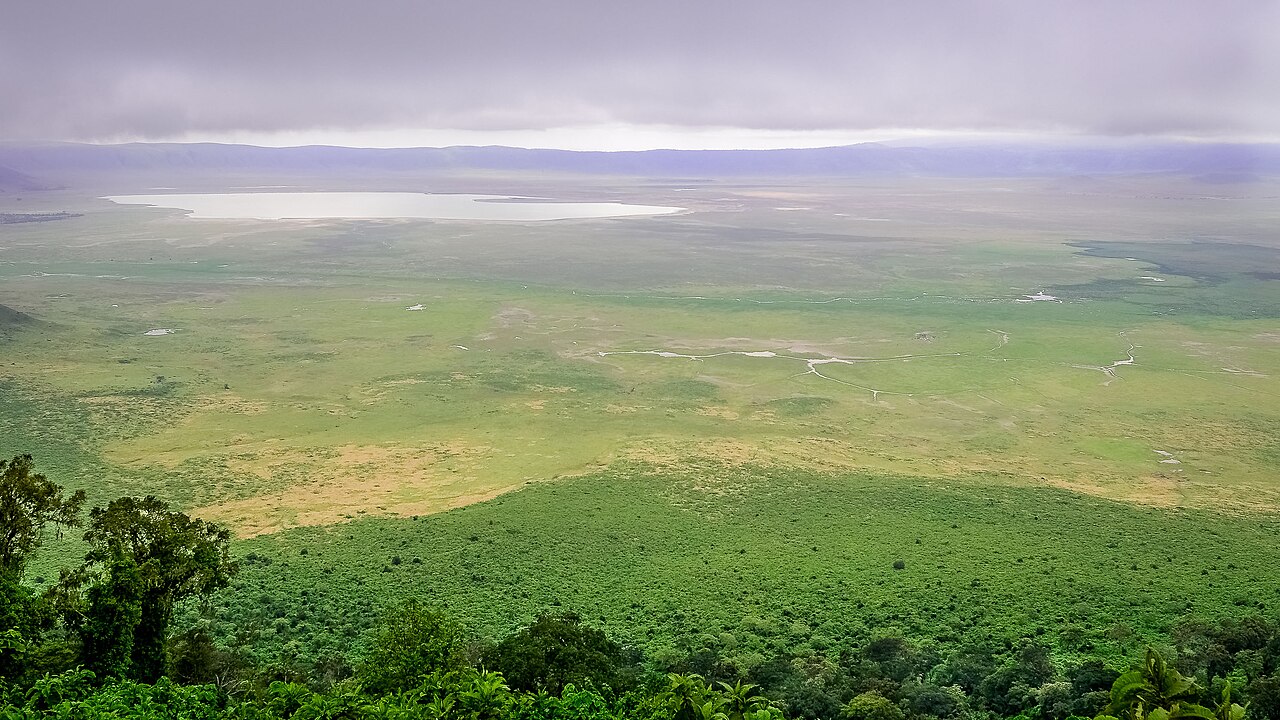
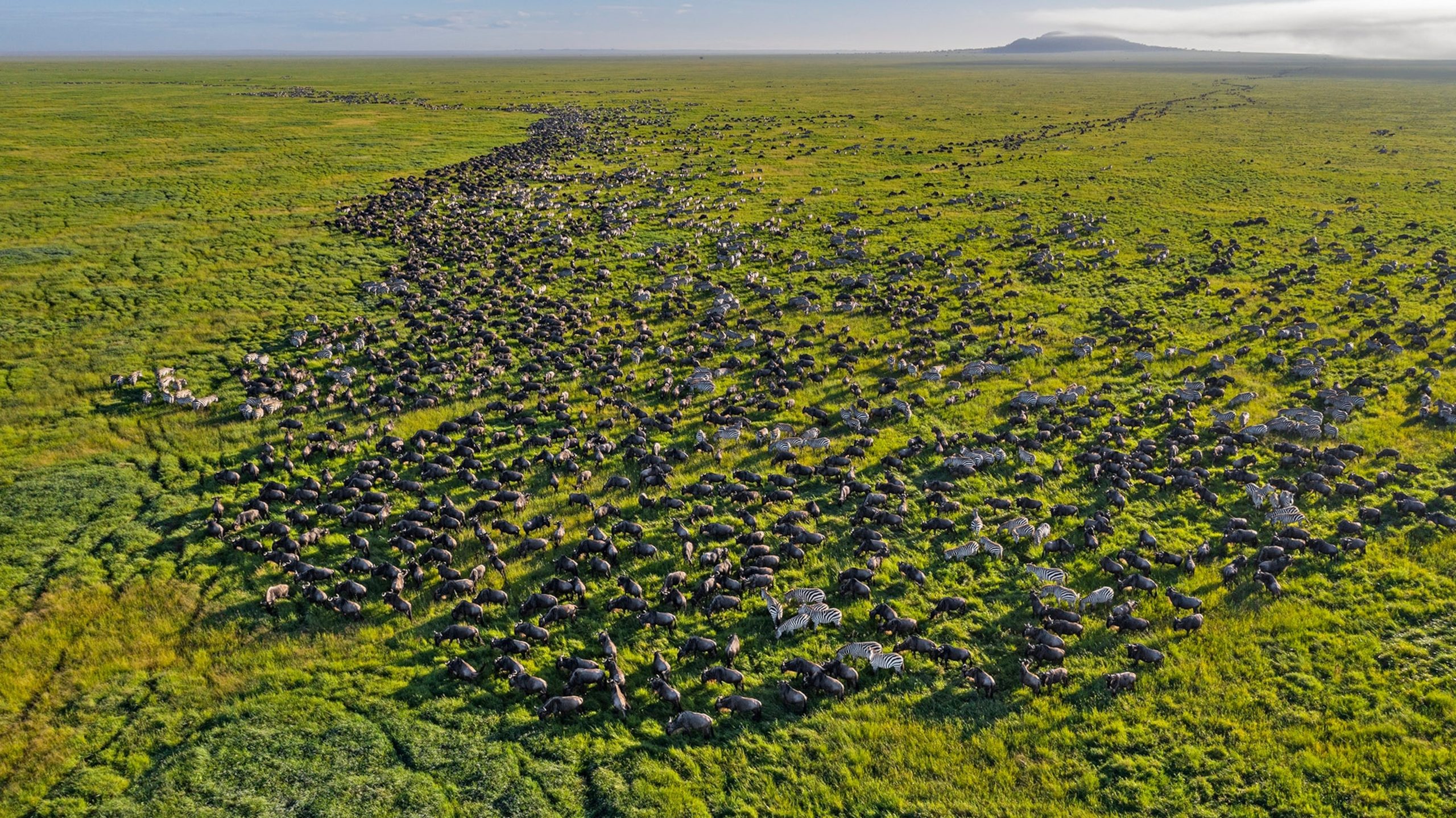
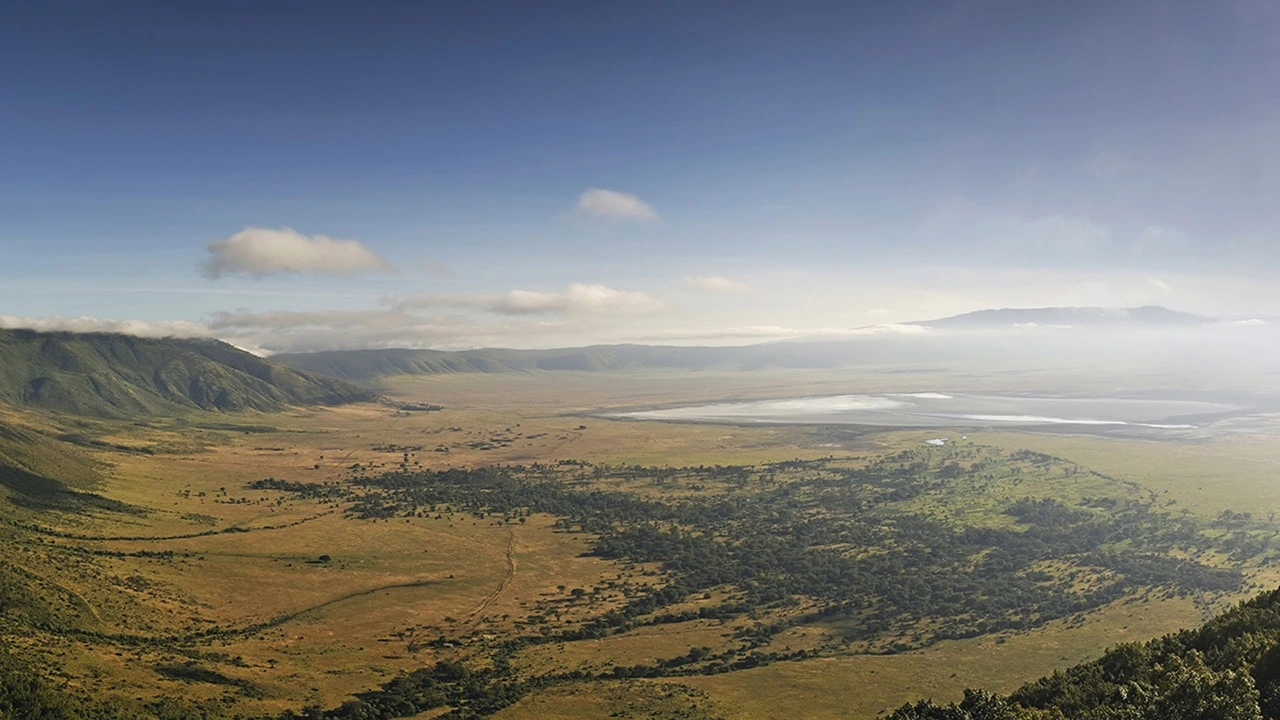
Northern Tanzania — the elephants and baobabs of Tarangire, the Serengeti plains and the wildlife of one of Africa's greatest safari circuits.
Why a Tarangire Safari Is So Special
Quick Answer
Tarangire National Park is Tanzania's elephant sanctuary — enormous dry-season herds gather along the Tarangire River and swamps beneath ancient baobab trees, creating one of the most intimate and photogenic wildlife spectacles in Africa.
Best time: June–October for the great elephant gatherings and concentrated game viewing; green season for birds and scenery. Cost: roughly $500–$2,200 per person per day depending on lodge tier. Ideal length: 1–2 nights as part of a northern circuit. Reached from Arusha in about 2 hours. The finest elephant viewing outside of Amboseli or Chobe.
Tarangire covers roughly 2,850 square kilometres of gently rolling hills, acacia woodland and riverine forest, all drained by the permanent Tarangire River that gives the park its name and its lifeblood. During the dry season, this river becomes a magnet for wildlife from across the wider Tarangire ecosystem, drawing animals in densities that can rival the Serengeti — yet with far fewer vehicles.
The great elephant herds
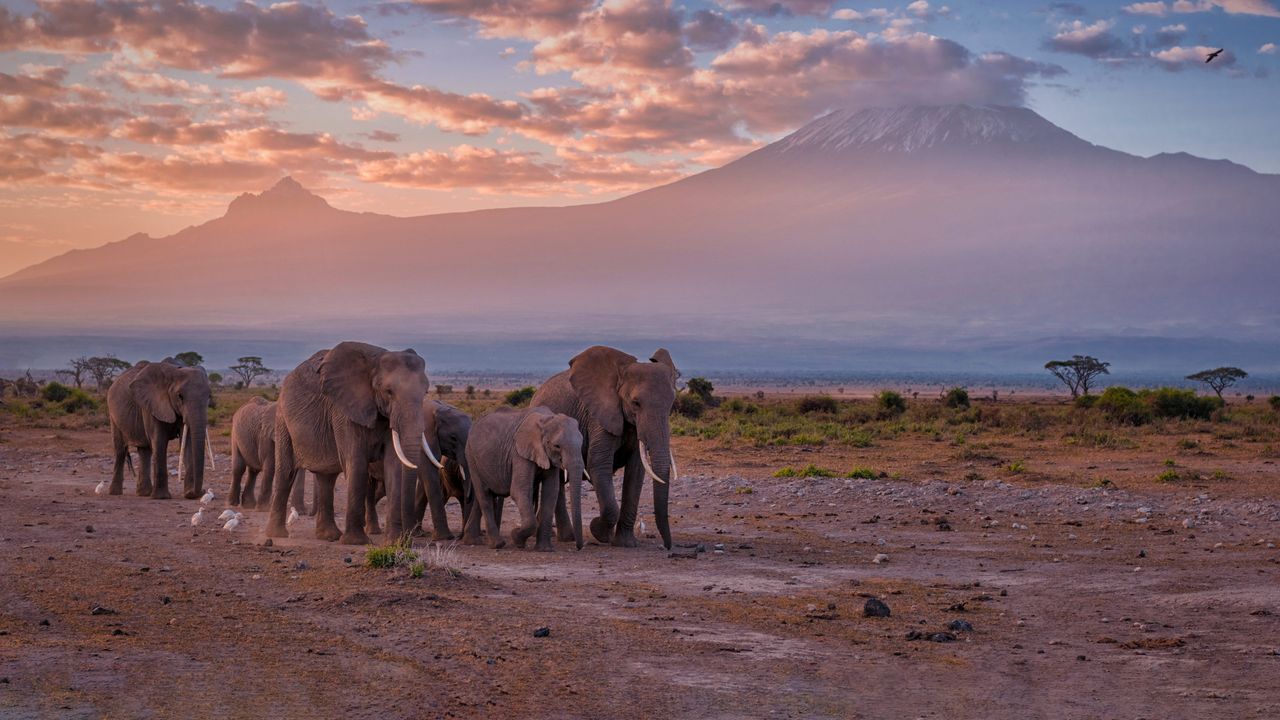
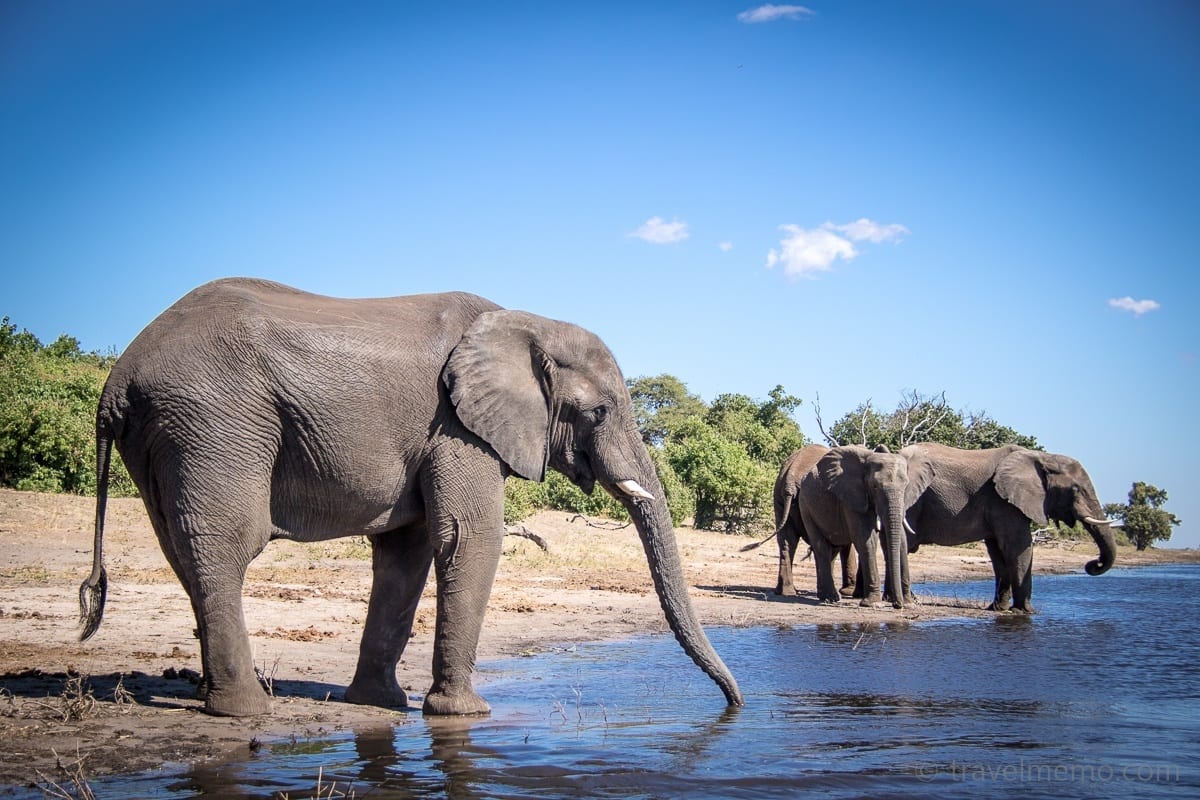
Tarangire is, above all, elephant country. The park holds one of the largest elephant populations in Tanzania, and the dry-season gatherings along the river are among the great wildlife sights of Africa — not a dozen elephants, but fifty, a hundred, sometimes five hundred in a single frame, all mingling at the water's edge. Bulls spar, calves play, matriarchs lead and the ancient rhythms of the herd unfold in front of you. For sheer elephant density and intimacy, few places rival Tarangire.
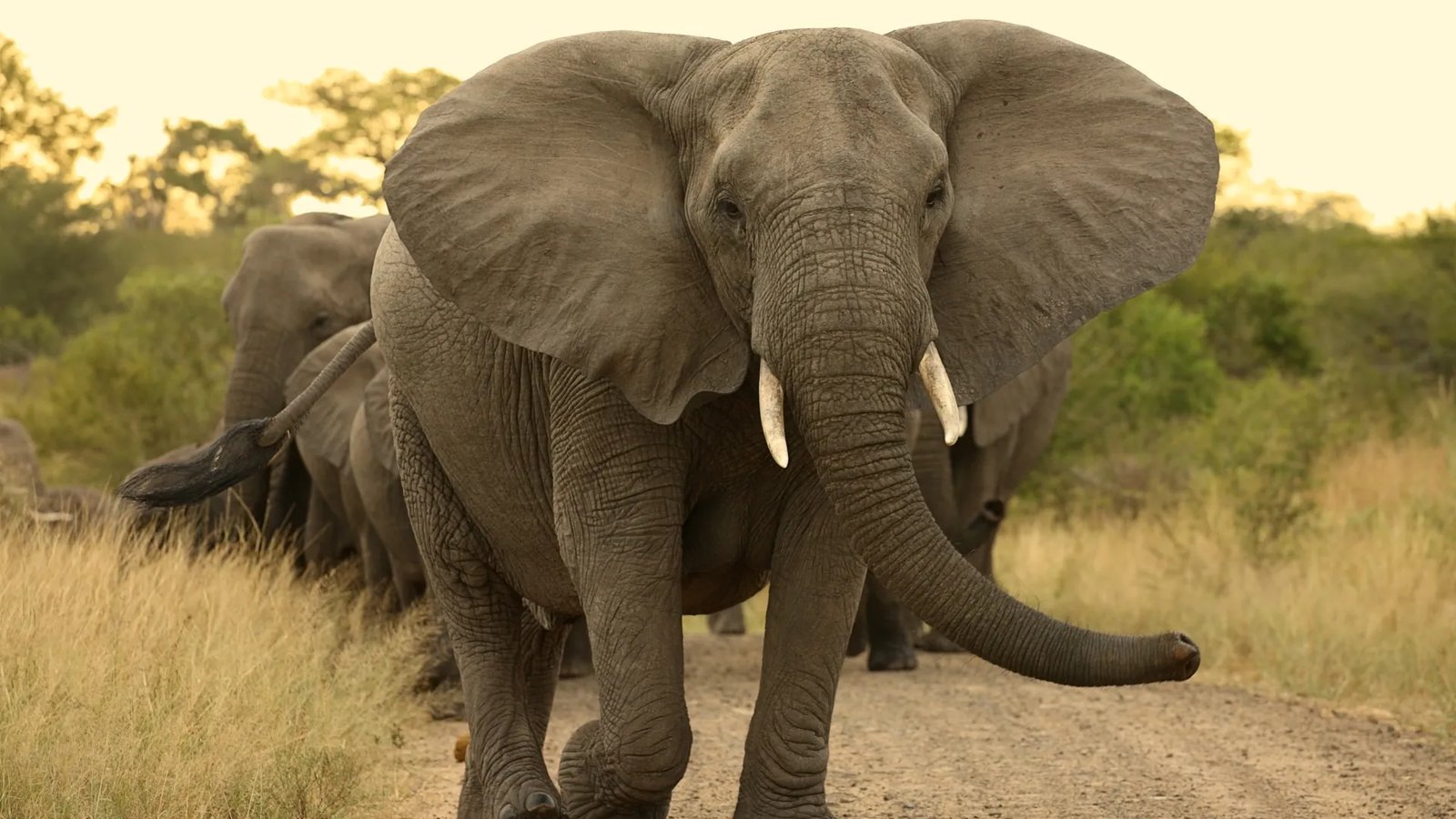
Tarangire's dry-season elephant herds are among the largest and most spectacular in Tanzania.
The ancient baobabs
What makes Tarangire visually unforgettable is its baobabs — massive, bulbous trees that can live for over a thousand years and have come to define the look of the African savanna. These giants frame every sighting, and watching elephants beneath a towering baobab at sunset is one of those safari moments that lingers in the memory for a lifetime.
Rich predators and plains game
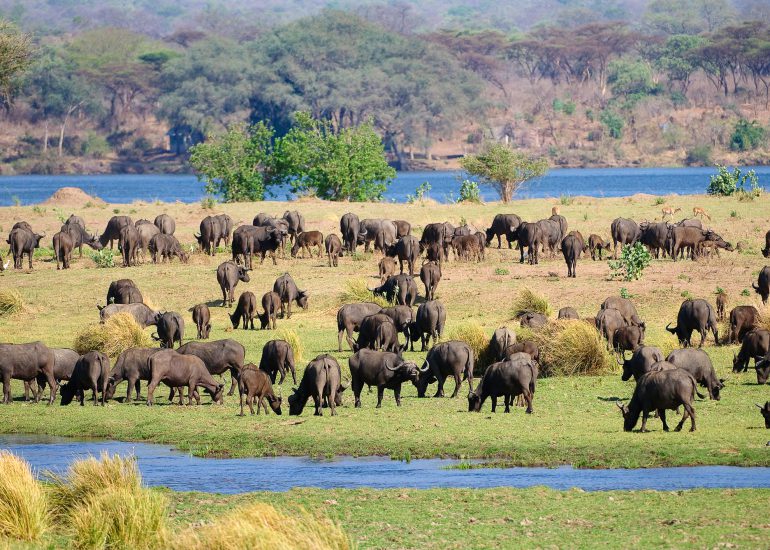
Beyond the elephants, Tarangire is home to healthy lion prides that patrol the riverbanks, leopard that hunt from the acacia thickets, and occasional cheetah on the open plains. Buffalo, giraffe, zebra, wildebeest and the elegant fringe-eared oryx are all common, and the park is excellent for tree-climbing lions and pythons draped in the branches. It is a complete safari, not just an elephant park.
A birder's paradise
With over 550 recorded bird species, Tarangire is one of the premier birding destinations in Tanzania. Massive flocks of yellow-collared lovebirds, the endemic ashy starling, martial eagles, bateleurs and kori bustards are all regularly seen, and the swamps draw water birds by the dozen. For birders, Tarangire is as rewarding as any park on the northern circuit.
Best Time to Visit Tarangire
The season makes a dramatic difference in Tarangire, more so than in many Tanzanian parks, because the game viewing revolves around the river.
| Season | Months | What to Expect |
|---|---|---|
| Peak dry season | Aug–Oct | The great elephant gatherings at their height. Staggering herds, concentrated game viewing, spectacular sightings. |
| Early dry season | Jun–Jul | Drying out, game building at the river. Pleasant, cooler, excellent and less busy. |
| Green season | Nov–May | Lush scenery, newborn animals, superb birdlife. Wildlife disperses outside the park, sightings less concentrated. |
For the unforgettable elephant spectacle and concentrated game viewing, the late dry season of August to October is unrivalled. For birders and photographers who love green landscapes, the wet season has its own beauty.
What to See and Do in Tarangire
Tarangire is compact enough to explore thoroughly in a day or two, with the river and the swamps as the natural focal points.
The Tarangire River
The lifeblood of the park, the river draws enormous elephant herds, buffalo, giraffe, zebra and a wealth of plains game throughout the dry season. The riverbanks are where the action unfolds — predators patrol, elephants bathe and the big sightings happen.
The Silale and Gursi swamps
Fed by underground springs, these permanent swamps are magnets for wildlife and water birds even in the driest months. Lions often rest in the shade nearby, waiting for prey to come to drink.
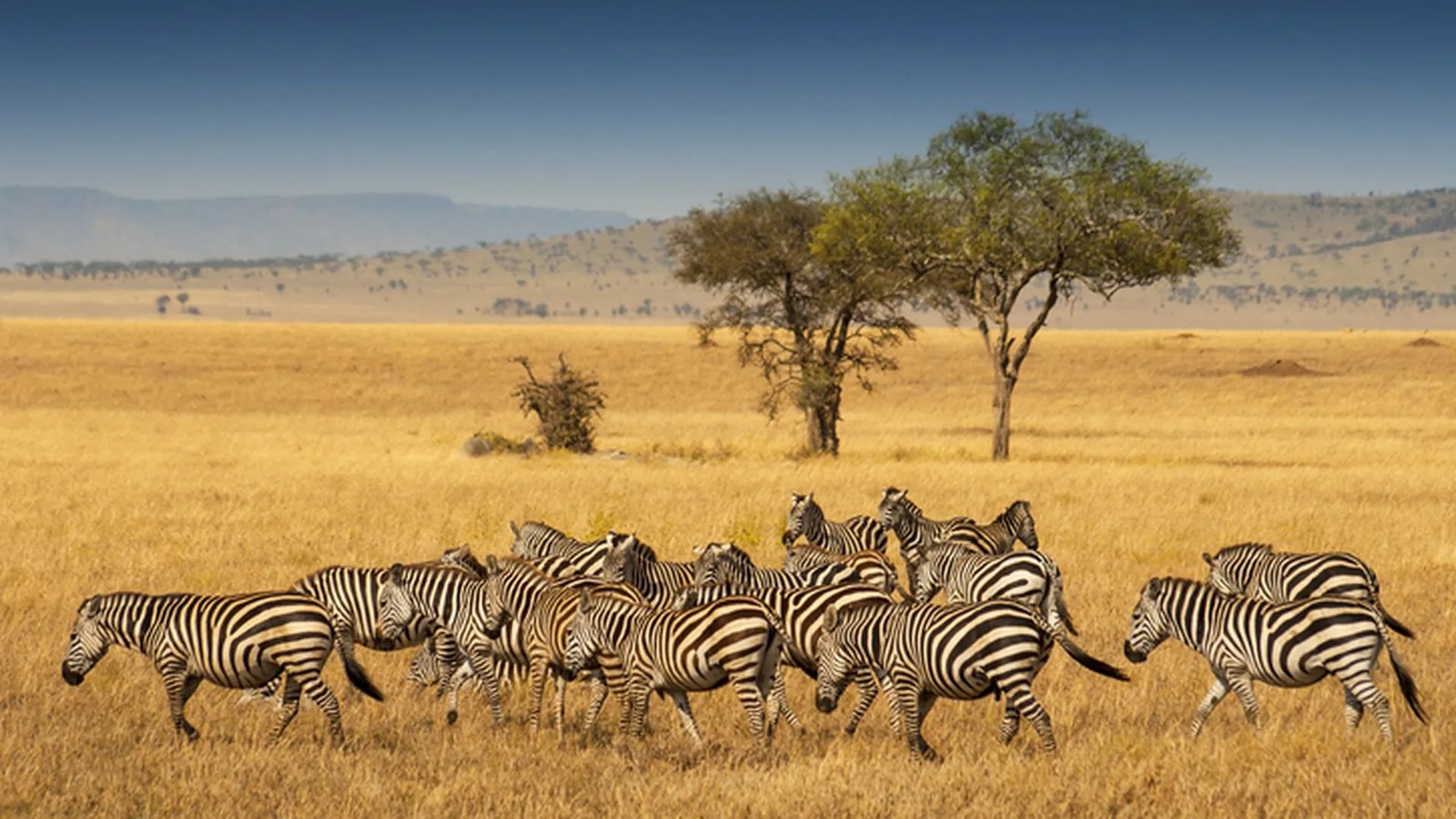
Zebra, wildebeest and other plains game are common throughout Tarangire, especially along the river.
Tree-climbing lions and pythons
Tarangire is one of the few parks where lions regularly take to the trees, resting in the branches during the heat of the day. Rock pythons also drape themselves over the limbs, digesting their prey — dramatic and photogenic sightings.
Where to Stay in Tarangire
Accommodation ranges from comfortable lodges and tented camps just outside the park to a handful of exclusive properties within its boundaries. Here are three excellent options spanning the comfort-to-luxury spectrum, each offering a distinct Tarangire experience.


| Lodge / Camp | Tier | Position | Approx. Cost per Night |
|---|---|---|---|
| Tarangire Safari Lodge | Comfort | Park boundary, river views | $250–$400 pp |
| Tarangire Treetops | Mid-Luxury | Private concession, elevated | $500–$750 pp |
| Sanctuary Swala Camp | Luxury | Inside park, mobile tented | $900–$1,400 pp |
We match the lodge to your budget and style, and weave it into a smooth, fully private northern circuit itinerary.
Sample Northern Tanzania Itinerary Featuring Tarangire (7 Nights)
A beautifully paced northern circuit with Tarangire as the opening act.
- Day 1: Arrive in Arusha; overnight at a country lodge.
- Day 2: Drive to Tarangire for afternoon game drives among the elephants and baobabs.
- Day 3: Morning in Tarangire, then continue to the Ngorongoro Highlands.
- Day 4: Sunrise descent into the Ngorongoro Crater for a full game drive; continue to the Serengeti.
- Days 5–6: Explore the Serengeti, tracking big cats and, in season, the Great Migration.
- Day 7: Final morning drive and fly from the Serengeti back to Arusha for onward travel.
This easily extends with Lake Manyara for tree-climbing lions and flamingos, or a Zanzibar beach finale on the Indian Ocean.
How Much Does a Tarangire Safari Cost?
Costs depend on the season, the lodge tier and the wider northern circuit itinerary. As a guide for a fully private, professionally guided safari in 2026:
- Comfortable to premium lodges: roughly $500–$950 per person per day, all-inclusive of game drives, meals and fees.
- Luxury camps: roughly $1,000–$2,200 per person per day.
- A classic 7-night northern circuit: typically $4,000–$12,000 per person depending on tier and whether you fly between parks.
A private safari is excellent value when you consider it includes your guide, vehicle, all park fees, accommodation and meals — and Tarangire's elephant spectacle rivals anywhere on earth.
Tarangire, the Serengeti or Ngorongoro?
The happy answer is you do not have to choose — a classic northern circuit includes all three, and they complement each other beautifully. Here is how they compare:
| Park | Signature Experience | Crowds | Best For |
|---|---|---|---|
| Tarangire | Elephant herds & iconic baobabs | Quiet, intimate | Elephant lovers, photographers, birders |
| Serengeti | Great Migration & endless plains | Busier in peak areas | Classic safari, migration, big cats |
| Ngorongoro Crater | Contained crater floor drama | Can be busy on floor | Concentrated game, black rhino, scenery |
| Lake Manyara | Tree-climbing lions & flamingos | Moderate | Compact day safari, birdlife |
Tarangire is more intimate, visually distinctive and delivers the highest elephant density; the Serengeti is vast, open and home to the Great Migration; and Ngorongoro offers the contained drama of the crater floor. Most travellers experience all three, and our specialists weave them into one smooth, fully private journey.
Combining Tarangire With the Rest of Tanzania
Tarangire pairs naturally with Lake Manyara for tree-climbing lions and flamingos, Ngorongoro for the crater, the Serengeti for the migration, and Zanzibar for white-sand beaches and turquoise waters. Our Tanzania safari guide covers the whole country, and our private safari specialists weave any of these into one smooth journey.
How to Plan Your Tarangire Safari
Tarangire rewards travellers who plan with intent — the right season for the elephant herds, the right camp overlooking the river and a guide who knows the park intimately. That is exactly what we do. Explore the Tanzania destinations, use the trip planner, or contact our specialists for a tailor-made, fully private northern circuit built around you.