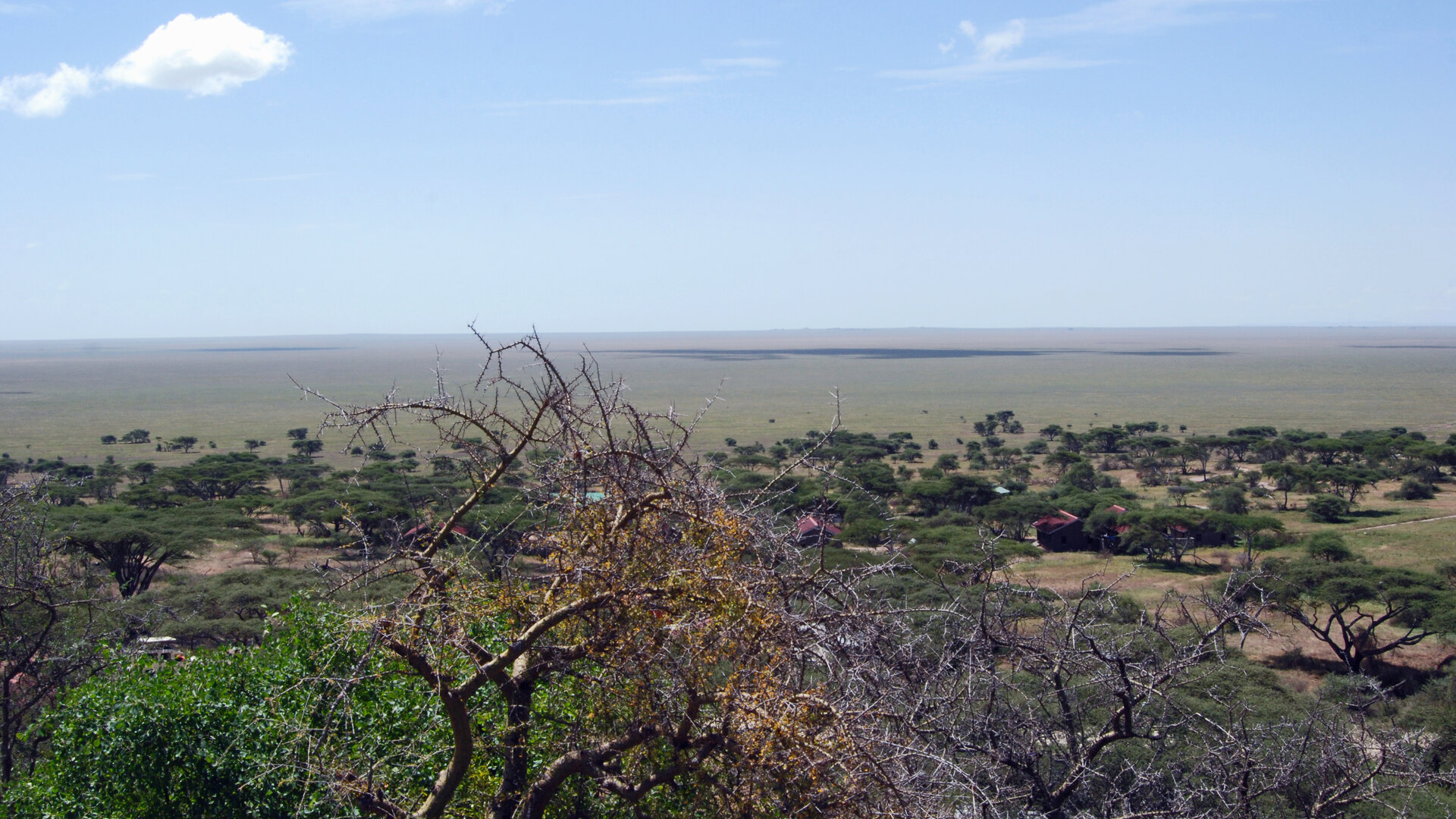
The Serengeti is the stage on which the greatest wildlife show on earth plays out. Its name comes from the Maasai siringet — "the place where the land runs on forever" — and that is exactly the feeling: endless plains stretching beyond the horizon, dotted with acacias and grazing herds as far as the eye can see. This is Tanzania's flagship national park, and the year-round home of the Great Migration.
🦓 Planning Your Tanzania Safari?
For the complete tanzania safari resource - expert guides, honest costs, luxury lodges, curated itineraries, and everything you need to plan your trip - visit our comprehensive hub:
View Complete Tanzania Safari Hub →This complete Serengeti National Park safari guide explains where the migration is month by month, the best regions to base yourself, the all-important calving and river-crossing seasons, the finest lodges and camps, honest 2026 costs, sample itineraries and how to plan a private safari timed perfectly to the herds.
The Serengeti — endless plains, vast lion prides and the year-round drama of the Great Migration in Tanzania.
Why a Serengeti Safari Is So Special
Quick Answer
The Serengeti is the year-round home of the Great Migration, with the calving season on the southern plains (Jan–Mar) and the dramatic Mara River crossings in the north (Jul–Oct), plus some of the largest lion populations on earth.
Best time: July–October for crossings; late January–March for calving and big cats. Cost: roughly $500–$3,000 per person per day by tier. Ideal length: 4–5 nights, often combined with the Ngorongoro Crater. Fly in from Arusha. The most complete plains safari in Africa.
What makes the Serengeti extraordinary is scale and continuity. The migration does not arrive and leave — it lives here, circling the ecosystem with the rains in an endless cycle of birth, movement and survival. Around it thrives one of the richest predator communities on the planet, and the open terrain makes the action visible in a way few places can match.
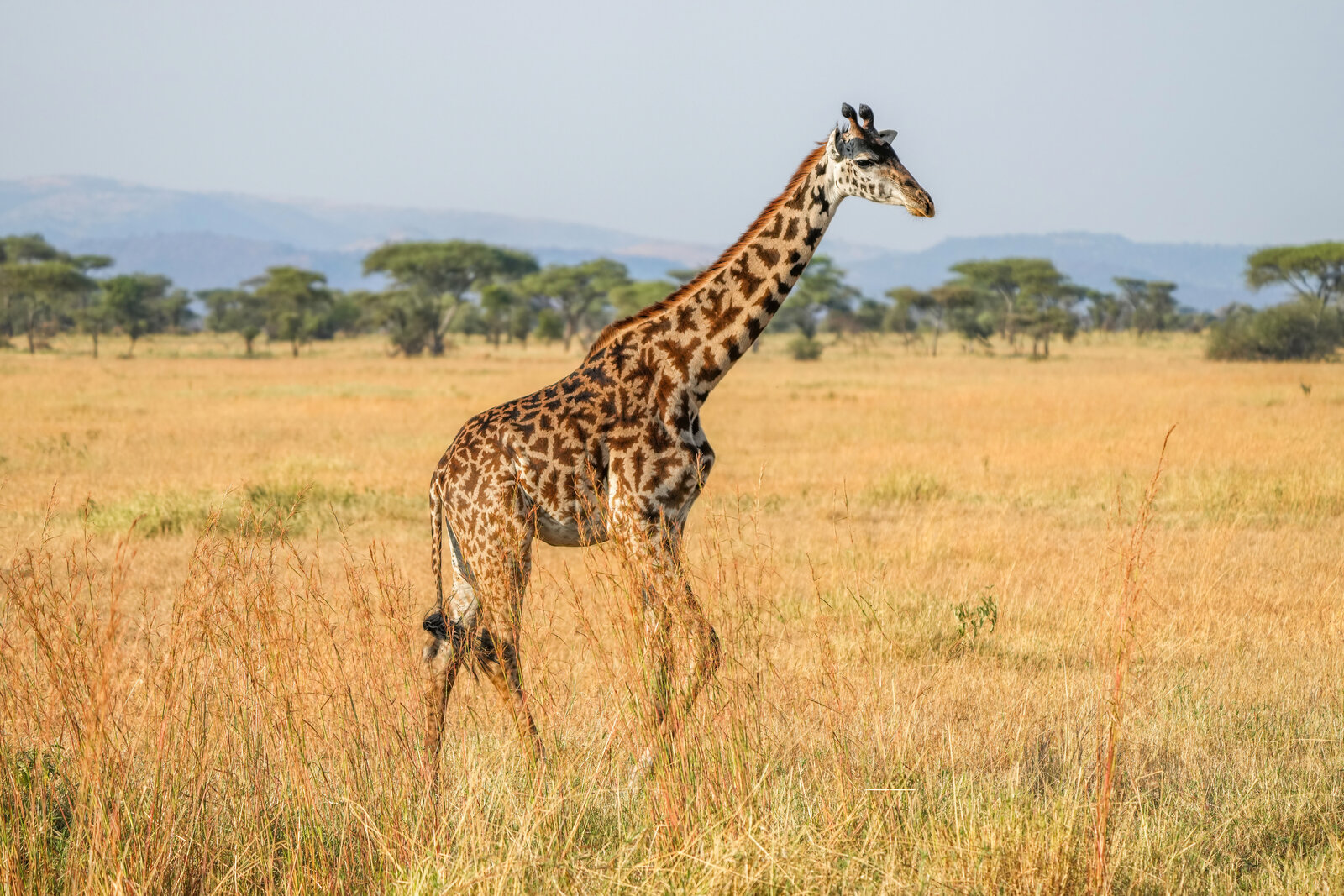
The Serengeti holds one of the largest lion populations on earth — prides are seen on almost every game drive.
The greatest concentration of plains game
Nearly two million wildebeest, zebra and gazelle move through the ecosystem, and where the prey goes, the predators follow. Lions dominate the central woodlands and kopjes, cheetahs sprint across the southern short-grass plains, and leopards lie draped in the sausage trees along the rivers. It is a place of constant drama.
The Great Migration in full
Unlike its northern neighbour, the Serengeti offers the migration across the whole year — not just the crossings, but the calving, the rutting, the long columns marching north and the predators that shadow them. Whatever month you travel, there is a chapter of the story to witness.
The Great Migration Month by Month
The migration follows the rains in a roughly clockwise loop around the ecosystem. Here is where to find the herds through the year.
| Months | Region | The Spectacle |
|---|---|---|
| Dec–Mar | Southern plains & Ndutu | Calving season — hundreds of thousands of births and intense predator action. |
| Apr–May | Central Serengeti | Herds move north-west; green, quiet and excellent value. |
| Jun | Western Corridor | The Grumeti River crossings begin — dramatic and less crowded. |
| Jul–Oct | Northern Serengeti | The famous Mara River crossings — the peak of the spectacle. |
| Nov | Returning south | Short rains pull the herds back towards the southern plains. |
Because exact timing shifts a little each year with the rains, the secret is to base yourself in the right region for your dates — and that is precisely what we plan for you. Our full Great Migration guide goes deeper still.

The Mara River crossings of the northern Serengeti (Jul–Oct) — the most dramatic wildlife spectacle on earth.
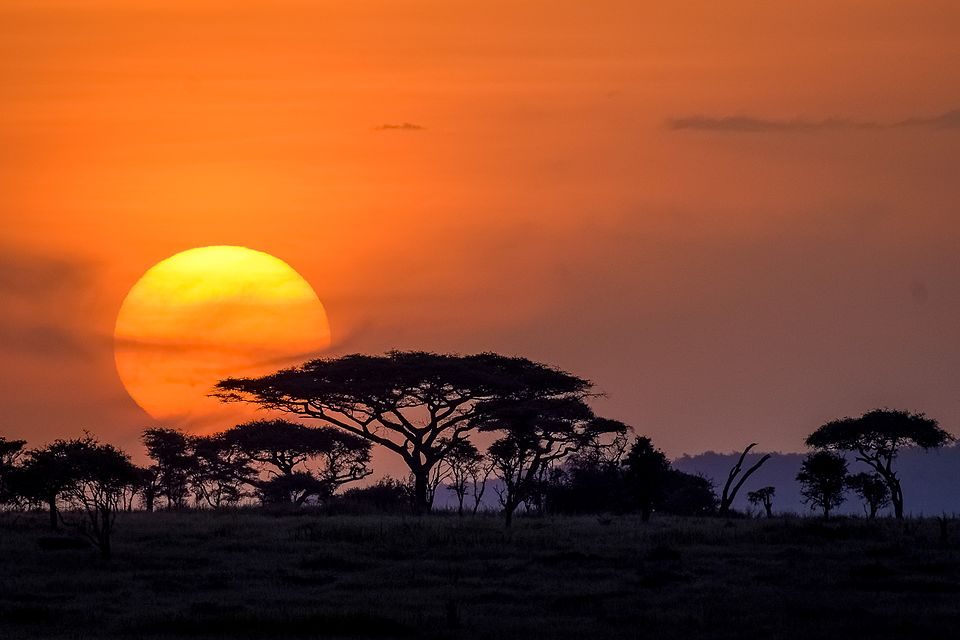
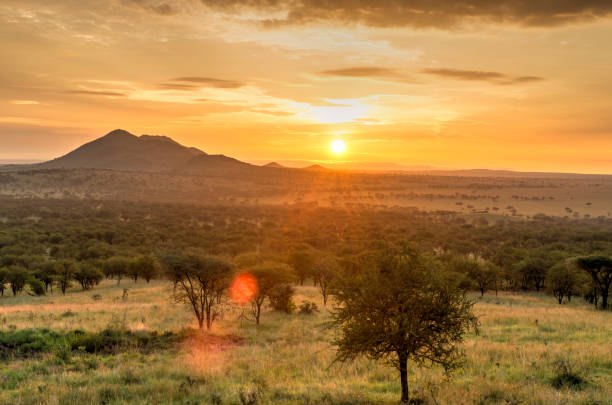
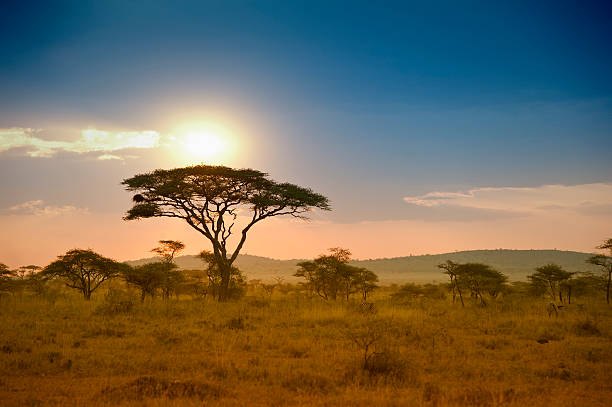
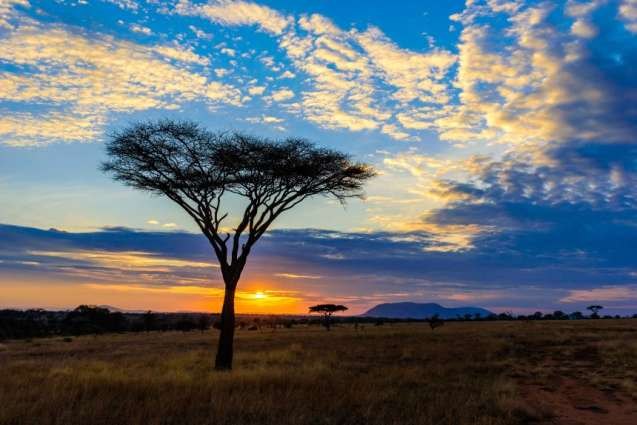
Sundowners on the plains — the Serengeti delivers some of the most beautiful skies in Africa.
The Best Regions of the Serengeti
Central Serengeti (Seronera)
The heart of the park, with rocky kopjes, year-round rivers and superb resident wildlife. Big cats are reliable here in every season, making it the ideal first base.
Southern plains and Ndutu
The short-grass plains where the calving happens from December to March. Open, dramatic and alive with predators during these months.
Western Corridor
Following the Grumeti River, this region comes alive around June as the herds push through, with its own crossings and resident wildlife.
Northern Serengeti
Remote, wild and uncrowded, this is the stage for the Mara River crossings from July to October — and a wonderful escape from the busier south.
| Region | Best Months | Why Go | Crowds |
|---|---|---|---|
| Central (Seronera) | Year-round | Reliable big cats & resident game; ideal first base | Moderate–High |
| Southern plains & Ndutu | Dec–Mar | Calving season & intense predator action | Moderate |
| Western Corridor | Jun | Grumeti River crossings; quieter | Low–Moderate |
| Northern Serengeti | Jul–Oct | Mara River crossings; remote & wild | Low |
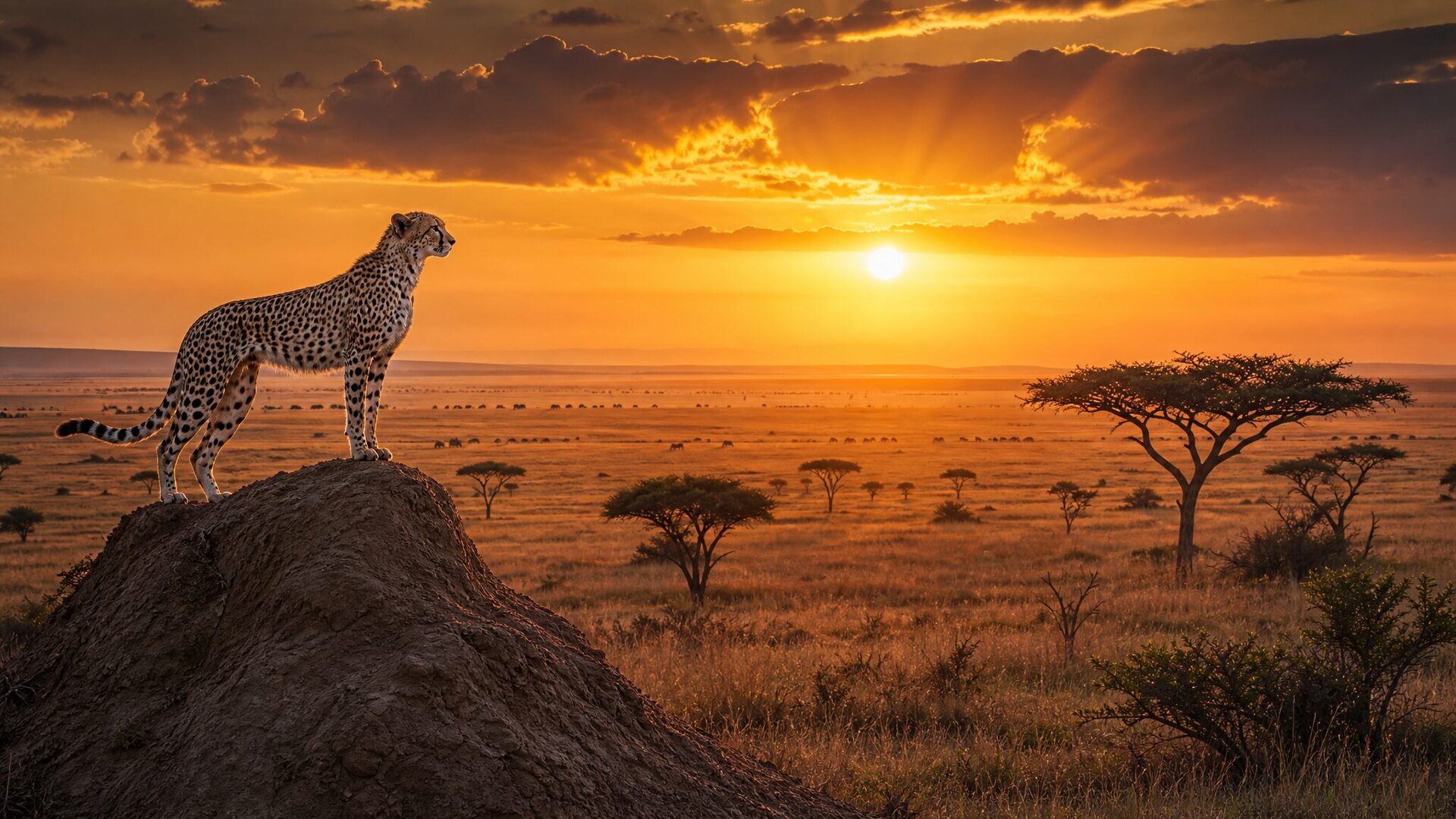
Cheetahs hunt the open southern plains — the Serengeti is one of the best places in Africa to see them.
Where to Stay: Lodges and Camps
The Serengeti offers a full spectrum of accommodation, from permanent lodges to mobile camps that move with the migration. Below are three of our favourites, one for each style of safari — and we hand-pick the exact camp, in the right region, for your travel dates.
Comfortable lodges and tented camps
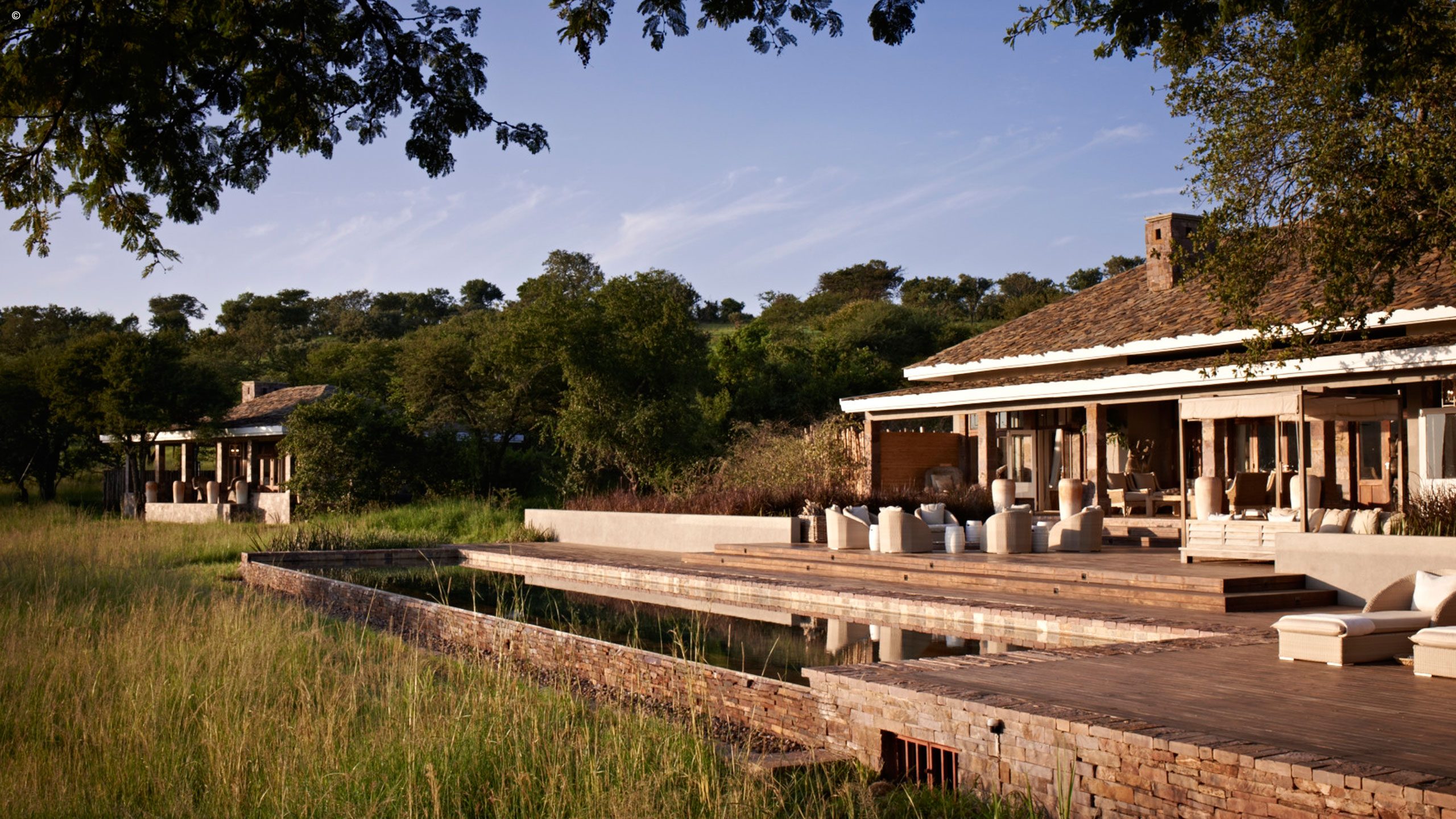
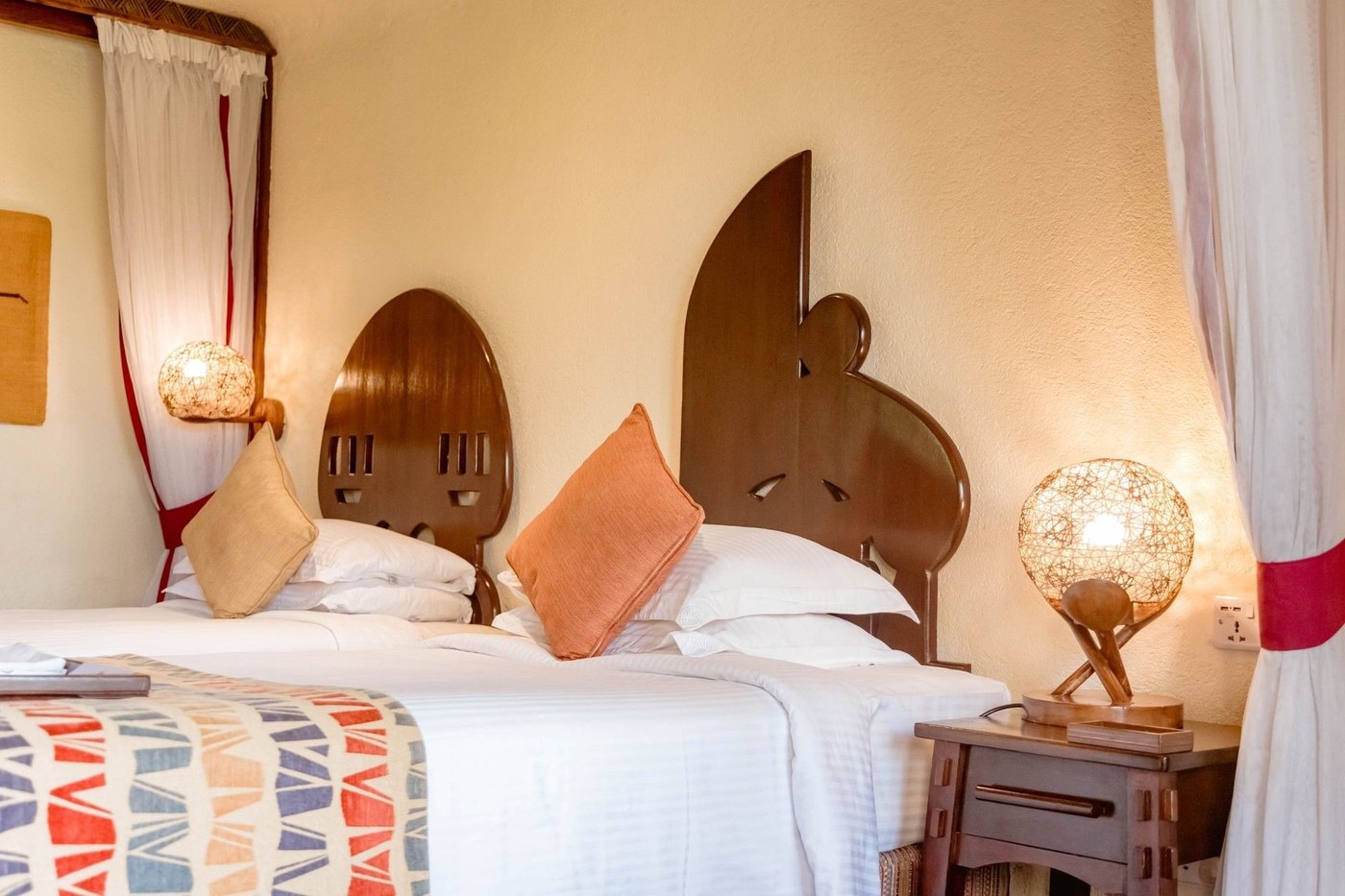
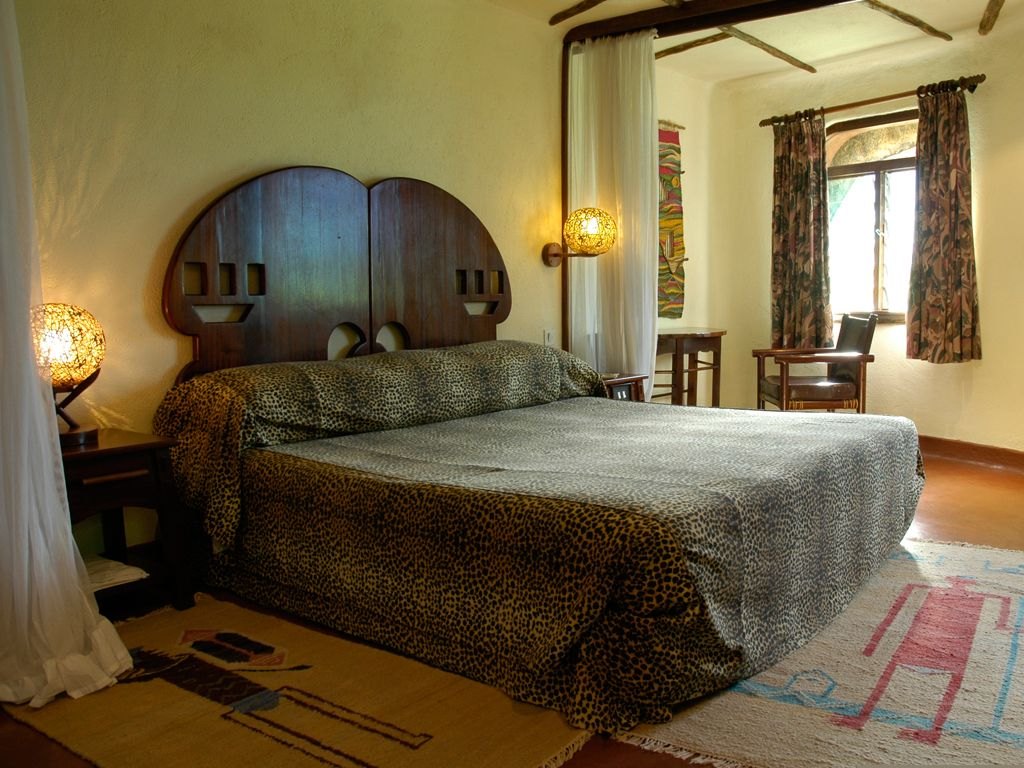
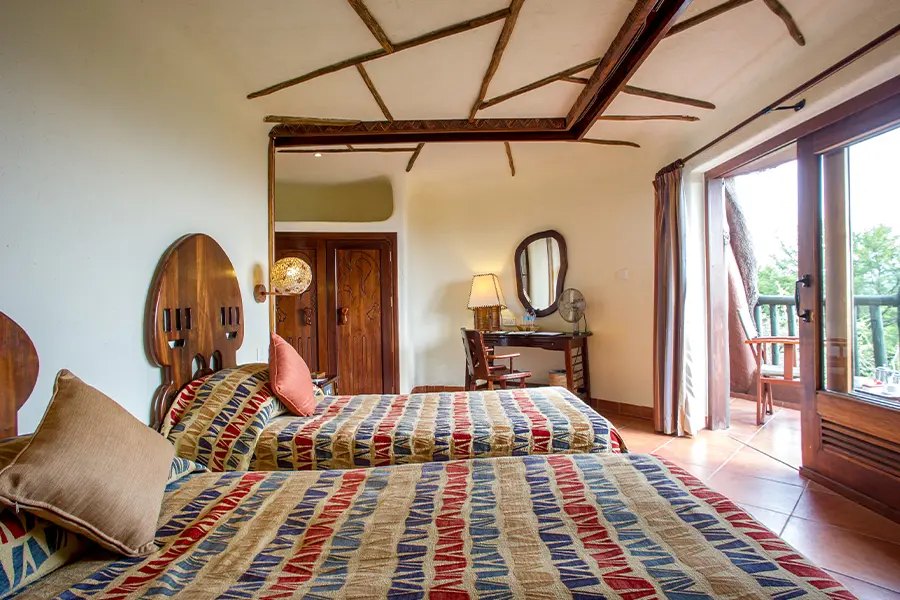
Reliable, well-located and good value, ideal for first-time travellers and families. Many sit in the central Seronera region for year-round game viewing. The Serengeti Serena Safari Lodge is a classic of this tier — stone-and-thatch rondavels inspired by a Maasai village, perched on a ridge with sweeping plains views and a swimming pool overlooking the wildlife.
Mobile migration camps
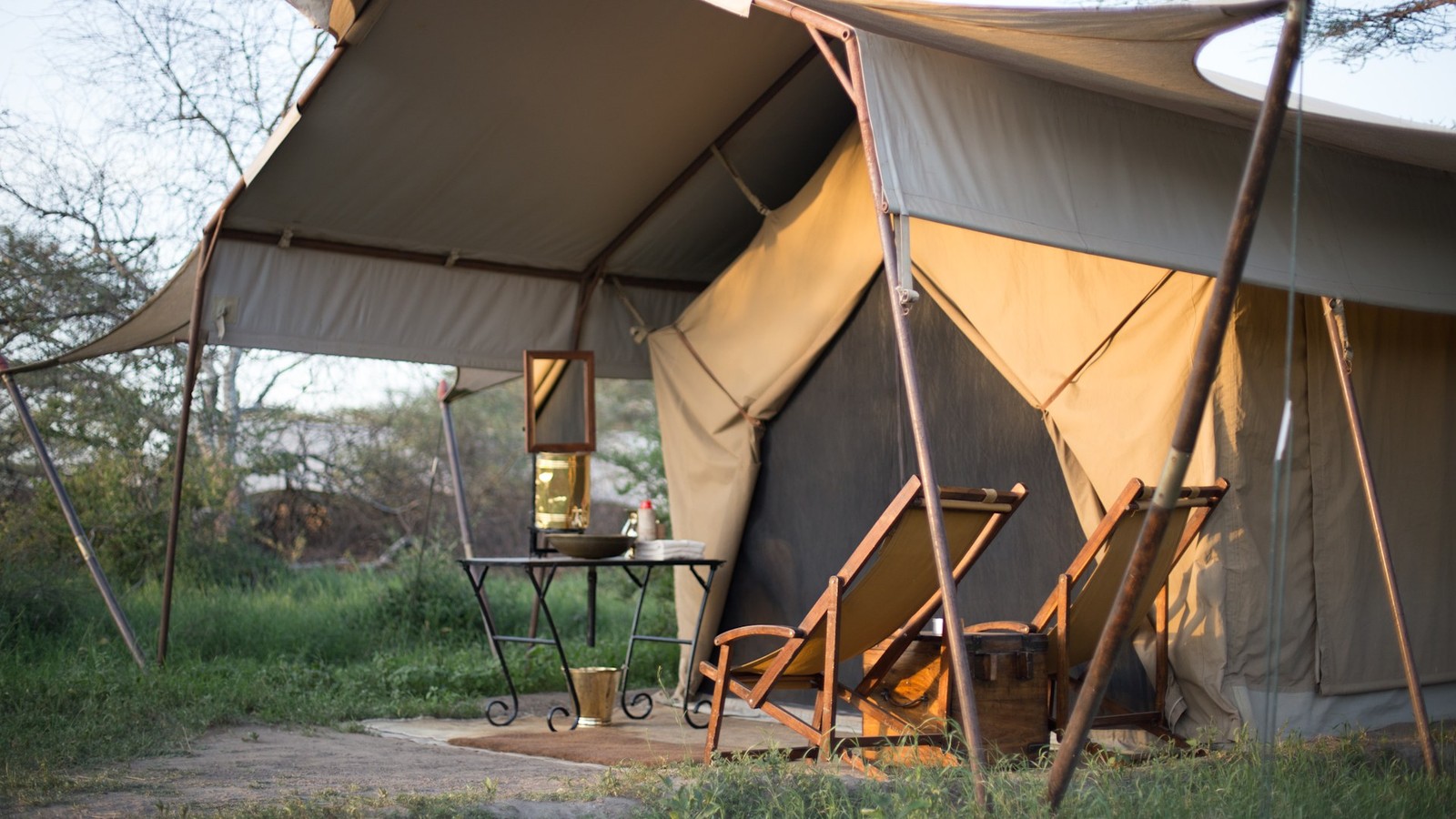
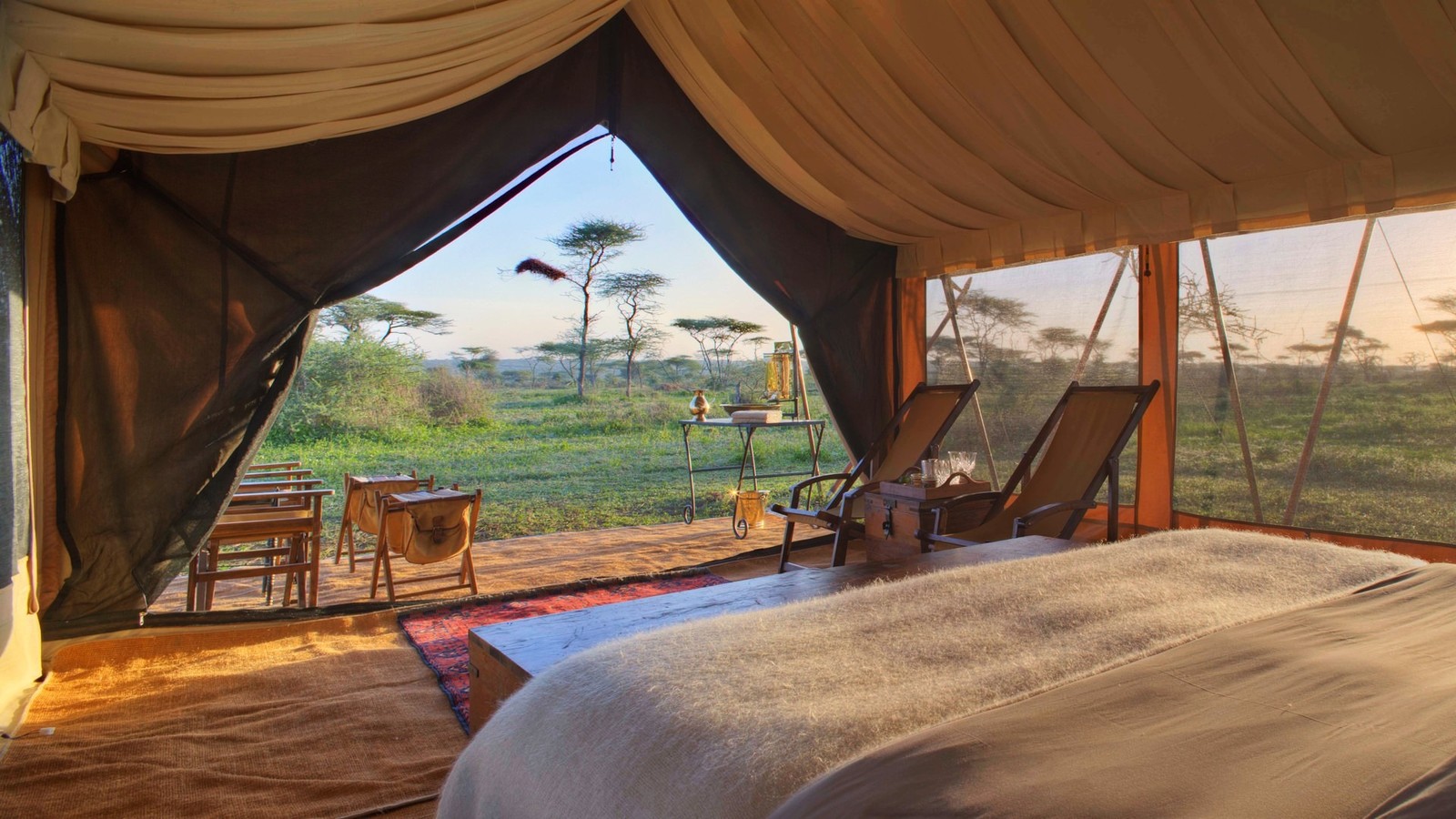
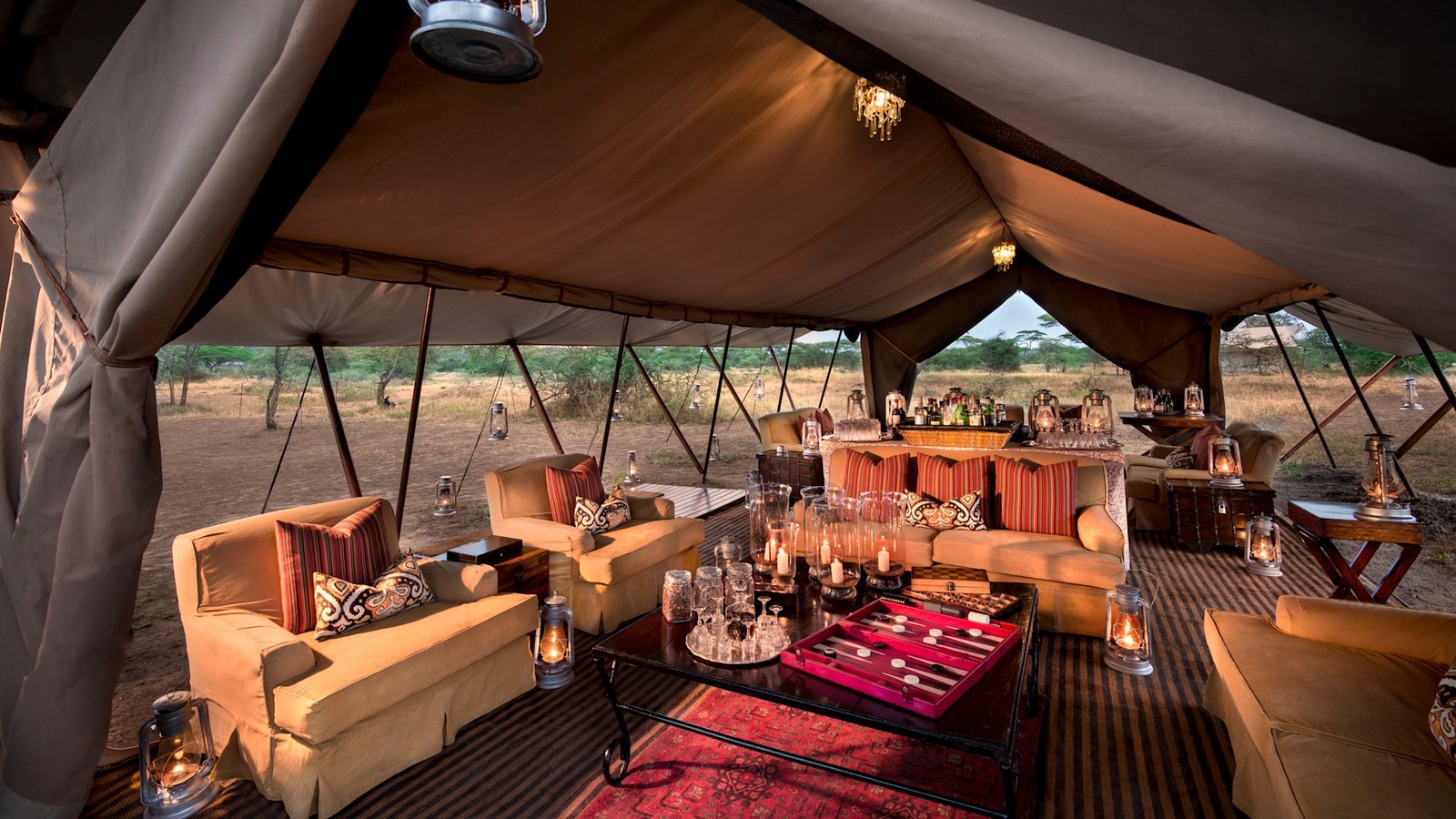
The clever choice for following the herds — these seasonal camps relocate through the year to stay close to the migration, putting you in the heart of the action with real comfort under canvas. Serengeti Under Canvas is the benchmark: an intimate, low-impact mobile camp that moves with the great herds, so you fall asleep to the sounds of the plains and wake within striking distance of a river crossing.
The finest luxury camps
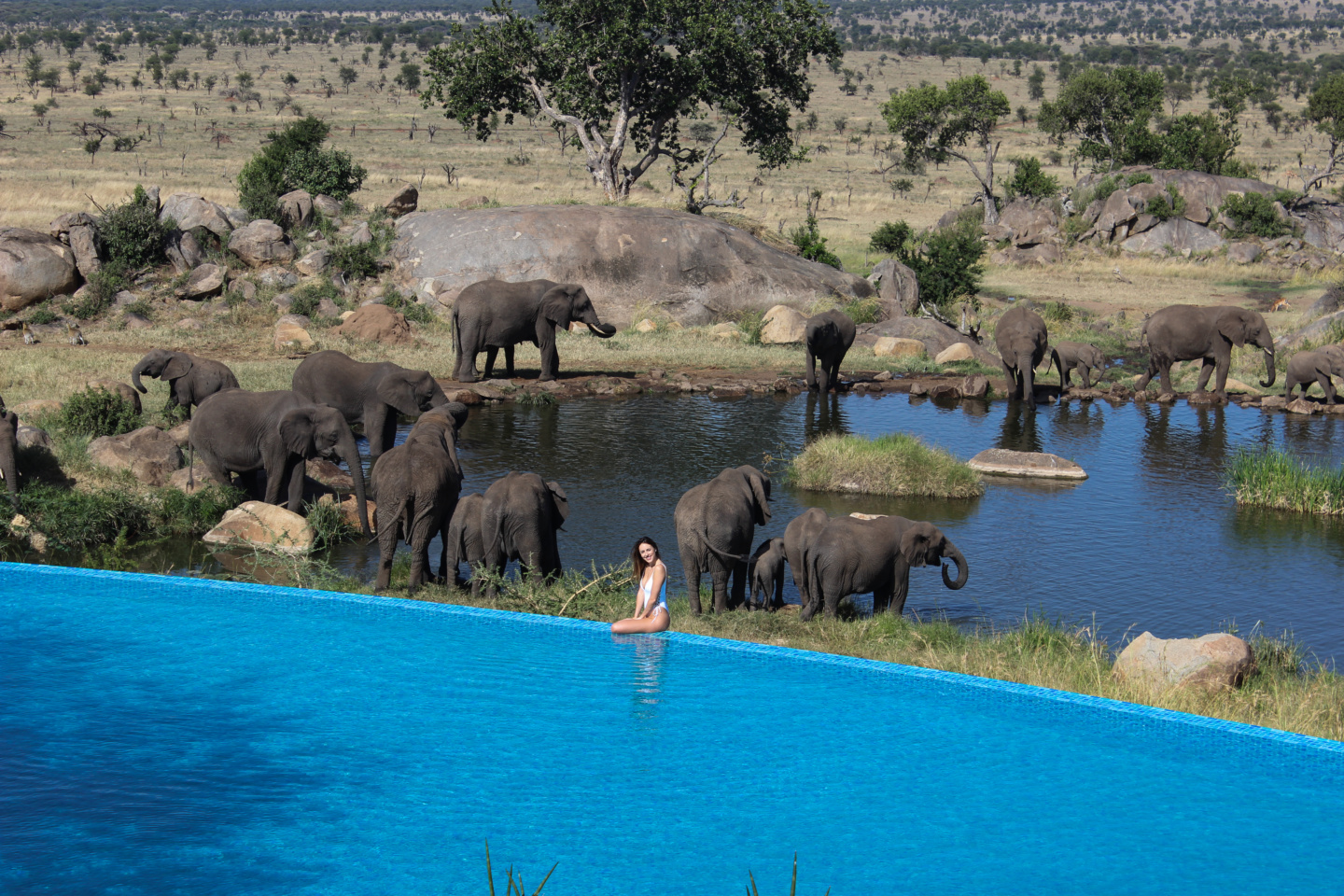
A handful of exceptional lodges and camps offer private pools, exquisite dining and the best guides in Tanzania — perfect for honeymoons and special celebrations. The Four Seasons Safari Lodge Serengeti sets the standard, with an infinity pool overlooking a resident elephant waterhole, sumptuous suites and world-class service in the heart of the central plains.
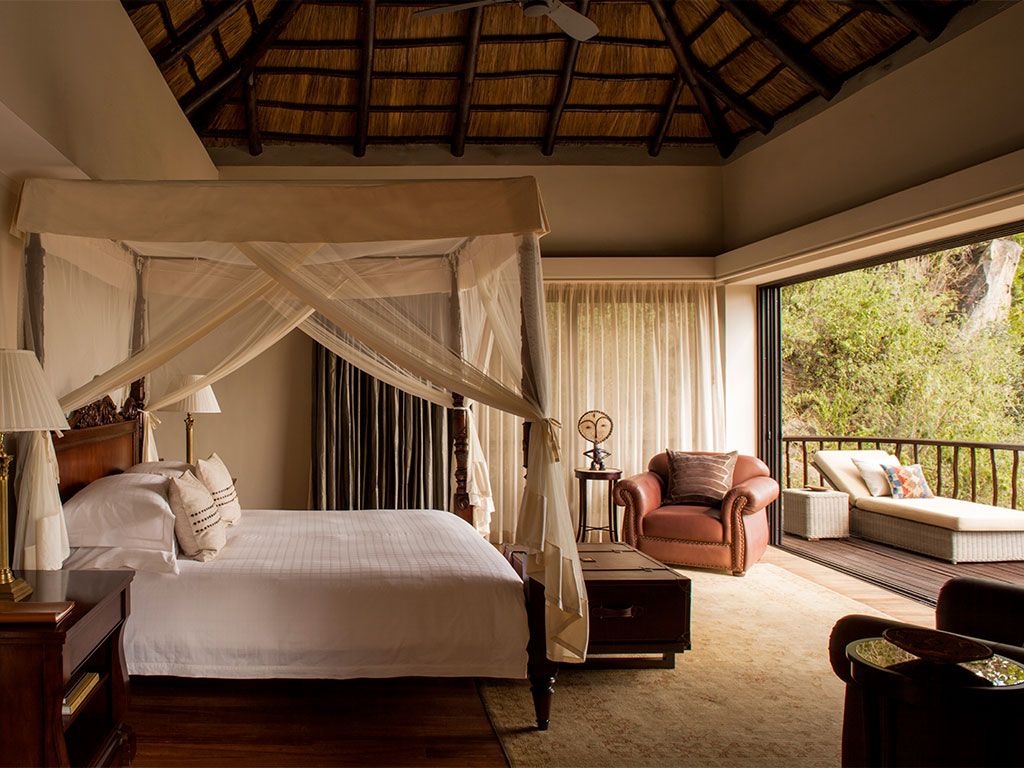
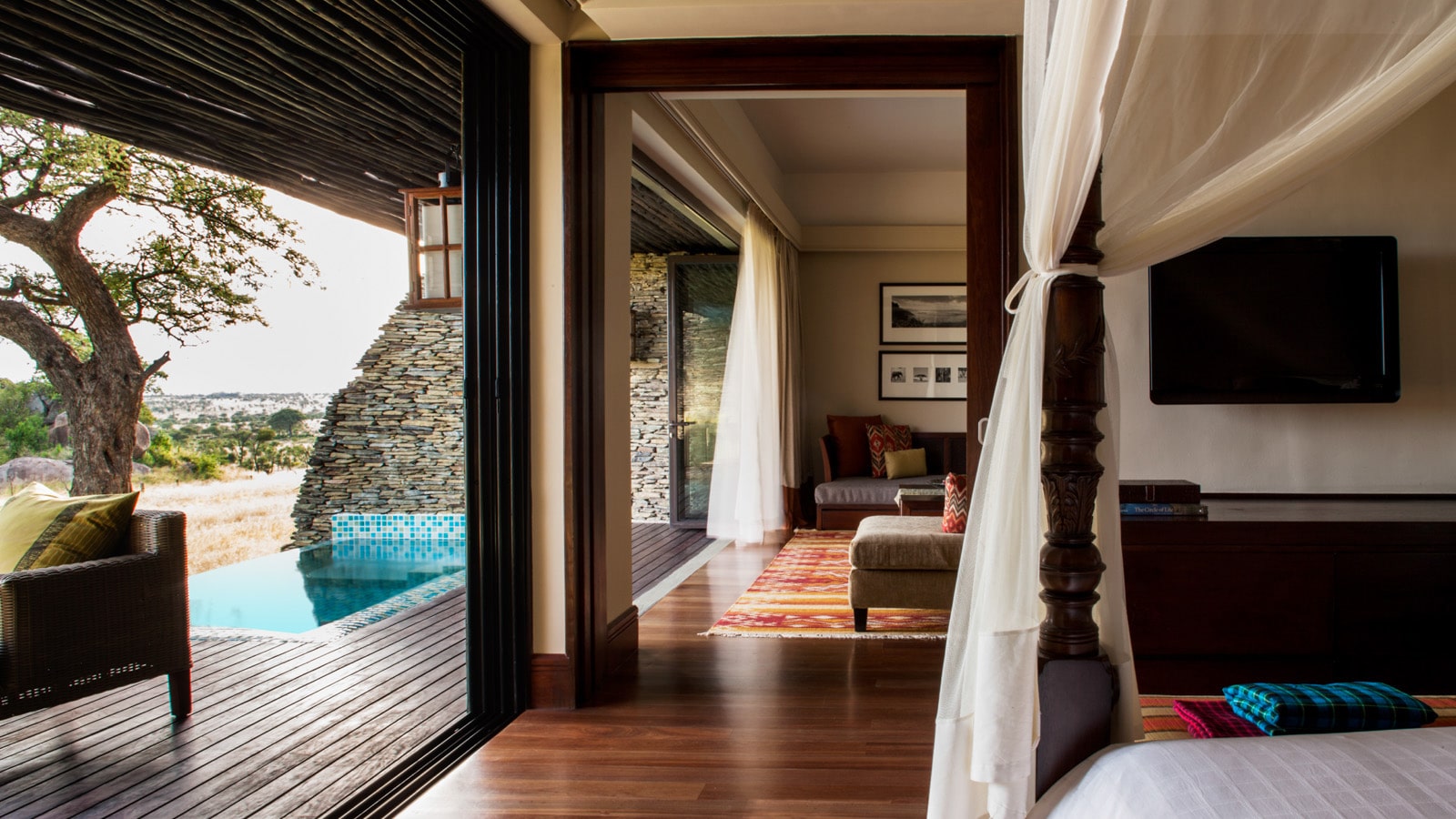
| Tier | Example Camps | Per Person / Night | Best For |
|---|---|---|---|
| Comfortable | Serengeti Serena, Serengeti tented camps | $500–$900 | First-timers & families |
| Mobile migration | Serengeti Under Canvas, seasonal camps | $800–$1,500 | Following the herds & river crossings |
| Luxury | Four Seasons Serengeti, premium lodges | $1,200–$3,000 | Honeymoons & special celebrations |
Top Experiences in the Serengeti
- Sunrise game drives across the plains when the cats are on the move.
- The river crossings of the Mara and Grumeti — raw, unforgettable drama.
- Calving season on the southern plains — birth and the cycle of life at its most intense.
- A hot-air balloon safari at dawn, followed by a Champagne bush breakfast.
- Walking safaris in private concessions, on foot with an armed guide.
- Kopje exploration — the rocky outcrops where lions love to rest and survey their kingdom.

A dawn hot-air balloon safari over the endless plains, followed by a Champagne bush breakfast — a Serengeti rite of passage.
Sample Northern Tanzania Itinerary (7 Nights)
The classic circuit that combines the Serengeti with Tanzania's other highlights.
- Days 1–2: Arrive Arusha; drive to Tarangire National Park for its giant elephant herds and baobabs.
- Day 3: Continue to the Ngorongoro Crater highlands; afternoon at leisure overlooking the caldera.
- Day 4: Full-day Ngorongoro Crater game drive with a strong chance of black rhino.
- Days 5–7: Fly or drive into the Serengeti for three nights in the region best suited to your season.
- Day 8: Final morning drive and fly back to Arusha for onward travel.
This easily extends with a Zanzibar beach finale, or links north into Kenya's Masai Mara.
How Much Does a Serengeti Safari Cost?
As a guide for a fully private, professionally guided safari in 2026:
- Comfortable to premium camps: roughly $500–$1,000 per person per day, all-inclusive of game drives, meals and park fees.
- Luxury and mobile migration camps: roughly $1,200–$3,000 per person per day.
- A classic 4–5 night Serengeti trip: roughly $3,000–$9,000 per person depending on tier and flights.
Remote northern camps and mobile camps peak during the crossing season. The green and shoulder months offer excellent value with superb game viewing.
Serengeti or Masai Mara?
They are two halves of one ecosystem, and the wildlife crosses freely between them. The Serengeti is far larger and offers the migration across the whole year — including the calving season the Mara cannot match — while Kenya's Masai Mara is more compact, easier to reach and brilliant for a focused, big-cat-rich trip during the July-to-October crossings. The ideal answer, for those with the time, is both.
Combining the Serengeti With the Rest of Africa
The Serengeti sits at the centre of a wealth of options. Pair it with the Ngorongoro Crater and Tarangire for the classic northern circuit, add a Zanzibar beach finale, cross into Kenya for the Masai Mara, or extend south to the great parks of Zambia and beyond. Our Tanzania safari guide covers the whole country, and our team builds it all into one smooth, fully private journey.
How to Plan Your Serengeti Safari
The Serengeti rewards careful timing above all — the right region, in the right month, with a guide who reads the plains. That is our craft. Explore the Serengeti destination guide, read about private safari tours in Tanzania, use the trip planner, or contact our specialists for a tailor-made, fully private Serengeti safari timed to the herds.