Key Takeaways
- A luxury tented camp is the most authentic and often most romantic way to experience the Serengeti — closest to the wild, yet genuinely luxurious.
- Permanent camps stay in one place with elaborate comforts; mobile camps move to follow the Great Migration through the seasons.
- For the calving, stay in the south (Dec–Mar); for the river crossings, the north (Jul–Oct); the central Seronera is excellent much of the year.
- Expect proper beds, en-suite bathrooms, hot showers, private verandas and — at the finest camps — plunge pools, spas and butler service.
- Rates run from roughly US$500 to US$2,500+ per person per night all-inclusive, depending on the camp and season.
- Camps are unfenced but carefully run, with askaris escorting guests after dark — the closeness to the wild is the whole magic.
Why Choose Canvas in the Serengeti
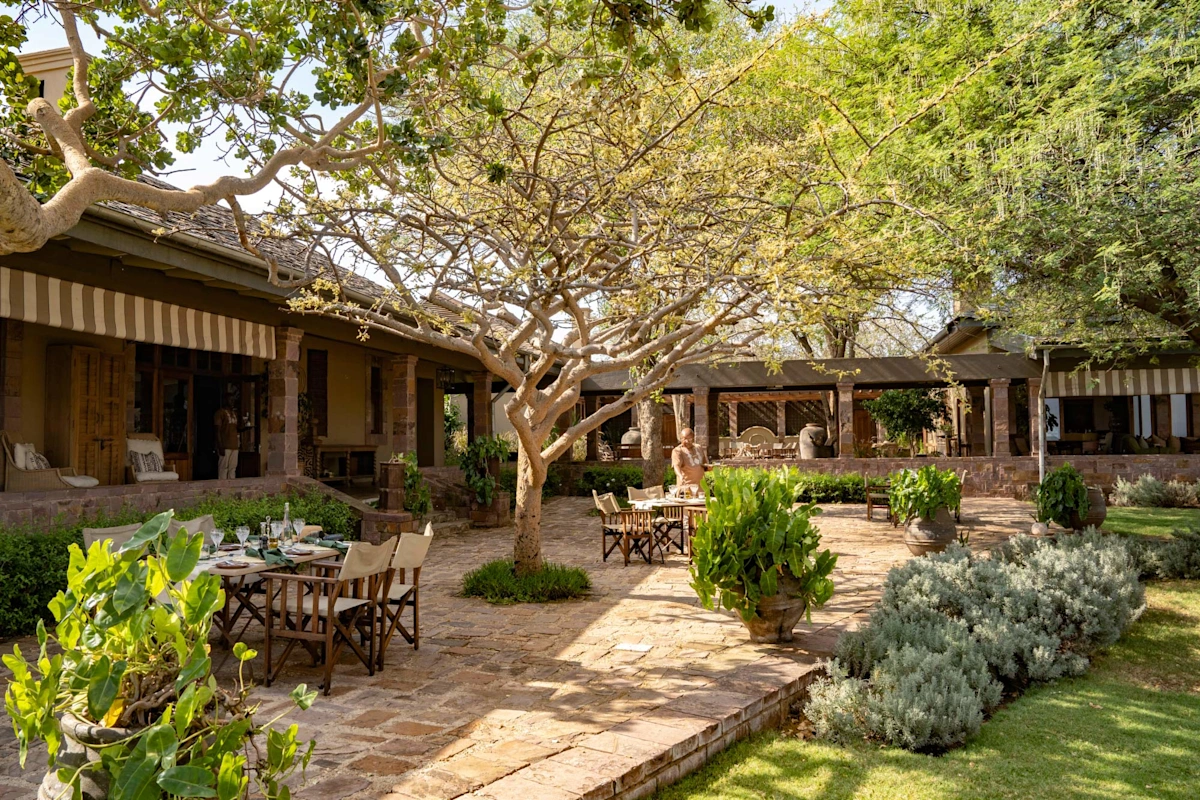
Ask anyone who has done it, and they will tell you: the first night under canvas in the Serengeti changes you. You lie in a proper bed, in a tent the size of a small apartment, and the wild presses gently against the canvas — the cough of a leopard, the whoop of a hyena, the deep rolling roar of a lion that you feel in your chest as much as hear. There is no wall between you and the oldest wilderness on earth, only a skin of canvas and the good sense of your camp. It is thrilling, humbling and utterly unforgettable.
This is what a tented camp gives you that no lodge can: intimacy. You are not observing the Serengeti from behind glass; you are living inside it. And yet the luxury is real — fine linen, hot water, candlelit dinners, a veranda where you take your morning coffee as the plains turn from grey to gold. For couples, for photographers, for anyone who wants the safari of the imagination, canvas is the answer. It is the difference between visiting the Serengeti and belonging to it, however briefly.
Mobile vs Permanent Tented Camps
The single most important decision when choosing a Serengeti tented camp is whether to stay in a permanent or a mobile camp — because they offer quite different experiences. A permanent tented camp stays in one location all year. That means it can invest in more elaborate comforts: larger tents, plunge pools, spa areas, permanent plumbing and lush gardens. It offers reliable game viewing in its home region and a settled, polished feel.
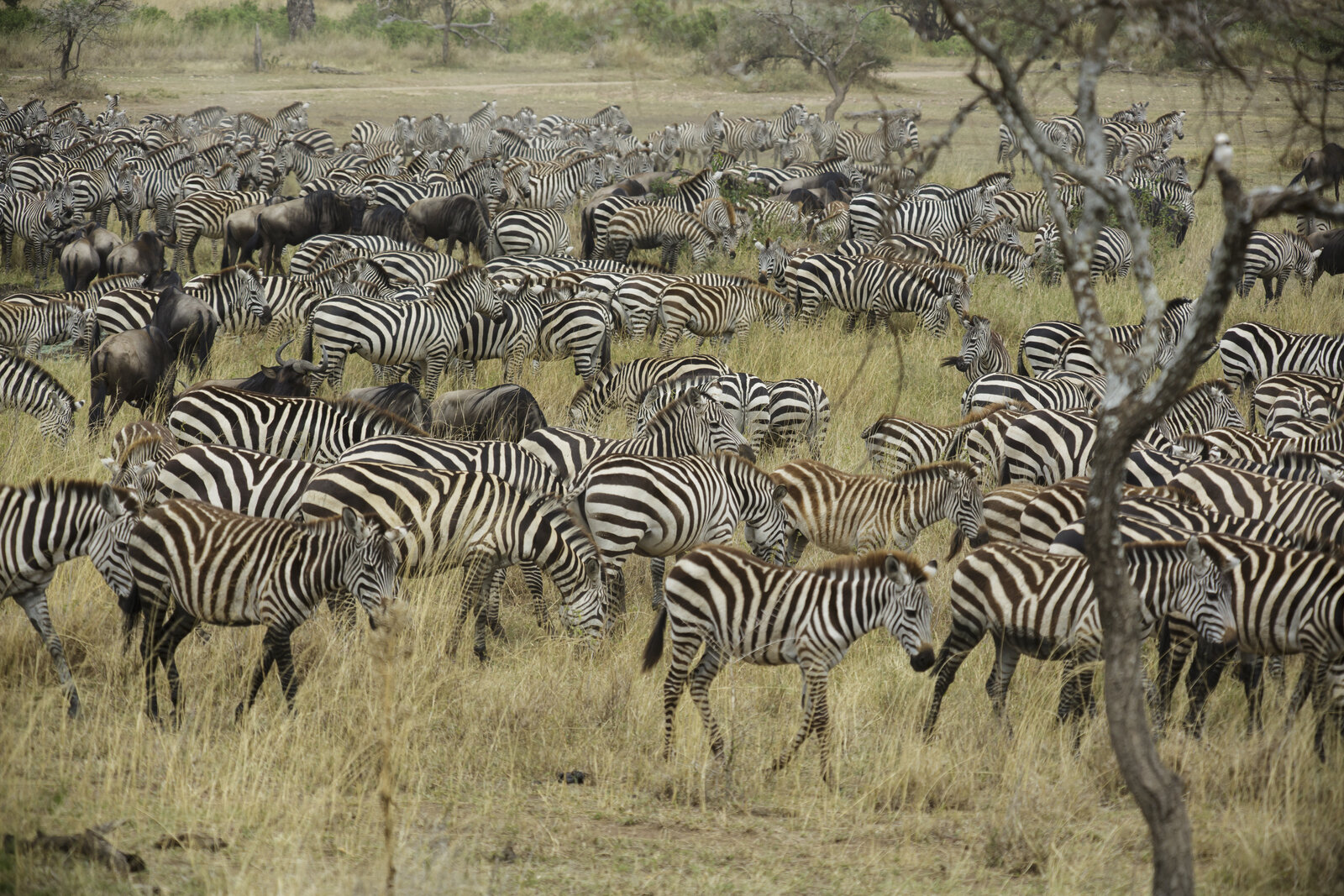
A mobile camp — sometimes called a semi-permanent or migration camp — is designed to be packed up and moved several times a year, so that it is always positioned close to the Great Migration. In practice this means the camp follows the herds: pitched in the southern plains for the calving from December to March, and up in the north near the Mara River for the crossings from July to October. Mobile camps are a touch simpler than the grandest permanent lodges, but they place you in the very beating heart of the action — often with the herds visible from your tent.
Migration-Following Mobile Camps
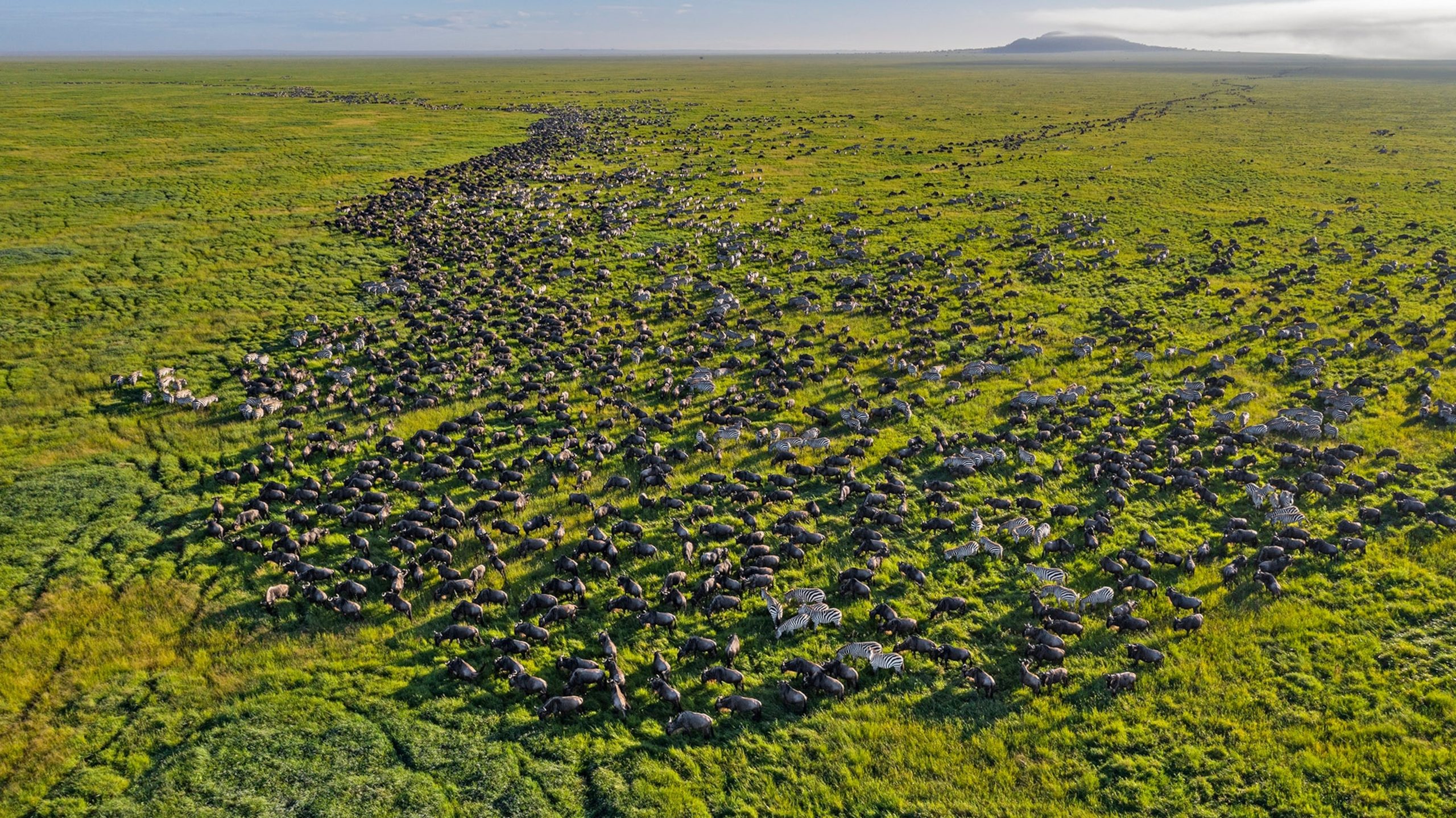
For many travellers, the migration-following mobile camp is the ultimate Serengeti experience — the front-row seat to the greatest wildlife show on earth. These camps exist to keep you close to the herds as they trace their vast annual circuit across the ecosystem. In the green months you might wake in the southern Ndutu plains surrounded by tens of thousands of wildebeest and their newborn calves, with cheetah and lion never far behind. In the dry months you might be perched above the Mara River in the north, waiting for the thunderous crossings.
Because they are compact and intimate — often just six to ten tents — mobile camps offer a wonderfully personal atmosphere: shared dinners under the stars, a handful of expert guides who know exactly where the herds are, and the sense of being part of a small expedition into the wild. If your dream is to witness the migration up close, a well-positioned mobile camp is where that dream comes true.
Permanent Luxury Tented Camps
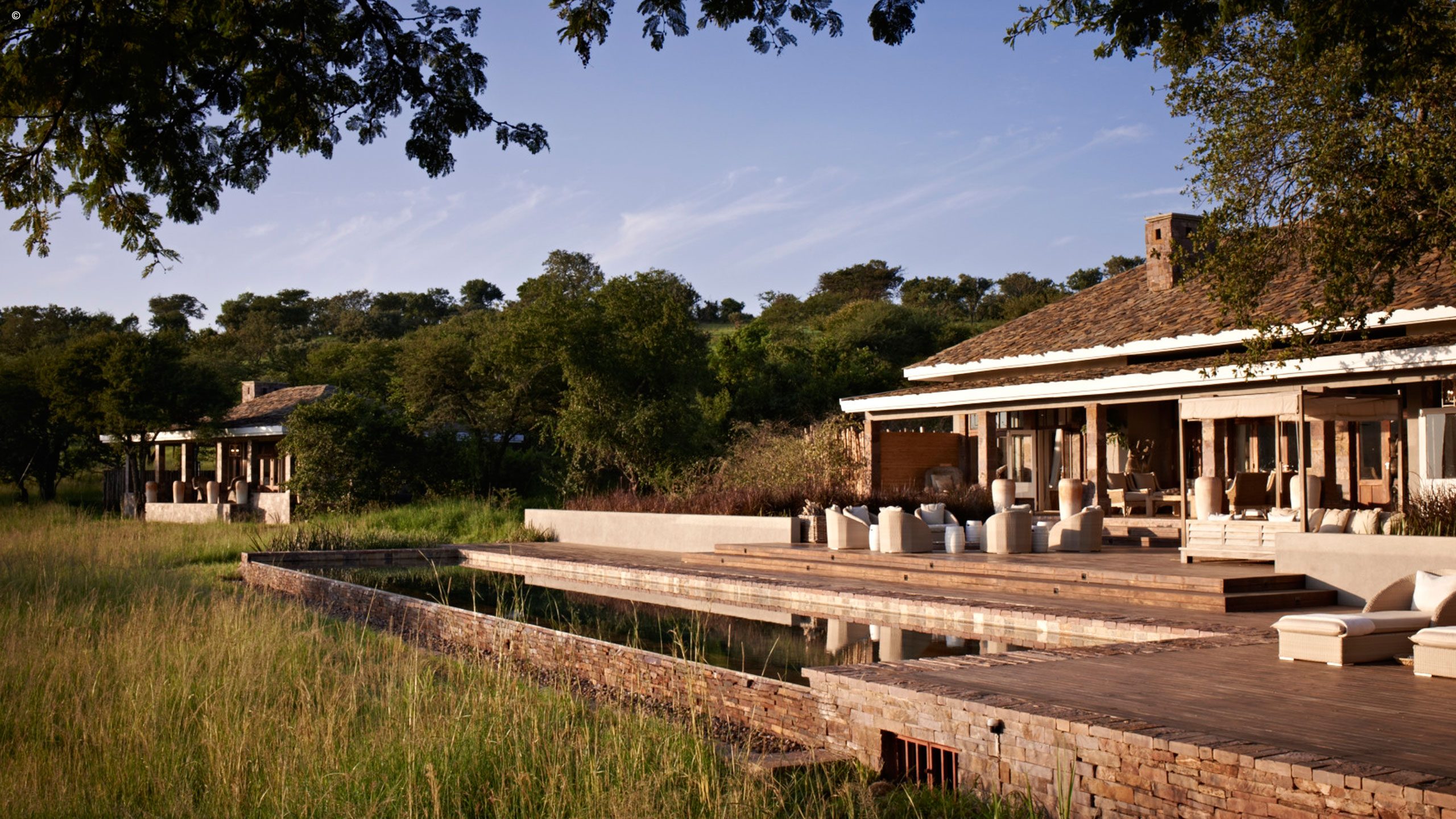
If your priority is comfort, romance and a settled base, the Serengeti's permanent luxury tented camps are glorious. Scattered across the central Seronera, the northern reaches near the Mara River, and the western corridor, these established camps combine the intimacy of canvas with the indulgences of a fine lodge: spacious suites with proper bathrooms and outdoor showers, private plunge pools facing the plains, spa treatments, superb cellars and cuisine, and service polished over many years.
Permanent camps are ideal for honeymooners and couples who want to settle in and be pampered, for families who value a reliable base, and for anyone combining the Serengeti with the Ngorongoro Crater or Zanzibar who wants their canvas nights to feel truly restful. Many stay open year-round and enjoy excellent resident game, so even outside the peak migration months you will have a rich, rewarding safari on your doorstep.
What to Expect Inside a Luxury Tent
The word 'tent' does the experience a disservice. Step inside a luxury Serengeti tent and you will find a raised wooden or canvas floor, a king or twin bed dressed in crisp white linen beneath a mosquito net, bedside lamps, a writing desk, comfortable chairs, and rugs underfoot. The en-suite bathroom has a flushing loo, twin basins and a hot shower — either fully plumbed or a generous, romantic bucket shower filled on request. Many tents open onto a private veranda with chairs facing the plains, and the best add outdoor showers under the sky and private plunge pools.
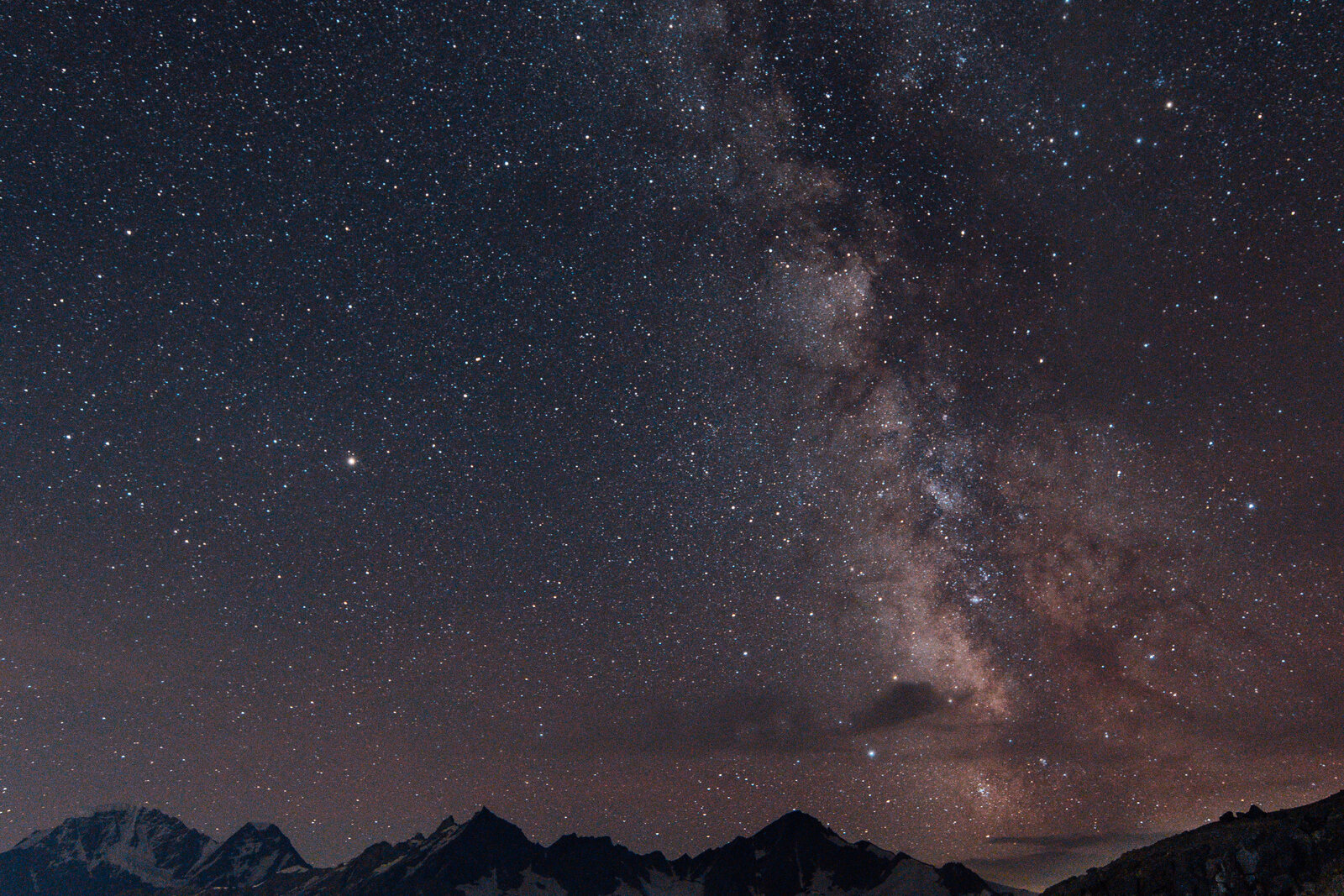
Beyond the tent, expect all meals — often a bush breakfast after the morning drive, a light lunch, afternoon tea and a candlelit dinner — plus daily game drives with an expert guide, sundowners at golden hour, and at the finest camps a butler who anticipates your every wish. Wi-Fi is usually available in the main areas, though we gently encourage you to switch off; the Serengeti is the best reason on earth to look up from a screen. Askaris escort you to your tent after dark, and the whole experience is run with warmth, professionalism and a deep love of the wild.
When to Go & What It Costs
The golden rule of a Serengeti tented safari is to match your camp to the migration calendar. If you want the calving and predator drama, aim for the southern plains and Ndutu from December to March. For the classic central game viewing, the Seronera is superb through much of the year. For the river crossings, base in the north from July to October. Because the herds move constantly, the camp's location matters far more than its name — and getting this right is precisely what we do for you.
On cost, luxury tented camps typically run from around US$500 to US$1,200 per person per night all-inclusive, with the most exclusive mobile camps in prime migration position reaching US$1,500 to US$2,500 or more per person per night in peak season. Rates almost always include meals, game drives and park fees. The shoulder months and the green season offer noticeably better value, and we will always show you where a small change of dates or camp buys a great deal more magic for the same spend.
| Where the Herds Are | When & Which Camp |
|---|---|
| Southern plains / Ndutu | Dec–Mar — mobile camps for the calving and predators |
| Central Seronera | Year-round — permanent camps, reliable resident game |
| Western corridor | May–Jul — Grumeti crossings, fewer visitors |
| Northern Serengeti / Mara River | Jul–Oct — mobile camps for the river crossings |
Ready to sleep under Serengeti stars?
Tell us when you would like to travel and what matters most — the migration, romance, big cats or value — and our specialists will match you to the perfect tented camp and build a seamless private safari around it.
Ready to explore? Browse our safari tours and packages →